Great news to start Monday – together we have achieved the necessary 100,000 petition signatures required for the House of Commons (UK Parliament) to hold a debate on the issue of snares. When we have news on a date being set and necessary actions, you will be informed via this site.
Well done everyone – you did it !
Regards Mark
Dear Mark,
Snares petition – you did it!!!
A huge thank you to the 100,000 plus compassionate and dedicated people who signed our government petition to ban snares – and to everyone who helped spread the word about the petition. Absolutely amazing work!
Our heartfelt gratitude, too, to all the groups – right across the spectrum – who have supported and helped the campaign, as well as the high-profile public figures, like Chris Packham, Peter Egan and Deborah Meaden, who also called for a ban on snares.
Having secured 100,000 signatures, we are now awaiting confirmation from the government on the date for the debate on snares. Ahead of the debate, we now need to quickly turn our attention to gaining political support: we need as many MPs as possible to support the campaign before the end of this parliamentary session.
This petition has now received over 100,000 signatures, which under UK Parliamentary rules, means that the issue is entitled to be considered for debate in the House of Commons by members of parliament (MP’s)..
We support the Committee’s letter asking for evidence to be published before any debate on this issue, so this can be discussed by MPs. Hopefully this will be by 21/4/22.
In a UK Government survey in 2012 it was found that three quarters of animals caught, killed or wounded in snares included animals such as badgers, hares, deer, otters and family cats and dogs i.e. not the intended targets.
Like landmines, snares are indiscriminate, because these wire traps can’t tell the difference between a fox, your family pet or a protected species.
As a result, the amount and diversity of animals that fall victim to these snare traps is immense. Snares capture any animal that happens to step into them. In 2012 a UK government study found that only around a quarter of the animals caught in snares were the intended targets (normally foxes). The remaining three quarters of the animals caught, severely injured or killed in these vicious nooses included hares, badgers, family cats and dogs, deer and even otters.
Based on the government’s 2012 research, we estimate that snares may be trapping up to 1,700,000 animals every year.
The Petitions Committee has written to the Secretary of State for Environment, Food and Rural Affairs to ask when the Government plans to launch its call for evidence on the use of snares, which was announced in the Government’s Action Plan for Animal Welfare.
The petition you signed, calling on the Government to make the use of free-running snares illegal for trapping wildlife, has passed the 100,000 signature to be considered for debate, and is currently waiting to be scheduled for a debate. The Chair of the Committee Catherine McKinnell MP, in her letter, states it would be preferable for the Government’s call for evidence to be published before any debate on this issue, so this can be discussed by MPs, and asks the Government to confirm when this will be published.
We will share the Government’s response with you when this is received, and will let you know as soon as a debate on the petition you signed is scheduled.
The Government’s Action Plan for Animal Welfare
The Government published its Action Plan for Animal Welfare in May 2021. This set out the Government’s plans, aims and ambitions across animal welfare, and included a commitment to launch a call for evidence on the use of snares. The Action Plan stated that “The government considers it timely to open this call for evidence to make sure it has the very latest understanding on this issue”.
A recent ‘One Poll’, commissioned by Animal Aid, has shown that the majority of people believe that it is always wrong to cause animals pain and suffering.
The poll asked the question, “Is it ever acceptable to cause pain and suffering to animals?”, to which 71% of people answered “no”. The results show, as Animal Aid suspected, that most people ‘want to be kind’ but are seemingly unaware that there are many things we do on a daily basis that cause animals pain and suffering – for the food we eat, for entertainment, in the wild, and in laboratories.
Most people wouldn’t dream of harming animals, but our daily actions can cause animals huge amounts of pain and suffering – from the food we eat, the entertainment we choose to attend, and from the products we buy and use.
In the second episode of our brand-new podcast, Conversations on Compassion, our hosts interview XCellR8 co-founder, Dr Carol Treasure about her journey into living with compassion. We learn everything from what inspired Carol on her journey, to the ethical implications of some scientific language – and if there’s such thing as an average day in the lab! Take a listen now
On Sunday 24th April it’s World Day for Animals in Laboratories and we’ll also be sharing some facts about some of the animals who currently suffer in laboratories – so keep an eye on our social media!
It has been hard to ignore the Cheltenham festival, which this year claimed the lives of four horses. Ahead of the Grand National, we’re asking people to support horses by not betting.
If you’re out and about in London, see if you can spot our adverts on London buses, a reminder that horse racing is a dead sport. We’d love to see your pictures, so do share these with us on social media – and be sure to tag us so we can see them!
This week, we’ll visit London, Bristol and Liverpool (Monday, Tuesday and Wednesday respectively) with our ‘ad-vans’. These will host mobile screenings of our brand-new film “71%”, narrated by the fantastic Benjamin Zephaniah – poet, author, musician and legend. You can watch the full film here!
Enjoy a compassionate Easter with animal-friendly treats for every bunny! 🐰
Find truffle-filled eggs, zesty chocolate bunnies, deliciously dark chocolate hens, white chocolate treats and much more! All proceeds go towards our work to help animals. 🙏
We want to say a big thank you to everyone who supported our campaign to #BanSnares! Together we have reached the target of 100,000 signatures – a month ahead of the deadline! We’ll update you with more details of this campaign in due course.
There are new fears over the extinction of badgers in some parts of the country following the Government’s latest cull of the animals. A total of 33,687 were killed last autumn through shooting and cage trapping – triggering fury among animal welfare campaigners.
The Mirror reports that figure takes to 174,517 the total number of the creatures killed since the cull began in 2013 – prompting warnings the species could struggle to survive in parts of the country. The Badger Trust said the death toll over the past nine culling seasons represented “over a third of the entire UK badger population”.
Executive director Peter Hambly described the latest statistics, revealed by the Department for the Environment, Food and Rural Affairs, as “nauseating”, adding: “The figures are appalling; the attack on badgers intensifies. With scant evidence that badgers spread bTB (bovine tuberculosis) to cattle, this assault on a much-loved wild animal is reaching catastrophic proportions and needs to stop now.”
However, chief veterinary officer Christine Middlemiss said: “I anticipate that intensive culls, if they continue to be effective, will continue to see similar benefits of reduced disease incidence in cattle over their licence periods.”
Natural England licensed “badger disease control operations” across southern and middle England, including in Avon, Berkshire, Cheshire, Cornwall, Cumbria, Derbyshire, Devon, Dorset, Gloucestershire, Hampshire, Herefordshire, Leicestershire, Lincolnshire, Oxfordshire, Shropshire, Somerset, Staffordshire, Warwickshire, Wiltshire, and Worcestershire. The killing took place between August 31 and November 2.
Natural England’s chief scientist Dr Tim Hill said: “Contractors continued to show high levels of discipline and compliance with the best practice guide. The level of accuracy of controlled shooting compares favourably with previous years and with other wildlife control activities.”
Experts blame badgers for spreading bTB around the countryside. More than 27,000 cattle in England were slaughtered in 2020 to tackle the disease.
Defra hopes to have a jab for cows by 2025, and eradicate bTB by 2035. And last July, Prime Minister Boris Johnson fuelled hopes the cull would be wound down.
He told MPs: “We do think that the badger cull has led to a reduction in the disease. Nobody wants to continue with the cull of a protected species, beautiful mammals, indefinitely.”
Mr Hambly warned: “The sickening total will continue to rise. We estimate the number of badgers killed will exceed 230,000 by the end of 2023, with further years of culling already locked into current expansion plans and four-year licences still to run.”
Shadow environment secretary Jim McMahon said the “impact of bovine TB is devastating”. He added: “Our approach to reducing bovine TB must be science-led, through improved cattle testing and accelerating the cattle vaccination programme, vaccinating badgers and better controls on the movement of herds.”
A Defra spokesman said: “Bovine TB is one of the most difficult and intractable animal health challenges that the livestock sector in England faces today. Our bovine TB eradication strategy has led to a significant reduction in this insidious disease.”
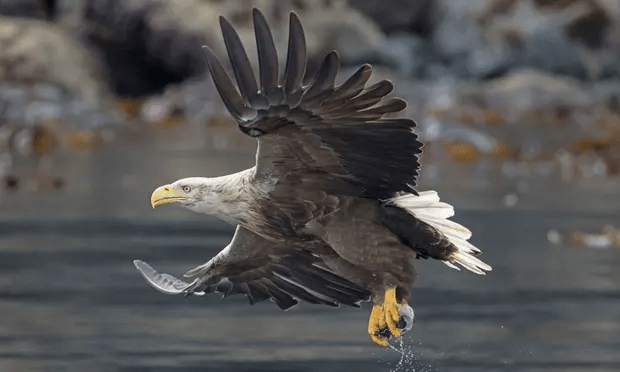
‘Living in a nature-depleted country, seeing such a large predator in the wild takes the breath away.’ A white-tailed eagle, the UK’s largest bird of prey. Photograph: Mike Crutch/Forestry England/PA
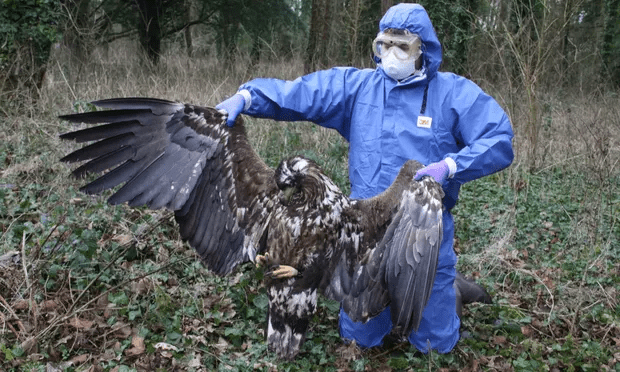
Dorset police launched an investigation into the eagle’s death after it was found on an unnamed estate in January. Photograph: Dorset Police/PA
Dead eagle found in Dorset was poisoned but case closed, police confirm
Rare white-tailed eagle had high level of rodenticide in its system but no further police action will be taken
A rare white-tailed eagle found dead in Dorset was poisoned, police have confirmed – but they have shut the case, in a decision the RSPB has called “baffling”.
The eagle was one reintroduced on the Isle of Wight, where a successful programme has been taking place since summer 2019. The white-tailed eagles had become extinct in the UK in the early 20th century after they were poisoned and shot by gamekeepers.
Those who run shoots are often opposed to birds of prey being in the area, as when they fly over a shoot, the birds scatter. They also occasionally prey on game birds.
The eagle was found dead on an unnamed estate in Dorset in January, and police launched an investigation into its death. Many conservationists in the area suspected it had been poisoned.
The toxicology results have confirmed the eagle had high levels of brodifacoum, a rodenticide, in its system. But police have closed the investigation and will not be naming the estate on which the dead eagle was found.
A spokesperson for Dorset police said: “An investigation under section 1 of the Wildlife Countryside Act 1981 was carried out in conjunction with the RSPB, Natural England, National Wildlife Crime Unit and the Roy Dennis Wildlife Foundation. A detailed examination and tests have been carried out on the bird, which were inconclusive, and it has therefore not been possible to confirm that any criminal offence has been committed.
“While high levels of brodifacoum were detected, it has not been possible to establish whether this was as a result of a deliberate act or due to secondary rodenticide poisoning. As a result, no further police action will be taken in relation to this report.”
An RSPB spokesperson said: “We are completely baffled by the decision of Dorset police to end the white-tailed eagle investigation so prematurely.
“Brodifacoum – the rodent poison that killed the eagle – is highly toxic and it is clear that it was either used incompetently or with intent to kill the eagle – either way an illegal act.”
Regards Mark
*** Additional information relating to the above: ***
Excellent article from ‘The Guardian’ (London as always:
‘Loder told the Guardian he did not feel he was influenced by the money from the estate, and his distaste for eagles in his constituency was because he had fears for their impact on farming. He said he had spent much time campaigning for animal welfare since being elected’.
MP who said eagles not welcome in constituency received funds from shooting estate
This article is more than 1 month old
West Dorset MP Chris Loder caused outrage when he seemed to imply police should not prioritise eagle death
A Conservative MP who said eagles are not welcome in his constituency had his election campaign funded by a shooting estate, the Guardian can reveal.
The West Dorset MP, Chris Loder, caused outrage when he seemed to imply police should not be prioritising the investigation of the recent death of an endangered white-tailed eagle, found dead on an estate in his constituency.
After police confirmed there was a multi-agency investigation into the death of the eagle, including a toxicology report, Loder said: “Dorset is not the place for eagles to be reintroduced. I’m not challenging government for more money for Dorset so it goes on this.” He added that officers should be focusing on crimes such as those involving county lines gangs instead.
The eagle was one reintroduced on the Isle of Wight, where a successful programme has been taking place since summer 2019. The eagle went extinct in the UK in the early 20th century after they were continually poisoned and shot by gamekeepers.
Loder’s 2019 election campaign benefited from a £14,000 donation from the Ilchester Estates, which runs shoots in his constituency. Those who run shoots are often opposed to birds of prey being in the area, as when they fly over a shoot, the birds scatter, disappointing those who paid to kill them. They also occasionally predate on game birds.
The estates are run by Charlotte Townshend, an aristocrat worth almost £500m who has both farming and shooting interests. She also says she is the only person other than the Queen who is allowed to own swans.
Neither Townshend nor a spokesperson for the Ilchester Estates could be reached for comment, and there is no suggestion the eagle died on their land, nor because of anyone associated with the estate. The police have not as of yet revealed where the eagle was found.
Loder told the Guardian he did not feel he was influenced by the money from the estate, and his distaste for eagles in his constituency was because he had fears for their impact on farming. He said he had spent much time campaigning for animal welfare since being elected.
Loder added: “My views on sea eagles come from me being a farmers’ son and my continued best efforts to represent the needs of West Dorset’s farming community. I am not convinced that sea eagles being here are in their best interests. No briefing or consultation has taken place with me or others that I know of by Natural England, campaigners, nor the RSPB to explain how these risks are managed, nor to inform the farming community that indeed these birds are in Dorset.
“My policy views are formed in the best interests of the rural community I represent, which is also my home and where I was brought up. Any suggestion that I have been unduly influenced in this view is completely wrong.”
The Guardian understands that the government is considering action to stop raptor persecution on shooting estates by tightening licences in problem areas. There were 137 cases of confirmed raptor persecution in 2020, according to the RSPB.
Rebecca Pow, an environment minister, said: “There is always more we can do to tackle wildlife crime and we will carefully consider all of the UN’s recommendations – including those relating to raptor persecution – to help us build on the positive progress we have already made. Defra [the Department for Environment, Food and Rural Affairs] sits on the police-led Raptor Persecution Priority Delivery Group, which takes forward activities to raise awareness and facilitate intelligence and incident reporting, leading to increased prevention and enforcement activity.”
Luke Steele, the executive director of Wild Moors and a campaigner against raptor persecution, urged that this crackdown be implemented “without delay”, adding: “Birds of prey including eagles, hen harriers and red kites have a rightful place and an important ecological role in the British countryside. To persecute them to preserve game birds for sports shooting flies in the face of the 68% of the public who support reintroduction of birds of prey.”
The sight of a magnificent white-tailed eagle has once again become common for those lucky enough to live in the flight path of those recently introduced to the Isle of Wight. Thousands of Britons have seen and heard the giant two-metre wings beating overhead, and seen the cruel-beaked birds dramatically dive for fish. For us, living in a nature-depleted country, seeing such a large predator in the wild takes the breath away.
White-tailed eagles were driven to extinction in Britain in the early 20th century, and persecution by landowners was the leading cause. Shot at and poisoned by those hoping to protect their game birds, Britain’s largest bird of prey didn’t stand a chance.
Yet thanks to the work of conservationists, these raptors are now frequently spotted in the skies above the Isle of Wight and Scotland – and sometimes even further afield. It’s the result of years of breeding programmes and negotiations with the Scottish and English governments.
But the tragedy that originally robbed us of perhaps our most awesome airborne predator looks as though it could repeat itself. Two of these giants have now been found dead on estates in Dorset and Sussex. While the cause of death has not been established, the multi-agency police investigation suggests that foul play could have been involved.
Currently, officers are conducting toxicology reports, suggesting they believe the eagles could have been poisoned.
Sadly, this is all too common. In 2020 there were 137 confirmed incidents of raptor persecution, according to RSPB figures. However, these are only instances where a body is found quickly enough to determine the cause of death. Many more tagged birds of prey simply disappear, never to be seen again. A 2019 study found that of 58 hen harriers tagged over 10 years, 72% were either “confirmed to have been illegally killed or disappeared suddenly with no evidence of a tag malfunction.”
Gamekeepers have previously been found to be behind the poisoning of our raptors, as they prey on grouse and other birds stocked by estates for shooting parties. A bird of prey soaring above a shoot also makes the birds scatter, disappointing those who have paid to kill them. After a series of poisonings of rare white-tailed eagles on grouse estates in Scotland, the Scottish government took action, suspending general shooting licences in the hope it would reduce these crimes. But sources at the Home Office have told me it is very difficult to secure prosecutions for the crime of taking an endangered bird out of the sky.
And for many of the Conservative MPs who represent constituencies full of shooting estates and the homes of the landed gentry, wildlife crime is not a priority. Chris Loder, MP for West Dorset, has said that eagles are not welcome in his constituency and suggested that the police shouldn’t even be investigating their deaths.
Member of Parliament (MP) Loder says he does not feel he was influenced by the money he received from the estate. Photograph: Finnbarr Webster/Getty Images
He said: “Dorset is not the place for eagles to be reintroduced. I’m not challenging government for more money for Dorset so it goes on this. I don’t condone this at all, but I want Dorset police to focus on county lines rather than spend time and resources on this.” The local wildlife crime team pointed out to their representative that county lines gangs are not in their jurisdiction, that they work overtime to help Britain’s wildlife, and that wildlife crime is often linked to other serious crimes, including gun offences.
What message is Loder sending to those who want to kill wildlife in west Dorset? The MP has essentially given them a free pass, and signalled that eagles are not welcome in the skies above his constituency. And, despite what Loder says, eagles were not reintroduced specifically to Dorset; rather they flew out of the constituencies of wildlife-friendly MPs into those represented by the likes of Loder.
His constituents could benefit from the eagles if they were to be reintroduced – a study found that those released on the Isle of Mull in Scotland brought millions to the economy, as people travelled to see the birds and spent money in local businesses.
But his attitude perhaps comes as no surprise. Of the 10 biggest landowners in Dorset, eight are country estate owners, and many of these host shoots. This is not to say they had anything directly to do with the raptor deaths, but it perhaps shows why the MP is likely to consider the traditional concerns of the landed gentry over the right of everyday British people to enjoy wildlife.
The problem is, there is no way to meaningfully help these birds recover and properly repopulate in the UK if there are no real consequences for those who kill them. Unless those who own estates are properly held to account for poisoned birds found on their land – perhaps having their shooting licences suspended until they can get a handle on crimes occurring under their noses – this will likely keep happening.
There are few things that make me shake with anger more than the idea of a rare and magnificent bird curling up to die, a burning stomach full of poison, never to fly again. But even those who do not feel so strongly about this matter should take issue with the fact that criminals are getting away with destroying our wildlife and the country’s natural legacy, and we are seemingly powerless to stop it.
Until those who own estates are held to account for what happens on their land, I am afraid history may repeat itself and we may once again see our largest bird of prey silently slip into extinction.
Helena Horton is an environment reporter for the Guardian
WAV Comment: well said Helana; with you and your comment all the way.
After hearing from PETA, Southeastern Grocers (the parent company of Winn-Dixie) ended purchases from Culver Duck Farms! Ask other companies to reconsider their relationship with the company, as birds will continue to suffer in dank sheds at Culver as long as companies continue to sell their flesh.
Watch whistleblower footage here – and then take action:
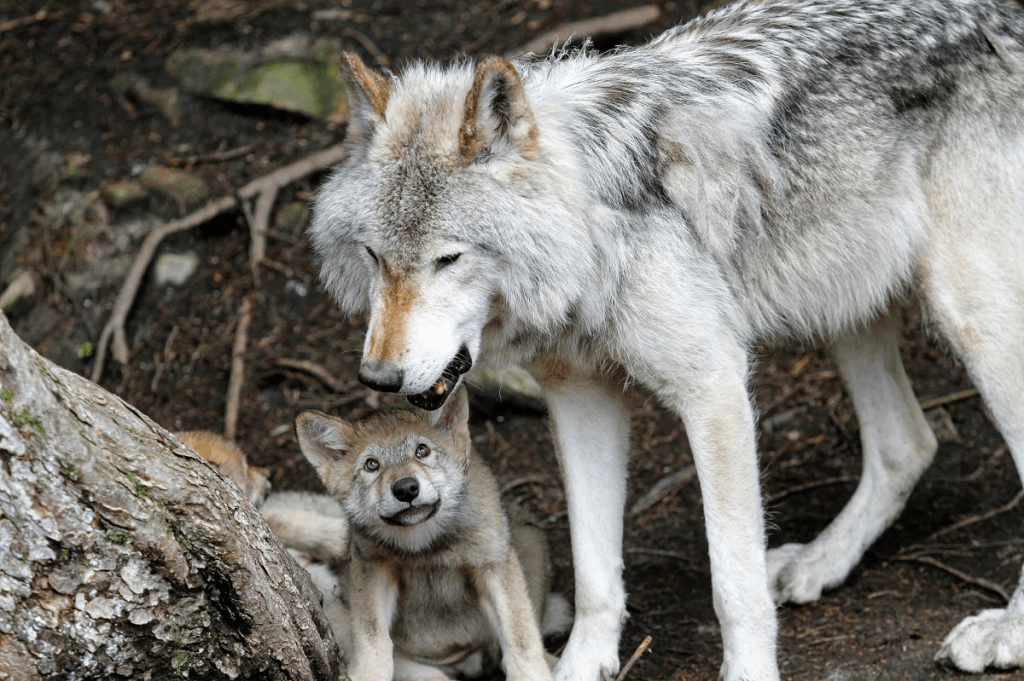
There’s good news, and there’s bad news: Although gray wolves in 44 states are once again protected under the Endangered Species Act, those in Idaho, Montana, Wyoming, and portions of several surrounding states continue to be unprotected. These animals are in danger of potentially being massacred. Help them by contacting the secretary of the interior today.
Update: March 7, 2022 Some good news for gray wolves! On February 10, a U.S. district court reinstated federal protections for gray wolves across much of the country, ruling that the U.S. Fish & Wildlife Service had failed to show that wolf populations could be maintained once the animals’ protections under the federal Endangered Species Act (ESA) were removed. Although gray wolves in 44 states will once again be protected under the ESA, those in the Northern Rocky Mountains—Idaho, Montana, Wyoming, and portions of several surrounding states—continue to be unprotected by it, even though these states have declared open season on massacring these animals!
Please contact Secretary of the Interior Deb Haaland via this online e-mail form and urge her to implement immediate emergency protections for gray wolves and to reinstate full federal protections for them under the ESA.
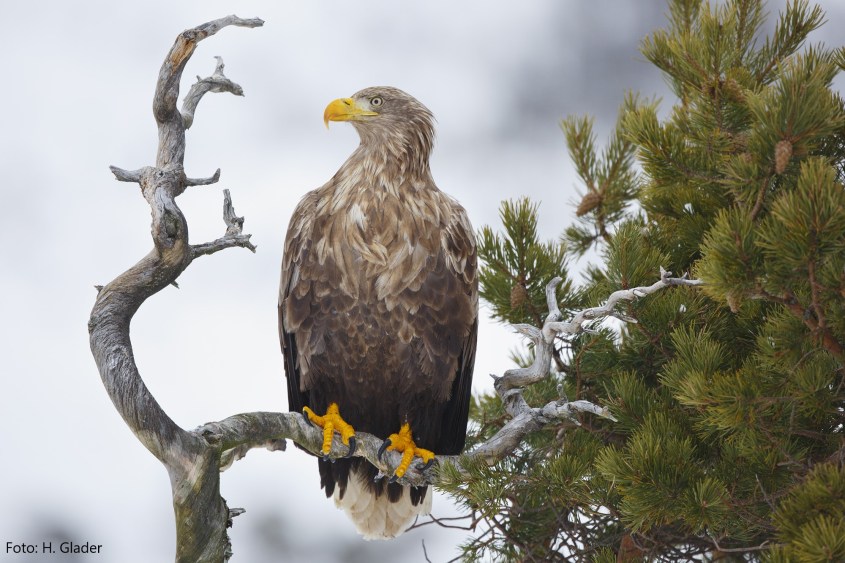
White-tailed eagle shot down in Saxony – Anhalt(Germany)
“Flight recorder data” convict hunters as perpetrators! Last week, a strictly protected white-tailed eagle was shot down by an irresponsible hunter in the state of Saxony-Anhalt.
What the shooter didn’t know:
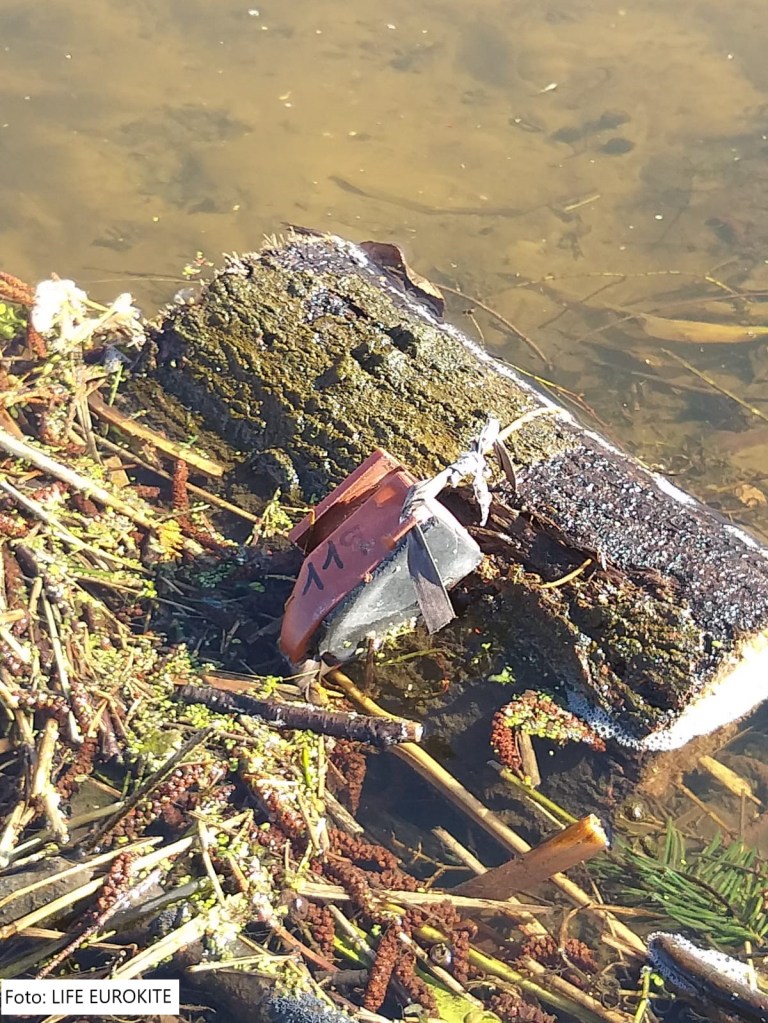
The rare bird of prey carried a GPS transmitter from the LIFE EUROKITE species protection project, which – like a flight recorder – precisely recorded the course of the crime.
According to the project manager Dr. Rainer Raab, it is the first time in Germany that the illegal shooting down of an eagle with the help of a transmitter could be documented meticulously and to the meter.
The evaluation of the transmitter data showed that the carcass was transported to a residential building after the death on February 24 and kept there overnight.
After a check revealed that the address was the residence of the responsible hunting tenant, the nature conservation authority carried out an inspection there.
Confronted with the allegations, the 81-year-old man admitted shooting down the eagle with a hunting rifle and taking it home with him.
Apparently, the man didn’t notice until the next morning that the bird was wearing a transmitter.
In order to cover up the crime, according to the nature conservation authority, the transmitter was tied to a piece of wood and thrown into the Biese river the following day.
The dead bird was also later “disposed of” in a body of water. During a search, both the eagle and the transmitter were recovered and secured as evidence.
White-tailed eagles are one of the strictly protected bird species in Germany and enjoy a year-round closed season.
The committee against bird murder and LIFE EUROKITE have now filed criminal charges for violating the Federal Nature Conservation Act, the Animal Welfare Act and the Federal Hunting Act.
If convicted, the accused hunter faces up to five years in prison, a hefty fine and the withdrawal of his hunting license.
And I mean…According to the Committee against Bird Murder, a total of 1,626 cases with more than 2,213 victims have become known in Germany since 2005, including 67 white-tailed eagles.
In Saxony-Anhalt in particular, 40 cases have been reported in recent years, including 15 captures, 10 nest destructions, seven shootings, six cases of poisoning and two cases of illegal husbandry.
And that’s just the tip of the iceberg; as experience has shown that more than 90% of all crimes go undetected.
The perpetrators who have been convicted to date are almost always pigeon or poultry breeders or hunters who regard birds of prey as competitors.
This case happened on March 1st and both the prosecutor’s office and the police who took over the investigation have not provided any information on the case yet!!
One speaks of the revocation of the hunting license in this case.
Based on previous experiences, no effective conviction of the killer can be expected
And that’s why no one obeys the law.
How about a monkey used in a TV show, surely that can’t be wild?
The term “wild animal” comprises those species of which populations still exist in a wild state, in the country of origin – a species whose collective behaviour, life cycle or physiology remains unaltered from the wild conspecific despite their breeding and living conditions being under human control for multiple generations. This means that a lot more animals than most people realise really are wild. Picking up, handling, keeping, feeding and playing with a wild animal is vastly different than for animals that we call domesticated animals.
Domesticated animals, like our cats, have been selectively bred over thousands of years and generations and are genetically determined to be tolerant of humans. So, they often lack natural instincts that would help them survive in the wild, allowing them to avoid fear, and in many cases seek out the attention of people.
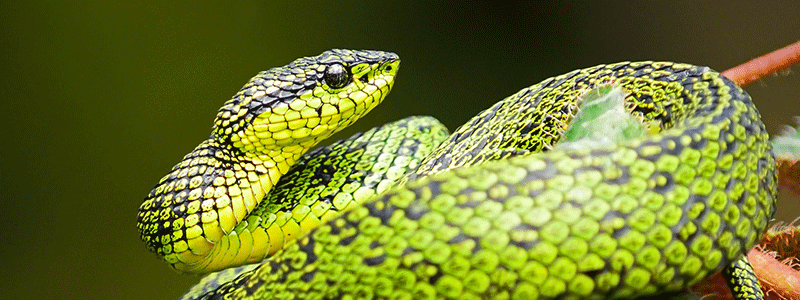
But wild animals have the natural instincts to survive in the wild. Humans are not a part of that wild, or at least if they were, they would be a threat to these animals’ safety. So, when we play, cuddle and pet wild animals (like reptiles, birds or snakes), while they may not look or sound distressed, in fact their instincts are telling them they are in danger and they often exhibit behaviours, that only animal behavioural experts can detect, that show they are suffering greatly.
Moreover, these animals are hardwired to need a wide range of conditions that only nature can provide. Being transported, trained, caged and confined doesn’t allow these animals to live how they naturally need to.
So how does Eurogroup for Animals work to protect wild animals?
What – A Positive List is a list of animals that are allowed to be kept and traded. This tool is the single most effective and efficient measure to reduce the suffering of exotic animals being kept unsuitably as pets in Europe.
Why – There are more than 200 million pets in Europe, including mammals, birds, reptiles, fish and amphibians. However, many species, especially exotic animals, are unsuited to a life in captivity. This may result in severe animal welfare problems, and can also be detrimental to biodiversity, have a negative impact on public health, and present a danger to the health of other animals.
How can you help? – Click on this link to log into the Conference on the Future of Europe website, and endorse our “IDEA” on the Positive List.
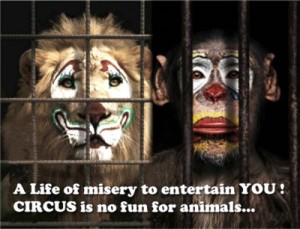
What – Use of wild animals in circuses is not only a problem for animal welfare, but also an important issue of public safety and security. Wild animals are unpredictable and can be very dangerous to people. The temporary nature of travelling circuses and the close proximity of these animals to the public means that this type of public entertainment can never be entirely safe. 24 EU Member States already adopted a national ban, why not the remaining three? (Germany, Italy, Spain).
Why – 478 incidents involving 889 wild animals have been recorded in EU circuses in the past 24 years – Read this report on Wild Animals in EU Circuses : Problems, Risks and Solutions.
How can you help? – Click on this link to log into the Conference on the Future of Europe website, endorse our “IDEA” on the EU-wide ban of wild animals in circuses.
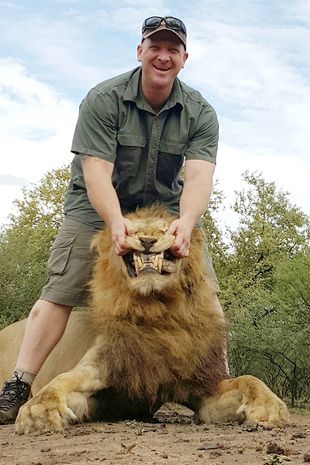
What – Trophy hunting is the hunting and killing of animals for sport or pleasure, in order to acquire parts, or whole bodies as trophies. Current EU legislation allows the import and export of hunting trophies from threatened and protected species.
Why – The EU is the second largest importer of hunting trophies, and since 2016, the largest importer of lion trophies in the world. Many species victim to trophy hunting are classified as vulnerable, endangered or critically endangered in the IUCN Red List of Threatened Species, such as the African elephants and lions, and their populations must be protected to conserve our natural heritage.
How – EU Ban on the import of Trophy Hunting into the EU. This should be a priority in the revision of the Action Plan against Wildlife Trafficking
What – Wolves and other large carnivores are strictly protected species in the EU, thanks to the highly successful Habitats Directive and the Bern Convention on the Conservation of European Wildlife and Natural Habitats. Sometimes, when the appropriate protective measures are not used, wolves can depredate livestock leading to conflict between wolves and livestock farmers.
Why – Lobby groups are trying to change the conservation status of wolves and other large carnivores. This will set a bad precedent for other animals and will allow the brutal killing of more wolf families.
How can you help? – Sign this petition to stop the hunt of 20 wolves in Finland. Help in his area could set an example for other Member States doing the same thing.
What – Invasive Alien Species (IAS) are animals and plants that are introduced accidentally or deliberately into a natural environment where they are not normally found, with serious negative consequences for their new environment. The EU IAS Regulation requires restrictions on keeping, importing, selling, breeding and growing. Member States also need to ensure they reduce introduction pathways for invasive species, they need to be able to detect and eradicate newly invasive species, and manage longer term and to manage species that are already widely spread in their territory. This should be done through effective, non-lethal methods that reduce animal suffering as much as possible.
Why – Currently, the regulation has resulted in the hunting and non selective trapping of huge numbers of individuals causing immeasurable suffering of animals in the list of Invasive Alien Species of Union concern (the Union list). These animals also become labelled as “pests” and “vermin”, meaning welfare concerns are often ignored. The same can be said for other animals that are not on the list.
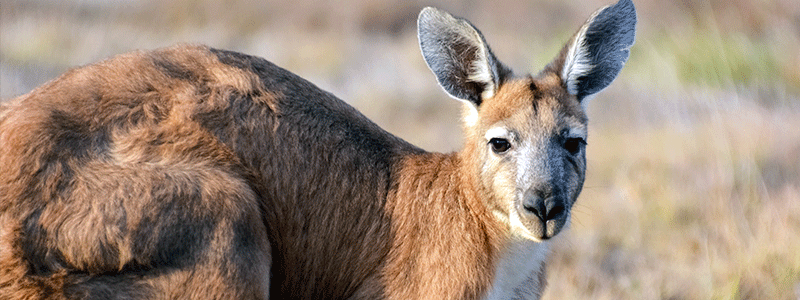
End the import of kangaroo meat and skin products into the EU
What – In the last couple years, the EU has been Australia’s main market for the country’s kangaroo meat and skin exports. There are three major concerns with kangaroo hunting:
Animal welfare – this hunting is cruel as up to 40% of kangaroos that are commercially killed are not shot in the brain, as required, and joey’s skulls are often crushed by swinging their heads against a vehicle.
Animal conservation – there are serious doubts about how Australian authorities are counting certain species.
Sanitary concerns – dead kangaroos are transported, sometimes all night long, in unrefrigerated open trucks and kangaroos harbour multiple pathogens including salmonella species and toxoplasmosis. Kangaroo meat is routinely washed with lactic or acetic acid to reduce and hide the systemic contamination.
Why – Although these animals are suffering in Australia, the EU can act by prohibiting the imports of kangaroo meat and products.
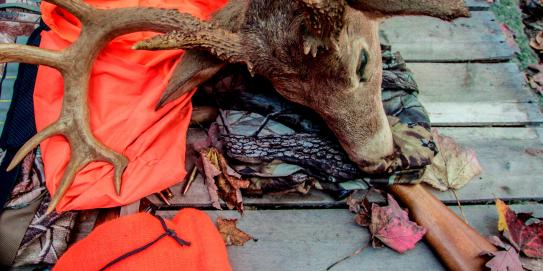
Hunters always claim that they are the sole “experts” for wildlife and nature conservation, that they only have the “expertise” because only they have the so-called “Green Abitur”.
Let’s take a closer look at this “hunter training”.
Anyone in Germany over the age of 16 can register, there is no upper age limit.
Only an entry-free police clearance certificate is required. Any prior training to obtain a hunting license is otherwise not required. Not even a high school diploma is a requirement.
Most of the candidates for a hunting license have hardly any relation to the future field of activity.
Hunting training is already available today in a two-week course, and sometimes even a pass guarantee is advertised.
Training amounts to 120 to a maximum of 180 training hours.
In the courses of the district hunting associations, which last several weeks, the number of hours does not increase as a result.The majority of the subject matter falls on the subjects of gun law, hunting law, weapon handling, hunting dogs, hunting methods, customs, “care” for later animal use or the like.
The actual nature conservation, ecological and wild animal biology teaching units are usually reduced to well under a third of the total teaching hours.
This is just enough to deal with the animals that you want to hunt in a kind of rough profile – comparable to prepared lay knowledge from pharmacy booklets.
Elementary basic biological knowledge that would be required to understand the complex relationships in flora and fauna remain largely unknown to those with a hunting license.
In this milieu there is a lack of any required knowledge about wild animals, their social ecology, interaction, ethology, population biology and so on.
The exam questions are dealt with in a multiple-choice procedure.
The individual surveys are compiled from a catalog of questions that can be downloaded anywhere on the internet together with the answers.
Some have to be answered orally.
It is even reported that a “certificate of expertise in nature conservation”was also attested to hunting license examiners who failed orally.
Even the shooting skills that are taught are often not sufficient to hit an animal deadly in every situation.
Further training is voluntary in all areas.
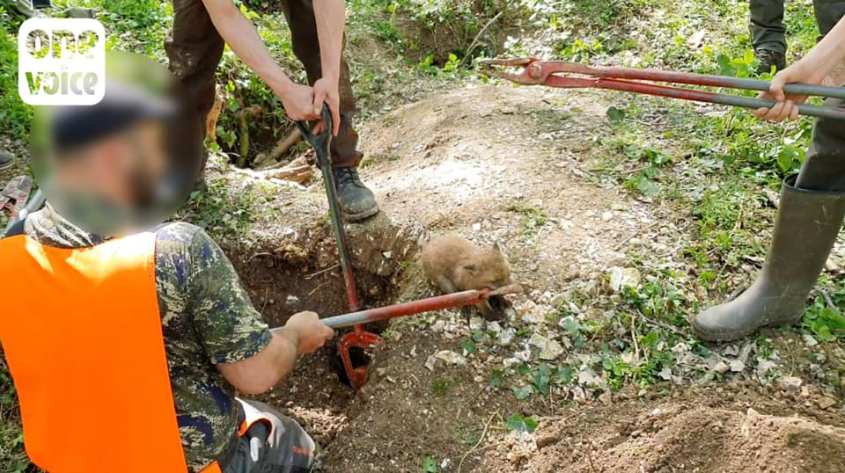
Among other things, the following is offered: trap hunting courses, courses on how to hunt foxes in the den, how to attract animals, crow hunting seminars, high seat construction.
All areas related to the direct hunting and killing of animals.
Training courses on wildlife biology, species or nature conservation are almost never found.
Let’s make it clear: the hunting license is enough for leisurely killing of animals, which is often painful.
And to achieve an impressive arrogance towards the lives of others.
In his book: “Hunters where?” the hunter Bruno Hespeler writes the following about the training of hunters:
“Let’s think about whose knowledge we claim for ourselves – even if only in certain areas: zoologists, biologists, ecologists, veterinarians, qualified foresters, qualified farmers, zookeepers, lawyers and gunsmiths. Each of these professions requires a training period of between six and ten years. Farming and forestry, for example, is inevitably dealt with in many young hunter courses over four or five evenings plus a hike in the woods… Overall, the lessons are anyway based on the most likely test questions, not on well-founded basic knowledge.”
So who are we to believe that hunting is a contribution to the ecosystem?
Definitely not a hunter.
The hunting license is only enough to kill.
And I mean…We all know- hunting is murder.
It is unproductive and does not regulate wild animals, as hunters claim over and over again.
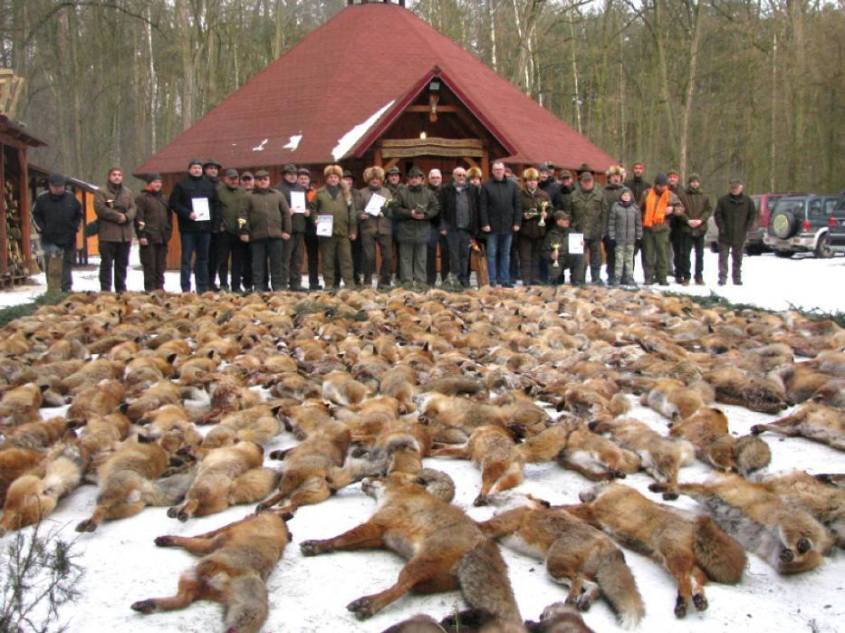
It is estimated that up to 10 million wild animals, dwellers such as deer, wild boar, foxes, but also several hundred thousand cats and dogs are ruthlessly and stealthily killed while hunting each year; the number of unreported cases is said to be far higher.
Many of the wild animals die a painful death because they suffer serious gunshot wounds from hobby hunters, but are still able to escape.
Hunters still enjoy privileges; Although the protection of animals has been enshrined in the German Basic Law since 2002, hunting law has not yet been adapted to the state goal of animal protection.
This is thanks to a powerful hunting lobby that ignores wildlife ecological, ethnological and cognitive-biological findings as well as the changed social attitude towards hunting.
The only reason one goes hunting is because it gives pleasure and gratification to one’s urges.
Speaking of urges: pedophilia and rape are not socially accepted either.
And those who can’t control their urges here receive psychological therapy or are locked away.
Nor is the killing of animals as a hobby accepted by the majority of the population.
From Magazin “Der Spiegel”:02/26/2022
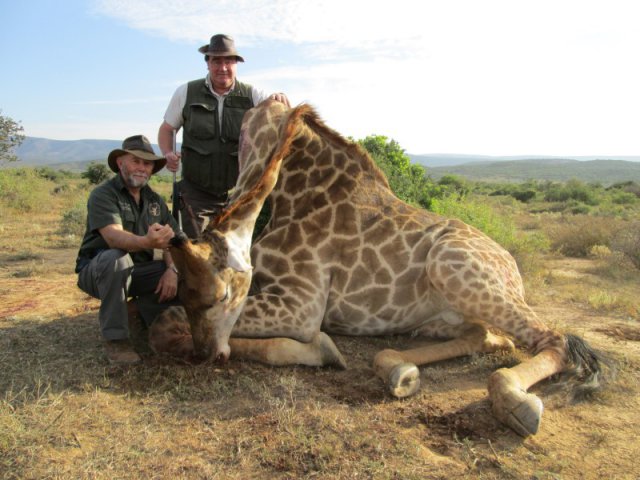
The South African government allows hunting of endangered species – including black rhinos, which are classified as critically endangered. The proceeds will go to impoverished villages.
South Africa has cleared a number of endangered species for shooting. “A total of 10 black rhinos and 150 elephants can be hunted,” said the country’s Ministry of Forests and Environment. Some leopards will also be shot under certain circumstances.
Proceeds from the sale of hunting licenses go to impoverished rural communities in the hunting areas.
Black rhinos are listed as critically endangered by the International Union for Conservation of Nature.
The number of animals in the wild had recently doubled from an all-time low three decades ago to more than 5,000.
The ministry said the quota allocated was based on population estimates “which are currently trending upwards.”
In 2014-2017, black rhino poaching had increased dramatically.
On average, 1,000 animals per year were illegally killed during this period. However, the problem could be contained. Last year, 451 black rhinos were illegally killed.
The official hunting quota for elephants has been set in accordance with international laws on trade in endangered species, the ministry said. The elephant population is growing (!!!) and 150 animals is less than 0.3 percent.
According to the ministry, hunting of leopards is limited to animals over the age of seven (!!!) and only in regions where the populations are “stable or increasing”.
And I mean…If a hunter buys such a license, can the animal stay alive?
No! because the hunter wants something for his money, namely satisfying the desire to end a life.
This is blood money.
There has never been a worse excuse to legitimize hunting and poaching.
This is an excuse to bring rich big game hunters into the country.
Any Saudi prince or son of American politicians will take great pleasure in pulling the trigger.
Or can the old king of Spain do it again…
What a disgusting perversion…
Nobody has lost anything in the habitats of these animals.
Rhinos defend their calves should someone get too close to their habitat.
Elephants and leopards too, by the way.
Because humans don’t respect their habitats and rob them, the simplest “solution” always comes up: shoot them down.
Shame on South Africa!
The goal must be for Africa to benefit from its biodiversity and intact nature without destroying it.
And quite frankly now: if a country like South Africa isn’t even able to help these impoverished regions without shooting down these endangered animals, then something suspicious is afoot



















 After a check revealed that the address was the residence of the responsible hunting tenant, the nature conservation authority carried out an inspection there.
 In order to cover up the crime, according to the nature conservation authority, the transmitter was tied to a piece of wood and thrown into the Biese river the following day.
 White-tailed eagles are one of the strictly protected bird species in Germany and enjoy a year-round closed season.


 Anyone in Germany over the age of 16 can register, there is no upper age limit.
 In the courses of the district hunting associations, which last several weeks, the number of hours does not increase as a result.The majority of the subject matter falls on the subjects of gun law, hunting law, weapon handling, hunting dogs, hunting methods, customs, “care” for later animal use or the like.
 In this milieu there is a lack of any required knowledge about wild animals, their social ecology, interaction, ethology, population biology and so on.
 Further training is voluntary in all areas.
 In his book: “Hunters where?” the hunter Bruno Hespeler writes the following about the training of hunters:
 South Africa has cleared a number of endangered species for shooting.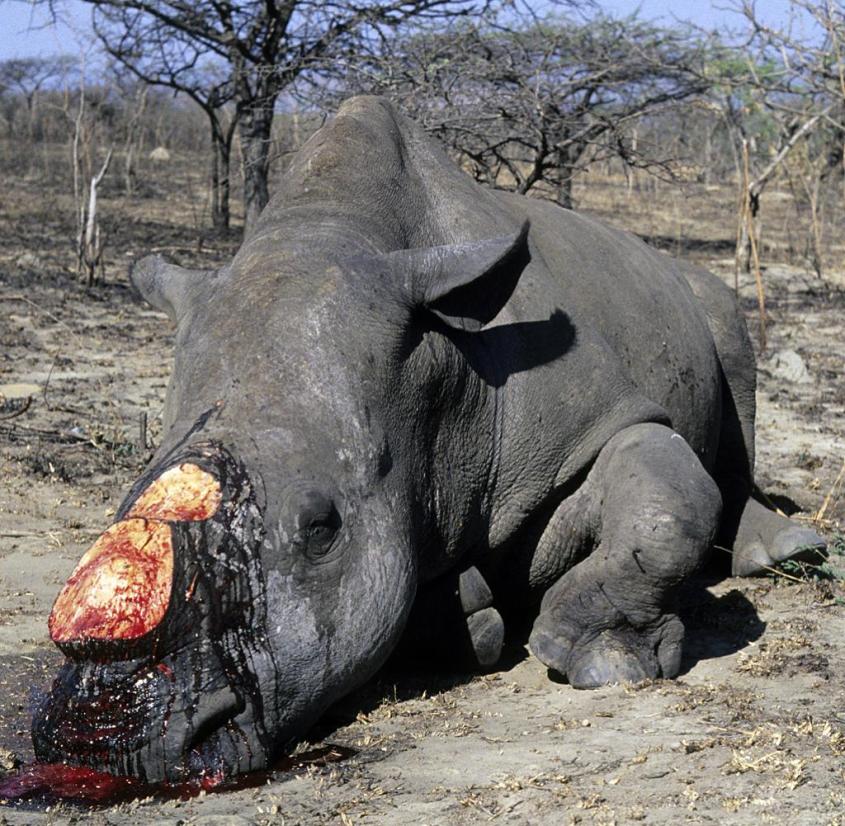
 According to the ministry, hunting of leopards is limited to animals over the age of seven (!!!) and only in regions where the populations are “stable or increasing”.
