Category: Hunting

Maltese bird smuggler caught in Italy

Committee against Bird Murder e.V. (CABS)

Strike against bird smuggling from Italy to Malta – After months of surveillance in Villa San Giovanni (Calabria), the Italian financial supervisory authority (Guardia di Finanza) has caught a well-known Maltese businessman with more than 1,000 illegally caught goldfinches, chaffinches, and hawfinches.

The birds were hidden in a van that the former diamond dealer wanted to use to take the ferry to Malta. On the black market there, the charge would have been worth between 75,000 and 100,000 euros.
The birds are now flying free again, a video of the release and the smuggling vehicle has now been published on Youtube:

The committee congratulates the Italian police on this great success but also points out that the Maltese authorities had already been informed about the smuggling activities of the man who was now arrested since 2018 and apparently remained inactive.

In order to combat the illegal fishing of finches in Malta in spring, the committee will be present on the Mediterranean island with two teams in March and April 2021.

https://www.facebook.com/Komitee.CABS/

And I mean…Criminal methods are used by hunters on the Mediterranean island of Malta at a mafia-style!

With 385,000 inhabitants, of which 14,000 are registered as hunters and 8,000 as trappers, the archipelago has the highest population density as well as the highest “hunter density” in Europe.
Another 3,000 or so illegal hunters are added, making a total of 25,000 bird hunters in Malta.

And that on a land area (316 km2) that is smaller than Lake Garda

Bird hunting and trapping have a long tradition in Malta. The so-called “trapping” in particular has an important social component. Instead of going to the football field, people catch birds on Sundays.

80% of the hunters collect shot birds stuffed as trophies. That is, the motivation to hunt does not result from the desire to have something edible on the table, but to complement the missing species in the living room showcase.

When Malta joined the EU, in 2004, it was required to integrate the directive into its national legislation, but according to Birdlife Malta and CABS, successive Maltese governments have been lax in preventing trapping.

In June 2018, the European Court of Justice ruled that Malta had violated the directive by introducing too many exemptions and failing to implement adequate enforcement measures.
In October 2018, in response to the June ruling, Malta lifted its rules on the fall live capture of finches and only allowed the catching of golden plover and song thrush.

But Birdlife Malta and CABS, which were searching the island for illegal activity, reported that nothing had changed.

My best regards to all, Venus

Germany: successful year against the hunt

This year we have an excellent record against the hunt.

1) According to the New Press” _Magazin in Frankfurt, 100 high seats had been eliminated by animal rights activists until July 2020.

Quotes from the newspaper report: “The perpetrators used brute force. Where they couldn’t saw, they bent the metal ladders.” Everything is now unusable, “says the tenant.

(Brute force is only used by hunters against defenseless animals.
Therefore we are pleased that at least from these places no animals are shot anymore)

2) It is a concerted action that began in Hessen in February with the destruction of 42 high seats in the city forest.
The damage is estimated at 20,000 euros.

(What a crap!!
The hunters build a high seat with wood, which they loot from the trees of the forest, and costs a maximum of 100 euros each. And most of them aren’t  legal!)

3) The police and the public prosecutor are currently investigating who is responsible for the destruction.

Senior Public Prosecutor Nadja Niesen confirmed: “We are investigating unknown persons because of property damage.”
The police are not investigating for property damage, but for “politically motivated crime” (!!!)

(The crime is not that someone destroyed the cruel high seats, but that they exist at all).

4) So announces the hunting tenant to go hunting with mobile high stands in the future – smaller, collapsible ladders that can be leaned against a tree.
However, it is inconvenient. “When hunting wild boar, we often have to wait for hours in the raised hide in winter.”

(Clear! who is looking for a victim in the forest has to work hard.
And most of the murder seats will be paid – like the others – with money from the community)

https://www.fnp.de/frankfurt/hessen-frankfurt-schwanheim-bergen-enkheim-tierschutzaktivisten-faellen-hochsitze-polizei-staatsanwaltschaft-13835089.html

My best regards to all, Venus

Finland: Wolf killers on the go

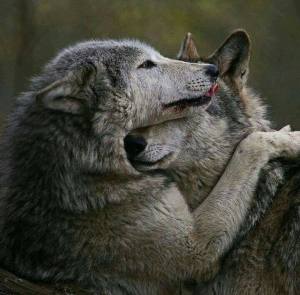
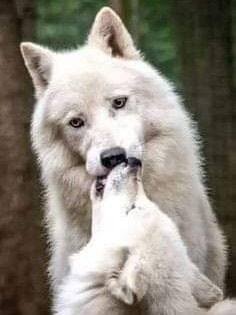
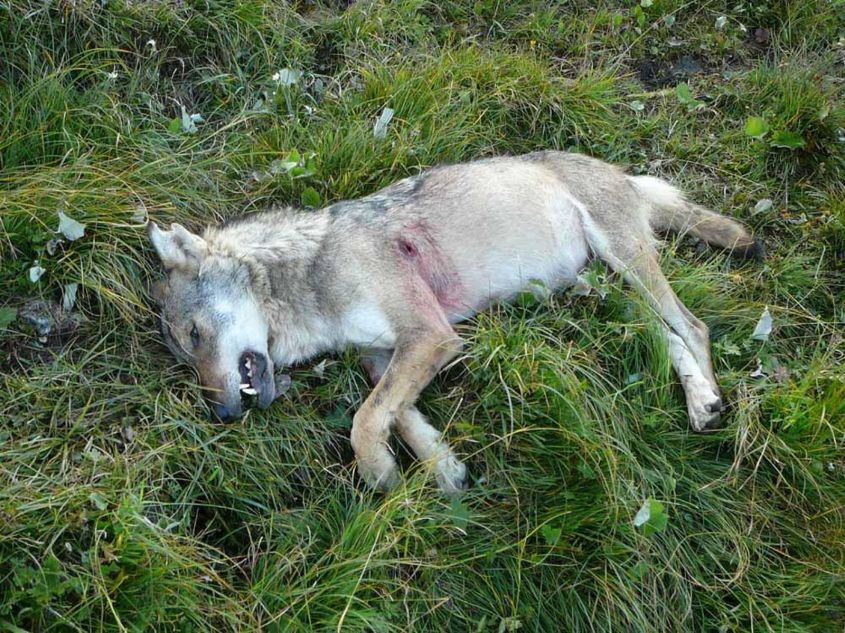
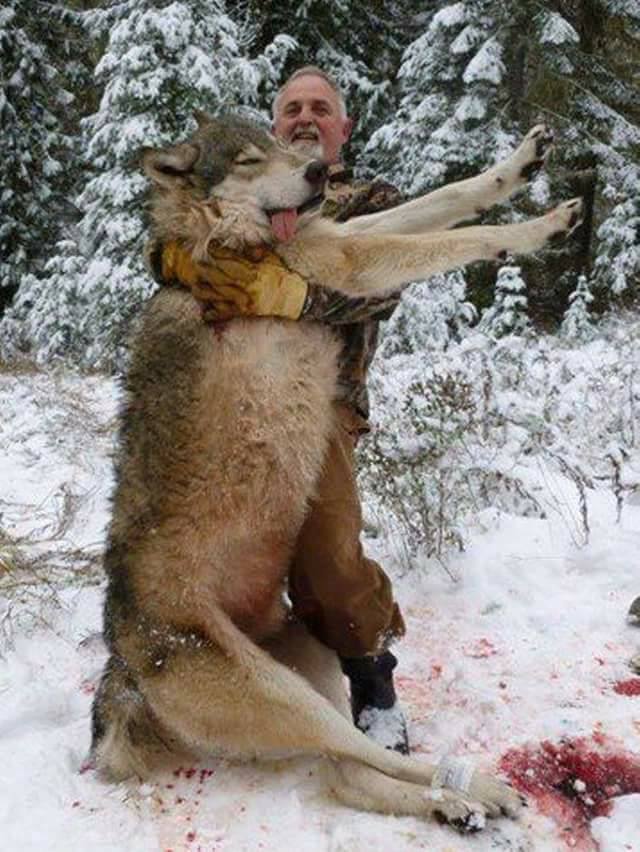
A TRAGEDY IS LAID DOWN IN THE HIGH NORTH – FINLAND PLANS TO REDUCE ITS WOLF STOCK TO 25 PACKS!

Wolves have always had a difficult time globally.
They are feared and persecuted and the hatred of these wonderful animals has developed into a veritable witch hunt, similar to the fox.
Nowhere is this useful top preacher welcome.

Finland is currently planning the next chapter in the book of cruelty against this pitiful species.
For the winter season 2021/22, an ethically reprehensible and terrible model for wolf management was presented in the icy land in the north.
Among other measures, the population is to be reduced to only 25 wolf packs, i.e. the execution of many of this species is planned, despite massive opposition from nature and animal rights activists, and thus wants to make it equal to neighboring Sweden, where these wonderful animals are already regulated.

A working group was set up by the Ministry of Agriculture to determine the best conservation status for the wolf and this questionable “SOKO Wolf” came to the number of 25 packs.
According to Agriculture Minister Jari Leppä, the legal requirements have been regulated and the massacre is planned for winter 2021/22.
The stock hunt should take place during this time.

This represents an ethical catastrophe and probably only pleases the over-anxious farmers who hate the wolf and the hunters who are already “sharpening their knives” or oiling the barrels of their deadly shotguns.

Continue reading “Finland: Wolf killers on the go”

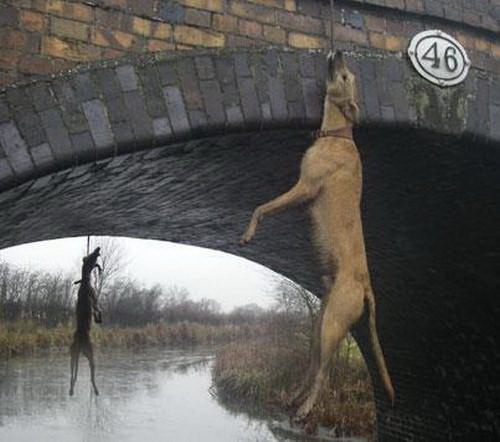
February 1: Dia de Galgos – Day of Shame for Spain

The hunting season in Spain is officially over on February 1st.

At the end of the season, thousands of hunting dogs lose their use and thus their raison d’etre every year.

Galgos, Podencos, Bretons, and other dogs.

Bred to be acquired by hobby hunters for precisely this purpose – and to be used for mostly one hunting season.

Then it will be disposed of again, as cheaply as possible.

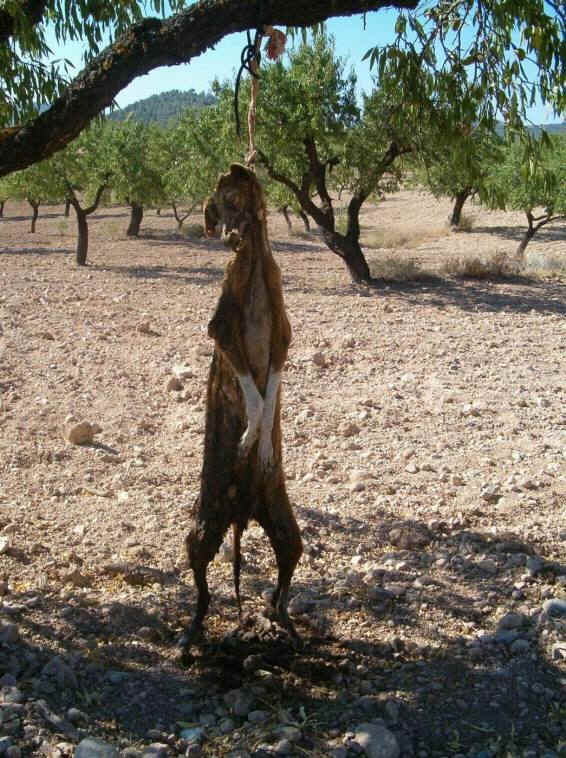
From this, a terrible custom has developed, they are hung up, mostly in trees.

The “best” dog hangs highest, the others below.

Dogs that have proven to be less successful hunters are often made to “dance” out of mockery.

So panicked, the animals dance for hours (up to 2 days) from one rear paw to the other until they run out of strength in their legs and their air is choked off.

A cruel and long agony, full of fear and pain.

This procedure is called “playing the piano” by the hunters and these loyal and intelligent animals are humiliated to the point of death.

Most of the dogs that are found are half-starved, injured, and in dire need of medical attention.

This can be traced back to the custom of breaking the legs of the galgos before they are released.

Continue reading “February 1: Dia de Galgos – Day of Shame for Spain”

Kenya: Stop the Illegal Wildlife Trade: The former naval officer now leading Kenya’s fight against poaching.

Stop the Illegal Wildlife Trade: The former naval officer now leading Kenya’s fight against poaching

With tourism on pause due to coronavirus, Kenya Wildlife Service has stepped up its battle against illegal wildlife trade, says Director General Brigadier John Waweru

Last year, for the first time since 1999, Kenya recorded zero rhino deaths to poaching.

“We are incredibly proud of that,” says Brigadier John Waweru, who left the navy to take up the role of Director General of Kenya Wildlife Service (KWS) two years ago. “It’s not just luck, it’s down to lots of hard work and dedication, especially in a pandemic year.“

Elephant poaching has also reduced from 350 a year five years ago to just 11 in 2020, which is the lowest recorded yearly total ever. “I believe it is not a pipe dream to get Kenya’s poaching level to zero.”

In the past the east African nation’s high levels of rhino and elephant poaching have threatened the survival of both species and fuelled the corruptive, corrosive illegal wildlife trade.

In 2016, 14 Kenya rhinos were slaughtered, and nine the following year. The deaths don’t just decimate critical wildlife populations, they also put the livelihoods of millions who depend on tourism for a living at risk.

Last year was a year like no other. Mr Waweru says the pandemic caused a 92 per cent drop in tourism revenue in Kenya, and there were widespread fears of a poaching uptick due to fewer eyes on the ground. Yet those fears proved to be unfounded.


“While Covid continues to be a huge crisis, there was no poaching increase,” said Mr Waweru. “Wildlife has flourished.

“Without tourists I think poachers might think KWS had gone to sleep, but instead we did the reverse and enhanced our efforts.

“At the start of the pandemic we found there was more interest in bushmeat poaching, but thanks to a sustained, aggressive campaign to help people understand it is not an alternative to beef, we were able to curtail it quickly.”

Mr Waweru says that it is only by educating and empowering Kenyans in the protection of wild animals that the war against poachers will eventually be won.

“To succeed there must be a very close interaction with the people that live alongside wildlife,” he says.

“The KWS provides training and support to help people to co exist with wildlife and to understand their value to all of us.

“Poachers do not operate in isolation. Thanks to the interaction we have with communities, anyone who sees or suspects wildlife crime alerts us. In this way we can alienate or apprehend potential poachers.

“Wildlife does not belong to KWS, it belongs to every Kenyan; it is our shared heritage.”

You could be forgiven for thinking the camo-uniformed, highly regimented KWS is an arm of the military rather than sitting under the department of tourism.

Set up in 1989 amid widespread corruption and insecurity in African parks, the KWS has worked alongside charity partners to transform wildlife security and stabilise the tourism sector.

In the three decades since, Kenya’s elephant population has more than doubled to an estimated 34,000, along with 1,258 rhinos.

Protecting these endangered animals, in addition to the mosaic of other wildlife, is a hugely complex and unending task.

Mr Waweru believes his military background enables him to face the challenges of being KWS’s Director General.

“When I was a naval officer I patrolled and apprehended those involved in illegal fishing or dumping.

“As an enforcement arm, when you go out and you expect to see resistance; to meet someone who is armed, just like you.

“So I understand what kind of dangers KWS troops face daily. I have been shot at when I was a UN military observer in Bosnia.”

When Mr Waweru began his new role after 36 years of public service, he announced that there would be changes in KWS, with all staff encouraged to focus their efforts on implementation, in line with his mission to restore the organisation to its former glory.

There was also warning that anyone who attempted to “pull in the opposite direction” would have to be let go. Collaboration, conservation and enterprise are Waweru’s ethos, with a strong emphasis on mutually beneficial partnerships.

“Kenya has suffered heavy poaching in the past, and inefficiency and low morale within the teams conserving and managing wildlife,” says Mr Waweru.

“I think there was a time of a bit of lethargy, but now there is a feeling of renewed energy in KWS. And we can see the results of that energy in how we are successfully protecting wildlife.

“KWS does not work in isolation, but through strong relationships with the police, intelligence services and other organisations such as Kenya Forest Service or charity Space for Giants.”

KWS established the Case Progression Unit, unique in Kenya, with the close support of Space for Giants, the international conservation organisation that The Independent‘s Stop The Illegal Wildlife Trade campaign supports. 

“What used to happen was rangers would put in all the effort, and face all the risk, to arrest suspected wildlife criminals, but they’d walk free from court days later because cases against them were flawed,” said Katto Wambua, Space for Giant’s Wildlife Justice Senior Advisor.

“The illegal wildlife trade will be defeated just as much in the courtroom as in the bush. It’s a testament to KWS’s coordinated approach to beating wildlife crime, and the DG’s leadership, that they set up and continue to support the Case Progression Unit. It allows the law to be the strong deterrent against wildlife crime that it should be.”

Mr Waweru says KWS feels “privileged” to work with Space for Giants on this pioneering initiative, and he welcomes the work being done by The Independent‘s Stop The Illegal Wildlife Trade campaign.

Mr Waweru adds “by strengthening partnerships wth stakeholders and communities, working with huge dedication to secure wildlife in all spaces we operate in – which is about 18 per cent of Kenya’s landmass – we will continue to see the results.

“No one has a better job than me. I’m one of the luckiest people on earth”.

Stop the Illegal Wildlife Trade: The former naval officer now leading Kenya’s fight against poaching | The Independent

Songbirds as a delicacy: a million business in the black market

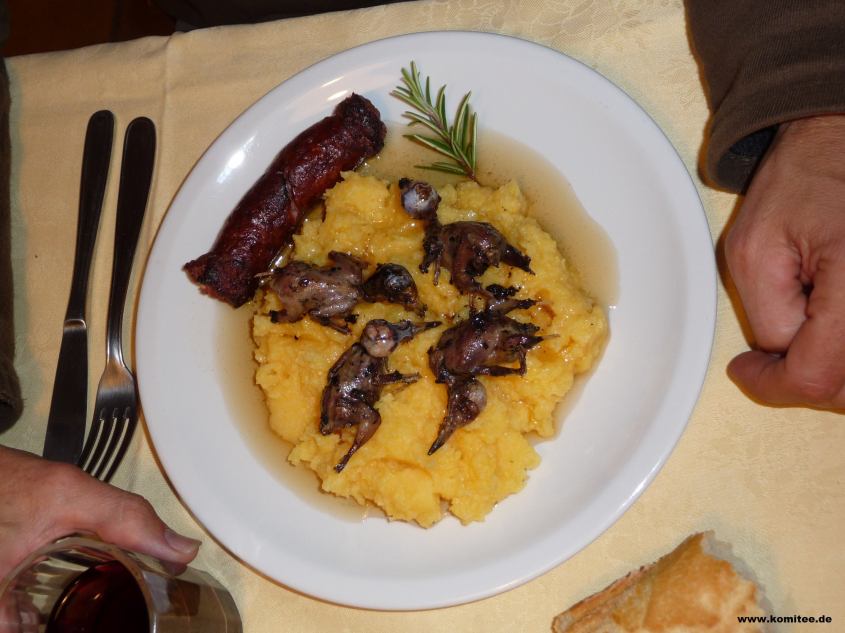
Songbirds as a delicacy: The consumption of songbirds is an “old tradition” in many Mediterranean countries. For this reason alone, millions of larks, thrushes, robins, and warblers are shot and caught every year.

In Spain they are eaten as paella (with rice), in Cyprus, they are grilled and in Italy, they are served with polenta (corn porridge).

The picture shows robins – freshly caught, plucked, and served with polenta.
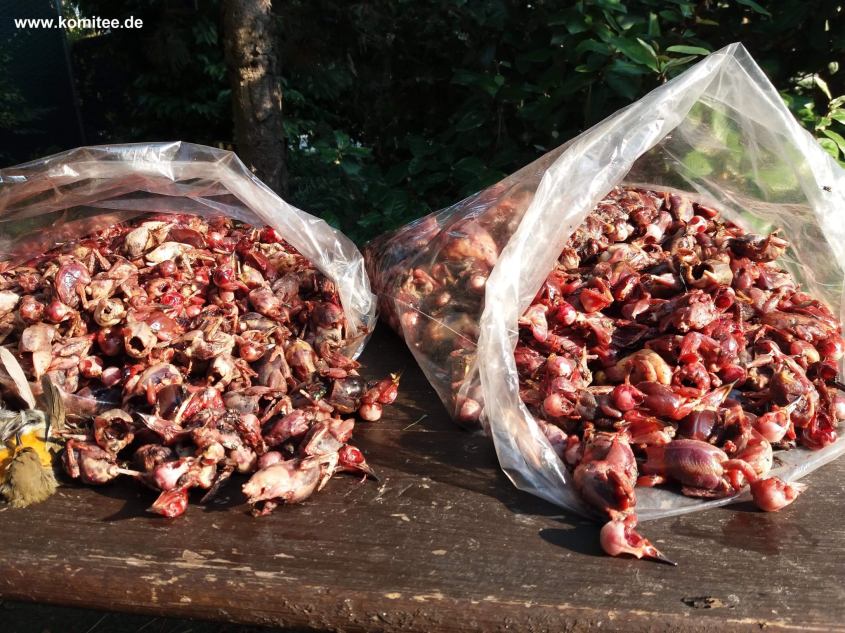
Selling the birds is banned anywhere in the EU, but resourceful chefs and criminal gangs have established a well-functioning system to allow the authorities to conduct their business unhindered.

On the island of Cyprus alone, government employees estimate the amount to be over 10 million euros annually!
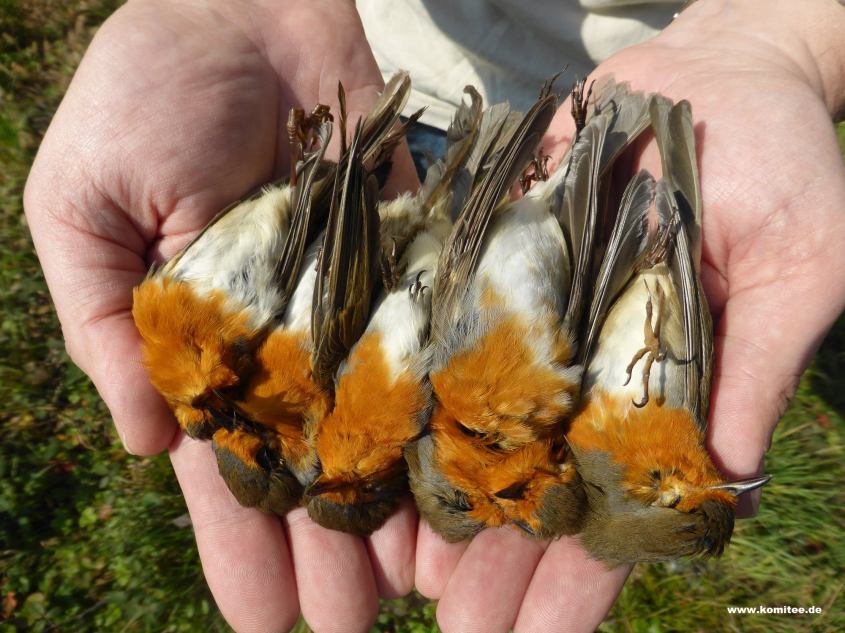
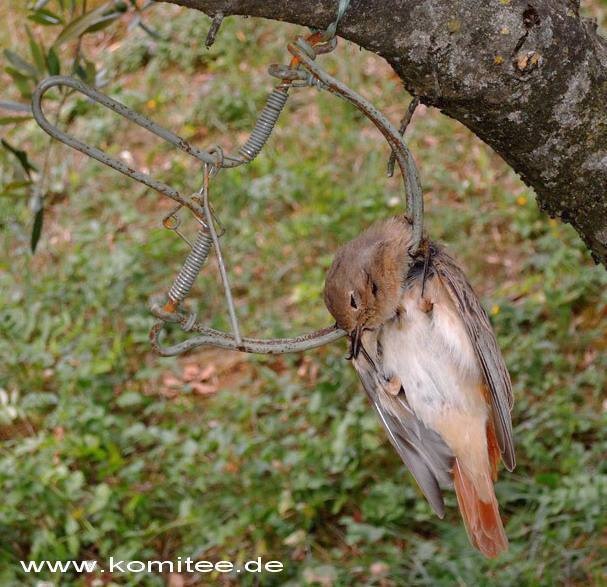
Hundreds of poachers are caught every year during the bird protection camps run by the Committee against Bird Murder, but butcher shops and restaurants are also regularly checked.

We are quite successful in this, because in many countries hardly any restaurant owner dares to offer songbirds to the public.
Today, the majority of trade takes place on the black market and is therefore no longer too extensive, as it was a few decades ago.

https://www.facebook.com/Komitee.CABS/

And I mean...In no other country in the European Union is bird trapping booming as it is in Cyprus.

Bird trapping in Cyprus has grown into a controversy that encompasses crime, culture, politics, and science. The practice was made illegal more than 40 years ago — but that simply forced it underground. Today, trappers routinely cut wide corridors through vegetation and string fine ‘mist nets’ from poles to catch the birds, which are sent to local restaurants and quietly served.

A platter of a dozen birds sells for €40–80 (US$44–87), and the trade with songbirds is responsible for an estimated annual market of €15 million. The delicacy is so prized and lucrative that it is suspected to be linked to organized crime, and those trying to stop it have been subject to intimidation and violence.

While bird conservationists and authorities have managed to master poaching elsewhere, it is hardly controllable in the Greek-speaking part of the Mediterranean island.

High-profit margins and a low risk of getting caught make bird trapping a lucrative source of income for many poachers.
Because the “connoisseurs” are ready to shell out more than 40 euros for the meager meal! The catchers themselves receive around 4 euros per bird.
The tender bird bones become soft during the preparation and are eaten along with them.

The police are already talking about the “caviar of the 21st century” because of the profit margins and are now afraid of professional poachers.
They do not shy away from violence if they see their lucrative business endangered.
Committee employees have also felt this at the bird protection camps, where they were assaulted more than once.
Poachers are shooting at activists’ cars with shotguns, they are throwing stones at them and spraying them with swine piss.

In France, there are even whole villages that hunt activists.

Therefore: Our greatest task for the future is to educate future generations about nature and animal welfare.

My best regards to all, Venus

Fox hunting : organized animal cruelty

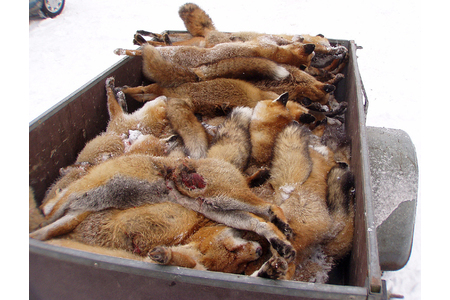
As a leisure activity, hunters across Germany kill up to half a million foxes in the cruelest way every year – many of the animals are “only” shot or downright crushed and mutilated in traps.

Foxes are a living target for hunters; there is no reason for the massive hunting of predators, neither from a wildlife biological nor from a health point of view. Politics must finally act and put an end to the senseless killing of useful animals.

Pain and suffering – what hunting means to wild animals. Shot … and dead!

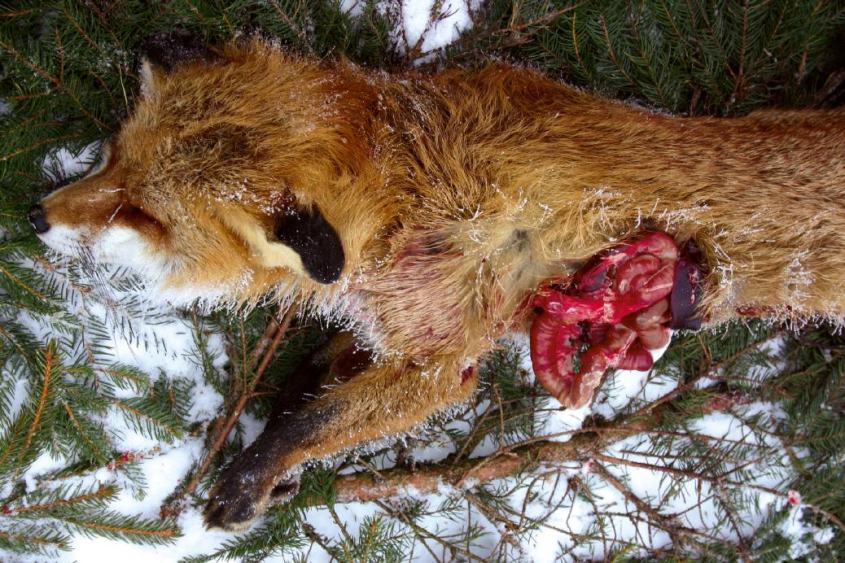
Fox with stomach injuries-Image: pelli

In many cases, this is not the case. Studies in Great Britain have shown this, among other things. The accuracy is poor, every second fox is only wounded by a gunshot wound but not dead. Two-thirds of wild boars were shot dead after a driven hunt: in the back, in the stomach, or in the legs. Approx. 60% of the female animals in the deer were shot in the stomach.

According to the Veterinary Association for Animal Welfare, up to 70 percent of wild animals do not die immediately, especially during driven hunts, but rather suffer excruciating jaw, stomach, and barrel shots.

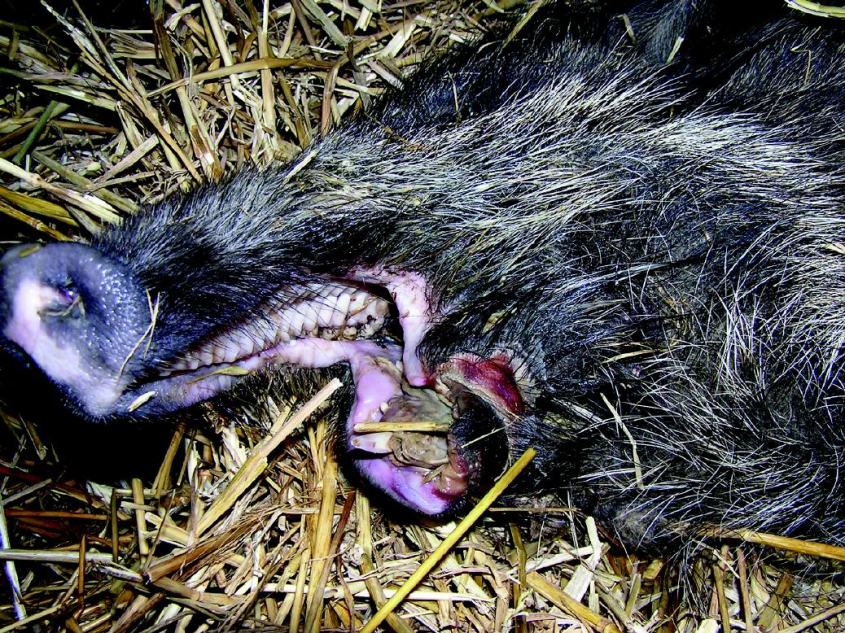
Lower jaw shot away: This young wild boar starved and died of thirst

Most foxes are hunted during the winter months. The snow makes hunting easier and the otherwise vigilant animals are careless because now is the mating season for foxes. For many fox pups who see the light of day from March, this means that they will grow up without the fox father. But it has a very important function in their rearing due to the procurement of food.

As a result, the young foxes are often physically weakened, their ability to survive is much lower than that of fox pups that were raised with a provider.

Little is known to the public that trapping is still allowed in Germany.
Both manslaughter traps and live traps can cause extreme animal suffering.
Most of the animals try to get the bait out with their paws. Then the safety stirrup slams shut and the leg is crushed.
Many foxes and cats will pull at it until they can escape with limbs half severed.
Fox mothers, who know their young are hungry in the burrow, even bite off their paws to escape.

Numerous studies now show that fox hunting does not “regulate” the fox population, nor does it contain wild diseases (e.g. distemper, mange, fox tapeworm), or makes a meaningful, sustainable contribution to the preservation of threatened species. Fox populations regulate themselves based on social fabric, food availability, and disease.

Fox hunting is prohibited in Luxembourg and other countries and regions – there are no problems with overpopulation there.

Please sign the Petition: https://www.peta.de/kampagnen/fuchsjagd-stoppen/

And I mean…Every year in January and February foxes are hunted even more intensely and ruthlessly in Germany than they already are.

The so-called “fox weeks” are held right in the middle of the mating season – now even a whole fox month, preferably during the full moon weeks in January and February.

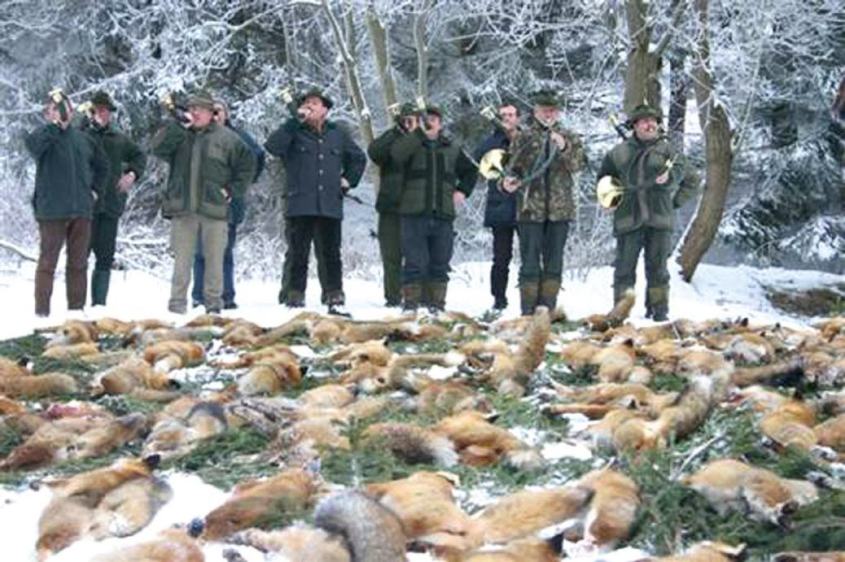
During a defined period of time, as many hunters as possible take part, often across territories, to shot on the fox. As a result, the “loden jackets” enjoy (!) a few dozen dead foxes.

In almost every place cross-territory fox hunts are organized, to which territorial hunters and young hunters are invited in order to kill as many foxes as possible. After the hunt, the animals are lined up in a line and the killings are celebrated by the hunters.

According to Section 17 of the Animal Welfare Act, it is forbidden to kill or harm an animal without good cause.
Nothing else happens when hunting foxes.
Animal protection has been anchored in the Basic Law since 2002 and is to be regarded as a binding asset with constitutional status.
The state protection goal of “animal protection” has the status of a fundamental right – but not hunting.

Thus the hunting law is subordinate to animal welfare.

Unfortunately, the hunter’s lobby is well networked in government circles and politics. In Luxembourg, on the other hand, the government was not impressed by the lies and slogans of the hunters and in April 2015 enforced a fox hunting ban that continues to this day.

The result: “No major problems”. The Luxembourg hunting association “Fédération Saint-Hubert” nevertheless tried to take legal action against the hunting ban – without success.

In 2016, the administrative court upheld the ban on fox hunting and the hunters’ flimsy arguments were clearly dismissed by the judge.

Hunting in Germany is an unlawful area.
According to their own statements, 380,000 hunters kill around 5 million wild animals in Germany every year.

The truth probably looks even worse: Wildtierschutz Deutschland e.V. estimates that a total of over 9 million animals are killed by hunting in Germany every year.

The hunters carry out these executions with legal government assistance.
“Hunters and the state go hand-to-hand in the forest”, where the murderers, heavily armed to the teeth, kill defenseless animals

A civilized country is not understood as such if it brutally massacres 500,000 foxes annually and proudly presents itself in the media as a potent -execution- gang.

A civilized country is understood as such when it feels and practices respect, compassion, and protection for every species of animal.

And it is therefore a shame for our society, by silence and passivity to give a minority of 0.45% the right to decide about life and death to defenseless animals.

My best regards to all, Venus

“White Bear Hunting”

This tragic photo was taken by Lennart Nilsson * in the 1940s in Spitzbergen / Norway.
Even then, it showed the brutality and horror of trophy hunting and the capture of wild animals.

The little bear’s mother was killed.
The baby bear stayed in this position all day and all night, crying sadly for his mommy.
He didn’t want to eat or drink anything.
With this sad photo, which unfortunately mercilessly and honestly reflected reality, Nilsson wanted to show us in an uncompromising way that it is not the bear that is the beast, but the trophy hunter who killed it.

* Lennart Nilsson (1922 – 2017), photographer and science filmmaker, born in Sweden, is known for his pioneering work in the imaging of embryos and microscopic images of human body tissue, bacteria and viruses.

In 1947, this photo was one of its first published and was used to illustrate an article called “White Bear Hunting”.
Nilsson commented on the content of this article at the time with the words:
“Man is the cruelest predator on the planet …”!

https://www.facebook.com/marschfuerdietiere/

And I mean..Trophy hunting, like any other type of hunting, is an unethical and terrible result of the sadistic abyss of human actions and a product of today’s affluent society.

It is cowardly animal murder of living, loving, pain-sensitive beings. Many animals are threatened with extinction.

Nevertheless, they are killed out of sheer lust for murder.

A few affluent hunters obviously have a lot of fun doing harm to other living beings and disturbing the natural balance.
This hunt is all about the trophies as bed rugs or wall decorations over the fireplace of a hunting room.

The United Nations assumes that a high percentage of all animal species that are extinct are caused by the help of pathological hunters. It has been proven that hunters reduce biodiversity.

Grizzly bear killed by trophy hunters.

Germany also still allows the import of hunting trophies and not only that! the government also supports it with development aid.
This type of hunt, which is extremely ill in character, must be stopped globally.

My best regards to all, Venus

Japan: They Love Killing Whales – Campaigners condemn killing of minke whale trapped in nets in Japan.

https://www.theguardian.com/world/2021/jan/11/campaigners-condemn-killing-of-minke-whale-trapped-in-nets-in-japan

Campaigners condemn killing of minke whale trapped in nets in Japan

Animal killed with what appeared to be exploding harpoon, after one ‘half-hearted’ attempt to free it

Animal welfare campaigners have condemned the killing of a trapped minke whale off the coast of Taiji, a town in Japan best known for its annual dolphin cull.

The young whale, which had been trapped inside nets since 24 December, was killed early on Monday morning before being taken ashore wrapped in blue tarpaulin, according to the Humane Society International (HSI).

Ren Yabuki, an animal rights activist who filmed the whale throughout its 19-day ordeal, said fishermen tied a rope around its tail fin and forced its head beneath the water, where it took around 20 minutes to die.

Death in such situations usually occurs because the whale clamps its blowhole shut and suffocates.

https://08a329b999cc698168698249c8f9dd9c.safeframe.googlesyndication.com/safeframe/1-0-37/html/container.html “Oh, no! The fishermen have killed the minke whale now,” Yabuki can be heard saying as he continued to film. “I’m so sorry … oh, no.”

HSI said it was “devastated” and “horrified” by the whale’s death, days after it and other animal welfare groups had called for its release.

“We feel saddened by this dreadful outcome. It is soul-destroying to think that by merely lifting the net three weeks ago, this poor animal could have been swimming free instead of being trapped in prolonged distress only to be harpooned and butchered for commercial sale in local markets,” HSI’s animal welfare programme manager, Georgie Dolphin, said in a statement.

The local fishing cooperative said last week it would attempt to free the whale, which measured about four or five metres in length, but added that the animal’s size and strong tidal currents could make that impossible.

Yabuki, the director of the Japanese NGO Life Investigation Agency, said he had witnessed fishers make only one half-hearted attempt to free the animal soon after it became trapped.

Japan abandoned its “scientific” whaling programme in the Antarctic after years of international pressure, but resumed commercial whaling in its own waters in July 2019. This year Japanese whalers will be permitted to catch up to 383 large whales, including 171 minkes, HSI said.

“While we mourn the tragic passing of this animal, we know that a similar brutal end comes to many more whales off the coast of Japan every year. They are the silent victims of Japan’s continued commercial whaling” Dolphin said. “What was rare was for it to be witnessed.”

Taiji, located in a remote part of the Pacific coast, attracted global attention after the 2009 release of the award-winning documentary The Cove, which followed fishers as they pursued dolphins in the town’s annual “drive hunts”.

Some of the animals are spared and sold to aquariums and marine parks for huge sums, while others are slaughtered for their meat.

Taiji’s fishers have defended the dolphin cull, telling the Guardian that hunting cetaceans was part of the town’s heritage and a vital source of income for the local economy.

  • This article was updated on 12 January to correct the description of how the whale was killed.

Regards Mark

Great article by The Guardian as always !