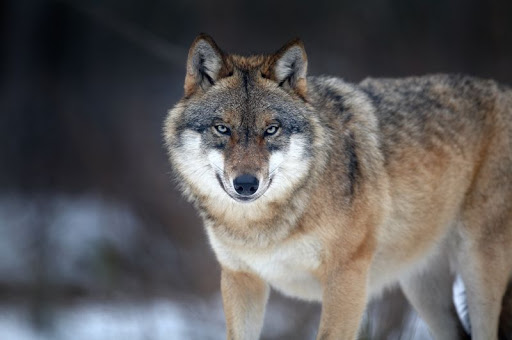
The U.S. Department of Agriculture’s misleadingly named Wildlife Services program kills more than a million wild animals every year, typically at the request of Big Ag. Scattering public lands with cruel traps and indiscriminate poisons, the program targets carnivores like coyotes, bears, beavers, otters and foxes. Even rare species like grizzlies and wolves are caught in the crosshairs.
We’ve been working for years to shine a light on the feds’ wildlife-killing and have succeeded in gaining protections for wildlife in several states.
The presentation will feature our Carnivore Conservation Director Collette Adkins and Andrea Zaccardi, a senior attorney in our Northern Rockies office.
In addition to talking about Wildlife Services, we’ll discuss the latest news on grizzly bears and wolves, including the expected loss of wolf protections nationally and the importance of state-level wolf work if that does occur.
The hour-long webinar starts at 4 p.m. PT / 7 p.m. ET.
When we first read about the Carcase Management System(CMS) website back in February after a leak from the NFU, we knew the secrets it held would be priceless to the anti-cull movement.
All of the cage trappers, free shooters, and assorted badger cull helpers all log, all of their badger killing information onto a single website.
Locations searched for badger setts are logged, like kill, who did the killing, what time… etc, etc.
Since that discovery back in February we have been gaining regular access to the site, pushing deeper and further into huge piles of data including crime reports, shooters identities, locations of kills, and email addresses of those involved.
On Tuesday, the NFU IT people finally spotted us and have since made some minor adjustments to try and protect the site.
But unfortunately for them, it is too little, too late, we are in the system and will continue to edit and scrape data, we were also changing records (including crime reports) as they come in.
This year’s data on kills sent to Natural England will be based on our false reports, making the continuation of the cull completely pointless.
And I mean...Good to know who our neighbor is.
What does he do when he’s not in church or caring for his children in the playground.
And good to know that killing defenseless animals alone is not enough to satisfy one’s cravings for violence and death.
He wants to make it known, he is reward-controlled, the accomplices should know how many corpses he can deliver per day. A pastime for psychopaths.
These people are among us.
They are military officials, veterinarians, gynecologists, dentists, or lead scout groups. A number of factors such as genes, family relationships, upbringing, intelligence, and opportunities shape these psychopaths.
Malta. The “Committee Against Bird Slaughter” (CABS) has released further video evidence of the indiscriminate killing of protected migratory birds in Has-Saptan valley (Birzebbugia).
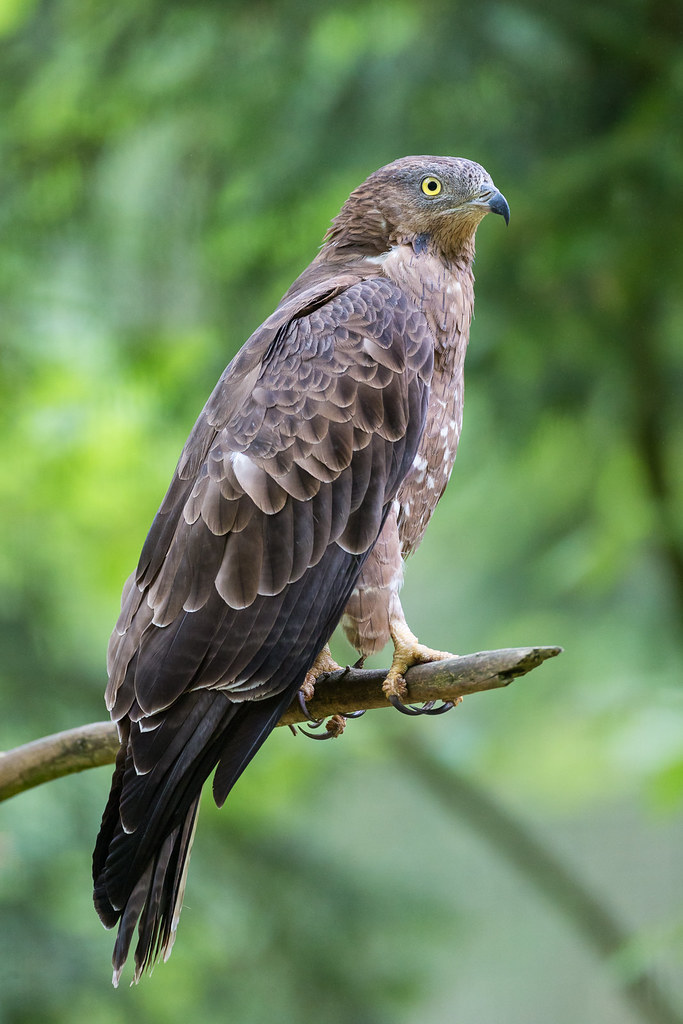
The footage published on YouTube shows a European Honey Buzzard and a Blue Roller being shot down in the area on Wednesday and Thursday.
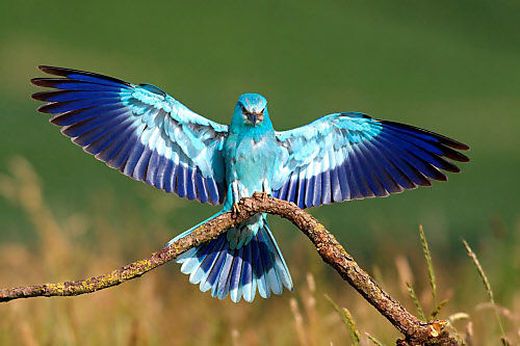
Blue Rollers are a type of international nature conservation problem that is experiencing rapid population decline in large parts of its European range and is extremely endangered.
Blue Roller
“Our teams deployed in the Birzebbugia area observe and report severe wildlife crimes on a daily basis yet the police needed more than an hour to arrive after our team reported the Roller being killed yesterday”, CABS spokesperson Karl Heinz Kreutzer said adding that this delay gives plenty of ample time for the poachers to hide their illegal prey and escape with impunity.
Apart from these two recent incidents, CABS teams have observed more than a dozen other protected birds being shot down in Has Saptan valley since last Sunday (20 Sept).
“As our eyes and video cameras can only monitor a very small part of this valley, we assume that hundreds more protected birds have been shot there in the last week alone”, CABS spokesperson Karl-Heinz Kreutzer said.
CABS which has labeled the valley as “the worst killing fields for birds of prey in Europe” urges the government to take immediate action by suspending the hunting season in this part of the island and establishing a permanent police presence to monitor the ban.
The NGO said that the primary motivation behind the shooting of protected birds is private collections and illegal taxidermy.
Honey Buzzard
“There is a huge black market for stuffed birds with some collectors paying thousands of Euros for rare specimens such as Blue Rollers, Storks or Flamingos. Since examinations and tagging of private trophy collections have dwindled during the past five years, poachers find it easier to shoot and launder illegally acquired specimens”, CABS Wildlife Crime Officer Fiona Burrows said.
She also stated that since responsibility for the administration of wild birds’ regulations was handed over to the Wild Birds Regulation Unit(WBRU) controls and tagging of private collections were stopped.
“The history of the WBRU is a history of massive failures and biased decisions which only serve the interests of the poachers at the cost the lives of thousands of rare protected birds. It is high time that the government hands over the responsibility for the protection of wild birds to a technically competent regulatory institution”, Burrows concluded.
Komitee gegen den Vogelmord e.V.
And I mean…At least 50 internationally protected birds died from hunting in Malta in 2019.
In Malta, people shoot pretty much anything that moves in the sky.
Hunting in Malta is pure bird hunting and a popular sport. Allowed in 34 species but exercised on an extremely larger list of birds.
In the case of Malta, the problem is exacerbated because the island is at the heart of the central European migration route. Millions of birds have to go over there – and their killers lurk.
With gigantic trapping facilities of over 5,000 square meters, birds are caught in many places on the island. Gigantic facilities, some of which are several hectares in size, can be found directly on coastal cliffs or on hills in the interior of the island.
An incident reported by “Birdlife” activist Geoffrey Saliba shows how natural hunting is in Malta: “A hunter shot down a marsh harrier – over a schoolyard. Nobody took much notice of it”, he says.
The hunters rarely shoot the birds for pots and pans, but mostly out of pure lust for murder – or to stuff them.
Even legally murdered birds like song thrushes are mostly left to die in the field.
The fact that bird hunting remains possible and legal in the middle of Europe is the surrender of civil society to a criminal elite.
Yesterday morning two participants of the committee bird protection camp- not far from the city of Agia Napa / Cyprus– were attacked by armed poachers.
The two perpetrators had posted illegal liming rods on bushes around their hunting grounds and provided them with an electronic decoy.
When our members – a young man and a young woman – tried to sneak up to the trapping site to investigate the situation for a game warden, they surprised the hunters, who attacked without warning.
They pushed both bird conservationists to the ground, threatened to kill them, strangled the young man, and destroyed his cell phone. Before the game guards arrived, the perpetrators fled.
The brutal attack was preceded by a newspaper article launched by the Cypriot hunters, in which the committee against bird murder was vilified and xenophobic sentiment against us was stoked.
We filed a complaint against the attackers, the limes were collected. Both of our members got away with bruises and a real shock.
The picture comes from the archive – it shows the fishing method with liming rods, birds caught with them. Also in Cyprus!
According to my information…In the committee’s bird protection camp in Cyprus, committee activists are confronted with such “finds” every day.
If they find the animals early enough, they can usually free them safely. If the birds hang around for hours in the Mediterranean autumn sun, they have little chance of survival.
Bird hunting with liming rods and fishing nets have been banned in Cyprus since 1974.
But illegal bird trapping is big business, involving gangs that are also involved in drugs and prostitution.
“There are many indications that this is an organized crime”.
In fact, networks are now available almost for free on Internet portals. Liming rods also cost nothing.
Bird protection organizations have calculated that a hunter catches up to a hundred birds per net and night in the high season, which he can sell for four euros each. In total, the songbird trade is expected to bring in 15 million euros annually for the 3,000 Cypriot poachers.
“There’s a mafia behind it, and the police are playing along”.
Once the hunters have been reported, they can be left alone for money.
Since the mission in Cyprus began two weeks ago, the committee has already rendered 642 of the brutal limestones harmless and displaced 10 poachers.
They were able to clean the black cap in the photo with a lot of effort and patience and release it after a night in the hotel.
We bow to the activists of the “Committee Against Bird Murder”.
The Welf Prince Ernst August von Hannover, 66, was arrested in Austriaon Monday evening (September 7th).
This was confirmed by the Wels regional court.
Reason: There should be reports against the nobleman for coercion, threats, and property damage.
A spokesman had told the “Bild” newspaper after the incident that all points should be charged together.
Prince Ernst Augustwould then have threatened up to three years in prison.
The Wels public prosecutor had ordered the arrest of the prince, which was then carried out on Monday (September 7th).
The scandal prince was kept in custody for two days.
Now he’s out, but he has to adhere to the judge’s requirements.
One of his employees has reported against the Guelph Prince.
Ernst August von Hannoveris said to have threatened her and her husband with hounding a group of thugs and smashed a window with a traffic sign. The police moved out on Monday because of “suspicion of coercion”. …
Since the 66-year-old had already attacked a police officer in July, the officers carried body cameras to record the arrest.
The German nobleman caused a stir several times in the past few months. After the attack on the police, Ernst August von Hannover was briefly admitted to a psychiatric ward. Just a week later, it hit the headlines again.
Armed with a baseball bat, he allegedly drove to the police station and threatened officers there to kill them(!!!)
And I mean…“Hunting is a subsidiary form of human mental illness,” said Theodor Heuss!
And obviously, someone who massacres animals in the forest develops himself into one who loses empathy and compassion for his fellow human beings.
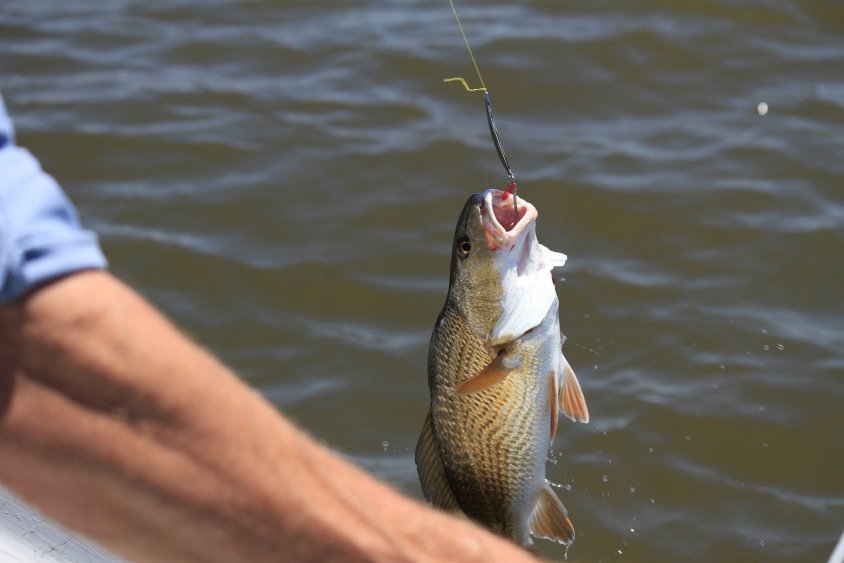
Fish don’t audibly scream when they’re impaled on hooks or grimace when the hooks are ripped from their mouths, but their behavior offers evidence of their suffering—if we’re willing to look.
Biologist Victoria Braithwaite says that “there is as much evidence that fish feel pain and suffer as there is for birds and mammals.”
For example, when Braithwaite and her colleagues exposed fish to irritating chemicals, the animals behaved as any of us might: They lost their appetite, their gills beat faster, and they rubbed the affected areas against the side of the tank.
It is hard to imagine that swallowing a bait with a fish hook in it does not feel extremely painful.
The fish also shows a terrible fidget in the video in response.
Neurobiologists have long recognized that fish have nervous systems that comprehend and respond to pain.
Even though fish don’t have the same brain structures that humans do—fish do not have a neocortex, for example—Dr. Ian Duncan reminds us that we “have to look at behavior and physiology,” not just anatomy. “It’s possible for a brain to evolve in different ways,” he says.
The Valais is a canton in the southwest of Switzerland.
In terms of area, the Valais is the third largest canton in Switzerland and lies entirely within the Alps.
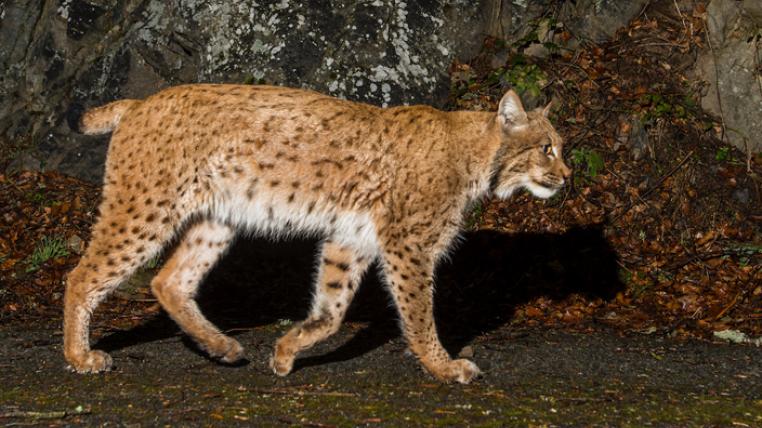
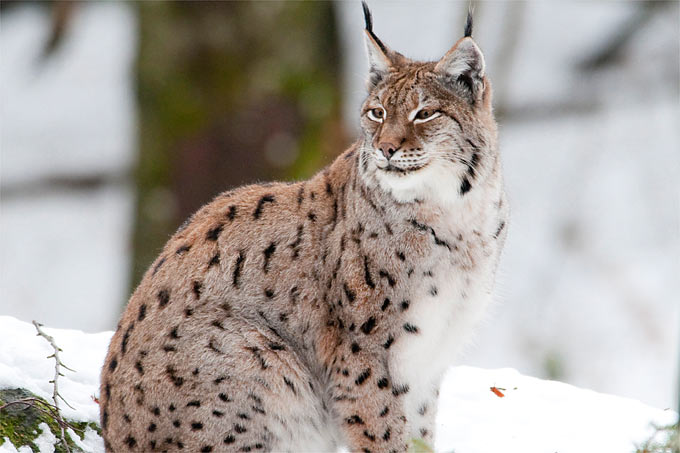
There are practically no lynxes in the south of Valais. Although the living conditions are ideal, last year not a single animal fell into one of the more than 130 photo traps set up by the Kora Foundation.
The suspicion: poachers kill the protected animals as soon as they enter the mountain canton. Five years ago, researchers at the University of Bern discovered a total of 17 snare traps that had been set up on the border with Vaud.
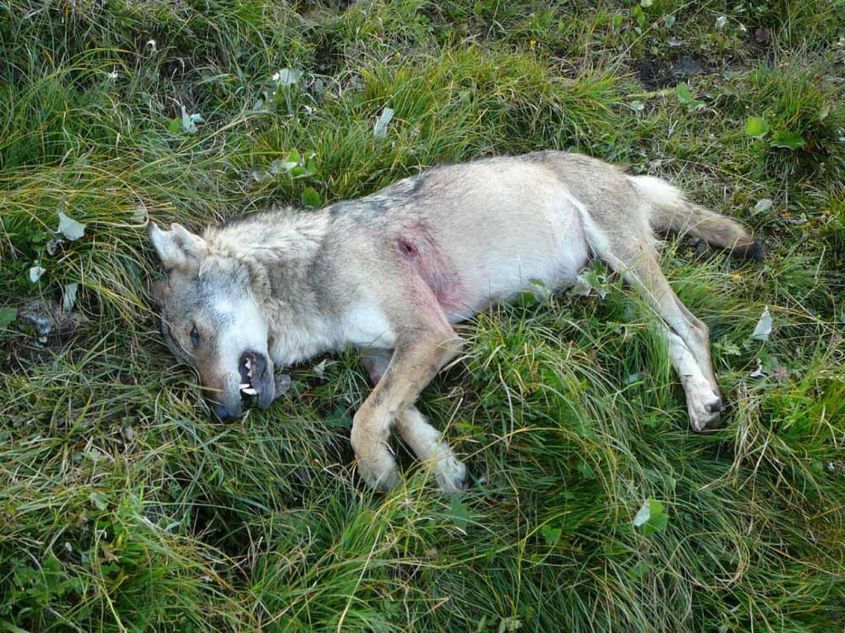
Three Valais rangers are accused of illegally hunting lynxes and wolves.
This puts the cantonal authorities in a dubious light shortly before the vote on the new hunting law in Switzerland.
Even then, the researchers were wondering whether the Valais authorities are adequately combating poaching – or whether the canton is even holding its protective hand over the poachers.
This now seems to be confirmed: BLICKMagazin has spoken to several witnesses who report exactly that. According to their report, the problem is far more serious.
They claim: several game rangers – state employees – have illegally hunted lynxes and wolves themselves!
A total of five people were willing to give BLICK Magazin information personally. They accuse an active and two former Wallis rangers of poaching.
In particular, game warden Pierre D. *,who is still on duty, is not a blank slate.
Several criminal proceedings are currently ongoing against the Valaisan. He is accused of having two eagles imprisoned at his home and illegally shooting a deer in a no-hunting area while on a trophy hunt.
“A good lynx is a dead lynx” – this motto is said to have prevailed for a long time in the cantonal office for hunting, fishing and wild animals.

Now the air is getting even thinner for Pierre D. BLICKhas a photo in which he is holding a dead lynx in his hands – and grinning broadly into the camera. The authorities assume that the lynx got caught in a fence in an attack on sheep and was killed in the process. The gamekeeper does not seem to be saddened by the animal’s death.
The accusation of poaching against D. weighs heavily: For example, a hunter who, for fear of revenge on the part of the authorities, does not want to be named by name, says D. asked him several times directly to shoot lynxes. “He said it was our job to destroy the predators in Valais.”
In addition, the gamekeeper organized a real wolf hunt ten years ago: “When he found out that a wolf was roaming the Alps, he immediately alerted us and instructed us to shoot the animal,” says the hunter.
Later, D. appeared armed on the alp himself. “I was completely stunned”
Game rangers are usually responsible for protecting wild animals. They count the stocks and shoot sick and injured animals. Also protected, but only after an official decision of the canton in accordance with the Hunting Act Ordinance.
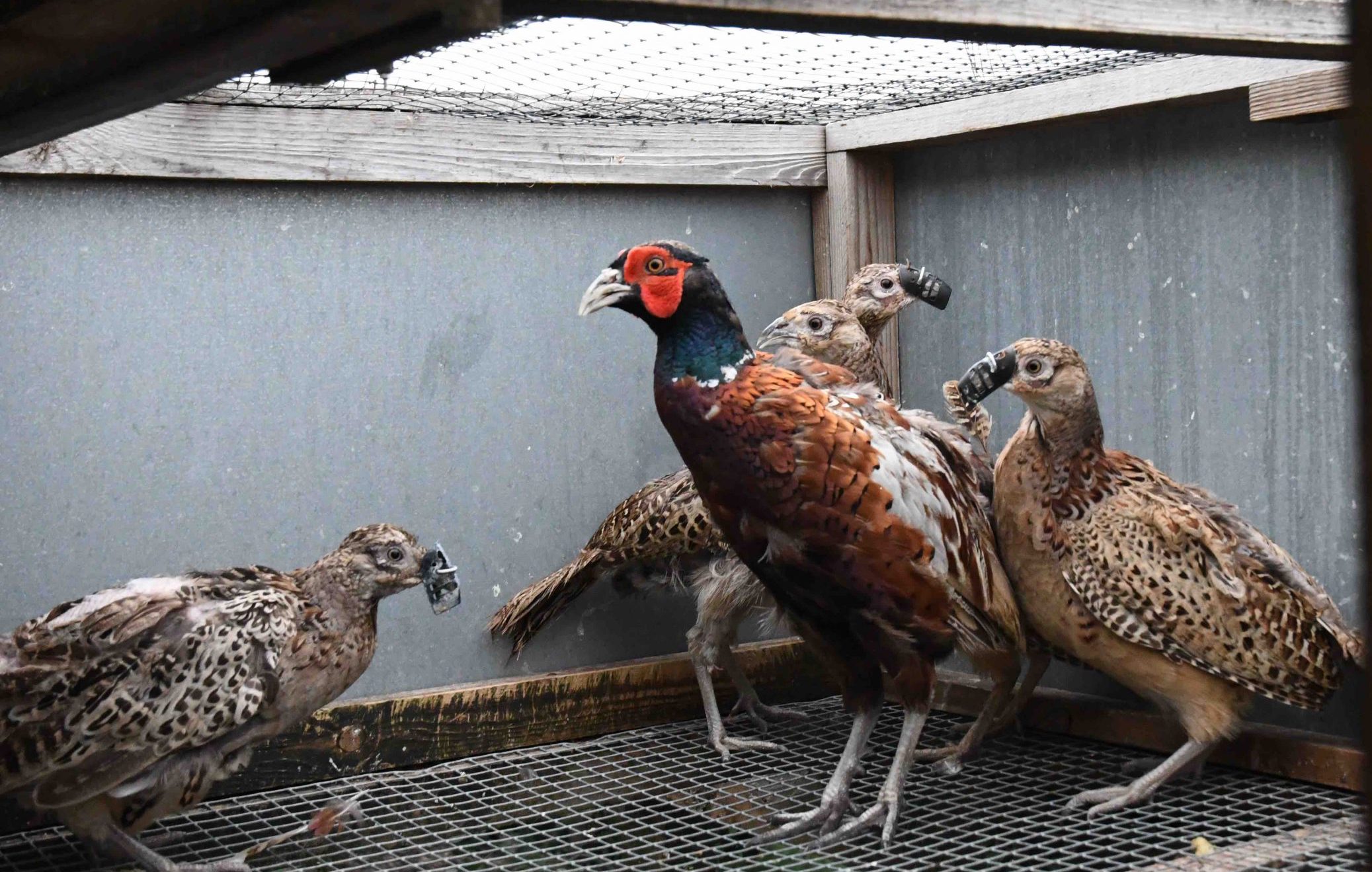
Earlier this year, our undercover investigators visited a game bird farm in Suffolk, and found row upon row of pheasants and partridges, confined to cages, desperately trying to escape. The sight of dead birds littered the ground nearby.
We filmed partridges, imprisoned in barren metal boxes, without any enrichment. The stress and anxiety that these birds must experience is unimaginable – and their trauma is visible by the way that they repeatedly fly up into their cage roofs, in a futile attempt to free themselves.
We have all experienced the heat of this summer, but it is horrific to think of being in a barren metal box in soaring temperatures, with no means of escape.
Our cameras also captured scenes of cramped cages, containing several female pheasants and one male. The females had ‘shrouds’ over their beaks – used by game bird farmers to stop the birds from attacking each other – but if anything these cruel contraptions make the birds more anxious. Many of the pheasants had painful looking bare skin from the loss of their feathers.
We are campaigning at political and public levels to ban these cages as part of our overall campaign to see an end to the killing of animals for so-called sport.
The pheasant shooting season is about to commence on 1 October – so please lend your support to our campaign by doing these two quick actions:
Govt agrees to change law to help protect over 35,000 endangered species
“The changes will be made by amending the Trade in Endangered Species Act 1989 to ban the domestic sale of elephant ivory in New Zealand with some exemptions, and to improve the regulatory system at the border,” said Eugenie Sage.
The Government has agreed to change the law to help protect more than 35,000 internationally endangered species where unsustainable trade threatens their survival in the wild, Minister of Conservation Eugenie Sage announced today.
“The changes will be made by amending the Trade in Endangered Species Act 1989 to ban the domestic sale of elephant ivory in New Zealand with some exemptions, and to improve the regulatory system at the border,” said Eugenie Sage.
“This is a big step forward in strengthening the management of international trade in endangered, threatened and exploited species. The Cabinet decisions follow the release of a discussion document in September 2019 and public submissions.
“Currently there are no restrictions on domestic trade in elephant ivory in New Zealand. This is out of step with many countries such as the United States, United Kingdom, France, Taiwan and China which have already banned domestic trade in elephant ivory.”
“I am pleased to announce the proposal to ban the domestic sale of any items made with ivory from elephants killed after 1975, which is when elephants began to be protected from international trade under the Convention on International Trade in Endangered Species (CITES).
The import and export of all elephant ivory is also proposed to be banned, with narrow exemptions to ensure elephant ivory items can still be traded by museums, for DNA testing and testing to determine age, and that antique musical instruments with correct permits can still be carried across the border.
“The New Zealand market in ivory is small, but banning the sale of post-Convention elephant ivory in New Zealand will send a message that New Zealand does not want to receive elephant ivory that may have been poached or illegally traded,” said Eugenie Sage.
Other planned changes to the TIES Act focus on improving the way the Act is implemented to ensure the regulatory system at the border efficiently and effectively manages international wildlife trade and stops illegal trade.
“Proposed changes to the TIES Act will ensure that New Zealand can continue to protect significant plants and wildlife from around the world to the highest standard.”
Regulate the domestic sale of elephant ivory, with elephant ivory from elephants killed before 1975 exempt;
place further restrictions at the border on importing and exporting elephant ivory;
update the definition of personal and household effects to ensure it functions as intended by not allowing items for commercial sale to qualify as personal or household effects;
include a regulation-making power enabling species-specific exemptions from permitting for personal and household effects;
enable a process to return seized items to individuals where there are permit irregularities in certain limited circumstances; allow cost recovery for services provided to commercial traders; and
allow DOC to consider cases where there have been irregularities with permits issued by Management Authorities in other countries. There will be a process with strict conditions to consider errors, and decide whether to accept replacement or retrospective permits.
The Trade in Endangered Species Act 1989 will need to be amended to implement the changes. An amendment Bill will be drafted incorporating the proposed changes. It is planned for introduction to the next Parliament after the election to be referred to Select Committee after its first reading.
(With Inputs from New Zealand Government Press Release)
Paris seems to be turning its hunting policy 180 degrees: After the use of limed rods for catching birds was banned only two weeks ago, the Supreme Administrative Courthas now completely stopped lovebird hunting.
The migratory bird has seen a dramatic decline in populations in recent decades – not least because of the completely unrestrained hunting in France and Italy.
In recent years, the Committee against Bird Murder and its partners have used campaigns and actions to draw attention to the dramatic situation with the turtledove in particular – we only submitted a complaint against France to the EU Commission this spring.
Brussels has finally taken the reins and is putting considerable pressure on the countries where endangered bird species are still allowed to be shot en masse.
This success cannot be rated highly enough, because France has so far been one of the great “hunting nations” that have blocked any progress in protecting migratory birds.
We now expect similar restrictions as with the turtle dove for species such as the curlew and the skylark.