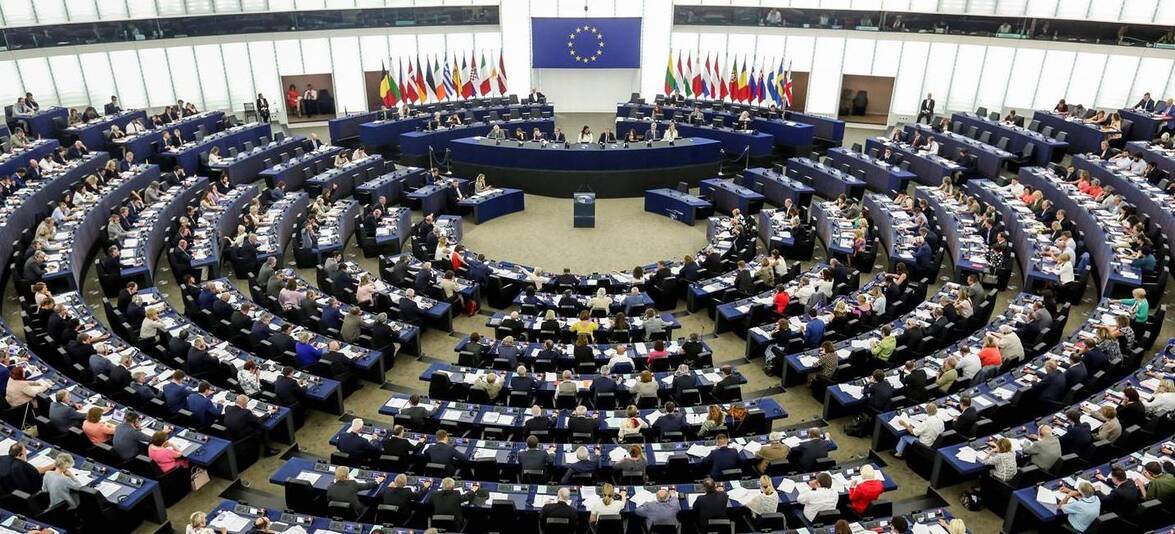
Wow! – that’s breaking news – the wonderful EU struggles to hold member states to account for animal transport breaches. What with all the evidence we have presented to them; the very them; regarding breaches of transport rules over the last 25+ years; what is changing ?
As we have always said, they are utterly useless’ and as Claire Bury says; they (EU) are not able to ban the trade. Why not we ask ? – could it be the big money made from live exports into EU coffers ? – ie putting finance before animal welfare ? – certainly seems that way.
And now we hear MEPs ‘voice concern’ about the injury and suffering caused to animals during transport across Europe.
We say; put them all into one livestock transporter and haul them from Scotland to Southern Italy. We bet the rules would be changed pretty quickly after that. As the EU can do nothing; probably better to shut it (the EU) all down and go back to individual member states and regulations.
Anything would be better than this ‘we can do nothing’ yukspeak put out by EU ‘importants’ (or so they think they are !).
EU struggles to hold Member States to account over animal transport breaches
30 October 2020
MEPs voice concern about the injury and suffering caused to animals during transport across Europe.
A senior commission official has admitted it is currently “impossible” to ban the controversial trade in live animals.
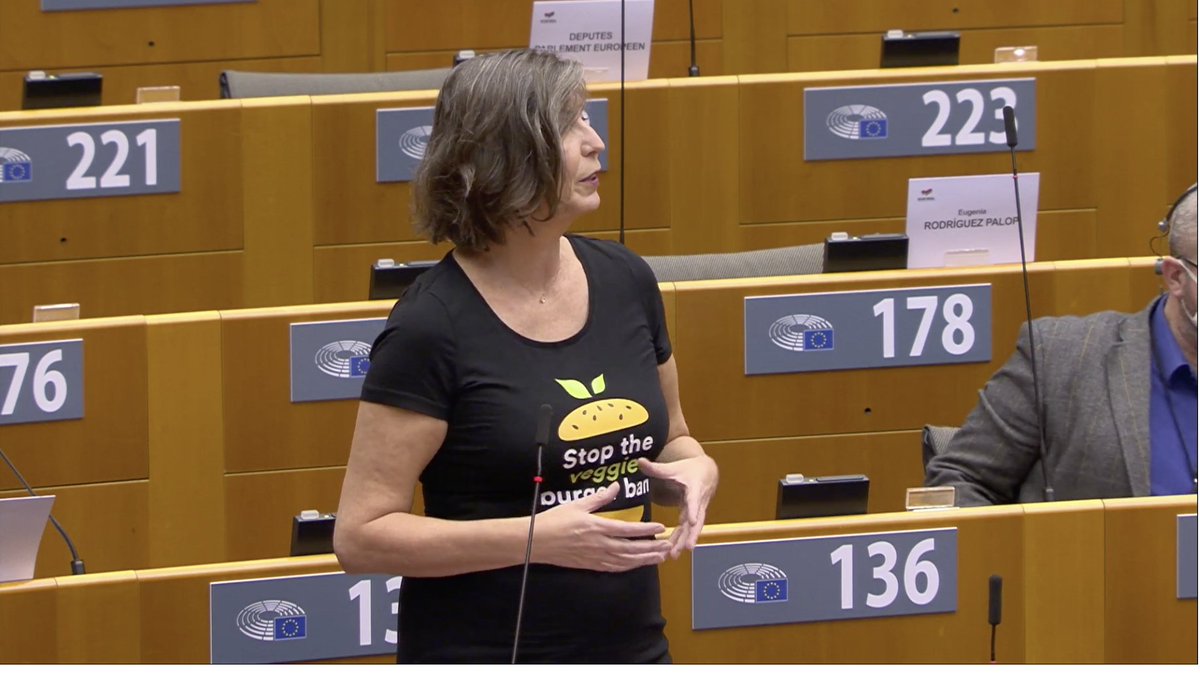
Speaking to parliament’s newly created special animal welfare committee, Claire Bury, Deputy Director-General of Health and Food Safety at the Commission, sympathised with MEPs who voiced concern about the injury and suffering caused to animals during transport across Europe.
She said everything was being done to ensure hauliers comply with current regulations but conceded, “We are not able to ban this at present.”
But, in response to growing calls for a ban on exports of live animals, she revealed that the Commission plans to revise existing legislation on animal transportation.
New analysis of live export ships shows there is still a high risk to animals – SAFE
29 October 2020
New analysis from The Guardian has found that live export ships are twice as likely to be lost at sea as cargo vessels.
SAFE Campaigns Manager Bianka Atlas said the growing evidence supports what SAFE has been saying for years.
“It is clear that the live export trade places the lives of animals and humans at an unacceptable risk,” said Atlas
Livestock carrier Yangtze Fortune is expected to arrive at Napier Port on Wednesday 4 November. This is will be the first export of live animals since the sinking of Gulf Livestock 1 in September.
The Yangtze Fortune’s arrival next week is estimated and subject to change, but the animal rights organisation SAFE will be protesting regardless.
“It’s only been two months since we lost 5,867 cows and 2 of our own people in the Gulf Livestock 1 tragedy and now we have another ship leaving from that same Port,” said Atlas.
“The reality is, all of these animals, who are exported for breeding purposes, will eventually be slaughtered in their destination country, potentially by methods outlawed in New Zealand.”
“Ending live export should be at the top of Jacinda Ardern’s agenda when she forms her new cabinet.”
Above – Carcasses line a beach after a livestock carrier loaded with 5,000 cows capsized at Vila do Conde port in northern Brazil in 2015. Photograph: Reuters
Exclusive: livestock ships twice as likely to be lost as cargo vessels
Billion-dollar export trade puts lives of animals and crew at greater risk of ‘total loss’ through faulty design and inexperience
Ships carrying live animals are at least twice as likely to suffer a “total loss” from sinking or grounding as standard cargo vessels, the Guardian has found.
In the past year alone there have been two disasters involving animals in transit. Last November, at least 14,000 sheep drowned after the Queen Hind capsized en route to Saudi Arabia from Romania. And last month, Gulf Livestock 1, a carrier transporting almost 6,000 cattle, sank off the Japanese coast en route to China from New Zealand. Forty crew members remain missing and are presumed dead.
“With the Guardian’s shocking findings … [it’s] time for an open and honest assessment of an industry that has caused one crisis after another,” said Prof Kristen Stilt, director of Harvard’s animal law & policy program, currently writing a book about the transport of live animals. “That assessment should recognise that the transport of chilled and frozen meat is the way that nearly all meat travels in commerce today. The idea of sending live animals is a holdover from a bygone era.”
The global live export trade is worth nearly £16bn. For decades, campaigners have been calling on the EU to provide better protections for animals in transit, and an inquiry into the regulatory system is under way.
According to Guardian analysis, between January 2010 and December 2019 five livestock vessels were recorded as lost to sinking or irrevocable grounding, killing crew and animals. The total equates to just over 3% of the estimated 150 livestock carriers above 100 gross tonnes (GT) known to operate worldwide. The 100 GT measurement is used by the shipping industry to separate smaller vessels, often owned for pleasure, from larger, more probably commercial, ones.
The same loss calculation for the global cargo fleet of about 61,000 ships over 100 GT, shows that 471 vessels within that tonnage (excluding tugs, dredgers, fishing and passenger vessels), were lost to sinking or grounding in the same period – or less than 1%.
The Guardian’s risk calculations are based on historical data from insurer Allianz Global Corporate and Specialty’s Safety and Shipping Review 2020, analyst IHS Markit and the International Maritime Organization.
If the loss figure for livestock vessels expands to include two more vessels, sunk in December 2009 and September 2020, just outside the 10 years covered by the Allianz shipping safety report, used as a basis for the calculation, then the figure rises to 4.7%.
The implementation of a new law that would have reduced the number of cattle permitted on live export ships sailing from Australia has been put on hold.
Key points:
A change to animal welfare laws that would mean fewer livestock on vessels has been delayed
Exporters and former Agriculture Minister Bridget McKenzie have questioned the science behind the new rules
· The RSPCA has rejected those concerns, saying the “science is clear”
Days before new animal welfare laws were expected to come into effect, Agriculture Minister David Littleproud has changed the rules to allow exporters to continue to load cattle at existing stocking densities.
In a statement on Tuesday evening, the Department of Agriculture, Water and Environment said Mr Littleproud had decided to make last-minute amendments that would be in place until April 30 next year.
The decision comes after changesto the Australian Standards for the Export of Livestock (ASEL) were announced in April followinga Federal review sparked by footage of the Awassi Express carrying dead and distressed Australian sheep to the Middle East in April, 2018.
The new ASEL stocking densityrule was expectedto come into effect on November 1 and would have required more space to be provided for each head of cattle exported.
The ABC understands the changes announced today only relate to cattle and do not include sheep.
In the case of exports to Indonesia, for example, a vessel that would typically carry 5,000 cattle would be reduced to carrying 4,300.
The Northern Territory Livestock Exporters Association (NTLEA) told ABC Rural the reduced stocking density rules had been “tweaked” and would not apply during a trial period.
NTLEA chief executive Will Evans said the reprieve would allow exporters to prove that current stocking densities were delivering good animal welfare outcomes.
Mr Evans said the industry had been told by the Government that the new stocking rate would not be imposed for at least six months, and exporters that maintained low mortality rates would be allowed to continue to export at a higher stocking density.
“It’s essentially an audition period,” Mr Evans said.
“Those exporters who have a rolling average of 0.1 per cent mortality rate or lower will be able to maintain the [current] stocking density.
“But those who don’t will need to go to the new ASEL 3.0 stocking densities.
“So for the next six months, you’ll be able to maintain access to current stocking densities.”It gives us a period to prove what we’re saying is true.”
ASEL 3.0 changes coming to live export industryDownload 4 MB
Bulk of recommendations to be adopted
Despite the last-minute change to stocking densities, Mr Evans said other significant changes to the way live animals were shipped under ASEL would commence as planned on November 1.
“Out of the 49 recommendations, one of those was about stocking densities,” he said.”The other 48 recommendations are coming into effect next week. “So there will be changes to how many stockmen are on vessels, changes to bedding, changes to the time we have cattle in registered premises.
“It’s an enormous regulatory change that’s coming in next week, it’s the biggest regulatory change to the industry since [the Exporter Supply Chain Assurance System] in 2011.”
Cattle exporters had previously suggested introducing the changes would cost the industry as much as $40 million a year.
Former minister questions science
At a Senate Estimates hearing last week, former Agriculture Minister Bridget McKenzie said the new ASEL stocking density was based on “loose science”.
Speaking to officials from the Department of Agriculture Water and Environment, Ms McKenzie said the change would mean as many as 130,000 fewer Australian cattle were sold into South East Asia.
“There isn’t a robust body of science available to us right now to be making these decisions,” she said.”[The standards are] not fit for purpose, for our industry, our place in the world, our markets.” The Royal Society for the Prevention of Cruelty to Animals, which has lobbied for an end to the live export trade, described Ms McKenzie’s appearance at Estimates as disappointing and feared a potential policy shift.
“The science is clear around stocking density reduction for cattle on these voyages,” RSPCA spokesman Jed Goodfellow said.
“This is simply about giving animals a little bit more space so they can lie down during the voyages, which sometimes take over two weeks, to give them further space to access food and water troughs.
“I hope Minister Littleproud will stand strong on these reforms that he himself has overseen and introduced.”
Mr Littleproud’s office has been contacted for comment.
“Animals in Europe” – EP#2: Interview with Anja Hazekamp MEP
28 October 2020
News
“Animals in Europe” is a bi-weekly podcast to meet animal advocates, decision-makers and experts building together a Europe that cares for animals. Listen to Episode #2!
What were the main highlights for animals last week at the European Parliament?
Is change for animals on the horizon?
What are the biggest political opportunities for animals during this political mandate?
These are some of the questions our host and CEO Reineke Hameleers asks Anja Hazekamp MEP in our podcast.
Biologist and animal advocate, Anja Hazekamp MEP started her political career with the Dutch Party for the Animals and last year she was appointed as President of the Intergroup on the Welfare and Conservation of Animals. She is one of the forces behind the newly constituted Committee of Inquiry on Live Transport of the European Parliament.
New investigation reveals the systematic disguise of routes for live transport of German calves to the Middle East
28 October 2020
Animals International
An investigation carried out by Animals International and Animal Welfare Foundation (AWF) and broadcasted by SWR reveals that despite the current ban in place, German animals end up in Third Countries’ abattoirs. Eurogroup for Animals urges the EU to stop the export of animals to non-EU countries and to prepare a strategy to shift to meat/ carcasses only trade.
New footage from Eurogroup for Animals’ member Animals International filmed the brutal slaughter of German cattle in a Lebanese slaughterhouse. The two cattles identified in the footage were just three weeks old when they left their farms of origin in Rhineland-Palatinate and Baden-Württemberg.
The export of cattle to third countries has been largely debated in Germany for many years and the majority of federal countries suspended the long-distance transport to a number of nineteen third countries. However, the transport of live animals from Germany to third countries continue taking place: Indeed, to overcome the restrictions mentioned above the transport routes are very often disguised: the new footage by AWF shows calves being transported on short journeys from Germany to Belgium via a collection point in North Rhine-Westphalia, and then transported via France to Spain, where they were fattened and later shipped to Beirut.
This new investigation also shows that, despite the fact Germany claims of not exporting animals for slaughter to third countries, its animals do end up in third countries abattoirs. In 2019 Animal International entered a slaughterhouse in Lebanon, showing how animals coming from the EU were brutally handled and killed.
Eurogroup for Animals and its members urge the EU to stop the export of animals to non-EU countries, and to prepare a strategy to shift to a meat and carcasses and genetic material only trade.
It’s been 55 days since the Gulf Livestock 1 capsized with the loss of 41 crew members, including two New Zealanders, and almost 6,000 cows. This tragedy led to the government announcing a temporary ban on live export and yet another review into this cruel and unnecessary trade.
Last month, Agriculture Minister Hon Damien O’Conner gave the okay for New Zealand to resume exports ‘conditionally’ on 24 October despite the risks. Disappointingly, that day has come.
The live export ship, Yangtze Fortune, will dock at Napier port on Tuesday 3 November and plans to take thousands New Zealand cows on a long and stressful sea journey in unnatural conditions. The majority of animals live exported from New Zealand are sent to countries with lower animal welfare standards than our own and sometimes no animal protection laws at all. This means our animals are being farmed and slaughtered in ways that are illegal in here New Zealand.
The only way we can truly help these animals is to get a permanent ban on live animal export. And we need your help.
The Gulf Livestock 1 disaster has highlighted the risks both humans and animals are forced to endure on live export ships. Tens of thousands of Kiwis have called for a ban on this cruel practice and we won’t stop until our Government leaders align the law with our Kiwi values by permanently banning live animal export.
Prime Minster Jacinda Ardern herself has questioned whether the cruel live export trade should be allowed to continue and has highlighted the fact that the trade is problematic, especially where animal welfare and New Zealand’s reputation is concerned.
Take action for animals by writing to the Prime Minster, Jacinda Ardern to echo her concerns about this trade and urge her to ban live animal export permanently.
We know caring people like you want to see an end to live export. And together we will continue to put pressure on our Government until this cruel trade is permanently banned.
Thank you for your support – together we will get a ban on live export.
Debra Ashton Chief Executive Officer
P.s Join the more than 30,000 people who have already called for a ban on live export from New Zealand. Together, we can stop this cruel trade.
WAV Comment: We hope that by their actions against the call for change by humble EU citizens; as well as causing a death sentence for nature with their ‘extinction machine’ approach; MEPs are directing themselves very well into making ‘their place’ another ‘extinction machine’. ‘Normal’ people (such as EU citizens) will only take so much, and like the fellow (ex EU) citizens of the UK; it will not be long before other EU nations see sense and decide that they can do better by going it alone and walking away from the useless calamity named Members of the European Parliament (MEP). Like the UK having left; this will mean that there are no longer MEPs representing their member state. By its own internal actions, the EU is destroying itself due to sucking up to the lobbyists whilst ignoring the people; many (not all) gutless MEPs who wish to hide behind the EU ‘system’ and the untold damage it is doing to nature and the environment as a result.
Quote from the following article – “Earlier this year, 3,600 scientists called for an overhaul of the CAP, warning that it was a central driver of the biodiversity and climate emergencies as it funded practices that cause significant biodiversity loss, climate change, and soil, land and water degradation.
The new CAP document deletes “the need for farmers to have a tool for more sustainable use of nutrients”, Ms Bradley said, pointing out that agriculture is the biggest source of nitrate pollution in EU waters, responsible for dead zones and toxic algae”.
Members of the European Parliament have been accused signing “a death sentence” on nature, the climate and small farms after they rejected a series of eco-friendly reforms.
MEPs voted against proposals to cut subsidies for factory farming and to protect grasslands and peatlands – a major storage reservoir of greenhouse gases.
One critic said the vote on the EU agriculture reform package would bring extinction closer for many species after it failed to offer incentives for farmers to reduce their environmental impact.
Above – Here today – EU gone tomorrow
BirdLife Europe said the politicians voted to make the policy “an extinction machine”, adding: “Nature has lost this battle.”
Now environmentalists are pressuring MEPs before a final vote by the full parliament tomorrow (Friday).
The votes on the Common Agricultural Policy (CAP), funded by nearly €400bn (£350bn), will shape farming in the block for the next seven years.
A deal by the largest groups in the European Parliament – the European People’s Party (EPP), Socialists & Democrats (S&D) and Renew Europe – involved lowering environmental conditions attached to the policy. And MEPs voted against an emissions-reduction target for agriculture of 30 per cent.
Harriet Bradley, an agriculture policy expert at BirdLife Europe, said the decisions meant the world was “one step closer to extinction for many species”.
She said perhaps “one of the most shocking and spiteful” votes to environment was that “in the unlikely event that agri ministries are queuing up to fund environmental schemes, they shall be prevented [from doing so] by maximum spends on environmental measures”.
A ban on converting grasslands in biodiversity-rich nature-protected areas was lifted, so more could be turned into maize fields, she reported.
The intensification of agriculture, including pesticide use, fuels carbon dioxide emissions and pollution, a key factor in nature destruction, including the decline of farmland birds and pollinators.
Earlier this year, 3,600 scientists called for an overhaul of the CAP, warning that it was a central driver of the biodiversity and climate emergencies as it funded practices that cause significant biodiversity loss, climate change, and soil, land and water degradation.
The new CAP document deletes “the need for farmers to have a tool for more sustainable use of nutrients”, Ms Bradley said, pointing out that agriculture is the biggest source of nitrate pollution in EU waters, responsible for dead zones and toxic algae.
Ecoschemes will fund new spraying machines that could potentially cause damage if used to kill insects and weeds, she added.
“This is about how400bn of taxpayers money is going to be spentin the make-or-break decade for #climate and #biodiversity,” she tweeted.
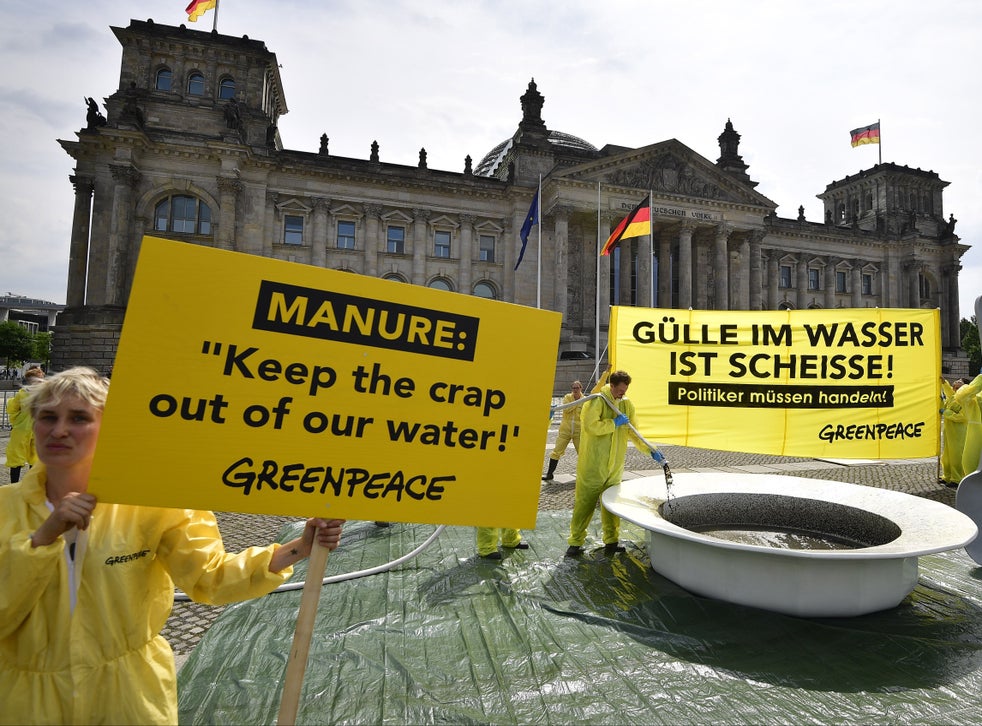
Greenpeace’s EU agriculture policy director Marco Contiero said: “MEPs have signed a death sentence for nature, climate and small farms, which will keep disappearing at an alarming rate. For over 60 years, European farm policy has been blind to farming’s impact on nature, rewarding farmers for producing more or expanding their farms.
“The EU Parliament is wilfully continuing that destruction while scientists warn that farming must change to tackle the climate crisis and protect nature.”
Ecologist Carola Rackete tweeted: “There are no reasons at all to spend a third of the EU budget on industrial agriculture which drives biodiversity loss on land and worsens the climate crisis.”
A report earlier this week by the EU environment agency said unsustainable farming, forestry and the sprawl of urbanisation were degrading the health of Europe’s animals and natural habitats.
The report showed more than half of pollution pressure on biodiversity came from agricultural practices, stating the current CAP did not provide enough funding.
Climate activist Greta Thunberg tweeted: “No matter what the EU climate target for 2030 will be, reaching it with a business-as-usual common agricultural policy will be basically impossible. So the MEPs voting in favour of #FutureofCAP final vote tomorrow will be responsible for surrendering on our future.”
WWF accused politicians of being “in a state of complete denial about the biodiversity and climate crises”.
A European Parliament spokesman said: “There are nearly 2,000 votes on CAP reform this week to three separate reports addressing common market rules, national strategic plans and future financing.
“As with many issues, there are political forces pulling in both directions, so the end result is inevitably a compromise. But this would represent a greener CAP than we currently have as it provides a number of incentives for farmers to produce more sustainably.”
A third of the budget would be for “green” initiatives, assistance to smaller farms and capping payments to large agri-businesses, he said.
Negotiations will take place over the coming weeks to hammer out a deal between the parliament and the European Council.
The EU Council said ministers had voted for financial support for eco-friendly farming; to increase rewards for farmers more committed to greening and to help smaller farmers embrace the green transition.
We have fantastic news: after more than a year of pressure from PETA, our affiliates, and over 180,000 compassionate supporters –Egypt has announced plans to ban camel and horse rides around the Giza pyramids.
Thank you for helping to make this happen!
Animal abuse has no place at Egypt’s majestic tourist destinations. The camels and horses used for rides around the Giza pyramids and in the archaeological areas are regularly beaten and forced to cart visitors around on their backs or in carriages in the blistering heat, without access to food, water, or shade.
While this plan doesn’t ban all animal rides across the country, soon, the camels and horses animals at Giza will be replaced by electric cars and buses, as recommended by PETA.
Now, let’s ask Greece to follow in Egypt’s footsteps and switch to animal-free transportation on Santorini.
Please join PETA in calling on the Greek prime minister and minister for agricultural development and food to ban cruel donkey and mule rides immediately:
How much is enough? New evidence shows the suffering of animals exported from Spain to Middle East for slaughter
The investigation carried out by Eurogroup for Animals’ members Animals International and Animal Welfare Foundation (AWF) in collaboration with Igualdad Animal and Compassion in World Farming (CIWF), reveals the suffering of Spanish animals exported to the Middle East. This is the umpteenth evidence showing the cruelty linked with this trade: Eurogroup for Animals urges the EU to bring an end to the needless suffering and to take a step toward meat/ carcasses only trade.
This summer more than 346,800 cattle and sheep have been exported from Spain to the Middle East and North Africa – just to be slaughtered. Libya, despite the ongoing conflict, remains one of the main importers of live animals from Spain, together with Lebanon, Algeria, Turkey, Jordan, Saudi Arabia and Morocco being the main destinations.
As shown by countless footage and images collected in the past 10 years by NGOs, EU animals exported to non-EU countries travel for many hours, even days, in critical conditions, and face brutal slaughter practices at arrival which are not even in line with the standards set by World Organisation for Animal Health (OIE) to guarantee a minimum level of animal welfare at the time of slaughter.
The evidence collected in Spain by Animals International and AWF this summer, in collaboration with Igualdad Animal and CIWF, shows livestock consignments that should have never been approved because of the high temperatures exceeding the maximum range set by the Council Regulation 1/2005 (EU Transport Regulation) for the authorisation of such journeys.
Indeed, with more than 34 degrees at the port of Cartagena, the investigators recorded signs of heat stress in the animals that remained confined into the trucks for many hours before being loaded into the vessels. Scared and exhausted, the footage released today shows animals at the ports of Cartagena and Tarragona being moved with violent methods explicitly forbidden by the EU Transport Regulation (i.e by lifting or dragging the animals by their heads, ears, legs or horns or manipulating them in a way that causes them unnecessary pain or suffering).
Some of these animals were also clearly unfit to travel as severely injured and for them the continuation of the journey should have never been allowed. In some cases, in a desperate attempt to escape, some animals fell into the sea without being noticed by the port operators and the authority appointed to ensure the welfare of the animals transported.
Eurogroup for Animals’ members documented for the first time ever the presence of Spanish animals in a Lebanese slaughterhouses, where untrained operators were filmed while putting their hands in the eyes of the animals to move them. Given the high volume of farmed animals exported to non-EU countries by Spain (Spain is the first and the second EU exporter of, respectively, cattle and sheep), it is likely that the same fate befell many other sentient beings departing from the Spanish ports. In 2019 the exports of live animals increased by 28% compared to 2018, that year 901,392 animals (cattle and sheep) were sent by sea. The first EU exporter for sheep is Romania.