Stop the Suffering: Protect Aussie sheep from a backslide in heat stress regulation
Since the horrific images of Aussie sheep on board a live export ship went to air last year, we have seen the Department of Agriculture swamp the issue of heat stress in review after review. These reviews have delayed a definite decision on protecting the welfare of sheep from occurring – but we will continue to fight until action is taken. The current review proposes a few options, but none properly protect Aussie sheep, so we need to make sure a new option is put on the table. Your voice is needed now and we know we can push for change with you by our side. We will not give up.
Please note: this is a copy of your email which was sent to RSPCA Australia, and if you have given permission, will also be sent as a submission to the Middle East sheep exports policy options discussion paper.
Submitted on Saturday, October 26, 2019 – 08:37.
Thank you for the opportunity to provide a submission to the Middle East sheep exports policy options discussion paper.
I support the RSPCA’s position that live sheep exports should end altogether because of the inherent and unavoidable risks the trade poses to animal welfare. I believe sheep farmers should be supported to transition away from the live export of animals, and access more sustainable markets for chilled and frozen meat instead.
But while the trade continues it is incumbent upon the Department of Agriculture to ensure the welfare of exported animals is protected to the fullest extent possible.
None of the options proposed in the discussion paper fulfil this obligation.
Based on the scientific evidence presented to the Department in the Independent Technical Committee’s Final Heat Stress Risk Assessment Review report (HSRA Report) and the advice of the Australian Veterinary Association, sheep exports to the Middle East should cease from May through to October, inclusive. Additionally, the revised HSRA model as recommended by the Technical Committee should be implemented for every voyage that crosses the equator, at all times of the year.
At the very least, Options 2 AND 3 of the discussion paper should be implemented to ensure that sheep are not subjected to the most dangerous months of the Middle Eastern summer AND the Department implements the revised HSRA Model as recommended by the McCarthy Review, the ASEL Review, and the HSRA Review.
Combining Options 2 and 3 would provide certainty to all stakeholders including the industry, trading partners, and the Australian community, and ensure a new approach is taken to heat stress risk assessment that is based on animal welfare, not mortality. Failing to implement the revised HSRA model, a fundamental component of the proposed reforms over the past 18 months, would represent a massive backflip on the Government’s commitments to evidence-based policy and animal welfare.
On 10 September 2019, the Minister for Agriculture, Senator the Hon Bridget McKenzie said the live export trade “won’t be conducted at the expense of animal welfare standards.”
The science and evidence is clear. I urge the Department to act upon it by implementing Options 2 and 3 and fulfilling the Governments commitments to the Australian public.
Thank you for considering my submission. I look forward to seeing decisive action from the Department that will protect animal welfare for as long as live animal exports continue.
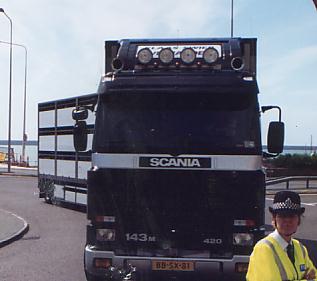
For well over 15 years anti live export campaigners in England have argued that empty livestock transporters returning to England from Europe could be bringing illegal immigrants in within them; with folding floors and partitions, there are lots of places for humans to hide in a transporter.
Combine this with the fact that hundreds of carried animals have defecated and urinated inside the transporter whilst undertaking a consignment; specialist sniffer dogs used by authorities say at Dover for example, would probably have very little chance of identifying humans by smell only.
A win-win situation for illegal immigration all round; something we have argued about for many years, and for which, we have always been regarded as fools.
Now we ask who are the real fools; as it seems that illegal immigrants have been smuggled into the UK within livestock transporters. Check out the BBC report:
During 2010 – Mark worked with Dutch investigator friends at ‘Eyes on Animals’ http://eyesonanimals.com/ , as well as with ‘Animals’ Angels’ (Germany) http://www.animals-angels.de/startseite,en_ORG.html and PMAF (France) http://www.pmaf.org/to produce a 125 page official investigation report for the EU Legal Affairs team in Brussels, Members of the European Parliament (MEP’s) and UK Parliamentarians (MP’s) – a report which specifically investigated live animal (calves) transport between certain, specific (EU) member states.
If you care to click on the following link below you will see a written summary of just 1 of the 5 trails which was undertaken and clearly proved that Irish calves were not being given adequate food and rest at an approved Staging Post facility after they had made the crossing from Ireland to France.
Remember, this is just 1 of the 5 investigation reports that we produced in our ‘overall’ document of 2010; and it also lists all the non compliances with the EU Regulation 1/2005 for this specific trail / investigation are given at the end of this specific investigation report. Remember also that these investigations and reports do not just appear by magic. Many people, their time, money and several vehicles are often involved – they all take effort and time to record all the exact details which you can see detailed in the report.
Thus, it can be annoying in the least when all this work is undertaken, compiled and presented to the EU, and then they do nothing about it !
Click on the following link to read a very small part (1 of 5 investigation reports) of the overall trail / investigation report:
Today (19 / 10) has shown that in the UK Parliament; specific parties want to simply demolish democracy – by NOT allowing us to leave the EU.
Those hypocritical parties are:
The Liberal Democrats – who claim wrongly to take animal welfare ‘very seriously’. They have MEPs, and they do nothing serious.
The SNP – who appear to support the export of week old live Scottish calves down to Ramsgate, England; for further export on to Spain for further fattening. They never speak against it – unlike their full mouths on Brexit.
The Labour Party – all talk and no action when it comes to animal welfare – hunting legislation failures in the UK introduced by them has shown us that.
By breaking away from the EU, the UK would have been able to introduce legislation to stop live animal transport. By continuing as an EU member state, we are not allowed to stop it; – does that not really speak volumes about the EU and animal welfare ? The plans today to stop the trade in live animals by a UK Party led by Mr Johnson have now been scuppered at the moment only by the political parties mess above. Now we call for a General Election in the UK to put the wrongs of the above right.
All these parties above wish to do is remain and live in the farce which is called the EU; and adhere to the lack of regulation implementation that goes with it. In correspondence today we have pleaded with them to go away and live in the EU if they think it is so good – can we suggest Romania for them – great animal abuses for sheep to the Middle east; just as they would still see under EU ‘legislation’ which the EU is incapable of enforcing anyway.
If you are British, please never vote again for the above parties again; they are those who ‘talk’ big animal welfare concerns, when really they do not give a toss; as long as they can stay in Europe, then all is fine. Sod EU regulations enforcement on animal welfare – they are not interested.
Lib Dems, Labour and the SNP – parties that appear support the abuse of animals in live transport; and who DO NOT respond to the evidence we supply to them. They want us to stay in the EU, where the abuse happens; and we cannot stop it legally by being an EU member state; an independent state free from the EU; yes we could (and would) stop it.
Re 70,000 live sheep exported from Romania to the Middle East in conditions of extreme heat.
The Commission does not plan to introduce a ban on live animal exports as it considers trade of live animals an integral part of agricultural activity.
As regards animal welfare violations on transports of animals starting in the EU, it is the responsibility of Member States not to authorise transports in violation of Regulation No 1/2005. If necessary, a Member State has to refuse authorisation of a particular export.
38k
24k
27 August 2019
E-002302/2019(ASW)
Answer given by Mr Andriukaitis on behalf of the European Commission
The Commission plans to carry out an audit in Romania shortly. The audit will provide the necessary information for the Commission to decide on further actions.
The Commission, as indicated in its reply to Parliament’s resolution on the implementation of Council Regulation No 1/2005 on the protection of animals during transport within and outside the EU(1), is examining the request in paragraph 11 of the resolution to draw up and publish a list of operators who have perpetrated repeated and serious breaches of the regulation in light of applicable European and national legislation.. A list of sea transporters with repeated and serious breaches of the regulation has not yet been compiled.
The Commission cannot impose a general ban on export of live animals to non-EU countries on the basis of animal welfare violations in the non-EU country.
As the Commission pointed out in its replies to written questions P-004562/2018 and E-005366/2018 ‘the setting of animal welfare rules in non-EU countries and their enforcement is under the competence of the respective national competent authorities. An export ban on live animal transports to non-EU countries would also need very careful examination under World Trade Organisation rules, which are binding upon the Union and its Member States’.
The Commission does not plan to introduce a ban on live animal exports as it considers trade of live animals an integral part of agricultural activity.
As regards animal welfare violations on transports of animals starting in the EU, it is the responsibility of Member States not to authorise transports in violation of Regulation No 1/2005. If necessary, a Member State has to refuse authorisation of a particular export.
We have had 2 responses now from SE England MEPs; along with a response from a UK MP who is not really associated with the issues in the EU. But he has at least replied to our questions, which is more than can be said for most of the MEPs who allegedly represent us !
What do we as an organisation conclude from all this:
We asked about the issue of lack of signage on box trailers, and presented a report we did on the subject at least 5 years ago. Here is the link:
The responses given by those who did reply to us start:
“Thank you for your email. As an MEP I take animal welfare very seriously,”
“Dear Mr Johnson,
Thank you for your email. Please accept my apologies for the lateness of this reply.
Firstly, I would like to assure you that the Liberal Democrats take issues of animal welfare very seriously, and it is very much our thing. We have a proud history of raising animal welfare rights and want to continue doing that going forward.”
Both responses are from politicians representing the Liberal Democrat Party in the UK, who today voted to stay in the EU, and thus continue supporting live animal export abuses. This is a party which is completely EU supportive and will not hear a bad word spoken about it. They claim to us in their responses that ‘they take animal welfare very seriously’. We would like to be clear that with both responses; NOTHING was said about the report and evidence, and suggestions, that we gave / made with regard box trailers being used to carry live animals across the EU. Our evidence was simply dismissed with the weasel words claim from them that ‘‘they take animal welfare very seriously’ – we say but not seriously enough to do anything about it eh ? – stay in the EU, stay with the abuses !
With regard questions that we raised about the Romanian sheep incidents; we were simply directed to the EU response shown above; ie:
‘As regards animal welfare violations on transports of animals starting in the EU, it is the responsibility of Member States not to authorise transports in violation of Regulation No 1/2005. If necessary, a Member State has to refuse authorisation of a particular export’.
In other words, pass the Commission buck back to individual member states of the EU such as Romania, which as a member state of the EU, IGNORED requests by the EU Commissioner to stop the export of the sheep in the first place ! –
So where are we now ? – the EU tells us it is up to member states NOT to authorise transports in violation of Reg 1/2005; whist at the same time, Romania IGNORES requests from the EU to stop shipments due to the extreme heat.
Confused and in La La Land ? – we are.
“If necessary, a Member State has to refuse authorisation of a particular export’ – what chance with Romania doing this when it ignores all requests from other EU organisations to do this ?
… and the box trailer issue; nobody, as we have experienced from all EU circles over the past 5+ years, wants to address the issues we raise about unsatisfactory conditions for the animals and the lack of signage on vehicles. The EU and all its politicians, just want to WASH THEIR HANDS OF RESPONSIBILITY and let things remain as they are – which is utterly useless.
Today (19/10) in the UK special debate in the Commons, we hear the Lib Dem leader (Jo Swinson) whinging on about how wonderful the EU is and how the UK must remain in it.
Who really lives in La La Land ? – can we politely suggest the Liberal Democrat Party and their leader; Jo Swinson.
During 2010 – Mark worked with Dutch investigator friends at ‘Eyes on Animals’ http://eyesonanimals.com/ , as well as with ‘Animals’ Angels’ (Germany) http://www.animals-angels.de/startseite,en_ORG.html and PMAF (France) http://www.pmaf.org/to produce a 125 page official investigation report for the EU Legal Affairs team in Brussels, Members of the European Parliament (MEP’s) and UK Parliamentarians (MP’s) – a report which specifically investigated live animal (calves) transport between certain, specific (EU) member states.
If you care to click on the following link below you will see a written summary of just 1 of the 5 trails which was undertaken and clearly proved that Irish calves were not being given adequate food and rest at an approved Staging Post facility after they had made the crossing from Ireland to France.
Remember, this is just 1 of the 5 investigation reports that we produced in our ‘overall’ document of 2010; and it also lists all the non compliances with the EU Regulation 1/2005 for this specific trail / investigation are given at the end of this specific investigation report. Remember also that these investigations and reports do not just appear by magic. Many people, their time, money and several vehicles are often involved – they all take effort and time to record all the exact details which you can see detailed in the report.
Thus, it can be annoying in the least when all this work is undertaken, compiled and presented to the EU, and then they do nothing about it !
Click on the following link to read a very small part (1 of 5 investigation reports) of the overall trail / investigation report:
Today has shown that in the UK Parliament; specific parties want to demolish democracy – for the UK to leave the EU.
Those parties are:
The Liberal Democrats – who claim wrongly to take animal welfare ‘very seriously’.
The SNP– who support the export of week old live Scottish calves down to Ramsgate, England; for further export on to Spain for further fattening.
The Labour Party – all talk and no action when it comes to animal welfare – bad hunting legislation from the start has shown us that.
By breaking away from the EU, the UK would have been able to introduce legislation to stop live animal transport. The Party led by Mr Johnson have now been scuppered at the moment only by the political mess above. Now we call for a General Election in the UK to put the wrongs of the above right.
In correspondence, the Lib Dems have failed to address our evidence and concerns when it has been presented to them.. All they want to do is remain and live in the farce which is called the EU. In correspondence today we have pleaded with them to go away and live in the EU if they think it is so good – can we suggest Romania – great animal abuses for sheep to the Middle East; just as they would still see under EU ‘legislation’ which the EU is incapable of enforcing anyway.
If you are British, please never vote again for the above parties; those who ‘talk’ big animal welfare concerns when really they do not give a toss; as long as they can stay in Europe, then all is fine.
If all EU animal welfare is fine as they claim – how about this
Welcome to the wonderful Lib Dem world of EU Europe:
Lib Dems, Labour and the SNP – parties that continue to support the abuse of animals in EU in their beloved EU; and who DO NOT respond to the evidence we supply to them.
Please send to Jo Swinson – Leader; Liberal Democratic Party – England. Her wonderful vision of the EU.
I want to pick up again on some of our (SAV) past work in Serbia; not for any specific reason; just that it fits well into the recent post by Venus which deals with stray animals within the EU -here is the link: https://worldanimalsvoice.com/2019/10/14/stray-animals-abandoned-friends/ – I have also added some links and video footage at the end of this post.
Firstly, welcome to everyone and anyone who visits the site from around the globe – it is good to see you and I hope you and I hope you find our articles of interest.
Secondly, and very importantly; never judge the way of a nation by the actions of just a few folk that live there. Serbia has some brilliant animal campaigners, and it has been my pleasure over the last 15+ years to work with many of them – people who have my full respect and people that I can call friends. There are some great little private, individual shelters where people are doing everything they can for animals – check out this SAV Facebook site of ours to see what I mean: https://www.facebook.com/groups/SerbianAnimalsVoice/
Today I want to track back to an issue we dealt with many years ago – that of the welfare of animals on some Serbian farms. Please remember, Serbia is currently a nation which is a ‘Candidate Country’ to join the EU. To become a member state, it will supposedly enforce all the legislation required of it under EU rules. But we know these don’t work anyway, and the EU never enforces its own legislation; as we have proven so many times with animal transport breaches over the years regarding Regulation 1/2005.
So, the (EU) rules say that all farm animals must be kept to certain standards – which is a joke really considering how many times we have helped to expose EU wrong doings in the past:
Going back; we looked into specific farm animal welfare in the past. As part of the CIWF investigation / campaign team in the past; https://www.ciwf.org.uk/ I was able to call on their extensive experience to help me with regard a few things about EU / Serbian farm animal welfare legislation. Phil helped me a lot and contributed to one of the articles I did on SAV.
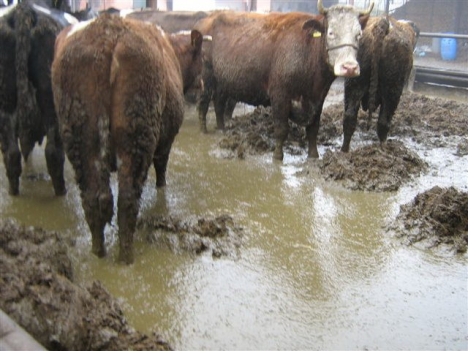
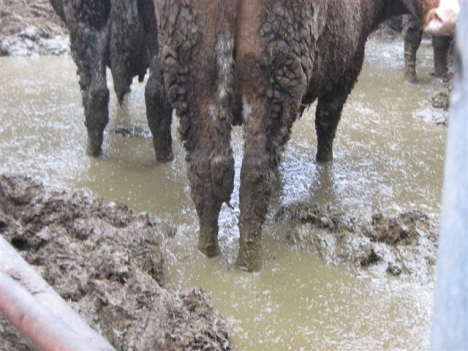
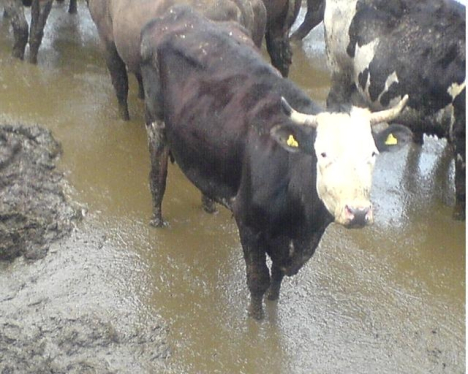
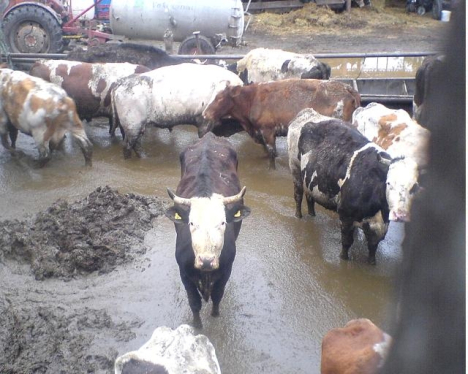
Have a look at these pictures that we published at the time – taken on a Serbian farm:
If you are / have been a meat eater in the past; would you want to eat meat that has been raised in this way ? – this is footage that was taken undercover on a Serbian farm a few years back. It is totally non compliant with EU standards; as detailed in the following links:
Remember, Serbia is now a Candidate Country to become an official EU member state.
We provided our evidence and photographs to the EU Commissioner for Enlargement – Commissioner Hahn; several years ago; as a result, we were ignored; as many animal welfare groups are when they show up the EU for the non enforcement of its own EU standards. We accept that our evidence will be ignored; whilst we hear great words regarding standards coming from EU ‘mouths’.
We also provided photographic evidence of dead pigs which had literally been dumped on the roadside. See the pictures here. Why had they died ?; of what ?; and why were their bodies not disposed of in accordance with proper legislation requirements ?
Stray animals (Dogs) are a big issue in Serbia as we have recently pointed out. Do farm animal carcasses such as these pigs strewn over the roadside not act as a source of attraction for hungry and desolate stray dogs ? – the whole system fails for animals, whilst at the same time the EU opens its arms to new member states; with the ‘EU Utopia’ prophecy in which there is nothing wrong !
Finally, we also took the issue of Serbian live animal transport to the authorities; who were adamant that sheep exported to Israel for slaughter had not been sent live from Serbia. Some Serbian shelters were also targeted with closure if we carried on with our expose.
In the end, the Serbian authorities had to come clean and confirm that the sheep had been shipped live from Serbia. And just for the record, all the shelters threatened with closure by the authorities as part of this expose were left to carry on with their excellent work.
Remember – Serbia is a EUROPEAN NATION – we expect better animal welfare standards of it.
Still to come – out expose of Serbian Zoos and the terrible conditions which animals have to endure – fighting to survive daily whilst the authorities ignore meeting their legal requirements to undertake inspections.
Animals’ Angels visits numerous local wildlife markets in the Middle East where sheep and goats are sold.
Overall, the markets are relatively neat and all animals get at least water and food. There are shadows in all paddocks and the fans are running. Most animals come from the region – but today we also find sheep from Romania!
In the past, Australian sheep were sold here instead. But since this year, Australia has at least during the hot summer months, an export ban in the Middle East pronounced. But what is the EU and its member states doing? Instead of following the example of Australia, EU countries – such as For example, Romania -use this “gap” and export their animals to the Middle East. Europe should be ashamed!
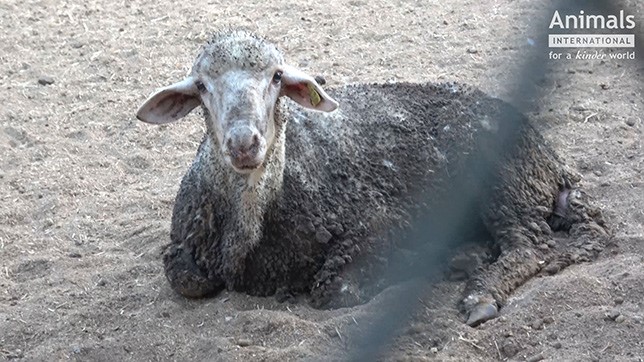
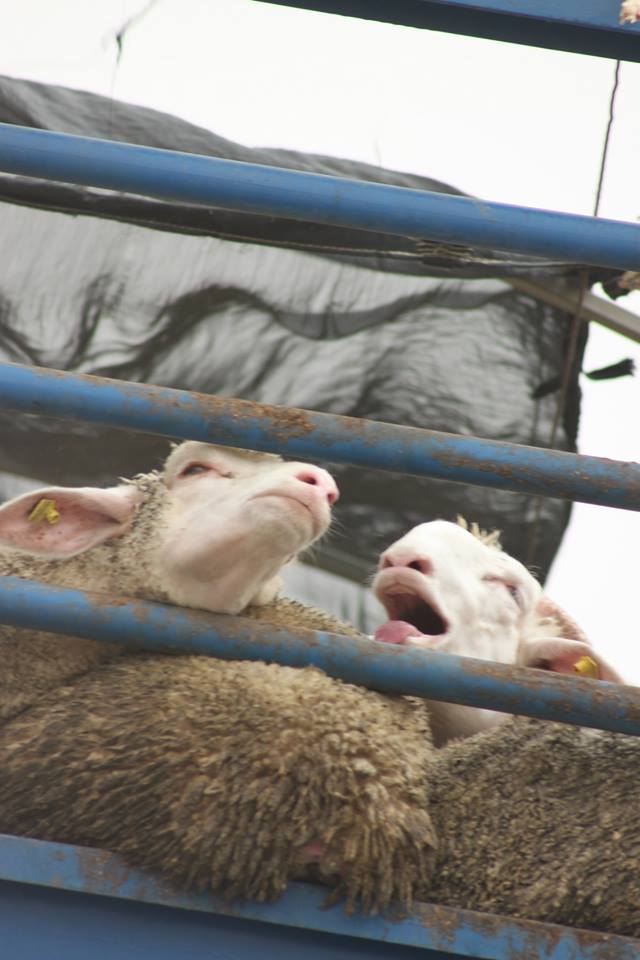
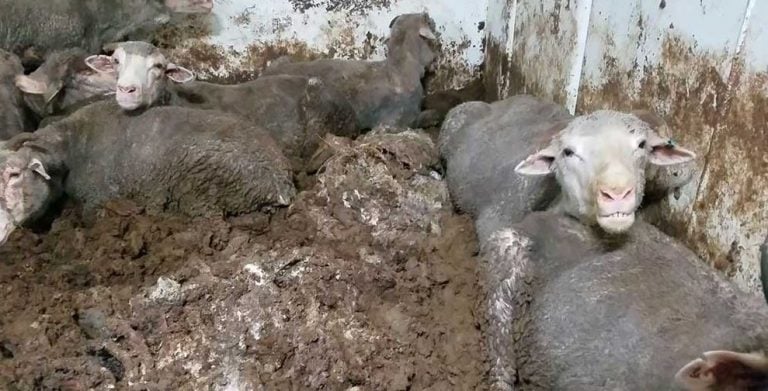
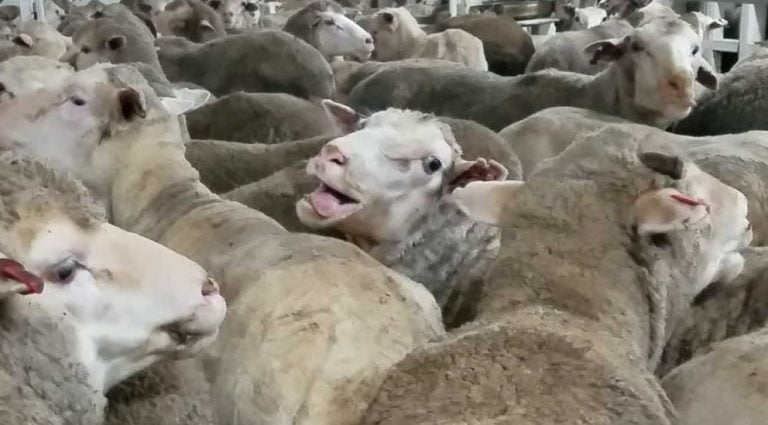
We are shocked by the condition of the Romanian sheep: they are extremely dirty from top to bottom, their fur is completely stuck to excrement. Some sheep cough or have nasal discharge. The heat and high humidity make them even harder to manage. Some pant with their mouths open or lie exhausted on the ground. We do not want to imagine under what bad conditions Liviu and the other sheep were transported by ship from Romania, that they look so dirty and miserable.
Adding to all the suffering, there is another paradox: actually, the sheep do not want anyone here. They are later sold off as “cheap meat” for the guest workers, which does not even cost a third of the price that is demand for local sheep.
We complain against the EU and its Member States, which once again failed to ban animal transport at least during the hot months. Instead, they seek profit at any cost, throwing any ethics overboard.
In the EU idiots or corrupt have the say.
Disgusting and incompetent at the same time is this EU gang and its servants.
We pay these to legally and deliberately demand the crimes of the meat mafia.
And in shame they are all the same.
They insult our intelligence, our empathy, our understanding of the law, they despise us, they ignore us, they cheat us.
They take from the idea of animal welfare and the legally recognized animal rights, every validity, every power.
They repeat the ridiculous farce, they can not do anything.
We mean, they do not want to, but both are a valid reason to abolish this gang.
The EU must be abolished, the EU has not improved in the least, it pulls itself into EUXIT every day.
On Friday, 4 October 2019, sorrow and anguish filled the harbour as Inspectors from the National Council of SPCAs (NSPCA) and SPCAs watched the last sheep being loaded onto the Al-Shuwaikh vessel, along with an estimated 57 000 other sheep destined for the Middle East for inhumane slaughter. There were inspectors monitoring the loading at the feedlot and on the harbour for the entire process.
Inspectors on the feedlot and the harbour worked tirelessly from the early morning until late at night monitoring the loading of these sheep on 1 and 2 October 2019, finally working a 27 hour shift on 3 October 2019 until the morning of 4 October 2019 when the last sheep was loaded.
“We were standing on the harbour after a final inspection of the vessel was undertaken, the atmosphere and sheer devastation was suffocating, we all knew what it meant for the sheep on board. However, the evidence collected over the last four days will protect millions of animals from ever being loaded onto these death ships in the future” said Meg Wilson of the NSPCA.
Dr Molefe, the Director of Veterinary Public Health of the Department of Agriculture, accompanied the NSPCA’s veterinarian and a Senior Inspector on an inspection of the vessel on 3 October 2019. Dr Molefe appeared to be horrified at the conditions on board the ship, including dangerously high ammonia levels on some of the decks, parasitic conditions including faeces in food and water troughs, among other serious concerns, this was only on day 2.5 of the loading – the sheep still have to endure these worsening conditions for their entire journey. Curiously, later that day, two veterinarians from the provincial government department undertook an inspection and advised our inspectors that nothing was wrong.
At the insistence of Al Mawashi, the loading process continued throughout the night of 3 October 2019. The NSPCA appealed to the provincial government representatives to put a stop to the loading as animals were being manhandled as a result of exhausted handlers and the dark conditions but the intransigent government officials stood by and did nothing.
The NSPCA called upon Dr Shawn Morris, an experienced veterinarian and feedlot expert in South Africa, to attend an inspection of the loading site on the harbour, as well as the vessel itself following the NSPCA’s horrific findings on board the vessel and during the loading process.
“Having had an opportunity to attend the unloading on the Al-Shuwaikh on Thursday evening and having been granted access to the vessel itself, it was evident that the Department of Agriculture, Land Reform and Rural Development’s (DALRRD) lack of concern and more importantly, their absence at the loading point as well as on the vessel (save for short periods of time) is of serious concern”, said Dr Morris, “I would describe the role of DALRRD as nothing more than window dressing”.
The NSPCA asked Dr Morris to describe this shipment, and others like it, using one word, his response was “disaster”.
The only authority in attendance during the entire loading operation at both the feedlot and on the harbour was the NSPCA, with the assistance of Eastern Cape SPCAs, whose personnel, including their veterinarian worked around the clock to ensure that no sick, injured or lame animals were loaded, clearly a role that should have been fulfilled by DALRRD veterinarians – especially if welfare was a primary concern.
“Our authorities, in my opinion, have not given enough thought and consideration to the problem at hand and have certainly not applied their minds when it comes to the welfare of the animals” explained Dr Morris, “the authorities, in this instance, DALRRD, who have the powers vested on them should do the right thing and not simply turn a blind eye when it comes to animal welfare.”
The NSPCA will be laying charges in terms of the Animals Protection Act No 71 of 1962 against the South African Government, including the Provincial Government, as well as animal cruelty charges, assault charges and multiple charges of obstruction against the personnel that handled the animals inhumanely, those that assaulted and hindered NSPCA Inspectors from fulfilling their duties, and personnel of Al Mawashi who have a registered company in South Africa.
Furthermore, the NSPCA will take the necessary legal action to ensure that there is an end to the unacceptable and unnecessary cruelty involved in the live export trade.
“Seeing the suffering of these sheep even before their departure, and watching the Al-Shuwaikh depart has been heart breaking, but it has also affirmed our determination. We may have lost this battle – but we have not lost the war. We will do everything in our power to ensure that no animal is ever loaded on board these death ships again” said Wilson.
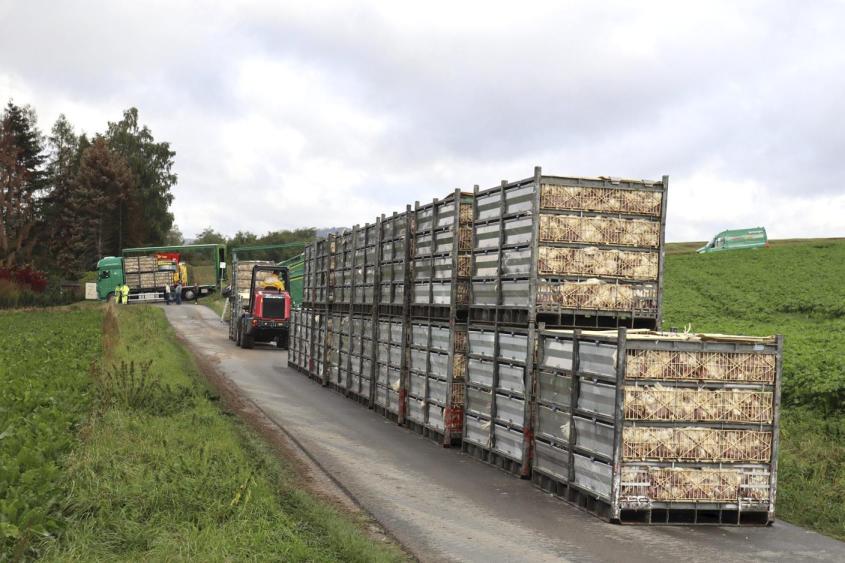
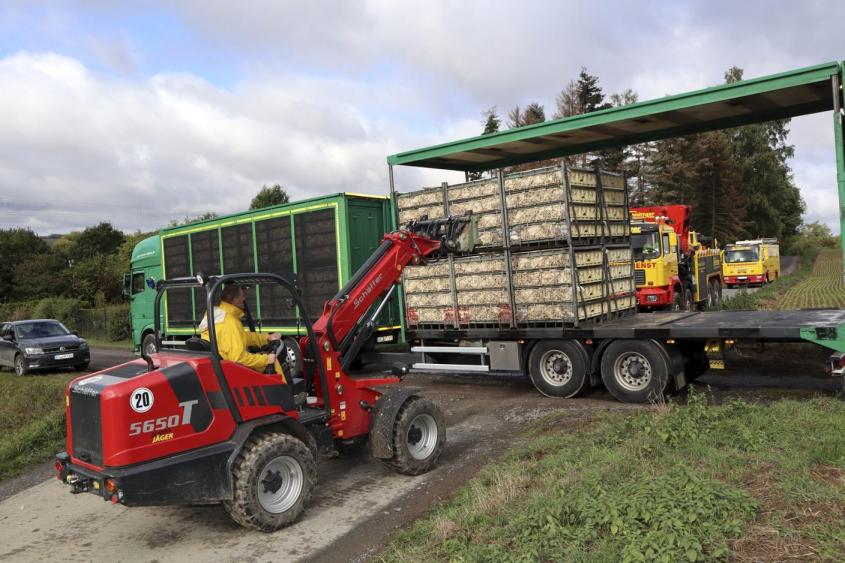
In an accident near Kasel,Germany, on October 3, a poultry truck is overturned. According to initial findings about 6000 non-human persons(chickens) have died.
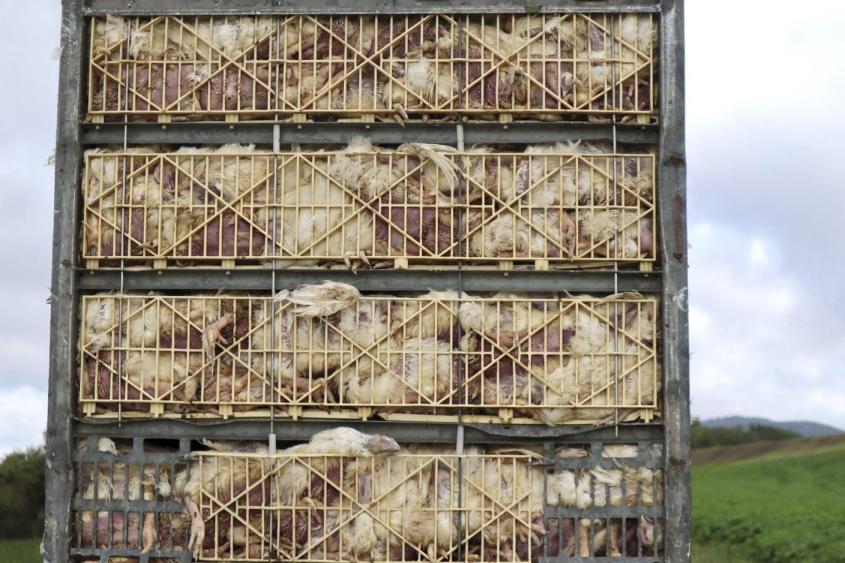
Eyewitnesses report a cruel scene that showed up between meadows and fields. A big overturned truck immediately catches your eye before you see the many boxes of thousands of squashed chickens. 80 percent of the chickens did not survive!
A forklift carries one box after another into the van. Sad is the sight that offers itself because the animals seem to have been crushed by the thousands. So here stands out a foot, there a wing or the tender comb of a cockerel.
The whole thing is overshadowed by the typical chicken stall smell, which always hits your nose when hundreds of dead animals pass by again. The beeping of the survivors sounds desperate and powerless, considering the many hours in this hell, no wonder.
At some point there are no more cages on the dirt road from where you can still see their former home. In just over an hour, the survivors will have reached Gudensberg, the largest poultry slaughterhouse in Hesse, Germany.
Overall, the 40-tonner had loaded 7500 animals. The vehicle was no significant damage according to police, even the 38-year-old driver of a company from the district of Lower Saxony remained unhurt.
The driver claimed that it rained in torrents and it was correspondingly dark. Suddenly he noticed that the right rear tires have strayed off the road and he has lost the control of the truck.
As a result of the impact, some of the transport boxes were opened so that some of the chickens had to be caught in the adjacent field. Although the van “very slowly,” slipped into the ditch, so the driver, 80 percent of the animals did not survive the accident. All persons were 32 days old!
The surviving chickens can not avoid their fate even after the disaster. After the transporter has been raised again, they should be brought to a slaughterhouse in Gudensberg, Germany.
My comment: If an accident happened to 6000 human animals, the third world media war would break out.
And the driver would have been responsible for negligent homicide in 6000 cases before the court. He would also have been accused of grievous bodily harm in another 1500 cases.
Now the message has disappeared, nowhere can you get new information about the “accident”. And so these messages get the color of a torture voyeurism for a gossipy society!
Coming soon, the farm animal exploiter will probably receive a generous compensation for the damage, because the EU agricultural subsidies are intended for such crimes.
This way, he can rebuild his Dachau as soon as possible and possibly gets more inmates.
And Germany can continue to produce 57 million tonnes of poultry (carcass weight) as in 2018. Because Germany is one of the largest meat and milk producers in the world, it produces 8 million tons of meat every year!! And this business is subsidized with taxpayers’ money!
There may be some who have difficulty responding to this crime if they are to be “reasonable” or “appropriate” without being “fanatical”.
I can say that I am very sad that there is not at least ONE human person among the 6000 dead. That would be fair for me.
Whoever wants to define this as “fanaticism” is a pseudo-moralist and accepts the right understanding of a banana republic.
Ship transporting 60,000 sheep on journey of death gets ‘clean bill of health’
The sheep are doomed to spend three weeks at sea in squalid conditions should a live export permit be granted, and many will not make it out alive.
The Al Shuwaikh livestock vessel destined for Kuwait, which has docked in East London for the past few days awaiting shipping 60,000 sheep onto it has been given a clean bill of health, according to Dispatch Live.
It was earlier reported that a permit had already been granted, but has since been corrected to reflect that this is only expected to take place later this week, department of rural development and agrarian reform spokesperson Ayongezwa Lungisa told Dispatch Live on Monday.
Lungisa says veterinarians are expected to be inspect the sheep for diseases and vaccinations before the Al Shuwaikh heads for Kuwait. If this is in order, a live export permit is expected to be granted.
The sheep are doomed to spend three weeks at sea in squalid conditions, and many will not make it out alive.
Al Mawashi, the livestock transport and trading company facilitating the live export, ironically claims that it does not tolerate poor treatment of livestock in any part of its supply chain.
However, in November 2017 during a voyage on the Al Shuwaikh, an average of 37 animals died each day onboard the ship. In June 2018, an average of 20 animals died per day on a 30-day voyage, and in September 2018, 659 deaths were recorded on a 24-day voyage.
The National Council of SPCAs (NSPCA) urged both government and the public to reconsider the shipment.
The permit being granted has hit them and other animal rights organisations hard.
In a statement, the NSPCA details the gruesome conditions the sheep will face on the ship.
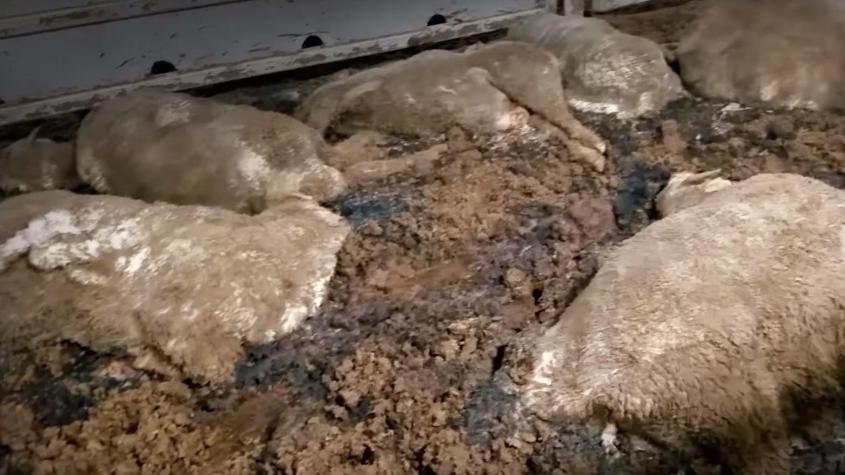
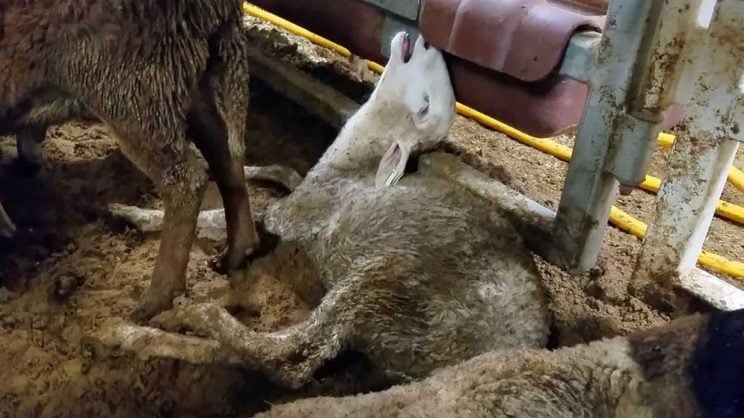
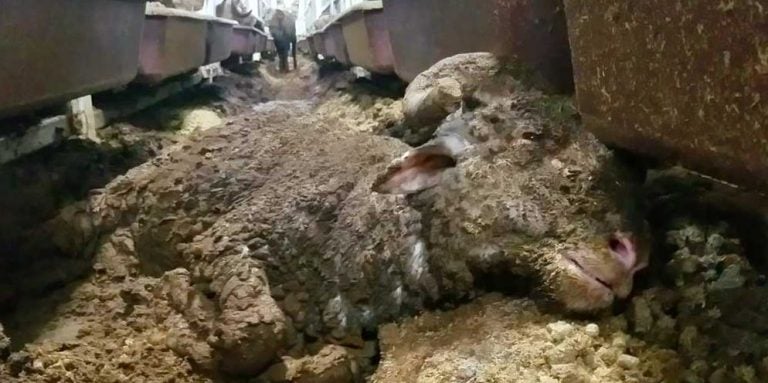
“Onboard this ship, they will be crammed so tightly that many will not be able to lie down and rest. For three weeks, they will stand, with limited access to food and water, and some will have no access at all … They will be forced to stand in their own excrement, wearing what is called “faecal jackets”.
Marcelle Meredith, NSPCA executive director, said: “The South African government have the power to stop this shipment, they have a responsibility to ensure that welfare is a primary concern, especially in light of our success in the high court recently with regards to permitting issues and welfare considerations.”
In a damning statement, the NSPCA has slammed the company’s blatant hypocrisy, pointing to claims that they operate transparently.
The NSPCA continues to advocate that live export by sea for slaughter purposes is unethical, unnecessary, and unacceptable.
According to Animals Australia, over 100,000 litres of urine and faeces accumulate on a trip like this each day the sheep are onboard.
This combined with the Middle East’s high temperatures results in sheep being unable to regulate their own body temperatures causing heatstroke. This, the statement reads, literally results in sheep being “cooked alive” while in oven-like temperatures.
Waste build-up makes it dangerous for the sheep to lie down, as they risk being buried alive, and ammonia from their excrement often leads to respiratory infections, and burning eyes and throats.
“All this mixed with disease, overcrowding, pneumonia, motion sickness, physical trauma and injuries, and stress, creates the perfect environment for excruciating suffering, and many animals will die in transit.”
The fate of those that survive the journey is not good either – they will face “inhumane handling” before being violently slaughtered while they are still alive.
Carte Blanche screened horrifying footage of the live export trade on Sunday evening, with the video still making the rounds on social media.
The NSPCA hoped their online petition would encourage government to reconsider the shipment.
“South Africa must take a stand against this abhorrent and unnecessary practice and rather export packaged meat, which not only ensures that animals do not suffer unnecessarily, but helps the country’s struggling economy.”
Those who wish to make a donation to the NSPCA can do so by clicking here.
28/9/19 – The news today is positive – ‘Animal Welfare’ is the big issue at the Conservative party conference.
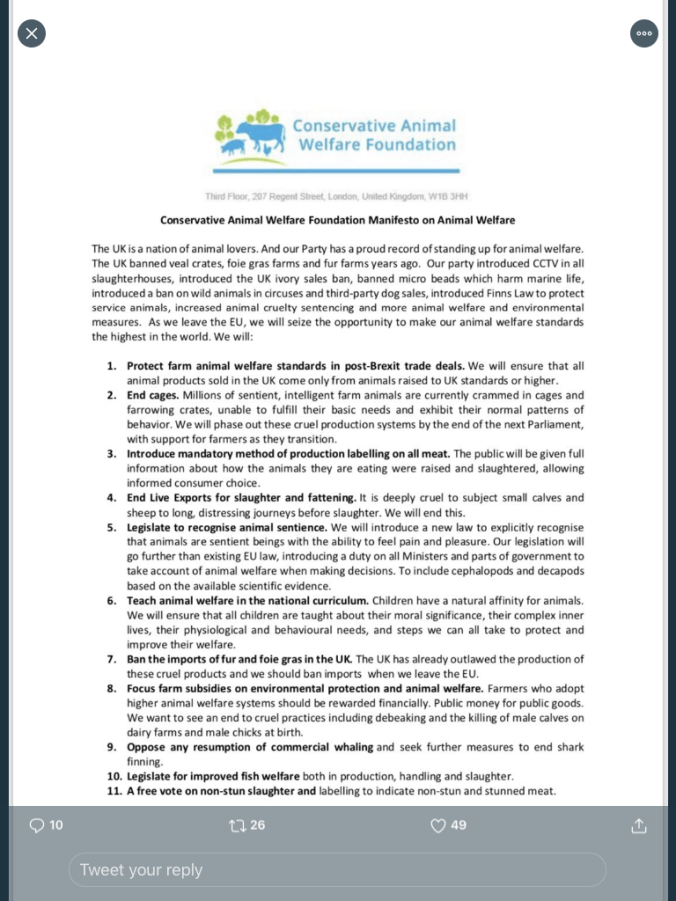
Here in the UK at the moment; we have a Conservative (Party) government. This weekend and into next week is the Conservative party conference; where the ‘table is laid’ about their proposals for the near future. We are very pleased to say that in both the last DEFRA Minister, Michael Gove; and the current minister, Theresa Villiers; we have very animal welfare friendly people. Theresa has always been a big player in the ban for live animal exports. This is reflected in the new manifesto paper released today which outlines the changes which we could see in the future under a Conservative government.
Whilst we at WAV welcome many of the initiatives set out in the paper; after all we are an animal welfare / rights organisation; we do have concerns that some issues are still not covered; including a reduction of animals being used in experiments; and failures to promote protection for drastically needed animals such as bees, butterflies and hedgehogs. Nothing has also been said about the culling of badgers; which is currently taking place under this same government.
But we do very much welcome the wording regarding a ban on the live export of animals; which is something we have been campaigning for (for) over 30 years; and which as a nation we are against; but unable to implement all the time we are an EU member state. We, as a group; did say a long time ago that if the UK was able to break free from the shackles of the EU, we could take back our own national control; and go for a live export ban. It seems that we have been listened to finally.
Under the proposals; the UK could see:
Protection of farm animal welfare standards – that animal products sold in the UK come only from animals raised to UK standards or higher.
The end of cages – phasing out of intensive cage systems by the end of the next parliament; supporting farmers who make the transition away from cage systems.
Mandatory labelling of all meat – the public will be given information on how animals were raised and slaughtered; enabling them to make a choice on what they buy.
The end of live animal exports from the UK for both further fattening and slaughter.
The introduction of a new law to recognise that all animals are sentient beings; and by going further than EU legislation, it will allow the government and ministers to take animal sentience into account when making lawful decisions on legislation.
Teaching animal welfare to children as part of the national curriculum. Children have a natural affinity with animals; so they will be taught about their needs, sentience, and requirements needed in order to respect and protect them.
Banning the import of all Foie Gras products into UK, once we leave the EU.
A focus on subsidising farmers and rewarding them financially if they adopt higher animal welfare standards and end cruel practices such as debeaking and the killing of male calves; the by product of a cruel dairy industry, along with the killing of male chicks at birth by the egg industry.
Opposing the resumption of commercial whaling; as is currently supported by the UK.
Seeking measures to end the terrible business of shark finning.
Legislate to improve fish welfare, at production, handling and slaughter.
A free vote on non-stun slaughter; and labelling of food to identify how an animal was killed – stun or no stun; enabling the public purchaser to make the choice of what they buy.
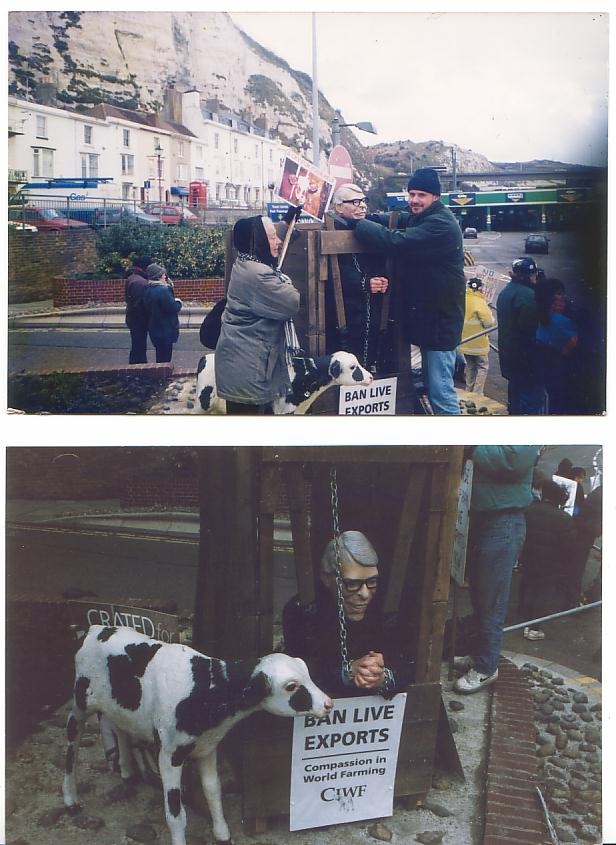
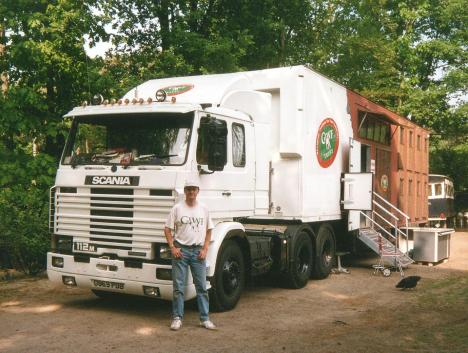
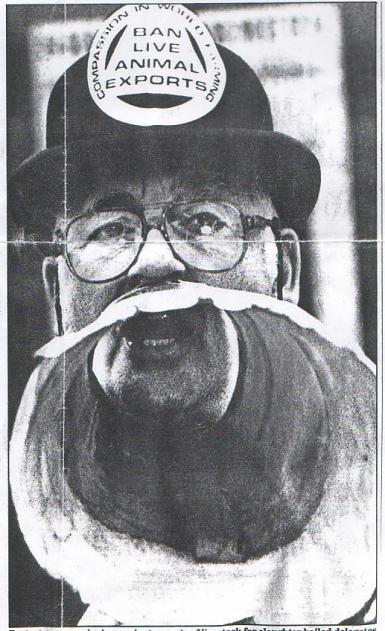
Myself campaigning at Dover port against the export of young male dairy calves to Europe for intensive systems.
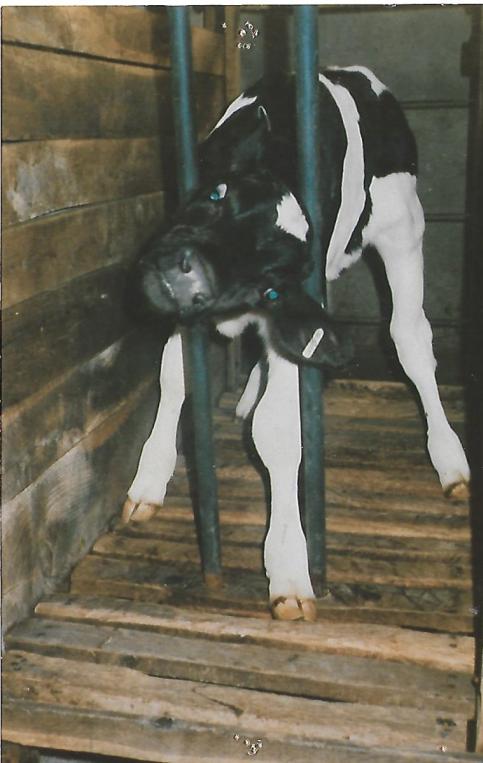
A British Veal Calf is Restrained in an EU Veal Crate – now that’s worth fighting for !
(see photo above and video below)
The ‘Animal Cruelty Investigation Group’ (ACIG – England) follow British Calves to the Netherlands.
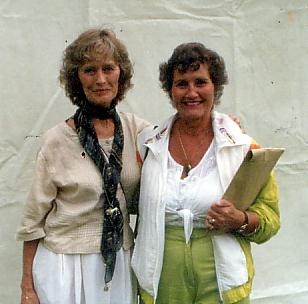
The woman behind my respect for animals – my mum (right) with Virginia McKenna of Born Free Foundation.
After some 40+ years of being a voice for animals, all of the above is very welcome news. Naturally there are other issues that we still have to work on; but hey; main issue at the Conservative conference; 15 years ago ‘animal welfare’ was not even really spoken about.
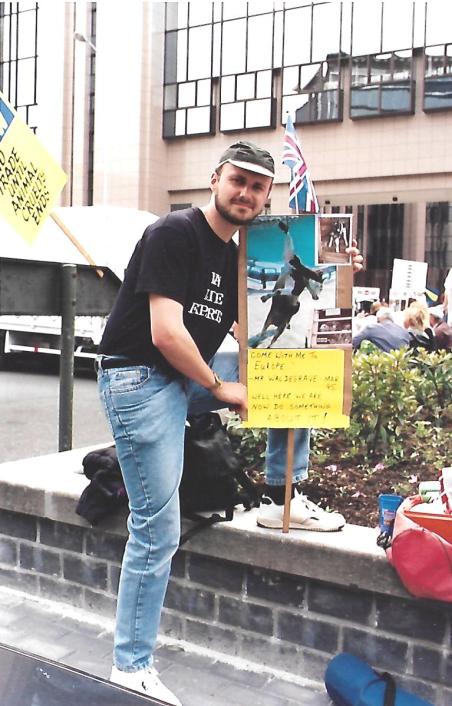
In Brussels, Belgium, EU HQ – a long, long time ago !
In the Netherlands with CIWF – European tour against intensive farming systems.
Today is a good positive sign for me; that my 40+ years of campaigning have not been wasted. Finally our voices are being heard where it matters by the people who are able to make the changes we ask for. The changes will not happen in the next week, but some of them could be underway by the time hopefully we get out of the useless EU by the end of this year.
Thanks to the tenacity of many excellent folk I have campaigned with over the years; sadly some of whom are not around now to hear this; I am tonight thinking back at them and remembering what they did to be a voice for animals.
Mike Tucker – Live Export Campaign hero – sadly no longer with us.
Tonight I am thinking and hoping that the 40+ years I have campaigned for animals, will move on in the near future to even better things. Finally we are being listed to. I also want to send respect and good luck to Greta with her environmental campaigning; she has done wonders with the global support of many activists.
She and her ideas and recommendations are the future; not those of the ignorant ‘Trumps’ of this world.