Category: pets

First report on world’s animal health reveals changing spread of disease impacting food security, trade and ecosystems 

https://www.woah.org/en/first-report-on-worlds-animal-health-reveals-changing-spread-of-disease-impacting-food-security-trade-and-ecosystems/

Published on 23 May 2025

Inaugural State of the World’s Animal Health report finds several animal diseases reaching new areas, with half of those reported able to jump to people.

Key findings: 

  • Animal diseases are migrating into previously unaffected ​​areas, ​​half (47%) of which have zoonotic – or animal-to-human – potential. 
  • Outbreaks of bird flu in mammals more than doubled last year compared to 2023, increasing the risk of further spread and human transmission. 
  • Access to livestock vaccines remains uneven around the world, with disease eradication efforts facing funding and political challenges. 
  • Antibiotic use in animals fell by 5​​% between 2020 and 2022 and expanding livestock vaccination globally would reduce the risk of antibiotic resistance. 

23 May, PARIS – Infectious animal diseases are affecting new areas and species, undermining global food security, human health and biodiversity, according to the first State of the World’s Animal Health report.   

The new annual assessment, published by the World Organisation for Animal Health (WOAH), provides the first comprehensive review of animal disease trends, risks and challenges, from the uptake and availability of vaccines to the use of antibiotics in animals. Released ahead of WOAH’s 92nd General Session and its Animal Health Forum – where leading experts will gather to discuss vaccination and innovation in disease prevention – the report sets the stage for high-level discussions on how science-based vaccination strategies and emerging technologies can help address current and future animal health threats through a One Health approach. 

Among its findings, the report revealed the reported number of avian influenza outbreaks in mammals more than doubled last year compared to 2023 with 1,022 outbreaks across 55 countries compared to 459 outbreaks in 2023. 

The authors highlighted that, while the risk of human infection remains low, the more mammalian species such as cattle, cats or dogs infected, the greater the possibility of the virus adapting to mammal-to-mammal, and potentially human, transmission. 

The spread, prevalence and impact of infectious animal diseases is changing, bringing new challenges for agriculture and food security, human health and development, and natural ecosystems,” said Dr.Emmanuelle Soubeyran, Director General of WOAH. 

Bird flu, or high pathogenicity avian influenza (HPAI), which has caused the culling or loss of more than 630 million birds in the last two decades was one of several animal diseases to affect new areas last year.

Peste des petits ruminants (PPR), which has traditionally affected sheep and goats in developing countries, has re-emerged in Europe while Africa swine fever (ASF) reached Sri Lanka, travelling more than 1,800 km from the nearest outbreaks, the report found.

Almost half of the WOAH-listed diseases notified to WOAH between 2005 and 2023 were considered a threat to human health with zoonotic, or animal-to-human infection, potential.

The report cited climate change and increased trade among the factors influencing the spread and prevalence of animal diseases. Many are preventable through a combination of vaccination, improved hygiene and biosecurity measures, but the report noted that access to animal vaccines remains uneven around the world.

Alongside other measures, vaccination remains one of the most powerful disease prevention tools available, saving countless lives, preventing economic losses and reducing the need for antimicrobial treatments,” Dr.Soubeyran added. 

To limit the spread of highly damaging diseases like avian influenza, foot and mouth disease and PPR, the global community must strengthen international cooperation and ensure equitable access to safe, effective vaccines, alongside other control measures.” 

Since 2006, WOAH has supported access to animal vaccines through its vaccine banks and currently operates two, one for rabies and one for PPR. As of May 2025, the WOAH Rabies Vaccine Bank has delivered almost 30 million dog vaccines to countries in Africa and Asia. However, progress towards ending rabies has stalled in recent years, with the percentage of countries reporting implementing control measures falling from 85 per cent to 62 per cent. 

The report also emphasised the importance of disease prevention for reducing the need for antibiotic treatment and limiting the development of drug-resistant diseases. 

By 2050, antimicrobial resistance is projected to cause livestock losses that jeopardise the food security of two billion people and result in a US$ 100 trillion economic loss if urgent action is not taken. 

The latest figures indicate that antimicrobial use, including antibiotics, in animals fell five per cent between 2020 and 2022, with use in Europe seeing the biggest decline of 23 per cent, followed by Africa at 20 per cent. However, one in five countries continue to use antimicrobials as growth promoters, which is discouraged by WOAH. 

The indiscriminate use of antimicrobials contributes to antimicrobial resistance, which is a major threat to both animal and human health,” said Dr.Javier Yugueros-Marcos, Head of the Antimicrobial Resistance and Veterinary Products Department at WOAH. “The declining use of antibiotics in almost all regions is encouraging but further reductions can be achieved by prioritising preventative measures against animal diseases, with vaccination as an essential component of these.”  

WOAH calls for investments to strengthen national Veterinary Services, greater global and regional coordination and improved disease surveillance systems to scale up effective disease control. This includes developing and implementing advanced diagnostic tools to differentiate between vaccinated and infected animals, enabling accurate disease tracking and trade transparency. 

Read the report – For interviews, please contact media@woah.org 

Key success stories on vaccination presented in the report 

  • In October 2023, France became the first EU country to implement a nationwide vaccination campaign against bird flu in ducks, which play a key role in the spread of the disease. The campaign helped reduce the number of outbreaks from a forecasted 700 to just 10, according to the report. 
  • Türkiye developed a new vaccine for an outbreak of FMD within just 37 days, vaccinating 14.2 million cattle – 90% of the national herd – and 2.5 million sheep within six months.  
  • The Philippines has now vaccinated millions of dogs against rabies with help of WOAH vaccine bank. In the past, the country received 500,000 doses of rabies vaccine through EU funding, leading to a noticeable decline in rabies cases.  

Animals Lebanon.

https://www.animalslebanon.org/

13 months of war –

https://www.animalslebanon.org/news/13-months-of-war

Legislation – and what we do: https://www.animalslebanon.org/what-we-do/law

Latest news:

https://www.animalslebanon.org/news

Thank you for helping animals during the war: httpshttps://www.animalslebanon.org/Thank-you-for-helping-animals-during-war //www.animalslebon.org/

Contact – https://www.animalslebanon.org/contact

And very importantly – DONATIONS

https://www.animalslebanon.org/donate

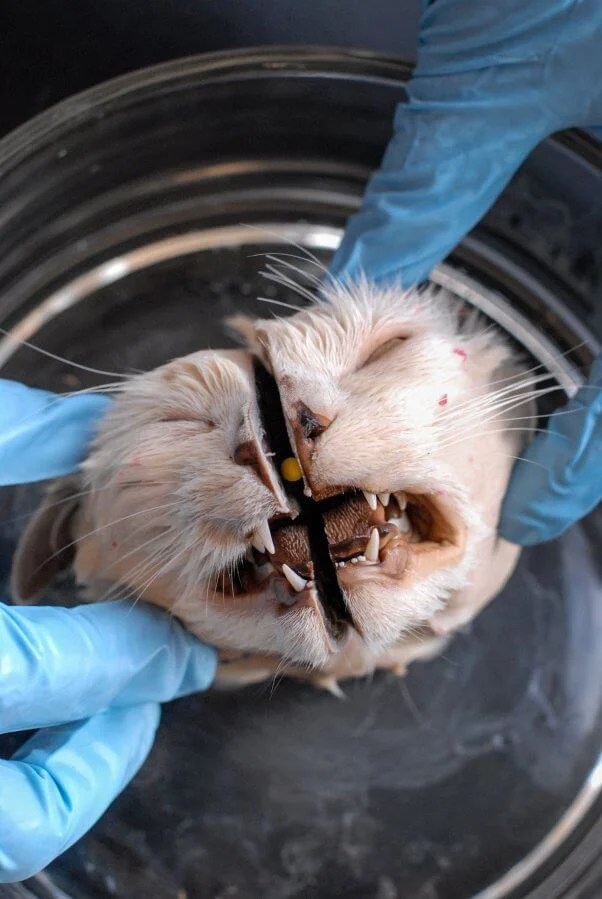
VIVISECTION ..

Sometimes a single picture says it all.

Source: PETA

***************

https://navs.org/

***************

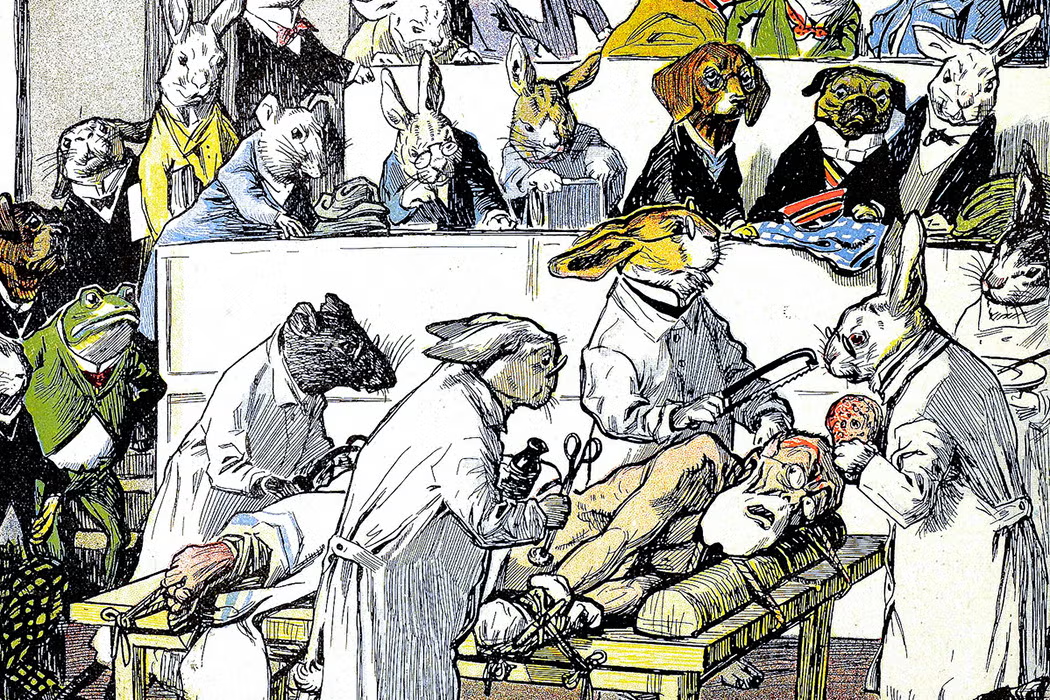
The Dangers of Animal Experimentation—for Doctors

Nineteenth-century opponents of vivisection warned that the practice could make researchers and physicians callous toward all living creatures.

https://daily.jstor.org/the-dangers-of-animal-experimentation-for-doctors/

May 13, 2024

When we worry about cruelty to animals, we’re often thinking not only of their suffering but also of the potential dangers to human society posed by animal abusers. As A. W. H. Bates, a coroner’s pathologist and scholar of animal ethics, writes, this was particularly true in nineteenth-century England, when some people were horrified at the notion that the doctors who cared for their families might also torture dogs.

Bates writes that efforts to address animal cruelty in British Parliament began in the first years of the nineteenth century. The growing London elite found the treatment of livestock disturbing. They also viewed the poor condition of these animals as signs of unfeelingness or active cruelty among the working class. Lawmakers debated whether viciousness toward animals led to violence against humans. But, at first, these concerns were directed only against the poor.

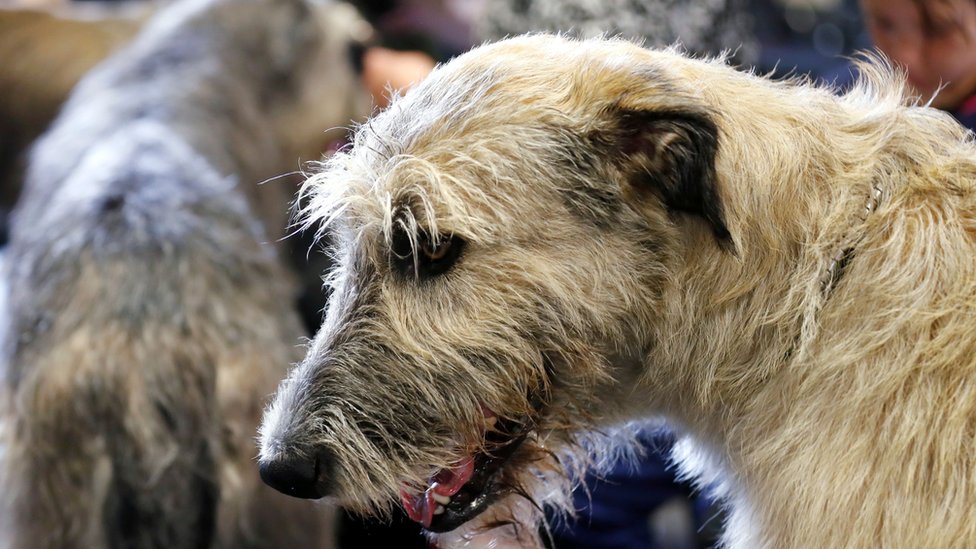
In 1824, scientific vivisection became the subject of similar scrutiny. That year, French physiologist François Magendie gave a public demonstration of cutting apart a live greyhound, which he allegedly nailed to a table, at an anatomy school in London. While British doctors also performed vivisections at that time, they were more popular among continental Europeans. Magendie’s actions stirred up an outcry based partly on anti-French sentiments.

British doctors generally decried Magendie’s demonstration as unnecessary and therefore cruel—and also as a damaging stain on their profession. But they still defended vivisection as acceptable if the experiments yielded valuable results.

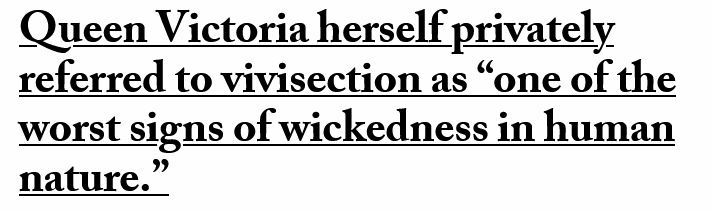
Bates writes that concerns about vivisection grew over the decades. Opponents warned that the practice could make researchers and physicians callous toward all living creatures. In 1844, the Protestant Magazine printed a “caution to parents” to avoid any doctor who practiced it. And Queen Victoria herself privately referred to vivisection as “one of the worst signs of wickedness in human nature.”

Bates argues that the debate over vivisection reflected a continuing interest within the world of medicine in Aristotelian virtue ethics. While British society at this time was generally more attuned to utilitarian or deontological ethics, which focus on whether an action is right or wrong, the medical field concerned itself with the moral character of individual practitioners. This meant balancing qualities such as tenderness and resolution, for the purpose of carrying out difficult but necessary procedures without becoming inured to suffering.

Following this logic, some physiologists presented their work as an act of sacrifice, in one case writing that the process sometimes “so shatters them, that it requires all their power of will to carry the process through to the accomplishment of the aim.”

Ultimately, the battle over vivisection faded from public awareness largely because of shifting professional norms. Toward the end of the nineteenth century, animal experimentation increasingly became a specialization of dedicated physiologists rather than practicing doctors, freeing patients and parents from worries about their own physicians’ moral bearings.

**

Vivisection, Virtue Ethics,and the Law in 19th-Century Britain

By: A. W. H. Bates

Journal of Animal Ethics, Vol. 4, No. 2 (Fall 2014), pp. 30–44

University of Illinois Press in partnership with the Ferrater Mora Oxford Centre for Animal Ethics

(Balkans) What are the punishments for torturing animals in the Balkans and why does someone do it?

https://en.vijesti.me/bbc/726169/what-are-the-punishments-for-torturing-animals-in-the-Balkans-and-why-does-someone-do-it

“Thugs do not suffer any sanctions, even when a report is filed, there is no reaction from the authorities and that is the problem.”

Photo: Reuters

((Disclaimer: The translations are mostly done through AI translator and might not be 100% accurate.))

28.09.2024

The text contains disturbing details

A man from East Sarajevo shot a dog, then dragged it wounded along the street with a tractor, a pensioner from the village of Stajkovce, in the south of Serbia, beat a mare with a hammer and a pole, a six-year-old boy from Niš threw a kitten and ran over it with a scooter, a man from Leskov tortured a poisonous snake – these are just some of the creepy headlines lately that disturb people in the Balkans.

Some of the adult perpetrators are prosecuted or convicted, but as a rule, the punishments are mild or none, and that is why there are more and more cases like this, says Milica Ranković from the Feniks Animal Protection Association.

“People who have these kinds of mental problems are increasingly relaxed, because they see that there is no adequate punishment.

“Thugs don’t suffer any sanctions, even when a report is filed, there is no reaction from the authorities and that’s where the problem lies,” Ranković told the BBC.

And when there is a reaction, it is slow, and punishments are often conditional or just a warning, he adds.

The situation is similar in Bosnia and Herzegovina, where because of the case from East Sarajevo, although the suspect was detained, protests were organized in Sarajevo and Banja Luka, demanding tougher sentences.

“There is enough violence against the weak, against women, children, animals… Enough!

“Monsters move freely among us, today it was a dog, and tomorrow it will be someone’s child,” said Mila Šarić, employed at the Veterinary Institute of the Republika Srpska, one of the two entities of Bosnia and Herzegovina. transmissions H1.

What motivates people to be violent towards animals?

Analysis by Marija Branković, professor at the Faculty of Media and Communications, Singidunum University*

Science today understands animals as sentient beings, which absolutely have the capacity to experience pain, fear and many other emotions.

Because of all this, violence against animals should alarm us as much as violence against people.

Based on psychological research, we know that there are complex explanations for violent behavior, it is impossible to attribute it to just one cause.

At the basic level, there are differences in people’s capacities for empathy, so we are talking about the expression of certain personality traits, which we call “dark traits” – psychopathy, narcissism, Machiavellianism and sadism – which are associated with a tendency to aggressive and antisocial forms of behavior.

Research conducted in Serbia shows that these four personality traits are clearly related to a negative attitude towards animals.

However, this should not be understood as something that will necessarily manifest itself, because it always depends on whether this behavior is encouraged or punished in the environment.

Furthermore, we know for sure that aggressive and violent behavior is learned by model and not only in the family, but social beliefs and norms are also very important, therefore, the general climate in society.

And we live in a so-called post-conflict society.

These are societies of fear, in which people live with a sense of threat, insecurity, and mistrust, which all make fertile ground for violence.

Moreover, violence is justified and applied in the public and political sphere, especially towards dissenters, which means that at the highest and most visible level of society you have clear models of violent behavior.

It is not an exaggeration to say that violence is promoted and even rewarded, and it is certainly punished insufficiently and unsystematically.

* Marija Branković is Frpsychologist and research associate at the Institute for Philosophy and Social Theory and author of the book Psychology of humans and (other) animals

What penalties are threatened?

Bosnia and Herzegovina: The laws in the two entities differ – Republika Srpska (RS) i Federation of Bosnia and Herzegovina. Anyone who severely abuses an animal or destroys animal habitats in a wider area will be fined or imprisoned for up to six months in the Federation of Bosnia and Herzegovina, and up to two years in the RS. For more serious forms, when a material benefit has been obtained or a protected species has suffered, the prison sentence can be up to one year in the Federation, and up to five years in the RS.

Montenegro: Anyone who kills, injures or tortures an animal in violation of the regulations will be fined or imprisoned up to one year, and in the case of protected species, imprisonment from six months to five years.

Croatia: Whoever kills an animal without a justified reason or abuses it more severely, causes it unnecessary pain or exposes it to unnecessary suffering, will be punished with a fine imprisonment for up to two years or in more severe cases up to three years. In Croatia, the criminal offense of abandoning animals was recently introduced, which carries a penalty of up to one year.

North Macedonia: Torturing and killing animals is punishable by a fine and a sentence of up to six months in prison, and carelessness is also punished – if the animal is left without food and water, it can be obtained three months in prison.

Serbia: Abuse and torture of animals is punishable by a fine or a prison sentence of up to two years, writes in Criminal law, and for more severe forms up to three years and a higher fine. It is a criminal offense to organize animal fights and bet on them out of self-interest, for which the prison sentence is from six months to three years. Rulebook exact punishments for abuse of animals are also prescribed, for example, for a brown bear it is one million dinars, for a griffon vulture or a black eagle 500.000, for a wolf or lynx 300.000, for an otter 250.000, up to certain types of snails or frogs where the penalty is 1.200 dinars.

Associations are looking for a register of abusers

Legislation is completely fine in Serbia, but the problem is that it is not enforced, Milica Ranković points out.

“The same problem is in the entire Balkans,” she adds.

At the beginning of September, for the second time, the Feniks Association, together with ten other animal protection organizations from all over Serbia, sent an official letter to the competent ministries with a proposal to create a database on abusers and killers of animals.

They also request that systematic work be done on education and prevention of such cases from the earliest age – through creating empathy, but also to encourage reporting.

The state representatives were approached for the first time last year after the May tragedies, when the neighbors of Uroš Blažić, accused of mass murder in the villages of Dubona and Malo Orašje, claimed that mistreated animals.

However, the authorities never responded.

“It is devastating for our society, because it shows that it is not interested in dealing with violence.

“All associations from all over Serbia have the same experiences, we are all aware that such a database is necessary, the problems are the same and nothing has changed,” says Ranković.

Whether the introduction of such a register is being considered at all and what it would look like, the BBC did not receive an answer from either the Ministry of Justice or the Ministry of the Interior.

TOMS KALNINS/EPA-EFE/REX/Shutterstock

A worldwide problem

In the past decades, there were many monstrous cases that filled the columns of the domestic black chronicle.

From Kerusha Mila, whose paws were cut off, to a video of a cat being doused with gasoline and burned alive, to individuals who kill dogs with a knife, sometimes petting them beforehand, and that’s how it is in the world.

The shocking number of cruelty to animals, which are found daily in the media or on social networks, are only the tip of the iceberg, because most are never reported, according to the website of the American association. Humane society.

Puppies, cats, horses and domestic animals are the most common targets.

According to their data, animal abusers are more often men under the age of 30, and sick collecting of animals, which is more often done by women over 60, is also considered abuse.

Cruelty to animals is strongly related to other crimes.

People who mistreat animals are five times more likely to be violent towards people, according to an American study by Northwestern University in Massachusetts.

Behavioral profiles of criminals by the US Federal Bureau of Investigation (FBI) regularly show that many serial killers and rapists tortured animals as children, writes the British association Peta.

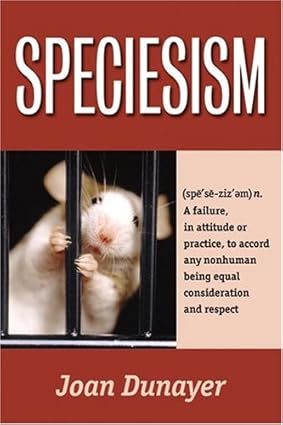
Speciesism: The Root of Animal Oppression

https://www.idausa.org/campaign/farmed-animal/speciesism-the-root-of-animal-oppression/

We live in a world where we share our homes with some species, eat others, and exploit still more in myriad ways, depending on what we’ve been taught about how we should see and treat different species, and whether we should consider ourselves superior to them. Unfortunately, the misguided belief that some species are worth our moral consideration and protection and others aren’t is known as speciesism, and it’s causing immeasurable harm.

Speciesism is a form of discrimination that considers one species superior to others. This mindset is based on the belief that humans have the right to dominate, use, and kill non-human animals for their own benefit. 

The term “speciesism” was coined in the 1970s by British psychologist and animal rights activist Richard Ryder, who introduced it in a pamphlet distributed as part of a campaign against animal experimentation in Oxford, England.

Like racism, sexism, homophobia, and all forms of discrimination against certain groups, speciesism devalues individuals based on arbitrary characteristics — and in the case of animals, their level of intelligence, their appearance, and if they have fur, feathers, and fins, or whether they walk on four legs instead of two. 

This perspective perpetuates the idea that we have the right to use, exploit, and kill other animals simply because they’re different from us. 

Speciesism is often the first form of discrimination we’re taught, and it manifests in two ways. The first is the belief in the supremacy of the human species over all other species. The second is viewing only certain species — such as animal companions and some wild animals — as worthy of care and protection, with some even considered part of our families. In contrast, most other animals are disregarded, and many are enslaved, tortured, and treated as commodities for food, entertainment, fashion, research, transportation, and much more.

Farmed animals are often depicted in marketing for food products as trivial, cartoonish characters, which strips them of their dignity and status as feeling individuals with their own personalities and preferences. Small family farms tend to be romanticized as wholesome places where animals live happy lives and are cared for by farmers. In reality, the basis of all animal farming is the exploitation and killing of sentient beings. Still, humans have compartmentalized their ethical views, allowing us to rationalize the cruelty and violence inflicted on animals we might otherwise be fascinated by and care about, all for our pleasure, convenience, advancement, habits, traditions, and tastes. Although it has been scientifically proven that humans can survive and thrive on a plant-based diet, most continue to consume the flesh, milk, and eggs of animals because we’ve been conditioned to believe that it’s “normal, natural, and necessary.”

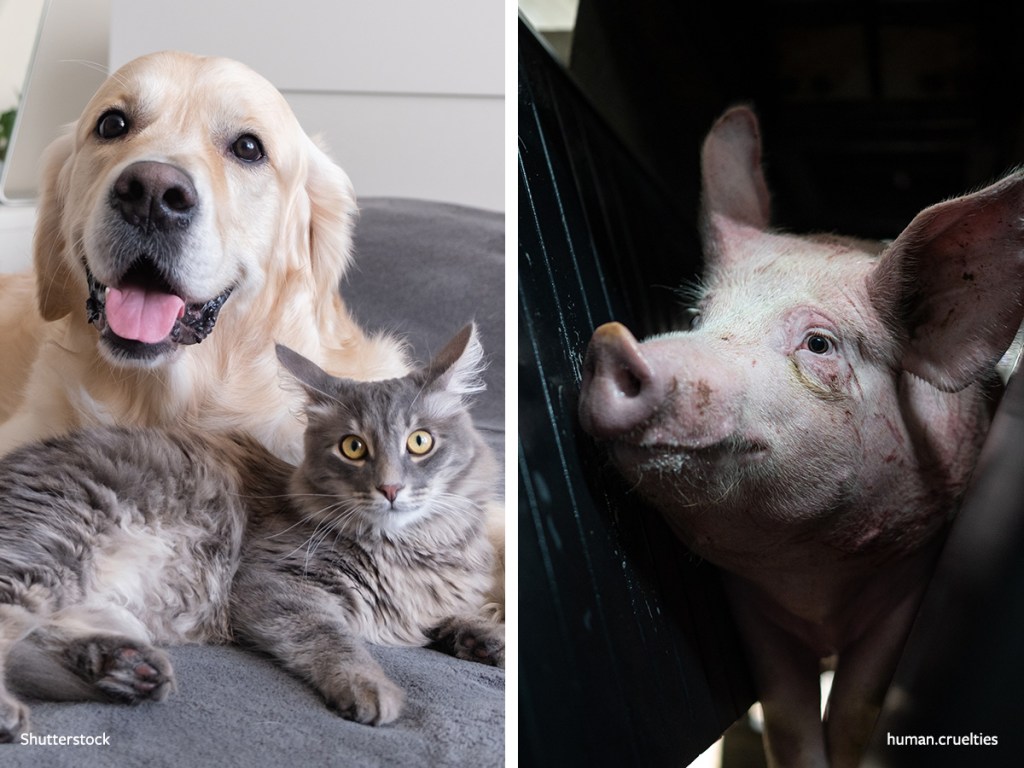
Animal companions and certain wild species are granted some legal protections, while all other animals are not. Cruel practices and mutilations without anesthesia, such as castration, tail docking, burning off horns, and extreme confinement, are inflicted on farmed animals like pigs, cows, chickens, goats, sheep, and turkeys, yet would be considered horrific abuse by most in Western culture if done to dogs or cats.

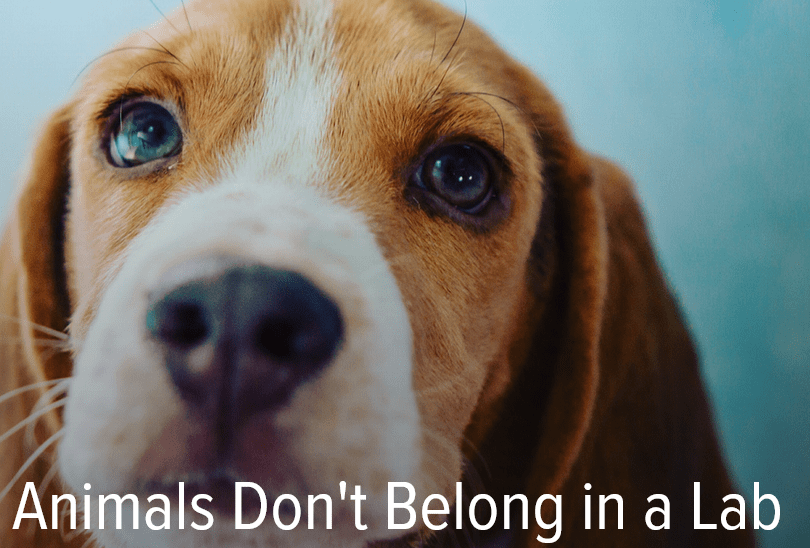
If we would never subject a dog or cat to these practices, nor send them to a slaughterhouse to end their life, we must recognize that no animal deserves to be used or enslaved by us, nor to have such pain and terror inflicted upon them. Even the desire to keep some animals as companions has led to their exploitation through breeding and selling, prioritizing profit over their well-being, which inevitably results in neglect, abuse, and often death. Beagle dogs and rabbits, usually seen as ‘pets,’ are also tormented and killed in research labs.

Humans often try to justify their oppression of animals by saying that humans are the most intelligent species. Yet many animal species possess sensory and physical abilities that humans do not have.

For example, bats use echolocation — the ability to use sound waves to navigate and find objects — to navigate in complete darkness. Tiny wrasse fish can recognize themselves and others in a mirror, joining chimpanzees and dolphins in this rare skill. Octopuses excel at problem-solving and camouflage, altering the texture and color of their skin to blend into their surroundings. Birds like the Arctic tern navigate thousands of miles using environmental cues, including the stars and the Earth’s magnetic field. 

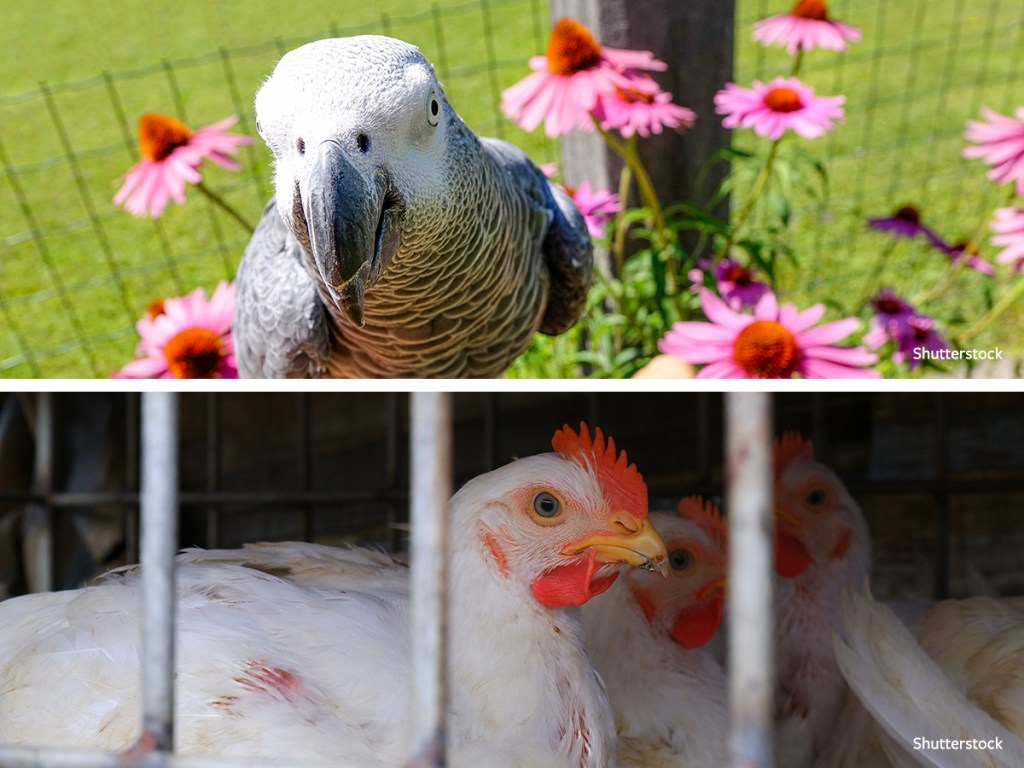
Chickens can recognize faces, form social bonds, and have memory and problem-solving skills on par with many other birds and mammals. Cows demonstrate empathy and many other complex emotions and can also solve puzzles. Pigs can navigate mazes and exhibit emotions and intelligence equivalent to a 3-year-old child.

Regardless, is intelligence truly the measure of whether someone deserves to be protected from harm by others? Some cognitively impaired humans are less intelligent than many animals. Does that mean we can also use and kill them? Of course not. No individual should be required to justify their right to safety and protection from human harm based on their cognitive or physical abilities. 

Whether human or non-human, each individual thinks and feels and has their own subjective experience of life, deserving the right to share this planet with us without being dominated by us. Unlike all forms of discrimination that focus on our differences, we must focus on what all species have in common — our will and desire to live and be free, and our capacity for pain, suffering, and joy. 

If we would not tolerate discrimination and harm based on race, gender, or other differences, we must apply the same reasoning to speciesism and view it as equally unjust. 

To embrace liberation, justice, and compassion for all Earthlings, live vegan—the principle that calls on humans to live without exploiting any other animals.

***********

Excellent book on the subject, for more in-depth study:

https://www.amazon.com/Speciesism-Joan-Dunayer/dp/0970647565

Ryce Pub., 2004 – 204 Pages

Defining speciesism as “a failure, in attitude or practice, to accord any nonhuman being equal consideration and respect,” this brilliant work critiques speciesism both outside and within the animal rights movement. The author demonstrates that much of the moral philosophy, legal theory, and animal advocacy aimed at advancing nonhuman emancipation actually perpetuate speciesism. Speciesism examines philosophy, law, and activism in terms of three categories: “old speciesism,” “new speciesism,” and species equality.Old-speciesists limit rights to humans. Speciesism refutes their standard arguments against nonhuman rights. Current law is old-speciesist — legally, nonhumans have no rights. Dunayer shows that “animal laws” such as the Humane Slaughter Act afford nonhumans no meaningful protection. She also explains why welfarist campaigns are old-speciesist.

Instead of opposing the abuse or killing of nonhuman beings, such campaigns seek only to make abuse or killing less cruel; they propose alternative ways of violating nonhumans’ moral rights. Many organizations that consider themselves animal rights advocates engage in old-speciesist campaigns, which reinforce the property status of nonhumans rather than promoting their emancipation.New-speciesists espouse rights for only some nonhumans, those whose minds seem most like those of humans. In addition to devaluing most animals, new-speciesists give greater moral consideration and stronger basic rights to humans than they do to any nonhumans. They see animalkind as a hierarchy, with humans at the top.

Dunayer explains why she categorizes such theorists as Peter Singer, Tom Regan, and Steven Wise as new-speciesists.Nonspeciesists advocaterights for every sentient being. Speciesism makes the case that every creature with a nervous system should be regarded as sentient. The book provides compelling evidence of consciousness in animals often dismissed as insentient — such as fishes, insects, spiders, and snails. Dunayer argues that every sentient being should possess basic legal rights, including rights to life and liberty. Radically egalitarian, Speciesism envisions nonspeciesist thought, law, and action.

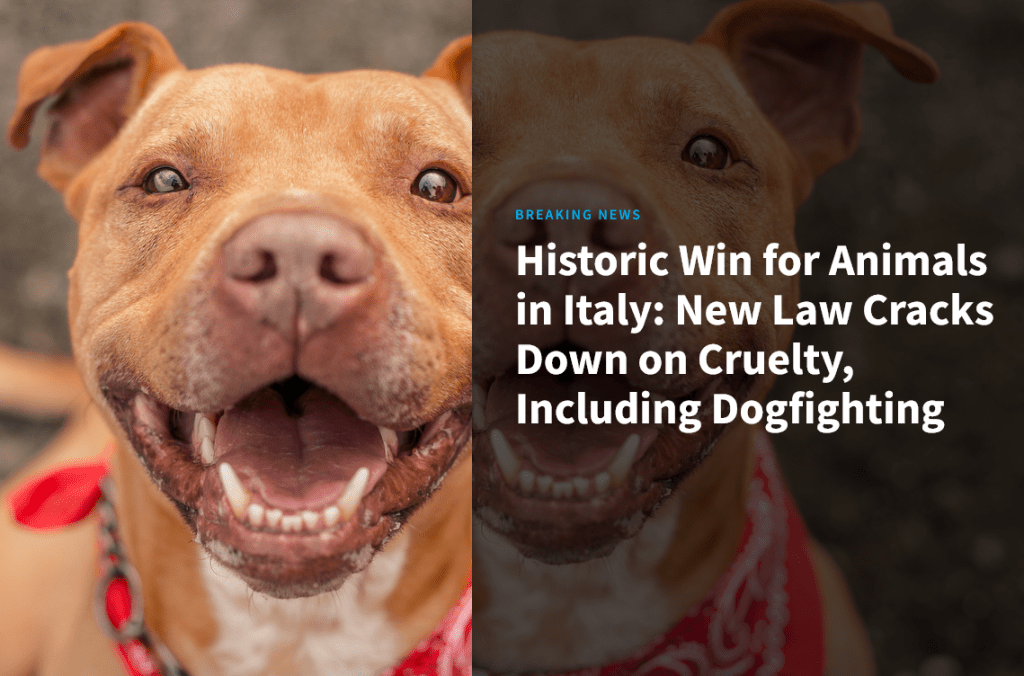
(IT) Historic Win for Animals …

The Italian Senate has officially passed Bill AS 1308, a significant legislative advancement aimed at reinforcing animal protection across the country. The bill, previously approved by the Chamber under the name AC 30, introduces comprehensive amendments to the criminal code, criminal procedure code, and related provisions to address and deter crimes against animals, including the brutal practice of dogfighting.

One of the key aspects of the new law is the redefinition of the criminal code’s Title IX bis, replacing the outdated concept of “Crimes against the human sentiment toward animals” with the clearer and more progressive “Crimes against animals.” This change reinforces the idea that animals are deserving of legal protection in their own right, as sentient beings, not merely as subjects whose suffering might offend human sensitivity.

The bill also significantly increases penalties for acts of cruelty, including the killing of animals without necessity, mistreatment, and violations of the ban on unauthorized animal fighting or competitions. In particular, sentences for organizing or participating in animal fights have been increased, aiming to better deter those involved in these violent and illegal activities.

Additionally, the law introduces harsher penalties for crimes committed in aggravating circumstances, such as in the presence of minors or against multiple animals, as well as for the dissemination of videos or images of such acts via digital platforms. This is a critical step in tackling the spread of animal cruelty content online.

“The final approval of AS 1308 represents another important step in the protection of animals in Italy. We’ve made further progress towards the full recognition of non-human animals as sentient beings and victims of crimes, finally overcoming the outdated concept of exclusively protecting the ‘human sentiment’ towards them. We are pleased with the increase in penalties for dogfighting, a criminal activity that we have been combating for years through the ‘Io non combatto project,’ and the expansion of penalties to anyone participating in dogfighting in any capacity,” said Alessandro Fazzi, institutional relations consultant for Humane World for Animals Italy.

“We hope that it will soon be possible to intervene to offer even greater protection for minors, and also to introduce specific social rehabilitation programs for all those who commit crimes against animals, starting with those who participate in dog fights,” continued Fazzi. “By combining these requests with what has been approved today, our country will be able to take truly significant steps toward a more advanced legal civilization.”

A notable provision also addresses the management and recovery of animals seized in criminal proceedings. Under the new legislation, these animals can now be permanently assigned to certified organizations that can provide care and rehabilitation, helping to ensure they are not left in limbo during often-lengthy legal processes. The bill further includes a nationwide ban on keeping dogs chained, a practice often linked to dogfighting, except in strictly defined health or safety circumstances.

“The recently approved bill marks a significant step forward for all those who dedicate themselves every day to the protection of animals. It is a strong signal that strengthens the recognition of animals as sentient beings, deserving of direct protection. It also represents a concrete evolution on an operational level, particularly for the management of animals who are victims of crimes, taken from criminal circuits, and placed under judicial seizure,” said Federica Faiella, president of Fondazione Cave Canem, “I’m especially thinking of the dogs involved in fighting: this law finally recognizes their right to be immediately placed on a path of psychological and physical recovery and, where possible, welcomed into a family setting. This avoids the paradox of animals saved from abuse who remain trapped in the judicial system for years, confined to detention facilities.”

Although some proposed amendments, such as dedicated funding for law enforcement training or the ban on the import and export of hunting trophies from endangered species, were not included in the final version, the bill nonetheless marks a decisive move forward. It modernizes Italy’s approach to animal welfare by aligning legal language and enforcement practices with contemporary views on animal rights and ethical treatment.

By recognizing animals as victims of crime and ensuring stronger legal and institutional tools to protect them, this bill lays the groundwork for more robust animal welfare policies in the future. It sends a clear message that cruelty against animals will be met with serious consequences and that animal protection is a core part of a civilized, humane society.

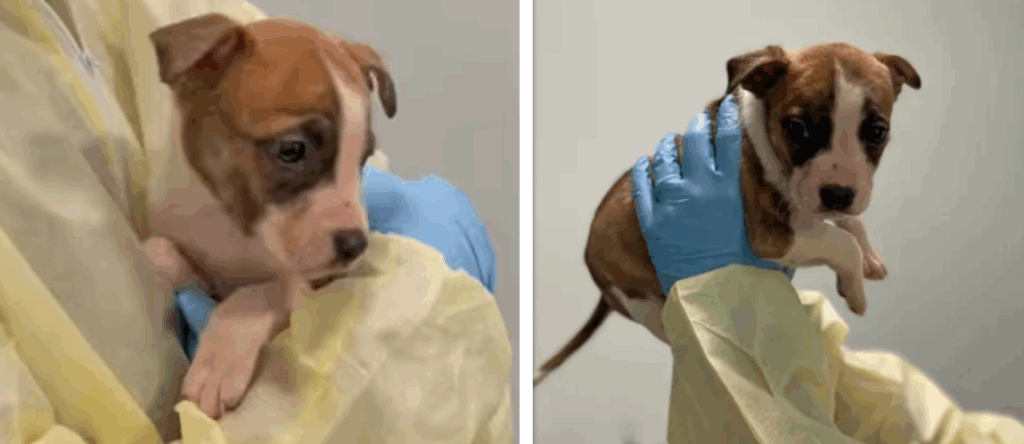
(US) Autopsy Reveals 6-Wk-Old Puppy Didn’t Kill Infant

https://nationalanimalnews.com/autopsy-reveals-6-wk-old-puppy-didnt-kill-infant/

Updated: May 30, 2025

Queens, NY – An autopsy of a month-old Queens infant who died Tuesday morning has confirmed that a six-week-old puppy in the apartment is not responsible for her death. According to sources, officials originally believed that the mixed breed puppy killed Kiyanna Winfield at the Queensbridge Houses public housing complex.

Baby Kiyanna was reportedly asleep between her parents on Tuesday morning; her mother woke to find the baby with bites on her body and called 911 for help, reports the New York Post.

The police seized the young puppy, believing it was responsible for the baby’s death. But the medical examiner has confirmed that the bites on the infant’s body were made after the baby’s death. The infant’s cause of death is currently unknown, and the case remains under investigation.

The wrongly blamed puppy was taken to Animal Care Centers of NYC – it is unclear what the pup’s fate is.

*************

Not all is well in .. GREECE

Some of you are perhaps planning their holiday …

https://www.ekathimerini.com/news/1247849/jackals-shot-and-hung/

Jackals shot and hung

06.09.2024 • 08:57

Police have launched an inquiry after the public outcry sparked by a video posted on social media showing three dead jackals hanging in two different places in the region of Messinia in southern Greece. 

According to a report on Skai TV, the jackals were shot and killed earlier in the week in the village of Xirochori in Mani by an unknown assailant or assailants.

One of the jackals was hung in the village square and two on signposts.

Another atrocity followed when a fox was also hanged in the area.

The incidents were the latest in a long string of reports of animal cruelty in different parts of the country.

In 2023 alone, there were more than 10,000 animal abuse complaints. 

************

https://www.ekathimerini.com/news/1250455/police-launch-manhunt-for-suspect-behind-gruesome-cat-killings-in-athens/

Authorities intensify hunt for suspect in Kypseli cat killings

08.10.2024 • 22:25

Authorities in the central Athens district of Kypseli are stepping up efforts to catch a suspect responsible for the gruesome decapitation of stray cats.

Reports suggest the perpetrator is targeting stray felines and leaving their bodies in various locations, sometimes accompanied by ominous notes.

Residents are growing increasingly alarmed, fearing more attacks. Despite reviewing surveillance footage from the crime scenes, police have yet to uncover any significant leads, but they continue to actively investigate the case.

Since December 14, 2023, five similar incidents have been reported, indicating a possible pattern that points to a single individual behind these heinous acts.

************

https://www.ekathimerini.com/news/1271570/man-arrested-for-killing-kitten/

Man arrested for torturing and killing kitten

03.06.2025 • 19:38

Police in Thessaloniki have arrested a 34-year-old man on suspicion of torturing and killing a kitten.

The incident came to light after a video surfaced online showing the man kicking a kitten – believed to have already been injured by traffic – onto the road before deliberately running it over with his car.

The Municipality of Kalamaria, where the alleged incident happened, issued a statement expressing its “anger and disgust,” saying the act “offends the culture of our city.”

************

https://www.ekathimerini.com/news/1263161/thessaloniki-police-investigate-stray-cat-poisonings/

Thessaloniki police investigate stray cat poisonings

04.03.2025 • 10:39

Police in Thessaloniki are investigating the mass poisoning of 16 stray cats in the Agia Marina district.

A local woman had been taking care of the cats and had given them food, but an unknown individual then added poison to the food, Vasilis Diamantakis, deputy mayor for the environment, told AMNA news agency.

The remains of the poisoned cats have been sent for an autopsy while a sample of the poisoned food has also been kept for examination.

“The police are conducting the necessary checks to identify the perpetrator and are investigating the case through the cameras in the surrounding area. We want the person responsible to be identified and punished so that people understand that there are consequences for such heinous acts,” Diamantakis said.

We’re close to translating animal languages – what happens then?

https://www.theguardian.com/world/2025/jun/01/were-close-to-translating-animal-languages-what-happens-then

AI may soon be able to decode whalespeak, among other forms of communication – but what nature has to say may not be a surprise

harles Darwin suggested that humans learned to speak by mimicking birdsong: our ancestors’ first words may have been a kind of interspecies exchange. Perhaps it won’t be long before we join the conversation once again.

The race to translate what animals are saying is heating up, with riches as well as a place in history at stake. The Jeremy Coller Foundation has promised $10m to whichever researchers can crack the code. This is a race fuelled by generative AI; large language models can sort through millions of recorded animal vocalisations to find their hidden grammars. Most projects focus on cetaceans because, like us, they learn through vocal imitation and, also like us, they communicate via complex arrangements of sound that appear to have structure and hierarchy.