More than 400,000 songbirds killed by organised crime in Cyprus
Not allowed to repeat text, so can only give article reference via a link :
More than 400,000 songbirds killed by organised crime in Cyprus | Birds | The Guardian
Thats Life !
Mark

More than 400,000 songbirds killed by organised crime in Cyprus
Not allowed to repeat text, so can only give article reference via a link :
More than 400,000 songbirds killed by organised crime in Cyprus | Birds | The Guardian
Thats Life !
Mark

England: Chinese Cat Torture Petition – Please Support Thank You. – World Animals Voice
German Version of Petition “China: Katzen-Folter-Ring (Cat Torture Ring)” – World Animals Voice


4 March 2024
RSPCA
Interview
To mark the RSPCA’s 200 year anniversary, we interview Chris Sherwood, the organisation’s Chief Executive. He tells us about the RSPCA’s unwavering commitment to animal welfare since 1824.
Tell us a bit about the RSPCA and its main battles?
There’s so much to say!
This year is our 200th anniversary – that’s two centuries we’ve been changing laws, attitudes and behaviours towards animals. More than 400 animal welfare laws have passed since we were founded in 1824, and we have literally changed the way we all think, feel and act towards animals.
We’ve fought for animals in homes, laboratories, farms, and the wild, and of course, we’ve rescued, rehabilitated and rehomed countless numbers, while always showing them all the compassion they deserve.
Our landmark anniversary is an amazing time to reflect on all that – and just how much society has changed for animals over the past two centuries. Indeed, I’m so proud that the RSPCA has been at the forefront of many of those changes – from stopping bear baiting and cockfighting shortly after our formation, to championing a Protection of Animals Act in 1911; and campaigning for laws like the Hunting Act 2004 and Animal Welfare Act 2006. But our influence has not just been legislatively. From setting up the RSPCA Fund for Sick & Wounded Horses during the First World War, to responding to the East Coast Flood of the 1950s – and so much more – we’ve been there. Into the 1970s, and the RSPCA Reform Group helped us develop a comprehensive animal welfare policy platform – further shaping how society – all of us – treat and think about animals.
Yet, there is still so much to do. Animals are arguably facing the biggest challenges of our history, through climate change, industrial farming, loss of habitat, the cost of living and the effects of the pandemic. Unless we put animal welfare on the mainstream agenda as one of the most pressing causes of our time, we risk animals lives getting worse, not better.
But we know that we can’t do this alone – we need as many people to join us as possible. So to mark our 200th anniversary this year we launched our million strong movement – we want a million people to join us in our 200th year and beyond, whether that is volunteering, giving their voice to animals or fundraising for us.
In which countries is the RSPCA present?
The RSPCA works in England and Wales – with dedicated staff and a proud network of branches operating in every single community of both nations. But as the world’s first animal charity, we sparked a global movement that spread around the world – so we’re also proud to have links with the animal welfare movement in all corners of the globe.
We have a dedicated international team who take our experiences and expertise of animal welfare in England and Wales all around the world – and have helped inspire and influence change right across Europe, Africa and Asia. We are also proud to be active members of Eurogroup for Animals, and a founding partner of the World Federation for Animals.
From humble beginnings at the Old Slaughter’s Coffee House in Central London in the early 19th century, it’s amazing to think what the RSPCA has gone on to achieve.Image What about you? Tell us a bit more about your role within the RSPCA and why you joined.
It’s been an enormous privilege to serve as the RSPCA’s chief executive since August 2018 – I could not be prouder to lead this fantastic charity for the past nearly six years.

My background is probably not typical of many chief executives – I was the first person in my family to get GCSEs, let alone an A level or undergraduate degree.
Before joining the RSPCA, I spent time as director of innovation and development at leading disability charity Scope, before working in policy and external affairs at Relate – the UK’s leading family and relationships charity – where I was later chief executive.
I’d always wanted to work in the voluntary sector because of my passion for creating a good society – inspired by where I grew up, in a former steel down battling with the social and economic effects of deindustrialisation. For me, a good society is one which is kind, inclusive and compassionate, and where everyone has the opportunity to thrive, not just survive – a better world in which we all take responsibility for our individual and collective impact on each other, on animals and on the planet.
Since becoming CEO at the RSPCA, we’ve of course endured a global pandemic, the ongoing cost of living crisis, and the continued, mounting threat of serious climate change – to name but a few of the challenges at the top of my in-tray, so it has certainly been an incredibly busy and challenging five and a half years.
I am inspired every day by the work of our diverse, dedicated teams – from our frontline officers, to our animal centres, call handlers, science experts, campaigners and so many others; all dedicating themselves to making our world a better one for the animals we share our lives with.
And I think we’ve been making a real difference, from continuing to deliver frontline animal rescue services throughout Covid-19, to supporting people through these difficult economic times, with, among other things, a pet food bank scheme, which delivered 1.5 million meals to needy pets last year. We’ve secured tougher sentences for animal abusers (my proudest moment as CEO) while animal sentience has been recognised in law and we are on the cusp of seeing live exports banned, something we have been campaigning against for more than 50 years.
In 2021, we launched a new strategy Together for Animal Welfare, which set ambitious targets to cut animal neglect in half, see more than half of UK farmed animals reared to RSPCA standards, and secure a UN declaration for animals. It’s ambitious, and we need as many people as possible to support us, and to support the animal welfare cause if we are going to continue to change animals’ lives now and in the future.
We know the RSPCA can’t fix every problem animals face by ourselves – and our response is so much stronger when we work together. But that’s why I see 2024 – our 200th anniversary – as the start of a new chapter in a remarkable story of helping animals; and a chance to transform again how we work together, everyone for every animal, to meet the challenges of the years, decades and centuries to come. https://www.youtube.com/embed/PkyLdSEHVDs?autoplay=0&start=0&rel=0&enablejsapi=1&origin=https%3A%2F%2Fwww.eurogroupforanimals.org When did the RSPCA join Eurogroup for Animals and why?
We’re the OG! We’ve been involved since the very beginning – some 44 years ago, in 1980!
In fact, the RSPCA founded Eurogroup for Animals – because we know that the animal welfare sector is stronger when it works together and speaks with a united voice. Over more than four decades, we’ve worked closely with our partners and are proud of the campaign successes it has secured for animal welfare.
It’s really important to pay tribute here to our outgoing president Dr Richard Ryder; Eurogroup for Animals was very much his vision; and also to our former director general Peter Davies – who did inspiring work as president.
Since the UK left the European Union, our membership has remained vital as we negotiate the Brexit transition. The European Union remains the UK’s largest market for imports and exports. The UK also left the EU, but not Europe, and we know animal welfare transcends national borders. The ongoing war in Ukraine has highlighted the need for collaboration, and the RSPCA worked with and through Eurogroup for Animals as part of our response to helping animals there.
What are RSPCA’s main campaigning achievements in 2023?
2023 was a really busy year for our campaigns; we saw an incredible 200,000 people sign petitions, write to the UK and Welsh Governments, contact their elected representatives and get their voice heard. We know animal issues are responsible for filling many politicians’ mail bags – and we make no apology for that!
But it was a turbulent year in British politics. We are leading up to an election which polls suggest could lead to a change of UK Government for the first time in 14 years.
And there were challenges, and frustrations, for animal welfare policy. The UK Government sadly dropped its flagship Kept Animals Bill, which was a tough pill to swallow, and we had to mobilise very quickly to ensure lots of very hard work and policy commitments were not lost altogether. We also saw the UK involved with new free trade agreements that failed to include measures to ensure imports met the UK’s higher animal standards. At one point, the list of broken promises from the UK Government for animals was as high as 15 – but fortunately the tide could be turning in favour of animals again.
We’ve seen the fruits of our campaigning continue in recent weeks and months; with restrictions on the keeping of primates as pets, a ban on the live export of animals and new rules around pet theft back on the agenda. In Wales, we successfully campaigned for the UK’s first ban on the use of snares, while glue traps were outlawed too – offering a real lifeline for wild animals. The UK Government also committed to a consultation on mandatory food labelling, which could give millions of people more information than ever before about where the food they eat comes from.Image How can the public act for the RSPCA?
There’s so many ways our supporters can get involved – and help animals.
None of our work for animals would be possible without our amazing supporters and volunteers. We have approximately 16,000 members, and last year more than 7,000 volunteers supported our work. We’re lucky that many people choose to support us – but this year, we want to go even further by inspiring a million-strong movement to come together for animal welfare.
From transporting injured wildlife to rescue centres, to signing and sharing petitions, going into schools and chatting to kids about animals, or taking on a fundraiser for us, there are endless opportunities for people all over England and Wales to help us create a better world for every animal.
And it’s thanks to our kind donors that we can keep our work going. Last year, rates of animal abandonment reached a three-year high, and we’ve seen unprecedented demand on many of our services due to the cost of living crisis. A few pounds really can make all the difference and help keep our rescuers on the road.
Words to live by?
Anyone who follows me on X will know I regularly tweet about cake (carrot cake being my favourite!); so I subscribe to the adage “a party without cake is just a meeting”!
I’m also always inspired by Margaret Mead’s quote – “Never doubt that a small group of thoughtful, committed, citizens can change the world. Indeed, it is the only thing that ever has”. It really highlights the power of people. Indeed, many charities start by a group of people coming together who aren’t happy with something in society and want to see it change; that is the story of the RSPCA and from those humble beginnings – a global movement sparked.
And it’s perhaps a bit of a cliche in the animal welfare world now – but it’s always hard to look beyond Mahatma Gandhi’s great quote – “The greatness of a nation and its moral progress can be judged by the way its animals are treated”. As the RSPCA turns 200, we can be proud of the moral progress we’ve seen in this country – but there’s still so much more work for us all to do.
Regards Mark

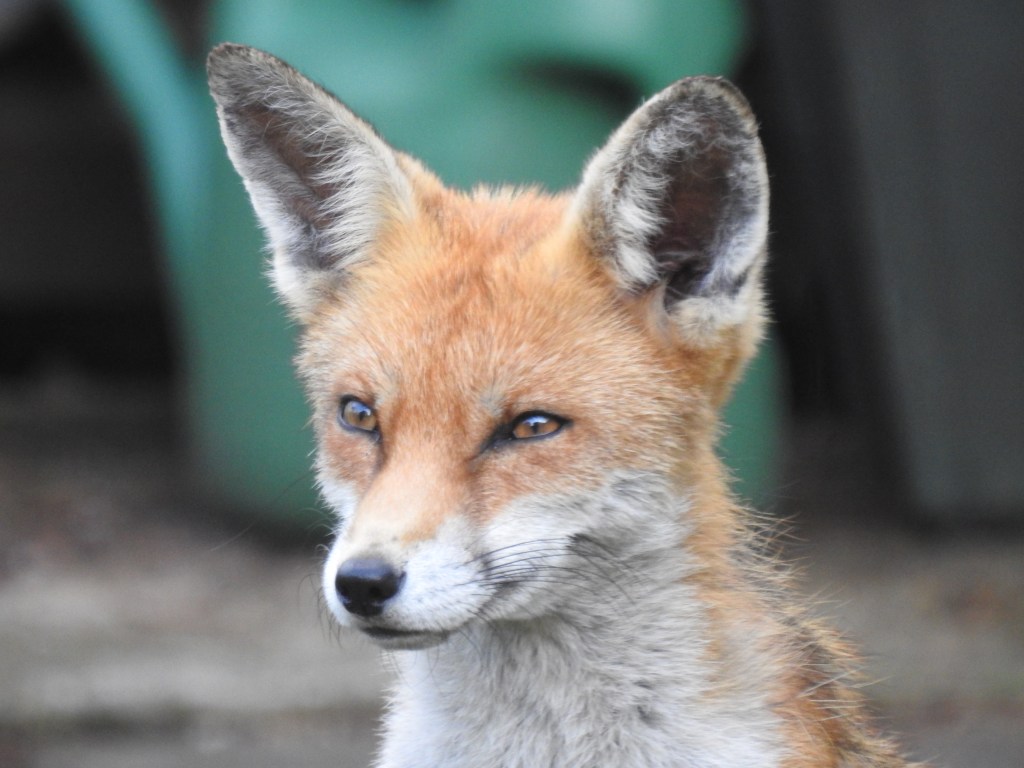
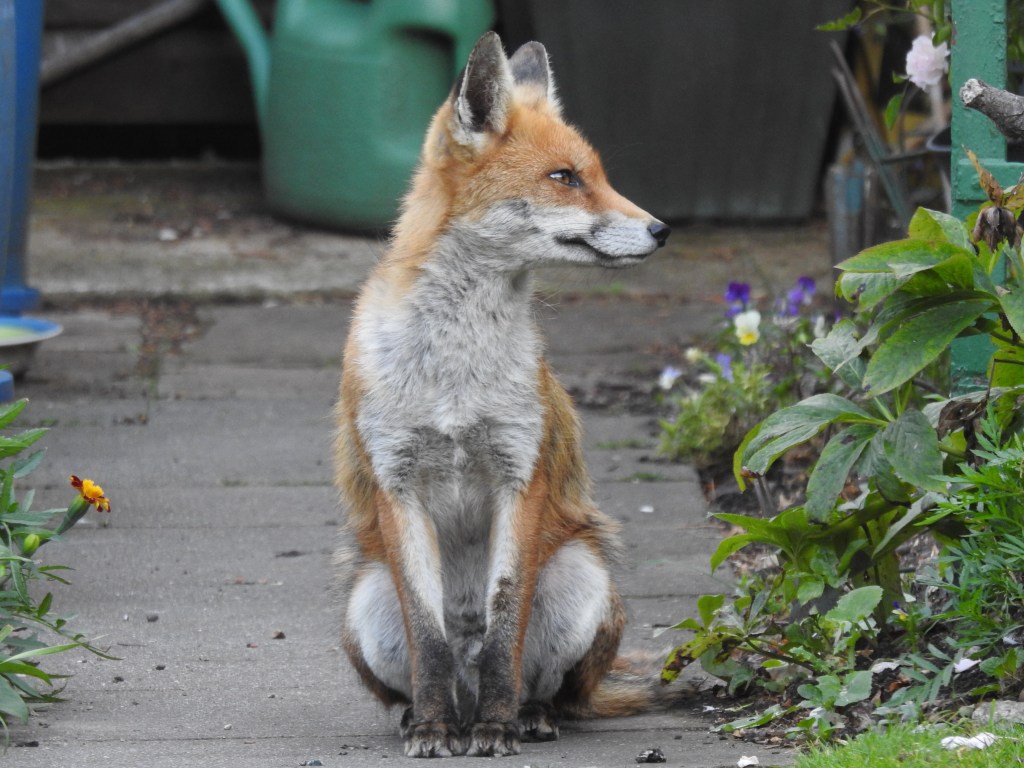
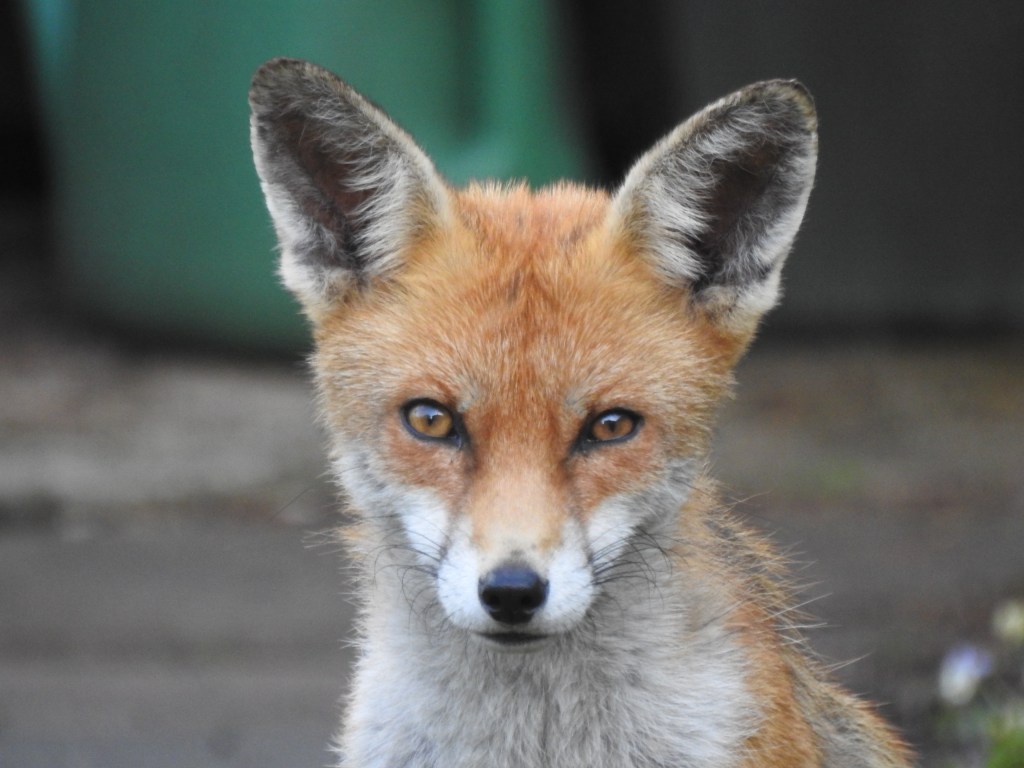
Animal Buddy Pauline has sent me some new photographs which were taken in Greenwich Park, London; home of The Royal Observatory, home of Greenwich Mean Time and the Prime Meridian, all located within Greenwich Park at the top of the steep hill overlooking the Queen’s House and the National Maritime Museum.
https://www.royalparks.org.uk/visit/parks/greenwich-park/royal-observatory
https://www.royalparks.org.uk/visit/parks/greenwich-park
Wildlife – https://www.royalparks.org.uk/nature-wildlife
During Pauline’s visit to the park with her dad; who you can see feeding one of the the local urban Foxes in some great pics, she was able to take several pictures which are reproduced here. So enjoy a visit to the Royal Park of London via the links and photos;
Regards Mark and Pauline.

Pauline’s dad feeds the very tame fox:


I think that the majority of London’s urban foxes probably do well, considering the look of this guy. Some people still hate them, but many people welcome them in the City and often put out some food for them. If people see any fox(es) in trouble then there is the National Fox Welfare Society (NFWS) who can be called out for rescues anytime within the M25 region.
Here is a link to their website which provides further information and pictures. If you see a fox with mange and wish to treat it yourself, then the NFWS will send you out FREE Arsenicum / Sulphur liquid which will treat when put onto jam sandwiches and dough nuts etc. It must never be put on meat as the benefits are nullified.
Make a note of these organisations and phone numbers in case you ever need them to help you.

Photo – NFWS
https://www.national-fox-welfare.com
If like us you are based very near to London in Kent, then we have the ‘Fox Project’ who can also be contacted for advice and an emergency Southern Wildlife rescue ambulance Network.
Here is the Fox project site link:

Photo – The Fox Project


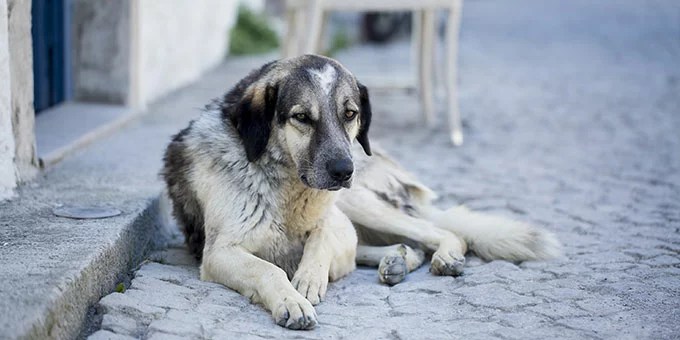
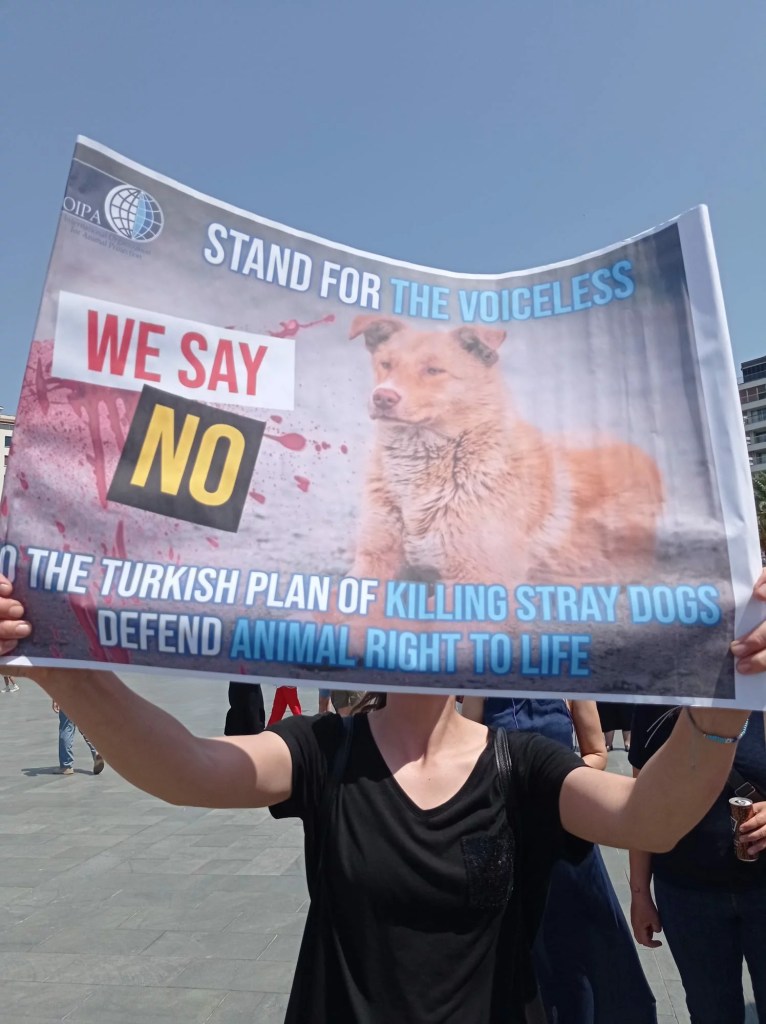
“The ‘stray’ ones are not the dogs, but the leaders who have burdened Turkey for years, polarizing society with hate politics; those who turn killing and rape into a country’s culture. Enough is enough! We will not vote for politicians who make our friends enemies, who undermine the culture of living together by promising to lock them in death camps under the name of ‘natural habitat.’ We will not bow to regressive and fascist hostility policies. Living is a right. We will not submit to the reactionary and fascist hostility policies. Living is a right. Freedom for animals, humans, and the earth!” (TY/VK)
Read more at:
Animal rights groups: ‘The ‘stray’ ones are not the dogs, but the leaders’ (bianet.org)


SAV – In 2005 we formed ‘Serbian Animals Voice’ (SAV) to try and be vocal for the stray cats and dogs of Serbia. The site is archived now, but is still open for anyone wishing to have a look at all our campaign work.
Please visit it at: Serbian Animals Voice (SAV) | a voice for the voiceless
You can read more about Serbian strays (and how they are supposed to be protected – NOT TRUE) at About Serbian Animals. | Serbian Animals Voice (SAV)

‘About Us’ shows different campaign work we have been involved with over the years –
About Us. | Serbian Animals Voice (SAV) – hoping you visit, learn and enjoy.
Regards Mark
This connects to : CHINA: “Cat Torture Ring”, “Crush Videos”
England – On Friday 2nd February, two young teenagers – a boy and a girl, were given 22 years and 20 year prison sentences respectively for the murder of another innocent teenager.
https://www.bbc.co.uk/news/uk-england-manchester-68184224
From what is being said, the two murderers did a lot of communication – including the planning of the murder, in which this poor girl was stabbed no less than 28 times ! – which was undertaken using the “Dark Web or DARK NET’.
Through our work relating to Chinese cat torture/abuse/killings and the production and distribution of “Crush Videos“, we know that this is also, in the main, done using the Dark Web – given that these activities are, in many countries, illegal and subject to criminal investigation and punishment.
So what exactly is the Dark Web; what is special to it and how does it operate when compared to the ‘normal’ web ?
Hopefully we can give you an oversight of what it is about; and why it is so very difficult to track the perpetrators of these terrible crimes or other illegal activity associated with it.
Murder and gross abuse of Human and non-Human alike – the Dark Web seems to be a place where both can thrive undetected.

So, what is it ?
By the definition given on “www.pcmag.com” the Dark Web is ..
A file sharing network used to illegally distribute copyrighted music and videos, as well as nefarious documents.
The Dark Web is the World Wide Web content that exists on darknets: overlay networks which use the Internet but which require specific software, configurations, or authorization to access. Through the Dark Web, private computer networks can communicate and conduct business anonymously without divulging identifying information, such as a user’s location, i.e. IP (IP: see below).
We all use URLs, or a Uniform Resource Locator during our daily computer work to visit webpages and other resources on the web. The URL is an address that sends users to a specific resource online, such as a webpage, video or other document or resource. When you search on Google, for example, the search results will display the URL of the resources that match your search query. The title in search results is simply a hyperlink to the URL of the resource.

“Although we use a “Clustrmap” on our site, which you can view at https://clustrmaps.com/site/1a9kn – you will see that there is no specific detail for any visitor; other than the country of origin, as the flags show. For us, the “Clustrmap” is used solely as a resource for identifying where visitors (to the site) are from, and to potentially see, by the absence of visitors from certain countries, which areas, in terms of “Animal Welfare/Rights” news, are under-represented on the site.
Hence it is for us a very useful identifier of where the current site visitors are located – UK, USA, Italy, Netherlands etc.
The IP Address
The Dark Web forms a small part of the deep web, the part of the web not indexed by web search engines, although sometimes the term ‘deep web’ is mistakenly used to refer specifically to the Dark Web.
An Internet Protocol address (an ‘IP’ address) is a numerical label such as 192.0.2.1 that is assigned to a device connected to a computer network that uses the Internet Protocol for communication. IP addresses serve two main functions: network interface identification, and location addressing.
As a word of warning, your own IP address is something you should guard. Many of these Dark Web sites use applications such as “IP loggers”, which record your IP upon visiting, and so disclose to the potentially criminal users of these services your personal data, such as your exact location, etc.
So please be mindful, ideally DO NOT visit such sites/networks – even if, as in the case of the Crush Video/Cat Torture groups, you wish to assist in bringing these “people” to justice.
The Deep Web
The Deep Web, also referred to as the ‘invisible web‘[, or ‘hidden web‘ are parts of the World Wide Web (www) whose contents are not indexed by standard web search-engine programs. This is in contrast to the “surface web“, which is accessible to anyone using the Internet.
Deep Web sites can be accessed by a direct URL or IP address, but may require entering a password or other security information to access actual content. Uses of Deep Web sites include web mail, online banking, cloud storage, restricted-access social-media pages and profiles, and web forums that require registration for viewing content. It also includes paywalled services such as video on demand and some online magazines and newspapers.

The Dark Nets which constitute the Dark Web include small, friend-to-friend networks, as well as large, popular networks such as Tor, Freenet, I2P, and Riffle operated by public organizations. Individuals users of the Dark Web refer to the regular web as Clearnet due to its unencrypted nature.
So all data on the net is either unencrypted (not converted into a code), or encrypted (converted into a code), for a variety of reasons. Usually encryption is used to protect data from access by unauthorized persons, or indeed to conceal potentially illegal activity, as in the case of the Dark Web. Encryption is also used to conceal/hide data itself by converting it to (often nonsensical) “code”, altering its entire appearance, and so masquerading as something it is not.
Another way of making it hard for outsiders to access “sensitive” or forbidden data is the hiding of data in a layered construct, much like, and so called, an onion – the TOR Dark Web, or otherwise known as “onionland]” uses this technique. It is a traffic anonymization technique of onion routing under the network’s top-level domain suffix .onion.

Onion routing refers to the fact that Tor encapsulates your internet traffic in layers of encryption, which are nested like the layers of an onion.
Onion routing is the reason why, when you access a site through Tor, it takes a very long time to load – your internet traffic is being routed through many different Tor “nodes” (volunteers on the network who are helping run it on their devices).
Perhaps not quite as complex and futuristic as in this clip, but you get the idea:
https://www.youtube.com/watch?v=YOQUVpEGyqg
We cannot, here, go into more detail – “World Animals Voice” is not a site devoted to technical issues. It was, however, our intention to give you some idea why pursuing the perpetrators committing the terrible crimes we have highlighted so far – and will continue to do so – is difficult.
However, once again: we will renew our commitment, together with all the cooperating parties, and our supporters, to this cause, and the animals concerned.

To those hiding in the shadows, feeling safe and sneering at those who pursue them, we will say this:
Mark & Diana
Here are past links to our work associated with Cat Torture, Crush, and animal liings by perverted supporters who use the above to cover their tracks and identities.
China: ‘Crush’ Information. – World Animals Voice
EXPOSING AND COMBATING CAT TORTURE NETWORKS. 6/1/24. – World Animals Voice
China: Cat Torture Actions Follow Up – No. 1 – World Animals Voice
China – Cat Torture – Major Information and Actions – Follow Up No. 2 – World Animals Voice
A new Chinese cat torturer is identified and exposed:
The fight to defend terribly abused animals continues.
Hong Kong poachers are leaving more illegal traps in nature areas to catch wildlife, with stray dogs paying the price: animal rights group
Story by Lo Hoi-ying • 9h
Poachers place traps on quiet mountain trails, targeting animals such as foxes, porcupines and wild boars
Wild boar concern group says current penalties for illegal poaching aren’t tough enough to deter culprits
More illegal traps have been found in nature areas across Hong Kong as poachers find it easier to obtain and set them up, according to an animal rights group.
The Society for the Prevention of Cruelty to Animals (SPCA) said it found 31 illegal traps last year, up from 24 in 2022 and 20 in 2021. Last month alone, it found 21 traps at various places.
The society’s chief inspector, Desmond Tsang Ka-lun, said poachers usually placed traps on mountain trails less popular with hikers, targeting wild animals such as foxes, porcupines and wild boars.
Do you have questions about the biggest topics and trends from around the world? Get the answers with SCMP Knowledge, our new platform of curated content with explainers, FAQs, analyses and infographics brought to you by our award-winning team.
Stray dogs often end up trapped and most are found alive but injured, he said. SPCA vets tended to the rescued animals and assess whether they were suitable for adoption after they healed.
The Post accompanied the group on a rescue mission on January 30, after it received a report of a stray dog trapped in the hills near Shing Mun Reservoir in Tsuen Wan.
Two SPCA officers abseiled down a slope to rescue the mongrel, which had its right front paw caught by a wire trap. It was whimpering with its right front leg swollen.
The team also found shredded bread, dried squid and fish hanging on a tree nearby, which it believed was left by poachers to attract wild boars.
On January 17, two dogs were found trapped within 10 metres (32.8 feet) of each other in Sha Tau Kok in northeastern New Territories, both with paws caught in traps.
SPCA officers rescued the dogs and found 12 illegal traps in the area, including many with metal wires and snares.
Tsang said the illegal traps were not only available online but also easy for poachers to carry and set up.
“The traps have become more minimal and can easily be bought online and hidden in their bags,” he said. “The new ones, which trap the animals’ legs, only require some metal springs, wires and worm gears to construct.
“It is not illegal to buy these parts, but when they are put together and built into a trap to cause hurt to animals, they breach the law.”
He believed the poachers’ main targets were wild boars, which they wanted for their meat.
Media reported last month that a villager in Loi Tung East Village was seen butchering wild boars believed to have been trapped illegally.
Last March, the Agriculture, Fisheries and Conservation Department found 11 cage traps on a hillside near Po Lam Estate in Tseung Kwan O.
A leopard cat was discovered ensnared in one of the cages and sent to the Kadoorie Farm and Botanic Garden.
A department spokesman said it had seized more than 750 hunting appliances in the past five years, including 137 last year.
The department prosecuted eight cases in 2021 with fines ranging between HK$400 (US$51) and HK$2,400, while five cases were prosecuted and ended in convictions in 2020, resulting in fines between HK$300 and HK$1,000, he said.
The department prosecuted two cases last year, and investigations were ongoing.
Unless a resident holds a special permit, it is illegal to possess any hunting appliance and hunt wild animals in Hong Kong, with offenders facing a maximum fine of HK$50,000.
The hunting of wild animals listed as protected species carries a maximum fine of HK$100,000 and one year’s jail time. Possessing and using hunting appliances are banned at country parks, and offenders face a maximum fine of HK$2,000 and three months in prison.
Porcupines, muntjac deer and leopard cats are considered protected wild animals, but not Hong Kong’s estimated 2,500 wild boars, said Roni Wong Ho-yin of the Wild Boars Concern Group.
The Agriculture, Fisheries and Conservation Department began euthanising wild pigs in November 2021 after a spike in incidents of boars attacking people and entering urban areas. It has culled 895 boars since then.
Wong, whose group objects to culling, said villagers in rural areas had long been known to hunt boars, but the situation had worsened since the department action.
“We feel that since the government rolled out the wild boar cull, people have been taught to see them as our enemies and feel it is all right to take action against them,” Wong said.
“Of course in rural areas, there has been a tradition of farmers or villagers hunting wild boars for food, or trapping them to prevent them from digging up crops.”
He said villagers usually hunted wild boars for their own consumption or sold the meat to other villagers or local eateries that served wild game illegally.
Wong felt current penalties were not enough of a deterrent. “The government must raise the penalties, step up patrolling and actually enforce the law to target these illegal hunters,” he said.
The conservation department said it had not received reports of restaurants selling boar meat hunted locally.
Ibrahim Elsohaby, an assistant professor at the department of infectious diseases and public health at City University, said that wild pigs were a significant source of diseases transmitted from animals to humans.
They were known to carry about 30 viral and bacterial diseases and almost 40 parasites, posing the risk of transmission to people, pets, livestock and other wildlife, he said.
Eating undercooked wild boar meat was a common way for disease-causing viruses and parasites to pass to people, causing swine flu, salmonella and some life-threatening conditions.
The health risks multiplied when poachers retrieved trapped animals long after they had died and begun decomposing, he said.
Regards Mark

Cat lover campaigns for animal rights in Indonesia elections

Francine Widjojo, 44, a parliamentary candidate from Indonesian Solidarity Party (PSI), reacts during a group photo in Jakarta, Indonesia, January 28, 2024. REUTERS/Ajeng Dinar Ulfiana Ulfiana© Thomson Reuters
See many photographs at https://www.msn.com/en-gb/news/world/cat-lover-campaigns-for-animal-rights-in-indonesia-elections/ar-BB1i0TYB
JAKARTA (Reuters) – Indonesian Francine Widjojo is hitting the campaign trail with cats and treats in hand to run as a Jakarta legislative candidate and raise awareness of animal cruelty along the way.
Indonesia, the world’s third-largest democracy, will hold presidential and legislative elections on Feb. 14 and campaigns are now in full swing.
On posters scattered across the Indonesian capital, Francine can be seen holding Yakult, a white cat she rescued as a kitten and one of 27 that live in her home.
The 44-year-old walks around town holding a bottle of cat treats with a Yakult sticker, urging people to join her to feed strays in the city.
“One of the issues that I will be fighting for is for Jakarta to be a pet-friendly city,” she told Reuters last month while attending a vaccination event for Yakult, adding that if elected as a Jakarta lawmaker, she wants to increase sterilisation and vaccination for pets in the city.
People in some parts of the Southeast Asian nation are known to consume cat and dog meat and the government has faced pressure from animal rights groups to end it.
The agricultural ministry classified dog meat as not for human consumption in 2018, but that has had little impact on the trade as there weren’t fines that could be enforced on those who sold such meats, activists said.
The government of the Central Java province said it intercepted over 200 dogs that were transported there for consumption last month.
Activists rallied in Jakarta this month to call for a national ban on dog and cat meat trades, according to the animal welfare group The Humane Society International.
Francine, who is running for office with the Indonesian Solidarity Party that is headed by President Joko Widodo’s youngest son, plans to fight against corruption and racial and religious intolerance.
But she said animal cruelty is not commonly addressed in Indonesia, and vows to “fight this together”.
(Reporting by Yuddy Cahya Budiman; Additional reporting by Zahra Matarani; Writing by Stanley Widianto; Editing by Jacqueline Wong)
Regards Mark

A good article – well worth reading.
Fahim Amir is a Viennese philosopher and author. He has taught at various universities and art academies in Europe and Latin America. His research explores the thresholds of nature, cultures and urbanism; performance and utopia; and colonial historicity and modernism.
Both “Pigeon Politics” and “Swinish Multitudes” are excerpts from the book Being and Swine, now available for purchase in the US and Canada from the publisher, Between the Lines, and in the UK from Foyles. The ebook is available worldwide from Between the Lines.
Since the 1970s, Sue Coe has worked at the juncture of art and activism to expose injustices and abuses of power. Her illustrations have graced the pages of The New York Times, The New Yorker, Rolling Stone, Entertainment Weekly, The Progressive, The Nation, and the cover of ARTnews. Her exhibitions include a retrospective at the Hirshhorn Museum in Washington, DC and a solo exhibition at MoMA PS1, NY. She is represented by Galerie St. Etienne, NY.


Photo – Pauline
When – 1 Hour Between 26 and 28 January
What is Big Garden Birdwatch?
I (Mark WAV) have tried to attract Goldfinches – See Picture below; into my garden. It worked after a few months of trying; now I get up to 6 on the feeders at the same time. They are beautiful birds as you can see – a host of colour !

Big Garden Birdwatch is the world’s largest garden wildlife survey. Every year, hundreds of thousands of nature lovers like you take part, helping to build a picture of how garden birds are faring.
It’s easy to be part of Big Garden Birdwatch. Simply choose an hour between 26 and 28 January and count the birds you see in your garden, from your balcony, or in your local park. Only count birds that land. Then tell us what you saw. Even if you saw nothing, it still counts.
Big Garden Birdwatch FAQs (rspb.org.uk)


Telling us what you saw
When do I need to send you my results?
Please tell us what you saw at www.rspb.org.uk/birdwatch before 18 February. By giving us your results online, you’re helping us to spend more on saving nature as it reduces our costs. However, if you prefer to post us your results, you can print and complete the form found in the guide, and send it back to reach us by 13 February. Please take a look at the guide before printing, as it may be that you don’t need to print it all. Every piece of paper saved is better for nature!


Free Guide and ID chart
You can take part in the Birdwatch by simply counting the birds for one hour then going online to tell us what and how many you saw. However, we know some people prefer to use a guide. You can download this year’s free guide below.
big-garden-bird-watch-how-to-english.pdf
Birds of conservation concern
The UK Red list for Birds keeps track of population trends in 245 species, with birds listed as ‘Red’ deemed most at risk. In 2021,Greenfinches moved onto the Red List for the first time.

Photos – Pauline

Back in 1979, when Big Garden Birdwatch began, Greenfinches first came in at number seven, but in 2023 they were down to 18. This demonstrates the devastating population declines seen in these charming little finches, caused by a disease called trichomonosis. We now know that Chaffinches are affected too.
You can help stop the spread of this disease by removing old food and cleaning your bird tables, bird baths and feeders weekly. Check here for guidance on cleaning feeders to keep you and your garden birds safe.
Big Garden Birdwatch | Register (rspb.org.uk)
Regards Mark
Who knows what else you might see ?


Photo – Pauline
Guardian – London – Could 2024 be the year nature rights enter the political mainstream?
Regards Mark