Category: Uncategorized

England: New March (2023) Photographs From Pauline.

Here are the latest photographs which have been sent through by fellow animal buddy Pauline taken in and around South London.

You can see all of her past excellent images by clicking on https://worldanimalsvoice.com/?s=pauline

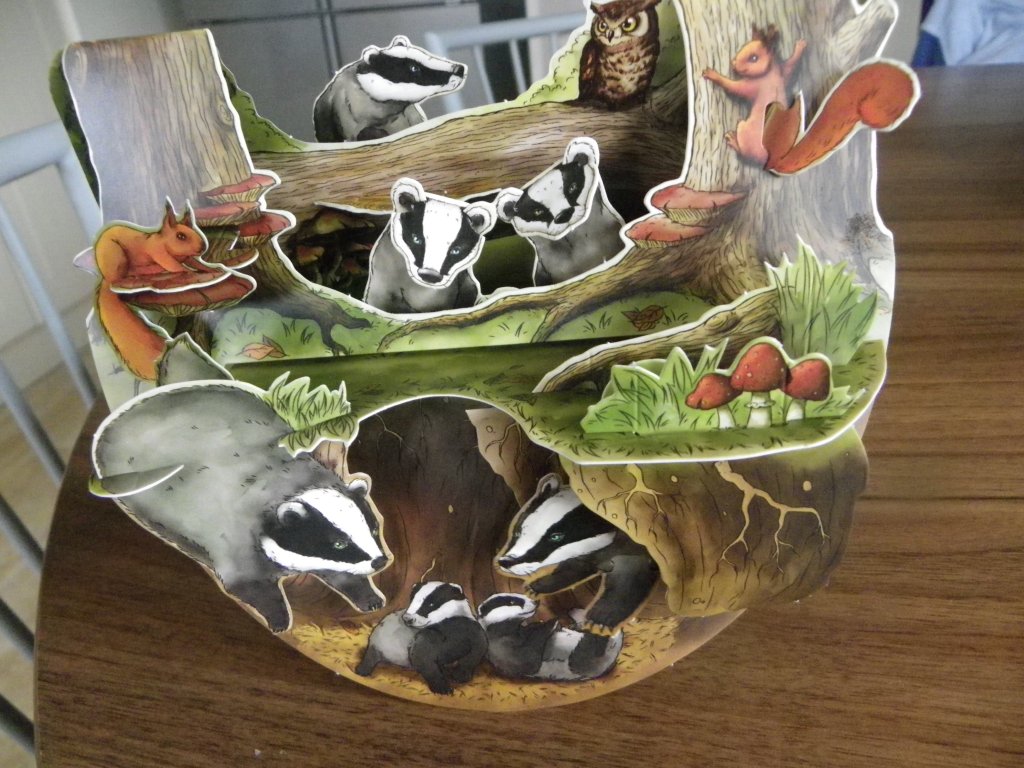
Finally, I want to thank her for my fabulous birthday card relating to Badgers – we are both Badger people; doing our best to speak up for and look after this iconic chunk of British wildlife. I have scanned in the basic card here for you to see, but on the real card all the heads and other wildlife move – super cool !

My super cool Badger birthday card from Pauline:

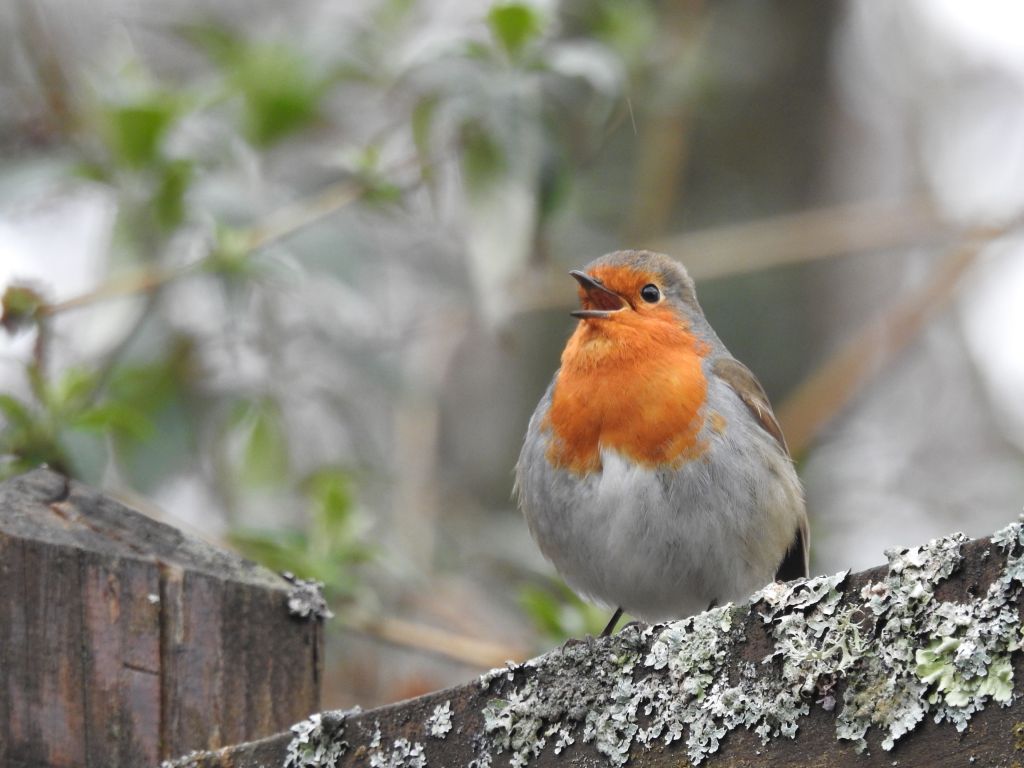
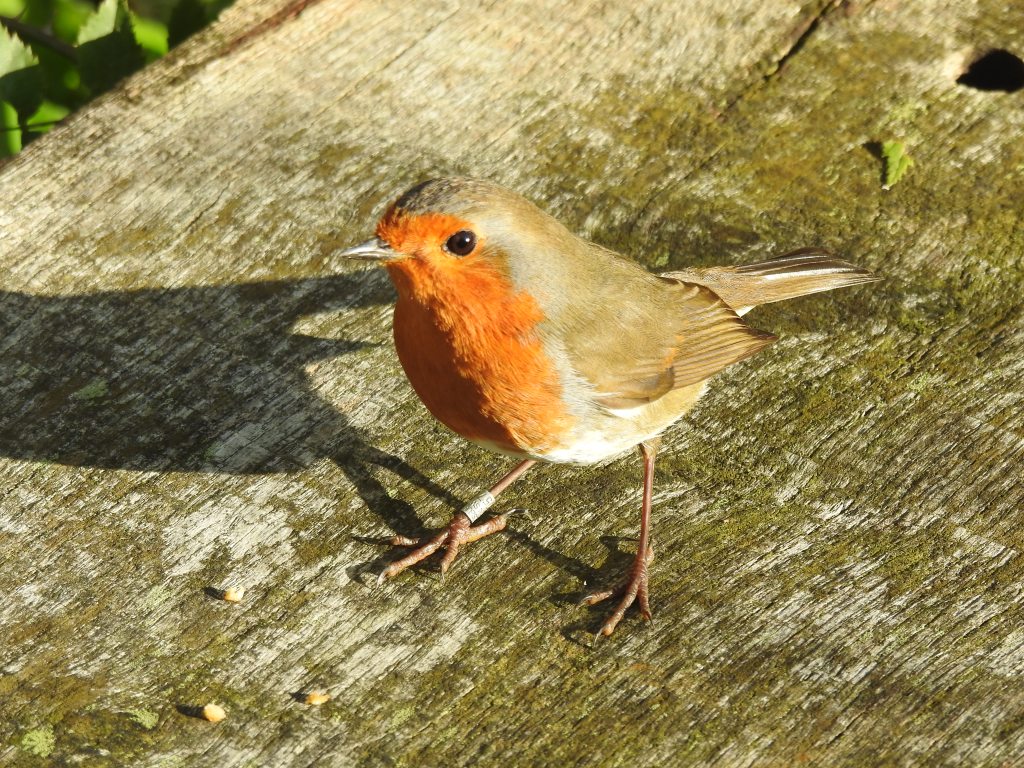
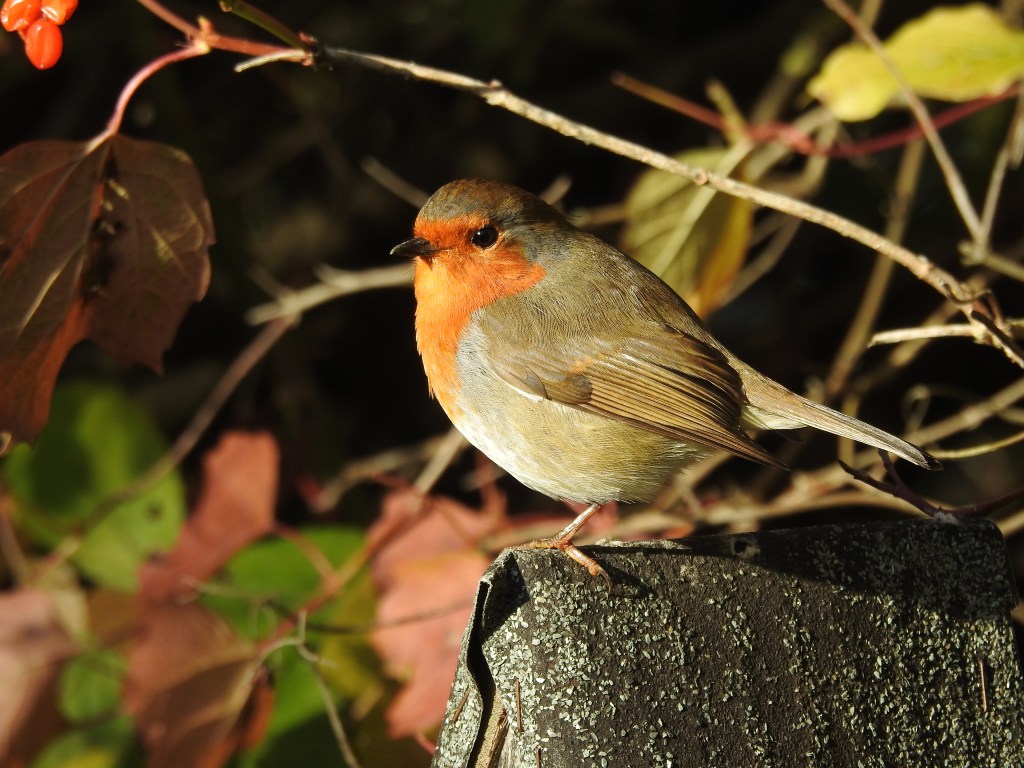
Singing Robin:

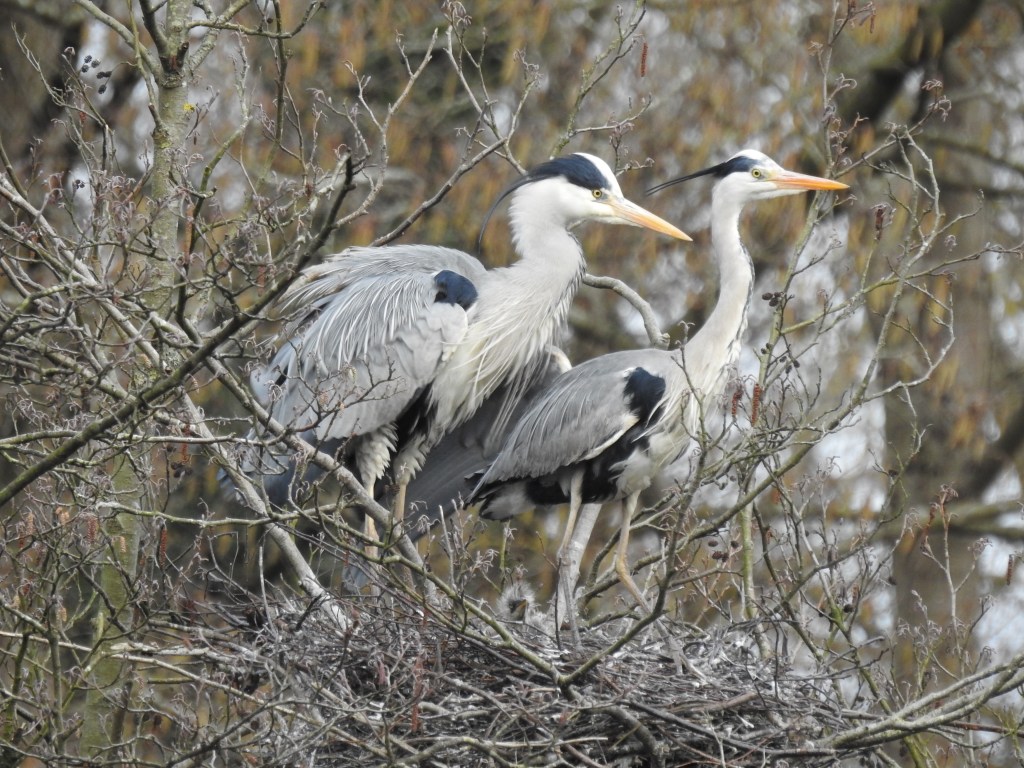
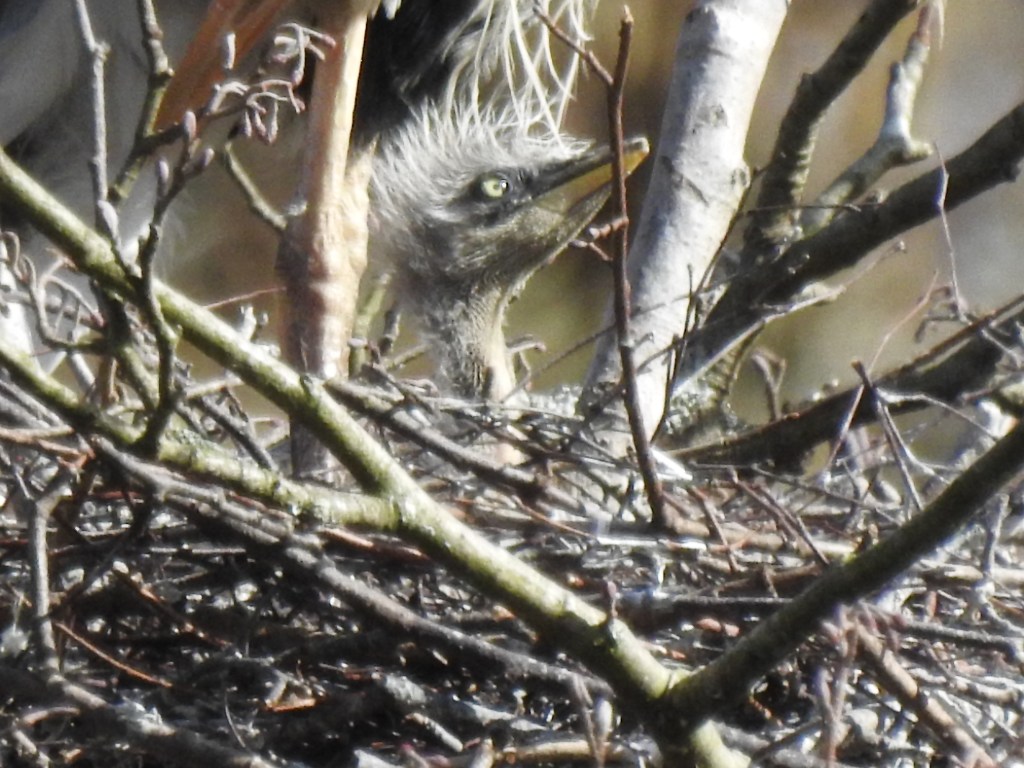
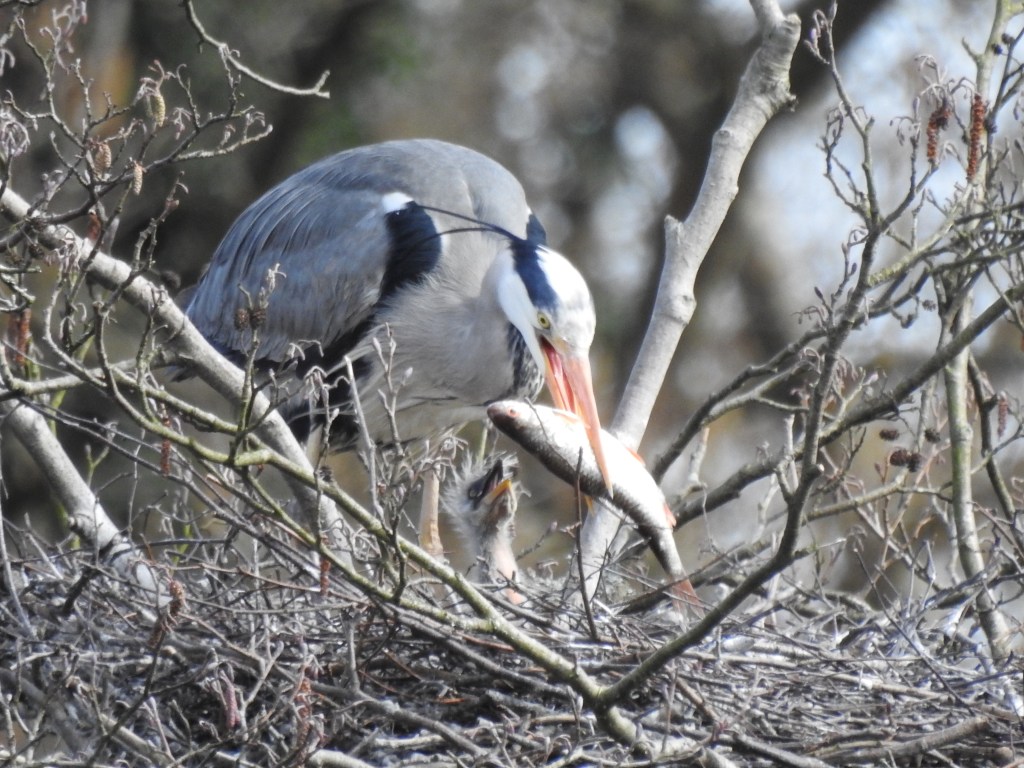
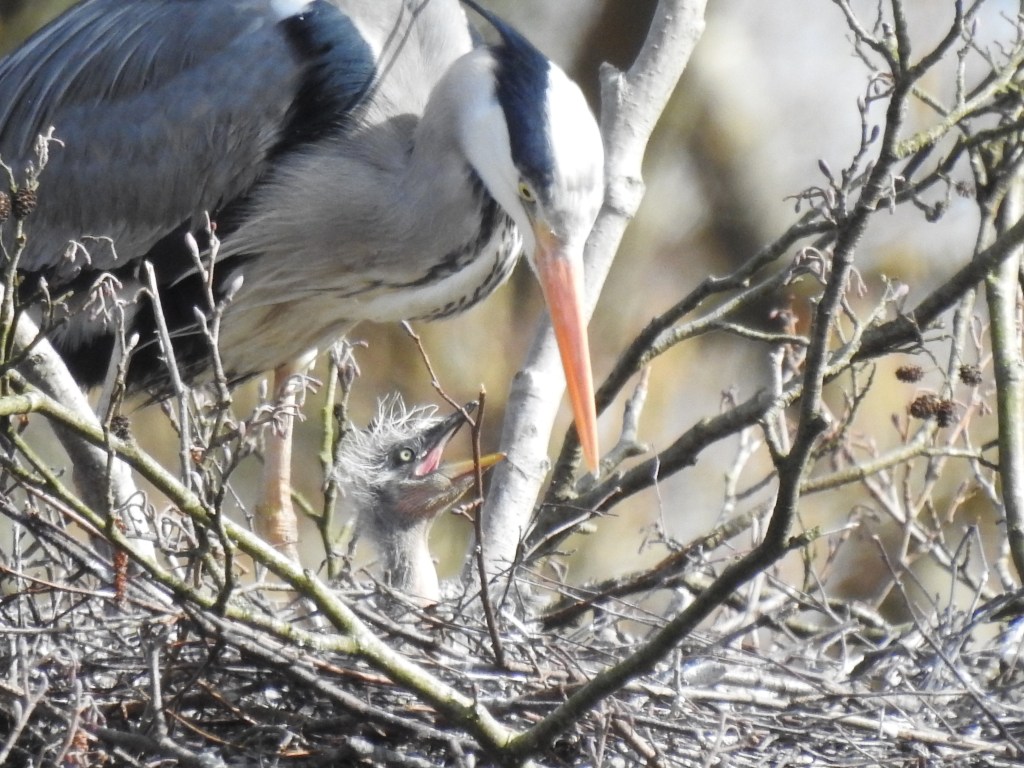
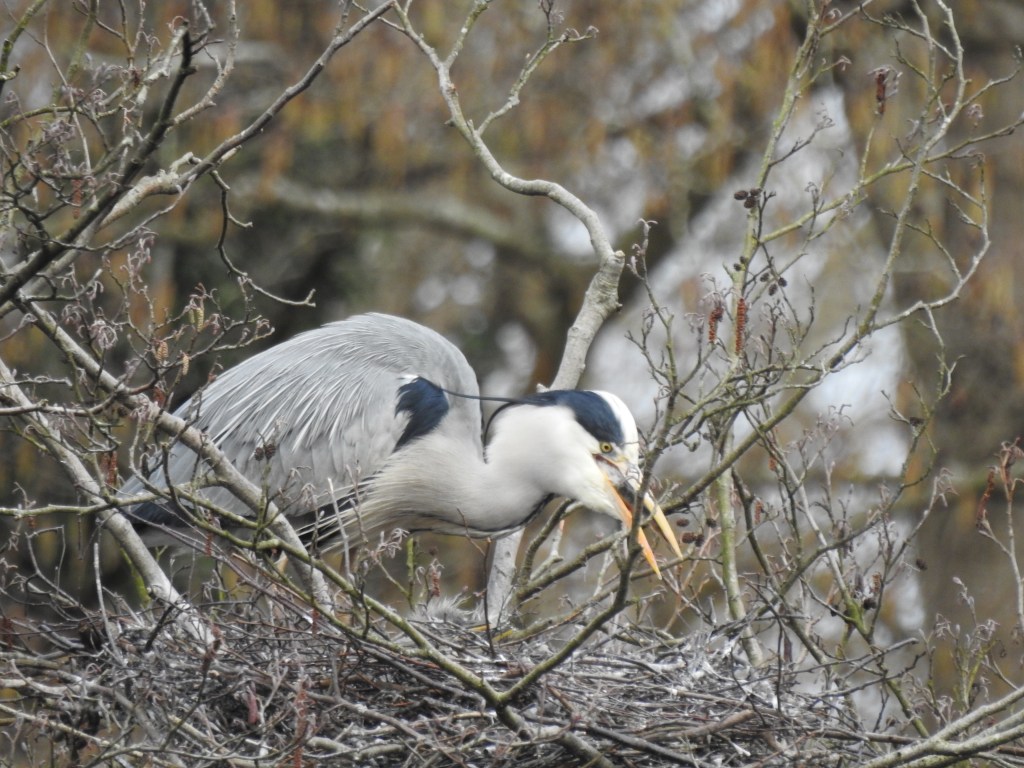
Above – Adult Herons with baby – see below.

Below – Dunnock.

Below – Heron gathers fish to feed its baby.

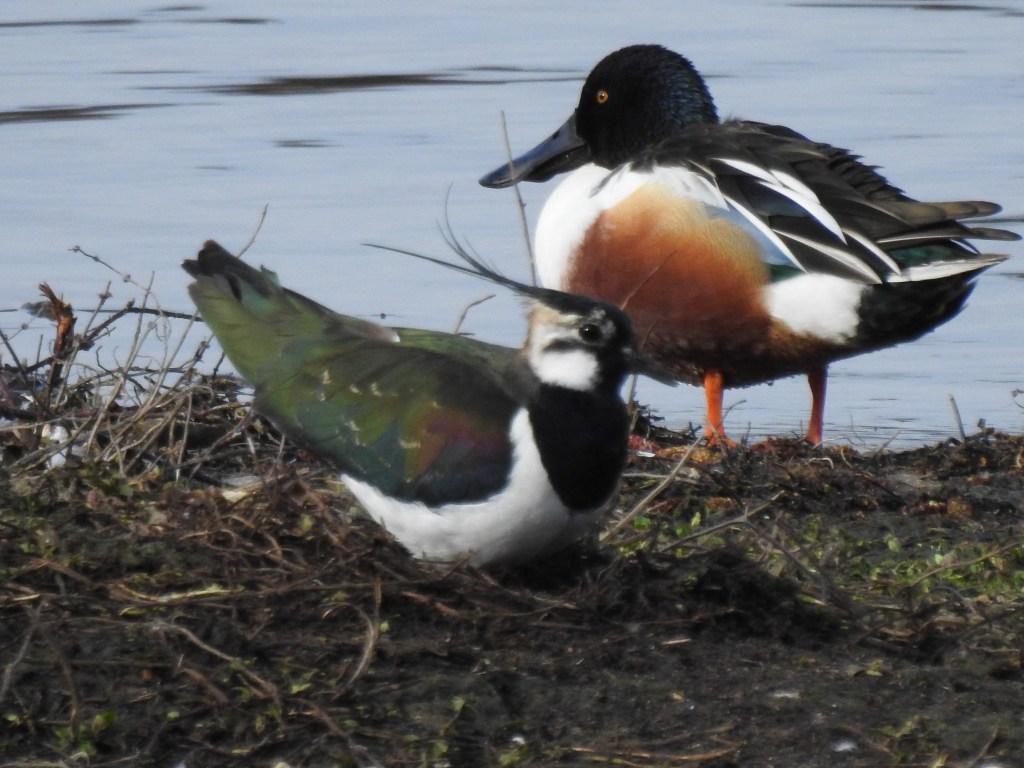
Below – Lapwing and Shovelar Duck.

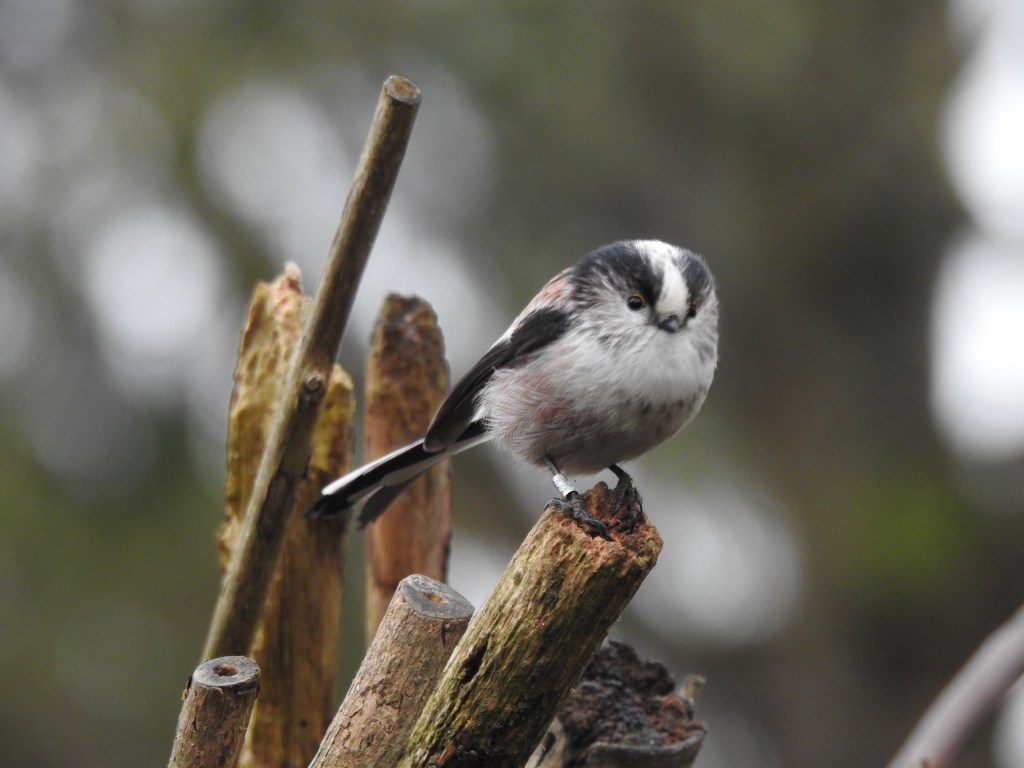
Below – Long Tailed Tit.

Below – Raindrops on the pond.

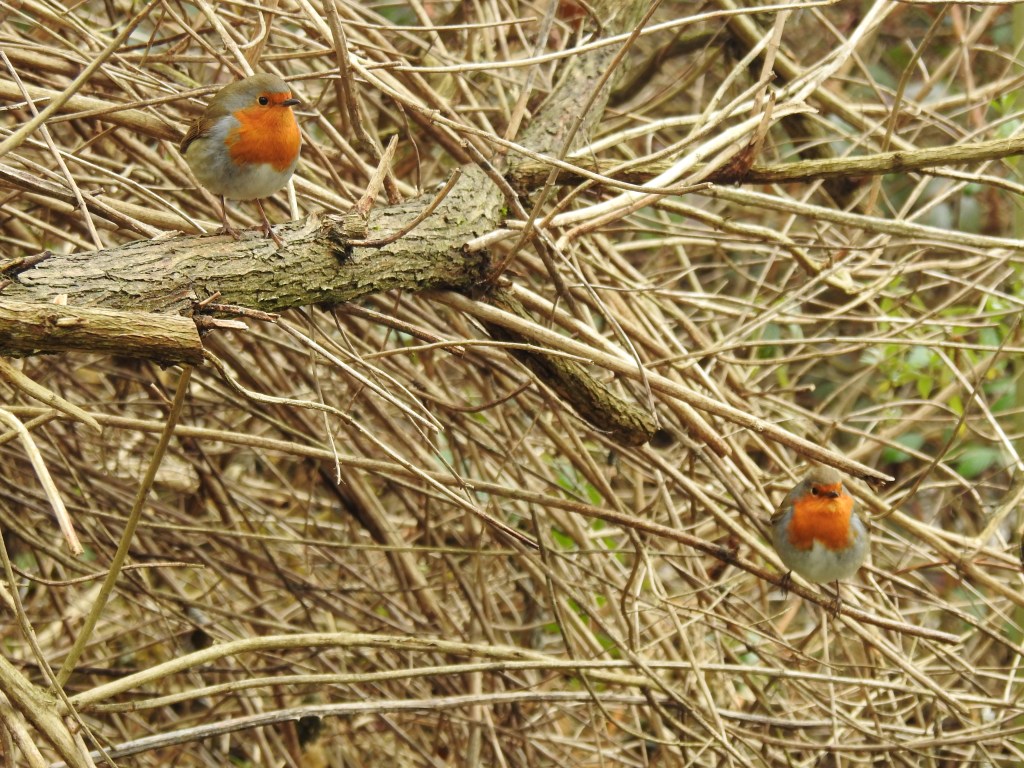
Below – Two Robins – a bit unusual to see 2 together.

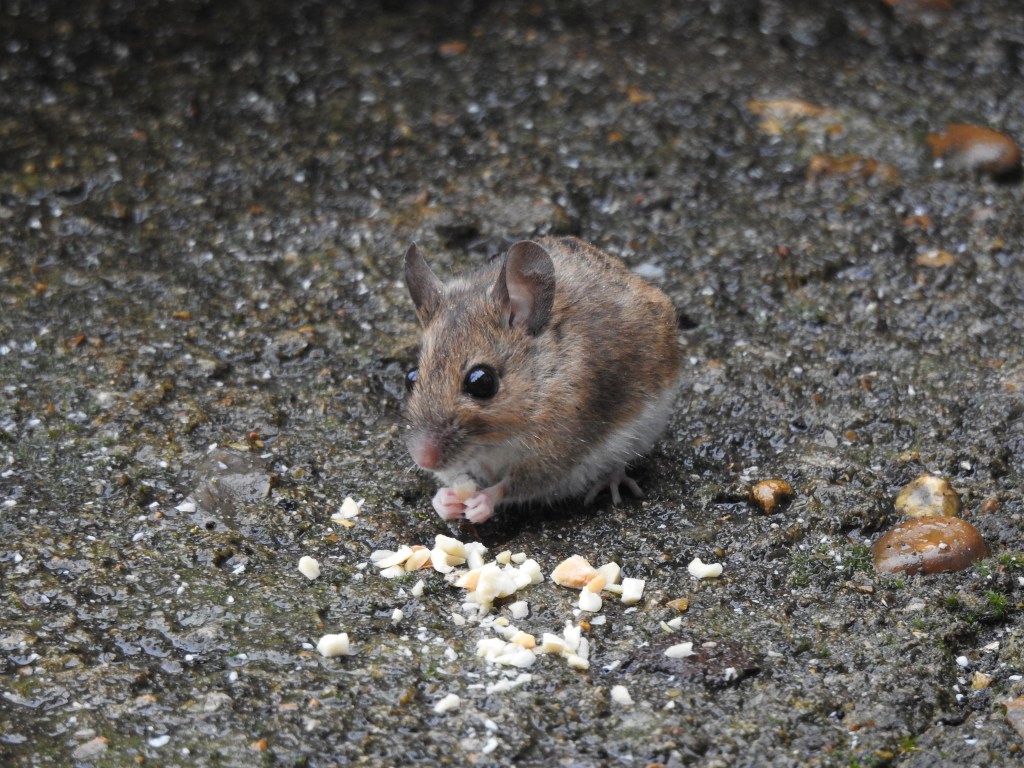
Pauline’s dad has made friends with a little mouse – you can see him enjoying some scoff here:

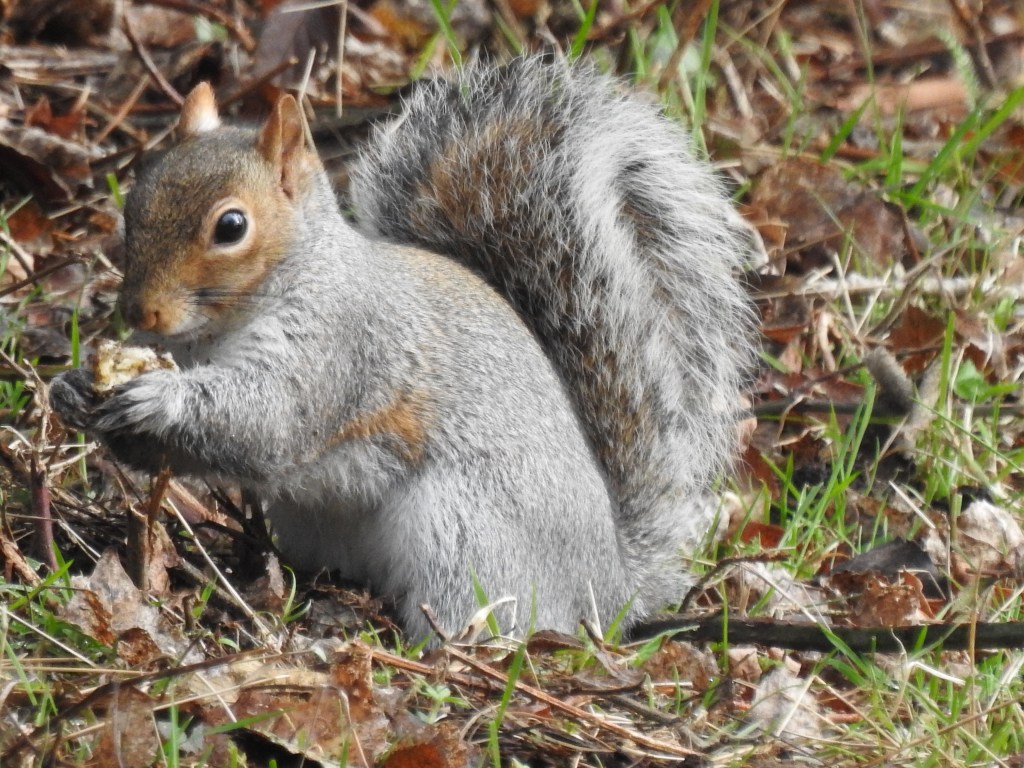
Grey Squirrel.

.. and finally more Robin:

My garden Badger thinks they are all pictures to smile at: he comes round each night for some food treats.

Be good to wildlife no matter what shape and form it comes in – they are all there for a reason;

Regards Pauline and Mark

England: Animal Aid Launch New University Animal Testing Campaign To Help Students Select Animal Free Testing Universities.

New animal testing campaign

Animal Aid, based here in our home county of Kent, have set up a new website called ‘Universities Challenged’; which helps students identify which universities conduct animal experiments and which reveals the scale of animal testing across the UK. 

Since its launch, Animal Aid have received an outpouring of positive feedback from students and non-animal scientists alike.  Furthermore, the resource has sent rumblings throughout the scientific and educational community, as it is the first website of its kind; allowing students to make informed choices on which university to attend based on whether their fees could be funding animal experiments.

Students and community members are already using the AA resources to put direct pressure on universities, and AA are currently working with several student groups who are planning actions at their universities.

For more, go to:

universitieschallenged.org.uk | Universities Challenged

Regards Mark

NGOs call for root causes of pandemic prevention to be put at centre of new pandemic treaty

NGOs call for root causes of pandemic prevention to be put at centre of new pandemic treaty

7 March 2023

Twelve leading NGOs have written to the World Health Organisation (WHO) and its Member States emphasizing that to prevent future pandemics they need to put animal welfare at the center of the WHO Pandemic Treaty currently being negotiated between the 194 Member States.

The treaty, which is being developed in light of the devastating impacts of COVID-19, will be the first legally binding international agreement designed to protect the world from future pandemics. 

NGOs are stressing the need for the treaty to focus on preventing future pandemics by tackling the root causes and drivers of zoonotic outbreaks at the human-animal-environment interface. The implementation of a holistic, unifying One Health approach, which addresses the interdependence of the health and well-being of people, animals and ecosystems, can significantly reduce the risk of pathogens emerging, mutating in animal populations, and spilling over from animals to people, which can lead to pandemics.

By tackling high-risk activities such as habitat destruction, wildlife trade and consumption, and intensive animal agriculture, and transforming our relationship with animals and the wider environment, governments and international institutions can achieve equity for the most vulnerable communities that are most at risk, and by doing so protect us all from future pandemics.   

The letter follows the publication of the Zero Draft of the Pandemic Treaty in early February. The Intergovernmental Negotiating Body (INB), which is tasked by the WHO Member States to draft and negotiate the Pandemic Treaty, is due to meet in Geneva between 27 February and 3 March 2023, to discuss the draft.

As it stands the current Zero Draft will not protect us from the next pandemic. It is a solid foundation to build from, but it lacks teeth.  This is not the time to be timid, but to be bold, because there may only be one chance to ensure the world gets this right. As we have seen with COVID-19 and now with the outbreak and spread of Highly Pathogenic Avian Influenza, time is not on our side. It must be much more rigorous when it comes to setting effective preventive measures, compliance and implementation.”

Nina Jamal, Head of Pandemics at FOUR PAWS

There is a large body of irrefutable evidence and a growing consensus amongst scientific, conservation and animal welfare experts confirming the association between ecosystem degradation, exploitation of wild animals, intensive farming and emerging infectious diseases and other negative impacts on human, animal and environment health. Around 75% of emerging diseases in humans originate in animals. COVID-19 brought the world to a screeching halt and we must learn our lessons. Incorporating sound approaches to animal health and welfare, including that of wild animals, at the very centre of the treaty is vital to its success.“

Iris Ho, Head of Campaigns and Policy at the Pan African Sanctuary Alliance

Wild animals are disrupted, collected, farmed, transported, exported and traded in huge numbers, more often than not enduring appalling conditions. Crowding, stress and injury among such animals provide the perfect environment for pathogen introduction, spread and mutation; cross species transmission and the close proximity to people when they are traded and consumed creates the opportunity for human transmission. Addressing the risks from wildlife exploitation and reducing our impacts on wild animals and their welfare must be essential components of efforts to prevent future pandemics.”

Veterinarian Dr Mark Jones, Head of Policy at Born Free Foundation

Late last year, two key publications by leading scientists provided “compelling evidence” showing that a seafood and wildlife market was at the epicentre of the COVID-19 outbreak. The analyses indicate “that the emergence of SARS-CoV-2 (COVID-19) occurred via the live wildlife trade.” Reducing human interaction with wildlife is a key component of preventing and mitigating the risk of pandemics. Intensive livestock systems are also a dangerous breeding ground for viruses to evolve and mutate and have been associated with the transmission of zoonotic diseases in the past. 

The letter was signed by:

Born Free Foundation

Brighter Green

Ecoflix

Eurogroup for Animals

Farm Forward

FOUR PAWS

Jeremy Coller Foundation

Global Initiative to End Wildlife Crime

Pan African Sanctuary Alliance

Proyecto ALA

World Animal Protection

World Federation for Animals

2022 Scientific COVID-19 Studies:  

https://www.science.org/doi/10.1126/science.abp8715

https://www.science.org/doi/10.1126/science.abp8337

Regards Mark

UK: Mass Pet Cull (11 Million Animals +) Considered BY UK Government In Early Days of Covid, But UK Government, Keep Quiet About Mentioning Wet Markets To The Chinese As Possible Original Source. Say Nothing Then, and Still Say Nothing Now.

UK blast from the recent past.

Personally I feel that whatever the circumstances, introducing legislation to eradicate the entire UK cat population would have been political suicide for government  – and they knew it, that is why it went no further.

Also, what are we seeing and hearing about actions being flagged about the wet markets in places such as Wuhan ? – I have not heard much, have you ?

Seems like business as usual to me.  The UK government have kept their lips zipped about wet markets in China; the probable cause of Covid; yet they talk about wiping out the entire UK cat population just to make UK citizens think wrongly that they are doing something to control.

The control needs to come from source – the Chinese wet markets; no where else.

The current UK government has had it day anyway and I can predict that they will be annihilated at the next general election.  They don’t put pressure on and they do not ask difficult questions about Covid to the Chinese like they should.

Regards Mark

Further reading (BBC) :

Covid origin: Why the Wuhan lab-leak theory is so disputed – BBC News

https://www.nature.com/articles/s41598-021-91470-2

UK mass pet cull considered in early days of Covid:

Mass pet cat cull considered in early days of Covid in UK, says former minister (inews.co.uk)

Government considered cull of all 11,000,000 cats in the UK at start of Covid pandemic (msn.com)

Covid fears prompted Government to ponder ‘exterminating’ 11m cats, admits ex-minister | Politics | News | Express.co.uk

One year on since historic United Nations animal welfare resolution.

One year on since historic United Nations animal welfare resolution

3 March 2023

The World Federation for Animals (WFA) has published a report one year on from the historic United Nations Environment Assembly (UNEA) where Member States passed the first-ever resolution with explicit reference to animal welfare.

The Animal Welfare – Environment – Sustainable Development Nexus recognised that animal welfare can contribute to addressing environmental challenges, promoting the One Health approach, and achieving the Sustainable Development Goals. The United Nations Environment Programme (UNEP) is expected to explore these links in a report that draws on the expertise of other stakeholders. 

The latest WFA report, “Unveiling the Nexus: The Interdependence of Animal Welfare, Environment & Sustainable Development” is being shared to help policymakers, provide a synthesis of scientific evidence, and stimulate public and open dialogue among stakeholders. It highlights the value of an animal welfare perspective to help tackle the planetary crises and accelerate sustainable development.

There is a critical scientific evidence base demonstrating how improving animal welfare can help people and the environment, including reversing biodiversity loss, mitigating climate change, and ensuring public health. This report is aimed to help decision-makers understand those connections, so they can make sustainable and effective decisions to reverse our current crises.”

Dr. James Yeates, World Federation for Animals’ CEO

We hope that by Unveiling the Nexus, we can help others see the potential for animal welfare as a cross-cutting lever for sustainable development. The facts are there. It is time to implement the solutions the Nexus lays out and enable a generational shift in international policy to protect the people, the planet, and the animals.”

Brita Riis, World Federation for Animals’ President

Regards Mark

Malta – Animal liberation activists turn up in onesies to protest Monte Kristo circus,

Above – Animal activists in pyjamas protest the Veterinary Division’s lack of action in stopping a circus act

Malta – Animal liberation activists turn up in onesies to protest Monte Kristo circus

Horse show at Monte Kristo estates should be banned under animal circus rules, say activists protesting VRD inaction

Animal activists in pyjamas and pillows pulled up at the Marsa offices of the Veterinary and Phytosanitary Regulation Division (VRD) to protest the lack of action in stopping another circus act called Cleopatra’s Horse Show that is scheduled to take place at Monte Kristo estates.

Activists from Animal Liberation Malta, Real Animal Rights Foundation, Association for Abandoned Animals AAA and Vuċi Għall-Annimali held up placards saying “VRD wake up! Enforce the Law”, “VRD whilst you are snoozing animals are suffering”, “Żomm kwiet – hawn in-nies reqdin hawnhekk.”

The activists said the Cleopatra’s Horse Show clearly falls under the definition of a circus and cannot be allowed under the current legislation.

“This circus act will have horses performing for three days in a row. We contacted VRD and informed them of this circus act just in case they were not aware. Apart for not answering our communication, it seems no action has been taken to stop this from happening as the show is still being promoted to date,” an ALM spokesperson said.

“The fact that the show will happen clearly demonstrates what animal NGOs and activists have long been saying about the regulator and the law itself. The regulator has repeatedly closed its eyes to breaches in the Animal Welfare Act and the recent changes in the act have been done to regularise this.”

The Animal Welfare Act itself only inflicts a €2,000 administrative fine for breaking the law, meaning the organisers stand to be fined €666 per day for each of the three days that the show will take place.

The ALM said the Animal Welfare Act had been further degraded through recent changes in the law to give powers to the VRD to issue a “special permit” to hold such events.

“In fact, if the event were held just a few days after this, the Director of VRD would have had the authority to issue a permit for this circus act.  Are we going to allow big business continue uncontrolled to the detriment of Animal Welfare as well?”

Animal liberation activists turn up in onesies to protest Monte Kristo circus (maltatoday.com.mt)

Regards Mark

Viewpoint: Animal-rights activism gaining foothold in courtrooms.

Incidents of public demonstrations and protests from animal rights activist groups are climbing. In 2022, extremist groups glued themselves to Starbucks countertops and chained their wrists to basketball hoops during televised games in hopes of channeling public attention to their campaigns.

While these radical tactics may seem like the primary danger is out in the open, a greater looming threat to animal agriculture is emerging from the courtroom: the rise of animal law.

Continue reading via:

Viewpoint: Animal-rights activism gaining foothold in courtrooms | AGDAILY

Regards Mark

Horizon Europe: unlocking the full potential of non-animal technologies to tackle human diseases.

Horizon Europe: unlocking the full potential of non-animal technologies to tackle human diseases

24 February 2023

In response to the public consultation on the past, present and future of the European research and innovation framework programmes, Eurogroup for Animals highlighted the need for further focus on human-based approaches to better manage health and disease, and for more transparency regarding animal-based research funded by EU public funds.

The European Commission recently closed the largest public consultation ever held on the past, present and future of the EU’s Horizon research and innovation programmes 2014-2027. Under the current Framework Programme, Horizon Europe, the cluster health aims to advance new knowledge, improve our understanding of health and disease, and develop innovative solutions to prevent, diagnose, monitor, treat and cure diseases. However, it is not clear that these objectives are being pursued in line with the best scientific evidence, the EU’s commitment to move away from animal testing, and the repeated calls from EU citizens to transition to non-animal science. 

“What we do not understand, we cannot address effectively”.

The report on Horizon Europe’s Mission on Cancer stresses that understanding the human biological processes is crucial for developing effective treatments. Preclinical animal studies, which are costly and time-consuming, are of questionable relevance to study human cancers and rarely lead to successful treatments due to physiological, anatomical, and psychological differences between animals and humans. Conversely, advanced human-based approaches can improve our understanding of disease mechanisms, including cancer, provide new insights into drug discovery, and deliver more effective personalised treatments. However, their validation, standardisation and implementation remain slow, partly because these processes are expensive, laborious and often inadequately funded. In its reply to the EP Resolution to accelerate the transition to innovation without the use of animals in science, the European Commission stated that it has been a strong supporter of the development of non-animal methods over the past two decades. Yet, as the Commission pointed out, the annual budget for non-animal approaches has remained unchanged over the last 14 years at a figure of about 48 million euro per year.

In our response to the public consultation, Eurogroup for Animals emphasised that:

Non-animal approaches are game-changing technologies that have the potential to significantly improve our understanding of human diseases by producing data based on human biology, leading to considerable benefits for public health in terms of preventing and curing diseases. 

The Mission on Cancer provides a great opportunity to support and promote innovative non-animal technologies to better understand cancer, and deliver new treatments to address the alarming growth of cancer cases.

Strong national and international collaborations across all sectors and with different stakeholders (e.g. regulators, academia, industry) are key to unlocking the full potential of advanced non-animal solutions, and allow for a continuous interaction and exchange of experience and best practices.

Sharing and disseminating the latest human-relevant scientific knowledge through education and training activities is an effective way to inspire the next generation of scientists and encourage a change in attitudes and priorities.

Horizon Europe should strive to collect and share information in a simple way to understand where animals continue to be used, and where investment in non-animal approaches is most needed.

Significant funding must be made available for the validation and implementation of advanced human-based methods in order to fully unlock and exploit new tools, technologies and digital solutions to tackle and manage human diseases.

The EU has now the opportunity to become a world leader in advancing non-animal science, but this can only be achieved by replacing animal-based methods with next-generation non-animal technologies. Joining forces across Europe to better promote and fund these technologies will help achieve the objectives of Horizon Europe and the Commission’s commitment to fully replace animals in scientific procedures, but also to improve the successful translational outcomes to humans.

Regards Mark

Ukraine: One Year of War in Ukraine: What Has Been Done for Animals?

One year of war in Ukraine: what has been done for animals?

24 February 2023

Djurskyddet Sverige

Written by Valentyna Vozna

Please click on any of the words in Purple to get more information – WAV.

A year ago we were counting at first the hours, then the days that it would take the Russian army to take over Kyiv. Today, we are still counting, and sadly it is already the one year anniversary of the war. Even though protracted war means more suffering for both people and animals, we would like to showcase the successes of our collective work to help the animals of Ukraine.

Today, we celebrate one year of tireless work of the international community, who did not hesitate to come to the rescue of animals a year ago; people from all over the world showed an unprecedented unity and willingness to make a contribution to someone else’s fight for freedom.

We also celebrate the hard work of all the animal volunteers who chose to stay in the country in order to take care of the animals, risking and often giving up their lives to help animals over the past year. 

In the early days of Russia’s invasion of Ukraine, Eurogroup for Animals and its members convened a Taskforce to help address the plight of Ukrainian companion animals. The members are still determined to help the animals in Ukraine, regardless of the effort and resources it requires.

Over the past year, the Taskforce members have had numerous meetings to share information and decide on their strategy. They developed a network of trusted partners, and implemented varied projects such as providing pet food to animals, including in the most dangerous zones. They have supported local veterinarians, animal shelters and clinics, sterilisation and vaccination projects, and sent generators and mobile clinics in order to help animals in Ukraine, as well as receiving refugees with pets in the EU, providing them with all the necessary assistance.

© FOUR PAWS | Maksym Havrylov

To name just a few of their projects: 

Animalia supported the Best Friend Shelter Reconstruction Project; 

Cat Care Community supported shelter “Drug” (meaning Friend) in Kramatorsk and Ukrainians arriving to Latvia with pets;

Deutscher Tierschutzbund created an animal aid camp at Medyka border point in Poland for pets brought from Ukraine in cooperation with the Bundersverband GDT e.V. and IFAW; supported German member shelters, Polish shelters and organisations active in Poland (e.g. DDAO), so they can provide help to Ukrainian pets, including advocating for pet-friendly refugee camps and quarantine facilities for evacuated animals; evacuated an asiatic black bear from a rescue centre near Kyiv to the animal welfare centre Weidefeld; with the help of the Tierhilfe Hoffnung e.V. animals with no alternative option were evacuated from their animal welfare centre in Odesa (and other locations), and sent food, a generator, and other supplies to enable the centre to continue its work;

Djurskyddet Sverige launched a sterilisation project in Zhytomyr with the support of Animal Help ZT, sterilising and vaccinating animals of refugees and even animals brought by soldiers from front lines;

FOUR PAWS launched Kishka project – a sterilisation project aimed to sterilise 10,000 cats all over Ukraine; prepared a Shelter Adoption Program in the Ukrainian language; cooperated with USAVA in order to provide veterinary care for pets and strays; conducted sterilisation and vaccination against rabies project in 20 municipalities with a mobile clinic and a catching team; helped launch UPAW platform; helped rescue several bears and admitted them to their sanctuary Domazhyr, including from front lines such as Bakhmut;

GGI launched a sterilisation project, cooperating with numerous veterinary clinics, financially supported 30 shelters and sent 160 tons of pet food and 12,000 rabies vaccines to Ukraine;

Home4Pets provided help to refugees with pets in Czech Republic, including finding accommodation, as well as sent pet food to Ukraine; 

IFAW partnered with Mykolaiv Red Cross and Nova Ukraine in order to provide food and veterinary care to animals; launched free vaccination, sterilisation and microchipping project called Protect your pet with USAVA; cooperated with Save Pets of Ukraine initiative, founded by the Ukrainian manufacturer of food for cats and dogs Kormotech, in order to provide food to shelters in Kyiv, Kharkiv, Dnipro, Lviv, Zhytomyr and Odesa regions; brought five big cat cubs rescued from the exotic pet trade in war-torn Ukraine to a permanent home;

© FOUR PAWS | Maksym Havrylov

© FOUR PAWS | Maksym HavrylovNaturewatch Foundation continues their spay and neuter project in Kharkiv region despite the war; additionally, they launched Drains for Ukraine project to help feed free-roaming animals;

RSPCA collected assistance to Ukrainian pets, as well as donated to FOUR PAWS to support their team in Ukraine;

Save the Dogs and Other Animals cooperated with 400 volunteers in Ukraine channelling food to abandoned animals; created an animal aid camp at Isaccea border point in Romania to assist refugees with pets; 

Worldwide Vets carried out frontline animal sterilisations and treatments, provided horse food grants, rescued 9 lions from Odesa who now reside in America, and fundraised for a mobile clinic equipped to sterilise, vaccinate and treat cats and dogs;

The members have collectively supported UPAW by sending pet food and making financial donations.

The needs of animals in Ukraine today? 

Food

Veterinary care, including rabies vaccinations

Sterilisation

The foremost need of animals today is access to food, which is especially acute in times of cold winter conditions in Ukraine. The Ukraine Taskforce members have been providing food to their partners in Ukraine, who then redistribute it to those most in need. The situation is the most challenging at the front lines: there are many abandoned animals left to fend for themselves. Increased numbers of free-roaming animals are driven by abandoned unsterilised animals, since sterilisation of owned animals has never been widely practised in Ukraine even before the war. It is impossible to count these animals, but we are talking about hundreds of thousands if not millions of animals in need of food.

We realise that, unfortunately, the provision of food to animals in Ukraine will be a never ending need, which is why the Taskforce also focuses on a more systemic approach: the sterilisation of both owned and free-roaming animals. This is the only way to humanely manage the population and reduce their suffering. The Taskforce members partner with local veterinarians, some of whom have mobile clinics on the ground, while others have their teams in Ukraine who sterilise animals.

We coordinate our efforts in order to cover as many regions as possible. Last, but not least, animals are in constant need of veterinary care. Many are injured on front lines during military activity, but also in car accidents in more peaceful areas. 

What lessons can we draw from this year? 

Animals are part of the family or have economic value for people. We saw thousands of pictures of Ukrainians evacuating with their animals. We know about thousands of stories of people who left their animals locked in their homes, expecting that the war would be over in just a few days and they would come back home; instead they found themselves having to re-enter dangerous zones days later in order to evacuate their pets. Meanwhile, people such as managers of animal shelters, animal guardians in zoos and farmers refused to evacuate even from the front lines if the animals could not be evacuated with them. Humans are bonded to their animals and this influences human evacuation behaviour. 

Local communities were the first responders to the plight of animals in Ukraine. Whilst this will be the case in any disaster, the direct involvement of private persons is not always safe. Ideally volunteer activity on the ground should be coordinated by the government and the NGOs who have special procedures for animal rescue, evacuation or first aid. It can be dangerous for untrained people to try and manage animals under stress, as not all free-roaming animals are social. Volunteer activity by private individuals could be encouraged since they are the first responders on the ground, but they need to comply with the minimum safety procedures and they should not operate in silos. 

© FOUR PAWS I UPAW

There is a lack of coordination among international and local animal welfare NGOs involved in Ukraine. Everyone chooses their own way to support: directly helping individuals financially, investing into the reconstruction of veterinary clinics and shelters, or sending in-kind donations. Unfortunately, there is a lack of communication among all the stakeholders, which may lead to duplication of efforts and hamper the ability to reach those most in need. Eurogroup for Animals’ Ukraine Taskforce urges everyone involved in Ukraine to join us. We are happy to share information about our projects and our expertise. 

You can help animals in Ukraine today by:

Donating to UPAW 

Adopting from a local shelter, which will liberate resources for Ukrainian animals

Donating to an NGO in your country who is helping animals in Ukraine

Thank you everyone who has been involved in helping animals in Ukraine and around the world. 

Regards Mark

Mongolia: Mongolia is on the brink of passing its first ever animal law. 300,000 homeless animals will be spared a violent, senseless death. Please Donate And Support Veterinary Equipment.

Hi Mark,

I am still haunted by the animals I met in Mongolia.

No longer! This abuse could soon be illegal.

Mongolia is on the brink of passing its first ever animal law. Thank you so much for your support to make this dream a reality!

If the Pet Rights Act becomes a law, all this ends. And 300,000 homeless animals will be spared a violent, senseless death.

Shooting and poisoning homeless dogs may soon be history!

This is a big step forward. But even if the law passes and homeless animals are safe from poisoners and shooters, they are still in danger…

Only one vet clinic in the capital city of Mongolia has an X-ray machine. This one machine has to help over 500,000 dogs and cats!

An X-ray is vital to find out what’s wrong and treat it. And so many street animals are hurt…

When Baby broke her leg, an X-ray saved her life

Every year, over 100 animals die because they needed an X-ray…

Mark, I know you are reading this because you want to help these poor animals. Will you act to help them now?

Your donation today will help dogs and cats who are hurt and homeless in the cold. Please give what you can!

We are 20% of the way to our goal of $30,000. But we need more help…

I’m worried we won’t reach our goal. If that happens, we can’t buy the X-ray and animals will keep suffering. We can’t let that happen!

Can you give today to help the animals feel better sooner?

The faster we reach our goal, the more dogs and cats we can save. With your help, the animals have a chance. They need you now.

It’s very important. Animals are dying without the X-ray machine.

If you help today, we can reach our goal and send an X-ray machine to our friends at Lucky Paws in Mongolia.

Fleur Dawes
Communications Director
In Defense of Animals

P.S. There’s no time to waste — we must reach our X-ray goal a.s.a.p.! It takes just a moment to donate, and your gift will have a huge impact where these animals need it most. Thank you for acting fast and giving whatever you can right now.

Donation Link:

Dying For Diagnosis (everyaction.com)

There is an animal overpopulation and neglect crisis happening in Mongolia. Animals are dumped in dumpsters and abandoned. Homeless animals are abused in the streets or hit by cars.

Each year around 750 dogs and cats die or live on with agonizing long-term effects after suffering injuries that require an X-ray to deliver a critical diagnosis. Mongolia is a primarily a rural developing country and there is only 1 veterinary X-ray machine available for 3 million people!

In the capital city of Ulaanbaatar, where over 500,000 cats and dogs live, there are only 15 veterinary clinics specialized in treating animal companions. But only one clinic in the entire city has an X-ray machine that can diagnose injuries and diseases!

Please do not let animals continue to die simply because they cannot be diagnosed for lack of equipment. We urgently need to raise $30,000 to buy an X-ray machine so that no more innocent dogs and cats die without diagnosis!

Every animal unlucky enough to suffer a painful broken bone deserves use of this simple yet life-giving apparatus. Please make this a reality today.

With your help today we can reach our goal to supply an X-ray to our partner, Lucky Paws in Mongolia.

Regards Mark