
I think we need a little time out:
Play LOUD !
Regards Mark


I think we need a little time out:
Play LOUD !
Regards Mark
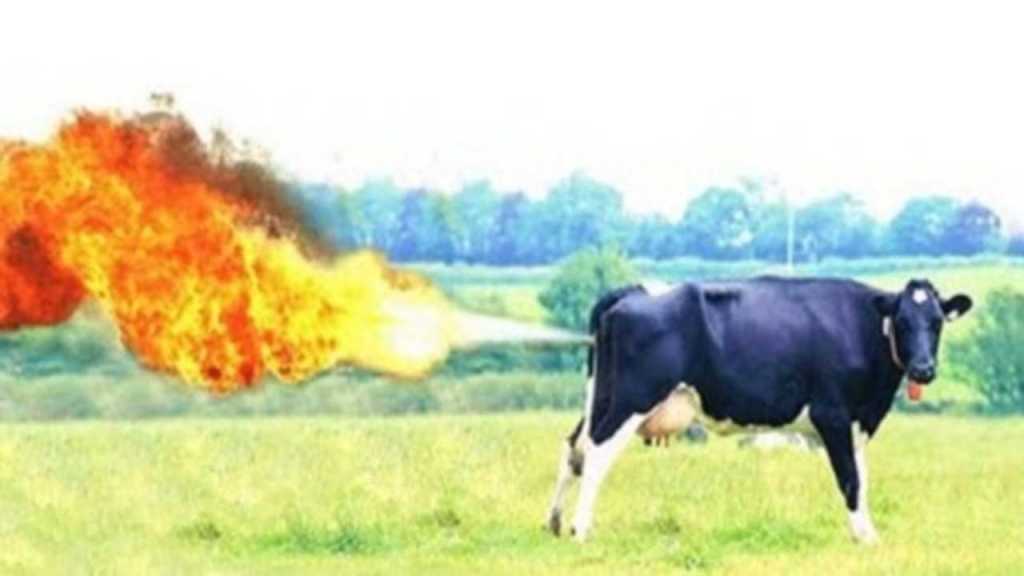
A group of 22 environmentalists, public health, and animal-rights aficionados led by the Stand Up For Factory Farms coalition is petitioning Oregon to adopt new air quality rules — specifically targeting dairy.
Filed on August 17, the petition was submitted to the Environmental Quality Commission seeking to create an emissions program that applies to “large” dairy farms — those the federal EPA defines by housing 700 or more mature cows.
Oregon is home to over 200 dairy farms — most which have been family owned and operated for multiple generations. The state is known for producing high-quality milk and consistently ranking amongst the top five states nationwide for milk quality. Although the petition purportedly is aimed at “mega dairy,” a 700 mature cow operation hardly qualifies as a large farm. In fact, 700 mature cows doesn’t place a dairy into the top ten largest dairies in the state … or the top 50.
The introduction to the petition reads, “Air pollution from the State’s growing number of exceedingly large mega-dairies threatens the public health and safety of Oregonians, as well as the environment. Yet the Oregon Department of Environmental Quality neither monitors nor regulates this air pollution through its current Air Contaminant Discharge Permit program. It is past time for Oregon to address air pollution from large dairy concentrated animal feeding operations.”
The coalition’s petition calls for a requirement that proposed and existing dairies obtain an air quality permit to “curb” harmful emissions. The permit would likely apply to 39 percent of Grade A dairies in the state, which house 84 percent of cattle. The commission has 90 days to respond by denying the request or by beginning rule-making proceedings.
The groups support their claims with a “fact sheet” by Food and Water Watch, which reads, “Mega-dairies have wreaked havoc on communities in eastern Oregon for years. Nitrate from fertilizers and animal waste infiltrates groundwater and threatens the health of those who drink it.” In their conclusion, they state, “The numerous problems that mega-dairies create and the incalculable damage that they inflict on Oregon are not going away without strong action from the state’s leaders. Touting factory farm gas as a solution is only entrenching pollution among frontline communities. Oregon’s legislature must take strong action to protect our air, water and health, beginning with a moratorium on new and expanding mega-dairies.”
The removal of dairy cows from the U.S. agricultural industry wouldn’t do much to reduce greenhouse gas emissions. In fact, data from Virginia Tech suggests that emissions would only drop about 0.7 percent, with far worse implications for human health if dairy was removed.
Dairies are already under regulation by the Oregon Department of Agriculture and Department of Environmental Quality. Since 1993, all Oregon dairies have maintained a Confined Animal Feeding Operation Permit, which provides a checks and balances system that ensures protection of the state’s waters.
Eco- and animal groups petition against Oregon’s ‘mega-dairies’ | AGDAILY
Regards Mark

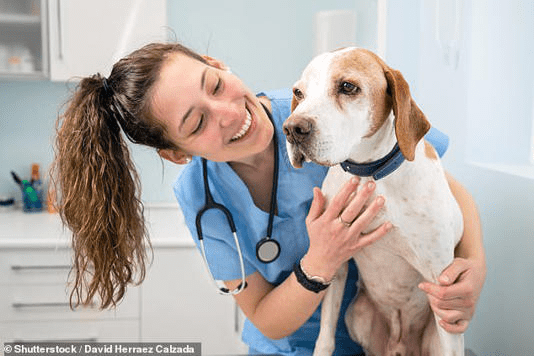
Should vets be vegan? Nurse argues it is contradictory to treat and save the lives of some animals; and then go off to eat others.
Britain’s top veterinary organisation has published an article suggesting that vets should go vegan.
Saving the lives of pets, then eating other animals, could be seen as ‘contradictory’, according to the article in the flagship journal of the British Veterinary Association (BVA).
The article, written by veterinary nurse Leanne Dalton, is given the headline: ‘Do we have a moral obligation to be vegan?’
The text states: ‘We are expected to treat all our patients equally, but equality should extend to animals beyond those in our care. Is it not contradictory to perform life-saving surgery on one animal and then eat a chicken sandwich straight after?’
It comes as fashionable veganism sweeps across public bodies, from Oxfordshire County Council banning meat at County Hall events to universities banning beef.
There is even a movement encouraging people to feed their dogs and cats vegan food.
The BVA does not have an official stance on whether vets should eat meat. But Mrs Dalton, who works at Vets4Pets in Loughborough, Leicestershire, writes: ‘Studies in farm animals, decapods and cephalopods have shown that they are able to demonstrate a wide range of cognitive abilities equal to, and in some cases superior than, the small animals that many of us see in practice.’
Decapods include crabs and lobsters, and cephalopods include the octopus and squid.
Mrs Dalton concludes: ‘If we are against cruelty to animals, we should stop contributing to harming them and collectively adopt veganism.’
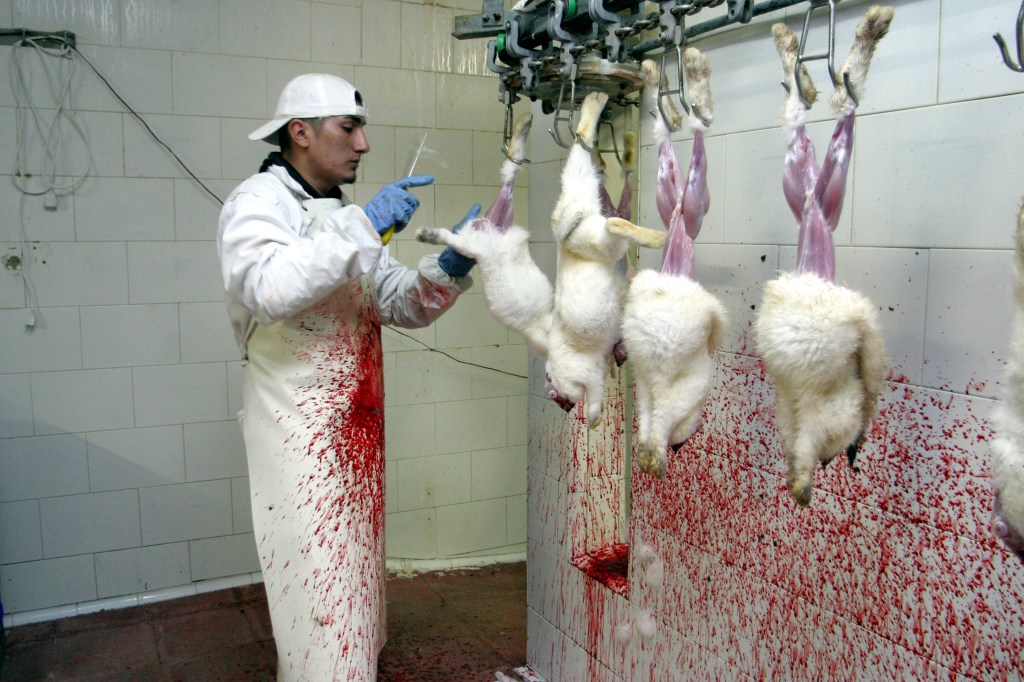
Responding to the article, published in the journal Vet Record, Professor Victor Kumar, a moral philosopher at Boston University, said: ‘The problem with articles telling people that they should be vegan is that they can backfire, since people who eat meat feel they are disapproved of, or perceive that vegans are claiming to have moral superiority.
‘It might be better to encourage people to reduce the amount of meat they eat, or to look for ethically sourced meat, as most people do not like the cruelty involved in factory farming. We need to remember that meat is a big part of many people’s lives, from summer barbecues to Christmas dinners.’
Mrs Dalton could not be reached for comment.
Sean Wensley, former president of the BVA and author of Through a Vet’s Eyes, said: ‘Some people take an animal rights-based view, which promotes an end to the use of animals by humans, while others have an animal welfare-based view, which accepts animal use, so long as the animals have a good life and a humane death.
‘The veterinary profession largely adheres to an animal welfare-based view. But veterinary professionals who adopt veganism have a legitimate philosophical view and must be respected.’
Justine Shotton, president of the BVA, said that the journal Vet Record is editorially independent and does not represent the views of the BVA.
She said: ‘Diet is a personal matter and vets are well-placed to make educated decisions about the best way that they can consider sustainability and animal welfare in their choices as consumers.
‘At the British Veterinary Assocation, we encourage everyone to consider the environmental impact of their dietary choices and have long campaigned for a ‘less and better’ approach to consuming meat.’
Should vets be vegan? Nurse argues it is contradictory to treat (msn.com)
Regards Mark

Animal rights activists celebrate as controversial rabbit farm firm ceases trading
A rabbit farm in Rutland has closed after facing sustained pressure from animal rights activists – including alleged cases of vandalism. T&S Nurseries, ran by Phil Kerry, set up a rabbit farming site at Lyndon Top Farm, close to Rutland Water, and previously submitted plans to expand the farm to breed 10,000 rabbits a year for slaughter.
However, the company, which also had farms in Nottingham and Buckinghamshire, faced significant opposition and scrutiny from residents and animal rights campaigners, including PETA, as it attempted to expand the business.
PETA gathered more than 21,000 signatures on a petition to block Mr Kerry’s plans during a campaign which also won the support of comedian, TV, and film star Ricky Gervais.
Now, Mr Kerry has confirmed he has decided to cease trading because of that pressure and the repeated rejection of his applications to expand the business.
(Friday, August 19), that he was pulling out of the trade. He said: “We’re passing over the last of the rabbits from the farm over to the activists tomorrow and winding down the rabbit farm business.
“I was looking to retire next year anyway, so pushing it forward a few months doesn’t matter to me. But we’re diversifying into other things such as vineyards, orchards, as well as going into the ‘glamping’ business, so nobody is going to lose their jobs from the closure.
“The legal activism outside the businesses through the day was one thing, but we had a lot of activists at night that caused us a lot more issues, especially graffiti and vandalism. One staff member’s car was even covered with paint stripper.
“We were very much a small base of operations for rabbit farming compared to what gets shipped in from Europe. So maybe the focus should be on that now instead.”
In a statement regarding the business ceasing trade, PETA’s vice president of programmes Elisa Allen said: “Animal advocates are jumping for joy over news that T&S Nurseries has read the writing on the wall and will soon be closing up shop – meaning no more rabbits will be bred and killed at its facilities.
“On these farms, sensitive animals spend much of their lives confined to barren hutches, unable to socialise or explore. Then, after enduring a miserable life, they’re hung upside down and their throats are slit so their dismembered body parts can be used for pâté, pies, and other “products”.
“Business owner Phil Kerry revealed the decision to cease trading was made, in part, because local councils repeatedly blocked his applications for new butchering and breeding sites – applications which tens of thousands of compassionate PETA supporters spoke out against.
“In a true sign of the times, the public has once again reminded animal-exploiting businesses that the only viable industries are those which don’t harm other living, feeling beings.”
The animal rights charity also said that it intends to send Mr Kerry a “box of vegan chocolate bunnies to wish him a happy retirement.”
Vegan chocolates – wonderful and the very best !
Regards Mark
Animal rights activists celebrate as controversial rabbit farm firm ceases trading (msn.com)

King Misuzulu allegedly needed help from professional hunter to kill lion, angers animal rights group
“How is there anything respectful or admirable about this form of cowardice?”
Ban Animal Trading says traditions needs to be reassessed when they become harmful to the environment or others.
King Misuzulu KaZwelithini has “come under fire” from an animal rights group after killing a lion ahead of his coronation.
After performing the ceremony of entering the kraal at KwaKhangelamankengane Royal Palace on Saturday, Misuzulu was publicly announced as king by Zulu royal family elders.
Explainer: The meaning of the entering the kraal ritual in Zulu culture
But before that, the royal hunt for a lion, led by the Zulu King, took place at the Mkuze Falls Game Reserve in KwaZulu-Natal (KZN) on Thursday.
The king and his entourage – which included a professional hunter and game reserve officials – went for the hunt in a vehicle rather than on foot as it was “too dangerous”. !!
South Africa’s Zulu nation crowns new king
Thousands of traditionally dressed Zulu warriors and maidens descended upon KwaKhangelamankengane royal palace in KwaNongoma, to celebrate the traditional coronation of newly crowned Zulu king Misuzulu ka Zwelithini on Saturday (August 20).
Sunday Times reported that King Misuzulu shot the lion in the leg before the hunter finished the job, which has angered non-profit organisation (NPO), Ban Animal Trading.
“How is there anything respectful or admirable about this form of cowardice?” the organisation said in a Facebook post on Sunday.
The organisation said it was of the view that traditional practices should be changed if they had become harmful to people or the environment. However, without comprising the significance of culture and tradition.
“We do respect cultures, but this is not a traditional act in any way. Did people travel to the animal’s location via a vehicle after someone else had tracked the animal, and then shot him or her in the leg with a rifle so that someone else needed to put said animal out of their misery?
“This is not tradition, nor is it culture. Besides, when traditions become harmful to others, it is then that we need to reassess them,” the NPO further said in reply to one Facebook user.
It is said that the king and amabutho (Zulu regiments) previously rode horses on the royal hunt, but University of KZN cultural expert Dr Gugu Mazibuko noted this has changed in the modern day.
“Animals were everywhere in the past and they used to go hunting using spears. Rifles came very late to KwaZulu-Natal. Now there are game reserves, animal rights activists, and organisations looking after the welfare of animals, so the method of hunting has changed,” Dr Mazibuko told Sunday Times.
Royal feud
In March, President Cyril Ramaphosa declared King Misuzulu as the monarch of the Zulu nation, paving the way for him to be anointed the successor to the late King Goodwill Zwelithini kaBhekuzulu, who died early last year due to complications caused by Covid-19 and diabetes.
King Misuzulu coronation ceremony unfold amid divisions within the Zulu royal family over the succession to the throne.
Some royal family members want the new king’s half brother Prince Smakade Zulu appointed, while others claimed that Prince Buzabazi Zulu – another half brother – was the rightful heir to the throne.
Queen Sibongile Dlamini-Zulu and her two daughters, Ntandoyenkosi and Ntombizosuthu Zulu-Duma, have since been granted a leave to appeal the judgment that dismissed their contestation over the late king’s will.
Regards Mark
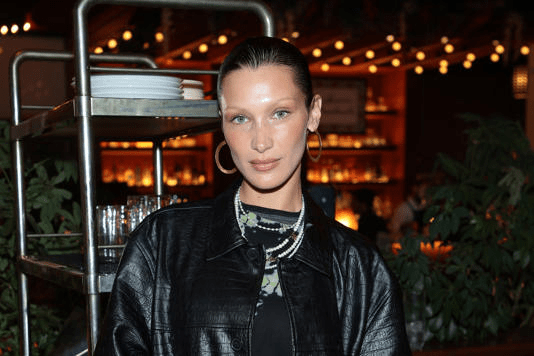
Bella Hadid calls to end carriage horse abuse after animal collapsed in New York City: ‘Barbaric’
Bella Hadid has encouraged her followers to end carriage horse abuse following the collapse of a carriage horse in New York City.
In a recent Instagram post, the 25-year-old supermodel shared photos of the horse, Ryder, while it was collapsed on the street, and screenshots of an article about him.
She also shared an image that reads: “Take action to end carriage horse abuse with one call/email.”
She tagged multiple New York City Instagram accounts, including mayor Eric Adams and the NYC council in the caption, and asked them to “phase out cruel carriage horses” and “protect them while it’s still here”.
Hadid also acknowledged that she hopes the horses will one day be replaced by “a humane & electric alternative”.

Hadid went on to show her support for Ryder by asking the Manhattan district attorney and the New York police department to do an investigation on the horse’s owner, Ian McKever, who was driving the carriage when the animal fell.
“This has been going on for WAY too long in this kind of environment,” she wrote. “Another sick, malnourished carriage horse collapsed in distress on the hot pavement of New York City while his driver whipped him repeatedly.”
“We are also calling on the Manhattan District Attorney & the NYPD to investigate criminal animal abuse charges against Ian Mckeever for his abusive behaviour,” Hadid continued. “Ryder needs immediate help and to be released from his abuser.”
She concluded the post by expressing how “barbaric” it is that horses have to “pull” large carriages through NYC and specifically called out Mayor Adams.
“It’s barbaric to force horses like Ryder to pull heavy carriages in extreme heat in the busiest part of the busiest city in America without a place to break or eat,” Hadid wrote. “We have to do something now. This should have been done years ago. Eric Adams, The world is watching!!
Please do what is right for these animals. Take action.”
Hadid then included a link to NYClass Act, a non-profit organisation with the “core mission of saving NYC carriage horses, enacting animal rights legislation into law, and electing pro-animal candidates to office”.
Ryder collapsed and buckled at the knees on 10 August in midtown Manhattan, at 45 St and 9th Avenue. Videos online showed the carriage driver yelling at the animal and slapping his back. The owner also appeared to be pulling on the horse’s reins, even though onlookers told him to stop.
Following the incident, Tony Utano, president of the local Transport Workers Union, which represents carriage drivers in New York, gave an update on Ryder’s condition.
“The veterinarian believes Ryder has EPM, a neurological disease caused by possum droppings,” he said. “This is another example why people shouldn’t rush to judgement about our horses or the blue-collar men and women who choose to work with them and care for them.”
Multiple animal rights charities, including non-profit organisation People for the Ethical Treatment of Animals (PETA), have also spoken out about ending carriage horse abuse.
“Horses don’t belong in big cities where they’re put in constant danger because of cars, humans, weather, and more,” PETA said.
Regards Mark
WAV Comment – Horses belong in the fields enjoying life, not pulling brain dead tourists through the streets of cities.

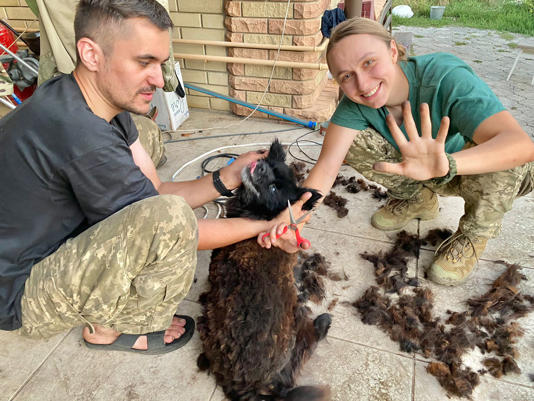
‘Animal-loving’ Ukrainian sniper rescues abandoned pets from battlefield
An “animal-loving” Ukrainian sniper and her husband fighting on the frontline have rescued dozens of pets after discovering them abandoned on the battlefield.
Oksana Krasnova, 27, uses her wages to pay for food and supplies to nurse the animals back to health before arranging for them to be transported on military vehicles to the Ukrainian capital, Kyiv, to be rehomed.

Ms Krasnova had previously worked as a lawyer in the capital until Russia invaded the country six months ago and she joined the Ukrainian frontline defence, fighting in the Donetsk region.
In between working as snipers, Ms Krasnova and her husband Stanislav Krasnov, 35, have rescued almost 30 pets they have discovered when passing through abandoned villages.
Speaking to the PA news agency from the frontline, Ms Krasnova said: “I love animals a lot and I used to help rescue animals with my husband even before the Russian invasion.
“I come across a lot of abandoned pets when I am going about my duties and I can’t just leave them.
“It’s hard to evacuate animals from the frontline but these poor pets have been used to living with humans so they can’t survive on their own.
“I have my own pets who are being looked after by my parents in Kyiv and I could never dream of abandoning them.”
Ms Krasnova said her most memorable rescue to date was the first abandoned animal she saved on the frontline.
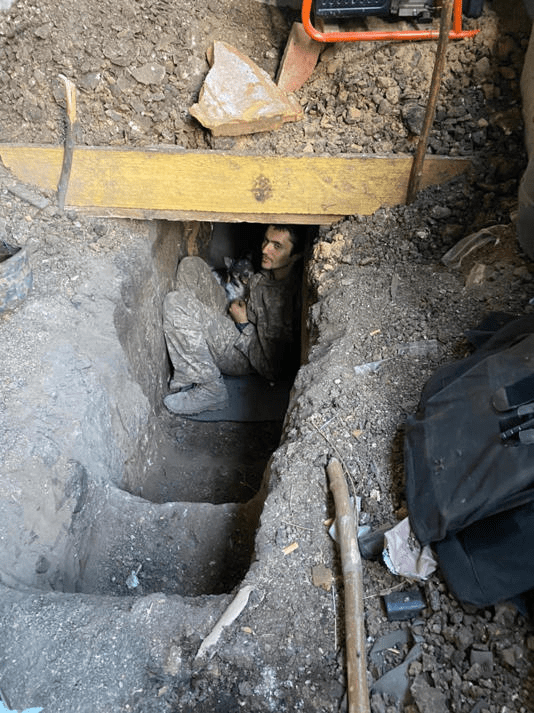
The couple had heard “some strange sounds” while walking through an abandoned house and found a small, black dog trapped in the building.
Ms Krasnova said the animal was “clearly traumatised” and had been surviving off raw potatoes when they discovered her.
“I think she had been there for about a month – it was awful,” she said.
“She was just lying on the floor and we placed a pillow under her head while she was barking and crying and foaming at the mouth.
“We had to push her into a box and transport her in our military vehicle.
“She was having seizures and we didn’t think she would survive.”
Ms Krasnova fed the dog every hour and cared for her around the clock until her health began to improve.
“We have a friend who has some volunteers out in Kyiv who work with traumatised animals and he took in the poor dog,” she said.
“Months on, she’s now okay and she lives with a foster family.”
Ms Krasnova said she mainly rescues dogs and cats but has occasionally helped smaller creatures like birds and rabbits, which she tends to release into the wild once healthy.
“At the moment where we are based we have a herd of pigs with us from one of the nearby villages,” Ms Krasnova said.
“Obviously we can’t rescue them as they won’t all fit in our military vehicles but we are making sure they are okay and have enough food.”
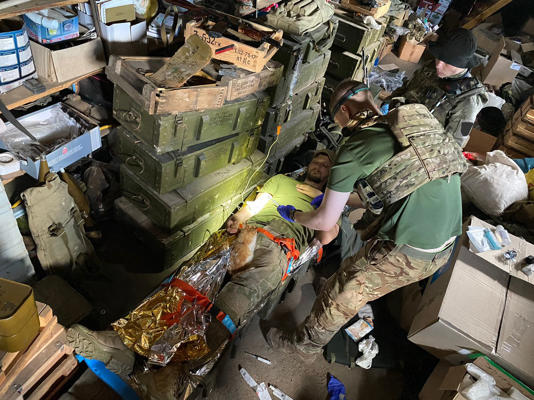
The rescued animals have become a huge part of the couple’s life and even when Mr Krasnov was wounded, he was joined by a small kitten while he was strapped to a stretcher receiving medical treatment.
“The animals we rescue are really very grateful and loyal,” Ms Krasnova said.
“Sometimes it’s really hard (to say goodbye to them) mainly because I spend so much time treating them.
“But I feel relieved because I know that they won’t starve and suffer again,” she added.
‘Animal-loving’ Ukrainian sniper rescues abandoned pets from battlefield (msn.com)
Regards Mark


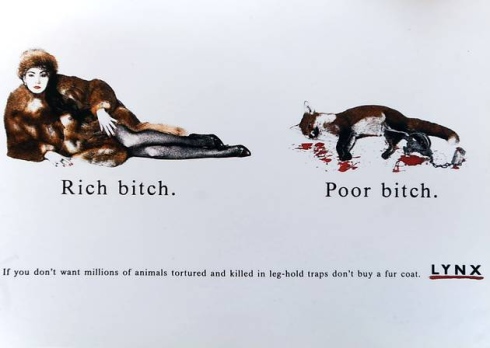
Already Quarter of the way to a Fur Free Europe
25 August 2022
260,000 Europeans have already signed our Fur Free Europe ECI. That means we’re over a quarter of the way to our target of 1,000,000 validated signatures backing this European Citizens’ Initiative, which will oblige the European Commission to respond and take action to ban fur farms and farmed fur products on the European market.
Outfoxing the laggards
The EU-level legislation we are seeking with this ECI would compel Member States that are still lagging behind to take the necessary steps. And such steps would be popular: a majority of people in every country across the EU consider that breeding animals for fur is an unacceptable cruelty.
Malta has just fallen into line, bringing the number of EU nations with a full ban on fur farming to thirteen. Three have a partial ban, while a further five are considering their next moves. And meanwhile the fur industry is on its back paws, the latest victim being the fur garment industry in Greece, which has been forced to shut down due to EU sanctions on Russia.

Fur jumps off the catwalk
And, in Denmark, once one of the biggest fur exporters in the world, this month’s Copenhagen Fashion Week followed Amsterdam, Helsinki and Oslo in going fur-free, after several luxury brands including Gucci, Alexander McQueen, Balenciaga and Moncler announced fur-free collections. Next month, we will look more closely at how we must keep fur-free trending in fashion.
So now is the time to act!
Make sure you have added your signature to the campaign. And if you can get three other people to sign then we’ll soon have the further three-quarters of a million we need!
Start of the collection period
2022-05-18
Registration number
ECI(2022)000002
FUR FREE EUROPE
Fur farming is inherently cruel and it is widely rejected by EU citizens.
It is impossible to improve the welfare of animals on fur farms. Whilst no animals should live in a caged environment, the keeping of inherently wild species in cages can only be defined as abject cruelty.
The keeping and killing of animals solely for the purpose of fur production is ethically unacceptable.
Numerous outbreaks of SARS-CoV-2 on mink farms have evidenced the veterinary-public health risks associated with the production of fur.
The existence of production bans in some Member States has a distorting impact on the market for the supply of farmed fur products. This favours traders in those Member States where there is no production ban, to the detriment of those EU countries where outright bans are already in place.
The placing of fur products on the internal markets of several territories and jurisdictions has already been prohibited. This includes dog and cat fur within the EU.
Echoing the calls from many Member States we, EU citizens, invite the Commission to prohibit by law, throughout the Union, the:
keeping and killing of animals for the sole or main purpose of fur production.
placement of farmed animal fur, and products containing such fur, on the EU market.
274,665 have signed. Let’s go to 500,000
Act Now – please sign the ECI

NOTE THIS IS A PETITION WHICH CAN ONLY BE SIGNED BY CITIZENS OF EU MEMBER STATES – Nobody else sadly.
Regards Mark


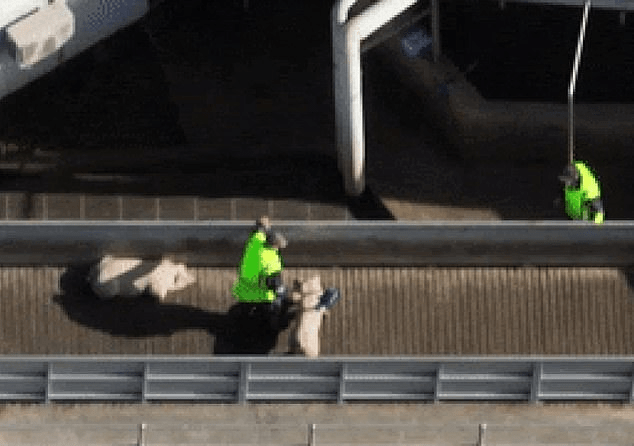
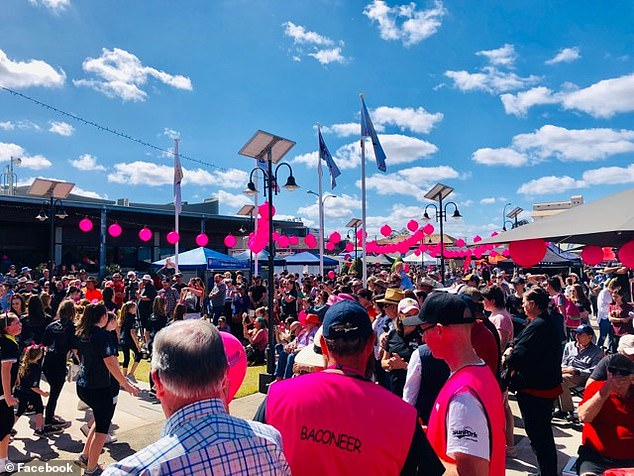
Animal rights group releases shocking footage from inside a pig abattoir as activists reveal their plan to target a weekend festival dedicated to BACON
The release of the video comes as the annual BaconFest kicks off in a rural Queensland town.
Kingaroy is hosting BaconFest from August 19 to August 21 in what the festival organisers describe as a ‘three-day sizzling food festival in Queensland’s beautiful South Burnett celebrating the versatility of bacon and putting Australian pork on centre stage.’
Thousands of people are expected to attend the event in what is a usually quiet town but are set to be joined by some unwelcome guests in the form of activist protestors.
On Friday ALQ announced they would target the rural festival, driving mobile billboards through the town showing abattoir images from across Queensland.
ALQ’s campaign manager Amanda Holly told the Courier Mail she believed Australia’s pig farming industry is hidden behind a ‘veil of secrecy’.
‘By maintaining a legal, peaceful presence throughout Kingaroy this weekend, our activists aim to shine a light on industry practices that are considered ‘standard’ despite the appalling harm caused to animals, people, and the environment,’ Ms Holly said.
‘We flew drones above intensive factory farms located here, as well as in the Western Downs, Toowoomba, North Burnett, Fraser Coast, Scenic Rim and Goondiwindi regions.’
Organisers at BaconFest have been contacted by Daily Mail Australia for comment.
Regards Mark

Demand Disney Take Responsibility for Its Horrific Massacre of Lemmings, and the Myth It Spread to Cover it Up!
Ever heard the phrase “don’t be a lemming?” It generally means to not follow the crowd, and make decisions for yourself. But the phrase has nothing to do with actual lemming behavior, and became widely circulated after a dangerously misleading 1950s nature documentary, White Wilderness, faked the mass suicide of these creatures to draw attention and make a profit. Using its grotesque movie magic, Disney was able to make it look as though hundreds of lemmings were intentionally jumping from a cliff to their deaths.
Mass suicide is not a risk for lemmings. But these adorable, short-tailed voles are threatened by climate change like so many other arctic mammals. Their tundra habitats are at great risk as the planet continues to warm.
Disney has made money off of portrayals of animals for decades “and it is time it takes responsibility for this most dangerous and false one. Disney should not only set the record straight about the fact that lemmings do not commit mass suicide, but the multi-billion dollar corporation must also apologize for its actions in the 1950s documentary and immediately donate funds to create Arctic refuges for lemmings and other cold-habitat mammals.
Sign the petition now if you agree!
Regards Mark
P.S. In the 1950s, Disney massacred lemmings en masse and filmed it as a suicide to draw profit-boosting attention for its documentary.

