EU: The Tester – Will the European Parliament Listen to 94% of EU Citizens and Make the Future of CAP Animal Welfare-Friendly; or Not ?

WAV Comment – For Years we and many others have given the utter proof that animal welfare does not work in the EU at this current time. 20/10/20 will be a real tester of the EU and its Parliament to see what happens.

Will the voices of 94% of EU citizens who believe it is important to protect the welfare of farmed animals be heard and acted on ? – or will they be sidetracked and ignored ?

We will report on what happens after the date.

Regards Mark
Will the European Parliament make the Future of CAP animal welfare-friendly?

14 October 2020

On 20 October 2020, the European Parliament will vote on the Common Agricultural Policy (CAP) 2021-2027. With a lot at stake, MEPs will also vote on whether the new CAP will finally be able to deliver toward its objective of ‘promoting animal welfare’.

An overwhelming majority (94%) of EU citizens believe it is important to protect the welfare of farmed animals. Additionally,  in the most recent EU wide survey on European, Agriculture and the CAP in the latest Eurobarometer, citizens listed animal welfare as the second most important responsibility farmers should have in today’s society.

The reform of the CAP provides numerous opportunities to take into consideration these citizens’ demands on animal welfare. 

On 20/10/20, Members of the European Parliament will vote on what the future CAP will look like and whether animal welfare will be an integral part of the programme from 2021 to 2027.

Eurogroup for Animals and its members call on the MEPs’ support of improving enforcement of animal welfare legislation (conditionality measures), and promote best practices on farm animal welfare (in the newly created eco-schemes and under the in Pillar II listed measures for rural development plans). 

What is the CAP ?

The Common Agricultural Policy (CAP) is the first, biggest, and one of the few pieces of legislation entirely decided at the EU level. The CAP accounts for almost half of the EU’s entire budget – around 58 billion euros yearly. In paying European farmers in exchange for producing food in a certain way, the CAP determines which type of farming practices are likely to thrive in the EU. 

What we call the “CAP” is in fact a series of regulations: four regulations under the current CAP; reduced to three for the next CAP reform. The Regulation on Strategic Plans, which determines rules for payments to farmers (so called “Pillar I”) and the measures for rural development plans, which are essentially bonuses afforded to producers who undertake good practices (so-called “Pillar II”). The Common Market Organisation (CMO) Regulation relates to technical measures supporting production and consumption, such as promotional measures, regulation on denomination of food products, and all the measures actionable during crisis (surplus stocking for instance). Unlike the CAP Strategic Plans Regulation, the CMO regulation is not regulating payments, but technical measures to regulate the agri-food market. Finally, the Horizontal Regulation mostly provides for penalty measures. All three regulations have tremendous effects on the number of animals produced, and the ways in which they are treated.

Does the present CAP take animal welfare into account ?

Yes. The EU is the only  jurisdiction in the world to include an animal welfare component in its agricultural policy. This, more than the enactment of animal welfare legislation, contributes to the exceptionalism of the EU when it comes to the taking into account of  animal welfare in policies. The articulation between the CAP and animal welfare is instrumental to achieve the objectives set in EU animal welfare laws, since the CAP is  the one piece of legislation which most affects the lives of the seven billion farm animals raised and slaughtered each year in the EU.

Even though the CAP contains only a few provisions on animal welfare, these provisions affect greatly the treatment of farm animals in our union.

To understand the extent to which CAP and animal welfare intersects, it is important to know how it is structured. The CAP is divided into two main “pillars”, with:

  • Pillar I, which grants farmers subsidies in exchange for producing agricultural products: crops for human or animal consumption, and livestock. Under Pillar One, EU law requires that all farmers receiving payments should be submitted to additional inspection to ensure they comply with minimal legislation on animal welfare. A livestock producer who fails to comply with certain minimal requirements – such as providing enrichment materials for pigs – will receive a reduced amount of subsidies. This measure is popular among EU citizens, with 82% in favor of reducing subsidy payments for noncompliance (Eurobarometer, 2016). 
     
  • Pillar II provides additional funding for good practices that go beyond legal requirements. Member States have the possibility to offer a series of financial aids to those farmers who commit to improve animal welfare beyond legal requirements, by providing them support to help them transition to or maintain more humane production models. For example, to farmers who raise free range chickens. 

The CAP as. In fact, animal welfare requirements as an eligibility criterion for subsidies were included in the CAP in the early 2000s, but it wasn’t enough to prevent the proliferation of intensive farming. 

As a result, cruel practices are becoming increasingly common on European farms – in France, the UK, Poland and Spain, to name a few countries. The present CAP will expire in 2020 and a new one is being discussed in the European Parliament and Council. 

The EU’s subsidy scheme is in need of reform to ensure it meets our societies’ biggest challenges and expectations concerning our food system. Yet the reforms addressed so far are limited to the administrative intricacies of payment redistribution by the European Commission and the Member States: a shame, given the considerable effect the CAP has on animal welfare and its potential to improve food policies.
What are the limits to the inclusion of animal welfare into the CAP ?

Circling back to the compliance requirements on animal welfare under Pillar I, the CAP doesn’t cover all species – poultry welfare requirements are still excluded, for instance, despite the fact that there are two specific pieces of EU legislation imposing minimum welfare standards for laying hens and for broilers. Even for animals which are included in the CAP’s welfare provisions, compliance is not always guaranteed. For example, the EU Court of Auditors recently found that not all farms receiving money from Pillar I were being checked for adherence to the CAP’s welfare provisions, with some Member States’ inspection systems leaving farms – sometimes those most in risk of violations – outside their scope.

As for Pillar II, even though some Member States may have specifically chosen to fund animal welfare practices that go the extra mile, not all of them actually spent according to that express intention under the current CAP – 16 out of 28 Member States only, and for an amount totalling only 1.5% of the entire pillar. Secondly, while you would think if a farmer is getting Pillar II subsidies for the extra animal welfare measures, he or she would also be complying with the legal requirements of Pillar One, the EU Court of Auditors has revealed that this is not the case. Examples include farmers who are providing more space per pig than is required by EU law while not complying with minimal legal requirements in other areas, such as painful tail docking. An additional issue is that in listing the best practices they choose to fund under Pillar Two, Member States often incentivise those that are detrimental to animal welfare. Funding for modernisation could lead to the building of a state-of-the-art intensive farm, for example. 

In fact, the issue of animal welfare in the CAP goes beyond gaps in enforcement, and has more to do with the general objectives of the CAP itself. 

Since its creation in the early 1960s, the CAP has incentivised the increase in production of animal-based food products; first as a way to ensure EU’s food security, and more recently to gain global market share. By doing so, it has undermined an already weak animal welfare policy objective. At its current level, the CAP gives revenue to farmers for raising animals for consumption purposes to such an extent that animal agriculture accounts for 40% of the EU’s agricultural production, according to Eurostat’s Agriculture, Forestry and Fishery statistics from 2018. As a result, production methods have been further industrialised, making extreme confinement and painful mutilations the norm in EU animal agriculture. By incentivising the production of animals for food, the CAP also influences consumer patterns. Firstly, the more animals are produced for food, the more consumers will find animal products in supermarkets, and the cheaper those products will be. Secondly, to maintain consumption levels of animal products, certain intensive producers benefit from opportunities available under the CAP such as the EU’s marketing campaigns to promote and sell their products. For instance, certain Italian PDO pork producers have continued to benefit from these opportunities despite repeatedly violating minimal EU animal welfare standards. Similarly, the CAP gives privileged access to specific markets with programmes such as the EU “School Scheme,” providing milk to school kids across the EU, but also enabling producers to use European schools as a dumping ground for an overproduced commodity while influencing young Europeans’ food habits. 

What can MEP’s do to make sure the new CAP will be fairer for all; including animals

Not only has the CAP neglected to properly take animal sentience into account, it has led to a broken food system which fails animals, farmers, consumers and citizens alike. The CAP reform is a unique opportunity to reverse the trend of industrial farm animal production. To further the EU’s mandate to respect animal sentience, we must demand that the cruelest forms of animal exploitation must be ineligible for any type of public funding (subsidies and market measures), higher welfare systems rewarded and inspection systems in EU States strengthened throughout the Union. Only this would make the CAP consistent with the EU Treaty, and the EU a credible role model for animal welfare for the rest of the world.

The European Parliament, therefore, needs to (1) support enhanced conditionality on animal welfare; all directives on animal welfare should be included in conditionality, and conditionality should be extended to both pillars; (2) support funding to incentivise producers to transition towards more humane systems; under Pillar I with the newly-created eco-schemes; under Pillar II by making Animal Welfare Measure (“Measure 14”) mandatory in all national  rural development plan.

Regards Mark.

For those old fossils in the UK like me; you will know about Led Zepp.

Here is Planty with 29 Palms – a great track:

Sri Lanka Bans Cow Slaughter, BUT has yet to Pass An Animal Welfare Bill.

Urban Johannsson

Sri Lanka bans cow slaughter, but has yet to pass animal welfare bill

13 October 2020

The Sri Lankan government will be amending the Animal Act after the Cabinet approved a proposal by Prime Minister Mahinda Rajapaksa to ban the slaughter of cows in this predominantly Buddhist country.

However, animal rights activists point out that there are no animal welfare laws in the country, and a bill to enact an Animal Welfare Act has been blocked in parliament since 2006.

After the Cabinet approved the proposal on September 28th the government released a statement presenting it as a rural economic self-reliance measure.

“As a country with an economy based on agriculture, the contribution of the cattle resource to develop the livelihood of the rural people of Sri Lanka is immense,” the government said in a statement. “Various parties have pointed out that the livestock resource that are required for traditional farming purposes is insufficient due to the rise of cattle slaughter and the insufficiency of livestock resource is an obstacle to uplift the local dairy industry”.

The statement further said that this decision would help to uplift the rural economy by developing a dairy industry, as well as saving a  substantial amount of foreign exchange, that is now spent on importing milk and milk powder. Immediate steps are to be taken to amend the Animal Act of 1958 and the Cow Slaughter Ordinance of 1893.

“The ban on cattle slaughter is part of the tradition of Dharmic religions” argues animal rights activist and lawyer Senaka Weeraratne. “Once these countries became colonies the ban was lifted and all three European powers Portuguese, Dutch and British freely encouraged the locals to flout tradition and Buddhist precepts by eating meat and drinking alcohol”.

Read more at source

Eurasia Review

Regards Mark

Iceland: A Story of Progress Which May Halt Performing Sea Life; and Whaling.

15/10/20.

Yesterday, 14/10; we did a quick post about thee 2 Belugas Little Grey and Little White.

You can see all our posts on this wonderful rescue from performing prison and a journey to freedom below in the ‘Archive’.

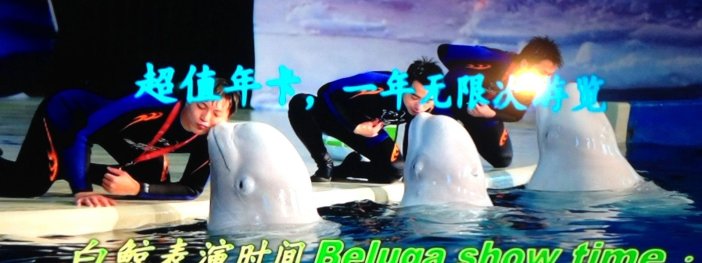
For over a decade LG and LW had been ‘performing’ for humans in a very small indoor tank in Shanghai.  It was time to get them out of their prison, and the daily routine of performing stupid tricks for even more stupid people who were prepared to pay and watch them act.

Now meet the whales with much more to smile about !

Two belugas (LG and LW)  are transported from captivity in China to a new ocean refuge over 6,000 miles away in Iceland thanks to British charity – Sea Life (Lies) – https://sea-lies.org.uk/

Very sadly, Iceland is still a whale killing nation along with Norway and Japan.

Japan has been engaged in ‘scientific whaling’ (supposedly for research but it means nothing) since 1987, a year after the IWC moratorium on commercial whaling began. Iceland began “scientific whaling” in 2003 before resuming their commerical hunt in 2006. 

But; many Icelandic people have welcomed LG and LW to their new sanctuary home; and as we have always said with every campaign issue; it is the people that vote to make changes for the future.  Hopefully, with LG and LW now residing in Icelandic waters; people will realise that creatures such as these are not human property and should not be held in captivity performing stupid tricks.   We really hope that by having these new arrivals in their country; Icelandic people will see the whale hunt and killing for what it is – murder – and will instead put their resources into protecting whales rather than slaughtering them.

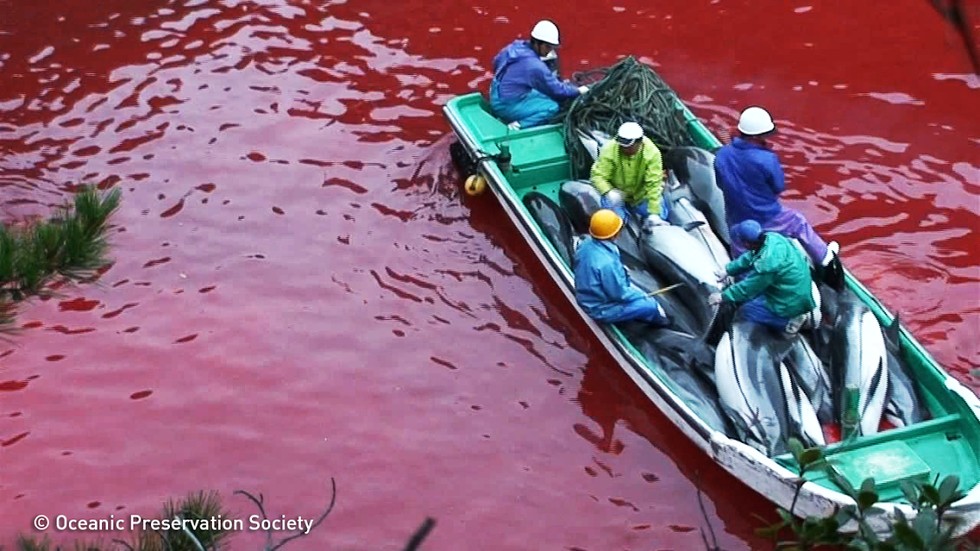
Norway has surpassed Japan and Iceland in its whale hunting quotas (which do not include dolphins), and now officially kills more whales than any country in the world.  As we know, Japan kills dolphins in the Taiji hunt –  see more at  https://worldanimalsvoice.com/2020/09/04/japan-taiji-genocide-of-another-species/   and the Faroe islands which belong to Denmark still have an annual whale kill also – see more at https://worldanimalsvoice.com/2019/08/30/england-london-joint-demo-day-protest-against-faroe-islands-and-taiji-japan-whale-and-dolphin-slaughters/

Below – Taiji Japan

This image has an empty alt attribute; its file name is taiji-4.jpg
Faroe whale slaughter

Above – Faroe Islands

Further reading on LG and LW:

And see their new Icelandic sanctuary home here:

Video link:  https://youtu.be/kWaIjwU2MEQ

Norway has surpassed Japan and Iceland in its whale hunting quotas (which do not include dolphins), and now officially kills more whales than any country in the world.  As we know, Japan kills dolphins in the Taiji hunt –  see more at  https://worldanimalsvoice.com/2020/09/04/japan-taiji-genocide-of-another-species/   and the Faroe islands which belong to Denmark still have an annual whale kill also – see more at https://worldanimalsvoice.com/2019/08/30/england-london-joint-demo-day-protest-against-faroe-islands-and-taiji-japan-whale-and-dolphin-slaughters/

And see their new Icelandic sanctuary home here:

Video link:  https://youtu.be/kWaIjwU2MEQ

All photos below via the Daily Mail – UK newspaper.

Archive – Some of our past posts on Little Grey and Little White:

https://worldanimalsvoice.com/2020/08/10/iceland-uk-good-news-of-the-week-beluga-whales-little-grey-and-little-white-finally-arrive-in-iceland-at-new-sanctuary-home-after-years-performing-in-china/

https://worldanimalsvoice.com/2020/05/22/thanks-but-no-tanks-in-just-a-few-weeks-little-grey-and-little-white-will-enter-their-new-sanctuary-home-where-they-can-live-a-proper-life/

https://worldanimalsvoice.com/2019/06/19/little-grey-and-little-white-have-now-begun-their-journey-to-their-new-sea-sanctuary/

https://worldanimalsvoice.com/2019/04/05/beluga-whales-little-grey-and-little-white-moved-to-the-worlds-first-beluga-sanctuary-in-april-2019-confirmed/

https://worldanimalsvoice.com/2019/02/21/very-close-now-to-moving-little-grey-and-little-white-to-their-sanctuary-home-in-iceland/

https://worldanimalsvoice.com/2019/06/20/update-two-very-special-belugas-have-arrived-at-their-new-sanctuary-home/

John Bishop is an English comedian who has been involved with this rescue for years since its conception. Here below you can see some footage of John’s involvement with the LG / LW recue project:

Enjoy;

Thanks, but NO TANKS;

Regards Mark

The Sea Life Trust team move Beluga Whale Little Gray from a tugboat during transfer to the bayside care pool where they will be acclimatised to the natural environment of their new home at the open water sanctuary in Klettsvik Bay in Iceland. The two Beluga whales, named Little Grey and Little White, are being moved to the world’s first open-water whale sanctuary after travelling from an aquarium in China 6,000 miles away in June 2019.

Palm oil and the European fascism in Africa

Rainforest Rescue

Palm oil production in Nigeria is a destructive and violent business. Companies like Okomu Oil Palm Plantation Plc (OOPC) are clearing forests with breathtaking speed and leaving destroyed livelihoods and human rights violations in their wake.

Please support the struggle of local communities for their rights and for nature.

On May 20, 2020, the village Ijaw-Gbene in southern Nigeria was burnt to the ground.

Witnesses identified the Okomu Oil Palm Plantation Plc (OOPC) security force and members of the Nigerian army as the attackers.

Previously, three other villages had been torched under similar circumstances.

The attack in May 2020 left local farmers and fisherfolk homeless and their properties destroyed.

More than 80 villagers had no choice but to seek shelter in neighboring communities and in churches, rendering social distancing impossible and increasing their risk of COVID infection.

OOPC denies the allegations.

OOPC is a subsidiary of SOCFIN, a group controlled by French corporate titan Vincent Bolloré and the Belgian businessman Hubert Fabri.
SOCFIN operates rubber and palm oil plantations in ten countries in Africa and Asia.

Europeans have a bad reputation: whether in Cameroon, Liberia, Sierra Leone, Ivory Coast, or Cambodia, wherever Socfin works, the local population complains about brutal methods.

In Nigeria’s Okomu Kingdom, SOCFIN’s 33,000-hectare plantation is encroaching on communities that never agreed to give their ancestral land away.

It stretches into forest reserves, home to endangered species such as chimpanzees, forest elephants, and red-bellied monkeys.
Logging and industrial agriculture are the major drivers of deforestation in Nigeria, a country that has already lost 96 percent of its forest cover.

In a joint letter dated September 4, local communities asked the Nigerian president to take steps against OOPC. The struggle against the company is not an isolated case – it’s symptomatic for the palm oil business around the world.

Please support the affected communities in fighting for their rights and for the forests with your signature.

Petition: https://www.rainforest-rescue.org/petitions/1224/stop-nigerias-lawless-palm-oil-juggernaut


And I mean…To clarify once again: First, there is practically no sustainable palm oil. The oil palm cultivation and processing is a highly polluting and dirty industry because it involves a lot of money.
But with the help of the Europeans, people are brutally driven from their countries, even with the help of the military.

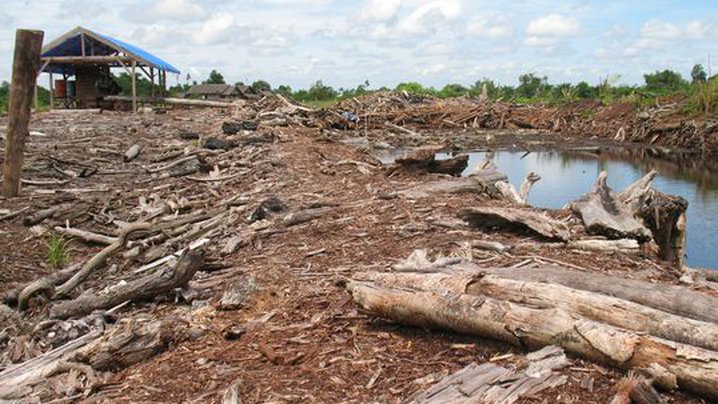
The thousands of hectares of monoculture plantations in Asia and Africa are mostly the result of deforestation in the rainforest or the displacement of small farmers.

They leach out the soil, are very water-intensive, and require large amounts of chemical fertilizers and pesticides. They also prevent smallholder agriculture, are known for the miserable working conditions and wages of palm oil workers, and thus contribute to increased land conflicts, impoverishment, and hunger.

After all, German chemical companies are also among the main buyers of this increasingly important raw material.

Palm oil has been linked to human rights abuses and violence.
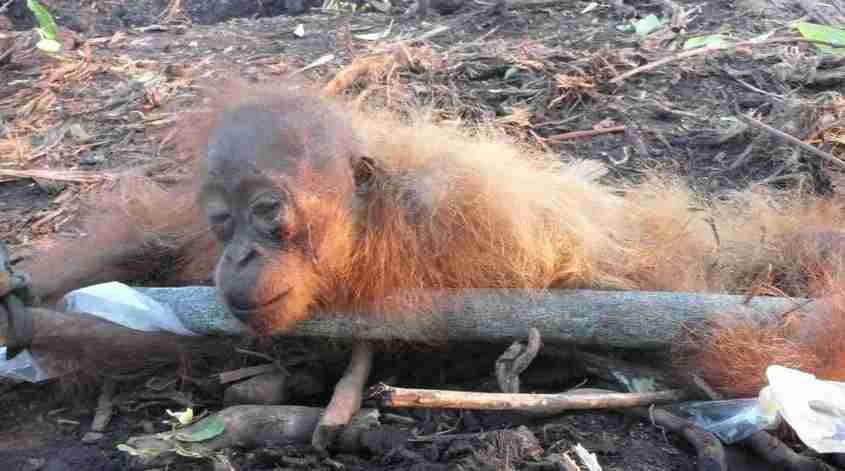
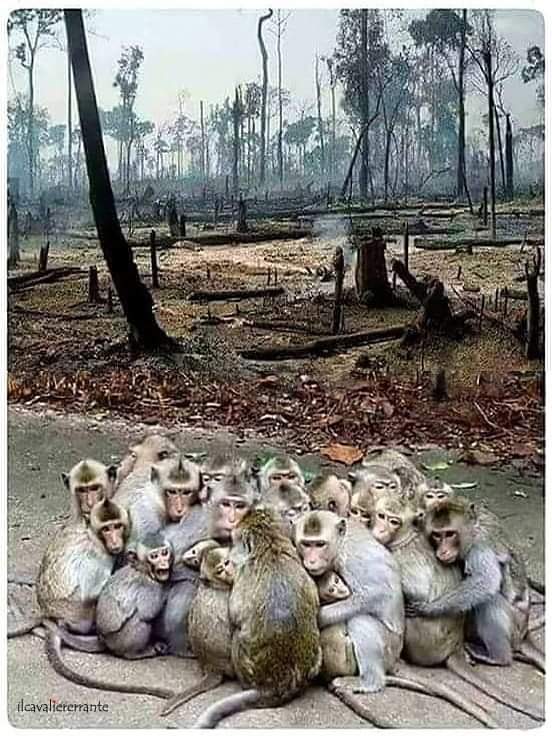
Palm oil is forest destruction, human and animal life destruction.

Never buy products that contain palm oil.
With our purchase, we can also resist the big multinational oligarchs and save people and animals.

My best regards to all, Venus

Note: Not all pictures are from Africa.
Most are from Asia, where the dirty palm oil business best blooms

Little Grey and Little White Have been Relased Into Their Forever New Home at an Icelandic Sanctuary.

Hi all;

Today 4/10 has been a really crazy mental day.  I have not done any posts for the site – so everything you get today will be from Venus.

Tonight I am starting to prepare something for tomorrow. You may remember in the past we have covered the rescue of Beluga whales Little Grey and Little White as they have started their journey from performing in a indoor show arena in the Far East to their new home in a massive natural sea sanctuary in Iceland.

It has been a massive undertaking for all involved – but the best news ever is that Grey and White have finally been released into the new forever sanctuary home over the last few weeks.

Tomorrow there will be much more, but I leave you now with a video of when John Bishop; a UK comedian, first met the pair in the far east.  As John says, the pair should never be performing as they were; and we fully endorse that.

The sanctuary can take up to about 8-10 Belugas, and we hope this trial will be the first of many to get captive marine animals out of the showground and back into the wild where they belong.

Here is the first video when John meets Little Grey and Little White for the first time.

Hopefully more tomorrow;

Regards Mark

Keep wild in the wild !

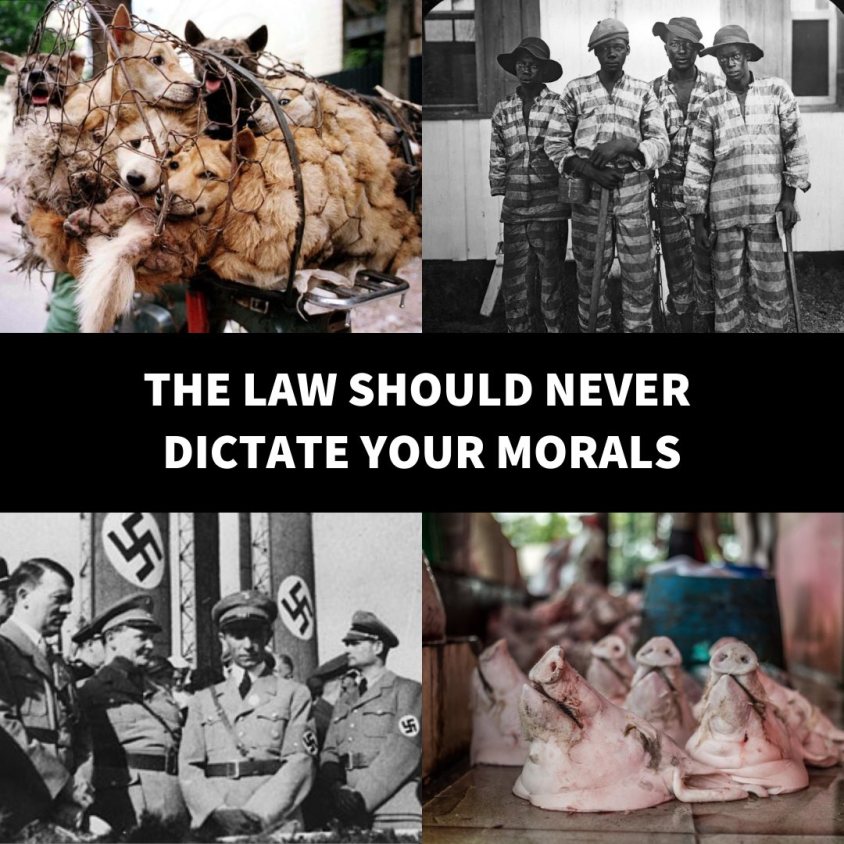
legality doesn’t dictate morality

“American slavery was legal. Human genocide was legal. Eating dog meat is legal.
Abusing and murdering non-human animals such as cows, pigs, chickens, and fish is currently legal.

But as we know legality doesn’t dictate morality.
What side of history do you want to stand on when it comes to stamping out this injustice?”

Anonymous for the Voiceless

And I mean…if resistance is to become a reality, then people have to know what injustice is.
And that injustice has the same weight for all living beings, does not depend on color, race, or species.

But we know that people are purposely brought up in a racist manner in their morals, in their selections, in their thinking.
The system leads people to factory behavior – standardized, dependent, systematically managed, and monitored until they are disempowered
Almost everyone sells their soul to the meat industry and is given the freedom to eat meat in return.

That answers the question – that’s all!

Regards and good night, Venus

Columbia Sportswear Company will no longer use alpaca!

Following talks with PETA, the Columbia Sportswear Company—one of the largest active-lifestyle apparel and footwear companies in the world—is all packing up its alpaca-derived items and has become the latest company to ban alpaca.

The ban will apply across its Columbia, PrAna, Sorel, and Mountain Hardwear brands!

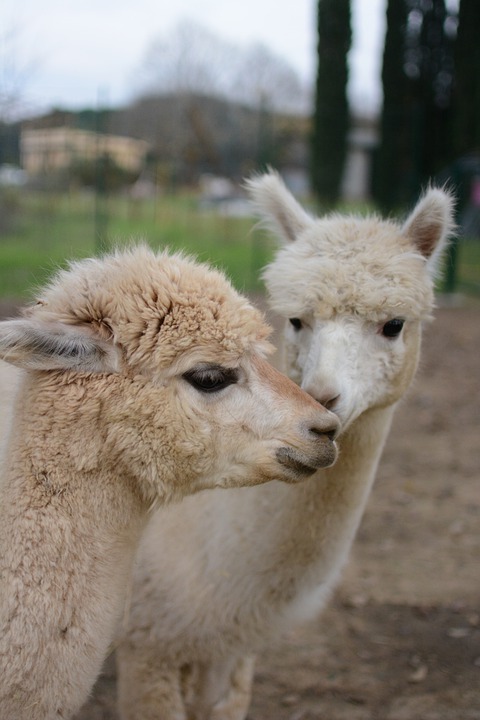
alpaca friends

Here’s Why Companies Are Banning Alpaca

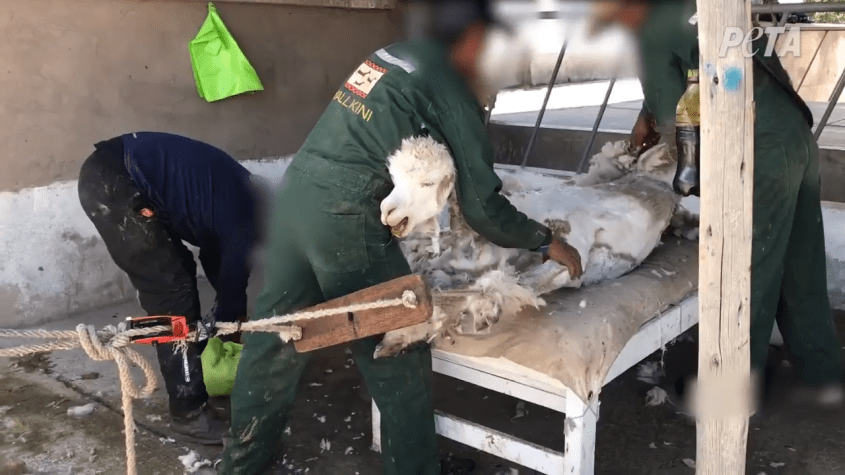
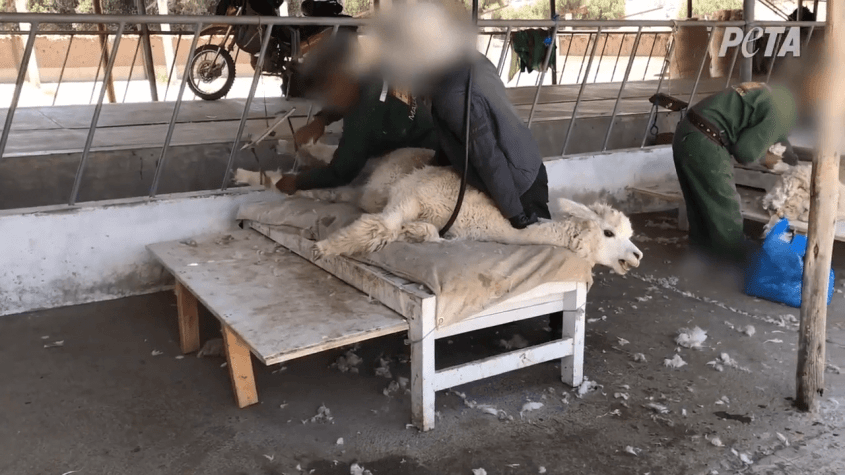
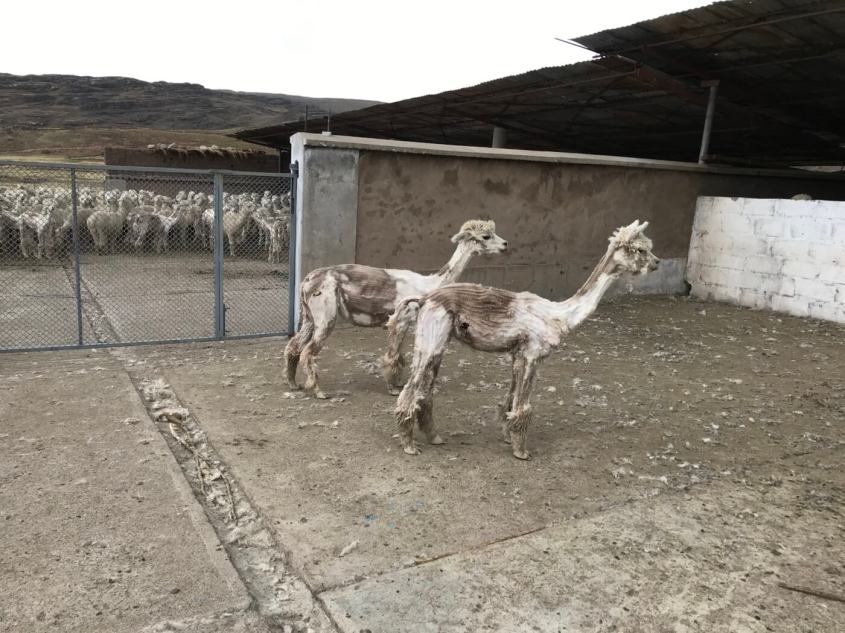
Columbia’s ethical and environmentally responsible decision comes on the heels of a PETA exposé of the world’s largest privately-owned alpaca farm, in Peru, that documented workers violently hitting, kicking, and slamming alpacas (some pregnant) onto tables and strapping them tightly by the legs into a restraining device resembling a medieval torture rack.

Their legs were then stretched in opposite directions, nearly wrenching them out of their sockets.
Workers sheared the animals roughly and carelessly, leaving them with gaping, bloody wounds that they crudely sewed shut.

The animals cried out, spit (a typical response to distress), and vomited in fear as workers grabbed them by the ears.

Now, alpacas will no longer be used for profit by Columbia.

Stealing wool from these docile, gentle, curious, and social animals is not a victimless crime.

Just as the wool industry slaughters sheep, the dairy industry slaughters cows, and the egg industry macerates male baby chicks and slaughters their mothers, the alpaca fleece industry slaughters alpacas who actually are no longer wanted for their coats.

Columbia joins a growing list of companies—including ESPRIT, Marks & Spencer, Overstock.com, UNIQLO, and Valentino—that have banned alpaca following PETA’s unprecedented exposure of the cruel industry.

But some companies are still knowingly profiting from the torment, mutilation, and slaughter of these gentle animals.
Please urge Anthropologie to stop selling alpaca fleece immediately.

Groundbreaking Undercover Investigation: Crying, Vomiting Alpacas Tied Down, Cut Up for Sweaters and Scarves

PETA Persuades Columbia Sportswear Company to Ban Alpaca Fleece

And I mean…That gives us hope, this is very positive news.
The list of companies banning alpaca, fur, and exotic leather is growing every year.

We achieved this through the media, with systematic education and war against the criminal industries of animal exploitation.

Animal welfare needs patience, which you get with the years and experience.
We have patience and fighting spirit, we keep fighting and it will stay that way.

My best regards to all, Venus

England: Unite !

Back in the 2005 / 06 period, when I (Mark) was deep into fighting for the rights of Serbian stray dogs and cats with a few Serbian activists – you can see most of the work at WAV’s other site which is ‘Serbian Animals Voce’ – https://serbiananimalsvoice.com/  – go to the archive on the left side; I got a lot of support from Maria Daines; an English singer.

Above – ‘Shinters’ Catch a stray dog (Serbia).

Above – Maria.

One day I asked Maria (and husband musician) Paul if they could do something about the suffering animals in Serbia.  As a result they penned the song ‘Unite’ – which as you can see starts immediately with the flag of Serbia.

In traditional Maria style, it is a song for the animals; something for which she is very well known.  This is a song for all animal activists the world over; declaring that we must unite in order to achieve victory.

Enjoy the song;

Regards Mark

SAV is not run directly as a site for Serbian strays any more; instead we still get many visitors each day rather than visit us at WAV,  so we also put all the WAV posts onto the SAV site each day – extra work but we have the advantage of getting the word out about issues via 2 different sites each day; and that’s a winner !

Regards Mark and Venus.

Serbia – More stray dog catching by Shinters.

Indonesia: Please Support BOS Foundation On This Day of Giving for Apes.

WAV Comment – as a reminder for the giving day for apes; we have just donated to one of our favourite rescue centres; the Borneo Orangutan Survival (BOS) Foundation.  Please support them with a donation today if you are able.

Thanks

Mark (WAV).

https://worldanimalsvoice.com/2018/08/12/indonesia-orangutan-jungle-school/

https://worldanimalsvoice.com/2020/08/04/the-bravest-ape-orangutan-who-lost-both-his-arms-on-an-electric-fence-while-trying-to-escape-from-captivity-learns-how-to-climb-and-find-food-using-only-his-legs-as-he-prepares-to-return-to-the-jungl/

Dear Mark


Today is one of the biggest days of the year to show how much you care about the orangutans in our centres.

In honour of #GivingDayforApes, I want to share some important numbers with you:

Our orangutans require a lot of care, while our 38 surrogate mothers work tirelessly in the tropical heat to teach our forest school students how to survive in the wild.

The orphans drink a total of about 15,000 litres of milk and use 10,000 diapers per year. And eat more food than you can imagine Mark, such as yams, melons, eggplants, rambutans, watermelons, and a mountain’s worth of bananas.

All in all, that’s 1,000 tonnes of food per year.

If just 1 in 10 of those reading this email – people like YOU, Mark – gave $25 we could reach our goal to raise $20,000 by midnight tonight to provide milk and nutritious food for all of our orangutans.

So will you help us reach our goal?

Click the donation button below to donate $25 or more right now and help us meet our goal before the midnight deadline.

https://givingdayforapes.mightycause.com/organization/Bosfoundation

DONATE NOW  →

You have my word, Mark, that 100% of the donations will support our orangutan care and conservation activities in East and Central Kalimantan.

For the orangutans we all love,


Dr. Ir. Jamartin Sihite
CEO of BOS Foundation

Estonia: Survey: Support for Banning Fur Farming in Estonia is Greater Than Ever Before.

Survey: Support for banning fur farming in Estonia is greater than ever before

Loomus

According to a survey commissioned by animal advocacy organisation Loomus, 83% of women and 66% of men are not in favour of fur farming.

73% of Estonians and 77% of people from other nationalities are against fur farming.

73% of Keskerakond (Estonian Centre Party) voters are against fur farming. Same goes to 72% of Reformierakond (Estonian Reform Party) voters, 51% of Eesti Konservatiivne Rahvaerakond (Conservative People’s Party of Estonia) voters, 85% of Sotsiaaldemokraatlik Erakond (Social Democratic Party) voters, 74% of Eesti 200 (Estonia 200) voters and 93% of the voters of other parties. 79% of the people without a party preference are against fur farming.

The percentage of supporters of closing fur farms is not only high in urban areas, but also in rural areas. 74% of the people living in Tallinn do not support fur farming, same goes to 78% of the people living in other towns and 72% of people living in rural areas.
Compared to a study conducted at the end of December of 2016, the number of people who are against fur farming has grown from 69% to 75%.

Martin Garbuz, the board member of Loomus, says that it is a wonderful result. “The support for banning fur farming is great and it’s constantly growing. The majority of society don’t support an industry where animals are tortured and killed for luxury items. It’s also important information for politicians who are considering the ban of fur farming again,” he added.

In summer, 23 members of Riigikogu (Estonian Parliament) initiated the draft Act for the amendment of Animal Protection and Nature Conservation Act which seeks to ban fur farming in Estonia. The draft was compiled in co-operation of politicians and Loomus. The first reading of it is taking place on the 15th of October in Riigikogu.

718 residents of Estonia, aged 18–60, took part in the Kantar Emor national survey and they were asked whether they are in favour of raising and killing animals such as foxes and minks for their fur. The survey was conducted in the middle of September.