Tag: animal rights

(US – California) Cal student faces prison for rescuing chickens // An Animal Rights Activist Rescued Four Sick Chickens From a Slaughterhouse. Now She’s Facing Five Years in Prison.

https://www.publicnewsservice.org/2025-06-13/animal-welfare/cal-student-faces-prison-for-rescuing-chickens/a97135-1

Friday, June 13, 2025

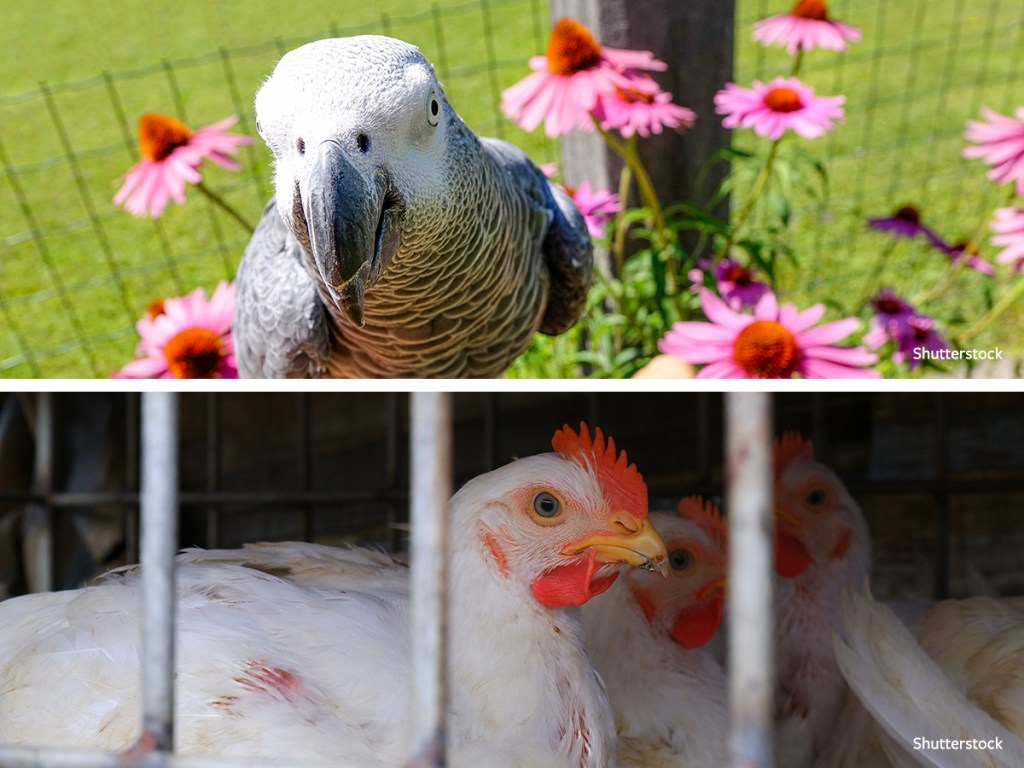
In 2023, UC Berkeley student and activist Zoe Rosenberg removed four severely ill chickens from a slaughterhouse truck in Petaluma, California, and brought them to an animal sanctuary. Now, she’s facing over five years in prison. Rosenberg’s trial is scheduled for later this year, and her allegations tell a story of horrific conditions at ostensibly “free-range” chicken farms, as well as the steep uphill battle activists face in convincing law enforcement to even investigate allegations of animal cruelty on factory farms.

Rosenberg is an activist with Direct Action Everywhere (DxE), a Bay Area-based animal rights organization. In addition to supporting ballot propositions and hosting conferences, DxE carries out undercover investigations of slaughterhouses and factory farms. In some cases, its activists rescue ill and imperiled animals from such facilities; this is what’s known as “open rescue,” a popular tactic among some animal rights activists.

The prospect of risking prison time for saving a few chickens, who are routinely sold for less than $20 apiece, may seem outlandish. But DxE activists like Rosenberg see it as a necessary risk to accomplish their ultimate goal: the complete abolition of slaughterhouses and factory farms.

“I think that if people don’t take action and don’t risk their freedom to create change, nothing will ever change,” Rosenberg, who’s currently wearing an ankle monitor while out on bail, tells Sentient. “We’ve seen time and time throughout history that it has been the sacrifices of the very few that have changed the world.”

Petaluma Poultry did not respond to Sentient’s request for comment on this story, but a company spokesperson denied DxE’s claims to the San Francisco Chronicle, characterizing the group as “extremist” and its efforts as “theft.”

What Is Open Rescue?

In essence, open rescue is the act of removing animals from dangerous or harmful environments without permission from the person, company or facility that oversees said animals. Those who carry out open rescues don’t hide what they are doing, and often publicize their actions. Animals that are removed via open rescue are typically provided with medical care and/or taken to animal sanctuaries.

The goal of open rescues, which date back to at least the early 1980s, is not only to provide relief for the animals in question, but also to highlight the conditions in which farm animals are held, and to normalize the act of rescuing them. But it’s a controversial practice, even among activists, and law enforcement officials generally treat open rescues as acts of theft, trespassing or other crimes.

This often leads to prosecution, but in the eyes of open rescue advocates, this isn’t entirely a bad thing. Prosecutions often bring media attention and publicity to both the topic in question and the relevant laws surrounding that topic. Rosenberg’s case, for instance, draws attention not only to the conditions of factory farms, but also to the fact that removing a few sick animals from a slaughterhouse can get you a half a decade in prison.

Do People Usually Go to Prison for Open Rescue?

Although charges are often brought in open rescue cases, they’re frequently reduced or, in some cases, dropped entirely before trial. It’s not uncommon for open rescuers to be acquitted, either; in a verdict that drew international headlines, DxE founder Wayne Hsiung and another defendant were facing 60 years in prison for rescuing two sick piglets from a Smithfield Farms facility in Utah, only to be acquitted of all charges.

That said, Hsiung did recently spend 38 days in Sonoma County jail for an open rescue in which he participated, so it’s not unheard of for activists like Rosenberg to serve time for carrying out open rescues.

he Incident in Question

On June 13, 2023, Rosenberg entered a Petaluma Poultry slaughterhouse partially disguised as an employee. A truck delivering chickens to the facility was parked outside, and Rosenberg spotted four chickens in the back of the truck who she says were “covered in scratches and bruises.” She took them from the truck, left the slaughterhouse and both she and DxE publicized her actions on social media.

Rosenberg says that she intentionally took the chickens that “seemed like they most needed medical attention.” Subsequent examinations found that all four birds were infected with Coccidia parasites; one of them also had a respiratory infection and an injured toe, while a third had a foot infection.

Five months later, Rosenberg was arrested and charged with five felonies relating to the June 13 rescue. These charges were later reduced, and as of this writing, she faces one felony conspiracy charge, two forms of misdemeanor trespassing charges, one misdemeanor theft charge and one misdemeanor charge of tampering with a vehicle. Her trial is scheduled for September 15, 2025.

The chickens she rescued were all treated for their illnesses, and are now living at an animal sanctuary.

A History of Animal Neglect At Petaluma Poultry

Petaluma Poultry, a subsidiary of the chicken giant Perdue, presents itself as a humane operation where, in the words of its website, “chickens are free to be chickens.”

“Our houses are spacious, with room for birds to move about and exhibit normal behaviors in a low-stress environment open to fresh air,” the company’s website says. “Our outdoor spaces are at least half the size of the poultry house, and typically as big as the barn itself.”

But Petaluma Poultry’s advertising is a classic example of humane-washing, when companies try to appeal to animal welfare-minded consumers by depicting their products as more humanely produced than they actually are.

Petaluma Poultry and its contractors have been accused of criminal animal cruelty on a number of occasions, and footage filmed by undercover investigators in the company’s farms and slaughterhouse paints a much different picture than the company’s marketing.

In 2018, a whistleblower provided DxE with footage from McCoy’s Poultry, a factory farm contracted by Petaluma Poultry, that showed chickens collapsed on the ground, unable to stand or walk and surrounded by the corpses of other chickens. Shortly thereafter, Sonoma County Animal Services seized 15 chickens from McCoy’s Poultry; six were already dead, while the other nine were injured, malnourished, unable to stand and exhibited signs of distress, according to a subsequent medical report. The facility was later shut down.

In 2023, another activist who infiltrated Petaluma Poultry’s slaughterhouse said that she saw workers cutting into chickens while they were still alive, as well as evidence that chickens had been abused, tortured and boiled alive during the slaughter process. They also obtained documents showing that, on a single day in April, over 1,000 chickens were deemed unfit for human consumption after they were slaughtered due to suspicion that they had blood poisoning.

Prior to her arrest for the June incident, Rosenberg herself was involved in a separate DxE investigation of a Petaluma Poultry facility in 2023, where she recorded footage of more chickens suffering in the facility.

“I documented chickens who were collapsed on the floor of their factory farms, too weak to stand, unable to get to food and water, and slowly dying of starvation and dehydration,” Rosenberg says. She ended up rescuing two of those chickens as well, both of whom required extensive medical care.

It remains unclear whether authorities prosecuting or investigating these allegations of criminal animal cruelty? And if not, how come?

Rosenberg Raised Allegations of Animal Welfare Abuses

Poultry is the most widely consumed meat in the U.S. and the world, yet there are no federal laws that protect livestock chickens from mistreatment on the farm. The Humane Slaughter Act establishes some baseline requirements for the treatment of livestock, but it specifically exempts chickens from these protections.

In California, however, livestock chickens are protected under a number of different laws. In addition to Proposition 12, which requires poultry producers to give egg-laying hens a specific amount of living space, Section 597(b) of California’s penal code makes it a felony to subject an animal to “needless suffering” or deprive them of access to sufficient food or water, among other things.

This law would appear to be relevant in the context of Petaluma Poultry. If a chicken at a factory farm is physically unable to stand (let alone walk), they will be unable to reach the feeding trays and water, and will eventually die of thirst or starvation. If a chicken is boiled alive because they were improperly stunned beforehand, it has suffered needlessly.

The aforementioned investigations uncovered evidence of both of these things happening at Petaluma Poultry and its contracted facilities. Both DxE and Rosenberg claim they’ve presented multiple law enforcement agencies with this evidence, only to be rebuffed or ignored.

“The most common thing we’ve had is agencies directing us to another agency, directing us to another agency, directing us back to the place where we started, and just kind of sending us around in circles,” Rosenberg says. “We didn’t get any helpful response. No one took action.”

It was this inaction that led Rosenberg to take the four chickens from the back of the truck in June, she says. After doing so, she again presented her findings to law enforcement, specifically the Petaluma Police Department. This time, she got a response.

“They said they had a detective who wanted to have a call with me, and so I had like a 15-minute call with a detective from the Petaluma Police Department,” Rosenberg says. “She very much approached the call from an angle of, you know, ‘I’m concerned about the reports you are making.’ And so I told her about the animal cruelty that has been documented there.”

But Officer Corie Joerger, the detective in question, didn’t follow up with her after their call, Rosenberg claims, and ignored her subsequent attempts at communication. A couple of weeks later, Joerger handed Rosenberg a warrant for her arrest regarding the June rescue.

In the preliminary hearing for Rosenberg’s case, Joerger acknowledged that Rosenberg had made allegations of animal cruelty, but stated that she did not investigate the matter.

This inaction by law enforcement wasn’t an isolated incident. When the investigation at McCoy’s Poultry facility uncovered dead birds on the farm floor and others that were unable to move, Sonoma County Animal Services referred the matter to the county sheriff’s office for potential prosecution. But no prosecution followed then, either.

Sentient has reached out to the Sonoma County Sheriff’s Office, the Petaluma Police Department and Joerger for clarification on these reports, but as of this writing, none have offered any comments.

Petaluma Poultry Is More the Rule Than the Exception

The allegations against Petaluma Poultry might sound extreme. But in fact, many are par for the course on factory farms, and chicken farms in particular.

For instance, the USDA estimates that every year, around 825,000 chickens are boiled alive at slaughterhouses. This is not standard protocol, but rather, the result of standard protocol gone wrong.

At poultry slaughterhouses, chickens are typically hung upside down by their feet and pulled through an electrified pool of water, which is meant to stun them. After that, workers slit the chickens’ throats, and after they’ve bled out, they’re placed into boiling water. This is to soften the skin and make it easier to defeather them.

That’s how it’s supposed to work, at least. In actuality, though, one or both of those first two steps often fail; chickens are either inadequately stunned before their throats are cut, or their throats aren’t fully slit, or both. When both of these processes fail, the chicken is inadvertently boiled alive, and feels every bit of pain associated with this.

Similarly, the fact that those chickens at Petaluma Poultry couldn’t stand up or walk isn’t an accident. Over the decades, farmers have selectively bred chickens to be as fat as possible, as this maximizes the amount of meat they can sell. According to the National Chicken Council, farmed chickens now grow to be over twice as large as they were 100 years ago in less than half the time.

This unnatural rate of growth has wrought havoc on their internal biology, however, and farm chickens now routinely suffer from a number of illnesses and adverse health conditions as a result, including bone deformities, heart attacks, chronic hunger, ruptured tendons and, most relevantly to Petaluma Poultry, difficulty standing up or walking.

Finally, Petaluma Poultry is far from the only chicken producer to make questionable use of the “free-range” label, which is ostensibly regulated by the USDA. In 2023, undercover footage taken from a Tyson Foods-contracted chicken farm in Virginia depicted employees of both the factory and Tyson freely acknowledging that the “free range” label doesn’t actually mean anything, and that “free range” birds often “don’t go outside.”

Why Wasn’t Petaluma Poultry Investigated by Law Enforcement?

Though it’s unclear why local law enforcement hasn’t pursued any investigations into the allegations against Petaluma Poultry, DxE’s director of communications has some ideas.

“It would be a massive undertaking for any government agency, no matter how well-staffed they actually might be, to suddenly address the systemic animal cruelty that we know is happening in factory farms,” Cassie King, director of communications at DxE tells Sentient. “If they put their foot in the door and acknowledge that it’s their responsibility to address these crimes, then there’s a landslide of new cases they need to take on, and it’s just a huge amount of work.”

It also bears mentioning that chicken farms are an enormous part of Petaluma’s local economy, and have been for quite some time. Once referred to as “the egg basket of the world,” Petaluma was the birthplace of several egg-related technologies at the turn of the century, and pumped out over a half a billion eggs every year at its peak in 1945.

Although the city isn’t quite the egg powerhouse it once was, chickens are still big business in Petaluma. Though official estimates are difficult to come by, the city is home to at least seven chicken farms large enough to qualify as factory farms, and those facilities collectively house around 1.8 million chickens at any given time, according to a 2024 analysis by an activist group that opposes factory farms.

To be clear, there’s no evidence that the poultry industry’s strong presence in Petaluma has played any role in law enforcement’s response to allegations of cruelty at the city’s chicken farms. But the fact that the Petaluma Police Department publicly celebrates the city’s poultry industry, and participates in the annual Butter and Eggs Day festival in a non-law enforcement capacity, is not lost on DxE activists.

Rosenberg Awaiting Trial

For her part, Rosenberg maintains that her actions were legal. She cites the doctrine of necessity, a legal theory holding that it’s sometimes permissible to break a law if doing so prevents even greater harm from occurring.

“For example, if a kid is drowning in your neighbor’s pool and no one is helping that kid, you have the right to trespass into your neighbor’s yard to rescue the kid,” Rosenberg says.

How this defense plays out in court remains to be seen, but it’s essentially the same argument Hsiung’s attorneys successfully used in the Utah case. In the meantime, Rosenberg says she’s been encouraged by the public reaction to her case (Paris Hilton is a prominent supporter), and doesn’t regret her actions even if they do land her in prison.

“A few years of my freedom is worth significantly less than even one animal’s entire life, and certainly less than four animals’ entire lives,” Rosenberg says. “And so it’s absolutely worth it to me on that level.”

*************
An Animal Rights Activist Rescued Four Sick Chickens From a Slaughterhouse. Now She’s Facing Five Years in Prison.

Speciesism: The Root of Animal Oppression

https://www.idausa.org/campaign/farmed-animal/speciesism-the-root-of-animal-oppression/

We live in a world where we share our homes with some species, eat others, and exploit still more in myriad ways, depending on what we’ve been taught about how we should see and treat different species, and whether we should consider ourselves superior to them. Unfortunately, the misguided belief that some species are worth our moral consideration and protection and others aren’t is known as speciesism, and it’s causing immeasurable harm.

Speciesism is a form of discrimination that considers one species superior to others. This mindset is based on the belief that humans have the right to dominate, use, and kill non-human animals for their own benefit. 

The term “speciesism” was coined in the 1970s by British psychologist and animal rights activist Richard Ryder, who introduced it in a pamphlet distributed as part of a campaign against animal experimentation in Oxford, England.

Like racism, sexism, homophobia, and all forms of discrimination against certain groups, speciesism devalues individuals based on arbitrary characteristics — and in the case of animals, their level of intelligence, their appearance, and if they have fur, feathers, and fins, or whether they walk on four legs instead of two. 

This perspective perpetuates the idea that we have the right to use, exploit, and kill other animals simply because they’re different from us. 

Speciesism is often the first form of discrimination we’re taught, and it manifests in two ways. The first is the belief in the supremacy of the human species over all other species. The second is viewing only certain species — such as animal companions and some wild animals — as worthy of care and protection, with some even considered part of our families. In contrast, most other animals are disregarded, and many are enslaved, tortured, and treated as commodities for food, entertainment, fashion, research, transportation, and much more.

Farmed animals are often depicted in marketing for food products as trivial, cartoonish characters, which strips them of their dignity and status as feeling individuals with their own personalities and preferences. Small family farms tend to be romanticized as wholesome places where animals live happy lives and are cared for by farmers. In reality, the basis of all animal farming is the exploitation and killing of sentient beings. Still, humans have compartmentalized their ethical views, allowing us to rationalize the cruelty and violence inflicted on animals we might otherwise be fascinated by and care about, all for our pleasure, convenience, advancement, habits, traditions, and tastes. Although it has been scientifically proven that humans can survive and thrive on a plant-based diet, most continue to consume the flesh, milk, and eggs of animals because we’ve been conditioned to believe that it’s “normal, natural, and necessary.”

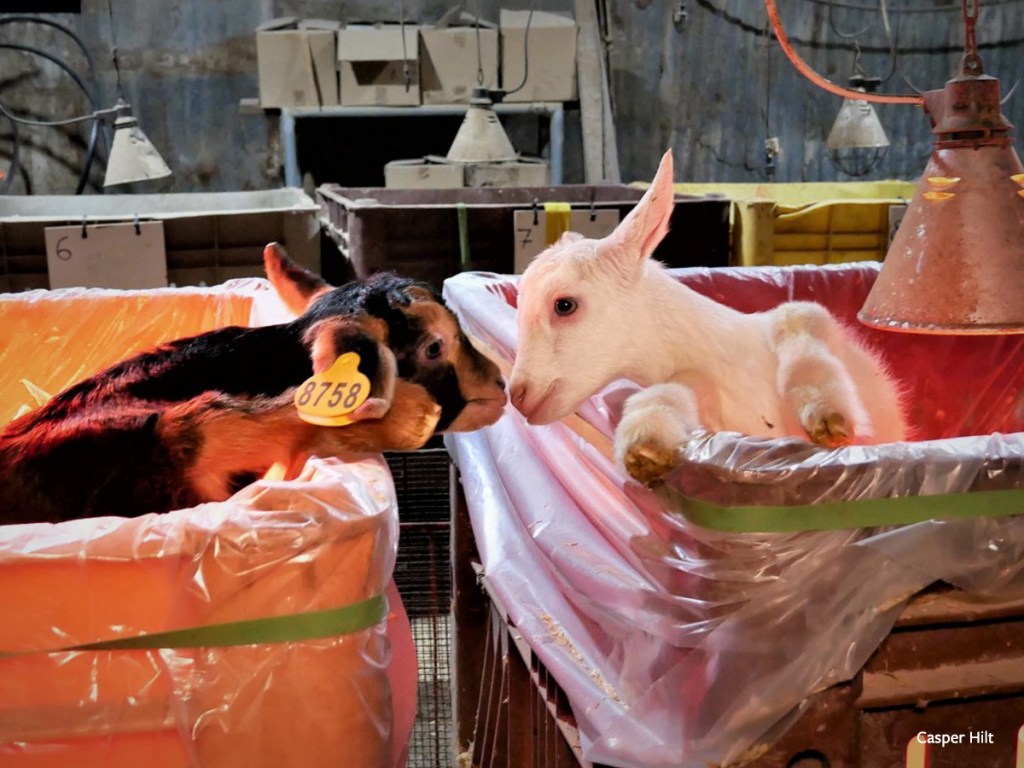
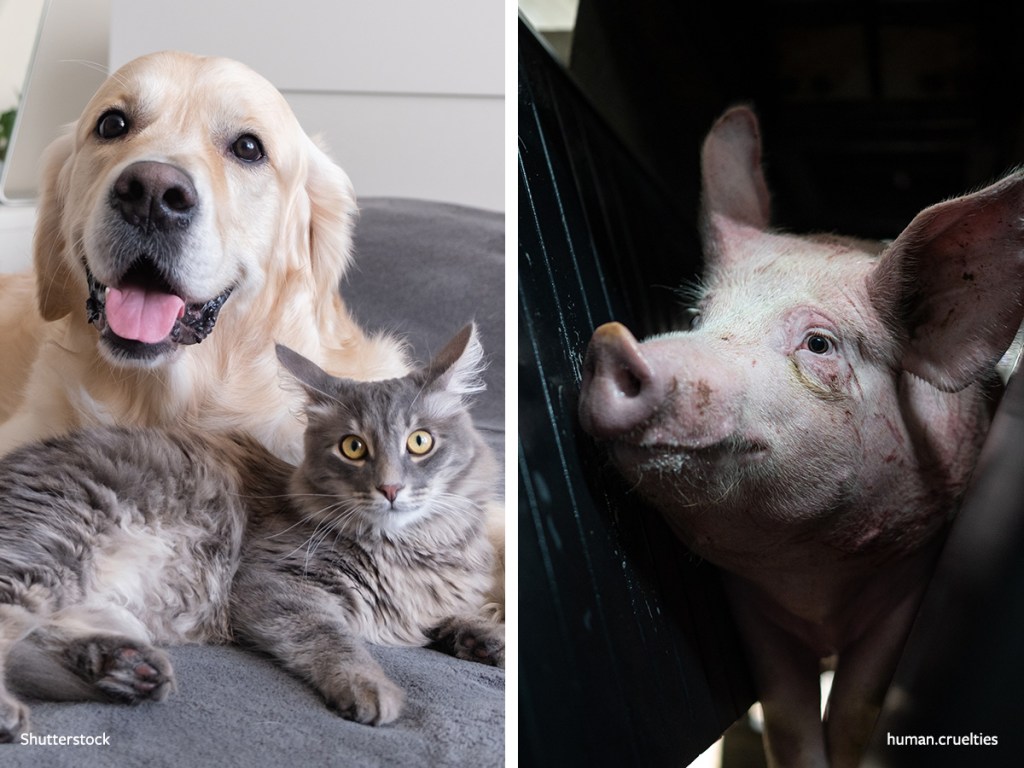
Animal companions and certain wild species are granted some legal protections, while all other animals are not. Cruel practices and mutilations without anesthesia, such as castration, tail docking, burning off horns, and extreme confinement, are inflicted on farmed animals like pigs, cows, chickens, goats, sheep, and turkeys, yet would be considered horrific abuse by most in Western culture if done to dogs or cats.

If we would never subject a dog or cat to these practices, nor send them to a slaughterhouse to end their life, we must recognize that no animal deserves to be used or enslaved by us, nor to have such pain and terror inflicted upon them. Even the desire to keep some animals as companions has led to their exploitation through breeding and selling, prioritizing profit over their well-being, which inevitably results in neglect, abuse, and often death. Beagle dogs and rabbits, usually seen as ‘pets,’ are also tormented and killed in research labs.

Humans often try to justify their oppression of animals by saying that humans are the most intelligent species. Yet many animal species possess sensory and physical abilities that humans do not have.

For example, bats use echolocation — the ability to use sound waves to navigate and find objects — to navigate in complete darkness. Tiny wrasse fish can recognize themselves and others in a mirror, joining chimpanzees and dolphins in this rare skill. Octopuses excel at problem-solving and camouflage, altering the texture and color of their skin to blend into their surroundings. Birds like the Arctic tern navigate thousands of miles using environmental cues, including the stars and the Earth’s magnetic field. 

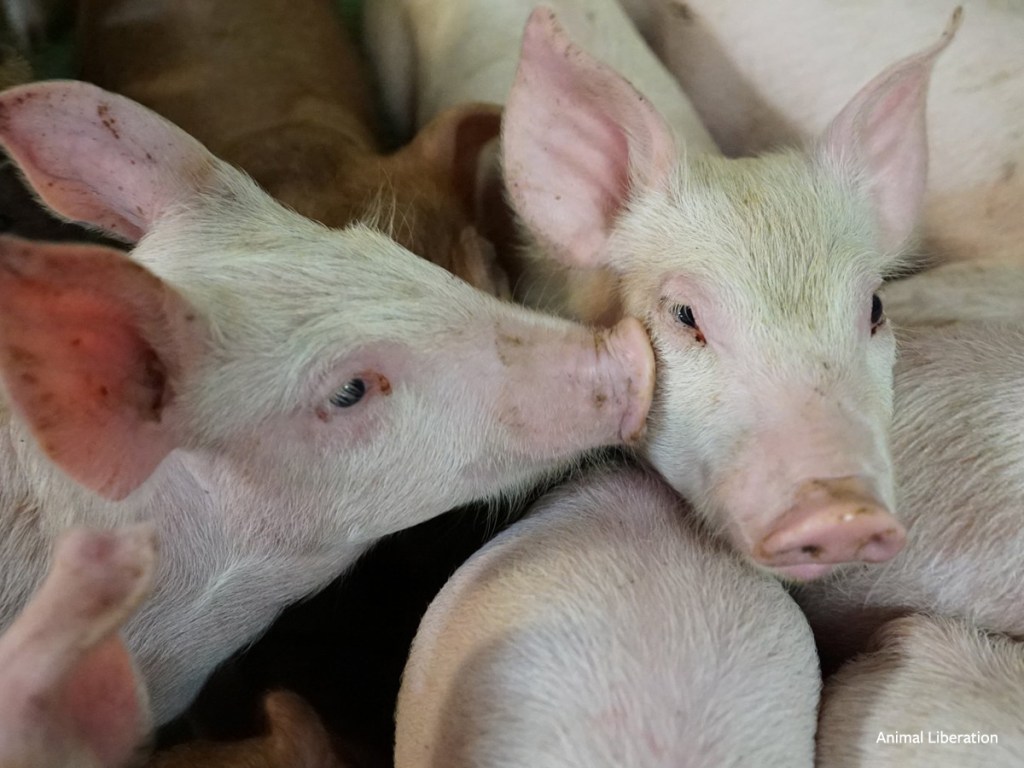
Chickens can recognize faces, form social bonds, and have memory and problem-solving skills on par with many other birds and mammals. Cows demonstrate empathy and many other complex emotions and can also solve puzzles. Pigs can navigate mazes and exhibit emotions and intelligence equivalent to a 3-year-old child.

Regardless, is intelligence truly the measure of whether someone deserves to be protected from harm by others? Some cognitively impaired humans are less intelligent than many animals. Does that mean we can also use and kill them? Of course not. No individual should be required to justify their right to safety and protection from human harm based on their cognitive or physical abilities. 

Whether human or non-human, each individual thinks and feels and has their own subjective experience of life, deserving the right to share this planet with us without being dominated by us. Unlike all forms of discrimination that focus on our differences, we must focus on what all species have in common — our will and desire to live and be free, and our capacity for pain, suffering, and joy. 

If we would not tolerate discrimination and harm based on race, gender, or other differences, we must apply the same reasoning to speciesism and view it as equally unjust. 

To embrace liberation, justice, and compassion for all Earthlings, live vegan—the principle that calls on humans to live without exploiting any other animals.

***********

Excellent book on the subject, for more in-depth study:

https://www.amazon.com/Speciesism-Joan-Dunayer/dp/0970647565

Ryce Pub., 2004 – 204 Pages

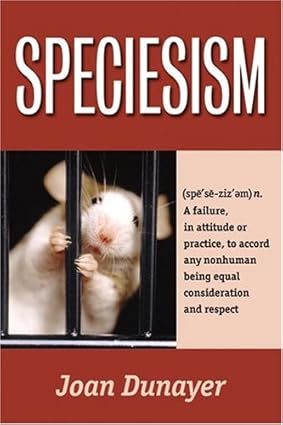
Defining speciesism as “a failure, in attitude or practice, to accord any nonhuman being equal consideration and respect,” this brilliant work critiques speciesism both outside and within the animal rights movement. The author demonstrates that much of the moral philosophy, legal theory, and animal advocacy aimed at advancing nonhuman emancipation actually perpetuate speciesism. Speciesism examines philosophy, law, and activism in terms of three categories: “old speciesism,” “new speciesism,” and species equality.Old-speciesists limit rights to humans. Speciesism refutes their standard arguments against nonhuman rights. Current law is old-speciesist — legally, nonhumans have no rights. Dunayer shows that “animal laws” such as the Humane Slaughter Act afford nonhumans no meaningful protection. She also explains why welfarist campaigns are old-speciesist.

Instead of opposing the abuse or killing of nonhuman beings, such campaigns seek only to make abuse or killing less cruel; they propose alternative ways of violating nonhumans’ moral rights. Many organizations that consider themselves animal rights advocates engage in old-speciesist campaigns, which reinforce the property status of nonhumans rather than promoting their emancipation.New-speciesists espouse rights for only some nonhumans, those whose minds seem most like those of humans. In addition to devaluing most animals, new-speciesists give greater moral consideration and stronger basic rights to humans than they do to any nonhumans. They see animalkind as a hierarchy, with humans at the top.

Dunayer explains why she categorizes such theorists as Peter Singer, Tom Regan, and Steven Wise as new-speciesists.Nonspeciesists advocaterights for every sentient being. Speciesism makes the case that every creature with a nervous system should be regarded as sentient. The book provides compelling evidence of consciousness in animals often dismissed as insentient — such as fishes, insects, spiders, and snails. Dunayer argues that every sentient being should possess basic legal rights, including rights to life and liberty. Radically egalitarian, Speciesism envisions nonspeciesist thought, law, and action.

When it gets too much …

Work in animal activism is not easy – if you mean it and really do not spare yourself. It gets even more difficult if you have health issues (and I do not mean mental h. i.), because your strength is limited, and you forever hear from family, friends, doctors — do NOT overdo it. You know what’s at stake.

It’s called “compassion fatigue” or “secondary traumatic stress“.

But – and let me say this, Mark and I have met many, over the years, whose commitment, especially when handicapped, disabled, chronically ill, was, and to use a much abused term in US Politics at the moment, “ironclad”. In the best sense – so throwing caution, and their own welfare, to the wind, for the cause, for the animals they care so much about. Quite of few of those have since passed away …

Both, Mark and I, are struggling with health issues of our own – Mark with MS, me with advanced cancer. But, personally, and I think I can speak for Mark also, who has been “in it” longer than I have (live export being his special area of expertise) , I’ll be damned if I give up now.

Especially the issue at the kill shelters of the US, San Antonio (articles on this site), and others, is draining me currently. I happened upon it working on another issue two weeks ago, and was .. shocked. And believe me, it takes a bit to shock me, after the “Cat Torture” and various other, extreme, issues over the years. I do not spare myself – both of us don’t – and being blessed (!) with a photographic memory I never forget any of it …

Today I am waiting to see what dogs have been murdered (I say murdered, because that is what it is) at San Antonio, on Instagram. As every day clearly, it is too many, healthy and mostly young – going against every law of nature there is. Like hunting and shooting the individuals among wild animals that nature meant to reproduce – before they can do so – being turned into sick trophies.

This entire family – mother and pups died today …

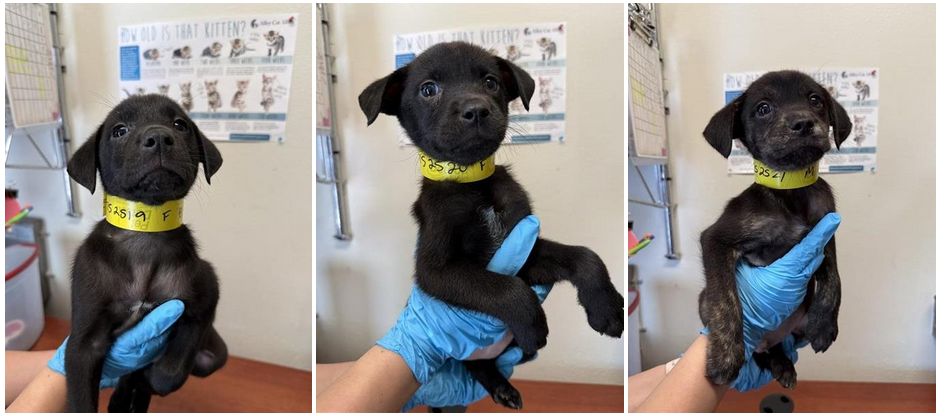
It is beyond unbearable. And I fear the 4 little ones I have developed a special love for, Squirtle, Mudkip, Chicorita and Totodile may be among today’s killed and incinerated on site. How sick is that …

I wrote to the authorities two days ago, it was past midnight, to show mercy – for these, and so many others. I’ve heard nothing, mails came back as undeliverable.

It is that, more than anything, that drains us all – the ignorance, the denial, the refusal to listen, the helplessness – and the reckless, brutal and stubborn continuation of cruelty and mass murder, on and on and on.

We do not intend to give up – and personally, if it’s the last thing I do, I will stand up until my last breath. And so will Mark. But sadly too many colleagues and friends who have devoted their lives to animals, their welfare and rights, have decided to depart this world voluntarily, and prematurely – their compassionate souls too hurt to be able to cope with any more of it. They will, no doubt, join the animals they care so much about ..

And I find a quote very fitting, from someone who also, at his time, was a voice for the helpless innocent creatures we continue to fight for …

“All that is best in me I have given to animals and I mean to stand by them to the last and share their fate whatever it may be. If it is true that there is to be no haven of rest for them when their sufferings here are at an end, I, for one, am not going to bargain for any heaven for myself. I shall go without fear where they go, and by the side of my brothers and sisters from the forests and the fields, from skies to seas, lie down to merciful extinction in their mysterious underworld, safe from any further torments.”

Preface to The Story of San Michele by Axel Munthe

Diana, and Mark

**************************

To name but a few … Rest in Peace, dear Friends.

https://vegnews.com/respected-animal-activist-mary-max-has-died-by-suicide

Respected Animal Activist Mary Max Has Died By Suicide

Wife of legendary artist Peter Max, Mary Max dedicated her life to helping animals in need. 

*************

https://edition.cnn.com/2013/11/10/us/ohio-animal-rescuer-suicide-dogs

Ohio animal rights activist kills herself, 31 rescue dogs, police say

The founder of an animal rescue organization in Ohio committed suicide, taking dozens of pets with her, the Moreland Hills Police Department told CNN. …

*************

https://www.animals24-7.org/2021/02/08/vegan-animal-advocate-thomas-tommy-bloom-raskin-25/

Vegan animal advocate Thomas “Tommy” Bloom Raskin,  25

Second young activist suicide in six months raises profile of “compassion fatigue” …

*************
https://theirturn.net/2020/08/04/in-memory-of-animal-rights-activist-shimon-shuchat-tribute/

In Memory of Animal Rights Activist Shimon Shuchat

Shimon Shuchat, a 22-year-old animal rights activist from Brooklyn, died on Tuesday, July 28th. In spite of being so young, Shimon was one of the most wise, humble, ethical, empathetic and hard-working activists in New York City. ….

*************
https://www.bbc.com/news/world-asia-36573395

The vet who ‘euthanised’ herself in Taiwan

… On 5 May last year, Ms Chien took her own life, using the same drug she used to put down animals. She said she wanted to help people understand what happens to strays in Taiwan. …

*************

https://en.wikipedia.org/wiki/Death_of_Regan_Russell

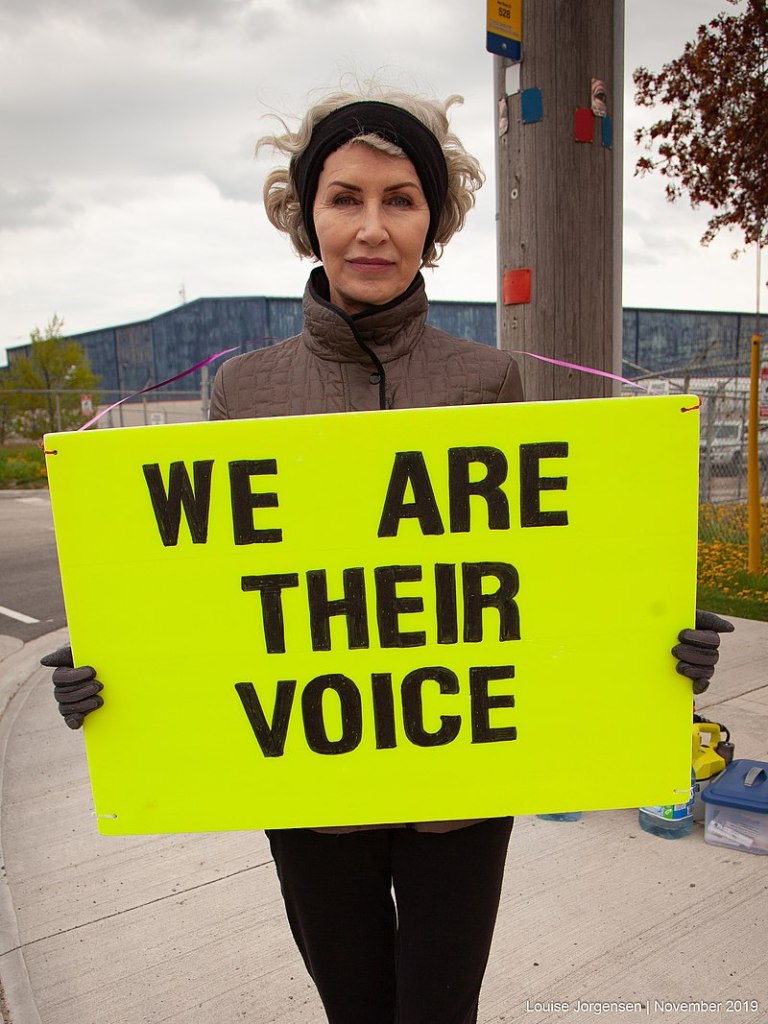
On June 19, 2020, 65-year-old Canadian animal rights activist and protester Regan Russell was run over and killed by a livestock transport truck after a demonstration outside Sofina Foods Inc. subsidiary Fearman’s Pork Inc., a pig slaughterhouse in Burlington, Ontario.

Animal Experimentation

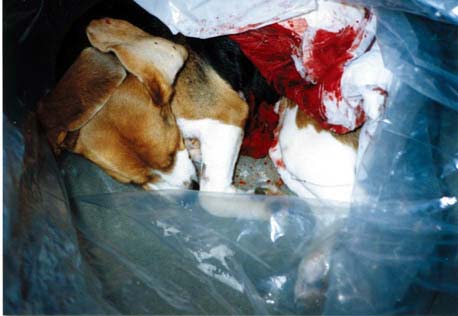
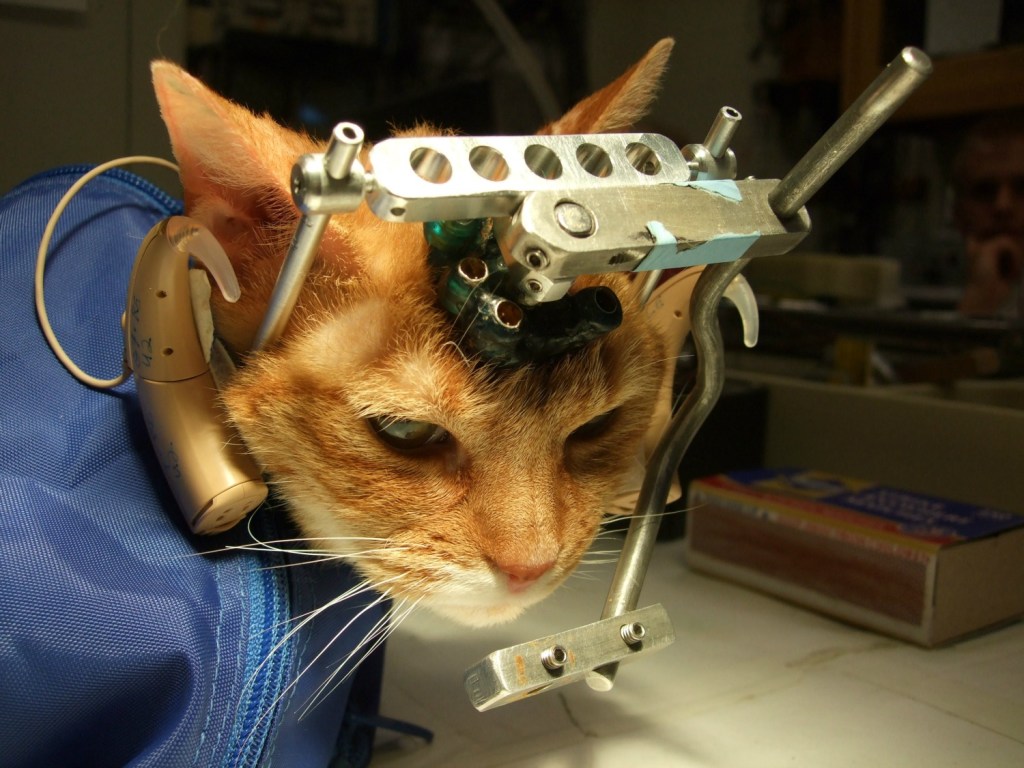
A difficult subject, one keeps hearing, that requires objective discussion. Does it? Like here, the German “Volkswagen Stiftung“, of all people, feeling the “topic deserved more visibility” (how very nicely put) .. whatever that means.

https://www.volkswagenstiftung.de/en/news/news/animal-testing-topic-deserves-more-visibility

https://www.volkswagenstiftung.de/en/news/news/experiments-animals-statement

(from the above publication)

… An open and honest discussion about the use of animals in research and, for example, a comparison with animal use in food production is only possible if everyone involved knows what an animal experiment entails, how much or how little the animals suffer in the process, and how the decision to undertake an animal experiment is reached. ..

Now, we have seen, here on this site, and elsewhere, what “animal USE” looks like – in all areas of such USE. And have come, collectively, to the conclusion that using animals, who are not able to lobby their own cause and interests in Human society, is wrong.

Time and again people think they must argue that objective discourse is necessary to decide how far one may go “using” beings for Human interests, who would never willingly submit to such use in the first place, if asked (o.k., with the advances in AI, man may in not too far a future be able to do exactly that: ask).

Personally, I am sick and tired of the rampant ABuse we see each day, seen by far too many as a “necesssary evil” visited upon the utterly helpless. There can NEVER be a justification of that – ever.

There can be no “objective discussion” of something that, by its very nature, is a “subjective issue”. An animal is not an object, but a subject – like a Human. How can personal feelings, and emotions not matter relating to the suffering of sentient beings?

No one would demand to discuss child abuse as an objective issue ..

(and again from the above publication)

And what does this debate currently look like? The discourse is strongly characterised by emotions,’ says Roman Stilling, speaker at the platform ‘Understanding animal experiments‘. The emotions raised around the debate arise primarily because people believe animal testing always means potentially inflicting pain, suffering and harm on an animal. ‘That’s the legal definition – otherwise it wouldn’t formally be animal testing.’ We shouldn’t forget, he adds, why experiments are carried out on animals: ‘It’s because we can’t do it on humans.’  

Quite, “because we can’t do it on Humans“. So off we go and find some poor non-Human sod who cannot stop us subjecting him/her to invasive, painful and ultimately fatal procedures.

Like at LPT, Germany, ..

https://crueltyfreeinternational.org/toxicity-testing-lpt-germany

I own a book on the subject, titled “Slaughter of the Innocent”, by the Author Hans Ruesch. With 1978, not a recent publication, and hard to get these days, but as important and relevant today as it was then ..

(from GOOGLE books)

“SLAUGHTER” is the first book ever written which directly discusses the scientific arguments regarding the needless use of animals, as a part of medical progress. Mr. Ruesch spent countless years compiling this gut wrenching masterpiece. He successfully lifts the veil of secrecy which has always been an important part of research establishments & the medical community as well, giving the reader a peek at what REALLY goes on, after the laboratory doors are closed. His words reveal some of the worst atrocities anyone could possibly imagine. Without ignoring the ethical questions – “it’s just one of life’s necessary evils, isn’t it?” – The author gets right to the point advising the reader, “Somebody up there is lying to you.” With his creative style & excellent documentation, Mr. Ruesch washes away the excuses of doctor apologists for animal experimentation, with facts showing not only that animals aren’t needed for Medicine/Health to move forward, but the use of which often leads to detrimental & misleading findings, & catastrophic results. This wonderful yet disturbing volume is a must read for any person entering the field of medicine or the people already there.

Mahatma Gandhi quotes:
“Vivisection is the blackest of all the black crimes”.
“I hold that the more helpless a creature, the more entitled it is to protection by man from the cruelty of man,’ and I abhor vivisection with my whole soul. All the scientific discoveries stained with innocent blood I count as of no consequence.”

EASTER .. the Fate of Lambs

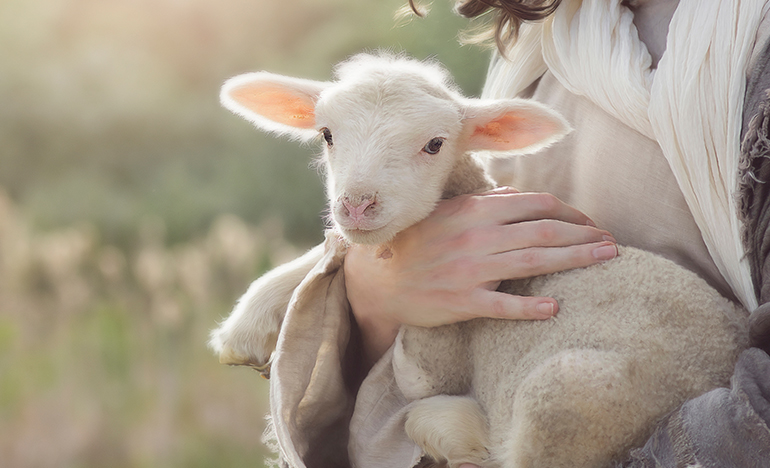
Every year again we witness the impossible, in Christian countries, the result of a Faith gone utterly wrong. The lamb, the very symbol of Innocence and of Jesus Christ, being subjected to a level of cruelty, and in huge numbers, that defies understanding.

So much for wishful thinking, and quite possibly the Lord’s own thoughts on the issue, and man’s relationship with these defenceless creatures, and indeed all of the Animal Kingdom.

2014 - La sofferenza degli agnelli e capretti allo scoperto

https://animalequality.org/news/2019/11/04/investigation-sheep-brutally-killed-in-uk-slaughterhouse/

Investigation documents cruelty at UK sheep slaughterhouse

November 4, 2019 Updated: January 20, 2025

Animal Equality UK has released a new investigation filmed inside a sheep slaughterhouse. The disturbing recordings, filmed during July and August 2019 at Farmers Fresh Wales slaughterhouse in Wrexham, North Wales, detail unimaginable cruelty and immense suffering. Farmers Fresh Wales supplies customers in London and across the Midlands, as well as continental Europe. …..

https://animalequality.org/blog/the-long-road-to-the-slaughterhouse/

The Long Road to the Slaughterhouse

January 28, 2022 Updated: February 1, 2022

Instead of sitting down to a family dinner over the holidays, Animal Equality investigators were on the road, documenting the suffering of lambs transported from Eastern Europe to Italy for slaughter.

Every Christmas and Easter, Animal Equality documents the long and difficult journeys that lambs undergo from Eastern Europe to Italian slaughterhouses. These lambs, many only weeks old, end up on the tables of millions of Italians during the holidays.

Transport: The Investigators’ Daily Journal

Although the transport trucks tend to follow predictable routes, it’s not always easy to map their movements. We located and followed some trucks, being careful not to lose them while we gathered as much information as possible.

Day 1 ….

https://animalequality.org/news/2015/03/23/shocking-cruelty-in-lamb-industry-revealed-once-again/

Shocking cruelty in lamb industry revealed once again

Animal Equality launches it’s ‘Save a Lamb’ campaign with a video that shows the cruelty lambs suffer in modern farms and slaughterhouses.

March 23, 2015 Updated: February 24, 2025

International – Through the release of a new video showing the life of a lamb in 60 seconds, Animal Equality launched on Saturday, March 22nd it’s 2015 ‘Save a Lamb’ campaign.

The video was filmed entirely by Animal Equality undercover investigators in farms and slaughterhouses in Italy. The practices shown in the footage are standard and common practice in the meat industry. ….

***************************

Iceland: Ban PMSG

https://action.eko.org/campaign/iceland-ban-pmsg

It sounds like something out of a dystopian nightmare, but it’s real: pregnant horses are restrained and drained of massive amounts of blood, leaving them weak and traumatized —all so the pharmaceutical industry can extract PMSG, a hormone used to fuel factory farms.

And Iceland is at the center of this horror. As the only producer of PMSG in Europe, its blood farms keep industrial animal agriculture running across the continent. Without Iceland’s supply, the entire industry takes a major hit. But right now, we have a rare chance to shut these farms down for good.

Iceland’s government has already admitted that blood farms violate EU animal welfare laws. Under pressure, they’ve pledged to reconsider the future of PMSG production *this year*—to either ban it permanently or allow this cruelty to continue. Meanwhile, Ísteka—the pharmaceutical company profiting from this torture—is lobbying hard to keep blood farms open, pressuring Iceland’s government to protect its bottom line.  

This is our moment. If we raise a massive global outcry now, we can drown out Big Pharma’s lobbyists and push Iceland to finally ban PMSG for good. 

Tell Iceland: ban PMSG

Thanks to numerous investigations by the Animal Welfare Foundation, the reality of PMSG production in Iceland has been exposed. Their latest undercover investigation in 2023 revealed the true extent of the cruelty behind PMSG extraction, bringing this hidden industry to light.

PMSG is the ultimate symbol of factory farming’s brutality—a hormone extracted from the blood of pregnant horses to fuel mass production of meat. In industrial pig farms across Europe, mother sows are injected with PMSG to hijack their bodies, forcing synchronized pregnancies so factory farms can churn out piglets on a rigid schedule.

Iceland had a chance to stop it. But in 2023, under pressure from Ísteka the government caved. Instead of banning blood farms, they put forward weak regulations and delayed real action until this year. Now, with the future of PMSG on the line, Big Pharma’s lobbyists are back, fighting to keep the cruelty going. This time, we can’t let them win—Iceland’s leaders need to see that people everywhere are demanding they ban PMSG for good. If we act now, we can make this year the turning point.

The Ekō community has taken on this fight before—and won. We pressured two major German pharmaceutical companies to cut ties with blood farms in South America, dealing a big blow to this cruel industry. Now, Iceland is the last major stronghold—and together, we can shut it down.

More Information

Iceland admits to breaching EU law on horse blood farms

Eurogroup for Animals 28 September 2023

Investigation in Iceland: Blood Collection & Laboratory Samples, PMSG Production

Animal Welfare Foundation 18 August 2023

Reprieve until 2025 for blood farms in Iceland?

Eurogroup for Animals 28 March 2023

Prosciutto’s Secret Ingredient: Horse Blood

Sentient Media 30 May 2024

_______________________________________________________________

https://action.eko.org/campaign/iceland-ban-pmsg

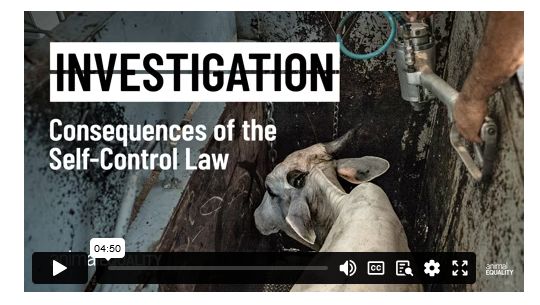
(Brazil) New investigation reveals dangers of Brazil’s Self-Control Law

https://animalequality.org/news/dangers-of-brazils-self-control-law/

  • In 2024, Animal Equality found major violations in São Paulo slaughterhouses, where cows and chickens were mistreated under Brazil’s Self-Control Law.
  • In 2022, an earlier investigation revealed cruelty at pig and cow slaughterhouses in Minas Gerais and Pará, warning about the dangers of the Self-Control Bill.
  • Workers were seen twisting animals’ tails, kicking them, and using electric shocks on sensitive areas like the head and genitals.
  • Some animals were skinned and dismembered while still alive.
  • These findings point to a global problem as U.S. slaughterhouses speed up production lines, increasing risks for animal cruelty.

Animal Equality’s investigation reveals the impact of Brazil’s 2022 Self-Control Law, which reduced government oversight of slaughterhouses. The findings uncover rampant cruelty and violations, with profits prioritized over animals, public health, and transparency.

Video on page or VIMEO Link: https://vimeo.com/1047226914

2024 investigation: São Paulo slaughterhouses

The latest investigation, featuring never-before-seen footage, uncovers significant failures in cow and chicken slaughterhouses in rural São Paulo. 

These facilities were already following a state-level version of the Self-Control Law before it was implemented across the country. Investigators found widespread violations of handling and slaughter rules set by Brazil’s Ministry of Agriculture and Livestock.

2022 investigation: Early warnings ignored

In 2022, Animal Equality issued an urgent warning about the risks of the Self-Control Bill. Investigating pig and cow slaughterhouses in the states of Minas Gerais and Pará, the team uncovered a critical shortage of government inspectors. 

Without proper oversight, workers were left to enforce safety and animal protection rules on their own, resulting in widespread violations. Despite these findings, the bill became law.

Between the 2022 and 2024 investigations, Animal Equality documented:

Intentional cruelty: 

  • Tail twisting and kicking animals in the face.
  • Use of high-frequency electric shocks on prohibited areas, including the head, tail, genitals, and anus.

Stunning failures: 

  • Animals were tied with ropes instead of being secured in proper stunning boxes, making effective stunning nearly impossible.
  • Captive bolt pistols were used incorrectly, leading to failed attempts to stun animals.
  • Broken stunning tools were not fixed, forcing some animals to endure up to seven failed stunning attempts.
  • No staff were assigned to ensure stunning was effective. When animals showed signs of consciousness–such as eye movement or lifting their heads–workers often did not repeat the stunning unless the animal became too agitated to manage.

Delayed slaughter: 

  • Stunned animals were left for over two minutes before slaughter, exceeding legal limits meant to prevent them from regaining consciousness:
    • Non-penetrating captive bolt pistols deliver a blunt impact to the head, causing a concussion without breaking the skull. Animals must be slaughtered within 30 seconds, as this method loses effectiveness quickly.
    • Penetrating captive bolt pistols use a bolt to penetrate the skull, causing deeper and longer-lasting unconsciousness. This method allows up to 60 seconds before slaughter must take place.
  • Delays beyond these limits caused animals to regain consciousness, leading to extreme suffering.

Mutilations while conscious: 

  • Workers did not wait the required three minutes after slaughter to ensure animals were dead before mutilating them. This resulted in animals being skinned and dismembered while alive. 

Poor facility conditions:

  • Overcrowded pens with more animals than recommended.
  • Animals left in extreme heat without shade or water.
  • Slippery floors causing frequent slips and falls.

(DE – TR) Turkey: Heifers in advanced stages of pregnancy held at Turkish border for four weeks during transport

https://www.animals-angels.de/en/news/news-detail/turkey-heifers-in-advanced-stages-of-pregnancy-held-at-turkish-border-for-four-weeks-during-transport.html

17-10-2024 News Animal Transports

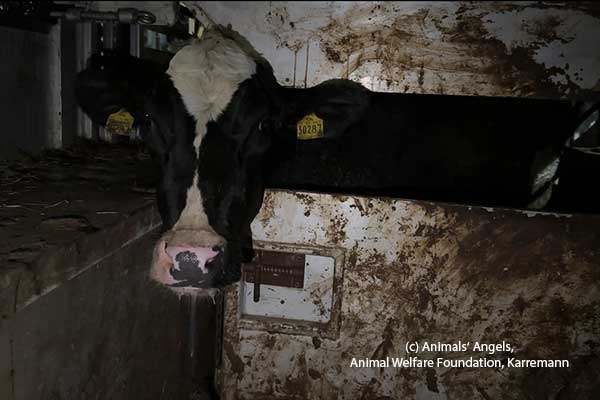
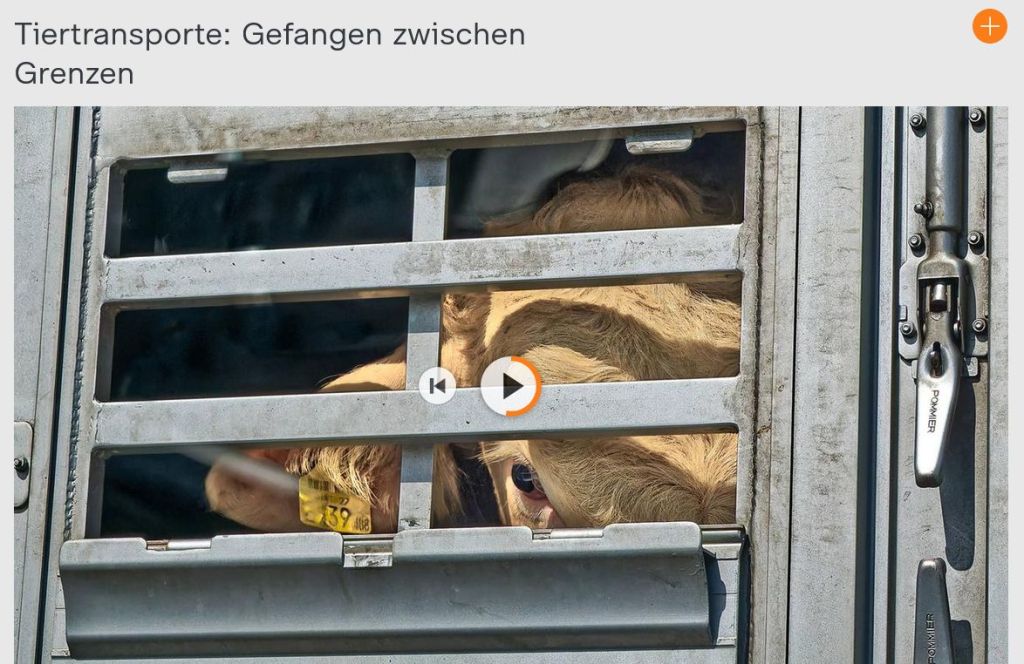
Two transport vehicles carrying heavily pregnant heifers left Germany on September 12 and reached the Turkish border at Kapikule four days later, on September 16, where they were held for a month. The German authorities were aware of the acute emergency situation since September 23 but did not intervene. Between September 23 and October 2, the animals were briefly unloaded, provided with water and feed, and housed in a makeshift shelter. On October 2, they were loaded back onto the transport vehicles. The exact reasons for this decision remain unclear. However, there are rumors that unsanitary conditions, intense odors, and a fly infestation prompted this action. The German authorities took action when the animals were reloaded onto the trucks, but the measures taken were completely inadequate.

The conditions for the animals on the transports deteriorated with each passing day. Although they were fed and watered, the care provided was insufficient due to their advanced stages of pregnancy. Moreover, the transport vehicles were not cleaned, causing the cows to stand ankle-deep in their own excrement. During this time, and under these appalling conditions, several calves were born, none of which had a chance of survival. The first report of a dead animal was received on October 6.

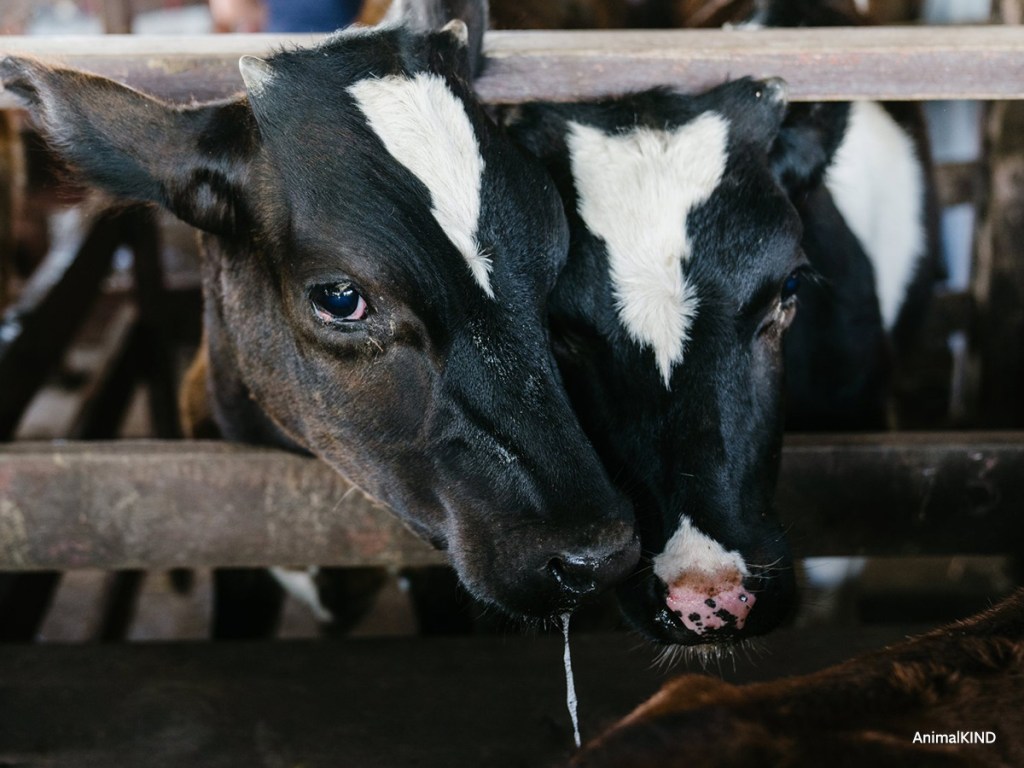
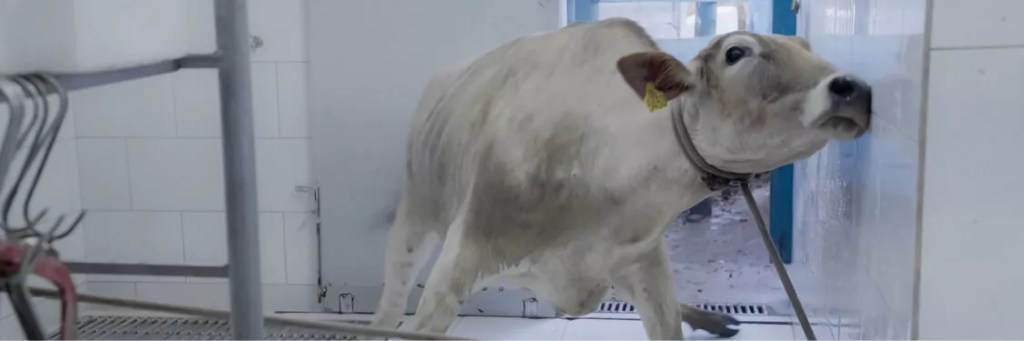
On October 11, the state of Brandenburg, from which the animals originally came, issued a euthanasia order that mandated the slaughter of the cows by October 13. On the evening of October 14, the animals were transported to a slaughterhouse near the border in Edirne. Many heifers and newborn calves had already died on the transport vehicles. On October 15, the animals were slaughtered without anesthesia. The calves suffocated painfully inside their dying mothers. There is a much more humane method of euthanasia called placentally accessible euthanasia, which allows the unborn calves to be euthanized alongside their mothers.

The bodies of those animals that had already died before arriving at the slaughterhouse were left on the trucks to be dumped in a landfill later. As the teams from Animals’ Angels and Animal Welfare Foundation left the slaughterhouse, they were alerted by the loud mooing of an animal that had been left alive on the truck, which was now to be unloaded alongside the dead animals. We were able to arrange for an emergency slaughter of the animal on-site.

Urgent Call for a Transport Ban

Since 2010, Animals’ Angels and the Animal Welfare Foundation have called for an immediate end to animal transports to Turkey. The conditions at the Turkish border of Kapikule and the cruel death of the animals once again demonstrate that these transports are incompatible with animal welfare requirements, as stated in Article 3 of Regulation (EC) No. 1/2005: “No one shall carry out or arrange for the transport of animals if it is likely to cause them injury or unnecessary suffering.”

This case starkly highlights the urgent need for an immediate halt to such exports.

We will continue to remain on-site and work with a Turkish lawyer to initiate legal action. We demand clear and enforceable measures from the German government and the European Union to end the suffering of these animals.

VIDEO in German (from German TV Programme, “37 Grad”)

https://www.zdf.de/dokumentation/37-grad/37-schutzlos-ausgeliefert-100.html

Who decides on animal rights?


Animal tormentors would understand very well what animals suffer from their sadism if they experience the same thing. But also animal abusers have rights that protect and allow them to use violence and exploitation on other non-human animals.

Animals have no rights. Nowhere in the world.

They are valued as things, and what we define today as animal rights is nothing but a weak legal system that accepts animals not as persons but only as subordinate beings, and therefore this legal system recognizes to the animals only those rights which serve and favor humans!

For this reason alone, we are far from being a civilized and progressive society.

Best regards, Venus