Month: March 2022

Switzerland on the way to banning the import of foie gras

Zurich, February 28, 2022 – Today the National Council adopted a motion for an import ban on foie gras produced in a cruelty-free manner.
The international animal protection organization FOUR PAWS welcomes the decision of the National Council: Millions of geese and ducks suffer every year from the brutal force feeding, a procedure that has long been banned in Switzerland.

FOUR PAWS is now calling on the Council of States to follow the National Council and put an end to the import of this cruelty-free animal product.
With 119 votes to 61 and 0 abstentions, the National Council unequivocally accepted the motion for an import ban on foie gras and thus made its position on the cruel practice of foie gras clear.
We are delighted with this consistent decision.

The production of foie gras has been banned in Switzerland for 40 years, but not in France, Bulgaria or Hungary, for example.

Netherless: Almost 200 tons of foie gras are imported into Switzerland every year, making it one of the world’s largest importers of this product, which is considered a delicacy.

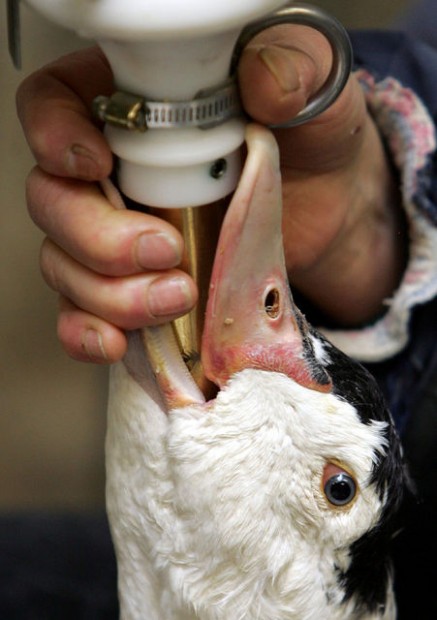
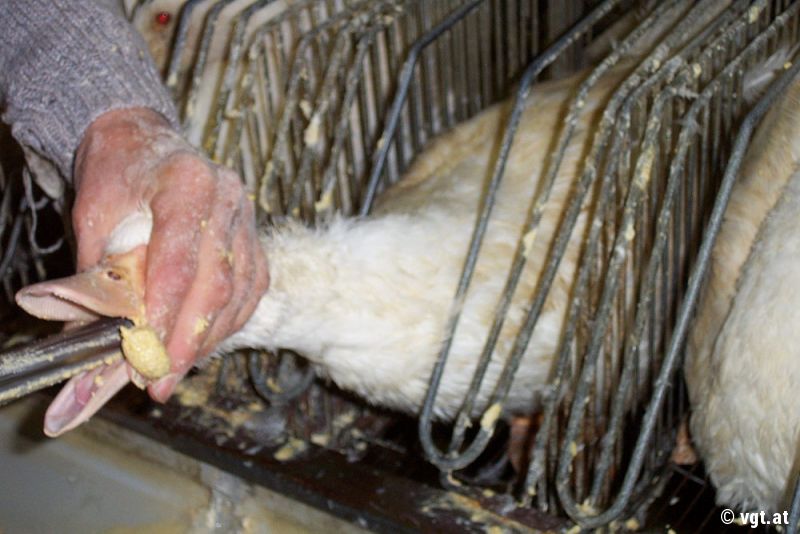
There, young geese and ducks are still being cruelly stuffed with food using metal tubes several times a day until their livers swell to ten times their normal size, which is associated with enormous pain.

We firmly hope that the Council of States will also agree to the import ban.

“The practice of force fattening used to produce foie gras violates Swiss animal welfare standards.
Banning animal cruelty in this country and importing it instead is hypocritical.
It’s time to end this double standard.
We are pleased that politicians have recognized this,” explains Livie Kundert, campaigner at FOUR PAWS Switzerland.

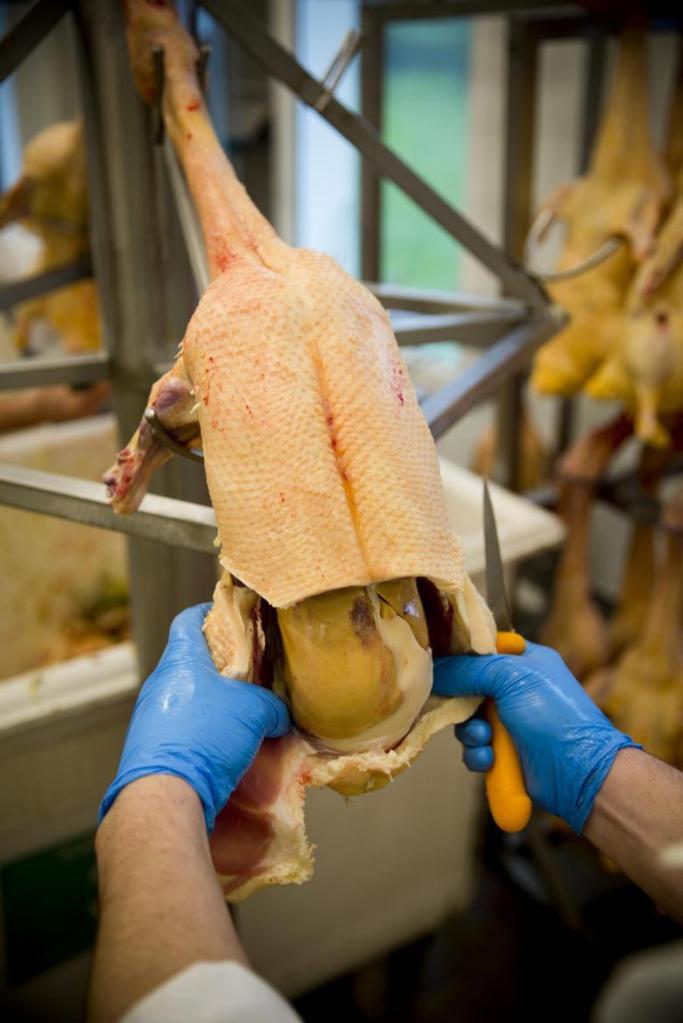
In reality, before being slaughtered at around three months of age, ducks suffer throughout their short lives. In their first weeks of life they are mutilated:
To avoid injury, their beak tips are burned off and their claws removed.
Their biological needs are completely ignored, they do not get access to a body of water.

They are then stuffed for two weeks, which means that twice a day, up to 1kg of maize mash is stuffed down their esophagus in three seconds.
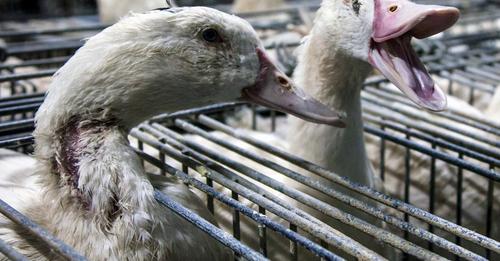
This cruel procedure leads to injuries, most of which are fatal. The animals become obese, unable to breathe and move properly before they are finally slaughtered.
The motion submitted was supported by members of the National Council across party lines. Martina Munz, National Councilor, pointed out to FOUR PAWS the immense animal suffering in the production of foie gras:
“Foie gras is not a staple food, it is a luxury product that is cruel to animals, like snakeskin. Let’s put an end to suffering. Not only the production, but also the import should be prohibited.”

The Green National Councilor Meret Schneider was particularly bothered by the Swiss double standards: “Praising the local animal protection law and at the same time importing animal products is hypocritical and disadvantages our agriculture.”

FOUR PAWS is now calling on the Council of States to follow the National Council and advocate an import ban on foie gras. With this, Switzerland would make history and set an international example for higher animal welfare standards.

https://www.presseportal.ch/de/pm/100004691/100885721

https://www.facebook.com/SentienceCH/

And I mean…40 years of force fattening ban in Switzerland and yet the import is booming with 200 tons of foie gras import!!

A nationwide representative survey by FOUR PAWS revealed that 74% of the Swiss population oppose the cruelty to animals and are in favor of an import ban of such products.

Force-feeding is a particularly cruel form of animal cruelty. However, that doesn’t mean that animal husbandry without force-feeding isn’t cruel.
Animal products always mean exploitation, suffering and murder.

To put an end to this there must be an EU-wide ban on the production and sale of foie gras.

The European Parliament has declared in a new report that the production of foie gras meets animal welfare requirements, having called for a ban on force-feeding eigt months earlier as it is considered “cruel and unnecessary”.
They are proving once again whose interest MPs represent when, just eight months after the June 2021 resolution calling for a ban on foie gras production, they vote for a report endorsing this cruel practice!

We call on every consumer of animal products to stop participating in the exploitation of animals and to leave all animals off their plates

My best regards to all, Venus
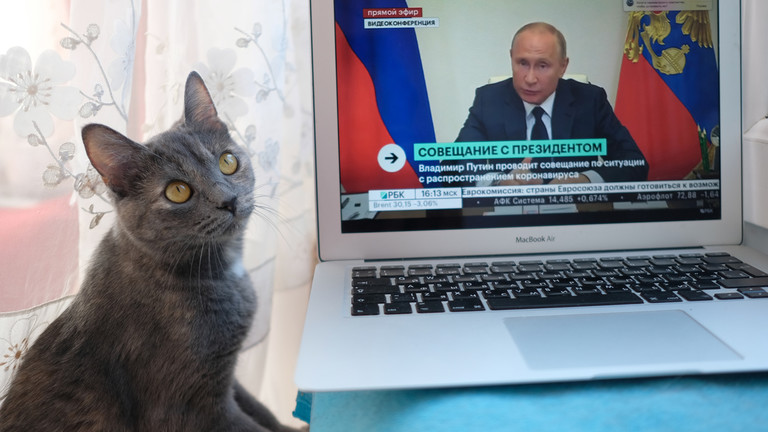
International Cat Federation bans Russian cats from competitions

Frisky felines in Russia are sure to be on their toes after getting slapped with a sanction that will ban them from international competition.
The sanction is one of many the world has hit against Russia as punishment for their ongoing special military operation in the Donbass region.

The International Feline Federation (FIFe), which first originated in Paris in 1949, has weighed in on the Ukraine crisis, banning Russian-owned cats from competing in its shows as a sanction for Moscow’s military attack on the former Soviet republic.

“The FIFe executive board is shocked and horrified that the army of the Russian Federation invaded the Republic of Ukraine and started a war,” the Paris-based federation said on Tuesday. The group added that it “cannot just witness these atrocities and do nothing.”

As a result, cats belonging to Russian residents will be banned from entry at FIFe shows.
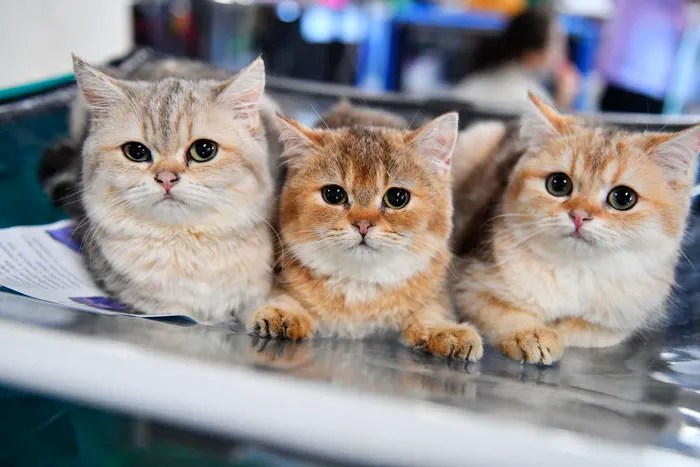
In addition, no cats bred in Russia can be imported and registered in a FIFe pedigree book, the group said.

No cat belonging to exhibitors living in Russia may be entered at any FIFe show outside Russia, regardless of which organization these exhibitors hold their membership in.

The sanctions will remain in place through at least May and may be extended, presumably depending on what transpires in Ukraine.
FIFe said it will use some of its budget to support cat breeders and fanciers in Ukraine.

“Our Ukrainian fellow feline fanciers are desperately trying to take care of their cats and other animals in these trying circumstances,” the federation said.

FIFe is a federation of cat registries with member organizations in 39 countries in Europe, South America and Asia. It’s also one of nine World Cat Congress members.

On social media Thursday, reactions to the federation’s ban – deemed by some as “cat sanctions” – were mixed.
Some critics called the move “ridiculous.”

“Russian breeders should not be punished for a war that isn’t of their making,” one user wrote on the federation’s Facebook page.

The decision to punish cats for Russian “aggression” is so surreal that many thought it was a joke, at first.
The news broke on the Chinese social media platform Sina Weibo, where one user asked:

“What’s all this [Russia-Ukraine conflict] going on with cats?”

Another said, “I thought this was fake news…”

Russian Foreign Minister Sergey Lavrov complained on Wednesday that Western sanctions have been aimed not just at leaders of the state, but also ordinary people, contrary to international norms.

“I did not think that these sanctions, caused by impotent anger, would cover the sports movement, cultural exchange and would concern contacts between people,” he told media outlet Al Jazeera.

https://www.rt.com/russia/551104-russian-cats-fife-sanctions-ukraine/

And I mean…Democracy is the new fascism.
In the future, symbols or flags of democracy will be treated as Nazi symbols and flags are treated today.

It violates not only international law, as Lavrov rightly says, but also every moral and political ethic these organizations are required to uphold.
No one in the West has any idea what will happen when this is all over.

My best regards to all, Venus

Happy World Wildlife Day!

3 March 2022

Have you ever stopped to wonder, what is wild?

Is a lion in the zoo wild?

Is a feral cat, living in the city park wild?

How about a monkey used in a TV show, surely that can’t be wild?

The term “wild animal” comprises those species of which populations still exist in a wild state, in the country of origin – a species whose collective behaviour, life cycle or physiology remains unaltered from the wild conspecific despite their breeding and living conditions being under human control for multiple generations. This means that a lot more animals than most people realise really are wild. Picking up, handling, keeping, feeding and playing with a wild animal is vastly different than for animals that we call domesticated animals

Domesticated animals, like our cats, have been selectively bred over thousands of years and generations and are genetically determined to be tolerant of humans. So, they often lack natural instincts that would help them survive in the wild, allowing them to avoid fear, and in many cases seek out the attention of people. 

But wild animals have the natural instincts to survive in the wild. Humans are not a part of that wild, or at least if they were, they would be a threat to these animals’ safety. So, when we play, cuddle and pet wild animals (like reptiles, birds or snakes), while they may not look or sound distressed, in fact their instincts are telling them they are in danger and they often exhibit behaviours, that only animal behavioural experts can detect, that show they are suffering greatly. 

Moreover, these animals are hardwired to need a wide range of conditions that only nature can provide. Being transported, trained, caged and confined doesn’t allow these animals to live how they naturally need to.

So how does Eurogroup for Animals work to protect wild animals?

Here are our most pressing areas of concern:

Regulate the Exotic Pet Trade with a Positive List

What – A Positive List is a list of animals that are allowed to be kept and traded. This tool is the single most effective and efficient measure to reduce the suffering of exotic animals being kept unsuitably as pets in Europe.

Why – There are more than 200 million pets in Europe, including mammals, birds, reptiles, fish and amphibians. However, many species, especially exotic animals, are unsuited to a life in captivity. This may result in severe animal welfare problems, and can also be detrimental to biodiversity, have a negative impact on public health, and present a danger to the health of other animals.

How can you help? – Click on this link to log into the Conference on the Future of Europe website, and endorse our “IDEA” on the Positive List.

EU-wide ban of the use of wild animals in the circus

WAV

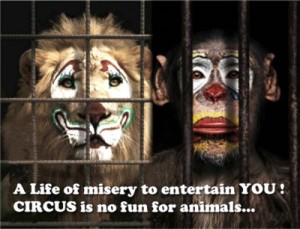
What – Use of wild animals in circuses is not only a problem for animal welfare, but also an important issue of public safety and security. Wild animals are unpredictable and can be very dangerous to people. The temporary nature of travelling circuses and the close proximity of these animals to the public means that this type of public entertainment can never be entirely safe. 24 EU Member States already adopted a national ban, why not the remaining three? (Germany, Italy, Spain).

Why – 478 incidents involving 889 wild animals have been recorded in EU circuses in the past 24 years – Read this report on Wild Animals in EU Circuses : Problems, Risks and Solutions.

How can you help? – Click on this link to log into the Conference on the Future of Europe website, endorse our “IDEA” on the EU-wide ban of wild animals in circuses.

WAV

End trophy hunting imports into the EU

WAV

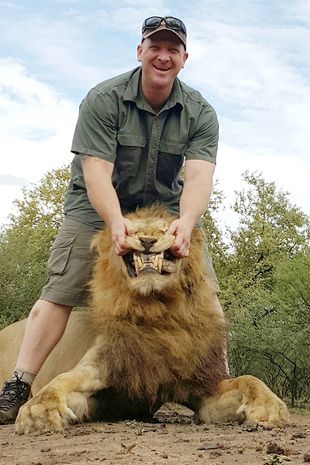
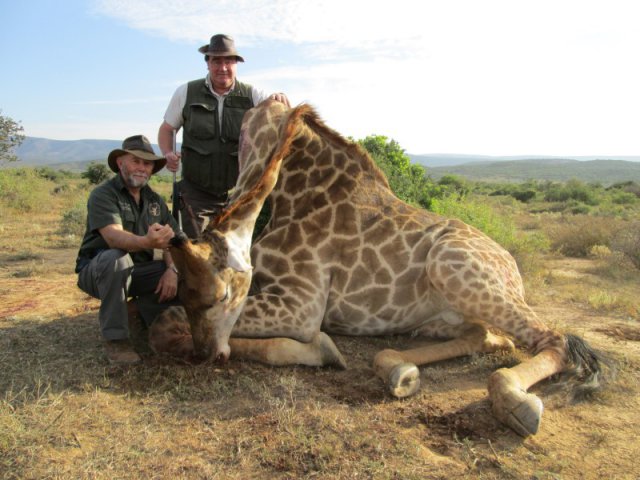
What – Trophy hunting is the hunting and killing of animals for sport or pleasure, in order to acquire parts, or whole bodies as trophies. Current EU legislation allows the import and export of hunting trophies from threatened and protected species. 

Why – The EU is the second largest importer of hunting trophies, and since 2016, the largest importer of lion trophies in the world. Many species victim to trophy hunting are classified as vulnerable, endangered or critically endangered in the IUCN Red List of Threatened Species, such as the African elephants and lions, and their populations must be protected to conserve our natural heritage.

How – EU Ban on the import of Trophy Hunting into the EU. This should be a priority in the revision of the Action Plan against Wildlife Trafficking

How can you help? – Sign this petition in the EU PETI Committee.

WAV

Ensure the protection of large carnivores

WAV

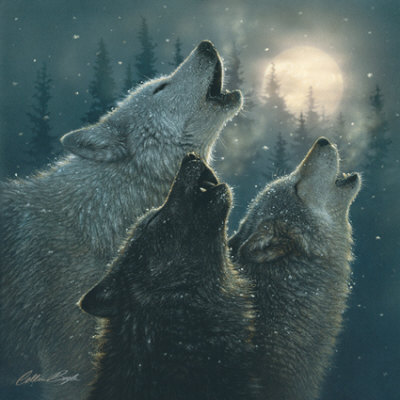
What – Wolves and other large carnivores are strictly protected species in the EU, thanks to the highly successful Habitats Directive and the Bern Convention on the Conservation of European Wildlife and Natural Habitats. Sometimes, when the appropriate protective measures are not used, wolves can depredate livestock leading to conflict between wolves and livestock farmers. 

Why – Lobby groups are trying to change the conservation status of wolves and other large carnivores. This will set a bad precedent for other animals and will allow the brutal killing of more wolf families.

How can you help? – Sign this petition to stop the hunt of 20 wolves in Finland. Help in his area could set an example for other Member States doing the same thing.

Ensure the humane management of Invasive Alien Species (IAS), or other condemned species

What – Invasive Alien Species (IAS) are animals and plants that are introduced accidentally or deliberately into a natural environment where they are not normally found, with serious negative consequences for their new environment. The EU IAS Regulation requires restrictions on keeping, importing, selling, breeding and growing. Member States also need to ensure they reduce introduction pathways for invasive species, they need to be able to detect and eradicate newly invasive species, and manage longer term and to manage species that are already widely spread in their territory. This should be done through effective, non-lethal methods that reduce animal suffering as much as possible.

Why – Currently, the regulation has resulted in the hunting and non selective trapping of huge numbers of individuals causing immeasurable suffering of animals in the list of Invasive Alien Species of Union concern (the Union list). These animals also become labelled as “pests” and “vermin”, meaning welfare concerns are often ignored. The same can be said for other animals that are not on the list.

How can you help? – Read and share our position paper on African Swine Fever and learn how hunting is not the answer.

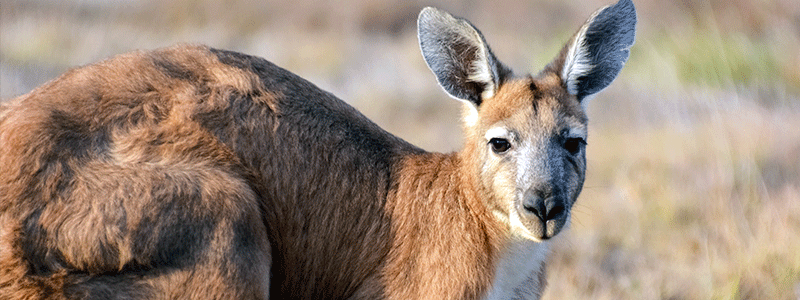
End the import of kangaroo meat and skin products into the EU

What – In the last couple years, the EU has been Australia’s main market for the country’s kangaroo meat and skin exports. There are three major concerns with kangaroo hunting: 

Animal welfare – this hunting is cruel as up to 40% of kangaroos that are commercially killed are not shot in the brain, as required, and joey’s skulls are often crushed by swinging their heads against a vehicle. 

Animal conservation – there are serious doubts about how Australian authorities are counting certain species.

Sanitary concerns – dead kangaroos are transported, sometimes all night long, in unrefrigerated open trucks and kangaroos harbour multiple pathogens including salmonella species and toxoplasmosis. Kangaroo meat is routinely washed with lactic or acetic acid to reduce and hide the systemic contamination.

Why –  Although these animals are suffering in Australia, the EU can act by prohibiting the imports of kangaroo meat and products.

How can you help? –  Watch this video, and read the report Kangaroo: from Australian icon to meat and luxury leather for the EU.

Regards Mark

  • All the above are taken from the ‘Eurogroup for Animals’ except we (WAV) have also added some photographs from our archive.

Landmark Resolution Recognising Animal Welfare Adopted By UNEA.

2 March 2022

The successful adoption of the pioneering resolution that ties animal welfare to people’s health and the environment is a first step towards animal welfare being addressed at a global level.

A resolution sponsored by six African countries and Pakistan was adopted today at the United Nations Environment Assembly (UNEA)’s 5th session. It unequivocally links the way humans impact the health and welfare of animals as a critical driver of biodiversity loss, the emergence of zoonotic disease, climate change and environmental pollution. 

The successful adoption of the resolution means that animal welfare is starting to be addressed at a global level.

We are proud of this watershed moment for the animal protection movement. It is a massive collective success for our members and partners and proves the impact of a worldwide coalition of animal NGOs. A holistic understanding of the links between animal suffering and environmental harm, and greater inter-agency collaboration with shared aims are critical stepping-stones for improving the well-being of animals across the globe.

James Yeates, Chief Executive Officer, World Federation for Animals

Animal welfare is not, currently, part of the UN Environment Programme’s mandate. This resolution calls on UNEP to prepare a report on the nexus between animal welfare, human wellbeing and a clean environment and include improving the wellbeing of animals into its work.

Eurogroup for Animals calls on European authorities to take this resolution into account in their development of the EU’s future Sustainable Food System policies.

Regards Mark

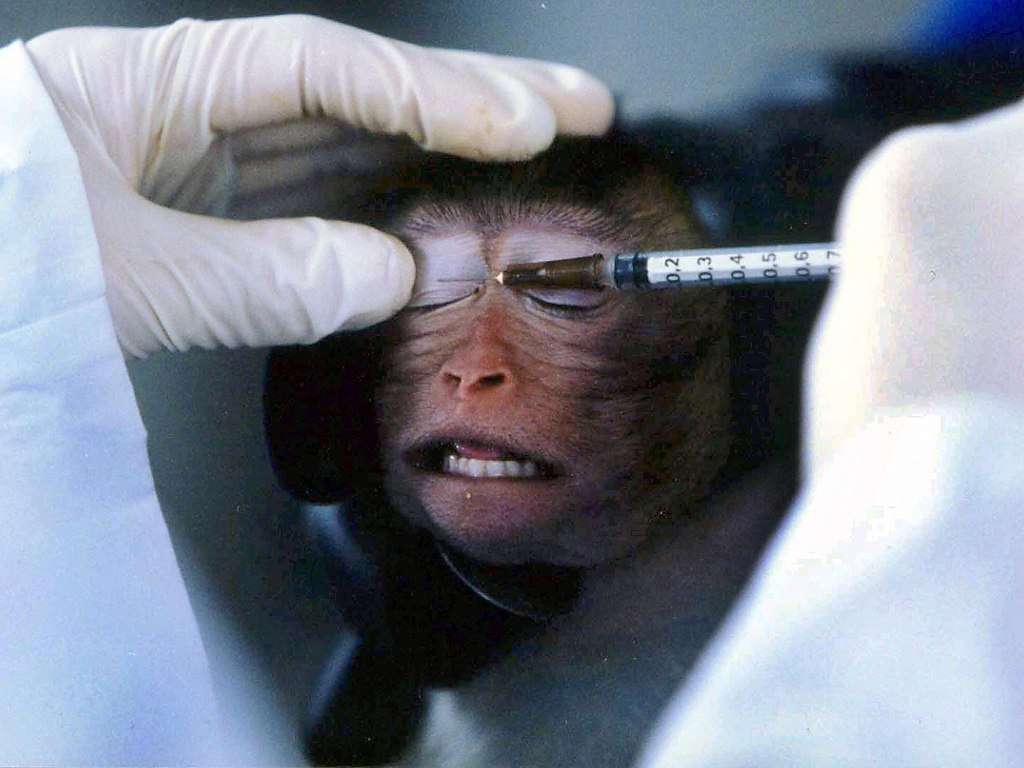
European Commission Disregards Wishes of the European Parliament by Failing to Take Concrete Steps to Phase Out Animal Experiments.

WAV Comment:  And who said that when big money and ‘favours’ are involved, some people ‘play it’ to ensure that they continue to get the perks; regardless of the rest ?

Whats more, the European Commission (EC) is made up of people who are UN ELECTED.

European Commission disregards wishes of the European Parliament by failing to take concrete steps to phase out animal experiments

2 March 2022

Press Release

In response to the European Commission follow-up to the European Parliament non-legislative resolution on plans and actions to accelerate a transition to innovation without the use of animals in research, regulatory testing and education, Eurogroup for Animals, Cruelty Free Europe and People for the Ethical Treatment of Animals Foundation issued a joint statement

Six months after the historic resolution of the European Parliament (EP) asking for an action plan to phase out the use of animals in science, the European Commission (EC) has failed to take note. The EP was resoundingly clear and nearly unanimous: an EU-wide Action Plan for the active phase-out of the use of animals in experiments with the inclusion of milestones and targets to incentivise progress towards the replacement of the use of animals is needed.

The EC provided, in a weak response, only a list of fragmented initiatives that could eventually lead to some reduction in the use of animals and it is not taking steps to implement the requested action plan to phase out animal experiments.

This leaves the EC with a status quo approach, leading to little impact and no sustainable reduction of the use of animals in areas where so much more can be achieved.

The efforts of the EC, even if slim at times, have helped to advance non-animal science and testing. However, we now need overarching scientific policies that can embrace the new science and technologies, making them the new normal in a stepwise approach.

To achieve sustainable changes towards a more effective and humane science, the current approach of the EC must set out broader coordination groups, as put forward by the EP, with clear objectives and processes for monitoring, assessing and ensuring progress and adapting strategies when appropriate.

Last September, the European Parliament took a strong stance for the phase out of the use of animals in Science, so the response from the Commission was eagerly awaited. A good element of this response is the intention of strengthening the private-public European Partnership for Alternative Approaches to Animal Testing. This partnership is essential to provide advice and build consensus in targeted areas of regulatory testing. But we need more: The action plan needs to involve Members States and the wider academic and industry community; it needs to establish concrete milestones and objectives for sustainable reductions of regulatory animal testing, but also of animal-based research and education, where the majority of animals are used.

Tilly Metz MEP (Greens/EFA, LU), President of the Intergroup on the Welfare and Conservation of Animals

The Commission foresees no change for the funding of projects that aim to use and/or further develop non-animal models under Horizon Europe, when compared to the previous framework Programme, H2020, which spent 0.5% of its total annual budget on the development of non-animal models. This is not the message we were expecting from a Commission that stresses its goal of phasing out the use of animals in scientific procedures. The EU will not accelerate the transition to non-animal science with such a low commitment.

Jytte Guteland MEP, (S&D, SE)

Notes

Resolution on plans and actions to accelerate the transition to innovation without the use of animals in research, regulatory testing and education

Eurogroup for Animals represents over eighty animal protection organisations in almost all EU Member States, the UK, Switzerland, Serbia, Norway, and Australia. Since its foundation in 1980, the organisation has succeeded in encouraging the EU to adopt higher legal standards for animal protection. Eurogroup for Animals reflects public opinion through its members and has both the scientific and technical expertise to provide authoritative advice on issues relating to animal protection. Eurogroup for Animals is a founding member of the World Federation for Animals which unites the animal protection movement at the global level.

People for the Ethical Treatment of Animals (PETA) Foundation along with the PETA international entities in France, Germany and the Netherlands, is dedicated to establishing and protecting the rights of animals. Working through education, research, legislative and policy change, outreach and international harmonisation, PETA seeks to accelerate the transition to animal-free science and advance the development and use of non-animal testing approaches to improve the protection of human health, the environment and animals.

Cruelty Free Europe is a Brussels-based network of animal protection groups working to bring animal testing to an end across Europe. With 19 associate members, we act as a force for animals in laboratories across the EU and the wider European neighbourhood. Working with elected Members of the European Parliament, governments, regulators, officials and supporters, our experts coordinate efforts to secure change for the animals currently suffering in experiments in Europe. We believe there is no rational moral justification for using animals in experiments. Instead, we champion progressive, humane scientific research and cruelty free living. 

Regards Mark

No more glyphosate in the EU

We received a petition started by
Animal experiment opponents Federal Republic of Germany e.V. and
Antidote Europe – For Responsible Science (antidote-europe.eu) with a request to sign the petition, because it is about further approval in the EU of the poison called glyphosate, which is highly harmful to humans, nature and animals
We ask EVERYONE to sign this important petition.

The license for glyphosate expires this year.
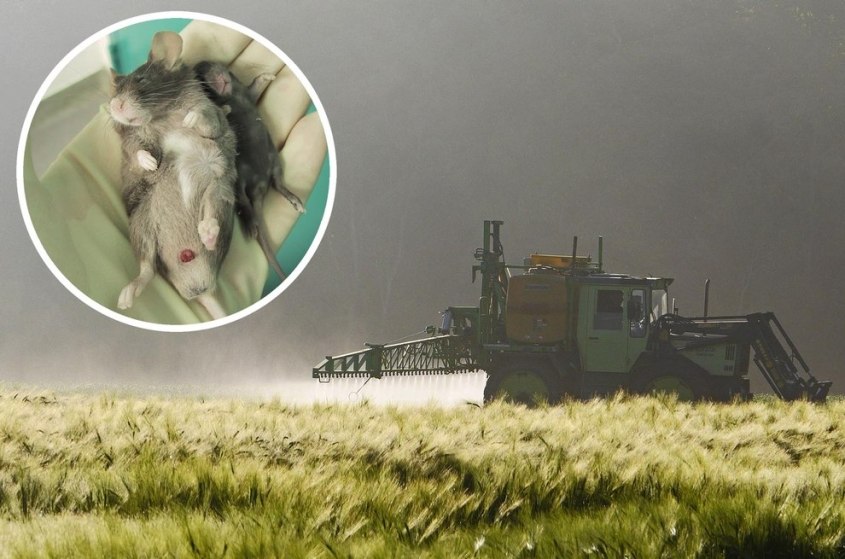
It is therefore very important that it is not extended.
The petition is in German, and quite long, but very informative.
The most important points are translated.

Petition text

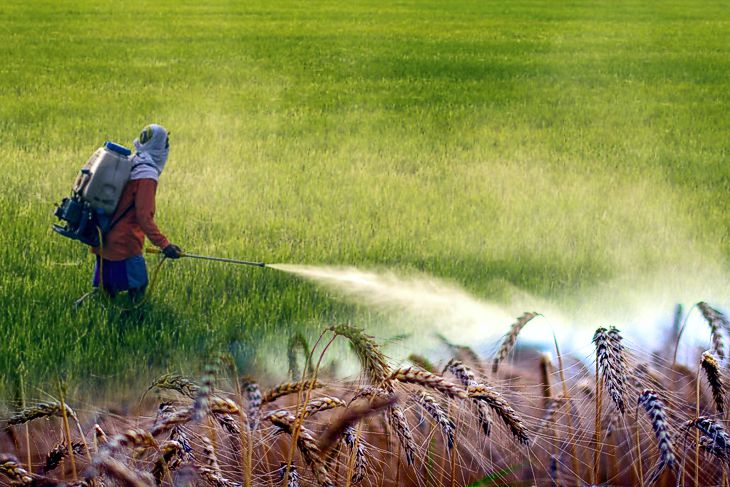
Glyphosate is the world’s best-selling herbicide and a so-called “total herbicide”.
It kills any plant that hasn’t been genetically engineered to survive herbicide use.
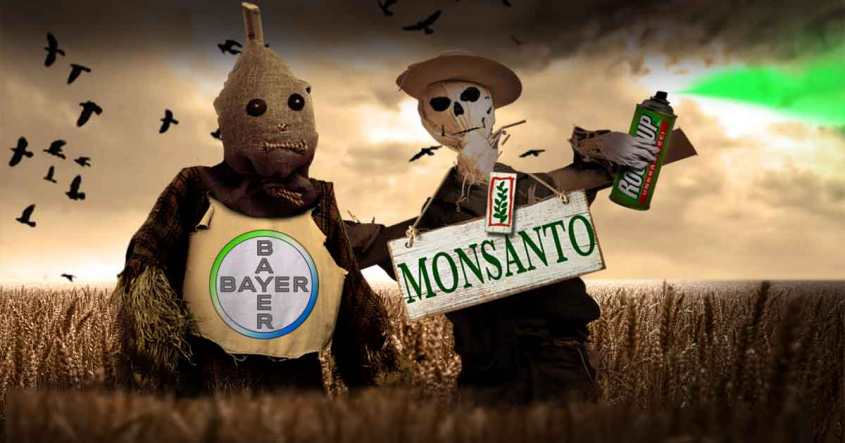
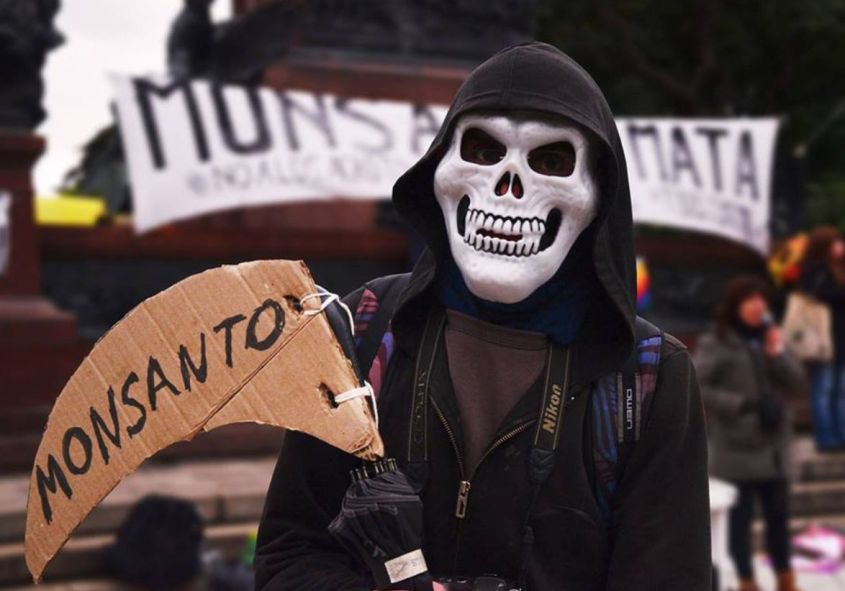
It is best known under the brand name “Roundup”, a product of Bayer-Monsanto.

According to the WHO Cancer Research Agency, glyphosate is probably carcinogenic in humans – and it contributes significantly to the extinction of species in agricultural landscapes.

The approval for glyphosate as an active ingredient in crop protection products will expire in December 2022.
In 2019, with an application from manufacturers for approval beyond 2022, the review process provided for in EU legislation was initiated.

From January 1, 2022, France will take over the EU Council Presidency, which rotates every six months.
President Macron himself is up for re-election in April.
Mr President Macron, campaign for a ban on glyphosate and other environmental toxins.

The petition is created because the current REACH (Registration, Evaluation, Authorization and Restriction of Chemicals) regulation, which also includes animal testing for glyphosate, does not protect the health of EU citizens for two main reasons:

It will still rely on animal test results and too little human data is collected. Results from animal experiments are not evidence-based, i.e. they are not safe and must therefore not be used as a basis for humans.
If scientific fraud at LPT (Laboratory of Pharmacology and Toxicology) went unnoticed by those responsible in politics, ministries and authorities for decades, this raises questions with regard to all animal experiment studies in the corresponding institutions

The Commission, President Macron, Member States, industry and other stakeholders should continue to contribute to the promotion of alternative testing methods, including computational methods, appropriate in vitro methods and toxicogenomics-based methods, at international and national level.

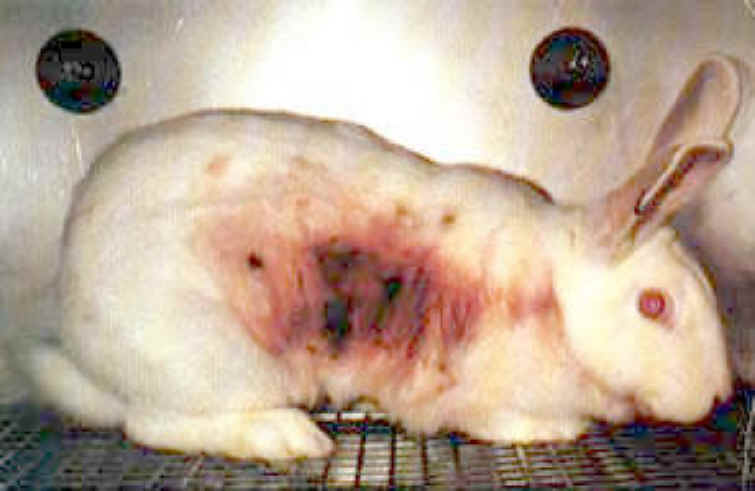
Animal experiments are of course advantageous for industry, since it makes it easy to prove that a substance is not, for example, carcinogenic or has no hormone activity.

Animal experiments are not only cruel, but also an opportunity for immense fraud, to the detriment of millions of consumers who later wonder where their cancer, their Alzheimer’s, their diabetes come from.

REACH stands for Registration, Evaluation, Authorization and Restriction of Chemicals.
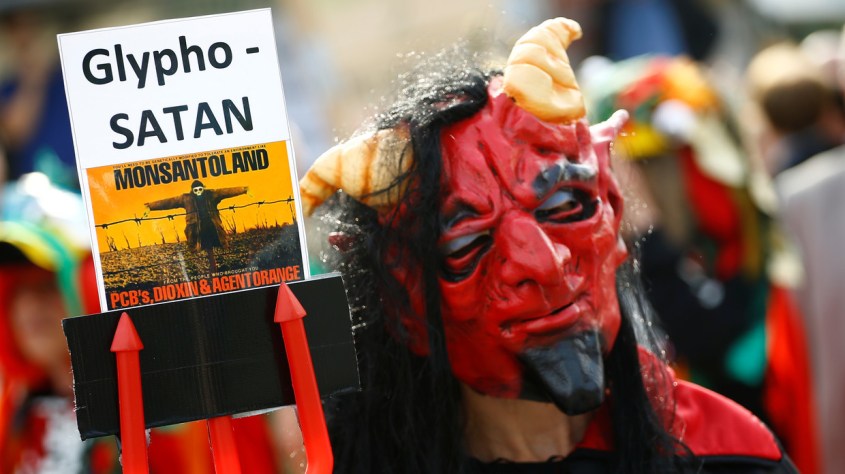
The REACH regulation is a regulation of the European Union that was enacted to improve the protection of human health and the environment from the risks that can arise from chemicals.
REACH should therefore be the guarantor for the protection of human health and the environment.

How is it then possible that the REACH regulation allows substances of very high concern to remain on the market with exemptions, e.g. for socio-economic reasons?
Substances of very high concern carry the criteria: carcinogenic, mutagenic, toxic for reproduction, teratogenic, persistent, bioaccumulative and toxic.
Is the life and health of EU citizens being carelessly treated here for economic reasons?

We call on EU Council President Macron and the European Commission to ban chemicals of very high concern without exception.
We call on the Commission and EU Council President Macron to ensure that institutions whose opinions and opinions have a significant influence on far-reaching laws that affect the health of all EU citizens, as well as those of animals and our environment, are independent of influencing trade associations and industry.

Manipulations as in the LPT (Laboratory of Pharmacology and Toxicology) are to be punished and prohibited immediately.

https://www.change.org/p/eu-ratspr%C3%A4sidenten-emmanuel-macron-keine-weiterbewilligung-des-umweltgiftes-glyphosat

And I mean…It’s one of the world’s best-selling herbicides: over a million tons of the herbicide glyphosate, better known by the trade name Roundup, are sprayed every year.

Although we now know what glyphosate does, we must continue to be poisoned by BayerMonsanto’s glyphosate until 2022.
That is what EU law wants.
The business obviously takes precedence over the health of people and nature, because although it is now known what glyphosate does, a re-approval of glyphosate after 2022 is being examined.

More than 52,000 glyphosate-exposed cancer victims are now suing Bayer in the United States.
In the three cases tried so far, juries have found Monsanto guilty and ordered Bayer to pay a total of $2.375 billion.

We don’t need to keep poisoning ourselves from the glyphosate.

France is part of the Glyphosate Assessment Group (AGG), along with Hungary, Sweden and the Netherlands, which will review the application for readmission and then submit a draft assessment to the European Food Safety Authority (EFSA).
We have to mobilize.

My best regards to all, Venus

India: 2/3/22 – Latest From ‘Animal Aid Unlimited’.

Dear Mark,

We’ve rescued thousands of animals, yet we are still in awe of each and every animal’s uniqueness. Some animals take time to get to know, while others wear their heart on their sleeve. We’ll never know what an animal is really thinking, in a human sense, yet the presence of life and of feeling, not different from ours, is unmistakable. They probably don’t know that they feel better because of the injection we just gave them, or the splint now stabilizing their fracture, but in the moment when their worried eyes become soft, and their tense shoulders relax, we rejoice in just knowing that we’ve helped them feel better.

Watch these wonderful recovery videos below and know that you, wherever you are in the world, have helped a tail wag, given a peaceful night’s sleep, made a hungry belly full, and surrounded a worried animal with love.

Despite a ruptured eye,Sunny hugged his rescuer!

Sunny’s tail wags in every single frame of this video. Unusual under any circumstances, but incredible that he shared joy even with the excruciating pain he suffered having a completely ruptured eye. His eye was damaged beyond repair, but he pulled through surgery with flying colors and immediately seemed to show–not fear, but gratitude! It’s simply awful to imagine such a joyful puppy suffering in pain. Without rescue, his tail would soon have stopped wagging forever. This little sweetheart is simply Love Itself in a puppy package.

Keep tails wagging. Please donate today!

Rose’s love helped heal her baby Petal’s horrific wound

Rose’s little boy, Petal, was terribly injured on the back of his neck with a deep wound filled with maggots. We knew they needed to be together but the day we rescued him we didn’t have room in our ambulance to bring them both. The next day our ambulance pulled in with a big beautiful surprise for this little angel: his mommy! Happily together with Mom, his healing process galloped along! Daily wound cleaning and fresh dressings enabled that awful wound to close within a couple of weeks.

Meet Petal and Rose now! Donate today.

Giving peace and safety to sweethearts like Shaney who have a long healing journey ahead

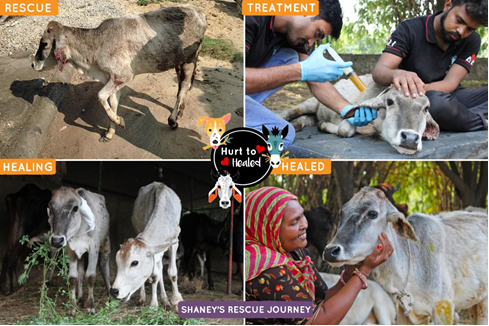
When Shaney arrived she was a suffering sweetheart who had a fracture on her shoulder. Her ears were also wounded in the accident. She needed medical care for her ears, and for her fracture, she needs rest and limited mobility. Here she is now, completely at home in the our sheep and calf area where there are, of course, no passing vehicles and where tension is completely lifted and all her energy can go into further healing and strengthening her leg.


Thank you for giving us the means to provide complete rehabilitation for those who need time to heal.

Compassion in our Community

A community street animal care-giver often evolves beginning with giving the adorable dogs outside their home leftovers and table scraps. Gradually the bright eyes of the dogs or cows invite irresistible pets and cuddles. For many people, this blossoms into a friendship.

Photographed here, this elegant boy’s guardian brought him in their car and drove him to Animal Aid when they noticed he had a puncture wound that looked infected. Sure enough it was infected, but with antibiotics and their close monitoring, he did not need to be admitted into the hospital and he could heal happy in his own neighborhood with his caregivers near by.

Biggest thank you to the people in Udaipur and across India who have opened their hearts and hands to the angels on their path. 

New vegan purses!

Every purchase helps save someone Beautiful!

Hand-crafted earrings, necklaces, bracelets!


Go shopping here!

Regards Mark

Italy Celebrates Animals Being Recognised in Constitution.

1 March 2022

LAV

On March 9th LAV is organising a conference at the Italian Senate to understand what concrete changes this milestone decision will bring about. The event will be accessible online with English interpretation

On March 9th the protection of animals, environment, biodiversity and ecosystems will be officially recognised in the Italian Constitution. What changes and what impact will this have?

These questions will be discussed the same day, during a conference organised by our member LAV, who, back in 1998 wrote and deposited the first draft law for the recognition of animals in the Constitution. 

The event, which will take place at the Italian Senate, in the same building where the Constitution was signed in late December 1947, can be also attended online, with the support of English interpretation.

Our CEO Reineke Hameleers and Massimiliano Conti, Commander of CITES Carabinieri, will take the floor for a welcome address. Gianluca Felicetti and Carla Campanaro, respectively LAV President and Legal Office Manager, will moderate the conference. 

Speakers include Professors Diana Cerini (UniBicocca Milano), Francesca Rescigno (UniBologna), Maria Vittoria Ferroni (La Sapienza Roma), Luigi Lombardi Vallauri (formerly UniFirenze and Cattolica Milano), Alessandra Valastro (UniPerugia), Sanja Bogojevic (University of Oxford). 

On behalf of the political groups that supported the approval process of the new law, the first signatories of the bill and rapporteurs will take the floor: Loredana De Petris, Alessandra Maiorino, Valentina Corneli, Patrizia Prestipino, Michela Vittoria Brambilla, Doriana Sarli, Rossella Muroni and Gianluca Perilli.

The event takes place on Wednesday 9 March from 2 to 5PM CET.

All the details on how to attend online will be available on LAV’s website on Monday March 7th.

Regards Mark

Unsettling Developments On Slaughter Without Stunning in Greece.

2 March 2022

Hellenic Animal Welfare Federation

Instead of complying with the ruling of the Supreme Court, the Government amends the law on which the ruling was based

After having been defeated in Court by animal protection organisations who had appealed a ministerial decision allowing ritual slaughter of animals without prior stunning, the Greek government took the unprecedented step of getting rid of the existing animal protection law that stood in its way. 

In October 2021, in a ruling that made history, the Supreme Administrative Court of Greece annulled a ministerial decision which, in 2017, had introduced ritual killing of animals without prior stunning, a killing practice until then prohibited under Greek national law. 

The Court ruled that the Greek State had not made use of the “margin of appreciation” and the “level of subsidiarity” provided by the EU regulation which gives Member States the possibility to ensure wider protection of animals, by maintaining their national rules or adopt new ones – taking into account the evolution of values and perceptions in their society – especially given the fact that Greece has had a legislation prohibiting any killing of animals without prior stunning since 1981.

The government decided to remove the inconvenient article from the law, downgrading Greek animal protection standards to pre-1980s levels. This unacceptable amendment was slipped into a massive bill on corruption which was submitted three days ago and will be voted by Parliament with expeditious procedures.

Regards  Mark

Hunting license in Germany – the fairy tale of the “Green Abitur”

Hunters always claim that they are the sole “experts” for wildlife and nature conservation, that they only have the “expertise” because only they have the so-called “Green Abitur”.
Let’s take a closer look at this “hunter training”.

Anyone in Germany over the age of 16 can register, there is no upper age limit.
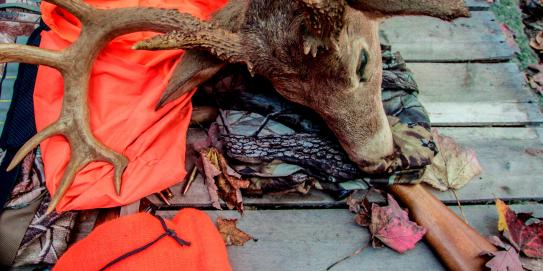
Only an entry-free police clearance certificate is required. Any prior training to obtain a hunting license is otherwise not required.
Not even a high school diploma is a requirement.
Most of the candidates for a hunting license have hardly any relation to the future field of activity.

Hunting training is already available today in a two-week course, and sometimes even a pass guarantee is advertised.
Training amounts to 120 to a maximum of 180 training hours.

In the courses of the district hunting associations, which last several weeks, the number of hours does not increase as a result.The majority of the subject matter falls on the subjects of gun law, hunting law, weapon handling, hunting dogs, hunting methods, customs, “care” for later animal use or the like.
The actual nature conservation, ecological and wild animal biology teaching units are usually reduced to well under a third of the total teaching hours.
This is just enough to deal with the animals that you want to hunt in a kind of rough profile – comparable to prepared lay knowledge from pharmacy booklets.

Elementary basic biological knowledge that would be required to understand the complex relationships in flora and fauna remain largely unknown to those with a hunting license.

In this milieu there is a lack of any required knowledge about wild animals, their social ecology, interaction, ethology, population biology and so on.
The exam questions are dealt with in a multiple-choice procedure.
The individual surveys are compiled from a catalog of questions that can be downloaded anywhere on the internet together with the answers.
Some have to be answered orally.
It is even reported that a “certificate of expertise in nature conservation” was also attested to hunting license examiners who failed orally.

Even the shooting skills that are taught are often not sufficient to hit an animal deadly in every situation.

Further training is voluntary in all areas.
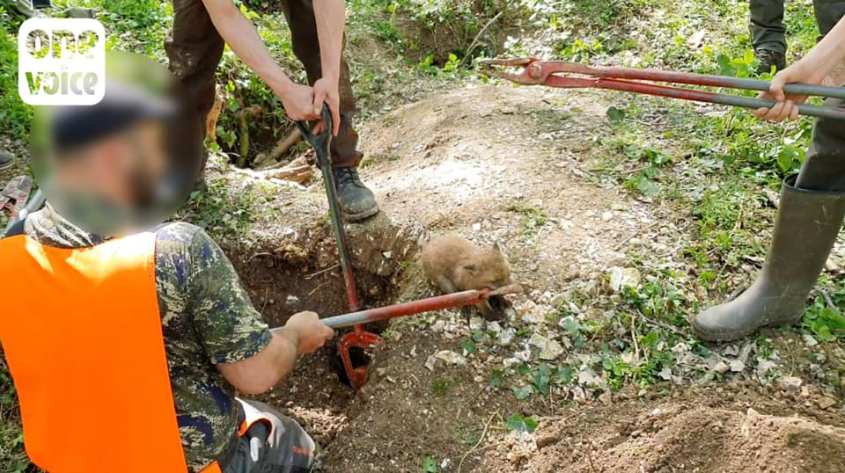
Among other things, the following is offered: trap hunting courses, courses on how to hunt foxes in the den, how to attract animals, crow hunting seminars, high seat construction.

All areas related to the direct hunting and killing of animals.
Training courses on wildlife biology, species or nature conservation are almost never found.

Let’s make it clear: the hunting license is enough for leisurely killing of animals, which is often painful.
And to achieve an impressive arrogance towards the lives of others.

In his book: “Hunters where?” the hunter Bruno Hespeler writes the following about the training of hunters:

“Let’s think about whose knowledge we claim for ourselves – even if only in certain areas: zoologists, biologists, ecologists, veterinarians, qualified foresters, qualified farmers, zookeepers, lawyers and gunsmiths.
Each of these professions requires a training period of between six and ten years.
Farming and forestry, for example, is inevitably dealt with in many young hunter courses over four or five evenings plus a hike in the woods… Overall, the lessons are anyway based on the most likely test questions, not on well-founded basic knowledge.”

So who are we to believe that hunting is a contribution to the ecosystem?
Definitely not a hunter.
The hunting license is only enough to kill.

https://www.facebook.com/jagdvergehen/

And I mean…We all know- hunting is murder.
It is unproductive and does not regulate wild animals, as hunters claim over and over again.

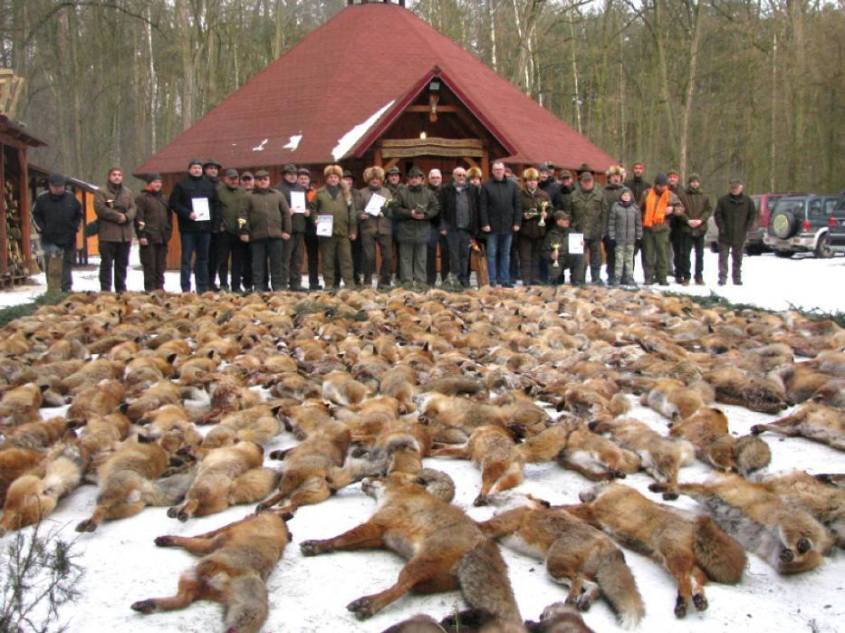
It is estimated that up to 10 million wild animals, dwellers such as deer, wild boar, foxes, but also several hundred thousand cats and dogs are ruthlessly and stealthily killed while hunting each year; the number of unreported cases is said to be far higher.

Many of the wild animals die a painful death because they suffer serious gunshot wounds from hobby hunters, but are still able to escape.
Hunters still enjoy privileges; Although the protection of animals has been enshrined in the German Basic Law since 2002, hunting law has not yet been adapted to the state goal of animal protection.

This is thanks to a powerful hunting lobby that ignores wildlife ecological, ethnological and cognitive-biological findings as well as the changed social attitude towards hunting.

The only reason one goes hunting is because it gives pleasure and gratification to one’s urges.
Speaking of urges: pedophilia and rape are not socially accepted either.
And those who can’t control their urges here receive psychological therapy or are locked away.

Nor is the killing of animals as a hobby accepted by the majority of the population.

My best regards to all, Venus