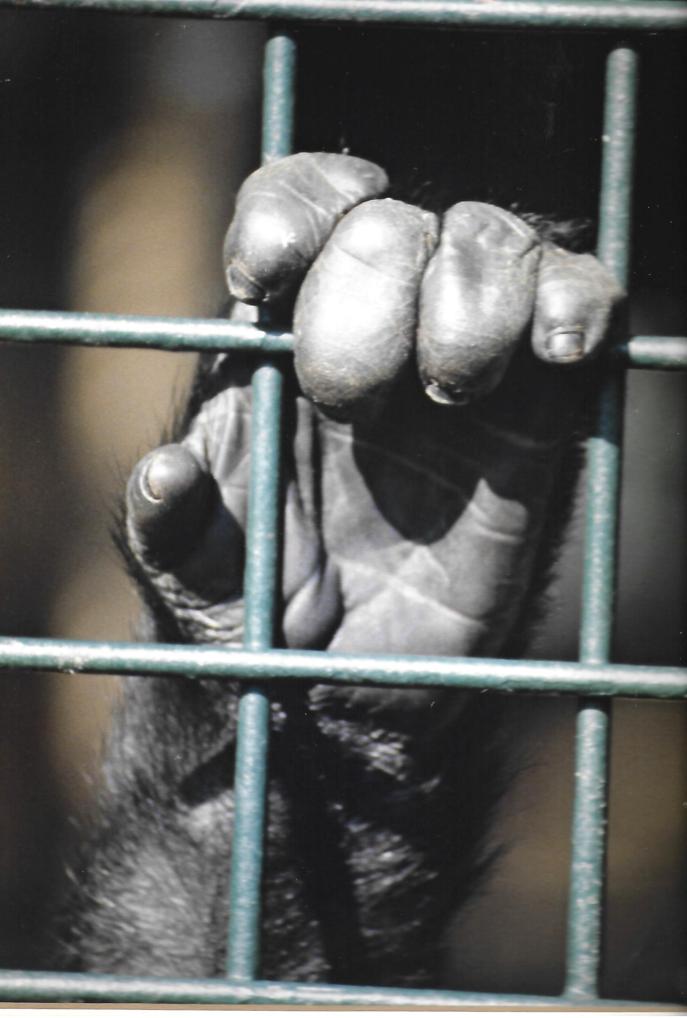
From my collection – Lowland Gorilla 1999.
Regards Mark.
From my collection – Lowland Gorilla 1999.
Regards Mark.

WAV Comment – my (Mark) e mail address does not include ‘Howlingwolf’ for no reason – I just love everything associated with ‘Canidae’ and will always speak out for their protection and better treatment. Here below are a couple of ‘foxy friends’ who I photographed in my garden a few months ago. It is to me, perfection – the ultimate. Here below is a super interview with Chris who tells us all about the love for canids, which I hope everyone will find interesting. Regards and big howls – Mark.


Dear Mark,
Chris Schadler is a wild canid ecologist who has studied and taught wolf and coyote biology and conservation for over 25 years. She has also raised sheep using only non-lethal methods of predator control. A force to be reckoned with, Chris has dedicated her time to Project Coyote as our New Hampshire and Vermont Representative, inspiring people with presentations about coexisting with coyotes and achieving landmark policy changes for wildlife. We are lucky to have such a multidimensional and dynamic woman in our pack!
I hope you enjoy this interview with Chris and feel inspired to share it with others.
For Wild Nature,
Camilla H. Fox
Founder & Executive Director
——————————————–
What led you to become a wild canid ecologist?
Back in the 1970s I had an opportunity to volunteer at the North American Wildlife Park Foundation, known as Wolf Park, in Battleground, Indiana. Dr. Erich Klinghammer, an ethologist, founded Wolf Park to study wolf behavior (back before scientists used radio telemetry to capture a pack and observe). My job was to spend a month socializing a wolf pup to humans so that, when he was reintroduced into the pack, he would not be aggressive to veterinarians and other handlers. I learned a great deal about wolf behavior from this experience. When I began graduate study at Antioch in New Hampshire, my thesis focused on the failures of wolf reintroduction in the Upper Peninsula of Michigan and the benefits of natural reintroduction when wolves wandered onto the Peninsula from Wisconsin. Concurrently, I was learning to live with coyotes while I farmed sheep in southern New Hampshire.
As Project Coyote’s New Hampshire and Vermont Representative, you frequently give presentations titled, “Becoming Wolf: Eastern Coyote in New England.” Please tell us what you mean by this and what you see happening with wild canids like coyotes on the East Coast.
On its most granular level, the eastern coyote has wolf DNA (and often some dog DNA), which gives the species more options than its western cousin. Habitat here is prime for a top predator (of deer and moose). Even though the eastern coyote still depends upon rodents, the larger the coyote becomes the better it is at hunting larger prey. The eastern coyote appears to be evolving and adapting to take advantage of the east’s coast abundant larger prey. With every deer taken down by a pack, the definition between coyote and wolf blurs. Will we better tolerate a wild canid with the name “wolf” than one called “coyote”? Some have suggested we call the eastern coyote “coywolf” and many canid researchers are debating this issue as we watch this incredibly adaptable and intelligent wild canid continue to evolve in an ever-changing landscape.
You have raised sheep in a region with abundant predators. How do you protect your livestock from predators and do you have any lessons you’d like to share with other New England ranchers?
The farm I bought had lost many sheep to coyotes. I wanted to see if I could change the culture of the pack to no longer recognize sheep as its primary source of food. The average lifespan of our coyotes is about 3-4 years so I dedicated myself to intensive hazing (using harmless scare tactics to encourage wariness of humans) and protection of my flock. I never left the sheep out at night; they lambed in the barn, and their waste was buried and limed. I only used 4’ livestock fencing with no electric, but I checked the fencing every day and my dogs marked the perimeter of our property. If I saw a coyote anywhere nearby, I would haze and chase them until they stopped looking back at me. While my chosen hazing techniques were initially labor-intensive, I haven’t lost a sheep in 20 years. Within 4 years, the coyote young and yearlings were preying on rodents and also deer and carrion (animal carcasses) in the winter.
You were involved in the 2016 effort to ensure that the New Hampshire Fish and Game Department’s proposal to open a bobcat baiting, hounding and trapping season did not pass. Please tell us about this successful campaign and the coalition you co-founded as a result of it.
My writer friend John Harrigan and I had been talking about the problems with the Fish & Game Commission and we were fed up with having no voice in how wildlife was “managed” in the state. Essentially, non-consumptive users of wildlife are not well represented on the Commission. Our F&G is tasked with more than their dwindling budget can support so they had begun dipping into the General Fund to keep the Department going—which is basically “taxation (on the general public) without representation (on the Commission).” An earlier audit of the Department had recommended broadening the base of representation on the Commission which, they thought, would open “doors” for more money from the public.
Then came the bobcat debate. We worked with Voices of Wildlife to broadcast how the bobcat, with protection under the law, was beginning to make a comeback and how the F&G Commission, bowing under pressure from a few trappers, proposed opening a bobcat hunting season. It inflamed the public. A flurry of letters to the editor, op-eds, and calls and emails to the legislature by thousands of citizens in response to the possibility of a bobcat hunt seemed to shake the legislature and they shot the proposal down.
Buoyed by the public response, we wanted to push further for broadening decision-making responsibility on the Commission and finding sustainable funding for the Department so that the agency would no longer be beholden to trophy hunting and trapping groups. We founded the New Hampshire Wildlife Coalition as a vehicle by which to accomplish this goal, and are working hard to that end.
Can you share a bit about the mission and priorities of the New Hampshire Wildlife Coalition and your efforts to reform state wildlife agency governance?
Go to www.nhwildlifecoalition.org to check out who we are and what we’re about. Our efforts to reform state wildlife governance got off to a great start when the bill we generated passed through the legislature. The bill was for a Governor’s Study Commission to examine the recommendations of an audit done on NH Fish & Game in 2008. The audit recommended broadening the base of the F&G Commission to include members of the general public so that funding from the public, now represented in wildlife decision-making, would be forthcoming.
The F&G Commission ignored the audit and our bill forced a reckoning with it. However, lawmakers changed the bill language to focus only on the financial aspect—how to get more dollars into the F&G budget. They stacked the Commission with hunters, and there was only one of us on the Commission pushing for a look at broadening public input.
If it didn’t hurt so much to do it, I would be laughing at the sham process of it all. We believe we were successful in protecting the bobcat because of the grassroots efforts of the citizenry; we don’t think there is a legislative solution here because of the entrenchment of our 400 representatives.
Vermont banned coyote killing contests in 2018, becoming the second state in the nation to do so. Do you think a similar ban is possible in New Hampshire and, if so, what are the necessary steps to get there?
I think it’s possible but would be a heavy lift in this “Live Free or Die” state. Coyotes are despised in New Hampshire, not just by the hunting group (although not all hunters hate them) but also by many citizens. There is substantial fear and misunderstanding surrounding the coyote—I blame NH Fish & Game for this. When you send out the message that coyotes “waste” deer and offer them for slaughter 365 days a year, people come to think of them as cockroaches with fur.
We face the same battles as Vermont, though, and the Coalition is beginning a grassroots effort to engage the public using Project Coyote’s documentary KILLING GAMES ~ Wildlife In The Crosshairs (tentatively beginning this fall). We can use all the hands we can get! We are proposing a ban on killing contests involving all furbearers and birds and we plan to approach this from an ethical standpoint. It should be a no-brainer to disallow killing animals just for the fun of it.

Above – Chris speaking at Fox Forest Lecture Series, Henniker NH.
Do you see public attitudes changing on the East Coast with regard to predators and the concept of coexisting with them?
Yes. Now, let me remove my rose-colored glasses for a minute. I’ve been giving talks for 30 years and sometimes I wonder if we are any further along than we were back when I started. Actually, I would say the hill has become even steeper to climb. More people are growing chickens and other vulnerable stock and most folks don’t know how to protect them, or feel they don’t need to. The inevitable occurs and the coyote is always to blame. I’m so glad I have those 20 years of sheep farming to talk about.
On a brighter note, educators on every level are tuning into the important role of predators in natural ecosystems and more young kids “get it” than ever before. That’s encouraging. Also, after my talks there are always people who come up and tell me they’ve learned something and that they’ll spread the word. That keeps me going.
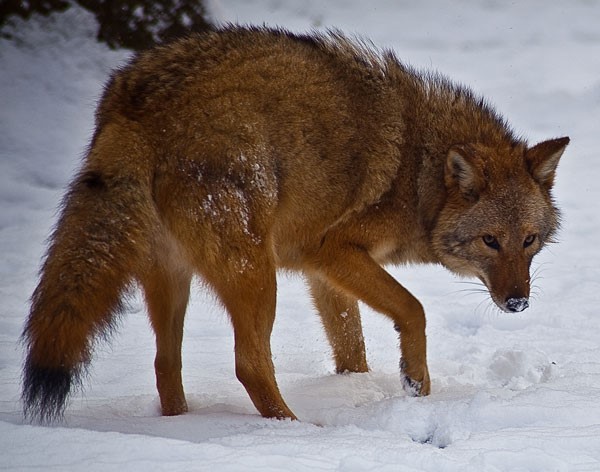
Above – Eastern Coyote (CC BY SA 3.0 Forest Wander)
Why did you decide to dedicate your time to Project Coyote?
I can’t quite remember how my relationship with Project Coyote started. Camilla has a great memory so she can fill us in on that! I know that she put me through some amazing interviews before she felt comfortable with me (I’m assuming she’s comfortable with me now!). During that process, I was struck by her seriousness, knowledge and commitment to change this situation for predators—how could I not be inspired to join her pack? Plus, knowing what I do now, I am honored to be among such imminent scientists and so many hard-working, dedicated, articulate and passionate people. The mission of Project Coyote has been my mission through my adult life. I only wish I had more time to give.

Mark — America’s bee crisis is getting worse.
Our nation’s beekeepers recently reported the largest recorded winter losses of pollinating honeybees ever — nearly 40 percent. Why are these once-thriving insects dying at some of the highest rates?
A catastrophic flood of highly toxic pesticides — neonicotinoids or “neonics” — pushed by Big Ag is a leading cause of this collapse. Studies show that neonics sicken and kill bees. Reckless use of these poisons threaten our food supply — and possibly even our health. We need to put a stop to it, and together we will.
NRDC is currently waging a courtroom battle against Trump’s EPA that aims to restrict the use of bee-killing neonic products that also threaten endangered species. But to save our pollinators, we need to stop bee-killing uses of neonics on all fronts — so we’re putting the pressure on the world’s largest manufacturer of these toxic chemicals, Bayer-Monsanto.
Why is the decline of honeybees causing so much alarm? Well, the future of our food supply is at stake. In fact, 70 percent of the world’s major food crops rely on bees.
And the neonic pesticides made by Bayer-Monsanto are poisons designed to kill insects — and are so toxic that, even in minute doses, they weaken the immune and navigation systems of bees, as well as their stamina and memory, making them less likely to survive.
The European Union and Canada have already restricted use of these toxic chemicals, but Trump’s EPA has opened the floodgates for agrichemical giants like Bayer-Monsanto to make millions off this assault on our pollinators.

Toxic neonic pesticides aren’t only harming bees — they could be harming us, too. Neonic residues are found in 86% of our honey, as well as on apples, cherries, strawberries, and can even be found in baby food. Federally-funded research suggests that exposure to neonics in the womb and by children could increase the risk of developmental defects, autism, heart deformations, memory loss, and muscle tremors.
But instead of protecting pollinators and our food supply, the Trump administration and his EPA are coddling big chemical companies and ignoring critical information about honeybee losses. The EPA approved continued use of these bee-killing neonic pesticides, which are already used on 190 million acres of crops, and the administration reversed bans on using neonics in all national wildlife refuges.
So while NRDC takes on Trump’s EPA and neonics in court, we need to also build public pressure on Bayer-Monsanto.

Thanks for taking on this agrichemical behemoth with us. Your voice is critical to our success.
Sincerely,
Mitch Bernard
President/Chief Counsel, NRDC


https://www.bbc.co.uk/news/world-49795270
Swedish campaigner Greta Thunberg has made a passionate speech to world leaders at the UN, accusing them of failing to act on climate change.
“You have stolen my dreams and my childhood with your empty words,” she told a UN climate summit in New York.
About 60 world leaders are taking part in the one-day meeting organised by UN Secretary General António Guterres.
He earlier said countries could only speak at the summit if they came with action plans to cut carbon emissions.


US President Donald Trump, a climate change sceptic, had not been expected at the meeting – but he was briefly spotted in the audience.

Brazil and Saudi Arabia are among the countries staying away.
In an emotional speech, she said: “This is all wrong. I shouldn’t be up here. I should be back in school on the other side of the ocean, yet you all come to us young people for hope. How dare you?
“You have stolen my dreams and my childhood with your empty words,” the 16-year-old said.
And she urged world leaders to act urgently, saying: “We will be watching you.”
Mr Guterres, who organised the meeting, said the world was “in a deep climate hole” and that urgent action was needed.
“Time is running out, but it’s not too late,” he said.
German Chancellor Angela Merkel said her country would double to €4bn (£3.5bn; $4.4bn) it financial commitment to fight global warming.
French President Emmanuel Macron said international organisations had pledged to release $500m in additional aid to protect tropical forests.
New Zealand’s Prime Minister Jacinda Ardern said things “are starting to turn around” in the country.
“Our gross emissions peaked in 2006, over 80% of our electricity already comes from renewable hydro and wind, and we have begun an ambitious agenda.
“We have introduced in parliament the zero carbon bill, the purpose of which is to ensure New Zealand lives within the threshold of 1.5C of global warming necessary to avoid catastrophic weather events for our Pacific neighbours.”
The summit comes days after several million people took part in a global climate strike led by youth activists.
Ahead of the meeting, scientists warned the signs and impacts of global warming were speeding up.
The World Meteorological Organization (WMO) said the amount of carbon dioxide going into the atmosphere between 2015 and 2019 had grown by 20% compared with the previous five years.
“We should listen to the loud cry coming from the schoolchildren,” said Professor Brian Hoskins, chair of the Grantham Institute, Imperial College London, and professor of meteorology at the University of Reading.
“There is an emergency – one for action in both rapidly reducing our greenhouse gas emissions towards zero and adapting to the inevitable changes in climate,” he said.
By Roger Harrabin, BBC environment analyst
As the dangers of climate heating become ever more apparent, so does the absence of collective will to tackle the issue.
In 2015 in Paris, all the world’s leaders sounded their determination to curb the emissions that were heating the climate.
The summit will see a host of initiatives from businesses and small- and medium-sized nations.
But President Trump is encouraging fossil fuel use in every way he can.
And China – in spite of its trend-setting commitment to solar and wind power – is still building new coal-fired power stations.
Even the UK, a global leader in climate policy-making, is veering away from its own medium-term targets to cut emissions.
The government is still aiming to expand Heathrow airport and increase the road network in a way that will increase emissions in those sectors.
Politicians appear to believe climate change can be challenged with a version of economic business as usual.
Their scientists are telling them with increasing desperation that we humans are facing an unprecedented threat in need of an unprecedented response.
Need proof ? – see:
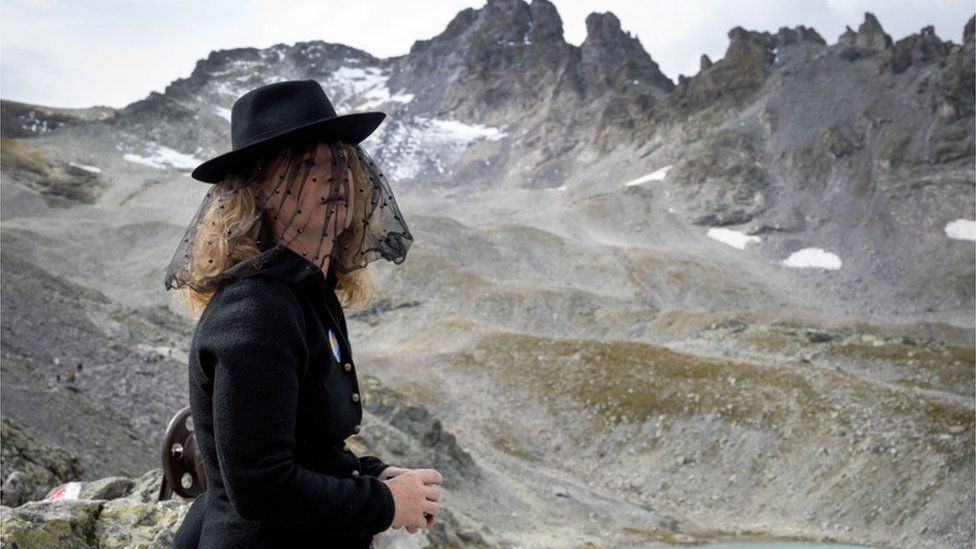
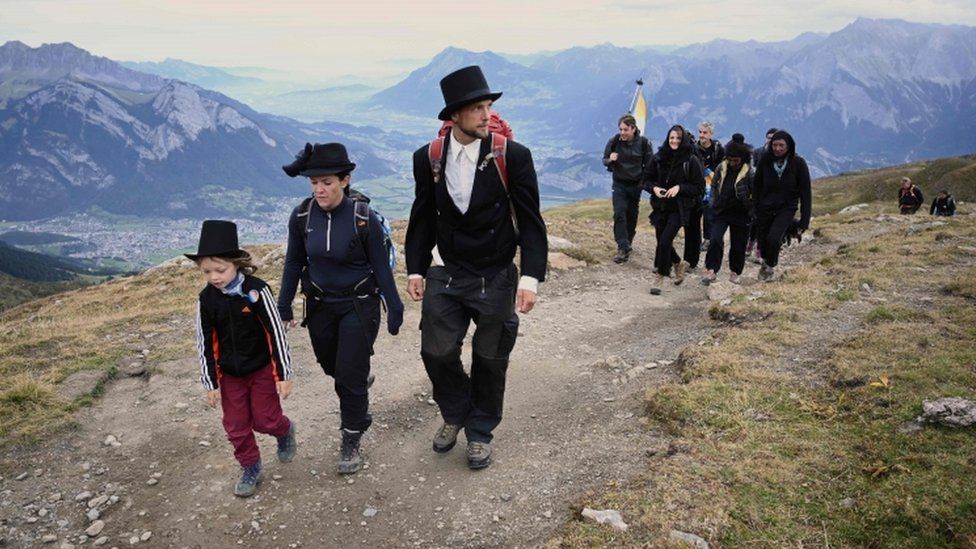

A Swiss glacier lost to global warming has been commemorated at a memorial service in the Alps.
Dozens of people took part in Sunday’s “funeral march” to mark the disappearance of the Pizol glacier.
The glacier, in the Glarus Alps of northeastern Switzerland, has shrunk to a tiny fraction of its original size.
Scientists say the glacier has lost at least 80% of its volume just since 2006, a trend accelerated by rising global temperatures.
As mourners gathered in the Swiss Alps, youth activists and world leaders are in New York to discuss climate change action at the UN.
Saturday’s UN youth summit came a day after millions of people around the world held a global climate strike, inspired by 16-year-old activist Greta Thunberg.
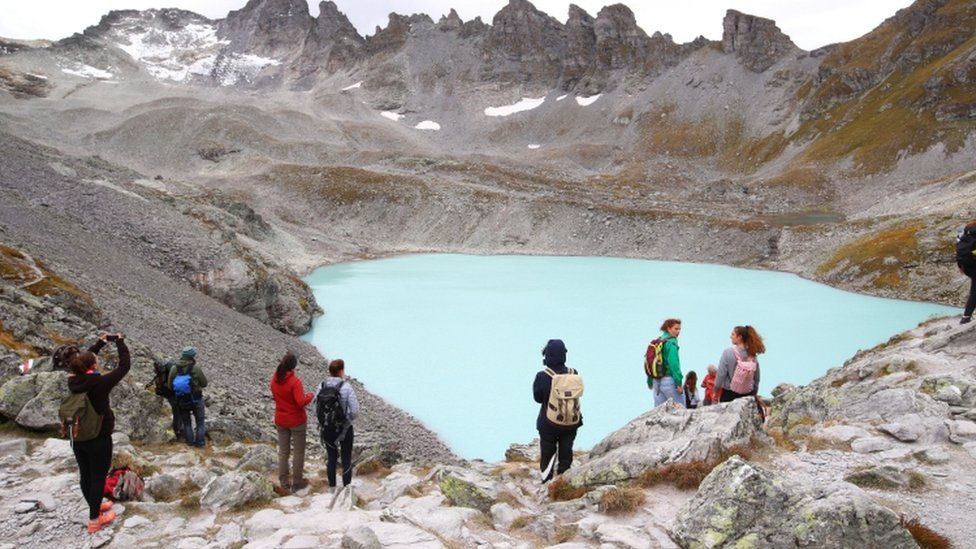
Yet despite what action humans take now, a study by Swiss researchers suggests that, by 2050, at least half of Switzerland’s glaciers could vanish.
The Pizol has diminished to such an extent, “from a scientific perspective it is no longer a glacier”, Alessandra Degiacomi, a Swiss climate campaigner, told AFP news agency.
Now reduced to just a few frozen lumps, the glacier was to be declared dead at the ceremony, the BBC’s Geneva correspondent, Imogen Foulkes, said.
Locals, hikers and environmental campaigners, some dressed in black clothes, trekked up the mountain to pay their respects to the glacier’s remnants, situated at an altitude of around 2,700m (8,850ft), near the Liechtenstein and Austrian borders.
At the ceremony, sombre speeches were to be delivered by a chaplain and scientists and a wreath was to be laid in remembrance of the glacier.
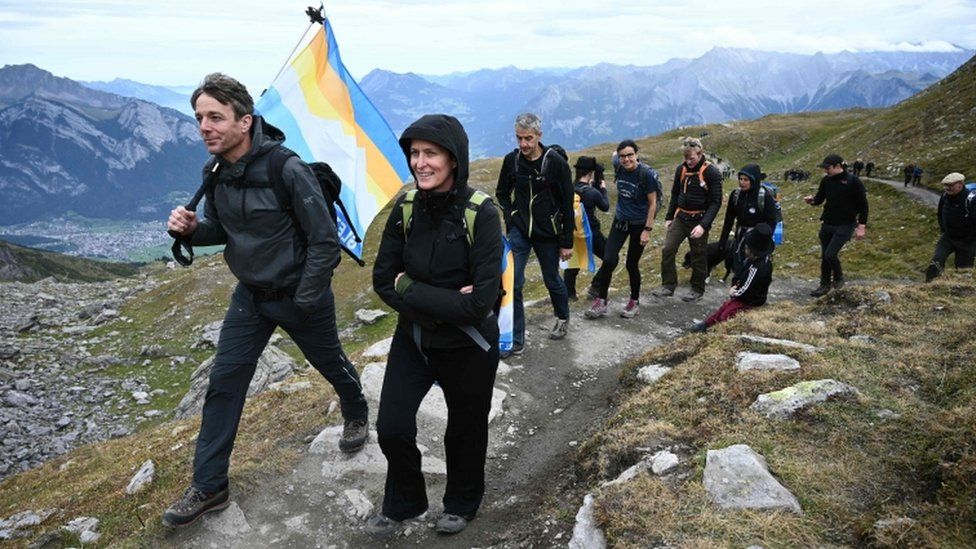
The event was organised by the Swiss Association for Climate Protection (SACP), an initiative calling for carbon dioxide emissions in Switzerland to be reduced to zero by 2050.
A similar ceremony was held in Iceland last month to commemorate Okjokull, a 700-year-old glacier declared dead in 2014.
https://www.bbc.co.uk/news/world-europe-49788483
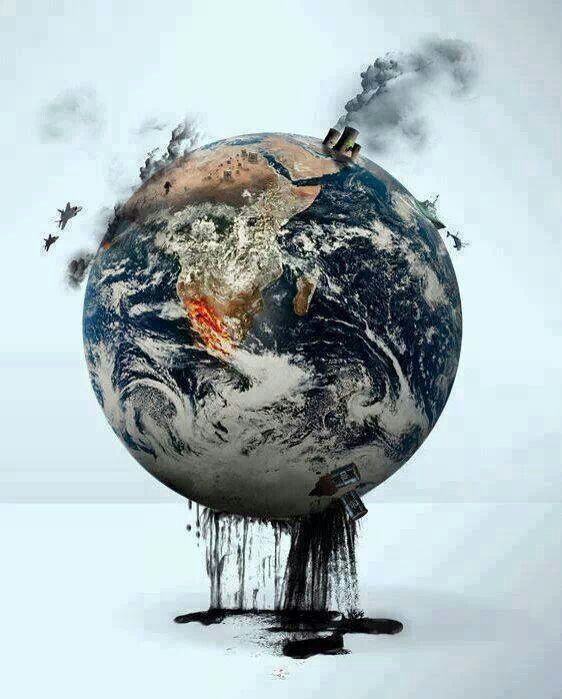


WAV Comment – thank god we have these researchers. Who would guess that eating crude oil is bad for birds, or that birds don’t like captivity – I would never have deduced that. Louisiana State University is obviously at the cutting edge of research when it comes to findings such as this. How much is this so called ‘research’ costing, we ask ? – I think we knew that oil was bad for birds !

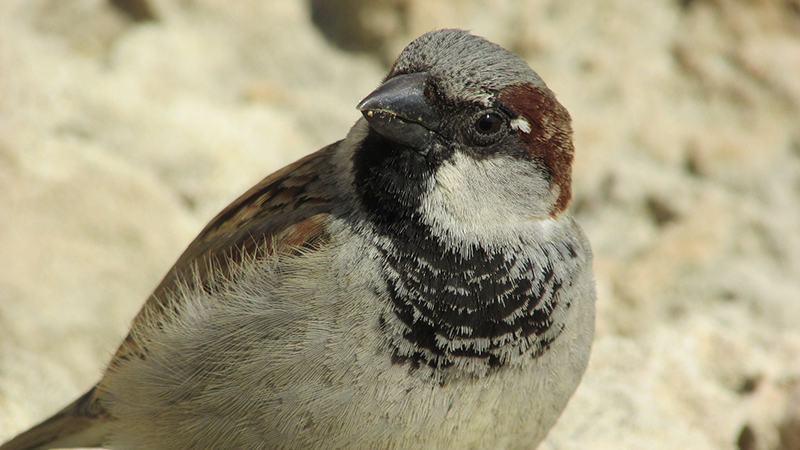
Serial bird tormenter Christine Lattin—whose twisted experiments have uncovered such Earth-shattering discoveries as “eating crude oil is bad for birds”—has brought forth another major advancement in human understanding: Birds don’t like captivity.
Lattin, whose ongoing illumination of the obvious is unsurpassed, recently published a paper describing an experiment that she performed while at Yale University. She captured 21 songbirds and subjected them to both acute and long-term trauma.
The birds, who are naturally highly social, were housed alone in cages, restrained in cloth bags for 30 minutes at a time to induce acute stress, and held in captivity for at least eight weeks before being killed. Some were also given painful injections and further stressed when forced to undergo anesthesia, which involved additional restraint and injections. Wild animals, who are unused to handling, are particularly sensitive to the distressing and disorienting effects of anesthetics.
Lattin’s main conclusion? Wild birds don’t adjust well to captivity.

This groundbreaking discovery, on par with “water is wet,” makes her once again the winner of today’s “No Duh” Award.
Take action below to urge Louisiana State University, where Lattin now works, to stop her from continuing these twisted and useless experiments on its campus:
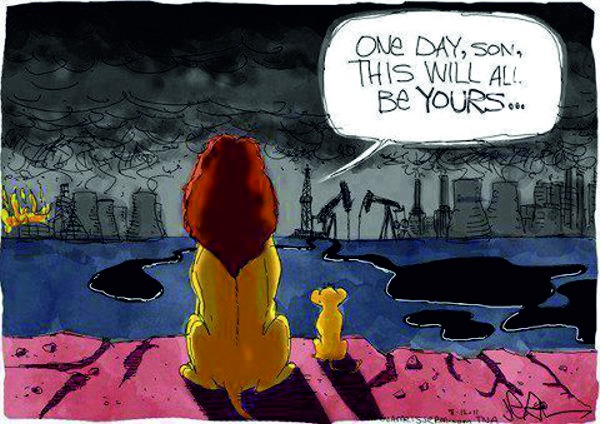
Isn’t it surprising to think just how beautiful and raw nature was a few million years ago, and how it has changed into something that the world is worrying about, now?
It’s astounding to see how humans have evolved and emerged on one hand and have managed to put our mother Nature in such grave danger, on the other.
And… I can imagine (almost) no other politically effective action, which as only one creates so much, as the vegan way of life. With just one thing, not eating meat, we can do a lot of things well for our planet.
Best regards, Venus


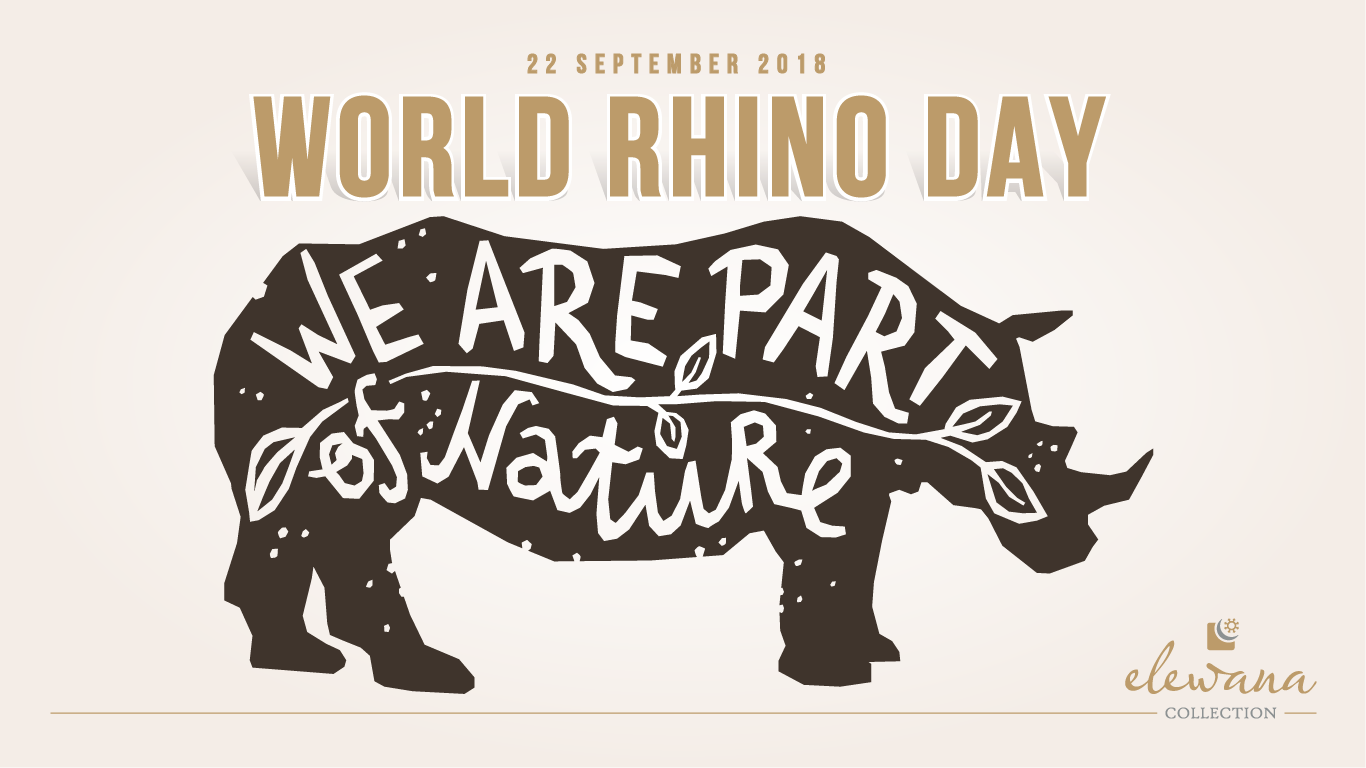
Happy World Rhino Day – if only they could enjoy the day without fear of poaching and killing !
Announced by the World Wildlife Fund-South Africa in 2010 to celebrate World Rhino Day on 22 September every year, the event took off on a global scale both on online and offline platforms when Lisa Jane Campbell of Chishakwe Ranch in Zimbabwe and founder of Annamitici joined hands with creative director Rhishja Cota


Twitter:

Dear Mark,
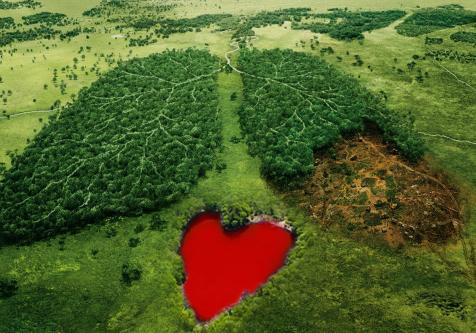
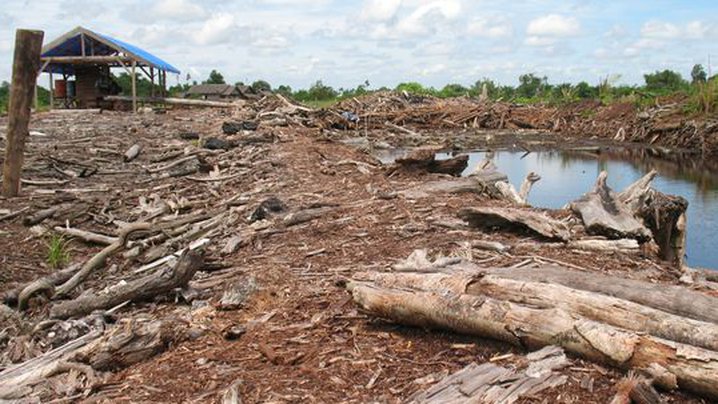
Our drones took to the skies once again, and this time we uncovered massive deforestation in the Amazon. Even more shocking? Meat production is to blame for this devastation.
The Amazon rainforest is one of the world’s treasures and likely the most important natural place on Earth. But it is being destroyed at a rate of four football fields per minute.
Why? According to the Food and Agriculture Organization of the United Nations, cattle ranching accounts for 80 percent of Brazilian Amazon deforestation.
Soy crops are another cause of deforestation in the Amazon and in other extremely important biomes, such as the Brazilian savanna. Few people know that 79 percent of soybeans are used as feed for chickens, pigs, and fish, and not for human consumption.
Destruction of the Amazon rainforest has worldwide consequences. If we don’t protect it now, the future of life on Earth will be at risk.
The good news is that you can help. The best way for everyone to help stop the destruction of the Amazon rainforest is to choose plant-based foods. It’s as easy as swapping animal products for the delicious, satisfying plant-based versions that are growing in popularity.
Sincerely,
| Lindsay Oliver Vice President of Investigations |
P.S. Mercy For Animals exists to end the greatest cause of suffering on the planet: the exploitation of animals for food. Please support all our work to help farmed animals by making a special donation today.
WAV Comment – here are some of our recent past links to the fires in Amazonia:
https://worldanimalsvoice.com/2019/09/11/after-amazonas-is-like-before-amazonas/
https://worldanimalsvoice.com/2019/08/26/amazonas-now-only-praying-helps/
https://worldanimalsvoice.com/2019/08/23/brazil-more-amazon-a-nero-president/
https://worldanimalsvoice.com/2019/08/21/brazil-there-is-war-in-amazonas/
https://worldanimalsvoice.com/2019/04/07/petition-end-deforestation-in-the-peruvian-amazon/



(from the blog of netzfrauen.org)
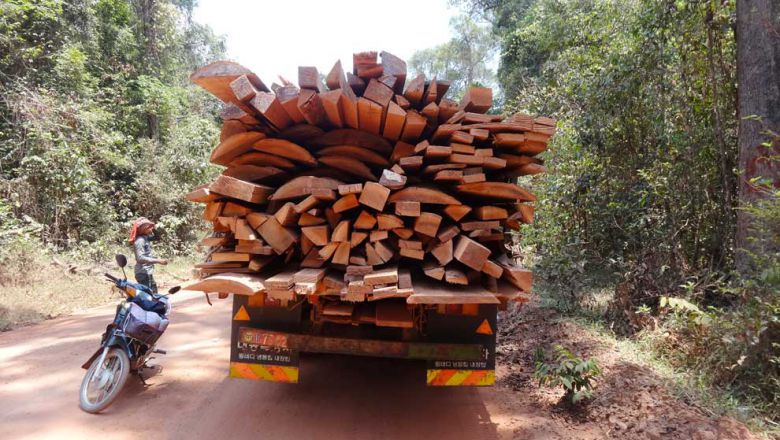 A truck containing rosewood suspected to have been logged illegally in Kampong Thom province sits on the side of the road near an economic land concession belonging to Try Pheap in 2013. PHOTO SUPPLIED
The destruction of nature has taken on a gigantic dimension. If humans had a planet twice the size, they would probably spread further. But they only have this planet. It’s like a screw that you put on more and more: at some point it’s crazy. Plant trees against climate change, it is said, but on the other hand, real raids are taking place against forests.
The Amazon rainforest is on fire and new research shows that in just a decade, large corporations like General Mills, IKEA, Johnson & Johnson, Kellogg, L’Oréal, Mars, Nestlé, PepsiCo, Procter & Gamble and Unilever have 50 million acres of forest destroyed.
In Congo, too, the biggest threat to the rainforest is industrial clearing and the shift to large-scale agriculture, and here as well: massive deforestation for palm oil, rubber and sugar production. They are also called the wood magnates who do not stop at protected areas.
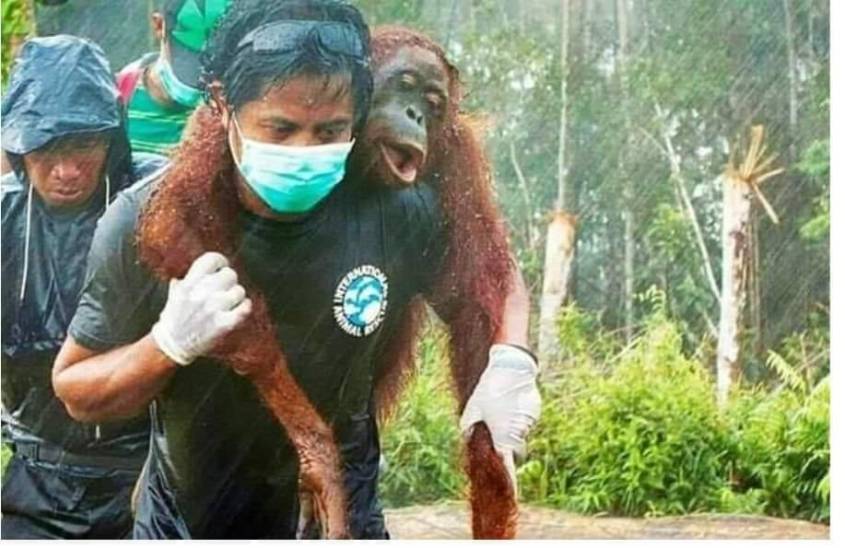
It is a rampant illegal trade in which only a few benefit, while at the same time a raid against humans and nature takes place and many animal and plant species are extinguished.
Many countries and companies are committed to reducing deforestation by 2020 or avoiding deforestation altogether.
Unfortunately, it was only a promise, as recent research shows.
Companies that are globally recognized as polluters, such as General Mills, IKEA, Johnson & Johnson, Kellogg, L’Oréal, Mars, Nestlé, PepsiCo, Procter & Gamble and Unilever, have committed themselves in 2010 over the next decade the deforestation to end.
Now it turns out they destroyed 50 million hectares of forest in just a decade to raise cattle, palm oil, pulp and paper and soybeans.

We have already reported on the deforestation of Solomon Islands.
The Solomon Islands have a fascinating and varied landscape with rainforests, waterfalls, lagoons, coral reefs and active volcanoes. But that could soon be over, because to quench China’s hunger for wood, the precious forests of the Solomon Islands are felled.
Corals, colorful fish, long sandy beaches, lonely islands – that’s how many people know the Solomon Islands, but the South Seas paradise is in danger and doomed to sinking.

The small group of islands in the Pacific is after Papua New Guinea (PNG) China’s second largest source of tropical timber.
Together, the Solomon Islands and PNG deliver a staggering 50% of tropical timber imports in China. The rain forests are ruthlessly cut down because of the valuable woods, without paying attention to nature and environmental protection or to the delicate ecological balance of the rainforests. They quench the hunger for wood of the Chinese.
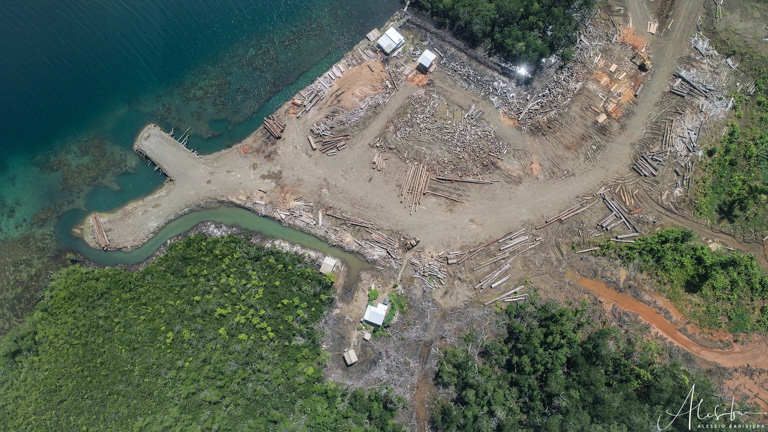 Drone picking wood collection in a harbor in Solomon Islands. Picture © Alessio Bariviera 2018.
Palm oil plantations instead of rainforest: After the corporations destroyed the rainforests of Sumatra and Borneo, the palm oil industry is now pushing to new regions like Papua.
The rainforests of Papua are ruthlessly cut down because of the valuable woods, without paying attention to nature and environmental protection or to the delicate ecological balance of the rainforest.
 On the map of globalforestwatch.org you can see where deforestation is taking place in Asia.
In the 2000s, the Cambodian government began leasing millions of acres of land – called concessions – to private companies, some of which are located in protected forests.
According to a series of reports by the international non-governmental organization Environmental Investigation Agency, between 2016 and 2018 nearly half a million cubic meters of wood were smuggled from Cambodia to Vietnam.
“Perhaps 10 years ago there were jungles and lots of forest and many wildlife such as elephants, tigers, rabbits …” says Auch Leng, an environmental activist who fights against the gigantic wood tycoons to stop deforestation.
“Private companies have come to destroy the forest here, and other sanctuaries, such as Boeung Per in the north, are rapidly approaching the same fate. I saw 23 wooden transporters from the Phnom Prich area. “
Another Cambodian forest activist, Chut Wutty, was killed in 2012 when he revealed the machinations of a lumberjack company. Since then, several other forest patrols have been killed, including three who were shot dead on the Vietnamese border last year. Leng also received numerous death threats.
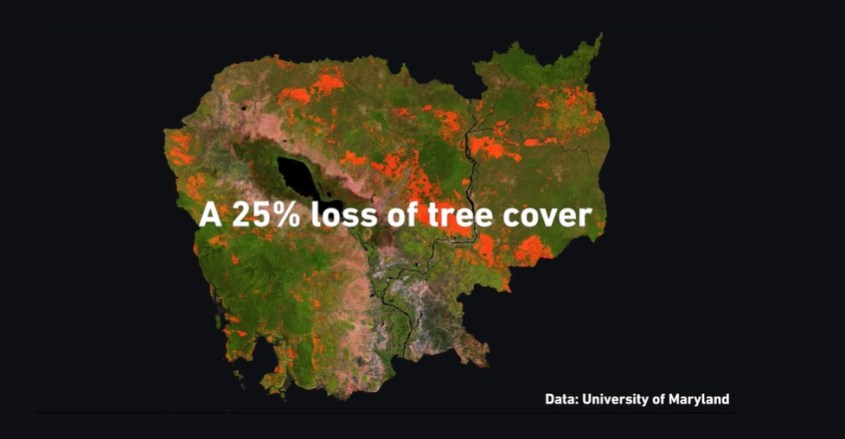
According to data from Global Forest Watch, Cambodia lost 2.17 million hectares of tree cover from 2001 to 2018, a decrease of 25%.
“Sometimes I cry. I’m disappointed because I can not protect the forest, “says Leng on a mission to defeat Cambodia’s wood magnate and expose a rampant illegal cross-border trade. “I see the destruction is so great, but nobody helps protect it.”
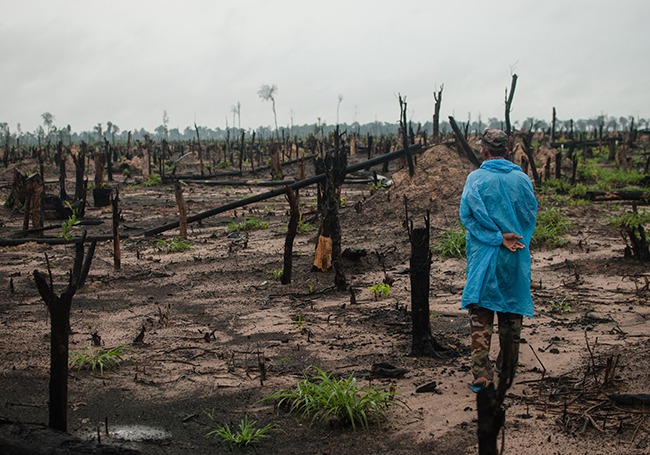 “They burned it until only a few stumps were left.” Picture credits: Sebastian Strangio
Try Pheap is one of several Cambodian business magnates who have amassed tremendous wealth during Prime Minister Hun Sen’s regime.
Already in 2016, the American business magazine “Forbes” reported on Cambodia’s rulers. Over the past decade, Try Pheap, in its early fifties, has made a name for itself in this 15 million nation. An employee of Prime Minister Hun Sen, who has ruled the country since 1985, is deeply “connected” with him. In addition to agricultural plantations, Try Pheap has a large and growing interest in real estate, including three casinos, two dry harbors for local and international shipping and two special economic zones in border areas. He founded the petrol dealer “PAPA” and is building a $ 300 million port in Kampot province on the south coast of the country.
 Try Pheap
The EU has been an important development partner of Cambodia since the early 1990s. The EU support is intended to support the policy of the Royal Government of Cambodia, which is reflected in the government’s medium-term development plans, the EU said.
The European Union’s development assistance for Cambodia currently amounts to 410 million euro for bilateral cooperation 2014-2020 and 21 million euro for the thematic budget lines 2014-2017 (approximately 457.3 and 23.4 million USD, respectively).
With this funding, the EU can focus its support on priority sectors in Cambodia that have a significant impact on the country’s development.
Who the EU actually supports: the tycoons of Cambodia!
Lost world of Cambodia
In Cambodia, approximately 14.5 million inhabitants live on an area of 181,040 square kilometers. That corresponds to about half the area of Germany. Cambodia is not only losing valuable rainforest through illegal logging, but Singapore is digging sand out of the mangrove forests of Cambodia.
It threatens to extinguish an ecosystem, the home of many animals and plants on the Red List of endangered species, whether the Siam crocodiles, cap gibbons or even elephants.
So, like the depletion of nature in Cambodia, so the gigantic pillage takes place all over the world!
My comment: “The world is not evil, it’s just full”, I had read somewhere.
Humanity is growing every day by about 200,000 heads! This is an apocalyptic number par excellence. It is the cause by which the future of man, animal and nature will lasting and permanently destroyed.
(Genesis 1: 1-2,25): God created man in his image, in the image of God he created him; and created them as husband and wife.
And God blessed them and said to them, “Be fruitful and multiply and fill the earth and conquer it and reign over the fish in the sea and over the birds under the sky and over all the beasts crawling on the earth”.
We did that.
And we have created more than this crime, we treat animals and nature as raw materials, as factory goods and our slaves, we are about to eradicate both. Of course, we can continue to breed animals as slaves, but the destruction of nature is unaffordable and soon becomes a life-threatening reality.
Therefore: be infertile and not multiply.
Reign over the manipulation and propaganda of the system and stop living on animals, exploiting animals.
That could be enough as a first measure.
My best regards to all, Venus


