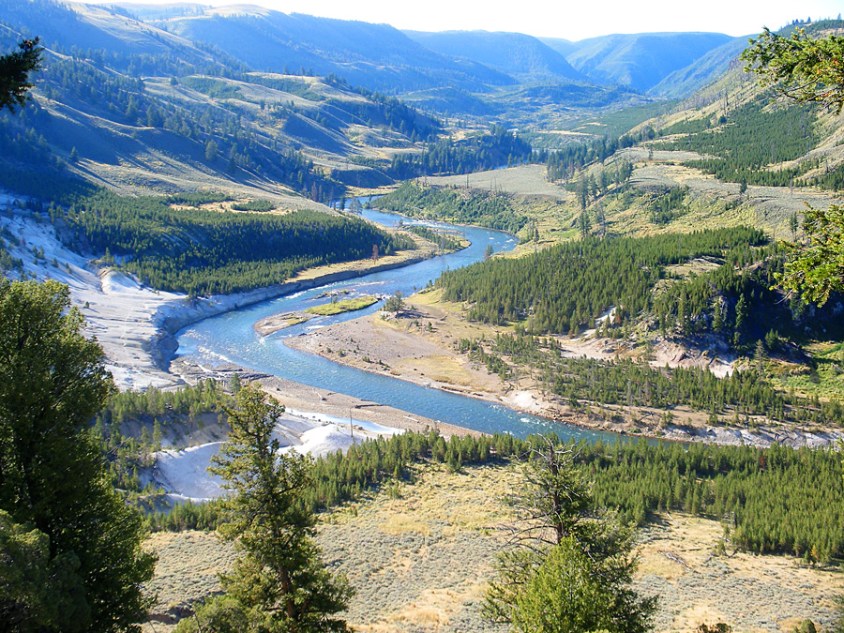
Category: Environmental

Global: Nature Crisis: Humans ‘Threaten 1 Million Species with Extinction’

Nature crisis: Humans ‘threaten 1m species with extinction’


bees

All Pictures – Getty Images.

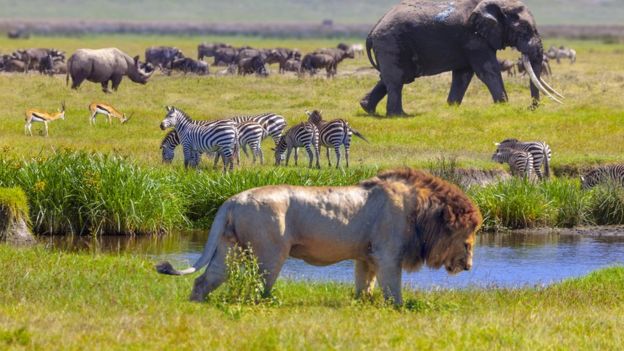
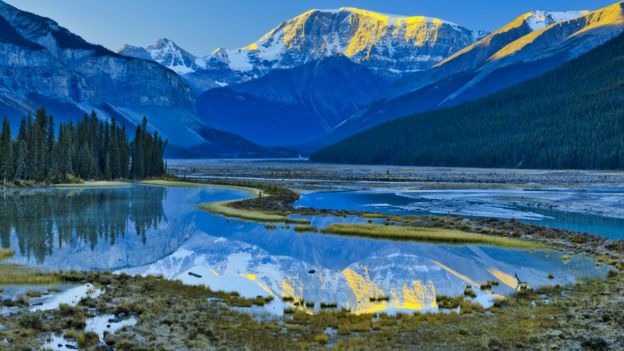
On land, in the seas, in the sky, the devastating impact of humans on nature is laid bare in a compelling UN report.

One million animal and plant species are now threatened with extinction.

Nature everywhere is declining at a speed never previously seen and our need for ever more food and energy are the main drivers.

nature

These trends can be halted, the study says, but it will take “transformative change” in every aspect of how humans interact with nature.

Read the full BBC article and watch the video at:

https://www.bbc.co.uk/news/science-environment-48169783


Nature

British soldier killed by elephant during anti-poaching operation in Malawi.

flagge-england_jpg


Not something that is widely known, but British forces have been working in Africa for quite a while to help protect endangered wildlife from poachers. It is terrible to hear this news today.


British soldier killed by elephant during anti-poaching operation in Malawi

British soldier has been killed during an anti-poaching operation in Malawi, the MoD has announced.

Guardsman Mathew Talbot of The 1st Battalion Coldstream Guards, was killed whilst on counter poaching operations in the African country on May 5, 2019.

The Telegraph understands Gdsm Talbot was killed by an elephant and that there were no other injuries to local nationals or other British soldiers.

Defence Secretary Penny Mordaunt said: “I was deeply saddened to hear of the death of Guardsman Mathew Talbot, who died while carrying out vital counter-poaching work in Malawi.

British soldiers are deployed across Africa helping in the fight against illegal wildlife poaching. Animals under particular threat include elephants, rhinos and lions.

Malawi’s elephant population is estimated to have halved from 4,000 in the 1980s to 2,000 in 2015.

The deployments to Nkhotakota and Majete Wildlife Reserves in the country started last May, following a successful pilot scheme in Liwonde National Park in 2017.

British troops are training rangers in tracking, general infantry skills and bushcraft, doubling the number of rangers mentored by soldiers in Malawi to 120.

Training has been funded by the Department for Environment, Food and Rural Affairs’ Illegal Wildlife Trade Challenge Fund and was boosted by nearly £1 million of extra funding late last year.

Part of the extra funding went to the Wildlife Crimes Investigations and Intelligence Unit, an initiative that has improved intelligence gathering markedly. Last year 1000 kgs of ivory were seized and 114 arrests made, a ten-fold increase in detentions compared to 2015.

Full article – https://www.telegraph.co.uk/news/2019/05/07/british-soldier-killed-elephant-anti-poaching-operation-malawi/


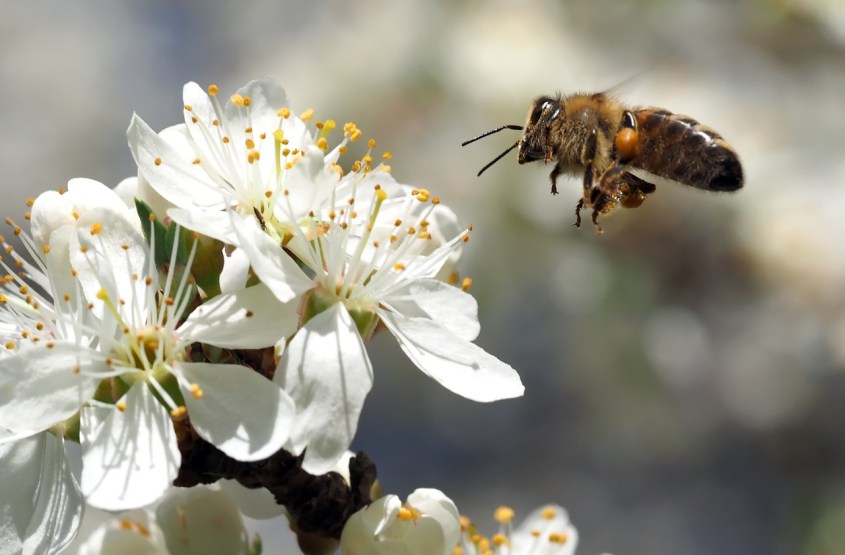
The bees dying means people die


Bienen

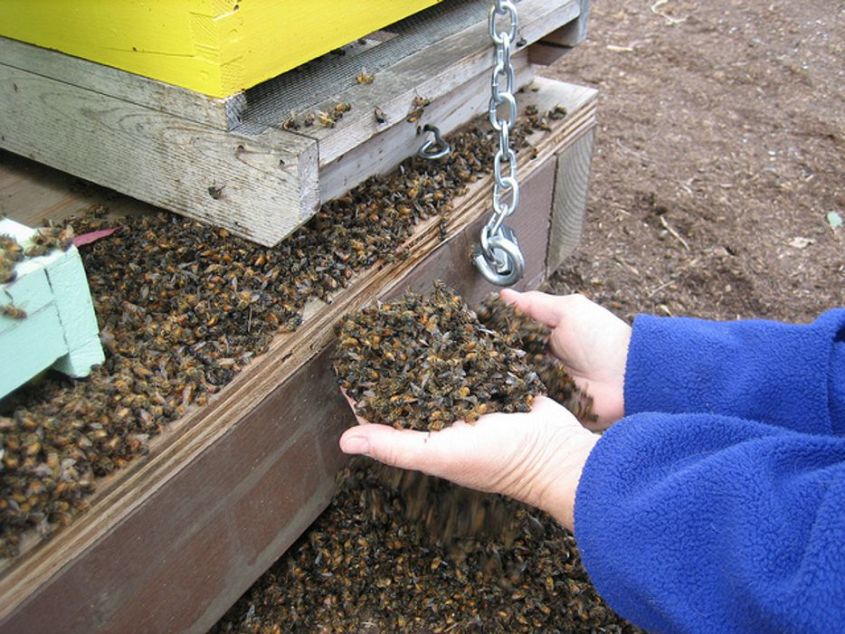
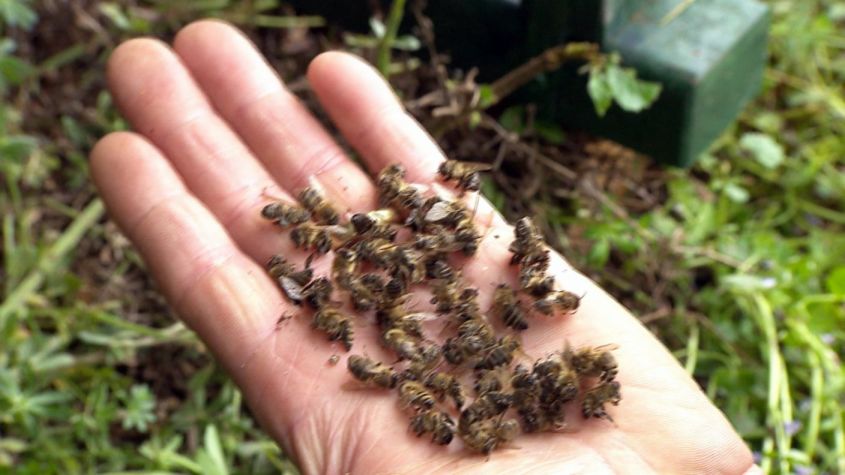
In October 2018, more than 72 million bees died – in just one day. Three months after the mass extinction the cause was confirmed.
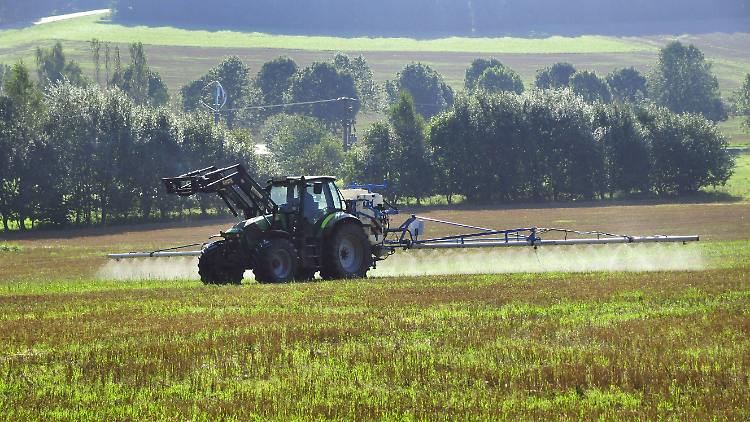
A pesticide sprayed on a nearby field is responsible.
In Argentina, near the city of La Paz, south of the Traslasierra Valley, 920 beehives were ruined in just one day.

Bienen6

On the other side of the world another beekeeper lost a million of his bees. Now the Australian beekeeper also received confirmation from a lab that the bees had died of fipronil poisoning, an insecticide commonly used to kill termites.
The beehives were about 5 kilometers away from another beekeeper, where about 120 beehives previously died from the same insecticide.
In Europe, an Austrian fruit-grower was even sentenced to jail for illegally spreading an insecticide. Dozens of neighboring bee colonies were destroyed.

massensterben von Bienenjpg

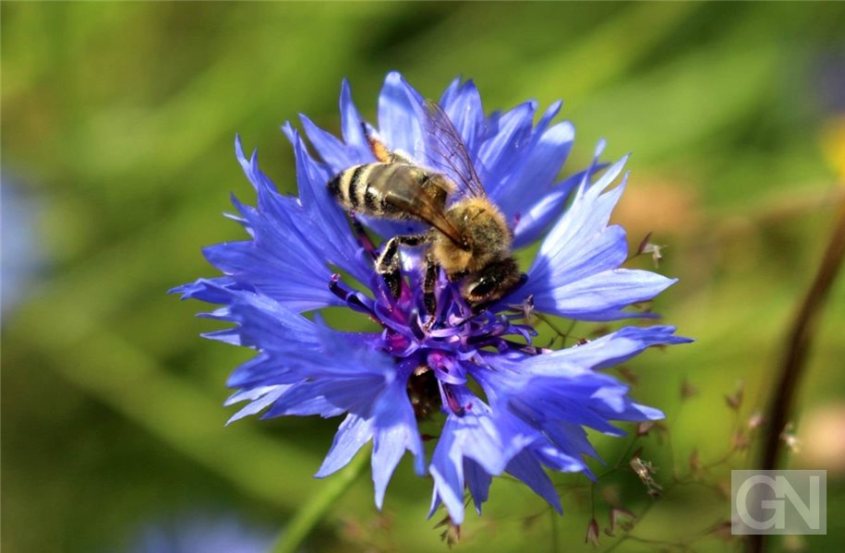
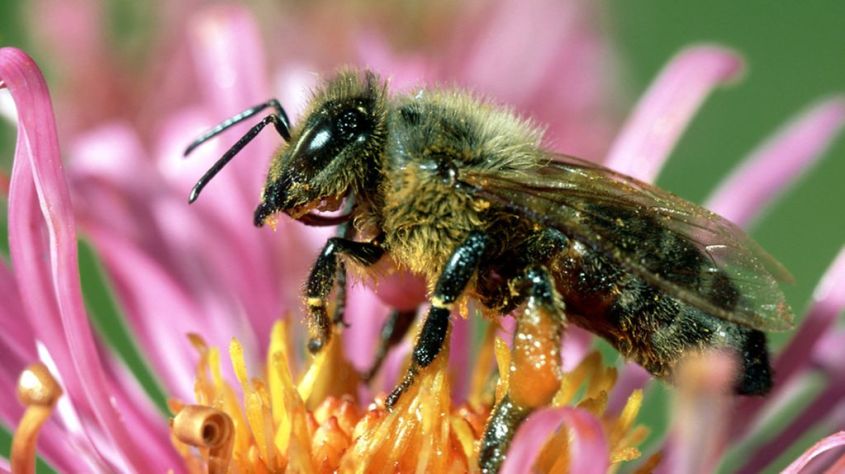
For a 450 gram jar of honey 1152 bees are needed, covering 180,246 km and visiting 4.5 million flowers !!!
That’s 156 km per bee!

bienen-auf blumejpg

It is a dying that is watched with concern worldwide.
Scientists have found that honeybees in Europe are killed by 57 different pesticides.
The vast majority of them are approved for use in the European Union.
The pesticide Thiacloprid from Bayer will continue to be used without restriction.
The most industrious of all animals, which reliably fly from flower to flower, disappears slowly.

biene-startbild
A life without the bee is unthinkable. She is the big breadwinners of the people. The worldwide demand for natural products rests on their delicate wings.

The causes of the dramatic decline in insects are in industrial agriculture. In view of Monsanto’s “giant wedding” with its German rival Bayer, the criminal power of agriculture will increase worldwide in the coming years.  Pesticides, notably neonicotinoids and the insecticide fipronil, are threatening not only bees, but also other animals such as butterflies, birds, fish and earthworms, and threaten the foundations of global food production. This is proven by a study in which 29 researchers from all continents and different disciplines evaluated around 800 individual studies over the past two decades.

wiese sprüher jpg

If bee mortality does not end soon, it could have serious consequences for food supplies worldwide, because not only in Europe, but also in other parts of the world there is a mass extinction of bees.
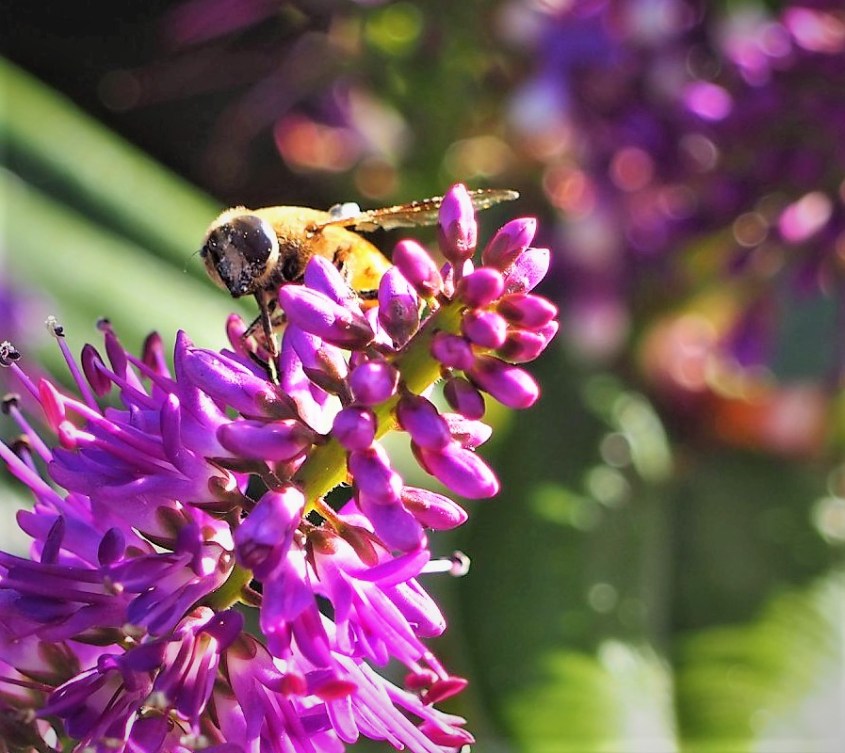
Bees not only produce honey, they pollinate more than 90 vegetables and fruits. Apples, nuts, avocados, soybeans, asparagus, broccoli, celery, pumpkins and cucumbers are likely to be rare without bees.
Sweet things like citrus fruits, peaches, kiwis, cherries, blueberries and strawberries and a variety of melon varieties depend on the fertilization of the flying workers.

bienen-auf Blumen


https://netzfrauen.org/2019/04/27/bienen-3

My comment: Now Monsanto also wants to fight bee pests – using genetic engineering.
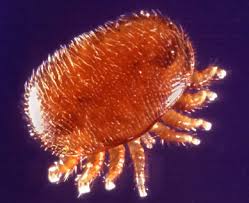
Monsanto’s focus is on the Varroa mite, a parasite that makes it difficult for honey bees worldwide.

Varroa Milbejpg
In addition to bee pests, he will fight off weeds and insects in the future.
Monsanto sees bright prospects for its new “BioDirect” products – the market is already worth $ 1.7 billion a year. So it’s not about saving the bees. So it’s all about huge profits again.

And so Monsanto is omnipresent to each one of us. Whether in the glass of milk, in the Schnitzel, in the chicken leg… which animal is not fed with the cheapest, ie gene manipulated cereals?

We have t-shirts made of GM cotton, eat honey that could be contaminated, we fry our broccoli patties in GM corn oil. Whether we like it or not, for most consumers, especially in the US, Monsanto is a daily guest. Who only causes catastrophes. For humans, animals and nature.

My best regards, Venus

England: Tv Wildlife Expert and Bird Campaigner Has Death Threats After Recently Winning Campaigns To Protect Birds From Being Shot.

England

Image result for chris packham

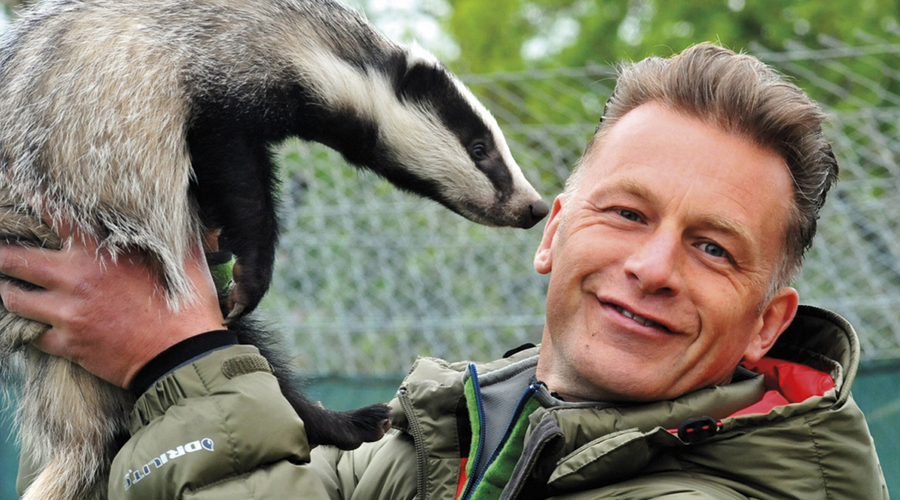
Chris Packham, who is a well known animal advocate and tv wildlife presenter; especially relating to all aspects of British wildlife; and also the hunting of migratory birds in Europe, has now had a “very calculated” death threat against him and his family after he campaigned for measures to protect birds from being shot.

https://www.bbc.co.uk/news/av/science-environment-48108157/chris-packham-they-threatened-to-organise-a-car-crash

https://www.bbc.co.uk/news/science-environment-48105287

Dead Crows were hung on his home gate:

Image result for chris packham

Here are links to a couple of issues relating to Chris which were posted on our other site, Serbian Animals Voice; and also the BBC:

https://serbiananimalsvoice.com/2018/01/30/uk-bbc-winterwatch-a-daily-visit-to-british-wildlife/

https://serbiananimalsvoice.com/2018/01/29/england-in-search-of-the-lost-girl-chris-returns-to-sumatra-to-find-the-little-girl-that-haunts-him-from-a-photo-he-took-20-years-ago/

https://www.bbc.co.uk/programmes/p05vqwhk

https://www.bbc.co.uk/programmes/p05vq7qf


Chris said the  threats would not stop him from continuing his conservation work.

“People like myself are very dogged and determined,” he said.

“I cannot allow these things to sway me.

There are too few people standing up and fighting to protect our environment, our landscape, our wildlife.”


USA: Orcas Have No Food Due To Human Overfishing.

USA-Flagge


By Joe Loria September 6, 2018

According to a recent article from Komo News, some of Seattle’s most popular restaurants are ditching chinook (king) salmon in an effort to help save critically endangered orcas.

Chinook will not be served at Vine and Spoon or Alchemy in West Seattle. The restaurant owners joined others in taking a stand after a concerned customer brought up the plight of the orcas and shared images of a mother orca grieving her dead calf and another orca struggling to survive.

Matt Mead, marketing director for Vine and Spoon, said:

The plight of the orcas right now is so tragic so important to maintain their food resource it was very simple and no-brainer to take off the king salmon from our menu to help our environment.

Declared endangered in 2005, the Southern Resident orca population has seen little recovery. In fact, more than two-thirds of these whales’ pregnancies fail, and a recent study suggests the orcas are starving because of human activity.

Overfishing of chinook salmon is believed to be the main cause of the orca population’s decline. Chinook salmon, who compose roughly 80 percent of the whales’ diet, are a critically endangered species, and overfishing is the primary reason. Popular wild-caught fish, chinook salmon were added to the list of overfished species in 2015.

The National Oceanic and Atmospheric Administration published a report in 2013 warning about the impact of salmon fishing on Southern Resident orca populations. Although the report expresses uncertainty about the long-term effects, it states that ending or reducing salmon fishing would have an immediate positive impact.

Our oceans are extremely complex ecosystems, so when one species declines, others suffer. For instance, Atlantic puffins on the Shetland Islands depend on sand eels to survive. Once sand eels were overfished, puffin numbers dramatically declined. When herring is overfished, cod populations fall. Many fish species and their predators are now endangered or face extinction because of overfishing.

The best thing we can do for all marine animals is to refuse to support an industry that disrupts the balance of nature’s ecosystems and puts species at risk for extinction.

But eating seafood doesn’t just hurt orcas and other “cute” marine mammals many people value; it’s also unspeakably cruel for the innocent fish killed for food. Fish are similar to dogs and cats in their experience of pain and pleasure.

In 2011 Mercy For Animals conducted an undercover investigation at a fish slaughter facility and exposed fish being skinned alive. They thrashed and fought to escape the workers’ knives. As the fish gasped for oxygen, workers ripped off their skin with pliers.


Sounds horrifying, right? See for yourself.


Remember, the best way to protect fish and other marine animals is to leave them off your plate. Learn more about switching to a humane plant-based diet to prevent cruelty to all animals used for food. Then check out Gardein’s fishless filets and crabless cakes, and click here for compassionate sea-inspired recipes

Ecuador: Waorani’s victory against oil companies!


ecuador flaggeng


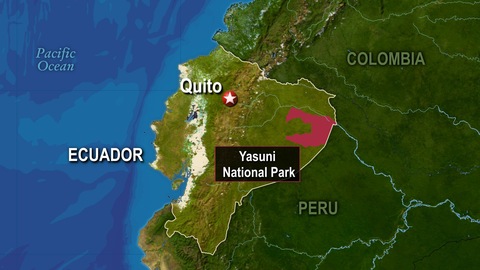
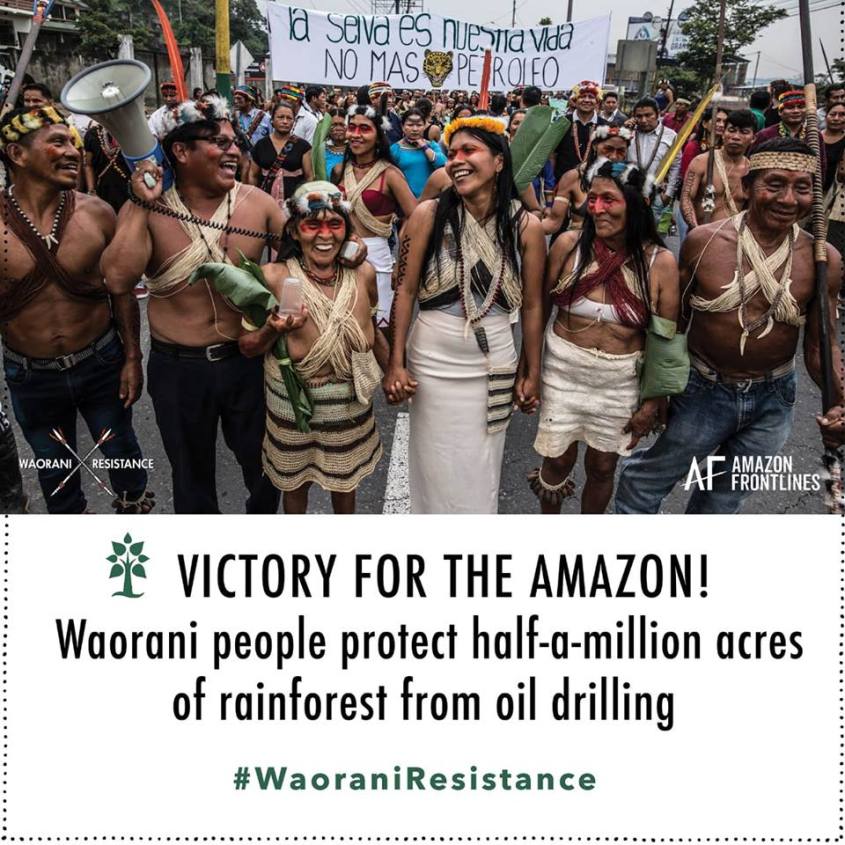
The Ecuadorian Waoranis tribe is celebrating a court ruling that blocks access to oil companies that have been trying for years to oil in the Amazon.
chl-Yasuni4
The government of Ecuador had released about 180,000 hectares for oil drilling.
Although the state of Ecuador possessed the mineral wealth, it had to first discuss plans for a possible use of resources with indigenous groups, the court said after a two-week trial and there was a request by the Waorani.
Ecuador-Waorani 5

In their territory with an area of 180,000 hectares on the Amazon must not be drilled for oil.

Already in 2014, the CNPC (China National Petroleum Corporation) signaled interest in two oil blocs, one of which – as well as the neighboring ITT bloc – is home to the indigenous people of the Waorani, who live there in voluntary seclusion.
China’s economy and its global influence are growing at a rapid pace. Nowhere is this clearer than in Ecuador, a country to which Beijing lent $ 9 billion.

Rainforest against oil companies

The government of Ecuador reached an agreement with the Waorani on the search for oil in 2012, but the Waorani declared in court that they had been deceived.
As a result, the court ordered new talks to transpose the provisions of the Inter-American Court of Human Rights (CIDH) based in Costa Rican San José.
As already written, a historic victory, but against this decision the government of Ecuador can and will proceed.

“Our territory gives us life. We will not allow oil drilling to poison our streams and our fishing areas.
We will not allow explosives to be placed in our hunting grounds for earthquake testing.
The construction of railway tracks, pipelines or roads is not permitted. We do not realize what the government calls oilblock 22. Our woodland is not an oil block, it is our life “- said the Waorani in an open letter >>>

You can sign up to support the Waorani https://waoresist.amazonfrontlines.org/action/

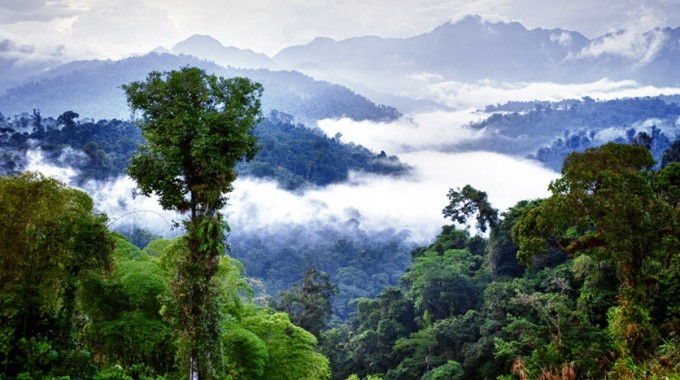
In the northeastern part of the Amazon Basin in Ecuador is one of the last large jungle areas of the earth whose vast biodiversity has been largely preserved. Yasuní National Park has a single hectare of forest that is as diverse as the Mexican, US and Canadian communities. In 1989 the area was declared a Biosphere Reserve by Unesco.
ecuador-regenwald-153742460-680x380

Only 2.5 hectares of Yasuní contain more trees than the US and Canada together. The area is also home to the Tagaeri and Taromenane, indigenous communities that have decided to live in isolation. Contact with the outside world would endanger their cultures and their lives.
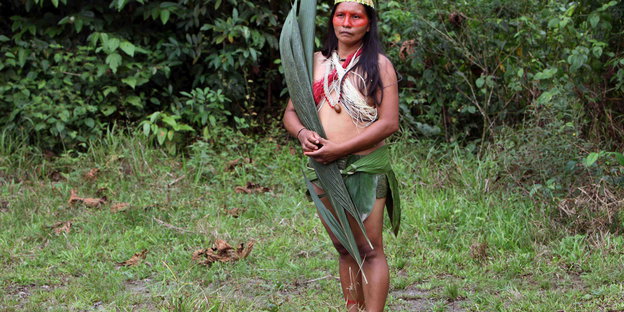
Ecuador Yasuni Biosphere Reserve

Precisely because large parts of the Amazonian landscape, especially on the Peruvian side, have been sacrificed to the oil industry, the ITT Yasuní initiative represents a reversal in current economic governance; that the world can do other things than destroy its most beautiful and valuable ecosystems.
But Ecuador is a poor country and still lives on oil today. To protect a natural park, Ecuador wanted to forego the exploitation of oil fields and be compensated for it by the international community. The money was missing – Germany was guilty!

The background of the story

The ITT initiative promised to leave the oil in the ground, thereby preventing more than 400m tonnes of carbon dioxide from going into the atmosphere, if half the $7.2bn value of the reserve could be raised by the international community by 2023.

2011 became known: The federal government of Germany blocked the funds for the Yasuní project, which was to protect a large rainforest area from oil drilling.

Non-governmental organizations and representatives of Ecuador at that time hoped for the mobilization of the public.

The Federal Goverment of Germany had welcomed the project in 2008 with the votes of all groups, but then came the change of government and with it Dirk Niebel (FDP = Liberal Party) as the head of the Development Ministry.

In the fall of 2010, Niebel wrote a letter that Yasuní will not support for reasons of principle, on the one hand, and because a number of questions remain unanswered, on the other hand. After public protests Niebel moved back a bit more from basic justifications, but the state was the same: there was no money for Yasuni!! The former Ecuador’s President Rafael Correa then announced the cooperation with Germany, and said the Yasuní initiative for failed.

Background of the dispute were cheeky statements by German government officials.
Ecuador’s President Rafael Correa scolded a television program about “third-rate officials” who have the “impudence” to “teach lessons” to the government in Quito !!
Correa said that it is easy to judge “with a well-filled belly” while there are countries in Latin America where poverty and misery still prevail.

“Do not fray, do not fetch anything from the ground, die of hunger, but as tourists we enjoy the jungle that you, the useful idiots, receive,” said the ex-president.

The ruling immediately suspends the possibility of selling the land to the community for oil exploration. It is also an important precedent for other rainforest communities in the southern Amazon region of Ecuador.

We are very happy and congratulate the brave fighters!!

https://netzfrauen.org/2019/04/28/waorani/

My comment: The ex- German Development Minister Dirk Niebel is known not only as a lobbyist of industry, but as a person with a strictly colonial view of the world. And not only that.
He belongs to a party known for its mean and corrupt behavior.

Correa himself had announced the initiative in 2007. “We want to protect biodiversity and the people living there,” Correa said in April 2013 during his visit to Germany. If the funding does not come from the world community, he has no choice but to promote oil.

“With deep sadness, but out of responsibility to our people and our history, I have to make one of the hardest decisions of my term,” Correa said afterwards. “The world has failed us.”

Seen in this way, one understands the decision of ex-president Rafael Correa at that time.

My best regards, Venus
Russia: Weary Polar Bear Seen Searching for Food 700 Kilometers from Home.

Weary Polar Bear Seen Searching for Food 700 Kilometers from Home

Russian federation

Weary Polar Bear Seen Searching for Food 700 Kilometers from Home

Posted by Carly Day | April 22, 2019

A lone polar bear has strayed far from home, appearing in the small Russian village of Tilichiki this month.

According to Greenpeace activist Vladimir Chuprov, the nearest polar bear population to the village is in Chukotka, around 700 kilometers away.

It is thought that the bear arrived in the area via a floating piece of ice and is unable to return without assistance.

Locals have been keeping a close eye on the bear, some feeding fish to the weak and exhausted animal, and many posting videos and photos on social media.

“The bear is about two years old,” Alina Ukolova told CNN. “It is not very used to living independently, they usually live with their mother until they’re about three. It is exhausted, not aggressive. Locals feed him fish, and he eats it. Today, it felt better and went hunting.”

Polar bear populations worldwide are extremely vulnerable to the rapid changes brought on by climate change. Dependent on their icy habits to hunt for seals and fish, the WWF estimate that global numbers will decline by 30 percent in the next 20 years.

While many populations are considered to be stable, the numbers in Russia are not; they are classified as rare or recovering.

“In the conditions when the very ice edge where (polar) bear hunts and survives is being lost due to climate change, the Arctic is getting warmer, hunting environment gets smaller and less convenient,” said Chuprov. “The ice is receding, and (polar) bears look for new ways to survive. And the easiest way is coming to people.”

Local officials are planning to help the bear — nicknamed Umka — return to his home, but need time to sort out the logistics of sedating and transporting the large animal.

In the meantime, Tilichiki residents will monitor their rare visitor, hoping he survives long enough to go back to his rapidly disappearing Arctic home.


Who gets the garbage?


China. MülljpgChina

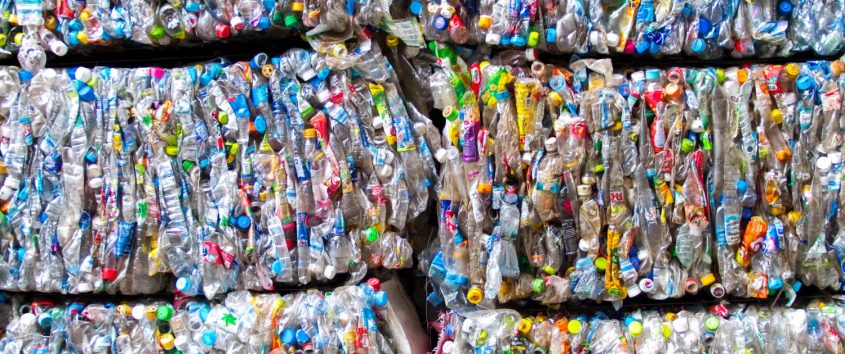
Did you know that plastic waste is carted around the world and sometimes back?
We have to say that more than 320 million tonnes of plastic waste are produced worldwide every year and only an estimated 9% are recycled.
About 80% land in landfills or are dumped in the oceans because they do not know where to go!

In the case of plastic garbage, the Europeans top the list.

garbage-2369821_1920

Nowhere in Europe does more per capita packaging waste accumulate than in Germany.
And so no one notices, they have simply brought the plastic waste to China. But Europe needs to find a new home for the nearly three million tons of plastic, as that amount has been exported to China.

China presented the world with a 111 million ton garbage problem.
But one has been looking for new customers and so the plastic waste ends up in Vietnam, Thailand and Malaysia.
In Vietnam, a part lands in the ocean, no one notices.
And the fish then eat the plastic and so the plastic waste comes back to Europe. Enjoy your meal!

China doesn’t want our garbage anymore – where to go now?

The Germans produce so much rubbish than any other European country.
Only about 42% of the plastic waste in Germany is recycled. Under the motto: “out of sight, out of mind” the plastic waste is exported to Asia.
But there is another problem here: China, Indonesia, the Philippines, Thailand and Vietnam are throwing more plastic into the oceans than the rest of the world, and this is exactly where EU plastic waste is exported.

OLYMPUS DIGITAL CAMERA

China was the world’s largest importer of plastic waste, including paper and textiles, but that’s over now. China’s ban affects mainly Europe and the US, they are the largest exporters that dumped their waste in China.

In 2015, according to China’s Ministry of the Environment, up to 47 million tons were imported. It is a continuing “war on pollution” in China.
It is also part of the country’s efforts to move up the supply chain and reduce its dependence on substandard industries, according to the Environment Minister.

Plastik-im-Meer-Kunststoffschrott-1500x630

With imports of 170.5 million tonnes (MMT) in 28 years, China was the leader with 72.4% of world imports. After China says no to plastic garbage, the world needs a new plan.

Malaysia, Vietnam, Turkey, India and Indonesia accounted for around 60% of the waste that was otherwise exported to China.

Vietnam is one of the five countries that throw plastic garbage into the ocean.

Plastik66

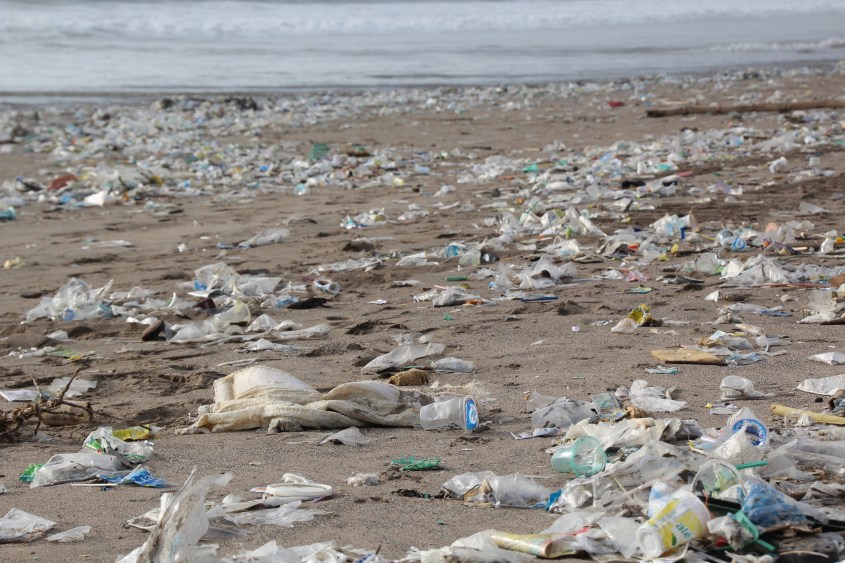
With lax laws and poor waste management infrastructure, plastic garbage ends up in the ocean. Meanwhile, there are almost more plastic than sand on the long beaches. The once quiet and clean beach of Da Loc in the Vietnamese province of Thanh Hoa, south of the capital Hanoi, has been suffocating for decades under the weight of plastic waste.

vietnam-plastic-craft-villages

Vietnam not only imports plastic waste, but also produces plastic waste. Vietnam ranks fourth in Asia, the other three Asian countries producing the most plastic waste are China, Indonesia and the Philippines.

The EU data show that Malaysia, Vietnam and India imported far more plastic waste from Europe at the beginning of 2018 than before.
Do you still eat fish from Asia? Now your appetite should have passed, because Vietnam is also the big exporter of fish to the EU.

https://netzfrauen.org/2019/01/30/plastic-8

My comment:  Our economic system is based on consumption and renewed consumption. The production of garbage (bought today – throw it away tomorrow) is system madness!  Waste production is only organized environmental crime!

Human being in itself is not worth living on this unique planet. It destroys it, unstoppable … Finally, this problem is solved by itself – the planet does not need us 🙂
Our species will only survive if it restricts its growth and reaches equilibrium, and especially if it takes intentions out of nonsensical waste concepts such as … “Nature knows no garbage, it recycles everything”!

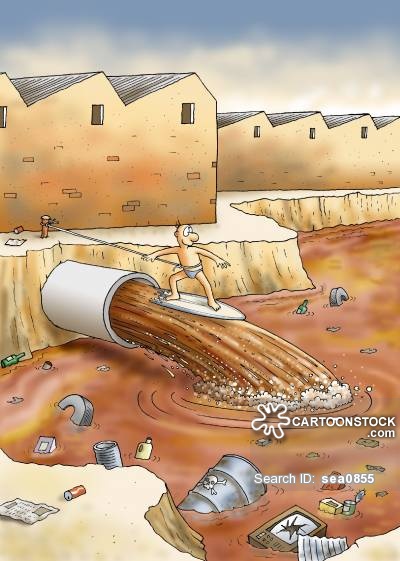
Surfing the Brown Water.

My best regards, Venus

April 25th – Today Is ‘World Penguin Day’ – But There Is Also Terrible News About Emperor Penguin Chicks.

Halley emperor penguins


April 25th

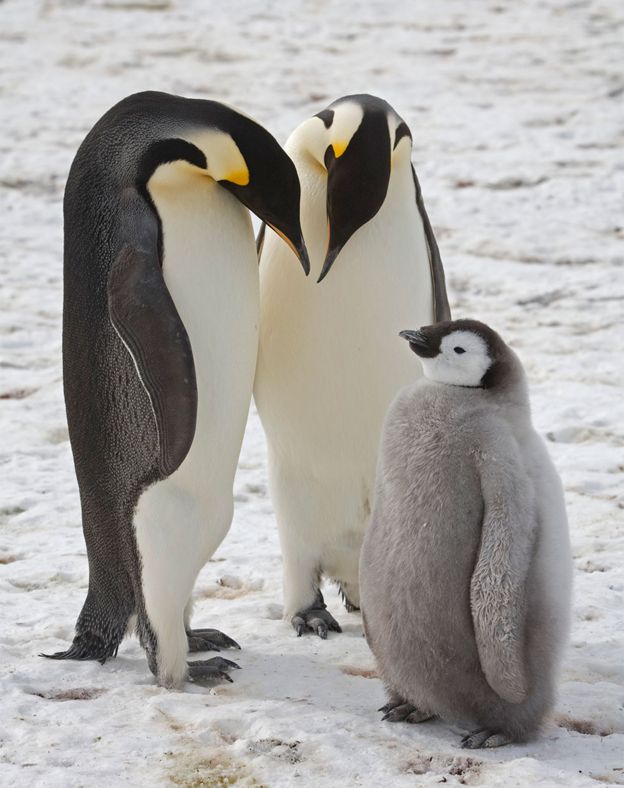
Observed the world over on April 25th, World Penguin Day recognizes one of the unique birds on the planet.

There are 17 species of penguins, and all their natural habitats are in the Southern hemisphere.

https://www.awarenessdays.com/awareness-days-calendar/world-penguin-day-2019/

Emperor chic and adults

On this particular day for the penguins; we are getting terrible news through from the BBC.

Antarctica: Thousands of emperor penguin chicks wiped out

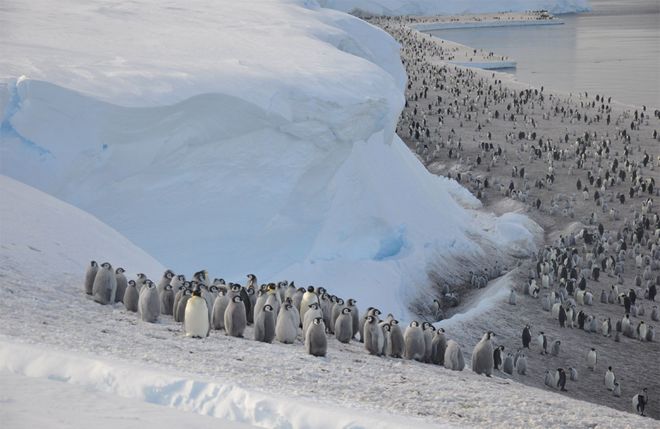
Thousands of emperor penguin chicks drowned when the sea-ice on which they were being raised was destroyed in severe weather.

The catastrophe occurred in 2016 in Antarctica’s Weddell Sea.

Scientists say the colony at the edge of the Brunt Ice Shelf has collapsed with adult birds showing no sign of trying to re-establish the population.

And it would probably be pointless for them to try as a giant iceberg is about to disrupt the site.

Read more and see more about this at the BBC link:

https://www.bbc.co.uk/news/science-environment-48041487

USA: Yellowstone is more valuable than gold

COURT AFFIRMS YELLOWSTONE MORE VALUABLE THAN GOLD, BLOCKS MINING EXPLORATION


USA-Flagge


Victory: Lucky Minerals’ exploration license ruled invalid, taking plans for exploratory drilling “off the table”! Judges block Trump’s plans to destroy planet Earth!
Livingston, MT —A Montana district court has quashed a permit that would have allowed Canadian mining company Lucky Minerals Inc. to explore for gold in Emigrant Gulch just north of Yellowstone National Park. The ruling blocks exploratory drilling that was slated to begin on July 15, 2019, and is a significant victory in the multi-year effort to protect Yellowstone National Park from new mines surrounding the national park.

ynp-yellowstone-entry-sign

The ruling invalidates Lucky Minerals’ exploration license, establishing that it would violate the public’s environmental and public participation rights under Montana’s Constitution to allow the illegal project to move forward. The ruling is the result of a lawsuit brought by Park County Environmental Council and the Greater Yellowstone Coalition, both represented by Earthjustice.

“This ruling ensures that Lucky Minerals can’t harm clean water and native wildlife at the gateway into Yellowstone National Park under cover of a license that was never legally issued in the first place,” said Jenny HarbineEarthjustice attorney. “Lucky Minerals should have read the writing on the wall a long time ago.”

yellowstone-river3

The same court previously ruled that the Montana Department of Environmental Quality illegally approved the drilling plan when it failed to consider the plan’s threats to water quality and wildlife. Despite these findings, Lucky Minerals was still permitted to conduct the exploratory drilling that would give rise to these threats before the agency could conduct a new review of the project. As the court explained, this left the public with “no meaningful chance to participate in the agency decision” before the harmful impacts of drilling could occur.

yellowstone national park

While Lucky Minerals was promoting its gold exploration plans for mining claims around Yellowstone, federal agencies and Congressional leaders went to work to protect the lands surrounding the national park. Then-Secretary of the Interior Ryan Zinke made adjacent public lands around Yellowstone off limits to mining with a 20-year mineral withdrawal on October 8, 2018. And on March 12, 2019, the President signed into law a bipartisan public lands bill making these protections permanent.

“Lucky Minerals should have learned by now that our community will not rest until our irreplaceable wild places are safe from industrial gold mining,” said Park County Environmental Council Executive Director Michelle Uberuaga.

“We will win because local residents, businesses, and elected officials are united to protect our natural resources and local economy against this threat.”

yellow park Summer-Activities-Resort-Naturalists

“The court’s ruling is a critical piece in protecting Yellowstone’s Gateway from the menace of gold mining,” said Greater Yellowstone Coalition Executive Director Caroline Byrd. “The Trump administration, the Obama administration, Congress, the Forest Service, the Park County Commission, thousands of citizens and more than 420 Montana businesses all agree, Yellowstone is more valuable than gold.”

earthjustice.org

My comment: The information is great, that gives us courage. Especially that the judiciary can do a lot if it does not allow itself to be intimidated by industry and corrupt politicians.
If you look at the ancient nature and the animals living in it, you get a real panic attack, it could all collapse, because multinational criminals with the support of corrupt, unscrupulous politicians want to earn their money out of this paradise.

And most of all: even a Donald Trump must realize that there are limits.

My best regards, Venus