
Category: Environmental

USA: Project Coyote Action Alert – Take Action and Speak Up for Wolves – NOW !

USA-Flagge

Proj coy action alert

Dear Mark,

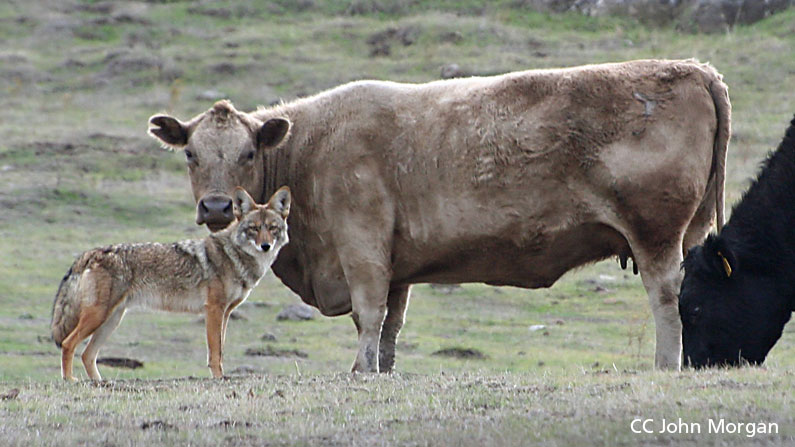
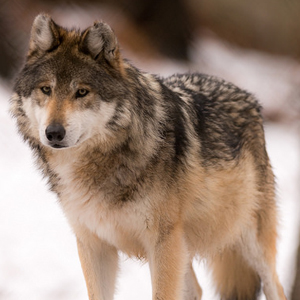
The U.S. Fish and Wildlife Service has issued a proposed rule to strip Endangered Species Act (ESA) protections for gray wolves in the lower 48 states – a premature decision unsupported by science that will further threaten an already imperiled species. Federal protections for gray wolves brought the species back from the brink of extinction following decades of persecution. This rash decision to delist wolves from the list of endangered and threatened wildlife would allow states to open killing seasons on wolves, permitting special interest trophy hunters and trappers to senselessly kill wolves before the species has made a full recovery. As demonstrated in Idaho where wolves have already been stripped of federal ESA protections, once delisting occurs the species is open to a variety of killing activities – including predator derbies, contests and tournaments where those who kill the most or largest wolves are awarded prizes. This is after the federal government spent millions of taxpayer dollars reintroducing wolves into Yellowstone National Park after their populations were decimated from unlimited killing!
proj coyote pic

We need your help to keep federal protections in place for wolves so these iconic and vital animals are able to recover and return to their historic range.

Please submit comments TODAY in opposition to the proposed rule to delist wolves.

The U.S. Fish and Wildlife Service is accepting comments on their proposed rule to remove wolves from the list of endangered and threatened wildlife.

You can submit your comments using two methods:

ELECTRONICALLY:

Click here to submit your comments electronically. If your comments fit into the comment box, this method is preferred.

For longer comments, please attach them in a Microsoft Word document.
wolf

HARD COPY:

Submit your comments by U.S. mail to:

Public Comments Processing, Attn: Docket No. FWS-HQ-ES-2018-0097
U.S. Fish & Wildlife Service Headquarters, MS: BPHC
5275 Leesburg Pike
Falls Church, VA 22041-3803
Wolves CBD

Talking Points

Your comments can simply state: “I am in opposition to the U.S. Fish & Wildlife Service’s proposed rule to remove Endangered Species Act protections for gray wolves in the lower 48 states. I urge you to reconsider this proposed rule and to instead develop a national wolf recovery plan for wolves that reflects their intrinsic value and the myriad ecological, aesthetic, and economic benefits the species provides to our communities and ecosystems.”

For maximum impact, however, we encourage you to personalize your comments. Here are some talking points you may consider incorporating:

  • Continuing Endangered Species Act protections for wolves is necessary for the species to fully recover. Federal protections saved gray wolves from extinction following decades of persecution – and the species is still recovering, currently occupying only a fraction of their historic range.
  • The proposed rule would transfer authority over wolves to state wildlife management agencies, which historically have shown little interest in preserving or restoring wolves. These state agencies have catered to special interest groups who seek to kill wolves for trophies or entertainment, or on the misguided belief that killing wolves protects livestock or increases deer and elk populations.
  • Wolves are vital to healthy ecosystems. Benefits wolves provide include increasing biodiversity by keeping large herbivores such as deer from overgrazing habitats and maintaining the health of prey animals such as deer by culling the sick members from the heard, including animals suffering from Chronic Wasting Disease.
  • The best available, peer-reviewed science demonstrates that killing wolves will not protect livestock or increase populations of game species like deer or elk. Wildlife management decisions should be based on ethics and sound science, not fear and misunderstandings.
  • The vast majority of Americans are wildlife watchers who prefer to view wolves in their natural habitat – preserved and treated with respect. Allowing wolves to return to their historic range and thrive will provide far more benefits to our economy than allowing a tiny minority of the population to extirpate these iconic animals from our landscape.

Learn more about wolves here.

Thank you for acting TODAY to protect wolves from extinction!


For Wild Nature,

Camilla Fox
Founder & Executive Director

Dave Parsons
Project Coyote
Science Advisory Board Member


Regards Mark.


3 Petitions – Please Support Thank You.

Here are a few petitions that we would like you to support please.

Just click on the links to read more and to sign.


Punish the man who tortures his puppy!

Punish the man who tortures his puppy!

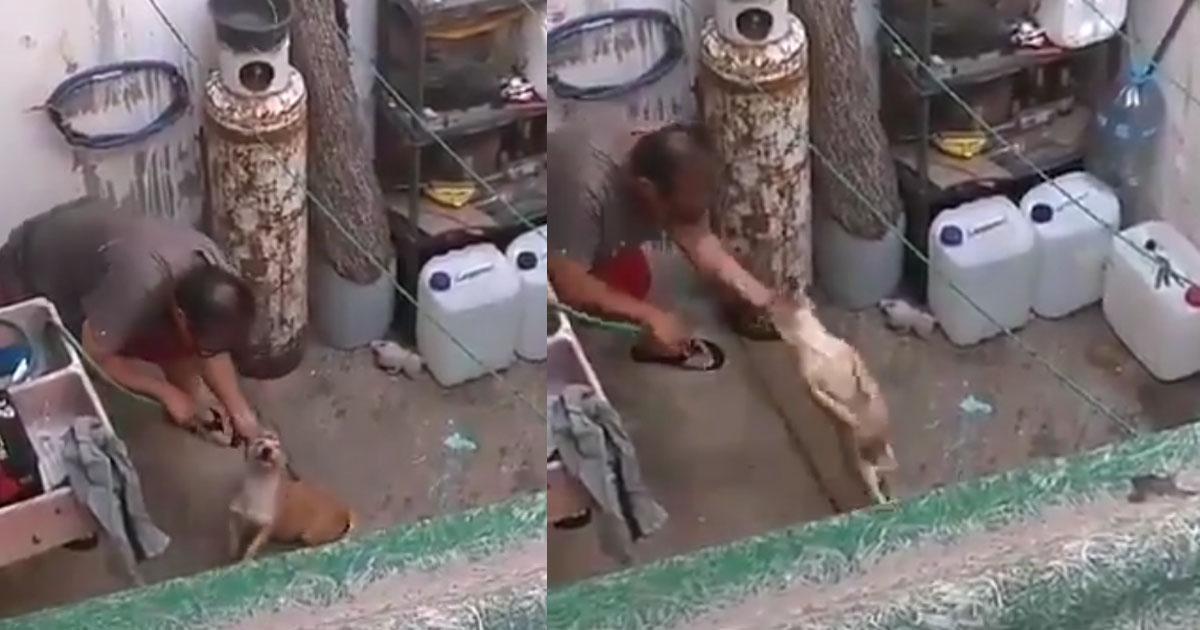
I want the authorities to intervene, both the Prosecutor’s Office and PROPAEM to have the dog removed from this subject and be judged for animal abuse. I saw this video of this man torturing a puppy in his house in Ixtapaluca, State of Mexico, and my blood flowed, how do we continue to allow these things without anyone doing anything?

The man wet the dog with a pressure washer of those who have the strength to remove the paint from a wall or the old dirt of a floor, imagine what it does to the poor puppy hitting him with water in the face. Immediate punishment! What are you waiting for?

petition keyboard

Petition link –

https://www.sosvox.org/en/petition/punish-the-man-who-tortures-his-puppy.html?utm_source=highlight&utm_medium=title&utm_campaign=campaign-p230319


Justice for Chihuahua Brutally Dismembered and Dumped in Trash


PETITION TARGET: Floyd County Police Chief Mark Wallace

In Lindale, Georgia, a chihuahua was dismembered, burned, and dumped in a trash can.

After mutilating and torturing the dog, the sick individual behind the cruel act wrapped the dead animal in a sheet and carelessly tossed the remains into the garbage outside of a car wash.

Floyd County Police Sergeant Chris Fincher described the disturbing state of the dog’s corpse: “The legs were removed and the body appeared to be cut in half.”

Some other body parts were missing, including portions of the dog’s head.

The horrific scene took an emotional toll on the police. “Police officers, we’re trained for certain things, but this sort of thing we’re really not trained for,” Fincher said.

Whoever committed this gruesome act is a threat to both animals and people and needs to be put behind bars.

Sign this petition urging the Floyd County Police Department to do everything in their power to identify this dangerous individual and bring them to justice.

Anyone with information about this crime is urged to call the Floyd County Police Department at (706) 235-7766.

petition keyboard

Petition link –

https://ladyfreethinker.org/sign-justice-for-chihuahua-brutally-dismembered-and-dumped-in-trash/?utm_source=Newsletter&utm_medium=Email


Call For Lolita and Other Orcas to Be Transferred to a Seaside Sanctuary

Despite overwhelming evidence that orcas suffer in captivity and that the tide of public opinion has turned against marine-mammal confinement, Parques Reunidos, the parent company of the Miami Seaquarium and Marineland Antibes in France, continues to confine intelligent, sensitive orcas to cramped concrete tanks.

Lolita was torn away from her family and natural habitat in Puget Sound decades ago, along with dozens of other orcas who were later sold to marine parks.

Nearly half a century later, she’s the last surviving orca of the 45 who were captured there, and she’s still imprisoned by the Miami Seaquarium. She has been alone since 1980, when her tank mate, Hugo, died after repeatedly ramming his head into a wall.

Across the ocean, four orcas – named Wikie, Inouk, Moana, and Keijo – are trapped at Marineland Antibes in France, where at least 12 orcas have died, including two in 2015. Four months after his mother, Freya, died, a 19-year-old orca named Valentin was killed during severe flooding, along with many other animals.

The parks are a showcase of neglect and abuse: orcas swim in repetitive patterns, vomit, chew on metal cage bars until they irreparably damage their teeth, and bang their heads against concrete walls.

Please help free Lolita, Wikie, Inouk, Moana, and Keijo – urge Parques Reunidos to retire them to a seaside sanctuary, where they could feel the ocean’s waves, hear the calls of wild orca pods, and finally have some semblance of a natural life.


petition keyboard

Petition link   –

https://secure.peta.org.uk/page/17987/action/1?utm_source=PETA%20UK::E-Mail&utm_medium=Alert&utm_campaign=0319::ent::PETA%20UK::E-Mail::Lolita%20AA::::aa%20em&ea.url.id=2316803

It’s your last chance to show your support for New Zealand dolphins … Sign the Petition Now !

NZ

Click on the sign to print, then take your photo and spread the word

It’s your last chance to show your support for New Zealand dolphins …

The smallest dolphins in the world are in big trouble – they need your help. We can save them if the New Zealand government bans certain fishing nets from the areas where the dolphins live. Our petition will close soon so please sign and share it if you haven’t already

When you go to our petition, you may notice something’s different – I’m very pleased *drum roll* to let you know that we have launched a new website. We hope we have made it much easier to find everything you ever wanted to know about whales, dolphins and porpoises and how your support is helping us keep them safe and free.

We’d love to know what you think of the new site. All comments – positive, negative or anywhere in-between – will be very gratefully received and will help us make your website the best experience that we can for you.

Go in and have a look around and then tell us what you think.

As always, thank you for being with us – without our supporters, we wouldn’t be here to fight for the whales and dolphins we all love.

Julia Pix, WDC.


Visit the new WDC Website at:

https://uk.whales.org/?utm_medium=email&utm_campaign=March%20ENL%20-%20NZ%20dolphin%20special%20new%20website%20sentience%20petition%20MSC%20fish&utm_content=March%20ENL%20-%20NZ%20dolphin%20special%20new%20website%20sentience%20petition%20MSC%20fish%20CID_54965d6fadf8335166c0fac79ae2af76&utm_source=Campaign%20Monitor%20WDC&utm_term=VISIT%20THE%20NEW%20SITE


UK: Selfridges (Stores) has said it will ban the sale of exotic animal skins such as alligator, crocodile and python.

UNKG0001

WAV Comment – Not perfect; but a start which can be worked on.


Selfridges bans sale of exotic skins.

https://www.bbc.co.uk/news/uk-47383219?intlink_from_url=https://www.bbc.co.uk/news/topics/cq23pdgvgxvt/animal-welfare&link_location=live-reporting-story

Crocodile handbag

Selfridges has said it will ban the sale of exotic animal skins such as alligator, crocodile and python.

From February 2020, the luxury London department store will only sell leather from agricultural livestock.

The Humane Society International said the move was the “natural next step for a responsible retailer” and would save “countless” crocodiles and snakes.

People for the Ethical Treatment of Animals (Peta) has urged rival stores, such as Harvey Nichols, to follow suit.

Yvonne Taylor, director of corporate projects at Peta, told BBC News: “Hats off to Selfridges – which had already banned fur, angora, and foie gras after persuasive talks with Peta – for now ending the sale of wild animals’ ‘exotic’ skins.”

The industry is not only “heartless”, but “extremely wasteful”, Peta claims, saying it can take the skins of four crocodiles to make a single bag.

The BBC understands that the ban will mainly affect sales of very high end, expensive accessories, particularly shoes and handbags.

The move follows an announcement from designer Victoria Beckham that she would stop using exotic skins in her designs from her autumn/winter 2019 collection onwards.

Beckham joins Vivienne Westwood, Diane von Furstenberg and Chanel in the ban – alongside high street brands such as Topshop, H&M and Adidas.

In December, Chanel became the first luxury fashion house in the world to stop using exotic animal skins.

The company’s head of fashion, Bruno Pavlovksy, said it had become harder to source such skins ethically.

Meanwhile, British designer Stella McCartney’s “vegetarian brand” has never used leather, skin, fur or feathers.

The brand uses leather alternatives such as recycled polyester instead of Brazilian calf leather – which it claims has a high environmental impact.

Selfridges, which banned the sale of fur in 2005, said banning exotic skins was part of a “long-standing commitment to place ethics and sustainability at the heart of commercial decisions”.

Selfridges’ buying director Sebastian Manes said the brand was fixed on being at “the very forefront of future thinking retail”.

He added: “For us, that’s a future where luxury is defined by craftsmanship and material innovation.”

In 2015, the store removed single-use plastic water bottles from sale and made its signature yellow paper bags from recycled coffee cups.

Since the beginning of this year, all clothes bags have been made with used plastic bottles.


In the charity sector, the British Heart Foundation will not accept real fur or fur-trimmed items, or anything made from ivory.

Oxfam told the BBC it does not sell products made from crocodile or alligator skin, angora wool or fur.

It also checks legal regulations for items made of snakeskin, tortoiseshell and coral, and will only sell ivory if it can be proven that the product was made before 1947.

Peta’s Ms Tayor said conscientious and informed consumers “absolutely reject the exotic skins trade, which invariably torments and kills crocodiles, snakes, lizards, and other sentient, beautiful animals in appalling ways for fashion”.

She added: “Peta urges other department stores, like Harvey Nichols, and brands such as Louis Vuitton to follow Selfridges’ business-savvy example.”

A spokesperson for Harvey Nichols told the BBC: “Harvey Nichols requires any brand that uses fur or exotic skins to adhere to the Animal Sourcing Principles as set out by the Responsible Luxury Initiative (ReLi)”.

The ReLi claims to have set “high level principles” for the sourcing of leather, fur and exotic skins, but Peta maintains that there are “few laws” to protect reptiles from abuse.

According to Peta the illegal trade in exotic skins is “rampant” – with an estimated US $1bn worth of python skins imported into Europe illegally each year.

The group also claims that many of the millions of reptiles whose skins are exported from Southeast Asia each year belong to endangered species, whose numbers in the wild are “drastically dwindling”.

Department store John Lewis told the BBC that it does not sell any products with exotic animal skins.

.

USA: Trump Doing His Usual; Money Talks and Sod the Rest – Opening Up the (Alaska) Arctic Refuge for Oil and Gas Drilling.

USA-Flagge

Trump alaska wildlife refuse

Mark,

Imagine the deafening sound of dozens of 90,000-pound “thumper” trucks shooting violent tremors through the ground.

Now, imagine them barreling over the dens of mother polar bears and straight through the birthing grounds of wild Porcupine caribou.

This will be the terrible fate of Alaska’s serene Arctic National Wildlife Refuge, one of the very last unspoiled wild places left on our planet, if we allow President Trump and Acting Interior Secretary David Bernhardt to throw open this sanctuary to oil and gas drilling.

NRDC is mounting a powerful counteroffensive using all of the tools at our disposal — and step one is raising a public outcry so loud that we can’t be ignored.


ACTION – 

Add your voice now: Tell President Trump and Acting Interior Secretary David Bernhardt that the Arctic Refuge is NOT for sale.

The Arctic National Wildlife Refuge is home to polar bears, caribou, wolves, and migratory birds from all 50 states, and vital to the culture and survival of the native Gwich’in people, who have depended on this land for thousands of years.

And with temperatures in the Arctic rising at twice the rate of the rest of the planet, the Refuge’s fragile habitat is ground zero for global warming.

But even with so much at stake, industry allies in Congress voted for the first time ever to open up the Arctic Refuge for oil and gas drilling — and the Trump administration is now fast-tracking plans to auction off the land to the highest bidder.

Lobbyist 1

The Interior Department could slow or reconsider these plans, but Acting Administrator David Bernhardt — a former oil lobbyist — has made his priorities clear: Drive up profits for his fossil fuel allies, even if it means destroying the Arctic Refuge forever.

The Senate will soon vote on Bernhardt’s nomination to become the official Interior Secretary. And if confirmed — which is likely — his and President Trump’s attacks on wild places like the Arctic Refuge will continue unabated.

And if the Trump administration isn’t stopped, lease sales for drilling in the Refuge’s pristine coastal plain could begin this year, resulting in an industrial wasteland of rigs, roads, pipelines, and toxic waste pits.

We must make our voices heard. Demand that President Trump and Acting Interior Secretary David Bernhardt stop their destructive plans to sell off the Arctic Refuge.

Trump alaska wildlife refuse

Protect the Arctic Refuge

Mark, this is the fight of our lifetimes — once the Arctic Refuge is handed over to Big Oil, there’s no turning back. With your support, we’re fighting on multiple fronts: Mobilizing massive public opposition, arming the national media with the facts, battling in Washington, and getting ready for court.

This land cannot defend itself. Mark, the reason the Arctic Refuge still exists as a protected wildlife sanctuary is because NRDC, our allies, and supporters like you have raised our voices together and fought for decades to keep it that way.

This is the closest Big Oil has ever gotten to invading the Arctic Refuge — and we need as many people as possible to stand strong and speak out in its defense.

trump liberty pissed off

It’s now or never: Tell Trump and Bernhardt that you strongly oppose destroying the Arctic National Wildlife Refuge.

We need you standing with us.

Sincerely,

Rhea Suh
President, NRDC

Apes – Our Intelligent, Endangered, Relative.

https://animalpetitions.org/educational-series-apes-our-intelligent-endangered-relative/

palmoilorand death

They’re our closest living relatives of the animal world, some sharing almost 99% of our DNA. They are far more intelligent than scientists once realized, with elaborate social structures and family networks. They make sophisticated use of tools. And they are among the most endangered mammals on the planet. These are the apes, a group of animals about whom we still have much to learn despite decades of scientific research.

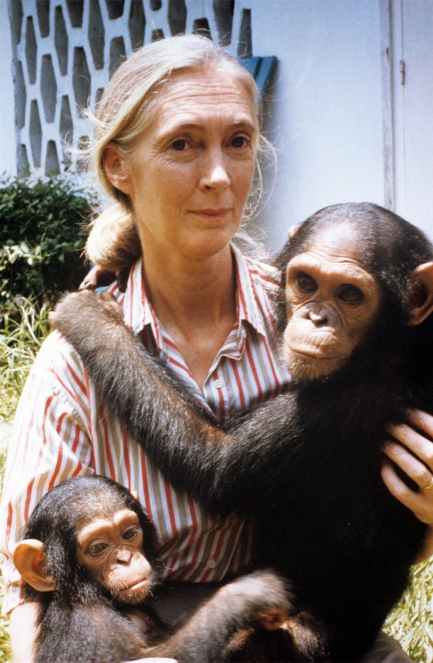
The ape most famous for close genetic ties to humans is the chimpanzee, one of the “great apes.” Chimpanzees live only in tropical forests of Central Africa, the continent where modern humans first evolved some 100,000 years ago. Despite this long history of chimps and humans living in close proximity, the scientific community knew little about their behavior in the wild until the 1960s, when primatologist Jane Goodall began studying chimps at Gombe Stream in Tanzania. By carefully and patiently observing them in their natural habitat, Goodall became the first scientist to witness chimpanzees making tools, hunting and eating meat, and displaying complex social behaviors, among many other discoveries.

Today we know chimpanzees live in loosely connected social groups of as many as a few hundred individuals, divided into more closely knit subgroups. Mother chimps spend years caring for their offspring and family ties can remain important even once chimps reach maturity. Chimpanzees use a wide array of vocalizations and facial expressions to communicate. Scientists have even observed cultural differences between chimpanzees over different parts of their range, with groups in some areas practicing behaviours that are never seen in other chimpanzee communities.

lab3

It is now widely known among even the general public that chimpanzees share almost 99% of humans’ DNA. However, in the last few years evidence has emerged that another ape species may be as or even more closely related to us. This is the bonobo, formerly known as the “pygmy chimpanzee.” Genetic studies suggest it’s a toss-up whether chimpanzees or bonobos actually deserve the title of closest living human relative. But studies of human, chimpanzee, and bonobo muscular systems show bonobos appear to be more physically similar to us.

Whereas as chimpanzee societies are male-dominated, bonobos are matriarchal. They are also known for being less prone to social conflict than chimpanzees, and for using sex to maintain social bonds. Bonobos eat mainly fruit, other vegetation, and insects, and unlike chimpanzees they hunt meat only occasionally. From a conservation standpoint, another important fact about bonobos is they are restricted to only a single country: the Democratic Republic of the Congo.

jane-goodall-work


Only slightly less closely related to us than chimpanzees and bonobos are gorillas. There are actually two species, the eastern and western gorillas. Eastern gorillas are divided into two subspecies: the eastern lowland gorilla and mountain gorilla. The western species is likewise divided into the western lowland and Cross River gorillas. Like other African great apes gorillas are social, but their networks are smaller than those of chimpanzees. Gorillas travel in groups related by family ties, consisting of as few as five or as many fifty individuals. Groups are dominated by an older male known as the silverback.

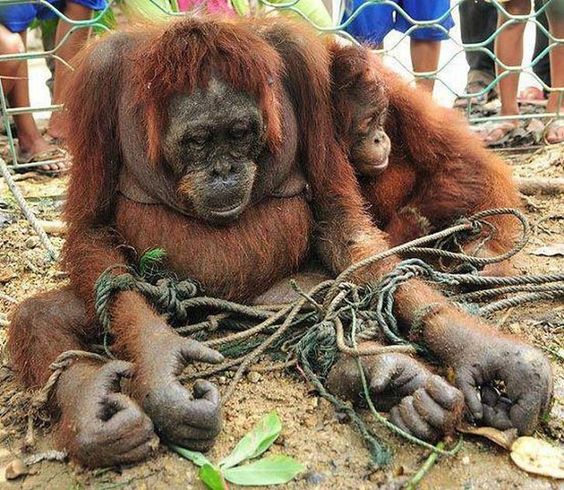
The only great apes found outside of Africa are orangutans. They differ from African great apes in several important respects, including their habits. While gorillas, chimpanzees, and bonobos are all social, orangutans are solitary with adults normally coming together only to mate. They are also the only great apes to spend most of their time in the trees. This makes orangutans the largest truly arboreal, or tree-dwelling animals in the world.

Orangutans are found only on the Southeast Asian islands of Borneo and Sumatra, and for many years scientists recognized two species, each confined to one of the islands. However, in 2017 a third species was announced. Known as the Tapanuli orangutan, this species lives in northern Sumatra and was previously thought to be simply a population of the Sumatran orangutan. Tapanuli orangutans are the most recently-described great ape species–and with only 800 individuals are also the most endangered.

More than a dozen additional ape species live in the tropical forests of Southeast Asia. These are the gibbons, or “lesser apes.” They get this name not because they are somehow less important than great apes, but simply because they are much smaller. Like orangutans, gibbons are mainly arboreal. They are famed for swinging hand-over-hand through the tree branches at speeds of up to 35 miles per hour,

Sadly, all or most apes are at risk of extinction due to factors like deforestation and hunting for the meat and pet trades. Although Tapanuli orangutans have the smallest population of any great ape, all the others are classified as endangered or critically endangered. In Africa threats like logging, poaching, and armed human conflict threaten great apes. Gorillas have also been seriously affected by the spread of the Ebola virus, which is deadly to them just as it is to humans. While the outlook for Africa’s great apes is grim, there are rays of hope. For example, thanks to conservation efforts mountain gorillas has seen a modest population increase recently.

In Borneo and Sumatra the single largest threat to orangutans–and gibbons found on the islands–is the conversion of rainforests into palm oil plantations. Used both as biofuel and an ingredient in everything from peanut butter to shampoo, palm oil production has skyrocketed as demand for these products increases worldwide. Limiting this industry’s expansion represents the best hope for Borneo and Sumatra’s apes. Fortunately, consumer-driven campaigns led by groups like Greenpeace and the Rainforest Action Network have had success pressuring some U.S. food companies–including Kellogg’s, Mars, and General Mills–to adopt policies limiting their use of palm oil that is not sustainably grown. More public pressure is needed to persuade additional companies to cut ties with palm oil deforestation.

Most people know iconic great apes like the mountain gorilla are endangered. However, the apes at greatest risk of imminent extinction are gibbons. With only about two dozen individuals in existence, the Hainan crested gibbon has the smallest population of any primate species. They live only in a single forest on the island of Hainan in the South-China Sea and have lost 99% of their habitat. Only slightly better off is the world’s second-rarest primate, the Cao-Vit gibbon. Only 100 members of this species survive in a forest in Northeast Vietnam. Though not quite as rare as these two, most other gibbon species are also at severe risk. Habitat loss is the most serious threat, but gibbons are also hunted for meat, with babies sometimes being sold into a life of captivity in the pet trade.

If our ape relatives survive into the latter part of the twenty-first century, it will be because of the caring actions of people all over the world. Whether by writing to major food brands and encouraging them to adopt sustainable palm oil policies, or supporting conservation groups working to protect great apes and gibbons from poaching and habitat loss, you can take action wherever you live. If you travel to Central Africa or Southeast Asia, consider patronizing eco-tourist organizations that help local communities profit from conservation.

With their intelligence, complex societies, and human-like expressions, apes are a reminder that humans are not as separated from our animal ancestry as we sometimes like to think.

By saving these remarkable primates from extinction, we are also preserving links to our own rich evolutionary heritage.


Regards Mark.

Who has a spider in his home, should be lucky!


save spider daypng

The fear of spiders is quite common. Most people disgust themselves and grab a vacuum cleaner or paper towel when they find one in their home. They must be killed immediately or disposed of, so that one can feel well again. And even those who are not afraid of the eight-legged, they do not want to have them in the house. Because cobwebs always look like a messy and not clean home.


The 14th of March is National “Save a Spider” Day, a day when arachnids everywhere relax and let their spinnerets down!! While spiders can be terrifying to some, they actually provide incredible services to humans and our ecosystem.
Spiders survive on insects like fleas, flies, and mosquitoes annually up to two kilograms of insects.

spinnen-nutzen-tMost people are afraid of the creepy-crawlies and kill the beast because they do not know how to help each other better. But one thing you should definitely know: The so threatening acting spider does not want you any harm. She is more afraid of you than you are of her and she is not poisonous at all.

  • Fans of Spyder roadsters, did you know that spiders extend their limbs using hydraulic pressure?
  • Spiders eat a lot of the insects whom people aren’t always so fond of, such as mosquitoes, flies, ants, and aphids.
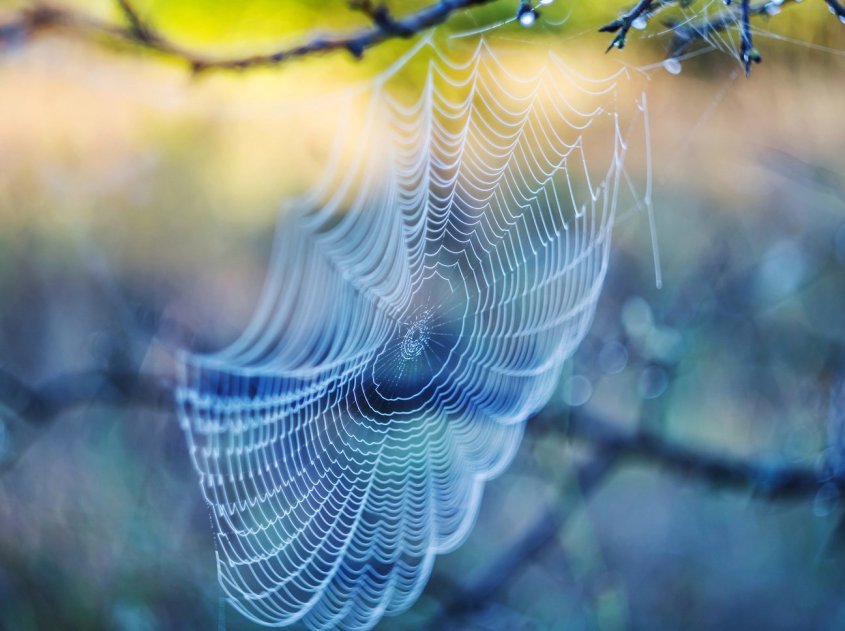
  • Spider webs are similar in strength to nylon, but they’re much more elastic and less prone to breaking or losing their shape.
  • Spiders were used in some ancient artwork to symbolize patience.
  • One species of spider is actually vegetarian. (Spiders for the Ethical Treatment of Animals?)


If you really can not stand this spider at home, in your garage, or wherever, try to catch it and bring it out instead of killing it. She will be looking for a new place and both parties will be pleased with this outcome. We should better learn to live with these roommates rather than kill them, because in the end they are well-disposed to us … at least most of them!

And don`t forget:  spiders are usually harmless!
We are a much bigger danger to them than they are to us.

My best regards, Venus

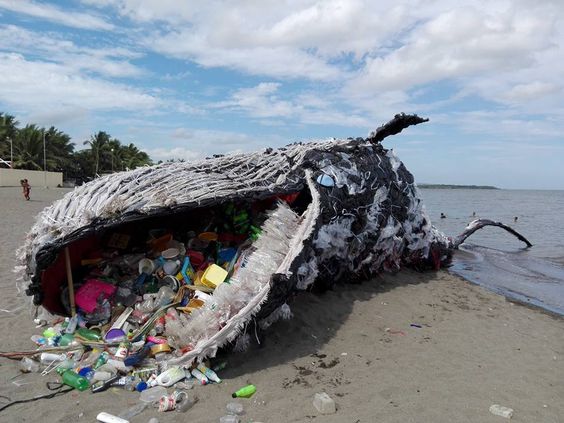
Dead Philippines whale had 40kg of plastic in stomach.

Phil


https://www.bbc.co.uk/news/world-asia-47608949


Dead Philippines whale had 40kg of plastic in stomach

A dead whale that washed up in the Philippines had 40kg (88lbs) of plastic bags inside its stomach, researchers have said.

Workers at D’Bone Collector Museum recovered the Cuvier’s beaked whale east of Davao City earlier in March.

In a Facebook post, the museum said the animal was filled with “the most plastic we have ever seen in a whale”.

There were 16 rice sacks in its stomach, as well as “multiple shopping bags”.

The museum will post a full list of the items found in the whale over the next few days.

plastic planet

“I was not prepared for the amount of plastic,” the museum’s founder and president, Darrell Blatchley, told broadcaster CNN. “It was so big, the plastic was beginning calcification.”

The use of throwaway plastic is a particular problem in some South East Asian countries, including the Philippines.

Five Asian nations – China, Indonesia, the Philippines, Vietnam and Thailand – accounted for up to 60% of the plastic waste that ends up in oceans, according to a 2015 report by environmental campaigner Ocean Conservancy and the McKinsey Center for Business and Environment.

In June last year, a pilot whale died in Thailand after swallowing 80 plastic bags.

Its death came shortly after a report for the UK government revealed the level of plastic in the ocean could triple in a decade unless steps are taken to curb litter.


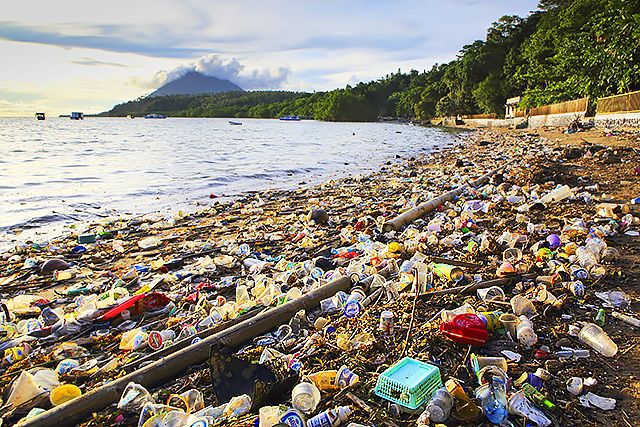
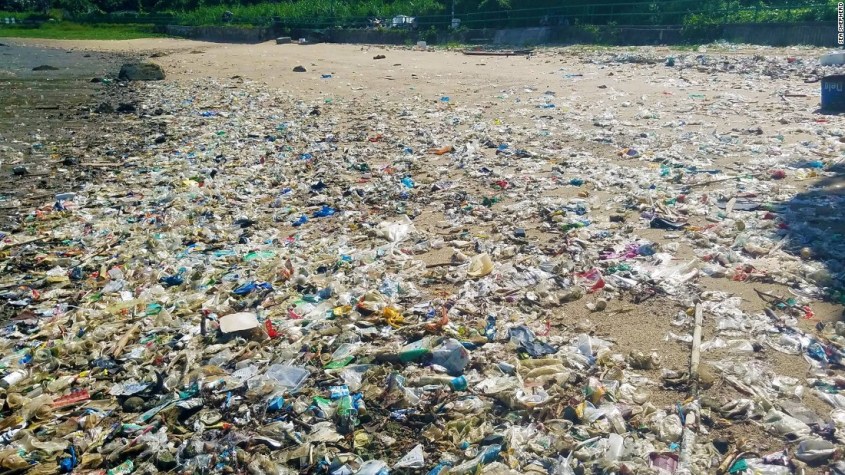
The following pictures are NOT associated with this article – including the Whale – WAV.

plastic beach 2

plastic whale trash

plastic beach 3

UK: The Campaign To Ban Trophy Hunting. Read More; See More; Learn More …..

UNKG0001


The campaign to ban trophy hunting.

https://bantrophyhunting.org/supporters/

https://bantrophyhunting.org/2018/07/26/the-journey-begins/

https://bantrophyhunting.org/gallery/


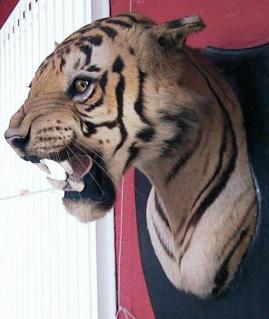
It’s time to END trophy hunting.

Killing animals for pleasure is cruel, unnecessary, and has no place in a civilised society.

Humans have no right to take the life of an animal for recreation. Animals experience suffering and pain when they are hunted for trophies. Killing endangered wildlife for pleasure only helps push them even further towards extinction.


do something

The Campaign to Ban Trophy Hunting calls for:

  1. Governments to ban trophy hunting and the import and export of hunting trophies
  2. Effective enforcement of existing national and international laws against trophy hunting, with tough penalties for offenders
  3. An immediate halt to the trade in trophies of vulnerable, threatened or endangered species
  4. Trophy hunting exemptions to be removed from existing international conservation agreements
  5. Negotiations to commence on a comprehensive global agreement banning trophy hunting

trophy 1

trpohy hunter 1