Compassion In World Farming (CIWF) London, has launched a new programme designed to help build the grassroots movement for farm animal welfare in Japan, Indonesia and South Korea.
The programme offers grants to individuals and organisations already working within farm animal welfare advocacy, climate change or environmental protection; or looking to take their first steps into improving farm animal welfare in their region.
SNAIL SLURRY CREAM – A COSMETIC PRODUCT MERCELESS EXPLOITATION! 💔🐌
In recent years, starting established from South Korea an animal product from the cosmetics industry – snail slime cream.
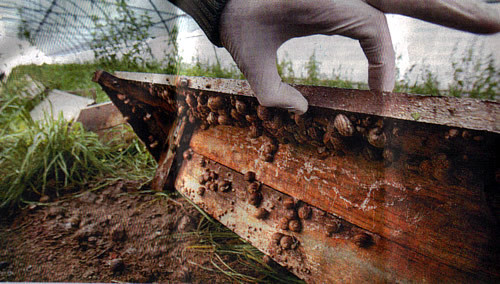
Very few consumers are aware of the horror behind this alleged “rejuvenating agent”, but it is ubiquitous on snail farms.
Like all living things in factory farming, the little animals are exploited and mistreated here.
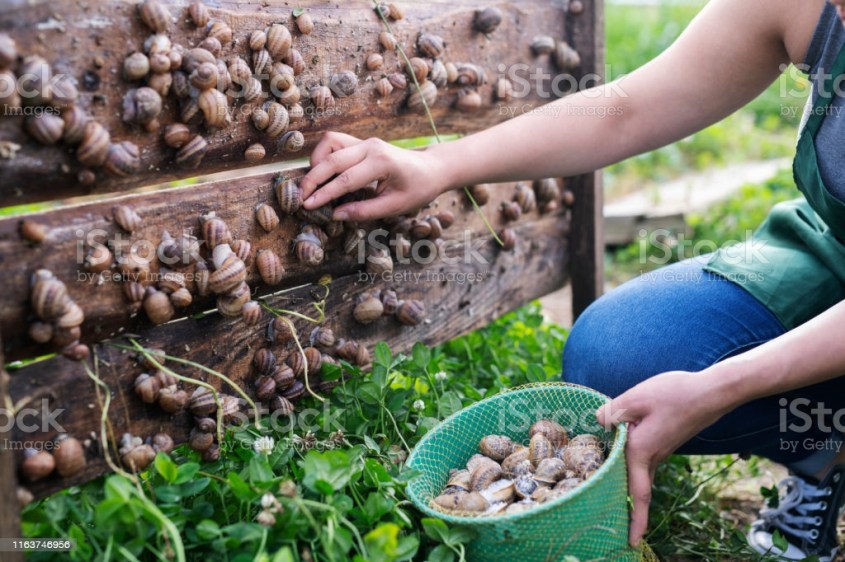
Unrecognizable woman picking snails in farm.
The slime of the snails is needed to make this cream.
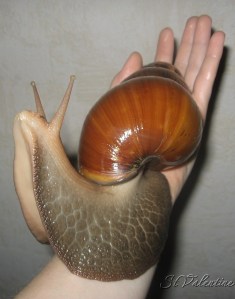
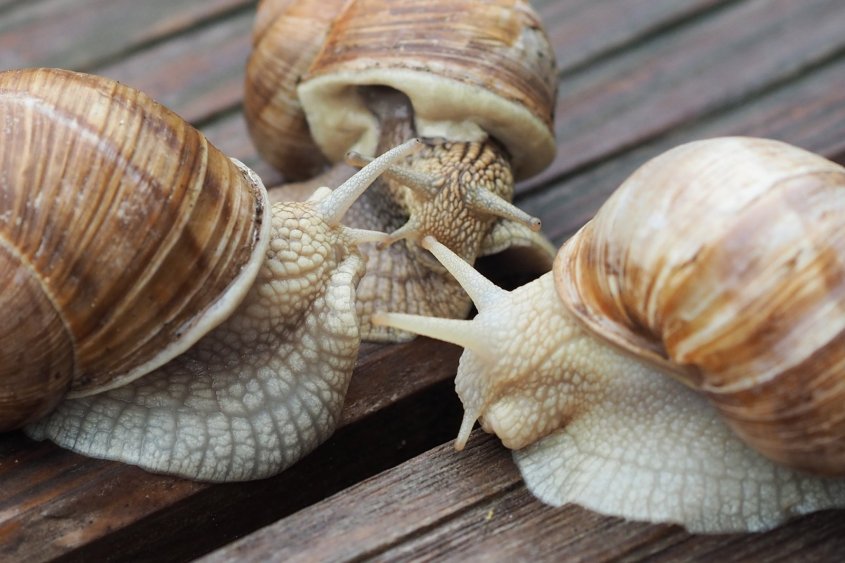
As the name suggests, snail slime is produced by snails.
The small animals generate it to protect against injuries, dehydration and for locomotion.
This secretion makes even razor-sharp razor blades an obstacle that is easy to overcome.
The production of this liquid is extremely strenuous for the animals and always associated with stress.
If the stress increases, the amount of secreted mucus also increases. And this is exactly where the factory farming industry comes into play on snail farms.
For this animal product, snails are kept anything but appropriate to the species in small cages.
In order to be able to harvest as much secretion as possible, the animals are put under artificial stress and pain using various methods, and all of them are cruel and ethically absolutely reprehensible.
So that the mucus settles outwards, the poor little creatures are centrifuged.
Damage is done to them to increase stress.
This happens through chemicals, salt, dehydration with salt water, acids, cold water, knocks with sticks or electric shocks, among other things.
All of this is officially not considered animal cruelty globally, as it is claimed that animals are not harmed and do not die in the process.
This abuse is also not covered by the Animal Welfare Act, since snails are invertebrates and, in an incomprehensible manner, are said to be completely insensitive to pain.
But even though they only have a simple nervous system and a tiny brain, they are still able to feel pain.
They are breathing creatures and therefore not the plaything of humans.
There is no conclusive research result anywhere in the world about the allegedly rejuvenating and healing properties of this cream.
We condemn this kind of cruelty to animals against sensitive living beings in the strongest possible terms.
It is absolutely immoral for the mass production of a questionable anti-aging product to harm wonderful living beings and to deny their ability to experience pain.
We also appeal to all consumers not to participate in this disgusting system of exploitation, because, as is so often the case, it is up to the end consumer to alleviate the suffering of the animals.
Please do not buy any products that contain snail slime, because after all, anyone with common sense should understand that the life and the integrity of breathing creatures weigh more than the illusion of beauty.
The best thing to do is to look out for items that are completely cruelty-free.
AND ALSO APPLIES TO SNAILS: EVEN IN THE SMALLEST BODY, A HEART BEATS !!! 💖🐌
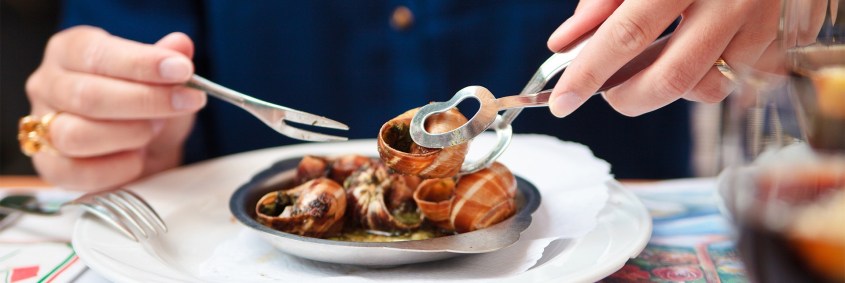
And I mean…There has always been a public interest in snails, but not because of the snail cream, but because many meat eaters are interested in eating bred snails (i.e. several million snails are bred and killed each year)!
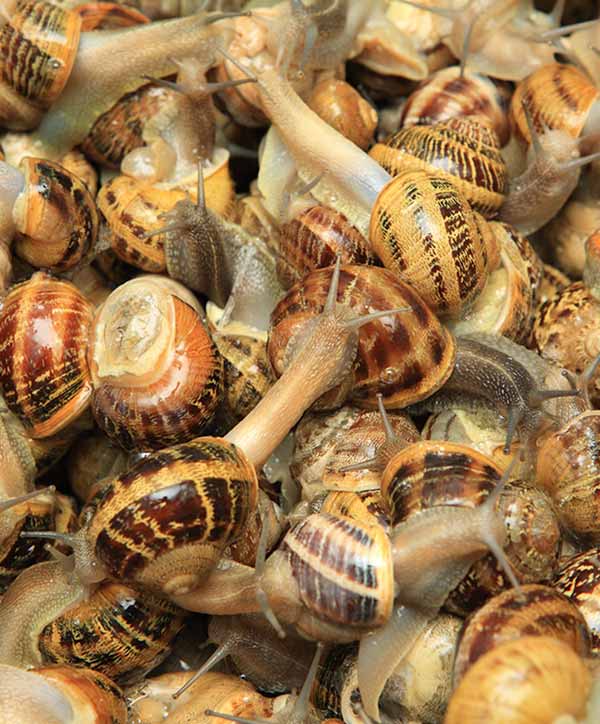
A well-known snail farm in Vienna alone, for example, breeds 200,000 Roman snails on 2000 m², that’s 100 snails on a single (!) Square meter.
Since ancient times, escargots have been regarded as a delicacy. They are particularly valued in France, Spain, Italy and Portugal in local kitchens.
There are people who say that snails don’t suffer. There are people who say the opposite.
But the answer today is simple: we don’t know.
Or rather: we don’t know yet.
The situation is somewhat reminiscent of the problem with fish not so long ago.
After all, it has long been thought that fish cannot feel pain and have no feelings.
It was only thanks to dedicated advocates for Pisces that we now all know that this is not the case. Today we can safely say that Pisces feel pain.
It is quite likely that snails will feel pain too, and just as likely that science will find it out in the near future.
But even if we don’t know for sure, it is better to harm someone in the vague hope that they will not suffer anyway, or it is better not to harm someone if there is a possibility that it will harm them or suffers?
So if we don’t know whether someone is capable of suffering, it is better not to hurt them
A PETA undercover investigation into Moulton Chinchilla Ranch (MCR)—a massive breeding mill near Chatfield, Minnesota, that kept approximately 1,000 chinchillas confined to wire-floored cages in a shed reeking of ammonia—found that these sensitive exotic animals were denied not only everything natural and important to them but also the basic necessities of life, including effective veterinary care for chronic infections and severe, life-threatening injuries that caused them to suffer and even die.
Based on PETA’s evidence, law-enforcement officials executed a search warrant at MCR and opened a criminal investigation.
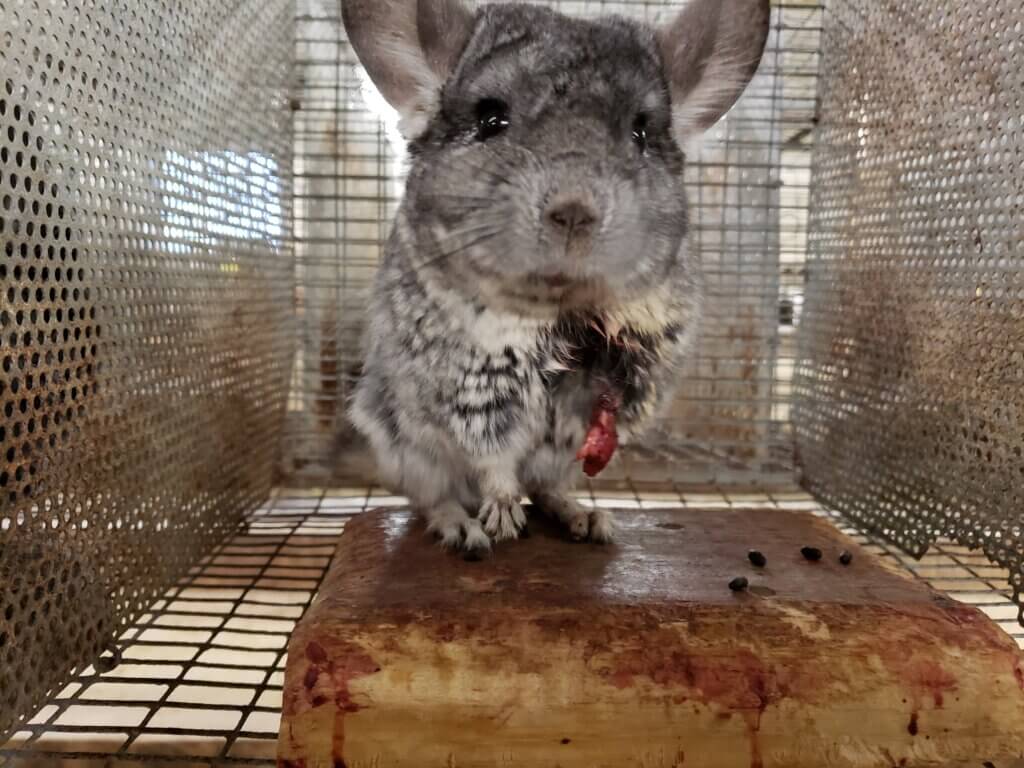
Charlene was denied veterinary care for this excruciatingly painful foot injury, which left a bloody stump with bones exposed. PETA’s investigator rescued her. She was rushed for emergency veterinary care, underwent surgery, and continues to heal.
Chinchillas are active, inquisitive animals who love to run, jump, and climb—activities that are extremely important to their physical and psychological health—but at MCR, they were kept constantly confined to small, barren, rusty wire-floored cages. They had nowhere to burrow or hide, which to these nocturnal prey animals was extremely stressful and terrifying.
There were piles of feces just outside the shed, and some even flowed back inside through a door. Many of these social animals—who naturally live in herds of up to 100, high up in the Andes Mountains—were kept all alone in solitary cages. Others were crammed together in cages so tightly that they could barely move. Some only had a block of wood to sit or gnaw on. There were no toys, bedding, or environmental enrichment.
Deprived of everything meaningful to them, the chinchillas in these highly stressful, inhumane conditions mutilated themselves and their cagemates, which is a sign of severe distress. One young animal’s ears were nearly chewed off.
Others, including one named Casper by PETA’s investigator, suffered from severe fur loss. Metal collars prevented the female chinchillas from escaping from the males, who were allowed to impregnate them over and over so that their babies could be sold to laboratories and into the pet trade. One baby chinchilla was found dead.
We are not getting mush through about Yulin this year – but here are a few links we have found mainly from the Press sources – Warning GRAPHIC videos and images.
Dec 2020 Update: The New York Times published a story featuring our investigation, asking “Is Dairy Farming Cruel to Cows?” Our answer: Unequivocally, yes. “Some farms might be less cruel than others, but there is no such thing as cruelty-free milk.” – Erica Meier, President of Animal Outlook
VICTORY: Shortly after we released our hard-hitting footage inside Dick Van Dam Dairy, Dairy Farmers of America dropped this facility as a supplier. While this is a big step in the right direction, we’re not letting DFA off that easily. Join us in urging the dairy giant to shift 20% of its supply chain to plant-based alternatives.
After a two-year career working undercover inside several factory farms, Animal Outlook investigator Erin Wing now reveals her identity, stepping out of the shadows to shine a light on the stomach-churning horrors she witnessed at her most recent — and last — investigation at Dick Van Dam Dairy, a factory farm in Southern California.
Investigations
Dairy: Dead On Arrival
Animal Outlook investigator reveals her identity and exposes the truth behind the closed doors of the dairy industry.
Dec 2020 Update: The New York Times published a story featuring our investigation, asking “Is Dairy Farming Cruel to Cows?” Our answer: Unequivocally, yes. “Some farms might be less cruel than others, but there is no such thing as cruelty-free milk.” – Erica Meier, President of Animal Outlook
VICTORY: Shortly after we released our hard-hitting footage inside Dick Van Dam Dairy, Dairy Farmers of America dropped this facility as a supplier. While this is a big step in the right direction, we’re not letting DFA off that easily. Join us in urging the dairy giant to shift 20% of its supply chain to plant-based alternatives.
After a two-year career working undercover inside several factory farms, Animal Outlook investigator Erin Wing now reveals her identity, stepping out of the shadows to shine a light on the stomach-churning horrors she witnessed at her most recent — and last — investigation at Dick Van Dam Dairy, a factory farm in Southern California.
What Erin witnessed was one of many dairy farms in its death throes with innocent cows caught in the middle of a battle between a world progressing and an industry fighting tooth and nail to keep us entrenched in the past.
This shocking footage underscores the urgency to end this inherently cruel industry once and for all. It’s time for consumers to ditch dairy, and for companies like Dean Foods to pivot to vegan products.
Animal Outlook’s undercover footage revealed:
• Cows so sick or injured they are unable to walk subjected to extremely cruel treatment by workers who sprayed them in the face with high powered water hoses; kicked, jabbed and shocked them; and closed metal gates on them.
• Workers routinely lifting these so-called “downer” cows with a tractor and dragging them with a metal device called a “hip clamp.” They lifted one suffering cow this way and dangled her almost 20 feet in the air to move her over a wall, and then dragged her backward over a cement slab.
• Sick cows left to suffer without medication, veterinary care or euthanasia. They languished for days until they died on their own, with no access to food or water while they were unable to stand.
• Workers and a manager hitting cows with wooden canes and metal pipes in daily acts of extreme aggression and violence, sometimes as a form of retaliation against the animals.
• Workers and managers punching and kicking cows, and twisting their tails.
• Squalid and filthy conditions – cows forced to walk through thick feces and newborn calves unable to escape thousands of flies covering their fragile bodies.
• Shocking mortality rates of cows and calves, as well as high rates of injuries and illnesses – likely resulting from the putrid conditions and lack of care and treatment. One calf was born dead, and was pulled roughly from his or her mother. The mother cow didn’t have the benefit of pain management during this incredibly painful and rough incident.
• Cows repeatedly shocked with an electric prod as they were taken away to slaughter.
• Workers cruelly using automated gates to try to force cows to move in tightly packed spaces.
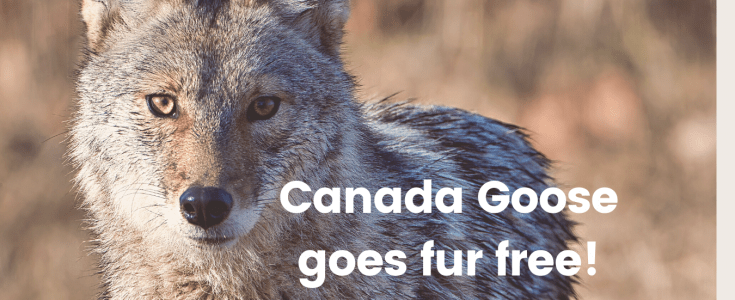
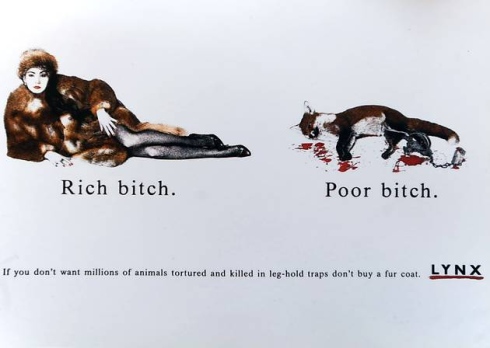
Respect for Animals is delighted at the news that the retail giant Canada Goose is to end the use of real fur in all its products. The company has been notorious for using coyote fur trims on its parka coats, taken from animals caught in cruel leghold traps in North America, methods banned in the UK and the European Union. The decision to bring this to an end is a major blow to the cruel and unnecessary fur industry.
In a statement, Canada Goose said:
“Today, Canada Goose announced that it will end the use of all fur in its products… Through a phased approach, Canada Goose will end the purchase of fur by the end of 2021 and cease manufacturing with fur no later than the end of 2022.”
Respect for Animals welcomes this historic move and encourages all remaining retailers to listen to consumers and adopt fur-free policies as a matter of urgency.
Thank you to all those activists who have devoted time, effort and money over the years trying to convince Canada Goose to ditch the cruelty of real fur.
The future of fashion is fur-free!
The anti-fur movement is celebrating the news that the retail giant Canada Goose is to end its use of real fur in all its products. The company has been notorious for using coyote fur trims on its parka coats, taken from animals caught in cruel leghold traps in North America, methods banned in the UK and the European Union. The decision to bring this to an end is a major blow to the cruel and unnecessary fur industry.
In a statement, Canada Goose said:
“Today, Canada Goose announced that it will end the use of all fur in its products. This announcement is driven by its focus on its purpose-based platform, HUMANATURE, relentless innovation, and expanding lifestyle relevance. Through a phased approach, Canada Goose will end the purchase of fur by the end of 2021 and cease manufacturing with fur no later than the end of 2022.”
The move by Canada Goose is a further devastating blow to the fur trade’s baseless attempts to present itself as ‘sustainable’ through debunked schemes such as FurMark.
According to CNN:
“Thursday’s announcement is part of Canada Goose’s mission to become more sustainable. Earlier this year, it released it’s “most sustainable parka to date” that uses 30% less carbon and requires 65% less water during production compared to its current parka. The Toronto-based company said it’s committed to achieving net-zero carbon emissions by 2025.”
Respect for Animals welcomes this historic move and encourages all remaining fur-selling retailers to listen to consumers and adopt fur-free policies as a matter of urgency.
Thank you to all those activists who have devoted time, effort and money over the years trying to convince Canada Goose to ditch the cruelty of real fur.
Federal “Ag Gag” Bill Could Punish Negligent Farmers After Amendments at Committee
June 22, 2021
A legislative committee studying the proposed federal agricultural gag, or “ag gag”, law has amended the bill in response to concerns raised by Animal Justice and other animal protection groups, legal scholars, and even the Canadian Food Inspection Agency (“CFIA”).
Bill C-205 was introduced by Conservative MP John Barlow, and was originally designed to target animal advocates and concerned citizens. The Bill threatened these individuals with huge fines and even jail time for going onto a farm without permission.
Bill proponents said this was necessary to protect biosecurity on farms and prevent disease outbreaks, because people on farms without permission could introduce pathogens that harm animals. Yet the Bill would have exempted farm owners and operators—even though disease outbreaks caused by the actions of farm owners and operators are numerous, well-documented, and have had devastating consequences for animals and public health.
A new Animal Justice report, based on data from CFIA investigations, shows that disease outbreaks are regularly linked to standard farming practices and poor adherence to biosecurity protocols by farm owners and operators. Many of the outbreaks investigated by the CFIA were traced back to troubling practices like sharing needles and equipment, feeding animal parts back to animals, failure to properly disinfect trailers, and the exposure of farmed animals to virus-carrying wild animals.
Meanwhile, there has never been a single documented case of an animal advocate causing or contributing to a disease outbreak in Canada. And of course, entering farms without permission is already illegal.
Many Members of Parliament on the House of Commons Agriculture Committee clearly paid heed to the evidence about the disease risks regularly caused by farmers (despite not hearing oral testimony from Animal Justice or any other animal protection groups). At a meeting on June 17, 2021, the Committee amended the Bill so that it applies to farm owners and operators, and not just animal advocates.
If the Bill passes, farm owners and operators could be held accountable for breaching biosecurity protocols and exposing animals to pathogens that could reasonably harm them.
Research has shown that adherence by farmers to biosecurity protocols is notoriously poor in Canada and around the world, so this amendment is an important step toward protecting the health of animals on farms.
However, more needs to be done. Canada doesn’t comprehensively regulate biosecurity on farms. The CFIA publishes voluntary biosecurity guidelines, developed in cooperation with the farm industry and government. But following these guidelines is not a legal requirement for farmers. Instead, there should be clear rules that farmers must follow to prevent disease, and greater accountability for farmers that break the rules and cause devastating consequences for animals and the health of Canadians.
Now that the Committee has completed its study of Bill C-205, the Bill will return to the House of Commons for a third reading vote, which is unlikely to occur until much later this year because Parliament is about to break for the summer. If the Bill passes a third reading vote, it will then go on to be considered by the Senate.
Regards Mark
Stacey says:
Animal farmers are inherently negligent, subjecting all animals to control and violent death.
WAV Comment – YEEEES !! – Congrats to all those who worked so hard for many years to achieve this.
Regards Mark
Cabinet approves introduction of legislation to ban fur farming
Updated / Tuesday, 22 Jun 2021
The Minister for Agriculture, Charlie McConalogue, has received Cabinet approval to introduce legislation that will lead to the banning of fur farming.
“Society has changed and attitudes to keeping animals in captive specifically for their fur… attitudes have really changed significantly towards that“, he told journalists outside Government Buildings this afternoon.
The measure, to prohibit the breeding of mink specifically for their fur, is contained in the programme for Government.
There are 120,000 mink left in the country, spread across three mink farms in counties Laois, Donegal and Kerry.
Charlie McConalogue described the bill, known as the Animal Health and Welfare (Amendment) Bill 2021, as comprehensive and measured.
It contains provisions for a compensation package for the farmers, which will take into account earnings, redundancy payments and demolition fees.
It’s estimated that the industry is worth around one to two million euro to the economy each year, employing roughly 12 fulltime staff. This increases to 30 during the busy season.
Minister McConalogue said this type of farming was once “very much promoted” by Government, from its origins in the 1960s. However, he explained that the activity is no longer supported.
He told reporters that the three farms in question have always maintained and upheld the highest animal welfare standards and Government has been engaging with them for the past year.
Minister of State Pippa Hackett said it was a sensitive issue, but she welcomed the moved.
She explained that in the past, well-meaning people have sometimes released mink from captivity into the wild, which “has caused absolutely catastrophic issues for wildlife and continues to do so”.
Government will introduce legislation to ban fur farming. The bill, to prohibit the breeding of mink for their fur, will also also include provision for a compensation scheme for the three mink farms left in Ireland. Junior Minister @pippa_hackett welcomed the move @rtenewspic.twitter.com/sYYXIXNjll
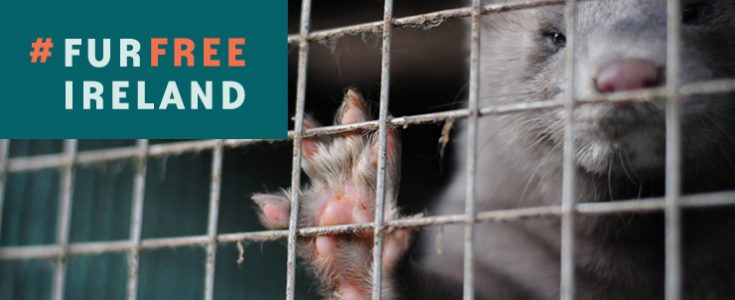
On Tuesday 22 June 2021, Cabinet approval was granted to abolish fur farming in the Republic of Ireland. The measures will be part of an amendment to the Animal Health and Welfare Act 2013, and are likely to include a provision that chinchillas and foxes and mink can not be farmed for their fur or skin. There are currently three fur farms in Ireland, which kill around 100,000 mink annually.
Successive governments have pledged to ban fur farming in Ireland for some years, after a campaign co-led by Respect for Animals. As we reported earlier this year, the fur farming ban formed a part of the programme for government and was listed as a priority bill when the 2021 new year’s legislative programme was published.
This latest development will escalate the process of phasing out fur farming, with the farms expected to be closed down by 2022. The Bill will be published as the Animal Health and Welfare (Amendment) Bill 2021.
Respect for Animals is delighted at this latest development, having campaigned for a #FurFreeIreland for a number of years, alongside colleagues at NARA and the ISPCA.
Fur farming has been in decline in Ireland over the past few years following a government agreement in 2019 to phase the practice out.
As is standard practice in legislation prohibiting fur farming, the three mink farms will be compensated for their compensated for the closing down of their operations, with a package which is likely to take into account earnings, redundancy payments and demolition fees.
Speaking outside Government Buildings in Dublin, Minister for Agriculture, Food and the Marine Charlie McConalogue confirmed that he had received Cabinet approval to introduce legislation ending fur farming In the Republic of Ireland
As part of the Fur Free Alliance, Respect for Animals worked closely with former TD Ruth Coppinger, who brought forward a Fur Farming Prohibition Bill a few years ago, which forced the then Irish government to change policy and agree to prepare a ban.
In Germany alone, 40,000 piglets end up in the rubbish bins every day, they are rubbish and are not needed.
Per day!
Half dead, lying helplessly dying, they die a painful, slow death after being hit on the floor.
The cattle are hung by one leg, their necks cut off, millions of animals die the same gruesome death for minutes, not just at a week-long festival, but every day.
Only these “other” animals were not declared as pets by humans.
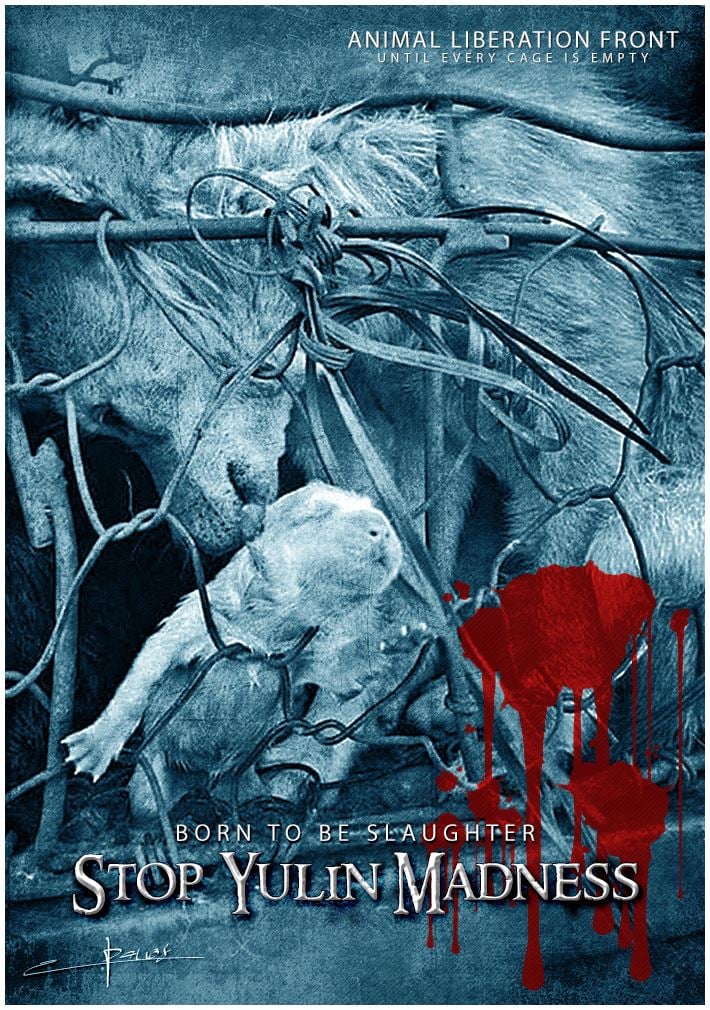
One wonders if Yulin would get that much attention when it came to pigs or calves.
Of course, the Yulin massacre is not justified by the fact that it could be worse in every country with different “animal species”.
ALL animals have the same feelings and exactly the same right to a happy life without suffering and without being killed for their bodies in the end.
The same pain is for ALL animals, there is no difference, the difference is only in our mind and our upbringing.
Therefore: If we have not understood it for hundreds of years, we should finally understand it NOW that animals are not our slaves, are not food, they have their right to live as roommates in peace on this planet.
Anyone who is against the massacre in Yulin should be vegan in principle. Everything else is hypocrisy.


 We also appeal to all consumers not to participate in this disgusting system of exploitation, because, as is so often the case, it is up to the end consumer to alleviate the suffering of the animals.