


Hi all;
18/2/21 – well this is sort of an update; with no update !
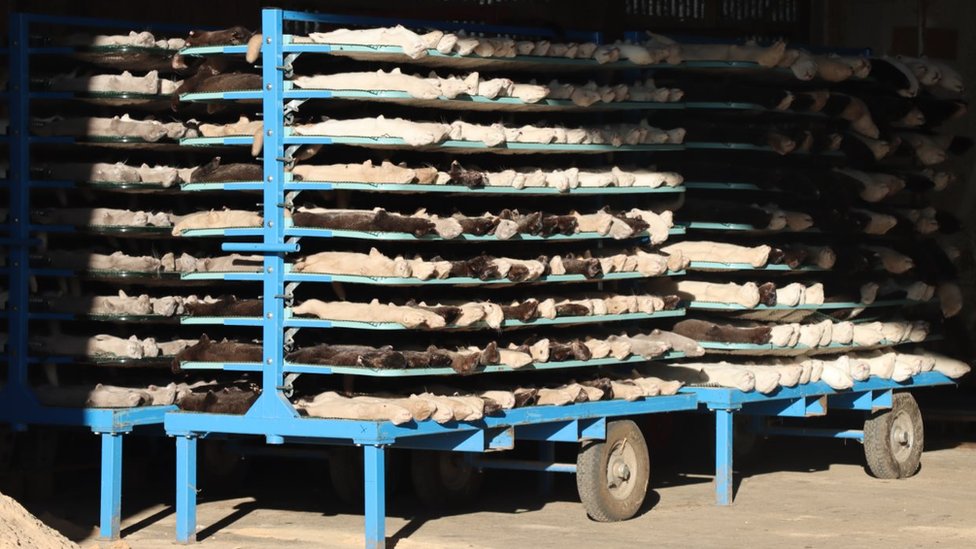
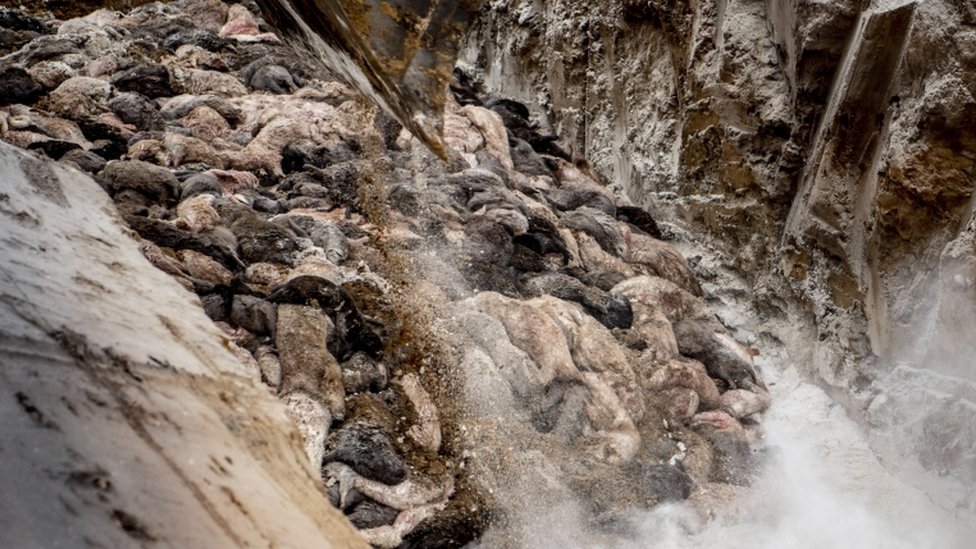
You may remember that back on 12 November 2020, we wrote to the Danish Ambassador in London regarding the mass Mink killings which were taking place in Denmark at the time.
Read more here and see a copy of our letter – England: WAV Writes to the Danish Ambassador In London re Denmark’s Mass Mink Murders. – World Animals Voice
Well, just to let you know; that as of today; 18/2/21, we have still not had anything back from the Danish Embassy, London; regarding our original letter. I went to London rather than write to Denmark, as from past experiences I have with embassies; they have to make contact with ‘home’ to inform them of what is being asked in different locations around the world.
The fur industry mink murder has been a huge issue for Denmark.
If you wish to check out all that we have posted on the Danish Mink issue then please go to the following and select the different posts.
Search Results for “danish mink” – World Animals Voice
I think we can safely say that if the Danes were going to respond to us, then we would have already heard by now.
Regards Mark
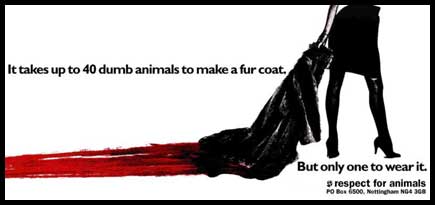
Enjoy – Rick Wakeman – English Musician and animal rights campaigner !
http://ens-newswire.com/ens/mar2005/2005-03-02-05.asp
https://www.four-paws.us/our-stories/press-releases/celebrities-join-dog-meat-free-coalition
In collaboration with Italian television, Animal Equality has released a new investigation that reveals the cruel reality for pigs bred for meat in Northern Italy—a region that markets its products with the stamp of the “excellence of Made in Italy.”
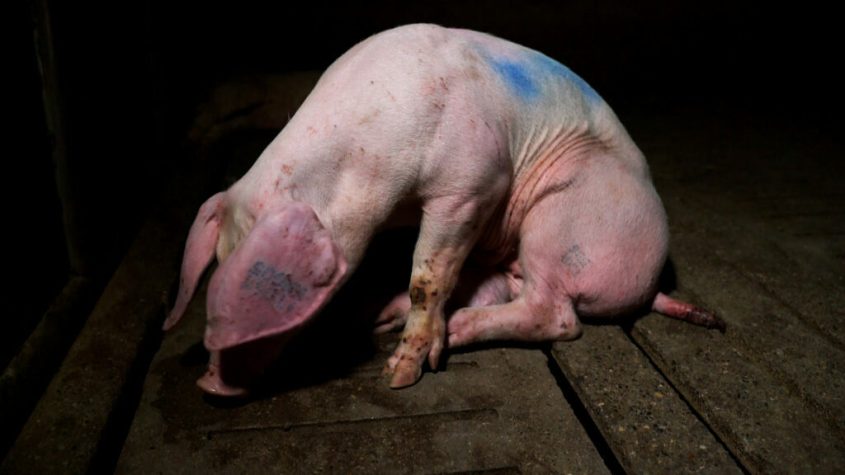
THE DETAILS: In September 2020, Animal Equality and Italian journalist Roberta Spinelli visited a pig farm in Brescia, Italy, and documented terrible abuse and suffering—images in stark contrast from the idyllic picture of contented animals on green pastures often painted by the region’s producers.
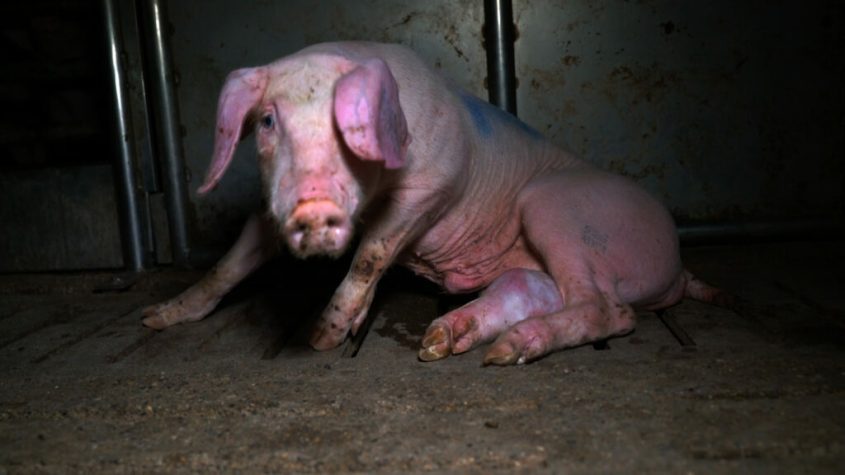 The investigative team found:
-Pigs abandoned and left to die in corridors
-Bodies of dead pigs amongst the living
-Workers dragging pigs by their legs with ropes
-Animals with cysts and sores, unable to walk because of their open wounds
-Animals crammed together and forced to live in overcrowded, unsanitary conditions
-Pigs covered with feces and urine
-Cockroach, rat, and worm infestations
-Sewage not properly disposed of in a ditch adjacent to the farm and fields
WHAT WE’RE SAYING: “Thanks to this investigation, the horrors of Bascia’s pig farms are clearly revealed. We can no longer turn our heads from the suffering to which these sentient beings are forced to endure—mistreatment that happens behind the closed doors of these polluting farms which are often beneficiaries of public funds. We need more checks and balances for these places, and we need them now,” says Alice Trombetta, Executive Director of Animal Equality Italy.
The new short film Moving Animals documents the excruciating journey animals face in their transport from factory farms to slaughterhouses.
Produced by We Animals Media, the film follows the work of award-winning photojournalist and author Jo-Anne McArthur. McArthur has spent over a decade documenting the horrors animals endure around the globe. She welcomes viewers into her world:
Join me as I climb transport trucks, and stay quietly and diligently with animals as they go to slaughter. Join me in the dusty roads and at my little hotel room editing desk, as Miguel and I discuss animals, animal photojournalism, and ultimately, kindness.
Animals suffer long, grueling journeys to slaughter, up to 28 hours in the United States, with no food or water. And transport trucks are not built to protect animals from harsh weather. During summer, temperatures in the trucks rise to well over 100°F. Many animals suffer heat stress, asphyxiation, and heart attacks.
In winter, farmed animals endure below-freezing conditions and are exposed to snow, rain, and frigid winds. Some die from hypothermia, and others even freeze to the floors or sides of truck beds. McArthur stated:
We have enough photos in the world of beautiful wildlife. We get it. It’s time to show the harsh reality of how the rest are living.
Shot and produced by filmmaker Miguel Endara, Moving Animals focuses on the plight of cows. The film documents cows so weak from long journeys that they can’t even lift their heads. McArthur captures heartbreaking images of desperate cows sticking their tongues through the bars of a truck in an attempt to eat the leaves off a nearby tree.
According to McArthur, when she started documenting farmed animals 10 to 15 years ago, no one was interested in her stories. Now, she is seeing concern for animals making its way into mainstream newspapers around the world.
We can all help spread awareness of animal suffering. Share this powerful film with your friends and family, and follow We Animals on Twitter, Instagram, and Facebook.
Of course, the best thing we can do for animals is choose plant-based food. Download our free Vegetarian Starter Guide to learn how.New Film Details Animals’ Harrowing Journey to Slaughter (chooseveg.com)
Regards Mark

WAV Comment – Is this not a really beautiful picture ?
Max Murphy, seen here at age 5, is an 8-year-old animal rights activist from Ontario, Canada. He has been raised vegan and has attended protests against the fur industry and marine parks. “There is no difference between a dog, cow, pig or cat. They are all living animals,” he said. (Julie O’Neill)
Click here to see – It’s only meatless meals for some kids who have a passion for animals – The Washington Post
Adopting a vegetarian or vegan diet also benefits the health of people and the planet.
There is a good chance that you have at least one vegan or vegetarian friend. It’s the kid who refuses to eat hot dogs at birthday parties because they are typically made from a cow or pig.
But you might wonder what a vegan is and how they are different from a vegetarian. A vegetarian doesn’t eat meat, including beef or seafood. A vegan doesn’t eat meat or any food that comes from animals, such as eggs, cheese and milk. Both may also not wear animal skins, such as fur, leather or wool.
It’s becoming more common for kids to become vegetarian or vegan even when the rest of their family is not.
When Annie Kay from Ontario, Canada, learned that meat comes from animals, she watched several animal rights documentaries. She felt guilty each time she ate meat, so she stopped.
“I just knew it was wrong to eat animals. Their life is just as important as ours; it’s not fair that we eat them,” the 13-year-old said.
A vegetarian for more than a year, she has inspired several friends to try to stop eating meat. But Annie is the lone “veggie” in her family.
“My parents eat meat,” she said. “They put animals in sandwiches, and it makes me feel kind of disgusted.”
Annie’s parents support her decision, however, and make her separate meals.
Many doctors say that it’s healthy to follow a plant-based diet and that by not eating animals or animal products, you help protect yourself from illness.
The Mayo Clinic, one of the best cancer and heart-care hospitals in the United States, says a vegetarian diet helps reduce the risk of heart disease, diabetes and some cancers. But it can take more meal planning to make sure you, a growing kid, get enough protein, calcium and vitamins such as D and B12. You and your parents should ask your doctor for advice.
Not eating meat or dairy also helps the planet’s health. A vegan diet helps fight climate change by reducing greenhouse gases (such as methane from cow burps). It also helps keep pesticides (used to grow animal feed) and animal waste out of the water, and reduces the need to cut down trees for animal grazing.
Nitrous oxide, often called laughing gas, makes a serious impact on the Earth
Max Murphy, who was raised vegan from birth, is an animal activist. The 8-year-old from Ontario has attended protests against the fur industry and marine parks and volunteered at animal rescues around the world. Max volunteers at an animal shelter near his home and helps his mom foster dogs they have rescued from other countries.
Max feeds, socializes and sometimes grooms the foster dogs.
“I have grown up with dogs,” he said. “We get new ones, and then they get adopted.”
Max loves all animals equally.
“There is no difference between a dog, cow, pig or cat. They are all living animals,” he said. “Dogs might have fur and be fancy and cute, but really pigs are the same. They are all the same.”
Max is also determined to find a way to stop pollution.
“Greenhouse gases are going to get too bad from factory farming and gas cars, machines and factories,” he said. “We might not be able to live on this planet if things don’t change.”
1. Meatless Mondays is a global movement encouraging people around the world to not eat meat one day a week for their health and the planet. It’s a fun way to start your veggie journey. Try these vegan proteins instead of meat: beans, chickpeas, lentils, nuts, quinoa and tofu.
2. Try dairy milk alternatives: oat, rice, soy, coconut or almond. Have you tasted chocolate coconut ice cream or cashew cheese?
3. Not all vegan foods, such as Oreos and soda, are healthy. Doctors recommend eating plenty of vegetables, fruit, whole-grain foods, plant-based-protein food and drinking plenty of water.
4. Watch kid activist and Youth Climate Save spokesperson Genesis Butler’s TED Talk on her experience as a vegan. bit.ly/2LKU53T.
Connect with rescued farm animals by becoming a pandemic pen pal
Helping save trees is also helping save lives
12 kids who are changing their communities and our world
Rescued wolves have a safe space in the Pennsylvania woods
It’s only meatless meals for some kids who have a passion for animals – The Washington Post

‘If you want to make a simple change to your diet to protect the environment, there’s nothing you can do that comes anywhere close to forgoing beef’
Beef production in the US is harmful to the environment. And, it should be replaced more often with plant-based alternatives, an opinion piece in the Los Angeles Times read.
The journalist informed the news outlet’s readership of 1.3 million that switching to a more plant-based diet would make a ‘meaningful contribution’ to climate change.
The article quoted research professor Gidon Eshel, who claimed more consumers are accepting plant-based alternatives.
This is in line with growing concerns for the environment, he said.
Eshel added: “If you want to make a simple change to your diet to protect the environment, there’s nothing you can do that comes anywhere close to forgoing beef.”
Americans are big beef consumers and that’s ‘not going to change any time soon’, the article continued. But, now that consumers bear witness to the climate crisis there is a ‘new urgency’ across the country.
The animal agriculture industry ‘appears to be trying to obfuscate’ the environmental impact of beef production, the article added.
A study backed by the US animal agriculture industry claimed otherwise. In it, consumers preferred animal produce over plant-based in economic terms.
The industry was ‘giving consumers permission to avoid dietary changes’. They do this by perceiving eating meat as not as serious as ‘pesky tree huggers might be saying’, the article claimed.
However, the article also included quotes from another researcher who claimed animal agriculture is not ‘the climate villain’ that most people think.
Other studies prove overwhelming evidence that animal agriculture is one of the leading producers of annual greenhouse gas emissions.
“I won’t be a card-carrying vegan anytime soon.
“But, if replacing one burger a month with a plant-based alternative is all it takes to make a meaningful contribution to fighting climate change, yeah, I can do that.
“Besides, the way plant-based meat products have been steadily improving, it probably won’t be long before we can’t tell the difference anyhow”, the article concluded.
Beef Is ‘Killing The Planet’, Reads Major News Outlet | Plant Based News
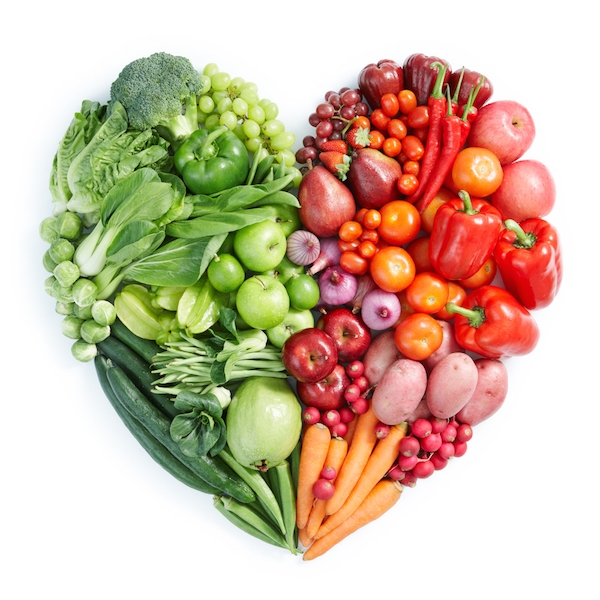
WAV Comment – There is a lot more to plant based now – good for the environment; you, animals and your health.:


App development and digital product company, 3 SIDED CUBE recently conducted a survey with over 2,000 people to provide insights into the public’s opinions and motivations with respect to sustainability and the data found that six in 10 Brits are thinking of switching to sustainability due to David Attenborough and over a third of Brits are avoiding animal products due to his recent film ‘A Life On Our Planet‘ as well as other documentaries like James The Game Changers, famously backed by James Cameron and Arnold Schwarzenegger.
Premiering on Netflix late last year, the WWF and Silverback Films co-produced documentary presents an important message from nonagenarian broadcaster and natural historian Attenborough that humans must make drastic changes to their diets in order to save the planet.
In the trailer for ‘A Life On Our Planet’, Attenborough explains that the films aims to raise awareness among people about the rate at which global warming is happening and press upon the message that the time to act is now. “I had the most extraordinary life. It’s only now I appreciate how extraordinary. The living world is a unique and spectacular marvel. Yet, the way we humans live on earth is sending it into a decline. Human needs have overrun the world.”
Findings from the survey show that Attenborough is right at the top (59%) when it comes to encouraging consumers to be sustainable and shift to a plant-based diet. Over half of British consumers (51%) also feel pressure from wider society and four in 10 (40%) give young Swedish environmental activist Greta Thunberg credit for helping them switch to sustainable choices in their personal life.
Apart from Attenborough’s A Life On Our Planet documentary, data found that the 2018 documentary film about the benefits of plant-based eating for athletes, The Game Changersbacked by James Cameron and Arnold Schwarzenegger was also responsible for people in the U.K. to avoid animal products.
According to a report by the WWF, stopping animal meat consumption by 50% would not only reduce carbon emissions but also save 12,000 species per year as well as 1.72 million square miles of land.
A majority of Brits (77%) understand the importance of changing their lifestyle to become greener with 73% of consumers agreeing that businesses too have a responsibility to minimize their environmental impact and 64% urging the government to frame a new legislationthat will ensure thatbusinesses give details about their environmental footprint on the products they’re offering.
In an interview with Plant Based News, 3 SIDED CUBE managing director Richard Strachan mentioned that with influential figures coming ahead to talk about sustainability, the general public is motivated to follow in their footsteps. “Thanks to influential public figures such as David Attenborough and Greta Thunberg, Brits are taking the climate crisis much more seriously now. Now is the time to come together and tackle the crisis wholeheartedly. It is not just up to governments; it is up to businesses and consumers as well.”
Data from the poll further found that 61% would like an app to help them make more sustainable buying decisions and 50% call for an app to calculate and understand their personal carbon footprint with more than half of respondents agreeing that technology can be vital for living a sustainable life.
Discussing how this new data will help them in the Ignite program, Strachan added: “These findings show a clear case for the use of technology, specifically apps, to boost sustainable behaviour change and environmental protection initiatives. The technological tools to help consumers be greener are available to us, we just need to start developing and using them as soon as possible. This is why we have launched Ignite. Through this technology, we can empower consumers, businesses and NGOs to help protect ecosystems, be smarter with energy usage, and reduce our carbon footprints. The Ignite program is wholly dedicated to bringing organisations together on these issues and making these apps a reality.”
Attenborough also released another documentary, Extinction: The Factsthat talks about mass biodiversity loss and the consequences that the world will face as a result. Over the course of the one-hour program, Attenborough takes viewers on a journey through scenes of destruction due to activities conducted by humans on Earth.
Another noteworthy mention in a list of sustainable films to watch is Craig Leeson’s documentary A Plastic Ocean and his upcoming The Last Glaciers, and you can check out his interview here where he shares his journey from writing to filmmaking as well as throwing light on the world’s most pressing issues and what can be done to protect the planet, and ultimately, save humankind.
If you’re looking for an app to track your personal carbon footprint, you can check out Singapore-based startup Capture that has created an app that helps users keep track of their climate footprint from their everyday transportation choices, and offsetting their impact through forestry planting projects across the globe.
And if you need an easier way to buy plant-based alternative products, check out this new mobile app FoodForage, which is developed to help vegans and individuals looking to buy plant-based alternative products and offers a feature where you can share your findings with the community.



16/2/21 – We have been spending a bit more time today looking into the ‘Elbeik’:
17/2 – Current status – at anchor.
EU sends sick cattle to Libya – World Animals Voice
Here are some things we have found:
The Elbeik is currently moored just off Famagusta on the East coast of Cyprus.
The vessel ELBEIK (IMO: 6718427, MMSI 671002100) is a Livestock Carrier built in 1967 (54 years old) and currently sailing under the flag of Togolese Rep.
Togo is located in Africa: https://en.wikipedia.org/wiki/Togo
| IMO / MMSI | 6718427 / 671002100 |
| Callsign | 5VFM7 |
| Length / Beam | – |
| Current draught | 5.4 m |
| Course / Speed | 116.7° / 0.1 kn |
| Coordinates | 35.19049 N/33.92441 E |
It was originally built in 1967 – making it now 54 years old !
In those days it was called the ‘Tyro’ and was operated by the Dutch.
We are currently cooperating with other European welfare organisations to see if we can obtain any more current info as to why the Elbeik is moored off Cyprus.
Further updates to come when we have more.
View the lives of innocent pigs, born on concentration camps called “Farms for toxic Bacon” (USA)...and see how it is far from natural or humane…in fact, it is a torturous and abusive, living hell….this video shows just how cruel and barbaric this industry is to one of the most intelligent of all animals…
if this was dogs in the video, there would be an uproar worldwide…
if you call yourself an animal lover, loving all of them is what that means….even if you do not like them, the least you must do is leave them alone…
LEAVE ALL ANIMAL PRODUCTS OUT OF YOUR CHOICES, THEIR BODIES ARE NOT FOOD OR CLOTHING — Text–Animal Freedom Fighter–
And I mean…About 110 million pigs are slaughtered in the United States each year, making about 23 billion pounds of pork.
Smithfield’s Tar Heel, N.C., is the largest slaughterhouse in the world. It processes more than 30,000 hogs every day.
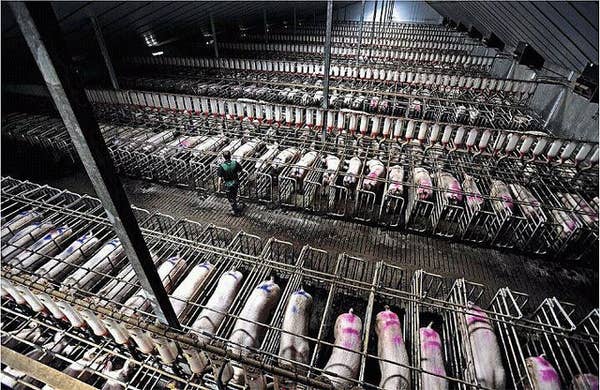
Industrial pig waste contains … ammonia, methane, hydrogen sulfide, carbon monoxide, cyanide, phosphorous, nitrates, and heavy metals.
In addition, the waste nurses more than 100 microbial pathogens that can cause illness in humans …
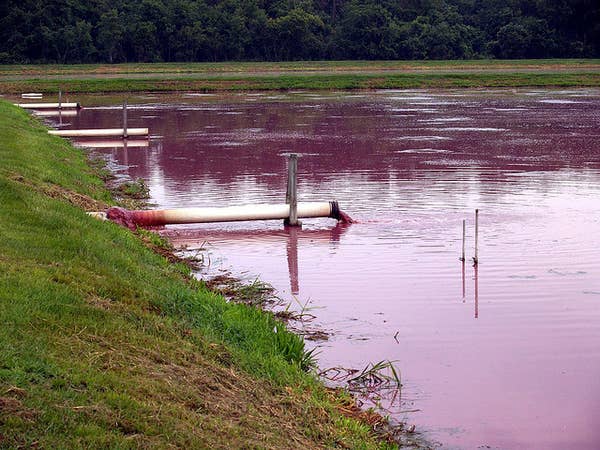
In addition, humans who have fallen into these lagoons have died.
In an average week, more than 2 million pigs are slaughtered in the U.S., almost exclusively to be processed and eaten by people as “pork” products—primarily bacon, ham, and sausage.
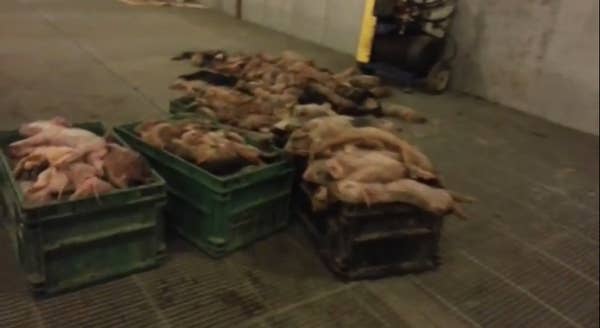
Humane Society of the United States–Sometimes dead piglet parts is ground up and fed to living pigs.
In 2017, about 235 million pigs were sold in the U.S., and 95% of those were raised on concentration camps called “Pig-Farms“ with 5,000 or more individual pigs, under the cruel way, we saw on the video.
US’s largest “farm” keeps over 900,000 female sows at any given time designated for breeding until they are “spent” and slaughtered.

Don’t believe the myth of the happy pig next door that the advertisements want to sell you as a happy animal that doesn’t suffer under industrial violence.
Anything associated with animal consumption is suffering.
My best regards to all, Venus


Petition Link – Petition: New Bill Would Ban Slaughter and Sale of Cruel Dog Meat in South Korea (ladyfreethinker.org)
PETITION TARGET: South Korean Ambassador Lee Soo-hyuck and South Korean President Moon
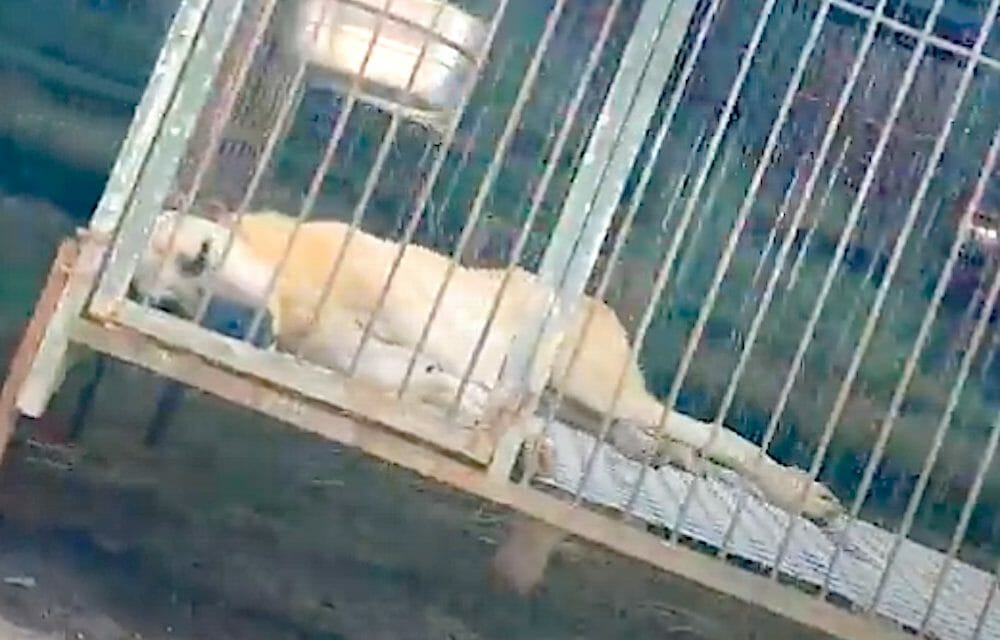
Crammed into filthy metal crates and cages, more than 200 dogs cowered in fear waiting to be sold for slaughter at the Nakwon dog auction in Namyangjusk, S. Korea. Sadly, an estimated million dogs suffer similar fates in the nation’s horrifying meat trade.
But there is new hope for the dogs hung, electrocuted and butchered for profit. A bill proposed by Congresswoman Han Jeong-ae — the country’s newly installed Minister of the Environment — would “eradicate the culture of dog” meat as food in South Korea for good.
Ten members of the Korean National Assembly have already backed this bill. Add your voice now to help this lifesaving legislation pass!
Lady Freethinker’s undercover footage of the Nakwon House of Horrors made international headlines and sparked public outrage by exposing the terrifying, sickening conditions endured by dogs bred, brutally killed, and dismembered for dog meat.
But the horrors have continued in S. Korea — the only country in the world that still has large-scale, commercial dog farms. And some of the country’s legislative leaders have had enough.
House Bill 7035 proposes an amendment to the country’s Animal Protection Act that would explicitly ban the slaughtering and processing of dogs for food or their meat.
The bill provides for penalties against violators, but also includes a 5-year grace period and subsidies for businesses transitioning away from the dog meat trade.
More South Koreans than ever before — an estimated one in four — keep dogs as companion animals and people’s attitudes toward them are changing, the bill’s sponsors note.
“The general public’s awareness of animal welfare has also greatly improved, and there is a very high demand for socially banning dog consumption,” the bill’s text reads.
A Nielsen poll conducted last year reported that 84% of South Koreans polled said they didn’t or wouldn’t eat dog meat. The poll also reported 59% of those polled supported the outright banning of dog meat and 57% believed dog meat consumption reflected poorly on their country.
South Korea’s current leader, President Moon Jae-in, has compassion for animals and even adopted a dog rescued from the dog meat trade named Tory. He’s in the perfect position to leave a legacy for animals that won’t ever be forgotten.
Sign this petition asking President Moon and the Korean Ambassador to the U.S. to support this important bill that will show the world what a great and compassionate country South Korea is and that will prevent the suffering and deaths of thousands of innocent dogs killed in the horrific dog meat trade.
Regards Mark

