All across South Korea, millions of ‘meat dogs’ (including newborn puppies) which are destined for human consumption, are kept outdoors in meat farms and slaughterhouses, imprisoned in cages that are crudely constructed of wire and raised off the ground, and which afford no protection from the snow or freezing winds that are part of a normal winter in that country. These poor creatures – from the second they are born, to their final breath at the uncaring hands of a brutal butcher – have to endure endless misery and agony. South Korea is truly a “Hell on Earth” for countless innocent dogs and cats. So, please, don’t let the Koreans continue their vile and cruel practice.
260 dogs and cats burnt to death from fire
at the Anseong City Animal Shelter
Hundreds of dogs and cats, which should have been safe from harm, in the care of an Anseong animal shelter have died in a raging fire that swept through the property.
If this shelter had been managed properly, then those animals would have remained safe. They are now dead. Someone must be held to account, and a lesson must be learned so that others in similar positions of responsibility will be very clear of their duties towards animals in their care, which extends above and beyond the basic provision of food and a cage.
New Calls for Action! South Koreans:
Stop the illegal dog and cat meat trades.
The weather has already dropped to
freezing in South Korea!
All across South Korea, millions of ‘meat dogs’ (including newborn puppies) which are destined for human consumption, are kept outdoors in meat farms and slaughterhouses, imprisoned in cages that are crudely constructed of wire and raised off the ground, and which afford no protection from the snow or freezing winds that are part of a normal winter in that country. These poor creatures – from the second they are born, to their final breath at the uncaring hands of a brutal butcher – have to endure endless misery and agony. South Korea is truly a “Hell on Earth” for countless innocent dogs and cats. So, please, don’t let the Koreans continue their vile and cruel practice: click the links below to take action today to help fight the South Korean dog and cat meat trades.
This is an incident of animal abuse which happened at an apartment building construction site in Ulsan, Korea. A man strikes a dog tied to a post at the construction site with an aluminum pipe over one meter long, and at least three times. We received this video last summer, but the owner of this video was reluctant to publicly reveal this video at the time, so we reported the incident to the police. We had never received an update of the investigation, so we contacted the police for a response. It was the learned that an indictment for this obvious case of animal abuse was suspended. In other words, it was acknowledged that the abuser committed a crime, but he was not charged.
The animal abuse crime was acknowledged but indictment was suspended because: 1) the abuser claimed to be the dog’s owner; 2) the abuser struck the dog because the dog bit him while he was trying to feed the dog; 3) the dog suffered only minor injuries; 4) the abuser did not have a past history of similar crimes, and 5) the Citizen’s Prosecutorial Committee gave the recommendation to suspend indictment.
During the investigation, the dog disappeared and when we inquired about the whereabouts of the dog, we were told from the police that the perpetrator sent away the dog somewhere and were shown a picture of the dog.
Click HERE to learn more and take action.
Scientists accuse officials of cherry-picking data to defend disease-control scheme
More than 32,000 badgers were killed in England this autumn during the annual cull, which is intended to reduce tuberculosis in cattle.
Government officials claimed the culls were effective and starting to reduce prevalence of the disease in cows. But independent scientists said the officials were cherry-picking data and making up targets as they went along.
TB in cattle costs taxpayers £100m in compensation each year, with 33,000 infected animals slaughtered in 2017. The environment secretary, Michael Gove, approved a huge expansion of badger culling in September. This resulted in the largest number of animals killed to date.
An independent review of TB control, commissioned by Gove and published in November, concluded that frequent trading of cattle and poor biosecurity on farms was “severely hampering” control efforts. It was wrong to blame badgers as the main cause of the outbreaks, the scientists said, although Gove had told them not to assess whether the current badger culls were working.
Data published on Tuesday shows that in the 30 culls taking place across England, 32,601 badgers were shot this autumn, the highest number on record.
An earlier 10-year trial of badger culling showed it was vital to kill at least 70% of badgers in an area to reduce TB in cattle, but as a protected species badgers must not be wiped out either. Therefore, minimum and maximum cull targets are set.
In all but one case, the initial targets were reviewed “as operations progressed”. Almost half the culls failed to meet their initial targets, with one in Devon killing three times more than the initial minimum.
“The ways that these targets were altered varied between sites in a completely non-standard way,” said Prof Rosie Woodroffe, of the Institute of Zoology, who was part of the 10-year trial. “The scientific term for this methodology is ‘making it up as you go along’.” She said the government appeared to have no idea of actual badger populations.
Natural England, the government’s nature agency, licences the badger culls. Its chief scientist, Tim Hill, said: “Industry-led badger control continues to deliver the level of effectiveness required by the policy to be confident of achieving disease control benefits.”
However, Woodroffe said the reduction in badger numbers was impossible to estimate from the information gathered and so there was no basis for such confidence. “We are all used to politicians making optimistic statements based on unreliable data. For a scientist to do so is deeply worrying,” she said.
The government’s chief vet, Christine Middlemiss, said the first cull areas, in Gloucestershire and Somerset, were starting to see drops in TB in cattle, and a full analysis of the data was under way.
Fire in stable near Villach, Austria. 196 goats dead.
VILLACH. In a Kärntner Milchziegenbetrieb 196 goats were killed in a fire on Monday night.
As the police reported, the fire had broken out in the factory in Fürnitz (market town Finkenstein, Bez Villach) around 21 clock. Five horses could be saved in time. In use were numerous fire departments of the district Villach with a total of 196 men.
My comment: That’s all! And only from this newspaper!
So much value sets the press on a mass, agonizing death of 196 living beings. No questions, no criticisms, no accusation, how could something like that happen in the 21st century, in a “modern” stable with 196 inmates, who, until their cruel death, brought good money to their slave-keeper!
And if it were humans? Perhaps the Minister of the Interior of Austria would have announced his resignation, because if 196 people burn is a national tragedy.
The real tragedy that we experience every day is the Fascist morality of the people, based on the principle: “they are only animals, people are worth more”!
In Germany, the most read weekly magazine is “Der Spiegel”. Earlier, and as long as the newspaper was under the leadership of its founder, Rudolf Augstein, was a left-liberal news magazine with a very good level.
Today “Der Spiegel” has come down to the level of Infotainment.
On Monday, 17.12.2018 the following article has been published as a “main topic”.Title: “No meat is not a solution either”! Obviously, the subject was difficult to handle, so the article is written by 3 (!!) journalists!
Foto: der Spiegel
The item
The journalists beginn with the following question: “Have you already ordered the holiday roast? No fear! nobody wants to ruin it for you. We are not vegetarians ourselves. But we have to ask ourselves the question: how can we produce meat more sustainably?” “We all have to ask ourselves this question”.
The reader should not have the opportunity to see that this is not the question! Not for vegans and even for vegetarians the burning question is how can we reduce the meat consumption so, that in the future, the meat eaters will be in the minority of the population.
Der Spiegel continues: “More and more people are eating more and more meat. Over the past 50 years, the world’s population has doubled – and world meat production has even tripled. By 2050, meat consumption could once again grow by 85 percent, warns the UN!”
Here begins the central idea of the article to work manipulatively. If statistics give us only bleak predictions anyway, then the posted question: how can we produce meat more sustainably? “appears as an urgent need! And so the question is not meat or not meat,
but which meat and why.
Der Spiegel:On the other hand, meat is a pleasure. It has been part of our culture for millennia. And it can also be a valuable protein source. Protein from animal products is often easier for humans to use than vegetable protein. Without these animal proteins, humans might not have been able to evolve to Homo sapiens”!
Subsequently, three Homo sapiens appear on three videos: a master butcher, a policeman and hunter, and a journalist who visits an organic farm with gooses.
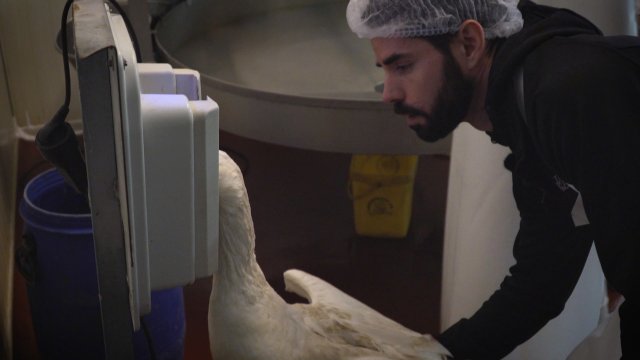
The two of them must have paid an extra sum, because they advertise directly their meat business. The journalist cuts the neck of a (bio) goose with a knife himself and ends the murder act with the sentence: “It was not as bad as I thought, I think the procedure is not bad!”
Why all the embarrassing theater? is the question.
Because the title “No meat is not a solution” brings money and readers. Finally, 98% of the country eat animals.
The title “no meat is a solution” would only have problems with the sale, nobody wants to read that he has to stop eating meat.
The butcher,who runs a business with Alfa-class meat, which he produces by hand. 100 gr. 2 Euro!
The cop, who” plays” hunters in his free time, only sells fresh and healthy bodies from the forest, which he sells in his shop.
Both are THE solution, for “der Spiegel”, a solution that favors the higher profits, but at the same time puts the magazine in Boulevard Scala.
Look at the videos on the link! they are unfortunately in German, but the third will understand everyone. It is the visualization of the title that I gave in my article.
“Sheep trade is finished…” Sydney Morning Herald, 13 December 2018
Mark, this was a very welcome media headline to end what has been a huge year in our efforts to end live export. It refers to a new ‘heat stress assessment model’ which would effectively stop sheep exports for half the year, presenting another huge blow to the future viability of the trade.
So much has happened this year. And with politicians heading home for the summer break, and with four live export bills yet to be voted on — I thought you may be wondering, what now?
The short answer is that politicians have 13 more chances over 13 parliamentary sitting days to bring on a vote to end live sheep exports. If they don’t, then the Australian people get to make the decision for them at the next Federal election. And, as you know, for the first time in our history there is a point of difference on this issue between the two major parties.
Let’s pause for a moment to take that in.
After 50 years of condemning animals to unconscionable cruelty — after half a century of thinking their secrets would stay hidden at sea — the live sheep export industry’s days are well and truly numbered.
They’re numbered because compassionate and determined people like you, Mark, have refused to stay silent. Because, day and night, for eight months, you have answered our call for help every time we found a strategic opportunity to fuel this campaign for the animals onwards.
Now, as a result of our collective efforts, live exporters no longer enjoy majority political support. Two additional live export bills were introduced to the Federal Parliament during the final parliamentary sitting week, sending a striking message from a powerful new cross-bench straight to the Morrison government that this issue is more palpable than ever, and will not go away.
South Australian MP Rebekah Sharkie cited that she gets dozens of emails every single day calling for live export to end. The new Independent member for Wentworth, Dr Kerryn Phelps, said her electors made it clear during the by-election that they will no longer tolerate the trade. And long-time friend of the animals, Andrew Wilkie, reminded his fellow parliamentarians that every poll ever conducted has made Australia’s opposition to this cruellest of trades clear.
These are your voices, your emails, your phone calls, your letters, being echoed by your political representatives.
Mark, I would have loved nothing more than to head into Christmas with a parliamentary decision to end the trade. However, after 15 years investigating and exposing the horrors this industry inflicts on animals, I can wait a few more months. After all, it’s already been a year of truly milestone moments:
More than 500,000 sheep were spared from ‘cooking alive’ at sea during the deadliest Northern summer months.
Australia’s biggest sheep exporter — the company exposed on 60 Minutes — was banned from operating, permanently.
We hauled the live trade before the Federal Court, and won, and now the regulator remains under investigation for covering up cruelty.
New standards being forced on the industry will effectively end shipments during the hottest months, and impact the commercial viability of all export voyages — for both sheep and cattle.
So fearful is the industry of a pending political vote that they ‘voluntarily’ committed to stop shipments across the sweltering June to August period next year. And now, this ‘heat stress’ review will likely mean there will be no sheep shipments for 6 months next year.
So, while the year is rapidly drawing to a close, 2018 will be remembered as the year Australia’s cruellest trade began to unravel. Mark, with your help, we are determined to ensure that 2019 will be commemorated as the year Australians voted to bring it to an end.
Please give anything you can to support this wonderful organisation. WAV.
Joseph’s beautiful recovery from ghastly wound
We got a call that a terribly injured street dog was hiding in a construction site. A horrific wound had made a hole clear down to his skull and the tissue was consumed by maggots. We weren’t sure we could save him, and with each minute his chances for survival dimmed. Thanks to donations from supporters, watch the beauty restored by weeks of treatment and love that helped this brave boy win his fight for life.
Please donate because someone precious needs you now.
Celebrate the Care-givers: Pushkar!
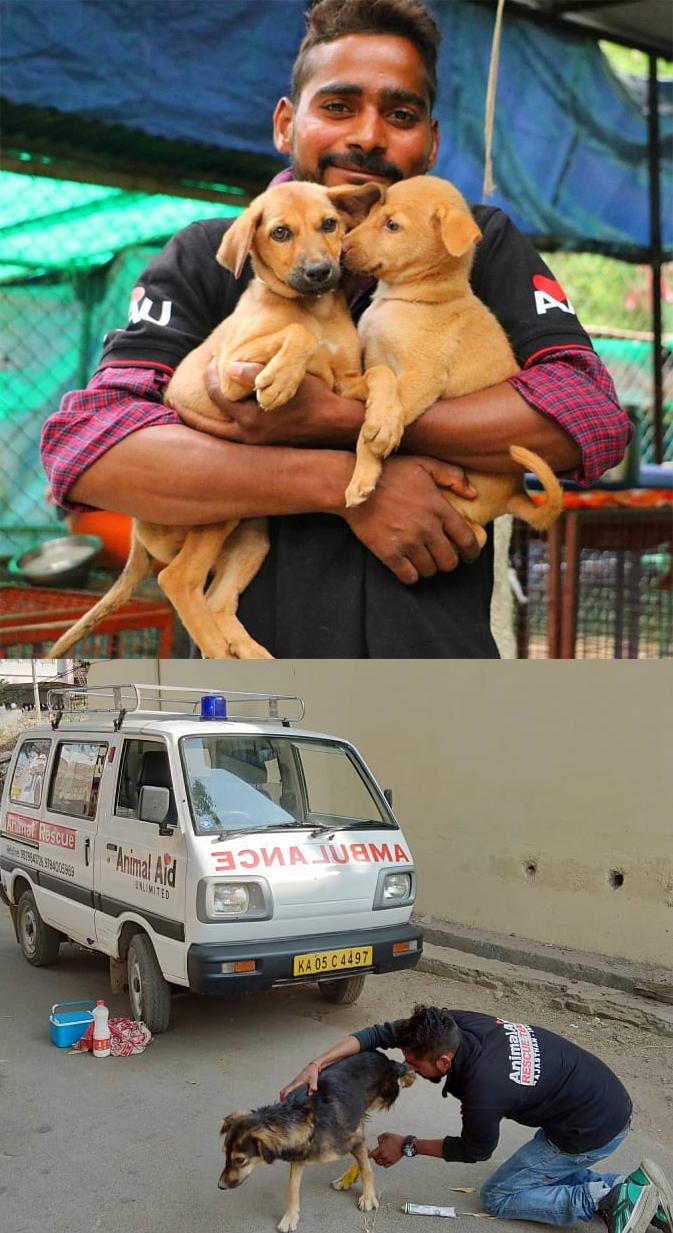
Treating dogs right on the street takes many special skills–to be able to gain a dog’s trust almost immediately; and when examining, giving medicine or dressing a wound, to be so incredibly gentle that the dog will allow you to treat him again tomorrow and the next day. Pushkar Gameti, 26, tracks about 15 different medical cases every day on the streets of Udaipur.
Since 2013 he has performed almost every task in the hospital. Because of Pushkar’s talent, hundreds of dogs have been able to get well without any hospital stay at all, or to complete the final laps of their treatment back in their own neighborhoods where they are comforted by the people and animals they’ve grown up around. Every dog we can heal on the street means there is room for one more dog IN the hospital who couldn’t survive on the street. Pushkar, we thank you for your outstanding work that has saved so many precious lives.
Horribly abused and incredibly sweet bull Yoda now safe forever
We got a call on our helpline to rescue an injured bull. We found him emaciated and his face was disfigured from maggot infested wounds around his eyes. A rope was tied through his nose so tight it had started to rip the skin. Because he was tied, we knew he must have been owned and had been abandoned to die without treatment or care in the field, unable to even see because of the massive wounds on his eyes.
We brought him back to our hospital and began his extensive treatment which included daily wound care and bandaging, antibiotics, painkillers, lots of food and a safe place to rest and heal.
We soon found that this sweet bull, who we named Yoda, just wanted love and was gentle throughout every treatment, despite the pain he was in. We deeply thank you for your support which has saved this dear boy’s life.
Please donate today for animals in India desperate for help.
Sponsoring a Sweetheart makes a Cherished Christmas gift!
When you sponsor an animal you’ll be sent a beautiful certificate with his or her photo, your name (or the name of a person you’re gifting it to) and a special thank you from Animal Aid.
Unforgettable and heart-warming.
You’ll receive the emailed certificate within 3 days–time enough to get it framed and present it as a gorgeous gift of love.
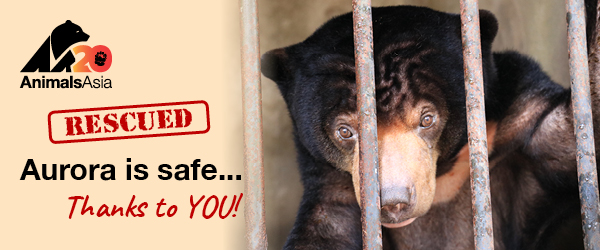
You’ve made a little sun bear’s one andonly wish come true.
Thank you, Mark!
I wrote to you last week asking for your urgent help. We’d learned about a desperate little sun bear, caged and all alone, in a remote part of south-west Vietnam.
Thanks to your generosity, our emergency rescue team and I arrived at Aurora’s side on Monday.
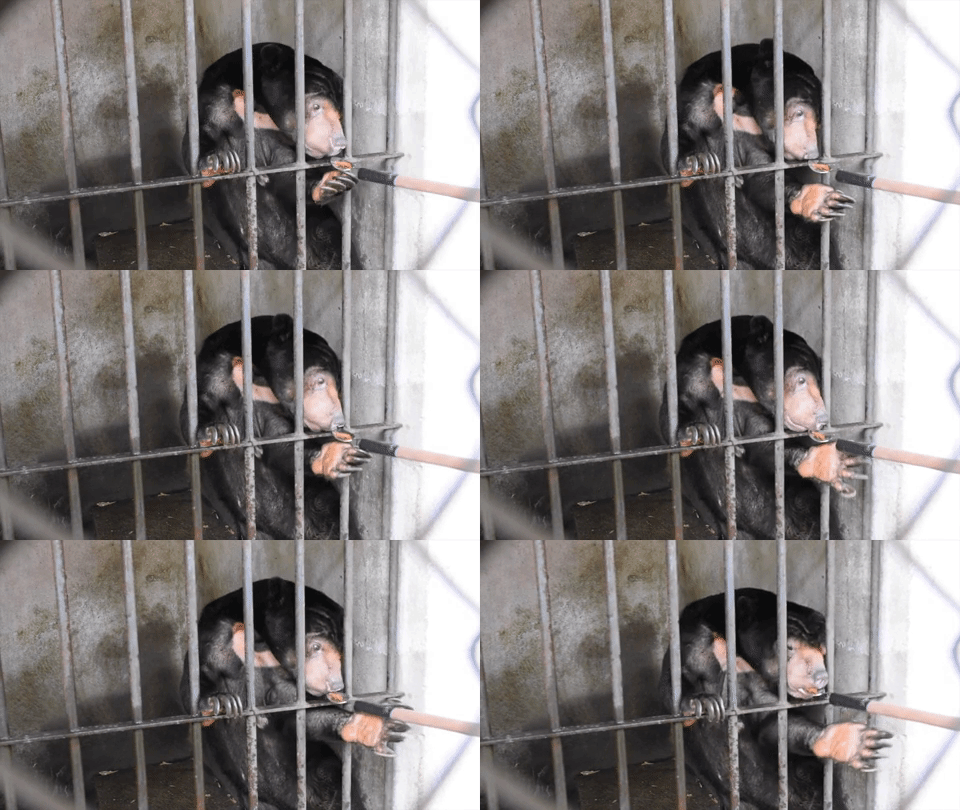
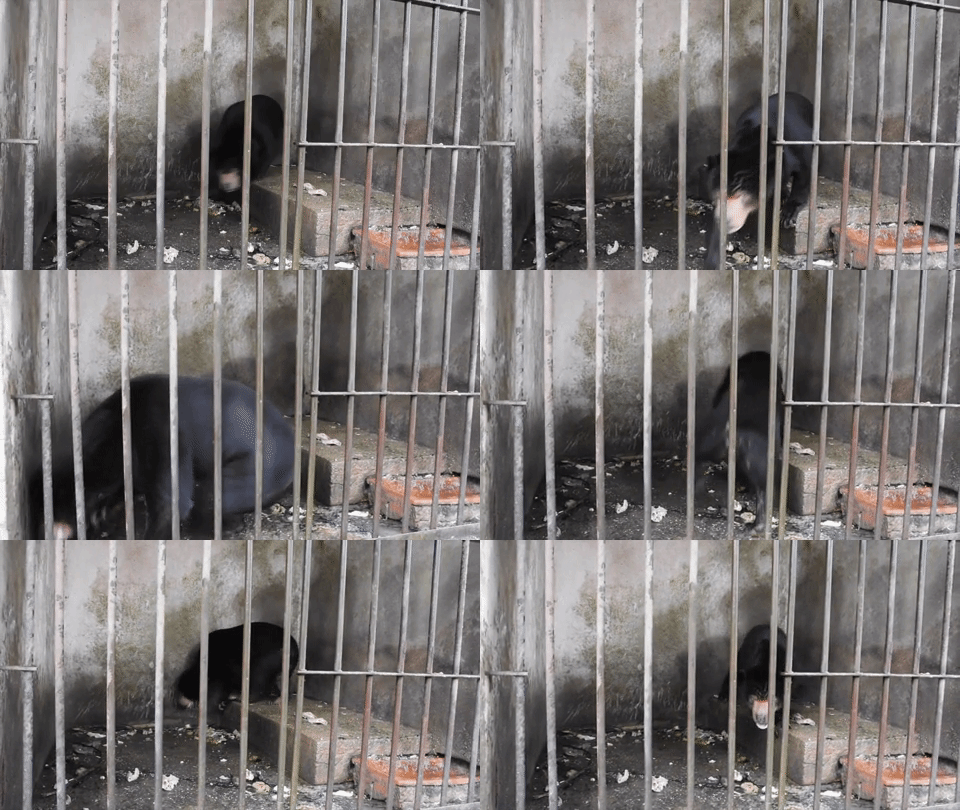
There, we were met with this pitiful, gut-wrenching sight…
Aurora has had a very sad and lonely life. This disgusting cage had been her entire world for 15 long and painful years.
I’ve been travelling with Aurora on the 4-day journey back to the sanctuary, and she is truly breaking all of our hearts…
Every sight and sound fills her little heart with fear. How terrifying the world must be for a bear who has been in solitary confinement for so very long.
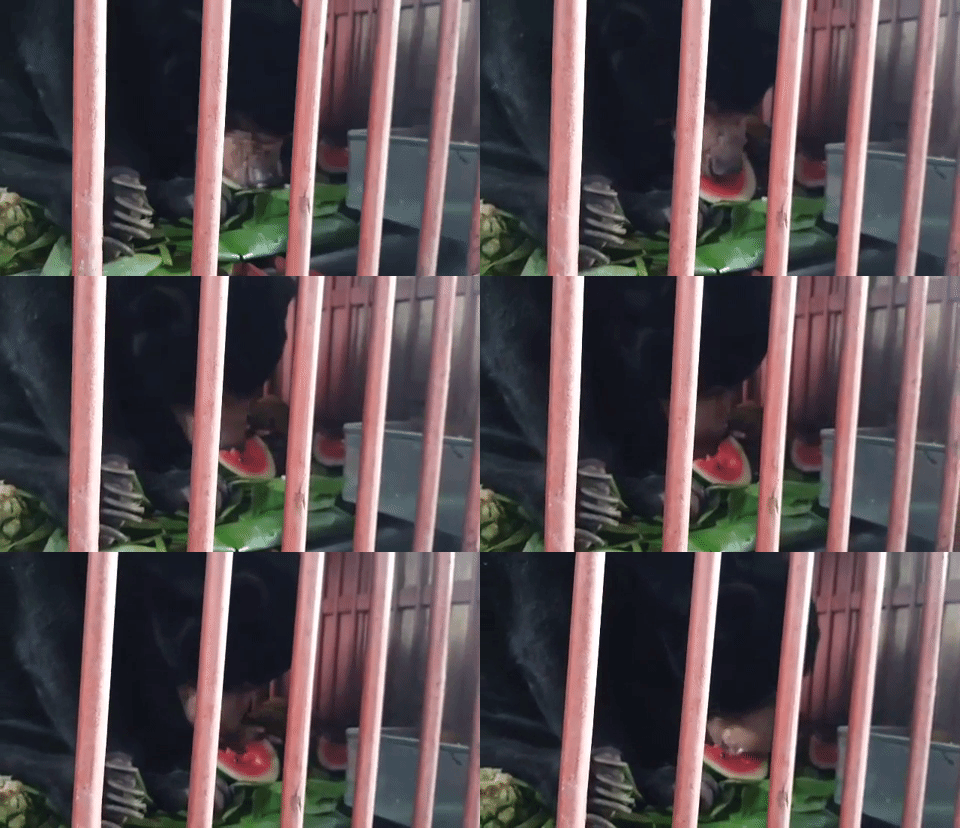
After a life of eating nothing but cold congee soup, she is struggling with food. When we offered her watermelon and pineapple, she didn’t seem to know what to do with them.
But slowly, she’s beginning to get the hang of it…
Our brave little survivor finally arrived safely at the sanctuary on Friday. And now the hard work really begins…
Aurora, unsurprisingly, is deeply traumatised by her 15 year ordeal. She has many months and even years of intensive veterinary care and rehabilitation ahead of her.
But in the past week, Aurora has experienced more love and kindness than she’s known in her entire life.
Thank you for giving this sad little sun bear a second chance. We couldn’t do this without you.
With warming sun bear hugs,
Tuan Bendixsen,
Animals Asia, Vietnam Director
PS This time last week, Aurora didn’t have a single friend in the world. But today, she has you. If you haven’t had a chance to donate to Aurora yet, could you send a gift today? You could help Aurora heal the wounds of her sad past.Donate now >>




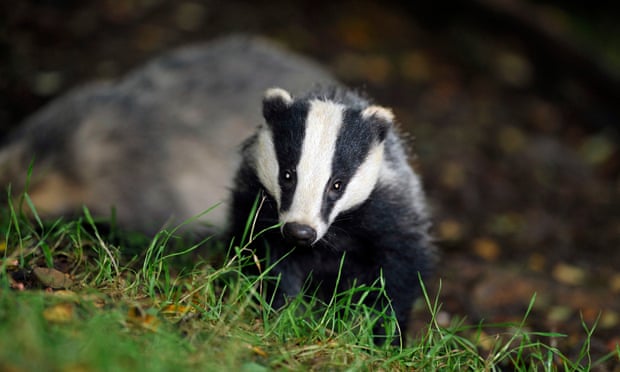

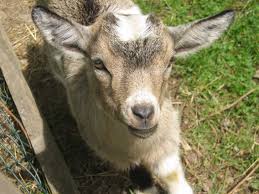

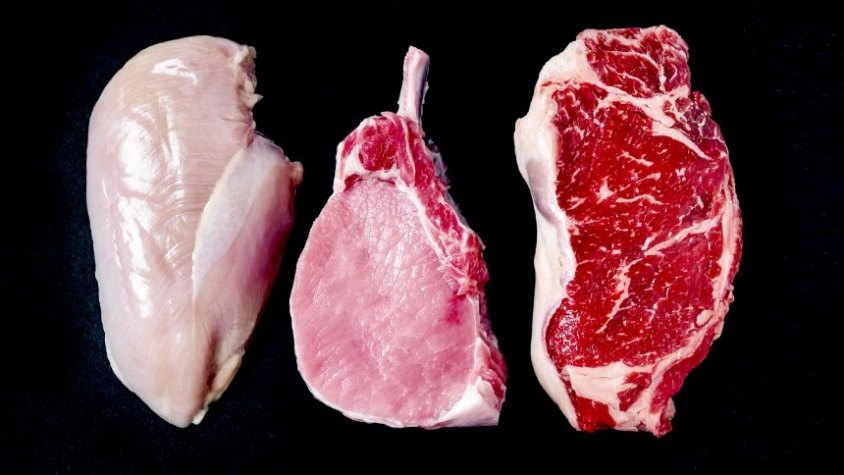 Foto: der Spiegel