
“Verily man is king of all animals because his cruelty is superior to theirs”.
‘Leonardo da Vinci’
regards, Venus
“Verily man is king of all animals because his cruelty is superior to theirs”.
‘Leonardo da Vinci’
regards, Venus
From ‘Respect for Animals’ – Nottingham, England.
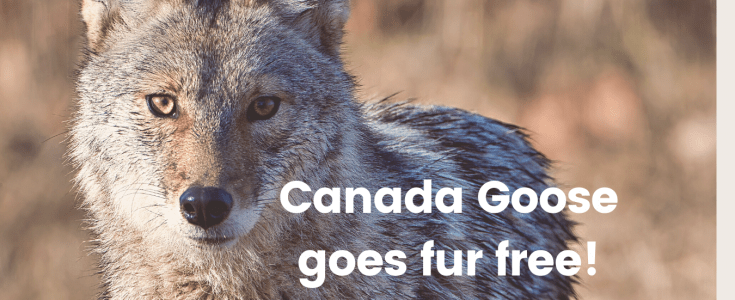
Respect for Animals is delighted at the news that the retail giant Canada Goose is to end the use of real fur in all its products. The company has been notorious for using coyote fur trims on its parka coats, taken from animals caught in cruel leghold traps in North America, methods banned in the UK and the European Union. The decision to bring this to an end is a major blow to the cruel and unnecessary fur industry.
In a statement, Canada Goose said:
“Today, Canada Goose announced that it will end the use of all fur in its products… Through a phased approach, Canada Goose will end the purchase of fur by the end of 2021 and cease manufacturing with fur no later than the end of 2022.”
Respect for Animals welcomes this historic move and encourages all remaining retailers to listen to consumers and adopt fur-free policies as a matter of urgency.
Thank you to all those activists who have devoted time, effort and money over the years trying to convince Canada Goose to ditch the cruelty of real fur.
The future of fashion is fur-free!
The anti-fur movement is celebrating the news that the retail giant Canada Goose is to end its use of real fur in all its products. The company has been notorious for using coyote fur trims on its parka coats, taken from animals caught in cruel leghold traps in North America, methods banned in the UK and the European Union. The decision to bring this to an end is a major blow to the cruel and unnecessary fur industry.
In a statement, Canada Goose said:
“Today, Canada Goose announced that it will end the use of all fur in its products. This announcement is driven by its focus on its purpose-based platform, HUMANATURE, relentless innovation, and expanding lifestyle relevance. Through a phased approach, Canada Goose will end the purchase of fur by the end of 2021 and cease manufacturing with fur no later than the end of 2022.”
The move by Canada Goose is a further devastating blow to the fur trade’s baseless attempts to present itself as ‘sustainable’ through debunked schemes such as FurMark.
According to CNN:
“Thursday’s announcement is part of Canada Goose’s mission to become more sustainable. Earlier this year, it released it’s “most sustainable parka to date” that uses 30% less carbon and requires 65% less water during production compared to its current parka. The Toronto-based company said it’s committed to achieving net-zero carbon emissions by 2025.”
Respect for Animals welcomes this historic move and encourages all remaining fur-selling retailers to listen to consumers and adopt fur-free policies as a matter of urgency.
Thank you to all those activists who have devoted time, effort and money over the years trying to convince Canada Goose to ditch the cruelty of real fur.
The future of fashion is fur-free!
For the animals,
The Respect for Animals team.
Fighting the international fur trade.
Regards Mark

June 22, 2021
A legislative committee studying the proposed federal agricultural gag, or “ag gag”, law has amended the bill in response to concerns raised by Animal Justice and other animal protection groups, legal scholars, and even the Canadian Food Inspection Agency (“CFIA”).
Bill C-205 was introduced by Conservative MP John Barlow, and was originally designed to target animal advocates and concerned citizens. The Bill threatened these individuals with huge fines and even jail time for going onto a farm without permission.
Bill proponents said this was necessary to protect biosecurity on farms and prevent disease outbreaks, because people on farms without permission could introduce pathogens that harm animals. Yet the Bill would have exempted farm owners and operators—even though disease outbreaks caused by the actions of farm owners and operators are numerous, well-documented, and have had devastating consequences for animals and public health.
A new Animal Justice report, based on data from CFIA investigations, shows that disease outbreaks are regularly linked to standard farming practices and poor adherence to biosecurity protocols by farm owners and operators. Many of the outbreaks investigated by the CFIA were traced back to troubling practices like sharing needles and equipment, feeding animal parts back to animals, failure to properly disinfect trailers, and the exposure of farmed animals to virus-carrying wild animals.
Meanwhile, there has never been a single documented case of an animal advocate causing or contributing to a disease outbreak in Canada. And of course, entering farms without permission is already illegal.
Many Members of Parliament on the House of Commons Agriculture Committee clearly paid heed to the evidence about the disease risks regularly caused by farmers (despite not hearing oral testimony from Animal Justice or any other animal protection groups). At a meeting on June 17, 2021, the Committee amended the Bill so that it applies to farm owners and operators, and not just animal advocates.
If the Bill passes, farm owners and operators could be held accountable for breaching biosecurity protocols and exposing animals to pathogens that could reasonably harm them.
Research has shown that adherence by farmers to biosecurity protocols is notoriously poor in Canada and around the world, so this amendment is an important step toward protecting the health of animals on farms.
However, more needs to be done. Canada doesn’t comprehensively regulate biosecurity on farms. The CFIA publishes voluntary biosecurity guidelines, developed in cooperation with the farm industry and government. But following these guidelines is not a legal requirement for farmers. Instead, there should be clear rules that farmers must follow to prevent disease, and greater accountability for farmers that break the rules and cause devastating consequences for animals and the health of Canadians.
Now that the Committee has completed its study of Bill C-205, the Bill will return to the House of Commons for a third reading vote, which is unlikely to occur until much later this year because Parliament is about to break for the summer. If the Bill passes a third reading vote, it will then go on to be considered by the Senate.
Regards Mark
Stacey says:
Animal farmers are inherently negligent, subjecting all animals to control and violent death.
Thanks Stacey


Click on the link to see all the photos.
On a warm October day in Halifax, Dr. Charu Chandrasekera is attending the inaugural Canadian Animal Law Conference, to speak on a panel entitled, ‘Ending Animal Experimentation: New Advances.’ That same weekend, coincidentally, the Canadian Cancer Society’s CIBC Run For The Cure is also taking place, to raise funds for breast cancer research. As Dr. Chandrasekera and I sit in a coffee shop to discuss her work, participants jog by and she quips: “I wish I could tell them they are not running for a cure. They are running from a cure.”
And so began a conversation both enlightening and enraging, detailing Dr. Chandrasekera’s journey as a biomedical scientist growing increasingly disenchanted by the system within which she works, specifically due to the use of animal models in research.
Though her story lands her today as the Executive Director of the Canadian Centre for Alternatives to Animal Methods at the University of Windsor in Ontario, Canada, it surprisingly didn’t start with concern for animals.
“The journey didn’t start with anything to do with animals,” she says, “it was me trying to be a scientist.” In her postdoctoral training following her PhD in biochemistry and molecular biology, Dr. Chandrasekera says she actually specifically worked in animal research labs, “because it was ingrained in you that animal research is absolutely essential; and I believed it, I trusted it.”
Heart failure was her area of research, mice and rats her test subjects. “Some of the labs I worked in also had rabbit models, and I saw people working dog models of heart failure as well,” she says. Soon into the work, however, Dr. Chandrasekera says, “it became very obvious that the work I was doing was not translatable [to humans] the way I thought it was.” And though she would continue this work for a few years, she would also continue to question the purpose and effectiveness of testing on animals. “In the field that I was involved in, nothing was really reproducible; there were so many discrepancies and contradictions even among the top-notch researchers in that field.”
Today, she notes, drugs tested to be safe and/or effective in animal models have a 95 percent failure rate in human trials. Yes, read that over again.
During this period, says Dr. Chandrasekera, “while I was going through this whole experience in these animal research labs where scientifically they weren’t working, I was also going through a personal, moral journey at home.” Becoming visibly choked up, Dr. Chandrasekera speaks of her dear cat Mowgli, a grey tabby with green eyes.
“She [Mowgli] taught me all about animal sentience for the first time in my life, about who animals really are. That they are just like us, they feel pain, they feel joy, they are mischievous, they get mad, they like to enjoy, and they are conscious.”

There was a certain innocence and purity in Mowgli’s eyes, she says, that captivated her heart. “And soon enough, there were times when I would go into the lab and I would see the exact same innocence and purity in the eyes of a mouse. And to me, there was no difference between Mowgli and the mouse I was giving heart disease to.” Combined with the scientific failures of animal research, she says, “it was no longer justifiable.”
It was around this time Dr. Chandrasekera also adds, that she viewed the documentary Food, Inc., and immediately went vegan.
But it was in 2011 that Dr. Chandrasekera says she reached a point she describes as life-altering when her father had a heart attack and required bypass surgery. After staying at his bedside for weeks, she returned to the lab where they were working on heart failure research, specifically regarding certain receptors, if activated properly during a heart attack could be protective of the heart. “We had a number of different animal models of this,” she says, “and when I came back to the lab I talked to my professor I was working for, and I said ‘Do you think these receptors were activated in my dad during his heart attack?’ and he said –I’ll never forget this– ‘How the hell would I know? We’ve never looked at this in the human heart.’”
It was at that moment, she says, “everything within me sort of froze, and I thought, ‘What am I doing this for?’”
By 2012, Dr. Chandrasekera left traditional academia. She joined the American non-profit, The Physicians Committee for Responsible Medicine, which promotes plant-based eating, as well as preventive medicine and alternatives to animal research. “It was during this period that I was exposed to this whole other world. I got to interact with big players across the globe, people who were legitimate scientists, who were regulators, who were pharma industry, who were investing and actively promoting alternatives to animal testing.” She calls it an awakening, an awakening within her, as well as within the scientific community.

“There was a huge global shift. Countries like the Netherlands just came up and said, ‘We’re going to end all animal testing for chemical safety by 2025’; all these things were happening,” she says.
“From Brazil to East Asia, there are many countries that have dedicated federally funded research to shift away from animal testing.”
Whenever she would attend international meetings however, “people always asked, ‘How come there is no centre for alternatives in Canada?’” That’s when Dr. Chandrasekera knew what she needed to do next.
So in 2016, Dr. Chandrasekera approached the Vice President of Research and Innovation at the University of Windsor with a proposal, and said “How would you like to have a centre like that here?” He was fully on board, she says, as was the new Dean of Science, and in less than a year the Canadian Centre for Alternatives to Animal Methods was established. With the help of a “transformative gift from the Eric S. Margolis Family Foundation,” she says, the centre now works in three main areas: biomedical research, regulatory testing, and developing courses and degrees focused on “training the next generation to think outside the cage.”
Dr. Chandrasekera says she can now foresee a future without animal testing.
“It is going to happen in my lifetime, and it’s a win-win situation for everyone involved.”
As another Run For the Cure participant saunters by the coffee shop window, Dr. Chandrasekera concludes: “This is about animals and this is about people like my dad. Alternatives to animal testing are where the world is headed, whether the scientific community likes it or not.”
Photos of Dr. Charu Chandrasekera by Frank Michael Photography. All other photos by Jo-Anne McArthur. Interview and story by Jessica Scott-Reid.
Jessica Scott-Reid is a Canadian journalist and animal advocate. Her work appears regularly in the Globe and Mail, New York Daily News, Toronto Star, Maclean’s Magazine and others.

Regards Mark
Sustain Blog says:
Thank you for the post on animal testing.
No problem – thanks for your comment.

WAV Comment – YEEEES !! – Congrats to all those who worked so hard for many years to achieve this.
Regards Mark
Updated / Tuesday, 22 Jun 2021
The Minister for Agriculture, Charlie McConalogue, has received Cabinet approval to introduce legislation that will lead to the banning of fur farming.
“Society has changed and attitudes to keeping animals in captive specifically for their fur… attitudes have really changed significantly towards that“, he told journalists outside Government Buildings this afternoon.
The measure, to prohibit the breeding of mink specifically for their fur, is contained in the programme for Government.
There are 120,000 mink left in the country, spread across three mink farms in counties Laois, Donegal and Kerry.
Charlie McConalogue described the bill, known as the Animal Health and Welfare (Amendment) Bill 2021, as comprehensive and measured.
It contains provisions for a compensation package for the farmers, which will take into account earnings, redundancy payments and demolition fees.
It’s estimated that the industry is worth around one to two million euro to the economy each year, employing roughly 12 fulltime staff. This increases to 30 during the busy season.
Minister McConalogue said this type of farming was once “very much promoted” by Government, from its origins in the 1960s. However, he explained that the activity is no longer supported.
He told reporters that the three farms in question have always maintained and upheld the highest animal welfare standards and Government has been engaging with them for the past year.
Minister of State Pippa Hackett said it was a sensitive issue, but she welcomed the moved.
She explained that in the past, well-meaning people have sometimes released mink from captivity into the wild, which “has caused absolutely catastrophic issues for wildlife and continues to do so”.
Cabinet gives green light to ban fur farming (rte.ie)
From ‘Respect for Animals’, Nottingham, England – Fighting the Fur Trade:
On Tuesday 22 June 2021, Cabinet approval was granted to abolish fur farming in the Republic of Ireland. The measures will be part of an amendment to the Animal Health and Welfare Act 2013, and are likely to include a provision that chinchillas and foxes and mink can not be farmed for their fur or skin. There are currently three fur farms in Ireland, which kill around 100,000 mink annually.
Successive governments have pledged to ban fur farming in Ireland for some years, after a campaign co-led by Respect for Animals. As we reported earlier this year, the fur farming ban formed a part of the programme for government and was listed as a priority bill when the 2021 new year’s legislative programme was published.
This latest development will escalate the process of phasing out fur farming, with the farms expected to be closed down by 2022. The Bill will be published as the Animal Health and Welfare (Amendment) Bill 2021.
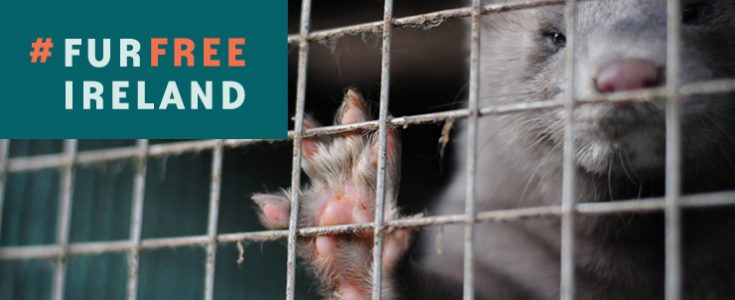
Respect for Animals is delighted at this latest development, having campaigned for a #FurFreeIreland for a number of years, alongside colleagues at NARA and the ISPCA.
Fur farming has been in decline in Ireland over the past few years following a government agreement in 2019 to phase the practice out.
As is standard practice in legislation prohibiting fur farming, the three mink farms will be compensated for their compensated for the closing down of their operations, with a package which is likely to take into account earnings, redundancy payments and demolition fees.
Speaking outside Government Buildings in Dublin, Minister for Agriculture, Food and the Marine Charlie McConalogue confirmed that he had received Cabinet approval to introduce legislation ending fur farming In the Republic of Ireland
As part of the Fur Free Alliance, Respect for Animals worked closely with former TD Ruth Coppinger, who brought forward a Fur Farming Prohibition Bill a few years ago, which forced the then Irish government to change policy and agree to prepare a ban.
In Germany alone, 40,000 piglets end up in the rubbish bins every day, they are rubbish and are not needed.
Per day!
Half dead, lying helplessly dying, they die a painful, slow death after being hit on the floor.
The cattle are hung by one leg, their necks cut off, millions of animals die the same gruesome death for minutes, not just at a week-long festival, but every day.
Only these “other” animals were not declared as pets by humans.
One wonders if Yulin would get that much attention when it came to pigs or calves.
Of course, the Yulin massacre is not justified by the fact that it could be worse in every country with different “animal species”.
ALL animals have the same feelings and exactly the same right to a happy life without suffering and without being killed for their bodies in the end.
The same pain is for ALL animals, there is no difference, the difference is only in our mind and our upbringing.
Therefore: If we have not understood it for hundreds of years, we should finally understand it NOW that animals are not our slaves, are not food, they have their right to live as roommates in peace on this planet.
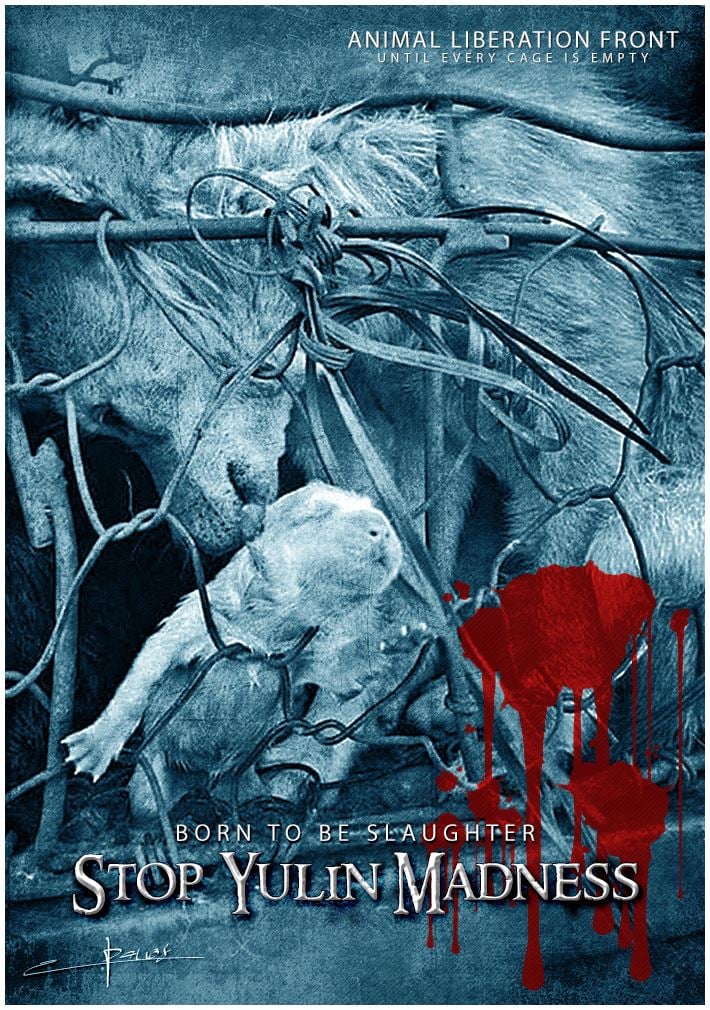
Anyone who is against the massacre in Yulin should be vegan in principle. Everything else is hypocrisy.
My best regards to all, Venus

Great article as always from the Guardian, London.
Pesticides regulator says it has concerns about the effects of bromadiolone on animals that eat mice
The national pesticides regulator has refused a request from the New South Wales government to allow farmers to use a rodent poison described as “napalm for mice” around crops to battle the devastating mouse plague.
Conservationists had warned the use of bromadiolone would have devastating affects on native species in the central west and put endangered birds at risk.
The blood-thinning chemical– part of a class of poisons called second generation anticoagulant rodenticides (SGARs) – is known to stay active for months and can pass through the food chain, causing secondary poisoning of animals that eat the dead and dying.
The Australian Pesticides and Veterinary Medicines Authority wrote to the NSW Department of Primary Industries on Wednesday to say its two emergency permit applications to use the poison, submitted in May, would be declined.
APVMA chief executive Lisa Croft said: “The APVMA’s primary concern is environmental safety, particularly in relation to animals that eat mice.
“Before the APVMA is able to approve any application, we must be certain that it is safe, that it will work, and that it will not prevent our farmers from selling their produce overseas.”
The authority has approved six other emergency permit applications to use zinc phosphide, which can still harm wildlife but does not have the same long-lasting affects.
Bromadiolone is only approved for use in and around buildings and, like other SGARs, is widely available to the public.
But there is emerging evidence in Australia that their widespread use is having negative affects on native wildlife, including owl and threatened eagle populations.
Scientists and conservationists had feared a broad release of bromadiolone to control the mouse plague could have devastated populations of the threatened superb parrot.
The APVMA has given the state 28 days to respond, but the NSW agriculture minister, Adam Marshall, said he accepted the decision.
“The APVMA was extremely diligent in its consideration of our request and despite being disappointed [at] not getting the outcome we wanted for the state’s farmers, they are the independent regulator and we accept the umpire’s decision.”
The NSW government had secured a supply of 10,000 litres of bromadiolone and Marshall said in May it would be “the equivalent of napalming mice across rural NSW.”
He said on Wednesday: “Resources that were to be used to distribute bromadiolone will now be redeployed to support the other key support measures.”
In a statement, NSW Farmers Association vice president Xavier Martin said the association supported the APVMA’s decision and said his members had concerns about the risks of using the poison.
The boom in the non-native mice has devastated crops and grain, and caused damage to homes, buildings and machinery. There have been reports of a stench of mouse urine, of dead mice and of the rodents flooding homes and biting children and crawling over people in their sleep. Martin said a cold snap had “slowed activity down, particularly in the central west region” and while farmers were reporting a fall in mice numbers in the north-west region and Riverina, “many are still baiting and are concerned about a return to plague proportions in spring”.
BirdLife Australia is campaigning to stop SGRs being sold to the general public and had asked the APVMA to block the permits.
Holly Parsons of BirdLife Australia welcomed the decision, adding: “We still have concerns about the impacts that second-generation anticoagulant rodenticides have on our wildlife but are glad that such a mass quantity has been stopped from entering our agricultural and natural food chains.”
The NSW Environment Protection Authority has said previously that some bird deaths reported in the central west region had been caused by zinc phosphide, but there were no reports of poisons being misused.
Parsons added: “We note the six additional permits to distribute zinc phosphide, and call again on the APVMA to implement additional monitoring of potential impacts to wildlife from this chemical.”
Marshall said the government had allocated $150m to give farmers a 50% discount on zinc phosphide purchases.
Regional households can also claim rebates of up to $500 for mouse bait, traps and cleaning products and small businesses can claim up to $1,000.
Regards Mark
Middle East Monitor.com
An article by Zarefah Baroud
People for the Ethical Treatment of Animals (PETA) praised Israel last week for being the first country to ban the sale of animal furs.
Such legislation is worthy of praise, of course, but in the case of Israel any praise, especially regarding its ethics towards animals, is completely misplaced.
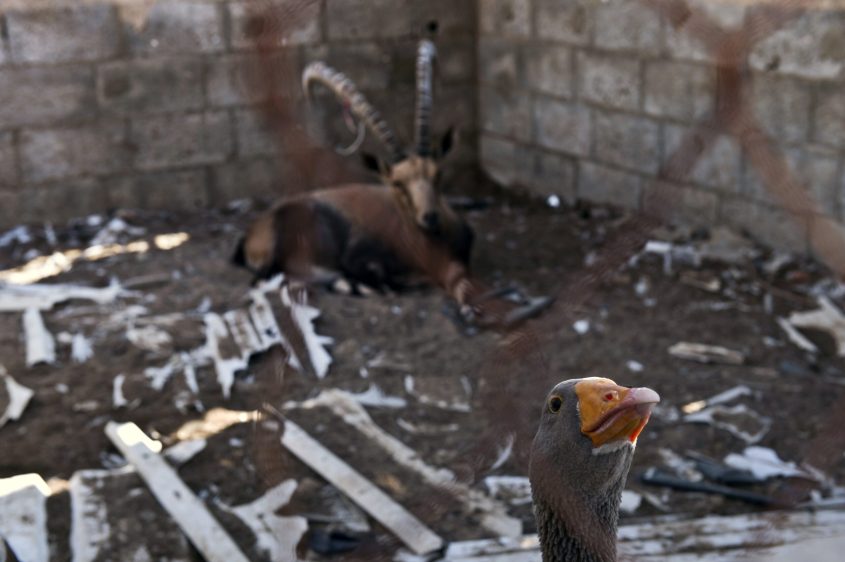
Throughout the country’s short history, Israel has repeatedly exposed its worrying position on environmental justice with its state-protected environmental terrorism and deliberate military attacks on animals.
The military offensive against the Gaza Strip in 2008-2009, for example, killed hundreds of Palestinians, as well as many animals, particularly those sheltered at the Gaza Zoo.
“This camel was pregnant, a missile went into her back,” Gaza zookeeper Emad Jameel Qasim told Gulf News at the time.
“Look, look at her face. She was in pain when she died.”
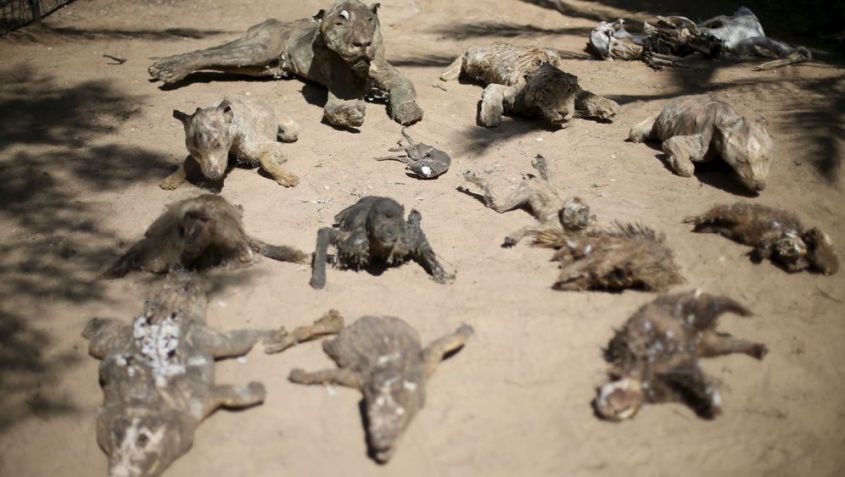
According to Qasim, when Israeli soldiers entered the zoo, they made their way to the lion enclosures and shot the animals at point-blank range. Monkeys nearby tried to flee.
Some were shot inside their enclosures, while others attempted to hide in clay pots and adjacent offices, only to be hunted down and killed in the most brutal of ways at the hands of the “world’s most moral army”.
Many of the animals that weren’t killed by Israeli bullets starved to death because the people taking care of them were trapped in their own homes due to the Israeli bombardment.
Rather than a condemnation of Israel’s attacks on all living beings in Gaza, less than a month later PETA took it upon itself to come up with a solution to the so-called “Israeli-Palestinian conflict”.
The campaign group appealed to the Israeli Defence Ministry to install a “ pro-vegetarian mural” on both sides of Israel’s apartheid wall and barriers in the West Bank and Gaza adorned with the phrases “Give Peas a Chance” and “ Nonviolence Begins on Your Plate: Go Vegetarian”.
PETA has made it perfectly clear through statements such as these that, like the lives of the people of Palestine, the lives of Palestinian animals are not worthy of mention.
Unfortunately, 2008/9 was not the only time that Israel has attacked Gaza Zoo.
In 2014, during the occupation state’s so-called “Operation Protective Edge”, Israeli forces bombarded the zoo again, killing more than 80 animals.
A number of the zoo’s lions had to be taken elsewhere to recover from the trauma they suffered, a privilege that no Palestinian human beings are afforded.

During that same assault on the Gaza Strip, Palestinian farmers were devastated by the bombing of their agricultural land and livestock. Ali Alommor, a Palestinian farmer in Gaza explained to Middle East Eye that his donkeys were vital for his livelihood and that of his family.
However, the Israeli offensive left his donkeys “riddled with bullets” and one looking like it had been run over by a tracked vehicle, such as a tank or armoured bulldozer, as it tried to flee.
Another farmer, Sami Abu Hadaeid, had to flee from the bombing, leaving his beloved sheep behind. All 30 of the animals were killed before he could return.
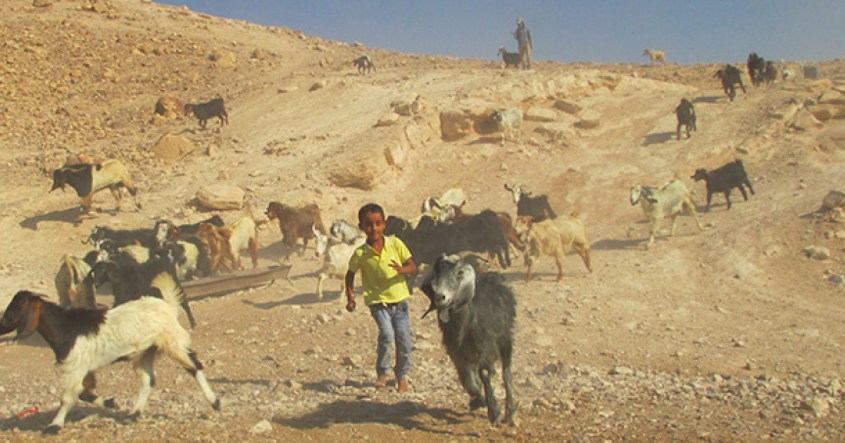
They were either shot and decapitated by soldiers or were crushed underneath the rubble of their shelters. Israeli tanks also killed more than 500 cows that supplied many Palestinians with milk, supporting the livelihoods of sixty families.
Similarly, in 2017 an Israeli F-16 aircraft fired a missile at a chicken farm in Gaza.
The roofs of the enclosures collapsed, killing hundreds of the birds.
OPINION: Critics of conditions in Gaza Zoo expose the value placed on Palestinian lives
Israel’s lack of humanity and concern for Palestinian life has always been extended to include the local environment, livestock, and crops. Whether that be the state-protected illegal settler arson attacks on Palestinian olive groves, toxic waste dumping in the West Bank, or the destruction of Gaza’s water treatment infrastructure leading to the dangerous pollution of the Mediterranean Sea, the Israeli regime has remained consistent in its positions towards Palestine’s people, animals, and wildlife habitats.

At the very least, it is irresponsible for PETA to applaud any action by the Israeli government, considering Israel’s brutal legacy of violence towards Palestine’s environment and the animals it sustains.
The activists within the organisation would be better off campaigning for animal rights in the territory occupied and controlled by the colonial state.
Anything less diminishes their credibility.
And I mean … We were the first and to this day we remain the only ones in the animal rights scene who did not cheer the news about the abolition of fur sales in Israel.
We had our reasons and we have set them out in this article.
https://worldanimalsvoice.com/2021/06/11/israel-bans-the-sale-of-fur-not-a-novelty-but-white-washing/
We are very happy that in the meantime a group of animal rights activists is of the same opinion as ours and that they have written very pragmatically and realistically.
We show our solidarity with this article.
My best regards to all, Venus

WAV Comment – Now with new and younger people with different views in (UK) Parliament, it is time that things change, and that is exactly what is happening; much to the benefit of animals and their welfare.
UK elephants currently in zoos and safari parks will be allowed to die out naturally; but they will never be replaced by new and younger animals. As one political source says; you should focus on elephant protection in the area where the elephant is.”
Regards Mark
UK – Keeping elephants in zoos or safari parks will be BANNED over claims that they suffer from mental illness in captivity
Legislation will prohibit keeping elephants in zoos as well as importation
The existing population will also be allowed to die out naturally under new rules
Move by environment minister Zac Goldsmith is likely to delight Carrie Symonds
Keeping elephants in zoos or safari parks is to be banned, the Daily Mail can reveal today.
Legislation will prohibit importation of any new animals and the existing population will be allowed to die out naturally.
The move by environment minister Zac Goldsmith is likely to delight Boris Johnson’s wife Carrie, who is a champion of elephant welfare
Campaigners have long warned that the highly intelligent animals suffer from mental illness in zoos.
They are also plagued in captivity by illnesses, including crippling arthritis, and live on average for just 17 years according to the RSPCA. This compares with more than 50 years in the wild. The legislation will bring to an end more than seven centuries of elephants being kept in captivity in Britain.

Environment Minister Zac Goldsmith is said to have introduced legislation to support future populations of animals raised in the United Kingdom for the seventh century.
The first elephant arrived in England in 1255 under Henry III as a gift from King Louis of France.
Currently, there are 51 elephants in 11 zoos across the UK. This includes Warburn, Whip Snade, Colchester and Chester.
However, since January 2020, it has been illegal for circuses to keep elephants for entertainment.
According to RSPCA, elephants suffer from illness in captivity and live on average only 17 years compared to their wild siblings who live up to the age of 50.
And their welfare report is set to form a debate against their breeding in the zoo-it will be announced later this year as part of the breeding animal bill.
One senior source told:
“It’s very likely that you can’t make an elephant happy in a zoo. Instead, you should focus on elephant protection in the area where the elephant is.”
Mark Jones of Charity Born Free said: “There are many species that do not belong to the zoo. Elephants are one of them.
“It should be phased out and the needs of these very widespread, highly complex social animals cannot be met in a captive environment.”
“It’s not appropriate to keep elephants in the zoo,” said Conservative Chairman Lorraine Pratt.
“They need to have a lot of space to walk around, and they also have a close family group.”
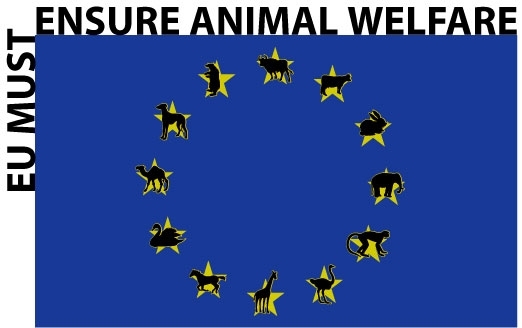
From Mark, WAV.
The EU Presidency is urrently held by Portugal for the period 1 January 2021 – 30 June 2021.
In case you are not aware, the EU Presidency is held for a 6 month period by each of the EU member states in turn. It is known as a ‘Rotating’ Presidency, giving each member state a period to set out agendas. When Portugal completes its time, the Presidency will be taken over by Slovenia. You can view all past and future presidencies via this link:
https://en.wikipedia.org/wiki/Presidency_of_the_Council_of_the_European_Union
Hopefully there will be some positive news and information; relating to long distance animal transport and also the the ‘End the Cage Age’ relating to the ban on intensive animal farm systems throughout Europe. Other issues discussed will include equine (horse) welfare and the alternative methods to pig surgical castration, and welfare issues associated with dairy cattle.
I think that with the excellent news relating to the ending of intensive cage systems for farm animals –
The citizen of Europe is finally being listened to. Politicians know they have to meet the EU citizens demands or face being un elected whenever the next chance arises. So now we see positiveaction on intensive cages; as demanded by EU citizens. Hopefully there will be positive progress on animal transport to third countries; but we will have to wait and see what news the meeting brings.
All the more reason to add your name to petitions and letters when you have the chance. It may not seem much at the time; but these are very effective ways to make your feelings know; so plese take part.
Rergards Mark
9th Meeting Overview:
The 9th meeting of the Animal Welfare Platform will open with a message from Health and Food Safety Commissioner, Stella Kyriakides, who will give an update on the progress of the ongoing European Commission’s actions under the Farm to Fork Strategy.
Agenda – View the Agenda details via the following:
The agenda of the meeting includes presentations by the Commission of the outcomes of the evaluation of the EU Strategy for Protection and Welfare of Animals (2012-2015), the preliminary results of the Fitness Check of the EU animal welfare legislation and the conclusions of the sub-group on animal welfare labelling. In addition, the third EU Reference Centre for the welfare of ruminants and equines, which was recently designated, as well as the Code of Conduct for responsible business and marketing in relation to animal welfare, will be presented.
MEP Paolo de Castro will introduce the main elements of the recently adopted European Parliament Resolution on the ECI “End the Cage Age”. Furthermore, the Portuguese Presidency will present updates on their work on long distance transport to third countries.
The two first sessions of the meeting will be conducted as part of the United Nations Food Systems Summit 2021 Dialogues to underline the key role that animal welfare plays in the sustainability of food systems. The Platform will have an opportunity to contribute to these dialogues, which are part of the preparations for the Summit in September.
The one-day meeting will be web-streamed (from 09:30 CET).

