
Hi all;
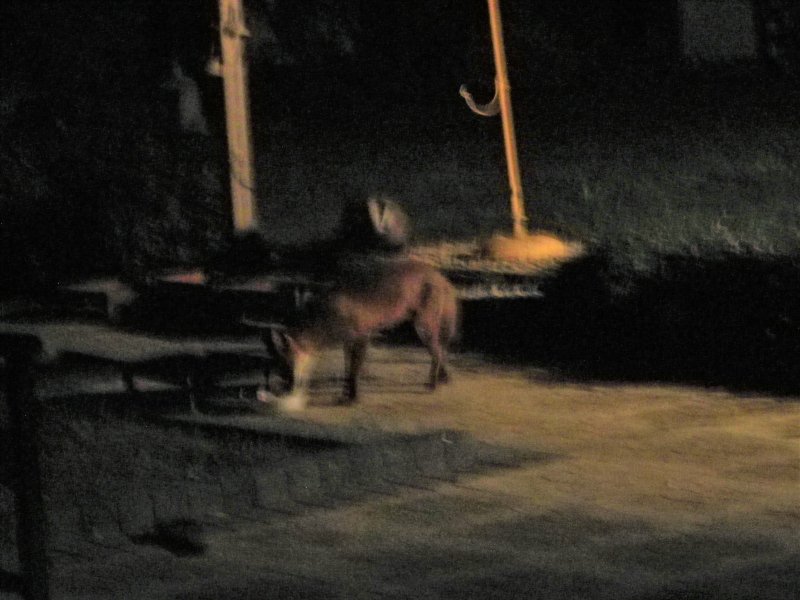
its a really bad photo I know, but I had to very quickly get this tonight; and took it through the window.
A badger and a fox both eating together in the garden – never concerned about each other – food is the main attraction !
Regards Mark
Hi all;
its a really bad photo I know, but I had to very quickly get this tonight; and took it through the window.
A badger and a fox both eating together in the garden – never concerned about each other – food is the main attraction !
Regards Mark
People are so disconnected from whom they are eating. They are so disconnected from the mass suffering and torture that they are inflicting upon others of different species.
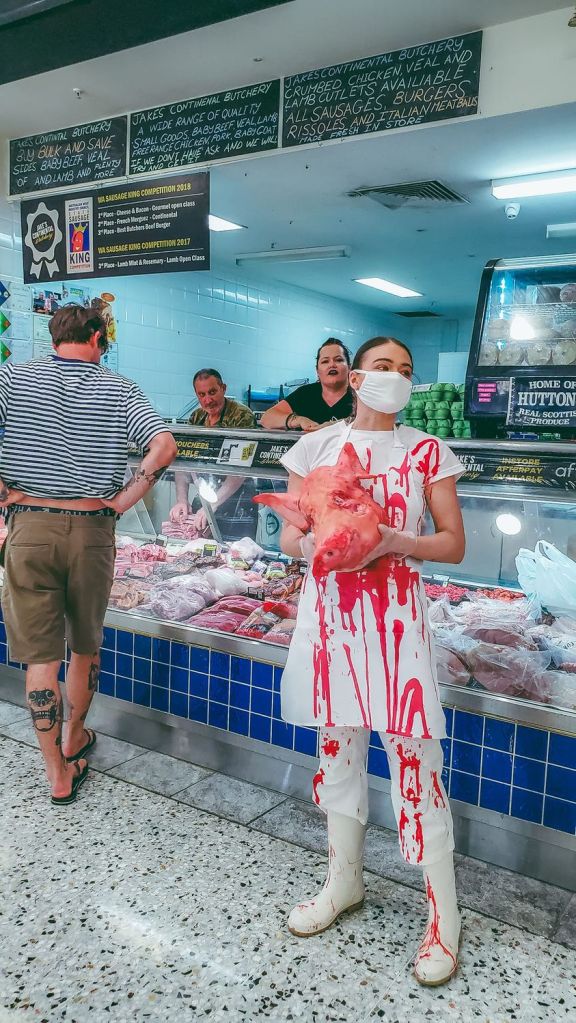
Neatly wrapped packages of someone’s murdered body, blood cleaned away from their flesh – their corpse remains unidentifiable from the individual who they once were. Their brutal murder remains hidden behind closed doors.
This holocaust thrives in secrecy.
“Your meat” had a face, a heart beat, a personality and a family. You paid for their murder.
“Your dairy” came from a mother who was raped and had her babies stolen from her.
“Your eggs” came from a female who’s reproductive system was exploited and her male babies were macerated alive on their first day of life.
If you aren’t vegan, you support and pay for rape, torture, slavery, abuse and murder.
If you aren’t vegan, you support and profit a holocaust.
Text: Tash Peterson
And I mean…As to whether animal suffering is of a greater scale than human suffering, this seems inarguable to me.
Over 150 billion land animals are slaughtered every year, according to Farm Animal Rights Movement. To put that in a bit of perspective, the Population Reference Bureau estimates only 110 billion humans have ever lived.
So, of course, animal suffering is infinitely greater than its human equivalent.
In short, 99.99% of humans participate in a genocide and hold the biggest holocaust of all time, the Animal Holocaust, and call it their right, they call it normal.
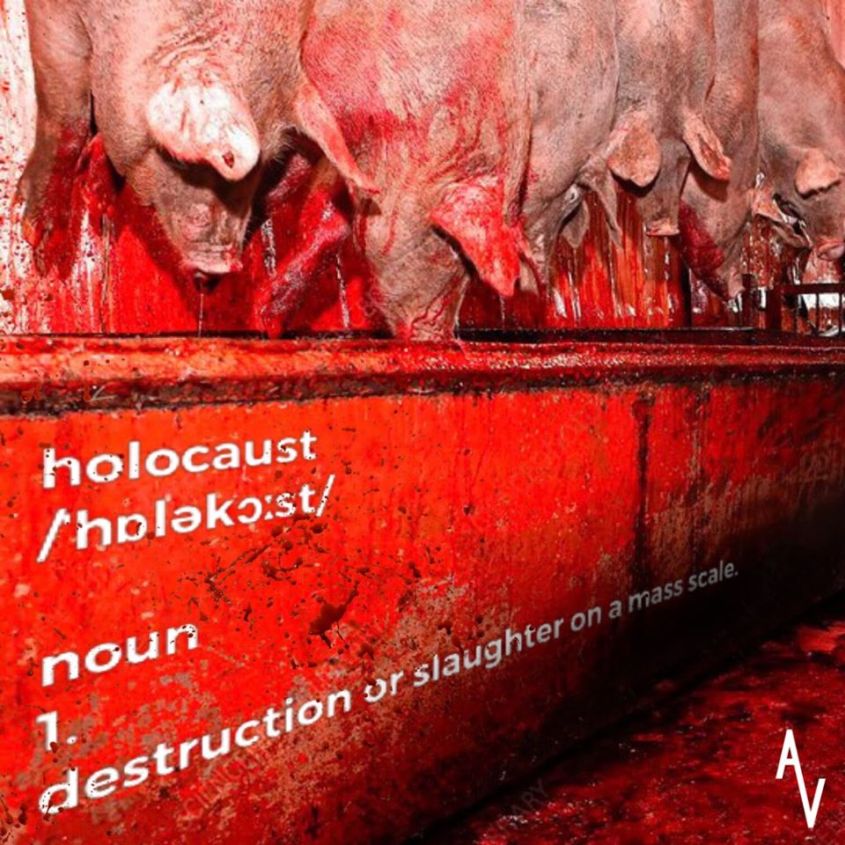
Gary Yourofsky said: “Why would any human, poor or rich, black or white, gay or straight, religious or atheist, be allowed to rape, enslave, commodify and murder animals? Why would anyone be exempt from behaving ethically? If poor people aren’t allowed to have human slaves, or rape and murder children, then the animals are off limits too!”
We are here for the oldest and most oppressed group of all history: the animals.
We want justice and freedom for the animals, and we want for every wrong act against them to be stopped and punished.
And anyone who claims to have morals should be able to grasp that.
My best regards to all, Venus
Regards Mark
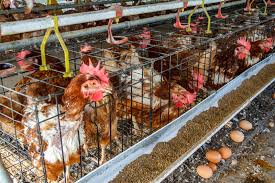
It is from these unfortunate abused ones that cheapo eggs come.
Go Vegan.
Their feathers will grow back very soon and I am sure they will all be beautifuul birds.
Regards Mark


By Ellyn Kail on May 26, 2021
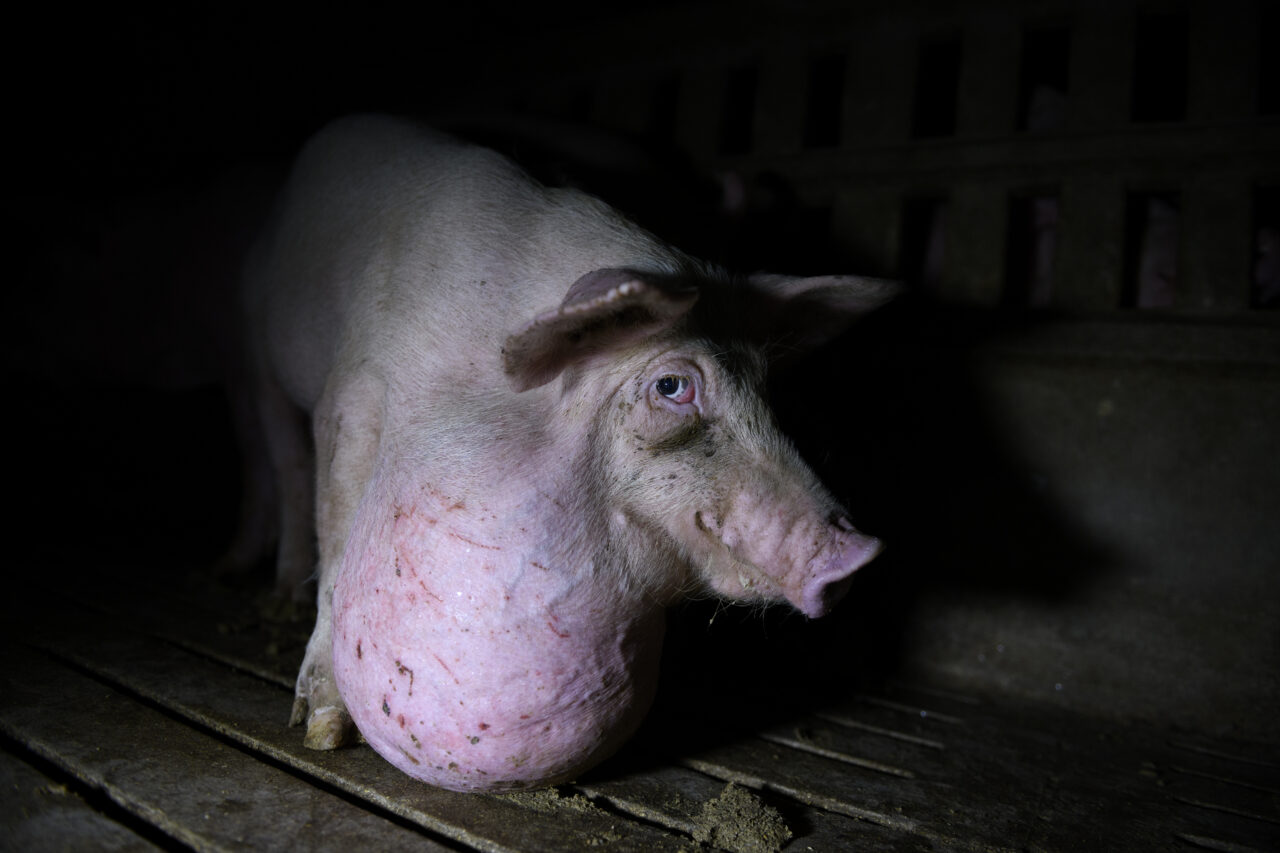
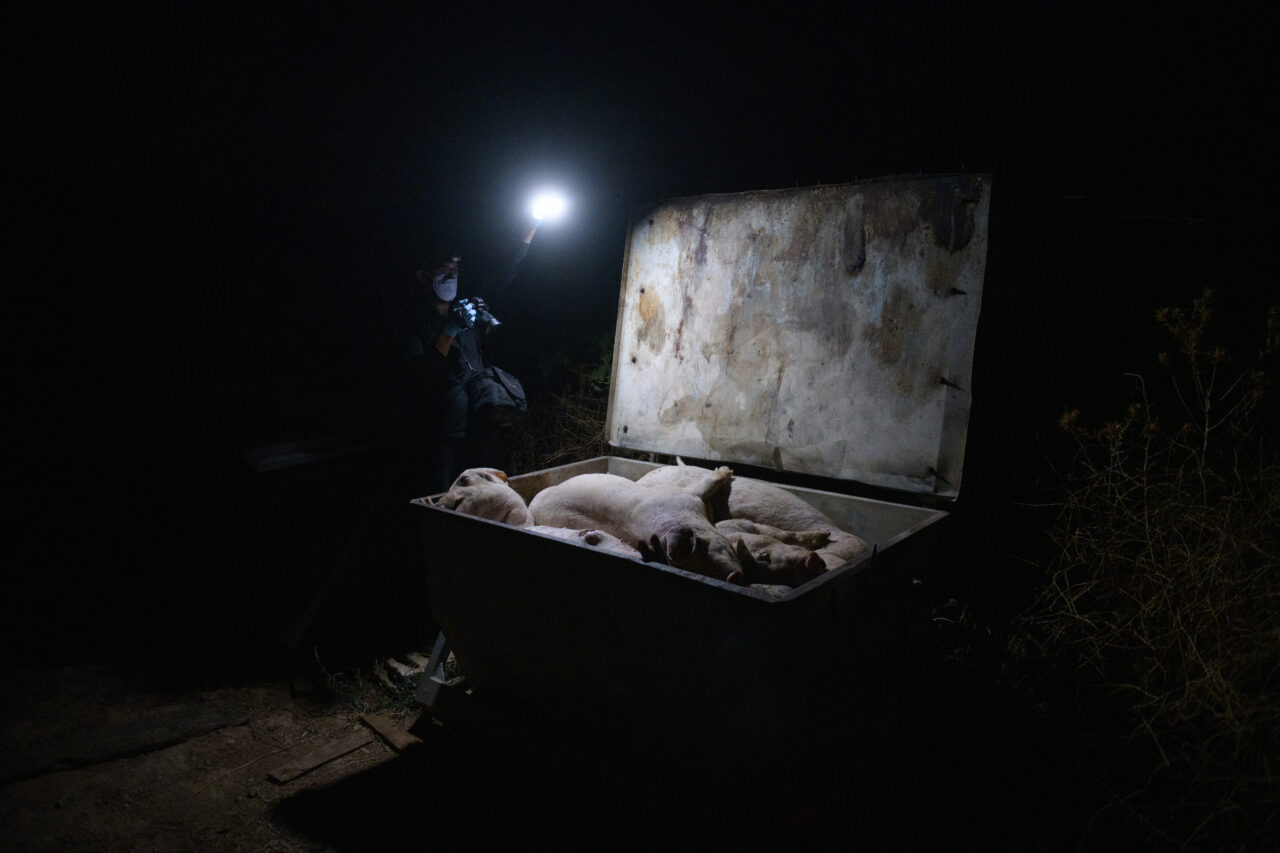
In 2018, the animal photojournalist Aitor Garmendia and his colleague, the undercover investigator Linas Korta, happened upon a Spanish pig farm while working on a story about slaughterhouses. When they approached, they found the entrance of the farm marked by a container of corpses, and together, they opened the lid.
Inside, surrounded by dead bodies and excrement, they discovered a single living piglet, weeks old and trembling. They wrapped his shivering body in their clothes and rushed him to the vet. He died hours later.
Continue reading at:
Regards Mark


Vegan Sausage Roll Vending Machine Debuts In UK | Plant Based News
The vending machine will give out free vegan sausage rolls from Meatless Farm to celebrate National Sausage Roll Day
A vegan sausage roll vending machine is launching in the UK.
Created by plant-based brand Meatless Farm, the machine will debut in the South Bank area of London.
It will dispense free vegan sausage rolls from 11.30 am – 7 pm on June 5 to celebrate National Sausage Roll Day.
“Our sausage rolls have a herby sausage filling that is made using pea protein to create a meaty, succulent texture and taste,” Meatless Farm said.
“[They’re] so flavorsome even meat-eaters will think we’re telling porkies!
“Each sausage roll has a perfectly crisp and flaky puff pastry which will have even the die-hard sausage roll fans jumping for joy.”
Earlier this year, Meatless Farm announced it’s opening a plant-based factory in Canada.
The brand launched a dedicated plant protein ingredients subsidiary dubbed Lovingly Made Ingredients. It will provide its global supply of textured plant protein and ‘expand into broader external supply operations’.
Lovingly Made Ingredients will operate out of a new flagship plant protein facility in Calgary, where it will be the first of its kind on this scale. Moreover, Meatless Farm describes the move as one of its ‘biggest investments to date’.
It has invested an initial $12 million in its manufacturing infrastructure with the 30,000 sq ft plant. By 2023, it will have the capacity to produce up to 14,500 tonnes of plant protein ingredients.
The vegan sausage roll vending machine will be located at Observation Point, 56 Upper Ground, South Bank
A brilliant way to convert even more to plant based !
Regards Mark

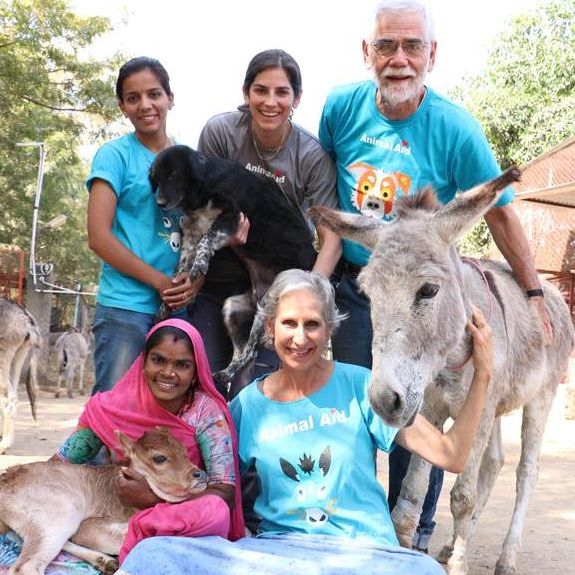
Above – Founding family Erika, Claire and Jim,and the Animal Aid Unlimited team.
WAV Comment – I (Mark) communicate with Erika every week; and we discuss many things that relate to nature and how the world could be improved on. Here below are their latest wonderful vidoes on how they keep going and saving animals, despite the terrible Covid situation in India, Enjoy
Regards Mark
Dear Mark,
Awakening trust and love in animals who have been abused is a beautiful part of our job. We rescued Alex a few months ago with a fractured leg. As a tonga pony, pulling carts filled with people or sand and bricks, he has endured blasting horns, toxic fumes in traffic, and suffered in heat exceeding 40C.
During his first weeks with us, Alex held his neck rigid and his head high. If you came near, his ears laid flat back, his eyes would flash and he’d immediately threaten to bite. It was clearly a learned distrust of any human contact.
Our first step in helping his emotional healing has been to give him freedom to make his own choices.
We keep him untethered so that he can move freely as every animal must, and decide where he feels comfortable. Now his posture is relaxed when we approach him with tasty biscuits. He loves them! And very slowly he is letting us touch his neck while he chews. Only for a moment, though!
If Alex ever accepts human touch, it will be his choice. And if he never accepts human touch, we’ll understand, and love him anyway.
Thank you for giving us the means to give forever sanctuary to our sweetheart, Alex.
Bounce hadone of the most disturbing wounds we’ve seen in a long time. An animal lover from about an hour outside of Udaipur saw him running with a wire embedded in his neck and called us to rescue him. He was extremely fearful, so to catch him we lured him into a portable cage and then hurried him back to Animal Aid.
When we cut the wire off we found that the wound was even worsethan we’d suspected–maggots had burrowed into the deepest parts of the long gash. We immediately began treating the wound, without knowing if we’d found him in time to save his life.
From pain and despair, watch Bounce love life again.
Street puppy Barnabywas probably innocently playing when a passing vehicle hit him right on his nose.
Bleeding from his mouth and nose, he seemed disoriented. We feared he might have a brain injury but were relieved to find him alert and with normal mentation. We found that he did have a very minor jaw fracture. Puppies this young are fast healers, so we were delighted that with pain medicine to ease the swelling, Barnaby ate like a champ.
We kept him quiet and comforted for 15 days, and as he grew stronger, we could see how eager he was to go back to his parents and siblings. This injury healed well, but without pain medicine, soft food and loving care, Barnaby might not have made it.
Meet him now, big and strong.
Help injured sweethearts heal. Please donate today.
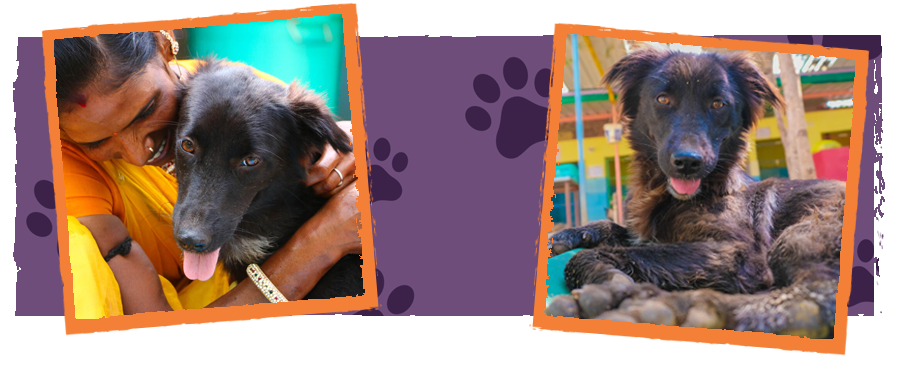
Darling Luna has an untreatable condition called cerebullar hypoplasia. This condition, which she’s most likely had from birth, is caused by developmental damage to the part of her brain that controls motor functions. This means that she has very wobbly legs and it’s hard for her to balance.
But this doesn’t stop Luna from being one of the most active, playful, and loving girls we’ve ever met. She’s all heart, and even though she falls down sometimes, gets covered in her food when she eats, and has to try extra hard just to stay standing in one place, she is full of joy.
Luna could never survive on the street, so she relies on sponsorships from caring supporters like you to give her a life-long home full of love and care in Animal Aid.
Please click here to sponsor Luna:
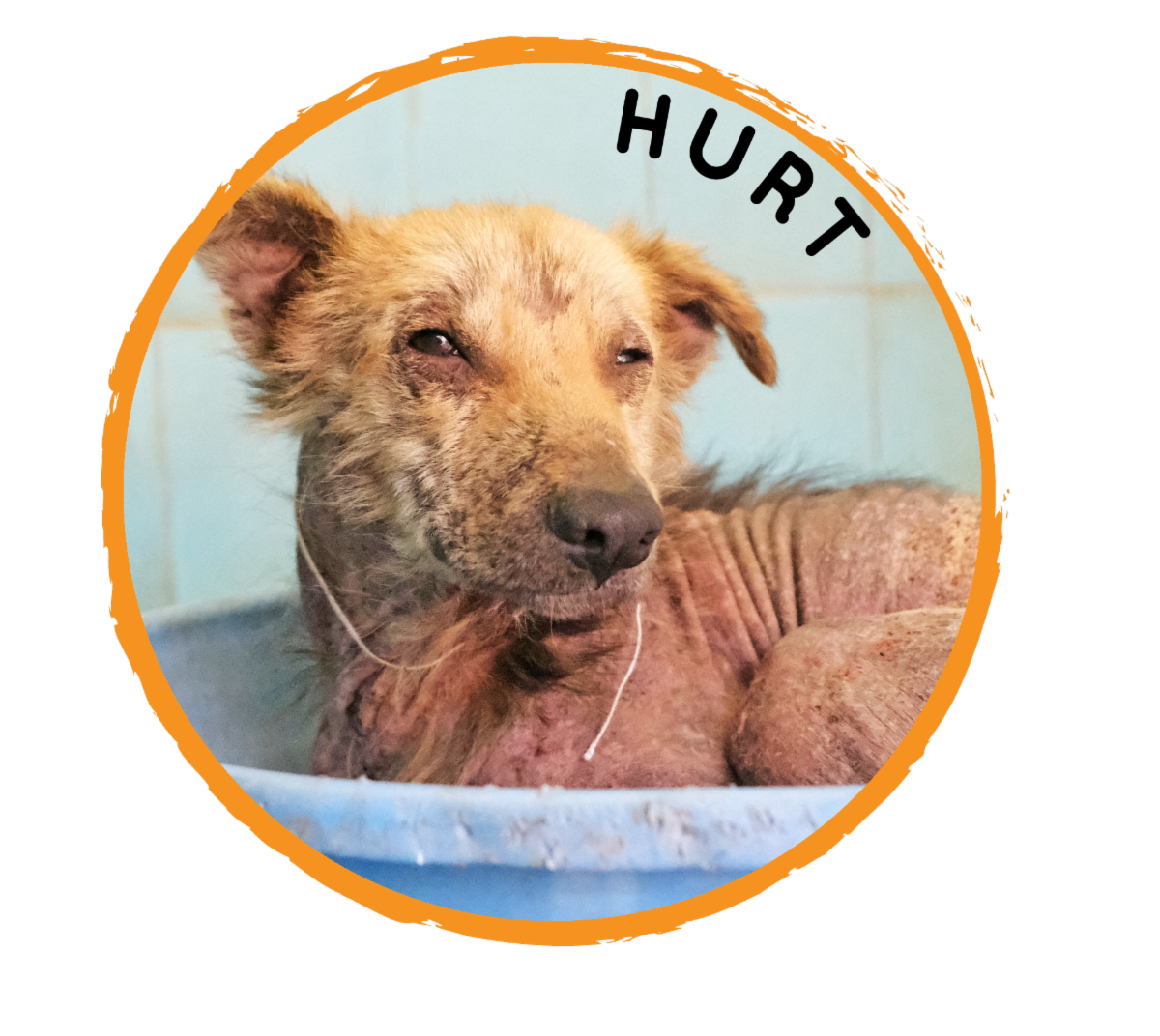
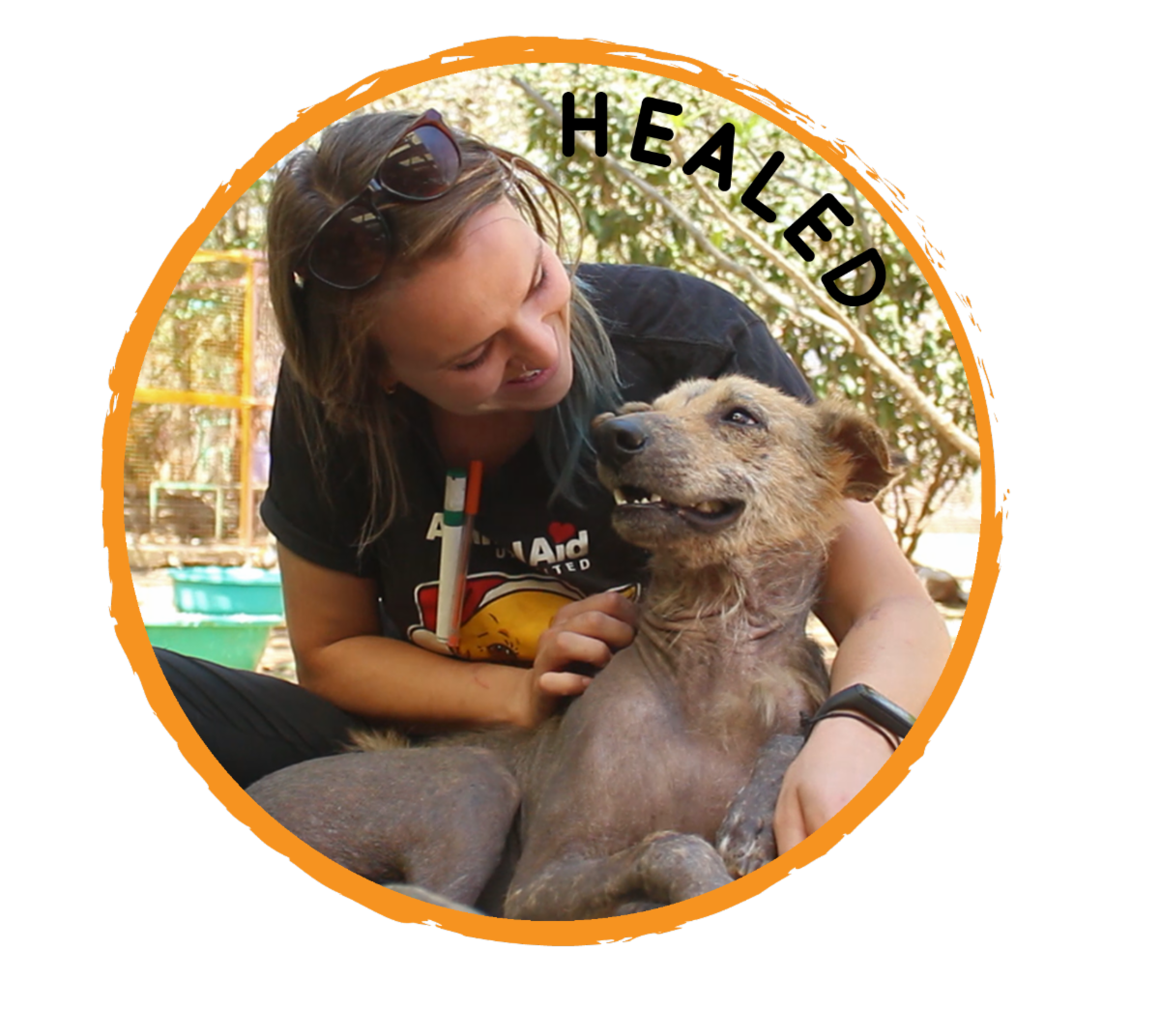
Oh so sad and suffering with mange, Mr Flowers(whose name occurred to us after we got to know him) was in danger of dying due to secondary infections caused by the skin disease. In villages and cities that don’t have animal rescue services, dogs like Mr Flowers don’t stand a chance. But we got to Mr. Flowers in time, and his sore mangey body responded beautifully to treatment.
Within three weeks, shiny black skin replaced the crusty yellow scabs, and a fresh new coat of fur is well on the way.
A simple story, but not without its hero!
Thank you for helping animals feel life’s joy again. Please donate today.
Watch Mr Flowers video by clicking here:
And go shopping here:
Regards Mark
Update from May 25, 4:37 p.m.: On Pentecost Sunday, officials discovered around 150 dead cattle on a farm in Middle Franconia (Bavaria) after an anonymous tip.
Federal Minister of Agriculture Julia Klöckner reacted in horror to the death of the animals. “I’m stunned that something like this can happen,” she said.
About 150 cattle died in agony in the stable of a fattening farm in the Frankish part of Bavaria.
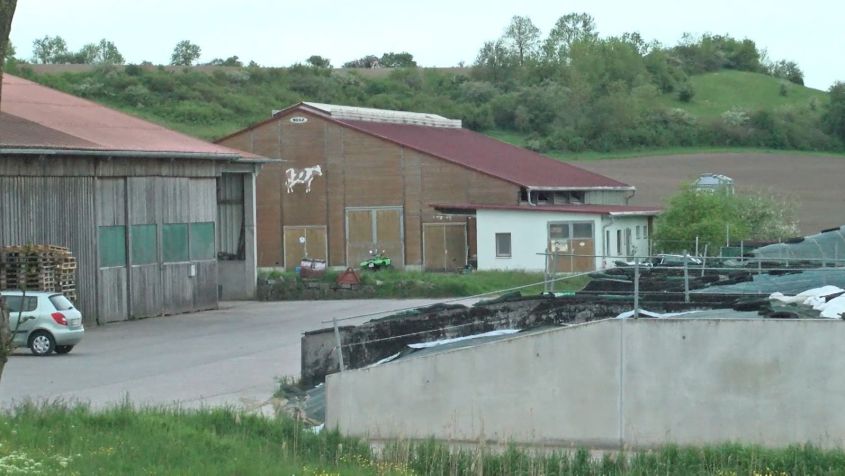
The police suspect the farmer of neglecting the animals.
“We assume that the animals were not looked after for a longer period of time,” said Michael Petzold from the Central Franconia Police Headquarters on Tuesday.
“The fact is that the animals were extremely neglected.”
“This is definitely not a technical defect or an accident, but neglect,” said a police spokesman.
The farmer did not feed the animals.
The police are investigating the farmer,the motivation is still under investigation.
In view of this new case, the Social Democratic Party (the parliamentary group in the Bavarian state parliament) calls for better and more targeted controls to prevent such abuses in animal husbandry.
“This proves that the state government is still not controlling well enough, although a scandal of this magnitude now occurs every year,” said the agricultural policy spokeswoman Ruth Müller.
“We now need comprehensive clarification” (!!!)
Bavaria’s consumer protection minister Thorsten Glauber said that animal welfare violations are unacceptable and must have consequences. “It now needs comprehensive clarification by the investigative authorities.” According to a spokesman, the ministry has requested a report from the local authorities, which are responsible for the controls, but also the sanctions.
In this case, the district office and the veterinary office are responsible.
The affected company was checked for the last time in 2017 and 2018. That said the spokeswoman for the district office, Josephine Georgi.
No animal welfare violations were found, the stable was in good condition and there was enough feed. There are no legal requirements as to the intervals at which livestock farms have to be checked, explained the spokeswoman. These are carried out on an occasion and risk-related basis.
The veterinary office could not provide a fixed cycle – for example annually.
Just last year, video recordings of abused cows shocked many people in Bavaria.
The recordings triggered the so-called Allgäu animal protection scandal. You could see how cows are kicked and beaten or dragged through a stable with a tractor.
Update from May 26th, 1:46 p.m.: After around 150 dead cattle were found on a farm in Central Franconia on the weekend of Pentecost (see first report), the remaining 50 animals have now also died.
Police spokesman Michael Petzold said: “Some of them were in such bad shape that they were put to sleep. They had to be delivered quickly from their suffering ”.
The remaining cattle were emergency slaughtered, the spokesman said.
And I mean…“The police suspect the farmer of neglecting the animals.”
What else is supposed to have caused the starvation but neglect by the responsible animal molester?
There has never been enough time and staff to check the animal exploiters, especially not in times of Corona madness.
Animal farms in Germany were only inspected by the authorities every 17 years on average.
In Bavaria in particular, farmers practically do not have to expect official controls during their lifetime, as the control intervals are so short.
One scandal follows another because farms shamelessly exploit the government’s negligence and treat animals like objects.
The pictures from summer 2019 are still remembered.
 Allgäu-SOKO animal welfare investigations-2019
At that time, an animal protection scandal from the Allgäu shook the nationwide public.
Recordings made secretly by animal rights activists (SOKO) showed sick and injured cows on a farm in Unter Allgäu, ankle-deep in their own droppings, as well as animals being pulled across the stable floor with a crane.
The blood of the many exploited, tortured and neglected animals is also sticking to the hands of the authorities / veterinary office!
Not only the farmer has failed, but the responsible vets have failed, the failure continues, it never stops !!!
Why do animal abusers have so many rights? Why do animal abusers have such great power?
In what Banana Republic are we actually living?
It is a shame and indictment for Germany!
My best regards to all, Venus

WAV Comment – Lesley is an old friend, and we ave worked together on a few live export issues in the past.
Please watch the video and see the fantastic work they are doing at Eyes on Animals.
Regards Mark
Dear friends,
We just finished making a short video about some of the work that we do and why we do it. It shows the changes we have made and continue to work on so that animals suffer less and are better respected.
We are hoping to raise more awareness and draw new donors to join Eyes on Animals so that we can intensify our efforts on the ground.
This film will touch you and we want to thank you for being a part of Eyes on Animals. Without us all playing our part, we could not do such a work.
| Please share this video with your loved ones and show them the organization you are supporting! With warm regards, Lesley Moffat director Eyes on Animals https://www.eyesonanimals.com/ |
MAY 27, 2021
Hunland Group has publically announced it will go beyond the ambiguous EU rules and completely stop transporting unweaned calves under the age of 3 months. The reason for their decision is that calves cannot be given the proper care and feeding they need while cooped up on a truck. Calves of this age are dependent on milk for nutrition, and cannot yet ruminate and eat roughage. It is impossible to place milk in the trucks’ watering system, or to offer it at the right temperature for safe digestion or to verify that each calf gets enough. To read about Hunlands’ decision, see HERE.
Eyes on Animals has a long history of working with Hunland and sensitizing their company to animal-welfare. We have worked together on improving the design of livestock trucks and on-board water systems (see HERE), we train their animal-truck drivers in Hungary regularly ( see : https://www.eyesonanimals.com/training-course-to-truck-drivers-from-hunland-trans-company-hungary/ and https://www.eyesonanimals.com/training-course-given-to-hunland-livestock-drivers/ and https://www.eyesonanimals.com/training-course-given-to-hunland-livestock-drivers-2/ and worked on EU welfare projects together (https://www.eyesonanimals.com/eu-project-on-good-and-aspiring-practices-to-reduce-stress-of-poultry-transport/) Hunland has proved to be an open-minded animal transport company always striving to be on top of animal behaviour and welfare issues and adopting their company policies to them. We are grateful for their decision and for paving a new road for better welfare for unweaned calves. We hope other transport companies will follow their lead, and veterinarian and EU authorities too, at phasing out the long-distance transport of unweaned calves.
Report: Animal Equality Germany
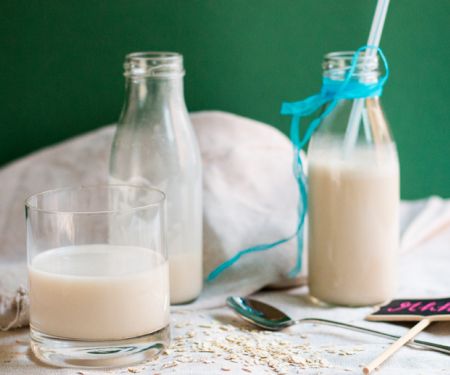
Good news! Europe has withdrawn the planned censorship of plant-based milk alternatives. A huge success for animal suffering-free nutrition!
After a final decision on Amendment 171 was a long time coming, there is finally some great news:
The EU Parliament has listened to the voices of almost half a million people and rejected the controversial Amendment 171.
With this application, agricultural associations called for the marketing of plant-based dairy products to be restricted to such an extent that it would have been almost impossible to advertise them as an alternative to dairy products.
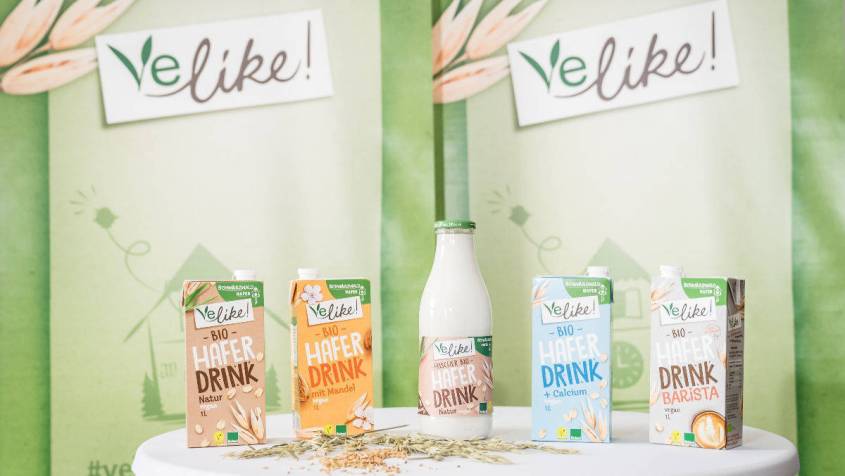
What was touted as consumer protection by the agricultural associations of the dairy industry was clearly only one thing for many of us and consumer advocates: sheer harassment of the agricultural lobby to put obstacles in the way of increasing sales of plant-based dairy products.
We say, raise your cups and toast this decision with you with a glass of oat milk – which unfortunately has to be officially still called oat drink.
And I mean…The agricultural lobby with this absurd attempt to slow down the growing market for vegan products has failed for the first time.
Otherwise, the milk and meat mafia is used to the fact that their allies in the EU Parliament and especially in the EU Commission decide according to their requirements.
This seemingly unimportant debate about something like product names has existed for one simple reason: business interests.
The agricultural industry is seeing its influence waning because fewer and fewer people want to eat processed animal corpses or products made from animal products.
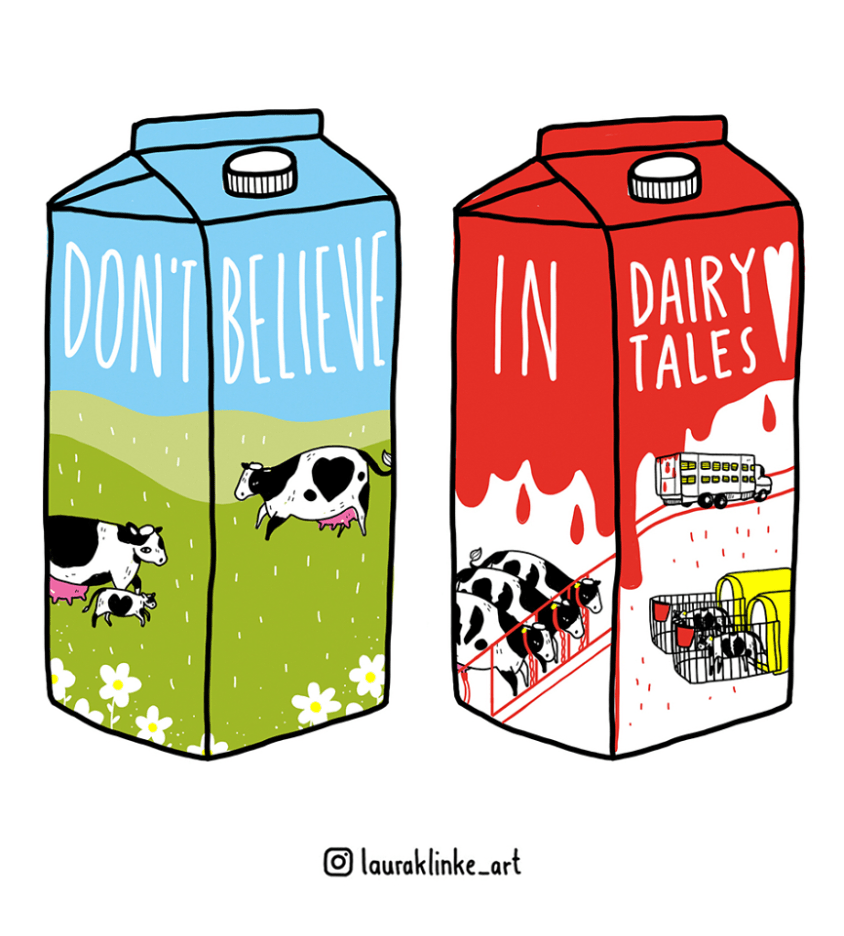
That is why the industry has always tried to deceive consumers and put happy animals or names such as “farm” and “nature” on the packaging of animal products – so that it is distracted from suffering and death.
We take one step at a time, but many steps slowly but surely bring us and those we fight for on the path to success.
My best regards to all, Venus

