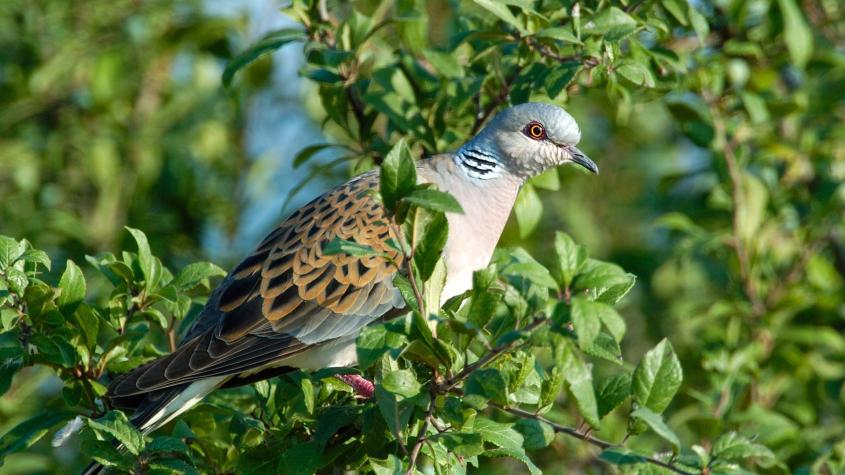
The Spanish regions have agreed to completely stop the hunt for the turtle dove this autumn.
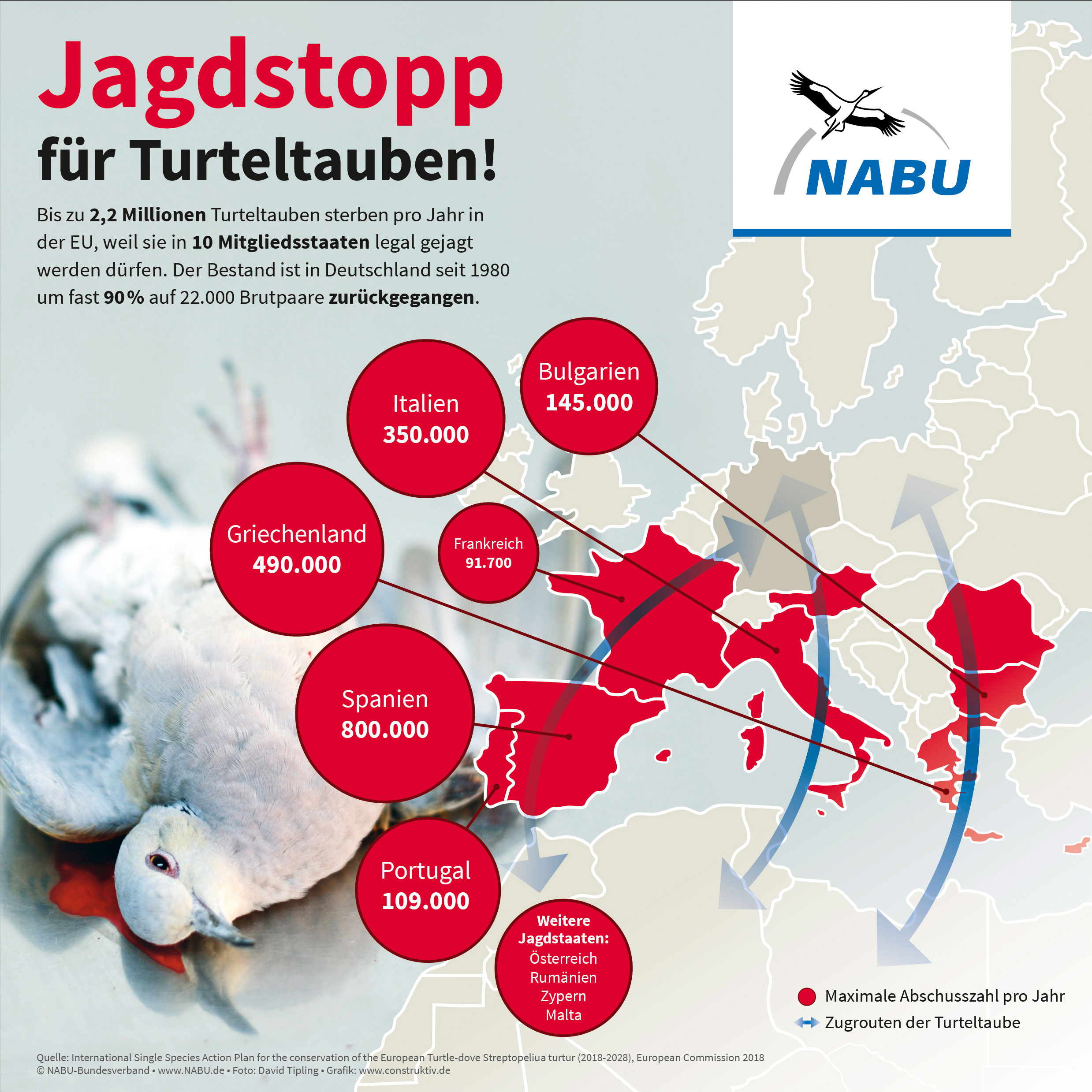
Their populations are in free fall across Europe – today only around 3 to 6 million pairs breed in the EU, the Spanish hunters alone shoot 800,000 individuals of the endangered migratory bird each season.
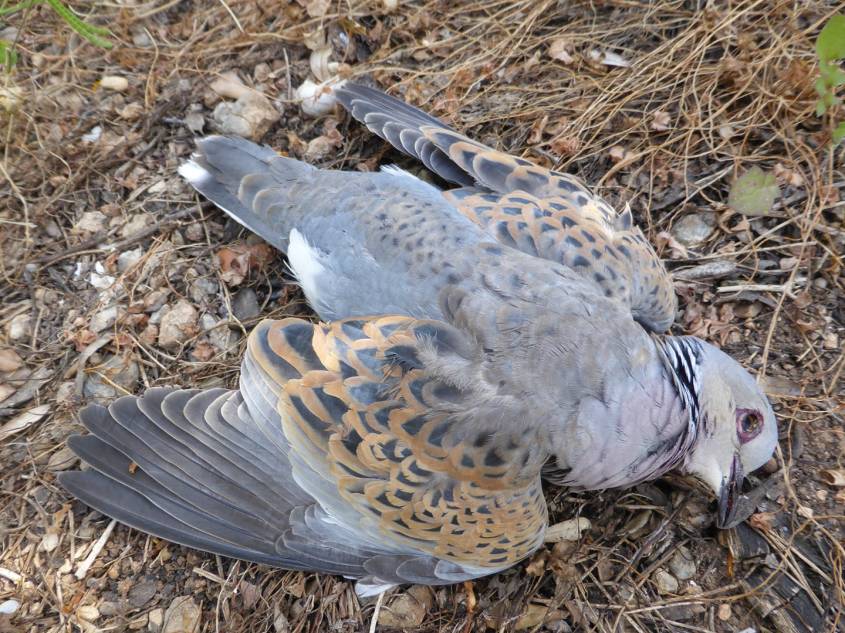
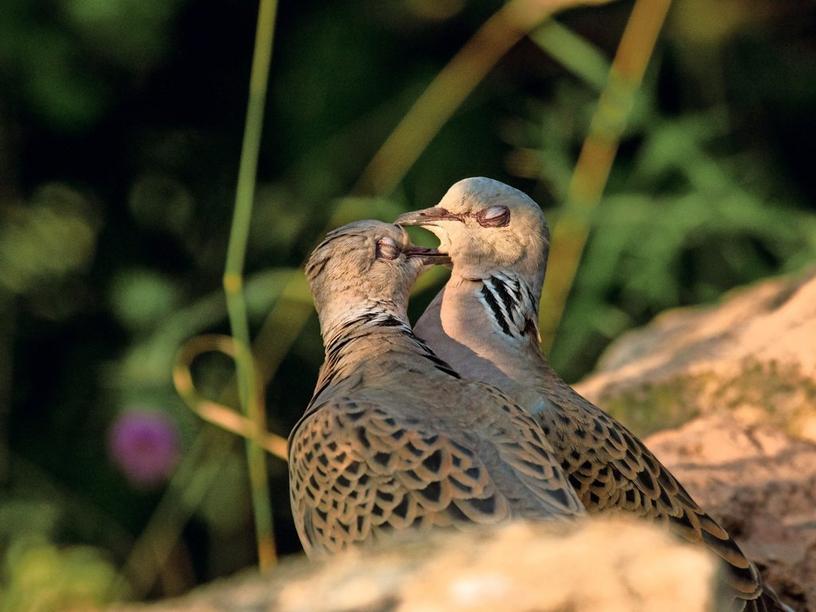
After France, Spain is the second major country to initially suspend the hunt for the turtle dove.
Italy, on the other hand, had only recently decided to release millions of animals for shooting again this year.
The Committee against Bird Murder has long been campaigning for an end to the hunt for the turtle dove and other threatened migratory birds – only last year we filed a complaint against France and Spain with the EU Commission, thus accelerating the current decision from Madrid.
And I mean…The lovebird population in Germany has been around since 1980 decreased by almost 90 percent. It is estimated that it is 22,000 breeding pairs at most.
In some regions the species is almost extinct.
The main reason for this is the intensification of agriculture.
It has the effect that the birds find too little food and fewer young birds grow up.
Around two million lovebirds a year are shot in south and south-east European EU countries, including Spain, Greece and Italy, and never return home from their journey from the wintering areas
Malta is the only EU country to enforce exemptions every year for hunting migratory birds in the spring, despite declining numbers.
The hobby hunters of the Mediterranean island of Malta are particularly interested in the turtle dove.
The effects of the corona pandemic are now making it even easier for legal and illegal hunters to shoot the animals.
Controls of the hunters in the field are therefore not carried out at all or completely inadequately.
In spring 2020, under the guise of a quail hunt, thousands of lovebirds were illegally shot on the train into their breeding areas in Malta.
In Spain, France, Italy and Greece only exceptions are made to the rule on lovebird hunting.
Lovebirds are hunted mercilessly!
In 2019 the hunting route for France was 45,000 to 138,000, in Spain 437,000 to 806,000 and in Italy 250,000 to 300,000 lovebirds.
Bans like this one in Spain, which make hunting that was previously legal, illegal, are another important step against poaching and the protection of birds.
And we can only hope that the new law will be closely guarded.
Hundreds of songbirds confiscated: Italian hunters need live decoys to hunt songbirds.
Because of the lawsuits brought by the committee against the bird murder and its partner LAC, the catching of birds has finally been banned since 2014, the hunters have to fall back on bred birds.
But there are doubts about aviculture in Italy.
As part of Operation “Lord of the Rings”, the Carabinieri have started to control the alleged breeding facilities.
It is now clear: something is wrong with many breeders.
They either do not have the facilities to successfully breed birds at all or they have far more young birds on offer than the existing adult birds can breed at all. They simply rob the chicks from their nests in the wild or catch them illegally with nets.
They then come on the market with forged or manipulated cultivars.
In the last few months alone, there have been a dozen large police checks throughout Italy, during which hundreds of song- thrushes and blackbirds were seized, as well as protected species.
Committee members were there in May and June as experts and appraisers and helped to identify the birds illegally stolen from the wild. The confiscated thrushes are now being prepared for their release in reception centers.
And I mean…An entire branch of industry has grown around bird hunting in Italy.
Hunting outfitters, off-road vehicle manufacturers and restaurants benefit from the hunting bacillus.
The state collects more than 700 million euros annually in the form of fees for hunting and gun licenses, catch and shooting permits and taxes on weapons, ammunition, vehicles and hunting equipment.
In 1993 a new national hunting law was passed in Rome, which largely forbids catching birds and placed almost all songbirds under nature protection.
Even so, almost 30 years later, the authorities are very reluctant to get the poaching under control. And the still legal form of hunting is an affront to nature and animal protection.
But there is reason to be hopeful.
In the big cities of Italy in particular, hardly anyone wants to endorse hunting anymore, and the hunters have great problems with their offspring.
The environmental and animal protection movement has produced numerous, very motivated associations that successfully promote broad animal protection and environmental awareness in Italy.
And the authorities are cracking down on poachers and bird trappers – as the committee reported to us in this case.
It’s a long process that comes with a lot of small successes.
In 10 years if there are really high penalties we will see a decrease in poaching
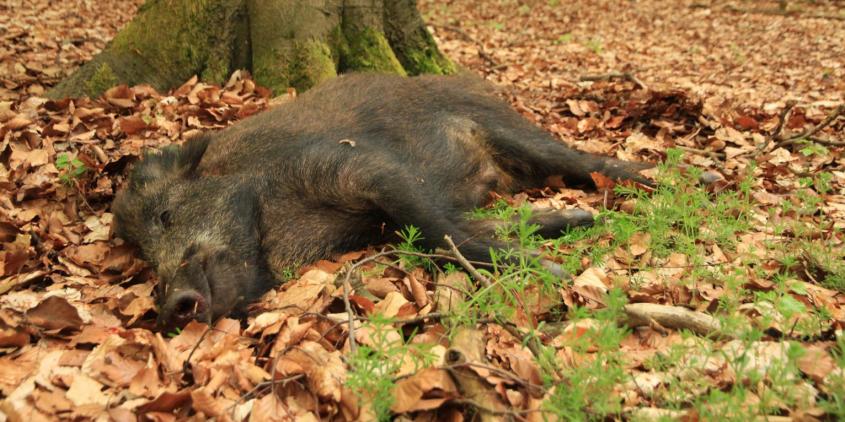
Wild boar number “157”, the last known animal in the wild, was shot in the course of ASF prevention. Denmark is thus temporarily free of wild boar (!!)
With the slaughter of wild boar “157”, there should currently no longer be any wild boar in Denmark (symbol picture)
“157” was observed in South Jutland for months.
Attempts to catch or kill the wild boar had been unsuccessful until then.
The national nature authority assumes with some certainty that there are no more wild boars in the country at the moment.
At least no other animals could be detected for months.
Hunted a total of 157 wild boars to prevent disease
The reason for the total kill are the preventive measures against African swine fever.
In 2018, the inventory was estimated at just 100 black smocks. A total of 157 wild boars have been shot since then.
The Danish wild boar population has always been very manageable compared to Germany.
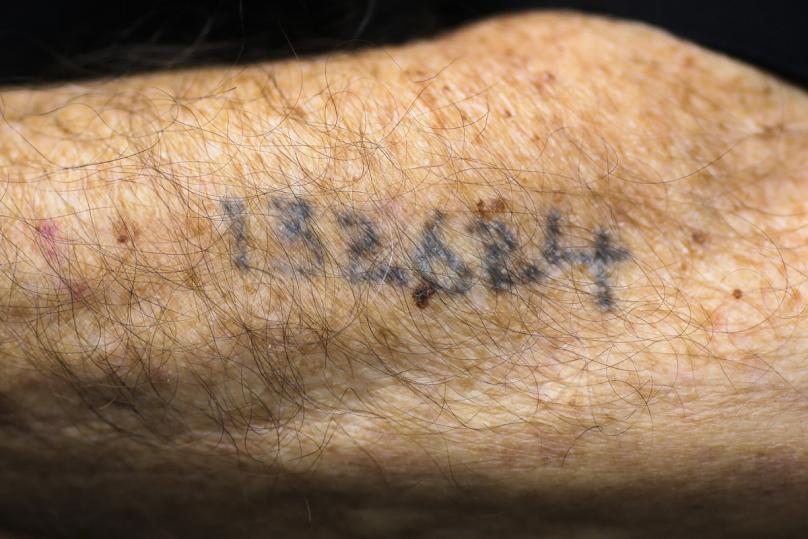
From July 1941 the aim of the fascist regime in Germany had as aim to murder all of them “as Jews defined persons” in Europe and beyond. Hermann Göring had called it the “Final Solution to the Jewish Question”.
Denmark reminds us that fascism against the weak is not a thing of the past
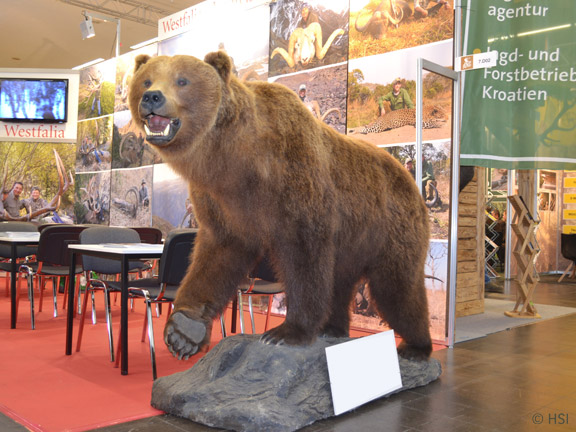
After the corona-related cancellation of Europe’s largest hunting fair “Jagd & Hund” (“Hunting & Dog”), the organizers want to allow numerous providers of trophy hunting trips in Dortmund’s Westphalia Halls again at the beginning of 2022.
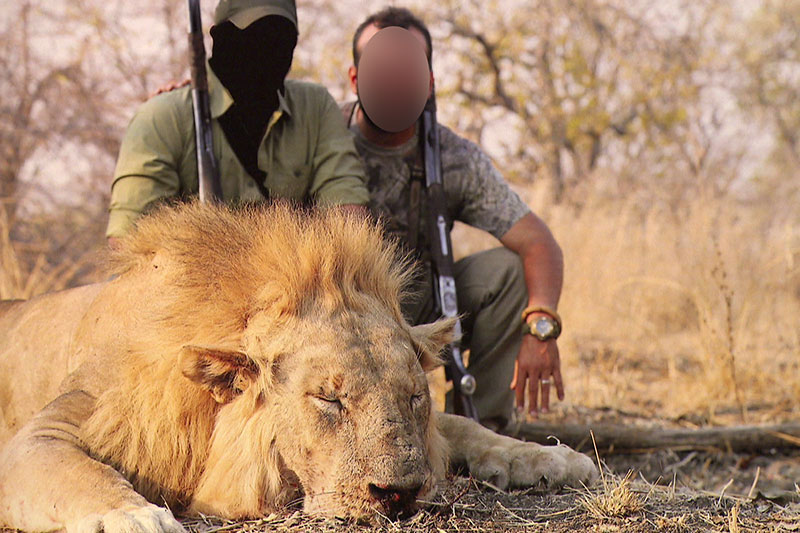
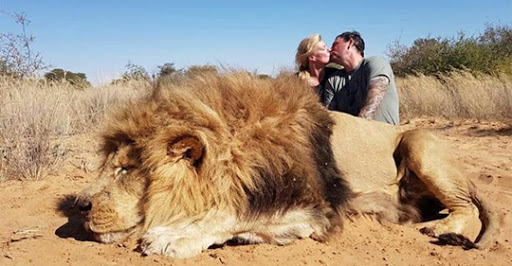
The shooting of rare animal species such as lions, elephants, rhinos and polar bears as part of complete travel packages is now a regular part of the offer for wealthy people from hobby hunters.
Five animal-friendly celebrities in Germany now want to stop the sellout of nature and are turning to Dortmund’s Lord Mayor Thomas Westphal and the parliamentary groups in the city council to ban offers for trophy hunting trips in the city’s exhibition halls.
There are shocking offers at the Dortmund “Jagd und Hund” fair.
“The motivation of the trophy hunters alone – the desire to kill animals that are as rare as possible – as well as the purely economic interests of the providers should lead to such offers being excluded. But even the ‘arguments’ for trophy hunting put forward by the hunting lobby do not stand up to scientific scrutiny. The claim that trophy hunts are beneficial to the protection of species are completely absurd ”, it says in the letter of the celebrities.
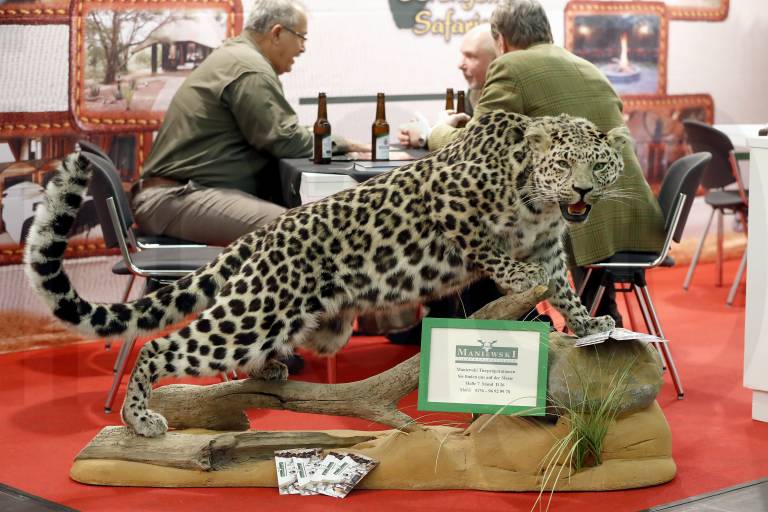
30 01 2018 Dortmund “hunting and dog” fair- Dortmund visitors sit behind a prepared Cheetah and drink beer
Background information
As early as 2020,PETA and other organizations turned to Dortmund politicians.
But the CDU (Christian Democratic Party) and SPD (Social Democratic Party) do not want to ban offers for trophy hunting trips in the exhibition halls.
At the “Hunting & Dog” fair, over 150 exhibitors offer trophy hunting trips abroad every year.
The hunt for endangered and protected species is advertised at the exhibition stands via price lists, special offers, hunting videos and photos of killed animals.
The city of Dortmund, as the sole shareholder of the Westphalia Halls, would have the decision-making authority to implement the demand for a ban on hunting trips.
In Africa alone, more than 18,000 people from different countries hunt big game each year, killing more than 100,000 wild animals.
Germany is the world’s third largest importer of hunting trophies of internationally protected species: In 2020 alone, “trophies” of 543 rare animals were imported, including body parts of elephants, lions, rhinos, polar bears and monkeys.
Because trophy hunting cannot be justified under animal and species protection law, some countries have already issued import bans:France was the first EU country to stop the import of lion trophies in 2015.
In 2016, the Netherlands issued an import ban on trophies for all protected animal species.
Tour operators and hunting tourists claim that trophy hunting is a contribution to species protection – this is absurd and does not stand up to scientific examination.
And I mean...Every year in Dortmund: The “Hunting and Dog” fair in the Westfallen Hallen Dortmund!
Terrible what you can book here!
Travel is offered here. However, these are not beach holidays to relax – but safaris in Africa, where you can kill animals in the wild. With the so-called trophy trips, the customer pays extra to be able to shoot animals.
On offer: antelopes, giraffes and zebras, even lions and leopards. The price depends on size and rarity.
The hunting price for a giraffe is 1950 euros, while killing a male lion costs 19,500 euros.
The more threatened an animal, the higher the price.
In Africa, for example, there are only fewer than 20,000 lions left, the populations have almost halved in the last 20 years – nevertheless hundreds of lions are killed by hunters every year.
Every year individuals of endangered and protected species such as various deep sea birds and songbirds, polar bears, rhinos, elephants, lions, leopards, giraffes, monkeys, brown bears and wolves are offered for shooting – completely legally.
In South Africa it is still allowed to breed lions and other animals, to raise them by hand and to have the adult animals shot down in fenced enclosures by trophy hunters (so-called “canned hunting”)
A hunting license is usually not required for the trips offered, it is said.
It is alarming that Germany, together with Spain, is the largest importer of hunting trophies of threatened species after the USA, even though the majority of the population rejects trophy hunting for threatened species.
Germany: the colonial times are over, finally stop supporting this killer tourism
Before dying under a hail of bullets on Thursday, so-called Mpumalanga rhino poaching kingpin Petros “Mr Big” Mabuza (57) instilled fear wherever he went.
Mabuza lived a very adventurous and risky life as an alleged rhino poacher. He made a lot of cash, allegedly had police officers on his payroll and was not shy to splash his loot on what others may call hedonism. Most people called him by his clan name, Mshengu, as a sign of reverence.
According to Jamie Joseph, the director of Saving the Wild, who has been working closely with police to get Mabuza arrested and convicted for rhino poaching, the man from Hazyview lived a lavish lifestyle. “He has been throwing illegal parties which, according to someone in regular attendance, included naked women dancing on the tables, class A drugs on the bar dished out like canapés and armed guards at the entrance,” Joseph said.
The loaded man he was, Mabuza allegedly owned houses – from Hazyview, White River and Mbombela.
Mpumalanga police are on the trail of Mabuza’s killers.
Brigadier Leonard Hlathi, the provincial police spokesperson, said Mabuza was sitting in his double-cab Ford Ranger on Thursday in Hazyview when three armed men in a black VW Polo opened fire on him in broad daylight, before fleeing.
“He was rushed to hospital where he later succumbed to the gunshot injuries. During the shooting, an elderly woman passerby, also became a victim as she too was shot on her lower body but she is recuperating in hospital,” Hlathi said.
The motive for Mabuza’s killing was still unknown, Hlathi said. According to those who knew “Mr Big”, it will not be easy to pinpoint why he was a marked man because he had “multitudes of enemies” as he had interest in various “businesses”.
Beside his alleged involvement in the lucrative illicit rhino horn trade, he was also rumoured to be commanding and sponsoring cash-in-transit heists.
He was a bully at the rank and his profile is really, really bad
Local resident
“Another thing, he was a loan shark who confiscated people’s houses and cars. Even in the taxi business, he was a bully at the rank and his profile is really, really bad,” said a local resident.
The person said Mabuza started from “rock bottom, playing dice”, before he ventured into more illegal and serious businesses.
He was facing two rhino poaching charges in the Mpumalanga High Court. In one case he was out on R250 000 bail, He was charged alongside two accomplices. In another case he was out on R90 000 bail. He was arrested with five accomplices. Mabuza was first arrested in 2018.
Saving the Wild’s Joseph said had Mabuza lived long enough, he would not have been convicted because the courts in Mpumalanga and KwaZulu-Natal, where his operation had extended, were “captured”.
“A successful conviction with a strong sentence would have sent a powerful message to other rhino poaching traffickers that government is serious about cracking down on wildlife crime – but they are not,” she said.
“Mabuza was a ruthless killer and stole the lives of many humans and rhino. And he got away with it for so long because of his political allies. We’re down to the last of the rhino and President Cyril Ramaphosa has never acknowledged the crisis,” she added.
Joseph was allegedly threatened by Mabuza and his henchmen during one of his court appearances.
Lieutenant Colonel Leroy Bruwer, of Mpumalanga Hawks, who was investigating rhino poaching cases, was assassinated on March 17 2020. The criminals waylaid him as he drove to work from his home in Sabie to Mbombela.
He was killed after he had testified in one of rhino poaching court cases.
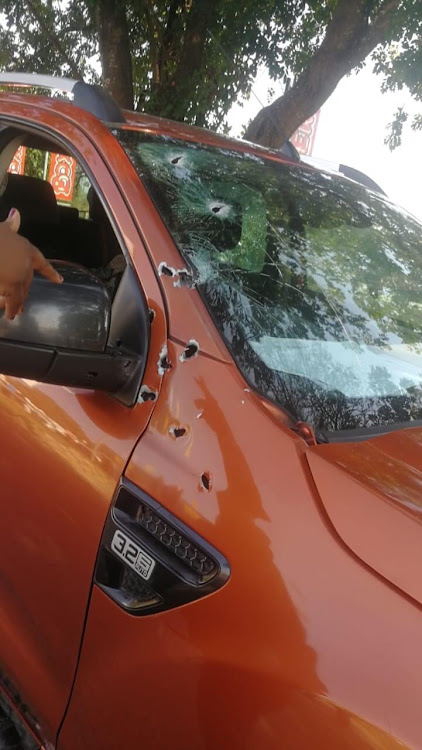
Mr Big’s Ford Ranger found riddled with 17 bullet holes
Alleged rhino poaching kingpin Sydney Petros Mabuza was gunned down in Hazyview, Mpumalanga, on Thursday afternoon.
His car, a Ford Ranger, was found riddled with 17 bullet holes.
Mabuza, who was known as Mshengu and Mr Big in the community, was facing a number of charges, including rhino poaching and murder.
He was out on R200,000 bail for rhino poaching following his arrest in eMalahleni in 2019.
Provincial police spokesperson Brig Leonard Hlathi confirmed that Mabuza was killed.
“We are calling for the community of Hazyview to help us locate the suspects responsible for the fatal shooting, which is clearly a hit. The man was shot in broad daylight in town, in front of people, and we believe people have seen and know the wanted suspects. We call on the public to contact the police anonymously,” said Hlathi.
In footage that surfaced on social media, the bakkie is seen parked on the side of the road, next to it a black vehicle.
Several people are seen opening the bakkie’s doors as the black car drives off and makes a U-turn.
A number of men also come from the front passenger side and hop into the black vehicle before driving away.
In the footage, one can hear people screaming.
“We do not want to speculate if this was gang related or not but the investigation is going to lead us,” said Hlathi.
Hawks spokesperson in the Province Cpt Dineo Sekgotodi Said as the hawks dealing with cases of Mabuza they have come to know that he was shot dead on Thursday but that will not hinder their investigation as they have other suspects on the cases.
“We have got the news that one of the suspects in the rhino horn cases have been killed. But as we speak he was facing charges along other accused which means our investigation will not stop. There are other cases we are investigating around that and if his Murder was part of his crew hiding information we will know as the investigation progresses,” Said Sekgotodi.
In the case of the murder charge Mabuza faced, he and another three people allegedly conspired to murder a man who owed him money and then dumped his body in a river in Bushbuckridge.
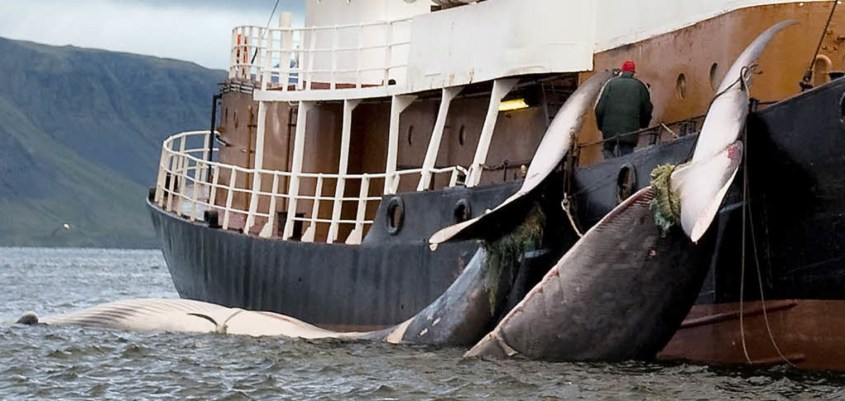
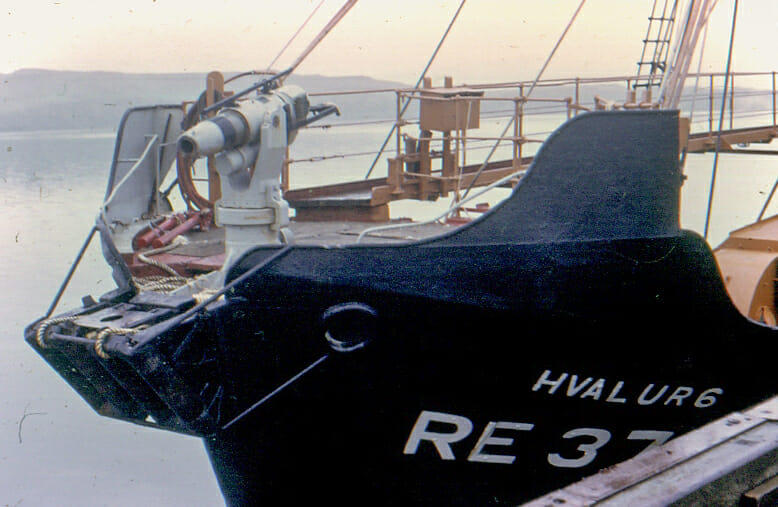
Normally the whaling season in Icelandwould start now, but the whalers are leaving their harpoons ashore this year too, no whaling will take place.
The last active whaling company in Iceland, Hvalur hf of whaler Kristjan Loftsson, has not yet taken any action to get its ships afloat for the season and now it is too late.
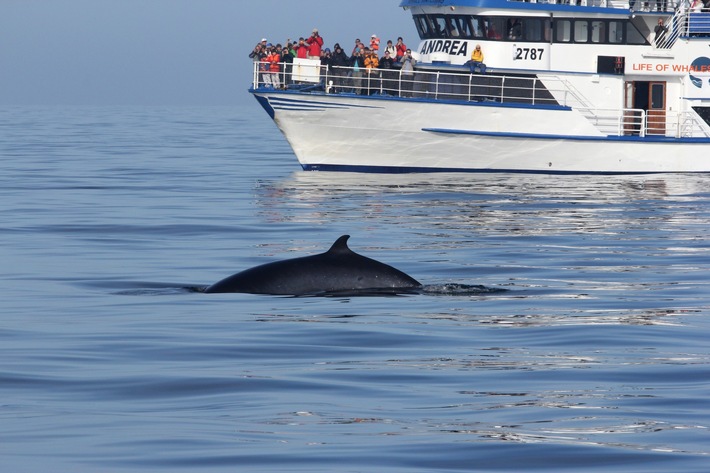
Tourists watch a minke whale in Iceland. Whale watching is one of the top tourist attractions in Iceland. (c) IFAW
“We are a hair’s breadth away from the permanent end of whaling in Iceland,” says Andreas Dinkelmeyer, campaign manager of the IFAW(International Fund for Animal Welfare) in Germany.
“In 2020 the minke whale hunters had realized that whaling was not worthwhile and gave up their business. Now only the fin whale hunter Kristjan Loftsson remains. Officially he still has a fishing permit for fin whales. Of course we are happy that he has not killed any whales since 2018. However, he could go hunting again next year to secure another five-year quota. “
Minke whale meat is sold in Iceland, but most of it is consumed by curious tourists. The last opinion poll commissioned by IFAW found that only about one percent of Icelanders eat whale meat on a regular basis.
Together with local whale watching companies, IFAW launched the “Meet Us Don’t Eat Us”campaign to make tourists aware that their whale meat consumption is keeping whaling alive. The campaign significantly reduced the consumption of whale meat by visitors to the Island.
In contrast to the limited local market for minke whale meat, fin whale meat has been sold exclusively to Japan since 2013 without being able to establish an export market.
Whaling hardly plays a role in the political arena of Iceland either. Whaling was an election campaign topic for decades, but has lost its importance since 2016. Young voters are more concerned about the climate crisis and the positive contribution whales are making to maintaining healthy marine ecosystems and sequestering carbon dioxide from the atmosphere.
“At the moment only the pause button for commercial whaling in Iceland is pressed,” adds Dinkelmeyer.
“As long as the harpoons have not been mothballed in Iceland, whales are still at risk.Ultimately, it will be the Icelanders who will advance the decision against whaling and hit the whaling stop button.We will continue to work to promote marine conservation and responsible whale watching in Iceland. “
Since 2003, the year Iceland resumed commercial whaling, 653 minke whales and 852 fin whales have been killed for a total of 1,505 whales.
IFAW has worked with Icelanders since 2003 to promote responsible whale watching and to promote alternatives to cruel whaling.
Whale watching is one of the top tourist attractions in Iceland.More than 350,000 customers each year generate around 20 million euros, proving that whales are worth far more alive than dead.
And I mean…Good news!
The only person in the world who commercially catches fin whales is Icelandic millionaire Kristjan Loftsson, majority shareholder of the whaling company Hvalur HF.
In 2018 the company shipped 1,700 tons of fin whale meat to Japan.
However, the company is shaking because of fines, a lack of fishing licenses, court-ordered additional wages, and of course unsuccessful deals with Japan.
Because the fin whale meat from Iceland does not meet Japan’s meat hygiene standards.
Due to the lack of sales opportunities, the Hvalur fishing fleet has remained in the port since 2019, and officially in 2020 also because of the Covid-19 requirements for the ship’s crew.
The hunting season is now set to be canceled again for the third time, and one company probably wants to withdraw from business entirely.
According to “Der Spiegel” german magazine, this is IP-Utgerd, a company specializing in minke whales. “The business is not worth it,” said managing director Gunnar Bergmann Jonsson.
From the point of view of the whale conservationists, the minke whales went even better.
The minke whale hunt in Iceland was suspended in 2019, and in 2020 the last minke whale hunter also threw in the towel.
With that, the subject of minke whale hunting in Iceland is probably done.
At a time when school children are demonstrating against climate change and the decimation of biodiversity, this barbarism is inhumane, a moral declaration of bankruptcy, no matter where it is still practiced anywhere in the world.
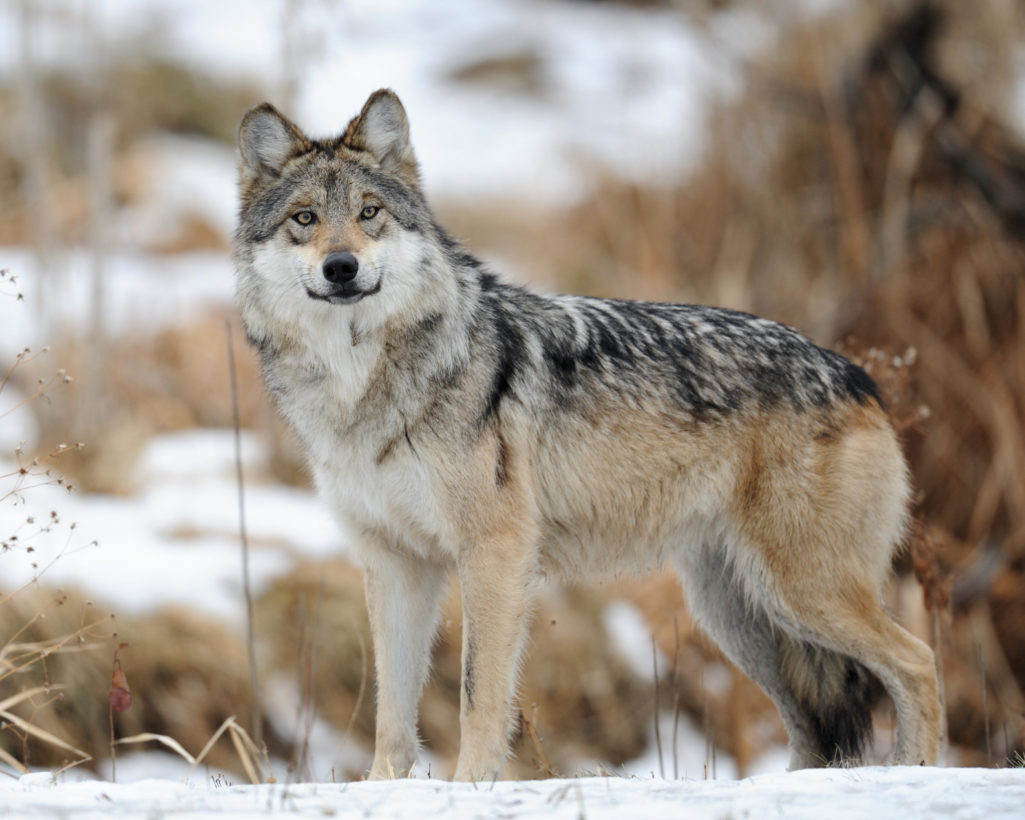
A new report indicates that poachers may have killed at least 100 more wolves since they lost endangered species protections than previously believed. Alamy Stock Photo
A whopping 2,380 wolf hunting permits—twice as many as are typically issued for hunts in the state—were made available for a quota of 119 wolves in what was supposed to be a week-long season. Less than three days later, more than 200 wolves had been killed, entire wolf families were decimated, and the hunting season had to be shut down early, having gone nearly 100 wolves over the quota.
Each wolf lost in this killing spree had represented hope for wolf conservation in America—and that hope was shattered. Little if any input was sought from Wisconsinites, tribal nations or the scientific community. We led a strong campaign to try to stop the February wolf hunt, sending a letter to the Wisconsin governor, state lawmakers and Department of Natural Resources officials, emphasizing that the hunt would have disastrous consequences for the wolves; unfortunately a court decision forced the hunt to continue. We still believe that the wrongs of this hunt deserve closer inspection, which is why we’ve just published “A call to end wolf trophy hunting in Wisconsin,” in an effort to prevent a repetition of this reckless hunt in November 2021.
One of the deadliest hunts in local memory
We now know that Wisconsin’s February hunt was the second deadliest wolf hunt in Wisconsin’s recorded history, with 218 wolves recorded dead. The best available science indicates that poachers may have killed at least an additional 100 more since wolves were delisted. We also know that nearly half the wolves killed were females. Because it was breeding season, many of them may have been pregnant. More than 85% of the wolves killed were hunted down by packs of dogs—an extremely cruel practice that no other Midwestern state allows for wolf hunting. Hunt participants also used unfair killing equipment such as night vision devices, snowmobiles, traps and snares.
Our report emphasizes that even more wolves died than the state calculated—largely because it failed to account for the tremendous numbers likely killed by poachers. Because of time constraints, hunters could self-report, or report to a local game warden (and not a biologist), the wolves they killed. The state did not require hunters to turn in the dead wolves for analysis, which would have allowed the state to verify the age of the wolf and whether a female was pregnant at the time of her death, among other information. Only 22 of the 218 were voluntarily turned in, and only because the tribal nations had requested to conduct their own research. As a result, the state failed to account for what was likely a substantial loss to the breeding population and for the for the offspring of pregnant wolves who were killed.
We believe that Wisconsin has lost about one-third of its wolf population since they were delisted from federal Endangered Species Act protections in November 2020. These wolves are largely counted using their tracks in snow, which will make it impossible to count the wolf population before the next proposed wolf trophy hunt in November. If that hunt occurs, the future survival of this population of wolves will be in jeopardy.
We conducted a poll of Wisconsin residents, cutting across demographics and including farmers, hunters, all party affiliations, genders and jurisdictions, and found that 68% of respondents think that the November wolf hunt is a bad idea. Some 62% opposed the trophy hunting and trapping of wolves. The majority of respondents believed the February 2021 hunt was “mismanaged” and “reckless” and that the methods to hunt wolves in Wisconsin are cruel and unfair, and 68% stated they are convinced that wolves are sentient, evolved, familial beings who drive ecological processes while keeping their prey herds healthier. And most respondents—even most Wisconsin farmers—did not feel that wolves pose a serious threat to livestock.
This is why we are calling upon Wisconsin officials to stop the proposed November wolf hunt and adopt a hunting quota of zero wolves. And we’re urging the federal government to relist Wisconsin’s wolves under the federal Endangered Species Act.
The fight to reinstate wolf protections
The struggle to save gray wolves spans decades. Nearly eradicated from their native U.S. habitats at the beginning of the 20th century, gray wolves are still absent from about 70% of currently suitable habitat in the lower 48 states. Yet in recent years legislators and wildlife agencies have systematically continued to roll back wolf protections. The carnage of the Wisconsin hunt showed what can happen when wolves are stripped of those protections.
But there are stories that bring hope to the fight for wolves. For the first time in 80 years, wolf pups were born in Colorado. The pups’ parents had immigrated into Colorado themselves, and unlike other immigrants before them, were not shot or poisoned before having the opportunity to breed. In 2020, Colorado residents showed support for wolves in their state by passing a ballot measure mandating the restoration of wolves on public lands in the western region of the state by 2023. The best way to protect the future of this wolf family would be to relist gray wolves under the Endangered Species Act.
Now that the heinous legislation SB 1211 allowing the slaughter of 90 percent of Idaho’s 1,500 wolves has become law effective July 1, the Idaho Department of Fish and Game is seeking public comment on regulations to align with SB 1211 and allow wolves to be killed with traps, snares, dogs, and in dens along with pups.
What we are witnessing is a return to an old form of brutal wolf hatred and it is clear that Idaho is on a warpath to eradicate wolves by any means. We must speak out against this hatred. Even if you don’t live in Idaho, you can still speak up. This action will take less than a minute and the deadline is June 13, so please take action NOW!
3. Sign our Petition and share this action alert and infographic with friends and family and on social media!
Talking points to craft your message (and please personalize):
The majority of Idahoans and Americans support wolf recovery at levels where wolves can fulfill their ecological functions. Almost no one supports wasting tax dollars to recover wolves, just to exterminate them again.
Thank you for acting TODAY to protect Idaho’s wolves and their ecosystems!
For Wild Nature,
Camilla Fox Founder & Executive Director
Michelle Lute, PhD National Carnivore Conservation Manager
Pangolin scales for sale in a market in Mong La in Myanmar [Courtesy of Chris R Shepherd/TRAFFIC]
Bear paws, pangolin scales: Wildlife trade flourishing in Mekong
Investigation finds thousands of illegal animal parts and products at markets across five countries
A new study by TRAFFIC, a group that monitors the illegal trade in wildlife, has found thousands of animal parts and products – from pangolin scales to ivory and bear bile – for sale in five countries in mainland Southeast Asia, underlining the region’s struggle to address wildlife crime and the need to intensify anti-trafficking efforts.
The group says its researchers found close to 78,000 illegal wildlife parts and products for sale in more than 1,000 outlets in select towns and cities in Cambodia, Laos, Vietnam, Thailand and Myanmar throughout 2019 and 2020.
The parts and products originated from a wide array of animals including bears, big cats, helmeted hornbills and pangolins, but TRAFFIC said ivory products were among the most prominent.
Laotian Giant Flying Squirrel in a market in Muang Sing, Laos [Courtesy of Agkillah Maniam/TRAFFIC]
Individual species, many of them endangered, were found to have been used for multiple products. Researchers found pangolin scales both raw and ground for medicinal use, as well as made into jewellery or talismans. The pangolin is said to be the world’s most trafficked mammal.
“The variety and prevalence of illegal wildlife trade in several locations emphasised that the circumstances facilitating illegal trade have not only remained but, in some cases, proliferated,” Agkillah Maniam, a TRAFFIC consultant said in a statement.
The lower Mekong region has long been recognised as a hub for the illegal wildlife trade and has been a focus of efforts to improve enforcement and policy interventions, as well as providing officials with the tools to effectively combat such crimes.
In 2019, the nonprofit Environmental Investigation Agency found Vietnam’s “out-of-control, illegal wildlife trade” had helped drive demand globally, and that the Southeast Asian nation was now “the leading destination for illicit ivory”.
Poachers operating in Malaysia’s forests, often from Vietnam or Cambodia and working for buyers in China and elsewhere in the region, are blamed for helping push the Malayan tiger to the brink of extinction.
Wildlife parts for sale in Mong La market in Myanmar [Courtesy of Chris R Shepherd/TRAFFIC]
TRAFFIC’s research found that wildlife markets across the five Mekong countries continue to operate in the open, including in the Special Economic Zones (SEZs) that governments have set up to boost foreign investment and create jobs.
Although restrictions associated with COVID-19 did have some effect on the illegal trade, TRAFFIC says surveys carried out late last year showed illegal products remained easily available.
In December 2020, Vietnamese authorities seized 93kg of African rhino horns from a warehouse near Ho Chi Minh City’s international airport.
“It would be naïve to think that the pandemic alone will dampen wildlife crime in the long term,” said Kanitha Krishnasamy, director for TRAFFIC in Southeast Asia. “Monitoring and investigations must continue.
“There’s also a need for strengthening collaboration and public commitment from all governments in the region. The illicit wildlife trade problem here is not something countries can tackle on their own.”
He’s looking for guidance on how to do it. We have some ideas
President Biden has been getting an earful lately from a few influential people worried about the fate of wolves, and he’s seeking guidance on what to do to protect them.
Appearing this week on Brave Wilderness, a popular children’s YouTube program that focuses on connecting its young audience to the great outdoors, President Biden talked about concerns he’s hearing from his grandchildren.
“One of the things I’m getting from my grandkids — some of them are really little — they’re calling me and saying ‘Pop, they’re going to kill all the wolves! Why’s that happening, Pop?’” President Biden said.
He appeared on the YouTube show alongside Dr. Anthony Fauci to encourage Americans to get vaccinated for Covid-19, which will allow more freedom and safety while traveling this summer, particularly to America’s treasured national parks. But halfway through the conversation, President Biden brought up his grandchildren’s concern for wolves.
This is heartening given the dire circumstances wolves face today. The Trump administration in its last days in power removed federal endangered species protections from wolves across the country. Shortly thereafter, hunters in Wisconsin killed over 200 wolves in less than three days. The hunt involved deeply inhumane and unsporting tactics, including the use of bait and snares and dogs to flush the exhausted wolves into firing lines. Earthjustice is in court challenging the Trump administration’s unlawful and unscientific decision.
Elsewhere, Idaho and Montana have adopted extreme policies to allow hunts that would kill up to 90% of the wolf populations in those states. This would negate decades of success recovering the species in the Northern Rockies potentially tipping wolves’ trajectory back toward extinction. The hunts are expected to begin this summer.
During the YouTube conversation, host Coyote Peterson mentioned one of his favorite video projects was with the Colorado Wolf Center, to educate kids about the plight of wolves and how sorely they need federal protections. He said he was encouraged to hear the president cares about wolves.
“I’m in! I’m in!” President Biden responded. “Let me know the places you think, I mean this sincerely now… are the most at-risk natural resources out there. I have my views and I’m working on them, and have someone [Administrator Deb Haaland] at the Department of Interior who really cares about it. You oughta talk to me about it.”
This call for input on how to save the wolves is welcome, and we have some ideas. Ultimately, getting Endangered Species Act protections back for wolves is the most important thing we can do. The president is reviewing the decision to delist wolves now and he has the power to undo it.
We also urge federal agencies to adopt stronger policies to protect wolves on public lands in places like Idaho and Montana which — due to Congressional carve outs — are excluded from federal protections unless the populations go into freefall.
We are heartened the president cares about the wolves and recognizes that our children and grandchildren deserve to inherit a world where wolves remain in the wild, and not just as dusty relics in a museum.
Speaking about the youngest generation, President Biden said, “I want them to see and understand that we all have a responsibility to nature, but we also have a responsibility to one another.”