Category: Live Transport

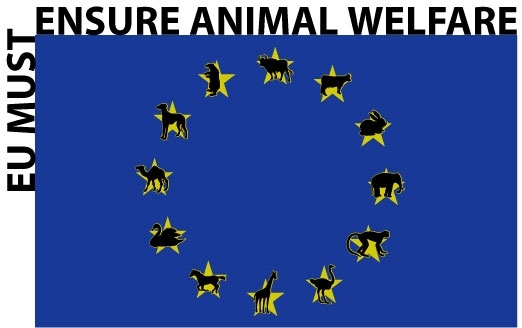
EU: Press Release – Time For EU Fossils To Update Animal Welfare Rules.

New evidence reveals systematic cruelty of industrial animal farming

23 March 2023

Press Release

Evidence of widespread animal suffering was delivered to the European Commission (EC) today to strengthen its resolve as it prepares the revision of the animal welfare legislation due later this year. We’re calling on the EC to seize the incredible opportunity ahead of us to enact the system change we need for animals.

Thanks to the investigations of our over eighty member organisations in 25 Member States, we at Eurogroup for Animals delivered a video and report today to the EU Health and Food Safety Commissioner, Stella Kyriakides

EU welfare rules remain limited, poorly enforced, and plagued by loopholes, leading to widespread suffering in the farming sector. From the cruel handling of broiler chickens to chaining the back legs of dairy cows, the new exposé reveals how the EU’s farmed animals are being callously treated by those who are meant to care for them.

The EC has an opportunity to deliver – in line with its ambitions contained in the Farm to Fork strategy – a future-proofed legal foundation for evidence-based standards, that provide the ability for all farmed animals to experience a positively affected mental state and lead lives that are truly worth living. Any farming practices that cannot meet such requirements should, in effect, be eliminated. In doing so, the EU would remain a world leader in animal welfare standards, citizens’ expectations would be met, and no animal would be left behind.

A formal impact assessment on the coming proposals is expected to be finalised by the beginning of April, and all the reasons why the legislation needs to be ambitious are there: in 2021 the EC pledged to end the cage of farm animals by 2027, and EU scientific advisors also say that unweaned calves should not be transported. 

Despite the strength of public support shown for the End The Cage Age ECI and the No Animal Left Behind campaign, we at Eurogroup for Animals are concerned that pressure from an array of well-established animal farming interests could weaken the EC’s resolve. Eurogroup CEO, Reineke Hameleers, commented:

The new hard hitting evidence shows once again that the EU is responsible for the biggest animal welfare crisis ever: industrial animal farming. Animals have been decimated into objects as cogs in a big machine whereas the EU legislation is expected to meet their natural needs. This year the European Commission has the once in a lifetime opportunity to turn the page. It is crucial to avoid technocratic changes but to be bold and ambitious. 

Regards Mark

Spain: Press Release – Animal welfare NGOs expose bull’s mistreatment: transport company fined.

Animal welfare NGOs expose bull’s mistreatment: transport company fined

15 March 2023

AWF

Press Release

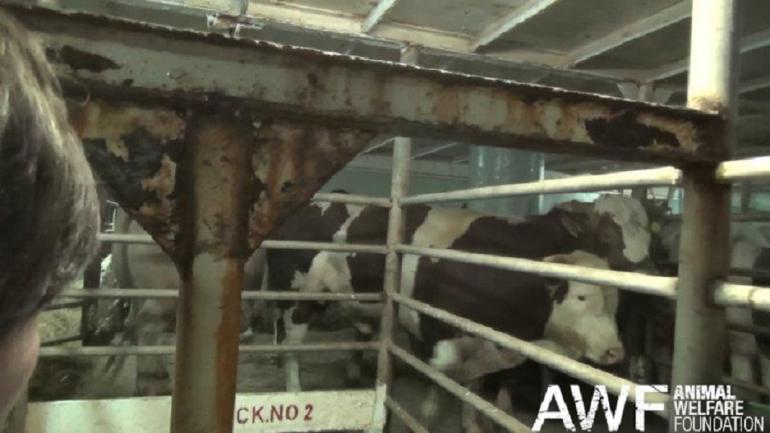
In 2020, the young bull Ferdinand was supposed to be loaded onto a substandard livestock vessel at the port of Cartagena, Spain. However, he was unfit for travel, unable to move and heavily mistreated. Workers subjected him to prolonged electric shocks and kicking. Animal Welfare Foundation (AWF) filed a complaint against the transport company and veterinarian authorities, based on evidence collected together with Animals International and Welfarm. The investigation that followed the complaint revealed further violations. The export company in charge is one of the largest in Spain and has now been fined 4,500 Euros.

AWF filed an administrative complaint in 2020, and the case was classified as two serious administrative offences with major infringements of the transport regulation. The infringements were secondary and rather formal findings and are not directly related to animal abuse. They include lacking coordination between the different stages of the transport and a lack of communication which made it impossible to properly inspect all the animals.

In July 2020, Animal Welfare Foundation, Animals International and Welfarm witnessed and filmed how young bulls from different European countries were loaded from trucks onto a livestock vessel that exported them from Cartagena to Benghazi, Libya. One of them, a French bull who was named Ferdinand by the investigators, was injured and too weak to walk. At this point, he should have been euthanised on the spot. However, although clearly unfit for travel, workers forced him out of the truck by dragging him with a rope. Later, he was forced inside again because he was unable to walk through the vessel ramp. 

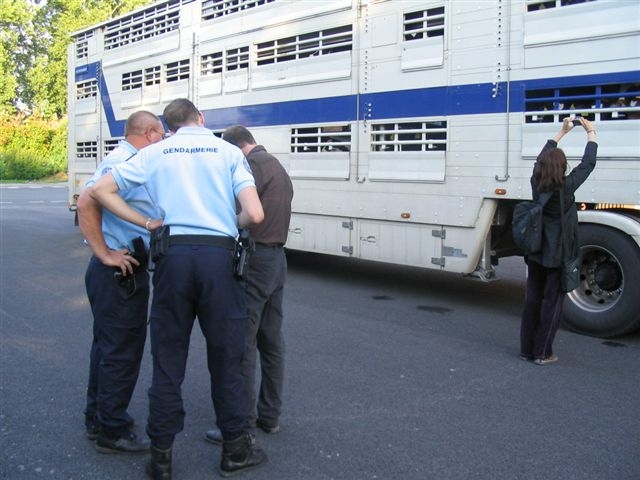
After the stressful procedure, the driver left the port and parked the truck at a petrol station nearby, with Ferdinand inside in the blazing sun, to take a prolonged lunch break. At this point, the NGOs called the police, who were not able to identify violations immediately and had to let the driver proceed.

Animal welfare NGOs call for ban of live exports and stronger penalties for violators

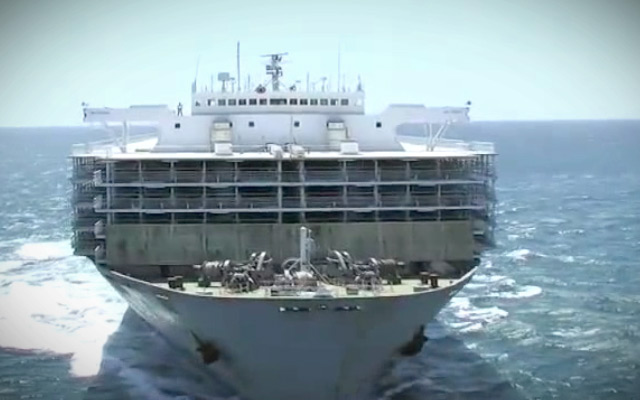
Ferdinand’s case is only one out of many, and highlights the systematic failure of animal welfare during transport. The organiser did not coordinate the arrival of the trucks properly and veterinarians had no chance to control the process correctly. A few months after the incident, the vessel (ABEER K, formerly ETAB) was detained in Raša, Croatia, due to severe deficiencies. Some of those can affect animal welfare onboard, such as the water conditions, structural conditions and fire safety.

The importance of animal welfare in livestock transport was once again underscored recently in an audit report on Spain’s livestock transport industry. The audit found that many sea transporters follow generic contingency plans that are unlikely to protect the welfare of animals during emergencies. Additionally, there is an insufficient number of official staff during loading, and delays in loading can create risks for the welfare of the animals, as they lack proper facilities to rest, feed, and water animals. New legislation will not be able to solve the defective nature of live transports.

“The suffering of the bull was obvious, but not even mentioned in the administrative verdict file. The procedure was carried out with clear opacity and lack of coordination by the competent body. We do not know whether the investigative measures we requested were carried out”, says Maria BoadaSaña, Project Manager at Animal Welfare Foundation. “I hope that the ruling in the Ferdinand case will encourage stronger penalties for those who violate the regulations. We have been making this point for years. There is a notable lack of controls by veterinarian authorities, and examining one violation will often lead to other findings.”

Gabriel Paun, EU Director at Animals International, adds that “Ferdinand’s injuries were so severe that he was unable to walk, and yet he was still subjected to prolonged electric shocks and kicking. He was then pulled by a tractor on a rope to get him back into the truck. After that, he melted in pain and heat at a petrol station in bright sun while the driver enjoyed his lunch. This is not just a violation of regulations; it is a moral and ethical issue that needs to be addressed.”

Adrienne Bonnet, Head of Campaign, Advocacy and Legal Department at Welfarm, states: “It is sad to see a French animal end up in such a situation. The member states of the European Union need to address animal welfare issues in a joint effort. From the approval of transport vehicles to slaughter methods in third countries, such situations can only be prevented if live transports of long duration within and from the EU are stopped.”

Without the intervention of the three NGOs, the case would not have been exposed at all. This leaves transport companies with the impression of an acceptable risk: The sanctions for bad practices are not strong enough to act better in the future, even if they are considered major infringements.

NGOs call for a ban of live exports altogether. Many member states of the European Union use Spain as a loophole to send their animals from industries that would otherwise not be as profitable to third countries.

Regards Mark

Australia: Finally, Will We Now See An End To The Live Export Trade ?

This is a lot more than fantastic news ! – as anti export campaigners here in the UK for decades, we know the fight involved and send huge congratulations to all of our anti export campaigner friends in Australia.  After decades of fighting, it now appears that the terrible suffering for Australian animals in the live trade will be coming to an end.  It will not happen overnight; it never does, but now at east there is light at the end of a dark tunnel which will stop the suffering of many millions of animals.

Congratulations friends !!

Regards Mark

The pathway to ending live sheep export.

20 years after Animals Australia’s first investigation into the cruelty of the live sheep trade – the Albanese government has enacted a plan to bring it to an end.

The Australian government has appointed an Independent panel to oversee the phase-out of the live sheep export trade. This means that the Albanese government fully intends to keep its election commitment — and that live sheep export will end.

Very soon, every Australian will have the opportunity to contribute to a public consultation which will help determine how and when the phase out will occur. 

You can register here to be part of that process.

The live export of sheep is going to end, and this would never have happened without the unwavering support of thousands of caring Australians over many years

Continue reading about this at:

The pathway cleared to end live sheep export | Animals Australia

Regards Mark

This is a lot more than fantastic news ! – as anti export campaigners here in the UK for decades, we know the fight involved and send huge congratulations to all of our anti export campaigner friends in Australia.  After decades of fighting, it now appears that the terrible suffering for Australian animals in the live trade will be coming to an end.  It will not happen overnight; it never does, but now at east there is light at the end of a dark tunnel which will stop the suffering of many millions of animals.

Congratulations friends !!

Regards Mark

The pathway to ending live sheep export.

20 years after Animals Australia’s first investigation into the cruelty of the live sheep trade – the Albanese government has enacted a plan to bring it to an end.

The Australian government has appointed an Independent panel to oversee the phase-out of the live sheep export trade. This means that the Albanese government fully intends to keep its election commitment — and that live sheep export will end.

Very soon, every Australian will have the opportunity to contribute to a public consultation which will help determine how and when the phase out will occur. You can register here to be part of that process.

The live export of sheep is going to end, and this would never have happened without the unwavering support of thousands of caring Australians over many years

Continue reading about this at:

The pathway cleared to end live sheep export | Animals Australia

Regards Mark

Australia: Not Exactly the Tops When It Comes To Animal Welfare – Savage Shearing Exposed; Mulesing, Live Exports, Useless Trade Deals; Do We Go On ? – World Animals Voice

Australia: The Australian People Have Given Their Opinion On Climate Change, Live Animal Exports, and More. – World Animals Voice

Australia: Breaking News Just In 21/5/22 – Could This Result Be A Positive Towards Stopping Live Animal Exports ? – World Animals Voice

Australia: Live Exports – Update From Stop Live Exports.org. – World Animals Voice

Australia: Chances They (Governments) Take With Live Animal Exports – Crew Member from the ‘Al Messilah’ Livestock Carrier Docked in Fremantle Has Tested Positive for COVID-19. – World Animals Voice

South Africa / Australia: NSPCA WIN Court Case and STOP Live Exports From South Africa After Same Exporter Loses In Australia. – World Animals Voice

Australia: Live Exports – Rural Export & Trading or RETWA, is seeking an exemption to regulations because a disease outbreak on one of their ships meant they couldn’t get their last shipment out before the deadline. – World Animals Voice

Australia: Cattle Station Abuses Exposed – With Live Exports, A Farming Nation at the Top of the Tree When It Comes to Animal Abuse. – World Animals Voice

EU: New Rules on Transport By Sea Are Ignoring the Problem – EU Weasel Words as Always.

New rules on transport by sea are ignoring the problem

21 February 2023

Press Release

Last week the European Commission introduced new rules on transport by sea. While civil society and European citizens are expecting to see a real change in this area, the new rules only scratch the surface of the problems it faces. In light of the forthcoming revision of the Transport Regulation, more could, and should, be done.

On 17 February 2023, The European Commission (EC) adopted an implementing and a delegated act intended to facilitate the inspections and official controls on livestock vessels. 

More specifically, the acts impose rules on the recording, storing and sharing of records of official controls, on contingency plans in the event of emergencies, on the approval of vessels, and on minimum requirements applicable to exit points for the transport of animals by sea.

The new provisions appear to primarily address administrative gaps. As such, they will have limited impact on better protecting animals during typically long and challenging sea journeys.

The creation of a new electronic database to be shared among all Member States will enable the sharing of information on ship conditions and on the official controls. While, in principle, this could be a positive development, such a database is a toothless instrument when it comes to transports to destinations outside the EU, of which no mention is made. 

The new rules stipulate that vessels must be inspected by a team of experts (an official veterinarian and a maritime expert), but there’s no mention of an increase in the thoroughness of the inspections. Let us not forget that only 6% of 78 EU-approved livestock vessels were purpose-built to transport animals, and in the period 2019-2020 alone, no less than 2,504 deficiencies were found.

Another novelty is that an official veterinarian must be present during the first trip of an approved vessel. Given the duration and risks associated with such journeys, an official veterinarian should be present on all journeys and at all stages of the journey

While it’s good that minimum requirements for control posts at the seaport exit points are established if an additional part of the trip is planned by road, the controls during arrival, unloading, and other transportation phases after arrival remain uncovered.

The Transport Regulation is currently being revised by the EC and we expect a new proposal by the end of the year. This new proposal should take into account:

The recommendations of the Committee of inquiry on animal transport (ANIT)

EFSA’s latest scientific opinion on the welfare of animals during transport

The European citizens’ demands on live transport, clearly mirrored in several public campaigns like Stop the Trucks and No Animal Left Behind 

Eurogroup for Animals and its more than eighty members have been clearly asking to:

Prohibit the transport of live animals to third countries/territories (outside of the EEA)

Set out species-specific reduced maximum journey times

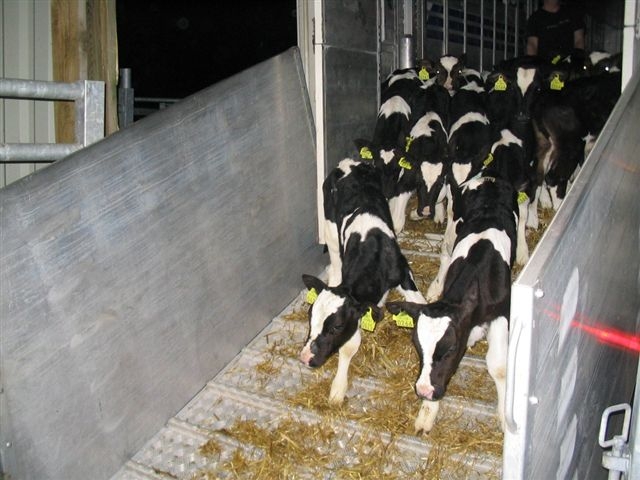
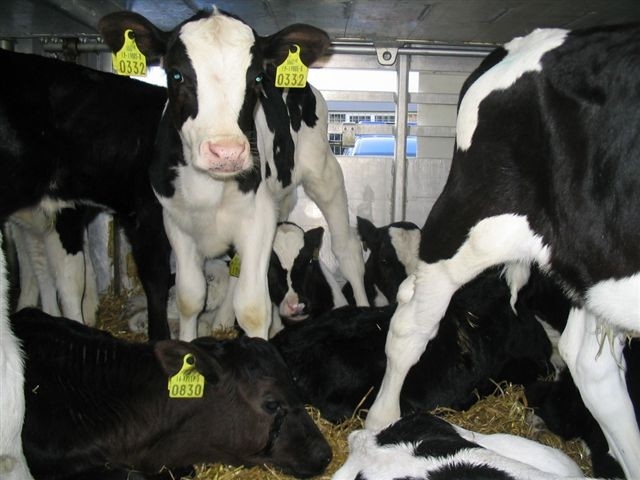
Prohibit the transport of day-old chicks and unweaned calves under 12 weeks of age 

Transport times to ‘start’ from the moment of loading, and to end from the moment of ‘unloading’.

Back in July 2022, 13 Member States called for an ambitious revision of the Transport Regulation including maximum journey times as well as a shift to a meat and carcass trade. There is resistance from other Member States which would like to keep this cruel practice as it currently is, specifically on live export. However, we call on Commissioner Kyriakides to stand by her statement: “Doing nothing is not an option. Change is necessary because animal welfare is a key component of our sustainable food production system”. 

“Live animal exports will never be able to meet animal welfare needs, considering that journeys can last several days, or even months. The only way to truly assure animal welfare is to ban this practice. With the current revision of the animal welfare legislation, the EC has the real opportunity to change the lives of millions of animals. The Transport Regulation needs to be thoroughly revised and we trust these two acts won’t stop the momentum for real change. Maximum journey times and a ban on live export are at the core of the needed change.” – Reineke Hameleers, CEO, Eurogroup for Animals. 

Regards Mark

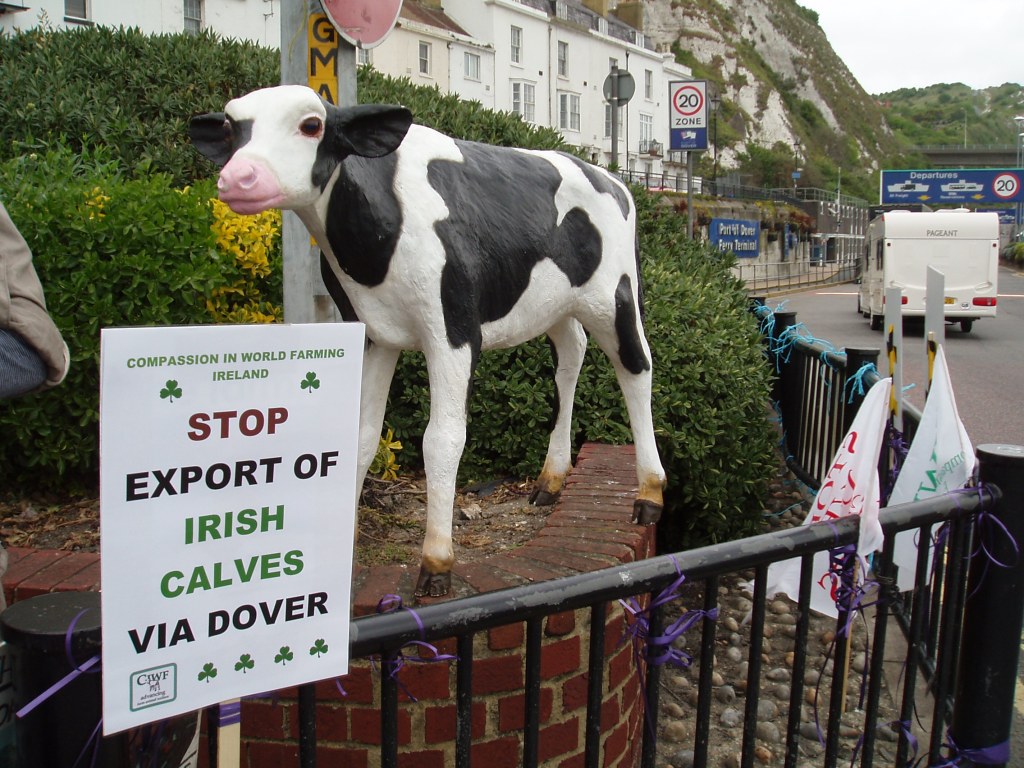
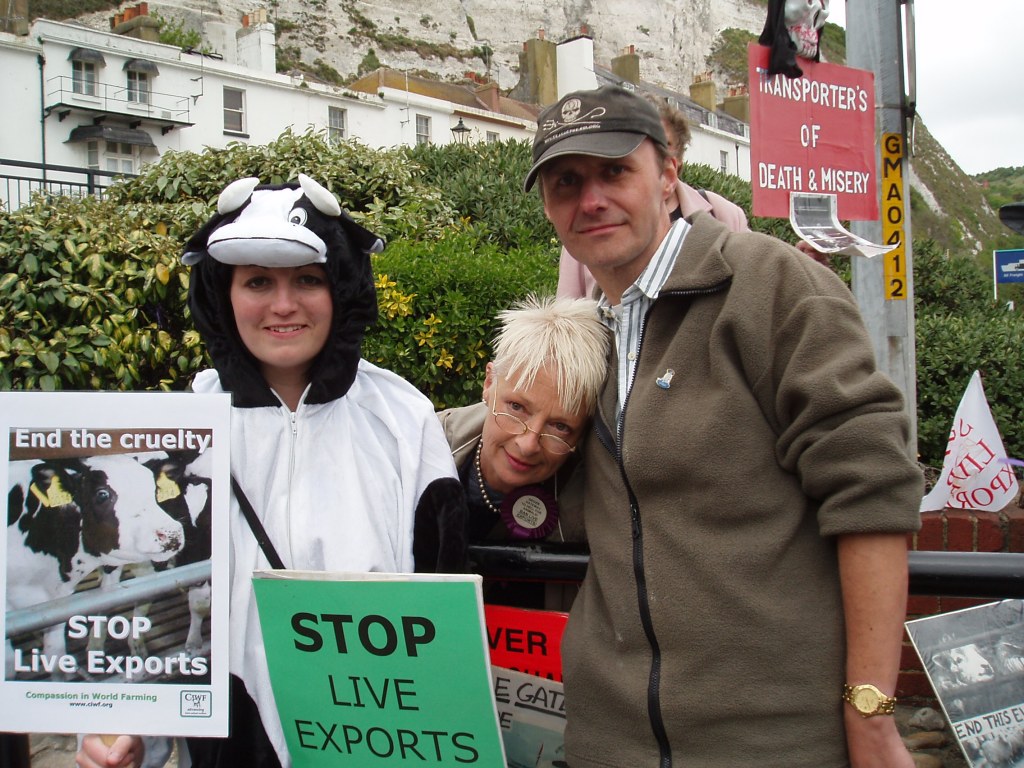
I have personally been involved with live animal transport for over 35 years.  Mainly the export of British animals to mainland Europe via Southern ports, especially Dover; I have taken part in undercover investigations especially those relating to the export of live horses from England.

To be blunt, I gave up on the EU and the stopping of live animal transport about 10 years ago;  the EU, despite all its weasel words and PR, does not want stoppage in the transport of live animals.  There is no EU legislation for stray dogs – why ? – because stray dogs are a ‘by product’ of many member states who do not take action to reduce numbers; and it is common in several other places around the world also; stray dogs DO NOT earn each member state any money; they are considered a nuisance, but transporting live animals on the other hand between members states does make a lot of money; hence the reluctancy of the EU to really want to do anything in legislation about stopping long distance live animal transport in favour of a carcass trade

If the EU had legislation about strays, then there would be very positive actions relating to reductions in numbers – basically, spaying a stray animal is more than half the battle; spayed animals do not continue to produce more pups and kittens.  The money spent each year in stray animal actions would easily pay for a spay / neuter program in that country.  I have personally campaigned and fought the government in Serbia since 2005 to improve stray animal welfare. Here is the link to my site associated with stray animal actions in Serbia.

https://serbiananimalsvoice.com/

So, why not EU legislation for strays ? – because it is not interested, simple as that – money saved and gained from stray controls is a nogo; where as exporting live animals between member states is a big money earner; so that is why there is the farce know as Regulation 1/2005 which should ‘protect’ animals during transport – it does not; simple, and I say that as a person with experience who has battled this out with the EU for decades.

Here is a link to all the EU waffle about legislation to protect animals in transport:

EUR-Lex – 32005R0001 – EN – EUR-Lex (europa.eu)

I have used it for prosecutions for years, and I virtually know this legislation word for word.  But, the EU member states do not apply the legislation as a consequence; and as a result the animal suffer massively.

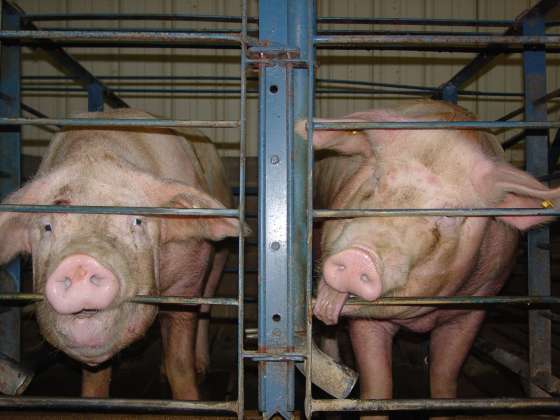
Take a look at these and then tell me EU legislation ‘works’;

Come on EU, get a grip; ban live exports NOW.

All photos – Mark

4.5 Tonnes of Cocaine Found on a Ship Carrying 1,750 Cows. Again, We Call for a Ban to Live Animal Exports.

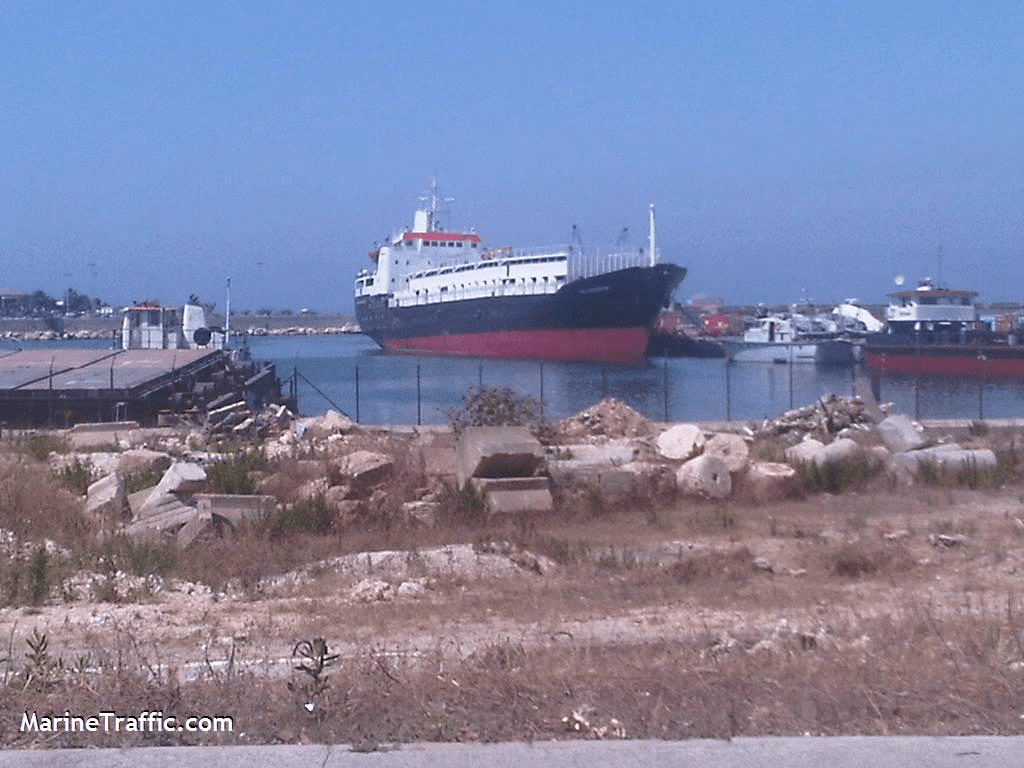
Photo AIS / Marine Traffic.

4.5 tonnes of cocaine found on a ship carrying 1,750 cows

8 February 2023

AWF

On 28 January, the ORION V, a vessel bound for the Middle East from Colombia, was arrested off the Canary Islands: 4.5 tonnes of cocaine were found on board.

After 9 days at sea, the boat was stopped for over 56 hours and a large part of the crew was arrested. The rest of the crew was authorised to go to Algeria, as the animals were not allowed to stay in the European Union.

The 4.5 tonnes of cocaine were disguised as animal feed. National Police and Customs Surveillance Service have suspect that drugs have been transported on board the ORION V since 2020.

The vessel is closely linked to both drug trafficking and animal welfare/human health issues:

In June 2020, during a drug raid, the police noticed 5,000 cattle from Colombia in alarmingly bad condition.

The ship was overloaded and dirty, the animals were emaciated, and some were already dead. They were exported to Egypt without any veterinarian treatment. The drug raid had to be cancelled because the drug dogs could not work due to the ammonia smell.

In September 2021, three workers inhaled a toxic gas emitted from the cattle feed on board the vessel. Two were injured, one died.

Like most livestock vessels, the ORION V is very old and not suitable for animal exports. The makeshift solutions, sharp edges, sloping sides and dirty bedding pose serious dangers to the animals.

The fact that this trade is being targeted by drug smugglers is yet another wake-up call to ban cruel live exports once and for all.

The European Union needs a fundamental change in its agricultural policy. Long-distance transports of live animals must end. Exporting live animals and accepting their cruel slaughter in third countries is not compatible with the values ​​of the European Union.”

Maria Boada-Saña, veterinarian and project manager at Animal Welfare Foundation e.V.

We have obtained the following additional information:

What kind of ship is this?

ORION V (IMO: 7300992) is a Livestock Carrier that was built in 1973 (50 years ago) and is sailing under the flag of Togo.

Her carrying capacity is 4054 t DWT and her current draught is reported to be 6 meters. Her length overall (LOA) is 97.31 meters and her width is 16.24 meters.

Regards Mark

New Zealand: Fonterra Orders An End To The Killing Of Bobby Calves On Dairy Farms.

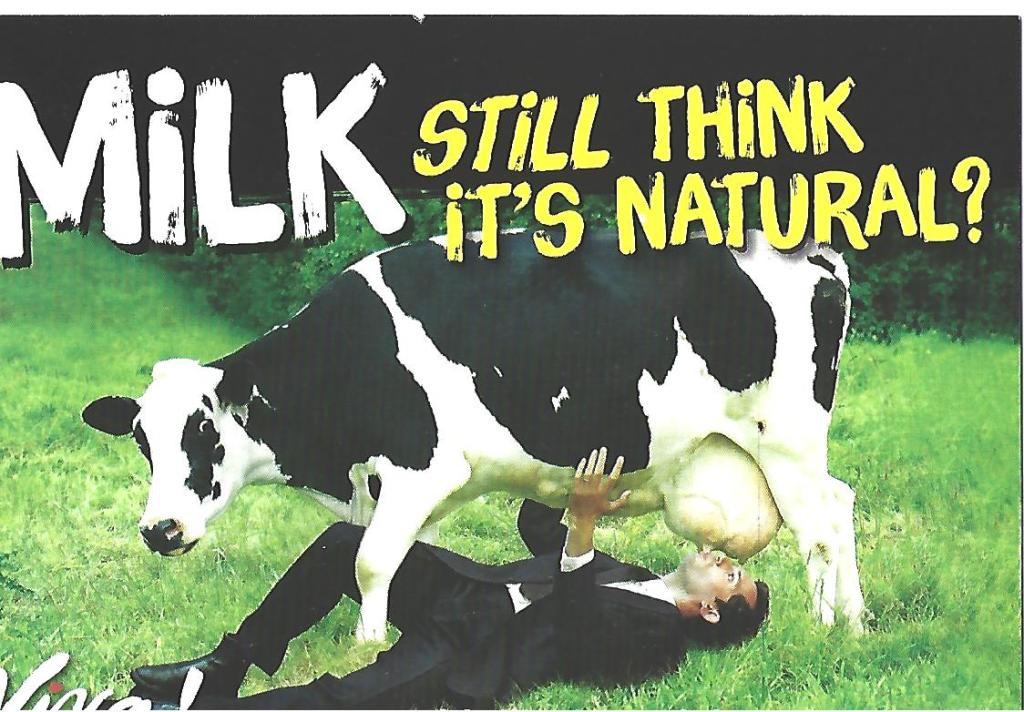
I think we have shown in the past that the dairy industry is a grossly sick industry.  Cows, which should produce milk for their baby calves have it stolen from them in order to feed humans.

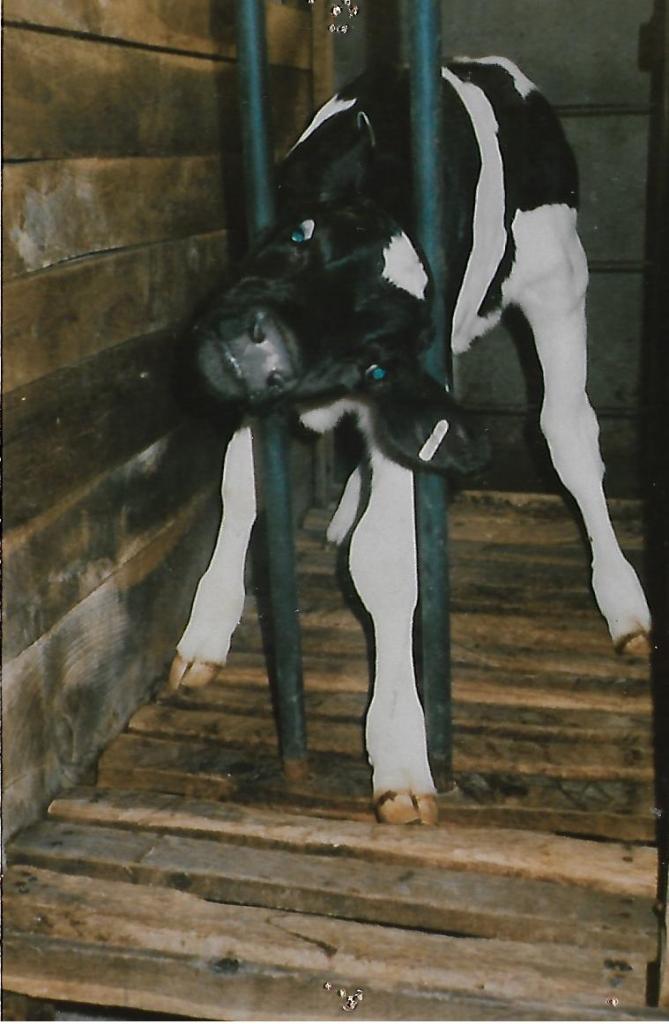
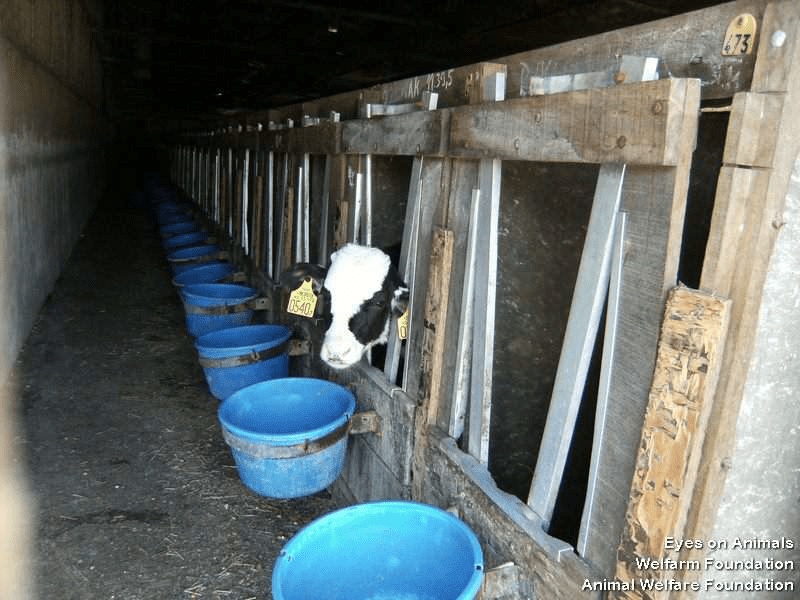
Above – Male Calf in Veal Crate.

In order to produce milk, cows must give birth to a calf. Male calves are generally considered a low-value waste product by the industry and as they do not replace female animals in the dairy herd are usually slaughtered at around five days of age. The RSPCA is concerned about the potential for poor treatment of these ‘bobby calves’ on farm, during transport and at slaughter.

For years in the past, British male calves were exported to Europe to be incarcerated in the dreaded veal crate system.  Despite the British government not allowing veal crates to be used in the UK; they were banned due to their cruelty, they did allow British calves to be exported and put into such systems in mainland Europe – was that not hypocritical ? !

Calves are normally separated from their mothers within 24 hours of birth, mainly to reduce the risk of disease in the calf and to ensure the calf is fed adequate colostrum. Cow-calf separation is a practice which is very stressful for both cow and calf.

The option: dont support the murder of baby calves.

New Zealand:

One of the world’s biggest dairy companies, a New Zealand-based co-operative orders an end to killing bobby calves on dairy farms

Fonterra has ordered its farmers to stop killing bobby calves on their farms unless there is a humane reason for doing so. The company said they should be raised for beef or slaughtered for calf-veal or the pet food market.

The mistreatment of bobby calves has previously come under scrutiny after being killed on farms because they had no financial value, and mistreated by contractors who picked them up to transport them to meat works.

Continue reading at:

Fonterra orders an end to killing bobby calves on dairy farms | Stuff.co.nz

Regards Mark

Remembering dear John:

England: Another Terrible Loss – John Callaghan. – World Animals Voice

Time out:

EU: AGRIFISH: Some Unprogressive Member States Try to go “Business as Usual” On Live Animal Transport.

AGRIFISH: some unprogressive Member States try to go “business as usual” on live animal transport

30 January 2023

While EFSA’s scientific opinions and citizens’ demands drive the conversation towards progress on animal welfare, some Member States don’t want to see serious restrictions on live animal transport in the new Transport Regulation. Luckily several voices call for ambitious change, not least the Commissioner’s.

During today’s Agriculture and Fisheries Council (AGRIFISH) several Member States supported an information note tabled by Portugal. The paper states that animal transport is an essential part of the food production chain, and that the primary objective of the upcoming revision of the Transport Regulation should be the continued facilitation of high welfare intra community trade and export of live animals, but not be focussed on measures aimed at prohibiting or limiting certain types of transport.

It’s a completely different scenario compared to July’s 2022 AGRIFISH, when 13 Member States called for an ambitious revision of the Transport Regulation including maximum journey times as well as a shift to a meat and carcass trade.

After the paper was published last week, the Intergroup on Animal Welfare sent an open letter to the European Commissioner for Health and Food Safety Stella Kyriakides, asking her to take into account the recommendations of the Committee of Inquiry on the Protection of Animals during Transport (ANIT), and to ensure that the proposal, which is expected in October 2023, remains focused on alleviating the suffering of millions of animals due to long distance transports.  

Also, during today’s AGRIFISH there were several voices in the room calling for an ambitious revision: The Netherlands was the loudest, clearly opposing the paper and asking for a straightforward ban on live export. Germany, Austria, Denmark and Luxembourg opposed the paper too. 

“If science and experience tell us that certain practices in transport are detrimental to the welfare of animals, which could also pose a threat to animal health and consequently to human health, I believe and you would agree with me we must find ways to adjust those practices. Doing nothing is not an option. Change is necessary because animal welfare is a key component of our sustainable food production system”, concluded the meeting Stella Kyriakides, European Commissioner for Health and Food Safety.

“Several Member States are backing citizens in their demands for the animals: cruel transport practices need to stop, specifically live export, as we have witnessed far too many tragedies at sea and on the road. It was good to hear even “opposing” Member States mentioning a trade in meat and carcasses, as this is the only way forward. And it was important to hear that the Commissioner was firm in her defence of the revision”, commented Reineke Hameleers, CEO, Eurogroup for Animals. 

Regards Mark

England: 1/2/23 – Remembering Jill. A Brief Insight – The Live Exports Battles of SE England to Be A Voice for the Voiceless.

Above – Jill.

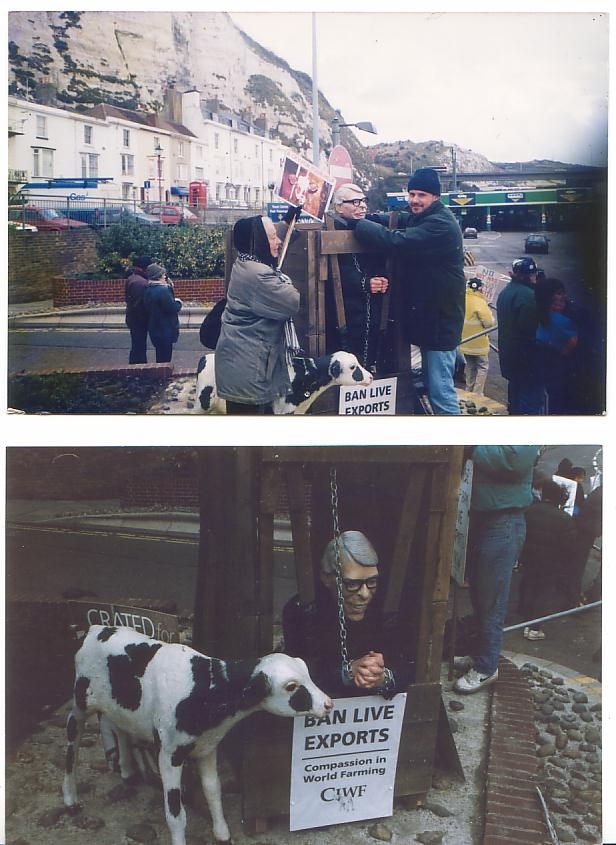
On February 1st it will be the anniversary of the death of Jill Phipps; an animal activist who was murdered at Coventry by a truck carrying live baby calves into Coventry airport for export.  I remember it very well as at the time I was entirely involved with animal exports campaigns from the port of Dover, Kent; England.

But the campaigns, protests and anti export feelings at Dover had reached a real fever pitch; as you can see in the following video – a typical day around Dover re live export – and as such, many of the ferry companies which used to take live animal transporters as part of their daily business decided to say ‘no more’ to accepting the trade and thus rejected it.  The exporters were becoming isolated with their sordid trade and were trying every port (big or small) in Southern England to get their animals over the water. 

Video – a typical protest day at Dover and the surrounding area:

At 27+ seconds you can see a ‘Gilder’ export truck – operated by brother GG Gilder – see Peter Gilder below.

The exporters and hauliers were in utter crisis as Dover port turned its back on the trade and would not accept it – aka people power !, and as a result the export industry had to turn to using other ports in Southern England and other means (ie by air) of getting live animals into Europe. 

Also, at the same time, one of the main exporters / hauliers who constantly used Dover, named Peter Gilder, took Dover port to the high court for refusing the trade.  The exporters and hauliers wanted to get Dover open again for their trade of death.

In the meantime whilst Dover was refusing the trade, small port towns such as Shoreham, Brightlingsea, and Ipswich were all used (as well as a few others) as trial ports in which the exporters attempted to continue their business.

In this next video you can see the huge public outcry and resultant protests at Shoreham (near to Brighton) about this small port being used for the export of live animals.  For each shipment, huge numbers of police from London (the Met police) had to be shipped in to join local police for every export consignment – this is where the saying ‘I’ve met the Met, and got the bruises to prove it’ was originated.

This film below (and dedicated to Jill) follows weeks of daily demonstrations by hundreds and, at times, thousands of everyday people, who converged on a small harbour port in West Sussex, England, to protest and show their disgust about the export into Mainland Europe of thousands of calves, cattle and sheep.

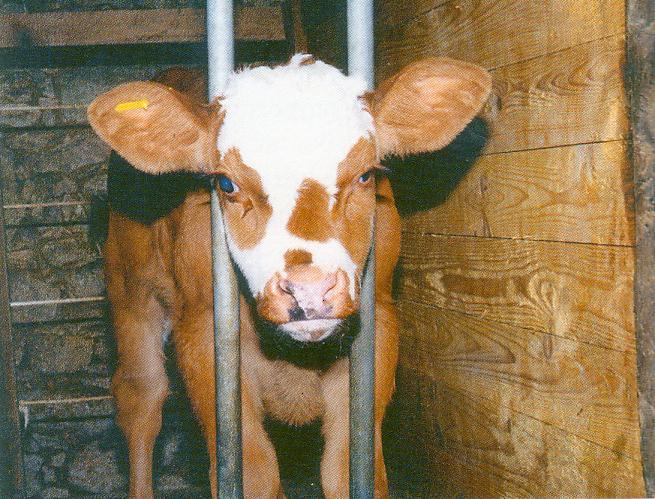
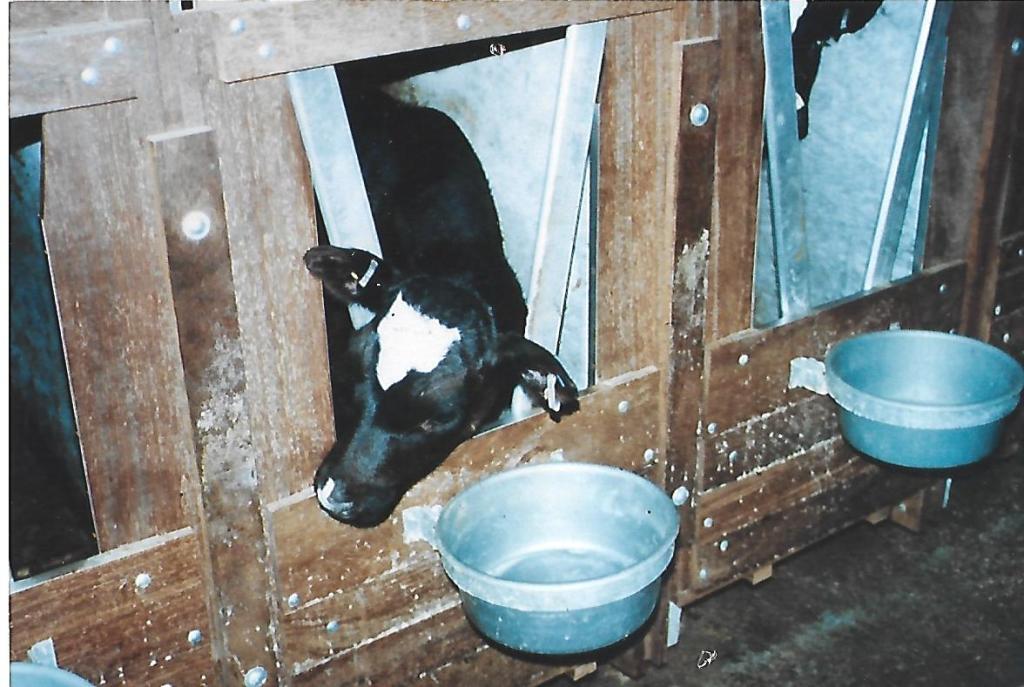
Thousands of young calves were also destined for the veal crates, a system which was already banned in the UK where calves are kept locked into tiny boxes, only able to lay or stand, and are chained or tethered, forced to drink iron deficient milk substitute so as to satisfy those who like their flesh (veal) light rose coloured and tender. This system was already banned in the UK and so farmers were exporting these baby (male) animals to Europe where crating was still legal.  How hypocritical !, the UK government banned the crates and then allowed male calves to be exported to Europe for crating !! – it was only the males which were exported, as male calves do not produce milk and thus are not used as replacements in the herd; they are essentially a ‘by product’; one which was used for veal meat production.

The film demonstrates the power of ordinary animal supportive people, when they get together and fight for the rights of those who do not have a voice.

Within weeks, these advocates for animals across Southern England managed to stop in their tracks, the big business who were profiteering from what people saw as a trade in suffering. Other harbour ports across Southern England also saw these exports stopped, due to persistent, big and daily demonstrations. Ordinary folk, from all walks of life, young and not so young, put their own liberty and personal safety at risk to try and protect animals as well as to highlight this issue of live animal exports.

Video – 1995 – the protest at Shoreham.

.

… and also at Brightlingsea,

Daily protests by the entire town folk of Brightlingsea in Essex against live animal exports in 1995, involved the crazy sight of hundreds of police officers (sometimes in full riot gear) forcing trucks full of sheep through narrow streets against a massive human blockade of outraged local residents. This is as good as people power gets, and the trade was eventually banned.

Video – the battle of Brightlingsea:

It was very hypocritical and involved a government exporting live calves from the UK to be incarcerated into ‘veal crates’, a system which the British had already banned.  So here we were, a ban on veal crates, and a government which allowed calves to be exported to the very systems that they had banned – was it any wonder that people were bummed off (to put it mildly !).

Above – crated calves.

The exporters also attempted to air freight animals to Europe.  Coventry airport, where our Jill was murdered, was one such airport.

Above – BJ – Calf Exporter, Arms Dealer and Drug Smuggler – all round no good.

The live calf shipments from Coventry airport were operated by a fellow named Barett Jolley (BJ).  He was operating an aircraft from Coventry, which crashed in bad weather on the return flight, killing all five crew members.  I wrote more about it recently:

England: There Is More To The Jill Story When You Have the Facts. – World Animals Voice

After the tragic events at Coventry which included the death of our Jill, BJ was handed a 20 year jail sentence due to his attempted smuggling of £22 million of Cocaine into Southend airport which is on the SE coast of England.

He smuggled arms, he exported live veal calves; he attempted to smuggle drugs into the UK, and yet he was given police protection constantly at Coventry during the calf export protests, at which our dear Jill was killed.

I include another link to Jill which covers several posts you can read at your pleasure if you wish ::

Search Results for “jill phipps” – World Animals Voice

There is still, and always has been a lot of anger in the AR movement about the death of our Jill.  28 years on and it still hurts bad.

I hope this gives you a very brief insight to activities in Southern England you now know and understand why I fight the disgusting export trade anywhere in the World !

Please remember Jill on 1/2/23 – thank you.

Regards Mark