Animal rights group claims truck driver beat hogs at Leidy’s facility
An animal rights group wants the district attorney to look into allegations a truck driver beat pigs being dropped off at a Souderton slaughterhouse.
Animal rights advocacy group Animal Partisan has filed with the District Attorney of Montgomery County a criminal complaint against Leidy’s in connection with the alleged incident earlier this year.
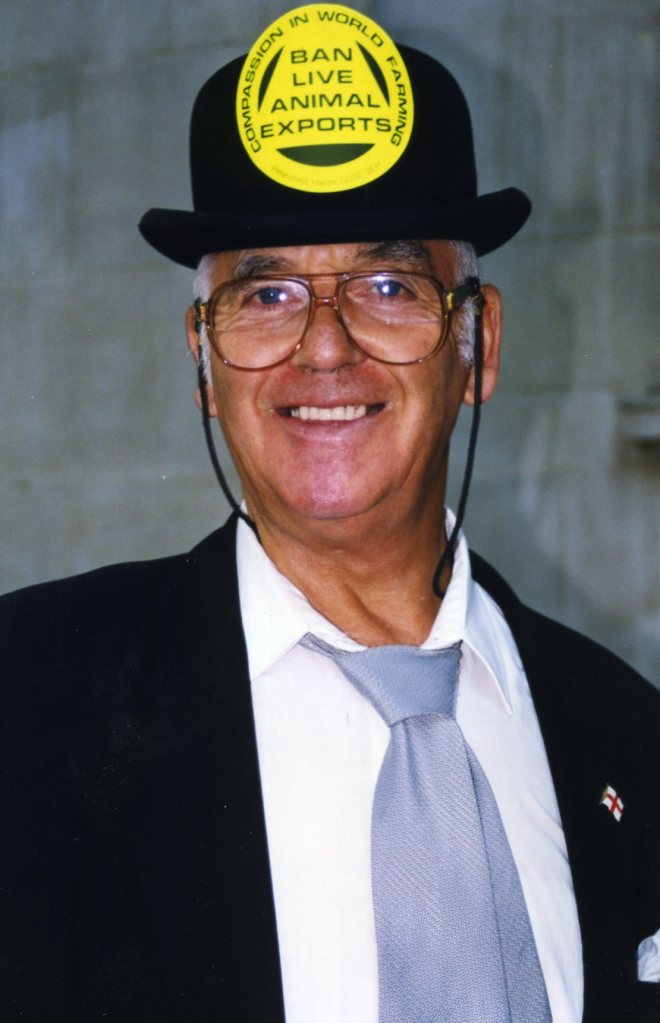
From Mark (WAV) – I have had the pleasure of knowing Phil for some 35+ years. We first got to know each other when we combined our efforts relating to the export of live animals from Dover, Kent, England – it has been a long haul, but as you can see in the video things are moving forward with regard a live export ban in the UK.
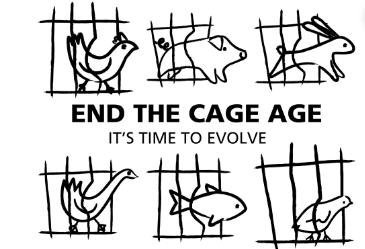
Enjoy the video and also note the very positive progress being made at the EU regarding the banning of cage systems. Now that is a massive positive !
… and in the UK, preparing to get official government legislation that will stop the live export of animals for both slaughter and further fattening.
Both photos – animal buddy Val Cameron.
Dear Mark,
As we approach the end of 2022, here at Compassion we’ve been looking back at what’s been an exceptional year. Globally, we’ve witnessed the horror of war in Ukraine, and been hit by the continuation of the COVID-19 pandemic, extreme weather events and the cost-of-living crisis. Yet, despite the challenges we all face, you’re still standing with us in the fight to end animal suffering and create a brighter future for farmed animals. For this we thank you!
In the past year, Compassion supporters around the world have taken millions of actions against the cruelty and injustice of factory farming. And, however you’ve got involved, you’ve made a huge difference!
Every email sent, and every petition signed, has stepped up the pressure on those in power to act.
Every tweet or share of a Compassion post on social media has spread the word and strengthened the global movement for farmed animals.
Every pound donated has helped us to investigate and expose the suffering caused by intensive farming, deliver powerful public campaigns, engage directly with politicians, or influence global food brands to improve the lives of billions of animals. We’ve created this short video showing the remarkable progress you’ve helped to achieve during 2022. We hope you enjoy watching and, just as your support inspires us, we hope that seeing all your achievements will inspire you to keep on fighting to end factory farming. You might wish to share the feel-good video with friends and family!
Together, we’re showing governments, food companies, and citizens that the wellbeing of people and the Earth depends upon ending the world’s biggest cause of animal cruelty – factory farming. On behalf of everyone at Compassion and the 2.5 billion animals set to benefit each year from your support, thank you!
Sending season’s greetings and wishing you a happy and peaceful New Year.
Warmest wishes,
Philip Lymbery
Global CEO, Compassion in World Farming
Regards Mark
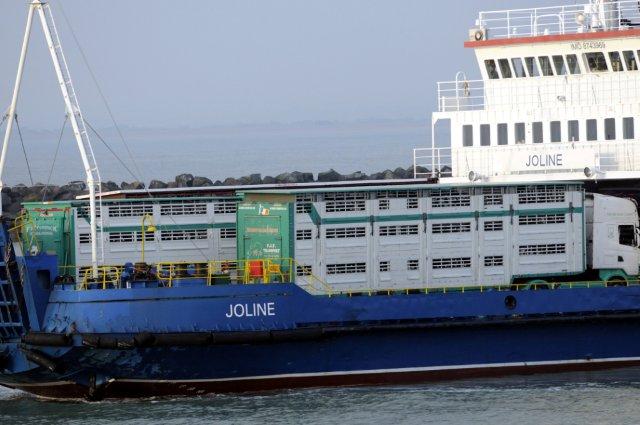
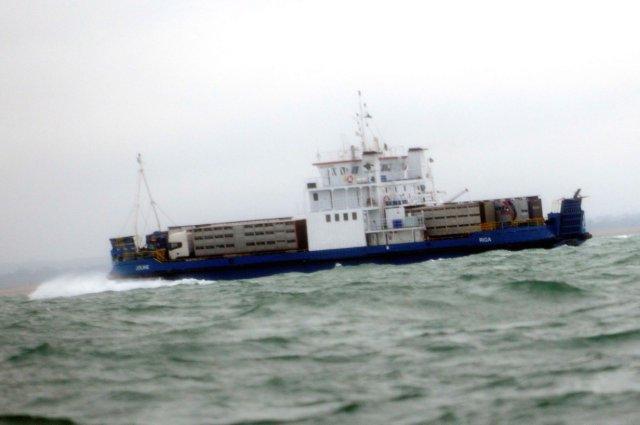
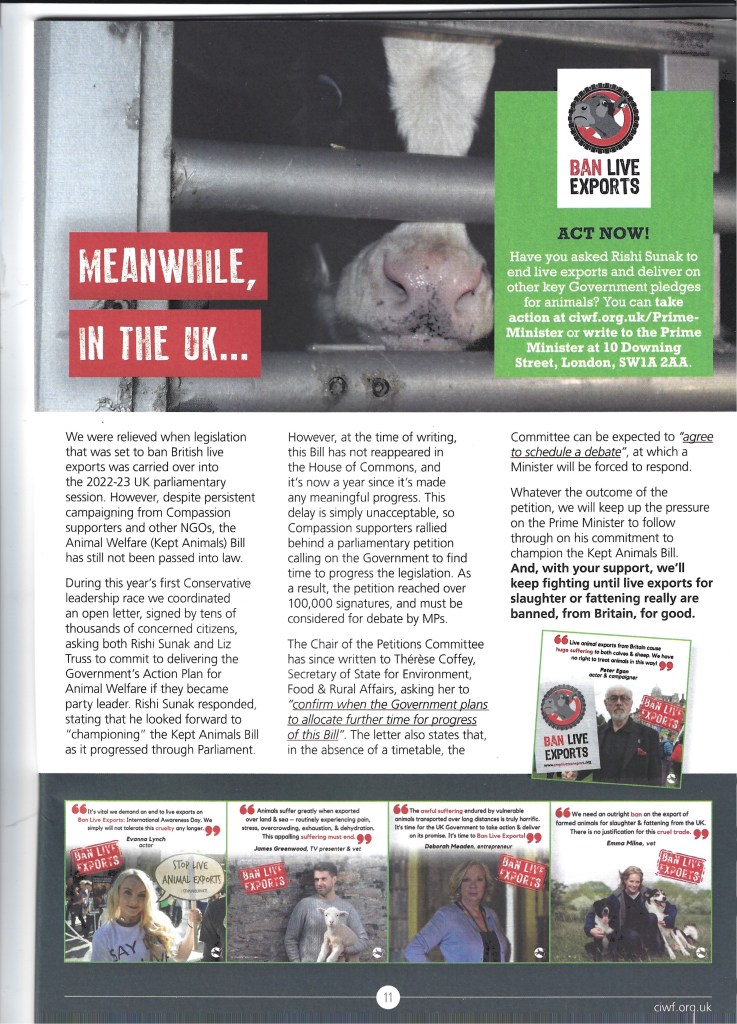
Above – From the recent past – The ‘Joline’ (owned by Dutchman Onderwater) crossing the English Channel To France loaded up with British animals destined for slaughter. New UK live export legislation will stop this completely, although there has been nothing crossing the Channel now for many months anyway.
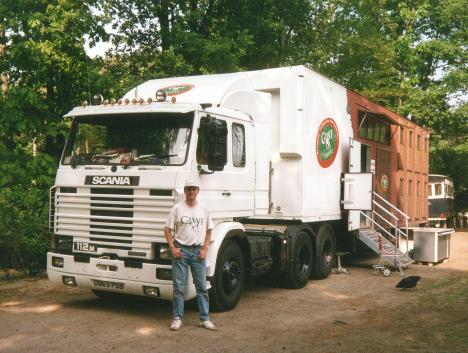
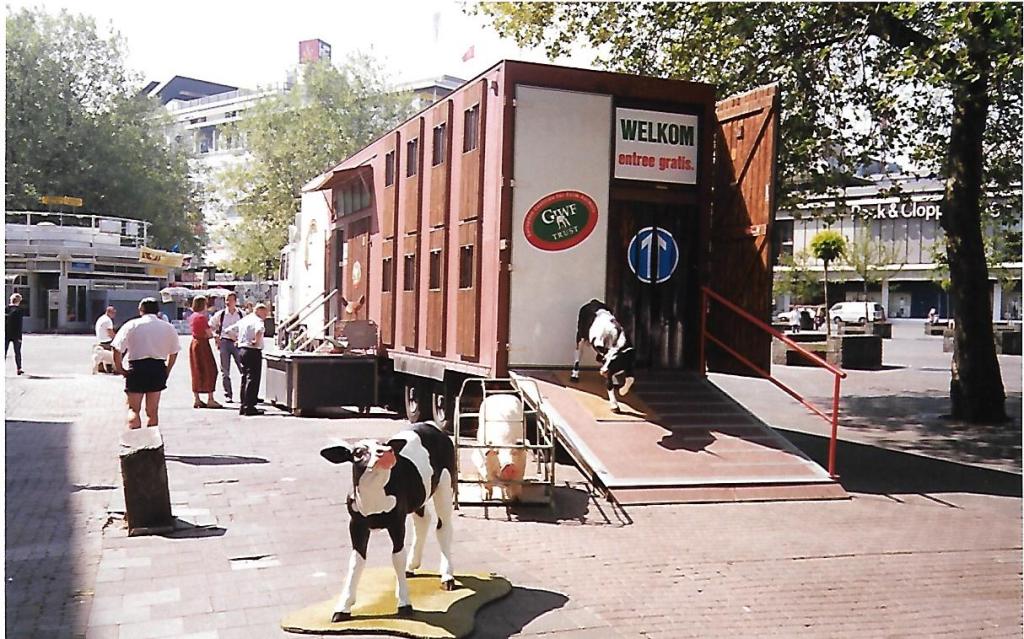
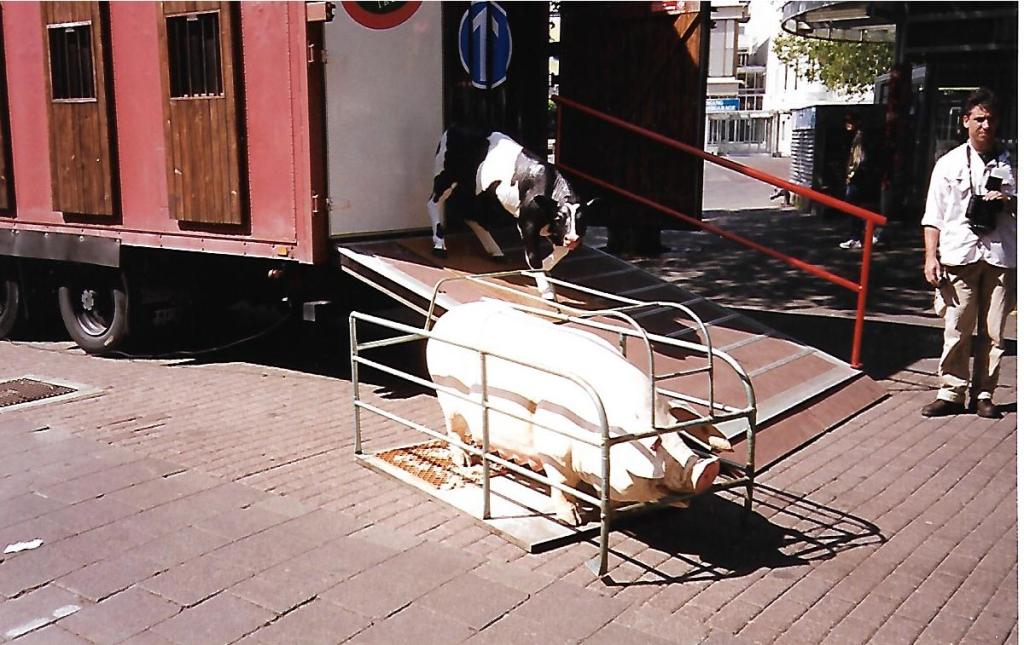
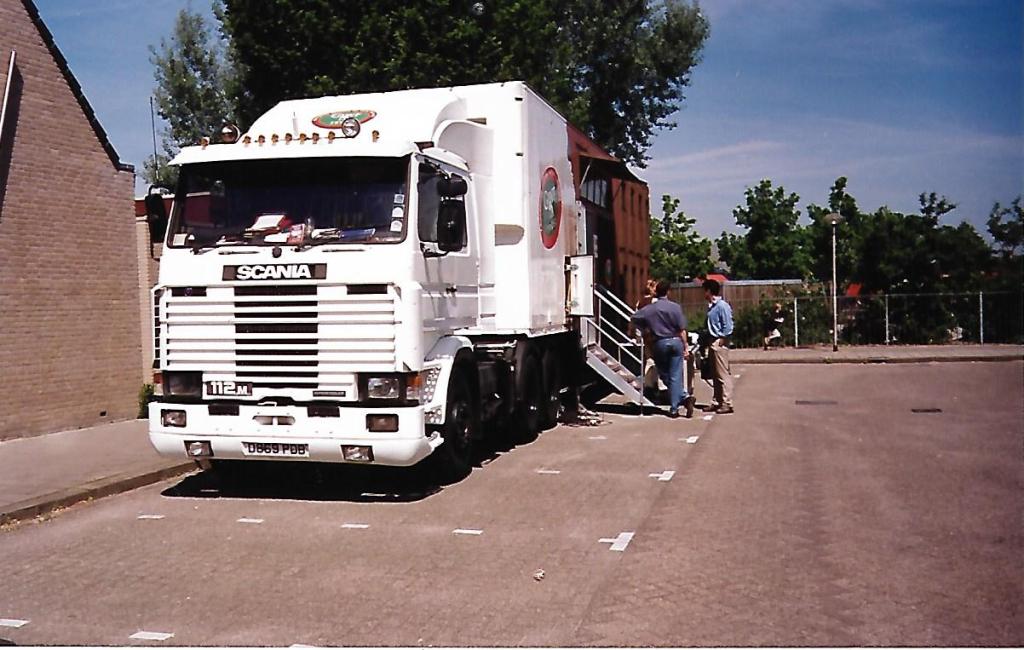
Above – Doing my bit in the Netherlands (in the past) with the CIWF intensive farming tour truck.
In the Netherlands…….
In the Netherlands, as well as public days, we visited many schools and colleges to show students what intensive farming was like.
He we are with the truck getting ready for another day visiting Dutch schools.
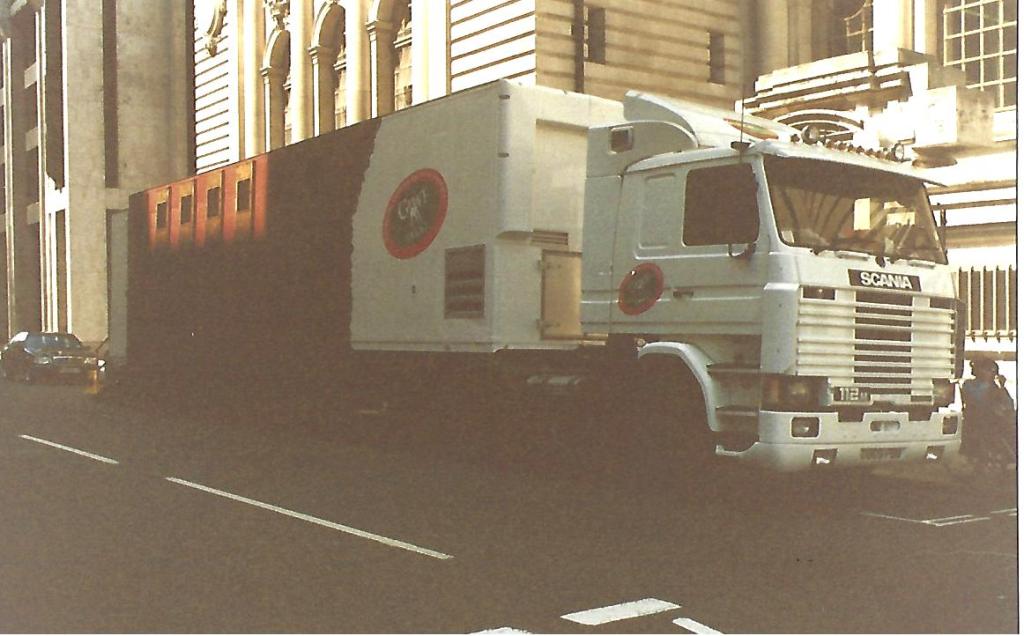
Below – parked up near to parliament in London. You entered from the rear into the intensive systems; and left via the front which showed ‘refrigerated’ alternatives – hence the ‘split’ configuration of the trailer.
and top London campaigner (and great animal buddy friend), Mike Tucker:
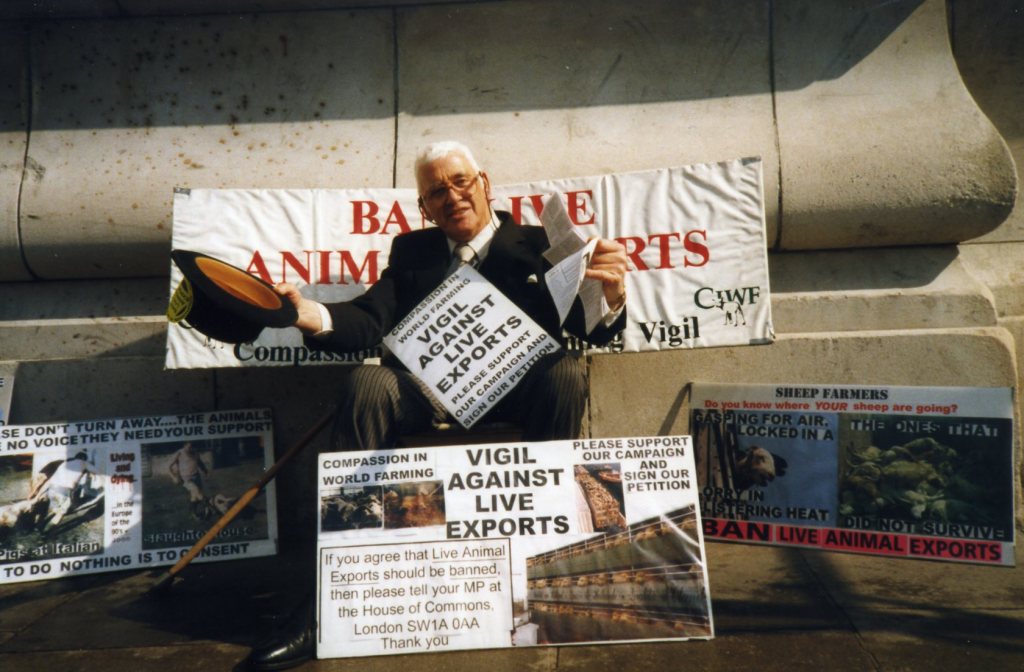
The daily live export vigil held in London – Mike washes down the Defra steps in Whitehall, telling them to ‘clean up their act’ and ban live animal transport.
I know you probably don’t get to hear this a lot when you open your emails so I want to say it now, loud and clear:
Thank you.
I want to thank you from the bottom of my heart for the support you give to Animal Equality and the support you give to animals who suffer on factory farms and inside slaughterhouses around the world.
When you sign petitions, post about farmed animals on social media, attend protests, and make donations to Animal Equality…it all makes a difference.
It’s so inspiring for me to see more and more people like you supporting us and believing in our collective mission to end animal cruelty.
I’ve been fighting for animals for over 20 years now and it will never be easy to see an innocent animal suffering.
And yet, I can honestly say that I feel privileged to be writing this email to you. I have always felt privileged to work for animals. It’s my life’s mission and I will do it for the rest of my life.
But I have been through many difficulties.
When I founded Animal Equality with Javier Moreno and Jose Valle we started the organisation with no resources. We didn’t have the money to do much for animals and that was very hard.
On one occasion we ran out of money during an important investigation inside pig farms in Spain. We literally had to ask our friends to support us with donations to be able to finalise the investigation.
So they did.
And that became the first ever and largest investigation inside pig farms to be presented in Spain. It opened the news cycle that day.
We wanted to show people in the city where we lived what happens inside factory farms so we stood outside for hours showing the images. We couldn’t afford laptops so we chose to make banners instead.
And to save money, we made the banners out of cardboard we found outside clothing stores.
Those times were difficult because there wasn’t more we could do.
Now Mark, I’ll be honest with you, those were challenging times because every night I went to sleep thinking if only we had enough resources to be able to do more for animals.
I imagined what it could be like if we could have better cameras for our investigations or be able to hire a team to support Animal Equality’s missions or if we could meet journalists in an office instead of inside coffee shops.
We learned very quickly that without the time and resources we needed, we couldn’t help animals the way we wanted to.
Today, Animal Equality is a global force with more resources and a team of 100 people, but I still ask myself what more can be done. What else could we achieve?
That’s why people like you are so important. Because we can’t help animals by ourselves. In fact, we’re not even the main component.
The main component in helping animals is you.
Tomorrow I want to share with you a story that’s very important to me. It’s the story of an animal who is very close to my heart. I hope you’ll read it.
Sincerely,
Sharon Núñez
President
Animal Equality
P.S. Right now, every donation made to Animal Equality is being matched by an anonymous donor until 31st December or until we reach our £150,000 UK goal, whichever comes first. This means if you donate today, you’ll be able to give twice as much to animals at no extra cost to you!
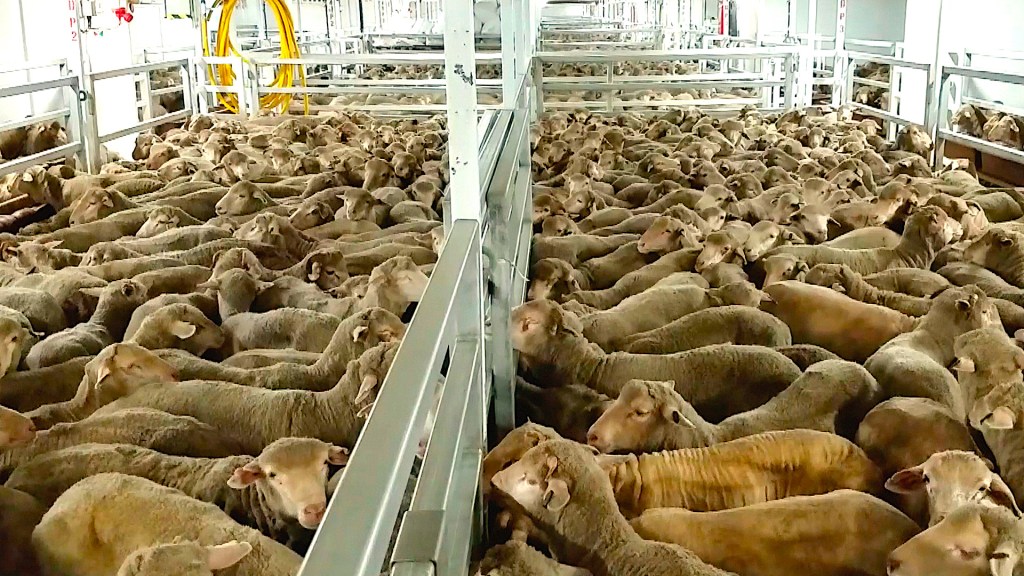
England – As some of you will know, live animal transportation (from anywhere to anywhere) has always been my No. 1 campaign issue. I have around 35 years experience of fighting the live trade in the UK and elsewhere.
In the UK there is (December 2022) finally positive news on this; we hope that the ‘Kept Animals Bill’ (which includes the live export ban) will finally be approved within both houses of Parliament in early 2023.
We’re so close toending live exports in the UK. After a consultation by the UK and Welsh Governments earlier, the UK Government has confirmed the end of live animal exports in the UK for fattening and slaughter as part of the Kept Animals Bill. The Kept Animals Bill is progressing through Parliament.
An outright ban of this kind on live animal exports is stronger than some animal welfare experts had expected the government to propose – although one MP who’s campaigned on this issue for years (and was delighted) told me he didn’t care how the practice ended, just that it did.
With positive hopes; I will report more on this when I get more news;
Sometimes, campaigns take a while to win – but if you have tenacity, then …….
Regards Mark
UPDATE 21/12 from CIWF London:
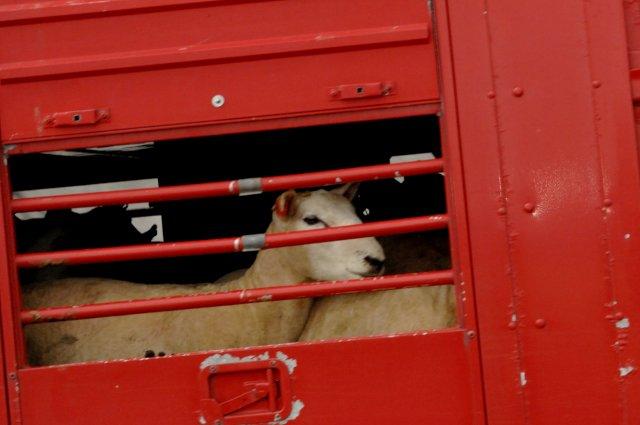
In the past – A Dutch sheep haulier is met by the welcoming committee at Dover, England.
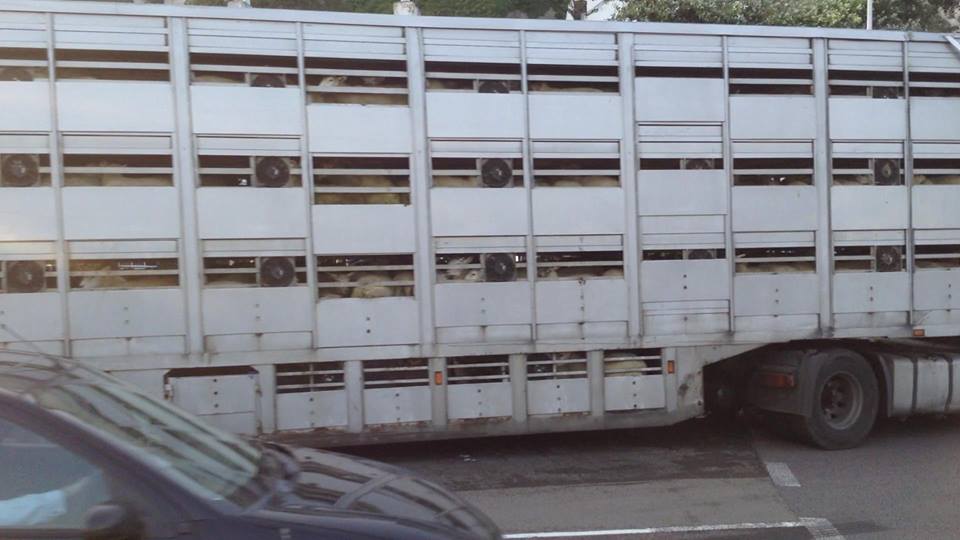
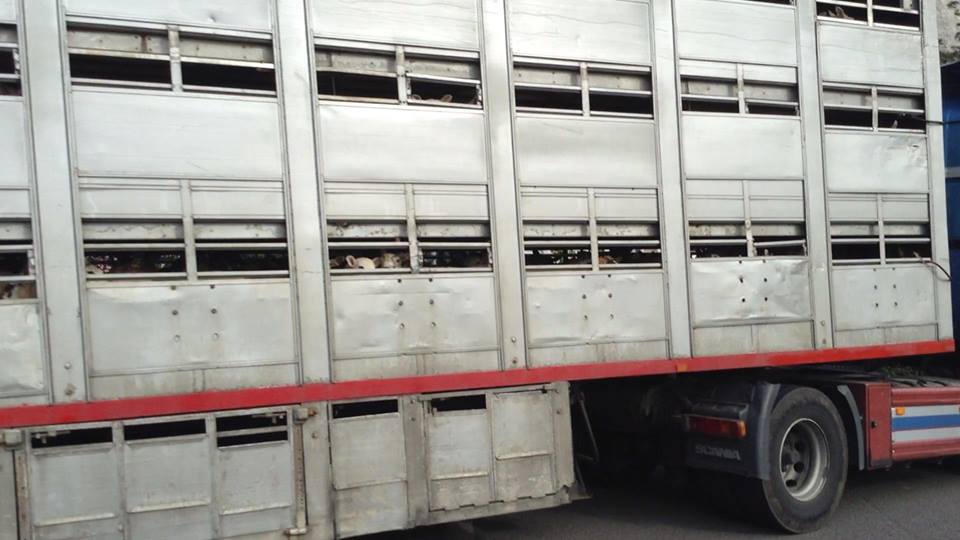
The Dutch Food and Consumer Product Safety Authority (NVWA) will investigate the mistreatment of pigs during transport following undercover images obtained by animal rights organization Varkens in Nood. The footage shows pigs being kicked, beaten and assaulted with a stun gun as they are transported. A spokesperson for NVWA confirmed the investigation after a report by RTL Nieuws, which the authority will treat as a case of “animal abuse.”
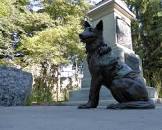
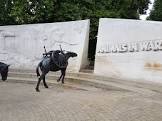
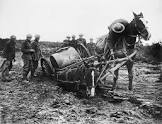
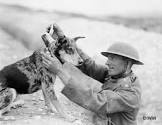
Touching tributes to animal heroes at Coventry purple poppy service
PETS and their owners gathered in the War Memorial Park peace garden on Remembrance Sunday to honour the animals that served during all conflicts.
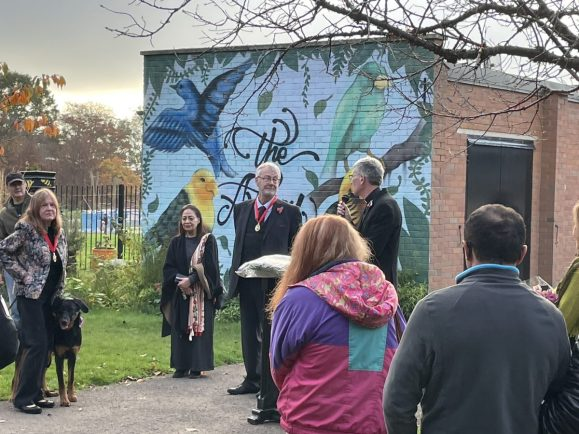
Pet owners and animal rights and welfare groups gathered in the peace garden for the short service, which was led by Coun John McNicholas alongside his wife June.
During his address, Coun McNicholas spoke about the need to honour the ‘faithful animals who served side-by-side with the Armed Forces’, something he feels isn’t done enough.
He also stressed the positive impact animals can have on people’s mental health.
“I have always been a huge advocate of animal rights, and whether it be dogs, horses or other kinds I think they should be remembered for their service, animals are loyal, loving and brave.”
Coventry Central Hall Rev Stephen Willey then gave a brief speech before leading the service in prayer.
He spoke of humans and animals being a part of the ‘marvellous creation of god’ and of the value of the ‘unconditional love’ animals give to owners.
Dr June McNicholas read a poem looking at war from a serving dog’s perspective, accompanied by her new pet dog Stella.
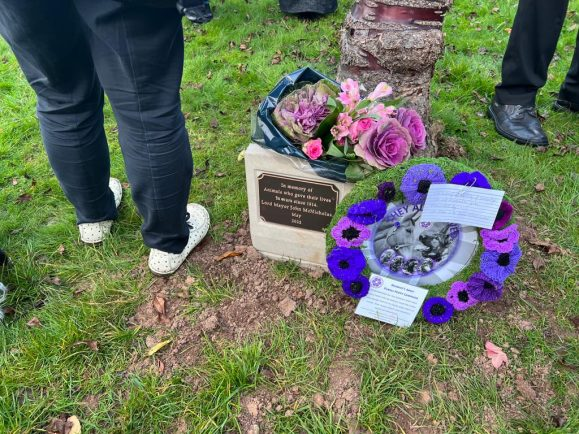
And the service ended with the laying of a purple poppy wreath alongside a plaque in memory of all animals who gave their lives in wars since 1914.
The purple poppy was introduced in 2006 by the charity Animal Aid, which felt animals who died in wars, mostly horses and dogs, should not be forgotten.
The appeal has since been adopted by the Murphy’s Army charity, which has since raised thousands of pounds for causes including K9 Heroes, The Horse Trust and Fireside K9.
Coun McNicholas laid the city’s first purple poppies as Lord Mayor last year and said he will be making this an annual service.
He said: “My wife and I have always been keen to promote the beneficial roles animals can play whether as therapy, assistance animals or those that support our armed services.
“Few Remembrance services recognise the bravery of those animals who endanger or sacrifice their own lives to protect their human colleagues.
“I’m looking forward to next year when we will continue our support for the ceremony”.
Coventry (England) has a very proud tradition of animal rights – and it was during live export protests that our wonderful Jill was murdered by the savage calf export trade:
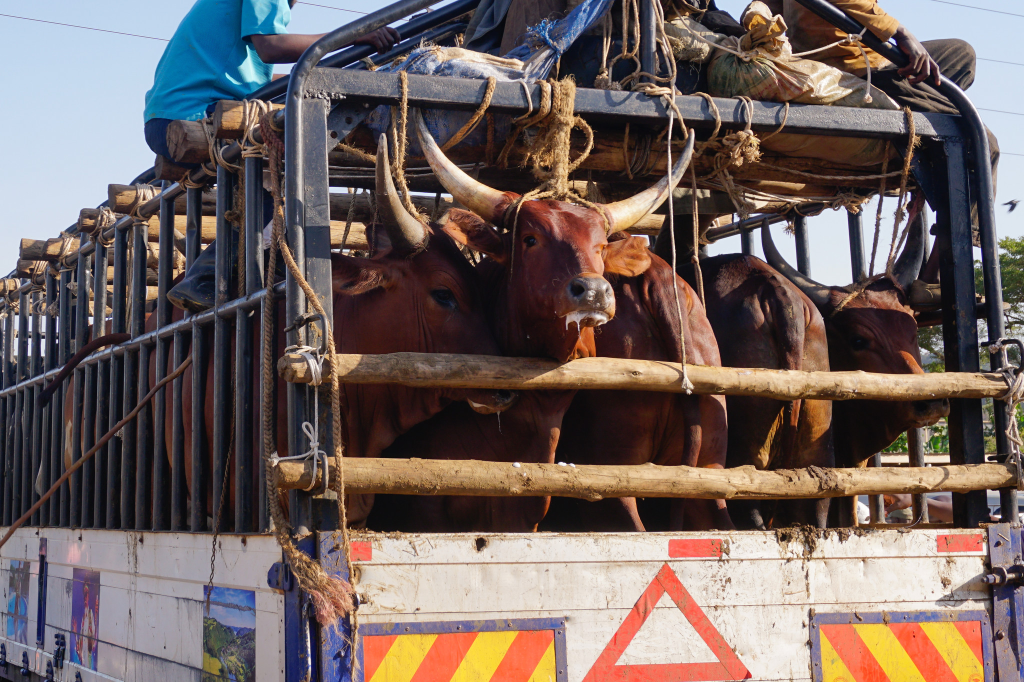
Above – A truck with tightly packed cattle arrives at the unloading yard of Kampala City Abattoir. Animal rights advocates want the government to enforce laws that require humane treatment of animals during transportation.
All photos – EDNA NAMARA, GPJ UGANDA
KAMPALA, UGANDA — As soon as the truck pulls up, Joseph Lubwama jumps out and starts unloading 24 tightly packed cattle he has brought to Kampala City Abattoir. He begins by untangling a web of ropes used to tie the cattle’s long horns to the rails of the truck bed to keep them still. They have been on a 250-kilometer (155-mile) journey from Kiruhura, a rural district in southern Uganda. One by one, the cattle step out of the truck. They look tired.
“For the animals to travel that long tied to one position by the horns and tail, it is uncomfortable,” says Lubwama, as he begins to herd them off the truck.
What seemed like genuine concern vanishes when Gaju, a bull with the majestic horns typical of the Ankole breed, wobbles, falls in the middle of the truck bed and can’t get up.
“Get up, Gaju! Go, go, go, Gaju, go,” Lubwama shouts as he kicks the animal and mercilessly strikes it with a cane.
When Gaju doesn’t budge, Lubwama finds support on the frames of the truck’s cargo cage and kicks the animal hard using both legs with his heavy gumboots. The apparent pain forces Gaju to gather strength, stand up and stagger out of the truck.
Kampala’s steady population growth over the last three decades has created high demand for beef. But the city doesn’t permit raising cattle within its limits, meaning that people like Lubwama have to bring in cattle from ranches hundreds of kilometers from the city’s abattoirs. But the inhumane way cattle are transported has led to a debate between animal rights activists and veterinarians who are calling for government intervention, and cattle dealers who contend that they would lose money if the current laws were enforced.
Since 1992, the capital city has averaged an annual population growth rate of at least 5%, raising the number of residents from around 830,000 to more than 3.6 million in 2022, according to data from the United Nations World Urbanization Prospects. The average Ugandan consumes about 9 kilograms (20 pounds) of beef a year, with Kampala district accounting for the largest portion, 7% of the country’s annual production of 185,709 metric tons, according to a report by the Food and Agriculture Organization of the United Nations.
David Kakooza, a veterinarian’s assistant who keeps records of the overcrowded trucks of cattle arriving daily at the abattoir, says he doesn’t feel good seeing animals arrive so fatigued. He wishes the government could enforce existing laws and regulations that are supposed to ensure animals are not tortured during transportation.
“Animals have rights, too,” Kakooza says as he inspects a truck carrying 21 head of cattle.
Standing orders of the Uganda National Bureau of Standards stipulate that trucks “shall have enough space for the comfort of slaughter animals during transit, cattle placed crosswise on a lorry shall allow 50 cm to 60 cm of the truck length for each animal.” Transportation of animals for slaughter “shall be carried out in a way that minimizes stress, pain and suffering,” according to the guidelines. There is also the Animals (Prevention of Cruelty) Act, which states that any person who “cruelly beats, kicks, ill-treats, overrides, overdrives, overloads, tortures or infuriates any animal” is guilty of the crime of cruelty.
Siraj Katangawuzi, the imam of Nansana parish, says he wants to see these laws and regulations strictly enforced to ensure that animals are transported without suffering. He says one simple change the government could make is to require the use of timber instead of ropes to prevent cattle from falling during transportation. The government should also educate Ugandans on the importance of being kind to animals and revoke the licenses of those who refuse to follow the law.
“Ugandans need to realize that everything that breathes has feelings,” Katangawuzi says. “It is impossible for humans to travel all that distance without changing position, but cows, too, have feelings, so they should not be tied so mercilessly.”
Dr. Dickson Tayebwa, an animal welfare advocate and veterinarian who lectures at Makerere University, says existing laws are not enforced because “big men” — powerful government officials who own extensive cattle ranches and many of the trucks that transport animals to Kampala’s abattoirs — dominate the meat industry.
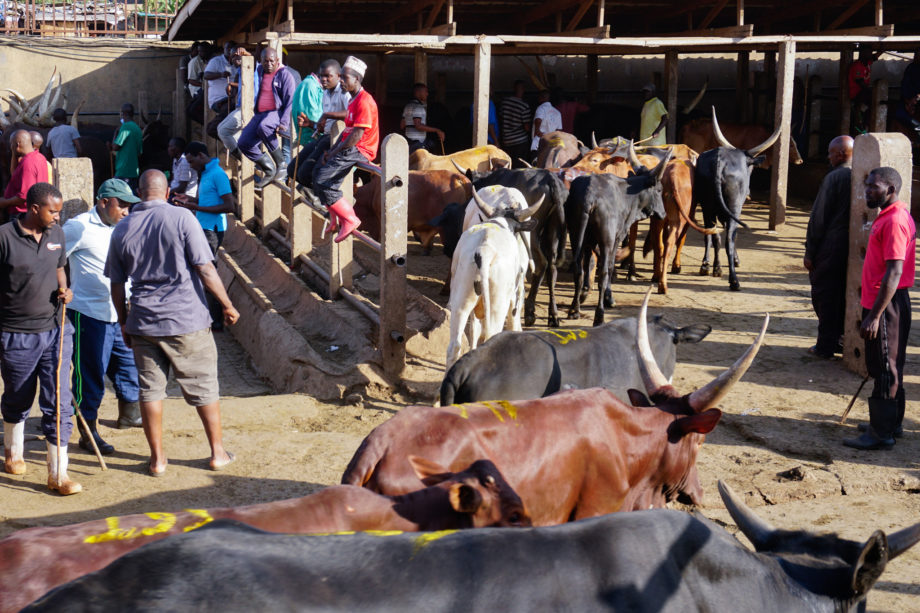
Above – Cattle dealers and herdsmen watch as a load of cattle is led to a resting area at the Kampala City Abattoir. Kampala’s growing demand for meat means cattle must be transported from far away, raising concerns about animal cruelty.
“Their trucks have papers indicating that they are special,” Tayebwa says. “So, the officers manning roadblocks cannot say anything, even when it’s clear that laws are being broken.”
An officer at the Ministry of Agriculture, Animal Industry and Fisheries, who wants to remain anonymous for fear of retaliation, acknowledges that the presence of powerful people in the industry makes government regulation difficult.
“They are untouchable,” the officer says.
David Kasura Kyomukama, the permanent secretary at the ministry, says he cannot comment on the issue of top government officials impeding the enforcement of laws. But he says the ministry is trying to convince people in the industry that obeying the laws and regulations would be in their best interest.
“Animals are animals, so they can’t be treated like people, but they can be treated well on the journey so that we get money out of them,” Kyomukama says. “If you treat animals in a way that stresses them, you won’t get their full worth, as some might lose weight, or even die.”
Kyomukama says the ministry plans to set up abattoirs in regions across the country so that animals are slaughtered closer to where they are raised and their meat transported to Kampala and other urban centers. He doesn’t say when that might happen.
Dr. Hannington Katumba, a Kampala city council veterinarian, agrees that treating cattle well would benefit the beef industry and consumers because healthy cows produce high-quality meat. He explains that when a cow is reacting to high levels of stress, its body excretes lactic acid, which increases acidity and makes meat fail to settle.
“That is the ugly meat we sometimes see in stalls. It looks beaten,” Katumba says.
The fact that Ugandan culture doesn’t generally value animal welfare has made ending cruelty against animals more difficult. Samuel Bwanakweri, a herder from western Uganda who has been in cattle trade and transportation for 21 years, laughs when asked why animals are treated so cruelly during transportation to the abattoirs.
“What is all the fuss about? They are heading to the slaughterhouse,” he says matter-of-factly. “Isn’t it ironic to feel pity for an animal you are going to kill?”
Bwanakweri says that he spends a lot of money to transport the cattle from as far away as 320 kilometers (almost 200 miles) to the abattoirs and that following the regulations would not make economic sense. To break even, he says he needs to get 23 cows on each truck because he must hire four handlers at 100,000 Ugandan shillings ($26) each. He also pays the truck owner and the bank that gives him business loans.
Although he’s not as dismissive as Bwanakweri about animal welfare, Bonny Katambula, a committee member of Kampala City Abattoir, agrees that if the current laws and regulations were to be strictly enforced, many dealers would be out of business. He says the ideal number for the large trucks should be 20 cows.
“A man cannot hire a truck for 1 million shillings [$260], drive it upcountry for cattle and return with only 10 cows,” he says. “That defeats the economic purpose.”
Above – Workers inside Kampala City Abattoir weigh and cut meat to buyers’ specifications.
Lubwama says his goal is to work his way up in the beef industry. As a cattle handler, he earns 100,000 shillings ($26) for each of the three trips he makes weekly. He is working hard to save money and be able to have one of his own cows on the truck.
“My dream is to slowly build my business and be able to fill a truck with my cattle,” he says as he leads Gaju and several cows to the yard for fodder, water and rest.
After 12 hours, he will herd Gaju to the slaughterhouse, where the bull’s journey will end. The meat will be processed, and the health inspector will stamp it to certify that it has been checked for disease and deemed healthy for human consumption. Lubwama will head back to Kiruhura and load the truck with more cattle for his next trip to Kampala to help quell the city’s hunger for beef.
Edna Namara is a Global Press Journal reporter based in Kampala, Uganda.
In what spells as positive news for millions of farm animals, the Federal Ministry of Food and Agriculture has declared it will restrict the export of various species used for breeding to third countries from Germany.
What are Germany’s new export rules?
From July 1 2023, German veterinary certificates for the export of cattle, sheep and goats used for breeding to several countries outside the EU will be withdrawn, a recent press release from BMEL states.
This is not the first time Germany has tightened up their export rules to support higher animal welfare, having already withdrawn certificates for animals used for fattening and slaughter purposes to third countries. However, by extending these restrictions to breeding animals, too, the country is taking an even stronger stand against the issues of international animal trade and the cruelties that livestock faces in this system: sending a powerful message about the importance of good welfare at every stage of an animal’s life.
Germany has made the first move… now, over to the EU
Germany has set a compelling precedent at national level… but if we are to address live exports globally, it’s important that the rest of the EU takes the initiative to radically change the rules of this trade.
This is something that Germany’s Federal Minister, Cem Özdemir, understands well. Commenting on their recent decision, he stated “we urgently need better common rules in Europe” to make sure that national restrictions such as theirs “are not circumvented” and undermined. For instance, despite Germany’s new law, suppliers could technically export animals to other countries in the EU to then be re-exported to third countries: taking advantage of a problematic loophole that an EU-wide law could close.
Eurogroup for Animals are campaigning for the EU to ban the transport of live animals outside its borders entirely, and eventually revolutionise the trade to end their live export completely. In the interim, we’re also asking policymakers to devise stricter species-specific requirements for transport as well.
What do Members think of Germany’s new export restrictions?
Several of our member organisations have been concerned with the consequences of live animal exports for years. Germany’s news thus comes as a victory, though it’s clear there’s much more to do.
Animals International has worked tirelessly to expose the conditions animals face while being exported outside of Europe – including, specifically, from Germany, with their investigations into German exports tracing back as far as 2017.
“We want to see the EC listening to the fresh wave that Germany has started, by installing an EU wide ban on live exports,” Director Gabriel Paun states. He adds that despite this, the recent restrictions come as “news worth celebrating” that heeds “the call of millions of compassionate EU citizens who want an end to this cruel and ruthless trade”.
Deutscher Tierschutzbund has also vocalised their support for this change via Twitter, but are conscious of the further developments that are needed. “This is not about the end of transport, and so we still demand that the German ministry bans exports completely from Germany to countries outside of Europe,” states Frigga Wirths, their Specialist for Transport, Slaughter and Cattle.
Four Paws International is of a similar mind, and have campaigned extensively for change within the live animal export trade in Europe. Livestock Expert Ina Mueller-Arnke commented that “the BMEL withdrawing the bilateral veterinary certificates is a good first step, but insufficient, as it is not equivalent to an export ban.” She adds that, to seal lasting change, “we need to prohibit live animal exports at the European level, including to all third countries.”
The Animal Welfare Foundation is strongly against the long-distance transport of animals across Europe, as well as exports from Europe to third countries. Iris Baumgärtner, their Vice Chair, told us “we expect a national export ban of German animals from our Green Minister of Agriculture”, though their most recent restrictions are “the fastest measure to send a clear signal to the EU Commission.” That being said, they’re concerned that this move “will hardly reduce exports. For this reason, we need a national export ban with better enforcement options for the authorities to stop indirect transports.”
Ultimately, the message is clear: while this restriction is a win for several farm animals in Germany, to make it a win for all animals, we need the EU to step up and create EU-wide legislation to seriously improve the export trade. We hope to see it rise to the challenge.