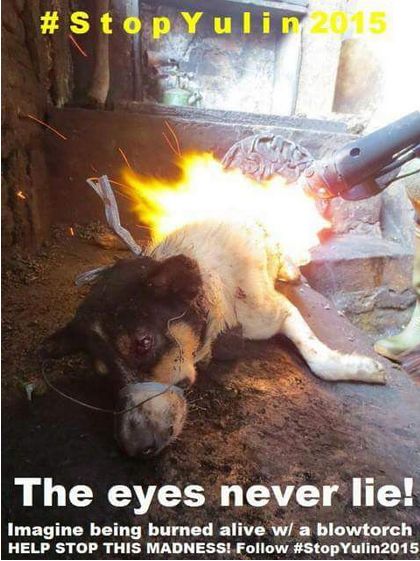
I am attempting to get more about this years Yulin dog meat festival; Julia de Cadenet, founder of NoToDogMeat, said the controversial Yulin Dog Meat Festival in China could be the biggest for years as organisers try to make a spectacle for tourists.
We are expecting this year’s festival to be even bigger than in the pandemic years, as covid restrictions have now been lifted.
Wow ! – we are so happy to read that AAU has reached an incredible 2.5 BILLION views on YouTube; so very much deserved by all the crew there who make endless sacrifices for the welfare of animals. We congratulate them on such a fantastic milestone.
For starters, watch a blast from the past, showing a mother dog guiding AAU rescuers to recover her puppies from a collapsed building:
Dear Mark,
We’re proud to share that we have reached nearly 2.5 billion views on our YouTube channel, making our videos the most watched animal rescues in the world.
We document our rescue stories to inspire people around the world to get involved in helping animals. Whether the viewer becomes a donor, or even just shares the video with a friend, it helps animals in the long run.
We’re thrilled that billions of people over the years have wanted to watch and be a part of helping so many animals. Thank you, because we sure couldn’t do this without you.
Healing Andy’s burn took months, and wow, we’ve bonded big-time.
This loveable boy was so traumatized by a massive burn wound that we found him in a state of complete despair. Sadly, bulls can be victims of abuse, and often have boiling hot water or even oil thrown on them to scare them away.
His eyes were wide as he innocently tried to bear his terrible pain. We brought him back to our hospital and began what would be a months-long journey of healing for this brave young bull.
Burn wounds can be very difficult to heal because of the damage to the layers of skin. During the course of his stay with us, while he indulged our routine wound dressings and bandage changes, his trust grew, his appetite soared, and he seemed to agree that love and affection feel beautiful!
Find out how this circling, brain-injured puppyearned the confident name “Breezy!”
Something was very very wrong. Even from a distance we could see that this puppy’s neck was twisted in a terrible way, thrusting his head almost backwards. He had suffered a head trauma, probably hit by a car in a hit-and-run.
Thankfully, a passerby noticed that he was alive and called us for help. We gave him supportive care and treatment for several days while he remained semi-comatose, but on the third day, we were delighted that he wanted to eat on his own. With a little help to stabilize his neck, this little gem seemed to tell us “I’m ready to live!” It took 2 months of baby-steps for Breezy to re-learn some basic motor skills, but wow, he has ’em nailed down now! Meet loving, loveable Breezy today.
On April 22nd we caught the first group of dogs that we brought back to our recently renovated Sterilization Center.After so much planning and organizing, to finally have the first dogs at the center (all such sweethearts) and give them their first bowls of food and water, and prepare them for their surgeries, felt like the real ribbon-cutting. We have already had several animal lovers bring their community dogs for spay and neuter which is heart-warming to see.
Thank you for your incredibly generous support that makes saving so many lives each month possible.
No one is more vulnerable than a baby, and even more so orphaned babies. Without a mom, keeping babies growing healthy and strong needs the right nutrition–usually multiple times in a day– many hands and loving hearts. To the team members here, including volunteers and donors from afar, we thank you for being the arms rocking, the voices soothing with lullabies, and the milk bar attendants whose “customers” are waiting for their morning bottles!
Dilli’s smile was so worth the wait!
Incoordination and constant paddling was the result of a head trauma for this innocent little road accident victim. Neighbors knew to call Animal Aid for her rescue. After a few days of treatment she had regained some awareness and was able to eat with help, but she couldn’t orient or focus herself and circled helplessly. We hoped her circling would not be permanent, and that time would heal.
We were overjoyed to find that within a couple of weeks, all the play that had been locked inside her began to emerge. Her ability to coordinate improved, and so did her ability to interact and play. “Dil” means heart in Hindi, and we’ve called her Dilli, watching with delight as her normal abilities have gradually returned. Dilli is all heart, and she has captured our hearts too. Sometimes waiting is the very best thing you can do.
Sweet Snowpea’s skin infection made her become shy and inward from pain. Her skin was so itchy that she had scratched until she bled, causing sores that, if left untreated, could have become fatal.
Saving this gracious, poised, seemingly reserved girl, with open sores from her throat to her toes, was no less dramatic than closing a bleeding wound. We hurried to give her medicine and to start her series of medicated baths over several weeks.
As the wounds healed and velvety new fur began to emerge, we found that all her quiet and stillness had been evidence of her pain, not her nature. Take a look at this little hurricane of fun today! Snowpea will melt your heart!
For five years, Susan, a retired public defender, has used her skills in lapidary and metal work to help animals by managing the Animal Aid shop as a volunteer, donating hundreds of semi-precious stone pendants and crafting masterpieces in copper, silver and other metals. And she does it all in the midst of caring for her 11 animals and regular fosters.
The words “thank you” really don’t fully express our gratitude.
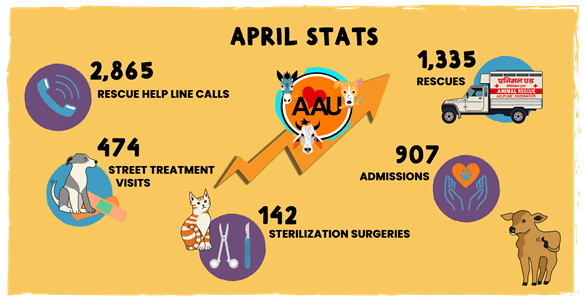
Here’s how you helped us in March!
Thank you for helping so many animals heal last month. Every animal we rescue, admit into our hospital for treatment, or treat directly on the street is a special someone who needed help from a friend, and thanks to you, they got it.
We thank you deeply for all you do, are, and inspire for animals.
In 2022, the European Commission published its proposal for an EU Nature Restoration Law.
This is landmark legislation for the conservation of wild animals habitats in the EU and the time to act is now!
Add your voice to the thousands of citizens calling on the EU to adopt an ambitious EU Nature Restoration Law.
The proposed EU Nature Restoration Law sets an overall target of restoring 20% of the EU’s land and sea area by 2030 and all ecosystems in need of restoration by 2050. This is an ambitious and appropriate target, essential for the EU’s wild animals which are suffering from a decline in the quality of their habitats.
Indeed, rich and undisturbed habitats are key for the well-being of wild animals. In a world where all animals and species, including humans, are interdependent and rely on healthy ecosystems, nature restoration and conservation is a priority.
Eurogroup for Animals therefore calls for the EU Nature Restoration Law to fulfil three objectives:
It must effectively protect and restore all natural habitats to safeguard the well being of millions of wild animals and humans;
It must recognise and take into account the interdependence of living beings in line with the One Health and One Welfare approaches;
It must fully integrate the welfare of wild animals as an indicator and objective of conservation and restoration activities.
In this context, the well-being of wild animals must be addressed in the definitions of “sufficient quality of habitat” and “sufficient quantity of habitat”. Similarly, the legislation should ensure that a “favourable reference area” for the given habitats is defined as more than the minimum required, so that wild animals can thrive rather than simply survive. The proposal should also ensure connectivity between habitats so that wild animals do not encounter obstacles to their movement on land or water. The ethological requirements of species must also be adequately taken into account in restoration activities.
If you agree with these statements, tell your decision-makers to keep high ambitions and fully integrate animal welfare considerations in the EU Nature Restoration law to protect the habitats and ecosystems on which humans and wildlife depend.
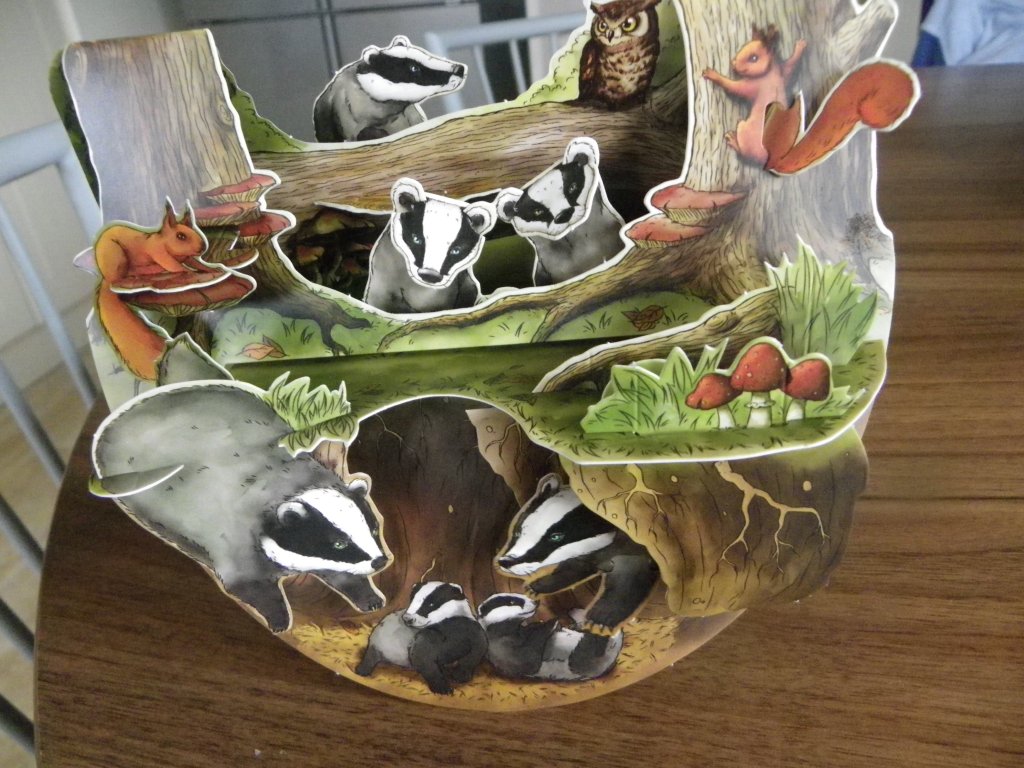
Finally, I want to thank her for my fabulous birthday card relating to Badgers – we are both Badger people; doing our best to speak up for and look after this iconic chunk of British wildlife. I have scanned in the basic card here for you to see, but on the real card all the heads and other wildlife move – super cool !
My super cool Badger birthday card from Pauline:
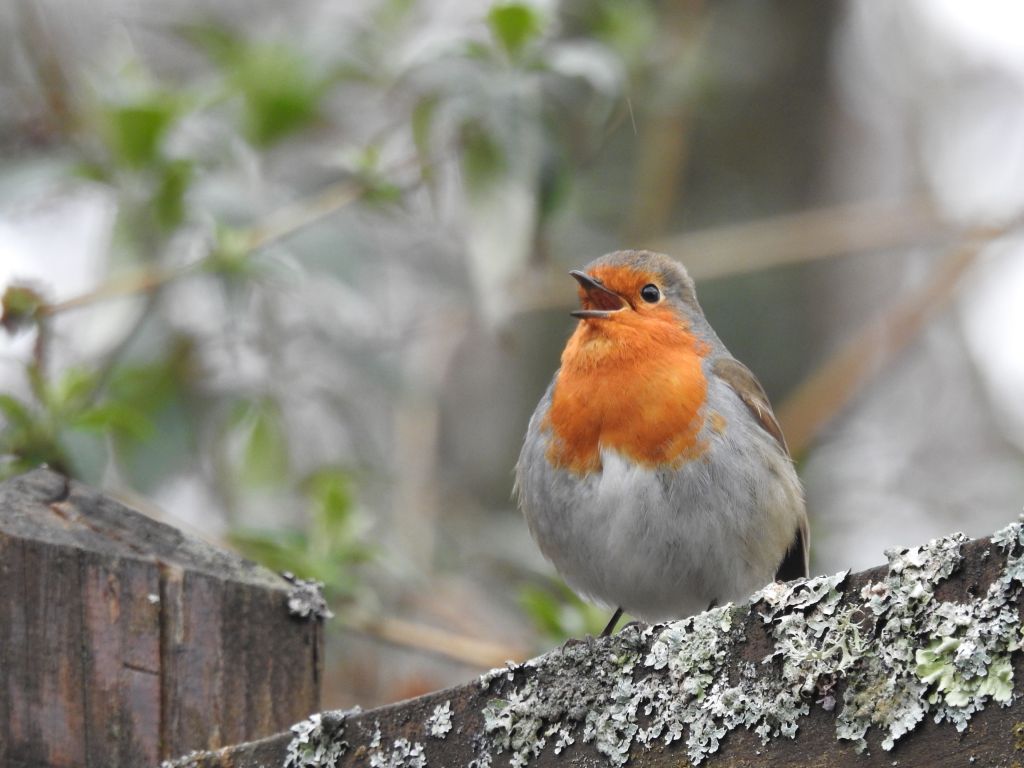
Singing Robin:
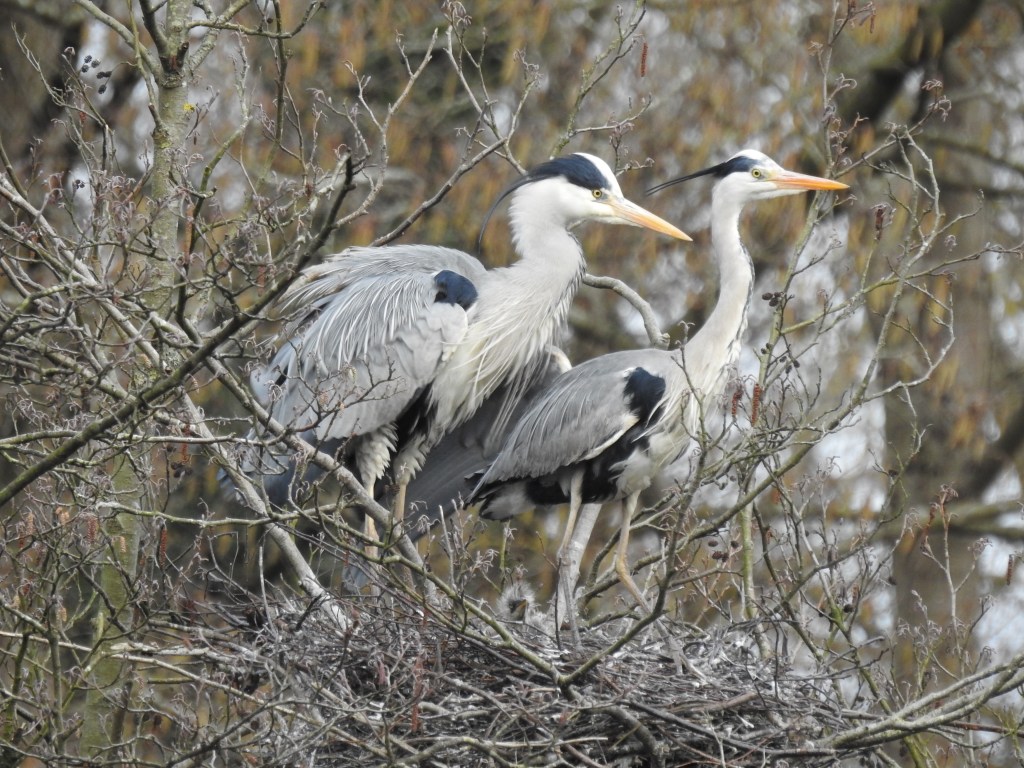
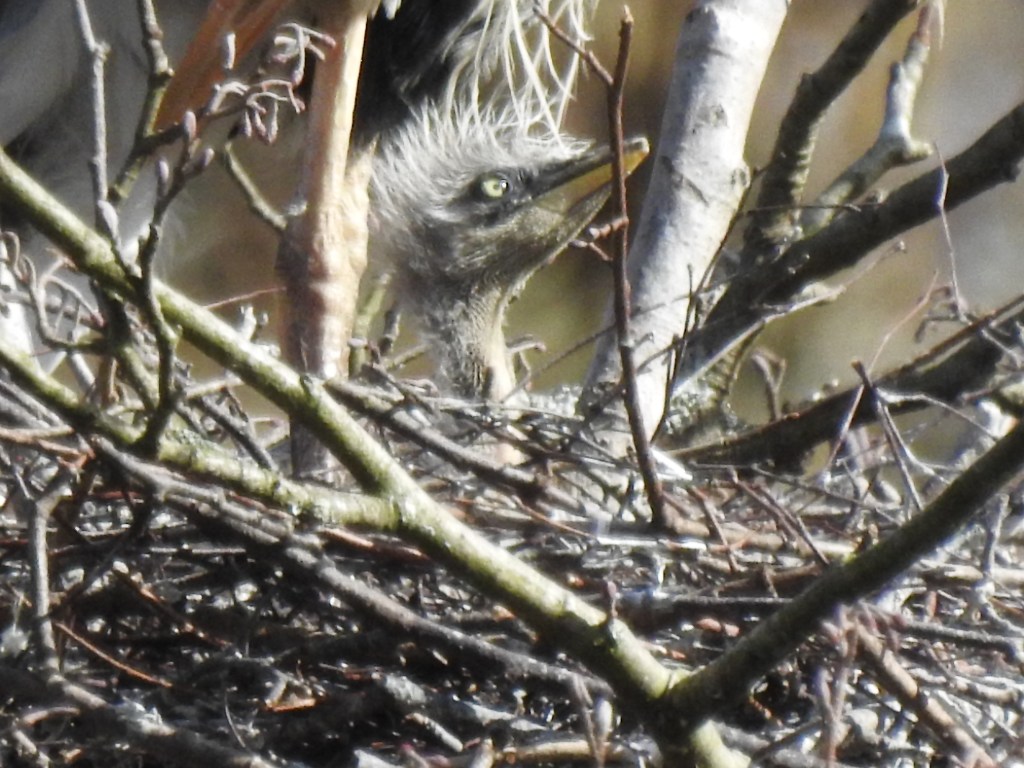
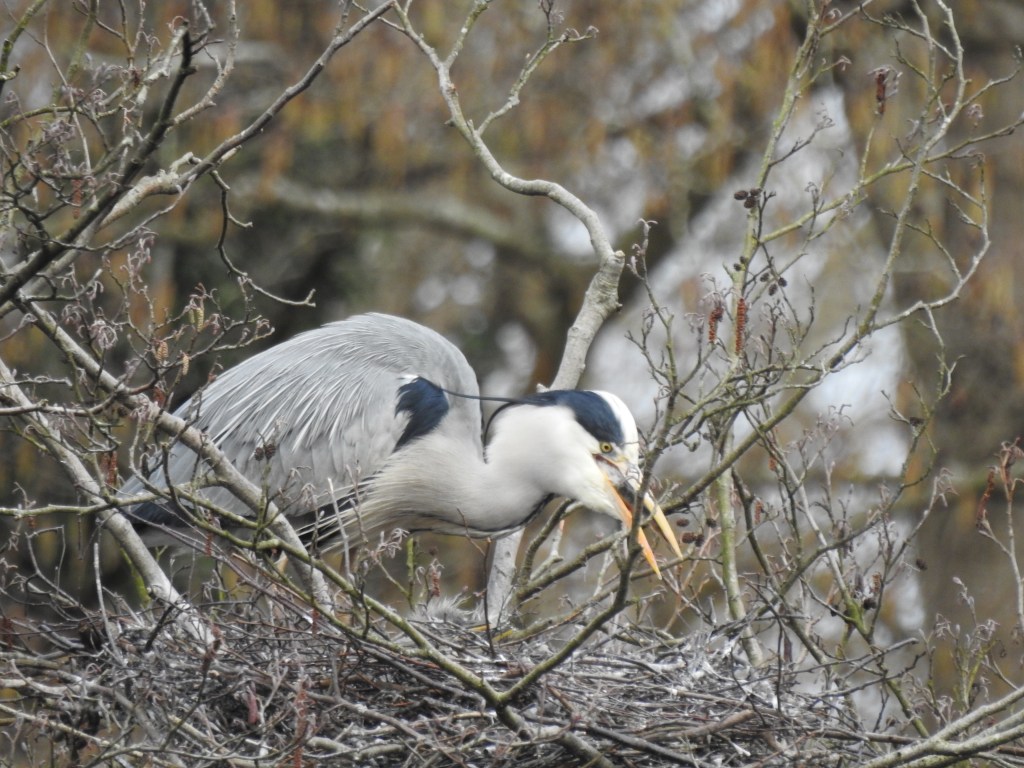
Above – Adult Herons with baby – see below.
Below – Dunnock.
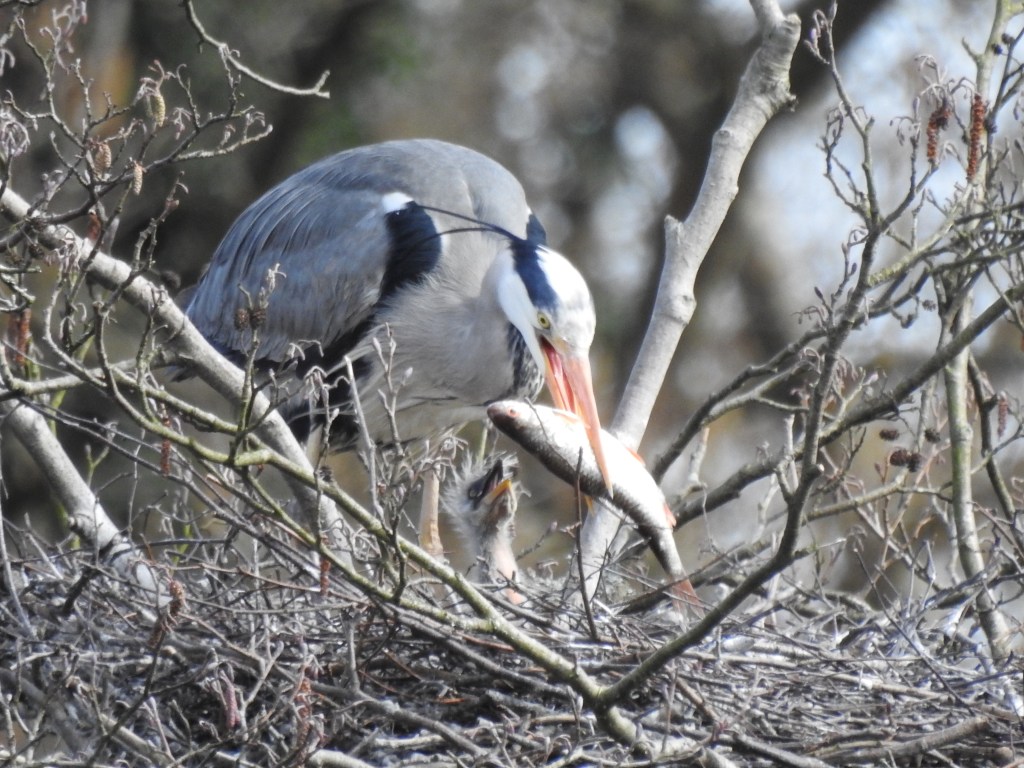
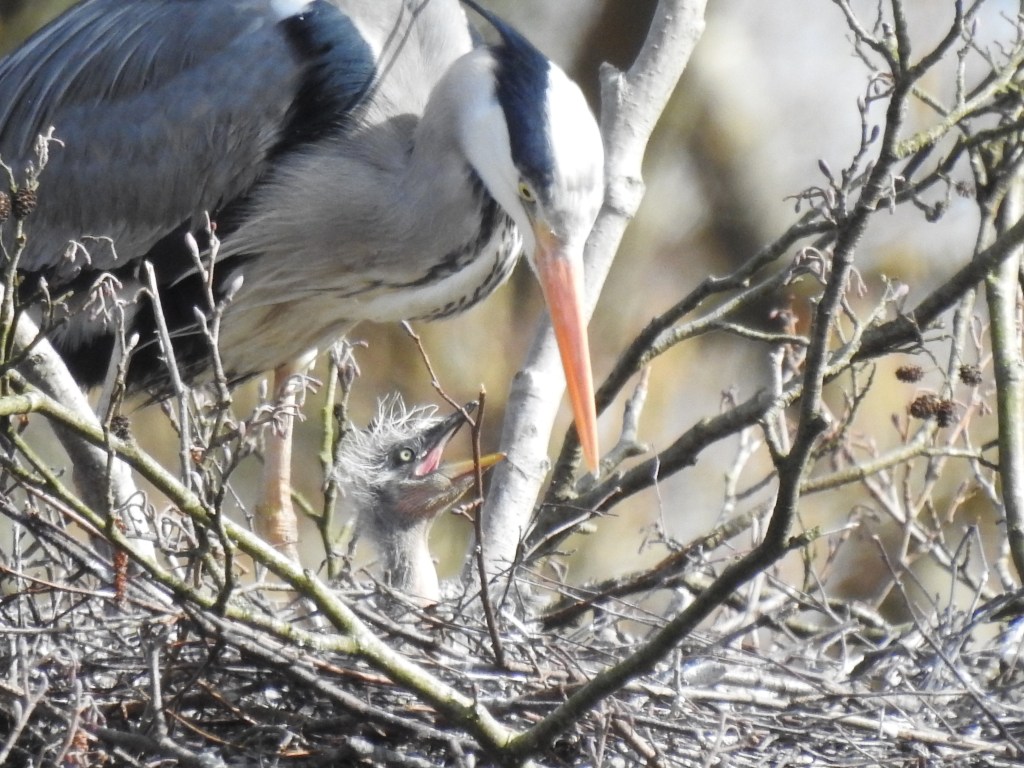
Below – Heron gathers fish to feed its baby.
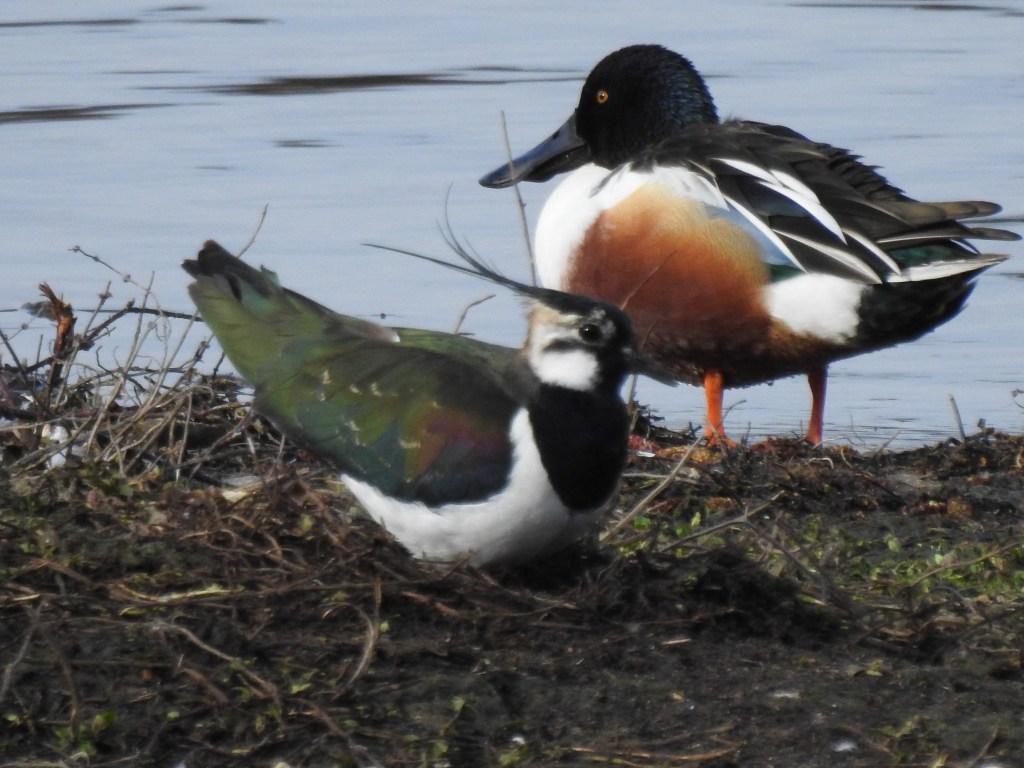
Below – Lapwing and Shovelar Duck.
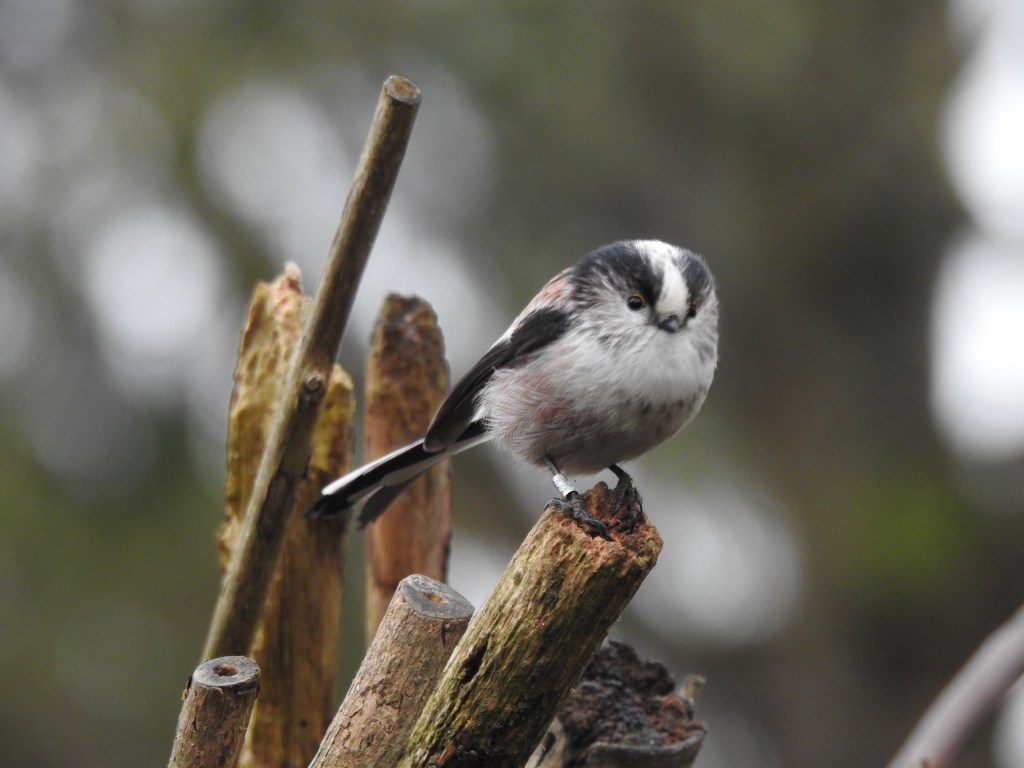
Below – Long Tailed Tit.
Below – Raindrops on the pond.
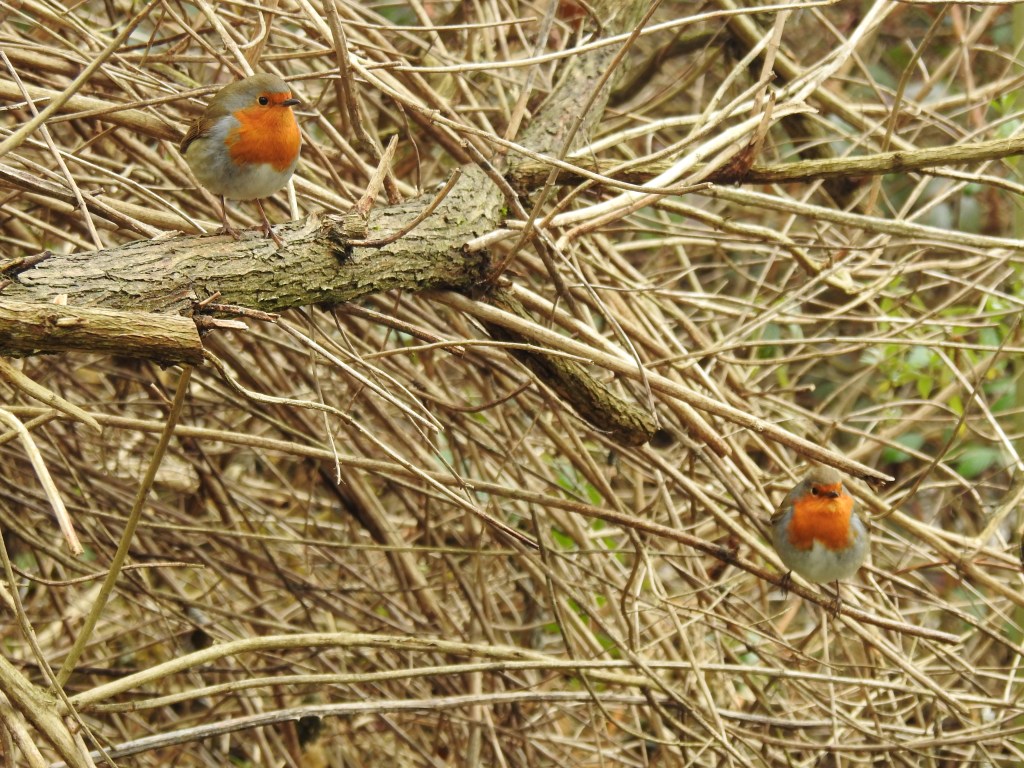
Below – Two Robins – a bit unusual to see 2 together.
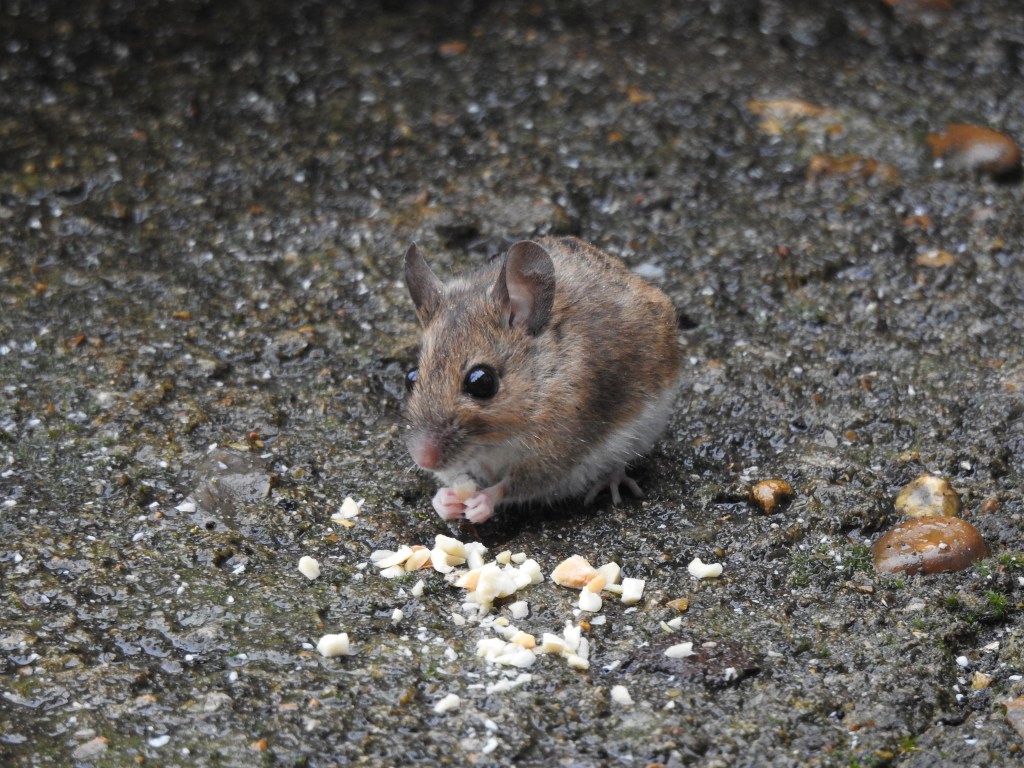
Pauline’s dad has made friends with a little mouse – you can see him enjoying some scoff here:
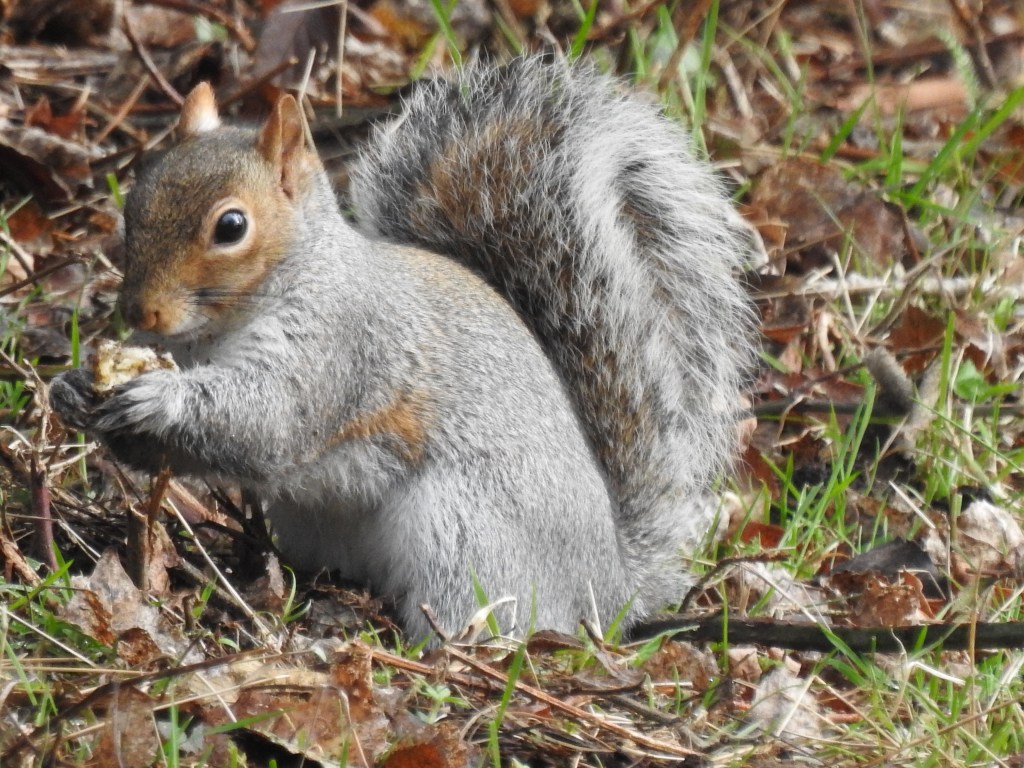
Grey Squirrel.
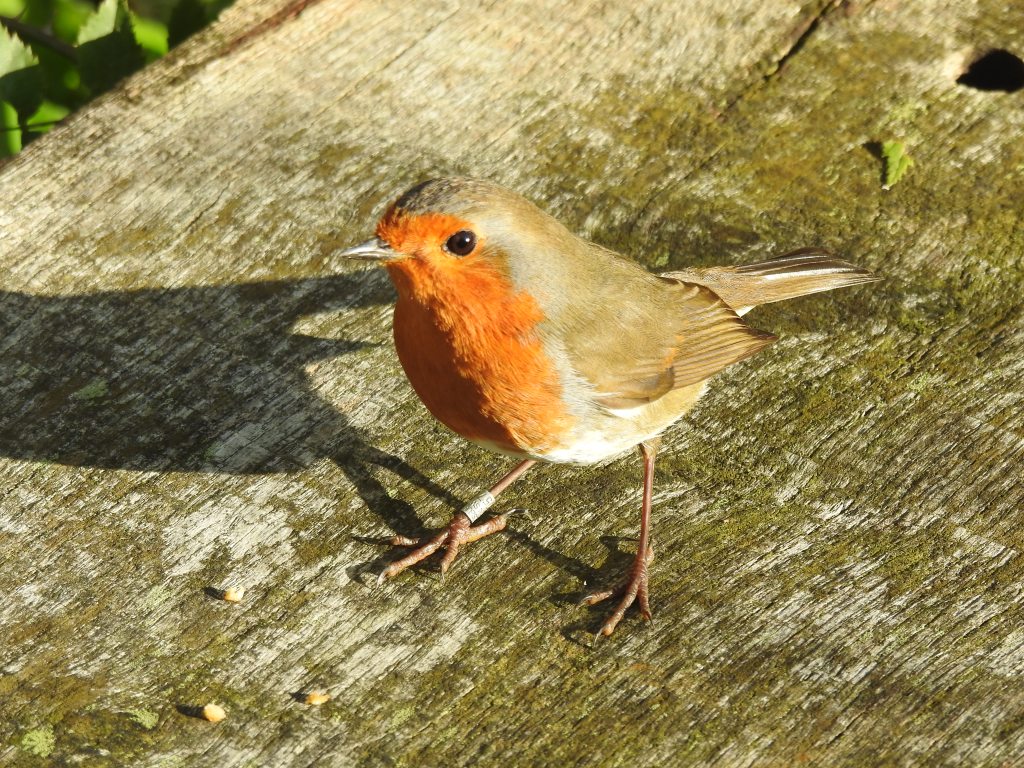
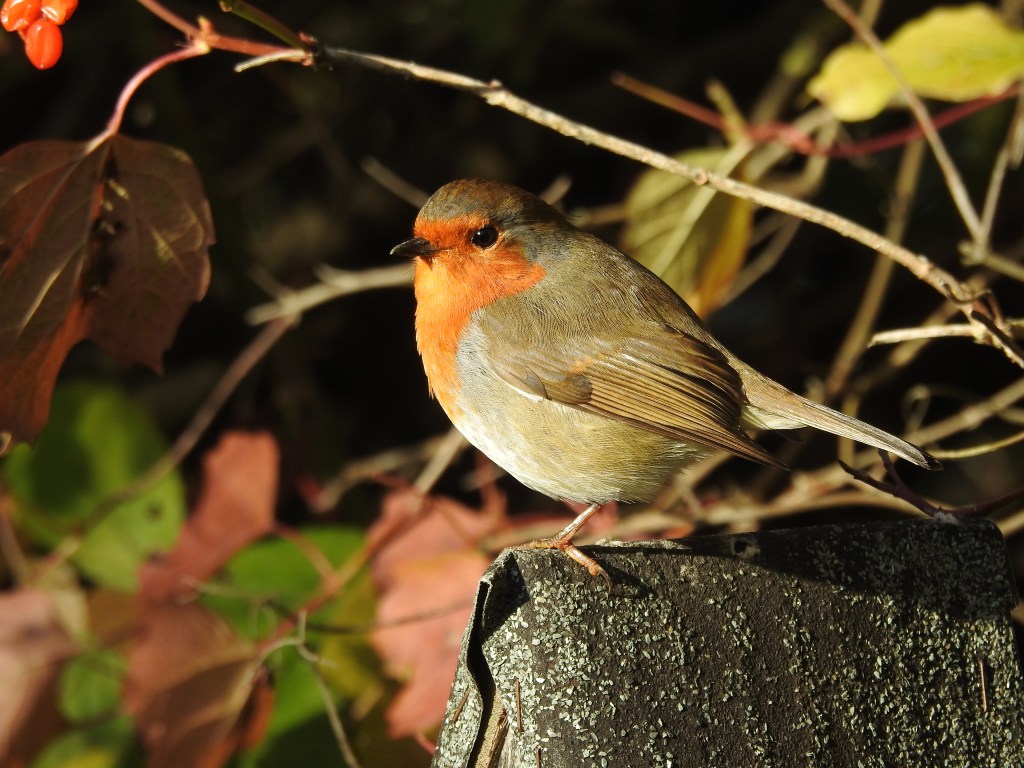
.. and finally more Robin:
My garden Badger thinks they are all pictures to smile at: he comes round each night for some food treats.
Be good to wildlife no matter what shape and form it comes in – they are all there for a reason;
Stray dogs living in the toxic ruins of the Chernobyl nuclear disaster are suffering from genetic variation and irradiation, a new study has found. Depending on their proximity to the nuclear accident, the report showed that the canines exhibited varying degrees of irradiation, with those closest to Chernobyl 200 times more likely to bear traces of cesium-137, though this disparity did not preclude procreation between them.
One year of war in Ukraine: what has been done for animals?
24 February 2023
Djurskyddet Sverige
Written by Valentyna Vozna
Please click on any of the words in Purple to get more information – WAV.
A year ago we were counting at first the hours, then the days that it would take the Russian army to take over Kyiv. Today, we are still counting, and sadly it is already the one year anniversary of the war. Even though protracted war means more suffering for both people and animals, we would like to showcase the successes of our collective work to help the animals of Ukraine.
Today, we celebrate one year of tireless work of the international community, who did not hesitate to come to the rescue of animals a year ago; people from all over the world showed an unprecedented unity and willingness to make a contribution to someone else’s fight for freedom.
We also celebrate the hard work of all the animal volunteers who chose to stay in the country in order to take care of the animals, risking and often giving up their lives to help animals over the past year.
In the early days of Russia’s invasion of Ukraine, Eurogroup for Animals and its members convened a Taskforce to help address the plight of Ukrainian companion animals. The members are still determined to help the animals in Ukraine, regardless of the effort and resources it requires.
Over the past year, the Taskforce members have had numerous meetings to share information and decide on their strategy. They developed a network of trusted partners, and implemented varied projects such as providing pet food to animals, including in the most dangerous zones. They have supported local veterinarians, animal shelters and clinics, sterilisation and vaccination projects, and sent generators and mobile clinics in order to help animals in Ukraine, as well as receiving refugees with pets in the EU, providing them with all the necessary assistance.
Djurskyddet Sverige launched a sterilisation project in Zhytomyr with the support of Animal Help ZT, sterilising and vaccinating animals of refugees and even animals brought by soldiers from front lines;
FOUR PAWS launched Kishka project – a sterilisation project aimed to sterilise 10,000 cats all over Ukraine; prepared a Shelter Adoption Program in the Ukrainian language; cooperated with USAVA in order to provide veterinary care for pets and strays; conducted sterilisation and vaccination against rabies project in 20 municipalities with a mobile clinic and a catching team; helped launch UPAW platform; helped rescue several bears and admitted them to their sanctuary Domazhyr, including from front lines such as Bakhmut;
IFAW partnered with Mykolaiv Red Cross and Nova Ukraine in order to provide food and veterinary care to animals; launched free vaccination, sterilisation and microchipping project called Protect your pet with USAVA; cooperated with Save Pets of Ukraine initiative, founded by the Ukrainian manufacturer of food for cats and dogs Kormotech, in order to provide food to shelters in Kyiv, Kharkiv, Dnipro, Lviv, Zhytomyr and Odesa regions; brought five big cat cubs rescued from the exotic pet trade in war-torn Ukraine to a permanent home;
Save the Dogs and Other Animals cooperated with 400 volunteers in Ukraine channelling food to abandoned animals; created an animal aid camp at Isaccea border point in Romania to assist refugees with pets;
Worldwide Vets carried out frontline animal sterilisations and treatments, provided horse food grants, rescued 9 lions from Odesa who now reside in America, and fundraised for a mobile clinic equipped to sterilise, vaccinate and treat cats and dogs;
The members have collectively supported UPAW by sending pet food and making financial donations.
The needs of animals in Ukraine today?
Food
Veterinary care, including rabies vaccinations
Sterilisation
The foremost need of animals today is access to food, which is especially acute in times of cold winter conditions in Ukraine. The Ukraine Taskforce members have been providing food to their partners in Ukraine, who then redistribute it to those most in need. The situation is the most challenging at the front lines: there are many abandoned animals left to fend for themselves. Increased numbers of free-roaming animals are driven by abandoned unsterilised animals, since sterilisation of owned animals has never been widely practised in Ukraine even before the war. It is impossible to count these animals, but we are talking about hundreds of thousands if not millions of animals in need of food.
We realise that, unfortunately, the provision of food to animals in Ukraine will be a never ending need, which is why the Taskforce also focuses on a more systemic approach: the sterilisation of both owned and free-roaming animals. This is the only way to humanely manage the population and reduce their suffering. The Taskforce members partner with local veterinarians, some of whom have mobile clinics on the ground, while others have their teams in Ukraine who sterilise animals.
We coordinate our efforts in order to cover as many regions as possible. Last, but not least, animals are in constant need of veterinary care. Many are injured on front lines during military activity, but also in car accidents in more peaceful areas.
What lessons can we draw from this year?
Animals are part of the family or have economic value for people. We saw thousands of pictures of Ukrainians evacuating with their animals. We know about thousands of stories of people who left their animals locked in their homes, expecting that the war would be over in just a few days and they would come back home; instead they found themselves having to re-enter dangerous zones days later in order to evacuate their pets. Meanwhile, people such as managers of animal shelters, animal guardians in zoos and farmers refused to evacuate even from the front lines if the animals could not be evacuated with them. Humans are bonded to their animals and this influences human evacuation behaviour.
Local communities were the first responders to the plight of animals in Ukraine. Whilst this will be the case in any disaster, the direct involvement of private persons is not always safe. Ideally volunteer activity on the ground should be coordinated by the government and the NGOs who have special procedures for animal rescue, evacuation or first aid. It can be dangerous for untrained people to try and manage animals under stress, as not all free-roaming animals are social. Volunteer activity by private individuals could be encouraged since they are the first responders on the ground, but they need to comply with the minimum safety procedures and they should not operate in silos.
There is a lack of coordination among international and local animal welfare NGOs involved in Ukraine. Everyone chooses their own way to support: directly helping individuals financially, investing into the reconstruction of veterinary clinics and shelters, or sending in-kind donations. Unfortunately, there is a lack of communication among all the stakeholders, which may lead to duplication of efforts and hamper the ability to reach those most in need. Eurogroup for Animals’ Ukraine Taskforce urges everyone involved in Ukraine to join us. We are happy to share information about our projects and our expertise.
The faster we reach our goal, the more dogs and cats we can save. With your help, the animals have a chance. They need you now.
It’s very important. Animals are dying without the X-ray machine.
If you help today, we can reach our goal and send an X-ray machine to our friends at Lucky Paws in Mongolia.
Fleur Dawes Communications Director In Defense of Animals
P.S. There’s no time to waste — we must reach our X-ray goal a.s.a.p.! It takes just a moment to donate, and your gift will have a huge impact where these animals need it most. Thank you for acting fast and giving whatever you can right now.
There is an animal overpopulation and neglect crisis happening in Mongolia. Animals are dumped in dumpsters and abandoned. Homeless animals are abused in the streets or hit by cars.
Each year around 750 dogs and cats die or live on with agonizing long-term effects after suffering injuries that require an X-ray to deliver a critical diagnosis. Mongolia is a primarily a rural developing country and there is only 1 veterinary X-ray machine available for 3 million people!
In the capital city of Ulaanbaatar, where over 500,000 cats and dogs live, there are only 15 veterinary clinics specialized in treating animal companions. But only one clinic in the entire city has an X-ray machine that can diagnose injuries and diseases!
Please do not let animals continue to die simply because they cannot be diagnosed for lack of equipment. We urgently need to raise $30,000 to buy an X-ray machine so that no more innocent dogs and cats die without diagnosis!
Every animal unlucky enough to suffer a painful broken bone deserves use of this simple yet life-giving apparatus. Please make this a reality today.
With your help today we can reach our goal to supply an X-ray to our partner, Lucky Paws in Mongolia.
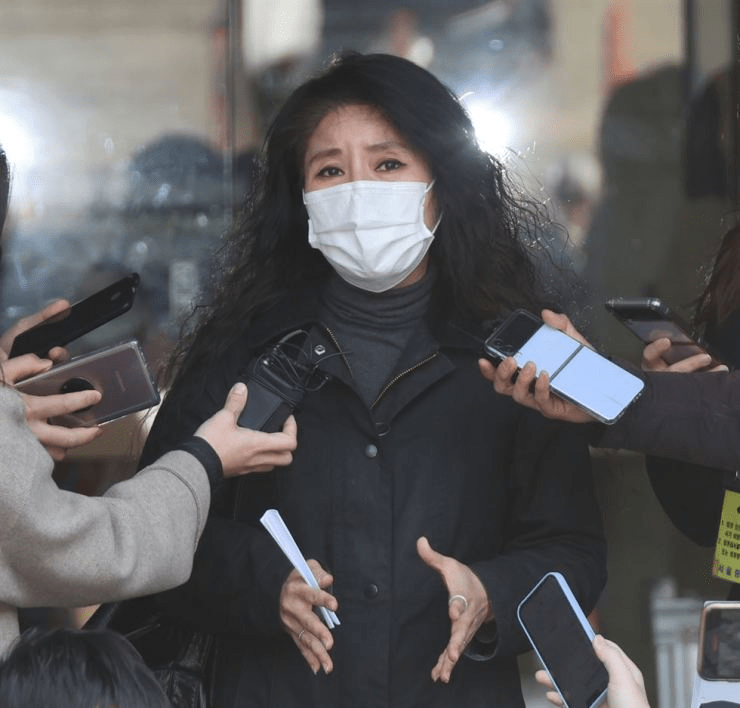
Ex-head of animal rights group gets 2-year jail term for euthanizing 98 rescued dogs
A former chief of an animal rights organization was sentenced to two years behind bars Tuesday for euthanizing 98 rescued dogs under her group’s care due mainly to economic costs.
The Seoul Central District Court delivered the sentence against Park So-yeon, a former leader of Care, who was indicted on violations of the Animal Protection Act.
Park was accused of euthanizing 98 rescued dogs under the care of her organization between 2015 and 2018 to secure more space at its facilities and reduce the burden of medical costs needed to treat animals.
She was also charged with breaking into private animal farms in August 2018 and stealing five dogs worth some 1.3 million won ($1,025) in total.
Her wrongdoings were exposed by a former official of Care in 2019 and the case drew intense public ire at that time.
“Without seriously assessing the capacity of (Care’s) facilities, she immersed herself in animal rescue but put some of the rescued animals to death when the space became insufficient,” the court said.
Park had claimed her innocence, saying she rescued animals destined to be culled and euthanized about 10 percent of them in a humane manner without pain. (Yonhap)