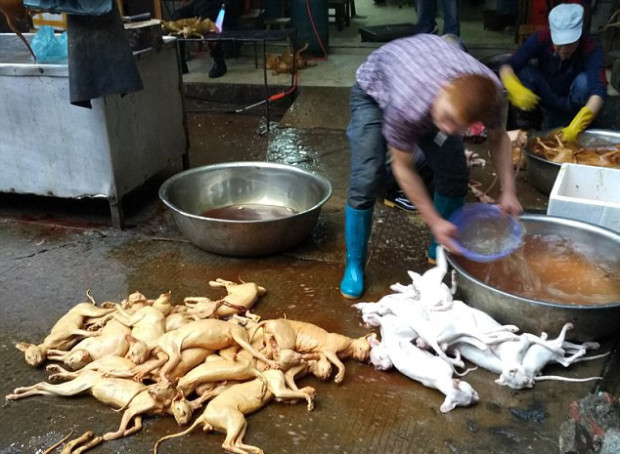
11/6 – we are not really able to get any positive news about what is happening this year; but it does look likely that the Yulin festival WILL go ahead.
I am providing a few links here for you to read if you wish:
On a personal note, I give my full support to Spencer as we have 2 things in common; and that is Multiple Sclerosis (MS) and efforts for helping animals. As a sufferer of MS for 23 years, I know exactly what he is experiencing every moment of every single day.
As Spencer says in the fundraiser:
As anyone with M.S will tell you there are many challenges involved in navigating this condition and we all have our good days and bad days.
But just because you have a long term issue such as MS, it does not mean that you cannot continue to live your life and support vital animal advocate issues the world over; as I am attempting with WAV. AAU in India are doing some incredible rescues as you can see in the links given above; animals that were literally at deaths door have been saved, helped to heal, and returned to full health by the wonderful team at AAU. Supporting AAU is for sure one big thing that Spencer and I have in common.
So please support Spencer today by giving anything you can; here is the link once again:
30/5/22 – A new series of Springwatch starts tonight on the BBC television. Join Chris, Michela and all the team as they bring us the best of UK wildlife.
For overseas visitors – hopefully the links will work and you will be able too see what this few weeks live television is about. Broadcast every night it gives an insight into the many lives of nature with the great footage and filmwork of the BBC.
Springwatch, Autumnwatch and Winterwatch, sometimes known collectively as The Watches] are annual BBC television series which chart the fortunes of British wildlife during the changing of the seasons in the United Kingdom. The programmes are broadcast live from locations around the country in a primetime evening slot on BBC Two. They require a crew of 100 and over 50 cameras, making them the BBC’s largest British outside broadcast events. Many of the cameras are hidden and operated remotely to record natural behaviour, for example, of birds in their nests and badgers outside their sett.
Springwatch begins on the Spring Bank Holiday and is broadcast four nights each week for three weeks. After the success of the first Springwatch in 2005, the BBC commissioned a one-off special, Autumnwatch, which became a full series in 2006. Winterwatch began in 2012, broadcast in January or February.
You can show your support for foxes across the UK, by supporting our campaigns to protect foxes in England, Scotland, Wales and Northern Ireland.
How will you show your support to our UK foxes?
Foxes are beautiful and intelligent creatures, deserving of a peaceful life without fear. And yet they still face persecution by hunters and their dogs.
Sadly, this issue remains controversial. That’s why foxes need your voice right now.
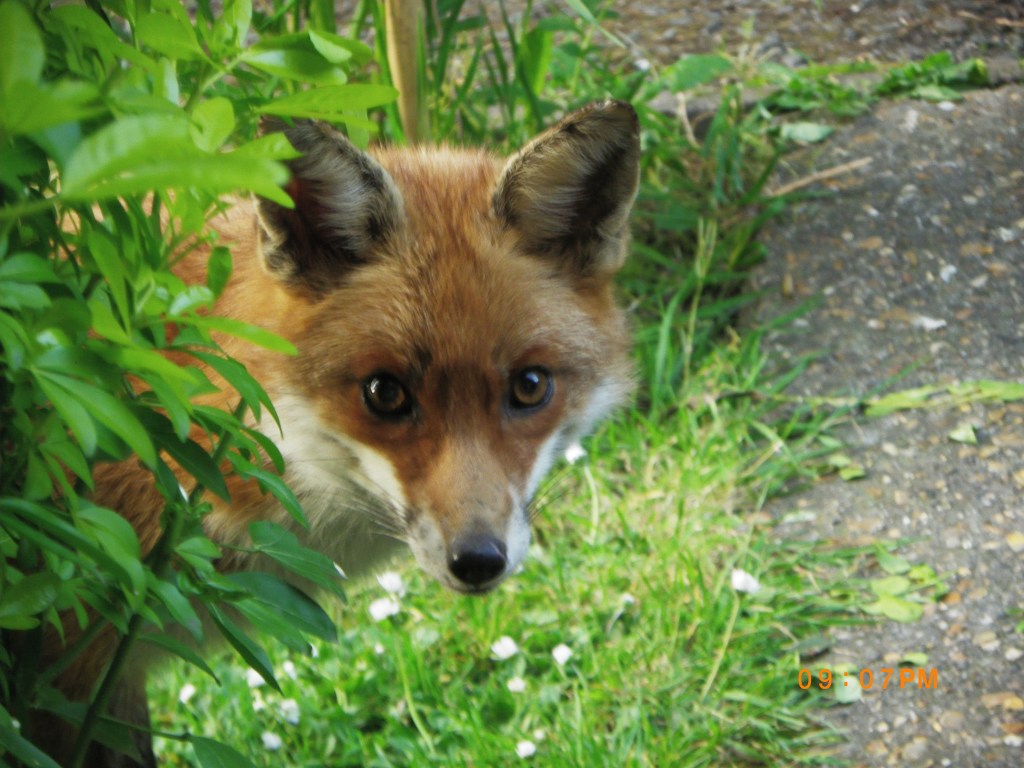
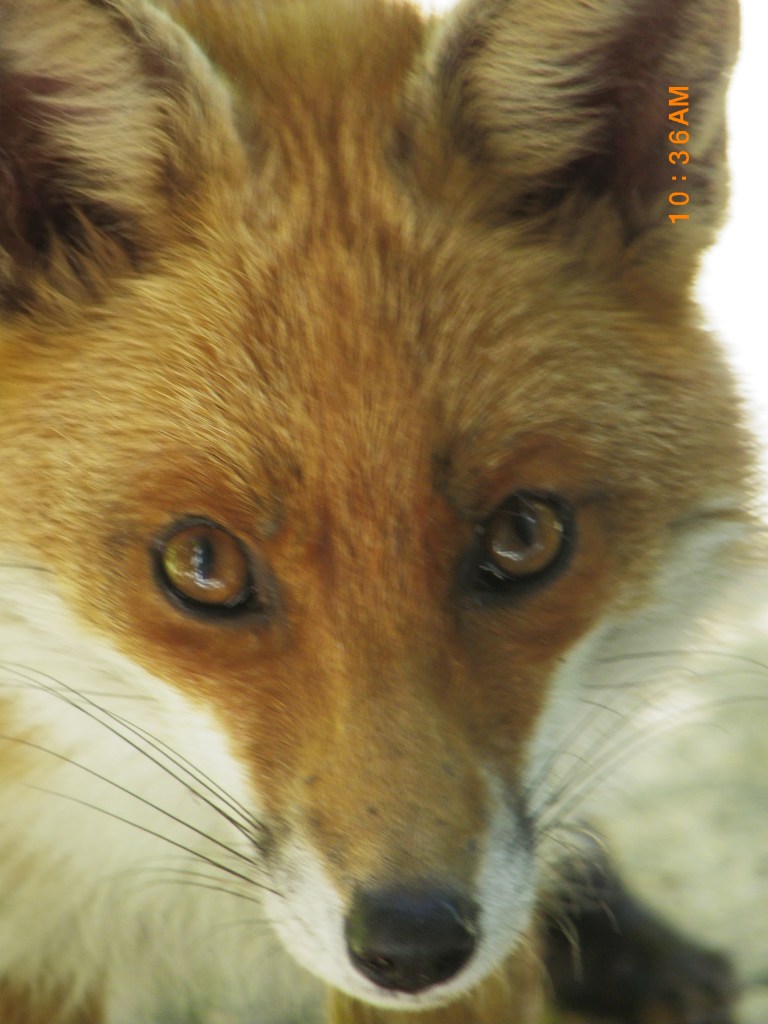
Photo – Mark (WAV)
This Fox Day, add your name to show your support for the abolition of fear for Britain’s foxes.
From buying fox themed gifts, supporting our amazing fundraisers taking on personal challenges, to supporting future foxes, your kind support will help us protect more foxes now and in the future to ensure we end fox hunting once and for all.
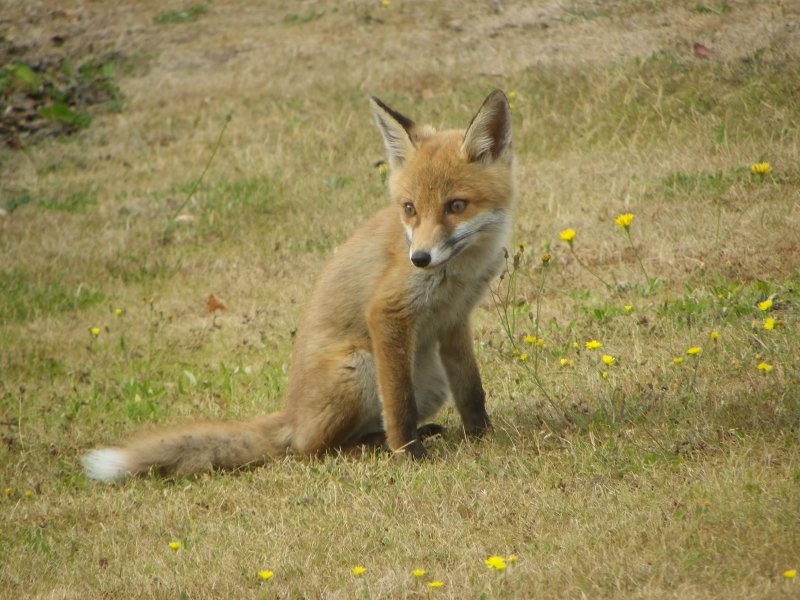
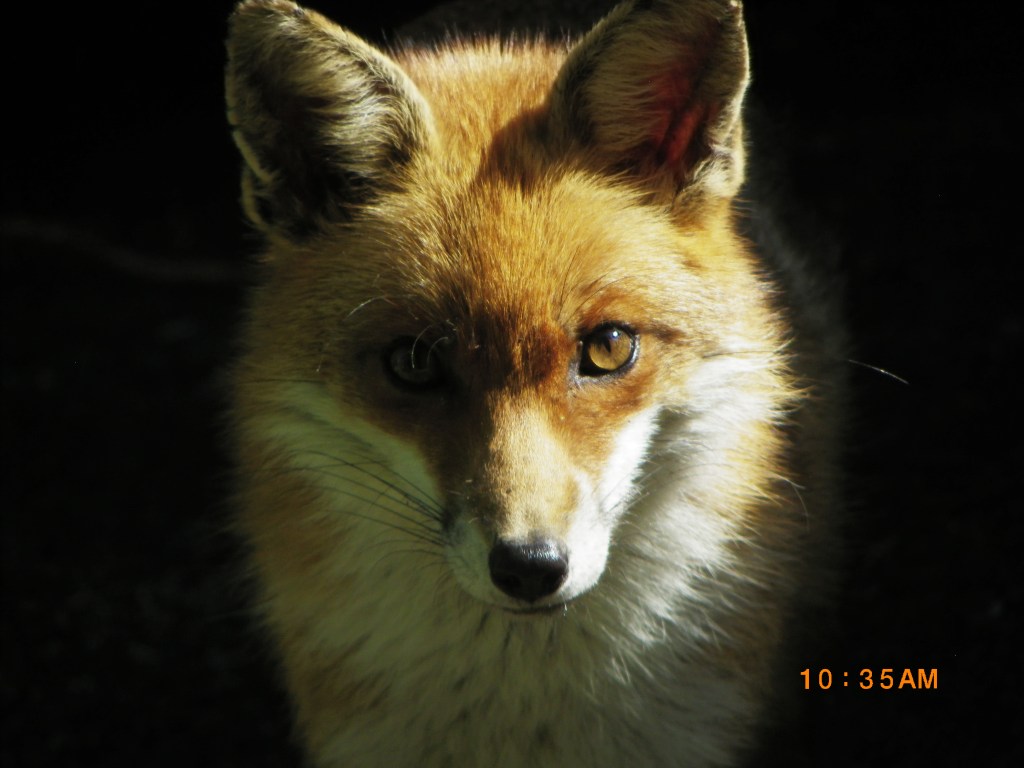
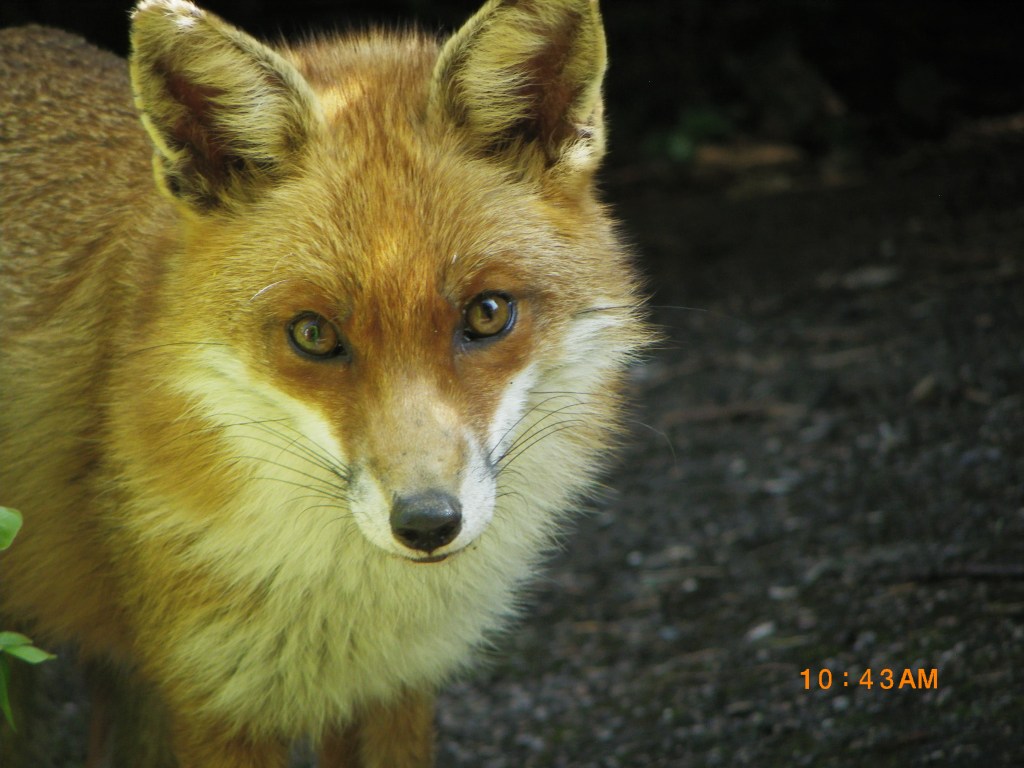
PS – I have a real admiration and respect for foxes; so much that I spend time photgraphing them often. Here are a few of my shots – Enjoy ! – Mark
Photo – Mark (WAV)

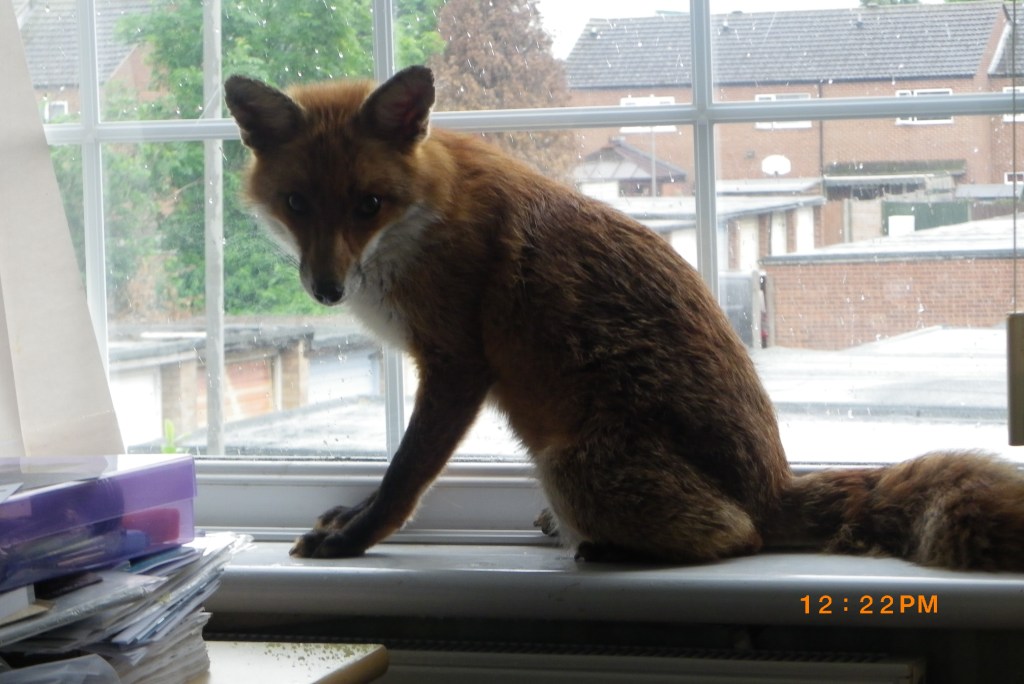
Before the move a few years back, a wild fox used to pop into the office; climb the stairs and chill out with me while I did computer work. I would never touch him as he was wild. After an hour or so gazing out the window, he would go down and vanish into the undergrowth to return to the wild. I told many friends about it, but they never believed; so I had to get photographic proof – so here is one of many shots of him sitting at my office window:
Photo – Mark (WAV)
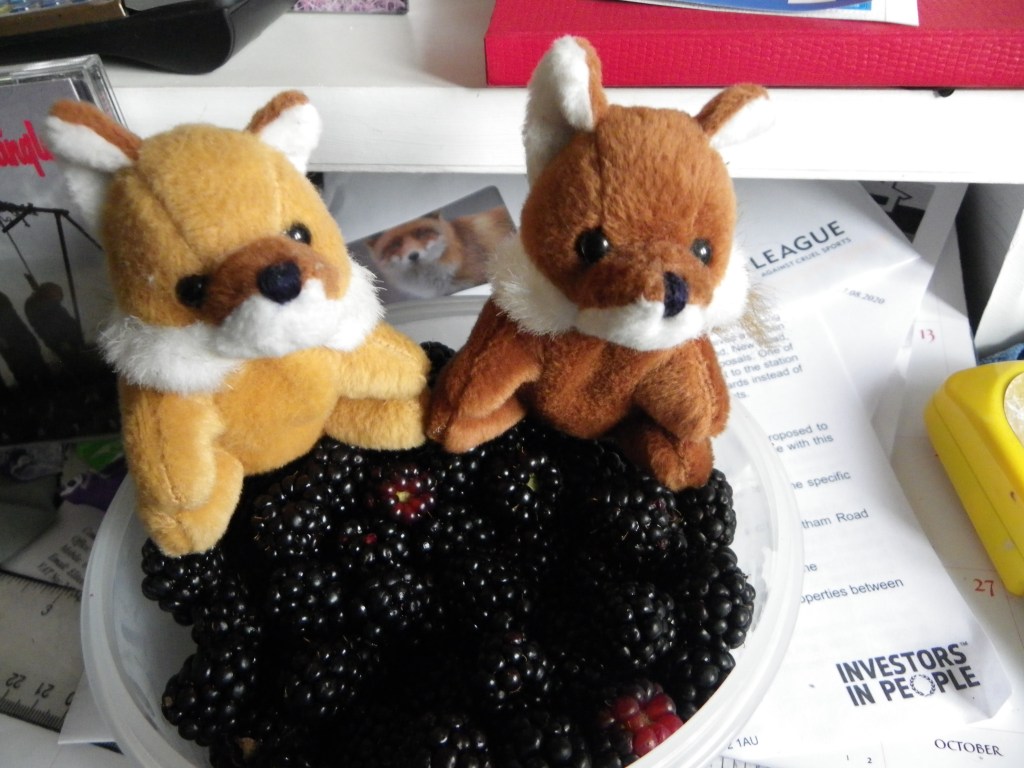
These little monkeys are stealing all my berries !:
Photo – Mark (WAV)
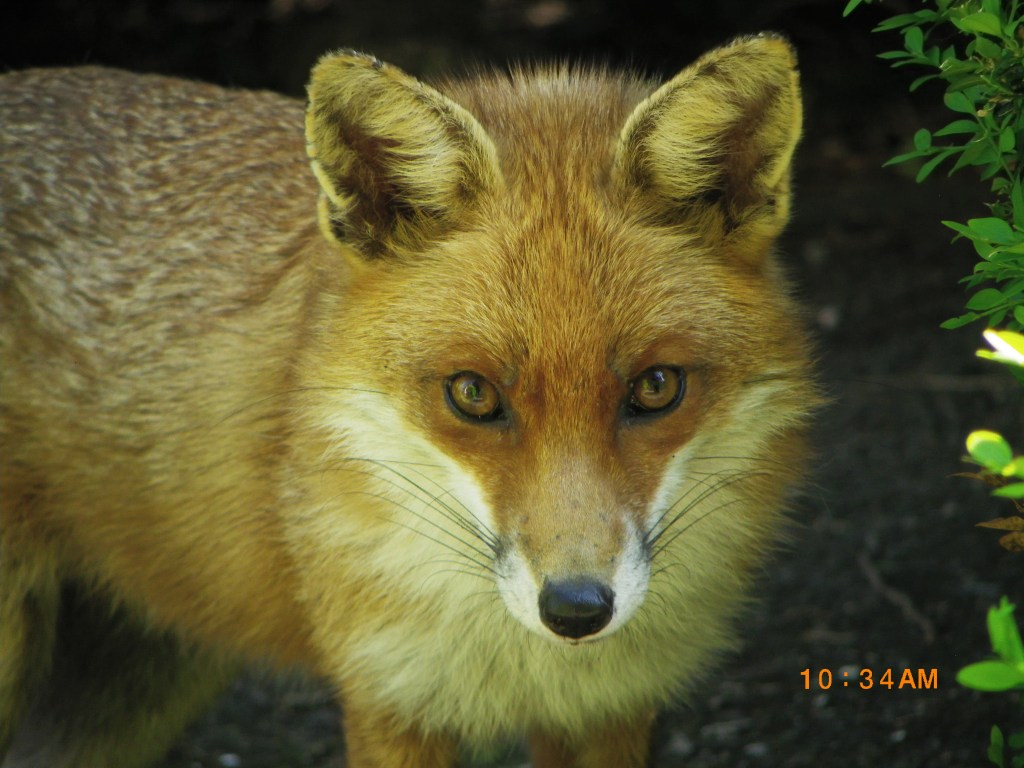
Photo – Mark (WAV)
Shoot them with Cameras; NOT GUNS !
Mark
Dont you just love these girls – the ‘Anadin Brothers’ !
India is experiencing an unusual and dangerous heat wave.
It’s 42 degrees Celsius (107° F) and it’s sweltering.
To keep the animals as cool as possible we have air coolers, tubs full of water for animals to lie in, fans and wet towels all around the shelter.
Our amazing staff are working harder than ever,despite the exhausting weather, to protect our animals from over-heating.
Working in Rajasthan’s climate extremes takes perseverance, creativity, material resources and ready helpers.
Thank you for giving us what it takes to make this season bearable, and as much as possible sweet for the animals.
Just-Wouldn’t-Quit Kenny!
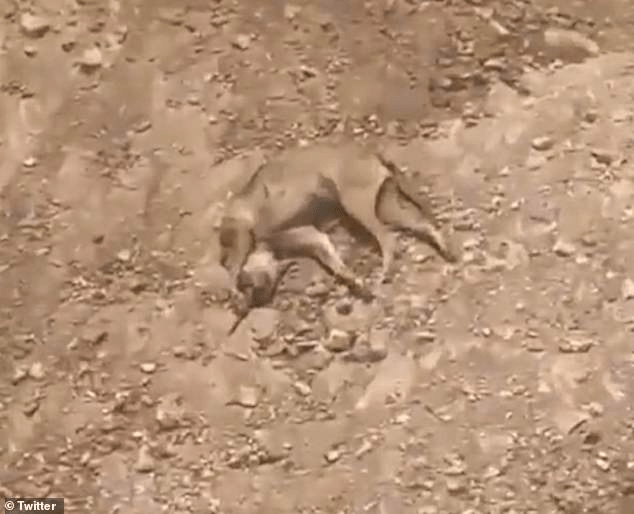
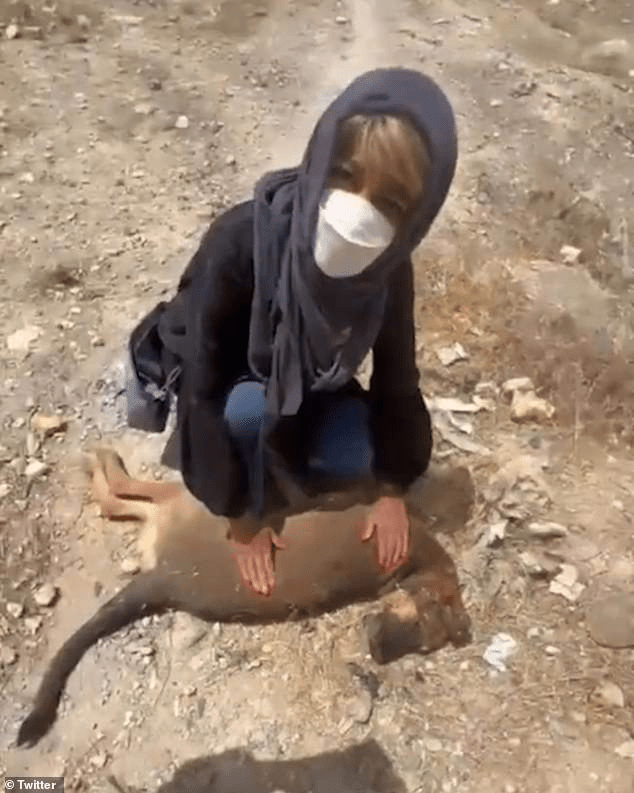
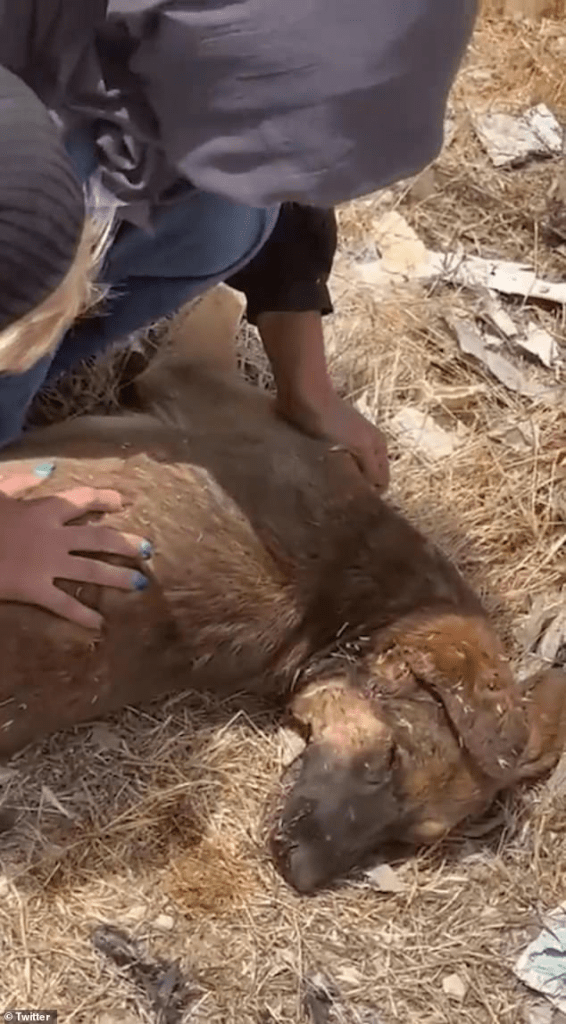
When a veterinarian in a nearby government hospital called us to rescue a dog someone had dropped there after finding him unconscious on the road, we hurried to help.
And so lucky that we did, because this sweetheart didn’t have much longer to live.We rushed him back to Animal Aid where we gave him emergency treatment for shock, dehydration and difficulty breathing.
He seemed to have a broken jaw but otherwise no broken bones. With so much blood loss, we weren’t sure he would ever fully wake up. But within a few hours, his eyes brightened and ever so slowly he seemed to absorb the idea that he was in a new place, and that he would be safe here, beginning a second chance at life. This boy’s road to recovery included 2 months of daily therapy to learn to walk again, eat and regain his cognition.
Meet our awe-inspiring little hero, Kenny, today! For angels who just won’t give up,
Magic is about to change your idea of The Possible
When we rescued this little love, we found the biggest wound on a small cat we’ve ever had the challenge to treat. During his first days, it was incredible that he would even eat. As the large and complicated wound closed, Magic’s mind-blowing recovery gave new life to the phrase “I can’t believe my eyes.”
Out with the pain and starvation, and in with an Ocean of love.
Maggots had made an enormous wound on his neck. His pain must have been so gripping that he couldn’t eat, and malnourishment had weakened him. His striking blue eyes were bright with pain and worry. We hurried him to Animal Aid and started his treatment immediately. We boosted him with a hydration drip and started a vigorous feeding schedule, delighted that he loved his food and gained strength rapidly.
With such a large wound, it took two months for him to heal,but long before his healing was complete this loving angel had made friends with every staff member in his area, and most of the dogs too! As he recovered, his amazing eyes revealed intelligence deep as the ocean. And that’s what we’ve called him.
Dimapur, May 4 (EMN): Society for Prevention of Cruelty to Animals (SPCA) Dimapur, an animal rescue group, along with the Dimapur Municipal Council (DMC), Veterinary department Dimapur and Dimapur Police conducted a surprise checking on illegal sale of dogs at Supermarket on Wednesday.
The first surprise checking was carried out in the presence of Gaon Bura Union (Sardar) president and general secretary.
The rescue team at Supermarket in Dimapur on Wednesday.
A member of SPCA told Eastern Mirror that the exercise was planned a few days ago but most of the vendors, who used to openly sell dogs at Supermarket, were not around when the team visited on Wednesday.
“We supposed that they may have received the information on the checking as there were very few in the market with puppies,” said an animal rights activist.
As it was the first day of checking, the vendors were let off with stern warning against selling of dogs openly on the streets and within the market, said the animal rescue group, adding that most of the vendors were not aware of the Prevention of Cruelty to Animals Act, 1960 under Section 11(1), enacted to prevent cruelty to animals including stray dogs.
The vendors were made aware of the law; that if anyone is found openly selling dogs, cruelly tied up in sacks, they will be fined INR 500 or imprisoned for a period of three months and the dogs will be taken away to shelter home.
It may be mentioned that 90% of the dogs are sourced from Assam to the market in Nagaland especially in Dimapur and there are around minimum of 10 vendors selling the dogs at Supermarket unaware of the laws against it.
The rescue group said that although the fine amount was INR 500, which may be a lesser amount compared to the amount they may receive by selling a dog, the vendors may not risk to be imprisoned for three months.
It may be recalled that the DMC in coordination with the State Animal Welfare Advisory Board Nagaland (SAWAB-N) and Society for Prevention of Cruelty to Animals (SPCA) had cautioned any person dealing in any inhuman manner towards animals could be prosecuted as per the provision of the Act on April 21.
Also, the DMC administrator had notified all the concerned that the Prevention of Cruelty to Animal Act 1960 under Section 11 (1) protects all animals whether domestic or wild, which requires them to be treated in a humane way during transportation, rearing or even while being slaughtered for meat.
The SPCA informed that the surprise checking will be done at regular intervals and requested everyone to immediately inform them if they come across anybody selling dogs openly in the market in Dimapur through – 9774020656, 9884993292, 8837493971.
1924 – The League was founded by Henry B. Amos to oppose rabbit coursing[7] – he was successful in achieving a ban. This resulted in the organisation expanding its remit to include other blood sports – such as fox, hare and deer hunting.
In 1935, Amos was jailed briefly for throwing a copy of Henry Stephens Salt‘s Creed of Kinship through a stained glass window at Exeter Cathedral during evensong
He first became interested in vegetarianism in about 1886.
1975 – A bill seeking to ban hare coursing, supported by the League, was passed through the House of Commons, but did not receive approval in the House of Lords.
1978 – The League secured legal protection for otters, including a ban on hunting them. The aquatic mammal was up until that point hunted with packs of hounds, one of the reasons for their numbers declining.
1992 – The League helped secure the Protection of Badgers Act, which expanded the protection of the mammals themselves to their setts. The homes of badgers are illegally targeted for several reasons, including being blocked by fox hunts to stop animals being pursued by hounds fleeing underground.
2002 – Fox, hare and deer hunting and hare coursing was banned in Scotland under the Protection of Wild Mammals (Scotland) Act 2002, which was introduced by MSPs following campaigning by the League and other animal protection organisations.
2004 – Fox, hare and deer hunting and hare coursing was banned in England and Wales under the Hunting Act 2004. The legislation was introduced by MPs following campaigning by the League and other animal protection organisations.
2005 – The Hunting Act 2004 came into force – making fox, hare and deer hunting and coursing illegal across England and Wales.
2005 – The Waterloo Cup hare coursing competition held its final meeting at Great Altcar in Lancashire, closing after 169 years following passage of the Hunting Act.
2006 – A huntsman with the Exmoor Foxhounds was found guilty of illegally hunting foxes with dogs in a private prosecution brought by LACS, but the case was overturned on appeal.[8][9]
2007 – Two members of the Quantock Staghounds were successfully prosecuted by the League following chasing a deer across Exmoor.[10]
2008 – Two members of the Minehead Harriers pleaded guilty to chasing a fox with a pack of hounds in a private prosecution by LACS.[11]
2009 – The League announced a new campaign against dog fighting, amidst news reports that there is an increase in dog fighting in London.
2014 – The League celebrates 90 years of campaigning against cruelty to animals in the name of sport. Figures from the Ministry of Justice show that there have been 341 convictions under the Hunting Act 2004.
2015 – Prime Minister David Cameron offered a free-vote on repealing the Hunting Act, backing down shortly afterwards following pressure form the League, MPs and other animal protection organisations.
2015 – Cross-channel ferry companies stop shipping pheasants and partridges from French factory-farms to British shooting estates, following an investigation and lobbying by the League.
2018 – Conservative Party drops its manifesto commitment to offer a free-vote on repealing the Hunting Act following pressure from the League, meaning no Westminster party any longer supports repealing the hunting ban.
2018 – Scottish Government announces intention to strengthen the Protection of Wild Mammals (Scotland) Act 2002, which bans hunting with hounds in Scotland, following pressure from the League and other animal protection organisations.
2018 – Welsh Government bans pheasant and partridge shooting on public land following campaigning and pressure from the League and Animal Aid.
2018 – The Labour Party backs calls made by the League to strengthen the Hunting Act – including prison sentences for those who chase and kill wild mammals.
2019 – University of Wales suspends pheasant shooting on its countryside campus at Gregynog Hall following campaigning by the League.
2020 – In January 2020, an employment tribunal in Britain ruled that ethical veganism is a “philosophical belief” and therefore protected in law. This is the first time an employment tribunal in Britain ruled this. This case was in regards to vegan Jordi Casamitjana, who stated he was fired by the League due to his ethical veganism.[12
ROYAL SOCIETY for the PROECTION of CRUELTY to ANIMALS (RSPCA)
The society was the first animal welfare charity to be founded in the world.
Founded on the 16th June 1824, by Richard Martin, William Wilberforce and the Reverend Arthur Broome, at the Old Slaughter’s Coffee House, near Trafalgar Square, London, who together agreed that the neglect, cruelty and abuse of animals was unacceptable.
William Wilberforce – One of the RSPCA founders and anti slavery staunch campaigner.
Now very close to its 200th anniversary; and going stronger than ever.
Wilberforce was an advocate and staunch campaigner for the abolition of the slave trade; which he achieved shortly before his death:
This proves that animal welfare campaigners are also strong supporters of human welfare issues, as we show with our support for ‘Free Tibet’ who are based in London:
To survive, and thrive, without their mothers, babies need genuinely intensive care.
We work hard to make reassuring spaces for orphaned babies who, with each hour bringing new abilities, need safe spaces to stretch their body and minds to explore their world.
Sometimes the youngsters’ older and larger new friends are wonderful guardians. But sometimes those new friends don’t know their own strength and we have to make sure no bossy “me first!” goat gets too rowdy with a wide-eyed, weeks-old calf.
Thank you for your help that enables us to provide fencing, nesting boxes, kennels, care-givers, medical care, and daytime roaming spaces for animals, young and old to fulfil their physical and emotional needs. Through the chirps, ear-wiggles, and subtle (very subtle) blinks of a tortoise’s eye, the animals are saying thank you in their own ways every day.
Trinket’s mother rushed us to her wounded baby!
An astounding Mother-Dog-On-A-Mission led our rescue team through winding back lanes to her badly wounded baby. Her sweetheart could not appear more forlorn,blood filling his mouth, chest, and covering even his paws.He kept as still as a statue, seemingly in shock after the traumatic blow of a vehicle.
His motherwagged her tail pleadingly as we gathered up her baby, almost as if she knew we would try to help. If you can get through the heartbreak of the opening scenes, we promise you this little boy, after healing from a fractured jaw, will definitely bring you a smile today as big as his own. Meet Trinket today!
Aatifa literally leapt into the ambulance to save her own life
This badly injured lady wriggled and snarledwhen our rescuers attempted to lift her to bring her to our ambulance.
But wait!
She had a bright twinkle in her eye and an eagerly wagging little stub of a tail (we suspect she had been an owned dog with an illegally docked tail and had been abandoned with her injury). She leapt away from our rescuers and headed straight for…not the bushes! Straight for the ambulance itself! She wasted no time to quite clearly say: “Open the door so I can jump in!”
Once back in our hospital we thoroughly cleaned her very serious neck wound and her healing began. But during the 4th week of her healing process, we were alarmed that she suddenly fell ill. Although we vaccinate all animals on arrival at Animal Aid, because she had most likely never been vaccinated by her owners, she was vulnerable to the many diseases present in the other rescued animals receiving treatment. She developed respiratory problems, lost weight, and after all her amazing healing, we feared we might lose her.
But oh wow! She was even stronger than we thought! Meet the simply astounding Aatifa now!
All animals deserve protection and care.Please donate today for injured and ill animals abandoned by their owners who need our help.
Cherishing Duggu as he grows up!
Who could have the heart to abandon little Duggu? One day last October, we found him wandering alone, just days old, having been abandoned by a dairy producer, most likely because he was a male calf. He was starving, barely standing, sad and confused.
Today we celebrate Duggu’s Life After Rescue: Uneventful, Non-dramatic, Not terrifying and Totally Not Heartbreaking life story after rescue! He has lived and thrived in our calf nursery-cum-sheep and goat village ever since. In case you’re wondering, it’s very common for calfs’ color to change many times as they grow. They can even go from being white at birth to black and shades of brown as an adult!
After rescue, as he bonded with his new human “mothers” and friends, nothing bad or sad has ever happened to him! He has drunk every drop of his warmed milk pressed against his human holding the milk bottle. He’s had loving care, room to romp, loads of friends, a cozy coat in the winter and fresh breeze in the spring.
Duggu is growing strong and steadily and will soon “graduate” to the area of our sanctuary where the big boys and girls live–more space, adult cows, neutered bulls and donkeys, and always plenty of youngsters too. Oh, and out there, sanctuary dogs Rimjim, Moonie, Grace and Twinkletoes remind us that they’re there too!
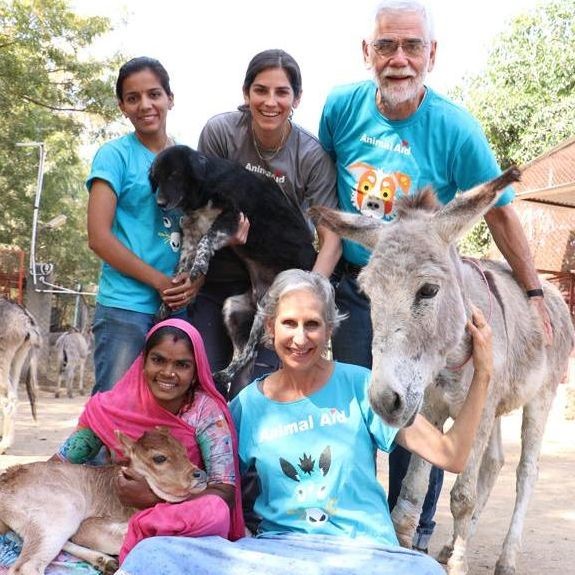
Founding family Erika, Claire and Jim, and the Animal Aid Unlimited team.
We deeply thank you for your generous support, giving rescue and sanctuary to someone dear whose problem was not only physical but emotional. Duggu needed help, and behind the scenes, you were there every step of the way.
WAV Comment – we have added images to this article.
This is a 6 page article.
VICTORIA ADENEKAN writes about the Nigerian dog meat market which veterinary doctors and dog lovers want activities halted to preserve companion animals
The nation’s dog meat market thrives largely in many states, particularly in some states in the South-West and South-South. It features prominently dog sellers and buyers with the latter mostly specialists who prepare dog meat for sale. There are even spots in some areas around Lagos and in some states where dogs are killed, dressed, and prepared for consumption.
One of the joints is in Ijesa in Surulere, Lagos. Sunday evenings and on public holidays are when sales are the highest for a dog meat seller, who gave his name only as Michael and his boss identified only as “Alapata (someone who butchers animals).”
Michael told our correspondent that the boom in the business had been keeping them in business for over 20 years.
The brutal killing
It was gathered that the dogs are kept in a cage and served only water to await death. The killing process is gruesome and dog lovers will hate to witness it.
A noose, an iron rod with a long twine attached to it is used to drag the identified dog out of the cage. Once the rope catches the dog’s neck, the length of the twine is shortened and holds the dog’s neck in a choking way. The dog’s mouth opens with intermittent cries of helplessness as it is dragged out of the cage. The remaining dogs in the cage join their departing dog in the cries but they remain helpless.
Michael said, “Once the dog is brought out of the cage, the noose remains on its neck to prevent it from attacking the person holding it. The iron rod is then used to smash the dog’s head twice, to weaken it. After that, the neck is slit and the blood is collected or made to flow. Once the blood flow stops, the carcasses are placed on the wired mesh with a hearth or fireplace and doused with kerosene. Fire is kindled to burn the hair to make it easy to remove. Then it is washed with soap to scrape excess hair.’’
All parts of the dog are edible except what Michael referred to as “bile duct. It’s attached to the liver and also present in chicken.
For dogs with a lot of fat, the oil is extracted and can be used as a regular vegetable or soya oil.
Asked if there were other ways of killing the dogs, Alapata said, “They are wild dogs. They are not a chicken, ram or goat that one can tie their limbs and kill. The dogs will bite someone if they are not held that way.”
An apprentice with Alapata identified only as Daniel said the dogs also called 404 had a unique taste different from beef, chicken or pork.
The Akwa-Ibom indigene stated, “I eat dog meat and it is good. The taste and the method of preparation are different from that of other animals whose meat is eaten. We cook it with a lot of pepper and scented leaves.”
Speaking on how they sell and buy the dogs, Daniel said they usually sell dog meat at N100 per piece.
Daniel added, “On Sundays, we used to kill like eight or nine dogs, and we always sold everything. The meat is now costly, it’s not like before, a dog costs about N20,000. We buy from sellers who come from the North and South.
“We don’t raise them, we buy different sizes on a weekly basis. Every week they bring like 20 or 50. They bring them on Saturdays. The business is really booming. If one doesn’t have skills and techniques, one can’t kill dogs. Also, if one doesn’t know how to prepare it, people will not enjoy it.’’
Daniel, who called their joint, Hotdog Centre, said that their customers were of different ages, sexes and from parts of the country.