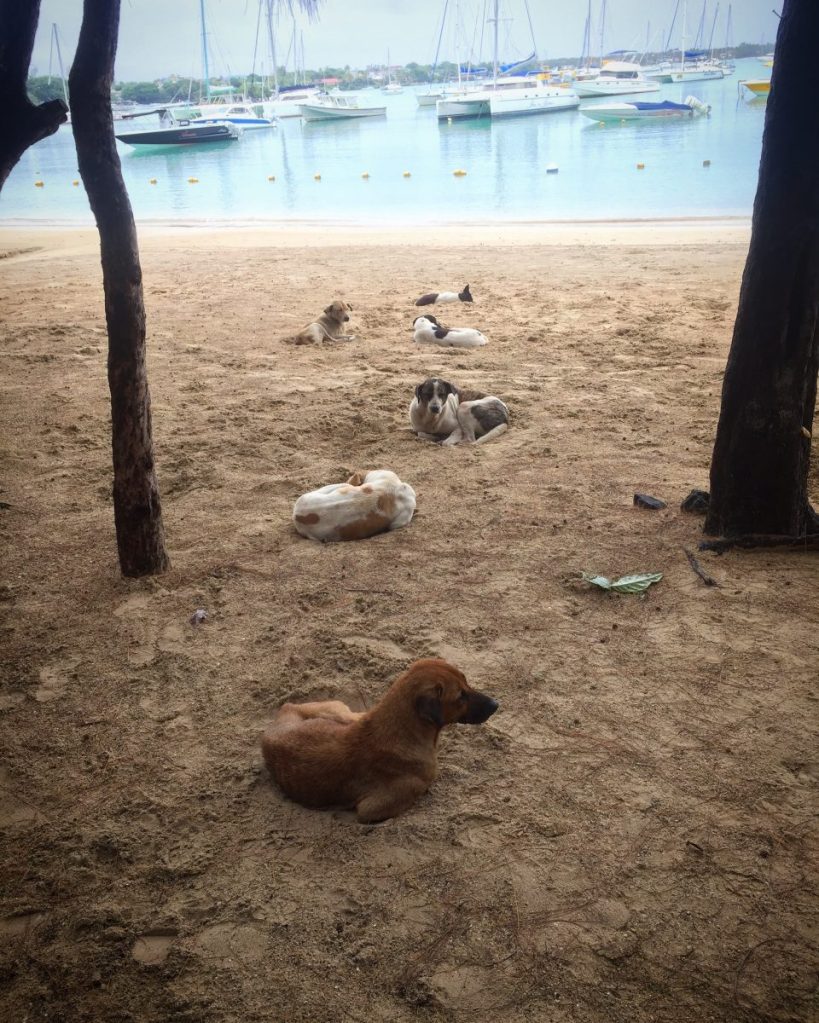
Mauritius presents itself to the world as a Paradise Island, yet hides a brutal secret.
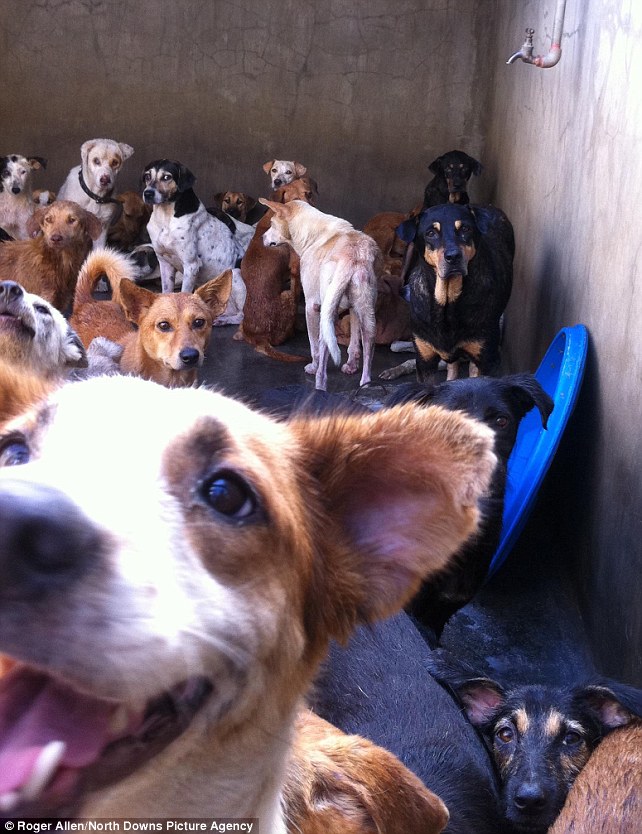
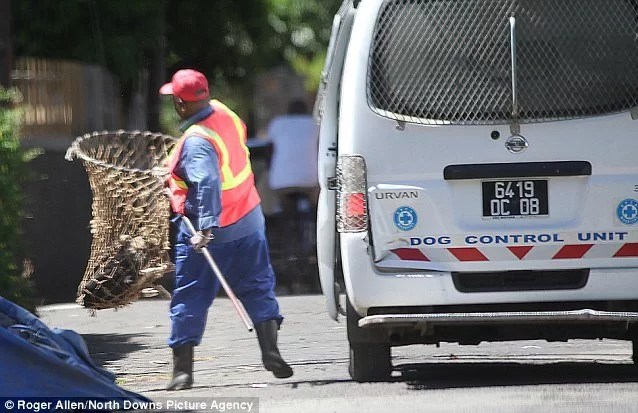
Dogs are caught in nets, flung into a van with other terrified dogs and taken to the Pound. Covert filming over the years has shown dogs crammed together, left for days to fight for scraps of food, and most shockingly attacking and eating their kennel mates.
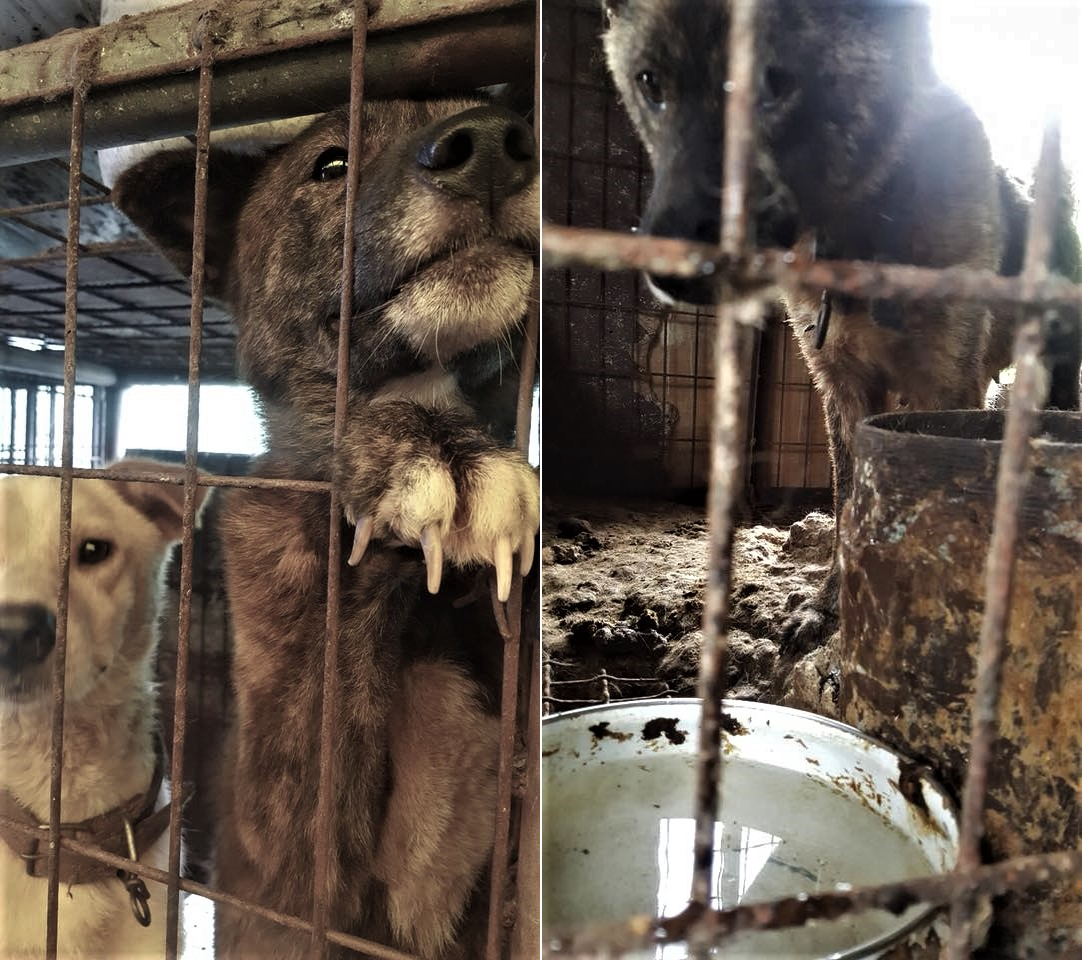
Squalid: A dog jumps up looking for its owner. He is on death row at the dog pound in Port Louis, Mauritius. Eighty per cent of the dogs caught and killed are pet dogs not strays
Without anaesthetic, dogs are brutally killed by lethal injection into the heart – it is such a hit and miss affair, that some die immediately, whilst many others pitifully stagger about bewildered, fall over and try to get up again.
Such painful torment is unimaginable!!
Despite calls for tourist boycotts by some groups and offers of help to change the situation by others, the Mauritian Government shows no remorse or any willingness to change its inhumane ‘Catch & Kill’ policy.
In spite of recent comments made by Minister Gobin which have been cautiously welcomed, due to our previous experiences with the Government, the Soi Dog Foundation will be continuing with the Petition until we see signs of actual changes for dogs in Mauritius. Therefore, we continue to seek and very much need your support. We call on citizens from all nations of the world to sign this letter and make it clear to this uncaring Government ‘NO MORE – STOP THE ABUSE AND CRUELTY’!!
Please sign this letter calling on the Prime Minister of Mauritius to end the outdated, indiscriminate, ineffective and inhumane dog control policy known as ‘Catch and Kill’.
Your signature today can help save thousands of dogs from suffering and a cruel death.
And I mean…As soon as you find the holiday destination Mauritius in the travel catalog, it sounds like a romantic honeymoon, snow-white palm beaches, cocktails at sunset.
The island is a tourist magnet, especially for European tourists. In 2018 alone, 1.3 million tourists came to the island, including 132,000 Germans. The dogs are a nuisance for the tourists and therefore they want to get rid of them.
More than 20,000 pet and stray dogs are killed annually in a brutal way, terrorism against dogs is commonplace in Mauritius.
Some of the animals are strays but many more — up to 80 per cent — are much-loved pets that have been snatched from their doorsteps, with collars and security tags clearly marking their addresses.
They are captured as part of a ‘clean-up’ campaign, despite pleas from animal welfare organisations across the world.
And they are killed by an organisation with a name so ironic it would be laughable it wasn’t true — the government-funded Mauritius Society for Animal Welfare (MSAW)
Kitted out in jaunty red caps and wielding giant fishing nets, MSAW dog-catchers snatch animals wherever they see them — sleeping on street corners, lingering in alleys or lazing on their own doorsteps.
The following tactic is particularly cruel: The state dog catchers disguise themselves as animal rights activists.
In Mauritius, the government itself finances some animal shelters to kill street dogs.
The innocent dogs are taken to a supposed refuge in Port Louis, the capital of Mauritius, where they are later killed, a man is in charge of keeping them against the ground, while another gives them the lethal injection, the dogs agonize and after a while they die while the others try to escape. The death of these dogs is slow and painful.
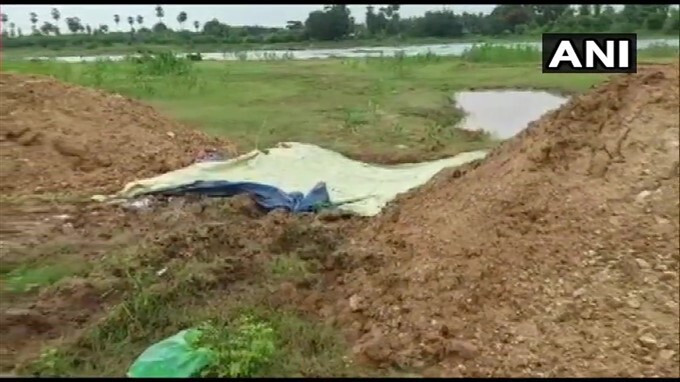
The worst part is that people don’t wait for the dog to be dead and bury it alive. In other words, not only do they take away their right to life, they also inflict great agony on them.
Each worker earns a bonus as a prize for each vilely murdered dog.
This material is a real disgrace to the Mauritius government, which has not done anything about it since the undercover investigation scandal five years ago.
The Mauritian government claims it is a humane way to control the island’s stray dog population!!
To call this brutal and uncivilized way of dealing with strays humane is evidence of cynicism – genocide is not humanitarian aid either.
Anyone with a trace of humanity will find this material insufferable. It is chilling to watch the cruel indifference of dog killers to their victims.
Mauritius is touted as an island paradise for international tourists, but it is a true hell on earth for dogs.
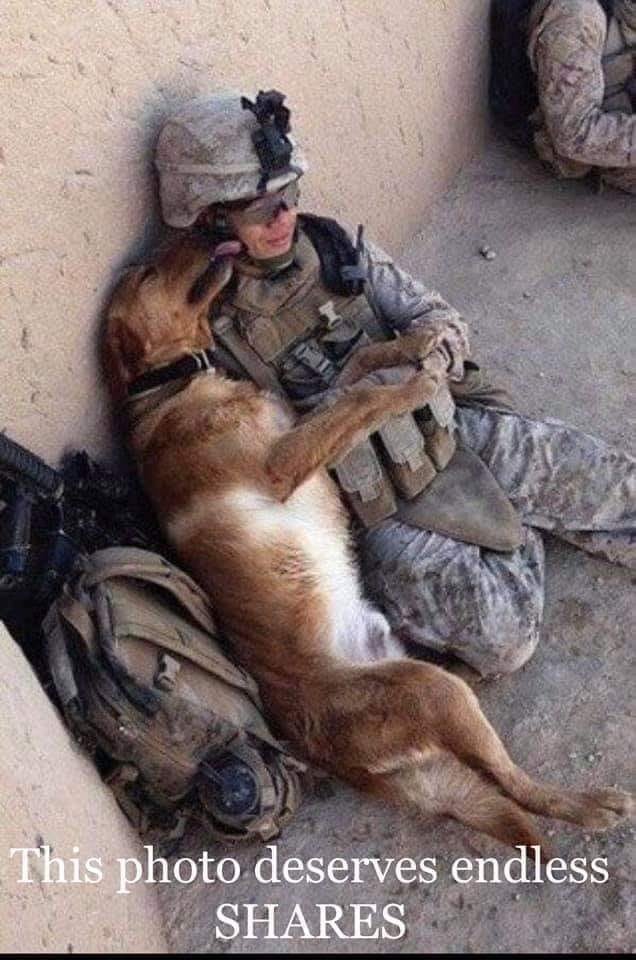
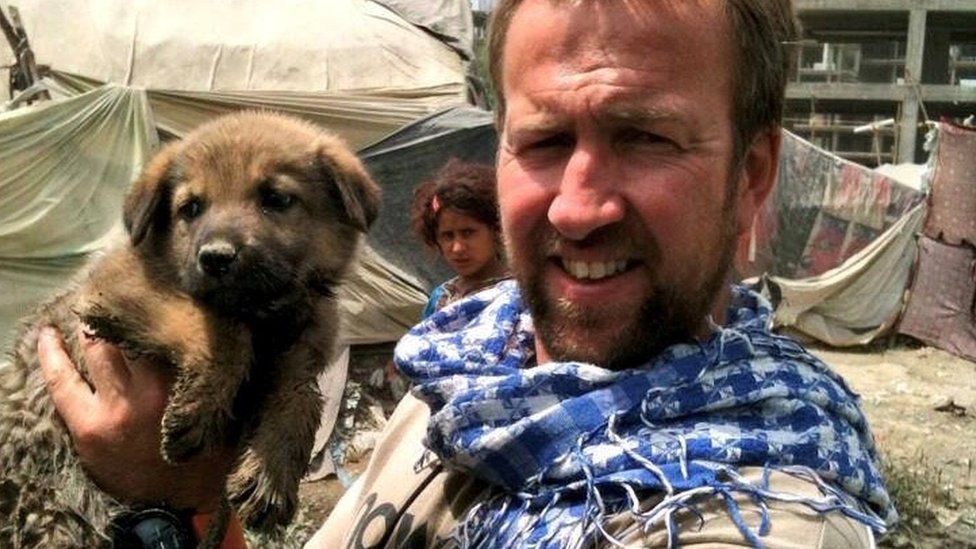
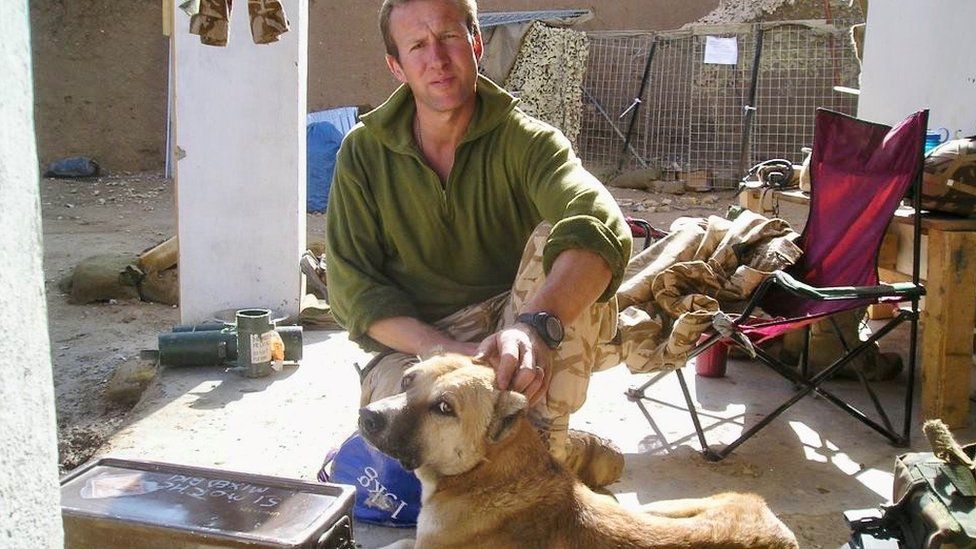
Ex UK Royal Marine Commando Pen With stray Afghan rescued dog.
Afghanistan: Plane leaving Luton (London UK) to evacuate rescue animals and staff
A plane is expected to leave Luton Airport later to evacuate staff and animals from a charity in Afghanistan.
The campaign to get Nowzad sanctuary founder Paul “Pen” Farthing along with animals and staff out of Kabul has become known as Operation Ark.
The privately funded plane is due to land on Friday but Mr Farthing said he was not being allowed into the airport.
There had been criticism about prioritising animals over people, but approval was given for the flight.
Royal Marine veteran Mr Farthing, who is from Essex, founded the Nowzad animal shelter, rescuing dogs, cats and donkeys after serving in Afghanistan in the mid-2000s.
He has said he would not leave the country without his staff or animals.
It is understood Mr Farthing has about 68 staff and 150 cats and dogs as well as other people described as “vulnerable”.
WAV Comment – Hopefully that will start to send a message. A major turning point as the article says.
August 23, 2021
Dog meat traders to be prosecuted for the first time in Indonesian history after truck with 78 dogs intercepted by police
Humane Society International
KULON PROGO, Indonesia—Indonesia’s first ever prosecution of dog meat traders under animal health laws is set to go ahead, officials have confirmed, in what the country’s animal campaigners hope will be a major turning point in the demise of the brutal trade. Kulon Progo District Police intercepted the gang in May this year when they were illegally transporting 78 dogs bound and gagged in the back of a truck. The dogs were headed for slaughter for human consumption throughout Central Java. This was the first ever such interception in Indonesia, and followed discussions with the Dog Meat Free Indonesia coalition which campaigns for a nationwide ban on the brutal trade.
The Kulon Progo District Attorney’s Office confirmed in a statement its intention to prosecute the traders who are considered to have violated Article 89 of Law No. 18/ 2009 concerning Livestock and Animal Health, with a maximum penalty of five years imprisonment or a maximum fine of 1.5 billion IDR (over $100,000 USD); as well as Article 140 of Law No. 18/ 2021 on Food, with a maximum sentence of two years imprisonment or a maximum fine of 4 billion IDR (over $275,000 USD).
The dogs in this case had all been stolen from the streets where pet dogs freely roam. Many were still wearing collars whilst bound on the truck to be transported from West Java on a gruelling journey lasting more than 10 hours. The traders illegally crossed provincial borders with the dogs, with no record of the animals’ disease or vaccination status. For example, Solo is an epicentre for much of Java’s dog meat trade, with 85 street stalls selling dog meat, brutally slaughtering an estimated 13,700 dogs each month in filthy makeshift slaughterhouses with no way of ensuring the meat is safe for consumers.
The Dog Meat Free Indonesia coalition has conducted numerous investigations over the past several years, exposing the brutal reality of the trade in dogs destined for human consumption. Every month, tens of thousands of these dogs are taken from the streets and illegally transported in many parts of Indonesia. Many die during this horrific journey from heatstroke, dehydration or injuries inflicted during capture and transport. Those who survive are taken to slaughterhouses where they are beaten and strung upside down to bleed out while still conscious or beaten to death in public markets in some parts of the country, in full view of other terrified dogs who await their turn.
Lola Webber, Humane Society International’s dog meat campaign director, who is based in Indonesia, says: “There arethousands of dog trucks across Indonesia just like this one, illegally transporting terrified and disease-vulnerable dogs across provincial borders to slaughterhouses and markets. We have documented first-hand dogs being slaughtered in public alongside myriad wild and domestic species in markets in North Sulawesi. It is easy to see how this trade is not only utterly brutal, but also the perfect breeding ground for the next serious public health disaster. New pathogens could jump to humans in a number of ways – a dog trader wounded during the day’s slaughter, a local consumer eating cross-contaminated dog meat bought at a nearby stall, or a tourist breathing in microscopic blood droplets as they sight-see the markets. So in the face of such an obvious public health and animal welfare risk, it is good to see what we hope to be the first of many interceptions and prosecutions. We cannot allow the dog meat trade to thrive across Asia if we hope to protect the public from future pandemics.”
“We commend Kulon Progo District Police for setting such a good example for the rest of the country by taking direct action, and we congratulate Karanganyar and Sukoharjo Regencies and Salatiga City for explicitly prohibiting the trade in their jurisdictions on the grounds of public and animal health and welfare. We now need to see the same level of activity across Indonesia to stamp out this cruel, dangerous and unwelcome trade.”
Dog meat trade facts:
Opinion polls show that only a small minority of Indonesia’s population (4.5%) consume dog meat and only a very small number of those involved in the trade rely on dog meat as their main source of income.
Rabies is a grave concern in Indonesia, with just eight out of 34 provinces declared rabies-free. Provinces such as Central Java are jeopardising their rabies-free status by allowing dogs of unknown disease and vaccination status to be imported from surrounding provinces to supply dog meat, despite opinion polls showing just 3% of Central Javans consume it.
The illegal movement of large numbers of dogs of unknown disease status into densely populated areas contravenes rabies control recommendations by leading human and animal health experts including the World Health Organization, the Pan American Health Organization, and the Food and Agriculture Organization of the United Nations as well as national disease prevention legislation.
There are widely publicised reports directly linking the dog meat trade to rabies transmission in many parts of Asia where the dog meat trade operates, including Indonesia. Scientific reports have documented rabies-positive dogs being sold and slaughtered in markets in Indonesia, as well as in restaurants and slaughterhouses in China and Viet Nam.
Dog theft for the meat trade is a serious problem in Indonesia. Dog Meat Free Indonesia has interviewed many residents who have described their terrifying ordeal with armed traders stealing their pets at night. Despite the obvious law-breaking, thefts are rarely taken seriously by law enforcement, so the thieves go unpunished.
Across Asia, opposition to the dog and cat meat trades is increasing, with an ever-growing number of countries and territories (Taiwan, Hong Kong, the Philippines, Thailand and two major cities in mainland China) banning the trade in and slaughter, sale and consumption of dogs.
The Dog Meat Free Indonesia campaign has received support from global and Indonesian superstars including a letter to President Joko Widodo in 2018 calling for action to end the country’s dog and cat meat trades signed by Simon Cowell, Sophia Latjuba, Yeslin Wang, Nadia Mulya, Lawrence Enzela, Cameron Diaz, Chelsea Islan, Ellen DeGeneres and Pierce Brosnan.
A government probe has been launched after officials in New South Wales, Australia,shot and killed shelter dogs that were due to be rescued by volunteers – allegedly in an effort to prevent the volunteers spreading Covid-19.
The dogs, one of which had just given birth to puppies, were housed in a pound in the northwest of the state, and were due to be picked up by volunteers from a Cobar-based animal shelter.
However, the Sydney Morning Herald reported on Sunday that workers with the Bourke Shire Council had shot them dead last week.
The council ruled that having the volunteers come and collect the animals would somehow put council employees and the local community, including “vulnerable Aboriginal populations” (!!!) at risk of catching and spreading Covid-19, the Herald reported, citing the Office of Local Government, the council’s watchdog group. The group is now investigating whether animal cruelty laws were broken by the council.
The volunteers say they had Covid-safe measures in place for their trip to the pound, and are reportedly distressed by the mass killing of the abandoned animals.
Moreover, it is unclear why the council considered their trip to pose such a threat, given that there have been no recent cases of Covid-19 reported in the Cobar area.
The shootings triggered an outcry on social media.
“Killing innocent rescue dogs over human paranoia of a virus that has a 99.8% chance of survival is beyond cruel,” one commenter wrote on Twitter. “The world has gone mad.”
International commenters soon joined in to express their disgust at the animal executions.
“Australia is absolutely consumed by deranged COVID insanity. Now they’re shooting and killing rescued dogs to prevent shelter volunteers from leaving their homes to go pick them up and care for them. Many Australians seem grateful to be locked down.https://t.co/uuImfgznXq”
— Glenn Greenwald (@ggreenwald) August 22, 2021
“Australia has reached new levels of depravity.Rescued dogs have been shot, so that workers at the shelter don’t have to travel to look after them.It’s just mindless now.#animals#COVID19#CovidVic#covidnswhttps://t.co/1XNs9oOxZ0″
— Bernie’s Tweets (@BernieSpofforth) August 22, 2021
Australia has turned into a dystopian nightmare worthy of the Mad Max movies. Shooting dogs so people won’t travel to get them is savage behavior.
— Brian Bailie Jr. (@BrianBailieJr) August 22, 2021
“We are deeply distressed and completely appalled by this callous dog shooting and we totally reject the council’s unacceptable justifications that this killing was apparently undertaken as part of a COVID-safe plan,” Lisa Ryan, a spokeswoman for Animal Liberation, said in a statement.
Much of Australia remains under some of the world’s most draconian lockdown policies, with Prime Minister Scott Morrisson promising to keep restrictions in place until 70% of the population is vaccinated.
At present less than a third of Australian adults are fully inoculated.
In New South Wales, people in the Greater Sydney area have been ordered to remain at home until the end of September.
Even outside Sydney, leaving the home is forbidden in much of the state without a “reasonable excuse,” car travel is banned save for in emergencies, home visits are not allowed, and all residents must carry proof of address outside the home. Police have brutally cracked down on protests

And I mean…All heads of state in the world who feel called to their new role as dictator have been elected to their posts by democratic elections.
It is unique in human history!
None of the corona dictatorships that have emerged worldwide have needed tanks
Fear, wrong numbers, horror statistics and obedient citizens.
That was enough.
It’s no longer about Corona.
It’s about the billions that most heads of government have paid in advance to the pharmaceutical industry for a useless vaccination, and have to come back into the state treasury as soon as possible – from us!
It’s about absolute monitoring and control through the Green Pass.
It is about the division of the society vaccinated / not vaccinated, because only in this way can a society be attacked and better manipulated.
The story about the corpse sacks fits in well with this.
We read in the press:
“Europe orders free and abundant corpse bags for what is currently still being planned, namely the fourth wave! Turkish textile company produces one million corpse bags for Europe! – Body bags are ordered instead of shirts. A textile company in Turkey has now received a major order from Europe; the company, with 110 employees, produces 6,000 corpse bags a day”
You can purchase such a no-name product here on Amazon. It may even be made in Turkey, but it is certainly not from Adidas, not at the price.
Of course, the product is absolutely leak-free, strong and durable.
Try them out.
A Royal Marine veteran, who founded an animal sanctuary in Kabul, has made an impassioned plea to the UK government to help his staff leave Afghanistan.
Paul “Pen” Farthing said he would not leave them behind to “suffer a fate” that the West has put upon them.
His charity, Nowzad, wants ministers to “do the right thing” by flying 71 people to the UK from Afghanistan after the Taliban seized the capital city.
The Foreign Office said it was in contact with Mr Farthing to offer help.
Mr Farthing set up the charity 15 years ago, helping to increase awareness of animal welfare in the country and to rescue stray dogs and abused donkeys.
His clinic trained Afghanistan’s first fully-qualified female vets but now he fears for their futures.
“I don’t think there are words to describe what they are feeling right now,” he told the BBC News, from Kabul.
Mr Farthing, who served with the Royal Marines as a commando in the Afghan province of Helmand in the mid-2000s, said the West “should hang our heads in shame for what we have just done to this country”.
Dogs are often made to fight one another in Afghanistan
“We gave people hope, aspirations, dreams for the future. In a matter of weeks, we have just ripped them from them.”
He said he was not hopeful the Taliban regime had changed for the better.
For now, the eyes of the world were watching the Taliban, he said.
But in two months’ time, the international community would be gone, the US would have left the airport and no-one would be watching – and if they did go back to their ways, no-one was coming to interfere in Afghanistan again, he added.
The British and US servicemen and women who died in Afghanistan – including two of his marines – had died “in vain”, he said.
“We have achieved nothing now – we have just thrown everything away.”
His clinic trained Afghanistan’s first fully-qualified female vets but now he fears for their futures.
“I don’t think there are words to describe what they are feeling right now,” he told the BBC News, from Kabul.
“What do you say to someone who is probably going to be told they will have to marry a Taliban fighter and end up living at home, never being allowed to leave and just raising children with someone they absolutely detest?”
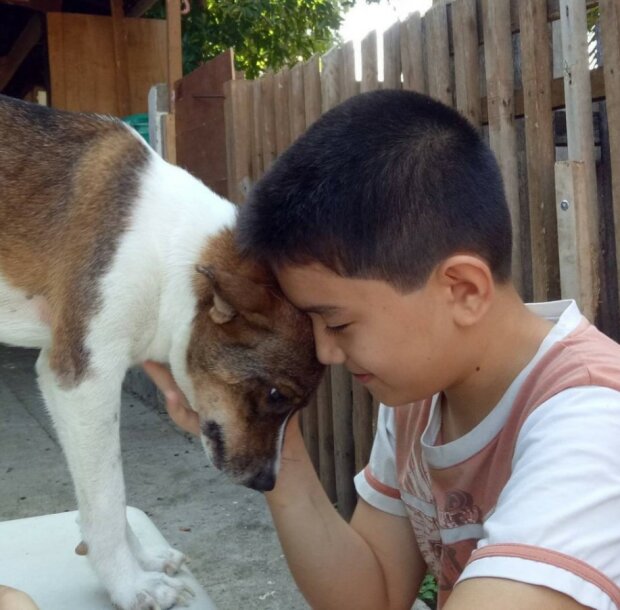
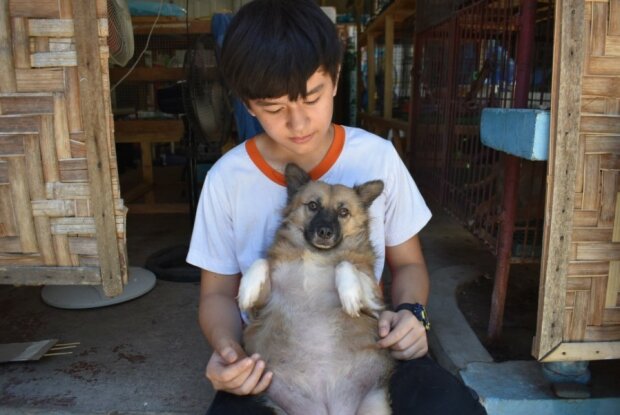
A 9 year old boy spent his pocket money on stray dogs and then opened his own animal shelter
The father was happy about his little son’s deed
Ken Amante is a minor citizen of the Philippines.
The boy has already set himself apart from his peers and deserves special respect.
Ken loves animals all his life.
And as soon as his parents gave him pocket money, he bought food for stray dogs.
Ken spent all of his money on it every day.
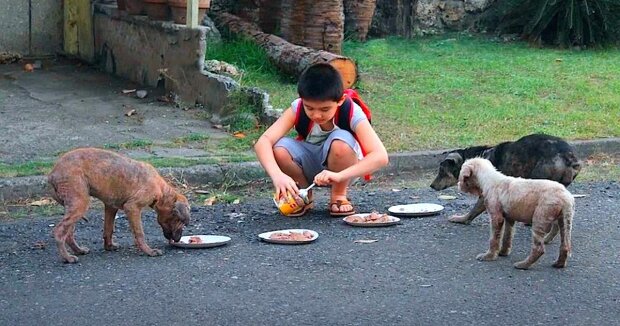
One of those days, his father decided to find out what his son was spending his money on. He was surprised by what he had learned because his young child bought food for stray dogs and fed them.
The animals had serious problems due to exhaustion, all their fur fell out and they had many wounds on their bodies.
Ken fed the dog and her little pups. The boy even gave nicknames to his new friends: Belysh, Kashtan and Chernysh.
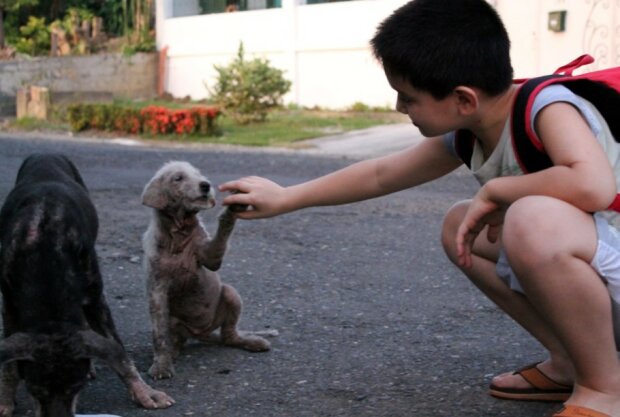
Although the dogs were happy to accept the food, they were afraid of approaching the boy.
The father was happy about his little son’s deed. The man took several photos and posted them on the Internet.
Photos immediately became popular, and many who did not remain indifferent began to offer him help, and there were many such people from all over the world.
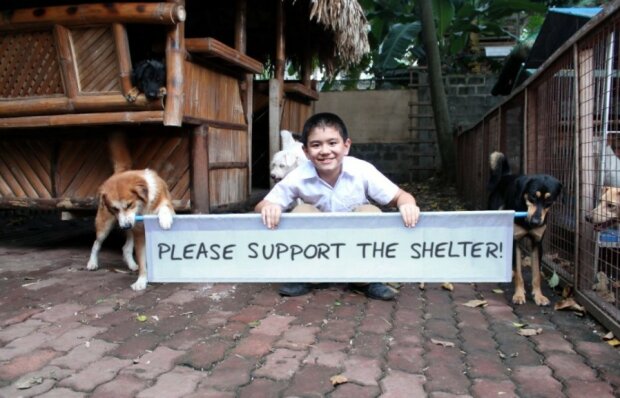
With her help, Ken was able to fulfill his dream. And when he was nine years old, he founded his own animal shelter.
He named it “Happy Animals Club”.
The shelter started operating in 2014 and became the first in the Davao area.
Now the shelter is still working, and all thanks to the support of interested and caring people.
Ken’s parents are responsible for the organizational work.
They rented a plot of land independently, and also bought everything necessary for their full-fledged work.
Ken asked his parents to buy only high quality, healthy food for their dogs. At first the shelter was only intended for dogs, but now there are other animals.
The first to come to the shelter were the three dogs that Ken fed. And thanks to the veterinarian, they got rid of their health
problems. And shortly thereafter, Ken found a family for them!
The shelter has already rescued around a hundred animals and given them new homes and caring owners.*
And I mean…Respect and admiration for the little boy.
The earlier one learns love and compassion for the other animals, the more useful it becomes to our society
A report by the animal welfare organization “VETO”
Many dogs and cats still live on the streets in Europe.
Even in Germany, the number of street cats is estimated at over two million.
Stray animals in Europe urgently need our help!
Their everyday life is determined by hunger, fear and disease.
Often their lives are characterized by fear, because not all people treat stray animals with respect. They are scared away, sometimes beaten and mistreated.
The hard life on the street is not the greatest danger for four-legged friends – in many countries the animals are caught and brought to killing stations.
In order to curb the population of street animals, many countries rely on killing stations. There they are cruelly killed.
Killing stations are a business: in many countries people earn their living by killing healthy animals.
Hungary, Romania, France and Spain are just a few of the countries in which street animals are deliberately killed – mostly very brutally, always undignified and senseless.
Killing Shelter-Romania
Killing the animals does not reduce the number of street animals, because for each dead animal another takes its place in the territory. An effective solution: castration programs. Without the use of animal welfare associations on site, the countless baby dogs and cats would have no chance.
This is why we launched our six-week Stark fundraiser for street animals!
Animal rights activists in Europe tirelessly take care of defenseless street animals.
They take them into their care or take care of them safely at feeding stations. Medical treatment, educational work, castration projects and the placement of the animals are also part of their tasks.
Animal welfare organizations want to change people’s attitudes towards animals through education. With information stands in public places, they inform passers-by about the importance of castration.
In addition to the animal shelter animals as well as dogs and cats from private individuals who can register for the castration campaigns of the associations, as many street animals as possible are also captured, castrated and – if the situation on site allows it – released again after the castration and in theirs Territories supplied.
In order to be able to realize castration projects, medical accessories such as anesthetics, scalpels, bandages and hygienic rooms, such as a veterinary practice or a castration mobile, are necessary, as well as a veterinary team and veterinary specialists.
To make it easier for animal welfare associations, the experts often support the castration campaigns on a voluntary basis in their free time, so that personnel costs are eliminated and only the material costs have to be borne – every saving protects the association’s coffers.
The cost of neutering in Europe varies from country to country as well as within a country in different regions.
The examples of Romania, Greece and Germany illustrate the differences:
Dogs: While it costs animal welfare associations in Romania up to 70 euros to neuter a dog, the costs for the intervention can amount to 160 euros in Greece and up to 450 euros in Germany.
Cats: The veterinary bill in Germany for neutering cats can be up to 110 euros. In Greece it is up to 80 euros, in Romania up to 50 euros. Castrations are effective, ethically justifiable, animal welfare compliant and responsible. The high number of homeless animals is falling without four-legged friends having to die for it.
Financial support for castration on the part of the federal states is rare.
In some countries, including Romania and Spain, instead, predominantly killing stations are generously subsidized in order to regulate the excessive number of stray animals in the country. There they are cruelly killed.
But their torment does not begin on the day of the killing, but long before that.
Each animal is locked in a small cage, surrounded by loud barking and screaming from 25 other animals.
No attention is paid, apart from a plate of food which is pushed under the door of the kennel and a shower with water to rinse the excrement out.
The animals remain cooped up until they die and are usually not euthanized because it is too expensive.
They are often beaten to death or suffocated with a cheaper syringe.
However, this is not only contrary to animal welfare, it also demonstrably does not lead to a reduction in the number of four-legged friends.
In other countries, such as Italy, it is even more difficult for animal welfare organizations to castrate by law. Castrations on street animals may only be carried out there with the express permission of the municipality.
Animal welfare is a backbreaking job that pushes the mostly voluntary helpers to their limits.
But the effects of regular castration campaigns show that the work is worthwhile. They give courage and hope to carry on – which is urgently needed despite the first successes that exist all over Europe and for which the ones mentioned here are representative.
The association “Stray Dogs in Danger” e. V. in Romania proud of its ten-day castration campaign, during which around 400 dogs and cats were neutered in the animal shelter in May of this year, but notes at the same time that it is essential to continue now.
We, the VETO Animal Welfare association, specifically support animal welfare organizations that stand up for street animals, do educational work and start castration projects. 💪
And I mean…In Romania the killing stations are called “Killing Shelter” or “Public Shelter”.
Because the dogs in the public animal shelters are usually killed after a period.
Dog owners drop their dogs in the killing station when they no longer want them and dog catchers catch street dogs and bring them there. Food, water, animal keepers and euthanasia are paid for by the state.
But in order to maximize profit, there are killing stations that sell the food and medicines on the black market.
Because it’s cheaper, the dogs are burned alive. On average, a dog stays in the public animal shelter for 14 days until it is killed.
Old, sick or behavioral dogs are much more likely to be killed … If they don’t starve, die of thirst or are bitten to death beforehand.
Romania-Killing Shelter (Public Shelter)
In Spain, many dog owners simply bring their animals to the killing stations (called perreras) if they no longer feel like looking after them or they no longer fulfill their “purpose” (hunting, alarm system, children’s toys).
Perreras are run either by the state or privately and are part of the hunting sport for many people: the former hunting dogs are thrown away like defective toys.
In addition to the Spanish galgos and podencos, other dogs – and many cats – also end up in the perreras.
For all of them this terrible place is the end of their lives.
Killing Station (Perrera) in Spain-Puerto Real
In Hungary every municipality has the task of catching strays from the streets in order to control the disease.
The dealers take care of that.
They are then quarantined there for two weeks. If there is also an animal shelter parallel to the killing station, the dogs will be handed over to the animal shelter in whole or in part, depending on capacity.
If there was no alternative like this, the animals would be more or less brutally murdered, usually without anesthesia because it would cost extra, with T61 (a medicine used to put animals to sleep), which leads to respiratory paralysis and terrible convulsions and death . Some of the animals would also be shot.
Hungary-killing station
If a dog is found in France, it must be “kept” for 10 days. If the owner does not bring his animal back during this time, the dog can either be killed or given to an animal shelter free of charge. Often the animal shelters are so full that they can no longer take in animals, or they can only choose the animals that can be easily transferred.
France-Killing Shelter
The “big blacks”, the “gray snouts”, the “incompatible”, the “hunting dogs”, the “list dogs”, all those who cannot tolerate the kennel, are the first on the killing list. (Source: Mediathek ARD / WDR: “Animals are looking for a home – France – law allows euthanasia after ten days”)
Every year between 9-11 million animals die in killing stations. That’s around 30,000 animals every day!
We live in a world where governments are banning plastic straws but funding the gruesome deaths of thousands of animals in killing stations.
If we called it crazy, it would be harmless.
It is legalized mass murder financed with our tax money, supported by corrupt governments and an unusable EU, which does not want to provide a responsible solution and justifies that … “Animal welfare is a matter of the state “.
We show solidarity and support for the animal welfare organizations that have committed themselves to this difficult but excellent mission … namely to save as many strays as possible from hunger, misery and the brutal end on a killing station.
My best regards to all, Venus
*If someone wants to donate and has problems with the link, please contact me
From Erika and all our crew friends at Animal Aid Unlimited, India.
Dear Mark,
Massage, brushing, and giving cuddles can play a major role in an animals’ recovery.
There is a proven correlation between contact with animals and human health benefits and the same healing benefits are shared by animals who experience kindness and love.
The fact that human-animal companionship affects heart rate and blood pressure are impressive. But seeing the simple happiness sparkling in their eyes is enough for us.
Giving love isn’t extra here, it’s essential, and your help makes it all possible.
Bessie howled in pain and fear. But suddenly, she wagged her tail!
Hiding in pain and wailing when touched, this precious girl had been hit by a car,her hind leg was fractured and she had deep lacerations.
But as soon as she understood she was safe in the arms of her rescuer,she stopped howling and to our surprise, started to wag her tail instead. And when we eased her pain with medication, wound dressing, splint and surgery, she gave us the most beautiful reward: non-stop smiles filled with love throughout the coming weeks of her healing.
Bessie is one of the tender souls who lives life so full of love and appreciation. Thank you for helping her heal. Please donate today.
It took Shabi weeks to recover from a head injury, but his sweetness never missed a beat!
Stumbling and circling, this beautiful little one had a brain injury after he was hit by a passing car.
Shabi’s tender-hearted neighbors saw his disorientation and called us to the rescue. His breathing was distressed and rapid and we worried that he might be bleeding internally. The first job was to stabilize his breathing; we gave him oxygen and medicine to help him breathe. Regaining his balance and orientation would take weeks.
We are so grateful that his brain damage isn’t permanent but his adorable charm sure is. Meet Shabi now, one of the world’s sweetest souls.