Category: Uncategorized

England (London): Remember, Remember the 5th of November, 1605. A Gunpowder, Treason and Plot.

Like all good plots; this one starts in a pub !

Today is the 5th on November – or as it better commonly known in the UK, ‘Bonfire Night’.

In 1604 a plot was made to blow up the houses of parliament, the King, and al those within

On 5th November 1605 at the very last stages of the gunpowder plot, Guido Fawkes, or Guy Fawkes as he is more commonly know, was an English explosive expert who had previously been fighting in Spain. He was captured with all the barrels of gunpowder under the House of Lords. He was tortured in the Tower of London – confessed the names of the other plotters under torture; who were quickly all caught and suffered terrible executions as you can see in one video below.

Bonfire night is still celebrated here today, many centuries later.

We have a poem which says:

Remember, remember, the 5th of November,

Gunpowder, treason and plot.

I see no reason

Why gunpowder treason

Should ever be forgot.

And it is not.

With the current political system here, many say we need another Guy Fawkes.

I will let the videos tell you the rest.

Regards Mark

In memory of the brilliant Joe Strummer of ‘The Clash’.

EU: Digital Services Act: how does it protect animals from the illegal online trade?

3 November 2022

On the 19th of October 2022, the European Parliament and the Council adopted the Digital Services Act (DSA), a precious tool to tackle the illegal online trade. But what does it mean concretely for the animals victim of this trade?

What is the DSA?

The Digital Services Act (DSA), along with the Digital Markets Act (DMA), are new legislation that aim to better regulate online services to ensure a safer digital environment. In this context, the DSA contributes to tackling the dissemination of illegal and harmful content on online platforms and clarifies the liability and accountability of these platforms.

How is it relevant for animals?

The large majority of cats and dogs and exotic wild animals destined for the pet market (from cross-border illegal trade), are sold online and their lucrative trade is booming. This situation has serious consequences on the welfare of animals bred and sold to fuel this trade.

The Illegal Pet Trade: Game Over

BROWSE TO THIS PUBLICATION

During transport, many welfare issues arise such as risk of dehydration and heat stress, lack of enough space to be able to stand/lay down, high potential for spreading of infectious diseases among the transported animals and beyond, and a higher likelihood of pregnant dogs & cats transported too close to their estimated due dates to name but a few.

During transport, many welfare issues arise such as risk of dehydration and heat stress, lack of enough space to be able to stand/lay down, high potential for spreading of infectious diseases among the transported animals and beyond, and a higher likelihood of pregnant dogs & cats transported too close to their estimated due dates to name but a few.

In relation to breeding practices, cosmetic and convenience surgeries vastly performed outside the EU, resulting in severe pain and impairing of social communication (through tail docking, ear cropping, debarking, declawing,…), lack of socialisation resulting in extreme fearful and anxious animals, lack of genetic variation as a consequence of inbreeding leading to poor health and unfitness to carry a normal life.

In addition, it represents a high risk for the health of European consumers due to the potential introduction of parasites and diseases such as rabies. 

Acknowledging this situation, the DSA’s recitals refer to animals twice. Illegal sale of live animals is expressly mentioned in the list of illegal content (recital 12), and Very Large Online Platforms (VLOPs) must assess risks related to the dissemination of illegal content, including illegally traded animals (recital 80).

Although recitals are not legally binding and aim to contextualise the legislation, they give strong indications on the objectives of the text and clarify that the trade of animals falls within the scope of the legislation.

What are the obligations of online platforms?

Very Large Online Platforms (VLOPs) must strengthen checks to prove that the information provided by sellers is reliable and accurate. In particular, they must “make reasonable efforts to randomly check in any official, freely accessible and machine-readable online database or online interface whether the products or services offered have been identified as illegal”.

It is uncertain at this stage what such checks entail in relation to animals but we will continue to work with the European Commission and Member States to ensure that they are appropriately and efficiently conducted. With regards to companion animals, such controls should ideally aim to verify that only dogs and cats that are microchipped, registered and offered by their owner, or registered breeder, can be sold online. 

VLOPs must also assess and mitigate systemic risks (including dissemination of illegally traded animals content) each year, implement “effective mitigation measures”, including moderation processes and advertising and recommendations systems/algorithms and be subject to annual independent audits. 

It is important to note that these obligations only apply to VLOPs:  platforms with more than 45 million active users in the EU. The text indeed exempts Small and Medium Enterprises (SMEs) from these provisions. This means that smaller online platforms where a lot of animals are traded remain out of the scope of these obligations and traders can potentially simply move to smaller platforms to get around these rules. It also remains unclear whether content published on closed groups, that require the intervention of a human to access, are concerned by these provisions.

However, all online marketplaces must annually publicise reports on content moderation, in particular the number of orders received from Member States’ authorities. Courts and competent authorities (administrative, including law enforcement) of the Member States may indeed issue orders to marketplaces if they identify illegal content. Such orders must detail the reasons why the content is suspected to be illegal. The scope of orders is in principle limited to the Member State in which it was issued. However, it is possible for the authorities to communicate the information to other Member States.

What are the obligations of Member States?

Member States must appoint an authority that will act as the Digital Services Coordinator and will be in charge of overseeing the enforcement of the regulation. Among other things, the Coordinator is in charge of designating trusted flaggers, who are entities that will be able to identify illegal content and inform online platforms through “notice and action” mechanisms. Trusted flaggers should demonstrate that they have expertise to conduct this mission in a diligent, accurate and objective manner and be independent from online platforms but it remains to be seen if NGOs comply with such requirements. These trusted flaggers should also publish reports of their notices. It is expected that this information, coupled with reports from online platforms and independent audits, will help inform the status and trends of illegal animal trade on VLOPs.

It is also worth noting that a platform will be set up by the European Commission so that all Digital Services Coordinators can exchange information, which is especially relevant for cross-border investigations.

What can Animal protection organisations do?

Although it remains uncertain whether Animal Welfare Organisations (AWOs) can be trusted flaggers, as specified above, there are a number of actions that can be undertaken. First, AWOs can investigate to identify illegal sales advertisements of animals and:

Report the content to the platform;

Transfer the information to competent authorities, including the national Digital Services Coordinator.

Based on this information, the services provider will be able to remove the content or/and the authorities will be able to issue orders to such providers so that the content can be removed.

It is also important to raise awareness of national authorities on the possibility to maximise the efficiency of controls, especially for VLOPs for which checks are mandatory, thanks to microchips and identification of cats and dogs.

Eurogroup for Animals will continue to exchange with the European Commission to clarify implementation mechanisms of the DSA with regards to the illegal animal trade. We will also monitor and communicate on reports published by platforms, as well as audits.

In addition, it is worth mentioning that the European Commission is currently conducting a Coordinated Control Plan on the illegal pet trade until the beginning of 2023. In this context, AWOs can report illegal pet trade cases to national fraud units or the Health and Food Safety Department by email at SANTE-food-fraud@ec.europa.eu. 

When will the DSA be applicable in Member States?

The DSA will enter into force on 16 November and will be directly applicable in Member States from February  2024.

Regards Mark

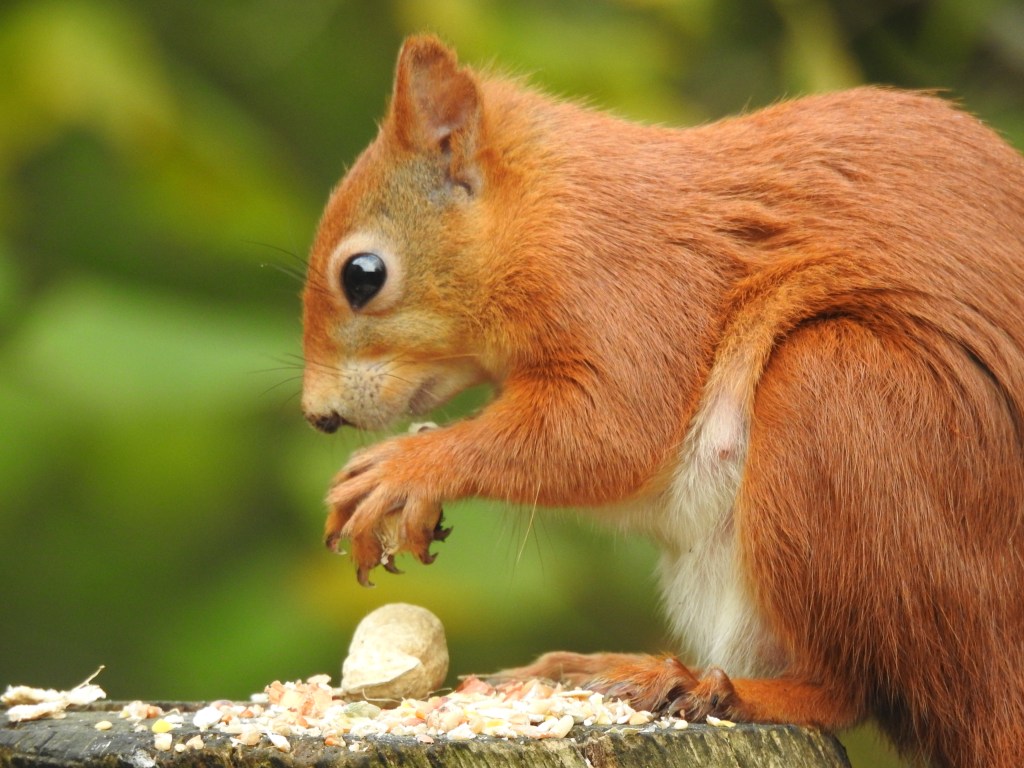
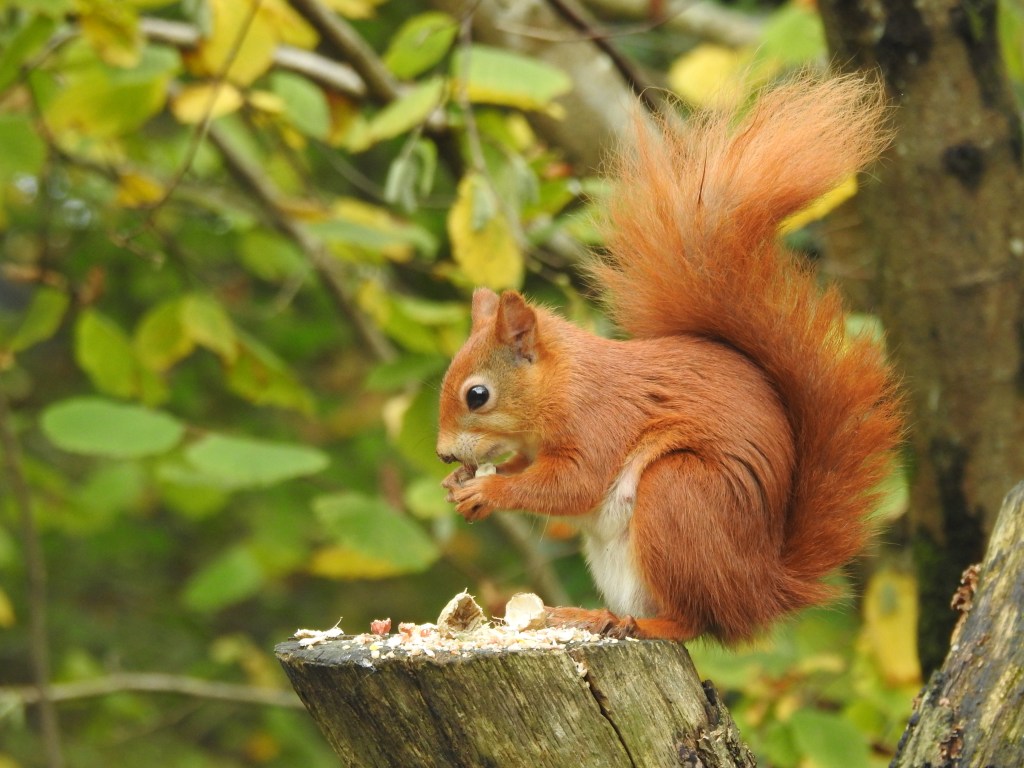
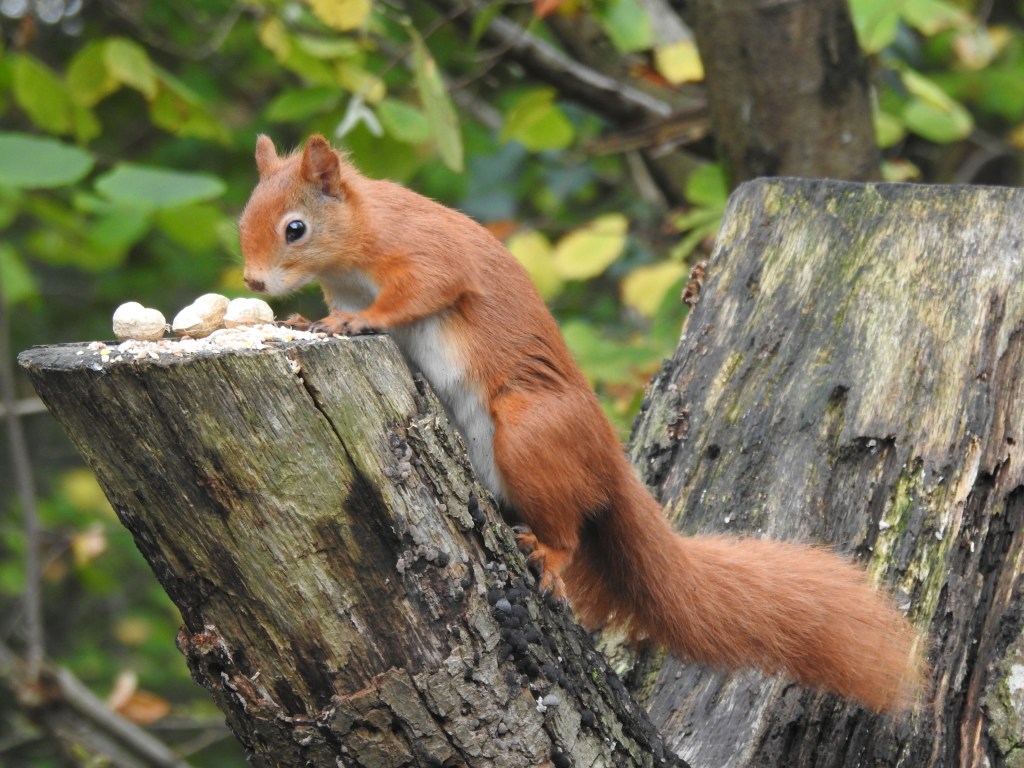
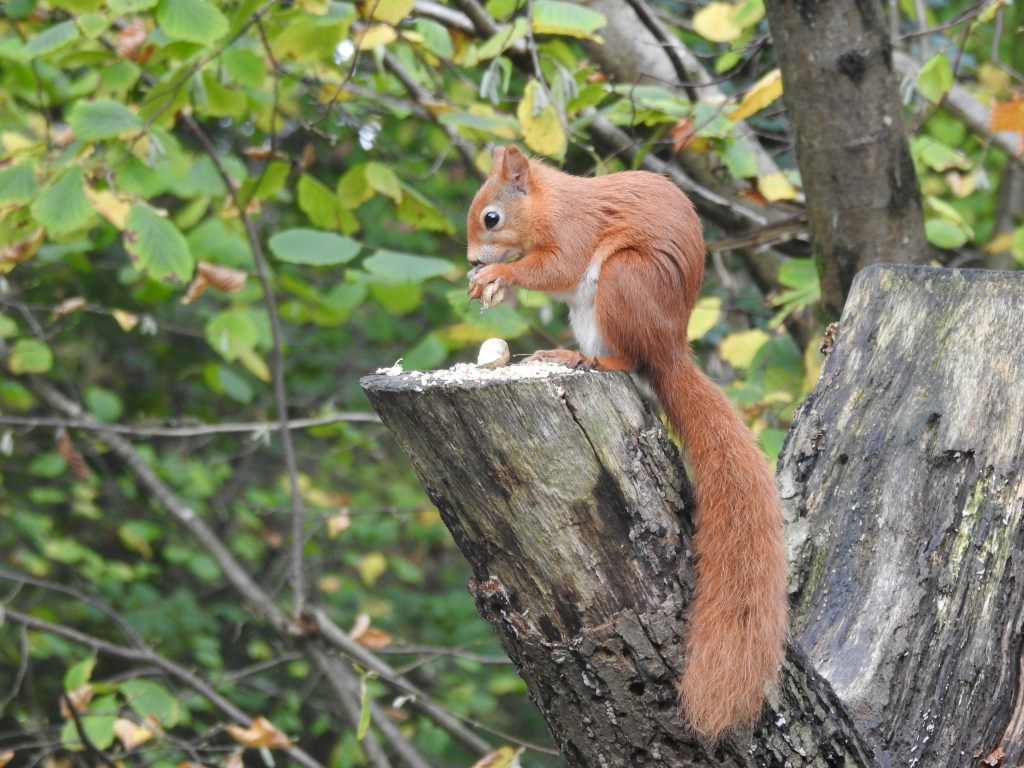
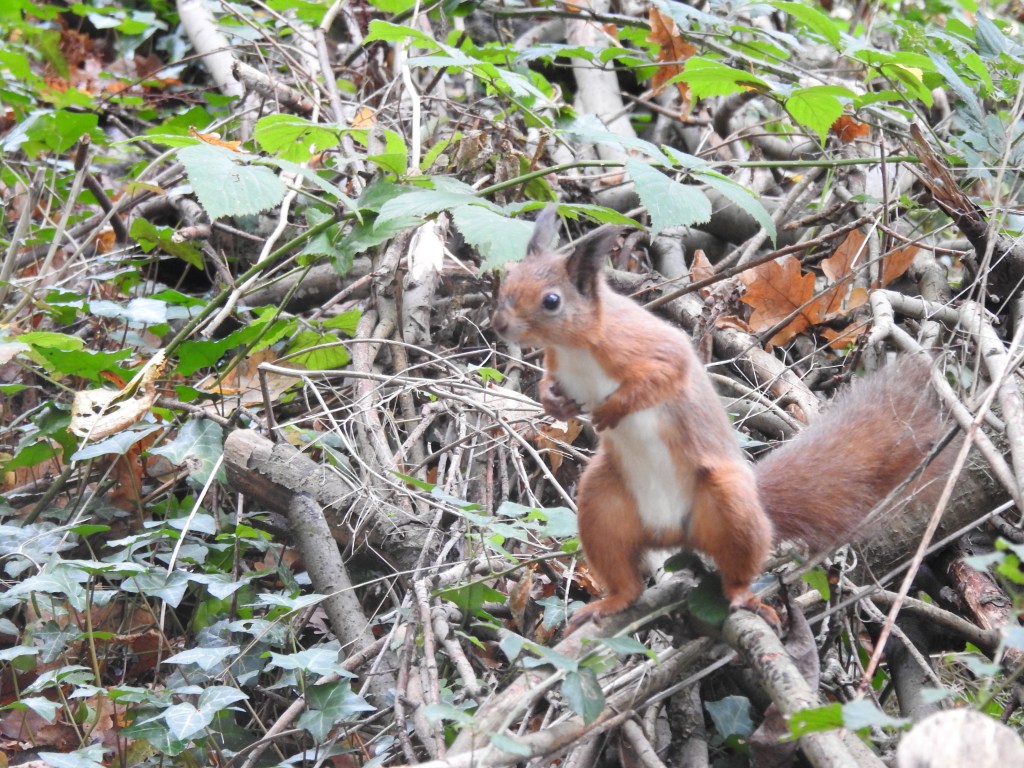
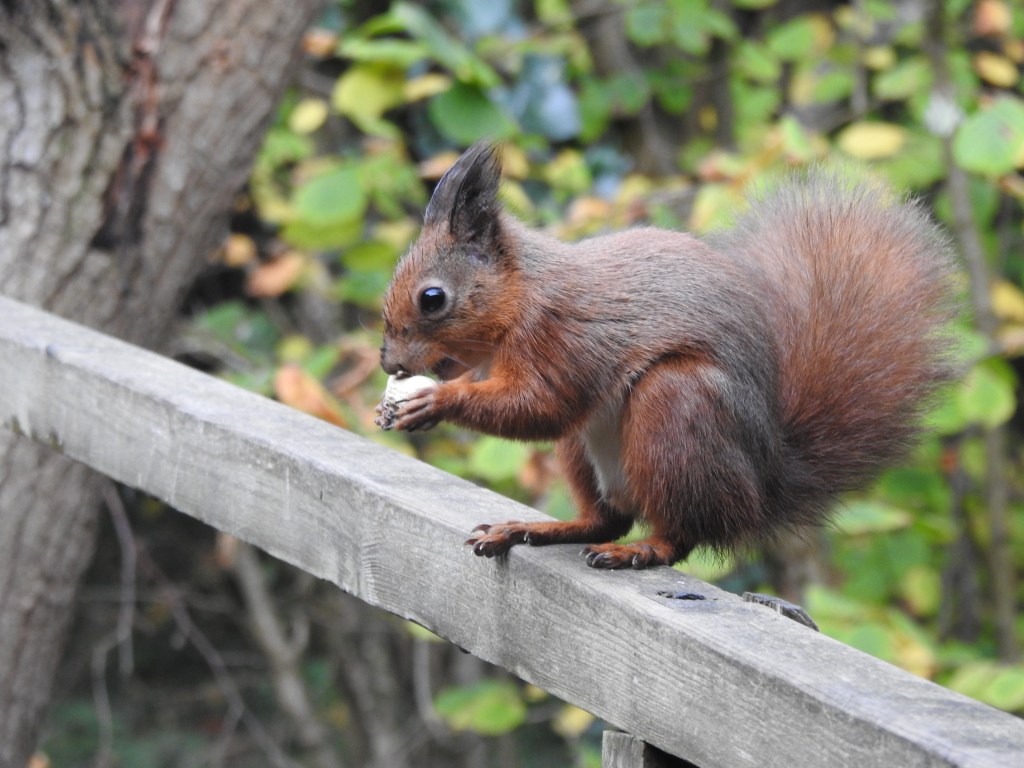
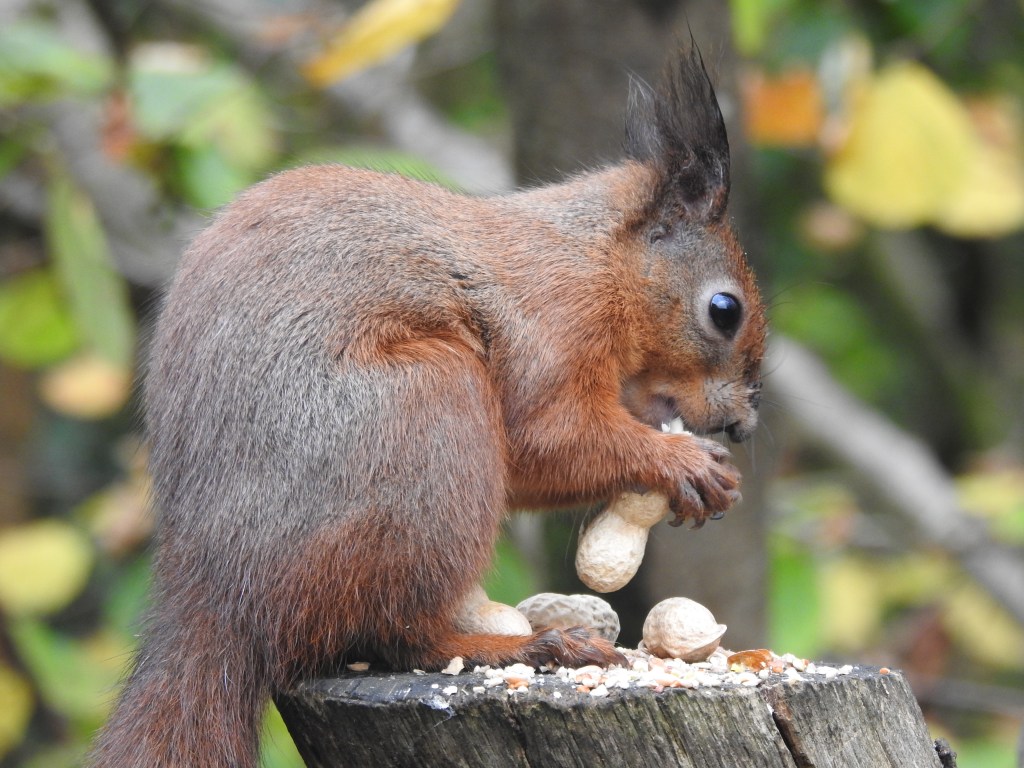
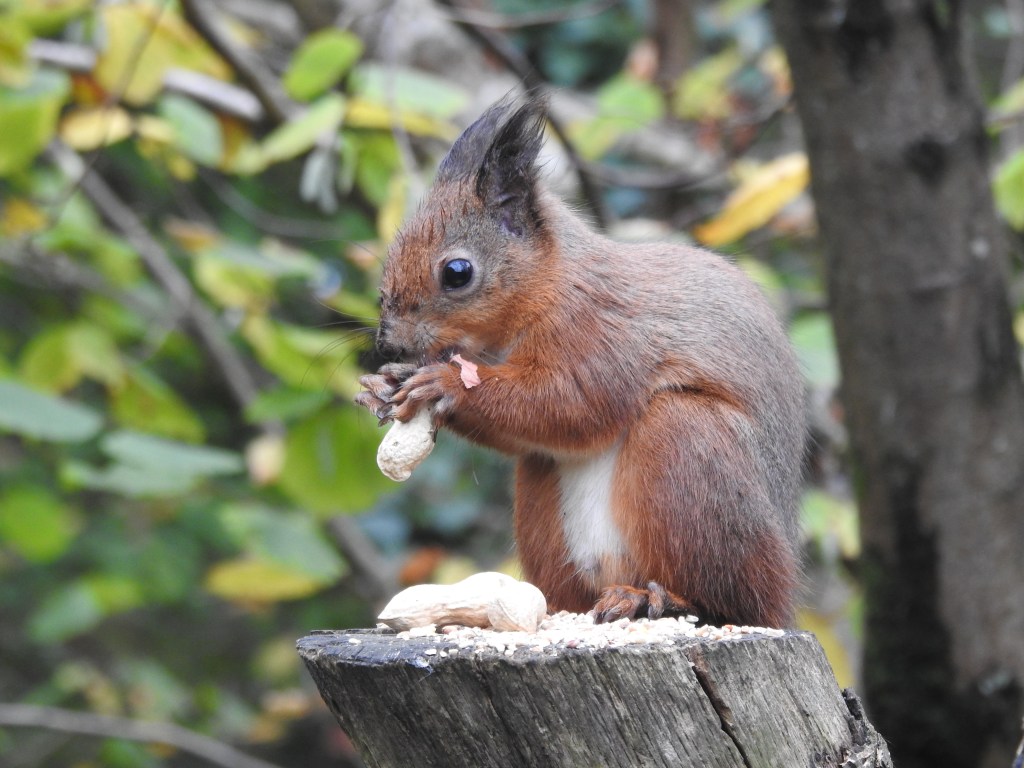
England: Pictures Of the (Now) Rare Red Squirrel From Animal Buddy Pauline.

These beautiful pictures of the Red Squirrel were sent to me by animal buddy and good friend Pauline, who captured these shots during a recent break.  Sadly, outnumbered and dominated by the larger Greys, the Red is rather a rare sighting in the UK now days.  Here below is some info and links I have gathered associated with the red.

Red squirrels need woodland to survive and can be found in coniferous, broadleaved and mixed woodland. They were once found across the UK, but have disappeared from most of the country due to the introduction of grey squirrels. Now red squirrels are confined to Scotland, pockets of northern England and Wales and small islands off England’s south coast. The species can still be found across much of Ireland, but its range is shrinking there too.

Red squirrels have undergone one of the most drastic declines of all UK mammals. This is largely due to the introduction of non-native grey squirrels in the early 20th century. The larger greys are able to outcompete reds and they also carry the squirrelpox virus, which they are immune to, but which is fatal to reds.

Reds have now disappeared from most of England and Wales. There are an estimated 287,000 red squirrels in Britain, compared to 2.7 million greys. The Woodland Trust is helping to conserve the red squirrel by protecting its habitat. We support grey squirrel management in red-squirrel areas  

We have also backed research that suggests the recovery of pine martens could help boost red squirrel numbers.

Check out all you need to know about Red Squirrels by visiting:

Red Squirrel (Sciurus vulgaris) – Woodland Trust

Video:

More info from Wikipedia:

Red squirrel – Wikipedia

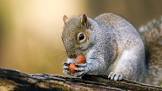
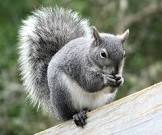
I only get Greys into my garden, which is located in SE England.  Here is a picture of the Grey so that you can compare.  They are larger in size.

The red squirrel has a typical head-and-body length of 19 to 23 cm (7+12 to 9 in), a tail length of 15 to 20 cm (6 to 8 in), and a mass of 250 to 340 g (9 to 12 oz). Males and females are the same size. The red squirrel is somewhat smaller than the eastern grey squirrel which has a head-and-body length of 25 to 30 cm (10 to 12 in) and weighs between 400 and 800 g (14 oz and 1 lb 12 oz).

Compare to the pictures of the larger Grey:

Regards Mark (and Pauline)

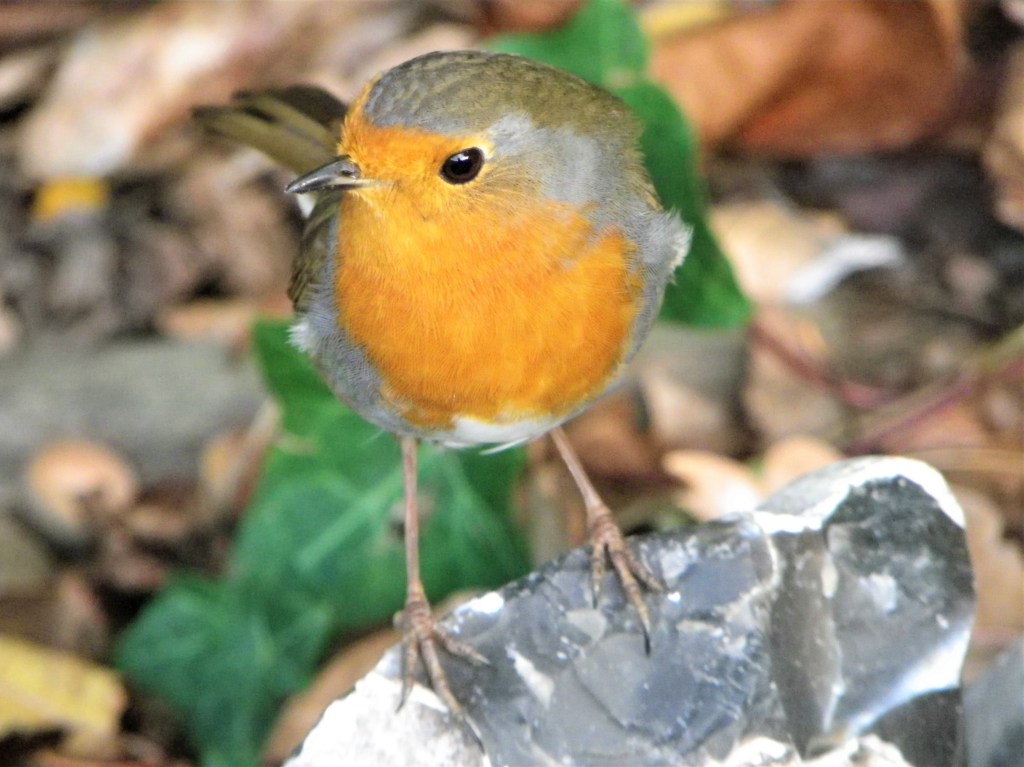
England: Christmas Card ‘Pin Up’ – In My Garden 27/10.

Photo – Mark (WAV)

Robin tops poll to find UK’s ‘national bird’

https://www.bbc.co.uk/news/uk-33090043

Ornithologist David Lindo – who launched the campaign – said the robin was “entwined into our national psyche” as a “Christmas card pin-up”.

He now plans to ask the government to officially recognise the robin as the national bird.

Check our some of my other breakfast buddy photos by going here:

https://worldanimalsvoice.com/?s=breakfast+buddy

Regards Mark

EU Parliament Committee on Petitions Calls for an EU-Wide Positive List to Regulate Exotic Pet Trade,

25 October 2022

Today the PETI Committee voted to call on the European Commission to regulate the exotic pet trade through an EU-wide Positive List of animals that can be kept as pets. The vote was overwhelmingly in favour, with 20 MEPs voting in favour of the motion, only one voting against or abstaining.

The issue

An enormous number of animals are traded in the EU for the purpose of being kept as companions in people’s households, but many of these species are not and cannot ever be suitable for life in captivity. The motion adopted today highlights the impact of the exotic pet trade on animal welfare, the potential of zoonotic disease risk, and the risk to biodiversity from animals being taken from the wild in their country of origin and also of being released or escaping and becoming invasive species.

The motion states that the current regulations in Member States and provision in the EU do not go far enough, are inefficient in ensuring the welfare of animals traded as pets in inappropriate conditions, and fail to account for the vast majority of species. The lack of sufficient data on the pet trade is mentioned, and Positive Lists already adopted in some countries were highlighted to solve these problems at Member State level, from which lessons can be learnt.

The solution

The motion highlights that an EU-wide positive list is the solution to the plethora of problems caused by the exotic pet trade. A Positive List is a list of animals that are allowed to be traded, meaning that any animals not on the list are illegal to trade. This system is succinct, precautionary, and provides clarity on what species are allowed to be traded in the EU. The motion provides flexibility on the criteria on which the Positive List would be built to ensure the most effective and feasible criteria are used. Importantly, it calls for the strict and timely implementation of the revised EU Action Plan against Wildlife Trafficking, set to be released at the end of this week. Following the success of the motion, the Parliament are calling on the European Commission to carry out an impact assessment of the added-value and feasibility of establishing such a list.

Eurogroup for Animals are thrilled that this strong motion has been adopted by the PETI Committee and calls on all MEPs to vote to adopt this important resolution in the Plenary.

Regards Mark
Australia: Australian Government hides behind kill industry as EU considers kangaroo product ban.

24 October 2022

The Federal and New South Wales governments are being accused of turning a blind eye to the commercial killing of kangaroos, while Europe considers a ban on kangaroo meat and skin imports.

A New South Wales parliamentary report into the Health and Wellbeing of Kangaroos and other macropods examined the way the NSW government manages the commercial kangaroo industry, with the inquiry recommending there be greater transparency of kangaroo management plans, programs and practices.

“There was unanimous agreement from the inquiry that there was an appalling inability from both the NSW government and representatives from the commercial kangaroo industry to answer basic questions about their methods,” Kangaroos Alive co-founder Mick McIntyre said.

“Despite the inquiry handing down 23 recommendations to the New South Wales government, only two were accepted in full,” he added.

McIntyre said the inquiry proves Australia has dropped the ball when it comes to monitoring the commercial killing of kangaroos, missing an opportunity to get on the front foot to try to fix issues raised by this New South Wales parliamentary inquiry.

“The government will be left red faced over its dismissive response to the inquiry into kangaroos which found evidence of an unsustainable animal welfare crisis in the commercial kangaroo industry.”

Both the NSW and Federal Government were forced to admit that no one is monitoring this commercial killing at the point of kill and that no records are kept on the number of baby joeys killed each year.

“It is Australia’s shame that we cannot tell our colleagues in Europe how many baby joeys are killed each year in Australia within the commercial kangaroo industry. Nor can we have any faith in the so-called ‘codes of practice’ on kangaroo killing if no-one is monitoring how the animals are actually killed in the field.”

New evidence presented to the parliamentary inquiry shows that up to 40% of kangaroos killed in the commercial kangaroo industry are mis-shot and forced to die slow deaths from secondary trauma.

“The fact is, Europe will act first by banning the import of products, which will in turn cripple this industry,” he said.

A European Parliamentary committee will hold a parliamentary debate in Brussels this month to discuss petitions submitted by three European animal welfare organisations: LAV, World Animal Protection and Eurogroup for Animals. The petitions highlight the numerous issues raised by the kangaroo trade for animal welfare, consumer protection and the environment and call for a ban on imports.  

The NSW parliamentary inquiry heard new evidence shining a light on the number of areas in Australia that have declining kangaroo populations. Again the NSW government was unable to answer basic questions on why there were such big discrepancies in the kangaroo population numbers from one year to the next.

“Kangaroos are shot for their meat and the skins then exported, but it happens with little monitoring and now with new evidence that points to a massive loss of kangaroo bio-diversity, that’s going to be a problem for the European Union,” McIntyre said.

“Kangaroo body parts are sold across Europe and the US for pet food, sausages and soccer boots, but we are seeing push back against the inherently cruel slaughter.”

McIntyre says it is compelling that the European Parliament debate on the import of kangaroo products will coincide with World Kangaroo Day on October 24th.

“We are pleased this is happening on World Kangaroo Day, an international day of celebration. It’s sending a strong message that the EU cares about the future of our national icon.”

“EU countries are the largest importers of kangaroo products – for pet food, handbags and soccer boots.”

Australian export data shows the EU remains the first destination of Australian exports of kangaroo meat, with Belgium accounting for 775 tonnes or about a third of the total export.

“Supermarket giant Carrefour has already banned kangaroo meat from its stores, while luxury brands like Gucci, Prada and Versace have also stopped using kangaroo skins in their bags, belts and shoes because of the way the animals are killed.”

“English soccer icon David Beckham even stopped wearing Adidas shoes made from kangaroo skins after watching a video of a young joey and a mother being killed.”

McIntyre and other advocates from Kangaroos Alive and a coalition of 78 other animal welfare groups and NGOs from Europe will be observers at this important debate at the EU.

KA will also meet representatives of the Netherlands Government, as they are a country considering a national ban of kangaroo products.

The US could also follow suit. A bill presented to Congress has already proposed a ban on the sale of kangaroo products. It would mean major manufacturers of football boots, who are believed to buy hundreds of thousands of kangaroo skins a year, would need to find another way of making them.

Australia has the highest rate of mammal extinctions in the world, with 54 native animals becoming extinct and an additional 400 listed as threatened.

“Many Australians are appalled by Japan’s slaughter of whales and dolphins or Canada’s killing of fur seals, but what we are doing to our kangaroos is far worse than that,” McIntyre said.

“We need to learn to value these international icons and acknowledge that they are worth much more to Australia alive. Our tourist industry relies on them and World Kangaroo Day highlights this.

“It invites us all to stop and celebrate this magnificent icon alive.”

About World Kangaroo Day

Monday, 24 October 2022 is World Kangaroo Day. A day to celebrate one of the world’s great icons and recognise the importance of kangaroos to our nation. Despite the kangaroo being such an integral part of Australian culture they are also victims of the largest terrestrial wildlife slaughter in the world. Kangaroos Alive, the not-for-profit organisation behind World Kangaroo Day aims to rally support from around the world for a moratorium on the commercial killing of kangaroos.

Legendary Australian Test Cricketer Jason “Dizzy” Gillespie is lending his support as an ambassador.

The World Kangaroo Day Photo Competition has attracted hundreds entries. Professional and amateur photographers from across Australia have sent in photographs. Wildlife photographers Robert Irwin and Steve Parrish will judge the competition. The winner will be announced on WKD.

World Kangaroo Day is supported by Animals Australia, World Animal Protection, Australia Zoo, Animal Welfare Institute, IFAW, Eurogroup for Animals,  among other wildlife warriors.

 About Kangaroos Alive

Kangaroos Alive is a global movement for the ethical treatment of kangaroos. It is the brainchild of the producers of the award-winning film Kangaroo: A love hate story.

They joined forces with Diane Smith and Greg Keightley to create Kangaroos Alive, who provides funds for; emergency response and ongoing care for kangaroos injured from commercial shooters, fires, road and fence accidents. They have launched World Kangaroo Day to lobby for a moratorium on commercial kangaroo killing.

Read more at source

Kangaroos Alive

Regards Mark

China: 370 dogs and cats died in a Chinese ‘death truck’ heading to a meat market, animal rights group says.

Rescuers found 1,400 dogs and cats on board a truck in Hubei province.Yidu Center/CAWA

370 dogs and cats died in a Chinese ‘death truck’ heading to a meat market, animals rights group says (yahoo.com)

Animal rights groups in China found more than 1,400 dogs and cats on a “death truck.”

Around 370 of the dogs and cats had died by the time they were discovered, said activists.

The animals were being transported to Yulin county, where the dog and cat meat trade is prevalent.

More than 1,400 dead or dying dogs and cats were discovered on a truck headed for slaughterhouses in Yulin, south China, said animal rights activists who intercepted the vehicle last week.

Out of the 1,408 animals found, 378 dogs and cats were already dead by the time the truck was stopped, Humane Society International, or HSI, said on October 10.

The rescuers, comprising local animal groups and anti-dog meat trade campaigners, said they saved the remaining 1,000 or so dogs and cats from what they called the “death truck.”

Some of these animals had to be given emergency treatment on the roadside, and many suffered open wounds, broken bones, respiratory disease, and severe dehydration, HSI said.

They’re now being treated and cared for by staff at local shelters, the organization added.

“The smell of death, diarrhea and vomit was overwhelming,” said Hao Dayue, an activist with the Capital Animal Welfare Association, speaking to HSI.

“I saw a number of dogs and cats die on the roadside despite desperate attempts to help them, there was nothing that could be done but hold them as they passed away,” Hao said.

Hao estimated that most of the 718 dogs on the truck were stolen pets, and that the 690 cats were likely strays.

Police stopped the “death truck” on a highway in Hubei province, about halfway along the transport’s 745-mile journey from Fucheng county to Yulin county, HSI said.

The truck’s two drivers were detained by police and reported to officials at Xiantao, a city in Hubei province, per HSI.

The trader who hired them and acquired the dogs and cats also faces investigation by China’s Agriculture Bureau on charges of transporting sick animals across provinces without the proper documentation, the organization said.

The Ministry of Agriculture did not immediately respond to Insider’s request for comment.

China does not have nationwide animal protection laws that prohibit cruel treatment of animals. Beijing banned the trade and consumption of wildlife in February 2020, following speculation that COVID-19 may have spread to humans from live animals at Chinese wet markets.

However, only two cities in mainland China, Shenzhen and Zhuhai, have banned the dog and cat meat trade.

The eating of dogs and cats is typically only found in a select few places in China, but the practice can be prevalent in those limited locations.

The Yulin Dog Meat Festival is one of China’s best-known events that involves the consumption of dog meat, and it often faces opposition from animal rights groups in the region.

HSI estimated that 10 million dogs and 4 million cats are killed for human consumption each year in China.

Regards Mark

UK: Truss Meets Her Teutoberg – The Conservative General Who Fell On Her Own Sword. The Viper Who Ceases To Hiss.

Give me back my legions !

WAV Comment – On 5th September 2022 I posted the following:  Liz Truss, very bad for animal welfare and bad for the environment.

UK: Liz Truss, new UK Prime Minister – very bad for animal welfare, bad for the environment; and bad for the Conservative Party. – World Animals Voice

Well today, 20/10/22, Liz Truss was forced to resign by members of her own Conservative Party.

UK: Tin-eared Truss is about to embark on the greatest betrayal of animal rights imaginable. – World Animals Voice

She is officially the shortest serving Prime Minister in British history – resigning after just 44 days in office.  With our dinner tonight we made a toast to the environment and animal welfare; 2 issues that have not passed her lips since she was elected.  Is it me, or is the environment, global warming, the turmoil which results in so many nations at this very moment due to it, something which should really be at the forefront of political leaders in boxes ?

I am gonna have another drink later – I am so pleased to see her go; especially if she takes Rees Mogg with her, a foie gras production supporter (and no doubt eater) who hopefully will get his marching orders at the cabinet reshuffle which will take place as soon as the new PM is elected in just over a week.

Liz Truss has refused to enshrine animal welfare in trade deals, says minister | Animal welfare | The Guardian

England: Liz Truss has REFUSED to enshrine animal welfare in trade deals, says minister. – World Animals Voice

England: Liz Truss ‘has sewage on her hands’; Defra, Live Animal Exports, and …… – World Animals Voice

For the Brits; and being English I am one of them; environmental and animal welfare issues are big (maybe massive ?) vote winners; but this woman refused to see that, or even start to get a grip on them and the issues.  We carry on with our hardened battle campaigning for the badgers, live animals in transport, vivisection issues, factory farming and the rest.  We don’t come and go in a matter of just a few weeks – we are in for the long fights; however long the victories take to achieve.

So, now, Conservative MP’s are trembling at the thought of what the British public will do to them at the next General Election.  So now, more than ever, we have the opportunity to really turn up the gas with them on issues that we all care about – animal welfare and the environment.

THE Conservatives could face an electoral wipeout at the next general election, according to recent polling data.

A YouGov/Times poll published yesterday puts Labour some 33 points ahead of the Conservatives, understood to be the largest lead for Labour in any poll since 1998.

The poll puts Labour on 54 per cent, with the Conservatives down to just 21 per cent.

Another poll, by election forecaster Electoral Calculus and Find Out Now predicted that an imminent general election would see Labour win a majority of over 100 seats, while the Conservatives would be reduced to their lowest share of the national vote in history.

This is how the Conservatives could face a wipeout at next general election (yahoo.com)

So we battle on now after witnessing our opposition anti environment and anti animal welfare general fall on her own sword in London today.

I (Mark) personally have a great interest in (ancient) Roman military history.  The romans lost 3 entire legions (Legio XVII, Legio XVIII and Legio XIX) under the control of Publius Quinctilius Varus in AD 9; ambushed by Arminius, the leader of the Germanic tribes, in Germany, at a battle known as that of ‘Teutoberg Forest’ which is near the modern German town of Kalkriese.

The Romans hated the forests of Northern Europe, as their excellent fighting machines always won best in the wide, open lands of Southern Europe. The North European forests were a haunted danger to them. The fight in the Teutoberg forest which included the slaughter of Varus and his legions, led to the abandonment of any plans to transform Germnmania Magna into a province and which also resulted in the river Rhine acting as a border between the roman world and the German tribes.

Roman casualties have been estimated at 15,000–20,000 dead, and many of the officers were said to have taken their own lives by falling on their swords in the approved manner.  Tacitus wrote that many officers were sacrificed by the Germanic forces as part of their indigenous religious ceremonies, cooked in pots and their bones used for rituals.[37] Others were ransomed and some common soldiers appear to have been enslaved

Read more – Battle of the Teutoburg Forest – Wikipedia

Battle of the Teutoburg Forest | Summary, Facts, & Significance | Britannica

Finally, as the Germanic tribes sliced the tongues out of the Roman soldiers they had captured, they uttered the words:

‘At last, the viper has ceased to hiss’.

The animal rights / environmentalists gained a victory today, with the forced resignation of a viper – a ‘general’ of the Conservative armies that sit encamped in and around Downing Street, London. Waiting now for their massacre ? – time will tell.

Our battles have been long and drawn out for decades; our animal rights movement has tenacity, whilst politicians just come into senate and then go.

Today, one viper ceased to hiss any more; now the Conservatives must very seriously address the issues of animals and their rights and act to the positive; otherwise they will meet their own ‘Teutoberg’ massacre at the next UK general Election.

Regards Mark.

USA: Article – An animal rights case could impact federalism and weaken the Constitution.

https://www.msn.com/en-us/news/politics/an-animal-rights-case-could-impact-federalism-and-weaken-the-constitution/ar-AA135H9b

An animal rights case could impact federalism and weaken the Constitution

A case before the U.S. Supreme Court could have surprising, and perhaps counterintuitive, implications for supporters of federalism and the long-protected ability of states and municipalities to regulate their own commerce and pass what is broadly known as “morals-based” legislation.

The nine justices on Oct. 11 heard arguments in National Pork Producers Council (NPPC) v. Ross, which centers around California’s Proposition 12, a law passed in 2018 with overwhelming support from voters of both political parties.

The law set minimum public safety and animal welfare standards for pork and eggs produced or sold within the state’s borders. Those requirements state that pigs used for breeding, egg-laying hens, and calves raised for veal must have enough space simply to turn around and extend their limbs. Proposition 12’s guidelines parallel those being implemented successfully by hundreds of restaurant, grocery and food companies, and by many farmers across the country. 

Concern about welfare of animals that are destined for human consumption goes beyond that of the animals’ themselves. Many health experts have weighed in on the threat to human health posed by the extreme confinement of pigs. In a brief submitted to the court in the NPPC case, the American Public Health Association, Infectious Diseases Society of America, Center for Food Safety and others wrote that confining female pigs in crates causes them enormous stress, which in turn makes them more prone to disease that can be passed on to their piglets. The implications are quite real: Hundreds of thousands of Americans are sickened every year by contaminated pork.

Indeed, Proposition 12 specifically implemented those concerns, prohibiting sales — within the state — of specified farm animal products if the animals were raised under extreme conditions that are not merely “cruel,” but that state officials determine “threaten the health and safety of California consumers” by (for example) increasing the risk of “foodborne illness.” Some conservative-leaning states, it should be said, have banned gestation crates within their borders, including Ohio, Arizona and Florida.

However, some multinational pork companies are pushing back against the will of voters and have sued to overturn the law. Courts from Iowa to California have rejected those companies’ claims that states cannot set standards on products sold within their borders. 

In the court of public opinion, the pork producers are hoping to capitalize on conservatives’ often reflexive antipathy to California’s progressive tendencies that often do infringe on free-market principles. But there is a vital element that some voices on the right appear not to have fully considered. If the court rules in the pork producers’ favor, it could wreak havoc on the Constitution’s federalist system of government and open the door for liberal activist judges to strike down dozens of state and local laws across the country that are based on values that many conservatives claim as their own. 

The longstanding state power to advance public morals, including preventing animal cruelty, traditionally has included the power to keep immoral products out of the marketplace as well.  The Supreme Court long has respected the “State’s broad powers to regulate commerce and protect the public environment” and the “right to maintain a decent society.” (Paris Adult Theatre I v. Slaton.) If the court were to curtail California’s exercise of its traditional morals-based lawmaking power in this case, that restriction would also strip other states of this authority.

Existing laws that could be jeopardized by NPPC v. Ross include those regulating the sale of liquor, blocking trafficking in stolen goods, banning the sale of fetal tissue, outlawing prostitution, and limiting gambling. 

Conservatives can debate the merits of such laws, but we can agree that these issues should remain at least partially in the purview of state and local governments. Notably, Proposition 12 does not attempt to project California’s moral views out-of-state, and is consistent with the federalist principle of states and municipalities setting laws that are right for their own communities. Blocking this ability would open the door for politicians and bureaucrats in Washington to fill the void with one-size-fits-all mandates, effectively emboldening the federal government to impose its own value judgments.

The Founding Fathers intended for states to retain extensive power and to not cede all of it to the federal government, including the authority to regulate commerce within their own borders. If the Supreme Court sides with the pork producers in NPPC v. Ross, this constitutional principle would be dramatically weakened.

Regards Mark