Category: Uncategorized

UK: More Happy Monday News – Fate is Sealed for UK’s Most Notorious Reptile Market.

LAV

11 April 2022

APA

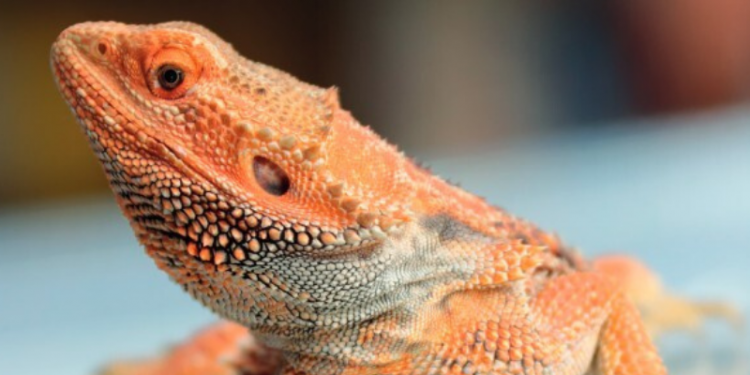
The Animal Protection Agency celebrated a historic breakthrough in ending illegal market trading of exotic animals. Doncaster Racecourse – the venue for the largest UK reptile market – will no longer host the events after their contractual obligations end, with the final event taking place on 19 June 2022; although the Council is continuing investigations into “a number of instances” on compliance and enforcement.

Reptile market organisers planned four events for 2022, the first of which took place on 3rd April. At every event investigated by APA during a long-running campaign, evidence was recorded that it considered to show unlawful animal trading, as well as widespread animal suffering.

Throughout the event’s history, many thousands of sensitive wild animals have been treated like inanimate commodities – displayed and sold in small, plastic takeaway tubs. APA has worked, over several years, with English and Welsh councils to clamp down on reptile markets and as a result, the Doncaster reptile market was the last of its kind in the UK.

APA greatly appreciated the time that Council Officers have taken to examine the evidence provided to them, and will continue to offer further assistance if needed. The hard work and conscientious commitment of supportive Councillors has ensured that reptile markets no longer have a place in Doncaster. APA also acknowledged the vital role played by World Animal Protection in bringing this issue to the public’s attention. Their campaign led to the Council being inundated with letters about the event, which ultimately helped to finish one of the largest reptile markets in Europe.

I’m grateful for the work put in by the Animal Protection Agency over many years, which has brought us to this current position. APA has worked tirelessly and professionally to end potentially illegal trading. Whilst I accept that many exotic animal keepers care for their animals, I find this business abhorrent and something that should not take place in the UK – and certainly not in Doncaster.

Cllr David Shaw, Chair of Doncaster Council’s Licensing Committee

In my view, the reptile markets at Doncaster have for years been a blight on the welfare of these wild animals, which are now well accepted to be highly sensitive to the kind of restrictive captive conditions and deprivations that are absurdly endemic to selling pets via makeshift stalls. The Animal Protection Agency, Doncaster Council, and the venue managers deserve high praise for their commitments to safeguarding animal welfare and mirroring the public conscience, which strongly rejects abusive treatment of wild animals for spurious reasons.

Dr Clifford Warwick, Reptile Biologist

Trading in pet animals at market stalls was outlawed almost forty years ago on the grounds that animal welfare cannot be ensured in temporary and makeshift environments.

We are delighted to see this event coming to an end. No animal deserves such maltreatment and we are now closer than ever to completely eradicating wild animal markets in the UK.

Elaine Toland, APA Director

Read more on wildlife trade and trafficking.

Regards Mark

Nigeria: Vet doctors, global petition decry animal cruelty amid Nigeria’s thriving dog meat market.

WAV Comment – we have added images to this article.

This is a 6 page article.

VICTORIA ADENEKAN writes about the Nigerian dog meat market which veterinary doctors and dog lovers want activities halted to preserve companion animals

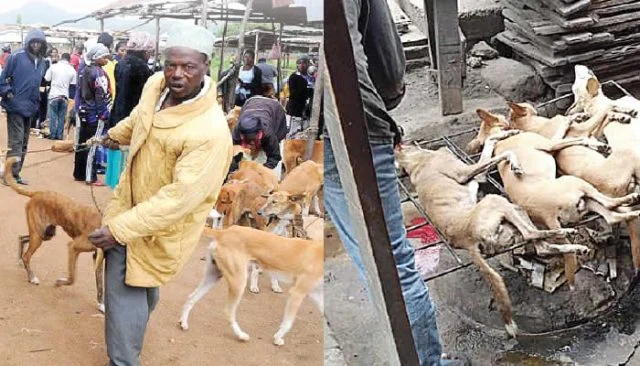
The nation’s dog meat market thrives largely in many states, particularly in some states in the South-West and South-South. It features prominently dog sellers and buyers with the latter mostly specialists who prepare dog meat for sale. There are even spots in some areas around Lagos and in some states where dogs are killed, dressed, and prepared for consumption.

One of the joints is in Ijesa in Surulere, Lagos. Sunday evenings and on public holidays are when sales are the highest for a dog meat seller, who gave his name only as Michael and his boss identified only as “Alapata (someone who butchers animals).”

Michael told our correspondent that the boom in the business had been keeping them in business for over 20 years.

The brutal killing

It was gathered that the dogs are kept in a cage and served only water to await death. The killing process is gruesome and dog lovers will hate to witness it.

A noose, an iron rod with a long twine attached to it is used to drag the identified dog out of the cage. Once the rope catches the dog’s neck, the length of the twine is shortened and holds the dog’s neck in a choking way. The dog’s mouth opens with intermittent cries of helplessness as it is dragged out of the cage. The remaining dogs in the cage join their departing dog in the cries but they remain helpless.

Michael said, “Once the dog is brought out of the cage, the noose remains on its neck to prevent it from attacking the person holding it. The iron rod is then used to smash the dog’s head twice, to weaken it. After that, the neck is slit and the blood is collected or made to flow. Once the blood flow stops, the carcasses are placed on the wired mesh with a hearth or fireplace and doused with kerosene. Fire is kindled to burn the hair to make it easy to remove. Then it is washed with soap to scrape excess hair.’’

All parts of the dog are edible except what Michael referred to as “bile duct. It’s attached to the liver and also present in chicken.

For dogs with a lot of fat, the oil is extracted and can be used as a regular vegetable or soya oil.

Asked if there were other ways of killing the dogs, Alapata said, “They are wild dogs. They are not a chicken, ram or goat that one can tie their limbs and kill. The dogs will bite someone if they are not held that way.”

An apprentice with Alapata identified only as Daniel said the dogs also called 404 had a unique taste different from beef, chicken or pork.

The Akwa-Ibom indigene stated, “I eat dog meat and it is good. The taste and the method of preparation are different from that of other animals whose meat is eaten. We cook it with a lot of pepper and scented leaves.”

Speaking on how they sell and buy the dogs, Daniel said they usually sell dog meat at N100 per piece.

Daniel added, “On Sundays, we used to kill like eight or nine dogs, and we always sold everything. The meat is now costly, it’s not like before, a dog costs about N20,000. We buy from sellers who come from the North and South.

“We don’t raise them, we buy different sizes on a weekly basis. Every week they bring like 20 or 50. They bring them on Saturdays. The business is really booming. If one doesn’t have skills and techniques, one can’t kill dogs. Also, if one doesn’t know how to prepare it, people will not enjoy it.’’

Daniel, who called their joint, Hotdog Centre, said that their customers were of different ages, sexes and from parts of the country.

Continued on next page

England: Animal rights activists PETA tell Aintree pub they should show hobby horse racing instead of the Grand National.

UPDATE 2000Hrs GMT – 3 horses died this year:

WAV Comment – 9/4/22 was the day in the UK of the annual ‘Grand National’ horse race.  A race which always results in the death of some horses due to the conditions of the race – high jumps, a long course etc. 

Check it out :  Grand National – Wikipedia

The Grand National is a National Hunt horse race held annually at Aintree Racecourse in Liverpool, England. First run in 1839, it is a handicap steeplechase over an official distance of about 4 miles and 2½ furlongs (4 miles 514 yards (6.907 km)), with horses jumping 30 fences over two laps. It is the most valuable jump race in Europe, with a prize fund of £1 million in 2017.

In 173 races since, a total of 84 horses have lost their lives during the world famous steeplechase, either by being killed outright or by being humanely euthanised after sustaining injury during the race.

I did not watch it yesterday; I don’t want to; as far as I am concerned it is putting beautiful horses lives at risk for the enjoyment of humans who want to make money.

Regards Mark

Vegan activists told The Queens Arms not to show Grand National horse racing

Rights group PETA suggested popular Aintree pub show hobby horses instead

Since 2010, 29 horses have died from race-related causes at the Aintree Festival

Vegan activists have urged a pub not to show the Grand National – and instead put on some hobby horse racing.

Animal rights group PETA urged The Queens Arms near the famous Aintree racecourse to televise the barmy stick-based sport instead of the iconic horse race to be held on Saturday.

People for the Ethical Treatment of Animals have branded the major horseracing event ‘cruel and antiquated’.

The Queens is popular with racegoers before the showpiece race every year.

An employee of the popular boozer told MailOnline they were ‘blindsided’ by the request but did not wish to comment further. 

PETA Director Elisa Allen said: ‘You can make a compassionate statement by betting on willing, enthusiastic, human racers instead.

‘Pub-goers can still enjoy a drink and socialise with friends, knowing that their day of fun did not cause suffering or death for any other sentient beings.

‘No one would be raising a glass if cats or dogs were the ones being whipped and forced to jump dangerous obstacles.

Since 2010, 29 horses have died from race-related causes at the Aintree meeting that includes the Grand National 

‘Shattering their ankles, snapping their necks, and being shot in the head right on the track.

‘Horses deserve no less sympathy.’

Hobby horse racing – which sees enthusiasts act out horse racing, riding wooden sticks stuffed with toy horses – is immensely popular in parts of Europe, with a huge following in online communities.

In 2019, some 2,500 spectators flocked to Finland for the Finnish Hobbyhorse Championships, in which participants show-jumped, barrel-raced, and pranced in a dressage competition.

PETA tell Aintree pub to show hobby horse racing instead of Grand National  | Daily Mail Online

Regards Mark

USA: Wind energy company kills 150 eagles in US, pleads guilty.

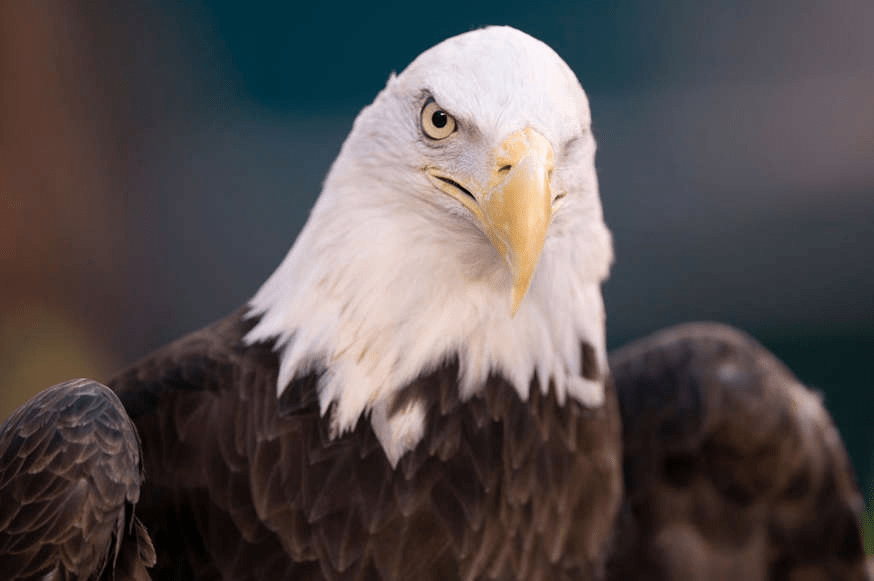
A wind energy company was sentenced to probation and ordered to pay more than $8 million in fines and restitution after at least 150 eagles were killed over the past decade at its wind farms in eight states, federal prosecutors said Wednesday.

© Copyright 2020 The Associated Press. All rights reserved Eagles Killed Wind Turbines – Copyright 2020 The Associated Press. All rights reserved

NextEra Energy subsidiary ESI Energy pleaded guilty to three counts of violating the Migratory Bird Treaty Act during a Tuesday court appearance in Cheyenne, Wyoming. It was charged in the deaths of eagles at three of its wind farms in Wyoming and New Mexico.

In addition to those deaths, golden and bald eagles were killed at wind farms affiliated with ESI and NextEra since 2012 in eight states, prosecutors said: Wyoming, California, New Mexico, North Dakota, Colorado, Michigan, Arizona and Illinois. The birds are killed when they fly into the blades of wind turbines. Some ESI turbines killed multiple eagles, prosecutors said.

It’s illegal to kill or harm eagles under federal law.

The bald eagle — the U.S. national symbol — was removed from protection under the Endangered Species Act in 2007, following a dramatic recovery from its widespread decimation due to harmful pesticides and other problems. Golden eagles have not fared as well, with populations considered stable but under pressure including from wind farms, collisions with vehicles, illegal shootings and poisoning from lead ammunition.

The case comes amid a push by President Joe Biden for more renewable energy from wind, solar and other sources to help reduce climate changing emissions. It also follows a renewed commitment by federal wildlife officials under Biden to enforce protections for eagles and other birds under the Migratory Bird Treaty Act, after criminal prosecutions were halted under former President Donald Trump.

Companies historically have been able to avoid prosecution if they take steps to avoid bird deaths and seek permits for those that occur. ESI did not seek such a permit, authorities said.

The company was warned prior to building the wind farms in New Mexico and Wyoming that they would kill birds, but it proceeded anyway and at times ignored advice from federal wildlife officials about how to minimize the deaths, according to court documents.

“For more than a decade, ESI has violated (wildlife) laws, taking eagles without obtaining or even seeking the necessary permit,” said Assistant Attorney General Todd Kim of the Justice Department’s Environment and Natural Resources Division in a statement.

ESI agreed under a plea agreement to spend up to $27 million during its five-year probationary period on measures to prevent future eagle deaths. That includes shutting down turbines at times when eagles are more likely to be present.

Despite those measures, wildlife officials anticipate that some eagles still could die. When that happens, the company will pay $29,623 per dead eagle, under the agreement.

NextEra President Rebecca Kujawa said collisions of birds with wind turbines are unavoidable accidents that should not be criminalized. She said the company is committed to reducing damage to wildlife from its projects.

“We disagree with the government’s underlying enforcement activity,” Kujawa said in a statement. “Building any structure, driving any vehicle, or flying any airplane carries with it a possibility that accidental eagle and other bird collisions may occur.”

Wind energy company kills 150 eagles in US, pleads guilty (msn.com)

Regards Mark

Ukraine: ‘I have no words. Russians even killed dozens of dogs in Kyiv region. WHY??’

Horror as over 300 dogs found dead in Ukrainian shelter after weeks without food or water

HUNDREDS of dogs have been found starved to death after being locked in cages in a Ukrainian animal shelter since Russia’s invasion began.

Almost 500 dogs were left without food or water in a shelter in Borodyanka since Russian troops invaded Ukraine on February 24. After soldiers left the area at the beginning of the month, charity volunteers were able to return to the shelter and found that more than 300 of them had not survived.

Charity organisation UAnimals said 485 dogs had been locked in their cages until 1 April because volunteers could not return to the shelter due to the ongoing conflict.

CBS News reported that when volunteers were able to return to the shelter a few days ago, all but 150 of the 485 animals had died.

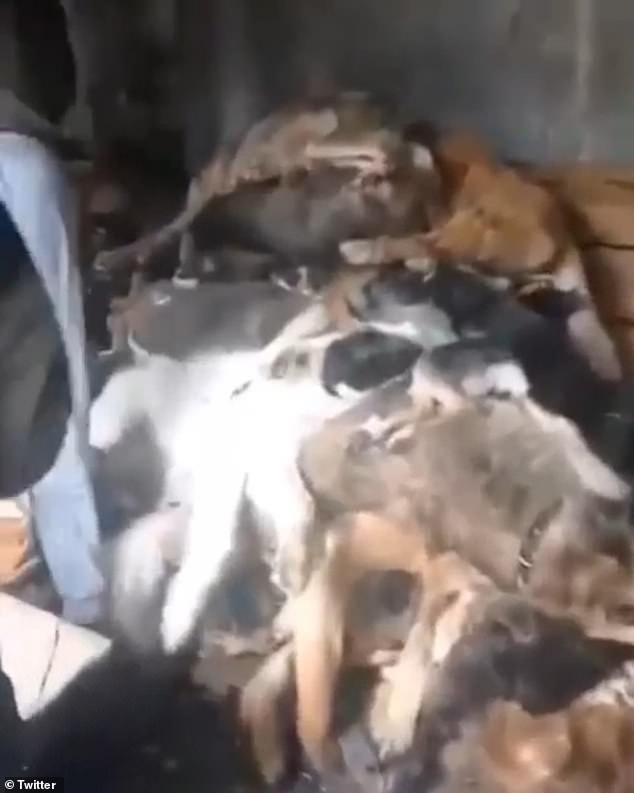
A video was shared on Twitter by Oleksandra Matviichuk, lawyer and head of Ukraine nonprofit Centre for Civil Liberties, which shows bodies of numerous dogs piled on the floor.

In the footage, the female volunteer can be heard narrating the scene in a tearful voice.

She captioned the footage: “I have no words. Russians even killed dozens of dogs in Kyiv region. WHY??”

UAnimals said that 27 of the surviving dogs who were in a critical condition have been transferred to private clinics for treatment.

The charity is also offering 50,000 hryvnias (£1293) as a reward for anyone willing and able to take the others.

Some of the surviving dogs are also being supported by the charity themselves.

Ukraine news: Over 300 dogs found dead in shelter after weeks without food or water | World | News | Express.co.uk

More than 300 dogs starve to death at animal shelter after Russian troops left them to die in their cages while occupying Ukrainian town

  • A total of 485 dogs were locked in cages at the UAnimals shelter in Borodyanka
  • They were left for more than a month without food or water by Russian occupiers
  • Shelter workers were only able to return on April 1 after Russian troops retreated 
  • UAnimals said only 150 of the 485 dogs managed to survive, with 27 critically ill
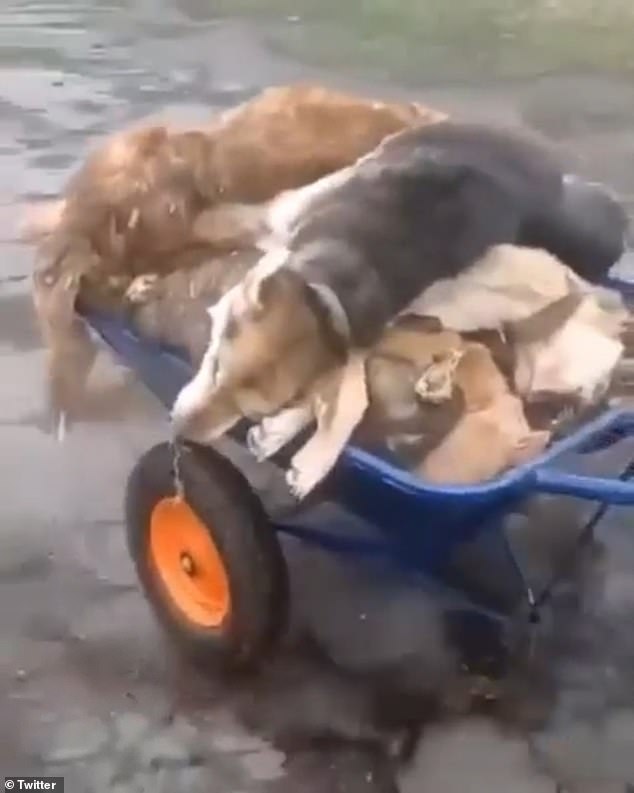
  • Harrowing footage shows workers stacking up a huge pile of carcasses, while other videos show dozens of corpses littering the floors of the shelter 

Hundreds of dogs have been found dead at an animal shelter in Ukraine after Russian occupiers left them to starve in their cages for weeks.

The UAnimals shelter in Borodyanka, just north of Kyiv, said that up to 485 dogs were locked in their cages by Russian forces shortly after the invasion of Ukraine began on February 24.

There they remained without food or water for about a month as the occupiers left them to die, until staff were able to return to the compound on April 1 once the Russian soldiers had retreated.

Footage released by the animal shelter on Instagram showed workers stacking up a huge pile of dead hounds which had wasted away in the presence of the occupiers.

Meanwhile, images of half mangled corpses in some of the cages suggested some dogs had begun to eat their dead cell mates in the complete absence of food. 

‘This is the number of dogs… and this is not all, this is just a part,’ a woman can be heard saying through tears as she filmed workers adding to the stack of corpses.

‘These are the animals of Borodyanka, and the consequences of war. The consequences of complete indifference and negligence. The animals went three to four weeks without food or water.’

Just 150 of the 485 dogs were found alive when the workers returned, with 27 of them transferred to local vets in critical condition.

UAnimals has since announced on social media it will pay 50,000 hryvnia (almost £1300) to anyone willing to rescue some of the animals still left alive, and hit out at the director of the Kyiv veterinary hospital – the owners of the shelter – for not organising proper care or evacuation for the dogs.

One video, posted by lawyer and head of Ukrainian nonprofit Centre for Civil Liberties Oleksandra Matviichuk, showed dozens of carcasses littering the floor at the UAnimals shelter. 

‘I have no words. Russians even killed dozens of dogs in Kyiv region. WHY??’ she tweeted.

Meanwhile, more footage posted by Ukrainian Interior Ministry advisor Anton Gerashchenko showed some of live dogs barking in terror as staff members slowly entered their cages and observed the dead bodies for the first time.

Some of the carcasses had remained untouched, but others had been torn apart by the ravenous dogs still trying to survive.

Though shelter staff were unable to care for the animals while the town was under the control of Russian occupiers, the UAnimals shelter announced on social media it had lodged a police complaint demanding that the deaths be investigated as animal cruelty crimes.

It argued that the head of the Kyiv veterinary hospital, Natalya Mazur, was responsible for arranging care for the animals in the early days of the war, but instead left just one man to look after the entire population.

UAnimals said this man left the dogs to die ‘in agony’, and demanded that Mazur be replaced as director of the Kyiv veterinary hospital as ‘the current director cannot act as a manager and should not interact with animals in the future’.

Mazur in the early days of the war made an appeal for financial donations to help deliver food and aid to animals in various shelters, but said that transporting the animals and arranging evacuations was not possible due to the logistical struggles facing a nation at war.

The haunting revelations made at Borodyanka’s animal shelter come just one day after Ukrainian officials warned the town is also likely to have seen horrific atrocities committed against its human population by Russian forces.

Ukrainian prosecutor-general Iryna Venediktova told Ukrainian TV yesterday that there was a ‘similar humanitarian situation’ in Borodyanka to that of Bucha, where several mass graves and hundreds of dead civilians were found over the weekend.

Venediktova said ‘the worst situation in terms of the victims’ condition’ could be found in Borodyanka, which is a little further from Kyiv than Bucha and was also held by Russian forces until just days ago. 

Meanwhile, Ukrainian President Volodymyr Zelensky yesterday said it had become harder for Ukraine to negotiate with Russia since Kyiv became aware of the scale of alleged atrocities carried out by Russian troops just north of the capital.

‘These are war crimes and will be recognised by the world as genocide,’ Zelensky said, wearing body armour and surrounded by military personnel as he observed the mass graves in Bucha.

‘It’s very difficult to talk when you see what they’ve done here,’ he said. ‘The longer the Russian Federation drags out the meeting process, the worse it is for them and for this situation and for this war.

‘We know of thousands of people killed and tortured, with severed limbs, raped women and murdered children,’ he said, adding that in Bucha and other towns in the Kyiv region ‘dead people have been found in barrels, basements, strangled, tortured’.

Zelensky said that despite the horrific human suffering in Bucha, residents were chipping in together to make sure homeless animals were fed.

‘That’s a characteristic trait of our people, I think – treat animals the way you would treat humans,’ he said. 

‘But you can see around what was done to this modern town. That’s a characteristic of Russian soldiers – treat people worse than animals. That is real genocide, what you have seen here today.’ 

Ukraine’s prosecutor-general said the bodies of 410 civilians, many with bound hands and close-range gunshot wounds, have been recovered from towns surrounding Kyiv after last week’s withdrawal of Russian troops.

Another mass grave containing the bodies of at least 20 civilians including a mayor and her family was also uncovered in woodland near the town of Motzyhn, around 20 miles west of Bucha.

See more photos at:

More than 300 dogs starve to death at animal shelter after Russian troops left them to die | Daily Mail Online

Regards Mark

OMG, the moral outrage!!!

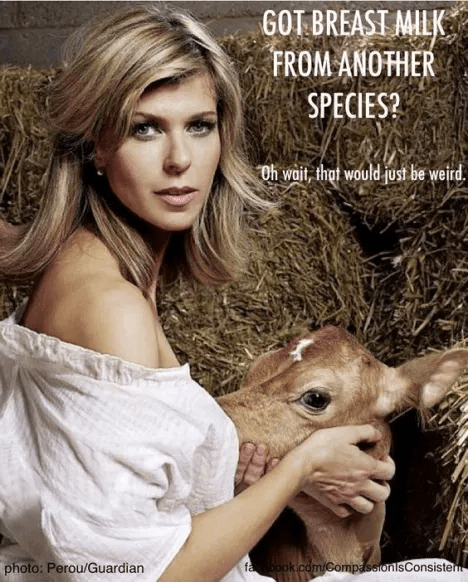
When these Londoners were asked to try a new milk, they were more than happy to offer praise for the creamy drink, but when a disturbing “fact” about the milk was revealed, everything changed. People were disgusted when they were told that the drink (which was actually soya milk) came from a dog. But if the thought of drinking dogs’ milk makes you feel ill, why drink the milk from any other animal?

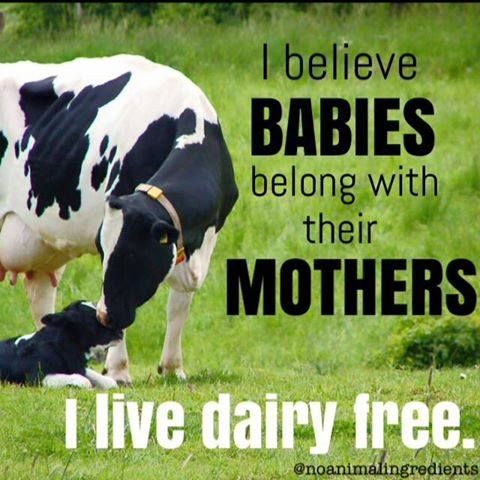
After all, there is nothing “normal” about artificially inseminating a cow and forcing her to give birth, only to tear her beloved calf away from her so that the milk that nature intended for her baby can be consumed by humans instead. Humans are the only species on the planet to drink another animal’s milk, and cows’ milk is no more natural for us than dogs’ or rats’ milk would be.

____________________________

So, if you “accidentally” drank dog’s milk, or cat’s milk, would you be angry? Pissed off? Morally outraged? You’re not the victim who’s forcibly impregnated, separated from her infants, and then violently killed.

Right?

Did you know there are actual industry video shorts on how to “safely” steal a calf from her mother, to protect the kidnapper from an angry and fearful mother trying to SAVE HER CHILD? Yeah, it’s all about how violent cows can be and how the farmer is just the innocent bystander risking bodily injury to nobly take an infant SO HUMANS CAN DRINK THE CALVES’ NATURALLY-INTENDED MILK INSTEAD.

What would YOU do if someone tried to take your child?

But what if, say, dogs were farmed for their flesh and for their breastmilk? Would that be ok? I mean, people say ALL THE TIME how much they love animals, but eat them, and farmers always say they care for the animals better than their own kiddos and then kill them. Right? Effing yikes.

So what about love for Fido or Fluffy or Lassie or Benji? Can you show THEM how much you care?

Find out more about this unique and dog-lover owned business venture at Elwood’s Organic Dog Meat

I bet you can also hear Sam Elliot proclaiming, “Dog. He’s what’s for dinner………………..”

(Be aware that due to some negative feedback they’ve received, ie., angry messages, hostile tweets, violent phone calls, death threats … they are monitoring their feedback more frequently, but want to let you know how important dogs are to them, and how much they love dogs like you love pigs, chickens, cows, lambs, so please keep an open mind and remember this is all for the love of animals.)

SL

Download Your FREE Vegan PDF HERE

Order a FREE vegan kit HERE

Dairy-Free Info HERE

Take the Dairy-Free Challenge HERE

Click HERE for more Dairy-Free

Fish alternatives can be found HERE

Learn about eggs HERE

Find bacon alternatives HERE and HERE

Take PETA’s Cruelty-Free Shopping Guide along with you next time you head to the store! The handy guide will help you find humane products at a glance. Order a FREE copy HERE

Searching for Cruelty-Free Cosmetics, Personal-Care Products, Vegan Products, or more?
Click HERE to search.

Free PDF of Vegan & Cruelty-Free Products/Companies HERE

Click HERE to find out How to Wear Vegan!

Want to do more than go vegan? Help others to do so! Click below for nominal, or no, fees to vegan literature that you can use to convince others that veganism is the only compassionate route to being an animal friend:

PETA HERE

Vegan Outreach HERE

Get your FREE Activist Kit from PETA, including stickers, leaflets, and guide HERE

Have questions? Click HERE

Regards Mark

With thanks to Stacey as always.  Stacey | Our Compass (our-compass.org)

How you can support animal protection organisations in Ukraine.

With tensions involving Ukraine having descended into war, we find ourselves in deeply troubling times and stand in solidarity with everyone affected.

All EU Member States have a possibility to apply exemptions on the non-commercial movement of pets due to an exceptional situation (Article 32 of Regulation (EU) 576/2013). 

We are glad to report that several EU Member States temporarily lifted restrictions on the movements of pets. This is allowing refugees to bring their pets, and other small animals, with them. The Members States are:

Poland (information in UA, PL, EN) 

Latvia (information in LV, EN)

Hungary (information in UA, HU, EN) 

Romania (information in RO, EN, FR) 

Czechia (information in UA, CZ, EN)

Slovakia (information under point 10, in UA, SK, EN) 

Italy (information in IT)

Germany (information in DE)

Belgium (information in FR, NL, EN) 

Finland (information in FI, SE, EN) 

Ireland (information in EN) 

Denmark (information in DK, EN) 

The Netherlands (information in NL)

Sweden (information in UA, EN) 

Estonia (information in EST)

Croatia (information in HR)

Donations

Some members are actively working, or collaborating with other organisations, on the ground. If you would like to support those protecting the animals caught up in Russia’s war on Ukraine, you could consider making a donation to these organisations working in Ukraine or with animals coming from Ukraine:

Deutscher Tierschutzbund – Shelter Tierschutzzentrum Odessa 

Four Paws  

Humanny Pokrok is donating 100% of their e-shop income to support Ukraine

Open Cages

LAV

Společnost pro zvířata

GATO – Animal protection and advocacy Lithuania

World Horse Welfare – British Equestrians for Ukraine Fund

Other organisations collecting donations:

UAnimals

IFAW

OIPA

Lucky strand

Happy paw

UAAA (Ukrainian association of animal advocates)

Fundacja Viva! Polska

Gyvunu Geroves Iniciatyvos

Save the Dogs and other Animals

Rifugio Italia Kiev

Emergency appeal for Ukrainian zoos (European Association of Zoos and Aquaria)

Ukrainian Equestrian Federation Charity Foundation

Shelter Ugolyok

Kyiv Animal Rescue

Vet Crew

Shelter Sirius

Save a Fox

Gostomel Shelter

Help from Romania

The Global Federation of Animal Sanctuaries has shared a list of Romanian Animal Shelters who are accepting refugee animals from Ukraine (some offer shelter for any species, including farm animals): 

Save our paws, Iasi Romania

Association Riga si Berlin, Bucharest, Romania

Animal Society

Adapostul Speranta (Hope Shelter), Bucharest

Casa lui Patrocle, Suceava (very close to the Ukrainian border – also accepts farm animals)

Regards Mark

England: More Badger. – More than one third of England’s badgers now killed as legal battle begins over new Northern Ireland cull.

© Provided by The Independent
Northern Ireland’s badgers are set to be shot officially for the first time

This is an addition to our last post on the badger cull issue –

More Badger – 2/4/22.

At least a third of England’s badger population has been killed in the government’s drive to stamp out bovine tuberculosis, new figures show.Last year, 33,687 of the animals were culled, bringing the total since the campaign began in 2013 to at least 175,000. Estimates put England’s badger population at between 400,000 and 500,000.

The government announced last year’s toll as wildlife campaigners launched a legal battle over plans to begin culling the species in Northern Ireland.

Wild Justice, a lobby group involving wildlife presenter Chris Packham, together with the Northern Ireland Badger Group, is challenging the decision in the courts.

As last year’s English cull tally was revealed, Britain’s Badger Trust warned: “The scale of the attack on one of Britain’s best-loved animals could lead to badgers disappearing from areas across the country and populations becoming unviable in others.”

It said the proportion shot while free running – which may leave injured badgers to die slow deaths – rather than being caged and trapped hit a record of nearly nine out of 10.

The 33,687 was a slight fall on annual figures for 2020 and 2019, but higher than any previous year.

Badgers are known to spread TB, and the government insists its strategy is working. TB infections force farmers to have thousands of cattle culled early each year.

But opponents strongly dispute the efficacy of the cull, saying when badgers are killed, survivors move away from their habitats, potentially carrying disease to new areas.

Peter Hambly, executive director at the Badger Trust, said: “Most people oppose the cull, yet they don’t realise the cull is intensifying and getting worse in its nature, threatening one of the greatest mammals this country has.  We should be protecting badgers, not attacking this protected native species.

“The number of badgers unnecessarily slaughtered every year accounts now for over 35 per cent of the estimated badger population in England and Wales, whilst the percentage of cattle killed each year is less than 0.5 per cent.”

He said the Welsh government was addressing “the root cause of the issue, cattle-cattle transmission”.

Scotland has been declared officially bTB free without a badger cull but with rigorous biosecurity, including risk-based trading of cattle, he said.

The government says it is phasing out culls to replace them with vaccination.

Last month, Northern Ireland’s agriculture minister Edwin Poots announced the first badger cull in the province, saying it was “the most cost-effective and practical way forward” and would be carried out by specially trained farmers.

The Ulster Society for the Prevention of Cruelty to Animals campaigned against a badger cull, presenting a petition with 10,000 signatures to Northern Ireland’s assembly.

Wild Justice, the Northern Ireland Badger Group (NIBG) and Born Free this week filed an application for judicial review of this decision at the Royal Courts of Justice in Northern Ireland and asked for an early hearing.

Mike Rendle, of NIBG, said: “This indiscriminate badger cull will kill thousands of badgers using a method that has been branded by the UK government’s independent expert panel as ineffective and inhumane.”

A government spokesperson said: “Bovine TB is one of the most difficult and intractable animal health challenges that the livestock sector in England faces today, causing considerable trauma for farmers and costing taxpayers over £100m every year.

“Our bovine TB eradication strategy has led to a significant reduction in this insidious disease. As a result of the progress made, we are now able to move on to the next phase of the long-term eradication strategy, including steps to expand badger vaccination alongside improved cattle testing and a possible cattle vaccine.

“We have always been clear we don’t want to continue the badger cull longer than absolutely necessary.”

Natural England says it monitors culling daily to ensure the local extinction of badgers is avoided and to ensure the “humaneness, safety and effectiveness” of culls.

More than one third of England’s badgers now killed as legal battle begins over new Northern Ireland cull (msn.com)

Regards Mark

Do the nation a favour – Cull useless politicians, not Badgers

South Africa: Cape Town animal rights activists up in arms about McLaren Circus.

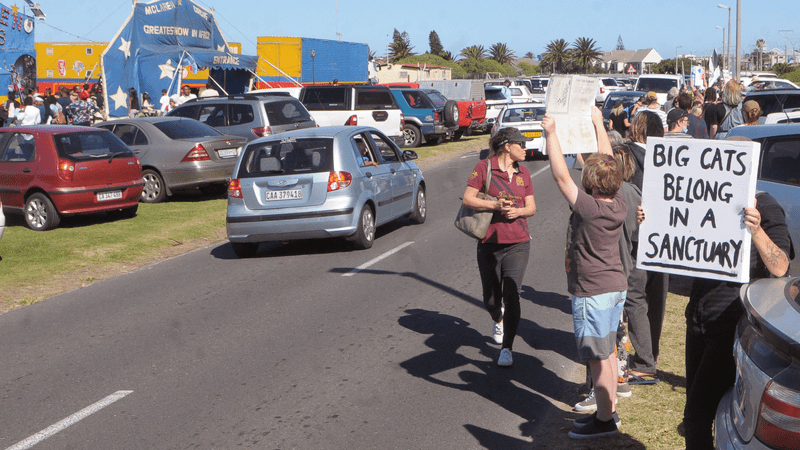
Animal rights activists picketed as the McLaren Circus rolled into Cape Town as the show, one of the only circuses, still includes animals performances by lions, camels, horses and dogs.

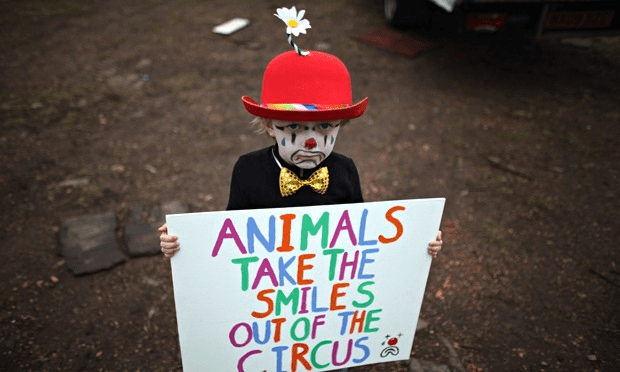
On Saturday afternoon, a group of 100 protesters gathered outside the big top in Muizenberg with placards which read, “the circus is NOT fun for animals” and “you get to go home afterwards, the animals get a cage“.

On the other side of the road, people were queuing to enter the circus. The McLaren Circus confirmed that more than 350 people attended the afternoon show with more than 100 tickets purchased for the evening.

The protest was organised by animal rights organisation, Beauty Without Cruelty (BWC) SA.

BWC chairperson Toni Brockhoven said they wanted to create public awareness about how important it is that animals were freed from the circus.

“Their animals are kept in cages, especially the wildlife. Animals can go to a sanctuary and live out their lives naturally,” she said.

“There should be no human interference or interaction with wild animals unless medically necessary,” she added.

Public relations spokesperson for Mclaren Circus, Karl Hildebrandt, said that BWC has selective empathy regarding circus animals.

“They seem to show more concern about one species than the other, when their mission is aimed at animals, is this not contradictory?”

“What is natural for any animal born in captivity? Our beautiful animals are hand-raised in the circus environment and this lifestyle has become their ‘natural’.”

“Because our animals are captive-bred they would never experience the “wild”. They are fully dependent on us humans to protect and care for them. We have a retirement facility in Meyerton, Gauteng where we already house our retired circus animals.”

Brockhoven said they were not fighting the circus but for the right of the animals.

“The circus keeps saying the lions and tigers are only partaking in the show for three or four minutes of a two-hour-long show, if that is the case, you don’t need to use them,” she said.

She added: “We are against the use of animals. Animals don’t belong in a circus. Kids learn nothing about an animal through watching them in a circus.”

“There are so many options for entertainment and learning. We are against the exploitation of animals for human benefit, especially because there is no need to exploit them.”

Brockhoven said there’s no use to keep animals in a cage all year round.

“If we struggle to control kittens at home, how difficult is it to care for a lion in a cage? I’m not saying they abuse their animals but I am asking how is it possible?”

Chairperson of the Cape Animal Welfare Forum, Karen de Klerk said South Africa needed to get on par with what the rest of the world about circuses.

“The world is systematically banning the use of wild animals in circuses. It is an archaic mediaeval activity,” she said.

She added: “It is disrespectful and cruel towards the instincts of the animal. As a compassionate nation that cares about the suffering of others, we should never condone this.”

De Klerk said it was wholly unacceptable to incarcerate any animal, especially a wild animal.

“You can’t do that and expect it to do stupid, mindless tricks for the entertainment of children. This teaches them all the wrong ideas about having respect for animal lives,” she said.

“These animals travel for kilometres for days at a time in hot, smelly, oily and dirty conditions. They cannot escape and it’s unacceptable on many levels,” she added.

Hildebrandt in response refuted this claim, stating that they managed their travel times to suit the animals.

“We ensure distances between towns are short, to ensure our animals have plenty of time spent outside their transport trailers,” he said.

“Our travel times are either early morning, or early evening, when the weather is cooler. Our transport trailers are also specially designed to ensure they are always cool.”

The SPCA said the McLaren Circus did not receive a permit that was required for animal keeping.

Chief Inspector of the Cape of Good Hope SPCA, Jaco Pieterse, said a specific permit is required in terms of the animal keeping by-law for any establishment to exhibit or place animals for show within the City of Cape Town.

“An Inspector authorised in terms of section 8(1) of the Animals Protection Act 71 of 1962 must be consulted for comment and input by the City before any such permit is issued, which was not done in this instance,” he said.

He added: “This makes any permit issued in terms of the animal keeping by law invalid if any has been issued. The events permit the circus currently possess are issued in terms of other legislation and not the animal keeping by-law.”

Hildebrandt said they don’t believe the protesters truly care about the animals.

“During lockdown, when the circus wasn’t operational, no animal rights group reached out to find out about the animals,” he said.

He added: “This is a social gathering for them to promote themselves. They will do their thing and we will do ours. We entertain hundreds of locals who support us and who love the circus.”

Hildebrandt said law enforcement came to the circus and checked their permits.

“Everything is in order from our side, they were here and made sure of that,” he said.

Cape Town animal rights activists up in arms about McLaren Circus (iol.co.za)

Mark

WAV Archive.

UK: Mountain Rescue Dog Honoured for 11 Years of Service.

First day of the month – thus a new visitor map starts.

The map increases over the month to show where all our visits are from;

Regards Mark

Visitor Traffic for Worldanimalsvoice.com (clustrmaps.com)

Lets start the day with some good news:

Mountain Rescue dog honoured for 11 years of service

A retired search dog who was believed to have been the oldest working Mountain Rescue dog in the UK is being honoured for her service.

Border collie Skye’s dogged devotion saw her carry out 200 searches during 11 years working in the Lake District, before retiring in 2020 aged 14.

On Thursday, Skye will be given the PDSA Order of Merit, described as an “animal OBE”, for her work.

During her service, Skye and handler John Leadbetter, 49, carried out searches in all weathers to help locate missing people.

Mr Leadbetter said: “Skye means everything to me, she’s my best friend on the fells and we’re life-long partners.

Skye checks hikers to ensure their safety.

Her long and distinguished career has not only seen her protect and help people in danger, her ambassadorial work has helped to raise important funds and increase awareness

PDSA director general Jan McLoughlin

“To see her receive the PDSA Order of Merit is a truly humbling and touching experience, and it’s a wonderful recognition of the time and hard work that search dogs and their teams dedicate to mountain safety.“To say we’re chuffed is an understatement!”

Skye is the 36th animal to receive the PDSA Order of Merit, which was set up by the charity in 2014 to recognise animals for their exceptional contribution to society.

PDSA director general Jan McLoughlin said: “We’re incredibly proud to be honouring Skye with our PDSA Order of Merit.

“Her exceptional skills and outstanding devotion above and beyond that of normal companionship make her a very worthy recipient, and we feel this is a fitting tribute to her lifetime of dedication and hard work.

“Her long and distinguished career has not only seen her protect and help people in danger, her ambassadorial work has helped to raise important funds and increase awareness of the incredible work these Mountain Rescue teams perform.”

Skye began her training as a puppy with Bowland Pennine Mountain Rescue Team and went on to qualify with the Lake District Mountain Rescue Search Dog Association in 2009.

She attended searches all over the Lake District as well as going further afield to Lancashire, the Pennines and Scotland.

Now almost 16, she is enjoying her retirement with Mr Leadbetter and his family, who say she still loves to get out on the hills and fells but at a slightly slower pace these days.

Mountain Rescue dog honoured for 11 years of service (msn.com)

Wonderful !

Regards Mark