Two men were killed in a camel attack at a petting zoo in Tennessee, officials say.
Law enforcement were called to Shirley Farms in Obion, Tennessee, after reports of a “loose” camel in the area.
When sheriff’s deputies arrived on the scene on Thursday afternoon they found “two unconscious victims on the ground.”
Both men died of their injuries at the scene, said authorities.
Officials say that while deputies tried to remove one of the victims for medical treatment, the animal attacked an Obion Sheriff’s Office patrol car and charged at the deputies.
“It was at this time officers had to put the camel down for the safety of everyone on scene,” the department said in a statement.
Authorities have identified the victims as Bobby Matheny, 42, of Ridgely and Tommy Gunn, 67, of Obion.
It is unclear what kind of camel was involved in the incident, which took place around 100 miles north of Memphis.
There was no immediate information on how the camel got loose on the farm.
WAV Comment – We are animal welfare campaign organisation, and as such it is not for us to pass views on the senseless ‘war’ which is currently being undertaken by Putin in the Ukraine. So, instead I am providing you with a few stories relating to animals suffering war in the Ukraine campaign, and the more than heroic support they are getting from their owners and from people they have never previously met, such as the wonderful Polish vets as you can read below.
There is tragedy also.
These stories show that despite the actions of some in ‘power’, there are always those people who are better and put compassion and the bettering / welfare of others before themselves, regardless of their personal risk and placement.
Please click on the link at the end of each story to see all the associated photographs.
Regards Mark
Ukrainians won’t be separated from beloved pets as residents shelter from Russian attack with cats and dogs
Animal charities have been helping refugees bring their pets to safety as Ukranians face the “impossible decision” of whether to leave their beloved animals behind.
Several countries including Poland, Hungary, Romania and Slovakia have eased rules on taking animals across borders so refugees don’t have to abandon their pets, animal rights charity PETA said.
It said it has been working on Ukraine’s border to “shepherd animals out safely”.
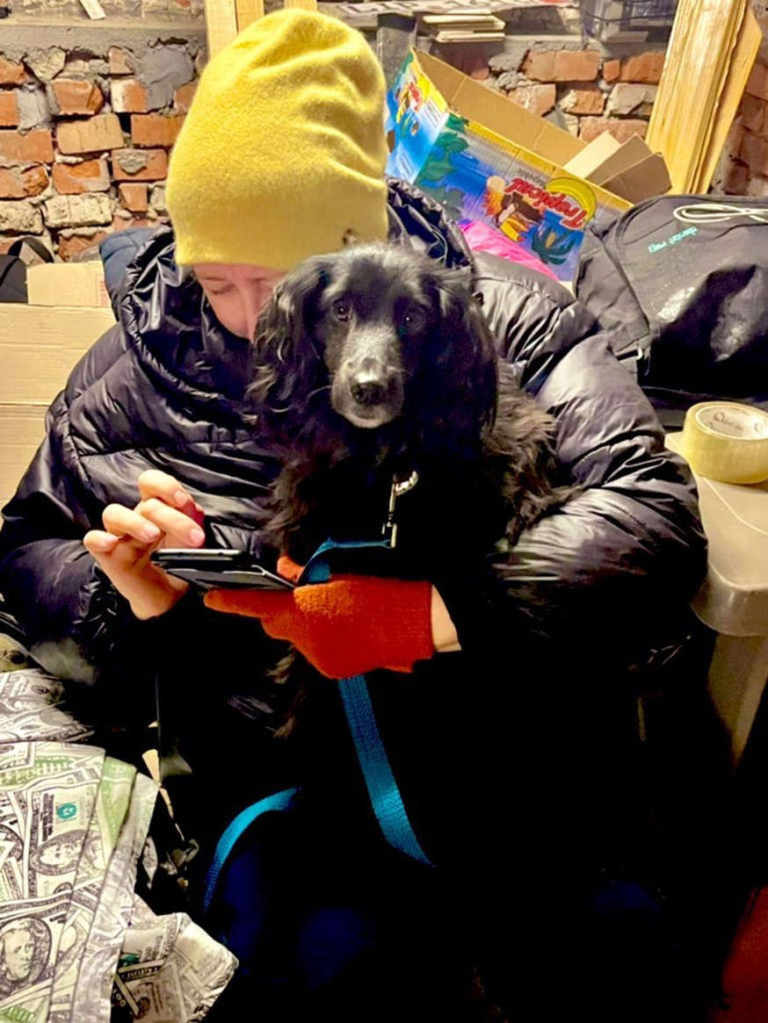
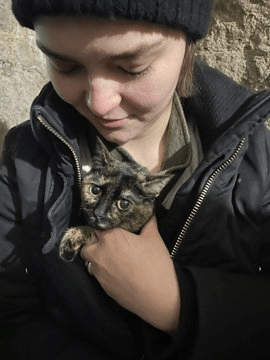
Meanwhile, as missiles fall on their homes and cities, many Ukrainians have turned to pets for comfort – bringing dogs and cats with them to air raid shelters.
In Kyiv, where people have been taking cover from Russian airstrikes in underground stations, platforms are lined with pet carriers.
At first, authorities stopped people bringing animals, but then turned a blind eye. Pets have been huddling alongside their owners in the capital’s Pecherskaya station.
Across Ukraine there have been stories of people deciding to stay put to protect their pets.
Animal shelter owner Andrea Cisternino has been dubbed a “hero” for refusing to leave the 400 rescue dogs, cats, sheep and goats he looks after in Kyiv.
Cisternino, from Italy, said he would “rather die” than let the animals face the war alone.
One stranded student refused to return home to northern India without his pet dog.
PETA said it had been “deeply moved” by accounts of refugees walking great distances with their animals in their arms.
It said: “Many already traumatised people were being faced with the impossible decision of leaving their beloved animals behind due to the protocol for non-commercial movement of companion animals into the EU.”
“The current regulations for bringing companion animals into the EU and the UK are impossible for refugees to follow in a state of war.
“They require that animals such as dogs and cats be vaccinated and microchipped and have a titre test for rabies – and many animals don’t meet the criteria.”
The charity said several countries have made the process easier for refugees, and it is urging the government to relax the UK’s rules.
It has provided advice for Ukrainians arriving at border crossings with pets.
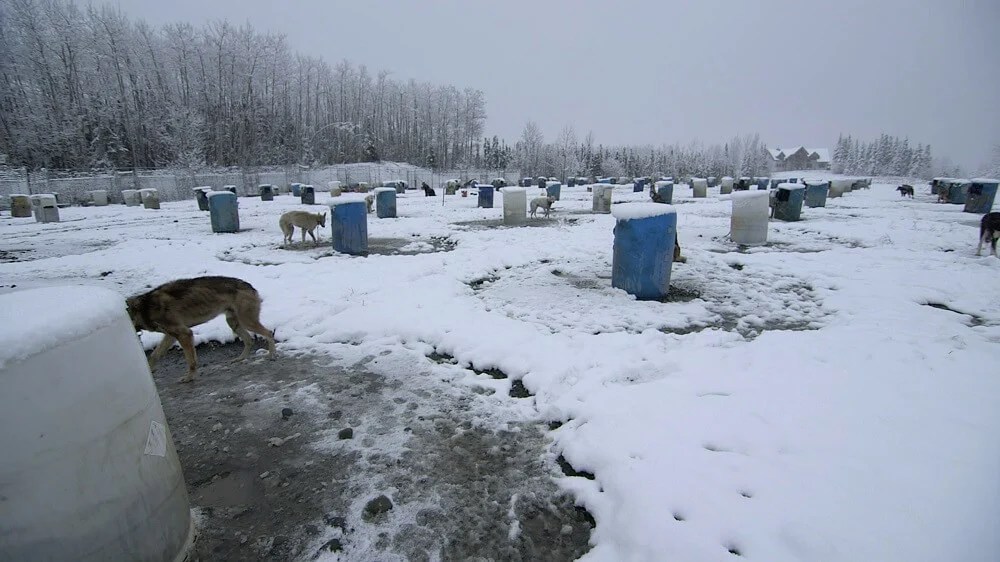
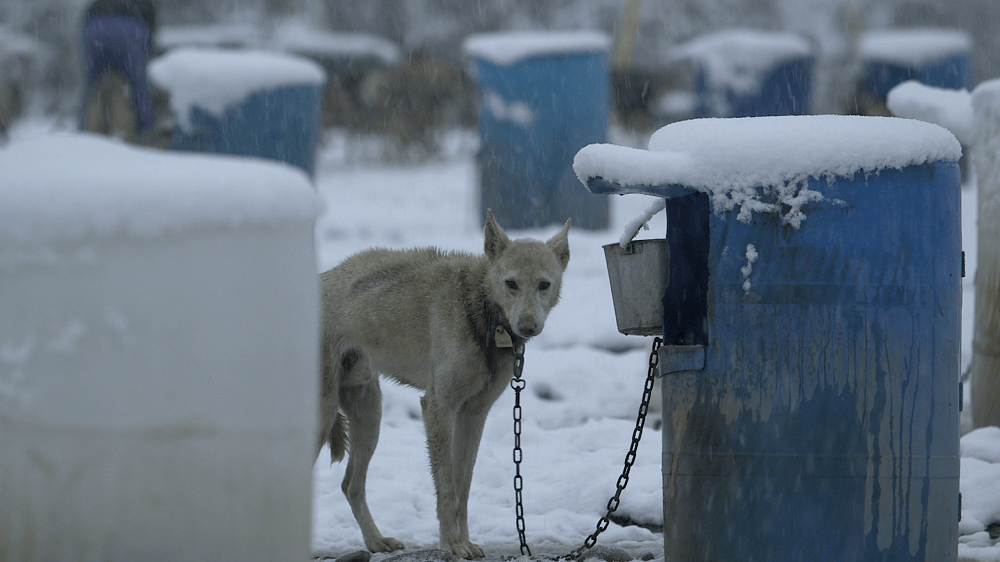
The Iditarod Trail Sled Dog Race, more commonly known as The Iditarod, is an annual long-distance sled dog race run in early March. It travels from Anchorage to Nome, entirely within the US state of Alaska. Mushers and a team of 14 dogs, of which at least 5 must be on the towline at the finish line, cover the distance in 8–15 days or more. The Iditarod began in 1973 as an event to test the best sled dog mushers and teams but evolved into today’s highly competitive race.
Teams generally race through blizzards causing whiteout conditions, sub-zero temperatures and gale-force winds which can cause the wind chill to reach −100 °F (−73 °C). A ceremonial start occurs in the city of Anchorage and is followed by the official restart in Willow, a city 80 miles (129 km) north of Anchorage. The restart was originally in Wasilla through 2007, but due to too little snow, the restart has been at Willow since 2008. The trail runs from Willow up the Rainy Pass of the Alaska Range into the sparsely populated interior, and then along the shore of the Bering Sea, finally reaching Nome in western Alaska. The trail is through a rugged landscape of tundra and spruce forests, over hills and mountain passes, and across rivers. While the start in Anchorage is in the middle of a large urban center, most of the route passes through widely separated towns and villages, and small Athabaskan and Iñupiat settlements. The Iditarod is regarded as a symbolic link to the early history of the state and is connected to many traditions commemorating the legacy of dog mushing.
How about a monkey used in a TV show, surely that can’t be wild?
The term “wild animal” comprises those species of which populations still exist in a wild state, in the country of origin – a species whose collective behaviour, life cycle or physiology remains unaltered from the wild conspecific despite their breeding and living conditions being under human control for multiple generations. This means that a lot more animals than most people realise really are wild. Picking up, handling, keeping, feeding and playing with a wild animal is vastly different than for animals that we call domesticated animals.
Domesticated animals, like our cats, have been selectively bred over thousands of years and generations and are genetically determined to be tolerant of humans. So, they often lack natural instincts that would help them survive in the wild, allowing them to avoid fear, and in many cases seek out the attention of people.
But wild animals have the natural instincts to survive in the wild. Humans are not a part of that wild, or at least if they were, they would be a threat to these animals’ safety. So, when we play, cuddle and pet wild animals (like reptiles, birds or snakes), while they may not look or sound distressed, in fact their instincts are telling them they are in danger and they often exhibit behaviours, that only animal behavioural experts can detect, that show they are suffering greatly.
Moreover, these animals are hardwired to need a wide range of conditions that only nature can provide. Being transported, trained, caged and confined doesn’t allow these animals to live how they naturally need to.
So how does Eurogroup for Animals work to protect wild animals?
What – A Positive List is a list of animals that are allowed to be kept and traded. This tool is the single most effective and efficient measure to reduce the suffering of exotic animals being kept unsuitably as pets in Europe.
Why – There are more than 200 million pets in Europe, including mammals, birds, reptiles, fish and amphibians. However, many species, especially exotic animals, are unsuited to a life in captivity. This may result in severe animal welfare problems, and can also be detrimental to biodiversity, have a negative impact on public health, and present a danger to the health of other animals.
How can you help? – Click on this link to log into the Conference on the Future of Europe website, and endorse our “IDEA” on the Positive List.
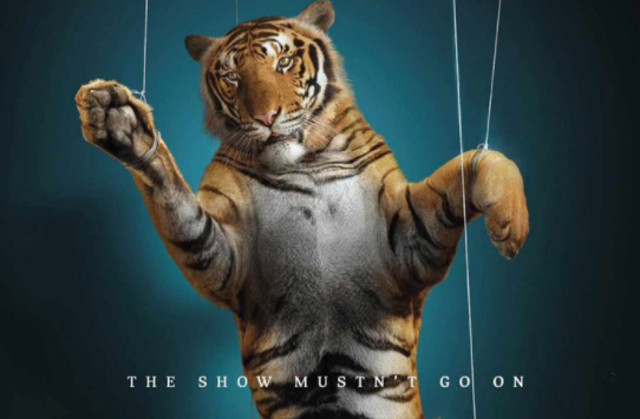
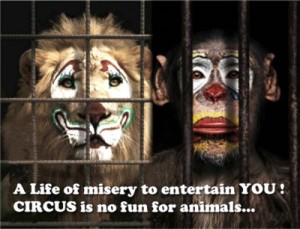
What – Use of wild animals in circuses is not only a problem for animal welfare, but also an important issue of public safety and security. Wild animals are unpredictable and can be very dangerous to people. The temporary nature of travelling circuses and the close proximity of these animals to the public means that this type of public entertainment can never be entirely safe. 24 EU Member States already adopted a national ban, why not the remaining three? (Germany, Italy, Spain).
Why – 478 incidents involving 889 wild animals have been recorded in EU circuses in the past 24 years – Read this report on Wild Animals in EU Circuses : Problems, Risks and Solutions.
How can you help? – Click on this link to log into the Conference on the Future of Europe website, endorse our “IDEA” on the EU-wide ban of wild animals in circuses.
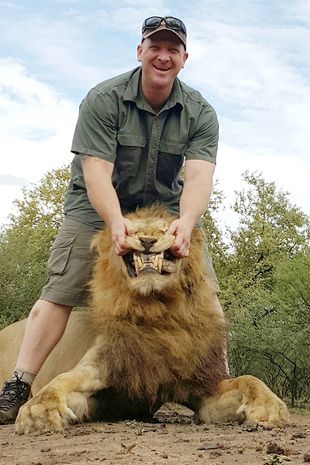
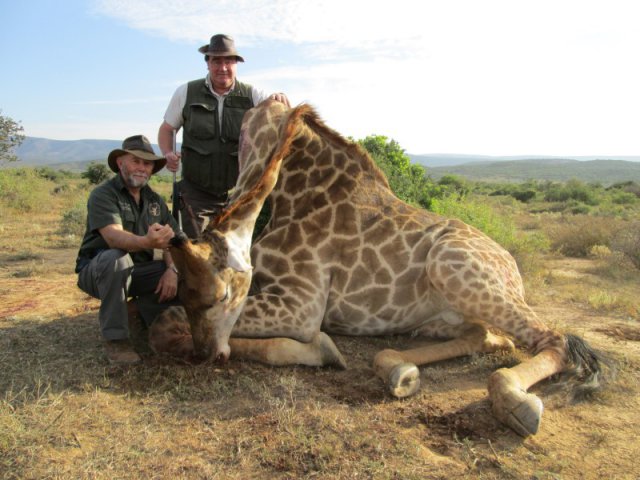
What – Trophy hunting is the hunting and killing of animals for sport or pleasure, in order to acquire parts, or whole bodies as trophies. Current EU legislation allows the import and export of hunting trophies from threatened and protected species.
Why – The EU is the second largest importer of hunting trophies, and since 2016, the largest importer of lion trophies in the world. Many species victim to trophy hunting are classified as vulnerable, endangered or critically endangered in the IUCN Red List of Threatened Species, such as the African elephants and lions, and their populations must be protected to conserve our natural heritage.
How – EU Ban on the import of Trophy Hunting into the EU. This should be a priority in the revision of the Action Plan against Wildlife Trafficking
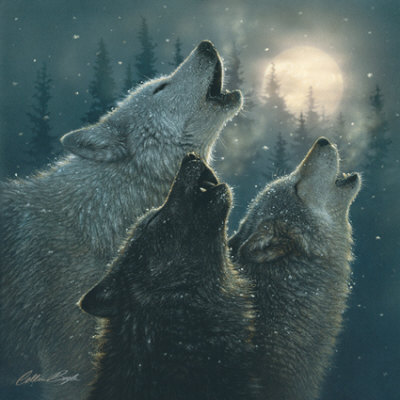
What – Wolves and other large carnivores are strictly protected species in the EU, thanks to the highly successful Habitats Directive and the Bern Convention on the Conservation of European Wildlife and Natural Habitats. Sometimes, when the appropriate protective measures are not used, wolves can depredate livestock leading to conflict between wolves and livestock farmers.
Why – Lobby groups are trying to change the conservation status of wolves and other large carnivores. This will set a bad precedent for other animals and will allow the brutal killing of more wolf families.
How can you help? – Sign this petition to stop the hunt of 20 wolves in Finland. Help in his area could set an example for other Member States doing the same thing.
What – Invasive Alien Species (IAS) are animals and plants that are introduced accidentally or deliberately into a natural environment where they are not normally found, with serious negative consequences for their new environment. The EU IAS Regulation requires restrictions on keeping, importing, selling, breeding and growing. Member States also need to ensure they reduce introduction pathways for invasive species, they need to be able to detect and eradicate newly invasive species, and manage longer term and to manage species that are already widely spread in their territory. This should be done through effective, non-lethal methods that reduce animal suffering as much as possible.
Why – Currently, the regulation has resulted in the hunting and non selective trapping of huge numbers of individuals causing immeasurable suffering of animals in the list of Invasive Alien Species of Union concern (the Union list). These animals also become labelled as “pests” and “vermin”, meaning welfare concerns are often ignored. The same can be said for other animals that are not on the list.
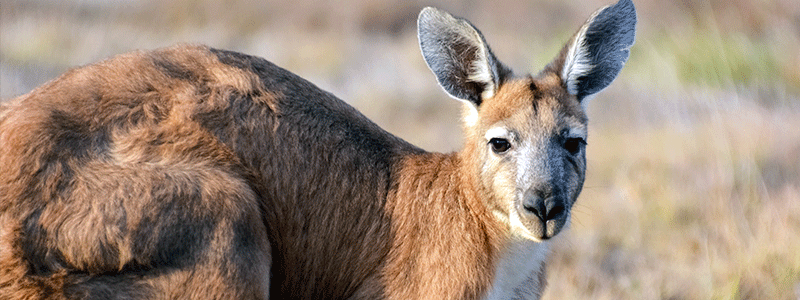
End the import of kangaroo meat and skin products into the EU
What – In the last couple years, the EU has been Australia’s main market for the country’s kangaroo meat and skin exports. There are three major concerns with kangaroo hunting:
Animal welfare – this hunting is cruel as up to 40% of kangaroos that are commercially killed are not shot in the brain, as required, and joey’s skulls are often crushed by swinging their heads against a vehicle.
Animal conservation – there are serious doubts about how Australian authorities are counting certain species.
Sanitary concerns – dead kangaroos are transported, sometimes all night long, in unrefrigerated open trucks and kangaroos harbour multiple pathogens including salmonella species and toxoplasmosis. Kangaroo meat is routinely washed with lactic or acetic acid to reduce and hide the systemic contamination.
Why – Although these animals are suffering in Australia, the EU can act by prohibiting the imports of kangaroo meat and products.
WAV Comment: And who said that when big money and ‘favours’ are involved, some people ‘play it’ to ensure that they continue to get the perks; regardless of the rest ?
Whats more, the European Commission (EC) is made up of people who are UN ELECTED.
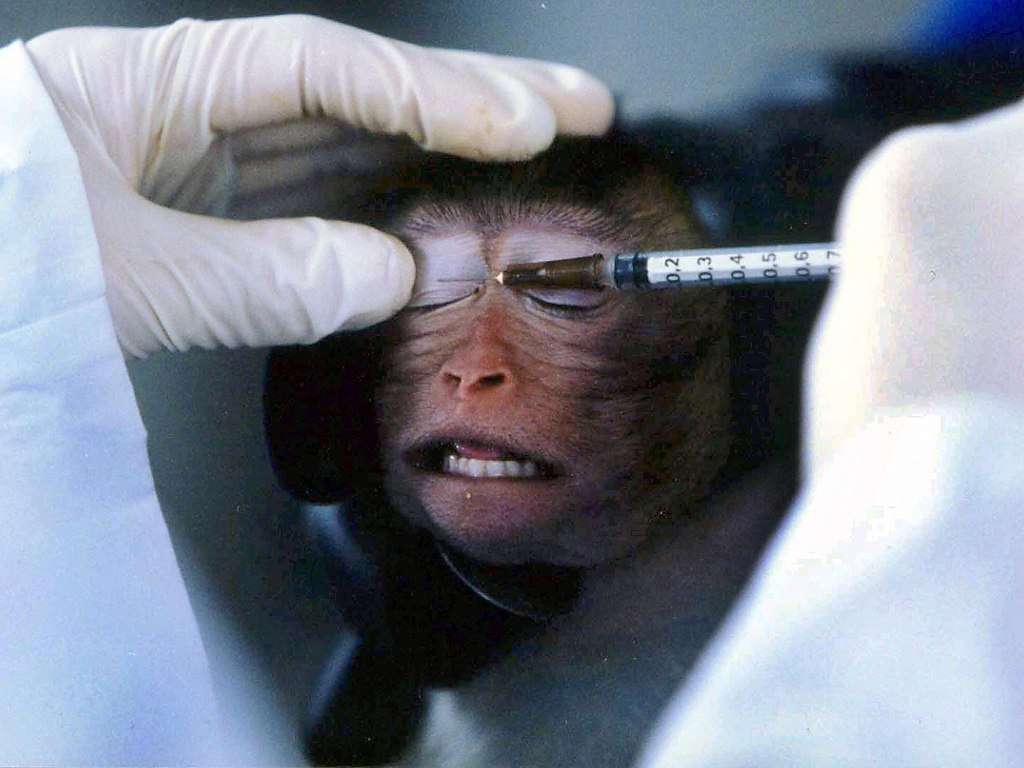
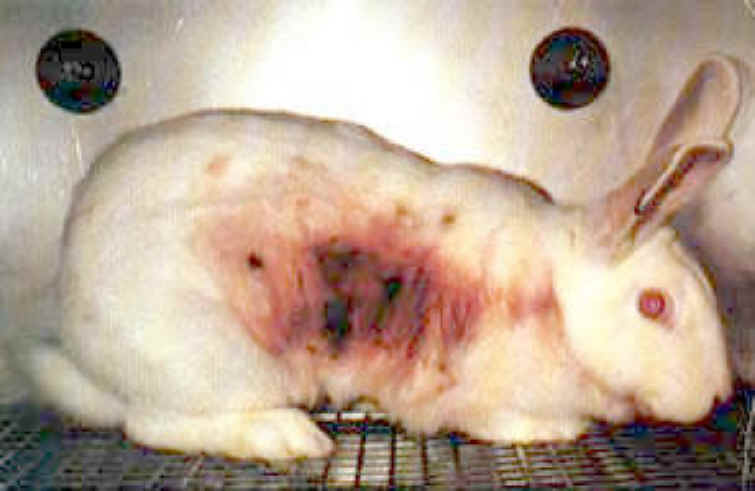
European Commission disregards wishes of the European Parliament by failing to take concrete steps to phase out animal experiments
2 March 2022
Press Release
In response to the European Commission follow-up to the European Parliament non-legislative resolution on plans and actions to accelerate a transition to innovation without the use of animals in research, regulatory testing and education, Eurogroup for Animals, Cruelty Free Europe and People for the Ethical Treatment of Animals Foundation issued a joint statement
Six months after the historic resolution of the European Parliament (EP) asking for an action plan to phase out the use of animals in science, the European Commission (EC) has failed to take note. The EP was resoundingly clear and nearly unanimous: an EU-wide Action Plan for the active phase-out of the use of animals in experiments with the inclusion of milestones and targets to incentivise progress towards the replacement of the use of animals is needed.
The EC provided, in a weak response, only a list of fragmented initiatives that could eventually lead to some reduction in the use of animals and it is not taking steps to implement the requested action plan to phase out animal experiments.
This leaves the EC with a status quo approach, leading to little impact and no sustainable reduction of the use of animals in areas where so much more can be achieved.
The efforts of the EC, even if slim at times, have helped to advance non-animal science and testing. However, we now need overarching scientific policies that can embrace the new science and technologies, making them the new normal in a stepwise approach.
To achieve sustainable changes towards a more effective and humane science, the current approach of the EC must set out broader coordination groups, as put forward by the EP, with clear objectives and processes for monitoring, assessing and ensuring progress and adapting strategies when appropriate.
Last September, the European Parliament took a strong stance for the phase out of the use of animals in Science, so the response from the Commission was eagerly awaited. A good element of this response is the intention of strengthening the private-public European Partnership for Alternative Approaches to Animal Testing. This partnership is essential to provide advice and build consensus in targeted areas of regulatory testing. But we need more: The action plan needs to involve Members States and the wider academic and industry community; it needs to establish concrete milestones and objectives for sustainable reductions of regulatory animal testing, but also of animal-based research and education, where the majority of animals are used.
Tilly Metz MEP (Greens/EFA, LU), President of the Intergroup on the Welfare and Conservation of Animals
The Commission foresees no change for the funding of projects that aim to use and/or further develop non-animal models under Horizon Europe, when compared to the previous framework Programme, H2020, which spent 0.5% of its total annual budget on the development of non-animal models. This is not the message we were expecting from a Commission that stresses its goal of phasing out the use of animals in scientific procedures. The EU will not accelerate the transition to non-animal science with such a low commitment.
Eurogroup for Animals represents over eighty animal protection organisations in almost all EU Member States, the UK, Switzerland, Serbia, Norway, and Australia. Since its foundation in 1980, the organisation has succeeded in encouraging the EU to adopt higher legal standards for animal protection. Eurogroup for Animals reflects public opinion through its members and has both the scientific and technical expertise to provide authoritative advice on issues relating to animal protection. Eurogroup for Animals is a founding member of the World Federation for Animals which unites the animal protection movement at the global level.
People for the Ethical Treatment of Animals (PETA) Foundation along with the PETA international entities in France, Germany and the Netherlands, is dedicated to establishing and protecting the rights of animals. Working through education, research, legislative and policy change, outreach and international harmonisation, PETA seeks to accelerate the transition to animal-free science and advance the development and use of non-animal testing approaches to improve the protection of human health, the environment and animals.
Cruelty Free Europe is a Brussels-based network of animal protection groups working to bring animal testing to an end across Europe. With 19 associate members, we act as a force for animals in laboratories across the EU and the wider European neighbourhood. Working with elected Members of the European Parliament, governments, regulators, officials and supporters, our experts coordinate efforts to secure change for the animals currently suffering in experiments in Europe. We believe there is no rational moral justification for using animals in experiments. Instead, we champion progressive, humane scientific research and cruelty free living.
The Global Federation of Animal Sanctuaries has shared a list of Romanian Animal Shelters who are accepting refugee animals from Ukraine (some offer shelter for any species, including farm animals):
The National Veterinary Health and Food Safety Authority (ANSVSA) also informs about the temporary abolition of compliance with certain conditions for the entry of pets from Ukraine to Romania.
Due to the exceptional conditions generated by the situation in Ukraine and in order to avoid possible difficulties with refugees coming from this country with pets, in accordance with Article 32 of Regulation (EU) 576/201 3 on the repeal of the conditions for non-commercial animal movement as a company, Romania authorizes non-commercial traffic on their territory as follows:
Animals that meet the conditions for entry into the EU (identified, vaccinated, with/or without the title of antibodies) will be allowed to enter.
For animals that :
are not correctly identified by microchip/tattoo,
are not vaccinated against rabies or whose vaccination is no longer valid,
the responsible person will fill in the animal tracking form, which can be downloaded from the ANSVSA website.
The owner of the animal will be able to carry out all formalities and procedures after his entry into Romania.
To facilitate the access of refugees from Ukraine with animals, ANSVSA has sent instructions on the territory and at the border crossing points.
Researchers believe that the Huanan Seafood Market in Wuhan,China was ground zero for the COVID-19 pandemic.
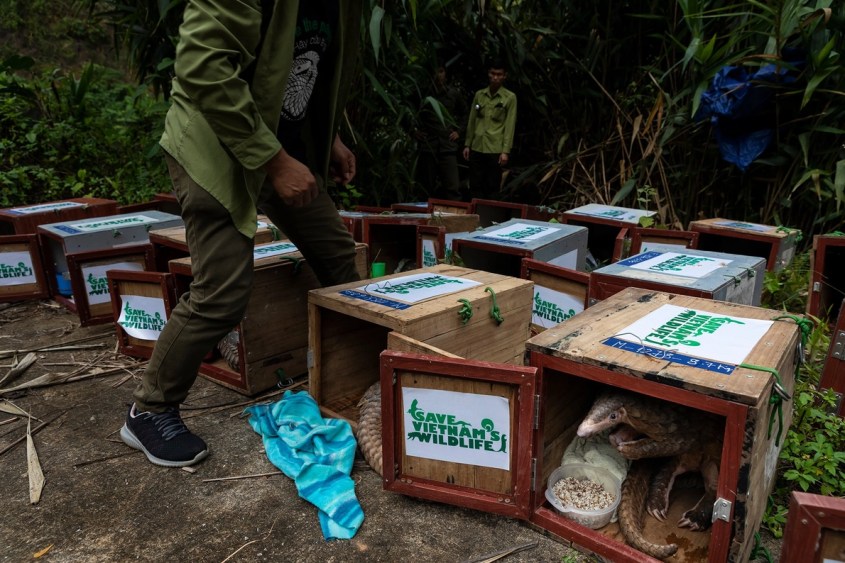
Until its closure, numerous wildlife species were kept there, tightly crowded in cages – a rich breeding ground for pathogens. Pangolins sold there are believed to have been an intermediate host for the virus, which originated in bats.
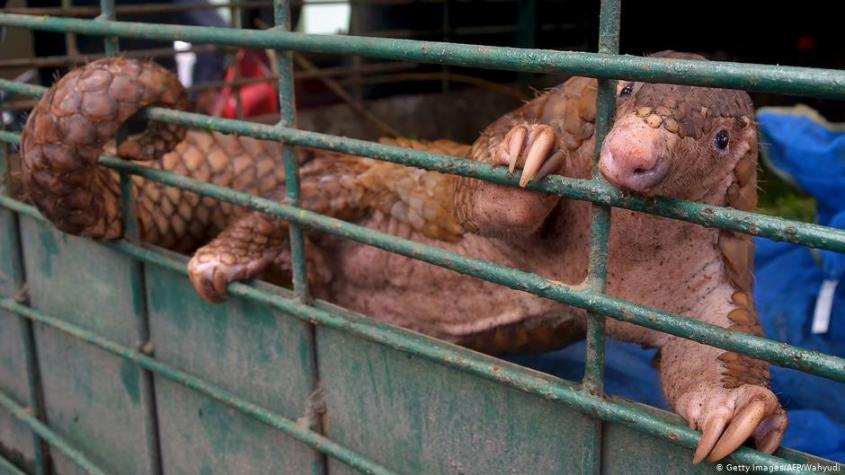
Pangolin poaching and smuggling is a lucrative business, with Chinese and Vietnamese restaurants willing to pay up to $400 for a kilo of pangolin meat.
Pangolins have become so rare in the wild that coming across one is not unlike finding a winning lottery ticket for villagers in remote corners of Asia.
Traffickers are frequently arrested while shipping hundreds of live animals or pangolin scales by the ton, but the true magnitude of the trade remains in the dark.
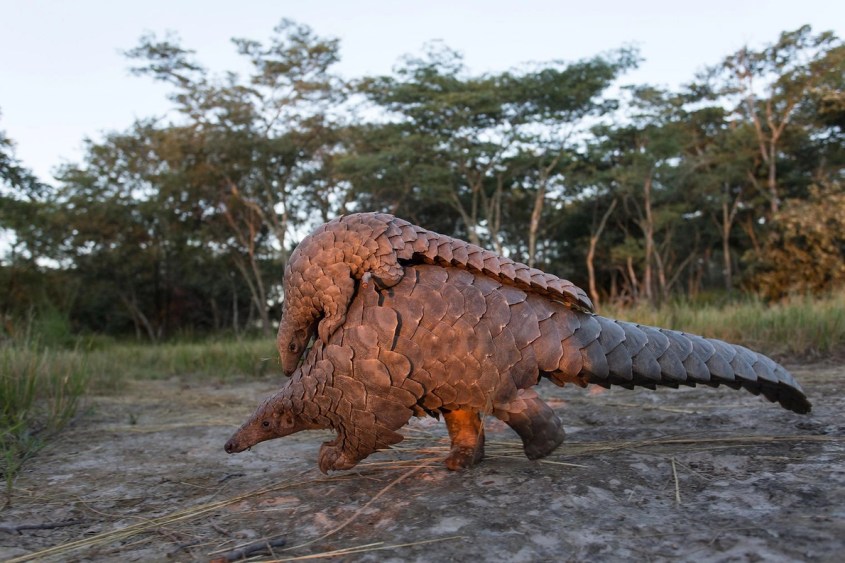
Eight different pangolin species exist in Asia and Africa.
All four Asian species are already on the IUCN Red List of Threatened Species, and pressure on the African species is mounting.
The Environmental Investigation Agency(EIA) has published an interactive map highlighting the international nature of the pangolin trade.
The survival of the pangolin is in the hands of the Chinese and Vietnamese governments – only they can pass and enforce stricter laws to curb hunting and shut down trafficking.
Background
As endangered wildlife, pangolins have not received the attention they deserve, even though all eight species of the scaly creature are on the Red List. The situation is most dire for the critically endangered Chinese and Sunda pangolins, which could become extinct within the next fifteen years.
The International Union for Conservation of Nature(IUCN) has seen the need to establish a specialist group dedicated to preserving the animal.
Hunting and illegal trade are the main forces driving the toothless insectivores to extinction – no other mammal is subject to such extensive smuggling.
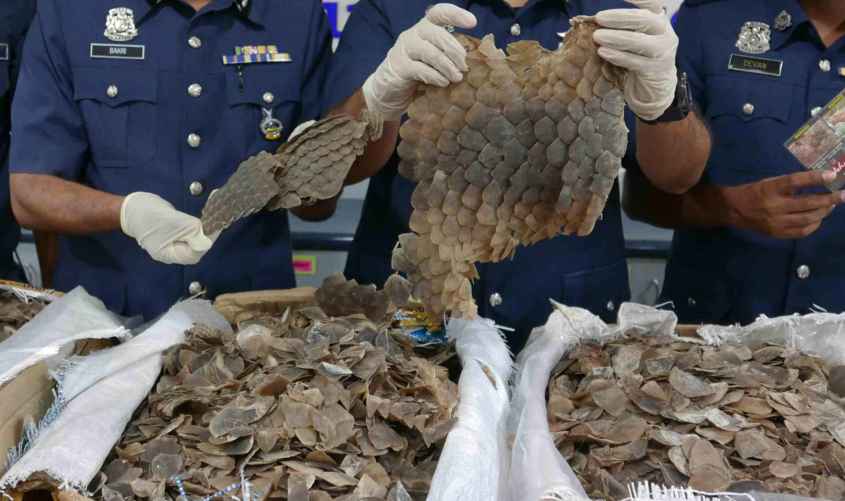
The pangolin’s scales – which consist of keratin, the same material as human fingernails – are believed to have beneficial properties in traditional Chinese and Vietnamese medicine.
The ills they supposedly cure include “excessive nervousness and hysterical crying in children, women possessed by devils and ogres, malarial fever and deafness” (Nature 141, 72-72, 08 January 1938).
Pangolin meat is considered a delicacy and often among the most costly dishes on restaurant menus.
According to some estimates, hunters have killed one million pangolins over the last ten years. Between 2011 and 2013 alone, 23,400 illegally traded animals were confiscated.
Please call on Chinese and Vietnamese policymakers to stop standing by idly while the pangolin is hunted to extinction.
And I mean…Pangolins have been around for at least 47 million years.
This could be over soon.
The four Asian species are almost extinct.
The meat is considered a delicacy, the scales are used as talismans and, above all, for therapeutic purposes.
And according to local ritual customs, they are real all-rounders for stomach problems, asthma, rheumatism, inflammation, menstrual problems or even blood cancer.
Even the potency is said to increase the scales.
The stupid thing about it is that, like rhinoceros horn and human nails, they consist exclusively of keratin.
But tragically, it’s also a major destination for the global, illegal and devastatingly efficient wildlife trade, with up to 2.7 million pangolins poached each year.
International trade in pangolins or their scales has been banned under the Washington Convention on International Tradein Endangered Species since 2017.
In China, there were signs of change.
International trade in all Asian pangolins was banned in 2000.
While it’s a positive move, but many experts remain skeptical that these measures will make a difference.
Despite all measures, illegal trade of pangolin continues to be on the top of illegal wildlife crime around the world.
Clearly, measures to combat illicit trade are not enough.
In order to better protect the animals, measures must be taken along the entire supply chain.
Because so far, illegal traders in Africa and Asia have only rarely been arrested and if they are, then the majority of cases do not even go to court.
One speaks of well-equipped criminal syndicates.
Paying for, collecting and transporting large volumes of pangolin products requires significant upfront investment and coordination.
It also likely means the smugglers don’t have to worry about being intercepted by law enforcement as they transport tens of millions of dollars’ worth of shipments weighing tons.
Therefore: it is essential that those caught smuggling pangolin parts are properly punished.










 The ills they supposedly cure include “excessive nervousness and hysterical crying in children, women possessed by devils and ogres, malarial fever and deafness” (Nature 141, 72-72, 08 January 1938).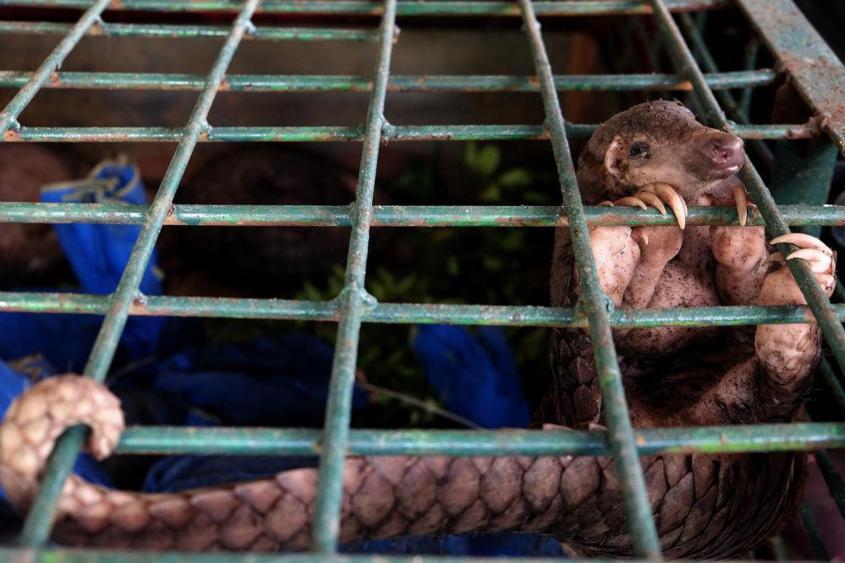
 World Animals Voice