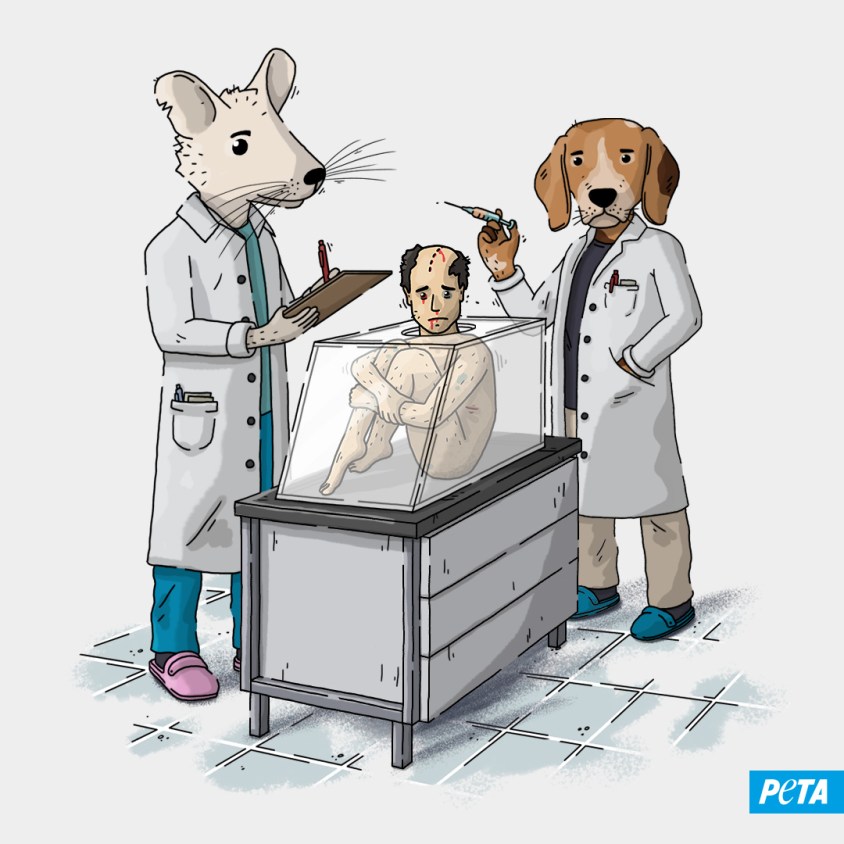
“The usefulness of animal experiments – real or supposed – is not an ethical argument at all: there are many things that would be useful but are nonetheless immoral and forbidden, for example human experiments.” (Helmut F. Kaplan- Austrian animal ethicist)
PETA– Update: July 6, 2021
If Brown University is vying for the title of “Worst School for Animals Imprisoned in Labs,” it’s well on its way to glory.
PETA has obtained federal reports proving that the school still can’t manage to feed and give water to all the animals in its laboratories, euthanize them when their suffering becomes unbearable, or prevent its experimenters from going rogue.
Here are just some of the atrocities that recently took place:
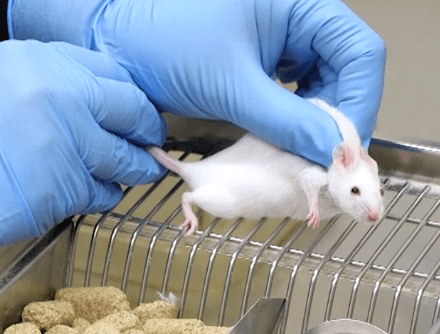
– Workers’ negligence resulted in the deaths of eight mice by starvation and another 12 mice by dehydration.
– Experimenters failed to euthanize animals in a timely manner—resulting in exacerbated suffering. In one case, after experimenters ignored a veterinary technician’s directive to euthanize a mouse, the animal was found in what was described as a “moribund state”—likely with labored breathing, sunken eyes, and the inability to reach food or water.
– Experimenters failed to monitor animals after they’d been used in surgeries, and one failed to provide “thermal support” to help relieve the animals’ pain. In a separate incident, an experimenter injected a substance into mice’s feet without first securing approval.
The mice developed footpad swelling so severe that they had to be euthanized.
– After a mouse was gassed with carbon dioxide, workers failed to ensure that the animal was dead. Other workers found that mouse still alive in a refrigerator intended for dead animals.
– Seven mice escaped from their cage as a result of a missing grommet. Four mice were recovered, one of whom had to be euthanized. Three mice were never found.
WAV Comment – Here we go, MBR also sorting out Covid 19 – everyone is on this bandwagon to justify their actions.
I (Mark – WAV co founder) have lived with Multiple Sclerosis (MS) for the last 22 years; and around 15 years ago I was told by the MS Society / Neurologists that it (the cure) would all be sorted within 5 years. 10 years after the ‘closing date’ and I still have MS; like many other sufferers, waiting for the day.
Talking of good ‘Cure’ – here is one of my favourite English bands – ‘The Cure’ live at ‘Pinkpop’ in the Netherlands:
Worthy of note – Animals DO NOT suffer from MS, which is an illness where your immune system wrongly attacks the nerves of your body, instead of protecting them. It is called ‘demyelination’. So why artificially make animals have MS (when they naturally dont) and then use them to find a ‘cure’ for humans ? – it makes no sense, never has and never will. For me, positive research would find out why animals dont get MS and humans do get the illness. Even as a sufferer who wants a cure, I will NEVER support the use of any animals in any medical research to find that golden fleece cure. Medical cures will only come through non animal research; the last 15 years of bullshit about a MS cure have told me that animals suffer in research for nothing. Big Pharma keeps the bucks rolling in with the promise, but never really delivers. You could say that they have got it all wrong and are making big bucks by thrashing out false promises to us all.
I have and take NO medication for my MS. I control things by living a vegan diet, well away from meat and dairy. I think it works – I think I can still do things on WAV !
Regards Mark.
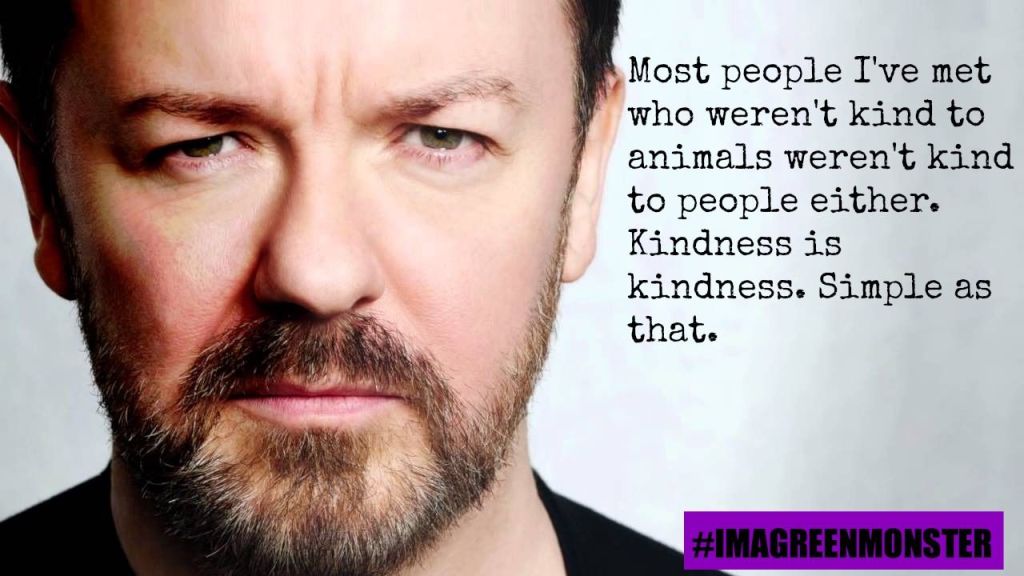
Ricky
Ricky Gervais lobbies for ban on all animal experiments after calls for breeding centre to close
Fellow actor Peter Egan calls for inflicting suffering on laboratory animals to be made illegal
Animal rights campaigners set up a protest camp at a “factory farm” that breeds puppies for laboratory experiments after comedy actor Ricky Gervais launched a campaign to ban all tests on animals in the UK.
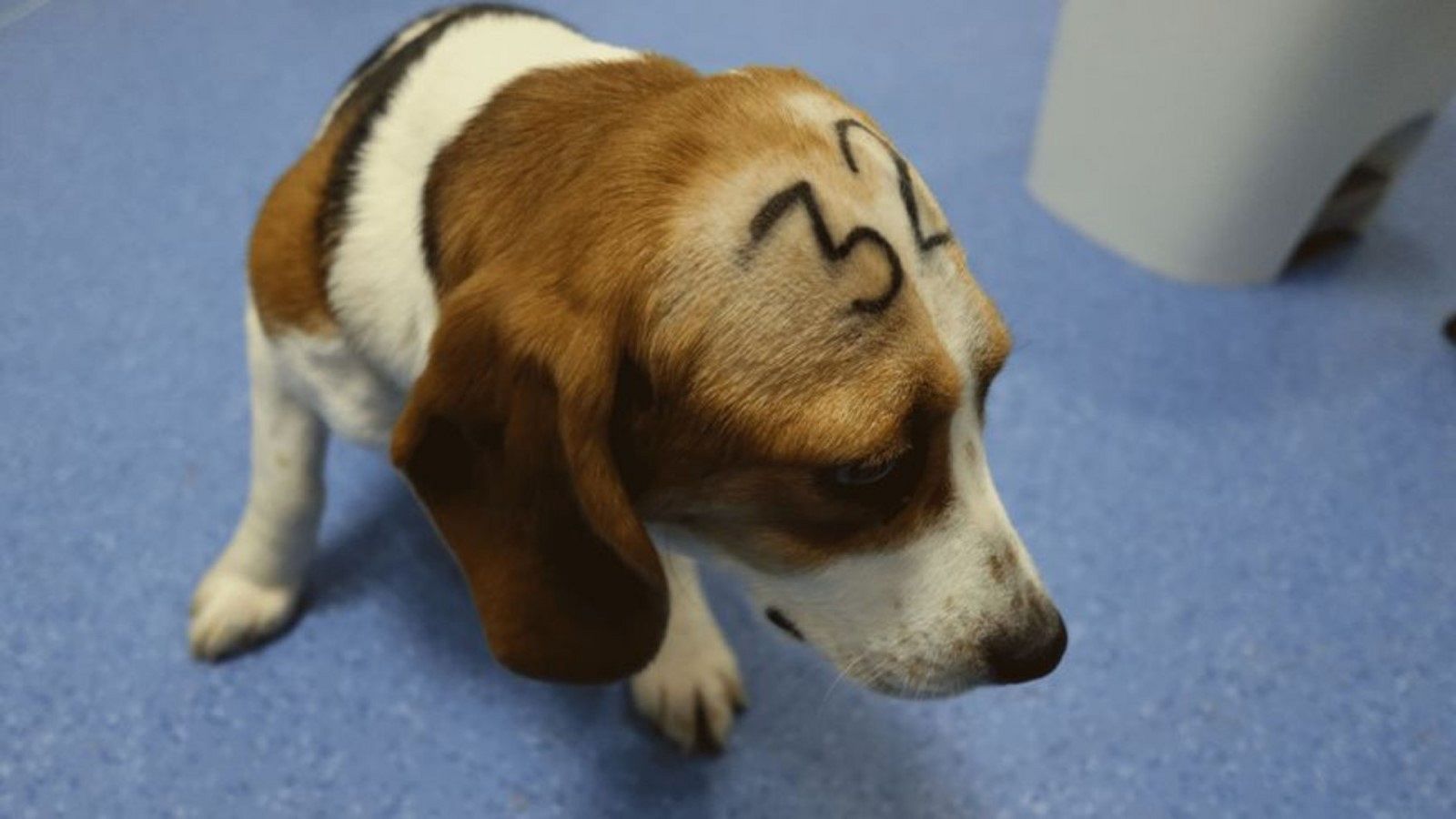
The protesters said they wanted to close down the site in Cambridgeshire, which breeds beagles that are sold when they are 16 weeks old for chemicals and drugs testing.
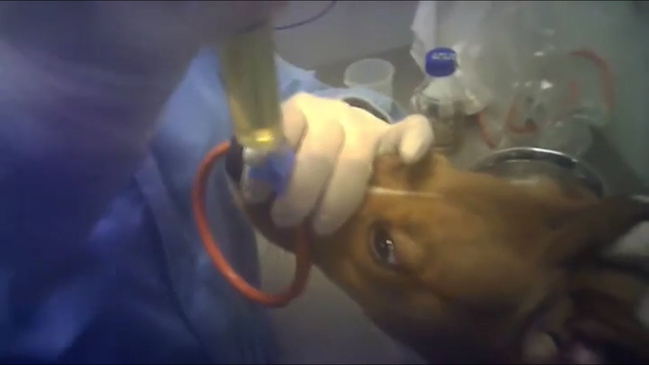
The centre denied claims that it trains the puppies to be “laboratory-ready”, including offering a paw for injections and accepting paper cups on their faces, ready for wearing gas masks.
Animal rights campaigners set up a protest camp at a “factory farm” that breeds puppies for laboratory experiments after comedy actor Ricky Gervais launched a campaign to ban all tests on animals in the UK.
The protesters said they wanted to close down the site in Cambridgeshire, which breeds beagles that are sold when they are 16 weeks old for chemicals and drugs testing.
The centre denied claims that it trains the puppies to be “laboratory-ready”, including offering a paw for injections and accepting paper cups on their faces, ready for wearing gas masks.
Gervais and fellow actor Peter Egan are lobbying against all animal experimentation and calling for laboratory animals to be included in the Animal Welfare Act, which outlaws causing animal suffering.
Activists who monitored the breeding site at Huntingdon for more than a year described “harrowing” scenes.
They said they saw workers grabbing dogs by the scruff of the neck and piling them into overcrowded trolleys, and dogs in crates cried “pitifully” as they were loaded onto a lorry.
The site, called MBR Acres, owned by US company Marshall BioResources, breeds up to 2,000 puppies every year, most of which are sent for toxicology tests at UK laboratories.
Toxicology testing often involves force-feeding animals with chemicals or making them inhale pesticides.
Critics say this can be done every day for up to 90 days with no pain relief or anaesthetic, before the dogs are killed.
But the company says most experiments are mild, such as taking a blood test, and the results are used to develop vaccines, such as the Covid-19 jab.
He is patron of a group called For Life on Earth (Floe), which wants the government to launch a pioneering “public scientific hearing” on whether animal experiments can predict responses in human patients, with independent scientific experts as judges.
Renowned primatologist Jane Goodall has backed the idea, and SNP MP Lisa Cameron has tabled an Early Day Motion calling for the hearing.
Louise Owen, founder of Floe, told The Independent that if the science hearing took place, animal experiments would end “because the government would recognise they were out of step with current scientific knowledge and harmful to human patients”.
She pointed out that the government’s new Animal Sentience Bill enshrines in law the ability of animals to feel joy, suffering and pain.
Gervais said: “I’m deeply shocked to learn that thousands of beautiful beagles are intensively bred, right here in the peace of the British countryside, for painful and terrifying toxicity experiments that are also now proven to entirely fail the search for human treatments and cures.”
Mel Broughton, of the Free the MBR Beagles campaign, said: “Increasingly, there is scientific opinion that these experiments are not valid in terms of finding cures for human diseases, and these dogs suffer greatly in toxicity tests. They’re poisoned to death slowly.”
A spokeswoman for MBR said the company bred animals raised to be healthy, content and comfortable in laboratories, adding: “It does not undertake regulatory toxicology or other experiments and has only animal care staff working on its sites.
Peter and Ricky
See the short video with Ricky and Dr Ray Greek here:
Signed by a person who became a life member of the Lord Dowding Fund for Humane Research andthe National Anti-Vivisection Society in 1972′. = Celia – Woking, Surrey, UK
True words by Peter Singer (born July 6, 1946 in Melbourne, Australia), Australian philosopher and ethicist.
“Either the animal is not like us, then there is no need to do the experiment; or / but the animal is like us and in this case we should not carry out an experiment with the animal that would make us indignant if it were carried out on one of us”. (Peter Singer)
Nothing, absolutely nothing, justifies abusing, torturing and killing animals for diabolical animal experiments.
By now it should be well known globally that animal experiments are never and will never be 1: 1 transferable to humans.
Then why this ordeal of innocent beings?
There are numerous alternatives to the ungodly experiments on breathing creatures.
But the profit and the unholy research mania of many scientists prevent their widespread use.
Whether for the medicine and pharmaceutical industry, for the tobacco and food industry, the cosmetics industry or whatever: Animal experiments are wrong.
No medication, no vaccine, no cigarette, no short culinary pleasure and not even the latest make-up justify letting animals enjoy this hell on earth.
And here, too, the consumer has it in their hands by doing without blood and pain-stained animal torture products and only buying goods that are free from animal testing.
There are alternatives for almost everything, you just have to find out more and, above all, you have to want to.
NO TO BARBARIAN ANIMAL TESTING! THE FIGHT CONTINUES UNTIL EVERY CAGE IS EMPTY IN ALL THE TEST LABS !!!
Text: Together for the animals
And I mean…Wherever people take the right to enslave suffering-capable animals as research tools, to torture them and finally to let them die miserably, we speak not only of an injustice, but of a crime.
In suffering, the animals are our equals but despite this hard fact theabnormal experimenters continue their senseless tyranny
In January we read an ALF report about a salamander liberation at a UK pet breeder who was selling animals to vivisection laboratories and it peaked our interest.
By chance we stumbled upon an animal delivery at a local “Pets At Home”.
Sticky fingers helped us collect an invoice from the front of the delivery van whilst they were unloading into the store and we found the address of a breeder.
We did some research; the breeder we had found was the biggest “Pets At Home” supplier in the country, delivering all across England. Surprisingly, that was not the only thing we found.
Thanks to a handy list of historical ALF raids against vivisection we learnt that the breeder had already been visited by the ALF during the 80s and 90s, where they liberated hamsters, mice and rats.
It seems that the pet industry has a dirty little vivisection secret.
They are not supplying labs that need sterile environment animals, but pet breeders are obviously being used as a cheap resource for uni labs and experiments that do not require toxicology or pharmaceutical handling.
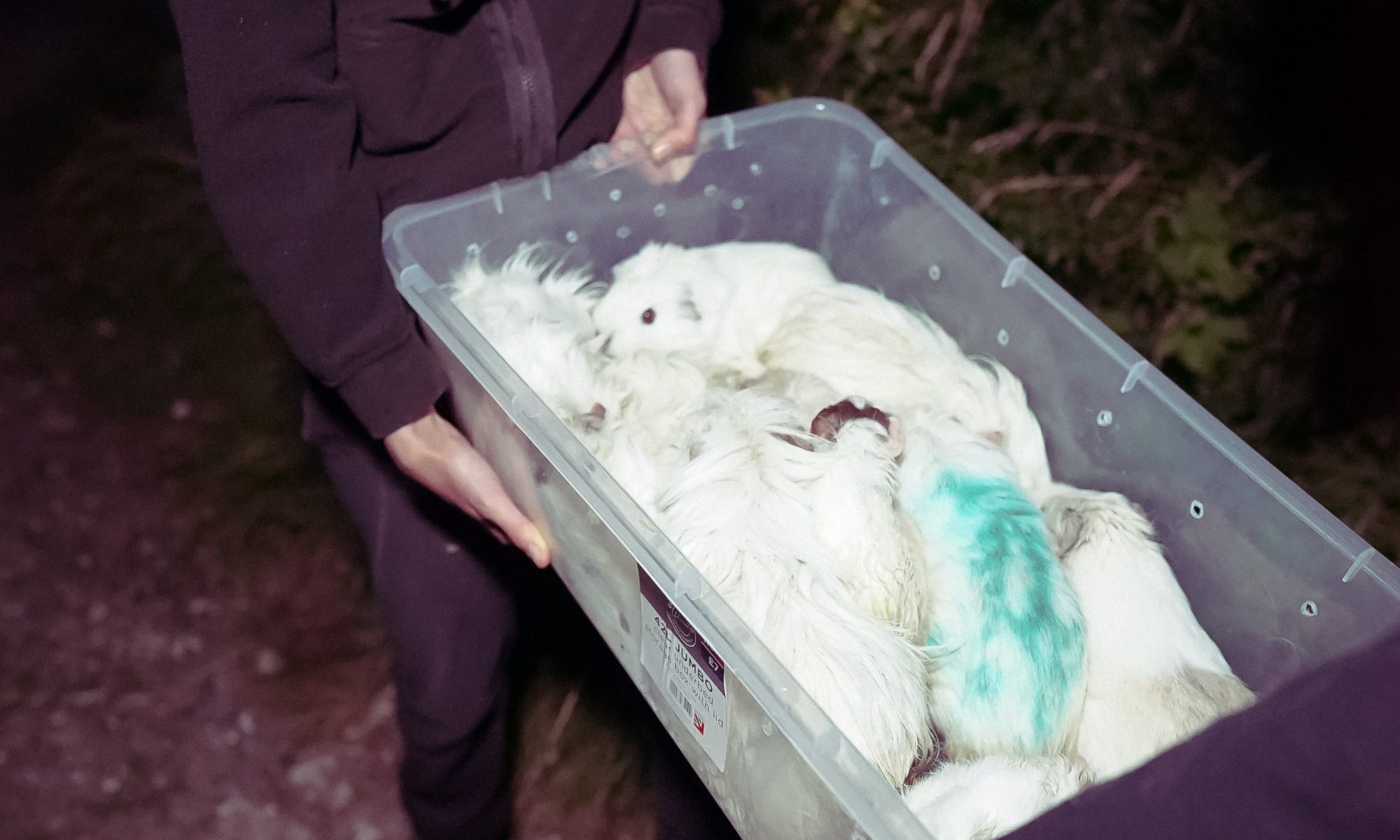
We raided their guinea pig breeding operation.
With the amount of pregnant females, we estimate the number of liberated animals to be 400+.
They will see nothing but freedom. They will not be a thing people can buy at a Pets at Home, or a test subject to be tortured and then discarded in the name of ‘experimentation’.
Now that we know what they are up to, they should expect us to target them relentlessly. We do not give up.
We want to send our solidarity to the beagles inside MBR Acres, to Camp Beagle and to Free the MBR Beagles campaign.
Turns out MBR has a side hustle in the pet industry too!
Together we can shut them down and they should fear the escalation that will come.
And I mean…A new footage is filmed at MBR Acres in Cambridgeshire – right here in the UK – a factory farm where mothers are kept and forced to spend their entire lives as puppy-producing machines, allegedly churning out a total of between 1,600 and 2,000 offspring for medical testing each year.
So this is what our taxpayers money is going towards?
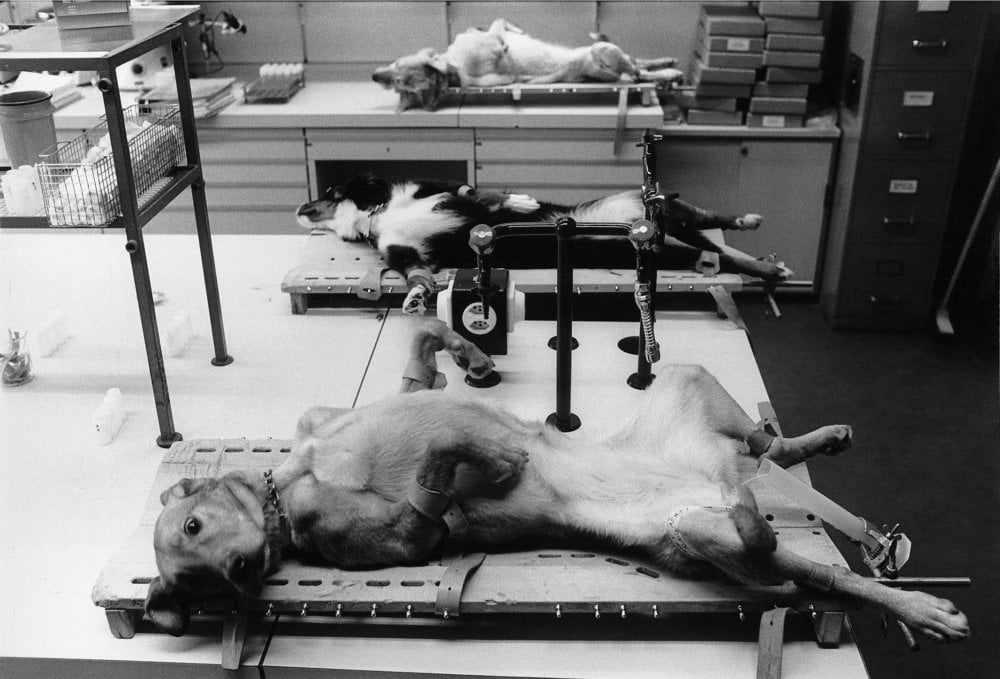
Beagles in the lab at MBR Acres Ltd- Nothing so clearly testifies to the bigotry and wretchedness of our speciesist morality as such photos.
Many of these horrific tests involve repeatedly force-feeding or forcing dogs to inhale substances for weeks, months, or even more than a year to measure the effects of repeat exposure on the liver, kidneys, lungs, heart, and nervous system.
Anyone who knows and has studied the history of the “Third Reich” knows what makes animal experimenters tick. Their actions are 100% identical to the mass murderers of that time.
Then there are unscrupulous politicians as cooperation partners and financiers of the laboratory mafia and this criminal cartel will stay alive as long as we do nothing.
Many thanks to the ALF activists. We are grateful to you!
MEPs say now is the time for a comprehensive plan to end European animal experiments and transition to human-relevant science
8 July 2021
Press Release
Today in the European Parliament, answering to a call from cross party MEPs to clarify how the Commission is planning to deliver on its commitment to proactively reduce and replace the use of animals in EU laboratories, Commissioner Adina Ioana Vălean described the Commission’s actions. MEPs from all political groups unanimously agreed that progress in replacing the use of animals has been slow and more needs to be done.
Members of the European Parliament are calling for a coordinated action plan to move Europe towards more humane and human-relevant science without the use of animals in research, regulatory testing and education.
Cross party Members of the European Parliament have joined forces to request that the Commission sets up a high-level taskforce to work with Member States and relevant stakeholders in putting together an EU-wide plan to phase-out the use of animals in Europe’s laboratories.
An oral question to the Commission on this issue has been debated today and the Parliament will formally adopt its position in September.This has been a major objective of the Animals in Science working group of the Intergroup on the Welfare and Conservation of Animals.
Opinion polls show that ending animal experiments is a priority for EU citizens.
Nearly three quarters (72%) of European citizens agree that the EU should set binding targets and deadlines to phase out testing on animals.
The Members of the European Parliament’s comments:
Jytte Guteland, S&D“Today’s scientific landscape is not the same as 50 years ago. Today we have the knowledge and technology to plan for human-centred science, where animals are no longer the gold standard. But to get there, the Commission needs to set out a series of steps to reach concrete objectives that replace step by step the use of animals in specific areas.”
Tilly Metz, Greens“EU citizens have voiced their demand for non-animal science too many times, but EU investments are too slim and scattered to have an impact. The Commission needs to establish a high-level inter-service taskforce to work with member states and relevant stakeholders to draw up an EU-wide Action Plan that can drive an efficient phase-out of the use of animals for scientific purposes.”
Katalin Cseh, Renew“Animal tests are slow, inefficient and cause immense suffering. This has no place in 21st century science. The European Union has traditionally done better than the rest of the world, but even here, progress is too slow. We need a credible plan ‒ a plan with measures, targets and a binding, ambitious timeline. We need to promote and fund cruelty-free alternatives. This is what we are asking from the European Commission.”
Michal Wiezik, EPP “What we are asking from the Commission is to do more of what it already does, but in a coordinated manner and with concrete goals that can replace animals in specific scientific areas. Targeted funding, education and broad collaborations are key to making innovative advanced models and technologies the new normal.”
Anja Hazekamp, GUE/NGL“Scientific change, like any change we seek, needs a political strategy. The EU has strategies for climate change, gender equality, and even for research and innovation. But it does not yet address the scientific and ethical problems that have been dragged by animal experimentation for decades. An EU action plan to accelerate the transition to non-animal science can change that.”
Today’s debate has shown that despite the positive investments from the Commission on non-animal models, they are not usually linked to concrete objectives that can significantly reduce the use of animals and change the current scientific landscape.
A European Parliament resolution on a coordinated Union-level plan to facilitate the transition to animal-free innovation can lay out the strategic elements necessary to place the EU in the forefront of innovation, health and environmental and animal protection.
State lawmakers took another step Thursday to beef up the New Jersey rules against selling cosmetics that have been tested on animals.
Both houses of the state Legislature overwhelmingly passed a bill that bans the sale of any cosmetics that have been developed or tested on animals beginning January 2020. The prohibition applies even when tests were performed outside of New Jersey.
New Jersey lawmakers said they want to discourage all companies from testing products on animals. They passed a bill Thursday that would ban the sale of new cosmetics in the state that were developed or tested on animals.NJ Advance Media for NJ.com
The state already bans animal testing on cosmetics when there’s an alternative testing method, such as using engineered human tissue or computer models. But lawmakers said they want to totally end the practice and send a message to companies that still engage in the practice.
“Cosmetic testing on animals is not only unnecessary and oftentimes ineffective, but it contributes to the serious suffering of animals,” state Sen. Joseph Lagana, D-Bergen, said.
“It is heartbreaking to know what these animals endure for days or weeks,” Lagana added. “This bill will make it illegal for any product that was animal tested to be sold in New Jersey, incentivizing companies to stop this unethical practice.”
The legislation (S1726) was sent to Gov. Phil Murphy’s desk by a 74-0 vote in the state Assembly with one abstention and 35-0 in the state Senate.
Violators can get hit with a $1,000 fine.
“Animal testing for cosmetic products was instituted in the 1940s,” the Assembly prime sponsors — Anthony Verrelli, D-Mercer; Lisa Swain, D-Bergen; and Andrew Zwicker, D-Middlesex — said in a joint statement
“Since then we have made many testing advancements and the procedures once used are now very outdated,” they said. “We are able to ensure products are safe by using modern methods that do not include harming animals.”
There’s an exception if testing on animals is required by federal or state regulator authorities, according to the bill.
Positive thinking; positive vote, positive moves for the future.
“IT IS GOING TO HAPPEN IN MY LIFETIME, AND IT’S A WIN-WIN SITUATION FOR EVERYONE INVOLVED.”
On a warm October day in Halifax, Dr. Charu Chandrasekera is attending the inaugural Canadian Animal Law Conference, to speak on a panel entitled, ‘Ending Animal Experimentation: New Advances.’ That same weekend, coincidentally, the Canadian Cancer Society’s CIBC Run For The Cure is also taking place, to raise funds for breast cancer research. As Dr. Chandrasekera and I sit in a coffee shop to discuss her work, participants jog by and she quips: “I wish I could tell them they are not running for a cure. They are running from a cure.”
And so began a conversation both enlightening and enraging, detailing Dr. Chandrasekera’s journey as a biomedical scientist growing increasingly disenchanted by the system within which she works, specifically due to the use of animal models in research.
Though her story lands her today as the Executive Director of the Canadian Centre for Alternatives to Animal Methods at the University of Windsor in Ontario, Canada, it surprisingly didn’t start with concern for animals.
“The journey didn’t start with anything to do with animals,” she says, “it was me trying to be a scientist.” In her postdoctoral training following her PhD in biochemistry and molecular biology, Dr. Chandrasekera says she actually specifically worked in animal research labs, “because it was ingrained in you that animal research is absolutely essential; and I believed it, I trusted it.”
Heart failure was her area of research, mice and rats her test subjects. “Some of the labs I worked in also had rabbit models, and I saw people working dog models of heart failure as well,” she says. Soon into the work, however, Dr. Chandrasekera says, “it became very obvious that the work I was doing was not translatable [to humans] the way I thought it was.” And though she would continue this work for a few years, she would also continue to question the purpose and effectiveness of testing on animals. “In the field that I was involved in, nothing was really reproducible; there were so many discrepancies and contradictions even among the top-notch researchers in that field.”
Today, she notes, drugs tested to be safe and/or effective in animal models have a 95 percent failure rate in human trials. Yes, read that over again.
During this period, says Dr. Chandrasekera, “while I was going through this whole experience in these animal research labs where scientifically they weren’t working, I was also going through a personal, moral journey at home.” Becoming visibly choked up, Dr. Chandrasekera speaks of her dear cat Mowgli, a grey tabby with green eyes.
“She [Mowgli] taught me all about animal sentience for the first time in my life, about who animals really are. That they are just like us, they feel pain, they feel joy, they are mischievous, they get mad, they like to enjoy, and they are conscious.”
Dissected cat at a veterinary school. Canada, 2007.
There was a certain innocence and purity in Mowgli’s eyes, she says, that captivated her heart. “And soon enough, there were times when I would go into the lab and I would see the exact same innocence and purity in the eyes of a mouse. And to me, there was no difference between Mowgli and the mouse I was giving heart disease to.” Combined with the scientific failures of animal research, she says, “it was no longer justifiable.”
It was around this time Dr. Chandrasekera also adds, that she viewed the documentary Food, Inc., and immediately went vegan.
But it was in 2011 that Dr. Chandrasekera says she reached a point she describes as life-altering when her father had a heart attack and required bypass surgery. After staying at his bedside for weeks, she returned to the lab where they were working on heart failure research, specifically regarding certain receptors, if activated properly during a heart attack could be protective of the heart. “We had a number of different animal models of this,” she says, “and when I came back to the lab I talked to my professor I was working for, and I said ‘Do you think these receptors were activated in my dad during his heart attack?’ and he said –I’ll never forget this– ‘How the hell would I know? We’ve never looked at this in the human heart.’”
It was at that moment, she says, “everything within me sort of froze, and I thought, ‘What am I doing this for?’”
By 2012, Dr. Chandrasekera left traditional academia. She joined the American non-profit, The Physicians Committee for Responsible Medicine, which promotes plant-based eating, as well as preventive medicine and alternatives to animal research. “It was during this period that I was exposed to this whole other world. I got to interact with big players across the globe, people who were legitimate scientists, who were regulators, who were pharma industry, who were investing and actively promoting alternatives to animal testing.” She calls it an awakening, an awakening within her, as well as within the scientific community.
“There was a huge global shift. Countries like the Netherlands just came up and said, ‘We’re going to end all animal testing for chemical safety by 2025’; all these things were happening,” she says.
“From Brazil to East Asia, there are many countries that have dedicated federally funded research to shift away from animal testing.”
Whenever she would attend international meetings however, “people always asked, ‘How come there is no centre for alternatives in Canada?’” That’s when Dr. Chandrasekera knew what she needed to do next.
So in 2016, Dr. Chandrasekera approached the Vice President of Research and Innovation at the University of Windsor with a proposal, and said “How would you like to have a centre like that here?” He was fully on board, she says, as was the new Dean of Science, and in less than a year the Canadian Centre for Alternatives to Animal Methods was established. With the help of a “transformative gift from the Eric S. Margolis Family Foundation,” she says, the centre now works in three main areas: biomedical research, regulatory testing, and developing courses and degrees focused on “training the next generation to think outside the cage.”
Dr. Chandrasekera says she can now foresee a future without animal testing.
“It is going to happen in my lifetime, and it’s a win-win situation for everyone involved.”
As another Run For the Cure participant saunters by the coffee shop window, Dr. Chandrasekera concludes: “This is about animals and this is about people like my dad. Alternatives to animal testing are where the world is headed, whether the scientific community likes it or not.”
Photos of Dr. Charu Chandrasekera by Frank Michael Photography. All other photos by Jo-Anne McArthur. Interview and story by Jessica Scott-Reid.
Jessica Scott-Reid is a Canadian journalist and animal advocate. Her work appears regularly in the Globe and Mail, New York Daily News, Toronto Star, Maclean’s Magazine and others.
The Community of Madrid lifts the suspension of the activity in Vivotecnia and allows it to continue experimenting!
The Community of Madrid has lifted the precautionary suspension of the experimentation activity in Vivotecnia since June 1.
From PACMA, FAADA, AnimaNaturalis and SOS 112 Vagabundos we will continue with the judicial process against the laboratory, with the aim of safeguarding the animals.
(English version)
The defendants against the Vivotecnia laboratory denounce that the Community of Madrid has lifted the precautionary suspension of the experimentation activity since June 1, which is why the experiments with animals continue.
The aforementioned organizations denounced the laboratory as a result of a video published by Cruelty Free International last April, in which cruel practices and an absolute lack of respect for the life and integrity of the animals victims of experimentation were observed in the facilities of the laboratory in Tres Cantos.
Thus, the Community of Madrid deliberately lied when it announced, in April, that it would proceed to remove the animals from the laboratory.
Not only does it not keep its word, but it has not even waited for responsibilities to be settled in the courts, but is now allowing the laboratory to resume normal activity.
Recently, Representatives Alcee Hastings (D-FL) and Vern Buchanan (R- FL), following efforts by Citizens for Alternatives to Animal Research & Experimentation (CAARE), introduced a bill that would provide a needed boost to medical research.
If passed, the Humane Research and Testing Act of 2021 (H.R. 1744) will establish the National Center for Alternatives to Animals in Research (Center) under the National Institutes of Health (NIH). The bill follows nearly 30 years after Congress passed the NIH Revitalization Act to modernize many of the outdated policies and regulations carried out under the world’s largest biomedical institution. The 1993 law included a substantial section [Section 205] to address the growing need and opportunities to replace animals in research. In robust language, the Act called upon NIH “to conduct or support research into methods of biomedical research and experimentation that do not require the use of animals.” It also included language “for training scientists in the use of such [non-animal] methods that have been found to be valid and reliable,” as well as “encouraging the acceptance by the scientific community of such methods that have been found to be valid and reliable.”
Unfortunately, even though this legislation passed nearly 30 years ago, NIH has made little effort in replacing animal testing, even with a revolution that has unfolded in biotechnology allowing for superior human-specific research without animals. According to a 2012 National Research Council report, almost half of NIH’s funding is for testing that involves animal use, and this amount has remained stable over the years.
The Humane Research and Testing Act will mandate that NIH follow the law. Fundamental to reducing animal experimentation is the ability to track the number of animals used, yet precise numbers of animals used in U.S. research are unknown. This lack of transparency in what animals are used, how many are used, and how they are used makes it impossible for the public to know whether NIH is making any true effort in replacing animal tests. That is why, in addition to the creation of the Center, the Humane Research and Testing Act (HRTA) will require NIH to track and disclose the numbers of all animals used and document its progress at reducing them through mandatory bi-annual reports.
Importantly, the establishment of a Center will be an important step in ensuring scientific progress for human health. It is becoming increasingly recognized by scientific bodies that there is an urgent need for a sea change away from animal testing. Whatever role animals may have played in medical research in the past, today’s research deals with the subtle nuances of molecular biology and genetics. Interspecies differences in physiology, pharmacokinetics, and genetics significantly limit the reliability of animal testing.
And the proof is in the pudding. More than 90 percent of drugs and vaccines fail during human clinical trials, after passing animal tests. People enrolled in clinical trials put their lives at risk based on misleading safety tests on animals. Equally troubling is the very likely fact that many drugs that were abandoned based on animal tests may have worked wonderfully in humans. Most diseases have little or no treatment available. But how many missed opportunities were there because of the unreliability of animal testing?
New testing methods offer a way out of the quagmire that animal testing has caused. Human organs grown in the lab, human chip models, cognitive computing technologies, 3D printing of human living tissues, and the Human Toxome Project offer great promise in helping scientists understand the diseases that afflict us and find treatments. Much of their promise lies in the fact that these testing methods are based on human biology.
But more change is needed and needed faster. As long as NIH prioritizes funding of animal research, the development of innovative testing methods will be impeded. The Center will be tasked with developing, funding, and incentivizing innovative, human-based methods. The Center will also educate and train scientists to utilize these methods.
The HRTA was introduced one month before Congressman Hastings died from pancreatic cancer. His words drove home his strong belief that the HRTA will be transformative: “This legislation will not just reduce animal testing and research,” said Hastings, “but will ultimately improve medical treatments for humans as they are developed from beginning to end primarily with test subjects that replicate human biology and physiology.”
Will Congress honor Hastings’s legacy? Lives remain in the balance as long as the biomedical system is based on ineffective animal testing. A new center within NIH will help ensure that our tax dollars are used to fund the best and kindest medical science possible and pave the way for innovation.
Aysha Akhtar, M.D., M.P.H., is a double-board certified neurologist and preventive medicine/public health specialist. She is the CEO of the Center for Contemporary Sciences, pioneering the transition to replace the use of animals in experimentation with effective human-based technologies. Dr. Akhtar is the author of the recent book, Our Symphony With Animals. On Health, Empathy and Our Shared Destinies.









 World Animals Voice