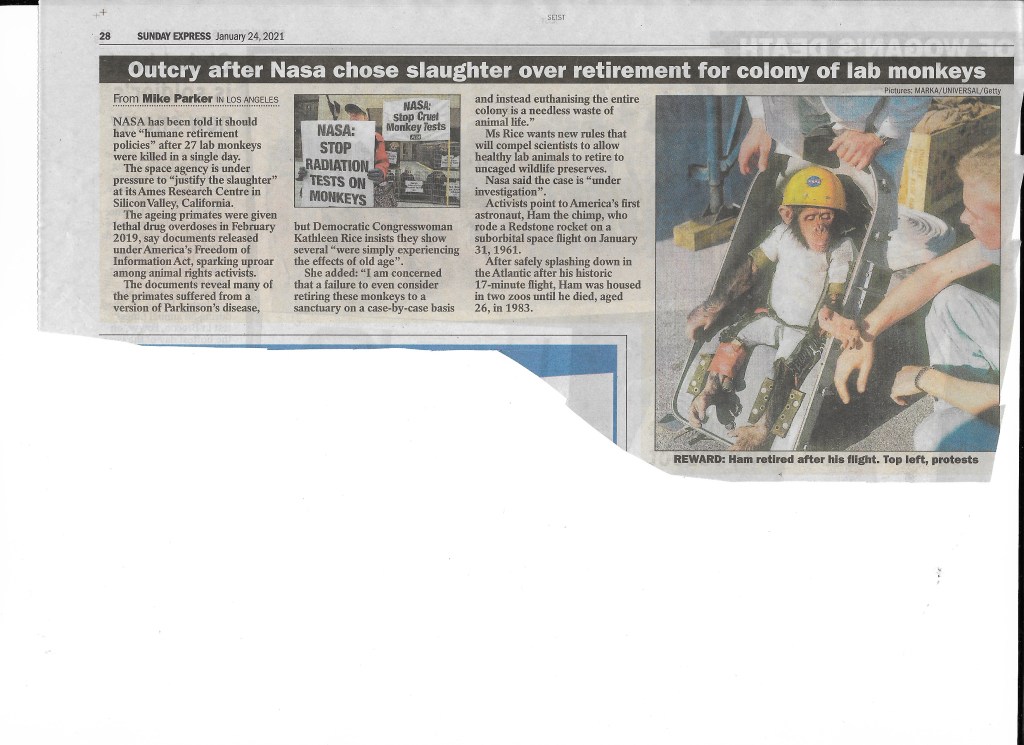
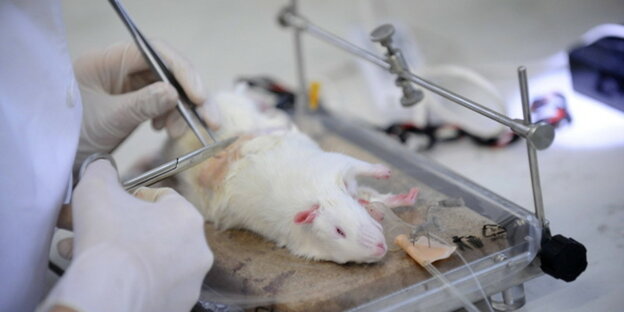
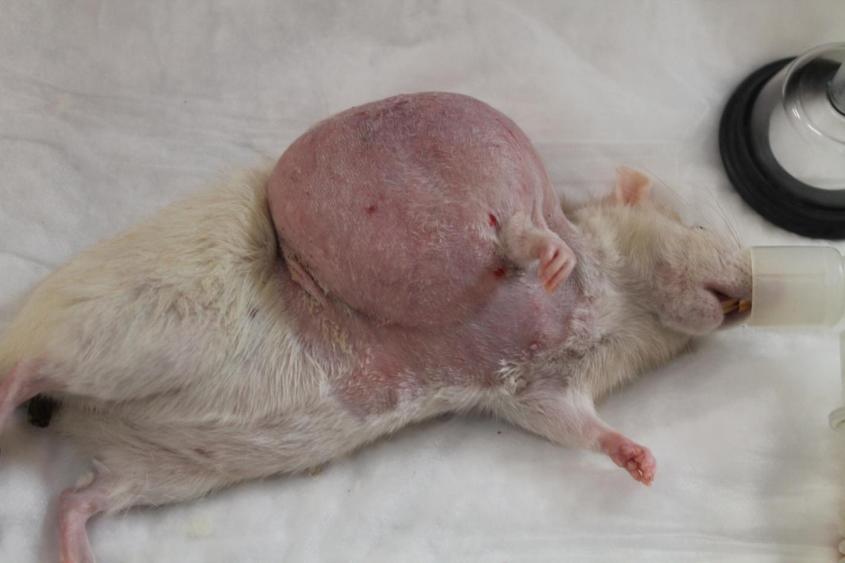
Category: Vivisection

Taiwan: Be A Voice for Animals – The TFDA is Now Accepting Public Comments on a Regulation Through Till March 1.

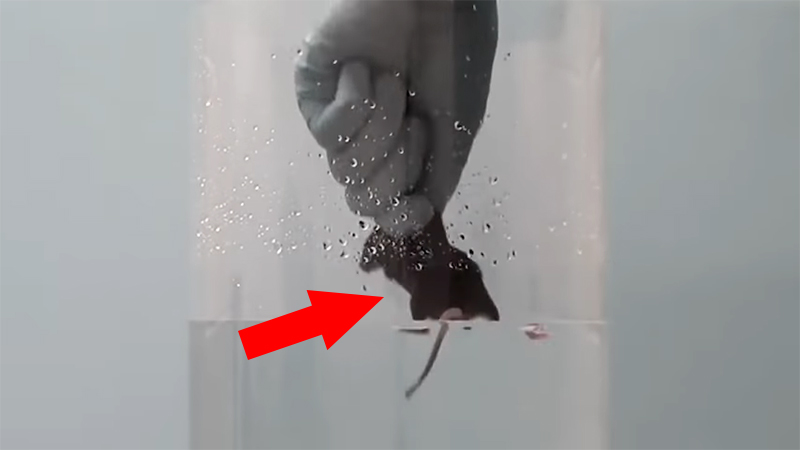
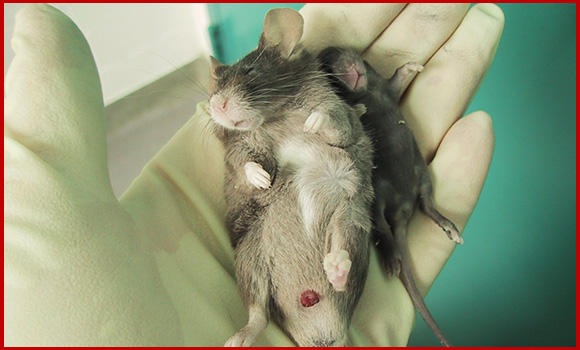
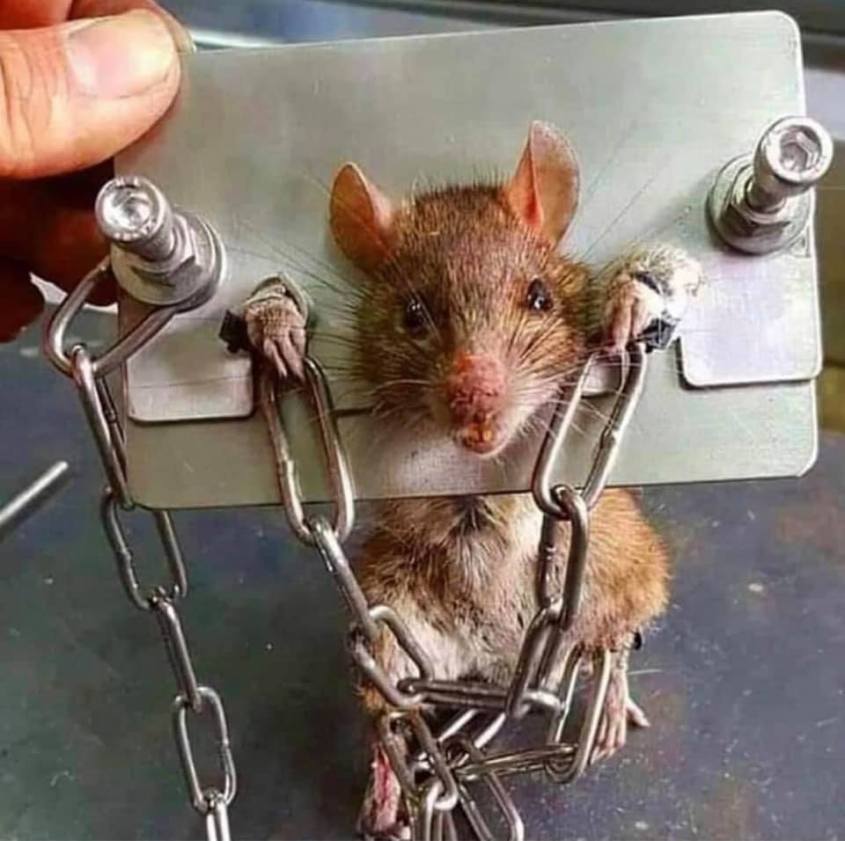
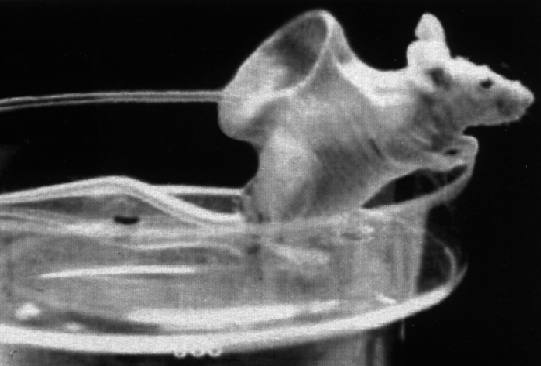
photo of forced swim test

As we told you earlier, after hearing from PETA, the Taiwan Food and Drug Administration (TFDA) took the historic step of deleting outrageous animal tests—including drowning mice and rats and making them run to exhaustion on an electrified treadmill—from its draft regulation for marketing foods and beverages using dubious anti-fatigue health claims.

The TFDA is now accepting public comments on the regulation through March 1, before finalizing its decision. Please contact the agency to help ensure that it deletes these animal tests in the final version of the regulation.

ACT NOW to speak up for animals suffering in these experiments before the MARCH 1 deadline.

TAKE ACTION HERE:

URGENT: Help Finalize Taiwan Ban on Drowning, Shock Tests on Animals | PETA

URGENT: Help Finalize Taiwan Ban on Drowning, Shock Tests on Animals

Following years of pressure from PETA, the Taiwan Food and Drug Administration (TFDA) has announced a groundbreaking decision to delete all animal tests—including drowning mice and rats and making them run to exhaustion on an electrified treadmill—from its draft regulation for marketing foods and beverages using dubious anti-fatigue health claims.

The agency is now accepting public comments through March 1 before finalizing its decision, and it needs to hear from you.

Prior to the TFDA’s announcement of its decision to remove the animal tests from its draft regulation, the agency had endorsed these horrific experiments, which are irrelevant to human health, and PETA sent the TFDA a detailed scientific critique of these tests at the agency’s request.

If the final draft regulation is approved as is after the public comment period ends, for companies that want to make anti-fatigue health claims for marketing food and beverage products, only safe and effective human tests would be required and allowed.

Permanently removing animal testing from the draft regulation would save countless animals’ lives.

During the notorious forced swim test, experimenters fed mice or rats large quantities of the test foods and then starved them for up to 24 hours. Afterward, experimenters dropped them into beakers filled with water and observed how long they struggled before they drowned or remained underwater for eight consecutive seconds. If the animals learned to float and conserve energy, experimenters would stir the water to force them to struggle. To speed up the drowning process, experimenters tied lead wires to animals in order to make it harder for them to swim.

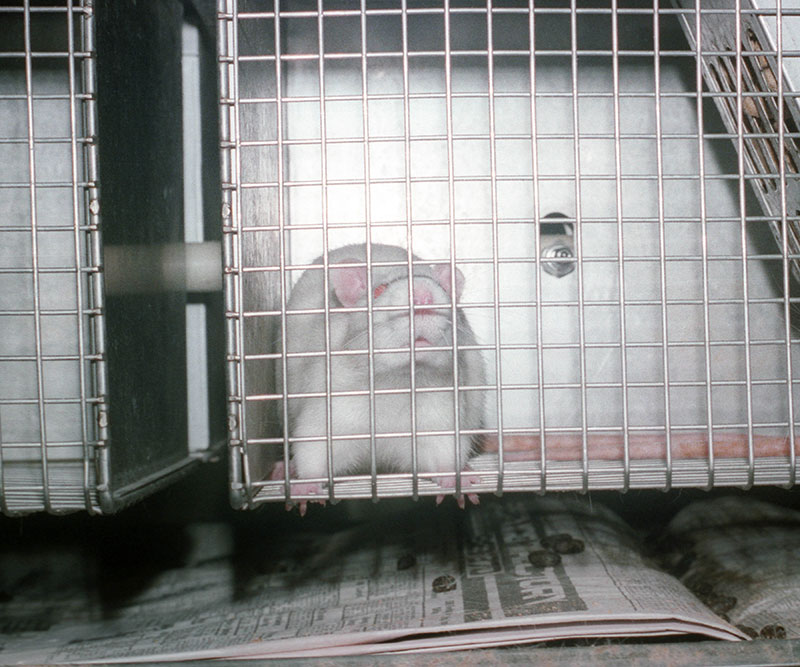
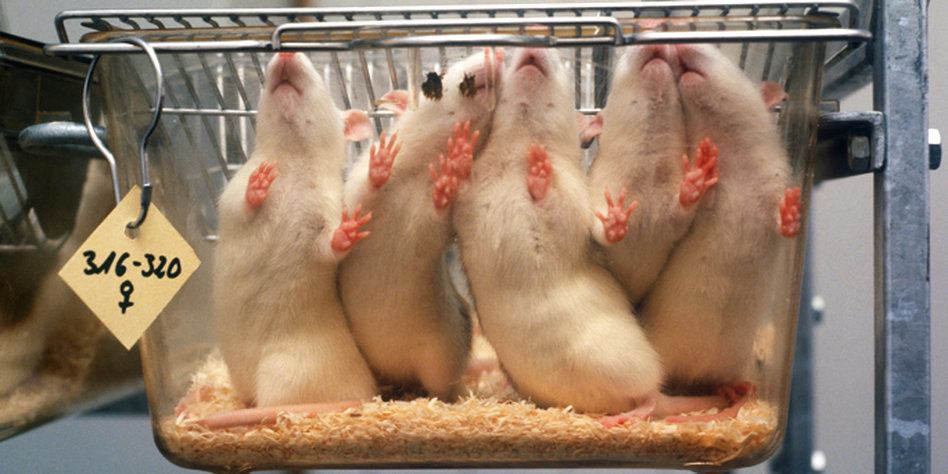
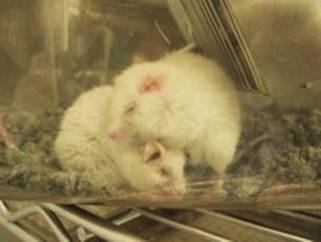
photo of rat in a cage

During the treadmill-running test, experimenters also fed rats large quantities of the test foods and then put the animals on treadmills equipped with electrified plates. Experimenters forced them to run at increasing speeds and on steepening inclines and observed how long it took for them to choose repeated electrocution over continuing to run. At the trials’ end, experimenters killed and dissected them.

Not only is animal experimentation cruel, it’s also a colossal failure. Specifically, 90% of animal tests fail to lead to treatments for humans and more than 95% of new pharmaceutical drugs that test safe and effective in animals fail in human clinical trials.

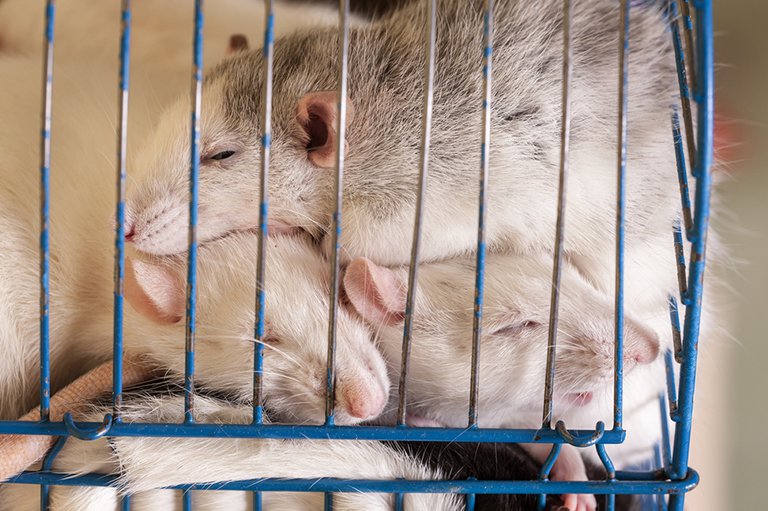
Rats, a preferred target of experimenters worldwide, are highly intelligent. They are natural students who excel at learning and understanding concepts and are at least as capable of thinking about problems and figuring them out as dogs. They have excellent memories, and once they learn a navigation route, they never forget it.

Please TAKE ACTION (link above) and let the TFDA know that you support its deletion of animal testing from the draft regulation for anti-fatigue health claims and that you support keeping such testing banned in the final version of the regulation.

Chile: HSI welcomes tough new Chilean bill to outlaw cosmetic testing on animals.

HSI welcomes tough new Chilean bill to outlaw cosmetic testing on animals

Humane Society International

HSI welcomes tough new Chilean bill to outlaw cosmetic testing on animals – Humane Society International

Chile is in the running to become the second South American country to prohibit animal testing for cosmetics following introduction of a federal bill in late December which, if passed, would prohibit new animal testing of both finished cosmetics and their ingredients, and severely restrict the import or sale of beauty products developed with reliance on new animal testing carried out anywhere in the world. Bill 13.966-11 was introduced by Deputy Vlado Mirosevic in close cooperation with HSI and our Chilean partner Te Protejo, with bipartisan support of government and opposition parliamentarians, as well as from several leaders in the beauty sector and cruelty-free domestic brands.

“We commend Deputy Vlado Mirosevic for his leadership in introducing a bill that will close the door on cruel cosmetics in Chile,” said Aviva Vetter, HSI cosmetics program manager for research & toxicology. “This bill brings us one step closer to ending animal suffering in the global beauty industry.”

Through the Animal-Free Safety Assessment (AFSA) Collaboration coordinated by HSI, leading brands are able to work behind the scenes with HSI and our partners to agree bill language, which can expedite movement of bills through the political process. The next step for the Chilean bill is review by the Health Commission in the Chamber of Deputies.

Since the launch of the 2017 Chilean branch of HSI’s global campaign to end cosmetic animal testing, HSI and Te Protejo have worked in close cooperation with decision makers to bring the country in line with the global cruelty-free trend. A 2019 public opinion poll by Inside Research on behalf of HSI and Te Protejo found that 74% of Chileans agree that testing cosmetics on animals is not worth the animals’ pain and suffering, and to date more than 100,000 Chileans have signed our petition supporting a ban.

Sign the pledge to be cruelty free:

HSI DonateHumane Society International (hsi.org)

Animal Testing in US: Regulatory Use and Routine Production

Terrifying: 111 million mice and rats annually for animal testing in the USA
Rodents, fish, and birds are not considered animals there

Mice and rats, the most common animals used in the laboratory, are not covered by the United States Animal Welfare Act and therefore do not appear in the official statistics of animals used for scientific purposes. A new analysis estimates that around 111 million mice and rats are subjected to animal testing annually in the United States.

The nationwide association Doctors Against Animal Experiments calls for better transparency of the animal experiment figures in the USA and in this country.

Most mice, rats, fish, and birds are not defined as “animals” in the American Animal Welfare Act since 1970.

Because of this, the numbers of these animals do not appear in the country’s official animal experimentation statistics, although mice and rats are the most commonly used in animal experiments.

“The United States plans to end all animal testing for regulatory purposes such as toxicity testing by 2035, which we clearly welcome. In order to be able to estimate at all whether the country is getting closer to this goal, one must at least know how many animals are used for experiments each year, ” says Dr. Dilyana Filipova, a research assistant at Doctors Against Animal Experiments.

A recent study at the University of California San Francisco looked at this problem and found that over 111 million mice and rats suffer annually in American laboratories, in addition to the 780,070 animals from the official statistics.

This includes dogs, cats, monkeys, rabbits, pigs, and sheep. The study author asked for information about the mice and rats used in experiments at 16 of the 30 best-funded research institutions using the Freedom of Information Act. In comparison to the approx. 39,000 “animals” defined in the Animal Welfare Act, around 5.6 million mice, and rats were used at these 16 institutes alone, which corresponds to 99.3% of all animals.

An extrapolation of this data using the animal numbers published in the annual statistics resulted in the staggering number of 111 million mice and rats.

According to the study, over 44 million of them were subjected to painful attempts that would be classified as “moderate” and “severe” in Germany.
Previous projections of global animal consumption for the research came to a total of 17.3 million for the US in 2005 and 14.6 million for 2015, based on the number of publications in relation to countries with known animal numbers such as the EU.

Worldwide, these studies came to 115.2 (2005) and 192.1 million (2015) animals, including those killed for organ and tissue removal.

“When the current study shows the figure of 5.6 million rats and mice in 16 American institutes alone, it becomes clear that the older projections are far too low,” says Filipova.

In Germany, 78% of the total number of 2.9 million animals recorded are rats and mice, while the American study assumes a proportion of 99.3%.


“It is not surprising when the life and death of animals that are not subject to the Animal Welfare Act and therefore not subject to official controls are dealt with much more laxly and there is greater ‘wear and tears’”, the biologist concludes.

“It is absolutely unacceptable that in the USA with at least 900 research institutions over 99% of all animals used for experiments fall through the cracks. The ability of rodents to experience pain and suffering has not been disputed in the scientific community for a long time, ” continued Filipova.

According to the official statistics of the Federal Ministry of Agriculture, 2.9 million animals were recorded in Germany in 2019.

2.3 million of them fell victim to animal experiments and about 700,000 animals were killed for tissue and organ removal.

But here, too, there is a large number of unreported animals that suffer and die invisibly in German laboratories: almost all invertebrates, all animals bred in advance, and animals that are not used in experiments due to their age, sex, and genetic characteristics.

An estimate by Doctors Against Animal Experiments comes to about 4.35 million vertebrates that are killed annually unused in German laboratories without appearing in the official statistics.


Doctors Against Animal Experiments are calling for all animal species used for research to be included in the American Animal Welfare Act and Statistics as a minimal first step. In Germany, the number of “committee animals” must be recorded.

The association also demands from the federal government a well-founded plan to exit the “animal experimentation” system with specific milestones and deadlines as well as massive support for innovative, human-based, animal experiment-free research methods.

And I mean… humanity has not yet overcome fascism!
Rats are burned, pigs are suffocated. Mice have to swim for their lives to the point of exhaustion, dogs are broken bones, monkeys are poisoned.
In order to obtain single multiple transgenic animals, which is quite common in current practice, up to 54 animals have to die because they do not have the desired genotype – they are disposed of like garbage.
This “committee” quote underscores how disrespectful and undignified animals are treated and how they are merely degraded to disposable items.

Animals would have to endure all of this suffering under the “guise of research”, although animal experiments do not provide security, but rather resemble a lottery.
Only various branches of the economy benefited from these experiments, but not science and certainly not the patients.

95 percent of the results from the experiments are not transferable to humans.
One wonders how far a person must have sunk in order to inflict such damage on animals in any laboratory.
And these beasts live among us.

The politicians tolerate and support these criminals, who, by the way, should be punished, because the killing of the unwanted animals by the experimenter is a criminal disregard of the established animal welfare, which demands a “reasonable” reason for it.

“Vivisection is the greatest and meanest cultural disgrace of the present day, morally and intellectually it is to be equated with the delusional delusion of witch trials, and no people who tolerate it have the right to call themselves a people of culture.”
Manfred Kyber (German writer, 1880-1933)

My best regards to all, Venus

Peta: Exposing Companies That Sell Animals to Labs.

Click on this link for a lot more information about suppliers:

Exposing Companies That Sell Animals to Laboratories | PETA

They’re designed to be anonymous. Tucked away in unassuming facilities in quiet communities such as Chatfield, Minnesota; Ewing, Illinois; New Sharon, Iowa; and Oxford, Michigan, not even their names—Moulton Chinchilla Ranch, Oak Hill Genetics, Ruby Fur Farm, and Oakwood Research Facility—betray the nature of their operations.

But Moulton Chinchilla, Oak Hill, Ruby Fur, Oakwood, and numerous others around the country form a vast, largely unknown network of businesses that breed and supply dogs, chinchillas, foxes, ferrets, pigs, rabbits, and other animals for experimentation laboratories. They peddle in misery. Suffering is their currency.

PETA has obtained video footage and photographs taken by federal inspectors that for the first time show the unsanitary, often putrid and abhorrent conditions of these decrepit facilities that breed, warehouse, and sell sentient beings for profit. The footage—along with federal inspection reports—shows definitively that suffering for animals destined for experimentation begins well before they arrive at the laboratories.

Maggots crawl through food. Green algae grows in water bowls. Feces piles up. Wounds fester. To these businesses, the animals are not sentient beings who feel and fear just as you and I do. They’re widgets, items produced at minimal cost and sold for maximum profit. Pain, suffering, and distress do not figure into the bottom line. They simply do not matter.

Animal experiments for the tobacco industry

The harmful effects of smoking are known worldwide, and pretty much every smoker knows about them.
Health authorities confirm that animal experiments do not provide any useful results regarding the negative effects of smoking on the human organism.

Nevertheless, they are still being carried out and in a manner that can hardly be surpassed in cruelty.
The majority of cigarette manufacturers are still commissioning contract laboratories in 2021, in which terrible scenes will then take place, to carry out experiments on living and sentient creatures.

In secrecy and well hidden from the public, the researchers torture and practice monstrous things on innocent animals at the request of the merciless tobacco companies.

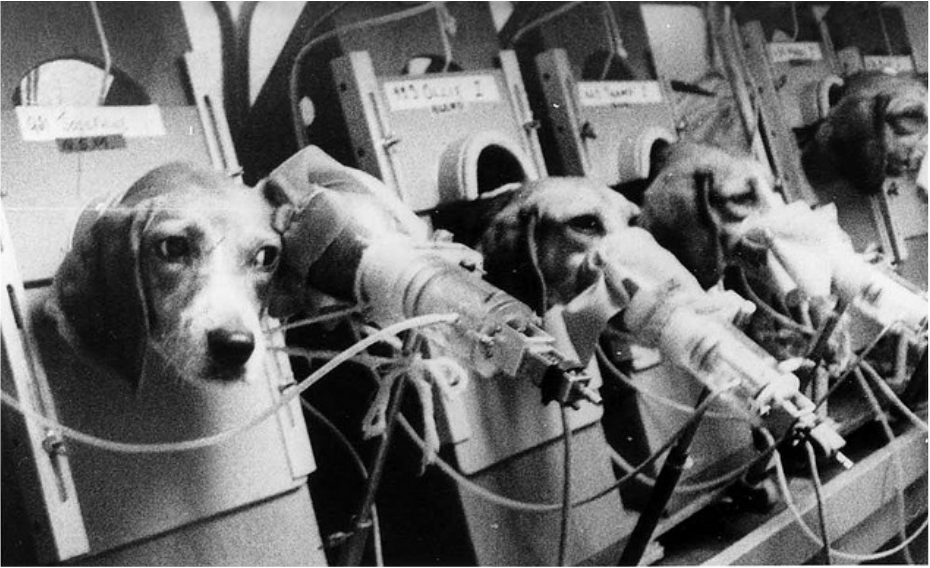
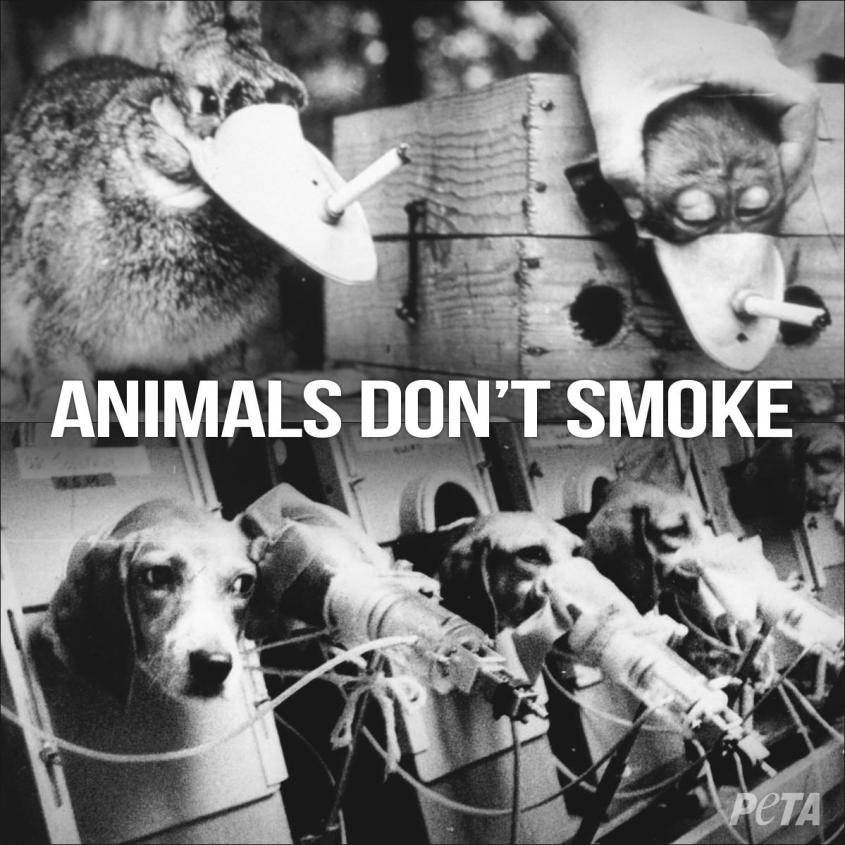
The People picture of smoking dogs that shocked the nation in 1975
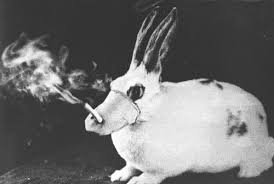
 

Animals are forced to inhale cigarette smoke continuously for up to 6 hours a day for a period of up to a whopping 3 years.

Animals normally avoid inhaling smoke and so they are forced to do so by draconian means.
Dogs, especially beagles, for example, are connected to hoses and sometimes fixed, as are monkeys.
Rats are squeezed into narrow containers, in which the harmful smoke is pumped directly into their sensitive noses.

Officially abolished, but whoever controls a research laboratory has the hoses attached directly to the necks of dogs and monkeys.
To generate tumors, the skin of rats and mice is exposed directly to the smoke condensate.

Philip Morris, for example, had the effects of additives such as sugar, molasses, honey, plum juice, chocolate, lime oil, coffee extract, and cocoa tested on sensitive creatures.
To do this, thousands of rats were locked in tiny boxes.

Trapped there almost motionless, they were allowed to ingest the smoke for up to 6 hours a day for 90 days by pumping it into their nostrils.

Today

The animals were then killed, cut open, and examined.
There were no groundbreaking or surprising results.
R. J. Reynolds had smoke condensate applied to the skin of more than 1,000 mice and rats to study the effects of high-sugar corn syrup as a flavoring agent on the animals.
They were also forced to inhale smoke at the same time.

The majority of the rodents died with the tar particles on their skin during the cruel experiments.
In others, the skin loosened and malignant tumors developed that was painful for the tiny ones.

The animals that survived the ordeal of the tests were executed and dissected as a kind of reward.
1,000 rats were also forced passively by Philip Morris to smoke and to exhaust diesel. inhale – for 2 years, 6 hours a day.
The aim was to study the effects on the small lungs of the animals.

Lorillard Tobacco had rats inhale cigarette smoke for 5 days, 3 hours daily, then killed, cut open, and examined for lung damage.
The list of tests on the effects of cigarettes goes on for a long time with rats, mice, dogs, and monkeys.

Countless pregnant rhesus monkeys have been horribly tortured at the Oregon National Primate Research Center.

Tubes were surgically implanted into them so that they could permanently inject nicotine into them during the last 4 months of pregnancy.

Shortly before the birth, the fetuses of the expectant mothers were cut out, these “premature babies” were killed and examined.

You can see that money often throws every principle and every moral overboard.
Some of these barbaric experiments are even financed by taxpayers’ money because some institutes have cleverly disguised their atrocities under the guise of developing new treatment methods to “support” smokers.

Continue reading “Animal experiments for the tobacco industry”

The gruesome primate lab at UW-Madison must be shut down, now!

At this laboratory, primates are put through conditions so disturbing, “nightmarish” doesn’t even begin to describe it.

Male monkeys are dragged out of metal cages by their necks and locked into restraint chairs. Once strapped in and unable to move, staff bring out electric shocking devices. They lower the devices to the animals’ genitals.

And then, helpless to escape, the monkeys’ penises are shocked over and over and over again until they finally ejaculate.

This sounds like the kind of thing that could not even possibly be real. But it is, and an undercover whistleblower for PETA witnessed these experiments occurring first-hand.

Where could such horrendous types of research possibly be conducted? At a renowned university funded by federal tax dollars — the University of Wisconsin at Madison (UW-Madison).
The experiments described above are only one part of the problem.

Staff is also extremely numb to the monkeys’ emotional needs, neglecting and tormenting them as a result.
The “lab rat” primates are shut away in rooms without windows or natural sunlight, inside metal cages just barely large enough to meet federal regulations. Infants have regularly torn away from their mothers.

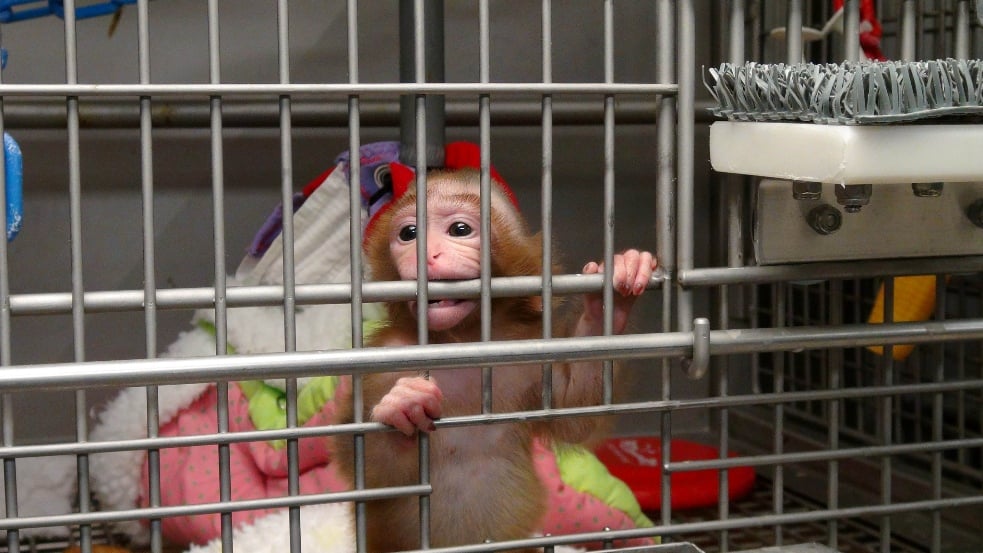
Baby monkeys torn away from their mothers are forced to live alone in small metal cages.
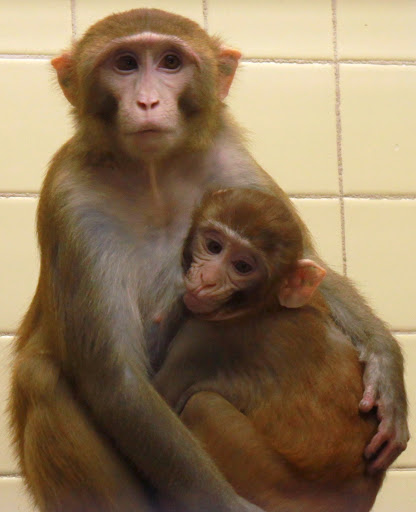
Some are put through surgeries performed without proper anesthesia.

In one case, a monkey — still stuck inside his metal cage and screaming to be let out — was run through equipment designed to wash cages at extremely high temperatures. The wailing animal died as a result of this torture.

In another incident, a supervisor confided that one of their staff members was a “bit too … rough” and broke another monkey’s leg.
Still more animals have lost parts of their fingers and toes from amputated injuries, often sustained while they are desperately trying to escape.

Other captive, experimented-upon primates at the lab have taken to self-mutilating.

One, called “r12050,” created an open wound on his own leg and continued scratching and digging until he’d bored a hole into his body that went all the way down to his muscle. Meanwhile, multiple other monkeys have resorted to an activity born of severe trauma called trichotillomania, in which they pull out all their hair — even to the point of becoming completely bald.

The list of abuses at this window-less, dungeon-like horror facility goes on and on and on. There are quite literally far too many accounts of trauma to address here.

No university should be affiliating itself with this level of out-and-out sadism.

There is NO EXCUSE for this kind of brutality and callous disregard for animals’ rights. Yet as of now, there are still approximately 2,000 monkeys trapped in this research facility’s premises.

Tell the leaders of the University of WisconsinChancellor Rebecca Blank and Vice-Chancellor Steve Ackerman — that we will not stand this cruelty any longer!

They must close this primate lab immediately!

Sign the petition to demand that the gruesome primate lab at UW-Madison be shut down, now!

https://www.thepetitionsite.com/de/takeaction/845/554/294/

Important information on the topic: Since 1989, UW-Madison’s Richard Weindruch has starved caged monkeys—depriving them of an extreme 30 percent of needed calories—to see if this would increase their longevity.

The monkeys have been caged alone and kept perpetually hungry for nearly three decades. Members of the control group in this experiment were fed an extremely high-sugar diet and became morbidly obese.

The experimenters have repeatedly tried to make meaningful claims about the health benefits of caloric restriction, but given the fundamental flaws of this experimental design, it can’t possibly hope to inform us about anything of value.

University of Wisconsin-Madison Archives & Wisconsin National Primate Research Center
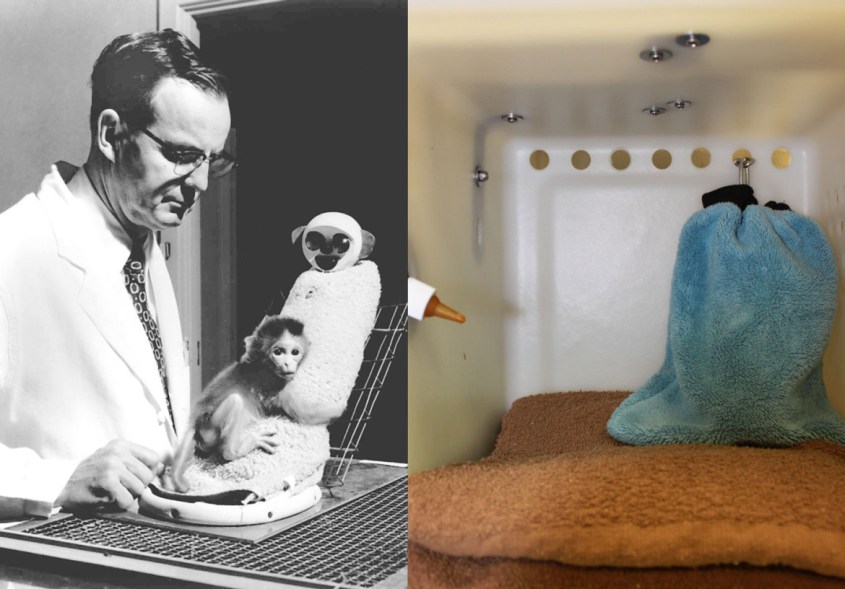
Surrogate mothers, then and now. Left: Harry Harlow, a controversial experimental psychologist who worked at the University of Wisconsin-Madison for more than 40 years, studied the effects of isolation on baby monkeys. Right: When psychiatrist Dr. Ned Kalin’s research into the effects of early adversity on the brain begins, experimental animals will live in this incubator for the first several weeks of their lives.


In 2013 20 rhesus monkeys, as well as another 20 used as a control group, will be given tests intended to provoke and measure anxious behavior. After one year they will all be euthanized and their brain tissue collected for molecular analysis.

“We’re killing baby monkeys,” Streiffer says, Professor of Philosophy and Bioethics, at UW-Madison. “There are other things that have been done that are worse, but that’s not a justification for saying that this isn’t really really bad.”

The public has a right to insist that federal tax dollars not be wasted on unnecessary “terror testing”. Far more useful and painless methods of research are already available that do not involve animal suffering.

PETA Undercover Investigation: Workers Pry Baby Monkeys Away From Their Mothers, Electroshock Penises, and More in Deranged Lab


Why are we animals still subjecting these hellish experiments?

No one in a common sense would argue that it is okay to separate people from their families, take them overseas, and not subject them to consensual, painful procedures.

So how can we tolerate other living beings?

The answer is only one: animals cannot defend themselves. And that is also the reason why we still experiment on animals and no longer on humans, as we did a few centuries ago.

It has nothing to do with human welfare because animal experiments have no practical relevance!

“I am not interested to know whether vivisection produces results that are profitable to the human race or doesn’t… The pain which it inflicts upon unconsenting animals is the basis of my enmity toward it, and it is to me sufficient justification of the enmity without looking further.”
Mark Twain

My best regards to all, Venus

Investigation: who sells animals to Laboratories?

They’re designed to be anonymous.

Tucked away in unassuming facilities in quiet communities such as Chatfield, Minnesota; Ewing, Illinois; New Sharon, Iowa; and Oxford, Michigan, not even their names—Moulton Chinchilla Ranch, Oak Hill Genetics, Ruby Fur Farm, and Oakwood Research Facility—betray the nature of their operations.

But Moulton Chinchilla, Oak Hill, Ruby Fur, Oakwood, and numerous others around the country form a vast, largely unknown network of businesses that breed and supply dogs, chinchillas, foxes, ferrets, pigs, rabbits, and other animals for experimentation laboratories.

They peddle in misery.
Suffering is their currency.

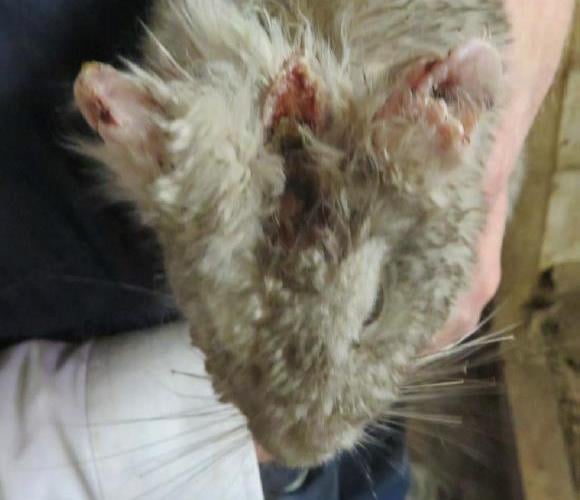
The large, open wound on this chinchilla’s head went untreated.
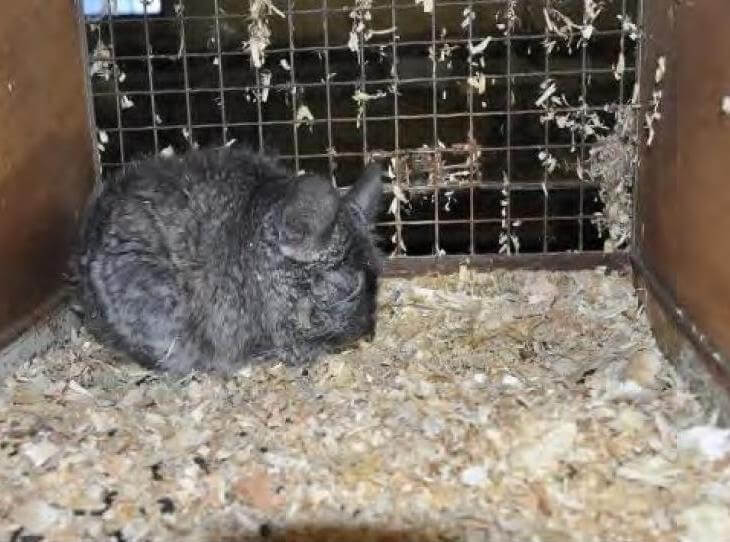
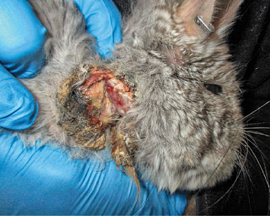
PETA has obtained video footage and photographs taken by federal inspectors that for the first time show the unsanitary, often putrid, and abhorrent conditions of these decrepit facilities that breed, warehouse, and sell sentient beings for profit.
The footage—along with federal inspection reports—shows definitively that suffering for animals destined for experimentation begins well before they arrive at the laboratories.

“Moulton Chinchilla Ranch”, a foul-smelling misery factory, willfully violates animal protection laws yet continues to operate.

Moulton Chinchilla Ranch is located in Chatfield, Minnesota, a quiet town with a population of fewer than 3,000, located outside Rochester.

Moulton is a hellhole so wretched that in November 2018, the U.S. Department of Agriculture (USDA) took the rare step of filing a formal complaint against the company for its serious and chronic violations of the federal Animal Welfare Act (AWA).

Federal inspectors found chinchillas with open, untreated wounds as well as collars that were embedded into their necks. When they were removed, inspectors said that “the skin was eroded, there were matted hair and open lesions” and “a putrid odor was noticeable” [emphasis added].

One baby chinchilla found outside his enclosure was placed with a foster mother. It was later noticed that the animal had “a deep fresh wound on [his] back left leg … [and] some toes just hanging on” [emphasis added].

Following the collar’s removal, the inspector observed “an open sore around most of the neck where the collar had been,” seeping discharge with “a strong putrid odor.” The USDA has repeatedly cited Moulton Chinchilla ranch (MCR) for open sores and abscesses that have developed under the collars. It did so again this year.

One baby chinchilla found outside his enclosure was placed with a foster mother. It was later noticed that the animal had “a deep fresh wound on [his] back left leg … [and] some toes just hanging on”

Also, multiple inspections spanning several years showed that enclosures had holes and chinchillas could escape, fall through, or become injured. Several feeders were rusted. Inspectors also observed accumulations of feces and foul odors.

Moulton continues operating, unabated.

Continue reading “Investigation: who sells animals to Laboratories?”

Medical University of Vienna leaves 100 mice to starve

“The Medical University of Vienna is the largest medical school in Austria, is one of the most important research institutions in Europe and provides the entire medical staff for the Vienna General Hospital in Vienna”, so we read in Wikipedia.

And yet an animal experiment scandal reached us that left every civilized and empathetic person speechless: This university lets mice starve!

In a restricted-access breeding laboratory of the Med Uni Wien, at least 100 animals died of starvation due to serious neglect of care!

According to the Association against animal factories” (VgT):

“After corona research has provided the latest evidence of how “inefficient and unnecessary animal experiments are”, now the latest evidence of how brutal the animal experiment industry is and how clever its marketing is.
Around 100 mice are said to have starved and died of thirst due to insufficient supply – there are also other supply shortages in the room.
Tierschutz Austria has filed a criminal complaint.
“It’s terrible – these little mice are already housed in a most unsuitable manner anyway. Starving and dying of thirst in this way is incredibly cruel. It’s a real scandal,” said VGT campaigner Roland Hoog.

In 2019, according to the latest animal experiment statistics1, 205,858 mice were used for animal experiments.

94,180 mice – almost half – were used for so-called basic research.

“Above all, animal experiments out of pure curiosity of the researchers hide behind this name – there are no relevant possible applications for the results,” criticizes Hoog.
The VGT calls for comprehensive education and significant improvements in the housing and management of animal care.

“Mice do not starve or die of thirst overnight. Apparently, there must have been a comprehensive lack of care and control,” says Roland Hoog.

If the Medical University of Vienna is serious, it should show responsibility towards animals and society: animals, society, and patients have earned modern human medicine and not senseless animal sacrifices.
The NAT (= Network Address Translation) database with over 300 established methods that do not involve animal experiments shows that animal experiments are not necessary.

There are better methods that clearly advance research, safety testing, and drug development.

Instead of investing 30 million in the new building of a retro project from which only the animal testing industry benefits, the Association against animal factories” calls for the establishment of a research center to research and evaluate alternative methods that are free of animal suffering.

http://www.vgt.at/tierversuche

And I mean…They weren’t even able to take care of a few mice?
And they want to convince us that we have to entrust them with bigger tasks?
Should we leave our health to their hands?
Should we give them full confidence that they can save us from disease?

This department should be closed immediately.
And the “responsible” ones – these full-idiots without competence and conscience – must be dismissed.

My best regards to all, Venus

EU: Animal protection organisations and cosmetics brands defend animal testing bans.

Animal protection organisations and cosmetics brands defend animal testing bans

2 December 2020

This morning, close to 500 brands and animal protection organisations sent an open letter to the EU Parliament, Commission and Council calling on them to uphold the cosmetics regulation bans.

The animal testing and marketing bans included in the EU Cosmetics Regulation have been used as the gold standard around the world: setting the precedent for products and ingredients to be sold without subjecting animals to cruel tests. These bans have now been dealt a devastating blow following a series of decisions taken by the European Chemicals Agency (ECHA), with support from the European Commission and the ECHA Board of Appeal. 

ECHA’s decision totally contradicts the European Parliament’s call in May 2018 for a worldwide ban on testing cosmetics on animals by 2023. ECHA is now requiring some widely used cosmetics ingredients to be tested on thousands of animals to be in line with the Registration, Evaluation, Authorisation and Restriction of Chemicals regulation (REACH). This undermines the purpose and value of the EU Cosmetics Regulation, and it could also impact non-EU countries, potentially compromising the legislative development of  their own animal testing bans.

One of the principal objectives of the Cosmetics Regulation is the protection of human health, with the intention that this be safeguarded in all situations. The ingredients at the centre of ECHA’s decisions have a long history of safe use by consumers and have been handled safely in factories for many years. It is perfectly possible to use exposure-based weight-of-evidence assessments, employing a variety of non-animal data, to fill any perceived critical information gaps.

The EU ambitions for chemical safety cannot be addressed with more animal testing. The Commission’s future policy for chemicals regulation – the Chemicals Strategy for Sustainability – is set to greatly expand testing requirements for cosmetics and other chemicals. Animal-free safety assessment approaches will be an absolute necessity to guarantee the safety of humans, animals and the environment under the goals of the EU Green Deal.

“At a time where we clearly need concerted actions and strategies to move towards more effective and humane science, it is disappointing to see the only historical  ban on animal tests being shredded. We hope the Commission, the Parliament, and the Council do everything in their power to uphold the will of the public and enforce the animal testing ban for cosmetics. Moreover, it is high time for the Commission to lead the way towards human-relevant science and formulate a strategy to phase out the use of animals for other testing purposes, research and education in all scientific areas” commented  Reineke Hamelleers, CEO, Eurogroup for Animals.

The open letter and list of signatories can be downloaded here.

Letter and signatories:

To: David Maria Sassoli, President, European Parliament
Charles Michel, President, European Council
Ursula von der Leyen, President, European Commission
Cosmetics Animal Testing Ban Effectively Shredded
The EU Cosmetics Regulation animal testing and marketing bans have been used as the gold
standard around the world – setting the precedent for cosmetics products and ingredients to be
used safely without subjecting animals to cruel and unnecessary tests. These bans have now been
dealt a devastating blow following a series of regulatory decisions made by the European
Chemicals Agency (ECHA), with support from the European Commission and ECHA’s own
Board of Appeal.
ECHA is now requiring some widely used cosmetics ingredients (and ingredients used in many
other types of consumer products) to be tested on thousands of animals under the guise of the
Registration, Evaluation, Authorisation and Restriction of Chemicals (REACH) regulation. As a
direct result of these decisions, the use of thousands of rats and rabbits in tests is required, some
of whom will be force-fed a cosmetics ingredient throughout pregnancy before they and their
unborn offspring are killed and dissected. REACH must not be used to circumvent the Cosmetics
Regulation and render the cosmetics testing and marketing bans meaningless.
The approach of ECHA and the Commission is at odds with the European Parliament’s call in
May 2018 for a worldwide ban on testing cosmetics on animals by 2023. It undermines the
purpose and value of the Cosmetics Regulation, which many of us have worked determinedly
over many years to shape, implement, and leverage with non-EU countries in developing their
own cosmetics legislation. The approach also has consequences for citizens around the globe
who want to purchase cruelty-free products: 84% of respondents to a recent global survey said
they would not buy a cosmetics product if they knew it (or one of its ingredients) had been tested
on animals.
1
The bans are further threatened by the Commission’s future policy for chemicals regulation – the
Chemicals Strategy for Sustainability – which is set to expand testing requirements for
substances including cosmetics ingredients, at the cost of potentially thousands of animals’ lives.
One of the principal objectives of the Cosmetics Regulation is the protection of human health,
with the intention that this be safeguarded in all situations. The ingredients at the centre of
ECHA’s decisions have a long history of safe use by consumers and have been handled safely in
factories for many years. It is perfectly possible to use exposure-based weight-of-evidence
assessments, using a variety of non-animal data, to fill any perceived critical information gaps in
order to be assured of the safety of these ingredients.
Indeed, as clarified by the Court of Justice of the European Union in the 2016 European
Federation for Cosmetics Ingredients case, new safety-assessment data for cosmetics substances
imported into the EU must rely only on non-animal assessment methods. Logically, precisely the
same approach must be adopted for testing within the EU, whether under REACH or any other
EU legislation.
We, the undersigned, call for the EU cosmetics animal testing ban to be upheld as intended, with
no new tests on animals allowed.

1 Frame. Fact or fiction? Mapping perceptions of animal testing. https://frame.org.uk/wpcontent/uploads/2020/06/FRAME-report_final.pdf. Published June 2020. Accessed 13 November 2020.

Can they ignore this ?


24K Cosmetics ADDA, Spain
28 Litsea ANIMAL, Portugal
4organic Animalia, Finland
Abela Animals Without Borders, Croatia
Above Beyond Group Ltd Cruelty Free Europe
actiMare natural cosmetics Cruelty Free International
AD skin synergy Diervriendelijk Nederland
Adesse New York EcoVegAnimals, Bosnia
Aesop Eurogroup for Animals
Agilise Cosméticos European Coalition to End Animal Experiments
All About Good Vibes GAIA, Belgium
Alter-Native Humane Society International
Alucia Organics LAV, Italy
Alvend Laboratoire Menschen für Tierrechte – Bundesverband –
Amanda Murray NYC der Tierversuchsgegner e.V.*
Aqua Natural (*People for Animal Rights – German Association –
Aqua Natural Ltd. Against Vivisection)
Arctic Fox PETA Australia
AREU AREU PETA Deutschland e.V.
Argital PETA France
ARTONIT Cosmetics PETA Nederland
Assured Products Ltd. PETA UK
Astonish PETA US
Aurelia Probiotic Skincare SAFRIreland
Aurelia Skincare Ltd Stichting Proefdiervrij
Ava May Aromas Svoboda Zvířat, Czech Republic
Avon
Awake Organics Ltd.
Ayumi
B4U Laboratories
Baby Mantra
Bacana Skincare
Bara Cosmetics
BareFaced Beauty Ltd.
Barr Cosmetics
Bashia Cosmetics
Beauty Disrupted
Beauty Kitchen UK Ltd
Beauty Magic
Beauty Without Cruelty
beBIO
Bee Good Enterprises Ltd.
Bellapierre Cosmetics Ltd.
Bellati Naturals
Better Health Ltd.
BH Cosmetics
Biocosmetics
Biotakara
BIW BIW
Black Dahlia Lacquer
Black Sheep Organics
Blaq
Bliss Delights
Bluebird Skincare
blum organics
Body & Face St Cyrus
Body & Face St Cyrus Ltd
Bolt Beauty Limited
Bo-Po Nailpolish (Worx Toys)
Botanico Vida
Botanics
bPerfect Cosmetics
Bramley Products Ltd.
Brooks-Hill Limited
BrushBox
Buff Efforts
buScreen
Butterwhips Ltd
Cafuné
Capure Goat Milk Soap
Cemon Homeopathics Ltd
CHEMEXC S de RL
Dermacare
Chemical Manufacturing and
Exporting Company S de RL
Chez Lapin Goods
Childs Farm Ltd
Chistaya Linia
Christiane Heyn
Christine Valmy
Clean Beauty Distribution
CocoMak
Cocunat
COLORISI
Coloured Raine
Comette Cosmetics
Conscious Skincare
Cool & Nature M32 SL
Copaibe
Corinne Taylor Holistic
Therapy
Coruscare
Cosmondial
Crane + Wilton Ltd
Crowd Culture
Crystal Spring Consumer
Division Ltd
Cultivator Natural Products
Private Ltd.
Day Lily Paris
Della e Delle
Dermalogica
Desert Pea
Designer Lashes UK
Doers of London
Doers Skincare Limited
Dove
Dr Jackson Limited
Dr. Jacobs Naturals
Dr. Perry’s
DrTung’s
E Beauty Ltd.
Earth Conscious Ltd
Earth Sense
Eco Chic Chick
Ecoleaf
Ecotech
Eleni & Chris
Elidor
Elixir Treatments
Elizabeth Mott
ELLIS FAAS Cosmetics
Eloise Hall Ltd.
Emeis Holdings Pty Ltd
Emerge
Emma Hardie Ltd
Endemic Biotech S.L.
Enviro-works
epic beauty
EQ France
Equus Mare
Era Organics
Erui Cosmetics
Essante Organics
EXQUISITE Luxury Ltd
Extraordinarios Luxo Natural
Face Cult
Fair Squared
Faith in Nature Ltd.
Farryn Amber
FATFACE
FatFace UK Ltd
FFS Beauty Ltd.
FINE Deodorant
Floral Street Fragrance
FLOSLEK
Folly Fire
For Your Nails Only
Forest Herbs Research
Fragile Cosmetics
Frances Prescott
Franline Ltd
Friendly Soap Ltd.
Fuchsia Brands Pty Ltd
Fudco
Funky Soap Shop Ltd
Fushi Wellbeing Ltd
Fusion Body Art
Fysha
Gaia Skincare Limited
GEL.IT.UP by GIUP®
Gel.IT.UP Greece
Gelstory
Gestion
Comercial Integral Navalon SL
GHS Direct Ltd
Girls with Attitude
Good3
Green Beauty Cosmetics
Green Beaver Company
HAER Limited
HAKA Kunz
Hanaei Beauty Company
Happy Carrot Skincare Ltd
Hashtag Brothers
Here We Flo
Heroine
Hibisco cosmetica natural
Home and Body Company
Homethings
Hourglass Cosmetics
HOWND
I AM Cosmetic
i+m NATURKOSMETIK
BERLIN
IC Scandinavia AS
Ihana Skincare
Ikeda Group Pte Ltd
iLevel Lab
Imperial Bioscience Ltd
Inari Skincare Ltd.
Inlight Beauty & Wellness
InnoNature
InovAir Ltd (“Pairfum”)
Insphy
Institut Claude Bell
Internet Café-BG Ltd.
IRÉN
J Bloom Cosmetics
Java Cosmetics
Jax Wax
Jessica Laura Organics Ltd.
JL Cosmetica Natural
Jolie Vegan
Julie Clarke Candles
Kaia Naturals
Kalentin
Kama Soap
Karma Organic Spa
Kate Somerville
Kativa
Katmandu
Kiss the Moon Ltd
Kit and Kin
Koh Australia Pty Ltd
Kokoro Beauty and Lashes
Korah Tools
Kri Skincare Ltd
KUXTAL
Kylies
La petite main
Lab Phyto
Laber Organic Cosmetics
Laboratoire Hippocrate
La-Eva
Lano
Lanolips
Lanolips Pty Ltd
Laura Sanchez Makeup
Laviish
Leac de un Veac
Les Happy Curiennes
Li Cosmetic AG
LI Pigments
Lipstains Gold
Lisa Nail Lacquer
Lissea Limited
Little Danube Limited
Little Soap Company
Living Proof
LivOliv Cosmetics
Liz Earle
LLB Skin
Lock Stock & Barrel
Grooming Co Ltd
London Copywright
Look Fabulous Forever
Loopy Products Limited
Love Beauty & Planet
Love Henri Ltd
Love Home & Planet
Lovely Pop
Lucy Bee Ltd
Lukasz Romuk Wodoracki t/a
1stDrop
Luna Bronze
Luna Nectar
M32 Natural
Ma Sista Stuff
Made for Life Organics
Made in Youthland
Magic Lips
Maison de Navar
Mama Zebra Cosmetics
ManCave Ltd.
Marie Hunter Beauty
Mark Birch Trichlogist
Marks & Spencer PLC
Mary Jean Limited
Matana Skincare
Mawena
Maysama Ltd
Medeau
Mediterranean Tan
Melchior & Balthazar
Mervue Natural Skincare
Milton Keynes Products
Limited
Minoris Organik
MOB Beauty
Modern Botany
Molton Brown Limited
Mommy Makeup
Moss & Adams
Motherlylove Limited
MuLondon Ltd
Murad LLC
Myrtle & Maude Ltd.
Naissance
Nakin Skincare
Naroma
Natroma & The Natural
Soapworks
Natura
Natura &Co
Natura Cosméticos S/A
Natural by Nature Oils Ltd
Naturally Tribal Skincare Ltd
Nature Knows Best
Nazan Schnapp GmbH
Neal’s Yard (Natural
Remedies) Ltd
Neat Wholesale
Neo Make Up
NeoHair Ltd
New Look Cosmetics
Nomad Cosmetics
Nubian Heritage
Nursem
Oceane
October Fields
Ofra Cosmetics
Om Oils
One Chem
Orbit Pad
Organic and Nature
ORGANii
Ouidad
Pachamamai
Pai Skincare Ltd.
Paima Beauty
Pamoja Skincare Ltd
Passion Cosmetics Paris
Patricia Deleon Cosmetics
Paula’s Choice
Paws Beauty
Pee Safe
Perfect Girl
Persona Cosmetics
Pet Revolution Ltd
PHB Ethical Beauty Ltd
Phil Smith Be Gorgeous
Phil Smith Be Gorgeous Ltd
Planted
Planted Skincare
Pluscosmetica Duo
Poppy’s Natural Skincare
Popwhite
Power Health Products
Power Health Products Ltd
Power Pets Brands
Previa S.p.A.
PRIIA Cosmetics
Primal Essence
Procarton
Pure Argan Co Ltd
Pure Chemistry S.A.S.
Pure Essence Collection Ltd
Raen
Rawgaia
Releaf
Ren Clean Skincare
Renpure
Reviv Serums
Rhug Organic & Natural Ltd
Rhug Wild Beauty
Romilly Wilde
Rosenserien
Royal Tara Giftware Limited
rue Santé
Safe Nails
SAHARA International Group
Salt of the Earth
SAMAYA Ayurveda Limited
Sampure Minerals
Sana Jardin Limited
Sanjeevita
Sanoll Biokosmetik GmbH
Santaverde GmbH
Sapunta Malta
Sasy n Savy
Saving Face Limited
Schmidt’s Naturals
Secrets Cosmetiques
Seda
Sedal
Sensori Plus
Sepai Laboratories
Seraphine Botanicals
Seventh Generation
Shea Moisture
Shea Shea Bakery
Shea-Me Ltd
Silvan Skincare
Simple
Simple Alchemy
Siskyn Skincare
Sister & Co. Skin Food
six gldn
Skin Sapiens Ltd.
Skinny Sprinkles
SKN-RG Ltd.
Sky Organics
Smith England
Smol Ltd
Sno Eternelle
Soaper Delights
Sonia Orts
Spiezia Organics Ltd
Splosh Limited
St Ives
Starbrands S.A.C.
Stereo Color
Suave
Suds
Sue Marsh
Sugar Coated Ltd
Sugar StripEase
Sukrit Ayurveda
Suma
Suma Wholefoods
Sunsilk
Suntegrity Skincare
Sweden Eco
Synergy Biologics
Tailored Beauty
Tan Organic
Tandem Skincare
Tarsago Ltd
Tatcha
Technology
teethlovers
The 7 Virtues
The Aftercare Company
The Barberia
The Beauty of Eczema
The Bio-D Company Ltd
The Body & Face Place
The Body Shop
The Co-Operative Group
(CWS) Ltd
The Dartmoor Skincare
Company
The Good Garden
The Good Stuff
The Green People Company
The Konjac Sponge Company
Ltd
The London Oil Refining
Company Ltd
The Naissance Trading &
Innovation Co. Ltd.
The Natural Barber Co.
The Perfume Laboratory
The Pure Collection
The Victorian Garden OrganicSkincare
Thermitek Ltd
Think Beecause
Thunderbird Skin
Tolteca
Total Solutions Inc
Trebol Verde
TRUE Skincare Limited
Two Orchards Ltd
Two Plants
TYH London
Ultra Glow
Ultra Glow Cosmetics Ltd
Unilever
Urban Veda
Vegan Beauty Care
Velveit Cosmetics
Velvet & Sweet Pea’s
Purrfumery
Ville de Fleurs
Visage Pro
Watermans
Wax Melts International
Limited
White Rabbit Skincare Ltd.
Whitfords
Wiig
Wild & Wolf
Wilde Beauty Limited
Wildwash
Yaya Maria’s
Yes Nurse
Y-Not Natural
You & Oil
Young ePure
Zendium
Zeva Organics
Zoya Goes Pretty
Zyderma

Cruel corona animal experiments-business goes on

Senseless, cruel corona animal experiments

The well-known biologist, non-fiction author, and vaccination critic Clemens Arvay (“We can do it better”) recently posted on Facebook about the additional millions of cruel animal experiments for the completely senseless (the virus has already mutated 1000 times) and the highly dangerous new corona vaccination, which would directly genetically modify us humans and of which at least one human “guinea pig” has already died in Brazil (see, among others, in Heute. at https://www.heute.at/s/erster-teilnehmer-von-corona-impfstudie-gestorben-100108605):

“Locked up in cages. Vaccinated. Infected with the virus. Observed when sick. Killed after 7 days of infection, autopsied, and disposed of.

This is the fate of innumerable monkeys, brothers, and sisters.
I get sick studying all these vaccine studies. What a gruesome, by greed for money, and at the same time, hypocritical species is ours!
I will never finish my work, even if I would sometimes just turn away in disgust and move into a forest hut. (Clemens Arvay)”

And an initiative “Understanding animal experiments” installed by the pharmaceutical industry is lobbying for even more cruel animal experiments: “Without animal experiments, there is no corona vaccine” …”https://lokalo.de/artikel/214020/initiative-tierversuche-verhaben-ohne-tierversuche-kein-corona-impfstoff/ (!!!)

Therefore, please be sure to sign the “referendum for vaccination-free”, which will take place from 18.-25. January is in Austria to sign!

https://www.animal-spirit.at/news/grausame-corona-tierversuche

https://www.heute.at/s/erster-teilnehmer-von-corona-impfstudie-gestorben-100108605

And I mean…I don’t know about you, but the word corona creates anger of the highest order in me.
Because I think of Hans Christian Andersen’s fairy tale “The King’s New Clothes”.
The narrative is cited today as an example to criticize gullibility and the uncritical acceptance of alleged authorities and experts.

The deception is so great that hardly anyone dares to question it:
– Who checks the vaccines for reactions?
– Are reactions checked?
– Why are our general practitioners not allowed to vaccinate?
-Why tested on animals when animals are not getting the virus?

The ridiculous initiative “https://lokalo.de/artikel/214020/initiative-tierversuche-verhaben-ohne-tierversuche-kein-corona-impfstoff/…will work “comprehensively, up-to-date and fact-based” according to its own statements.
This means: “When developing vaccines, animal experiments … examine possible side effects”.

And then comes the news: “The first participant in the corona vaccination study died”!
Now we can collectively wonder again how many of us human “guinea pigs” will survive this vaccination war.

animal experiments

The animals were the first victims to fall in vain, as always.
Because they couldn’t fight back.
Maybe we can do it better

My best regards to all, Venus