Category: Vivisection

Corona: a well-cultivated virus for billionaires


From the blog of “Doctors Against Animal Experiments”, 19.05.2020

It feels like a time machine: genetic information was successfully decoded in a very short time, first trials on monkeys were promising, and soon the vaccine will be tested on humans.
Sounds familiar – in fact it is a report on SARS from 2003.

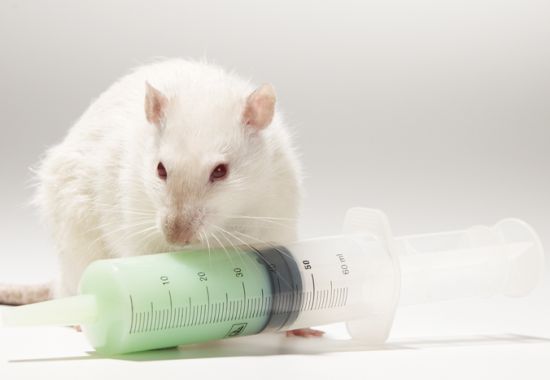
ratte07

The article in the “German medical magazine” reported on the progress of vaccine development against SARS-CoV, the “first” coronavirus.

The virus family of Coronaviridae includes the currently rampant SARS-CoV-2 and the SARS-CoV-1, which was created in China in 2002.
At the time, this virus triggered a pandemic that killed nearly 800 people worldwide.

Here too, research was intensively carried out on therapy and, above all, vaccination.

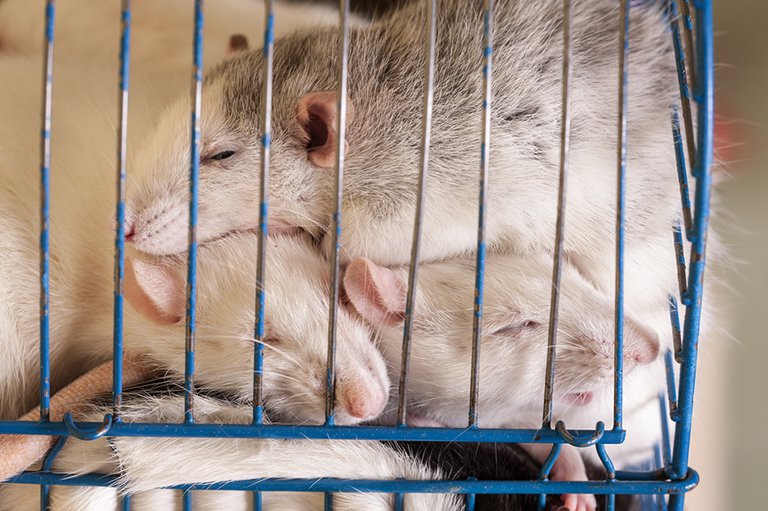
If you take a closer look at the earlier data, this has a more than revealing effect: In 2010 (7 years after the outbreak of the pandemic) a vaccine was tested on mice, among other things. The animals showed only limited immunity, which even completely disappeared after 18 weeks.

Tierversuche-Mauese-Ratten-USA
In 2012, almost 10 years after the outbreak, vaccinated mice showed an antibody formation, but after infection with the virus also an autoimmune reaction of the lungs, i.e. the defense system was directed against its own tissue.

Research on a vaccine was discontinued shortly thereafter.
Reason: the virus no longer occurs. This makes us suspicious, because at this point the pandemic had been over for almost 10 years and all animal tests that had taken place shortly before were unsuccessful.
Was it perhaps more because the (animal-based) research simply did not progress and then an apology was sought to secretly drop the whole thing under the table?

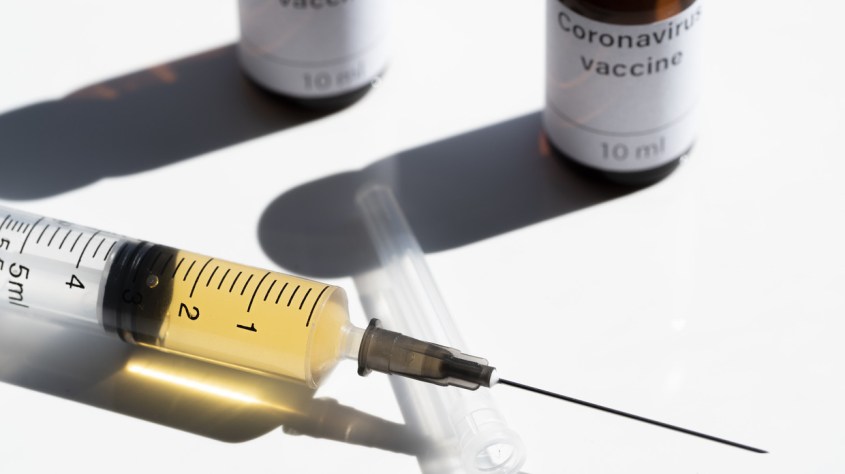
corona Impfung peg

Christian Drosten, currently the best known virologist in Germany, wrote a report in 2003 that reads that the SARS virus, even if it disappears, can withdraw into animal reservoirs and from that reservoir … “in due course, an epidemic can arise … “

This also contradicts the credibility of the above statement – especially since MERS appeared in 2012, also a type of corona virus, for which no vaccination for humans exists to this day.

Logically speaking, research should have continued from there at the latest.

The report also says that a vaccine can be expected in 1 to 2 years at the earliest, and that it is “encouraging” that the virus is well cultivated (!!!) and that there are already vaccines against animal corona viruses, that infect birds or dogs, for example.

This clearly shows that animal experiments do not make any sense in research – because a vaccine for humans against the first SARS virus still does not exist today, 17 years later.

Now it is pretended that animal experiments are inevitable to find a vaccine, and as in the past, the world is promised full rescue.

With all of this, in addition to the massive and unacceptable ineffectiveness, another problem is revealed: animal experiments are time and thus (tax) money wasters.

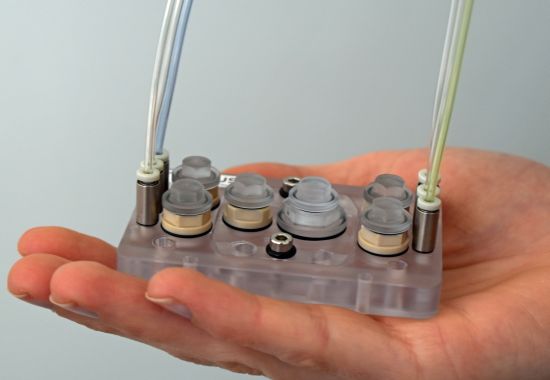
At the same time, there are promising insights from human-focused research: using human cells, mini-organs (organoids) can be grown in the laboratory, on which both the route of infection and the effects of possible medicines can be traced – which costs only a fraction of the time and money that is sunk into the animal testing system.

The importance of this human-based research is demonstrated, for example, by the fact that the respected Max Planck Institute for Infection Biology in Berlin describes its lung organoids as an “ideal test system”.

Promising, fast, cheap and human-relevant results compared to non-transferable, expensive, lengthy and painful animal experiments: we should learn from the past and
put the focus on the research methods of the future.

https://www.aerzte-gegen-tierversuche.de/de/neuigkeiten/3174-corona-impfstoff-zurueck-in-die-zukunft


My comment: Just today I read in an article that the full approval process for vaccines usually takes more than a decade, and even the most optimistic experts – including Dr. Anthony Fauci, who has become the public face of US Covid-19 policy- has said that a shot will only be completed in another year, and even up to 18 months.

When a vaccine is launched in the middle of a pandemic, extensive safety reviews need to be sacrificed for efficiency – a compromise that can be catastrophic, like the 2009 Pandemrix swine flu vaccine, which caused permanent brain damage in over 1,000 British patients.

The parallels between Covid-19 and that epidemic are ominous – wildly inflated death predictions had spooked the UK government into approving Pandemrix without sufficient safety data – and it surely won’t help Americans’ trust in this vaccine that Trump’s “vaccine czar” Moncef Slaoui ran GlaxoSmithKline’s vaccine division during the swine flu debacle.

Slaoui earned $3 million on Monday alone from Moderna, which is still considered the leading candidate in the vaccine race, even though the drug company has never brought a vaccine to market.

After hyping up what were essentially meaningless preliminary results, Moderna’s stock shot up 25 percent, bringing his holdings to over $10 million.

A vaccine produced at Oxford University hasn’t fared much better, with all six rhesus monkeys who received the shot becoming infected anyway – despite a preliminary report that tried to spin the failure as representing “some” success.

I cannot understand why anyone can be in favor of the next COVID-19 untested, unsafe vaccinations under those circumstances unless they want to die and don’t care what’s actually in the vaccination.

My best regard to all, Venus

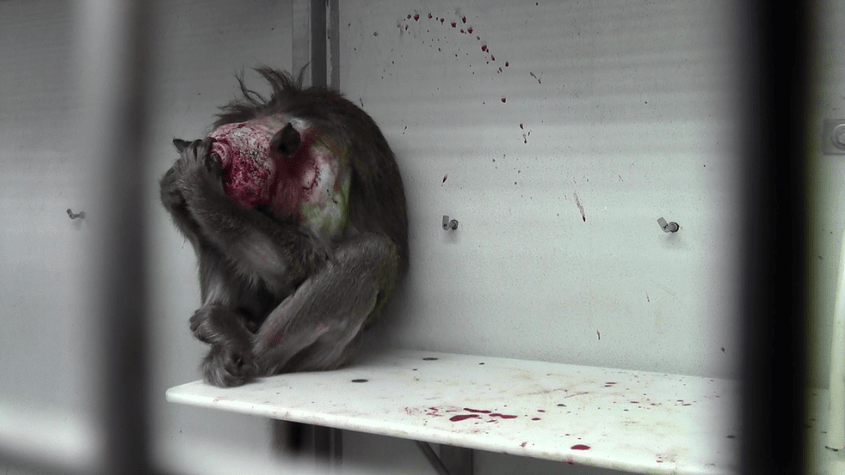
Germany: the death laboratory LPT is now history.

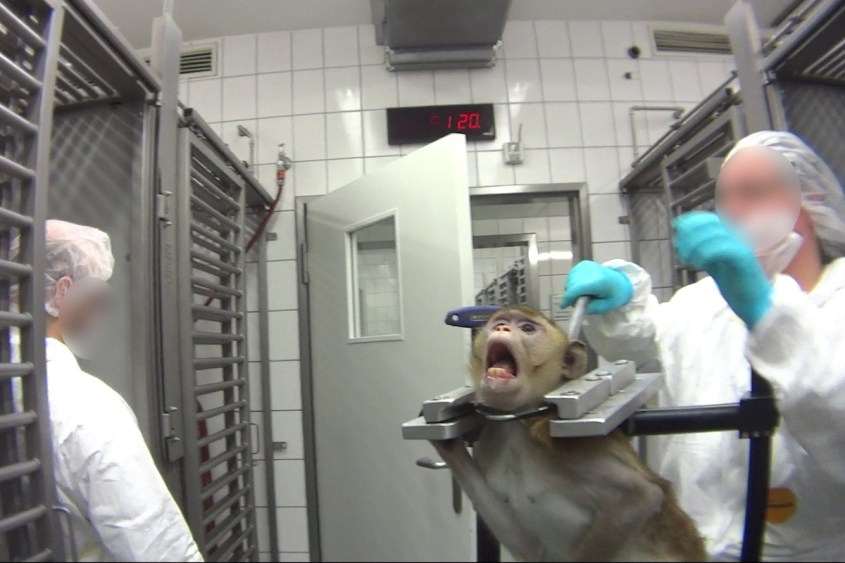
Four months of undercover research by the SOKO association and a short, powerful campaign, supported by the power of the images, brought a historical change.

The laboratory is now history, the authorities have withdrawn their operating license, and most of the animals were saved.

Almost 50 years of fighting were going on against LPT, it seemed hopeless to close it, and furthermore the laboratory was expanded, e.g. in primate husbandry.

Former LPT employees accuse the Hamburg-based company of falsifying studies and torturing animals.

Thanks to the “SOKO animal protection” as well as a large demonstration and increasing pressure, the laboratory is now closed!

We have often reported about this: https://worldanimalsvoice.com/2019/10/18/germany-lpt-labor-concentration-camp-for-animals/

https://worldanimalsvoice.com/2019/11/10/after-60-years-of-cruelty-the-lpt-lab-is-over/

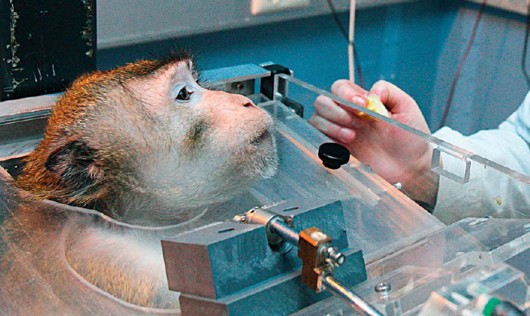
Affen_Fixierung_LPT2019_SOKO_Tierschutz

Perhaps we should erect a memorial in front of the Hamburg laboratory in the name of the victims, like this one in Munich in Dachau, to remind us where millions of beings have lost their lives under fascism.

A very nice contribution by the Austrian philosopher and animal ethicist, Helmut. F. Kaplan on the subject:

“Animal testing is wrong regardless of whether it is useful for humans. The legitimate question is not: “What is the maximum amount of health we can produce?” But: “How much health can we generate in an ethically acceptable way?”

The – real or perceived – usefulness of animal testing is not an ethical argument at all: there are many things that would be useful but are still immoral and prohibited, for example human testing.

The only reason why animal experiments have not been frowned upon and banned for a long time is simply because animals cannot defend themselves. They are helpless delivered to us.

But of course this is not a moral justification, just a cynical exercise of power.

Animal experiments are and remain crimes against defenseless beings” (Helmut Kaplan, Animal ethicist)

My best regards to all, Venus

Animal testing: legalized animal cruelty

Salamanders cut their nerves – This is how animals are tortured in Dresden’s animal laboratories.

banane rep deutschlandpg

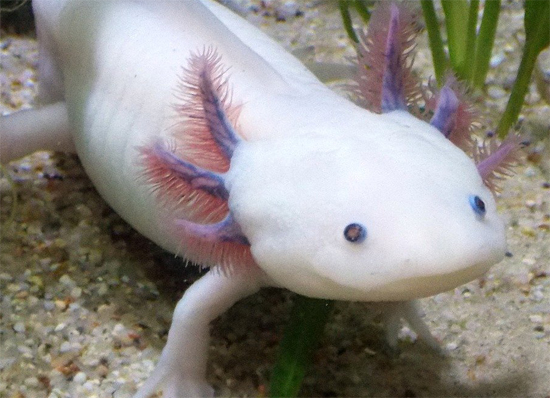
Axolotl are Mexican salamanders that have the ability to regrow injured organs or even limbs very quickly.

axolotl_ärzte gegen tierversuche jpg

At the University Hospital Dresden, Germany, nerves are cut to watch them grow again. In mice, colon cancer or a heart attack is artificially triggered, sheep are drilled holes in the skull.

In a new leaflet, the nationwide association Doctors Against Animal Experiments criticized animal experiments in Dresden’s laboratories as ethically unjustifiable and scientifically nonsensical.

“In animal experiments, animals are degraded to measuring instruments that are thrown away after use, but animals are sentient, suffering creatures, ”says Dr. med. vet. Corina Gericke, vice president of “doctors against animal experiments”.

Mäuser in Laborkäfig-4However, animal experiments should also be rejected from a scientific point of view, because the animal experimental system is based on the wrong approach of trying to imitate human diseases in so-called animal models.

In the heart center of Dresden, a coronary artery is tied in healthy mice to simulate a heart attack.
The artificially made animals have nothing to do with human patients and their complex situation.

Important aspects of disease development such as nutrition, lifestyle, harmful environmental influences as well as psychological and social factors are completely ignored in this type of research.

At the clinic for visceral, thoracic and vascular surgery, locally limited colon tumors are produced in mice by injecting special viruses.

Maus_Labor_Tierversuch_imago_CTKPhoto
Depending on the type of tumor, the animals usually die from an intestinal obstruction as a result of the tumor after 80-200 days.
Colon cancer is said to be “standardized” in mice.

“However, the human being is not standardized, but influenced by countless factors,” complains Gericke. “Such a ‘model’ is far from any reality and the results of it are completely irrelevant for human medicine. It would make a lot more sense to research colon cancer on intestinal organoids, or mini-organs, generated from human cells. ”

tierfreie forschungpg

In the opinion of the medical association, the trials with Axolotl of the Clinic for Neurosurgery are particularly perfidious research.
The sciatic nerve is cut through to the amphibians.

After 7 and 14 days, the hind leg is cut open again to photograph the nerve.
Over the next 4 months, a total of 78 animals will be gradually killed.

Axolotlpg
“Even if the experimenters find out how the axolotl does this to regenerate amputated limbs and nerves, we humans will never get this ability,” explains the veterinarian.

In another example from the University of Dresden, sheep are drilled 3 holes in each skull and filled with different materials. According to “Doctors Against Animal Experiments”, it makes no sense to study bone healing in sheep because that have a completely different bone metabolism than humans.

Versuchstier Schafe

In a 26-part series, the association informs Doctors Against Animal Experiments about animal experiments in a specific city. Dresden, No. 26, is the newest sheet in this series.

The association wants to sensitize the local population to support its demand for innovative animal-free research with mini-organs and multi-organ chips grown from human cells.


https://www.aerzte-gegen-tierversuche.de/de/neuigkeiten/3169-salamandern-die-nerven-durchgeschnitten


My comment: “Every substance poisons only certain animal species (or only in certain doses). So you can “prove” what you want with animal experiments, and vice versa. If you choose the right animal species, a medication can be described as harmless or toxic, as effective or as useless as you wish.
So animal testing is an unscientific method, a methodical error; and science based on wrong methodology can only be bad science. It is our job to correct this mistake. “
Prof. Dr. med. Pietro Croce

With unspeakable suffering for the animals and decades of support with hundreds of millions of taxes, animal experiments are even lucrative fun for the researchers.
Thousands of doctoral theses that can be googled today provide sad proof of how unscrupulous today’s medical professionals are and how easily they can go over the animal corpses to make a career.

The system of applications to ethics committees to prevent animal suffering is probably a joke.

In the application process, the entire test procedure is flattened into a phrase with a previously determined result.
This means that even if an experiment is associated with severe suffering, the animal has no chance of escaping scientific torture if the abolition of the experiment contradicts the goal of the experiment.

The results of animal experiments do not guarantee transferability to humans.
Even worse! there is no direct link between animal testing and rescuing a person.
However, since everyone can create and interpret animal experiments in a way that suits their own interests, the freedom to kill millions of animals has been legalized.
So there is undoubtedly a lot of suffering.

Despite this suffering, science does not provide meaningful data.

In the 1970s, the companies Sandoz, Ciba-Geigy and Hoffmann-LaRoche alone poisoned 2 million animals every year in gruesome, lengthy procedures. Among them tens of thousands of dogs, cats and monkeys. A monetary transaction in which the pharmaceutical and chemical industries generate double profits that we have reported on many times.

Letting 42 million animals suffer worldwide from questionable experiments in one year alone (no butcher has such rights !!) – is a crime that nor can it be justified by the evolutionarily acquired intellectual and technical superiority of human being.

Affe in MPIc

My best regards to all, Venus

Philippines: do not cooperate with the laboratory mafia

Prevents the capture of monkeys in the Philippines for the animal testing laboratory!


philippinen-flagge-g
The Philippines has played little role in catching, breeding and exporting monkeys to the animal testing laboratory in recent years.

The authorities now have an application to catch long-tailed macaques from the wild in order to for sale for corona research. This must be prevented!

Please sign and share the petition!

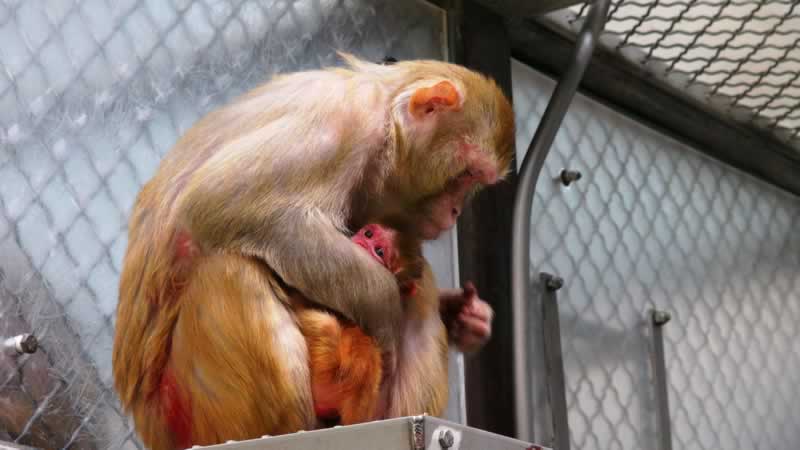
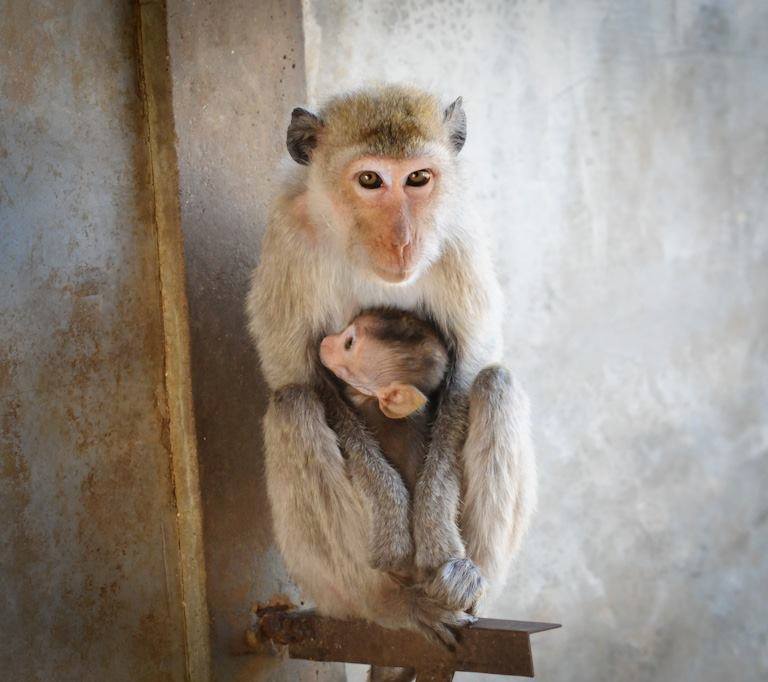
Affe Mutter mit Baby_n[photo credit: Jo-Anne McArthur / We Animals]


The Department of Environment and Natural Resources (DENR) in the Philippines has received at least one application asking to capture wild long-tailed macaques (Macaca fascicularis spp. philippensis) for research purposes. This could mean a revival in farms breeding and exporting macaques for research, using newly trapped monkeys as a source.

Sign now so that the Philippines government is made aware of the international concern about the capturing of its native wild monkeys for research or any purpose.

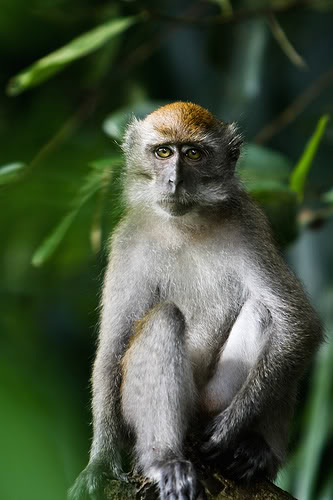
Affe Makaka Philippinen pg

Primates are intelligent and social animals and capturing and removing them from their native habitat and family and social groups is cruel and can result in injuries and even death. Several official bodies and organisations recognise the suffering involved in the capturing of wild non-human primates.

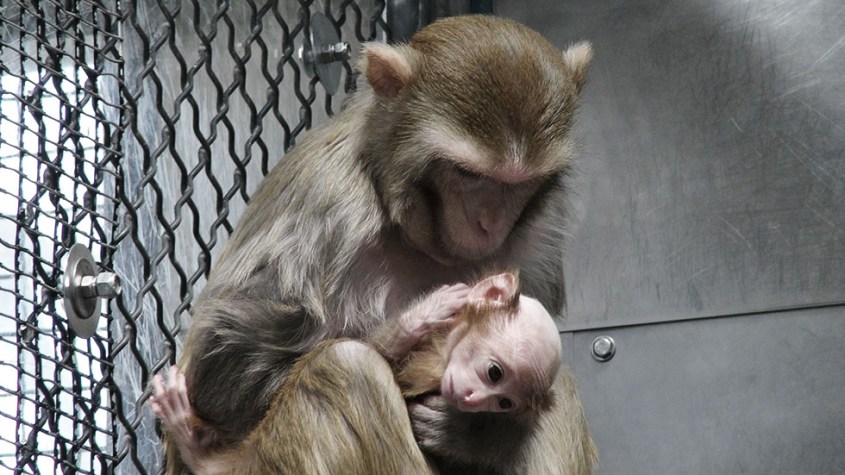
Tierversuche mit Primaten am National Institute of Health, USA.

For example, the International Primatological Society:

“the capture of nonhuman primates from the wild is stressful for the animals and increases the suffering, risk of injuries, spread of disease and even death during capture, storage and transport”

makaka Philippinen jpg

Action For Primates and The Philippine Animal Welfare Society (PAWS) appeal to the DENR to protect wild populations of its indigenous primates, not remove them from their native habitat.

Macaca fascicularis spp. philippensis is listed under Appendix II of CITES (Convention on International Trade in Endangered Species of Wild Fauna and Flora).

philippine_monkey_pg

The Philippines, as a signatory to CITES, has a responsibility to safeguard the conservation status of the species. Furthermore, according to the most recent assessment by the International Union for Conservation of Nature’s (IUCN) Red List of Threatened Species, Macaca fascicularis spp. philippensis is also listed as ‘Near Threatened’ with a population that is decreasing.

Threats identified for the decline in this species were given as hunting and habitat loss.

Verbutete Affen Mutterpg

The DENR, in considering whether to grant a permit to capture the wild macaques, cites an increase in the monkey population and conflicts with people. Instead, we urge the DENR to adopt a humane approach to deal with any human-macaque conflict (!!!)

There are methods that can be used effectively to resolve conflicts humanely, including reproduction control, relocation and public awareness and education about measures people can adopt to discourage macaques from coming into their communities.

AirFrance-affe mit kleinempg


Petition: https://www.thepetitionsite.com/de/661/180/303/urge-the-philippines-government-to-deny-the-capture-of-wild-monkeys-for-research-purposes


My comment: The human species are becoming more and more and the animal species less and less.
We enslave the animals for our own purposes, we rob their freedom, their habitat and, in the end, their lives, and then we have the audacity to speak of conflict.

If something does not suit human animals, we talk about conflict and deliberately confuse effect with the cause of the conflict.

Whole families of Macaca philippensis are now to be torn apart to test for a virus that does not infect animals!!

That’s what the laboratory mafia and its researchers call “science”.
Should we trust these chess heads in our health?
A macaca alone has the intelligence that all laboratory researchers would bring together.

Please sign the petition, we may be able to prevent the Philippine government from catching and selling these animals to unscrupulous laboratory traders:

https://www.thepetitionsite.com/de/661/180/303/urge-the-philippine-government-to-deny-the-capture-of-wild-monkeys-for-research-purposes/

My best regards to all, Venus

China: They Gave the World Covid; Now China’s Scientists Accused of ‘Playing God’ by Creating ‘Monstrous’ Cloned Apes and Primates

China


… and the governments of the world who have experienced the Covid curse in recent months simply sit by and let them continue yet again; without question !


https://www.thesun.co.uk/news/11571796/china-scientists-cloned-apes-gene-edited-babies/


FRANKENSTEIN MONSTERS

China’s scientists accused of ‘playing God’ by creating ‘monstrous’ cloned apes and primates with human organs


 Five cloned macaques monkeys, engineered to have brain disorders, at a research institution in Shanghai


CHINESE scientists have been accused of being real-life Dr Frankensteins who play God by cloning apes and editing the genes of babies.

Some of their work has been dubbed “monstrous” while other cutting edge research could lead to cures for Parkinson’s and Alzheimer’s.

It’s important to note that the US and the UK are not immune from conducting tests on animals and in fact carry out THOUSANDS of experiments on primates every year.

However, China has become the capital of research on apes and monkeys believing that our closest relatives hold the key to understanding brain disorders that destroy lives.

Incredibly, the Institute of Neuroscience (ION) in Shanghai, cloned five infant monkeys last year from an adult macaque who had been genetically-edited.

PUSHING ETHICAL BOUNDARIES

The result was baby primates intentionally born with a mutation that disrupts their wake-sleep cycle.

By giving the monkeys new drugs to treat their pre-existing brain disorders, the scientists hope to develop treatments for illnesses such as Alzheimer’s disease.

It’s no wonder the ION has been dubbed the “Cern of primate neurobiology”.

The Institute successfully cloned two macaque monkeys in 2018 – a world first – giving the experts confidence to push ahead with further experiments.

Heaping praise on the research, the Chinese Academy of Sciences said: “The achievement heralds a new era in which China can produce batches of standardised monkey clones, which will serve as animal models in the research of the brain’s cognitive functions, early diagnoses and interventions of diseases, as well as research and development of drugs.”

While China allows genetic manipulation on animals it has banned the use of gene-editing on humans – but that hasn’t stopped some of its scientists “playing God” with unborn children.

Scientist He Jiankui, 35, rocked the scientific world when he revealed he had altered the embryos of twin girls in 2018.

In December last year, it was revealed that a third child born to a different mum had also been gene-edited.

Heaping praise on the research, the Chinese Academy of Sciences said: “The achievement heralds a new era in which China can produce batches of standardised monkey clones, which will serve as animal models in the research of the brain’s cognitive functions, early diagnoses and interventions of diseases, as well as research and development of drugs.”

While China allows genetic manipulation on animals it has banned the use of gene-editing on humans – but that hasn’t stopped some of its scientists “playing God” with unborn children.

Scientist He Jiankui, 35, rocked the scientific world when he revealed he had altered the embryos of twin girls in 2018.

In December last year, it was revealed that a third child born to a different mum had also been gene-edited.

GENE-EDITING BABIES

The rogue expert said he used a tool called Crispr to disable a gene that allows the AIDS virus to enter cells in a bid to make the children immune from the disease.

But why have such experiments been dubbed “monstrous” by others within the scientific community?

Experts claim gene-editing in people could “divide humans into subspecies” and can cause mutations, genetic problems and even cancer.

Dr Kiran Musunuru, an expert in this area from the University of Pennsylvania, called the experiment “unconscionable … an experiment on human beings that is not morally or ethically defensible.”

Professor Julian Savulescu, of the University of Oxford, said: “If true, this experiment is monstrous.

“The embryos were healthy. No known diseases. Gene editing itself is experimental and is still associated with off-target mutations, capable of causing genetic problems early and later in life, including the development of cancer.

“There are many effective ways to prevent HIV in healthy individuals: for example, protected sex.”

Last December, Mr Jiankui was jailed for three years after news of the third child’s birth was revealed.

He was convicted of practising medicine without a licence and fined £330,000 by a court in Shenzhen, the Xinhua news agency reported.

One of the most controversial experiments to date was the creation of embryos that were part human and part primate.

MONKEYS WITH HUMAN ORGANS

Last year, Spaniard Juan Carlos Izpisúa Belmonte led a team of Chinese researchers with the end goal of creating monkeys which have entirely human organs such as kidneys or livers.

The organs will then be used for human transplants.

Based in China, the team made the chimeras – a single organism with cells from more than one genotype – by injecting human stem cells into a fresh monkey embryo.

Biologist Belmonte previously tried adding human cells to embryos of pigs but the disturbing experiment was not successful.

However, because primates are genetically related to humans, the chances of the new research being successful is much greater.

The scientists also use gene-editing technology to disable certain cell formations in the animals to give the human cells a better chance of thriving.

In the US and other western democracies, such research is banned – however in China, experts are allowed to push the boundaries of scientific ethics.

Importantly, no Frankenstein monster has been born as a result of this research… not yet anyway.

Instead, the hybrid embryos are allowed to develop for around two weeks so their progress can be studied.

Mr Belmonte defended his work with the Chinese, saying: “History shows us time and time again that, over time, our ethical and moral standards change and mutate, like our DNA, and what yesterday was ethically unacceptable, if this really represents an advance for the progress of humanity, today it is already an essential part of our lives.”


Archive 2019:

World’s first human-monkey hybrid created in China, scientists reveal

Researchers pledge to continue using primates in search for transplant organs 

Friday 2 August 2019


https://www.independent.co.uk/news/science/human-monkey-hybrid-china-organ-transplant-stem-cells-embryo-a9037506.html


Scientists say they have created the world’s first human-monkey hybrid in a laboratory in China.

The researchers, who want to use animals to create organs for human life-saving transplants, say creating the hybrid was an important step.

And they pledged to continue their experiments using primates.

The team revealed that they had injected human stem cells capable of creating any type of tissue into a monkey embryo.

The experiment was stopped before the embryo was old enough to be born.

But the scientists – who were Spanish but held the trial in China to get round a ban on such procedures at home – said a human-monkey hybrid could have potentially been born.

The embryo had first been genetically modified to deactivate genes that control organ growth.

Ethical concerns were raised over the trial, partly over fears that human stem cells could migrate to the brain.

Angel Raya, of the Barcelona Regenerative Medicine Centre, said experiments on organisms with cells from two species faced “ethical barriers”.

He told El Pais: “What happens if the stem cells escape and form human neurons in the brain of the animal? Would it have consciousness? And what happens if these stem cells turn into sperm cells?”

But Estrella Nunez, of Murcia Catholic University (UCAM) and the project collaborator, said mechanisms were put in place so that if human cells did migrate to the brain, they would self-destruct.

“The results are very promising,” Ms Nunez said.

The research, which was financed largely by the university, was costly. “If we combine the human/pig, human/rat and human/monkey research, it is many hundreds of thousands of euros,” she said.

Dr Raya said scientists have traditionally set a “red line” at 14 days’ gestation, which is not long enough for the embryo to develop a human central nervous system. All chimera embryos are destroyed before that time.

Juan Carlos Izpisua, who created the world’s first human-pig hybrid in 2017 and led the latest experiment, said: “We are now trying not only to move forward and continue experimenting with human cells and rodent and pig cells, but also with non-human primates. Our country is a pioneer and a world leader in these investigations.”


First Human–Monkey Chimeras Developed in China

The researchers aim to grow transplantable human organs from primate embryos.

Nicoletta Lanese
Aug 5, 2019


https://www.the-scientist.com/news-opinion/first-humanmonkey-chimeras-developed-in-china–66231


An international team of researchers has created embryos containing both human and monkey cells, the Spanish newspaper El País reported July 31. The controversial project was conducted in China, rather than in the US where the project leader is based, “to avoid legal issues,” according to the newspaper, and ultimately aims to grow viable organs for transplantation into humans.

Juan Carlos Izpisúa Belmonte of the Salk Institute in San Diego is spearheading the project with scientists from his own lab and those from the Murcia Catholic University in Murcia, Spain. The team wants to develop chimeras—organisms composed of cells from two or more species—capable of growing human organs.

Similar experiments using pig or sheep embryos have faced technical challenges, likely because the animals are genetically distant from humans. Primates, being more closely related to people, may offer more promise. “The human cells did not take hold. We saw that they contributed very little [to the development of the embryo]: one human cell for every 100,000 pig cells,” Pablo Ross, a veterinary researcher at the University of California, Davis, who previously researched pig-human chimeras at Salk, tells El País.

Ross adds that he doesn’t see the utility of growing human organs in monkeys. “I always made the case that it doesn’t make sense to use a primate for that. Typically they are very small, and they take too long to develop,” he says in an interview with MIT Technology Review.

The National Institutes of Health forbids the use of federal funds to create human-monkey embryos. China, where Izpisúa Belmonte’s experiments are taking place, has no such restriction. The crux of the controversy, according to The Guardian, is that it is difficult to restrict human cell growth to just one organ of interest. Should a human-animal hybrid develop a human-like nervous system capable of consciousness, or be brought to term and display human-like behaviors, the ethical consequences could be extreme.

See “Bioethicists Concerned over Japan’s Chimera Embryo Regulations

So far, the human-primate embryos have only been allowed to develop for a few weeks at a time, before organs have formed, according to Estrella Núñez, a biologist and administrator at the Catholic University of Murcia whose institution partially funds the research. “In no case is the gestation brought to full term,” she says in an interview with El País.

“I don’t think it is particularly concerning in terms of the ethics, because you are not taking them far enough to have a nervous system or develop in any way—it’s just really a ball of cells,” says Robin Lovell-Badge, a developmental biologist from the Francis Crick Institute in London, in an interview with The Guardian. “[But] if you allow these animals to go all the way through and be born, if you have a big contribution to the central nervous system from the human cells, then that obviously becomes a concern.”

In July, Japanese researchers—including Hiromitsu Nakauchi of the University of Tokyo and Stanford University—first received permission from the government to create human-animal embryos to be transplanted into surrogates. Japan had previously banned animal embryos containing human cells from developing beyond 14 days, let alone implanting them in a surrogate uterus. Although legal now, it remains unlikely that any of these animals will soon be brought to term as the proportion of monkey-to-human cells in the chimeras still has to be perfected, according to The Guardian.

It doesn’t make sense to bring human–animal hybrid embryos to term using evolutionarily distant species such as pigs and sheep because the human cells will be eliminated from host embryos early on, says Jun Wu, who researches human–animal chimaeras at the University of Texas Southwestern Medical Center in Dallas, in an interview with Nature last week.

“The evolutionary distance between humans and monkeys spans 30 to 40 million years, so it is unclear if this is even possible,” says Alejandro De Los Angeles of the Yale University School of Medicine, in an interview with The Guardian.

Beyond organ production, the research could address questions of evolutionary distance between species and investigate basic mechanisms in molecular biology, Ross tells MIT Technology Review. The results could also be used to develop better animal models of human disease, says Los Angeles to The Guardian.

“The ultimate goal would be to create a human organ that could be transplanted but the path is almost more interesting for today’s scientists,” says Núñez in an interview with Vice. “What we want is to make progress for the sake of people who have a disease.”


Cleveland Clinic Labor: a gang of Frankensteins

Animals were injected with toxins that damaged their bodies, cut open with minimal pain relief, deliberately bred so that their internal organs would protrude outside their bodies, and kept in severely crowded cages.

A worker even described preventable animal deaths there as “acceptable-ish.”

american-flag-120402148
All this took place in the laboratories of one of the best-known and largest taxpayer-funded research facilities in the country.
PETA has conducted a six-month undercover investigation into the laboratories of the Cleveland Clinic, which, in 2019 alone, received more than $100 million in taxpayer money through the National Institutes of Health (NIH).


Skulls Cut Open

Experimenters at the Cleveland Clinic call it a “cranial window.” Less euphemistically, it’s a hole in a mouse’s skull exposing the brain and covered by a pane of glass.

cleveland clinic 1
Experimenters cut into the head, drill into the skull to expose the brain, and use suction to remove portions of it, exposing the hippocampus. A glass coverslip is placed over the exposed portion of the brain, and a stainless steel “head cap” is glued onto the mouse’s skull.

The mouse receives pain relief only on the day of the surgery and the next day.

These painful, invasive experiments are ostensibly carried out to monitor what happens to “the brain condition.” However, the “structure, function, and behavior” of the mouse brain has little relevance to the human brain.

Animals with their insides hanging out

Experimenters at the Cleveland Clinic deliberately breed mice who are prone to pelvic organ prolapse—in which the uterus, bladder, or rectal tissue falls out of place and even protrudes outside the body.

One mouse, named Daisy by PETA’s investigator, had a bloody rectal prolapse—a very painful condition in which part of the rectum protrudes from the anus.

She had to drag her protruding rectal tissue through her bedding for at least 10 weeks, and she walked with her back legs unnaturally spread, appearing not to want to put pressure on her lower abdomen.

cleveland 2 pg
Daisy and other mice, some of whom had “enormous” prolapses, according to the experimenter’s aide, were bred repeatedly and denied pain relief.

Asked about giving Daisy something to make her more comfortable, the aide replied, “No, there’s nothing.”!

She added that when mice like Daisy “just linger” and stop breeding, after a year of such misery, only then would they be gassed to death—which was ultimately Daisy’s fate.

Another mouse, named Lily, walked slowly and leaned forward with her legs spread widely apart because of her painful, untreated condition. Imagine a dog or cat being treated this way. But of course, mice suffer just as much as they do—the extent of their pain isn’t proportional to their diminutive size.

Paralyzed mice drag themselves along to eat

Experimenters injected mice with a chemical that caused an inflammatory disease of the central nervous system, which left them struggling to walk and dragging their hind legs.

Apparently, this is done to “model” multiple sclerosis—even though what happens in mice bears little resemblance to what happens in humans with the disease. The mice’s painful condition was expected, so, according to one worker, their agony went unreported to veterinary staff unless their paralysis also affected their front legs or they developed a skin condition such as urine scalding caused by the inability to move their back end.
PETA’s investigator saw that some mice suffering in this experiment lost strength in their lower limbs and could not walk at all. They had no choice but to try to crawl and drag themselves along in order to reach their food.
Experimenters cut into their backs and separated their muscles from their vertebrae so they could take images of their spinal cords.

Kill them because they’re ugly’
Mice used in a kidney disease experiment developed raw, red, massive skin growths and lesions. One mouse scratched continuously at a growth that covered nearly half her face and kept pushing at her eye.

When veterinary technicians told the experimenter that these mice were in pain, the experimenter apparently replied that they wanted to “kill” the mice “just because they’re ugly.”
One mouse had a sore stretching across his entire back, about 3 inches long. His hair was gone, and his skin was red. Another mouse had a thumb-size sore on her lower back covered by a thick scab. Yet another mouse had a 2-inch-long sore on his right side.

A veterinary technician said that these mice were “scratching and biting the crap out of” the lesions, as mice used in the experiment “always” did.
But PETA’s investigator never saw these mice receive any treatment or relief for their wounds, such as anti-itch ointment or painkillers.

Animals driven mad by extreme crowding

Mice at the Cleveland Clinic were crammed into shoebox-size cages—up to five adult mice apiece or two adults with a litter of babies. Those housed alone in a cage fared no better—instead of companionship, they were given little more than a single paper towel.

cleveland 3 pg

Staff often failed to remove litters or additional adults from cages before new litters were born. This led to trampling and even cannibalizing of the babies by their severely stressed parents in the intolerably unnatural conditions.
A veterinary technician at the Cleveland Clinic said that “in the grand scheme of things,” such deaths were “acceptable-ish.”

cleveland 4
Other mice were simply left somewhere and forgotten.
Three mice were abandoned with no food or water in a cardboard bucket for hours.

When no experimenter’s group took responsibility for them, a supervisor said that “it isn’t like they would get in trouble for it” anyway.

Six more mice were found abandoned in another bucket. Two were found in a cage bound for the garbage. One experimenter’s aide left a mouse gasping and laboring to breathe for more than an hour before she was finally euthanized.

Pigs used as living, Breathing practice dummies

Other species at the Cleveland Clinic also suffered. Social, playful pigs were kept alone in barren pens. A worker said that some were used as “practice for new doctors,” while others were subjected to experimental rectal surgery.

You Can Help these Animals!

PETA has submitted these findings to NIH and has requested an investigation. Please join PETA in calling on NIH to stop funding cruel experiments at the Cleveland Clinic, beginning with the Frankensteinian cranial window experiments.

https://investigations.peta.org/cleveland-clinic-animal-experiments

(The petition is also in the link. Sign and share)


My comment: The neurosurgeon and brain researcher Professor Robert Joseph White from Cleveland, Ohio, was a recognized surgical technician in the 1980s and spent decades in this horror laboratory dealing with the problem of head transplantation.
White beheaded rhesus monkeys and put his head on another monkey’s.

The inverted heads remained functional on a foreign body for a maximum of seven days: they could see, hear, feel and, as far as possible.

White said he would not hesitate to transplant human heads: “The technical problem has been solved,” he said at the time.
“It would be even easier for humans than for the much smaller rhesus monkey. We don’t have to wait 200 years, we can do it right away.”

This “science”, which White tried to practice, already meant fidgeting and desecrating the primates, consuming them by the dozen, leaving them paralyzed, vegetating them for a few days and then moving them towards the garbage like a broken toy throw.

The most heinous and frightening thing of all about this research practice was the indifference with which such (practically) illegal crimes against animals were committed.
Obviously, and after today’s undercover investigation, not much has changed in Cleveland Clinic Labors.

I can only say one thing: The human experiments in the concentration camps during the Nazi era should also serve non-profit medical purposes.

My best regards to all, Venus

Canada: ALF brings red message to laboratory

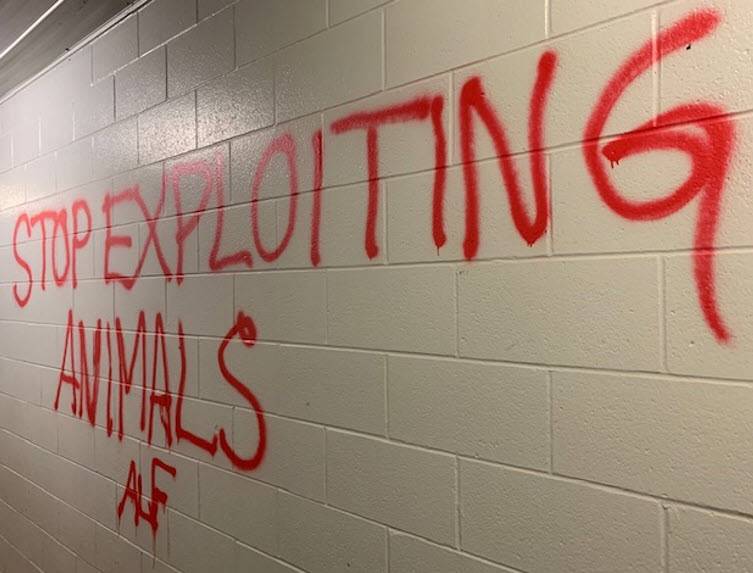
ALF stop exploiting animals pg

BY MATT CARTY
Global News- Canada
[Press Office note: No claim for this action has been received by the Press Office as of this posting.]

Wellington County OPP say vandals broke into the University of Guelph’s swine research site in Puslinch, spraying paint onto walls and equipment with animal rights messages.

Officers were called to the facility on Arkell Road on Tuesday morning to find walls and a tractor spray-painted. Red spray paint reading “stop exploiting animals” in capital letters was scrawled on an interior wall.

OPP believe that someone entered the facility between 3 p.m. Monday and 6:30 a.m. Tuesday and wrote messages that “consisted of profanity and slogans in support of animal rights.”

A vehicle captured on surveillance is described as a metallic blue four-door Ford Focus from either 2008 or 2009.

https://animalliberationpressoffice.org/NAALPO/2020/05/06/university-of-guelph-research-site-vandalized-with-animal-rights-graffiti-2/


And I mean…No slogan, no graffiti from the ALF can be as brutal as animal testing.

As soon as you write the truth on the wall of a horror laboratory, that’s vandalism.
When animals are tortured, massacred or cruelly killed in laboratories, the perpetrators speak of freedom of research.

The freedom of research stops when others have to suffer.

On behalf of the animals, thank you ALF!

Best regards to all, Venus

Germany: wasted money and animal suffering in laboratories

Germany has released an unscheduled 305 million euros for research funding for the new corona virus. While part of the funding is spent on animal testing, it is not clear whether and to what extent the development and application of modern animal testing-free in vitro methods such as human organoids are being funded.

tierversuch-ratte-d-27459718
The nationwide association Doctors Against Animal Experiments asked about the distribution of the funds and received only unsatisfactory answers. The association criticizes the lack of transparency and the flow of public funds in expensive and lengthy animal experiments as ethically and economically irresponsible for humans and animals.

Tierversuche-Mauese-Ratten-USA

The Federal Ministry of Education and Research (BMBF) has announced that, in view of the current COVID-19 emergency situation, it will provide additional funding both for research into the SARS-CoV-2 virus and for the development and testing of medicines and vaccines .

corona Impfung peg

The corona virus cannot infect the usual “laboratory animals”, nor can it cause a severe course of disease in other animal species as in humans. Nevertheless, there is strong evidence that a large part of this special funding is used in animal experiments.

mäuser aufs geldn

The international vaccine initiative CEPI (Coalition for Epidemic Preparedness Innovations) provides a large portion of this special funding, namely EUR 145 million.

CEPI is a public-private partnership that works with government sponsors as well as private foundations and companies. It coordinates and supports a wide range of projects for the development of various vaccines and vaccine technologies.

At the request of doctors against animal testing, CEPI was unable to provide any information about the proportion of the COVID-19 funding used for animal testing or for animal testing-free procedures. Since animal testing is generally much more expensive than the human-relevant in-vitro methods, it can be assumed that a lot of money will be invested in animal testing.

The strategic COVID-19 plan, which was developed by the international funding network GLOPID-R (Global Research Collaboration for Infectious Disease Preparedness), of which the German Ministry of Education and Economy is a sponsoring member, together with the World Health Organization, is also unsettling.

In this plan, various animal experiments, especially those with mice and monkeys, are provided and described as milestones that should be encouraged and supported.

Affenversuche

The German Ministry of Education and Economy supports projects from basic research with a total of up to 10 million euros – in addition to the 145 million for CEPI.

The following are listed as funding points for financing:
– Research into the genesis of the virus and its transmission between animals and humans
– Approaches to testing the transferability of existing animal models to CoV-2 and ”
-Development of new clinically relevant animal models and human cell models “(for example, lung infection model).
All three points are based on animal experiments.

In contrast to this, the human-based animal-free methods with the exception of the briefly mentioned “human cell models” are not listed as funding points.

corona

We asked the German Ministry of Education and Economy what the distribution of these special funds between projects with and without animal experiments looks like, but our request has not yet been answered. This is an indication that more funding can be invested in carrying out cruel and fruitless animal experiments with a wide variety of animal species than in the development of in-vitro high-tech technologies with human tissue.

Labor maus mit Tumor
The German Ministry of Education and Economy is investing 150 million in the establishment of a scientific network from German university clinics.

Although the focus should be on clinical work with patients, there are indications in the report that this money is partly also attributed to preclinical research, including animal experiments.

Ärzte gegen Tierversuche e.V.


My comment: CEPI was founded in 2017 by several governmental and non-governmental donors in response to the 2014 Ebola crisis.
The German Ministry of Education and Research (BMBF) supports CEPI for up to 90 million euros for five years.
Other supporters so far have been Norway, Japan, Great Britain, Canada, Belgium and Australia, the Bill and Melinda Gates Foundation and the Wellcome Trust (!!!)

With a bit of bad luck, a (compulsory) vaccination that is already being planned will not save us from the swamp.
This could be because we will be suffering from the next patented virus in about 18 months, when the Bill-Gates vaccine is available, so that we can no longer get out of this quarantine spiral.

But “good propaganda” protects us fairly reliably from “unhealthy information”, and all Corona stressed citizens can hardly wait for a vaccine, which is reliably tested on animals.

The rescue comes from a substance that has been tested just on these animals that are not infected by the virus.
Dead safe vaccination!

So the question remains whether there can be such a thing as learning resistance in medicine?

Yes, this question does indeed arise. And we can assume that it is so.
Or worse: the mafia-like structures from the laboratory – pharmaceutical industry inclusive – are highly motivated to make money again.

It is again about billions, with the suffering and senseless massacre of sentient beings.
This is how the laboratory mafia has always worked; now  it’s “business with the fear”.

My best regards to all, Venus

UK: World Day for Laboratory Animals – Urge the UK Government to Commit to Ending All Experiments on Animals – Petition.

UK flagge aquarelljpg


Hi Mark,

Unable to hold a real protest because of restrictions on social gatherings, PETA is staging a march by an army of adorable animal figurines against a backdrop of the Houses of Parliament today to mark World Day for Animals in Laboratories.

Our tiny protesters are calling on the government to commit to ending all animal experiments and redirecting resources towards superior, non-animal methods – such as sophisticated tests using human cells and tissues and advanced computer-modelling techniques – which would benefit humans and animals alike.


petition keyboard


Will you join us by adding your name to PETA’s petition?

https://secure.peta.org.uk/page/26847/petition/1?utm_source=PETA%20UK::E-Mail&utm_medium=Alert&utm_campaign=0420::viv::PETA%20UK::E-Mail::WDAIL::::aa%20em&ea.url.id=4686377&forwarded=true


European Union Directive 2010/63/EU on the protection of animals used for scientific purposes is clear – the EU’s ultimate objective is to replace all experiments on animals. Shamefully, Britain has yet to commit to this important goal in its own national legislation – and as the end of the Brexit transition period fast approaches, the UK government is running out of time.

Over 90 per cent of drug trials in humans fail, even though the drugs have already passed experiments on animals. The problem is that the differences between species are so vast that results in animals are, at best, a very poor approximation of what will happen in humans or, at worst, dangerously misleading. A paradigm shift away from all studies using animals is needed. The government must create a clear strategy and timeline for replacing animals used in experiments. With greater investment in animal-free science and bold policy initiatives, far more promising cures and treatments for humans as well as more effective and reliable methods for toxicity assessment can be developed.

Finally – and crucially – committing to this goal would also help put an end to the almost unimaginable suffering of millions of animals.

It’s time for the UK to commit to completely replacing all experiments on animals.

Please sign our petition to the Home Office; Department of Business, Energy and Industrial Strategy; and Department of Health and Social Care.

Urge the Government to Commit to Ending All Experiments on Animals


To: Home Office; Department of Business, Energy and Industrial Strategy; and Department of Health and Social Care

Please commit to the EU’s final goal of fully replacing the use of animals in scientific procedures to ensure that the UK is not left behind – in either animal-welfare standards or scientific innovation – in the wake of Brexit. Although EU Directive 2010/63/EU (the Directive) has been transposed into the Animals (Scientific Procedures) Act 1986, the UK has not formally adopted the EU’s ultimate goal of replacing the use of animals in scientific procedures, as reflected in Recital 10 of the Directive. We, the undersigned, respectfully request that the government take this official step immediately, establishing a clear policy within a legislative framework, mandating an end to experimentation on animals, and providing a clear strategy and timeline for achieving this goal. Redirecting funding away from unreliable and unethical tests on animals and instead investing in superior, non-animal methods will benefit humans, animals, and the future of science in the UK.

Yours sincerely,

Thank you for helping animals in laboratories.

Julia B
PETA UK