Category: Vivisection

World Day for Laboratory Animals. Cannoli.

Canpeta


Cannoli, a sweet and healthy golden retriever, should be enjoying comfort and safety with a loving family right now.

Instead, he’s languishing in a laboratory cage—even though Texas A&M University (TAMU) has temporarily closed because of the COVID-19 pandemic and sent students home to their families.

After a determined PETA campaign led TAMU to announce last year that it had stopped breeding dogs to be tormented in painful, pointless canine muscular dystrophy (MD) experiments, Cannoli was made available for adoption. But now he’s been taken off the list and transferred to another laboratory, where his suffering will continue.

Experimenters have been confining dogs with debilitating canine MD to barren cages and tormenting them in painful tests for more than three decades—which hasn’t yielded a single treatment that reverses symptoms of MD in humans.

Crude, cruel tests on animals waste lives and resources when researchers should be focusing on actually helping humans, and now, even the most stubborn companies, institutions, and government agencies are finally changing their tune. For example, the National Institutes of Health has taken a potential COVID-19 vaccine straight to human trials—without waiting for a lengthy animal-testing phase, paving the way for cruelty-free research in the future.

PETA is leading the charge to spare dogs horrible lives in laboratories and breeding mills, end crude “fright” experiments on monkeys, stop the terrifying forced swim test on mice, and promote the development and use of animal-friendly, human-relevant testing methods and technology.

When we started our campaign against canine MD experiments, TAMU experimenters had nearly 100 dogs in their clutches and were intentionally breeding them to develop symptoms of the disease. Today, after our determined online activism, our demonstrations, our lawsuits, the help of MD patients and 500 physicians, and more, the school has ended its breeding program, and fewer than 30 dogs are still suffering there. We’re making huge progress—but we must keep pushing to cross the finish line, because TAMU is still treating Cannoli and dozens of others like disposable lab equipment rather than the sensitive individuals they are. Animals deserve better.

Donation Link – https://support.peta.org/page/18069/donate/1?utm_source=PETA::E-Mail&utm_medium=Appeal&utm_campaign=0420::viv::PETA::E-Mail::ActDR::MiniVVM::ap1&supporter.appealCode=H20DEBXXXXA&ver=2&ea.url.id=451879&forwarded=true

Animal experiments: a criminal idiocy

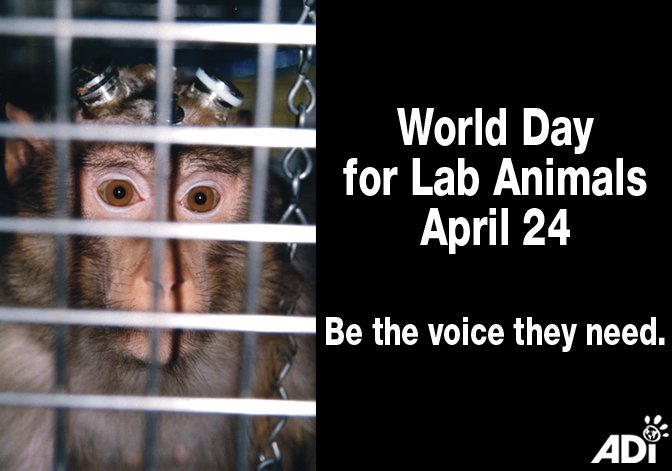
on the day of the laboratory animals, April 24, 2020

We will not be silenced. We will not stop fighting for the animals 💚

affen mutter mit Abtreibungo

His mother was poisoned with chemicals while she was pregnant.
Then he was cut out of the mother to investigate how these chemicals affect the unborn baby.
With what right does man take such cruelty towards his fellow creatures.

STOP ANIMAL TESTING IMMEDIATELY AND FOREVER!


My best regards to all, Venus

England: Friday, 24/4/20 will be the World Day for Laboratory Animals.

About WDLA | World Day For Laboratory Animals

World Lab Animals Day || April 24,2017 | Tufing.com

This Friday, 24/4/20 will be the World Day for Laboratory Animals.

We will be covering it more on the day, but please prepare for this and give a few minutes thought for all the animals in Labs, and suffering, worldwide.

I have never said before, but I have suffered Multiple Sclerosis (MS) for the past 20 years.  People who know me know about my situation; otherwise it is MS and me !

Despite desperately wanting a cure for my condition and to get back to ‘normal’, whatever that is; do I want ‘normal’ ? – probably not; I am an MS sufferer who would NEVER wish ANY animal to suffer in the labs to improve my condition

I can deal with my illness in many ways; and a Vegan diet is just one of them.  Veganism gives me tons of energy; so much so that I trashed all the neurologist ‘medicines; prescribed for me years and years ago.  Now they were something that really did make me ill; not help my situation or help m with getting improvements.

I can survive as a long term MS sufferer with a very physical daily life without pumping my body full of false; no good lab created medication.  I dont want to see animals suffer in labs under my name, and so I will always speak out against animal testing whenever the chance arises.

So stop the animal testing and instead put finances and investment into cruelty free research and testing that will be of a real benefit to sufferers; but will exclude animal suffering.

Open the labs and set them all free.  It is not medical research; it is animal abuse – simple as that; and I will never support the use of animals in medical research.

Fact – animals do NOT suffer from MS; so why artificially create it in them and then try to find a cure ?  – animals are not the same as us humans and thus should not be used as testing models.  There are enough good people with illness who would be more than willing to take part in any clinical trials.  As with Coronavirus now; suddenly the animal testing is being largely removed and virus infected people are being used directly as test volunteers for a vaccine.  What does this show and tell us ?; that human people could and should be used to find cures for illness that affects the human species.  Kick animal testing out !

I have MS, but MS does not have me !

Regards Mark


World Day for Animals in Laboratories 2020 | Veggies

World Day for Laboratory Animals (Laboratory Animals Protection ...

Gina Mutta on Twitter: "Today, 24th April, is World Day for ...

Britches and their rescue

britchesjpg

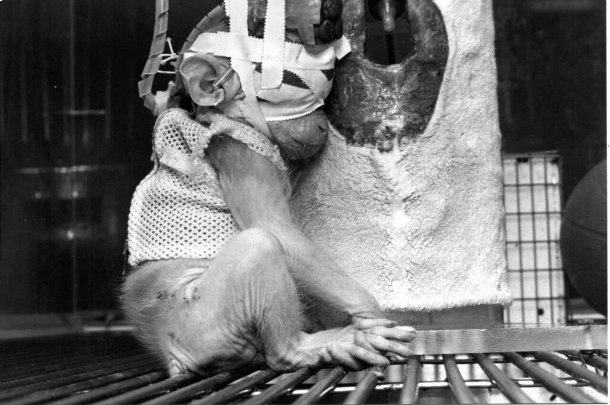
Born at the University of California, Riverside in March 1985. He was removed from his mother at birth and had his eyelids sewn shut as part of a three-year maternal and sensory-deprivation study involving 24 infant monkeys.

Britches was removed from the laboratory when he was five weeks old during a raid on April 20, 1985 by the Animal Liberation Front (ALF).

britches01

The ALF made a videotape of their raid and of Britches’ condition when they found him.

The Consequences of Britches Animal Liberation

When PETA released the photos, videos and documents provided by the animal liberationists, there was an enormous public outcry.
Eight out of a further 17 planned animal studies were discontinued; the facility also prohibited the practice of sewing monkey babies’ eyes shut. An instructor quit his job and has not mistreated animals since then.

The National Institutes of Health (NIH) conducted an eight-month study of the animal care program in the university’s laboratories and concluded that it was “appropriate” animal care and that no corrective action was required.
There were no consequences for the responsibles.

But this action led others to follow suit: In 1985, A.L.F activists broke into a laboratory at the University of California in Riversde and freed 260 laboratory animals.
Britches became the symbol of this campaign.

Last but not least, there are open animal liberation grades, such as the liberation of beagle dogs from the breeding facility in Green Hill in Italy in 2012 and the liberation of over 300 animals from the Instituto Royal in Brazil in October 2013, which led to the shooting of the labo a month later.

It is very difficult to break through the fronts of the laboratory mafia.
Some activists made it, ALF made history and we are grateful to them for all the animals they liberated.

ALF Türkeypg

My best regards to all, Venus

Breaking! Animal Welfare Coalition Calls On World Health Organization To Focus On Testing On Humans Not Animals For COVID-19 Remedies.


Breaking! Animal Welfare Coalition Calls On World Health Organization To Focus On Testing On Humans Not Animals For COVID-19 Remedies


https://worldanimalnews.com/breaking-animal-welfare-coalitions-call-on-world-health-organization-to-focus-on-testing-on-humans-not-animals-for-covid-19-remedies/


In a joint statement released today by Cruelty Free InternationalCruelty Free EuropeEurogroup for Animals, and People for the Ethical Treatment of Animals Foundation (PETA), the animal protection organizations stress that it is essential that authorities, under the leadership of the World Health Organization (WHO), work together with a focus on humane, human-relevant research.

While everyone wants a safe and effective vaccine and other medicines for COVID-19 produced as quickly as possible, it should not be at the expense and undue suffering of thousands of innocent animals such as: monkeys, dogs, cats, ferrets, and mice.

Sadly, animal experimentation remains one of the approaches used in this research which adds to the unfathomable suffering caused by the COVID-19 pandemic. This, despite animal testing and experimentation being cruel and unreliable with a history of failure in the development of drugs used for humans.

“The impact of the COVID-19 pandemic will have a long-lasting effect on our societies and our work, and this change of paradigm should also be reflected in the way we carry out research, there is an urgent need to focus on advanced scientific techniques that are more representative of what actually happens in the human body, than old ways including the use of animals,” Reineke Hameleers, CEO of Eurogroup for Animals said in a statement. “It is crucial that the WHO and other authorities acknowledge that many animals are suffering as well, and that they help to focus the research efforts of governments, researchers, clinicians, and companies towards more humane and human-relevant approaches.”

As huge numbers of animals and billions of dollars, pounds, and euros are being directed towards trying to solve the problem, it is vital that the scientific and technical merits and ethical aspects of proposed research are robustly assessed in each and every case.

Countries and institutions must also try to coordinate their research, sharing data to prevent any duplication of effort or repeated testing on animals.

That is, until the ineffective and unnecessary testing and experimentations on animals stops completely. As many lives as possible must be spared from this pandemic, including animals.

The urgent need is for more resources to be directed towards studying the virus in humans to increase our understanding of the disease, treat patients, and limit the spread of the virus altogether.

You can help all animals and our planet by choosing compassion on your plate and in your glass. #GoVeg

Help us continue to bring you the latest breaking animal news from around the world and consider making a Donation Here!

https://www.paypal.com/donate/?token=Kb0ECpsdekh7rfb0sQnj2tn9oubs1b-Y25zA-33nruXGEe20s17FrvDwTFrfg-81pQsMqm&country.x=US&locale.x=US


England: Torture pigs and fight viruses!

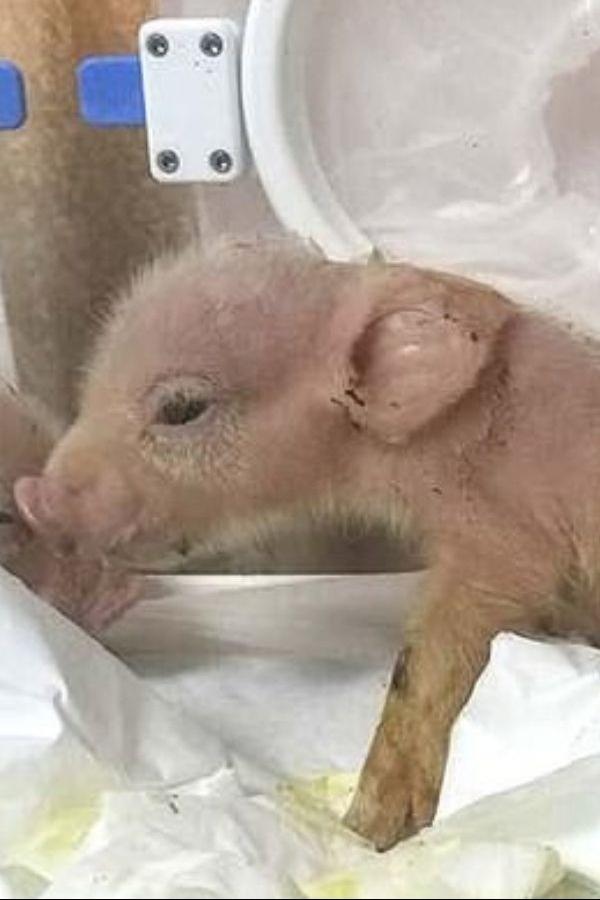
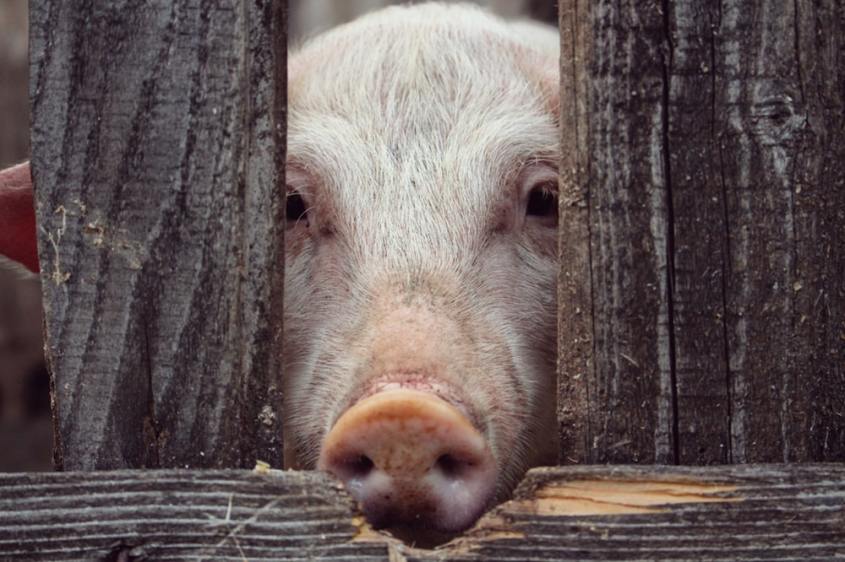
Researchers from England used pigs to test vaccines against the novel corona virus. To do this, they take advantage of the similarity of the immune and respiratory systems of pigs and humans.

UK flagge aquarelljpg

Scientists from England now want to use pigs to fight the new SARS-CoV-2 coronavirus. In collaboration with researchers from Oxford University and Public Health England, a team of scientists from the Pirbright Institute will begin testing new vaccines for their ability to raise protective antibodies against SARS-CoV-2.
Among other things, the chimpanzee adenovirus vaccine vector that was used to produce vaccines against Ebola, the Middle East respiratory syndrome and the flu is tested.

schweinchenjpg

The vaccine candidates developed will contain the spike protein of SARS-CoV-2. This is the protein against which protective antibodies are formed in infected people. To do this, the researchers measure the amount of antibodies produced after injecting vaccine candidates into pigs.

Pig and human respiratory system and immune system very similar (!!!)

They take advantage of the fact that pig and human immune systems have significant similarities. It can be assumed that a good response to a vaccine candidate in pigs is also promising in humans.
At the same time, the scientists will also test the safety of the new vaccines and check whether there are any adverse side effects in the pigs. If this attempt is successful, the next step could be to investigate the possible vaccine in humans.

schwein anatomiejpg

The scientists from Pirbright are already using pigs for research on influenza viruses. Pigs have so far been used as large animal models because they have a very similar respiratory system to that of humans. In addition, they inherently become infected with influenza viruses and form antibodies with properties similar to those of humans.
Pigs are therefore a suitable model for carrying out research for the novel corona virus.

schwein hinter gardinepg

The vaccine vector used cannot cause infection

“The vector vaccine developed at Oxford is used in this SARS-CoV-2 vaccine research because it can produce a strong immune response at a low dose,” explains Bryan Charleston, director of the Pirbright Institute.

“The vaccine vector is not replicable, which means that it cannot cause infection in an individual. This makes its application safer for people with underlying health conditions such as diabetes.

This approach has been applied to other vaccines and we hope that this research will enable the vaccine to advance to the next phase of human testing. ”

https://www.agrarheute.com/tier/schwein/coronavirus-impfstoff-schweinen-getestet-566899


And I mean…We are very lucky again!
With a success rate of 5% (which generally affects all results from animal experiments on humans), we will control the healing process of the corona as slowly as that of the Spanish flu.
100 years ago, it took a year; today if we test on pigs it will probably take even longer.

The human being is the only animal that does not learn from its mistakes.

My best regards to all, Venus

U.S: Inside the laboratory hell Johns Hopkins University


american-flag-120402148


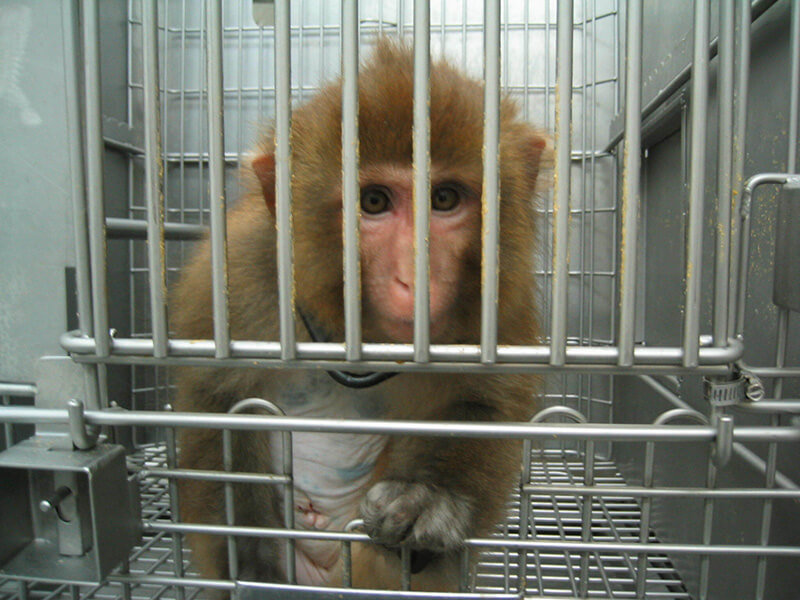
USDA (U.S. Department of Agriculture) inspectors found numerous troubling animal welfare violations, including housing monkeys separately in barren cages and allowing them to suffer from untreated medical conditions.

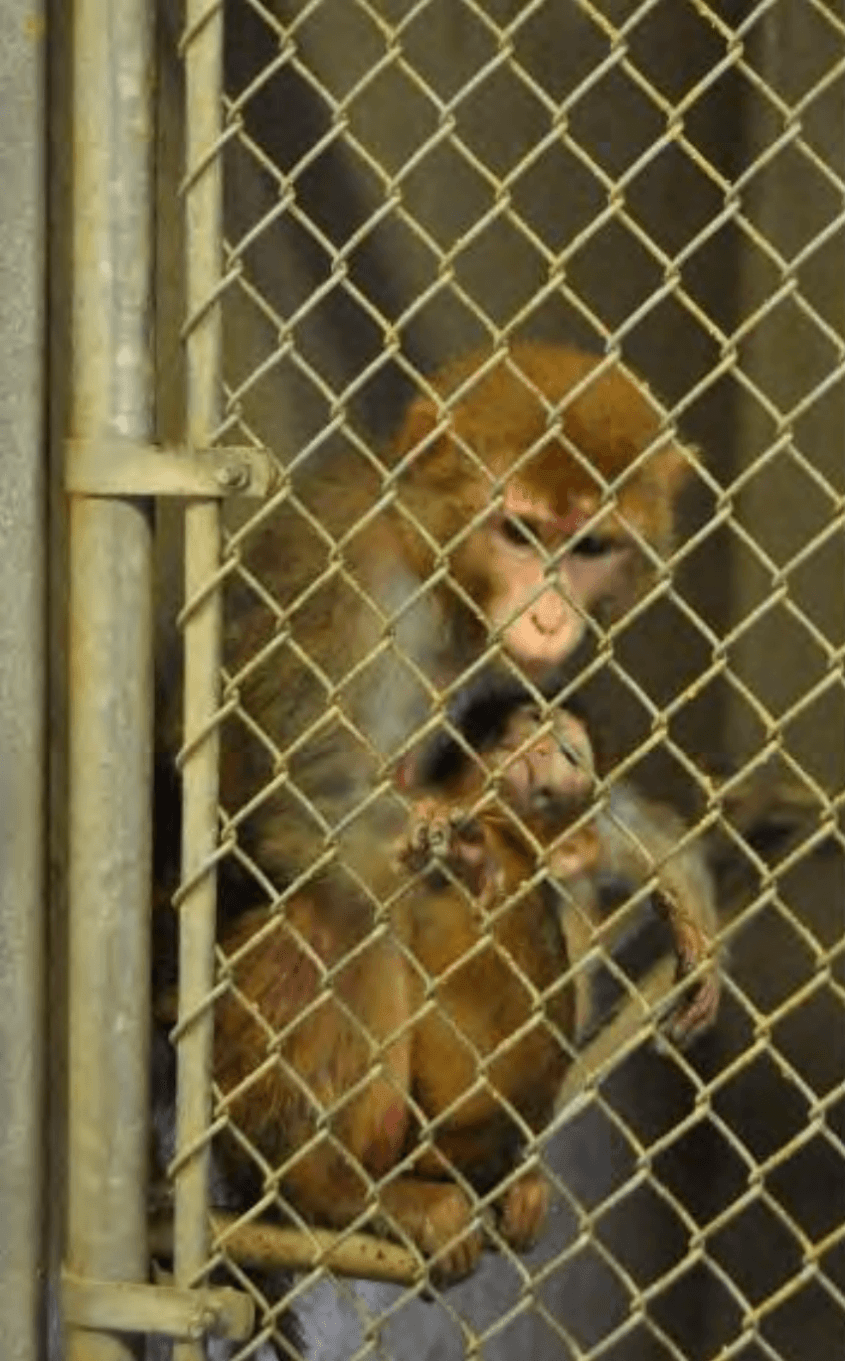
affe mutter mit totem Kind pngThis monkey is overweight and has severe alopecia. Inspectors noted that JHU had no plan to treat either problem—she was simply left to suffer with her baby in a barren cage.

 
Monkeys, normally gentle, social animals, were kept separated, alone in empty metal cages barely large enough for them to turn around in, with nothing to make their lives worth living.

affe im Labor 4

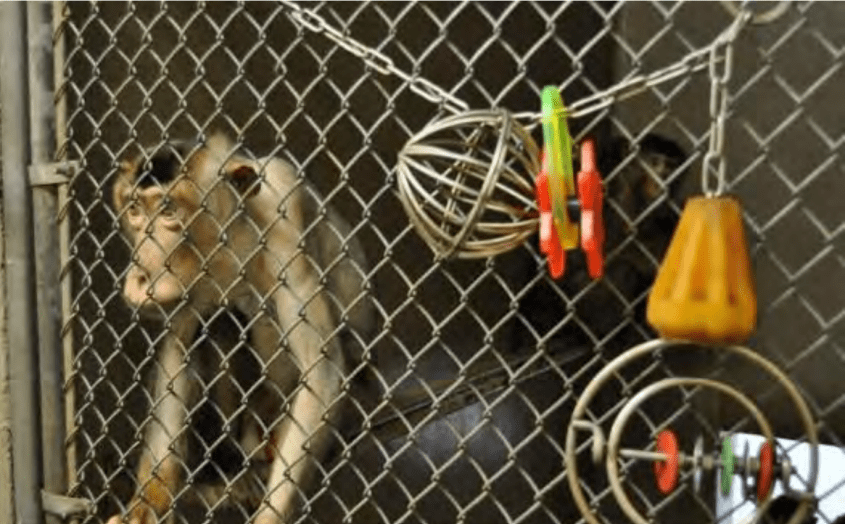
The gentle monkey pictured above, who doesn’t even have a toy to play with as a distraction from the unrelenting loneliness, suffers from alopecia, a condition that results in hair loss. The monkey may also be tearing his or her own hair out as a result of the stress of confinement and the absence of peers with whom to engage in mutual grooming, which is what monkeys do in exchange for food, sex, and friendship.

Hair loss is seen in many of the photographs of monkeys in laboratories at JHU. Their stress levels skyrocket in laboratory settings, where extreme isolation and deprivation are interrupted only by unpredictable humans, who frequently inflict pain on them during experiments.

Monkeys caged alone, as USDA inspectors have photographed in JHU labs, tend to exhibit “stereotypic behavior,” such as repetitive movements like pacing, circling, swinging, and rocking, to alleviate their mental anguish and to try to cope with their inadequate environment.

affe in Labor 5ngThis is another gentle monkey at JHU whose hair has almost completely fallen out. The only hair left is on the head and wrists.


Kept in these austere settings, monkeys may suffer from psychological trauma. They often pace, pull out their own hair, and bite themselves in a desperate attempt to experience any kind of stimulation in their utterly deprived lives.

The public deserves to know what takes place behind the locked doors of JHU’s laboratories, where experimenters conduct crude animal tests, often receiving taxpayer funds for them.

PETA is fighting to shine the bright light of public scrutiny on these experiments. We have known for decades that monkeys need companionship, access to outdoor spaces, and much more than a laboratory can provide.

affen mutter mit Kleinem BabyngThis is another shot of the monkey and her baby, both suffering from severe alopecia, which JHU apparently ignored. There was no treatment plan for either monkey.


JHU’s repeated failure to comply with the AWA is shameful.

Below are just some of JHU’s violations of federal animal welfare regulations as noted by the USDA:


    • June 10, 2019: A marmoset died after a laboratory worker closed the cage door on him or her, causing hemorrhaging and trauma to the neck.
    • February 15, 2017: A young macaque was found dead in the outdoor portion of her enclosure. Her head had become caught inside a ball used for enrichment, which had a hole chewed into it sufficient to allow her entire head to become entrapped. Although the necropsy was not conclusive, the facility determined that the cause of death was likely prolonged exposure to the cold combined with the stress of not being able to free her head.
    • July 12, 2016: Two baboon cages had loops of water lines entering from the top, creating a possible strangulation hazard; two racks of rabbit enclosures had water nipples that did not fully reach into the cages, making it difficult for the animals to access fresh water; three primates were singly housed and had no visual contact with peers; and there were 17 instances of expired medications.
    • March 31, 2016: Johns Hopkins received an Official Warning Letter for its failure to ensure the psychological well-being of primates. Eight primates were noted to have significant hair loss at the time of inspection. Some of them were not given adequate treatment.


An I mean…It doesn’t take long to think about what all these high-paying Mengele are capable of, when they use senseless violence and torture against these defenseless animals without the slightest scruple.
Being aware that all these is just for career and money and nothing more.
The worst experience about animal experiments has hit us all recently: These worldwide laboratory mafia has been experimenting with all types of animal diseases for years and cannot even defeat a poor virus today!
That just shows how much trust we can have in animal experiments.

It is a crime that the state uses our money to support a murder machinery.

nazi experimentenpg

My best regards to all, Venus

Germany: experiments on animals for corona!!

CORONA animal experiments: to continue to guarantee cruelty-free animal husbandry!

banane rep deutschlandpg

In order to prevent possible loss of profit in animal husbandry, animal experiments are now beginning.

corona

Under no circumstances should the consumption of animal products be questioned – although Corona / Covid-19 / SARS-CoV-2 and other deadly diseases (MERS, avian and swine flu, BSE etc.) result from our incorrect handling of the animals!
The high-risk and suffering-producing system is apparently to be maintained by all means instead of learning from the current corona pandemic.
Factory farming with its dangerous use of broad-spectrum antibiotics is responsible for the development of multi-resistant germs and animal diseases for many diseases! It is shameful how the mistakes of the past simply continue, just so that the profiteers of animal exploitation can continue and consumers continue to consume cheap meat, milk and eggs …

PARTEI MENSCH UMWELT TIERSCHUTZ


corona tierversuche_n

(Translation)

The Friedrich Löffler Institute (FLI) near Greifswald, Germany, has started animal experiments to research the new Sars-CoV-2.
Pigs, chickens, ferrets and Nile fruit bats – a bat species – were selected for this, as FLI President Thomas Mettenleiter said.
These trials are the most urgent project on the island of Riems: “It is important to know whether the virus will also cause difficulties in livestock husbandry,” said the scientist.
Results are expected at the end of April at the earliest.

And I mean…This is financed with public money.

On the one hand, the World Health Organization (WHO) classifies the corona as a highly dangerous pandemic; Schools, museums, theaters, even circuses are closed and, on the other hand, the lobbyists at the Löffler Institute are concerned about whether the business with meat and animal products is endangered and they are experimenting with animals in order to save factory farming!!

Germany has now 16 corona deaths, and it is a scientific fact that the virus transmitted only by human animals.
Nevertheless, it is only a matter of time before the laboratory mafia starts experimenting with animals to get the vaccination against corona.
Although not a single animal has ever died of corona, and no animal is actively transmitting the virus.

The more the German government takes “measures” against Corona, the more one has the feeling that we are ruled by thieves and unscrupulous monsters.

Corona Carikarur_n

My best regards to all, Venus

Don’t believe the mice

When you read that a lab animal with a human disease has been cured with a new drug candidate, do not get your hopes up. The stats for converting these successes into human patients are appalling. Results in animals are often the opposite of those seen in humans.

For example: corticosteroids were shown to treat head injuries in animals, but then increase deaths in new-born babies in trials.

maus -full

This is a big deal. A staggering 95% of drugs tested in patients fail to reach the market, despite all the promising animal studies that precede their use in humans.

“There are lots of reasons why, but in essence we are not 70 kilogram rats and we are not inbred strains,” says Thomas Hartung, a toxicologist at Johns Hopkins University in the US.

Two industry studies showed that many key findings that triggered drug development could not be repeated.

Maus mit Pillenjpg

Mice are the most popular lab animals, but their brains and biology are quite different from our own. Surprisingly, rats and mice predict each other for complex measures with only 60%. Different animals, different effects.

Newspapers headlines heralding cures for Alzheimer’s to autism, on the back of rodent studies, can be taken with a pinch of salt. Neurodegenerative disorders such as Alzheimer’s were one of the first areas to turn against the animal models, says Hartung.

“It was shown that the animal tests were misleading with respect to what is a cure and what is not,” he says.

After hundreds of human trials for promising treatments for Alzheimer’s, almost none helped patients.

This is a colossal waste of money. Industry has noticed.

“The pharma industry is now using about one-sixth the number of animals that they used in the past for drug studies,” says Hartung. “They go very late into these models.”
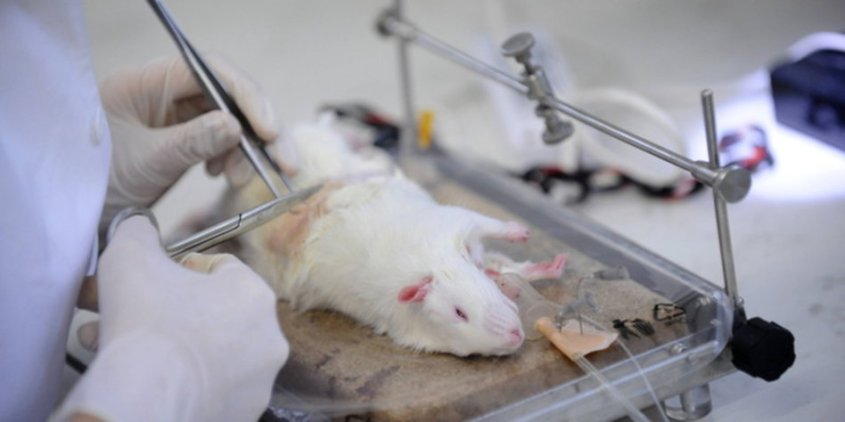
Maus_Labor_Tierversuch_imago_CTKPhoto

In a look at animal experiments, Hartung and colleagues found that pharma continues to reduce animal testing in Europe, despite rising R&D spend. From a stable 12 million used in Europe, the industry’s share dropped from 31% in 2005 to 23% in 2008, and then to 19% in 2011.

Disease researcher John Ioannidis at Stanford University in California has written that the safety and effectiveness of interventions in humans can only “be speculated from animal studies”.

Speaking at the EuroScience Open Forum (ESOF) in Toulouse, France, earlier this year, he said that “industry doesn’t want to waste money taking academic papers that promise that they have found a drug target and spend billions of dollars to develop it, and then come up with nothing”.

He pointed to just six of 53 landmark studies in cancer being repeatable and lamented that too many basic scientific discoveries are wrong.

One problem is that scientists often take a simple approach to mimicking a disease in mice, by just finding a gene that when knocked out stamps the mice with hallmarks of the human disease.

maus im laborn

This is how the first Alzheimer’s disease mouse was created, but the animal did not reflect the true Alzheimer’s condition of most patients.

“Single gene mouse models are different from the illness that we experience in humans,” says neuroscientist Malcolm MacLeod at the University of Edinburgh, UK, who describes mouse models for stroke, high blood pressure, Parkinson’s and more as failing to reflect the complexity of the human disease.

“This has been a failed strategy,” he warns, in terms of finding therapies.

Hartung too has warned about the hype about these genetically modified animals.

Sometimes scientists discover therapies to cure mice, but not people. The record for inflammatory disease is especially striking. More than 150 trials have tested agents to block inflammation in critically ill patients. The candidates worked in animals, but all failed in patients.

maus die sich umarmt o

With this in mind, Ronald Davis, at Stanford Genome Technology Centre in California, decided to compare how all genes in mice and all genes in people react when they encounter trauma, burns or bacterial toxins. There was almost no connection whatsoever. Mice genes did one thing; human genes did another.

The immune systems of mice and people are that different.

“Mice eat garbage,” says Davis. “Their habitat is extremely exposed to microorganisms that they eat.”

Our immune system is far more sensitive. For example, between five and 25 milligrams of endotoxin, per kilogram of body weight, will kill mice. Ten thousand times less can cause humans to go into life-threatening shock.

Davis initiated the statistical analysis after the journal Nature Medicine rejected a research paper with human results because it did not demonstrate the same effect in mice.

“It was almost as if the focus was in trying to treat mice, not humans,” he recalls. Mouse studies are valuable, but we always need to move to humans, he argues.

“We can cure cancer in mice pretty effectively, but the agents don’t work in humans in most cases,” says Davis. “These are complicated diseases and we live far longer than mice and evolutionarily we are far apart.”
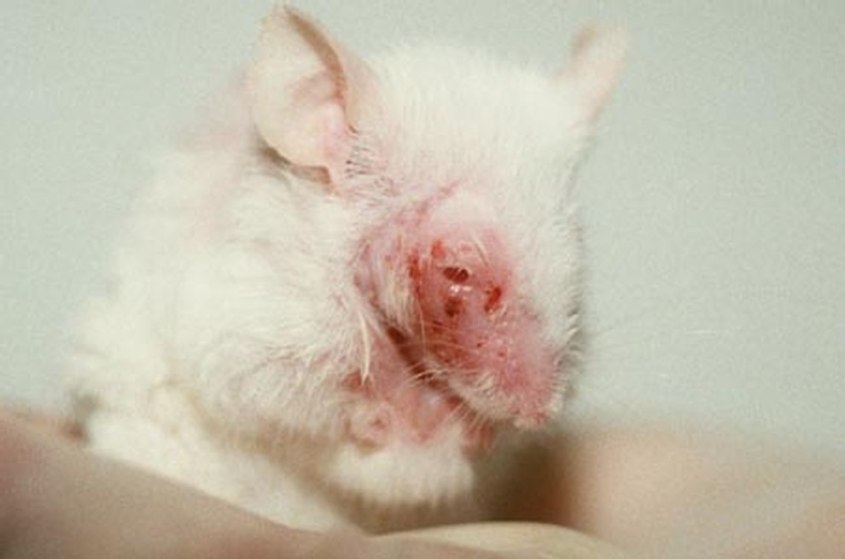
Maus-Tierversuch-c-PETA-USA

He says many immunologists, who mostly use mice, criticised his findings, but industry shrugged its shoulders.

“The pharma industry said it was obvious,” he explains. “One person said we’ve known this for years, but they didn’t publish it.”

He recommends that science funders should give larger grants to those studying in humans – because it is more expensive. Another issue is that funders measure academic success by counting how many research papers a scientist publishes.

“The yardstick funders use is publications,” he says. “Whether you develop a route to curing a disease is irrelevant.”

He says more data is collected from people now, though, since it is possible to get more and more insight from a blood sample or even just a few human cells. This, at least, is promising.

Another issue is that inbred mice, often all the one age and sex, are usually used for tests.

“People are completely genetically diverse,” says Hartung. “We are different sizes, eat differently, have a disease history. This is not, and cannot, be reflected in animals.”

The animals, thus, only take us so far. Often a company will only realise a drug can cause side-effects in the liver, sometimes in one in 10,000 cases, after it goes into patients.

A final issue with animal studies is how many are carried out, often by trainee PhD scientists or lead researchers looking to publish interesting results. Sometimes outliers in results can be cherry-picked and written about.

Labor maus mit Tumor

“You then build a story of how you logically came to this result, but this is a fairy tale,” says Hartung.

He has argued that the quality of clinical trials in humans is monitored far better than in academia, so that statistics from industry are more reliable. But if the human trial is built on shaky animal experiments, then the trials will fail.

And there is a cost to failure.

“If all the money spent on biomedical research in the last 20 to 30 years had been spent instead on public health, stopping smoking and alcohol control, it would have had a greater impact on the incidence and severity of Alzheimer’s disease,” says MacLeod.

https://cosmosmagazine.com/biology/don-t-believe-the-mice

My comment: Penicillin saved human beings but caused serious damage to Guinea pig.
Arsenic is deadly to humans, not to sheep.
Asbestos causes cancer in humans, not in rats.
Cancer is a prime example of the chronic lack of success in animal experiments.

The history of cancer research is the story of how to cure cancer in mice. We have been curing cancer in mice for decades, but it doesn’t work in humans.
On the contrary: many pharmaceutical products tested in animal experiments cause sharp damage.

Interferon, immunomodulators, chemotherapy are considered to be a miracle weapon against cancer – some have been shown to be worthless, others have side effects.
There is no real cure for cancer today, in the 21st century.
Despite hundreds of thousands of substances that have been tested on millions of “cancer mice”.

“Animal experiments are the greatest and most mean cultural disgrace of the present, they are morally and intellectually equal to the madness of the witch trials” (Manfred Kyber, writer)

Tierversuche stoppenn

My best regards to all, Venus

What sort of madness is this ?


Imagine that you are only a few days old.
You are taken from your mother and thrown into a freezing ice bath, until you pass out.
You wake up on a stainless steel table, with all of your limbs pinned down, as your flesh is sliced ​​open with a scalpel.
When the work is done, you are left to writhe in pain.
If you die, it doesn’t matter.


kanada-
How would you feel if this was your miserable life?
It’s the heartbreaking reality for many of the animals who cross paths with a “scientist” called Tania Roth …

Tania Rothpg

For 18 years, this cruel scientist has subjected animals to torture for the sake of her experiments, and she is funded by the U.S. federal government!
She “has a long and fiendish history of tormenting and killing mice and rats and calling it science, and she has conducted a new round of experiments in which she slashed the spines of day-old baby rats.

Behavioral tests were performed on some of the pups nine days later. Afterward, all the pups were killed and their spines were removed.
Before surgery, the babies were put into a freezing ice bath until they passed out, a painful process called hypothermia that Roth used instead of gas anesthesia. Her publication noted that after surgery, she administered just one dose of pain medication.

roth mit mäuser

There was no indication of any further pain relief.

“The point of Roth’s experiments is supposedly to examine changes in gene expressions in rats after their spinal cords are cut. But much like the full catalog of Roth’s gruesome work, it’s scientifically dubious, at best,” according to PETA.
But that’s just on notch her belt …

“Since 2000, Roth – now at the University of Delaware – has been abusing rats in psychologically distressing and painful experiments.
“Some of her twisted methods include forcing alcohol down the throats of newborns, stuffing pregnant rats into tiny tubes and blasting them with strobe lights, and shocking the feet of rats to terrify them”.

“The tormented rats become fearful, anxious, and depressed – but because of significant biological differences between species, the results of her experiments are irrelevant to human health,” said PETA.

Tania-Roth
They continued on to say that her list of violence against animals “includes injecting them with opioids, tricking baby rats into believing that they’re in danger by smearing their enclosure with fox urine odor, electrocuting them, and taking them away from their mothers and placing them with traumatized adult rats incapable of taking care of them.
“In another bizarre experiment, she put rats inside a small plexiglass enclosure and allowed a cat to lick food off it.”

Mouse-or-Rat-Restraint-Tube

The image above, taken from an article on rodent handling and restraint techniques written by University of Notre Dame staff, depicts a restraint tube similar to the ones used by Roth in her experiment.


When Roth says rats are best suited for her experiments, what she really means is that they are cheap and disposable. She has repeatedly shown a lack of regard for sentient life and no qualms about killing large numbers of rats. When her lab became contaminated with smoke from a fire, she had all 75 rats living in it killed just because she could no longer use them.

What sort of madness is this ?

“More than half of Americans oppose the use of animals in scientific research, according to a 2014 Pew survey,” reported Delaware Online.
And with good reason.
We all value science … but not at the expense of unforgivable acts of cruelty to animals.
The path forward is clear.
It’s time for this wicked “scientist”, Tania Roth, to be fired.
That’s why we’re called on University of Delaware’s Institutional Animal Care and Use Committee to do the right thing.

According to Delaware Online, they review protocols for animal use and care, and are authorized to suspend or withhold approval to research activities that violate federal standards.

They can also recommend that UD’s administration fire Tania Roth, so that she can never needless harm animals again. We’ll be contacted administration as well, to make sure they get this vital message.
Don’t you want to stop the cruel, heartless practice of cutting the spines out of babies, along with all the other horrific things she has done?
Then add your name to demand that University of Delaware’s Institutional Animal Care and Use Committee, along with university administration, take action to ensure that Tania Roth is terminated in the fastest possible way!

Tierversuche-Mauese-Ratten-für Glyphosat -0247-c-PETA-USA

Federally, Canada has the weakest laws in the western world for protecting animals used in research. Unlike in other countries, here are no federal laws, no inspectors, no public inspection reports, and no way for the public to effectively oversee the secretive activities of animal researchers.

Instead, there are only voluntary guidelines created and overseen by the Canadian Council on Animal Care (CCAC), a non-profit with no legal authority. The CCAC can recommend that the federal granting agencies withdraw research funding from a non-compliant institution.

Add your name if you want to end her career, ASAP!

Petition, please sign and share: https://www.thepetitionsite.com/de/606/514/877/


My comment: Quotation of the psychopath Tanja Roth from the website of university…

“We are interested in understanding how environmental factors, such as parenting behavior and social stress, can influence the development of behavior and psychiatric disorders. Our primary interests are centered on identifying epigenetic changes (i.e. DNA methylation) associated with early-life caregiving experiences, particularly maltreatment, and understanding their causal role in behavioral outcome.

All of these psychopaths are funded by our tax dollars. To live out their perverse tendencies towards animals.
It’s useless, non productive, repetitive torture that gives science a bad name and ads nothing whatever of value to the sum of human knowledge when a psychopath massacred animals to find out wich parental behavior causes mental disorders!!!

“There are no data that show you reach a point where you can’t change anything,” she said.

You are right Tania! so we will soon reach the point that your laboratory will shut down.

My best regards to all, Venus