Eurogroup for Animals welcomes the European Commission’s proposal on the revision of the geographical indications scheme for agricultural products, which identified that consumer concerns about animal welfare and sustainability are not adequately protected at present.
In March, the European Commission adopted a legislative proposal on revising the EU geographical indications (GIs) scheme and quality schemes for agricultural products. This followed a commitment in the Farm to Fork strategy to revise the framework to improve its contribution to sustainable production and to strengthen the position of farmers and producers.
Eurogroup for Animals provided feedback on the proposed revision during a recent public consultation, in which we welcomed the proposal’s identification of the lack of sustainability and animal welfare considerations in the existing framework. This is an important recognition, as the current GI scheme’s exclusion of animal welfare standards means it does not cohere with the EU’s animal welfare or sustainability ambitions.
The proposal aims to lay down requirements on animal welfare and environmental concerns in light of the growing integration of these issues in GI value chains, validating those producers who have already integrated sustainability actions into their product specifications. As the GI system has been promoted globally through EU trade policy, this could also lead to GI producers around the world incorporating animal welfare dimensions.
Increased attention to animal welfare can also help to protect the quality of GI products. Although GIs are commonly viewed as high quality by consumers, many producers do not even respect the EU minimum animal welfare standards.
Going forward, the references to animal welfare in the Commission proposal must remain. This includes a mention in the introduction and in the preamble, as well as the statement in Article 12 that producer groups can choose to adhere to sustainability undertakings higher than EU requirements. Crucially, the delegated acts that will have to be adopted to define the sustainability standards must include animal welfare requirements based on appropriate animal welfare schemes.
At a minimum, this should include enriched indoor conditions, no cages or restrictions, access to fresh air, lower than standard stocking densities, and an end to mutilations and forced early weaning. Where GIs do adopt animal welfare criteria, pressure must be applied to ensure that they are respected, and assistance should be provided to farmers to support this transition.
Cats tread softly and gently. They can steal up on you without a sound. Before you know it, your feline friend is on your lap – wonderful. However, you may well not have noticed that sometimes it’s their fur which could be keeping your head or neck warm as hat, collar or hood trimmings, creeping up on the unwary consumer without the slightest hint of a meow. It is much less friendly.
Now, anything containing real cat or dog fur is already banned in the EU, or maybe it is better to say ‘officially it should be’. If you say ‘it is’ there will always be proof somewhere that ‘it is not’; so I tend to shy away from such statements usually. But regardless, products with fur from farmed mink, foxes, chinchillas and raccoon dogs are still ON the market. These additions are not necessarily advertised as such. Instead, they can be used by manufacturers to give low-cost garments a ‘high-end’ feel.
Please remember – It takes up to 40 dumb animals to die in making of a fur coat; but only one even dumber one to wear it for the sake of vanity.
Faux fur can be faking it
As activists and campaigners, you no doubt wouldn’t choose anything made of animal fur; it belongs on their back, not yours. But, while the price tag of a coat clearly indicates whether it’s a mink or a fink, it may well not alert you that the decoration on the bobble hat or hooded coat you’re looking at is not faux fur, but real fur.
This is why Fur Free Europe is not just seeking a ban on keeping and killing animals on fur farms, but also pushing for legislation to make it illegal for any farmed fur to be sold throughout the EU. That way, whenever a product takes your fancy, you’ll be sure it won’t contain anything that looked a lot fancier and in the right place – on its original owner.
You will also be sure that you won’t be inadvertently supporting the abjectly cruel practice of forcing inherently wild species to spend their lives in cramped battery cages, unable to enjoy any natural behaviours.
But there are also other issues which could arise from this . If Europe does the bans, then for sure, we can see the Chinese attempting to flood the euro market with fur products which are produced using real fur and which have been produced under the most disgusting actions. The importation of real fur from outside the EU, to be sold as faux within the EU is one issue that really has to be observed and monitored very closely. Years ago I personally became involved with the EU when Russian seal pup fur was illegally making its way into the EU – dressed up and coloured to make the consumer think that it may not be ‘real fur’ that they were purchasing; but it was; fur of baby seals slaughtered in Russia. (But the good news is after a lot of work, we stopped the Russian seal pup slaughter – so, job done).
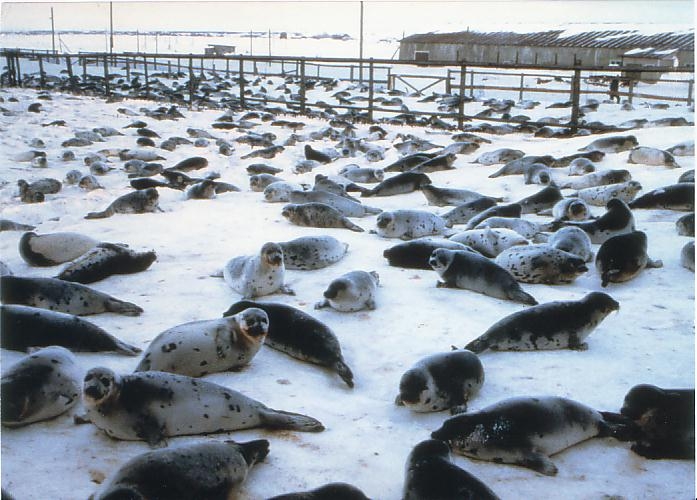
A seal pup ‘farm’ in Russia – fortunately, no longer used. (WAV)
A netted Russian seal pup destined for the farms – no longer – archive photo.
Bringing the Russian seal issue to Downing St, London. Mark (WAV) dressed as Sealer – on left.
Think what we say about China fur cruelty is over the top ? – then watch this
Click on ‘Watch on You Tube’ for both below.
Now want more ?
Herding the EU cats
Despite widespread ethical concerns – a sensible majority of people in every EU country consider breeding animals for fur unacceptable, let alone the associated public health risks, many Member States still allow fur farming to continue. This time last year, twelve Member States called on the European Commission “to undertake appropriate action leading to the end of fur farming in Europe”. There has been some progress, but far more is needed. You could say a global ban on fur production is needed; this probably will not happen (when we talk China), but real fur product imports from China for example into the EU under the guise of fake fur can be tested, controlled, and closely monitored before they even get here. This is where ‘eurolegislators’ need to come out of their cages, AND ACT. The Chinese need to be held to account for their abuses in the fur trade.
The European Citizens’ Initiative Fur Free Europe is working hard to obtain the backing of a million EU citizens. If this goal is reached, the European Commission will be obliged to respond and take action.
If you too want to “Leave Fur Behind” and see a ban on fur farms and farmed fur products, then add your signature to the campaign.
Let’s make sure there is only ever friendly faux fur on that hat or hood. No doubt the cat will purr too.
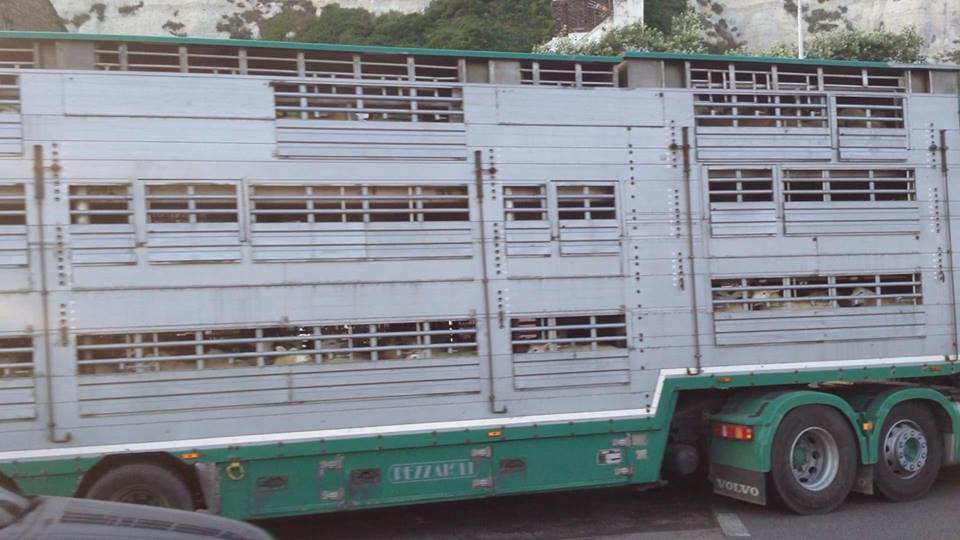
Battleground Dover around 1990 – Photo – Mark (WAV)
WAV Comment: Masses of EU and British animal welfare organisations, including us, have been calling for the introduction of a one off maximum 8 hour journey time for decades. In our specific case, 35+ years. As part of this requirement, they also demanded that the industry change as much as possible to a (dead) meat and carcass only trade. So why, only now, is the fossil called the EU just getting round to taking this issue seriously ?
EU citizens (and non EU citizens from the UK) are on the ball and want major change. It is only the EU Commissions and their lobbyists who appear to want to stick with the status quo. These days are now gone and people want, or demand change. The EU should get a clear message of what will happen if it ignores the wishes of its own citizens. MEP’s have woken up to the fact that they will be deselected if there is no change; so it is essential that they keep constant pressure applied on this issue, or they face the consequences.
We watch from the UK side lines now (having done Brexit and thus being allowed to change the live transport laws ourselves) to see if the EU fossil actually steps up to the plate and meets the demands of the EU citizens. God forbid the EU if nothing changes !
AGRIFISH Council – Member States step up their game for animals
18 July 2022
Press Release
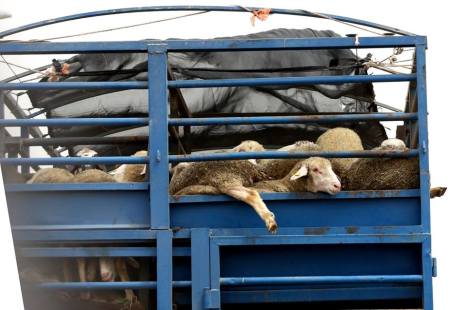
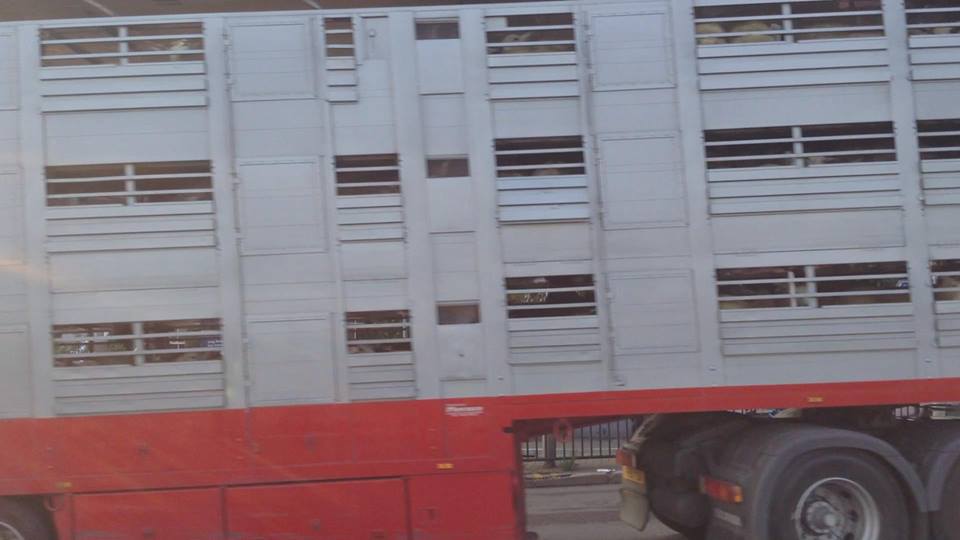
Today’s Agriculture and Fisheries Council discussed two key dossiers for animals, specifically live animal transport and aquaculture: 13 Member States call for an ambitious revision of the Transport Regulation including maximum journey times as well as a shift to a meat and carcass trade. Now it’s time for the European Commission to incorporate these views in the revision which is due at the end of 2023.
Eurogroup for Animals is pleased to see concrete demands from Member States that can effectively have an impact on the welfare of animals. Indeed, the Belgian, Danish, Dutch, German and Swedish delegations (Vught Alliance) presented an information paper which received the support of 8 other Member States (Austria, Bulgaria, Estonia, Finland, Malta, Luxembourg, Slovakia and Slovenia).
The paper calls for a maximum of 8 hours for animals transported for slaughter, restricted journey times for unweaned animals, a ban on certain long journey exports, temperature intervals tailored for each species, specific rules for fish, amphibians, reptiles, dogs, cats, as well as transitioning to transporting meat, carcasses and genetic materials
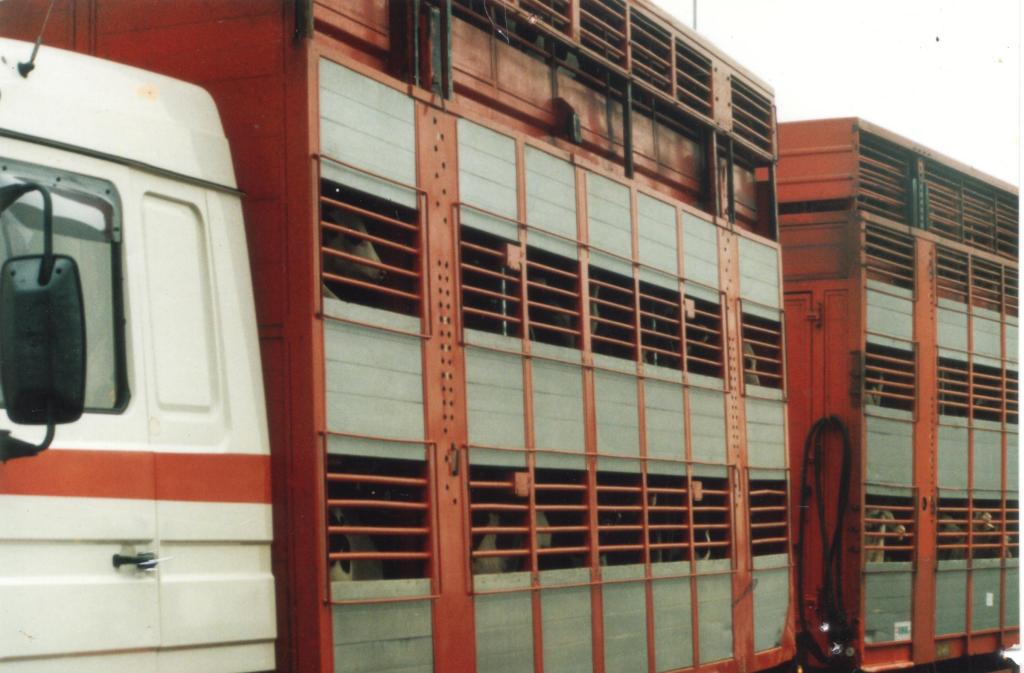
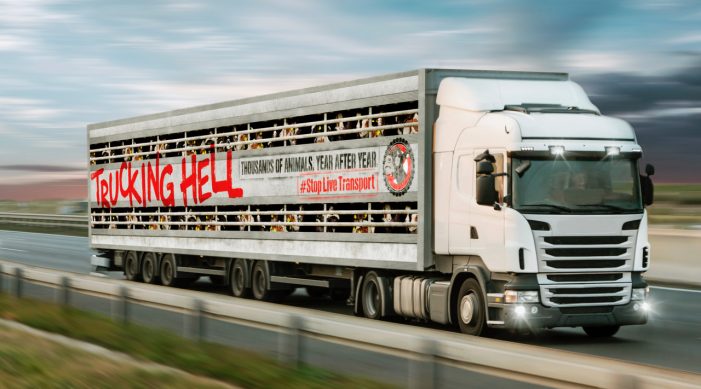
Trucking Hell – Part of the CIWF campaign to stop live animal exports.
.
Eurogroup welcome the introduction of species-specific maximum journey times and requirements for all animals, including cats and dogs, fish, and other vertebrate animals, 8 hour journey time for animals for slaughter as well as the acknowledgement that “it would be much more advantageous to transport meat, carcasses and breeding materials instead.” Clearly citizens expect even more ambitious changes but the paper is a step in the right direction
Reineke Hameleers, CEO, Eurogroup for Animals.
Despite the fact that the wording on certain key topics, such as live export and the transport of breeding animals, could have been much stronger, and while the specific needs of animals used for scientific purposes could have been better specified, Eurogroup for Animals believes this ministerial proposal is an important step towards the refinement, reduction and replacement of live animals transport.
In January 2021, Eurogroup for Animals published a White Paper on the revision of the Transport Regulation, in which species- and category-specific provisions for the transport of terrestrial and aquatic farm animals, equids, cats and dogs, as well as animals used in science are presented. Eurogroup trust that the European Commission (EC) will take Eurogroup for Animals’ position into consideration for the preparation of the draft legislative proposal.
Eurogroup are pleased to see the support the Paper obtained at the Agri-Fish Council, this encouraging result should provide the EC with a green light to proceed in line with these recommendations and ensure that the revised Transport Regulation will deliver towards its objective: the protection of animals during transport, and that it will be coherent with the EU sustainability ambitions.
Photo – PMAF *France).
On fish welfare in aquaculture, Eurogroup welcome the Council supporting the objectives that the EC has established for Member States and for itself, including developing best practice guidelines and validated indicators for fish welfare in aquaculture, and providing training to operators and competent authorities. To meet these objectives, the EC needs to leverage its own resources, including the European Food Safety Authority, and to create an EU Animal Welfare Reference Centre for fish, while Member States need to prioritise these fish welfare objectives in their national aquaculture plans and distribution of EU fishery subsidies.
The Franz Weber Foundation has released footage from an investigation carried out between 2020 and 2022 in 12 Spanish fish farms. Using a hidden camera and drones, images were taken at fish farms of the most commonly produced fish species in Spain: sea bream, sea bass, trout and turbot.
Suffocating in ice for an hour and a half, pressed hard in the stomach to extract their eggs, bled to death while still conscious, or sucked out of water by an industrial pump. This is the what thousands of fish on Spanish fish farms are exposed to every day.
Spain is the EU’s second largest farmed fish producer and the EU’s top aquaculture producer by volume, with over 175.5 million finfish bred in hatcheries in 2019.
The investigative footage shows slaughtering on ice,a widespread practice in most Spanish fish farms (and in other European and Mediterranean countries), which is undergone without prior stunning. It consists of immersing live fish in a mixture of ice and water, or in ice directly, which results in the slow death of the animals by hypothermia or asphyxia. When asked how long it takes for fish to die from ice slaughter, one of the workers at a trout farm in Granada replied that it takes an hour and a half.
The video also shows the overcrowding of fish in the tanks, premature deaths due to poor production conditions and inadequate handling of the fish by the fish farm staff. At one farm, a worker reported that 1,823 trout had died that day alone, and the previous day there had been 1,300 casualties.
Another practice shown in the investigative report is the process of forced spawning, where, every seven months, the animal is anaesthetised and its stomach is pressed hard to extract the eggs. The manager of one of the farms filmed explains that the spawning process can lead to injury or even death of the fish.
Anima International released a new investigation from the biggest mink farm in Bulgaria, carried out between the autumn and winter of 2021. The footage reveals filthy and inadequate conditions, mink escaped from their cages, and animals suffering from serious untreated wounds.
The farm investigated is located in Madzehito, a small town on the outskirts of the town of Stara Zagora in central Bulgaria. It is the biggest mink farm in Bulgaria and houses over 100,000 animals.
Farm representatives also reported that the facility has been certified by Welfur, a certification programme which claims to ensure that farms provide adequate welfare standards for animals farmed for their skins.
The investigators documented animals in horrible conditions with wounds that seemingly have never been treated on their tails and backs. It seems as if no one inspected the animal health sufficiently, to provide proper treatment for animals in need. Some animals were found dead in their cages, their companions not being separated from them, nor their bodies removed by farm workers. What can be observed in the footage is a general state of neglect: broken cages with leftover food on them, cobwebs and filth below and above the cages, some animals running freely around the perimeter of the farm.
Anima International
On 1 June, the Bulgarian Minister of Environment and Water Borislav Sandov announced a ban on breeding or importing American Mink in Bulgaria, following concerns over threats to native biodiversity from escaped animals.
The investigation clearly revealed mink had escaped from their cages and were freely roaming the facility, illustrating the very real threat of animals escaping from the farm and damaging surrounding ecosystems.
Whilst this is a positive step forward in addressing the issues uncovered in the investigation, farms all over Europe continue to farm mink in poor conditions. The European Citizens’ Initiative Fur Free Europe is calling for a ban on fur farming across the European Union, as well as a ban on farmed fur products.
Note – This action is for EU member state citizens only
Have been dealing with specific animal issues over the last few days, but here now there is some good news for you all to read about. I will put each story on as an individual post in order that you can read and copy link if you wish.
6 July 2022
Press Release
In a joint position paper, 136 conservation and animal protection organisations from all around the world, including 45 NGOs from African countries, speak out against trophy hunting and urge policy-makers to ban imports.
Dr Mona Schweizer of Pro Wildlife said: “Trophy hunting stands out among the worst forms of wildlife exploitation and is neither ethical nor sustainable. In the face of the man-made global biodiversity crisis, it is inacceptable that exploitation of wildlife simply for acquiring a hunting trophy is still permitted and that trophies can still be legally imported. It is high time that governments end this detrimental practice.”
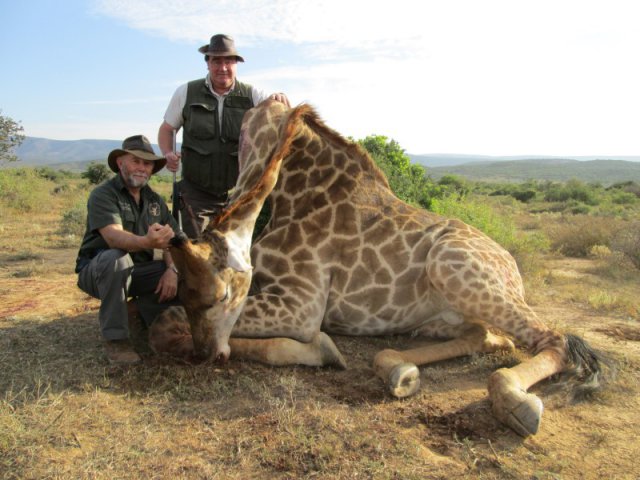
Trophy hunting can adversely affect the survival of species Between 2014 and 2018 almost 125,000 trophies of CITES protected species were imported globally, with the US and the EU featuring as the biggest importers.
and undermine conservation efforts. Trophy hunters often target rare and imperilled species or animals with impressive physical traits and remove individuals who are essential for reproduction and stabilising social groups. By targeting such animals, trophy hunters directly and indirectly contribute to population declines, disrupted social structure, and reduced resilience. The industry drives demand for parts and products of endangered species and incentivises and prioritises their killing through award schemes and other promotions.
Furthermore, shooting animals of protected and endangered species is often a privilege of foreign hunters, while access to wildlife and land is often restricted for locals. This disenfranchisement of local communities coupled with the social destabilising effects of trophy hunting on many species can fuel human-animal conflict rather than mitigate it. Such situations are further exacerbated by the fact that the trophy hunting industry fails to deliver meaningful economic benefits to local communities, contrary to what is claimed by the pro trophy hunting narrative. In fact, as most hunts are conducted on private land and the hunting sector is plagued with corruption, trophy hunting revenues usually end up in the pockets of hunting operators, private farm owners and local elites.
WAV Archive Photo
Dr Mark Jones, Head of Policy at the Born Free Foundation commented, “Trophy hunting causes immense animal suffering while doing little or nothing for wildlife conservation or local communities. Indeed, in many cases trophy hunters remove key individual animals from fragile populations, damaging their social and genetic integrity. It’s time to bring trophy hunting to a permanent end, while seeking alternative, more effective and humane ways of resourcing wildlife protection and local community development.”
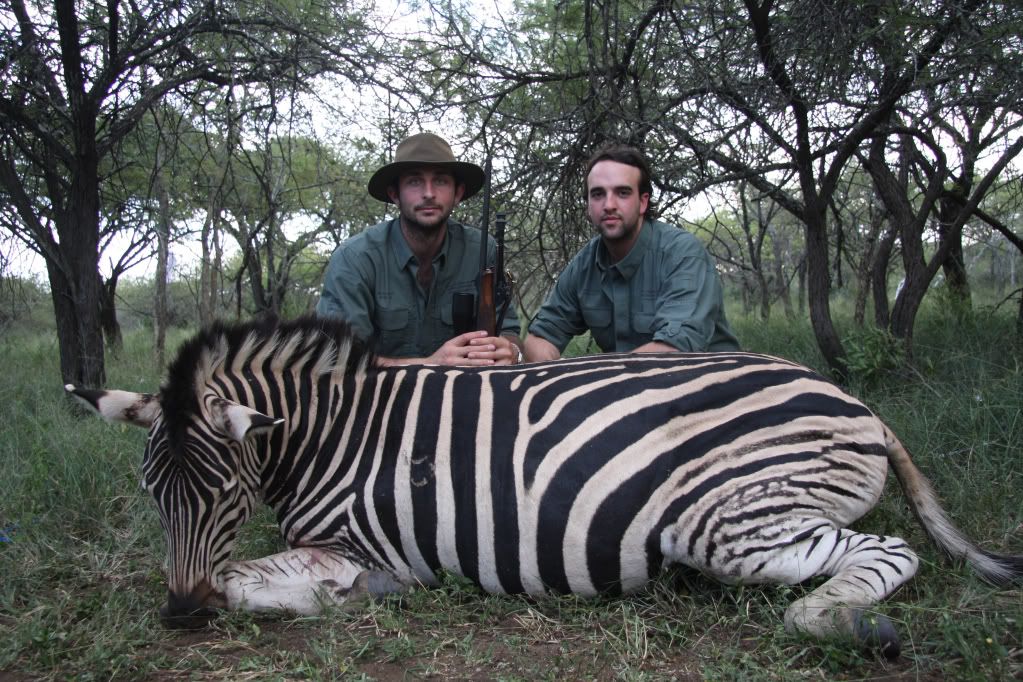
In addition to hampering conservation efforts and minimal economic benefits, the practice of trophy hunting also raises ethical and animal welfare concerns. Shooting animals for fun simply to obtain a trophy as a status symbol is ethically unjustifiable, disregards their intrinsic value by reducing them to commodities and puts a ‘price tag’ on death reflecting the amount foreign hunters are willing to pay for the kill. Moreover, trophy hunters frequently employ and incentivise hunting methods that increase the suffering of the animal, such as the use of bows and arrows, muzzle loaders, handguns or dogs chasing animals for hours to exhaustion.
WAV Archive Photo
WAV Archive Photo
“Economic benefit – which is minimal at best in the trophy hunting industry – is no excuse to allow the inhumane killing of animals for entertainment or to make up for the often irreversible biological and ecological damages it causes to protected species when there are alternative, more lucrative revenue streams available for development and conservation efforts,” said Dr Joanna Swabe, senior director of public affairs at Humane Society International/Europe. “As the largest importers of hunting trophies in the world, the US and EU have a moral obligation to stop contributing to this harmful industry through hunting trophy imports and to institute policies that support ethical forms of foreign aid, tourism and industry”, added Swabe.
In many countries around the world, citizens oppose trophy hunting and the import of hunting trophies. Surveys in the EU, Switzerland and the U.S. confirm that between 75 and 96 percent of respondents oppose trophy hunting and support import bans for trophies. In South Africa, the major African exporter of hunting trophies of protected species, a majority of 64 percent disapproves of trophy hunting.
With the unethical practice of trophy hunting harming species conservation and the economy for decades, a policy shift is long overdue. Together, with a united voice of 136 NGOs from all around the world, we call on governments to take responsibility towards the protection of species and biodiversity, and to ban the import of hunting trophies.
Agnese Marcon, Communications Manager, Eurogroup for Animals
Dr Mona Schweizer, Pro Wildlife
Dr Mark Jones, Head of Policy, Born Free Foundation
Adeline Fischer, Senior Communications Manager Europe, Humane Society International/Europe
Eurogroup for Animals represents over eighty animal protection organisations across the EU, UK, Switzerland, Serbia, Norway, and Australia. Since its foundation in 1980, the organisation has succeeded in encouraging the EU to adopt higher legal standards for animal protection. Eurogroup of Animals reflects public opinion through its members and has both the scientific and technical expertise to provide authoritative advice on issues relating to animal protection. Eurogroup for Animals is a founding member of the World Federation for Animals which unites the animal protection movement at the global level.
Pro Wildlife is a non-profit organisation that works internationally to protect wildlife and its habitats with the aim to preserve biodiversity and to save animals. Thus, the survival of species in their habitat, but also the protection of the individual animal is of key importance. Pro Wildlife advocates for better laws and effective protection measures for wildlife. In various countries, the organisation supports aid projects for animals in need, helps to preserve habitats and works to ensure coexistence between people and wildlife.
Born Free is a UK-based international wildlife protection charity. We promote compassionate conservation to enhance the survival of threatened species in the wild and protect natural habitats while respecting the needs and safeguarding the welfare of individual animals. As a leading wildlife charity, we oppose the exploitation of wild animals in captivity and campaign to keep them where they belong – in the wild.
Advancing the welfare of animals in more than 50 countries, Humane Society International works around the globe to promote the human-animal bond, rescue and protect dogs and cats, improve farm animal welfare, protect wildlife, promote animal-free testing and research, respond to natural disasters and confront cruelty to animals in all its forms.
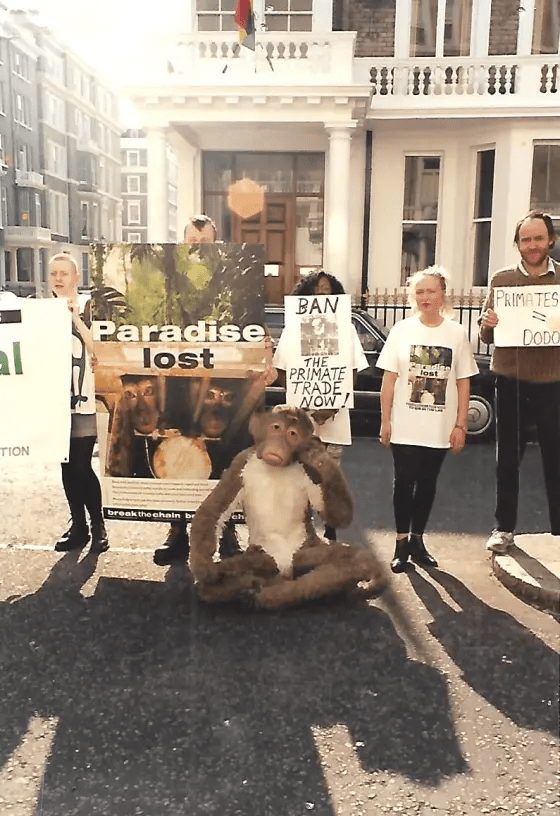
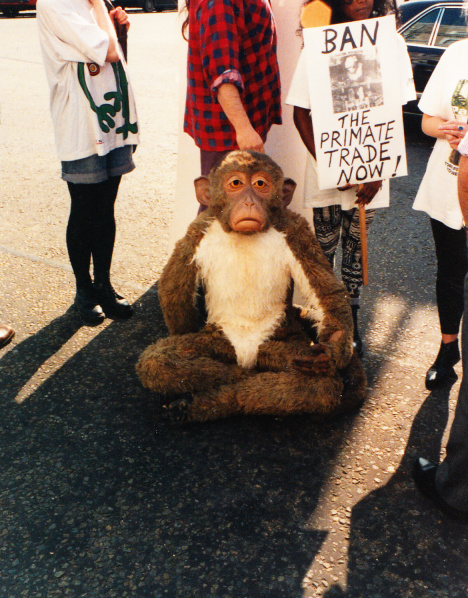
Doing Our Bit for the Primates In London (Mauritius Embassey) – Photo: Mark (WAV).
Hi all;
Have been dealing with specific animal issues over the last few days, but here now there is some good news for you all to read about. I will put each story on as an individual post in order that you can read and copy link if you wish.
Lets start with some amazing news, and huge congratulations to each and everyone involved with this campaign, for their tenacity and continuation of the fight for the primates. Since 1996; wow; I knew it was a long campaign as we have followed and done our bit here in England over the years; but I did not quite realise it was that long. Excellent and so very well deserved – well done all !!
London Mauritanian Embassey Demo. – Photo – Mark (WAV).
Sad Primate destined for the labs – Paradise Lost. Photo – Mark (WAV).
Click here to see us doing our bit in the past (37 years ago actually) in London for Mauritius caught primates:
Air France puts an end to primate shipments to laboratories
1 July 2022
On Thursday 30 June 2022, Air France publicly announced that it would stop carrying primates for animal experimentation. After years of hard fighting, One Voice has succeeded in getting Air France to stop transporting primates.
France is one of the countries in Europe that continues to experiment on primates, experiments in which the suffering inflicted on our cousins is particularly severe. Since 1996, we have been asking Air France to stop taking part in this torture inflicted on primates. We are extremely happy with this decision, even if it comes late in relation to the issue and other companies.”
Muriel Arnal, President of One Voice
Air France was one of the last major national airlinesto continue to take part in the cruel trade in animals for use by laboratories, and in particular monkeys, most of which come from the Republic of Mauritius, where they are violently captured in the wild and destined for reproduction. Many of them are sent abroad, turning France into the hub of this trade, which is certainly legal, but dreadful.
This decision comes against the backdrop of the collection of one million signatures for the Save Cruelty Free Cosmetics European Citizens’ Initiative to stop animal testing for cosmetics and the unanimous vote by MEPs to phase out animal testing in the EU by September 2021, and the effective implementation by the end of the year of theban on the use of F1 primates(first generation primates born in captivity from wild-caught parents), with many other national and cargo companies having ceased these activities.
We have a thought for the macaques from Indonesia, Cambodia, Mauritius, transiting via the Silabe platform (in connection with the University of Strasbourg), for those still transported by other companies (Wamos Air, Egyptair or AirBridgeCargo), but also via Russia or the United States.
The decision will not be effective immediately but at the end of Air France’s current contracts with research laboratories.
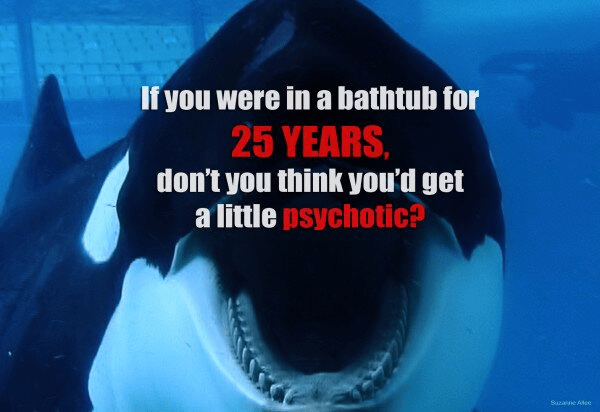
In June of 2022, SeaWorld’s annual shareholders meeting was shaken up by beloved punk musician Joan Jett, who delivered a statement shedding light on yet another one of SeaWorld’s horrific crimes against the animals who are held captive there. It is no secret that SeaWorld treats their animals terribly — and the park is no stranger to a bad reputation. But Joan Jett’s statement is a reminder that we cannot take the pressure off of our governing agencies, and we must demand this glorified sea creature prison be shut down once and for all!
In Jett’s statement, she called out the park for its alleged sexual abuse of dolphins and whales. These iconic, wild sea mammals are forced to undergo horrific forced breeding in which females are literally drugged so that they cannot fight back against the humans who are forcing them to be inseminated.
SeaWorld is clearly in violation of a whole slew of animal welfare policies, and it is time the department do what the public has been urging them to do for so many years: shut the institution down for good.
WAV Comment – lets be honest and truthful; there is nothing ‘art piece’ about a cheap ‘artist’ such as Buck. This is not art – simple, any pratt knows that. He is just someone who obviously gets a kick out of killing animals and then calling it ‘art’. Why don’t you get yourself down to the local slaughterhouse Mr Buck; where you can revel in animal deaths all day long.
A bad case of human.
On the other hand, many of you will only know of Ronnie Wood as a guitarist with the Rolling Stones and the Faces. But there is another side to Ronnie; he is a real artist who uses paint brushes to produce some fantastic artworks. Check some out:
That’s art – not like the goldfish in a bag shit you get from Buck.
Here is Ronnie playing guitar with Rod Stewart. Enjoy.
An art piece displaying slowly dying goldfish was removed from a museum after complaints of animal cruelty
An art piece containing 15 goldfish in plastic bags was removed from a South Korea museum Tuesday.
Local animal rights groups were concerned about the fish in the display, one-third of which died.
“Now that the fish are gone, it lost its meaning as a work of art,” Yu Buck told the Korea Times.
An artist who uses dead or dying creatures in his artwork had his installation — filled with 15 goldfish in IV bags — removed from a museum in South Korea on Tuesday.
Yu Buck’s art piece, which is named “Fish” and located in the Jeonnam Museum of Art in Gwangyang, South Korea, was considered by some to be animal cruelty, according to Artnet.
“The slow deaths of the goldfish were meant to be a part of my piece. Now that the fish are gone, it lost its meaning as a work of art,” Yu told the Korea Times. “While this may cause discomfort to general audiences, the artist thinks and expresses differently from members of the public.”
Buck’s piece, part of an exhibition called “Mourning: In the Wake of Loss, A Curatorial Essay” that opened on June 30, caused concern from visitors and local animal rights groups over the goldfish displayed in the piece, Korea Times reported. The article did not specify which groups voiced their concerns.
Five of the 15 fish died after the exhibit opened, but the museum removed the rest on Tuesday.
“Art museums are designed to serve as open plazas as well as platforms for discussion,” a museum official told the Korea Times. “As we value the visitors’ feedback and the animal rights groups’ stance, we removed the goldfish after consulting with the artist.”
Similarly, an installation by artist Damien Hirst at the Kunstmuseum Wolfsburg museum in Germany was dismantled earlier this month for its controversial implementation of living and dead flies, Insider previously reported.
The Jeonnam Museum of Art did not immediately respond to Insider’s request for comment.
Pets – Keep paws off pavements (and don’t shave your dog)
It’s not just people who are going to have a hard time coping with the heat – pets also experience extreme discomfort. If their owners aren’t careful, heatstroke or burnt paws are very possible.
A lot of the guidance (you can read the Guardian’s here) is the same you’d follow for yourself: make sure your pet is in the shade and hydrated, only go for walks in the coolest parts of the day and avoid being barefoot on pavements.
Veterinarians, perhaps counterintuitively, also discourage shaving your pet’s fur as it actually helps keep them cool. There are even pet-safe sunscreen options that will keep your fur babies safe from the sun and prevent sunburn.
How to spot a too hot dog – and other pet care tips for a heatwave
Get ready for sweltering weather by learning what to do if you notice signs of heatstroke
Athird of people do not know what to do if their dog has heatstroke, research has found, and the RSPCA says it could be “a matter of life or death” if owners do not take extreme caution with their pets this weekend.
The pet charity has appealed to owners to take every possible precaution to keep their animals safe during the intense heat, including familiarising themselves with the signs of heatstroke in animals and swotting up on how to make frozen treats.
Esme Wheeler, a dog welfare expert at the RSPCA, said: “The hot weather has gone from glorious to extreme, and we can’t stress enough how vital it is that pet owners take the situation seriously. We’re urging anyone with a pet – whether it’s a dog or cat, a rabbit or guinea pig, and even chickens, horses and exotic animals – to put aside some time today to read up and make plans.”
Dogs
The signs of heatstroke include excessive panting, unusual breathing noise, lethargy or change in behaviour, stumbling, and a blue/grey tinge to the gums or tongue. Owners should contact their vet immediately if they spot any of these signs.
Move the dog into the shade or a cool space and offer water, although only in small amounts. Lie them in cool but not very cold water and/or pour water over them. A soaked, cool towel could be placed over the dog’s side, and replaced if it becomes warm.
To avoid getting to that stage, skip walks and travel, keep dogs indoors out of the heat and leave water available at all times. Owners could also consider making frozen treats to encourage their pets to keep hydrated.
If you must exercise your dog, aim to keep to gentle, slow walks on the lead, and do this in the very early morning or late evening when temperatures are cooler. If in doubt, don’t go out.
Cats, small furries, snakes, fish and pet chickens
The RSPCA has a video on how to keep cats cool in hot weather, with tips such as laying down a cool damp towel in case your cat chooses to lie on it, and using pet-safe suncream on ears and other exposed areas if necessary.
Small animals, poultry and other pets should be checked twice a day for flystrike (when flies lay their eggs on another animal, which then hatch into maggots). Guinea pigs can be kept cool and hydrated by making them a fresh vegetable treat.
“Ensure rabbits and guinea pigs have constant access to shade and fresh drinking water at all times, and remember that as the sun moves during the day so too does the shade,” said Wheeler. “Somewhere that was shaded in the morning could be in full sun by the afternoon.”
Owners could also freeze a semi-full plastic bottle of water and wrap it in a towel so their pets can lie against it. People with pet chickens can encourage them to stay in shaded areas by hanging up a homemade vegetable garland. Fish tanks should be kept out of direct sunlight.
Snake owners have been advised to be extra vigilant as hot weather can make the reptiles very active and more likely to scale their tank and escape, the RSPCA said.
The charity’s scientific officer, Evie Button, said: “Snakes are excellent escape artists and will take the opportunity of a gap in an enclosure door or a loose-fitting lid to make a break for it.
“We would urge all pet snake owners to be extra vigilant at this time of year, invest in an enclosure suitable for the particular species and make sure that enclosure is kept secure – and locked if necessary – when unattended.”
Horses and farm animals
Owners need to know the signs of dehydration in horses so they can contact a vet if needed.
Farm animals need their water troughs checked regularly to make sure they are working properly and any algae or debris has been removed.
With exercise and travel planned for either end of the day when temperatures are lower, horses stabled during the day might appreciate a “boredom buster” treat.
A non-toxic fly repellent spray and a fly mask can help keep horses protected from bugs, and pet-safe sunscreen can be used on horses’ muzzles if necessary.
Make sure pigs have plenty of wet mud to wallow in, as well as shade.
Wildlife
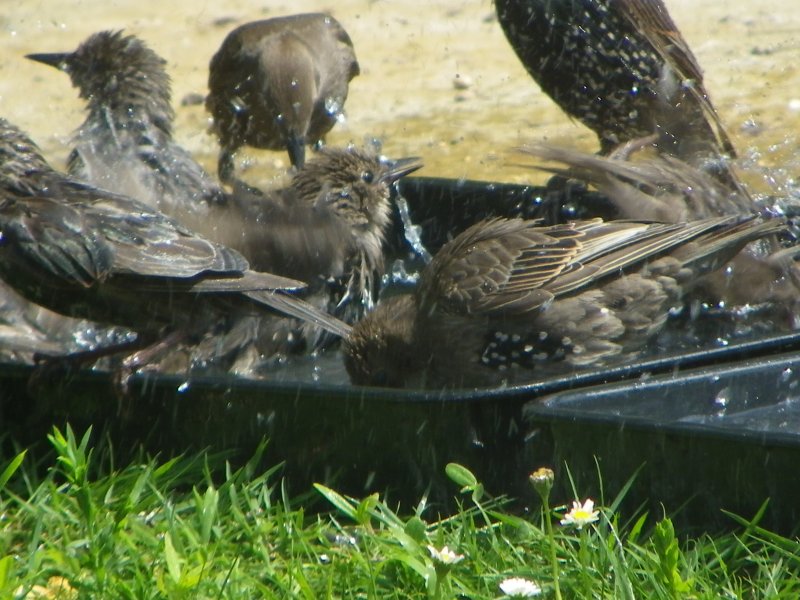
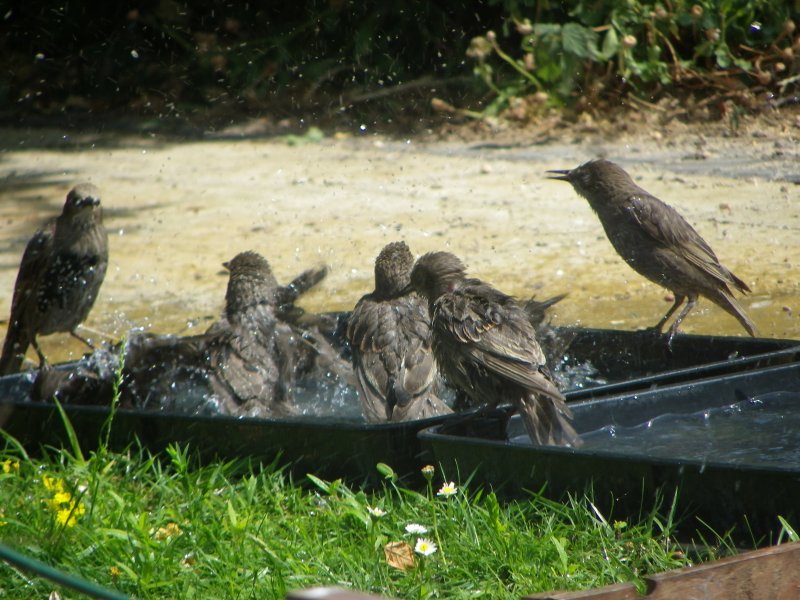
Leave a bowl of fresh drinking water in your garden for birds and other wildlife. Top up water levels of ponds, and keep an eye out for wildlife when using lawnmowers or strimmers.
Regards Mark
With thanks to our friends at ‘The Guardian’, London.