
Hi all; lots of wildlife photos taken yesterday; from animal buddy and campaigner Pauline; and the badger in my own back garden. There is a Shoreham sheep – I may write about Shoreham live exports when I get time.
Regards Mark (and Pauline).

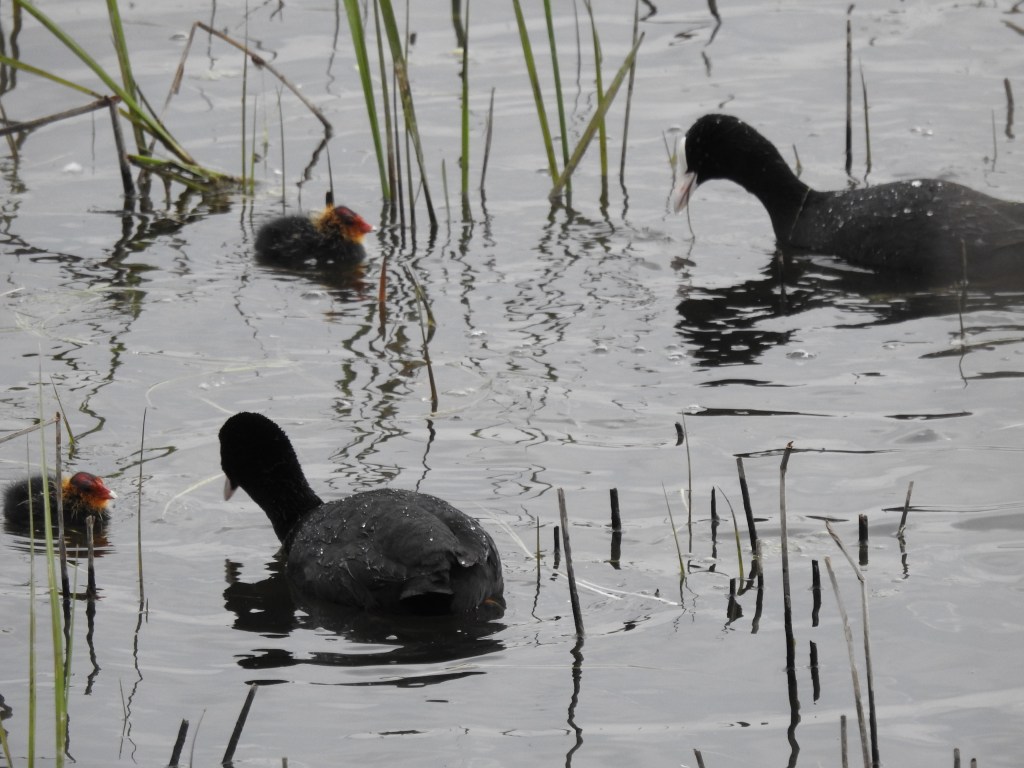
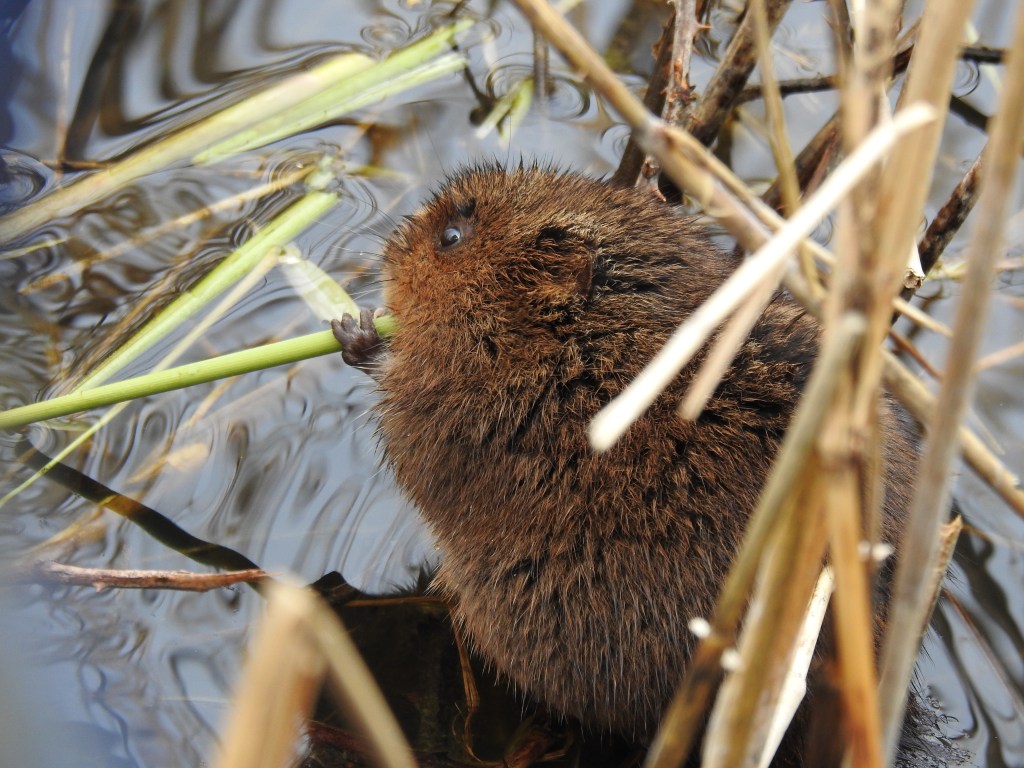
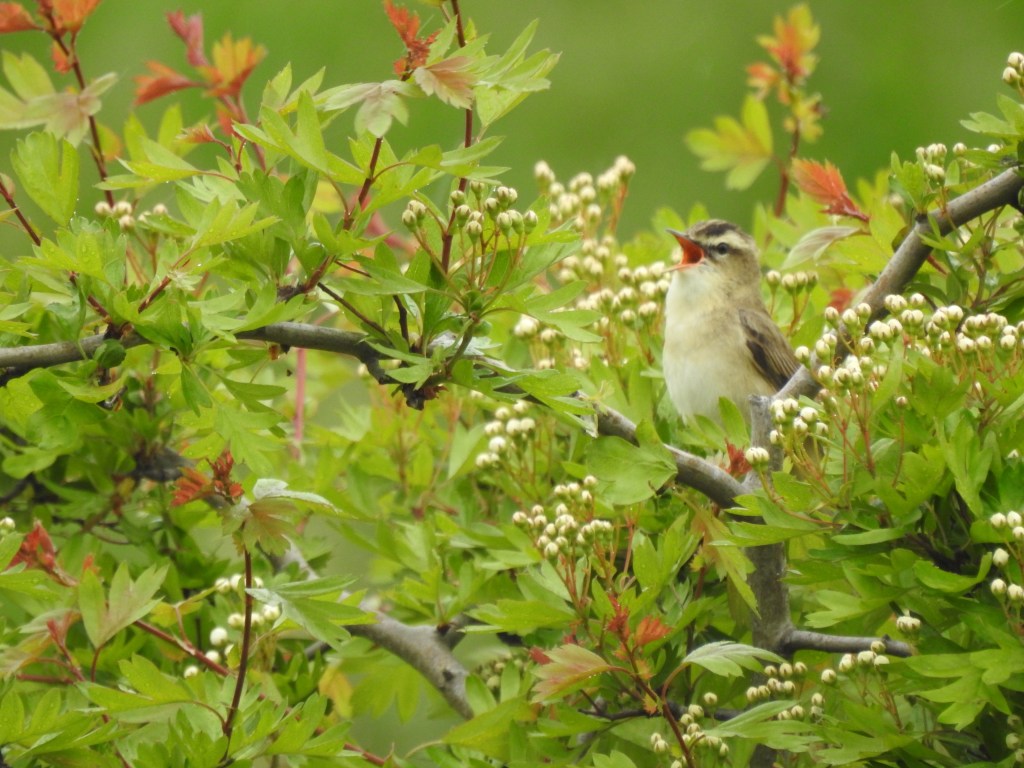


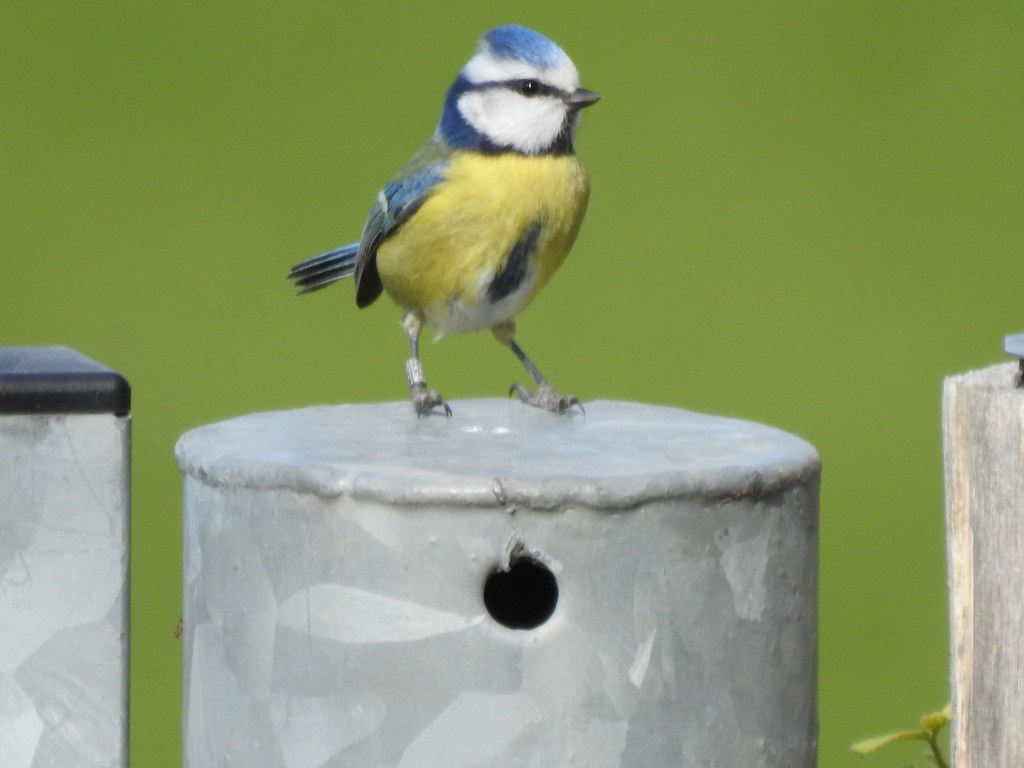
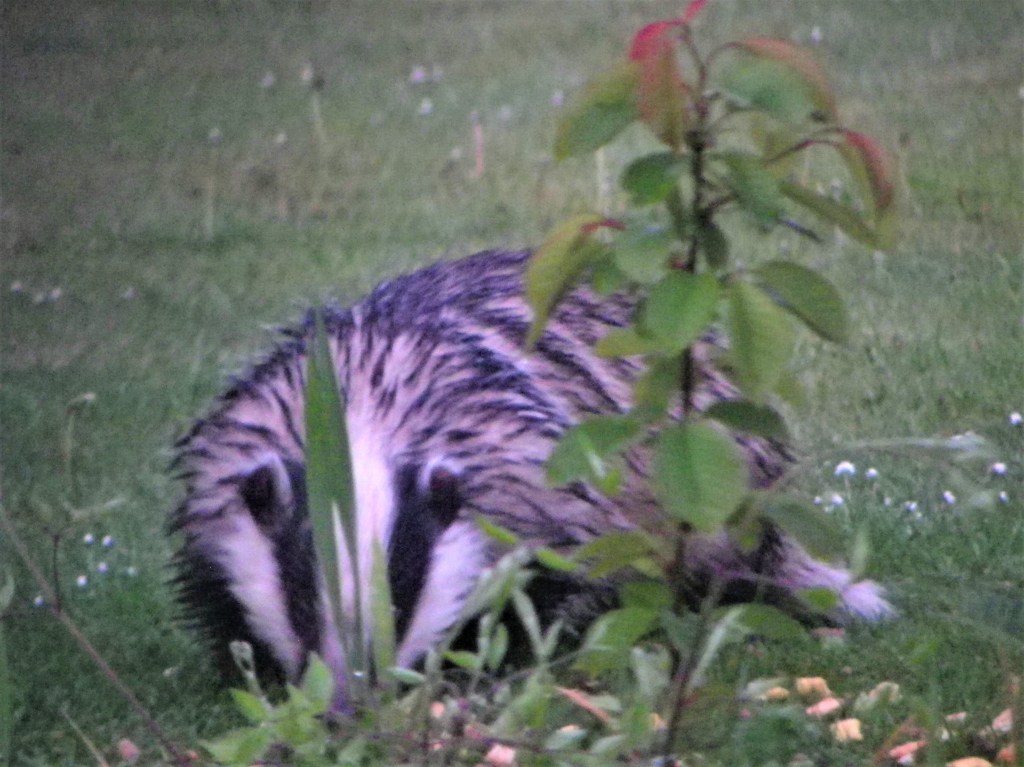
Hi all; lots of wildlife photos taken yesterday; from animal buddy and campaigner Pauline; and the badger in my own back garden. There is a Shoreham sheep – I may write about Shoreham live exports when I get time.
Regards Mark (and Pauline).
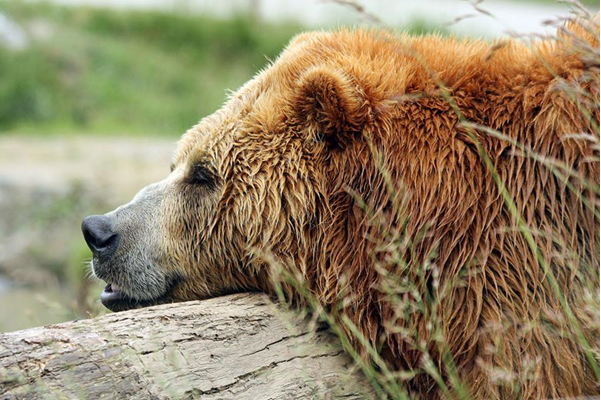

It is deeply sickening.
The way brown bears have been treated across the planet – over thousands of years – is one of the most damning examples of humanity’s disdain for the natural world.
Across the globe – and especially across Europe – their homes have been carved to pieces and their populations culled en masse. They’ve been baited, beaten and slammed into cages to spend their lives tortured and performing for grim human amusement.
A simple map of Europe paints the picture in gory detail. In the UK, Germany, Denmark, Portugal, Belgium, Ireland there is not a single surviving wild bear. Not one.
And every casualty behind each of those bloody extinctions was a creature who was truly, undeniably marvellous.
Brown bears are remarkably intelligent – cubs spend years with their mothers learning everything from fishing to finding the plant foods available in each season. They possess one of the most complex brains relative to their size and have more muscle than they know what to do with – allowing them to thrive in forests or steppes or tundra.
But that muscle was futile against human traps, guns and persecution. Almost every bear that wasn’t hidden in deep forests is now dead. The final few in Europe are clinging on in shrinking scraps of habitat and – without help – their chances of surviving this onslaught look slim.
If we want a natural world with brown bears – real bears free from metal cages – then we must help save them. We must not lose them from Europe.
Around a third are hidden away in Romania’s forests, and it’s here that turning their fate around is feasible. Despite centuries of devastation, we now have a realistic hope, with realistic plans. Local people are on board with our project, and we’ve got the expertise to protect the bears.
We just need to secure the forest.
And – through your donations today – we could help do that. We want to help purchase vital land and put up strategic fences to keep the forest and the people who live by it safe. That way we can protect these bears, and give them the safety they’ve needed for generations.
Humanity is irrefutably the villain of this centuries-old tragedy but – with the help of local communities and people like you – we have one last chance to change that, and be the heroes who come through at the end.
| Please help save brown bears. If everyone reading this donates just £3, you could help end centuries of suffering and keep bears free and thriving in the wild. Thank you. |



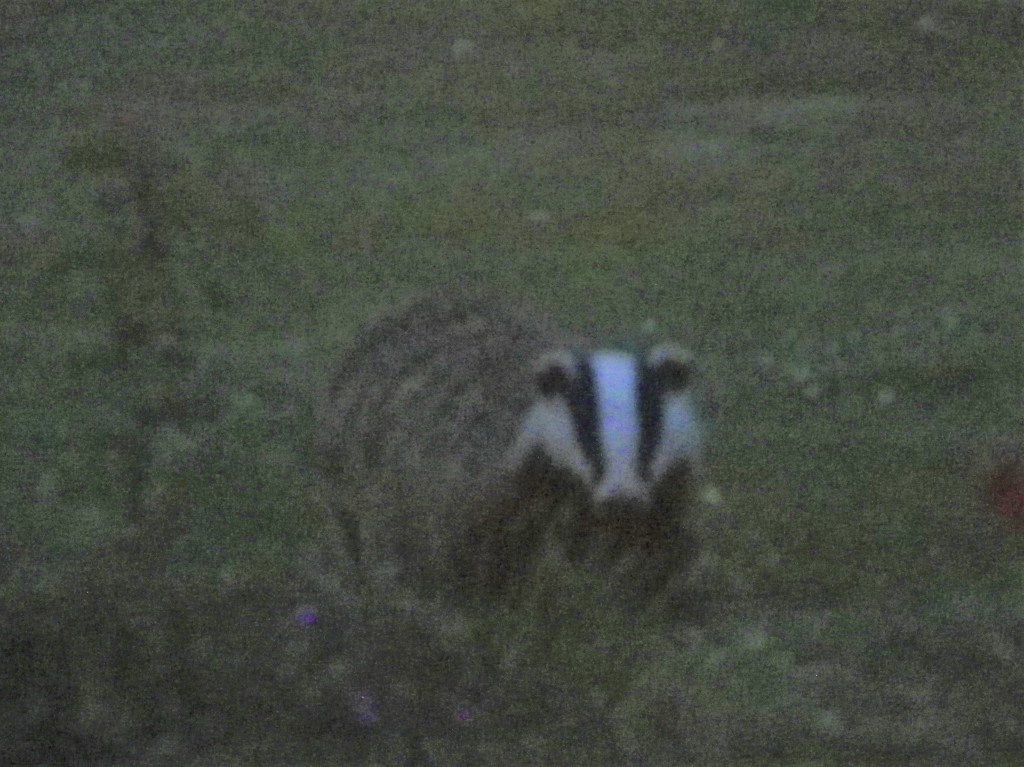
Tonight 2045 GMT. Mr Badger turns up in the twilight for his food – at last; a few (bad) pictures whilst we still have a little light.
https://worldanimalsvoice.com/?s=badgers
Regards Mark




Hi all,
Just a reminder that you can read this site in many languages; not only English.
To change to something else, just go to ‘TRANSLATE’ located on the left side between ‘Search’ and ‘Archives’.
Simply select your language from the drop down list and off you go !
Make use of it if you need.
Mark



LEAGUE AGAINST CRUEL SPORTS (LACS).
The League Against Cruel Sports (LACS), formerly known as the League for the Prohibition of Cruel Sports, is a UK-based animal welfare charity which campaigns to stop blood sports such as fox hunting, hare and deer stalking; game bird shooting; and animal fighting. The charity helped bring about the Hunting Act 2004 and Protection of Wild Mammals (Scotland) Act 2002, which banned hunting with hounds in England, Wales and Scotland.
Thanks to our friends at Wikipedia:

Photo – Mark (WAV) / East Kent Hunt Sabs.

ROYAL SOCIETY for the PROECTION of CRUELTY to ANIMALS (RSPCA)
The society was the first animal welfare charity to be founded in the world.
Founded on the 16th June 1824, by Richard Martin, William Wilberforce and the Reverend Arthur Broome, at the Old Slaughter’s Coffee House, near Trafalgar Square, London, who together agreed that the neglect, cruelty and abuse of animals was unacceptable.

Now very close to its 200th anniversary; and going stronger than ever.
Wilberforce was an advocate and staunch campaigner for the abolition of the slave trade; which he achieved shortly before his death:
William Wilberforce – Wikipedia
This proves that animal welfare campaigners are also strong supporters of human welfare issues, as we show with our support for ‘Free Tibet’ who are based in London:

Search Results for “free tibet” – World Animals Voice
Read a lot more about the RSPCA history at:
Royal Society for the Prevention of Cruelty to Animals – Wikipedia

Above are a few links to enable you to read and learn more about these wonderful animal advocate organisations;
Regards Mark.
Enjoy
Guns and Roses at London:

With thanks to Stacey at ‘Our Compass’ as always – very interesting.
Regards Mark
MAY 2, 2022
Imagine thinking this standard, normalized abuse, is “acceptable” while ignoring how animals feel having to literally experience it …
Source ALDF
The original title, which I took liberty to “modify”, was Victory for Animals and Free Speech as U.S. Supreme Court Declines to Review Kansas Ag-Gag Law
I changed it because, no, this isn’t a “victory” for animals as it doesn’t benefit animals who all suffer on farms (and labs, entertainment, fur farms, zoos, etcetcetc) regardless of a human court decision. A “victory” for animals would be a vegan world.
And it really wasn’t a “victory” for free speech either as ag-gag should NEVER have been considered much less implemented.
And to be fair, it really wasn’t a victory for “transparency” either, as “transparency” would be the actual anag industry publicizing the torture they inflict on animals versus aggressively trying to illegalize OTHER NON-ANAG PEOPLE from sharing undercover footage of the torture the anag industry effortlessly inflicts on animals.
(I’m not criticizing ALDF, they do excellent work, but many in the tiny minority of vegans who actually care about animals, often view even the meager crumbs of a SCOTUS decision upholding an already-legal-and-required constitutional right, as an “animal victory” in the face of global socially-accepted and celebrated normalized violence and suffering.)
But it’s pathetic how anag cheerleaders can’t get their stories straight, always inviting people to, “COME SEE THE FARMS!!!”, or, “HAVE YOU EVER EVEN VISITED A FARM???” while simultaneously relentlessly pursuing ag-gag to criminalize exposure of THEIR criminally inhuman, abusive acts perpetrated on defenseless, vulnerable animals. So much for “transparency”! (And by the way, I’ve never personally witnessed FGM, seeing someone mutilate a child in person, though, is not going to inspire me to change my mind and support FGM.)
But I wanted to share it anyway as it’s worth noting that a conservative SCOTUS has refused to reconsider a lower court’s decision that ag-gag is INDEED unconstitutional (while of course acknowledging that SCOTUS, along with billions of other humans, still don’t care about animals whatsoever; this wasn’t about animal “rights” or animal “freedoms”, this was about privileged human supremacists who don’t care about human animals OR non-human animals and want to hide their animal cruelty while infringing on the rights of humans).
Oh, and the excuse dejour of – it goes something like – maintaining a disease-free perimeter/area due to “biohazard risks” is based on YOUR actions of confining literally tens/hundreds-of-thousands of animals, not people who are exposing your deviant, shameful behaviour. And your track record sucks as diseases – pandemics – are in the news practically daily. But do pretend that you care about all animals while creating hellishly-zoonotic conditions where suffering, death, and disease thrive….
I won’t be holding my breath waiting for SCOTUS to determine that socially-accepted slavery, rape, and murder inflicted on billions of animals yearly in just the USA, should also be abolished based on the inhuman acts of violently exploiting and destroying animals. In the meantime, however, you can be vegan TODAY rather than wait for others to judicially enforce YOUR ethics.
Oh, and for those who experience moral outrage at my word choices of “slavery, rape, murder”, I don’t like your literal actions – condemning animals to such horrific fates – that inspired my words. You should be more concerned with the violent consequences of your choices versus how I accurately describe them with my word choices.
But people love to define the suffering of others in manners that makes them comfortable causing the suffering of others. SRL
Source Animal Legal Defense Fund/ALDF
In a major victory for animals, workers, and transparency In the animal agriculture industry, the U.S. Supreme Court declined to review a decision by the U.S. Court of Appeals for the Tenth Circuit that struck down Kansas’s “Ag-Gag” law for violating the First Amendment. The decision follows a lawsuit filed in 2018 by an Animal Legal Defense Fund-led coalition of animal, environmental, and food safety advocacy groups challenging the law’s constitutionality.
The Kansas law in question made it a crime to engage in activities that are essential to conducting undercover investigations that have in the past revealed horrific treatment of farmed animals and food workers to the public. The appeals court held that Kansas may not silence views critical of industrial animal agriculture. The court’s decision affirmed that videos, articles, advocacy, and public dialogue generated by whistleblowing and undercover investigations of factory farms and slaughterhouses relate to a matter of public concern: The treatment of animals and workers on factory farms and slaughterhouses, and manner in which food is produced. Such speech lies at the core of the First Amendment. The Supreme Court’s decision leaves that important ruling in place.
The 2021 U.S. Court of Appeals for the Tenth Circuit’s decision notes: “[T]he text and legislative history of the Act evince Kansas’s desire to limit the ability of [the Animal Legal Defense Fund] and like organizations to engage in true speech critical of animal facilities.. . .. We reject this approach because it elevates form over substance and permits Kansas to do just what the First Amendment prohibits: ‘license one side of a debate to fight freestyle, while requiring the other to follow Marquis of Queensberry rules.’”
“The U.S. Supreme Court’s decision not to disturb the lower court decisions is a victory for farmed animals, factory farm and slaughterhouse workers, and food and public safety — as it leaves intact the public’s constitutional rights over protecting corporate interests and profits. Until there are cameras publicly broadcasting the conditions within factory farms and slaughterhouses, investigations are the country’s only opportunity to see the horrific ‘industry standard’ conditions under which food is made,” says Animal Legal Defense Fund Executive Director Stephen Wells. “The industry works hard to keep its practices secret, knowing consumers won’t accept the intense confinement and other inhumane treatment of animals, as evidenced by the passing of California’s Proposition 12 and other proposed state legislation.”
Earlier this year, the Supreme Court agreed to hear a challenge to California’s Proposition 12 ballot initiative, which outlaws the sale of animal products from pigs held in gestation crates, calves held in veal crates, and eggs from hens kept in battery cages. The measure passed after undercover investigation footage exposed the cramped and cruel conditions in which pigs, calves, and chickens spend their lives at industrial animal agricultural facilities.
Source ALDF
“The Supreme Court’s refusal to review the Tenth Circuit’s decision leaves in place important constitutional protections for investigators working with animal rights groups to expose misconduct in the industrial animal agriculture industry,” says Alan Chen, a University of Denver law professor who helped lead the lawsuit against Kansas. “This is a big win for the national campaign against Ag-Gag laws.” Enacted in 1990, the Kansas Ag-Gag law was the oldest in the United States. Kansas is a major agricultural producer with the third-most cows of any state, and until being struck down, its Ag-Gag law had successfully prevented whistleblowers from investigating the conditions that millions of pigs, cows, chickens, and other animals endure.
There have been nine lawsuits challenging state Ag-Gag laws around the country. Earlier lawsuits have resulted in courts striking down similar laws or portions of laws in Iowa, North Carolina, Idaho, Utah, and Wyoming. The Eighth Circuit Court of Appeals will soon consider the constitutionality of Iowa’s second law, after striking down Iowa’s first law and recently clearing the way for an Animal Legal Defense Fund-led coalition’s lawsuit challenging Arkansas’ law to proceed. A decision concerning North Carolina’s law is pending in the Fourth Circuit Court of Appeals. The Animal Legal Defense Fund is also currently challenging a third Iowa law in the U.S. District Court for the Southern District of Iowa.
The Kansas coalition is comprised of the Animal Legal Defense Fund, the Center for Food Safety, and state farmed animal organizations Shy 38, Inc. and Hope Sanctuary. The coalition is represented by Public Justice, leading First Amendment scholars, the law firm Foley & Mansfield, and attorneys with the plaintiff organizations, with assistance from Joshua Rosenkranz and the Supreme Court & Appellate practice at Orrick Herrington & Sutcliffe.
Download Your FREE Vegan PDF HERE
Order a FREE vegan kit HERE
Dairy-Free Info HERE
Take the Dairy-Free Challenge HERE
Click HERE for more Dairy-Free
Fish alternatives can be found HERE
Learn about eggs HERE
Find bacon alternatives HERE and HERE
Take PETA’s Cruelty-Free Shopping Guide along with you next time you head to the store! The handy guide will help you find humane products at a glance. Order a FREE copy HERE
Searching for Cruelty-Free Cosmetics, Personal-Care Products, Vegan Products, or more?
Click HERE to search.
Free PDF of Vegan & Cruelty-Free Products/Companies HERE
Click HERE to find out How to Wear Vegan!
Want to do more than go vegan? Help others to do so! Click below for nominal, or no, fees to vegan literature that you can use to convince others that veganism is the only compassionate route to being an animal friend:
PETA HERE
Vegan Outreach HERE
Get your FREE Activist Kit from PETA, including stickers, leaflets, and guide HERE
Have questions? Click HERE
Regards Mark
The Green Party NI has pledged to continue to work on animal welfare and animal rights in the next Assembly mandate.
Making the party election pledge, North Down candidate Rachel Woods said: “It is incredibly disappointing that Northern Ireland is still the only part of the UK without a ban on hunting with dogs. The Green Party NI was the first party to introduce a law to ban hunting, but this was voted down by Stormont, in 2011, and again when another ban was proposed last year. It is long overdue that these horrific practices are outlawed.

“I submitted a public petition to the Assembly in December 2020 calling for the creation and implementation of Lucy’s Law, regulations which puts limits the sale of puppies and kittens. We have a lot still to do on puppy farming and the illegal breeding and sales of animals.
“I am also working with the Justice for Reggie campaigners in England who campaign on closing the loopholes in the roll out and enforcement of Lucy’s Law – something we should consider looking at now, rather than waiting and repeating the same mistakes.
“I would like to see more powers and resources given to local councils across Northern Ireland to allow the monitoring and enforcement of breeding standards.
“A key priority for me is fighting against the DUP Minister’s badger cull included in the new Bovine TB Strategy. Badgers are a protected species, and the evidence is clear that culls do not work. I am deeply concerned with the proposal, and I am supporting the legal action which is now being taken against this. I would also like to see reform of Animal Welfare legislation, and the reform of planning legislation with regard to protected species and animals, which is currently not fit for purpose.
“We also need to empower police forces to develop and implement local wildlife-crime strategies and provide resources to enable the courts to develop expertise in animal cruelty cases and adopt sentencing guidelines for wildlife crime.”
Regards Mark
Source:
Greens Pledge To Continue To Fight For Animal Rights | Northern Ireland News, 26/04/2022 (4ni.co.uk)

29 April 2022
On 14 April, the Dutch government announced that it would allocate € 60 million to support the formation of an ecosystem around cellular agriculture. It represents the largest public funding into the cellular agriculture field ever, globally.
Cellular agriculture, with cultivated meat as its emblematic product, is the technology to produce animal products directly from cells outside of an animal: it is therefore a product derived from an animal, with the same characteristics and nutritional value, but without the need to kill or maintain large numbers of animals in industrial conditions.
The funding is awarded under conditions by the National Growth Fund, which aims to create structural economic growth by investing in the public domain to support innovative economic sectors.
This financial impulse represents a first step towards funding a larger growth plan proposing to invest € 252 – € 382 million in cellular agriculture, specifically stimulating cellular agriculture education, academic research, publicly accessible scale-up facilities, societal integration (including farmers and consumers) and innovation. The broader growth plan is projected to generate an incremental €10 – €14 billion in Dutch GDP growth per year by 2050, with considerable benefits for animals, the environment and global health.
The National Growth Fund Committee said about cellular agriculture:
Although the products are not yet on the shelves, the science is promising and the first companies are already active. The committee is pleased with the potential and the parties involved.”
The proposal for funding was made by a newly created consortium of 12 organisations (academia, NGOs, startups, industry) called Cellular Agriculture Netherlands. The group is currently shaping the executive teams and governance structure to start executing the proposed growth plan as soon as the funds become available, which is expected to be towards the end of 2022 after meeting a specific set of conditions. The team will also reach out to potential partners in the Netherlands for execution of the programs.
The Netherlands has a strong history of innovating food production. This public investment in cellular agriculture is a demonstration of the Dutch government’s commitment to building an agricultural ecosystem that is healthy and sustainable for both humans and animals. In combination with reforms to traditional farming, cellular agriculture can be an additional tool to satisfy the world’s growing appetite for protein.
While individual cellular agriculture companies have been successful in attracting private funding, the National Growth Fund financing is explicitly aiming to support the public part of the ecosystem. The expectation is that this impulse will attract more companies, more funding, and more collaboration across the cellular agriculture field in and with The Netherlands over the next few years.
Read more at source
Regards Mark
USPCA calls on public to challenge election candidates on animal welfare issues
21 April 2022
USPCA
Ahead of the upcoming election, Northern Ireland animal welfare charity, the USPCA, has launched its ‘Act for Animals’ campaign which calls on the public to challenge their prospective political representatives on their views regarding animal welfare legislation.
The campaign highlights four areas of animal welfare which are in need of urgent address including greater enforcement and regulation of the puppy trade, the introduction of a banned offenders register, the impending indiscriminate badger cull, and the introduction of a ban on hunting wild mammals with dogs.
The outgoing Assembly voted against introducing a ban on hunting wild mammals with dogs, did not afford time to consider a private members bill which would have enhanced the regulations around the cruel puppy trade and the DAERA Minister announced a cull of badgers – a protected species. Our incoming Assembly needs to do better, and we all now have the opportunity to use our vote to enhance animal welfare in Northern Ireland.
Brendan Mullan, USPCA Chief Executive
The USPCA are asking the public to challenge election candidates to commit to:
Better enforcement and regulation of the puppy trade
Voting against an indiscriminate badger cull
Supporting a ban on hunting wild mammals with dogs
Supporting the introduction of a banned offenders register
A recent Lucidtalk poll commissioned by the Northern Ireland Companion Animal Welfare Group (NICAWG) reinforces this with 83% of respondents agreeing that there needs to be improvement in the enforcement of current animal welfare law in Northern Ireland.
Animals play an essential role in our community and natural environment, enhancing our quality of life – but at the same time, can be taken for granted or worse still, abused. As a compassionate society, we must recognise our duty to protect all animals – be that our much-loved companion animals or our native wildlife. The public has demonstrated time and time again, their appetite to see real change in animal welfare here in Northern Ireland. We thank our supporters for rallying behind our campaigning work and look forward to their continued support in the months ahead. We all play an important role in shaping Northern Ireland’s political landscape for the next five years – we hope Northern Ireland has a future in which animals are afforded the protections they deserve.
Brendan Mullan, USPCA Chief Executive
For further information visit the USPCA’s website.
Regards Mark


20 April 2022
In an unprecedented move, a French criminal court has condemned the practice of illegal routine tail docking of pigs and issued a fine of 50,000 euros, including 25,000 suspended, against the owners of a pig farm.
On Wednesday 6 April, the owners of a pig farm in Limoise, France supplying the Herta brand were sentenced a fine of 50,000 euros by the Moulins criminal court. The court considered the systematic docking of animals’ to be an act of abuse.
Tail docking is the practice of shortening a pig’s tail to prevent tail biting.
Tail biting usually occurs when pigs are bored or stressed due to their poor quality environment, poor health or lack of stimulation. The procedure is normally carried out without pain relief on piglets younger than 7 days. Although banned since 1994, routine tail docking is carried out in 99% of French pig farms.
The farm in question, which holds over 9,000 pigs, was put under the spotlight thanks to undercover footage released by French association L214 revealing terrible conditions in which the pigs were raised.
This condemnation marks a real turning point! An offense tolerated for 20 years is finally condemned by justice. Tail docking is practiced routinely in almost all farms, with the complacency of state services. France was even called to order by the European Commission in 2020. The message sent today by justice is clear: the regulations concerning the conditions of animal breeding cannot be negotiated. It must apply to all farms, whether the breeding sectors like it or not, and the State is required to apply it.
Brigitte Gothière, co-founder of L214
Read more at source
Regards Mark


