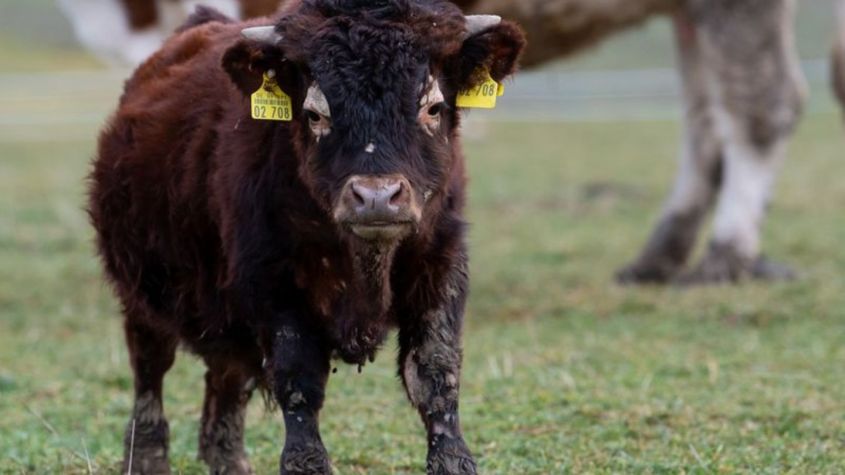
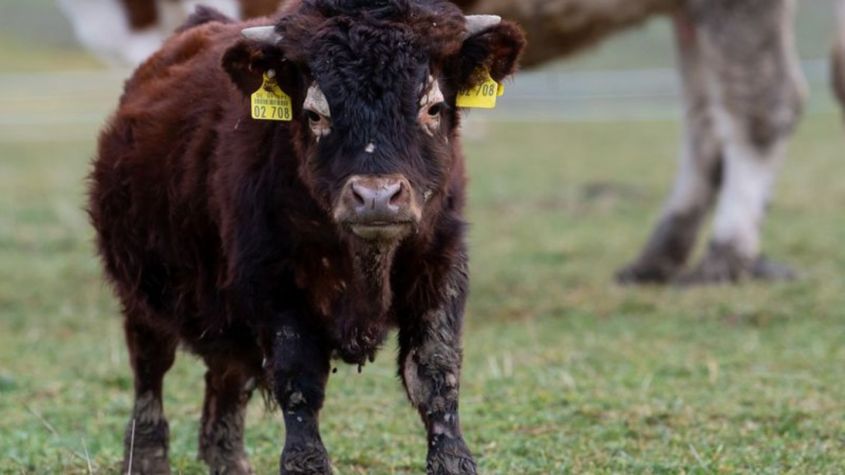
This is what it’s like to be a mini bull at the sanctuary.
Short legs, big belly: the little bull Napoleon has a genetic defect. Now he has landed on a sanctuary.
Napoleon is just 80 centimeters high – and he won’t get much taller.
The approximately eight-month-old bull suffers from a genetic defect and is therefore no longer growing.
Now the young bull, a Dexter cow, has found shelter at a sanctuary in Upper Bavaria – where he found his equal: two small cattle already live there.
“But he made friends with the biggest cow named Laura, of all people“, says the owner of the farm, Lukas Becker. Laura, saved from the butcher last year, “adopted” him.
Napoleon and Laura – Not centered
“Outwardly, he’s in top shape and pumperlgsund,”, says Becker about Napoleon. In small animals, however, it occasionally happens that the organs do not work properly.
In normal male animals, the shoulder height is about 112 centimeters on average. Since the animals are not as heavy as other cattle, they cause less damage when walked on and are well suited for nature conservation areas.
A malformation called chondrodysplasia occurs in some Dexter cattle.
A genetic defect causes the length growth of the bones to end prematurely because the cartilage ossifies early.
For Napoleon, the move to the sanctuary came about by accident, as reported by the Munich Animal Welfare Association.
One of the animal welfare inspectors knew the farmer where Napoleon was standing.
The club bought him. After a stopover he ended up in the sanctuary!
The sanctuary owner and his wife look after around a hundred animals. “I do it because I like animals,” says Becker.
He took over the farm from his grandfather; seven years ago the couple turned it into a sanctuary – as a hobby.
In the rest of life he is teacher.
And I mean…It could have ended tragically for the little man.
Because Napoleon could not be used for farming.
So…where to go with the mini bull?
But now Napoleon no longer needs to be afraid that he will end up in the slaughterhouse as an unwanted product of the meat industry.
Now he has friends, grass, freedom; now he is experiencing the sunny side of his fate and is happily secure for the rest of his life.
We need more news like this.
WAV Comment: It was probably around 30 years ago that Joanne, Trev and I (see photo below) took to the streets (and Faroe fish buyer supermarkets) about this very issue, see all our past links here:
I am British (English), and am personally disgusted, or more than disgusted by the actions of my own government; which obviously puts money ahead of the slaughter of whales and other marine life. Victoria Prentis is just like all other Conservatives – that is bloody useless; and we have witnessed it with Covid No. 10 ‘piss up’ parties; one rule for everybody else, from them, and a completely different rule for them.
And now the Faroe fishing supportive murderers of the British Conservative government inform us “The UK is strongly opposed to the hunting of any cetaceans and continues to call on all whaling nations, including the Faroe Islands, at every relevant opportunity to cease their whaling activities in favour of well-managed, responsible tourism, such as whale-watching.”
What complete and utter crap – trade deal talks (a trade deal should never have even happened) was the ideal opportunity for the UK government to really come out and inform the Faroese in no uncertain terms that Britain is a nation of people that are opposed to whale slaughter; and as such; we do not ‘do trade’ with whale murderers. But the British government sees money as the prime issue, as do all Conservatives; Prentis (the fisheries minister of the UK) needs to take a long walk off a very short plank, and I personally ask her what my 30 years plus as a campaigner against the slaughter and attempting to stop the massacre has achieved when she proudly boasts that she has done a trade deal with a nation that murders whales !.
I can tell her, simple, cards on the table; it has shown that my own Conservative, Boris Johnson government, and his supposed animal campaigner wife Carrie; have no backbone; they are utterly spineless.
Dom Dyer, Wildlife-protection lobbyist and very respected animal rights campaigner, who launched the petition on the government website calling for a suspension of trade, said he was very angry about the agreement, which showed how “out of touch” ministers were with public views in the UK and Europe.. We could not agree more with what you say Dom; MP’s are always bullshitting that they ‘represent the people’; well in this case ‘representing the people’ is the last thing in your heads – if you did represent us then you would have told the Faroese what they can do with their whale killing rather than bending over backwards to please them.
The fight goes on as it has for a long time with me and others. Victoria Prentis will be forgotten about very soon and put in the history books as one of the Conservatives who supported whale killing for financial reasons rather than respect for sentient creatures who are slaughtered by the Faroese in an utterly barbaric way. All the more reason never to vote again – all Conservatives say one thing, whilst actually doing the complete opposite; as I say we have seen with No. 10 ‘piss up parties’ during Covid lockdowns.
Mark
———————————————————–
Or you may get a UK trade deal ! – No, you get that regardless !!
Fury as UK ministers sign new Faroes deal after record dolphin slaughter
Conservationists are up in arms over a UK government decision to sign a new deal with the Faroe Islands following a record mass dolphin slaughter.
Ministers have been accused of being “an absolute disgrace” and of “flying in the face of public opinion” after announcing the £5.5m agreement allowing UK and Faroe vessels to fish areas of each other’s waters.
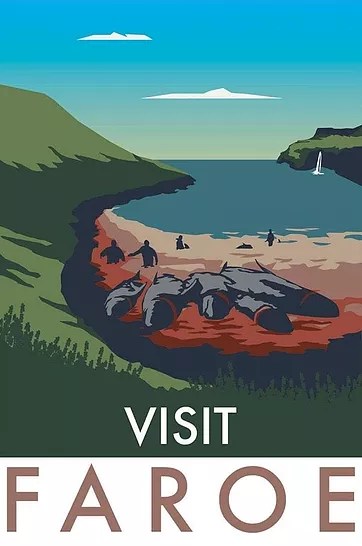
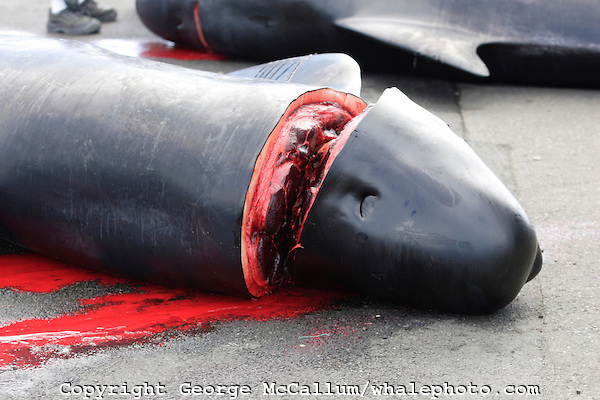
There was worldwide uproar in September when Faroese hunters caused a bloodbath with the killing of 1,428 dolphins in one go, and dozens of pilot whales just days later.
Since then, calls for the government to suspend its 2019 trade agreement with the islands until whale and dolphin hunts end have gathered pace, with 73,000 people signing a petition, and supermarkets being urged to stop selling seafood from the Faroes.
UK animal welfare minister Zac Goldsmith wrote to the Faroese and Danish governments condemning the massacre.
But fisheries minister Victoria Prentis said on Tuesday she was “pleased to announce” the deal that allows the UK to fish 1,000 tonnes of cod and haddock, worth £2.2m, as well as other species.
Fish consumption has risen in the UK as people have stopped eating meat in recent months and years.
Responses from the public on social media overwhelmingly condemned the deal when Ms Prentis announced it, some asking whether it was a joke, and others accusing the government of turning a blind eye to mass torture for money.
Wildlife-protection lobbyist Dominic Dyer, who launched the petition on the government website calling for a suspension of trade, said he was very angry about the agreement, which showed how “out of touch” ministers were with public views in the UK and Europe.
“It’s really badly timed. They’re giving the islanders more access to enriching the economy at a time when international opinion is definitely turning against these horrible hunts,” he told The Independent.
“We need to restrict tourism to the islands and trade – we need to hurt them in their pockets and make Denmark feel the pinch so that if they lose more trade, the Danes have to pick up the bill.”
The Sea Shepherd and Born Free conservation organisations are carrying out polling in Germany Denmark and Britain on the hunts – called “the grind”, which Mr Dyer was confident would show widespread opposition.
The campaigners are aiming to take a delegation of leaders, politicians, naturalists and broadcasters to the islands in the spring to draw the attention of the Faroese government and Danish governments to the “cruelty that has no justification”.
Mr Dyer, who said the government argued this deal was a separate strand from other post-Brexit trade, said pressure must also be put on retailers over where they source fish. If the petition reaches 100,000 names, it will be considered for debate by MPs.
One commenter tweeted to Ms Prentis: “The UK had an opportunity to state its opposition to the mass #slaughter of #whales and #dolphins. This is nothing to be proud of.”
Another said: “Did you by any chance bring up the subject of how they hack dolphins and whales to death in front of their terrified and struggling families? Thought not. Not one moral fibre between the lot of you!”
A third told her: “Worldwide condemnation yet you choose to reward them. Shameful.”
The government says the Faroe Islands are in no doubt as to the UK position on cetacean hunts, which it raises “at every relevant opportunity”.
Immediately after September’s bloodbath, Sea Shepherd said it believed the slaughter had been the largest single hunt in Faroese history, and was possibly the largest single hunt of cetaceans ever recorded worldwide. It said footage showed dolphins suffered prolonged suffering before being killed.
The Blue Planet Society said the EU Commission could not “sit back and let the Faroe Islands devastate Europe’s protected dolphin and small whale populations”.
A government spokesperson said: “The UK is strongly opposed to the hunting of any cetaceans and continues to call on all whaling nations, including the Faroe Islands, at every relevant opportunity to cease their whaling activities in favour of well-managed, responsible tourism, such as whale-watching.”
Kurt Zouma has been fined £250,000 by West Ham and his cats have been taken into care by the RSPCA in the furious backlash over his barbaric treatment of a household pet.
As one of West Ham’s key sponsors reviewed their deal with the club, more than 160,000 people signed a petition calling for the Hammers defender to be prosecuted for kicking and slapping his cat.
Essex Police and the RSPCA have joined forces to launch “urgent enquiries” into the shocking video footage of Zouma’s barbaric cruelty, which leaked into the public domain on Tuesday.
Animal rights groups in France, where maltreatment of pets carries a maximum penalty of four years in prison, have demanded Zouma’s immediate removal from the World Cup holders’ squad.
While the RSPCA confirmed that the cats were now in its care, the Hammers have announced 27-year-old France international Zouma – who has apologised – had been fined two weeks’ wages, which will be donated to animal welfare charities.
A club statement read: ” West Ham United can confirm that the club is supporting an RSPCA investigation into the actions of Kurt Zouma in the video circulated online this week.
“Kurt and the club are co-operating fully with the investigation and the player has willingly complied with the steps taken in the initial stage of the process, including delivering his family’s two cats to the RSPCA for assessment.
“Kurt is extremely remorseful and, like everyone at the club, fully understands the depth of feeling surrounding the incident and the need for action to be taken.
“Separate to the RSPCA’s investigation and pending further sanction once the outcome of that process is determined, West Ham United can confirm that Kurt Zouma has been fined the maximum amount possible following his actions in the video that circulated.
“The player has immediately accepted the fine, which will be donated to animal welfare charities.
“West Ham United would like to reiterate our condemnation of Kurt’s actions and make it clear that the matter continues to be handled with the utmost seriousness.
“However, we believe it is now important to allow the RSPCA to conduct their investigation in a fair and thorough manner, and will be making no further comment at this stage.”
The RSPCA said Zouma’s cats had been taken for a check-up at a vets and would remain in their care while the investigation into his X-rated video continues.
Hammers manager David Moyes, who insists he is an “animal-lover,” could offer only lame justification for picking Zouma – against overwhelming public opinion – in Tuesday night’s laboured 1-0 win against Watford.
“Shocked and appalled” BBC Match of the Day host Gary Lineker slammed West Ham’s “tone deaf” decision to play Zouma, who was subjected to boos and merciless catcalls throughout the match.
And Cats Protection’s Director of Veterinary Services, Maggie Roberts, said: “We’re saddened the club did not take the opportunity to send a clear message that cruelty to animals will not be tolerated.
“The decision by Kurt Zouma’s club to continue as though nothing has happened sends an appalling message to fans and the wider public. It seems that on this occasion, a decision has been taken to put football before the wellbeing of a sentient being.
“Footballers are in the privileged position of being role models to a huge number of people across the world. This makes the behaviour in the video – and the subsequent decision by the club – all the more distressing.
“This is not a minor offence. Cruelty to animals is a serious criminal offence because it is no longer considered acceptable in today’s society. There is also research which shows people who practice cruelty towards animals are more likely to progress to becoming more aggressive towards humans.
“Anyone who loves and supports football – whether its fans or sponsors – will expect the very highest standards of players and management. It is for sponsors to decide if they can tolerate the actions seen on the video and the decision taken by the club last night.”
If Moyes’ decision was based purely on the pursuit of three points, the Hammers may be about to discover the cost of standing by £29.8 million French international Zouma is more far-reaching.
Experience Kissimmee, West Ham’s official destination partner, say they “will be evaluating our relationship and sponsorship with the club” after Zouma’s controversial selection.
A post on the Experience Kissimmee Twitter account read: “It was disheartening to learn that the player Kurt Zouma was part of the starting line in West Ham United’s game. As we wait for further information from WHU, we will be evaluating our relationship and sponsorship with the club.”
Although West Ham said they “unreservedly condemn” Zouma, who will be disciplined by the club, the player’s apology has not been enough to stem the tide of wholesale revulsion at the video and its appalling soundtrack of laughter.
A petition on Change.org, started by Anti Animal Abuse, reads: “In the UK we have laws against the abuse of animals, laws which should be applicable to everyone rich or poor, famous or not!
“We ask that the Metropolitan Police and RSPCA carry out an urgent investigation and prosecute the perpetrators of this heinous act. Further we ask that the RSPCA remove all animals from Zouma’s ‘care’ immediately!
“Failure to take action in this case will send the message that animal abuse for entertainment is justified, that for the rich and famous breaking the law is no problem! Neither are acceptable!”
Zouma played well against Watford, despite the barracking – predominantly from away supporters – and Moyes said: “The club have taken all the action they can do at the moment behind the scenes. My job is to pick the best team and Kurt was part of that.”
But London Mayor Sadiq Khan was not impressed, telling Sky News: “It’s despicable. I think a number of things need to happen urgently. I think the RSPCA and the police need to work together to prosecute this player.
“I’m disappointed in David Moyes and West Ham. I know how important three points are, but I think they should have shown leadership and dropped him last night.”
Conservationist Chris Packham has branded Moyes’ decision to select Zouma as an “absolute disgrace.”
Packham told BBC Radio 4’s Today programme: “I think it was a disgraceful decision. I think if the footballer had released on social media a film of him taking drugs or beating his wife or his girlfriend or his children, there was no way he would have been on the pitch.
“And this is not just about football. These footballers now are role models to millions of people, so in a way they set public standards, and what David Moyes showed last night is that he had no regard for people’s opinion of public standards when it came to animal welfare.
“Let’s be very clear, this is a crime that has been committed and it will be investigated. So to put him on the pitch last night did sport no favours, it did football no favours, and it did us as a nation of animal lovers no favours. It was an absolute disgrace.”
The RSPCA condemned the “very upsetting” video after it surfaced online and will be leading the investigation and co-operating with Essex Police.
WAV Comment: Ask many people around the world what they consider to be an ‘iconic’ representation of Australia; and you will probably often get a reply of either the Koala bear or the Kangaroo.
You would thus think then that after all these years / decades of Australian government environmental destruction and habitat loss for the Koala, something would (or certainly should) have been done by either past or current Australian governments to protect and retain such an icon as the Koala.
You would like to think also that the current so-called ‘Environment Minister; one Sussan Ley, would care a little more about protecting the environment and its flora and fauna (including the Koala) rather than prioritising her own ascension of the political ladder; but I think we are wrong.
S. Ley – Environment Minister
Instead, Scott ‘Coal Hugger’ Morrison, the Prime Minister, and Ms Ley both appear to have their own survival at the top of their priorities, rather than the environment and the protection of wonderful animal species such as the Koala, who are now in dire (survival) straits and, according to reports, face extinction by 2050 if very drastic if urgent action is not taken.
So what do we hear ? – now, with Koala on the brink of extinction and the global witnessing of its habit being slashed and burned, the Morrison government announces $50m to help the species – wow, $50m !! – very much a case of ‘closing the stable door after the horse has bolted’.(in this case a bolt of 20 years ago) as we say in the UK. And they think this paltry sum of cash is going to resolve the issue and make them look like ‘environmental heroes’ ? –this amount of money is Australian peanuts when compared to the amount that the Australian government has invested / subsidised into the coal industry for example – Coal production subsidies cost Australians $1.8bn a year | RenewEconomy – Coal production subsidies cost Australians $1.8bn a year.
And Australian voters; don’t they ever get a grip on how they are seen around the world; putting ticks in boxes for politicians who appear to care very little about environmental issues – Morrison, a modern day ‘Nero’ playing with coal whilst Australia burned, literally. History tells us that not only did Nero play music while his people suffered; but he was also an ineffectual leader in any time of crisis. I can see the obvious similarities between the two; can you ? and much more importantly; can the Australian voters ?
A badly burned Koala rescued from Blazing Environmental Destruction
Terrible live animal exports continue, the massive over usage of antibiotics in farmed animals continue to be used in farming, iconic species heading for extinction continue; coal production continues to be subsidised by a carefree government; whilst Australian politicians also try to escape from having to appear at COP environmental conferences held recently in Scotland (UK); and still the Australian public vote them in !! – amazing, or stupid.
Who is the ‘crazy Nero’ one has to ask ? – the slash and burn Australian politician, or the care less Australian voter.
Morrison Uses More Coal To Burn Australia and Destroy Flora and Fauna.Smile While the Nation and Fauna Burn
The Australian government has officially listed the koala as endangered after a decline in its numbers due to land clearing and catastrophic bushfires shrinking its habitat.
The environment minister, Sussan Ley, accepted the recommendation of the threatened species scientific committee that the koala populations of Queensland, New South Wales and the Australian Capital Territory should have their conservation status upgraded.
The stronger listing under national law is recognition that the koala’s plight has become more urgent and that successive Australian governments have failed to turn the much-loved animal’s circumstances around since it was listed as vulnerable in 2012.
It comes after the Morrison government last month announced $50m to help the species. The funding was welcomed by environment groups but described as a “drop in the ocean” if the root causes of the species’ decline were not addressed.
Ley said in addition to the endangered listing, the government planned to adopt a long-awaited national recovery plan for the koala.
“Today I am increasing the protection for koalas in NSW, the ACT and Queensland, listing them as endangered rather than their previous designation of vulnerable,” Ley said.
“The impact of prolonged drought, followed by the black summer bushfires, and the cumulative impacts of disease, urbanisation and habitat loss over the past twenty years have led to the advice.”
Environment groups have long argued the koala’s conservation status should be upgraded. Three organisations – Humane Society International (HSI), WWF-Australia and the International Fund for Animal Welfare – nominated it for the endangered listing.
“The koala has gone from no listing to now being declared endangered on the Australian east coast within a decade,” said Dermot O’Gorman, WWF-Australia’s chief executive.
“That is a shockingly fast decline for one of the world’s most iconic animals. The endangered status is a grim but important decision by minister Ley.
“There is still time to save this globally iconic species if the uplisting serves as a turning point in koala conservation. We need stronger laws and landholder incentives to protect their forest homes.”
The endangered listing will provide additional protection for koalas because it lowers the threshold at which a development must be assessed under national laws for potentially significant impacts on the species.
The recovery plan sets out the key threats to the koala and actions needed to prevent its extinction.
Such a plan had been identified under national environmental laws as a requirement for the species for the past nine years but no Australian government had developed one, making it one of almost 200 recovery plans for Australia’s threatened species and habitats that were overdue.
It took the black summer bushfire disaster to prompt consultation on a draft, with a final version delivered to the minister late last year.
Once a recovery plan is adopted, ministers are legally bound not to make decisions that are inconsistent with it, however governments have no obligation to actually implement the plan.
The koala is under pressure from multiple ongoing threats including disease, global heating and clearing of its habitat for development.
In 2020, a NSW parliamentary inquiry found the species would be extinct in that state by 2050 unless governments took urgent action to protect its habitat and turn the declines around.
Alexia Wellbelove, a senior campaign manager at HSI, said Ley’s decision should prompt Australian governments to do more to address the declining state of the country’s environment.
“Although it’s devastating for the koala it’s an important action for their protection,” she said.
“It’s a cue for governments really to take a stand against continued habitat clearing for koalas. We can’t just continue business as usual.”
Wellbelove said the decision needed to be followed by action on the review of national environmental laws by the former competition watchdog head, Graeme Samuel.
Samuel found Australian governments had comprehensively failed in their duty to protect the environment and the country’s iconic wildlife had suffered because of it.
He made 38 recommendations to transform the act, including a proposal for new national environmental standards that require clear outcomes for Australia’s plants and animals.
“Until such time that we have strong national environmental standards that specify no-go areas around critical habitat for species such as the koala, habitat destruction will continue and this must be addressed urgently,” Wellbelove said.
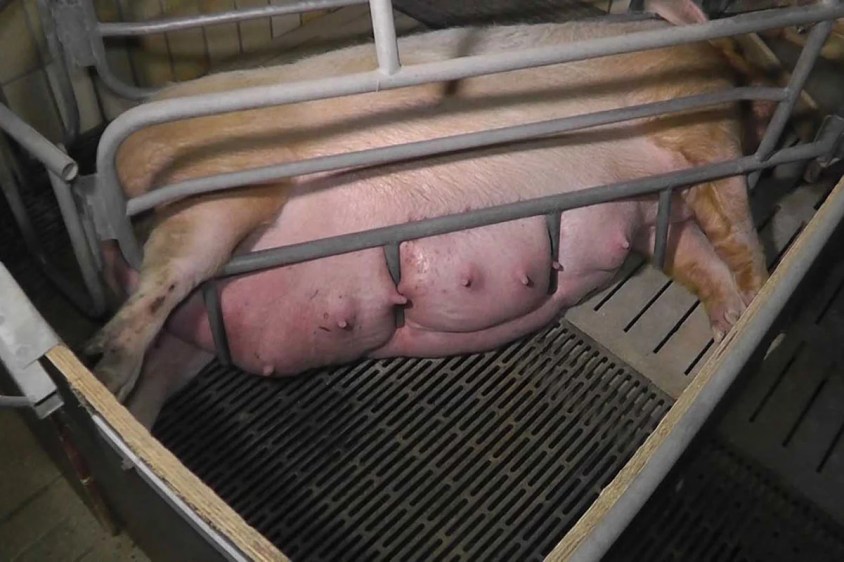
According to a survey by the State Farmers’ Association Baden-Wuerttemberg (state in southern Germany) wants to phase out around 50 percent of pig farming.
The precarious situation on the pig market continues.
Due to the corona crisis, pig and piglet prices are at a historic low and livestock farmers are in the deep red. The State Farmers Association(LBV)Baden-Wuerttemberg has therefore carried out a survey among pig farmers.
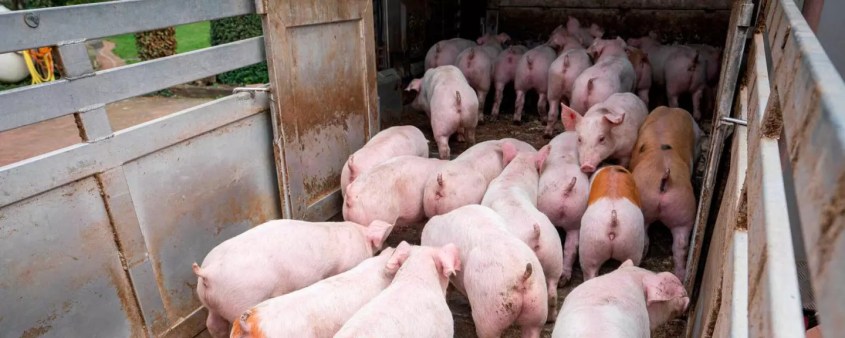
The result is sobering: more than 50 percent of those surveyed are planning a partial or complete exit from pig farming. In addition to legal requirements and inefficiency, the reasons for this are also a lack of prospects.
“In this situation, further development of the companies is impossible,” explain the LBV Vice PresidentsKlaus Mugele and Hans-Benno Wichert. “All market participants and politicians must finally act now, otherwise pork from Baden-Wuerttemberg will soon be history.”
Even today, the degree of self-sufficiency in the country is only around 45 percent.
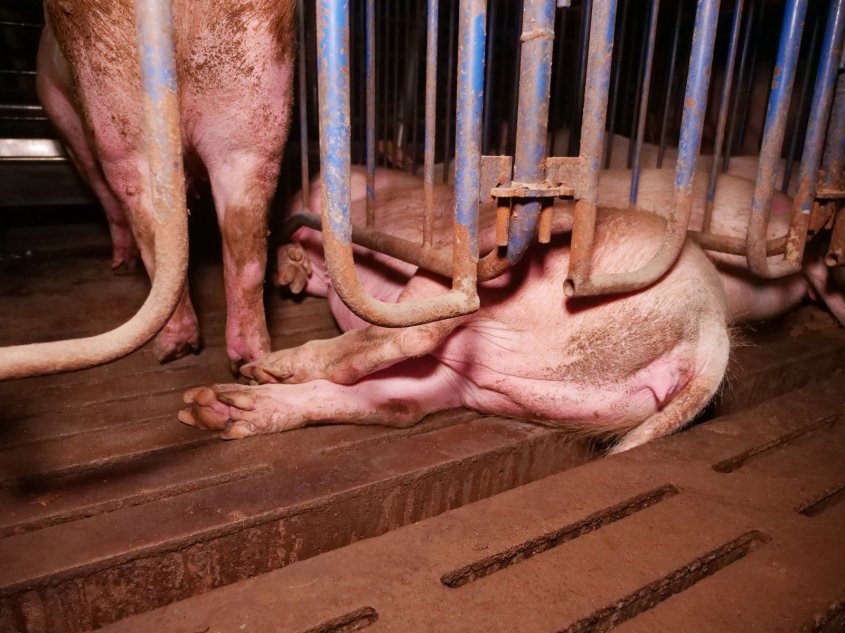
Pig farmers in Baden-Wuerttemberg disappointed with politics and trade
According to the survey, the pig farmers in Baden-Wuerttemberg are disappointed and sobered by the empty promises and marketing campaigns of the food retail trade, which ultimately do not bring any improvement, but only cause more pressure on the producers. The respondents have accordingly lost all expectations of the trade.
“The meat industry and the other links in the chain must now develop new, integrated concepts on an equal footing with the producers,” explains Vice PresidentMugele.
“We have to become less dependent on price fluctuations on the international markets. To do this, the regional programs with a purchase guarantee must be expanded in the country so that livestock farmers can count on stable prices,” demands Mugele.
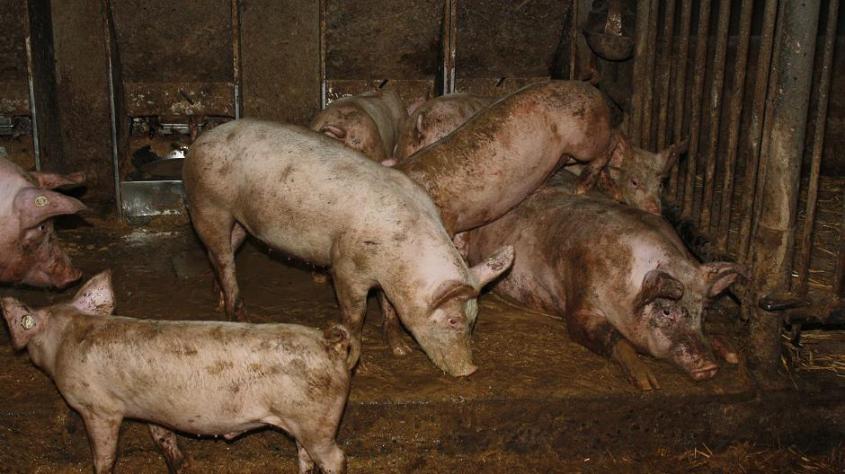
Pig farmers in Germany have no prospects: they are planning to exit
The survey of the State Farmers Association (LBV) comes to a similar result as the interest group of pig farmers in Germany(ISN).
According to an ISN (interest group of pig farmers in Germany) survey last summer, around half of the pig farmers intend to give up their farms in the next ten years.
60 percent of farmers who keep sows want to get out, and 40 percent of those who keep fatten it.
In contrast, there are only 6 percent sow farmers and 8 percent fatteners who can imagine expanding their production.
How Bent (Corrupt) are different nations of the world ?
Is your government good or a specialist at dodgy deals?
The Corruption Perceptions Index (CPI) ranks of countries around the world, based on how corrupt their public sectors are perceived to be.
The results are given on a scale of 0 to 100, where 0 is highly corrupt and 100 is very clean.
This year’s CPI paints a grim picture of the state of corruption worldwide.
More than two-thirds of countries score below 50. And despite some progress, nearly half of all countries have been stagnant on the CPI for almost a decade. These countries have failed to move the needle in any significant way to improve their score and combat public sector corruption.
In July 2021, the U.S. Department of Agriculture (USDA) cited Envigo for 26 violations of the Animal Welfare Act. Federal veterinarians found 15 dogs denied treatment for “severe dental disease,” wounds, yellow discharge around the eyes, and more; a “depressed” puppy covered with feces in a waste pan; dogs denied food for days while nursing puppies; and much more. To view the USDA’s inspection reports, click here.
Based on PETA’s evidence, a team of USDA officials conducted a multiday inspection of the puppy mill in October 2021. The USDA corroborated PETA’s findings and cited Envigo for 13 more violations, including 11 repeat violations.
Inspectors found that a puppy and some dogs were deprived of veterinary care for an eye infection, crusted and oozing sores on their paws, and other eye and foot ailments; that puppies died after falling into a drain or getting their head trapped in a cage door; and that puppies’ legs and feet fell through the cage floors. According to the report, workers medicated dogs without consulting the facility’s sole full-time veterinarian; took no steps to prevent fights among dogs, resulting in a puppy found eviscerated in an enclosure with nine littermates and staff unaware that another dog was biting and wounding another; and, in just two months, put down nine dogs who were injured when their leg or tail was pulled through a kennel wall by other dogs. The USDA found moldy feces in dog enclosures, up to 6 inches of feces piled in a gutter, and an “overpowering fecal odor” and “strong sewage odor” in the facility. To view this inspection report, click here.
PETA’s undercover investigation found 5,000 beagle dogs and puppies confined to small, barren kennels and cages 24/7 at a massive factory farm in Virginia, operated by Envigo.
Based on PETA’s evidence, a team of U.S. Department of Agriculture (USDA) officials conducted a multiday inspection of the puppy mill.
The USDA just released its report. Inspectors corroborated PETA’s findings and cited Envigo for 13 violations of the federal Animal Welfare Act (AWA). Inspectors found that a puppy and some dogs were deprived of veterinary care for an eye infection, crusted and oozing sores on their paws, and other eye and foot ailments; that puppies died after falling into a drain or getting their head trapped in a cage door; and that puppies’ legs and feet fell through the cage floors.
According to the report, workers medicated dogs without consulting the facility’s sole full-time veterinarian; took no steps to prevent fights among dogs, resulting in a puppy found eviscerated in an enclosure with nine littermates and staff unaware that another dog was biting and wounding another; and put down nine dogs who were injured when their leg or tail was pulled through a kennel wall by other dogs. The USDA found moldy feces in dog enclosures, up to 6 inches of feces piled in a gutter, and an “overpowering fecal odor” and “strong sewage odor” in the facility.
Last July, the USDA cited Envigo for 26 violations of the AWA, after finding dogs denied treatment for “severe dental disease,” wounds, yellow discharge around the eyes, and more; a “depressed” puppy covered with feces in a waste pan; mother dogs denied food for days while nursing puppies; and more.
The USDA is authorized by law to suspend Envigo’s license for 21 days and any confiscate animals who are suffering as a result of violations of the AWA. Yet the agency has taken no action in this case to render aid to these animals or stop the violations.
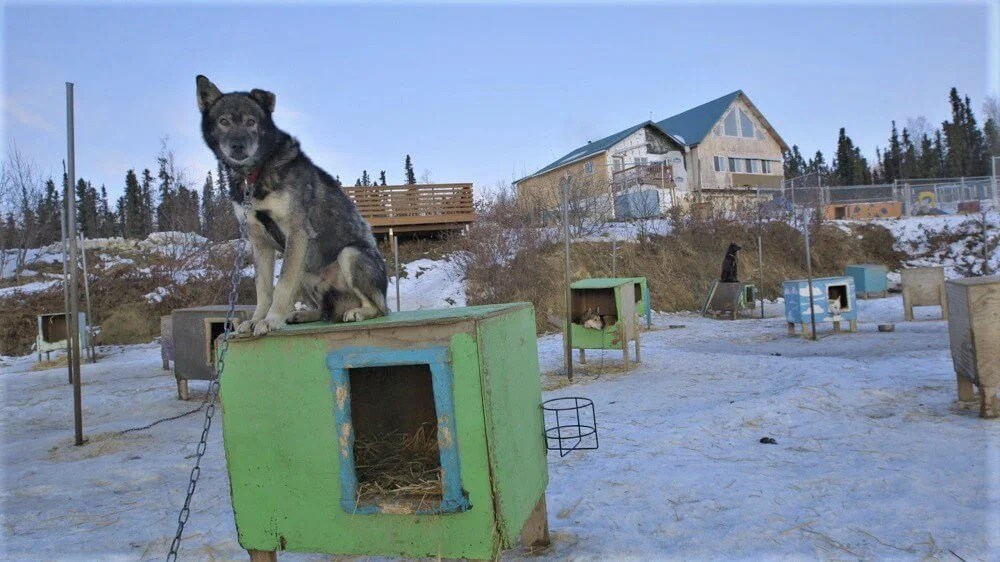
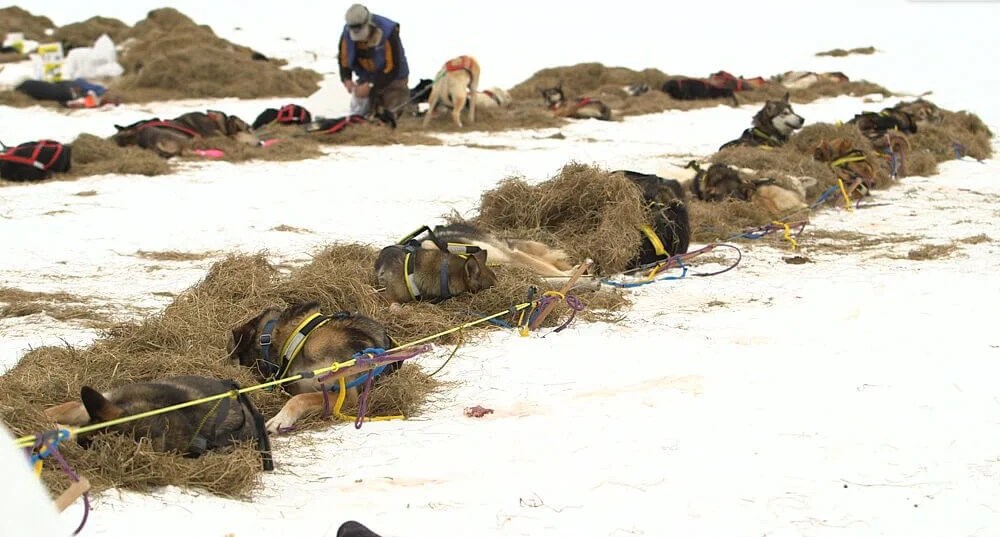
A sled dog musher in Alaska has said she prayed “not to be killed” when a moose attacked her dog team, leaving four of them seriously injured.
The bull moose charged Bridgett Watkins’ dogs and trampled on them for more than an hour before it was shot dead on the Salcha River trail system near Fairbanks on Thursday.
Ms Watkins, who was training for a race, said she “emptied her gun into” the animal, but it continued to attack before a friend arrived and killed it with one round from their rifle.
“I ran for my life,” she wrote on Facebook, “and prayed I was fast enough to not be killed in that moment. He trampled the team and then turned for us.
“As he charged me I emptied my gun into him and he never stopped. This has been the most horrific past 24 hours of my life.”
The moose stopped less than a metre from the snowmobile and she managed to cut free six dogs that were tied to it, she said.
But the moose went back to her sled and began stamping on the dogs still tethered to it, standing over them and trampling them repeatedly for more than an hour.
“I have never felt so helpless in my life,” Ms Watkins wrote. “He would not leave us alone and he even stood over the team refusing to retreat.”
She and a friend who was trailing her on a snowmobile took cover next to the vehicle before calling friends who arrived with a rifle.
The four injured dogs were taken to a nearby vet and are on the mend.
She is back training with the others in preparation for the nearly 1,000-mile Iditarod Trail Sled Dog Race in Anchorage next month.
Ms Watkins said: “These are freaking amazing athletes that just survived probably the most traumatic experience of any dog team ever in history, and they’re survivors and they’re still pushing through.”
The experience has shaken her, she said, but it is no different from what other people face.
“People have these situations in their life all the time. They’re just different obstacles that they have to overcome, and this is mine, and this is my story, and I just hope that I can be inspiring.”
Breaking news: Following years of pressure from PETA, including protests all around the world, shocking ad campaigns, and phone calls and emails from nearly 500,000 supporters, Millennium Hotels and Resorts is dropping its sponsorship of Alaska’s deadly Iditarod dogsled race!
More than 150 dogs have died during this race, not even counting those who were killed during the off-season because they weren’t fast or fit enough to make the grade. Up to half of the dogs who start the race don’t finish it because of exhaustion, illness, injury, or other causes, leaving the remaining ones to work even harder.
Millennium Hotels joins over a dozen other companies—including Alaska Airlines, Coca-Cola, ExxonMobil, Jack Daniel’s, and Wells Fargo—in cutting ties with the Iditarod’s cruelty to dogs following PETA campaigns.
With the Iditarod slated to begin in less than a month, we need your help to keep the pressure going to urge other companies to drop their sponsorships, too.
Met Police officers have rescued dogs from an alleged “dog fighting” property in northeast London.
Police officers executed a warrant at a property on Sewardstone Rd, Chingford last Thursday and found adult dogs and puppies from prohibited breeds.
Officers also discovered a firearm, combat knives, and stolen plant machinery.
Three men aged between 28-35, were arrested at the scene on suspicion of dangerous dog offences, handling stolen goods, possession of a firearm and possession of offensive weapons in a private place.
PC Tom Landels of the Met’s North East Command said: “There was a significant amount of property and a number of dogs seized during this operation.
“The plant machinery will be returned to the lawful owners and the dogs will undergo assessment while they are cared for at a police kennel facility.
“Dog fighting is brutal, fundamentally cruel and is an organised crime that operates secretly with no regard for animal welfare.”
The three men in question have been released under investigation, while enquiries remain ongoing.
If you know about dog fighting in your area call 101 or Tweet @MetCC. To remain 100% anonymous call the independent charity Crimestoppers on 0800 555 111.
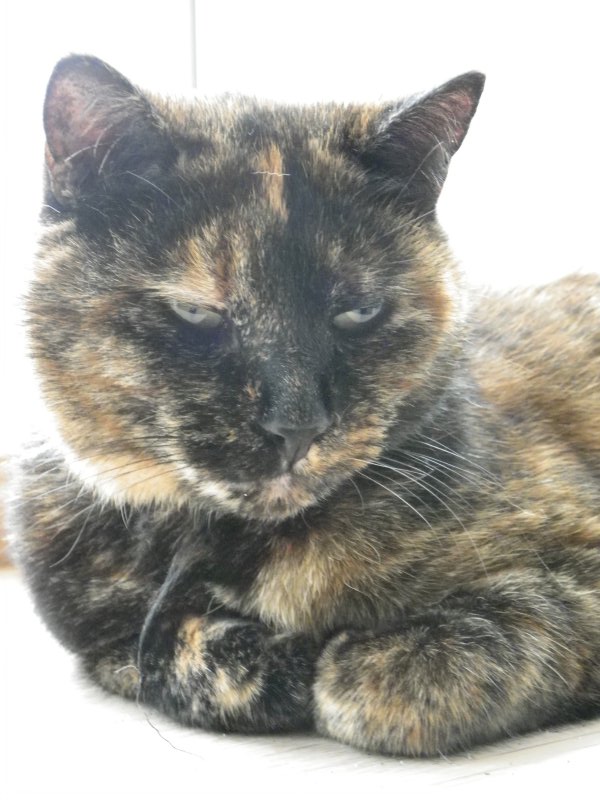
The outcry over Kurt Zouma’s mistreatment of his pet cat has continued to grow in the wake of a video showing him dropping, kicking and slapping the animal. Photograph: Zac Goodwin/PA
Yesterday, 9/2/22, I wrote a post about the French footballer who plays for a London team being filmed by his brother abusing one of his own cats. You can read about it here:
Well this story is getting more coverage all the time and has been debated here in England on national breakfast tv this morning. Overnight there have been further actions with ‘Experience Kissimmee’, who are based in Florida USA announcing that because of this issue it has ended its sponsorship of West Ham United Football Club.
Actions are being taken in the way of sponsorships (or not), and the message is a clear and simple one; don’t abuse animals – you are people in positions that young children should look up to; and by NOT showing or personally becoming involved with any animal abuse is setting a very good example.You are not gods; even if you consider you are, you are just footballers – act your age to get respect and do the right things.
In the UK there was the ‘black lives matter’ issue where footballers knelt before the start of a match to show their support for players. This has now been dubbed as ‘CAT LIVES MATTER’ in support of the cat abused by Zouma.
Kurt Zouma cat abuse video: Second West Ham sponsor withdraws support
The player, who has apologised, has also lost his Adidas footwear sponsorship
A second West Ham sponsor has withdrawn its support for the club as the backlash continued over a video showing the defender Kurt Zouma dropping, kicking and slapping one of his cats.
Experience Kissimmee, the tourism authority for Osceola County, Florida, had been evaluating its relationship with West Ham since Zouma was selected to start Tuesday’s game against Watford after the footage went viral.
“Experience Kissimmee announced today that it has ended its sponsorship of West Ham United Football Club,” the club’s destination partner said in a tweet.
Its move comes after Vitality, West Ham’s wellness partner, suspended its sponsorship “with immediate effect”, saying it was “hugely disappointed” with the judgment shown by the club in response to the video.
West Ham said on Wednesday that they had fined Zouma “the maximum amount possible” – understood to be two weeks’ wages, amounting to £250,000 – and have condemned his behaviour.
The RSPCA has taken Zouma’s two cats into care and is conducting an investigation. The player, who has apologised for his actions, has lost his Adidas footwear sponsorship. – Guardian
 Napoleon and Laura – Not centered
 A malformation called chondrodysplasia occurs in some Dexter cattle.
 The sanctuary owner and his wife look after around a hundred animals. “I do it because I like animals,” says Becker.








 The result is sobering: more than 50 percent of those surveyed are planning a partial or complete exit from pig farming. In addition to legal requirements and inefficiency, the reasons for this are also a lack of prospects.
 Pig farmers in Baden-Wuerttemberg disappointed with politics and trade
 Pig farmers in Germany have no prospects: they are planning to exit