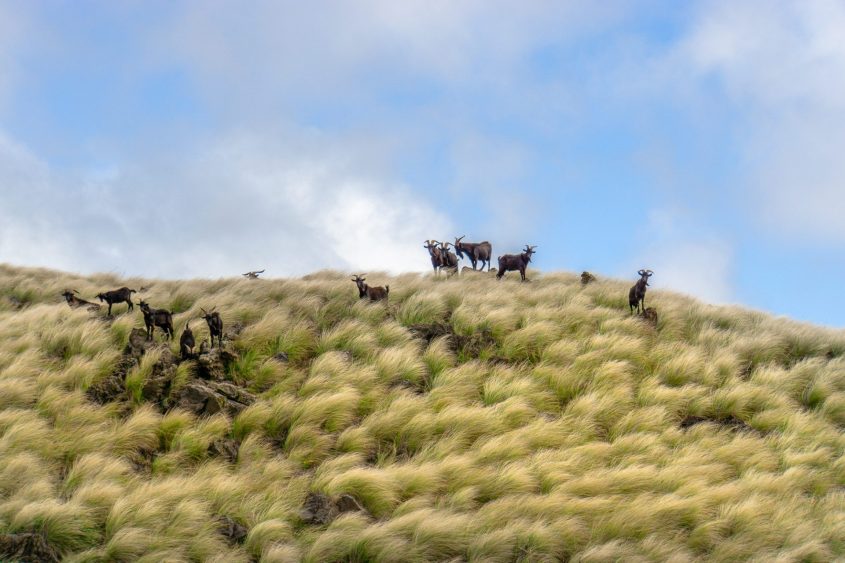
The DLNR’s Division of Forestry and Wildlife announced today that goats will be trapped and removed from the park and that it will “distribute these animals to permitted members of the public.”
The Department of Land and Natural Resources will hold a lottery to distribute live goats to be removed from the Puʻuhonua o Honaunau National Historical Park.
The park, on the west side of Hawaii island, is an important cultural and historical location that used to be a hub of political and religious activity, the department said.
The park is currently overrun by invasive goats, which will be removed to protect it.
To obtain live goats through the salvage project, held by DOFAW and Puʻuhonua o Honaunau National Historical Park, members of the public can apply for permits, which will be issued through a random lottery at the Kamuela DOFAW office on July 28.
The department will be distributing between 20 and 50 goats per permit and anticipates at least 700 goats to be removed from the park.
Permit applications will be free and available on the DOFAW website or at the Kamuela and Hilo DOFAW offices.
They must be received by the offices or postmarked by July 21 and can be delivered in person by appointment only.
Application instructions can be found online.
DOFAW will publish the results of the lottery online on the day after the drawing. The winners will be selected for 30-minute slots on the day of the distribution, during which they can enter the park to pick up the live goats.
Applicants must indicate how many animals they intend to receive, although cannot choose individual goats.
DOFAW said winners “will receive animals as they are sent down the chute.”
Lottery winners must have, at minimum, a 16-foot enclosed horse trailer equivalent to pick up the goats. Only one trailer is permitted per application, and trailers must be fully closed to ensure animals do not escape.
DOFAW may refuse to issue a permit if it deems a trailer to be insufficiently secure.
Puʻuhonua o Honaunau National Historical Park will close on August 11 to distribute the goats.
And I mean…What yoyo runs this agency? How does they expect to round up these goats?
The last time goats were eradicated, the National Guard used helicopters and machine guns to clear the goats off .
Quote: “Feral goats (Caprahircus) were a significant threat to the native habitat and endangered biota unique to the Makua Military Reservation (MMR) on the island of Oahu, Hawaii.
The Oahu Army Natural Resource Programme (OANRP) was tasked with the removal of these animals. OANRP staff then employed other techniques to complete the eradication, including Judas goats and aerial hunting. When the last goat was eradicated in July 2004, a total of 1565 goats had been destroyed using a combination of techniques” (Quote end)
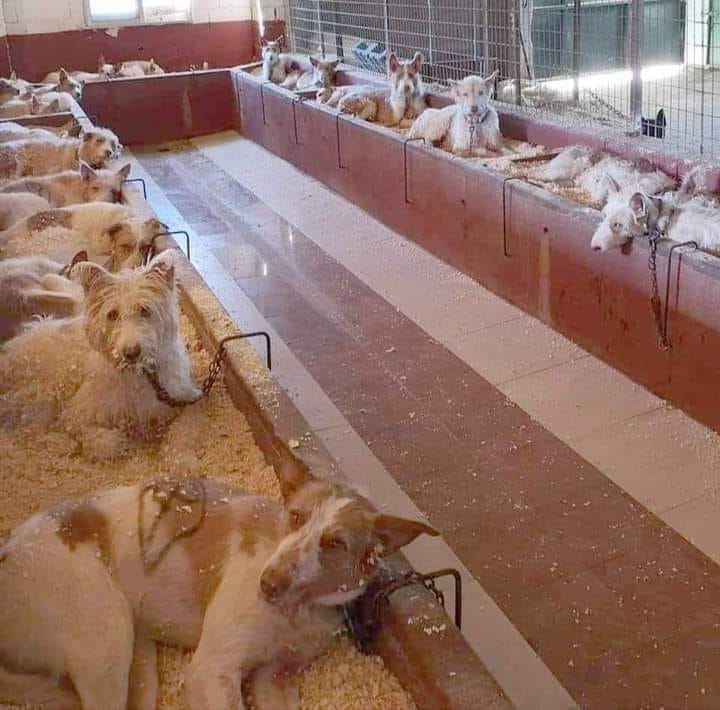
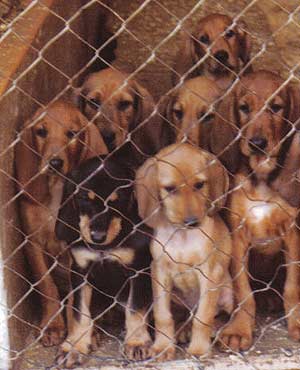
A condition of perennial slavery that does not allow them to live life except in those few hours of hunting in which they will do everything to please their tormentor.
They will be trained in every abuse and deprivation because they are considered real objects to be disposed of without scruples …
And when they are no longer suitable for hunting, they will be mercilessly killed in the most disparate ways.
These are the hunters who love nature and the dogs they have!
And I mean…Even the pure-bred dog with pedigree bought for 500 – 600 euros is “disposed of” in the event of “failure” without great conscience.
The hounds are particularly hard hit.
The wild boar hunters in particular persistently hold on to the old wisdom that a “segugio” is born as a useful hunting dog.
If the young dog still does not show good disposition in the second winter, the risk of not being taken home again becomes very real for him.
Animal rights activists never tired of pointing out the grievances.
“The Italian hunter uses the hunting dog as an extension of his arm, but the able assistant is in no way rewarded for this work.
While the game bird hunter keeps an average of one or two four-legged friends (mostly Setter or Epagneul Breton), the wild boar hunter often owns up to 17 dogs, the majority of which are small mixed breeds, which are more or less fortuitously sent to the hunt, so that many of them die in the first few days of the season.
Many dogs are seriously or fatally injured during the three-month wild boar hunt. But how could a dog that was chained for nine months or lived in some hole in its own excrement suddenly hunt well? A dog that may be completely worried, thanks to the diet of dry bread and leftover food and the lack of exercise, was unable to develop muscles. “ (Source: cane in toscana)
Here in Germany it’s not much better either.
It is said that “the hunters are the Vatican of Germany”.
Hunting is a hobby for psychopaths everywhere, mostly practiced by the higher strata of society
A civilized, empathic person can hardly imagine that today’s society, in the 21st century, allows this wretched minority to do what they want in the forest.
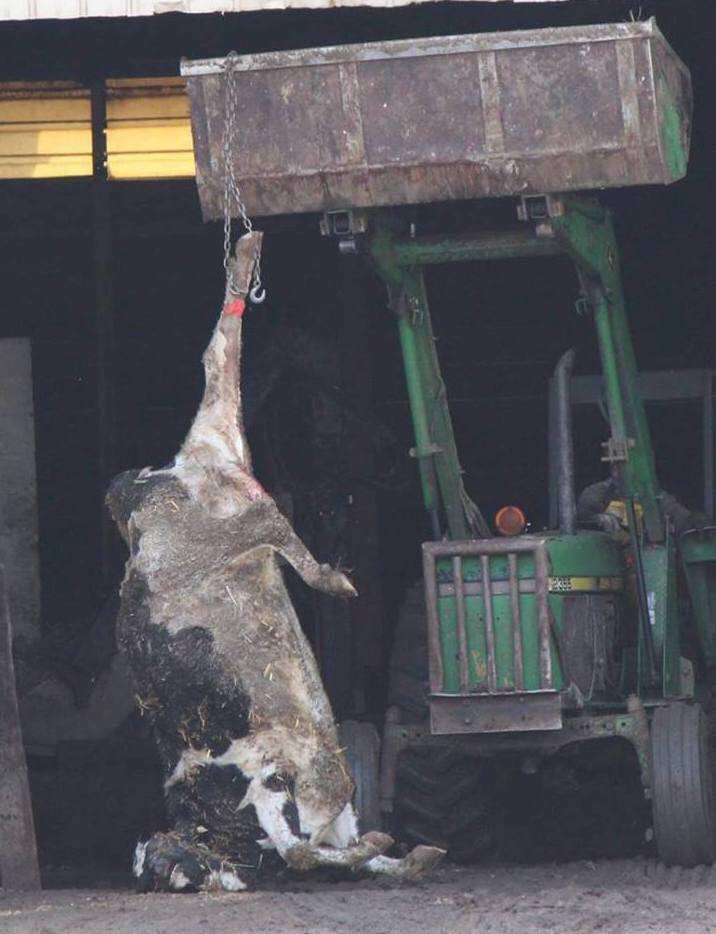
New investigation by Essere Animali on a dairy farm producing milk for Grana Padano. The footage documents the treatment of calves, separated from their mothers at birth, isolated in small pens and brutally treated by farm workers.
The organisation Essere Animali today released a new video investigation documenting the conditions of calves on a dairy farm located in Lombardy, in the province of Bergamo.
The farm under investigation is a producer of Grana Padano cheese, the most widely consumed P.D.O. cheese in the world, with the cheese plant located next to the barns which house 2,700 animals, including cows and bulls, as well as some 300 calves.
The investigation documents the first weeks of the calves’ lives, from their birth to their confinement in small pens, casting a dark shadow over the conditions in which they are kept on dairy farms. The undercover investigation released by Essere Animali shows:
Calves being separated from their mother
Insults aimed at male calves
Housing in individual pens
Feeding of the calves, deprived of their mother’s milk
Rough behaviour by workers and alleged irregularities
For the production of milk, even that intended for products of “Italian excellence” such as Grana Padano, calves are raised in conditions of social deprivation and are subjected to stress and suffering. Change is possible, also in view of the growing number of European citizens demanding higher welfare standards for farm animals. For this reason, together with 77 NGOs all over the world, we are urging the European Commission to undertake a complete revision of the legislation on the protection of farm animals.
Simone Montuschi, President, Essere Animali
By disseminating this investigation, Essere Animali is relaunching the No Animal Left Behindcampaign, coordinated by Eurogroup For Animals, an organisation that brings together 77 NGOs for animal protection in 27 EU Member States, the United Kingdom, Switzerland, Serbia, Norway, Australia and the United States.
The organisations are calling on the European Commission, committed with the Farm to Fork strategy to make the European food system fairer, healthier and more environmentally friendly, to revise the legislation on the protection of farm animals, which is currently considered seriously inadequate to guarantee them a life free from unnecessary suffering.
One of the demands made to the Commission isthe application of farming conditions that would allow all farmed species to express their natural behaviours, including the intake of real food.
Allow contact between the calves and their mothers for at least the first eight weeks of age, during which the animals must be kept in a half-day contact system – at least – with suckling permitted.
Provide housing conditions and a diet that meet the behavioural and physiological needs of calves, who should be raised in groups with appropriate spaces and have access to outdoor areas.
This hard-hitting investigation provides a harsh wake-up call regarding the conditions in which calves are reared on dairy farms. However, we have a unique opportunity: by September, we can convince the European Commission to undertake a complete revision of the legislation on the protection of farm animals, and provide much better protection to calves and other species. It is incredible that the current legislation still permits the isolation and confinement of newly born animals: these are cruel and avoidable practices. We are asking for truly higher welfare standards which leave no animal behind.
Sadly, the director Richard Donner died on July 5, 2021.
If you’ve seen the blockbuster “Lethal Weapon 3″, you probably remember all the animal rights posters that caught the eye in the movie around the police station.
This was the work of Richard Donner, who was known for smuggling social messages into his films.
He aimed at the General Motors concern, which at that time still smashed pigs and ferrets in crash tests.
His action helped PETA USA put an end to these deadly experiments.
Richard Donner and his compassionate wife, Lauren Shuler Donner, received the Humanitary Award at PETA USA’s 25th Anniversary Gala, but most of all, he will be forever remembered for his calls to end marine mammal captivity.
His film “Free Willy” informed an entire generation about the life of animals in marine parks.
In this 1998 photo shows famed killer whale Keiko, at the Oregon Coast Aquarium, in Newport, Ore. Dr. Steven Brown of Newport, a veterinarian who cared for the killer whale Keiko, star of the “Free Willy” films of the 1990’s, has died at 62. (AP Photo/The Oregonian, Steven Nehl)
“The abduction of these majestic mammals from the wild for commercial purposes is obscene. (…) These terrible catches must absolutely become part of the past. “
(Richard Donner)
Donner appealed to SeaWorld to fund the creation of a coastal reserve so that the orcas in their parks can be retired. PETA is still driving this initiative forward.
If you are one of Donner’s millions of fans, please honor his legacy by doing something for the animals.
“Being in his circle was akin to hanging out with your favorite coach, smartest professor, fiercest motivator, most endearing friend, staunchest ally, and – of course — the greatest Goonie of all,” said Steven Spielberg, who wrote the story for Donner’s film, “The Goonies”. “He was all kid. All heart. All the time. I can’t believe he’s gone, but his husky, hearty laugh will stay with me always.”
Every year over half a million animals are locked in tiny wire cages on Latvian fur farms, beaten and killed.
Animals such as foxes, chinchillas or minks are often not properly anesthetized and, when fully conscious, experience their skin being torn from their bodies.
New photos by the Latvian organization “Dzīvnieku brīvība” of Latvia’s largest mink farm clearly show all the suffering during the mating season.
Female minks are torn apart by their male counterparts
In June 2020 the Latvian organization “Dzīvnieku brīvība” published recordings that were taken during the mating season on the largest mink farm in Latvia with 60,000 animals.
You can see how female workers grab minks and throw them into the cages of their male counterparts. The frightened animals fight back with all their might: They scream, urinate or bite into the gloves of the workers so hard that they can only get rid of the animals by force.
Two hunters are on the hunt in the forest, suddenly one of them collapses. He doesn’t seem to be breathing anymore.
The other calls out in panic from his cell phone to the emergency call and stuttered excitedly: “I think my friend is dead. What should I do now?”
Then the voice from the emergency number says: “Now calm down first, and then make sure that he’s actually dead. “
After a moment of silence, a shot sounds.
Back on the phone, the hunter asks: “Okay, now what?”
University of Hertfordshire psychologist Richard Wiseman had 40,000 submitted jokes rated by readers from around the world. “Jokes are a matter of taste,” he says, “but many people like this one particularly well. The situation of the two hunters got the best marks”.
Since then, this has been considered the funniest joke in the world.
And we can say… It would be nicer if that wasn’t a joke but everyday reality.
Performed 5 years in a row, would solve a lot of problems in one fell swoop.
Born to die: this is the fate of millions of male chicks in France’s farms.
Every year 50 million male chicks in France are shredded, gassed or suffocated in garbage bags. Because they don’t lay eggs – and don’t make any profits.
German chicks are still suffering this fate – but from 2022 chick shredding will be banned in Germany!
France also promised an end to the killing of chicks in 2019 – but nothing has happened so far.
SumOfUs members in France are calling on their government to follow Germany’s example – let’s support them now and ensure that chick shredding will soon come to an end across Europe.
Male chicks of laying hens are regarded as waste in the food industry: They put too little meat on for fattening and do not lay eggs – they therefore do not make any profit for the agricultural corporations.
The sex of the chicks can be determined three days after birth – during these 72 hours the chicks develop a level of consciousness similar to that of a three-month-old baby.
As a SumOfUscommunity, we have claimed the rights of many animals – from bees to orangutans and orcas.
Today we can together save the day-old chicks in France from the cruel death!
Call on French Agriculture MinisterJulien Denormandie to stop chick shredding!
And I mean…Worldwide, around seven billion male chicks are killed on the first day of their lives because they are not wanted in the egg industry, and the egg industry has enjoyed a steadily increasing consumption of chicken eggs for years.
In poultry production, rearing male chicks is not worthwhile.The chicks do not lay eggs and put on less breast meat.
The female chicks, on the other hand, are raised as laying hens.
But how do you get rid of the approximately 50 million male chicks that hatch each year in Germany?
The legislature has regulated that: chicks must not be older than 72 hours afterwards they are forgotten or shredded. However, this is valid until January 2022!
In May 2021, the Federal Council passed a ban on the cruel killing of male chicks in German laying farms. It will come into force in 2022.
The predominant method used is the gasification of the chicks with highly concentrated carbon dioxide (CO2)
An “alternative” method is to grind the animals. The chicks are thrown alive into rotating blades and thereby massacred.
The new law stipulates that killing the chicks in their millions shortly after hatching is prohibited from January.
Instead, methods should be used that determine the sex in the egg so that male chicks do not hatch in the first place.
In a second stage from January 1, 2024, the law provides for further regulations to avoid pain for the embryo.
Then methods for gender recognition in the egg should only be allowed if they are used at an earlier stage of the incubation.
Finally, the Federal Councilhas to deal with the law, which can delay the project but not stop it, although the poultry industry does not want to accept that!
The poultry lobby is promoting a voluntary industry agreement between food retailers and the poultry industry; and only from 2023!!
One of the industry’s pseudo arguments is that if Germany were to go it alone, the domestic economy would lose out and eggs would be imported from other countries with lower animal welfare standards to meet demand.
It sounds very suspect that suddenly the poultry industry is interested in animal welfare of other countries, although it has never shown interest and protection for the welfare of the animals in its own country…
The most effective way to protect chicks and other “farm animals” is to avoid consuming animal products.
Everyone who wants to work consistently for animal welfare must ban animals and animal products from their plates
Is the EU actually starting to listen to its voting citizens ?
On 23 June 2016 an EU referendum took place and the people of the United Kingdom (UK) voted to leave the European Union (EU).
The UK formally left the EU at the end of 31 January 2020, after being an EU member state since joining on 1st January 1973, along (at that date) with other nations Denmark and the Republic of Ireland.
Why did the UK vote ‘out’ – or ‘Brexit’ ? – a lot of UK citizens were seeing the EU and many (most) of its MEP politicians and Commissioners, as monolithic invertebrates who did little for the wishes and demands of the electorate; the requests of the ‘normal’ EU citizen, it was simple a case of the politicians riding the EU ‘gravy train’; often bettering themselves (in many ways), whilst dismissing the wishes of good European people with ‘yukspeak’ returns to their letters and e mails, asking them why this and that was not being addressed in the EU Parliament.
So, after years of basically very little worthy of mention from the EU, the vertebrate citizens of the UK said they had been given enough rubbish by the EU; and so they voted out, to leave, Brexit. People wanted their personal parliament back with regards rules and regulations, free to decide rather than be told to by the EU.
Personally I was one of them – an ‘outer’. It was not a simple question to ask yourself at tea time one day – do I stay or do I go ? type thing; I debated the issue with myself for months in advance; largely keeping my opinions to myself. There were reasons for this which only other animal campaigners probably understand.
As an animal activist, and having been to the EU in Brussels many times on animal issues; and authoring endless amounts of complaints, reports and investigations into animal suffering issues within the EU, I had over the years, simply been lied to, given false promises, and made to believe time and time again that there were all the regulations and rules in place by the EU masters which thus prevented the evidence I presented at the table from being ‘true’. In other words; the EU political system was basically calling me a liar, and the evidence which I personally presented, along with many other wonderful groups and people in the EU, was simply being dismissed and put into a file known as the ‘EU trash bin’.
As a person with decades of experience dealing with animal transport abuses along with many others; a voice had to be shouted and my opinion noted. Consequently, I voted out of the EU, monolithic, invertebrate, gravy club; and decided that ‘going it alone’ would be the only way for the UK to get back the legislation needed as required by the citizens of the UK. For example; for decades I had been attending demonstrations all over England asking for a ban on the live transport of animals. But, under EU rules, and this is still the case for other EU member states; they (member states) are not allowed to introduce their own national legislation to ban live animal transport. The EU says ‘No’, so no it is; despite overwhelming evidence from a multitude of EU animal welfare organisations showing the EU legislation, in the form of Reg. 1/2005 for the so called ‘protection of animals in transport’, simply was not working. It never has worked, it does not work now, and it never will work in the future. ‘Yukspeak’ to the EU citizen from Brussels; as I have said before.
So, I have been somewhat surprised and amazed to read over the last few weeks, that there is going to be progress in the form of bans on animal cages in the EU.
And the news this morning, 12/7/21; that the European Parliament, is answering to a call from cross party MEPs to clarify how the Commission is planning to deliver on its commitment to proactively reduce and replace the use of animals in EU laboratories
Finally, is the requests of the EU citizen; the ‘normal’ person; being listened to, and more importantly, acted on, by the hierarchy in the ivory tower known and EU Brussels ?
Is there a reason for this ? – are all the years of bullshit and non sensical returns from the EU starting to show them that there are dissident things brewing around Europe ? – is it finally a case of bullshit no longer; the common man now sees clearly through the smokescreen that we, as a EU Parliament and Commission(s), have hidden behind for decades ? – is the emperor starting to lose his clothes ?
The link (source) given at the end is very interesting reading:
Italy would be the most likely of the “Big Four” member states to consider exiting the European Union if Brexit proves to be beneficial to Britain, according to a Euronews-commissioned poll.
Data from the Redfield and Wilton Strategies survey found that nearly half of Italians would be likely to support their country leaving the EU if the UK and its economy are regarded to be in good health in five years.
In the event, France and Spain both showed moderate support for changing its relationship with the bloc, while Germany was the member state least likely of the four major players to consider leaving the Union.
The time came many years ago when the EU should have listened and acted to the wishes of its voting electorate. They failed big time; and only now are we witnessing this rash of new promises and proposals which should make life a bit better for suffering animals. The truth will be in the results and the realities.
On animal transport; as always, there is nothing in the way of real improvement. I read nothing about a ban on live animal long distance transport; instead, I am fed spoonful’s of ‘farm to fork strategies’ on how things are going to be so much better – or in other words; am kind of acceptance by the EU masters that the current system does not really work. Hmm; has this not been said by many for decades ? – why now does the sleeping monolith awaken ?
With the UK being out of Europe, it does not mean that we wipe our hands of EU animal issues; far from it. It does mean though that by getting out, we can set our own better standards in the UK as well as continuing the fight for animal rights with all of our wonderful friends in Europe.
Oh, and by the way; since the UK left the EU a little while ago; the UK government is now putting legislation through parliament which will BAN the export of live animals from British shores.
There is hardly a farm in Lower Saxony that earns its money raising and selling pigs, chickens and cows.
Most farmers have specialized in keeping one species of animal in order to meet the world’s highest standards.(!!)
For many farmers, however, the legal requirements and standards were also a reason to give up their animal husbandry.
For example, the strict regulations of the new fertilizer ordinance, the prohibition of non-anesthetized castration and the renouncement of the docking of curly tails in pigs as well as the requirements for keeping sows in crate stalls.
This trend has accelerated especially in the past three years, writes the “Landvolk =(one of the largest regional farmers’ associations in Germany)- press service”.
Image: SOKO Tierschutz
“Before the farmers convert or renew their stables with high investment sums in an uncertain market situation, they prefer to opt out, especially since there are usually major hurdles to overcome for building permits,” says “Landvolk” Vice President Manfred Tannen, who only gave up sow farming a few years ago .
He and his professional colleagues miss clear, reliable statements on how they can face the challenges of the future.
According to the results of the 2020 agricultural census, of all 35,348 farms in Lower Saxony, only 25,431 farms (71.9 percent) kept livestock in 2020. This means that the number of livestock farms has fallen by 22.3 percent over the past ten years.
The number of dairy cow farms has fallen by 41.8 percent over the past ten years.
On the dairy farms there is a clear structural change towards fewer but larger farms.
The number of pig farmers decreased even more than the number of dairy farmers.
Therefore, more and more pet owners would also opt out due to the immensely increased construction costs and the lack of planning security.
And I mean …The world’s highest standards?
In Germany? in the pig farms?
In the last few years one scandal chases the next other, corrupt veterinarians and authorities sell the “black- sheep”– theory and cover animal cruelty and the worst animal abusers.
Undercover activists who bring this to the public are being criminalized.
The “Landvolk” do not mention it.
These abuses in German companies can be found on almost every farm, but the Ministry of Agriculture is silent in order to enable the slaughterhouses to do their business.
This is how perpetrators are made victims
Well.. from now on, when the farmers cannot sleep, forget the sheep, because from today only pigs will be counted!
MEPs say now is the time for a comprehensive plan to end European animal experiments and transition to human-relevant science
8 July 2021
Press Release
Today in the European Parliament, answering to a call from cross party MEPs to clarify how the Commission is planning to deliver on its commitment to proactively reduce and replace the use of animals in EU laboratories, Commissioner Adina Ioana Vălean described the Commission’s actions. MEPs from all political groups unanimously agreed that progress in replacing the use of animals has been slow and more needs to be done.
Members of the European Parliament are calling for a coordinated action plan to move Europe towards more humane and human-relevant science without the use of animals in research, regulatory testing and education.
Cross party Members of the European Parliament have joined forces to request that the Commission sets up a high-level taskforce to work with Member States and relevant stakeholders in putting together an EU-wide plan to phase-out the use of animals in Europe’s laboratories.
An oral question to the Commission on this issue has been debated today and the Parliament will formally adopt its position in September.This has been a major objective of the Animals in Science working group of the Intergroup on the Welfare and Conservation of Animals.
Opinion polls show that ending animal experiments is a priority for EU citizens.
Nearly three quarters (72%) of European citizens agree that the EU should set binding targets and deadlines to phase out testing on animals.
The Members of the European Parliament’s comments:
Jytte Guteland, S&D“Today’s scientific landscape is not the same as 50 years ago. Today we have the knowledge and technology to plan for human-centred science, where animals are no longer the gold standard. But to get there, the Commission needs to set out a series of steps to reach concrete objectives that replace step by step the use of animals in specific areas.”
Tilly Metz, Greens“EU citizens have voiced their demand for non-animal science too many times, but EU investments are too slim and scattered to have an impact. The Commission needs to establish a high-level inter-service taskforce to work with member states and relevant stakeholders to draw up an EU-wide Action Plan that can drive an efficient phase-out of the use of animals for scientific purposes.”
Katalin Cseh, Renew“Animal tests are slow, inefficient and cause immense suffering. This has no place in 21st century science. The European Union has traditionally done better than the rest of the world, but even here, progress is too slow. We need a credible plan ‒ a plan with measures, targets and a binding, ambitious timeline. We need to promote and fund cruelty-free alternatives. This is what we are asking from the European Commission.”
Michal Wiezik, EPP “What we are asking from the Commission is to do more of what it already does, but in a coordinated manner and with concrete goals that can replace animals in specific scientific areas. Targeted funding, education and broad collaborations are key to making innovative advanced models and technologies the new normal.”
Anja Hazekamp, GUE/NGL“Scientific change, like any change we seek, needs a political strategy. The EU has strategies for climate change, gender equality, and even for research and innovation. But it does not yet address the scientific and ethical problems that have been dragged by animal experimentation for decades. An EU action plan to accelerate the transition to non-animal science can change that.”
Today’s debate has shown that despite the positive investments from the Commission on non-animal models, they are not usually linked to concrete objectives that can significantly reduce the use of animals and change the current scientific landscape.
A European Parliament resolution on a coordinated Union-level plan to facilitate the transition to animal-free innovation can lay out the strategic elements necessary to place the EU in the forefront of innovation, health and environmental and animal protection.


 If you’ve seen the blockbuster “Lethal Weapon 3″, you probably remember all the animal rights posters that caught the eye in the movie around the police station.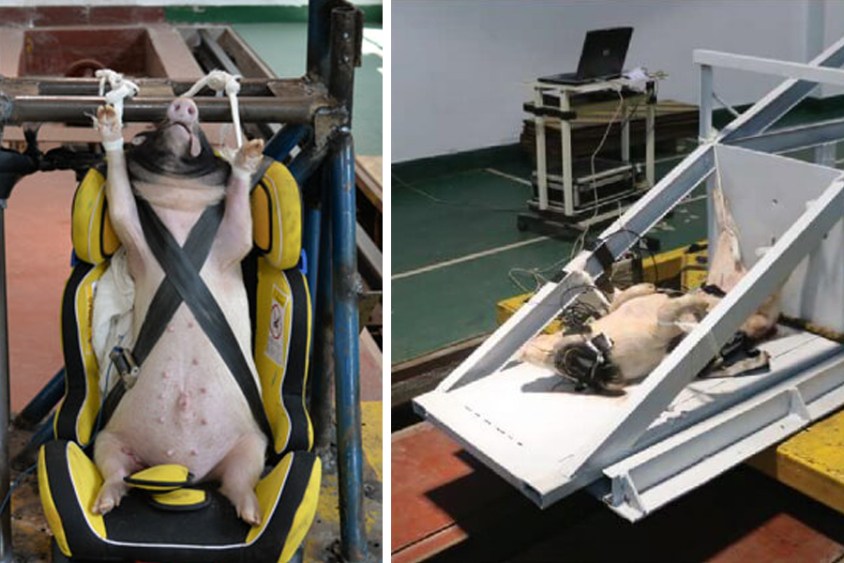

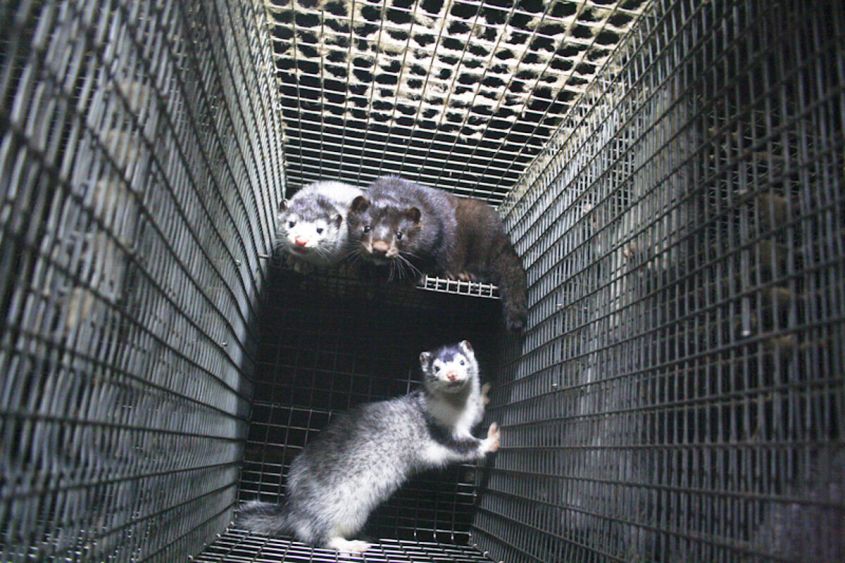
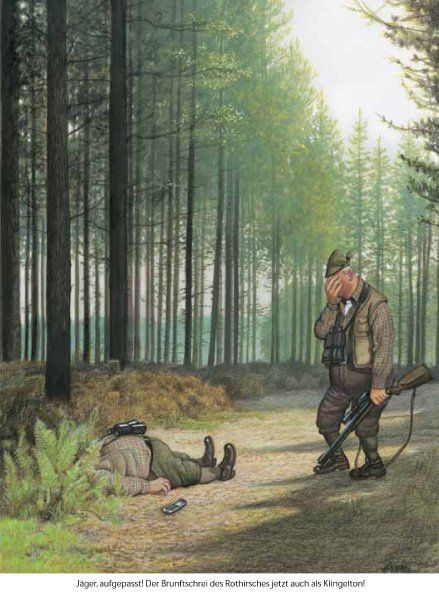
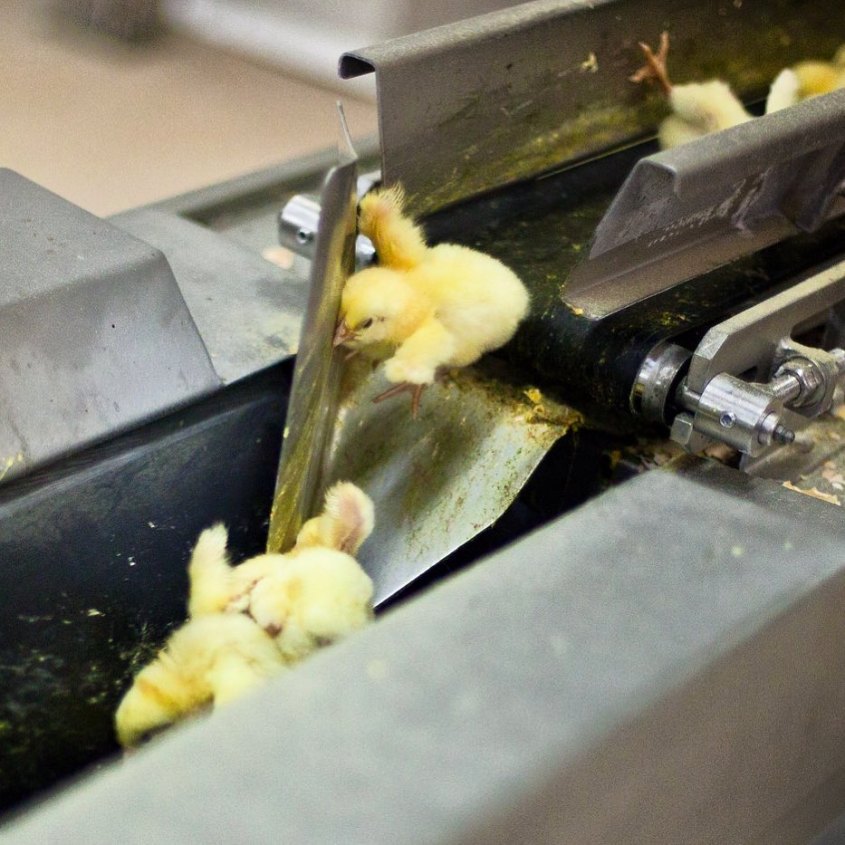
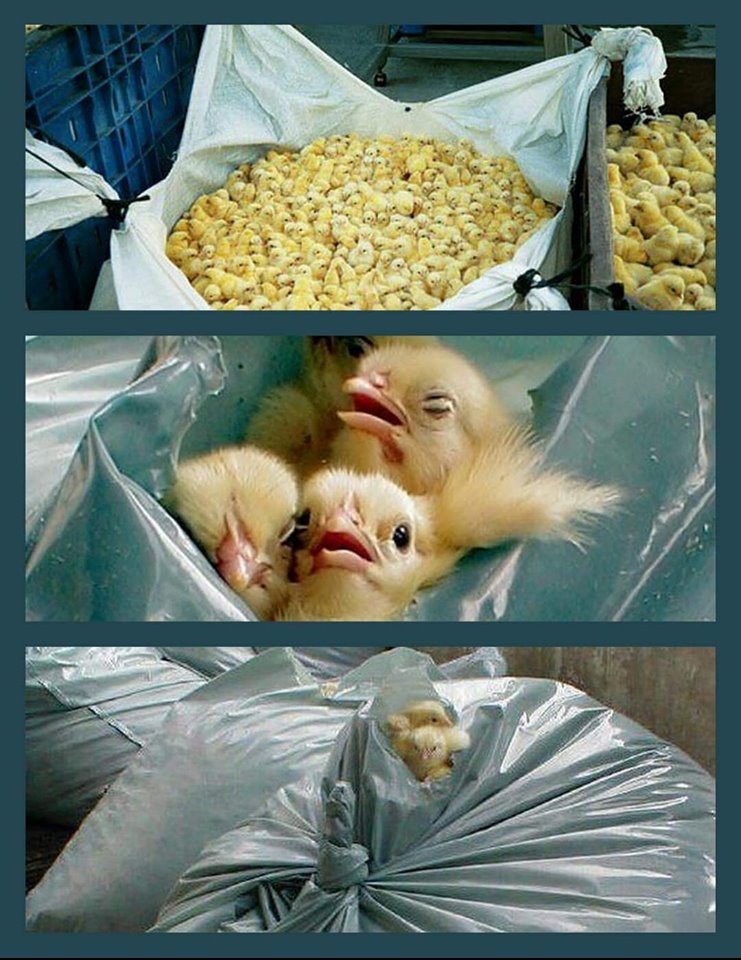
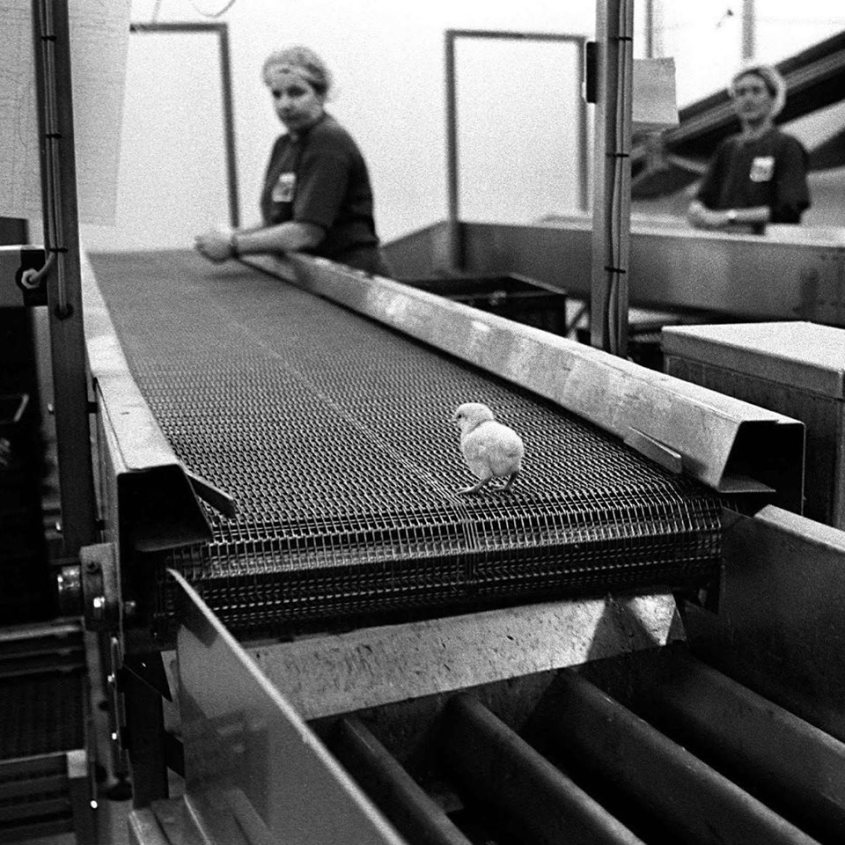
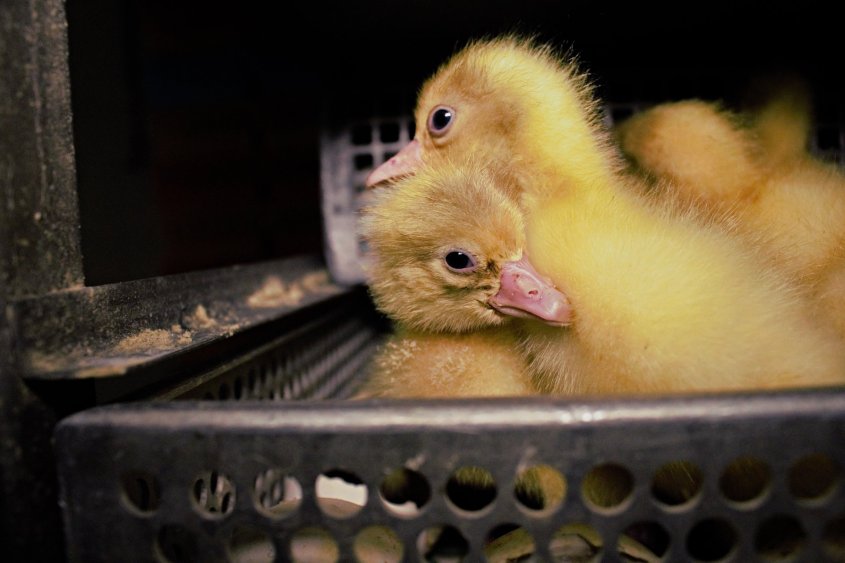

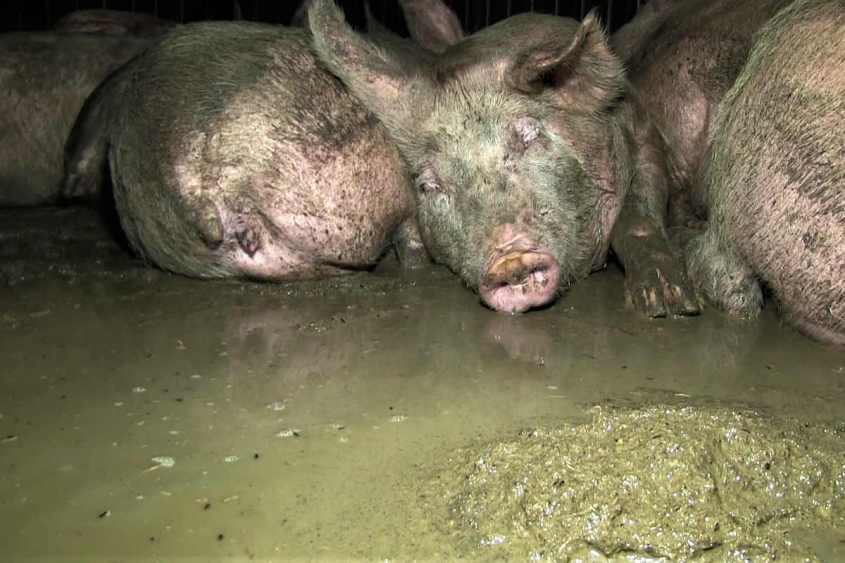
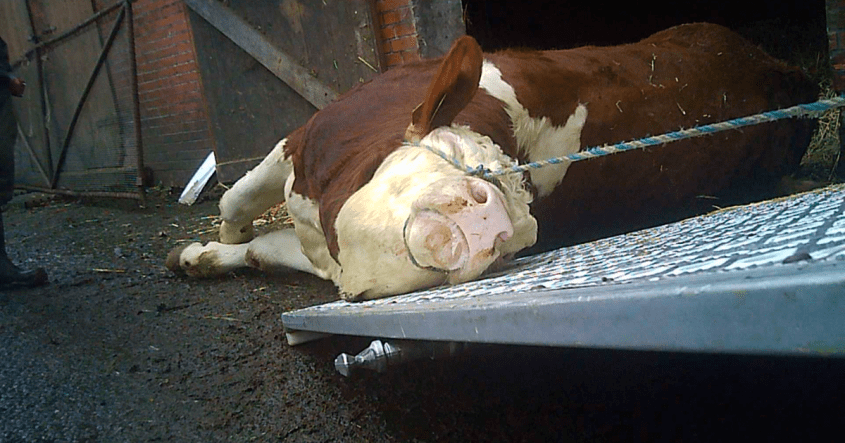 Image: SOKO Tierschutz