USA: Let McDonald’s know that animal abuse is bad business. TAKE ACTION HERE !


https://mcdonaldscruelty.com/


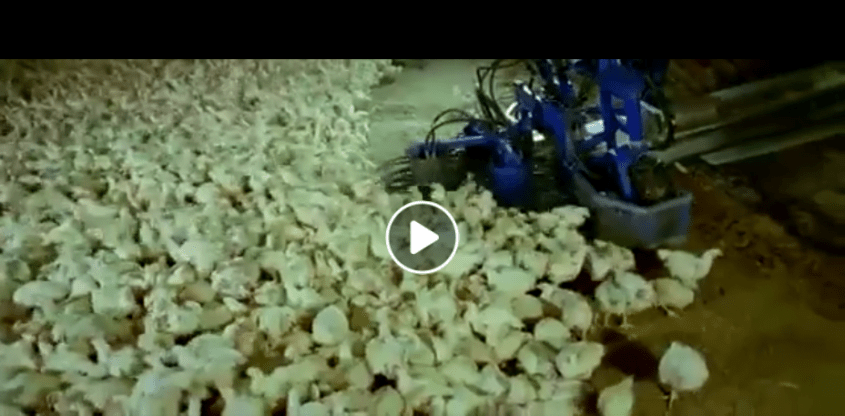
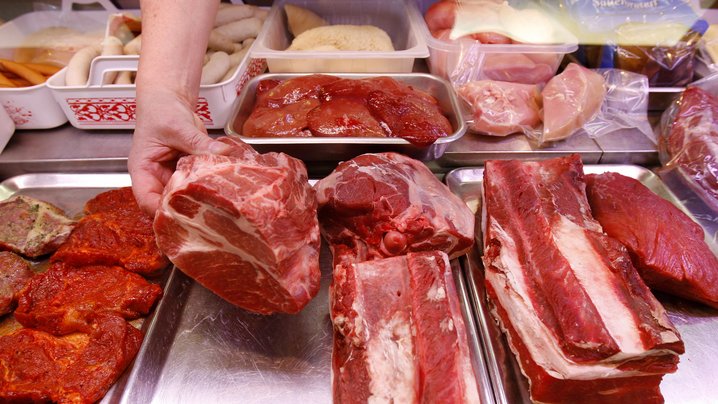
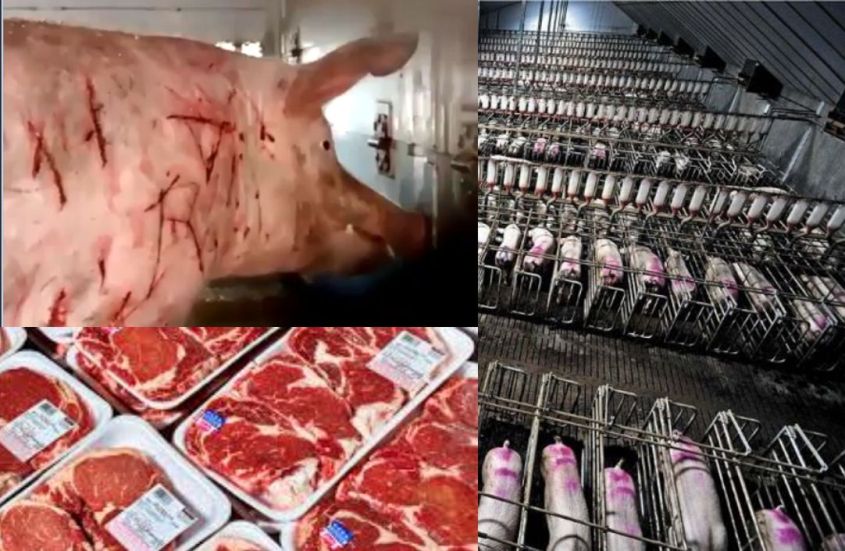
Chickens used by McDonald’s are among the most abused animals on the planet. Bred to grow so large so fast, they often can’t walk without pain. Hundreds of brands—including Burger King, Starbucks, Subway, Jack in the Box, and Denny’s—have committed to banning the cruelest practices inflicted on chickens. McDonald’s has not.

Let McDonald’s know that animal abuse is bad business.

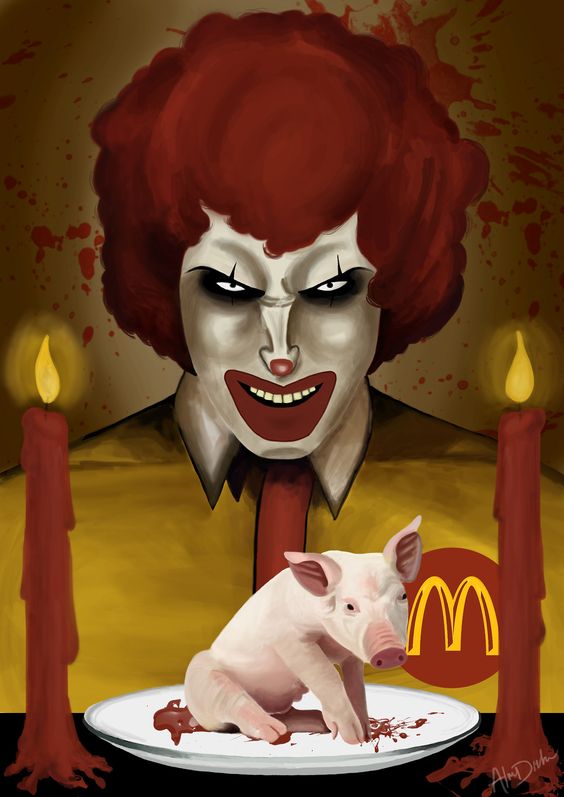
ronald mc nasty


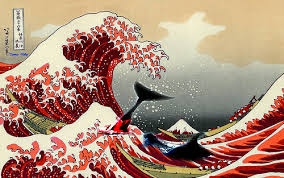
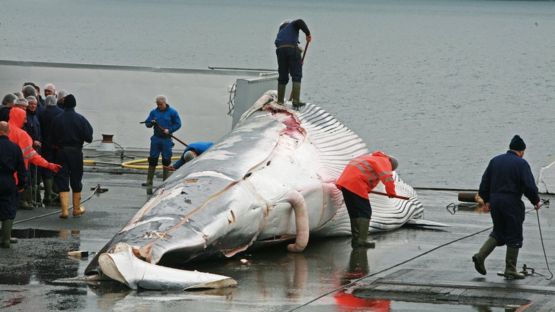
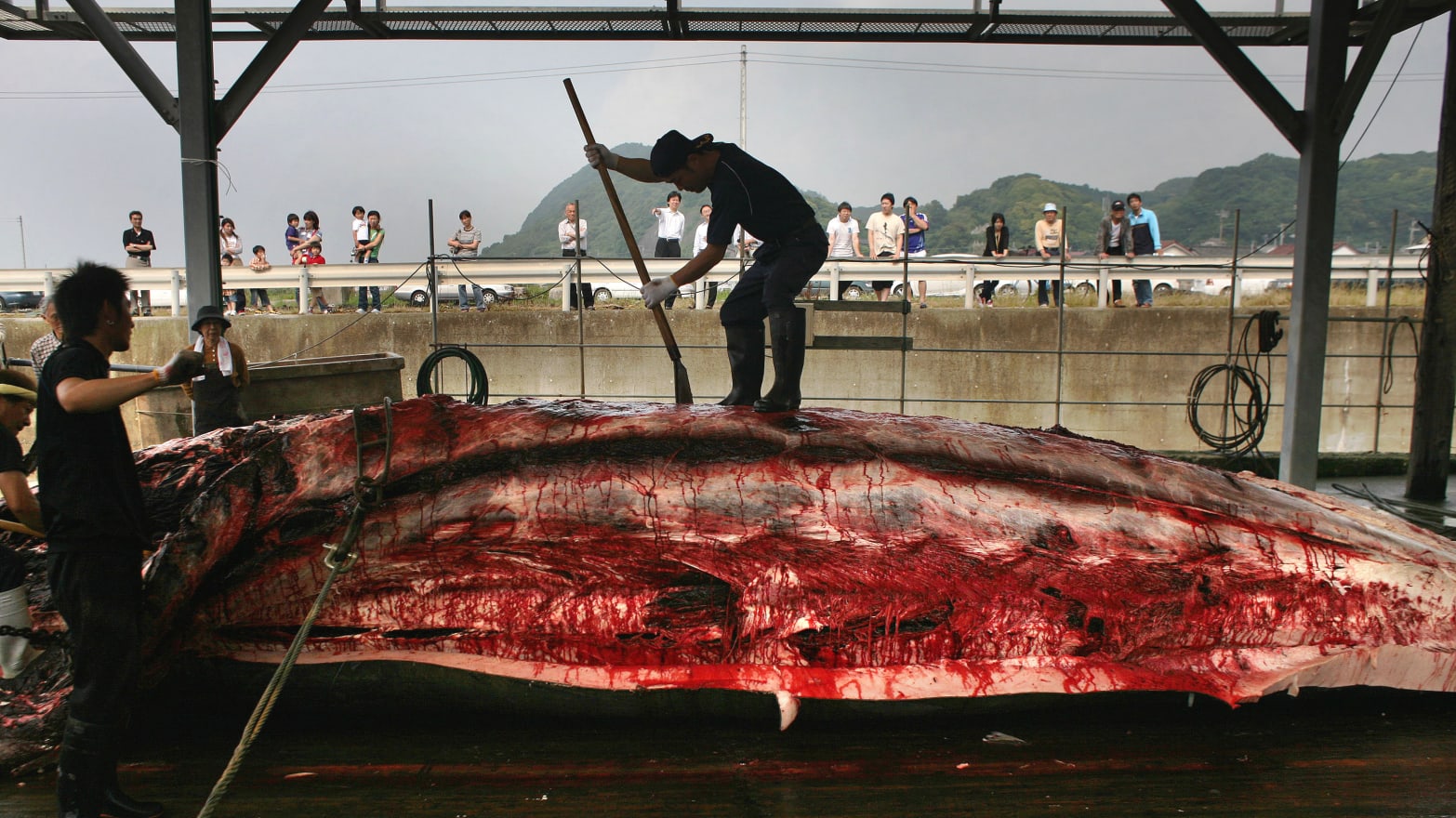
Japan is about to resume catching whales for profit in defiance of international criticism.

Japan

whale 4

https://www.bbc.co.uk/news/world-asia-48592682


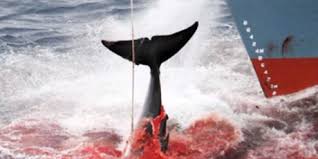
Japan is about to resume catching whales for profit, in defiance of international criticism.

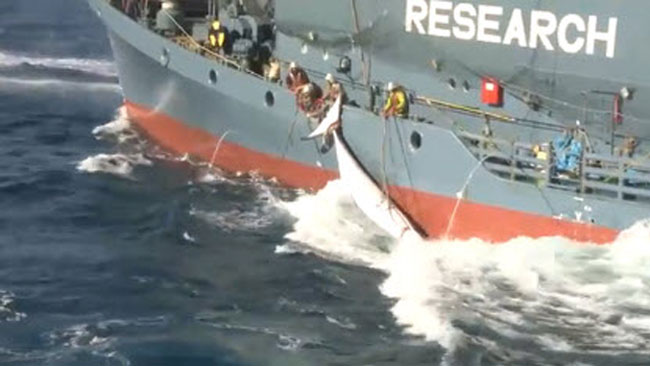
Its last commercial hunt was in 1986, but Japan has never really stopped whaling – it has been conducting instead what it says are research missions which catch hundreds of whales annually.

But Japan has now withdrawn from the International Whaling Commission (IWC), which banned hunting, and will send out its first whaling fleet this July.

whale 1


Isn’t whaling banned?

Whales were brought to the brink of extinction by hunting in the 19th and early 20th Century. By the 1960s, more efficient catch methods and giant factory ships made it obvious that whale hunting could not go unchecked.

So in 1986, all IWC members agreed to a hunting moratorium to allow whale numbers to recover.

Conservationists were happy but whaling countries – like Japan, Norway and Iceland – assumed the moratorium would be temporary until everyone could agree on sustainable quotas. Instead it became a quasi-permanent ban.

But there were exceptions in the moratorium, allowing indigenous groups to carry out subsistence whaling, and allowing whaling for scientific purposes.

whale 2

Tokyo put that latter clause to full use. Since 1987, Japan has killed between 200 and 1,200 whales each year, saying this was to monitor stocks to establish sustainable quotas.

Critics say this was just a cover so Japan could hunt whales for food, as the meat from the whales killed for research usually did end up for sale.

Why is Japan restarting whaling now?

In 2018 Japan tried one last time to convince the IWC to allow whaling under sustainable quotas, but failed. So it left the body, effective July 2019.

The fisheries ministry told the BBC it would start issuing permits for hunts on 1 July. “But the starting date is subject to decisions of the whalers, weather and other conditions.”

Whaling is a small industry in Japan, employing around 300 people. About five vessels are expected to set sail in July.

The whaling “will be conducted within Japan’s territorial waters and Exclusive Economic Zone”, Hideki Moronuki of the Japanese fishing ministry told the BBC.

whale 3

This means Japan will no longer hunt whales in the Antarctic, as it did under its earlier research programme.

Like other whaling nations, Japan argues hunting and eating whales are part of its culture. A number of coastal communities in Japan have indeed hunted whales for centuries but consumption only became widespread after World War Two when other food was scarce.

From the late 1940s to the mid-1960s whale was the single biggest source of meat in Japan but since become a niche product again.

Is Japan’s plan legal?

“Within its 12 mile coastal waters, Japan can do whatever it wants,” Donald Rothwell, professor of international law at the Australian National University, told the BBC.

Beyond that, in its 200 miles (322km) exclusive economic zone and of course the high seas, the country is bound by the UN Convention on the Law of the Sea.

Article 65 of said convention mandates that “states shall co-operate with a view to the conservation” of whales and “shall in particular work through the appropriate international organizations for their conservation, management and study”.

Having left the IWC, Japan is no longer part of any such international organisation and that “directly raises questions issues whether or not Japan would be consistent with the convention,” Mr Rothwell explains.

It’s not clear if any country would try to bring Japan to court over this – in its defence, Japan might argue that for years it did try to co-operate within the IWC without any results.

Even if there were to be a ruling or injunction against Tokyo, there’d be no mechanism to enforce it.

What environmental impact will Japan’s whaling have?

The ministry will allow for the hunting of three species: minke, Bryde’s and sei whales.

According to the IUCN Red List of Threatened Species, minke and Bryde’s whale are not endangered. Sei whale are classified as endangered but their numbers are increasing.

So in terms of numbers, Japan’s commercial whaling will have only a minimal impact.

In fact, some defenders of whaling argue that whale meat has a smaller carbon footprint than pork or beef.

Conservationist groups like Greenpeace or Sea Shepherd remain critical of Japan’s resumption of whaling but say there are no concrete plans yet to tackle the country over this.

Japan “is out of step with the international community”, Sam Annesley, executive director at Greenpeace Japan, said in a statement, urging Tokyo to abandon its hunting plans.

Besides the question of stock sustainability, a key argument against the hunt is that harpooning whales leads to a slow and painful death.

Modern hunting methods, though, aim to kill whales instantly and it backers say the near-global anti-whaling sentiment is deeply hypocritical., compared to, say, industrial meat production.

But even if Japan does defy the criticism and stick with whaling, there’s a good chance the contentious issue will gradually die down by itself.

Japanese demand for whale meat has long been on the decline and the industry is already being subsidised. Eventually, commercial whaling might be undone by simple arithmetic.

Image result for japan whalingImage result for japan whaling

Image result for japan whaling


The money machine: wildlife photos in Instagram


The reporter Natasha Daly traveled around the world to unveil the unworthy living conditions of captive wildlife in tourist areas.

A pure product of the tourism or are perhaps also social media to blame?


Bär zum Tanzen_n

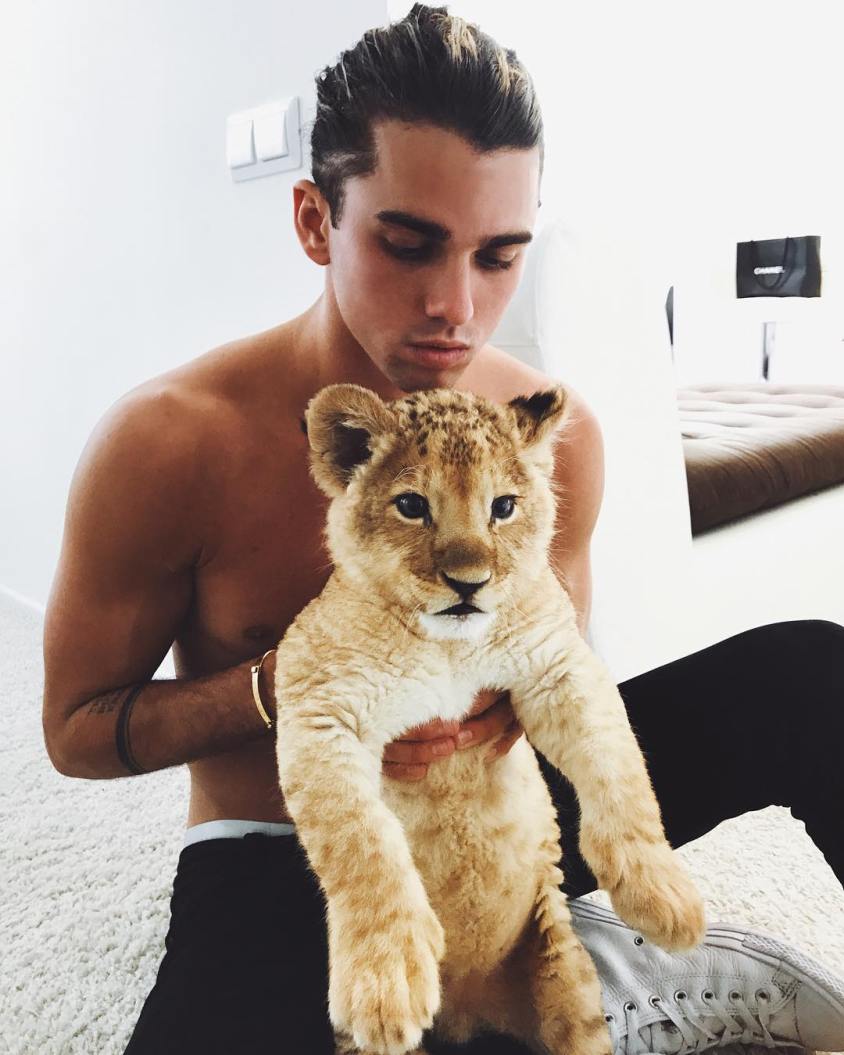
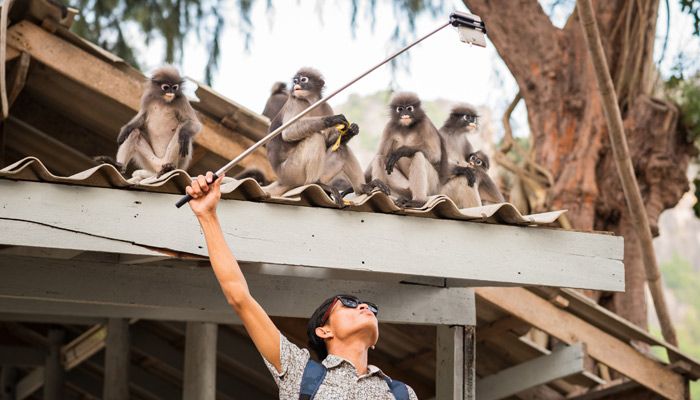
The adventures of Instagram celebrity and photographer Jay Alvarrez are followed by 6.5 million people. Stressed relaxed, as if his photo accessory is just a cute puppy, he posts a picture with a lion cub in his lap. Within hours he reaps over half a million likes and thousands of admiring comments in return.

The majority of his followers envy him for this special experience.

19424868_114732662473193_2829698413665189888_n Instagram: Jay Alvarrez


What many of his fans do not want to know or admit, of course Alvarrez did not find the lion child in the wilderness. For this photo, he paid a lot of money to a company that has snatched the baby from his mother and henceforth exploits for tourist selfies. These animals are like the invisible slaves of the tourism industry.

The reporter Natasha Daly traveled the world for a year and a half for the well-known magazine NatGeo, to draw attention to the unworthy housing conditions of caged wildlife. What she found out touched hundreds of thousands in a big report.
In Thailand she saw Americans hugging tigers and Chinese brides riding young elephants for their wedding photo.
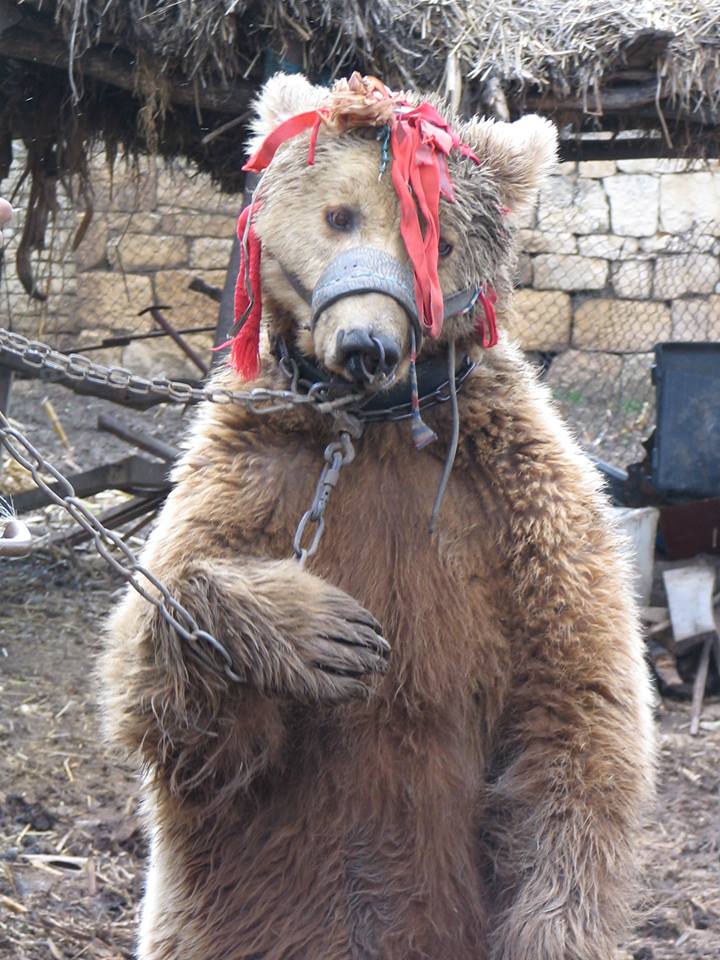
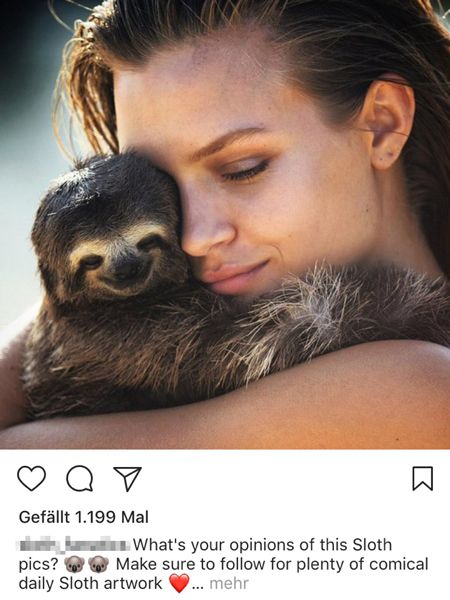
In Russia she saw how polar bears danced with wire muzzles under a circus tent, and in the Amazon she watched teenagers taking selfies with baby sloths.

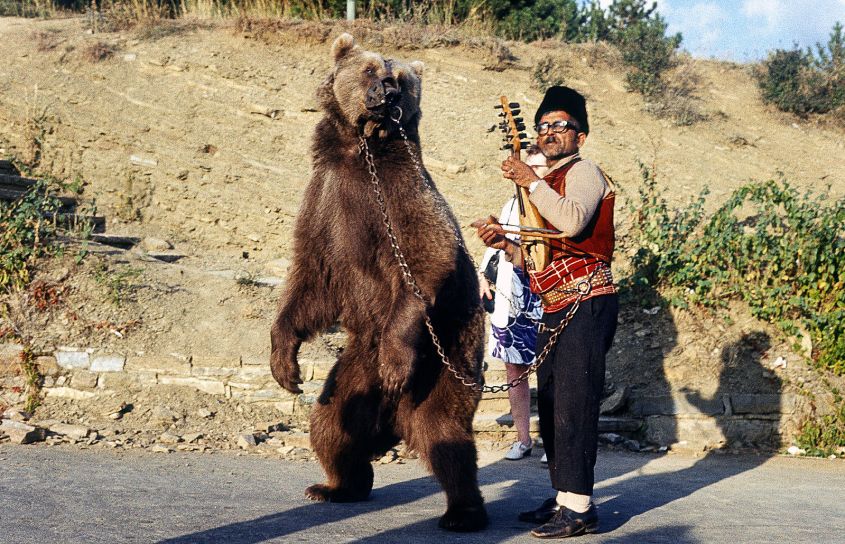
tanzbärA bear in Bulgaria, who is forced to dance to the amusement of the tourists. Photo: собственная работа.


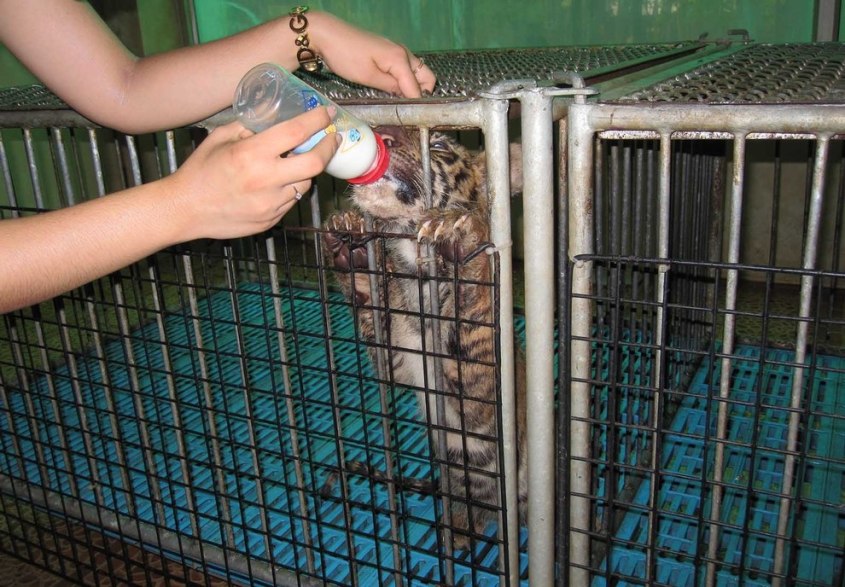
“Most tourists who enjoy these encounters do not know or are not interested in the fact that, for example, the tigers have been drugged and are clawless. Or that their young animals are taken for tourist photos just a few days after birth.
That the baby sloths die after a few months in captivity or they can only ride the elephants because their will as babies was violently broken by the caregivers. ”

Long before the advent of social networks, pet owners made good money through tourist animal shows – under extremely poor housing conditions.

problem-elephant-4
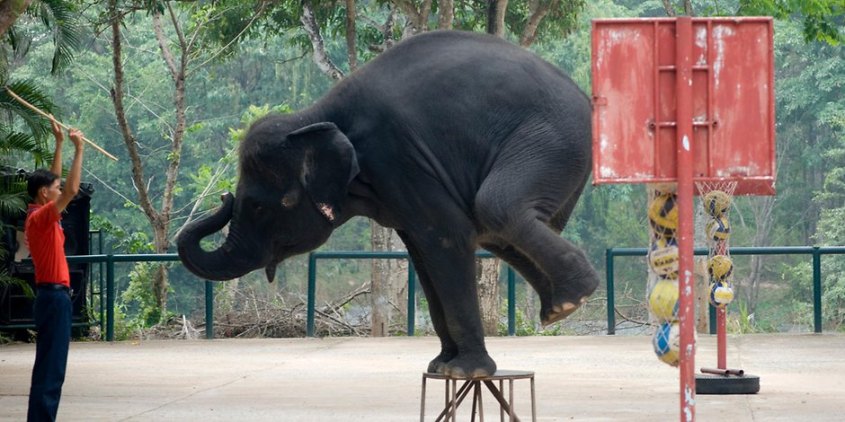
Tourists already wanted to be photographed with a giant python and were astonished how elephants can stand on one leg in animal shows or let balloons burst accurately.
All to the delight of the organizers, who this animal show tourism flushed a lot of money in the cash.

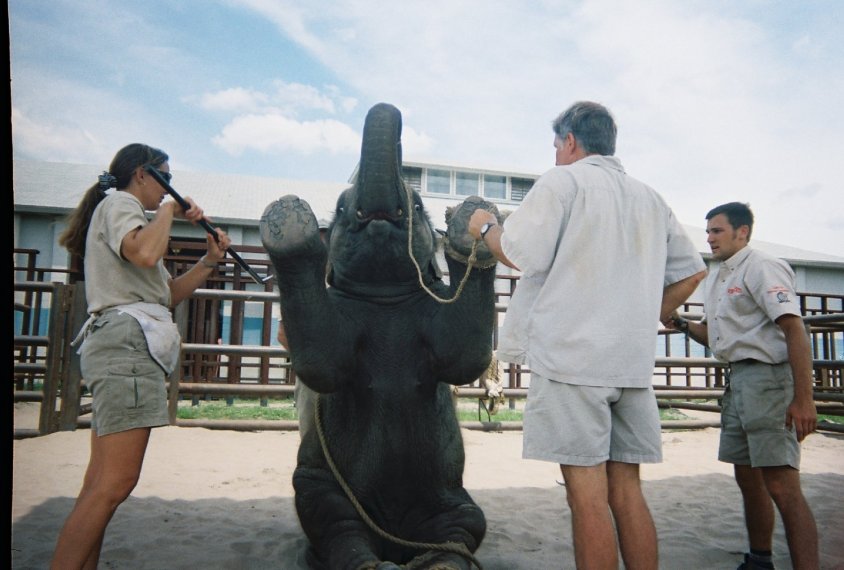
-c-PETA-USA_elefanten training4596-1800x1215Violent elephant training at the American Circus Ringling Bros. Photo: PETA


Today, in an age in which the digital display of his experiences is treated as a social currency, it is increasingly becoming a big problem. The tourists accept the poor living conditions of the animals for a photo that potentially increases their popularity online. Photos posted by the French influencer Mathilde Tantot – in Thailand, half-naked with an captive elephant – unfortunately are uncountable. All with the goal of generating a lot of attention and therefore more followers.

As a social network with a billion users, Instagram has a huge responsibility towards its most popular photo opportunities – whether those through the Instagram tourism run dirty resorts or the suffering baby sloths.

selfie mit wild tier2
After several years of criticism, the platform has responded to calls from numerous petitions by reputable wildlife organizations to finally tackle its known animal cruelty issue.
There are already hundreds of thousands of photos under various hashtags that are related to animal cruelty and were available to the general public for the longest time.

At the end of 2017, the platform finally worked against it.
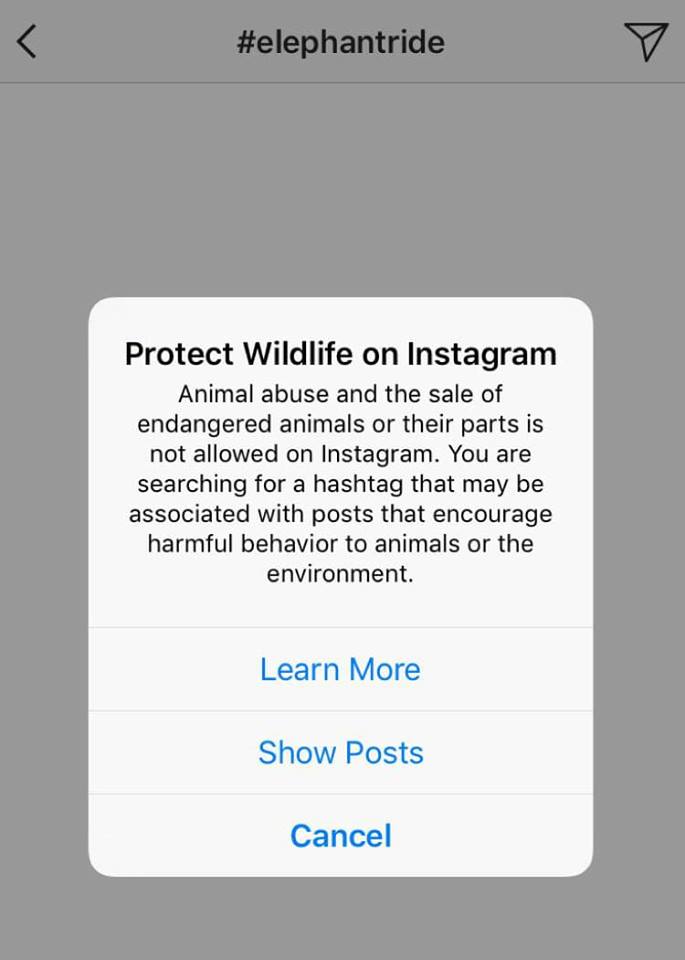
As soon as the user wants to call one of the hashtags, this warning will stop them. For example, animal welfare organizations like World Wildlife Fund and World Animal Protection and National Geographic worked with Instagram for months on a long list of hashtags – such as #tigerselfie, #elephantride, #selfiesafari – which are now closed.

Instagram Verbotpg

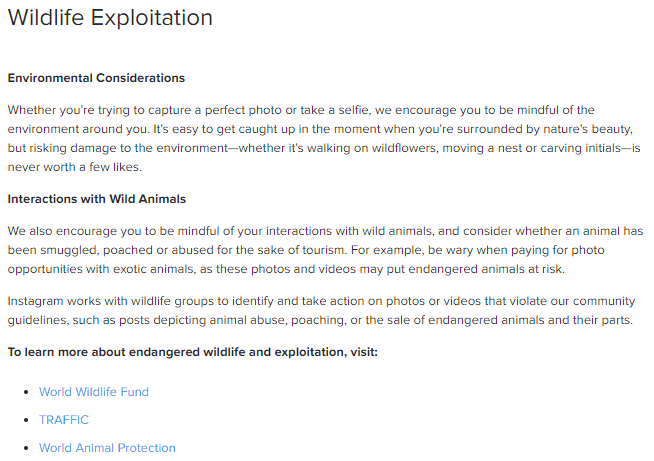
If users click on “Learn More”, they will be redirected to the site on Wildlife Exploitation on Instagram.com for more information.

ausbeutung-von-wildtieren-instagram

Instagram spokeswoman Emily Cain told National Geographic that she wanted users to be more aware of animals and nature.

“I think it’s important to the community right now to be more aware. “We’re trying to do our part to educate them”.

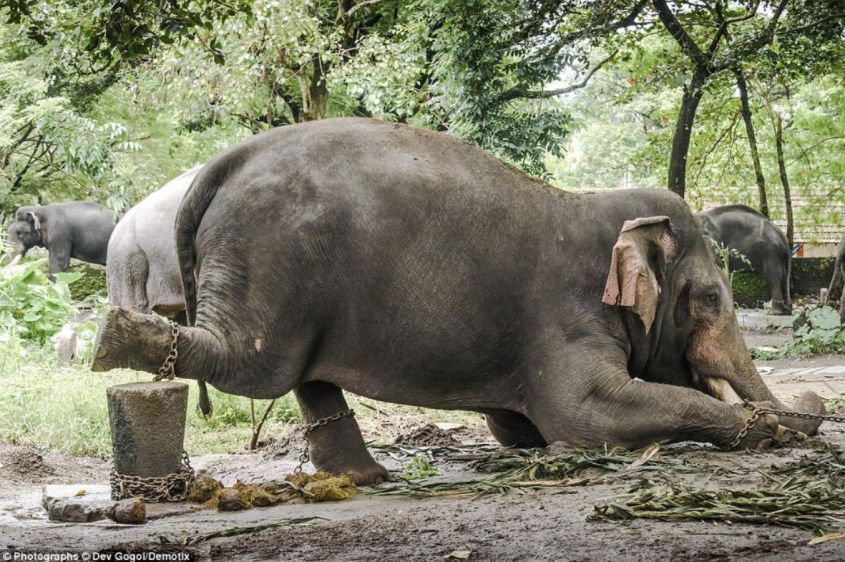
Elefanten in Thailand gefoltert5

The comprehensive offer for tourists in foreign countries to visit animal shows, to go swimming with wild animals or to make selfies with the chained animals is almost normal for travelers. Often these facilities present themselves with the slogans “Conservation”, “Refuge” and “Rescue”, which is intended to simulate the intention to ensure the protection of the animals.

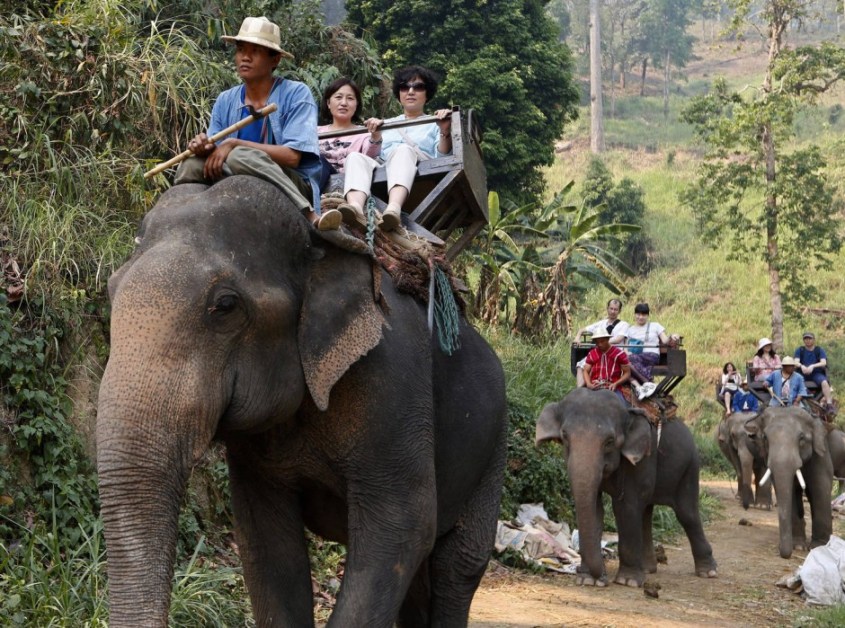
Everyone should ask themselves, what kind of “nature conservation” elephants are these, when one is allowed to ride on them.

bei-touristen-sind. elefantenjpg

Cassandra Koenen, Head of Wildlife Campaigns bei World Animal Protection:

„Even if the cruelty isn’t right in front of you, [there’s] cruelty that’s behind the scenes to get to that point“

https://www.qiio.de/die-geld-maschine-hinter-den-exotischen-tierbildern-auf-instagram


My comment: Certainly the warning Instagrams will sensitize some people to the conservation of species and nature.

However, it can not be expected to reach those who know exactly what they are doing.

Tiger-Baby-fuettern--Frank-Eidens
And first and foremost they are the mindless ignorant, the indifferent travelers who are driven by their hysterical addiction to exoticism and adventure, and therefore would even ride on animal corpses.
Most people know what’s behind it.
But as with the suffering and torture of the farm animals, they are interested in a shit about it.

ausbeutung-tier-natur-instagram

The hope of restricting trafficking on the endangered species platform is also low, as it is mostly unscrupulous businessmen who then seek other ways.

But still: we see this as a good and, above all, important step in the right direction.

My best regards to all, Venus


We live in a world of abundance!

Overproduction is neither responsible use of food nor is it environmentally conscious!

About a third of all food produced worldwide is not consumed, but thrown away! And it does not just affect fruits and vegetables, but also meat!

AbundanceIt is well known that meat production has a huge impact on the environment and that high meat consumption can have harmful effects on human health.
State economic aid not only rewards the increase in meat production, but produces more than consumers buy.

uebergewicht
Meat is thrown away before it even reaches the supermarket shelves! Food waste occurs throughout the entire production chain – and although it is known, production continues to be subsidized and food waste increases!

fleischatlas-fleichkonsum-deutschland-bild

It is shameful that supermarket chains only want to reduce their food waste by 2030!
Why not stop this overproduction immediately? You should just delete the subsidies!

For example, Europe imports cheap fruits and vegetables, but also meat from other countries where it is produced cheaply, processes it and then exports it to distant countries at low prices and destroys the market there! Is not it sick?

Fleisch99

For years containers with tangerines or tomatoes from China have been coming to Europe, landing in Dossen and being exported to Australia, for example!

We live in a world of abundance – with terrible consequences!

palmoel.j und Opfer Affepg

https://www.facebook.com/Netzfrauen/

And I mean:  Nature dies of the criminal behavior of a species, the human species.
And every day, the population clock is ticking faster than the global collapse … today 200,000 more people, tomorrow 200,000 more people, the day after tomorrow 200,000 more people, the day after tomorrow … Until the last final chord!
The unrestrained growth of humanity is the root cause that permanently destroys the future of human being, animal being and nature.

My best regards to all, Venus


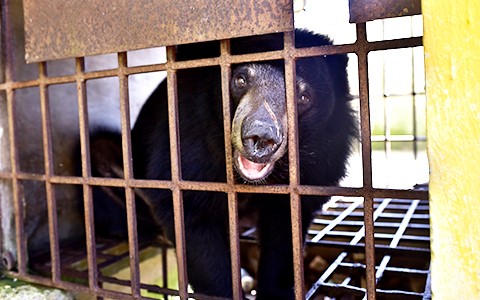
Vietnam: 4 Bears Rescued from a Vietnamese Resort (by Animals Asia) are Home And Starting A New Life at Their Sanctuary.

Vietnam flagge


jill rob


On the 24th of this month we reported of a rescue which was underway by Animals Asia to rescue 4 moon bears. See the post:

https://worldanimalsvoice.com/2019/06/24/vietnam-animals-asia-team-currently-en-route-to-rescue-4-bile-bears-can-you-help-support-them-see-below/


Well now – 28th June; we can report that all 4 bears have been rescued and have now arrived at the Vietnam AA sanctuary after a gruelling 3 days on the road.

Here below is the report from Tuan Bendixsen OAM PhD – Vietnam Director, Animals Asia:


Mark, you got them home.

After three days on the road, the four bears we rescued from a Vietnamese resort are home at our sanctuary.

AA June 2019 1

And because of you, these gorgeous bears who’ve suffered for so long – girls Sweet Pea, Phuong and Lily and our handsome boy Scooby – will know only kindness from now on. Without your urgent help, they’d almost certainly have been sold on to a circus or bile farm.

Instead they’re home. And already they’re feeling your love. With every bite of healing food and every kind word, these beautiful animals are one step closer to recovery.

But along with lonely little Solo who was rescued last week from a cage on a construction site, these poor bears have a long way to go before they’re over their trauma.

They’ve probably had no veterinary care their whole lives. All need full health checks under anaesthesia and possibly surgery or lifelong treatment. And it all costs money. If you haven’t given yet, please consider a gift of £15 to help them recover.

So far we know…

Sweet Pea has a long wound on her nose from an unknown trauma. And this poor bear (pictured here) must be so glad the 1,400km road trip is over. She’s been car sick much of the way.

Phuong has scarring on her nose. Her eyes are scarred too, so we’re worried about her vision.

Lily is shy and a little skinny. She has some hair loss at the tips of her ears.

Scooby is very small for a male, but already he’s showing us he’s quite a character. He’s calm and confident, likes banana leaves and LOVES jam.

We’re told that some of these bears were previously abused in circuses, but we don’t have clear answers yet. And maybe never will. But right now we’re focused on one thing…. making the poor bears well.

We’ll know more about their health soon and we’ll send you an update in a week. In the meantime, know that they’ll be getting the best care in the world… and we’ll be giving them your love and reassuring them that their nightmare is over.

My sincere thanks,

Tuan


PS Sweet little Solo, who spent 14 years in a cage, is learning to eat fresh, healthy food. She’s sure to put on weight soon. With the temperatures soaring, our little water baby is loving her hose showers and juicy summer fruits.

PPS Thank you so much if you’ve given to our Annual Sanctuary Appeal. Your gift has been doubled. And sun bear Aurora is feeling your kindness already. She’s found her soul mate in younger male bear Goldie. And because of you, more bears like Aurora will know what true love feels like. If you haven’t given yet, you still have two days to double your donation.

Ireland: Strong Rumours It Will Ban Fur Farming – Joining Lots of Other EU Nations.

Ireland


https://www.irishexaminer.com/breakingnews/ireland/fur-farming-is-to-be-banned-in-ireland-932571.html


Fur farming is to be banned in Ireland, the Irish Examiner can reveal.

Agriculture Minister Michael Creed is to bring a proposal to Government this week to phase out fur farms.

The Government has been under increasing pressure to follow the lead of 14 other EU countries, which have already banned fur farms.

However, the move is a dramatic shift in Government policy.

Solidarity-PBP TD Ruth Coppinger, a long-time anti-fur campaigner, had already received support from across opposition, including from Fianna Fáil, Sinn Féin, Labour, Independents 4 Change, the Green Party, and the Social Democrats, for her Prohibition of Fur Farming Bill. It is due back before the Dáil on July 3.

However, it is understood that the Government will now move on the matter.

Mr Creed is to seek approval for the drafting of legislation that would unwind the fur sector in this country in a legally robust manner.

Ending fur farming is thought to have been under consideration by the minister for some time. However, concerns around the constitutionality of such a ban, and the rights of those employed on fur farms, had delayed progress.

Around 100 people are employed in the fur industry and these jobs are in Donegal, Kerry, and Offaly.

Earlier this year, Údarás na Gaeltachta was criticised when it emerged that two Donegal-based fur farms, once of which has since stopped operating, had received over €200,000 in State funding since 2009.

The Government had already raised concerns about Ms Coppinger’s bill, claiming it is legally flawed and could expose the State to significant legal liability.

It is understood that they will now draft their own legislation, instead of adopting the Solidarity-PBP bill.

A ban on fur farming would be a policy U-turn for the Government, which, in defending the industry, have often cited the employment impact on remote and rural areas.

In February of this year, Mr Creed told the Dáil:
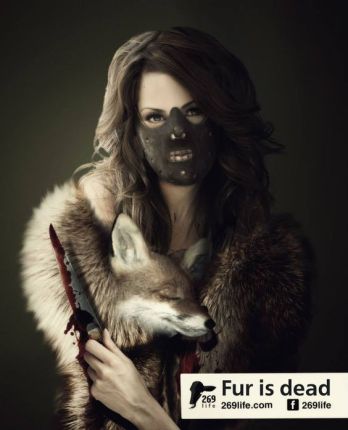
 

fur is dead


https://www.independent.co.uk/news/world/europe/ireland-fur-farm-ban-mink-farming-jobs-ispca-animal-welfare-a8972546.html


https://allthatsinteresting.com/fur-farming-ban-ireland


Inhumane Fur Farming Set To Be Outlawed In Ireland

“It is impossible to regulate the fur trade and somehow make it kinder. It is not farming at all. The mink are gassed at six months and their skins are pulled off.”

Fur farming is common practice in all corners of the world. The confinement of animals to tiny cages, only to gas them to death for their fur, has sadly been a standardized component of the fashion industry. According to The Independent, however, Ireland is set to ban this cruel custom as soon as July.

Ireland would become the seventh country in the European Union and the eleventh in Europe to ban fur farming.

The ruling Fine Gael party, as well as Ireland’s Minister for Agriculture Michael Creed, had been fundamentally opposed to shuttering this industry. In February Creed said that he didn’t want to close down a “legitimate, highly regulated and inspected industry” that employs around 100 people.

According to the Irish Examiner, however, Creed is apparently changing his tune after pressure from politicians and animal rights groups: He will soon propose his own bill to phase out fur farms.

Ireland’s three fur farms in Donegal, Kerry, and Laois have about 200,000 mink stuffed into small, wire-mesh cages. They live there for six months, before being gassed to death and having their pelts ripped from their bodies — for high-end fashion

The old guard, represented here by Creed, has been met with growing opposition and highly promising momentum for those against this industry.

Parliament member Ruth Coppinger currently has the support of Fianna Fail, Sinn Fein, Labour, Independents 4 Change, the Green Party, and the Social Democrat parties to push this legislation through. The groundswell seems too powerful to squash.

Coppinger eloquently explained her reasoning to end the “cruel, backward, and barbaric” practice in parliament last week.

“As solitary, wild, and semi-aquatic creatures, packing mink into metal cages in groups is alien and unnatural,” Coppinger argued. “For that reason Veterinary Ireland asserts that it is impossible to regulate the fur trade and somehow make it kinder. It is not farming at all. The mink are gassed at six months and their skins are pulled off.”

The Irish Society for the Prevention of Cruelty to Animals said this momentous push toward a fur farming ban was “fantastic news,” while others said imposing “lives of misery” on these defenseless creatures was “cruel,” and should’ve stopped long ago.

“With so many countries banning fur production, the U.K. under pressure to ban sales of fur and increasingly more designers eschewing fur in their collections, we hope the suffering caused will soon be relegated to the history books,” said Jo Swabe of Humane Society Europe.

The Irish government has yet to officially state whether or not it plans on legislating the overwhelmingly popular bill, though mounting pressure indicates a strong likelihood.

A poll in October indicated that four out of five people in Ireland supported a ban on fur farms, while several of these farms have recently gone out of business. On the other hand, some say the bill doesn’t go far enough — outlawing production of fur is a great step, but fur sales should be prohibited as well.

According to The Fur Free Alliance, the U.K. spearheaded the ban on fur farming in 2000. Since then, Austria, Holland, Croatia, Slovenia, Norway, the Czech Republic, Luxembourg, Belgium, Macedonia, and Serbia have followed suit. Bosnia and Herzegovina plans to phase it out by 2029.

Alongside Ireland, Poland, Lithuania, Estonia, and Ukraine are currently considering banning the practice as well.

Designers such as Gucci, Versace, Jimmy Choo, and Chanel have already stopped using fur in their collections. Wearing the pelts of tortured animals simply isn’t in vogue anymore, putting this prehistoric industry on the verge of disappearing altogether.

Hopefully, starting next month, Ireland will do its part to eradicate it.
FUR


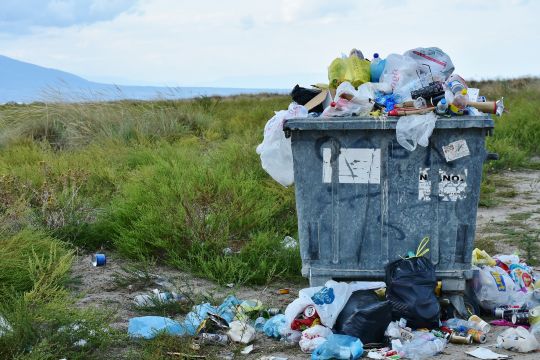
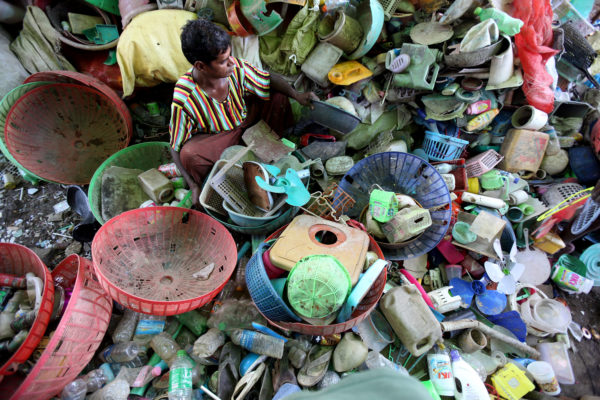
Who takes our garbage?


The world garbage dump closes!


möwe mit Müllpg

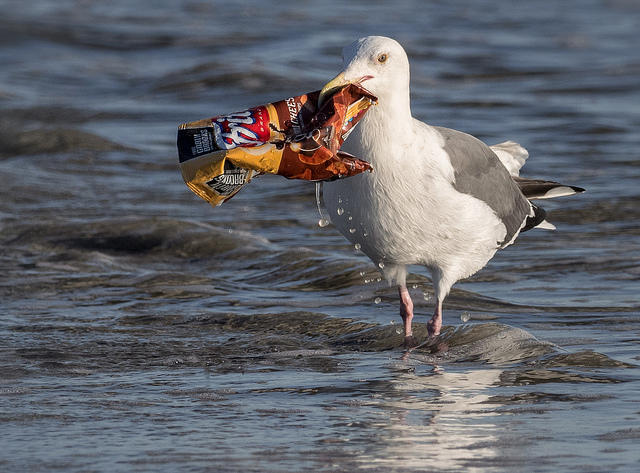
Indonesia also sends plastic garbage back to its countries of origin after Malaysia and the Philippines.

More and more Asian countries do not want to be a garbage dump for the world.

müll in China pg

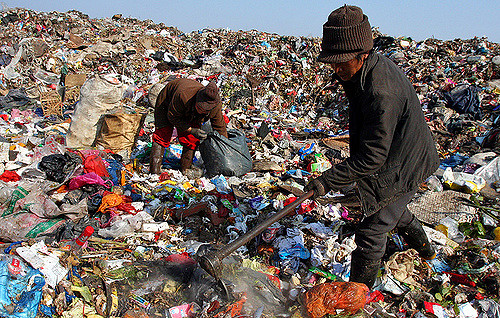
Europe has been dumping its waste in China for decades – without many citizens in Germany knowing about it. Now China has shut down. On January 1, 2018, China presented the world with a 111 million-ton trash problem!!!

To date, 56 percent of all plastic waste worldwide and 87 percent of all plastic waste from EU Member States have been exported to China. Germany has sent around 760,000 tonnes of plastic waste annually to China, as magazine “Die Zeit” reports.
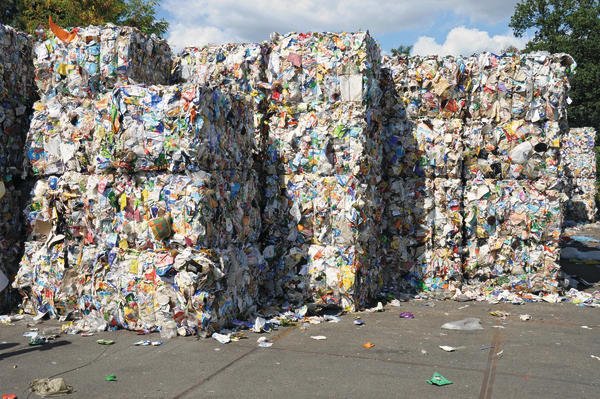
After on January 1, 2018, China presented the world with a 111 million-ton trash problem and India followed the example of China, Europe and the US must seek new countries for their plastic waste. But already Malaysia and the Philippines have returned the containers containing the controversial plastic waste to their countries of origin. Because, as was increasingly stated, the containers were marked incorrectly.
Allegedly, the containers should contain waste paper, and when the authorities checked the contents, it was dirty plastic waste including diapers.

müll Paketejpg

When Indonesia inspected the containers and found that the containers were filled with dirty plastic garbage like diapers and other plastic garbage instead of waste paper, of course Indonesia did not want the plastic garbage and issued a decree. Now Indonesia sends the plastic waste back.

“We do not want to become a garbage dump for the world,” is the answer to the Western world.

The western countries remain sitting on their (shit) trash.

Plastikmuell--c

Well… now there is not much choice left. It is also worth noting that more than 320 million tonnes of plastic waste are produced annually worldwide, but only an estimated 9% are recycled. The ban on Beijing forced Western companies, which do not have their own waste recycling capacity, to look for new “markets” in Asia.

Internationaler Tag der Umwelt  - Myanmar

The Germans produce so much rubbish than any other European country. But only about 42% of plastic garbage in Germany is recycled. Under the motto: “out of sight, out of mind” plastic waste has been exported to Asia until now.
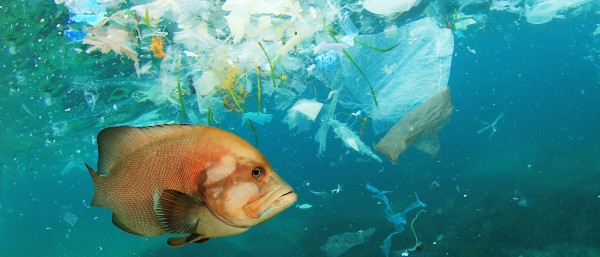
But there is another problem here: China, Indonesia, the Philippines, Thailand and Vietnam are throwing more plastic into the oceans than the rest of the world, and this is exactly where EU plastic waste is exported.

But that’s it now over! these countries no longer want the plastic waste and send the plastic waste back to their countries of origin!
But where to go, if more and more countries do not want our plastic waste?

https://netzfrauen.org/2019/06/21/plasticwaste/


plastic-strand-620x372

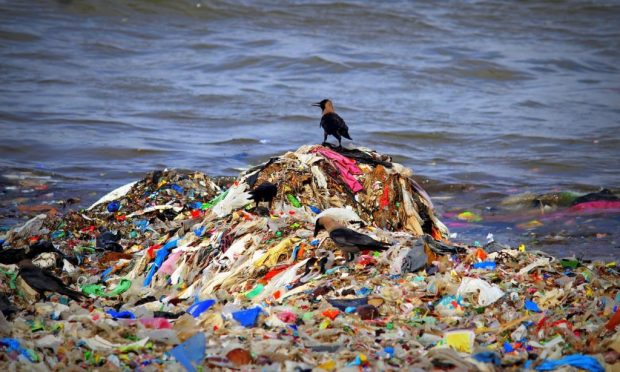
As before, we deal with the nature criminal. Not only with our soil but also with our seas.

fisch in Müllpg

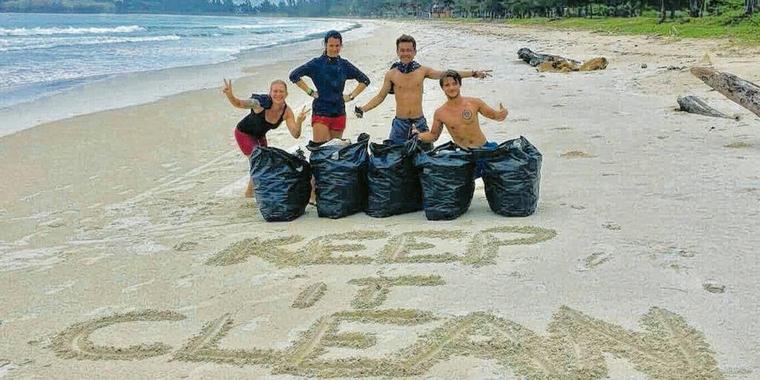
The summer is here and many people are fleeing to the beach! But why do not people take their waste back? Please share so that everyone knows that the BEACH is not a garbage dump!
“Heat … hurray … let’s have a beach party!” But please leave the location without leaving any trash.

müll in Parkplatzpg
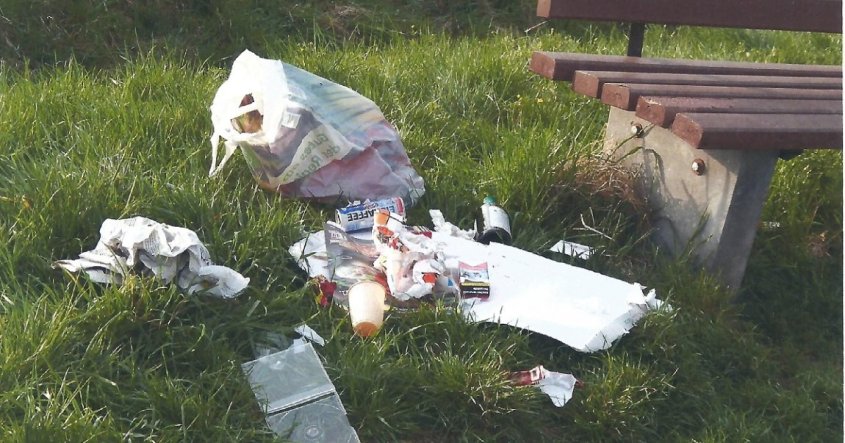
Not only tourism on the coasts is booming, but also rubbish on the beach! All over the world, people just leave the trash. And not only on the beach. Especially on the highways: windows open, garbage out!
Everyone has to shoulder a bit of responsibility and not leave the fate of our planet to corrupt governments and criminal multi-corporations.

mümm keap it ckean_big_teaser_article

My best regards to all, Venus

France: no animal transport during the heat!


France bans all animal transport until the end of the heat wave!


Frankreich

Because of the ongoing heat, animal transport in France has been banned for the time being. “Yesterday (Wednesday) I ordered to ban the transport of animals because we can not leave the animals in trucks and trains,” said Minister of Agriculture Didier Guillaume the station BFM TV. He had therefore prohibited animal transports for a few days. One will see in the coming week, if the heat decreases.

This is a perfectly understandable and empathic decision of France!

tiere in der Hitze_n

Viva la France! ❤🐄🐖🐓

Even France is groaning since the beginning of the week under a heatwave.

According to the Météo France meteorological service, the heat is exceptional – firstly because of its early beginning in the month of June, secondly because of the pronounced intensity during the day and at night. Regional meteorologists expect more than 40 degrees. It is hot especially in the southeast of the country.

And in the rest of Europe?
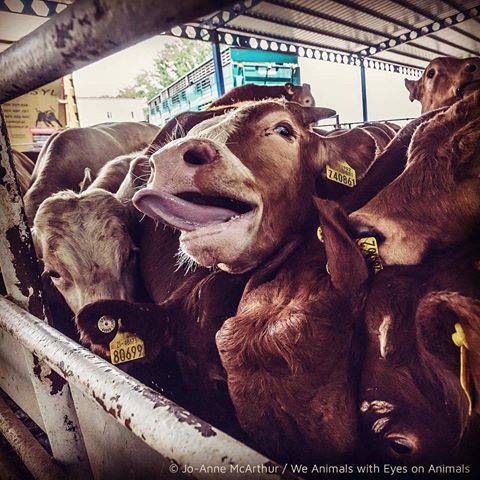
The madness with the animal transport under this extreme heat continues. In Germany, for example. The German government has neither the courage nor empathy to put the welfare and life of transport animals over the economic interests of the animal exploiters!

And the animals are transported in glowing coffins at 40 degrees. With the blessing of our Minister of Agriculture, Julia Klöckner!
Our Agriculture Minister Julia Klöckner has no interest in animals at all. She is a friend of the slaughterhouses, a friend of the hunt and represents only the interests of the farmer and the meat mafia. And especially immune to hatred and rejection of millions citizens of her country.

My best regards to all, Venus


Silk is not fine, is pain


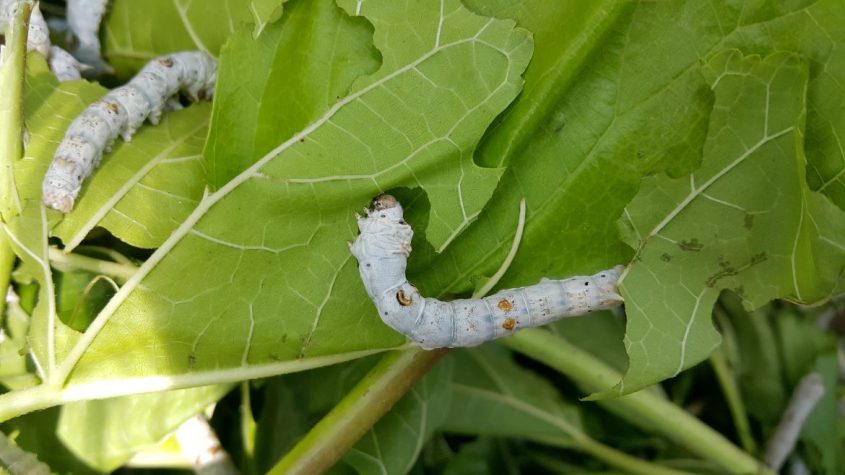
Silk Cocoons on Leaf

Silk is an animal fiber that consists mainly of proteins. The material is made in small glands in the mouth of the silk spinner. The caterpillar wraps itself in and forms a protective cocoon around her body. Then she pupates and turns into a butterfly.

In 2014, about 178,000 tonnes of silk were produced worldwide – mostly in China, India or Uzbekistan. If you now realize that about 50,000 silkworms are killed for a silk dress, it’s worth taking a closer look.

Kimono-Seide

In order for the silk to be used economically, the silk caterpillar was domesticated in China over 5,000 years ago. The result was the mulberry spinner Bombyx mori. It has been bred for high performance, feeds mainly on mulberry leaves and is not viable in nature as it is extremely sensitive to changes in its environment, such as temperature fluctuations. In order to be able to control the animals better, their flying abilities were also bred away. In addition to the mulberry spinner, other butterfly species such as the Japanese oak silk moth are used, but their cocoons make up only a small part of the world’s traded silk.

-cocon-seide-seidenraupe-maulbaerblaetter-1170x658

How is silk made?

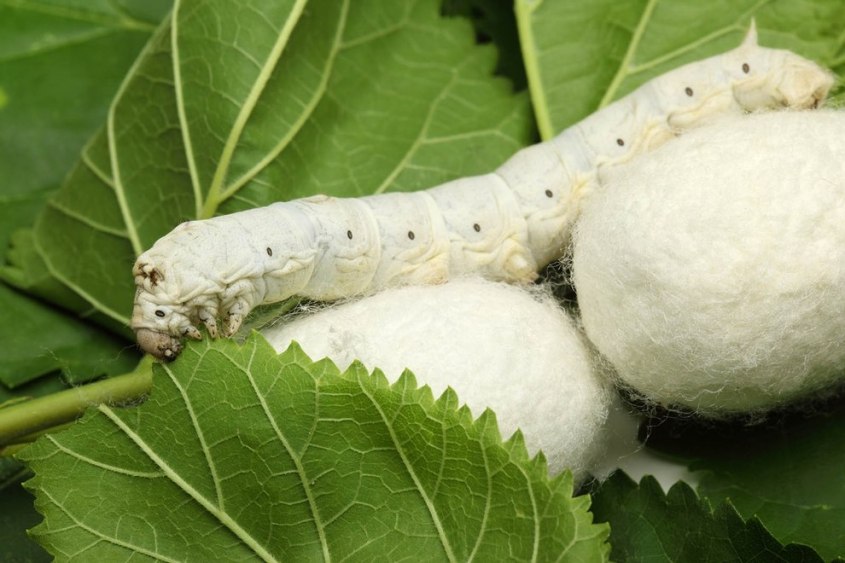
The silk moth is the main producer. More precisely, it is his larva. She is tiny shortly after birth and then eats the leaves of the mulberry tree in only four weeks (and four molts) 14 000 times her hatching weight.

She is fat like a finger before she starts pupating. Instead, it produces a thread in its oral glands, which consists of fibrin, a horn-like protein. She sticks it to sericin, a glue. First, she weaves a net between branches and blades of grass, anchoring her cocoon, which she spins out of a single thread that can be rolled out up to four kilometers long.

-kokon-seide-seidenraupe-1170x878

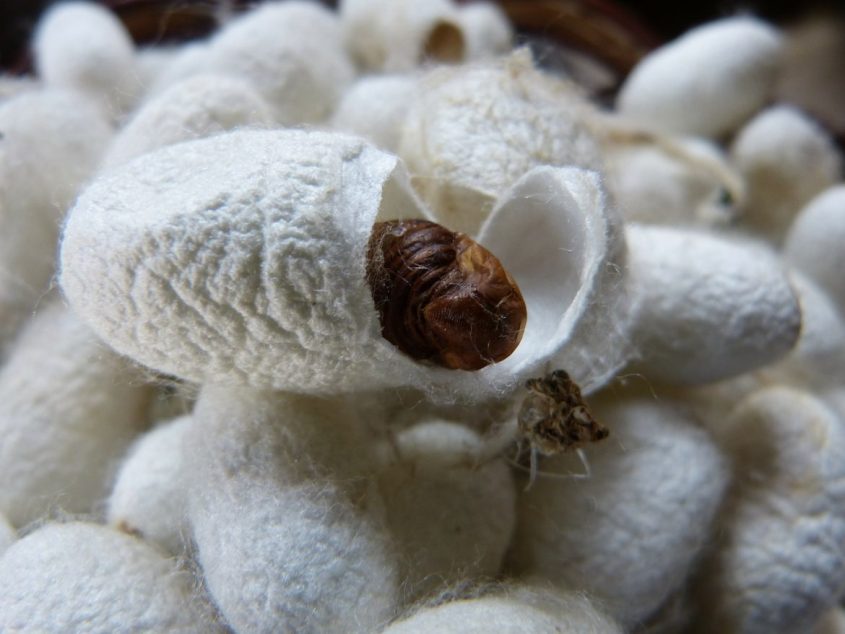
In this cocoon she rests – and normally after about 18 days a woolly white-haired butterfly would hatch. But this does not happen in the silk breeding, because when hatching, he would bite through the endless silk thread and tand break the thread, which no one silk collector wants. He wants the thread as a whole.

To prevent this, the cocoons, together with the living dolls, are exposed to dry in the sun or thrown into boiling water. You can watch how the animals crawl around in their cocoons and try to escape death.


A few animals may hatch from their cocoons to mate and lay new eggs, which are needed for the offspring. Superfluous eggs are destroyed or frozen. Male animals are often stored in freezers and brought out only for fertilization. When they are no longer efficient, they are disposed of like garbage after mating. The dolls killed in the water bath are also disposed of and eaten in some countries like Korea.

The worldwide silk industry

Most of the animals are bred today in China, India and Uzbekistan. After the silk moths have been killed, the silk threads are rolled up by machine or by hand to a yarn and lavishly cleaned and freed from the natural glue residue of the silk moth. After that, the silk is dyed, processed and sold as clothing, accessories or rugs in stores around the world. Since about 15 animals are killed for one gram of silk, this means the death of more than 2.8 trillion caterpillars annually with a world-wide production of 192,692 tons of silk (as of 2016). Although the production of silk costs so many animals its life, it accounts for only 0.2% of all textile fibers, making it terrifyingly inefficient.

Raupe-Seide-Kokon-jpg

Can silk moths feel pain?

So far, the ability to suffer from invertebrates is poorly understood – the simplified answer is: We still do not know exactly if and how caterpillars and butterflies feel pain. However, it is known that some insects show pain-avoiding behavior and evade negative stimuli. Hummer was also denied pain for a long time. Today we know that lobsters feel very well when they are thrown into boiling water. Due to the increasing knowledge, the pain sensation of invertebrate animals, such as insects, it is our responsibility to protect the silk moth from suffering and pain.

-photo-silk-fiber-making

Alternatives to silk

Anyone who opposes the use of silk products does not have to do without the qualities of silk. Almost all textile and fashion manufacturers offer microfibers such as nylon or polyester, which perfectly mimic the sheen of silk. The flora also has a lot to offer.

Anyone who opposes the use of silk products does not have to do without the qualities of silk. Meanwhile, there are a number of fibers that wonderfully mimic silk in softness, smoothness and thermal qualities. Lyocell is one of these, micro modal as well, or rayon, soya silk and agave or bamboo silk.
Pima cotton is particularly fine and convinces with its shimmering surface. Kapok, agave fiber and soy-based can also be processed into delicate fabrics. Eco-friendly Lyocell fibers such as Tencel or Modal, which feel light and soft on the skin, are also trendy.
In contrast to animal fibers, these materials also do not attract clothes moths and carpet beetles, which feed on the protein fibers of the silk and perforate the textiles.

Biotechnological processes even allow the imitation of the silk protein. Companies such as Spiber, Amsilk or BoldThreads make the silk protein of yeast cells or bacteria and thus copy the properties of animal silk. In the end, this creates a silk yarn that can be used not only for clothing, but also for medical purposes and many other areas. The procedures are completely free of animals and could save many billiards of silk spinners in the near future.

https://www.peta.de/seide

My comment: Silk is the only textile fiber for which live creatures must be killed in order to gain them, namely the caterpillars of the silk moth.
And I have no doubt that animals that find death in boiling water feel pain.
Whether they are lobsters, cocoon dolls or pigs.
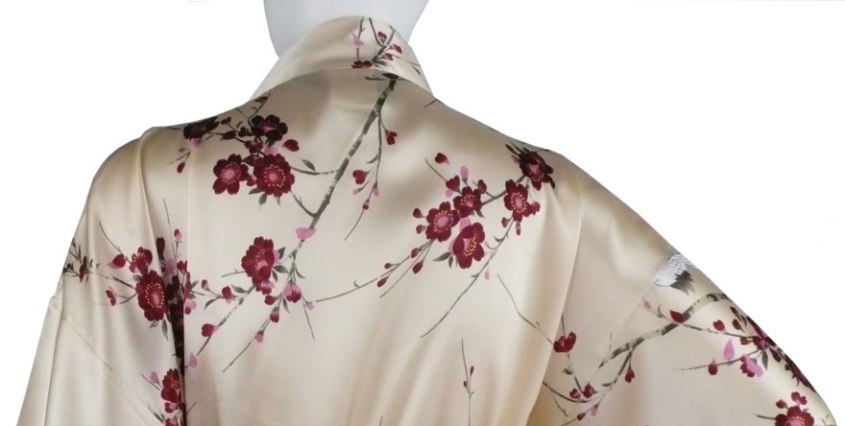
They are enslaved, exploited, cooked alive because a two-legged animal wants to have his kimono from China silk.
It is high time we, the human animals, finally civilize ourselves.

My best regards to all, Venus