Month: March 2022

England: For Me, Doing Nothing Is Not An Option.

Phil and I have been friends for what ?; probably 35+ years now.

In the early days we really got to know each other through our live animal (transport) export work from the Kent ports in South East England.

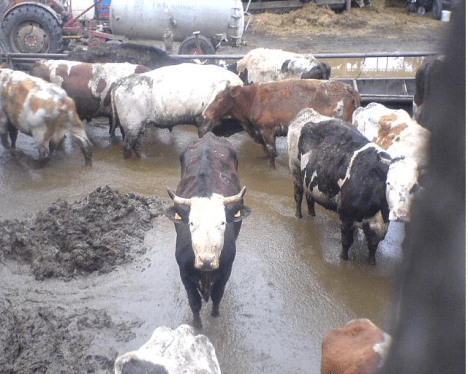
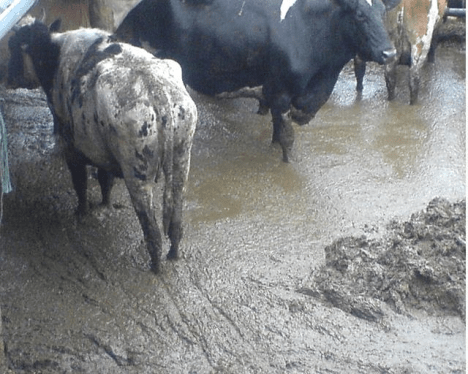
When I was undertaking stray dog and cat issues in Serbia – visit my old site at Serbian Animals Voice (SAV) | a voice for the voiceless – now an archive site only; I would sometimes get sidetracked into other issues of animal welfare, such as farm animals and the disposal of animal carcasses on the roadside.

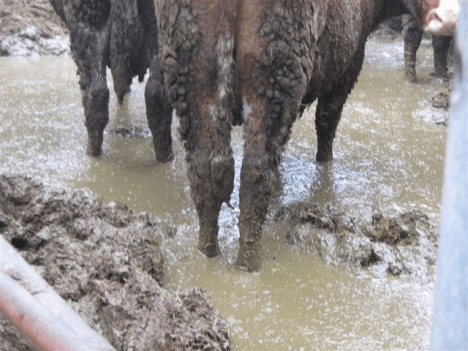
I worked with another Phil (Brooke) at Compassion In World Farming re the terrible conditions in which farm animals were being kept – you can read about it and see some photos here:

Serbia: Farm Animal Conditions – Update 26/11/10. Formal Statement on Conditions Now Provided by CIWF (Uk). | Serbian Animals Voice (SAV)

Serbia: November 2010 – Conditions ‘Ok’ at a Farm According to Serbian Veterinary Ministry – and Complaining Campaigners, ‘Dont Pressure Us’. | Serbian Animals Voice (SAV)

Serbia: Farm Animal Update 12 and 13/1/11. Throw Straw in the Liquid Excrement and Let Them Get On With It – Nothing Really Changes at the Serbian Republic Veterinary Ministry. | Serbian Animals Voice (SAV)

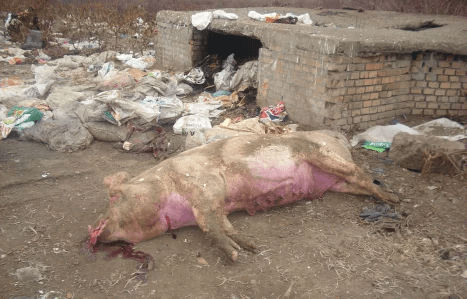
Like other issues I have covered on this site associated with the battles with the Serbian government, the government always adopts the policy of them being right and us being wrong when they are presented with evidence of abuses.  In the following link you can see the bodies of dead pigs which were literally dumped by farmers next to a min highway.  You have to remember that we were working to improve conditions for stray animals, which included disease monitoring.  Simply dumping dead farm animals on the roadside to (possibly) be picked at and eaten by stray dogs is not an ideal situation as you can appreciate.  See our photos here:

Serbia: Dead Farm Animal Bodies Just Dumped Near the Highway – A Perfect Food Source for Stray Animals; A Perfect method of Spreading Disease, and a Perfect Way for Corrupt Politicians to Keep Catching and Killing Stray Dogs ! | Serbian Animals Voice (SAV)

I have kept Phil informed at different times about the situation for animals in Serbia as personally |I consider it is not good to say the least !

Moving along; after many years of work associated with campaigns, I am now pleased to see that Phil is the CEO of the much respected farm animal welfare organisation ‘Compassion In World Farming’ (CIWF).  We still communicate and pass information over when necessary.

Here is an article by Phil associated with all the climate change issues in Australia.  There is a disturbing video which shows cattle being sept away by the torrential waters of the floods.  I will leave it with Phil to tell you more.

Regards Mark

What the ‘rain bomb’ in Australia tells us about our world bt Phil Lymbery (CEO CIWF)

Three weeks ago, as Russia invaded Ukraine, a tragedy of a different sort was rocking Australia, as a ‘rain bomb’ hit New South Wales and Queensland.  The region was being hit by floods for a second year in a row. The extent and depth of this latest flooding is hard to believe.  Record levels of water.  Tragic deaths.  Hundreds of displaced people and their pets. And I am very sorry to say, literally thousands of dead animals: domestic, farmed and wild.  

Video:

The video of a farmer’s 300-strong dairy herd being caught in the deep water, with half the herd being washed away, will stay with me forever. 

Scientific assessment

As Australian lives were being lost, both human and animal, with homes, cars and livelihoods being destroyed, the Intergovernmental Panel on Climate Change (IPCC) was publishing its latest update on the state of the planet.  

It had a sobering message. 

Climate change is already here and is causing widespread losses, but is set to get worse.  The crisis is upon us, much earlier than first thought. Warming effects on ecosystems are being experienced earlier, are more widespread, and have greater consequences than anticipated.

Too little

While global attempts by humankind to adapt to the worsening climate hazards have increased, most of it is still too little, too late.  

In many ways, Australia’s situation reflects the situation felt by many.  

The Australian people are angry at their government for being too slow to cut carbon emissions and invest in renewables. A report published at the COP26 global summit last year backs up that assessment. It ranked Australia last among 60 countries for policy responses to the climate crisis, largely down to a stubborn reliance on coal-powered energy and coal exports.

But many other governments are equally slow to accept what scientists have been saying for years – we have to transform the way the world produces, consumes and thinks about food.

Without transformational change in the global food sector, the world will fall perilously short of sustainability targets set by world leaders for 2030. By Compassion In World Farming’s own analysis, without a move away from industrial animal agriculture – factory farming – several crucial Sustainable Development Goals (SDGs) will be rendered unreachable. 

Taking action

We are a world in turmoil facing a planetary crisis like no other. And this is the critical decade for securing a liveable, sustainable future for our children.  

We know the answers, but will humanity heed them?

As Australia starts the massive clean-up operation and tragically counts the dreadful loss of life, what will it take for governments around the world to recognise the severity of climate change?  

What is becoming ever clearer is that actions speak louder than words; climate breakdown is happening now; our planet won’t wait any longer, and neither should we. 

Philip Lymbery | Australia: ‘It’s raining, it’s pouring, the PM is snoring’

England: Could the 1cm ‘Jumping Spider’ Kick Disney Plans Into the Dust ? – Fingers Crossed It Will !

I know this area very well; having been born near to Dartford, one of the ‘local’ towns.

When I was a youngster, I used to play football on an area which is now under threat by this proposal.

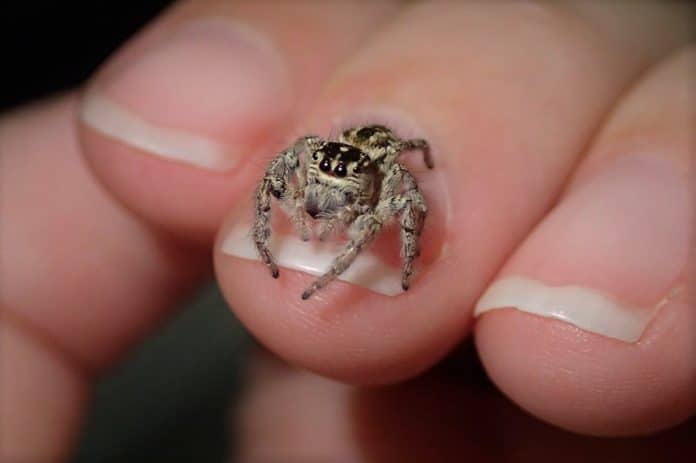
This is a report from the ‘Guardian’ newspaper dated 26th March 22.  It is great to see that the tiny ‘jumping spider’, around only 1cm large, could be amongst other fauna and flora which pulls the plug on Frisbeeland.  Fingers crossed.

But we are all to aware of politics and the work of lobbyists.  When we need them most to protect endangered species; sites of ‘Special Scientific Interest’ suddenly get dismissed and overlooked in attempts to get the bulldozers and cranes moving in. 

Who knows what will happen here very soon; but as a local; I know that many people are opposed to the project; with them rather watching the water voles and common buzzards flying overhead, in preference to snow white and all the other aliens which could possibly make this site their home.

Just for the record; Swanscombe, was thee site where ‘Swanscombe Man’ was found – Swanscombe – Wikipedia  – Bone fragments and tools, representing the earliest humans known to have lived in England, have been found from 1935 onwards at the Barnfield Pit about 2 km (1 mile) outside the village. This site is now the Swanscombe Heritage ParkSwanscombe Man (now thought to be female) was a late Homo erectus or an early Archaic Homo sapiens.[2] According to the Natural History Museum, however, the remains are those of a 400,000-year-old early Neanderthal woman.

And, being an old Rocker, Dartford was the town where Mick Jagger and Keith Richards first met (at the station) and went on to form the ‘Rolling Stones’.  Mick was a student at the LSE (London School of Economics); central London being about 20 miles away.  There is a plaque at Dartford station to celebrate the first meet.

Wild horses, tiny jumping spiders, marsh harriers etc; being close to central London, there are times when the right decisions need to be made for environmental protection, rather than the plastic popcorn facility that some wish to see.

We await the investigation results with interest.

Personally, give me the jumpers, fliers and wild horses any time !

Regards Mark (WAV)

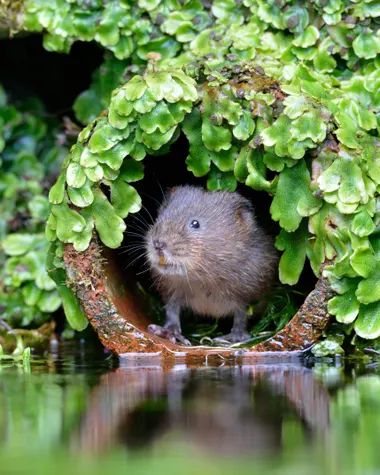
Species such as the water vole live on the peninsula. Photograph: Our Wild Life Photography/Alamy
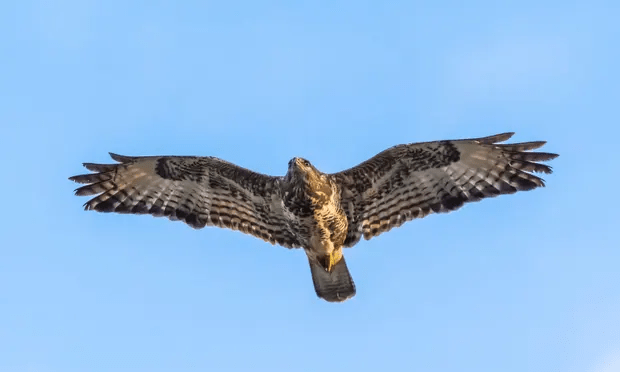
Campaigners say animals such as the common buzzard will lose their homes if the park is built. Photograph: Geoff Smith/Alamy

Evan Bowen-Jones, chief executive of Kent Wildlife Trust, said that if built, the theme park would represent one of the single biggest losses of protected land in the UK. “We would lose an urban oasis – home to species that range from jumping spiders to marsh harriers – for plastic dinosaurs, fairground rides, and yet more gridlock and pollution at a time when the importance of nature to human wellbeing has never been clearer,” he said last week.

Rollercoasters v water voles: ‘Disney-on-Thames’ plan could devastate wildlife

Proposed theme park the size of 136 Wembleys will threaten protected species and local jobs, say campaigners

It promises to be one of Britain’s most unusual planning battles. On one side is an array of endangered wildlife that includes a species of jumping spider. On the other are backers of a theme park that they claim will rival Disneyland in its size and ambition.

The park, called the London Resort, would be built on the Swanscombe peninsula on the Thames, near Gravesend, where it would cover land equivalent to 136 Wembley stadiums and would include themed rides, a water park, conference venues, hotels and a shopping centre.

However, the project is highly controversial – as will be revealed this week when preliminary hearings are held. Crucially, the theme park is being proposed as a “nationally significant infrastructure project” (NSIP) – a designation usually reserved for major roads, power plants or airports.Species such as the water vole live on the peninsula. Photograph: Our Wild Life Photography/Alamy

NSIPs are finally approved or rejected by the government, not by local authorities, which has raised fears that the decision over the fate of the London Resort is being moved away from community politicians and handed to ministers. “It is a real concern,” said Donna Zimmer, of the Save Swanscombe Peninsula campaign.

In addition, a large chunk of the peninsula has recently been designated a “site of special scientific interest” (SSSI) because of its wide range of rare plants and wildlife.

These include marsh harriers, spoonbills, otters, a wide variety of orchids, and more than 1,700 invertebrate species, including a quarter of the UK’s water beetle species and more than 200 species that are considered of conservation importance.

For good measure, the peninsula is one of only two places in the UK where the critically endangered distinguished jumping spider – Attulus distinguendus – has its home. The distinguished jumping spider is tiny (about 1cm long) and does not spin webs to catch prey but uses its excellent eyesight and an ability to leap distances of more than 10 times its own length to bring down its quarry.

The prospect of a theme park being built on one of only two sites in the UK where Attulus distinguendus is found, and which also supports many other key species, has outraged conservationists. Evan Bowen-Jones, chief executive of Kent Wildlife Trust, said that if built, the theme park would represent one of the single biggest losses of protected land in the UK. “We would lose an urban oasis – home to species that range from jumping spiders to marsh harriers – for plastic dinosaurs, fairground rides, and yet more gridlock and pollution at a time when the importance of nature to human wellbeing has never been clearer,” he said last week.

The London Resort was originally proposed in 2014 and has been subject to widespread delays since then, hold-ups that have infuriated the project’s opponents as well as local MP Gareth Johnson, who initially backed the scheme but is now opposed to it.

“Many of us were excited when this proposal was made public,” said Johnson, the Conservative MP for Dartford. “There could have been huge benefits to the area, if the project was approached in the right way. Instead, we have seen endless delays and uncertainty for local residents and businesses in the area. Enough is enough. Dartford can do better than this theme park,” he said.

Other groups that were initially involved with the project have also withdrawn involvement. These include the BBC and ITV, whose shows would have provided themes for some resort’ rides. One remaining group, Paramount Entertainment, is still linked to the project and is the focus of a campaign by local people who want it to quit as well.

For its part, the company says that the resort would generate 6,000 direct and many more indirect jobs within its first year. But this claim was countered by Craig Bennett, chief executive of The Wildlife Trusts. “The resort would not only wipe out the SSSI here, it would also destroy the local industrial park where about 3,000 people work. Most of these individuals have skilled jobs. These would be lost and replaced with low-skilled, seasonal jobs at the theme park.”A London Resort spokesman denied the project would cause ecological damage. “Huge parts of the land are contaminated. It is largely a brownfield, former industrial site which has been unmanaged, with zero investment for improvement, for decades,” he said, adding that London Resort was committed to investing over £150m to enhance the habitat and would be creating the world’s only carbon neutral theme parks. He also said the project was supported by most local residents and businesses.

London Resort added that it had formally objected to the designation of the peninsula SSSI status and said that the BBC and ITV had not pulled out the project but had merely ended commercial agreements for use of their Intellectual Property.

It is expected that at this week’s planning meeting, the London Resort company will seek to have further delays made to the planning process, while opponents will vigorously oppose such a move.“If further delays are blocked, then we will get a final decision about the project far sooner and, hopefully, one that will block the building of the resort,” said Chris Rose, a campaign consultant who has been involved in coordinating opposition to the project.

The issue for the government is straightforward, added Nicky Britton-Williams, wilder towns officer for Kent Wildlife Trust. “If the government follows through on all of the commitments that ministers have made to the need to protect nature and tackle the climate emergency and put the necessary policies and plans in place, I cannot see how this project could possibly get consent.”

She added: “However, stranger things have happened in politics.”

Rollercoasters v water voles: ‘Disney-on-Thames’ plan could devastate wildlife | Conservation | The Guardian

Concept artwork for the London Resort, showing how it might look if planning permission is granted. Photograph: LRCH

THANKS BUT NO THANKS

Russia-Ukraine War: Mykolaiv zoo caught in crossfire, 4,000 wild animals trapped

Around 4,000 wild animals in Ukraine’s Mykolaiv zoo are trapped amid shelling by Russian forces. The walkway between the tiger and polar bear enclosure was damaged after the first rocket that landed on the zoo, on February 27.

Updated Mar 24, 2022 | 12:53 AM IST

Mykolaive: The Mykolaiv Zoo bills itself as the best in Ukraine, but now the 4,000 wild animals it holds are trapped in a whole new sense, with Russian rockets landing among them. As air raid sirens wail across the city, which holds a key river crossing Russian troops need to pursue their push towards Ukraine’s top Black Sea port of Odessa, a leopard brushes nervously against the bars of his cage.

It is difficult to tell whether the Amur leopard, “the rarest subspecies” of the big cat, is rattled by the piercing sound or the unusual sight of strangers, more than three weeks after the zoo was closed to visitors, said zoologist Viktor Dyakonov.

The first rocket that landed on the zoo, on February 27, tore up the walkway between the tiger and polar bear enclosures, and is now on display in the museum of the zoo founded more than 120 years ago. No one was wounded, neither among the staff nor the animals. But the episode was “very stressful”, with a tank battle 600 metres (650 yards) from the zoo, said the museum’s director, Volodymyr Topchyi. Since then, three more rockets have landed in the zoo, including one in an aviary.

The other two landed near the zoo’s administrative offices and staff said they were cluster munitions the Russians call the Uragan or “Hurricane”. The United Nations, Amnesty International and Human Rights Watch have condemned the use of cluster munitions by Russian forces, particularly in northeastern Ukraine, a type of weapon that is banned by the 2008 Oslo Convention which Moscow never signed.

Cluster munitions spread explosive bomblets over a wide area, making them an imprecise weapon that can cause extensive injuries among civilians. As many of the bomblets don’t explode upon impact, they can cause death and mutilation among civilians long after hostilities are over.

– Too risky to evacuate –

Of the some 400 species present in the zoo, nearly half are on the international red list of threatened species, according to Topchyi, the zoo’s director. But their evacuation via the bridge across the Buh river to territory held by Ukrainian forces is not feasible, he said. “There aren’t enough vehicles to transport the animals and the only road towards Odessa is clogged with traffic,” said Topchyi. “And it’s still very cold. If we take the giraffes, the elephants and the hippopotamuses … there’s a risk they won’t survive,” he added.

Topchyi ruled out abandoning the animals, and praised the “heroic” work of about 100 staff members who continue to take care of their charges, even sleeping at the zoo to reduce the number of dangerous trips across the city. That is the case for zoologist Dyakonov, along with his wife, a veterinarian.

“To come from where I live I have to cross a bridge that is raised and lowered at random times, so there is no certainty that I’ll be able to make it to work,” he said. “That’s why my wife and I decided to say at the zoo for a while, while the situation is so unstable,” he added.

Overall, the zoo’s animals are “leading a quiet life” said Olga, a caretaker, as she watched a female hippopotamus, Rikky, snort as she lazily swam around her pool. “Our animals are eating and reproducing, they’re doing fine,” said Topchyi. On March 8, despite intense bombardments, a female leopard gave birth. “It’s springtime, births will begin,” he said. Even though closed to visitors, the public has continued to buy tickets, with people posting on Facebook about their support for the zoo

Russia-Ukraine War: Mykolaiv zoo caught in crossfire, 4,000 wild animals trapped (timesnownews.com)

Regards Mark

More:

http://zoo.nikolaev.ua/en

https://rui-alves.medium.com/mykolaiv-zoo-animals-need-your-help-93bd5930524d

Armenia Bans The Use of Wild Animals in Circus Performances

The Armenian parliament on Wednesday passed in the second and final reading an animal rights bill effectively ending the use of wild animals in live circuses.

The government-drafted bill, among other things, will prohibit performances with wild animals in circuses.

The draft law was adopted in a vote of 60 for and 27 abstentions.

The list of the wild animals will be defined by a competent body.

Armenia bans use of wild animals in circus performances – Panorama | Armenian news

Great News;

Regards Mark

WAV Archive Photo.

Global: 78 Nations That Care About Animal Rights.

These Countries Care the Most About Animal Rights

People believe that these countries care about animal rights.

There are 78 nations listed; and you can select to add more views by clicking on ‘Load More’ at the end of the current  listing.

Regards Mark

Go to the following for the listing :

These Countries Care About Animal Rights | U.S. News Best Countries (usnews.com)

Belgium: Animal Welfare Organisation Files New Complaint Against West Flemish Slaughterhouse.

Credit: Belga

Tuesday, 22 March 2022

Animal welfare organisation files new complaint against West Flemish slaughterhouse (brusselstimes.com)

An animal welfare organisation called Animal Rights is filing a new complaint against a pig slaughterhouse in Tielt for animal abuse, according to the Flemish centre for agriculture and horticulture (VILT).

Animal Rights says there is new evidence of recent animal abuse, though the slaughterhouse denies this. The company was previously fined for animal cruelty towards the end of 2019 after undercover footage from Animal Rights revealed violations.

Now the organisation says inspection reports from the Animal Welfare Department show that between October and December of 2021, there were more violations at the slaughterhouse.

“Pigs were beaten, a lame animal that could not get out of the truck on its own was first sprayed with a water hose before it was incorrectly stunned with the stunning device, there were problems with stunning equipment that did not work so the animals were only stunned at the blood carousel,” Animal Rights alleges.

“The slaughterhouse did not take the initiative to shut down the slaughter line and only did so after Animal Rights intervened.”

Slaughterhouse allegedly exceeded slaughter quota

Animal Rights says there are also violations of the slaughterhouse’s environmental permit.

“Recent figures that Animal Rights requested from the FAVV show that slaughterhouse Tielt slaughtered hundreds of thousands of pigs illegally in 2021,” said spokesperson Els van Campenhout.

No less than 1,737,629 pigs were slaughtered in 2021, while the environmental permit is for 1,500,000 pigs per year, so the slaughterhouse started their expansion of slaughter capacity illegally.

This is the impetus for the new complaint, and the organiation said it isn’t the first time the slaughterhouse exceeded its quota.

“The horror just continues in the slaughterhouse in Tielt. We demand its immediate closure,” said van Campenhout.

Slaughterhouse denies allegations

The slaughterhouse denied the allegations, and said they were sorry to see that a weekend awareness action from Animal Rights and other animal welfare organisations circulated photos from prior violations that were since remedied.

“We regret that the action group distributed old and dated images during the action Saturday. The images shown showing animals being mistreated are from the year 2017 and are in no way representative of the current situation,” they said in a statement.

The company admits that it has received warnings from the Animal Welfare Service since 2019.

“Although these were a limited number of warnings, we obviously took them seriously. To this end, we always immediately took the necessary measures to address the issues mentioned. In addition, we would also like to emphasise that these are warnings and not official citations, which indicates that these are incidents that happen, but are equally avoidable.”

According to the slaughterhouse, technical defects regarding anaesthesia have been corrected and an employee who improperly used equipment was sanctioned.

Regards Mark

Ecuador: Constitutional Court of Ecuador Recognizes Animal Rights in Landmark Ruling.

QUITO, Ecuador, March 23, 2022 /PRNewswire/ —

For the first time, the Constitutional Court of Ecuador has recognized the legal rights of nonhuman animals. The ruling not only elevates the legal status of nonhuman animals under Ecuador’s constitutional rights of nature but also requires that new legislation be drafted to protect the rights of animals.

Constitutional Court of Ecuador Recognizes Animal Rights in Landmark Ruling | Markets Insider (businessinsider.com)

“We hope and expect fundamental legal change for nonhuman animals in the United States isn’t far behind.”

The court’s ruling was the result of a habeas corpus action filed by Ana Beatriz Burbano Proaño on behalf of Estrellita, a woolly monkey who had lived in her home for 18 years. Environmental authorities had forcibly seized the monkey on the grounds that possessing a “wild animal” is prohibited by Ecuador law. Estrellita died within a month of being relocated to a zoo.

Ecuador was the first country to include a rights of nature provision in its national Constitution. When the case came before Ecuador’s Constitutional Court, the judges elected to consider several issues, including: the scope of the country’s rights of nature provision; whether animals qualify as the subject of rights; and whether Estrellita’s rights were violated. The Court found by a vote of seven to two that the scope of the rights of nature includes animals and thus animals are the subject of rights. The Court also indicated that habeas corpus could be an appropriate action for animals and that they may possess rights that derive from other sources in addition to the Constitution.

“This verdict raises animal rights to the level of the constitution, the highest law of Ecuador,” said leading Ecuadorian environmental lawyer Hugo Echeverría, who brought the case to the attention of NhRP. “While rights of nature were enshrined in the constitution, it was not clear prior to this decision whether individual animals could benefit from the rights of nature and be considered rights holders as a part of nature. The Court has stated that animals are subject of rights protected by rights of nature.”

Continue reading via the link given at the top.

Regards Mark

London: Last London Chicken Slaughterhouse (Kosher) Blockaded By Animal Rights.

Chicken slaughterhouse blockaded by animal rights activists

Protesters have blocked trucks leaving a Hackney Wick abattoir this morning, demanding it be shutdown and replaced by community gardens. 

According to police, at around 8am Animal Rebellion activists used a lorry to blockade the road leading to the Kedassia abattoir on Smeed Road in Hackney Wick. 

Police were called at 8.14am on March 23

Some of the protesters have climbed on to the truck, to prevent it from leaving.

The lorry has been draped in a banner, dripping with red paint meant to symbolise blood. 

Protester and local resident Bel Jacobs said: “I’m a mother and I know that our kids need a space to learn how to grow vegetables, not kill birds.

“Community gardens would give us a much-needed green space and a social hub where everyone can meet and connect.”

The group is demanding Kedassia Poultry be shut down and replaced by community gardens – Credit: @sheepistakingphotos

Activists can be seen climbing on to the empty truck. The blockade began at around 8am on March 23. – Credit: Cavalier Fantome

Animal Rebellion say the abattoir is the “last remaining slaughterhouse in London”.

The action is part of a local campaign, called Gardens not Slaughterhouses, which wants to see the site transformed into community gardens.

The group is demanding Kedassia Poultry be shut down and replaced by community gardens – Credit: @sheepistakingphotos


Miranda Whelan, a spokesperson for Animal Rebellion, said: “We need to build a just and sustainable future by replacing slaughterhouses, which kill gentle and intelligent animals and damage the environment, with community gardens.

“Gardens improve the wellbeing of the local people and allow them to grow healthy, sustainable food.

“We are demanding that Kedassia shut down and let this land be used for something that will benefit the whole community.”

Kedassia Poultry Ltd is a Kosher chicken abattoir. It was targeted by a group of animal rights activists, calling themselves East London Chicken Save, in 2016, 

The animal and climate justice group state their protest aims to end animal suffering as well as to tackle climate change, claiming the Tower Hamlets abattoir kills thousands of chickens every week, produces “large amounts of waste” and that it wastes water.  

Those involved said that they waited for the chickens to be taken inside before blockading the entrance, “so as not to prolong their suffering”. 

The activists have formed a local campaign called Gardens Not Slaughterhouses – Credit: @sheepistakingphotos

The Gazette has attempted to contact Kedassia Poultry Ltd for comment.

Regards Mark

Animal Rebellion stage protest at Hackney Wick abattoir | East London Advertiser

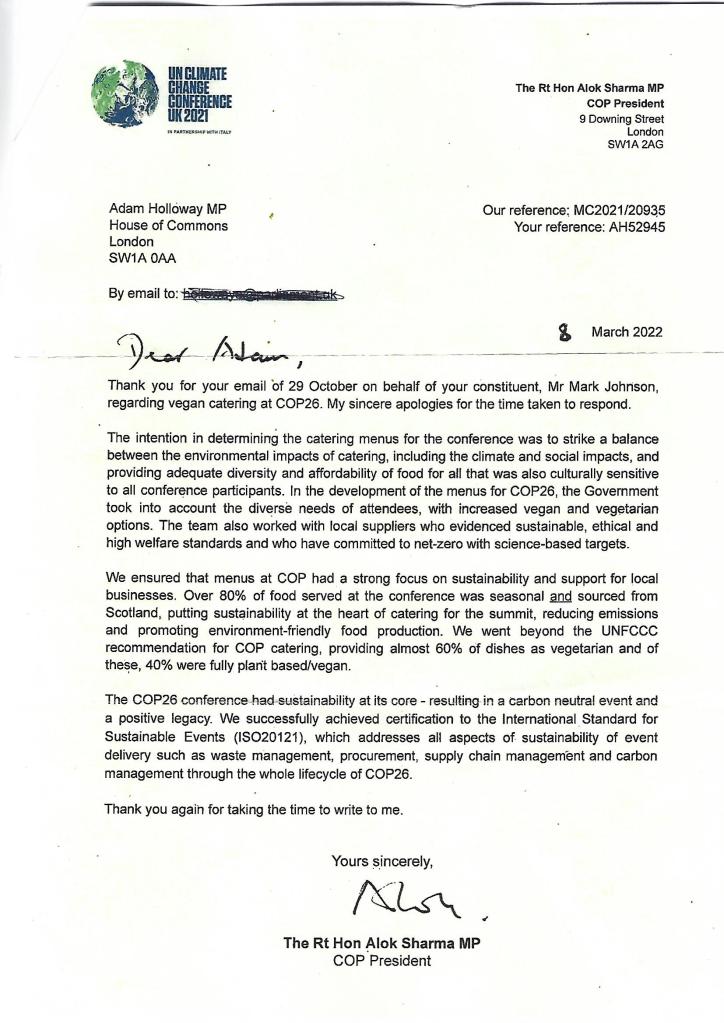
UK: Finally Alok Sharma Replies To Our COP26 Conference Letter Asking About Vegan Food.

Last year, October 2021 to be precise, I wrote to my MP asking him to contact Alok Sharma regarding what appeared to be a distinct lack of veggie and vegan food at the COP26 (Climate) conference.

You can read the original letter and information here:

8 October 2021 letter:

England: Vegan Food At COP26. Why None ? – WAV Now Write To MP and Ask Him To Contact Mr Sharma For Responses. Keep Ramping It Up Sort Of Thing ! – World Animals Voice

Well finally, like 8th March 2022,   Alok Sharma has written a reply to the letter.

I attach a copy of his letter for you to view and decide on the results for yourself.

Reply: 

Regards Mark

Related info:

https://worldanimalsvoice.com/?s=COP+26