Month: March 2022

Microplastics found in human blood for first time.

The Guardian, London.

Exclusive: The discovery shows the particles can travel around the body and may lodge in organs

Microplastics found in human blood for first time | Plastics | The Guardian

Microplastic pollution has been detected in human blood for the first time, with scientists finding the tiny particles in almost 80% of the people tested.

The discovery shows the particles can travel around the body and may lodge in organs. The impact on health is as yet unknown. But researchers are concerned as microplastics cause damage to human cells in the laboratory and air pollution particles are already known to enter the body and cause millions of early deaths a year.

Huge amounts of plastic waste are dumped in the environment and microplastics now contaminate the entire planet, from the summit of Mount Everest to the deepest oceans. People were already known to consume the tiny particles via food and water as well as breathing them in, and they have been found in the faeces of babies and adults.

The scientists analysed blood samples from 22 anonymous donors, all healthy adults and found plastic particles in 17. Half the samples contained PET plastic, which is commonly used in drinks bottles, while a third contained polystyrene, used for packaging food and other products. A quarter of the blood samples contained polyethylene, from which plastic carrier bags are made.

“Our study is the first indication that we have polymer particles in our blood – ​it’s a breakthrough result,” said Prof Dick Vethaak, an ecotoxicologist at Vrije Universiteit Amsterdam in the Netherlands. “But we have to extend the research and increase the sample sizes, the number of polymers assessed, etc.” Further studies by a number of groups are already under way, he said.

“It is certainly reasonable to be concerned,” Vethaak told the Guardian. “The particles are there and are transported throughout the body.” He said previous work had shown that microplastics were 10 times higher in the faeces of babies compared with adults and that babies fed with plastic bottles are swallowing millions of microplastic particles a day.

“We also know in general that babies and young children are more vulnerable to chemical and particle exposure,” he said. “That worries me a lot.”

The new research is published in the journal Environment International and adapted existing techniques to detect and analyse particles as small as 0.0007mm. Some of the blood samples contained two or three types of plastic. The team used steel syringe needles and glass tubes to avoid contamination, and tested for background levels of microplastics using blank samples.

Vethaak acknowledged that the amount and type of plastic varied considerably between the blood samples. “But this is a pioneering study,” he said, with more work now needed. He said the differences might reflect short-term exposure before the blood samples were taken, such as drinking from a plastic-lined coffee cup, or wearing a plastic face mask.

“The big question is what is happening in our body?” Vethaak said. “Are the particles retained in the body? Are they transported to certain organs, such as getting past the blood-brain barrier?” And are these levels sufficiently high to trigger disease? We urgently need to fund further research so we can find out.”

The new research was funded by the Dutch National Organisation for Health Research and Development and Common Seas, a social enterprise working to reduce plastic pollution.

“Plastic production is set to double by 2040,” said Jo Royle, founder of the charity Common Seas. “We have a right to know what all this plastic is doing to our bodies.” Common Seas, along with more than 80 NGOs, scientists and MPs, are asking the UK government to allocate £15m to research on the human health impacts of plastic. The EU is already funding research on the impact of microplastic on foetuses and babies, and on the immune system.

A recent study found that microplastics can latch on to the outer membranes of red blood cells and may limit their ability to transport oxygen. The particles have also been found in the placentas of pregnant women, and in pregnant rats they pass rapidly through the lungs into the hearts, brains and other organs of the foetuses.

A new review paper published on Tuesday, co-authored by Vethaak, assessed cancer risk and concluded: “More detailed research on how micro- and nano-plastics affect the structures and processes of the human body, and whether and how they can transform cells and induce carcinogenesis, is urgently needed, particularly in light of the exponential increase in plastic production. The problem is becoming more urgent with each day.”

Microplastic particles now discoverable in human organs

This article is more than 1 year old

New technique expected to enable scientists to find accumulated microplastics in humans

Microplastic particles now discoverable in human organs | Plastics | The Guardian

Regards Mark

Four Rescued Bear Cubs Find Happiness At Animals Asia’s Sanctuary.

Click here to read more:

Four rescued bear cubs find happiness at Animals Asia’s sanctuary

22 March 2022

Wonder, Marvel, Yen and Pudding were victims of the illegal wildlife trafficking trade. Torn from their mothers at just a few weeks old, they were thrown into tiny cages to be sold to the highest bidder. But just as they were facing a terrifying future, Animals Asia rescued Wonder, Marvel, and Yen, and Hanoi Wildlife Rescue Centre rescued Pudding.

First few weeks at sanctuary

The first few days at our sanctuary were understandably difficult for the cubs. Terrified, confused, and desperately missing their mums, they paced, swayed their heads and sucked their paws – typical signs of distress in captive animals.

Our bear care team took it in turns to look after the cubs day and night. They quietly sat with them, gently offering food and natural enrichment, and talking to them in calm, soothing and reassuring voices.

Baby steps

After a few weeks, the cubs had developed good appetites, were playing with the natural toys we gave them, and their distressing behaviour had eased. Yen showed a particular interest in hessian sacks and played with them for hours, while Marvel, despite being very nervous when he first arrived, loved the noisy toys the most!

They were ready to move to the special area of our sanctuary that’s reserved for our smallest and youngest bears, the Cub House!

The cubs were moved to their own dens which were joined together but separated by sliding doors, so they could hear, smell and see each other from the safety and comfort of their own spaces.

Click on the top link to read more.

Regards Mark

If you wish to make a donation:

Animals Asia | Make a donation to Animals Asia

USA: Tell Procter & Gamble: Stop Flushing our Forests Down the Toilet!.


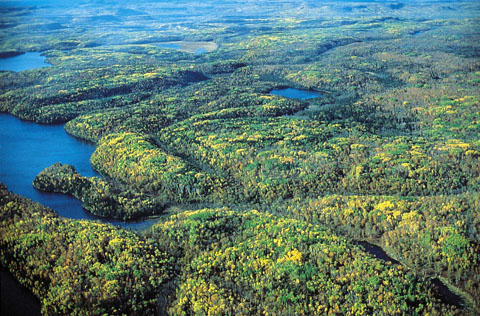
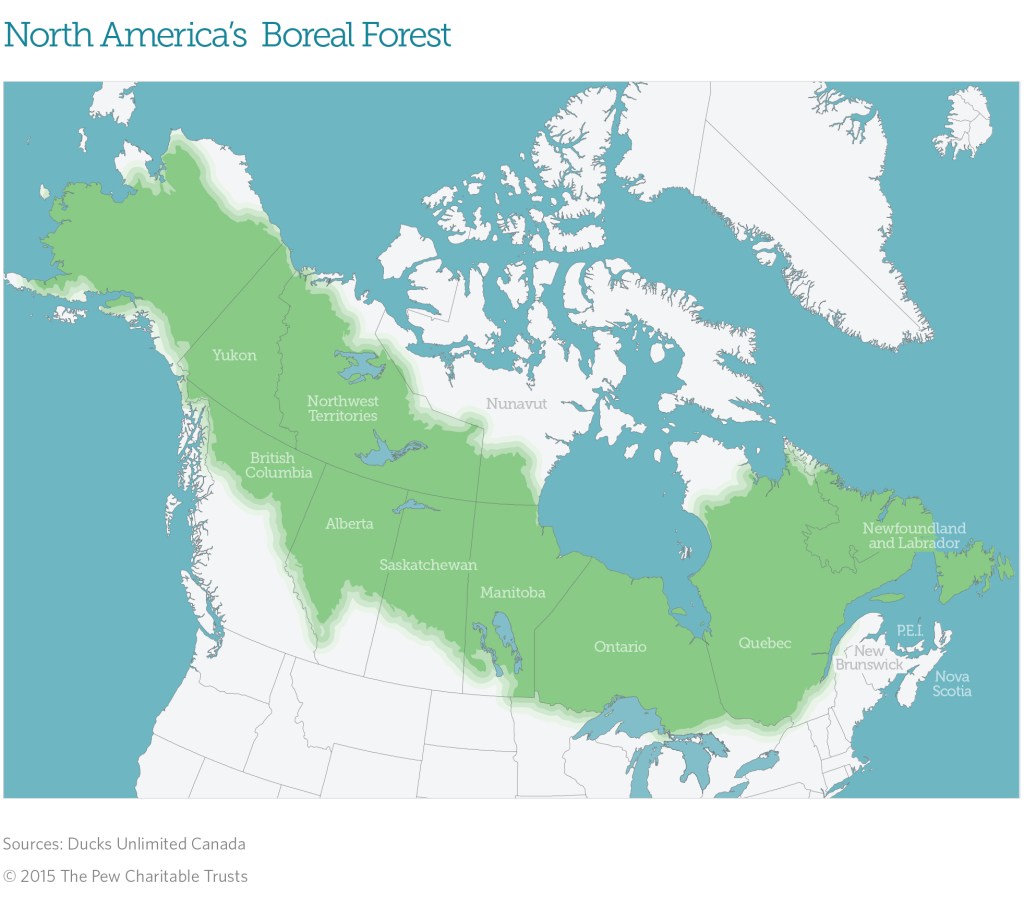
The Canadian boreal forest stores twice as much carbon as the world’s oil reserves, making it essential in fighting climate change. But Procter & Gamble uses clear-cut boreal forest to make its Charmin toilet paper brand.

Tell P&G: Stop destroying our climate and END this tree-to-toilet pipeline!

Take Action:

| NRDC

Every minute, a small city block’s worth of trees in Canada’s majestic boreal forest is clearcut, in part to make Procter & Gamble’s tissues, paper towels, and toilet paper — including its Charmin toilet paper brand.

In fact, P&G actually increased the share of boreal forest fiber in its products this past year, further decimating this vital forest!
At this urgent moment in the fight to avert catastrophic climate change, the boreal is our indispensable ally. So we’re raising a resounding public outcry to protect the boreal from more and more logging to make toilet paper and other disposable paper products.

Tell Procter and Gamble CEO Jon Moeller: Stop fueling the destruction of our planet’s last unspoiled forests!

He needs to know there are millions of environmental champions like you committed to holding his company accountable,so please send your message now!

Canada’s boreal forest and its verdant spruce and fir trees, lush wetlands, and peat bogs are the ancestral home for more than 600 Indigenous communities. It’s also a life-sustaining refuge for abundant wildlife from the Canada lynx to the boreal caribou.


The boreal also stores enormous amounts of carbon, making it vitally important in the global fight against climate change.Mark, we don’t have any time — or forests — to waste. Our new reality of droughts, floods, wildfires, and 100-year storms will be just the prologue to a far more dangerous, inhospitable future if we don’t act nowAnd protecting our planet’s forests is a crucial part of that plan. They absorb and lock up vast amounts of carbon in their trees and soils, buying us critical time to transition to a clean energy future. The boreal forest that P&G is sourcing from is the most carbon-dense terrestrial ecosystem in the world and it must be protected!

Will you join me and your fellow NRDC supporters in sending P&G a message that’s too loud to ignore? Tell them: Stop sacrificing Canada’s boreal forest — and our climate — for throwaway toilet paper!

A majority of voting shareholders called on P&G in 2020 to pledge to eliminate deforestation and the degradation of intact forests from its supply chain. And with more than $76 billion in revenue last year, P&G has ample resources to increase the amount of recycled content in its single-use products. Yet P&G stubbornly refused to change course and doubled down on its use of boreal forest fiber.

If P&G won’t listen to its own shareholders, then we’ll drum up a major consumer backlash so large they’ll be forced to pay attention.

Please, take one minute to demand that P&G end its destruction of the Canadian boreal — immediately and permanently.

Sincerely,

Shelley Vinyard
Boreal Corporate Campaign Manager, NRDC

Regards Mark


USA: Iditarod 2022 Is Now Over. Almost 250 Dogs Pulled Off The Event This Year Because of Exhaustion, Illness and Injury. Take Action.

Iditarod 2022 is now over.

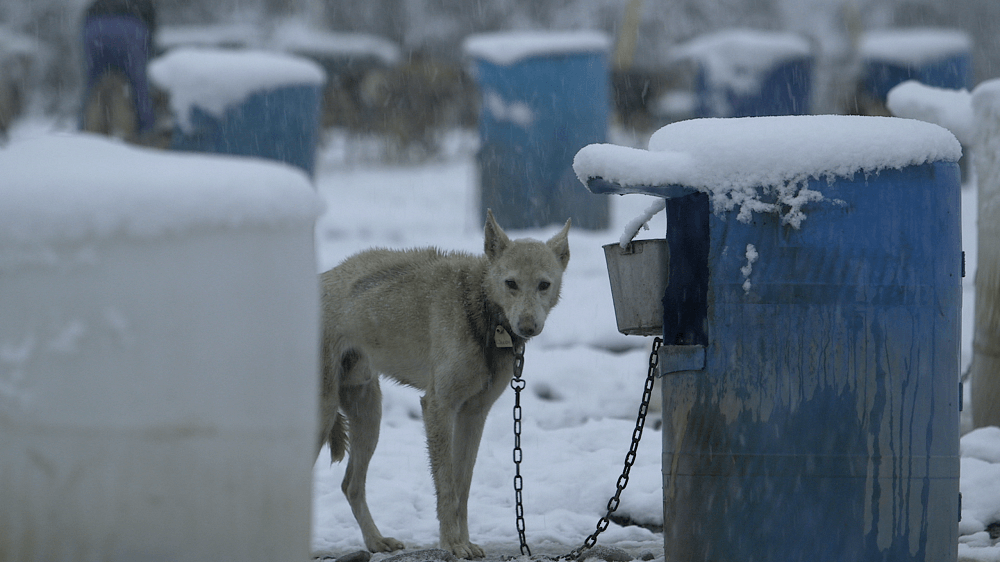
Animal abuse is the name of the game for Alaska’s Iditarod dog-sled race—and this year was no exception. During the nearly two-week ordeal, which ended yesterday, two dogs went missing and a musher was apparently forced to drop out after dogs he used were found in poor condition. In addition, during training before the race even began, multiple dogs were attacked and one was killed.

Nearly 250 dogs were pulled off the trail this year because of exhaustion, illness, injury, or other causes—forcing the remaining ones to work even harder to pull the sleds. Brent Sass was crowned the winner, but the only thing he really won was the title of Top Dog Abuser.

Please join PETA in working to ensure that this year’s race is the last by urging companies to stop sponsoring the Iditarod

Check out PETA’s complete list of everything that occurred during the Iditarod—and share this e-mail with everyone you know.

Take Action:

The Deadly Iditarod Race Should Be Terminated: Here’s Why (peta.org)

Regards Mark

UK: Microplastics found deep underground in UK waters.

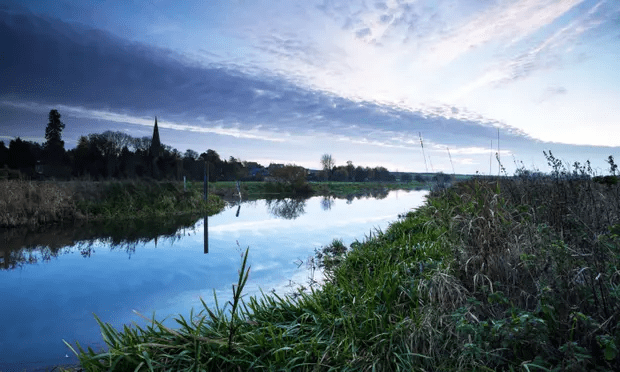
The River Nene in Northamptonshire, where samples were collected with the highest number of microplastics. Photograph: Andrew Baskott/Alamy

Fears for water quality as swimmers discover invisible microfibres in samples 400 feet underground

Invisible microplastics have been found almost 400ft (120 metres) underground in UK water streams, according to the results of a citizen science project conducted by wild swimmers.

More than 100 outdoor swimmers in the UK became “waterloggers”, collecting water samples from their favourite place for a dip using empty glass wine bottles.

This water was then tested, with microplastics present in every single sample.

One of these samples was taken 400ft underground in a cave in Derbyshire. Rebecca Price, a caver who collected the samples deep underground, said, “The cave sample was taken from an underground waterfall which filters through natural rock. I’m shocked to find that nano- and microfibres were found that deep underground.”

She also collected the samples with the highest number of microplastics, at 155 pieces a litre, in the River Nene, Northamptonshire, where she swims frequently.

She added: “The Nene has had very bad reports about its water quality in recent years. These results focus on microplastics and highlight another toxic silent contaminant choking our beautiful river.”

Laura Owen Sanderson, the founder of the non-profit We Swim Wild, which carried out the sampling, said: “We now know that microplastics are infiltrating every aspect of our lives. We breathe in, drink and eat plastic particles every day; and little research has been done to establish what risk that poses to human health.

“This campaign provides a large and unique grassroots dataset for the UK government, as clear evidence that urgent action is needed now.”

The group is calling for the government to test regularly for microplastics in UK rivers, and will soon launch another 12-month study into invisible contaminants in waterways.

Recent research by Outdoor Swimmer Magazine found that wild swimmers are hugely concerned by pollution, and more than one-third of swimmers surveyed had written to their MPs and supported campaigns over the problem.

Michelle Walker, the technical director at the Rivers Trust, told the magazine: “What really stands out to me is how swimming outdoors motivates people to take direct action on water pollution, and we’ve really seen the impact of that in the last year. Tens of thousands of people contacted their MPs to demand amendments to the environment bill, and as a result government were forced to change direction.”

This article was amended on 21 March 2022. The deepest sample was found 400ft underground in a Derbyshire cave, not 400 metres underground in a Nottinghamshire one as stated in an earlier version.

Regards Mark

https://www.theguardian.com/environment/2022/mar/21/microplastics-found-deep-underground-in-uk-waters

England: Fur News Latest From ‘Respect For Animals’.

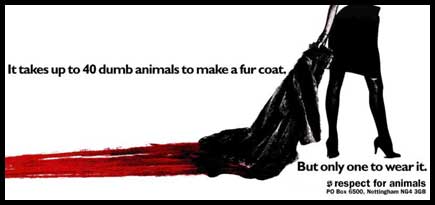
Fur News – From Mark and the crew at ‘Respect for Animals’, Nottingham England.

Respect for Animals | Campaign against animal fur – Fur for Animals

Anger as UK government set to break promise to ban fur

Read more:

Anger as UK government set to break promise to ban fur | Respect for Animals

Bill to end fur farming passes Ireland’s Dáil

Read more:

Bill to end fur farming passes Ireland’s Dáil | Respect for Animals

Dolce&Gabbana goes fur-free

Read more:

Dolce&Gabbana goes fur-free | Respect for Animals

Italy to ban fur farming in 2022!

Read more:

Italy to ban fur farming in 2022! | Respect for Animals

Regards Mark

England: Punk Hair Baby Heron Dude !

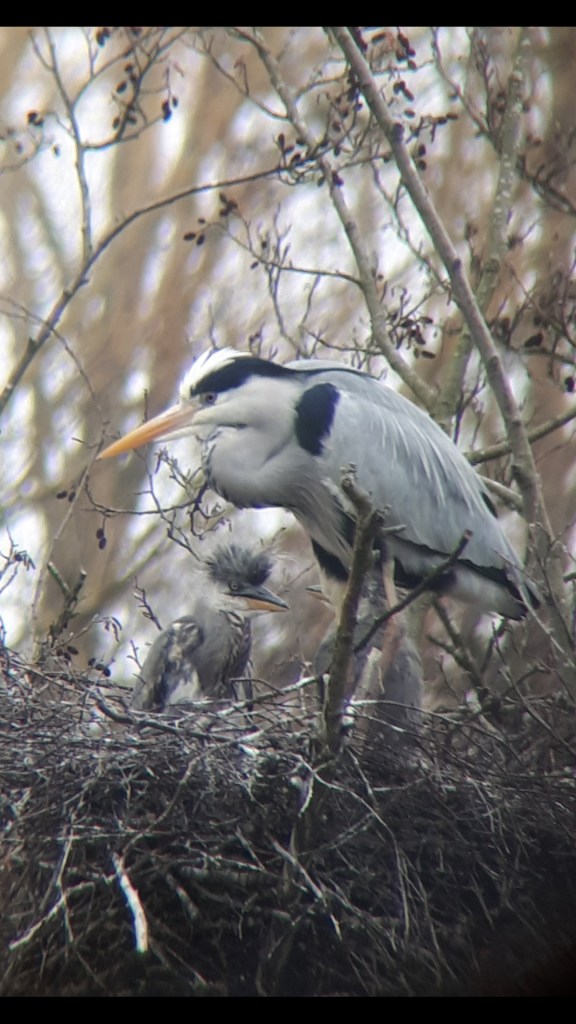
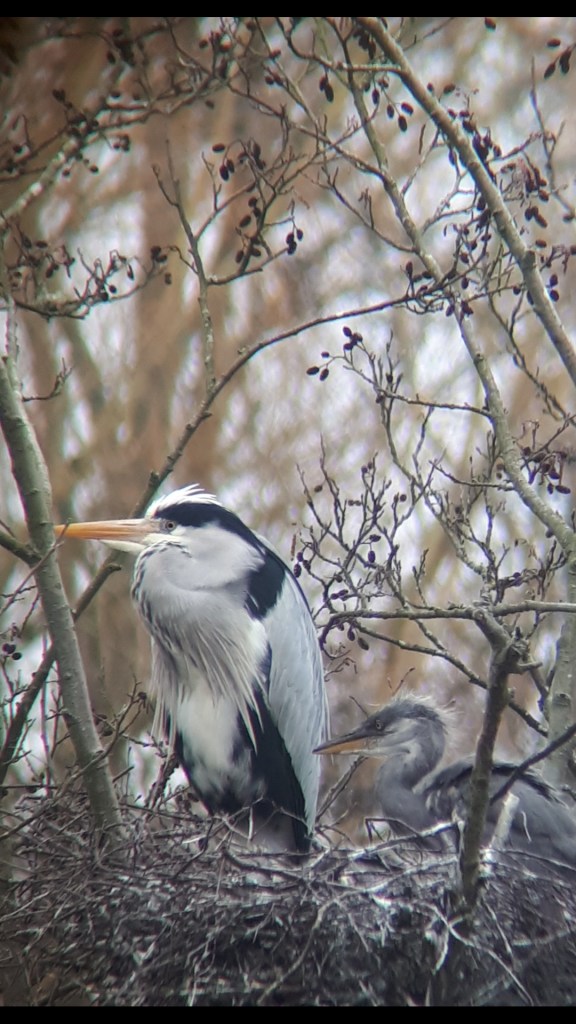
Pictures supplied by friend Pauline; which we want to share with you.

She says:

Took these photos of 2 branchlings (baby herons) last week at a Sevenoaks Wildlife reserve (Kent, England).

Four nests high in the trees.

One unoccupied. Two with females laying on eggs (presuming on the eggs) and one with the female and two young.

I love the punk hair on the youngster – see first photo particularly !

Regards Mark

butbutbutbutbut … Seriously, is Chris the best you’ve got?!? You’ve got to be kidding…

With thanks to Stacey as always; Regards Mark

Sadly, we know you’re not kidding, but imagine being so proudly opposed to decreasing suffering that you honestly believe Chris is your weapon-of-choice against veganism. What an absolute clown, to boast you don’t eat “veal” or cats, but eating other victims, including dairy victims, is what – ? An exercise in demonstrating how absolutely absurd and desperate you are to continue causing unimaginable suffering. And, please, tobacco, alcohol, driving, etcetcetc., ad nauseum, don’t REQUIRE victims, but ALL animal exploitation is related and fuels “other” animal exploitation, and it ALL requires victims, including their suffering and violent death.

And feigning indignation while being morally outraged at the perceived “equality towards human animals and non-human animals” is inherently based in the “meat eaters” comparison of human and non-human animals, not vegans’: yes, Chris, YOU’RE making the comparison, it’s only “problematic” when you think vegans are equating them, and I know this because, for example, except for vegans, nobody EVER criticizes nonvegans who benefit from equating nonhuman animals with human animals, but then arbitrarily dismiss similarities to attempt to justify animal suffering and violent death, like vivisectionists do, or animal farmers who claim to care about animals more than their own children but then kill and eat the same animals anyway. And if you don’t eat “veal” (ie, calves, unprofitable casualties of the dairy industry that you DO support and celebrate) because eating infants is “cruel”, are you then guilty of comparing calves to humans, equalizing them? Or is that argument only acceptable when YOU use it in some asinine dimension where you actually make sense?

And what in the AF is a “militant” vegan? One who challenges your cruel behaviours. Right? Like a “militant” opposed to FGM or a “militant” opposed to wrongful incarceration or a “militant” opposed to violence? “Militant” is how animal consumers treat their animal victims: body violation and intrusion, separation of child from mother, and concluding the animal’s brief life of exploitation with violent death. THAT’S “militant”. How people like Chris can use the word “militant” to describe people who DON’T violate, abuse, and kill others is astounding, that he and others don’t recognize their own hypocrisy surrounding their abusively MILITANT actions inflicted on animals is absolutely bizarre.

And COME. ON. Really? Animals are killed in better ways than humans? Are you determined to look as rational as the crusty grossness on the bottoms of your shoes? You’re not only threatened by decency but by logic, too? You have the privileged audacity and human supremacist position of NEVER EVER EVER having to experience a forced violent, terrorizing death in a slaughterhouse for people to eat you.

Were you one of the ones left behind??? Just by odds you should have at least hit one good point by now, but that you haven’t leads me to believe that you evading logic and facts so consistency must be one of your invented superpowers. I mean, effing yikes, Chris.

In a globally indoctrinated, normalized violent world that acceptably causes and celebrates incalculable suffering and death of animals, don’t be a Chris. Be an Ed. Or look like an idiot because any baby vegan could destroy Chris’s clumsy and mindless argument, and when you don’t actually have a legitimate answer, falling back on the BuT i cAn kILl BeCAuSe pErSOnaL cHOicE is a tired, overused, irrational trope. JFC. Seriously. SL

    Source Earthling Ed YouTube

Order my debut best-selling book This is Vegan Propaganda (And Other Lies the Meat Industry Tells You) here: http://earthlinged.org/orderbook

If you find my work valuable, you can become a regular supporter or make a one-off contribution through the following links (thank you!): http://earthlinged.org/support & http://patreon.com/earthlinged

Find out more about what I do & my different projects + sign up to my newsletter: http://earthlinged.org

Download my FREE e-book: http://earthlinged.org/ebook

Make the switch to vegan & get all of the support you need: http://switchtovegan.co.uk Spotify: https://spoti.fi/37ZtGVS

Download Your FREE Vegan PDF HERE
Order a FREE vegan kit HERE
Dairy-Free Info HERE
Take the Dairy-Free Challenge HERE
Click HERE for more Dairy-Free
Fish alternatives can be found HERE
Learn about eggs HERE
Find bacon alternatives HERE and HERE
Take PETA’s Cruelty-Free Shopping Guide along with you next time you head to the store! The handy guide will help you find humane products at a glance.
Order a FREE copy HERE
Searching for Cruelty-Free Cosmetics, Personal-Care Products, Vegan Products, or more?
Click HERE to search.
Free PDF of Vegan & Cruelty-Free Products/Companies HERE
Click HERE to find out How to Wear Vegan!
Want to do more than go vegan? Help others to do so! Click below for nominal, or no, fees to vegan literature that you can use to convince others that veganism is the only compassionate route to being an animal friend:
PETA HERE
Vegan Outreach HERE
Get your FREE Activist Kit from PETA, including stickers, leaflets, and guide HERE
Have questions? Click HERE    

England: Super-rare Greenland shark that washed up on UK beach may be at least 100 years old.

© Provided by Live Science The rare Greenland shark being moved after it stranded in Cornwall.

A rare Greenland shark that washed up on a U.K. beach could be at least 100 years old, but experts aren’t sure why it became stranded.

The dead shark was first spotted on the sand in Newlyn Harbour, Cornwall, on the southwest coast of England, on March 13. But before experts could examine it, the tide came in and took the carcass back out to sea, according to Cornwall Wildlife Trust Twitter posts. 

The shark was then rediscovered floating off the coast of Cornwall on March 15 by a recreational boating company called Mermaid Pleasure Trips and was brought back to shore. Greenland sharks are rarely sighted in the U.K., and this is the country’s second recorded Greenland shark stranding.  

“Even though it’s a sad event when these beautiful, spectacular animals do strand on our beaches, it’s such a valuable opportunity for us to study them,” Abby Crosby, a marine conservation officer who manages the marine strandings network at the Cornwall Wildlife Trust, told Live Science. 

Related: The weirdest creatures to wash ashore

Greenland sharks (Somniosus microcephalus) live in the Arctic and North Atlantic oceans up to 8,684 feet (2,647 meters) below the surface, according to the International Union for Conservation of Nature (IUCN). A 2016 study published in the journal Science estimated that these sharks could live at least 272 years, but scientists still have much to learn about the elusive species.

The shark that washed up in Cornwall was a juvenile female that measured 13 feet (4 m) long and weighed 628 pounds (285 kilograms). Although researchers have yet to determine the shark’s age, Greenland sharks typically become sexually mature when they’re around 150 years old, according to the 2016 study. The animals continue to grow as they age, and adults can be up to 24 feet (7.3 m) long, according to the St. Lawrence Shark Observatory (ORS).  

James Barnett, a veterinary pathologist from the Cornwall Marine Pathology Team, carried out a postmortem of the shark on March 16 for the Cetacean Strandings Investigation Programme (CSIP), a national program that partners with Cornwall Wildlife Trust’s Marine Strandings Network. 

“It looked like it probably live-stranded,” Barnett told Live Science. In other words, the shark was still alive when it washed up, and it died on the beach. “It obviously hadn’t eaten for some time,” Barnett said. “The stomach was totally empty.” 

Barnett noted that the shark showed possible signs of septicemia, an infection in the blood, but it’s not yet clear why the shark wasn’t eating and ended up in shallow waters off Cornwall. There are a variety of reasons, including disease, that can explain why marine animals become stranded and die on beaches, but the movement of ocean currents and other marine conditions also play a part in bringing living and dead animals to shore.

“The majority of our strandings are common dolphins and porpoises, and they would have all died within a kilometer [0.6 mile] of our coastline, if that,” Crosby said. Because Greenland sharks usually swim far from the coast, the likelihood of one being swept in by the right current and weather conditions is really rare, she added. 

Barnett said this is the first time a Greenland shark has been given a necropsy in the U.K., to his knowledge. “They are a species that we just don’t encounter,” he said. Samples taken from the shark will help inform Greenland shark research, such as studies investigating their life history and diet, Rob Deaville, project manager for CSIP at the Zoological Society of London, said in a statement.  

Originally published on Live Science.

Regards Mark

So, Why aren’t there polar bears in Antarctica?

© Provided by Live Science Polar bear on melting ice in Svalbard, Norway_Paul Souders via Getty Images

The Arctic and Antarctica, while similar habitats in some ways, are home to very different creatures. Both poles host a variety of seal and whale species, but only the Arctic is home to Earth’s largest bear, the polar bear.

Polar bears (Ursus maritimus) and their tumbly cubs can be found around the Arctic Circle in Alaska, Canada, Greenland (part of Denmark), Norway, Russia and, occasionally, Iceland. A polar bear’s fur is specially suited for temperatures that can dip below minus 22 degrees Fahrenheit (minus 30 degrees Celsius). They live on ice for most of their lives, feeding on fat-rich seals that keep them energized for long periods between meals.

Antarctica also has sea ice, cold temperatures and seals. So why aren’t there any polar bears on the southernmost continent?

The answer has to do with evolution and the geologic history of Earth.

Related: How do emperor penguin dads stop their eggs from freezing?

Bears are largely a Northern Hemisphere phenomenon,” said Andrew Derocher, a professor of biological sciences at the University of Alberta in Canada who has studied polar bears for nearly 40 years. Aside from the Andean bear (Tremarctos ornatus) of South America, bears appear only in the Northern Hemisphere. There’s no specific reason for this, just that some species evolve in some places and some don’t. “Biogeography is full of oddities,” Derocher said. “Some species made it to new places and some didn’t.”

For polar bears specifically, there was never a time in their evolutionary history when the North and South poles were connected by ice (or land, for that matter). People say polar bears are the “biggest terrestrial carnivore in the world, and yet they’re not a terrestrial species at all,” Derocher told Live Science. The big, white bears live on sea ice for almost their entire lives, only occasionally coming ashore to breed.

Polar bears are, evolutionarily, a relatively young species. They evolved from a common ancestor of the brown bear (Ursus arctos) sometime between 5 million and 500,000 years ago, Derocher said. But even 5 million years ago, the continents were in similar positions to where they are today, so polar bears never got the opportunity to travel from pole to pole. The closest landmass to Antarctica is the southern tip of South America, which includes Chile and Argentina. To get to Antarctica, polar bears would have to cross the treacherous Drake Passage. The area is also known for powerful storms and rough seas as cold water from the south runs into warm water from the north.

But if polar bears got the opportunity, would they survive on the South Pole?

To Derocher, the answer is simple: “They would have so much fun in Antarctica.”

In the Arctic, polar bears feed on seals and the occasional bird or egg. Antarctica is abundant in all three, with six seal species and five penguin species. Plus, none of those animals have evolved to be wary of large, land-roving predators. The Antarctic landscape would be a free-for-all buffet for a polar bear — which is why no one should ever bring polar bears there. Their voracious appetite, combined with the local faunas’ ignorance of large land predators, would likely lead to ecological collapse. It’s probably best for the great white bear to remain in the north.

Originally published on Live Science.

Regards Mark