Commission and Parliament uphold Farm to Fork strategy in light of Ukraine
30 March 2022
The war in Ukraine shines a light on the vulnerabilities of the EU’s food system. With fears of food shortages, price increases and disruption to crop and fertiliser supply chains, both the European Commission and the European Parliament came forward last week with proposals to counter the impacts of the war and trace a path forward.
The Farm to Fork strategy takes some blows put remains standing
As the impacts of the war began to be felt on the EU’s food system, voices within the Commission, not least agriculture Commissioner Janusz Wojchiekowski began asking for a pause in the roll out of the Farm to Fork Strategy. Particularly, rules on set-aside arable land and restrictions of certain chemicals in fertilisers were a particular bone of contention.
It was argued that more land was needed to produce more protein crop, as the meat sector was suffering from the disruption in imports from Ukraine. Arguments echoed by Members of the European Parliament, such as Herbert Dorfmann (European People’s Party), leading member of the Agriculture Committee, also in favour of stopping the Farm to Fork and Biodiversity strategies in their tracks.
However, to ensure broad support for a resolution, the EPP negotiated a text with other political groups. Calls to stop initiatives under the Farm to Fork strategy did not make the cut.
Plant-based diets, the missing resilience link
The Parliament did include a number of flexibilities in their final text, including on set aside land and aid to the meat sector. Importantly, nevertheless, the resolution confirmed that the Farm to Fork strategy is the right way forward to make the EU’s food system more resilient.
However, the most obvious link in the resilience debate, reinforcing the strategy’s commitment to move towards a more plant-based diet was overlooked. Yet it is a key aspect of the Farm to Fork strategy and a necessary step to ensure Europeans’ access to quality and affordable food.
As the Commission highlighted in a Communication published just hours before the European Parliament’s resolution was tabled, there is currently no risk of food shortages in the EU. The EU is self-sufficient in agricultural production and is one of the world’s major exporters.
The stress on the food system brought about by the war in Ukraine is, therefore, due to Europe’s over-consumption of meat products that divert two thirds of cereal crop to feed for animals.
The EU needs to ensure that the agricultural sector prioritises food for people over feed for intensively farmed animals.
.. it would appear that given the news today, 29/3/22; including a decision by Natural England to designate the location as a ‘Site of Special Scientific Interest’ (SSSI) – have led developers to withdraw their planning application.
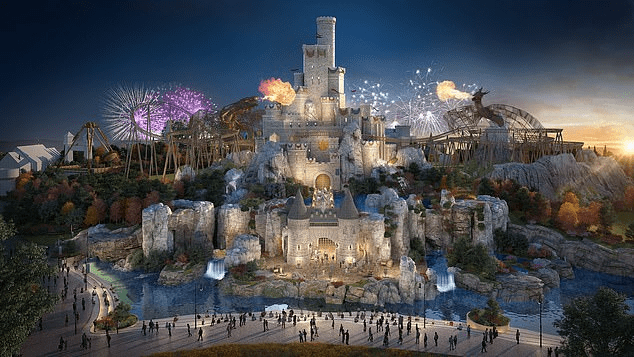
The long-awaited entertainment destination was set to open in 2025 – occupying a 1,245 acre site.
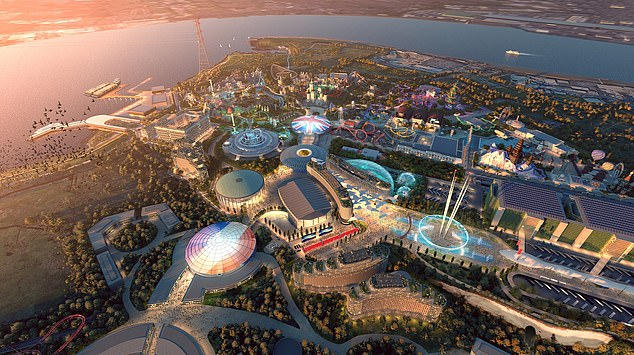
Recent artist impressions showed flood lights illuminating a huge medieval-themed castle and lava waterfalls.
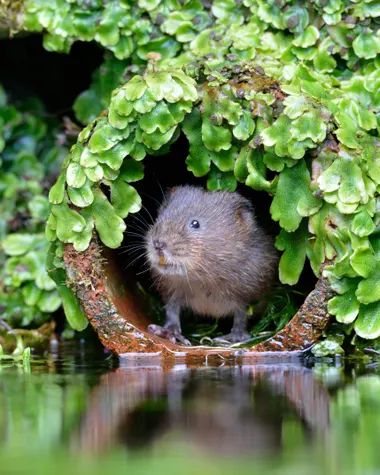
This comes after the brownfield site – the size of 136 Wembley Stadiums – was deemed a SSSI by Natural England due to its abundance of wildlife including otters, water voles, and rare birds and insects.
Following this decision, in a letter sent to the Infrastructure Planning Inspectorate late last year, Gerbeau said there would not be ‘material changes’ to the resort’s application – instead suggesting there would be ‘subtle changes in the green infrastructure strategy’.
But it appears that bosses have decided to reassess the situation altogether.
However Gerbeau is confident that bosses will resubmit their application towards the end of the year.
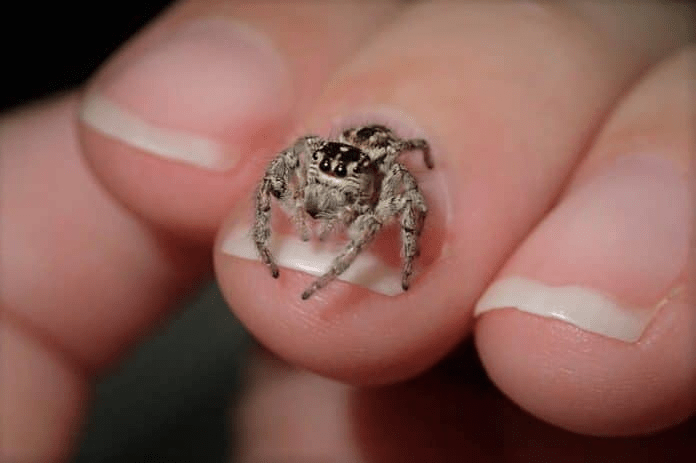
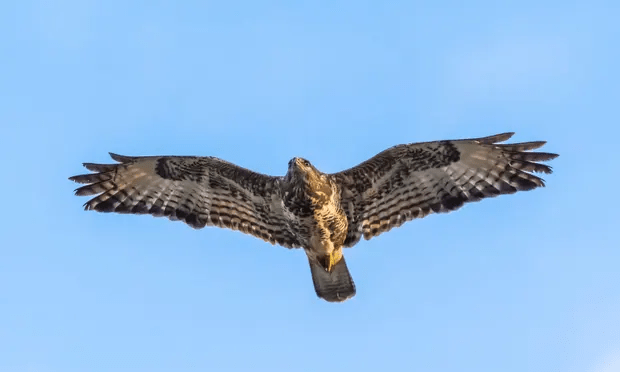
But at the moment, the tiny 1cm jumping spider, the water voles, the common Buzzard, plus a host of other wildlife at this SSSI have gained more time for environmentalists and campaigners to act in their support – which of course we very much welcome.
There is much more info, including graphics, in the following article links which I have provided.
Regards Mark (and all the wildlife)
Environmentalists fear the proposed London Resort mega-attraction, dubbed the ‘British Disneyland’, on the Swanscombe Peninsula, Kent, would harm wildlife – including a critically endangered jumping spider
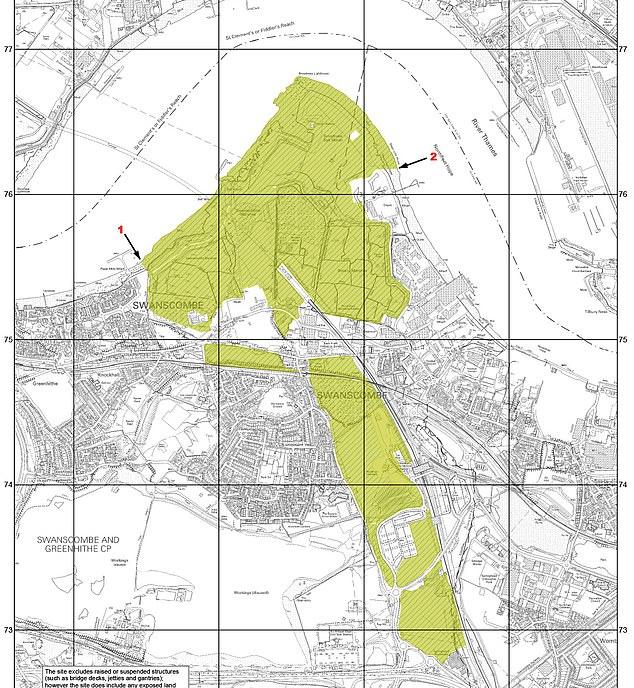
The Swanscombe Peninsula, Kent (pictured above) was designated a site of special scientific interest earlier this year
News 29/3/22:
Plans for £3.5billion British Disneyland theme park in Kent are DROPPED after delays caused by green activists and planning battle with furious locals
But numerous obstacles – including a decision by Natural England to designate the location as a Site of Special Scientific Interest (SSSI) – have led developers to withdraw their planning application.
Just weeks earlier, the BBC and ITV both pulled out of the plans amid concerns from wildlife experts over the impact of the park on a tiny spider just 1cm long.
The backlash from nature lovers around the distinguished jumping spider – a critically endangered species found in just one other part of the UK – killed off both broadcasters’ interest in the scheme.
Chief Executive of the London Resort, PY Gerbeau, said today: ‘In the best interests of the London Resort, we are withdrawing the current application; as a result of the classification of Tilbury as a Freeport which has meant revisions are required in moving the ferry terminal from Tilbury to Grays.
A colossal theme park on the outskirts of London has been derailed, in a temporary victory for environmental campaigners.
Plans for a park big enough to rival Disney – covering land equivalent to 136 Wembley Stadiums – have been in the works since 2014, and a planning application hearing was due to start today.
But the London Resort company announced it is withdrawing its current application for the park on the Swanscombe peninsula on the Thames in North Kent – an area that was designated a ‘site of special scientific interest’ (SSSI) last year because of its exceptional range of wildlife.
Plans to build a £3.5 billion theme park in the UK to rival Disneyland were today dropped after a series of delays caused by green activists and a planning battle with furious locals
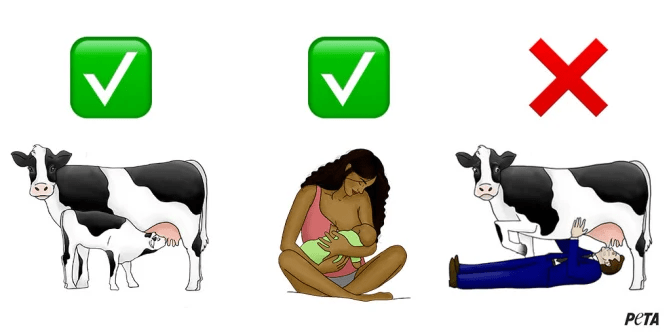
Why do you still breastfeed? Even beyond the suffering violence inflicted on animals and their infants, humans drinking the breastmilk of another species, beyond infancy and with teeth, is bizarre at best, disturbing in general. Does the violent irony of human infants being unable to drink cow’s milk ever hit you?
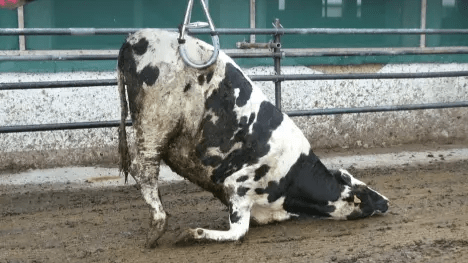
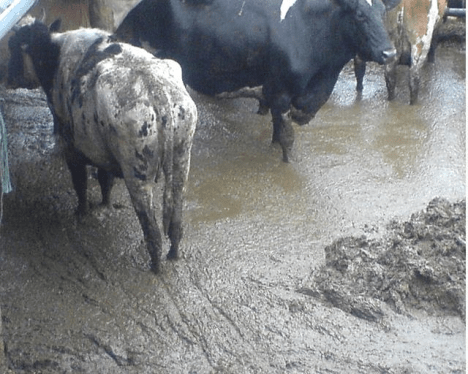
Feel free to milk humans who can produce breastmilk, that would at least be species specific and eliminate the disturbing nature of breastfeeding from other species and the required violence, reproductive exploitation, separation of mother and children, and violent death, including the downed cows who are so debilitated, diseased, and abused, they need to be moved by machinery, like bulldozers.
Profit and greed are not acceptable reasons; I don’t smoke to sustain tobacco farmers any more than I consume dairy to sustain animal farmers: they both result in suffering and death.
And don’t give me your regenerative nonsense, animal farmers make it sound as if animal exploitation is required to be environmentally responsible, and that animal suffering, violation, and death is just an unfortunate consequence of being “environmentally responsible”. Like, what would people do without the feces, bacteria, rot, gore, disease, pus, blood, decomp, and marrow, not to mention the suffering and violence, if they decided to NOT be “environmentally responsible”? — insert confused, bewildered emojis demonstrating utter clownish, ridiculous behaviour —
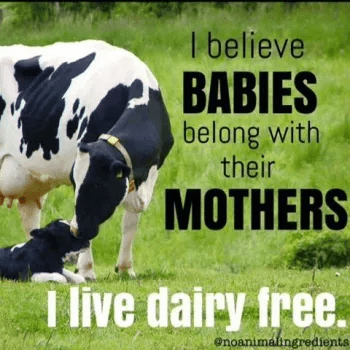
For too long, mother cows and their babies have suffered at the hands of an industry which views them as little more than production units or waste products. Many people don’t realise that cows must give birth in order to produce milk, and one of the dairy industry’s darkest secrets is what happens to those newborn calves.
The dairy industry
In 2021, nearly 5 million cows were farmed for their milk in New Zealand, over 4.5 million of whom gave birth to calves who were taken away within days of being born. The milk which would normally nourish and sustain their calves is instead taken to be consumed by humans. Female calves are raised by humans to one day replace their mothers in the milking shed, while male calves are often killed within a few days of being born, considered ‘waste products’ of the dairy industry.
Mother cows are not machines
Like humans, a mother cow will carry her pregnancy for nine months. She will love, nurture, nurse, and protect her calf until the day comes when her calf is no longer a baby, but a young adult who is old enough to care for themselves and begin a life of their own. Sadly, this otherwise unbreakable mother-child bond means nothing to the dairy industry.
Every year in Aotearoa, millions of mother cows helplessly watch as their newborns are taken away from them so that their breast milk can be harvested for human consumption.
This cycle of abuse only ends for mother cows when they are no longer able to pump enough breast milk to be profitable to the dairy industry. After 5-6 years of being impregnated, giving birth and being milked, mother cows will be sent to slaughter.
Male calves are not ‘waste products’
Around 2 million male calves, also known as ‘bobby calves’, are taken from their mothers and killed shortly after birth every year in Aotearoa. Because bobby calves are male and can’t be used for milking, the industry has no economic incentive to raise them. Male calves are deemed useless byproducts of the dairy industry, rather than the sentient individuals they are.
Some will be sent to slaughter four days after being born while others will be shot on the farm within just 24 hours of life, all so the dairy industry can take the milk that was meant for him to sell for human consumption.
Dairy is destroying our environment
Animals aren’t the only casualties of the dairy industry. The pollution caused by industrial dairy farming is severely impacting our environment. The dairy industry is New Zealand biggest climate polluter, generating more greenhouse gas emissions than the entire transport sector. In the last 30 years alone, the industry’s total emissions have risen 132%.
The dairy industry is also the largest source of water pollution and a major stressor on biodiversity and soil health. Run-off from dairy farms and synthetic fertiliser is poisoning our rivers, lakes and even our drinking water. As a result, 82% of waterways in farming areas are unfit for swimming and up to 800,000 kiwis may be at a greater risk of bowel cancer due to nitrates in water.
Dairy and your health
There is a growing body of evidence that links dairy consumption to many chronic diseases including diabetes, obesity, and cancer. According to Dr Neil Barnard of the Physicians Committee for Responsible Medicine, taking dairy off your plate can significantly reduce your risk of heart disease and diabetes and cut the chances of being diagnosed with certain cancers by more than 70%.
Mammals produce breastmilk to feed their infants until they are weaned onto solids. Humans are the only animals that consume milk from another lactating species throughout their lifetime. After infancy, most of us lose the ability to produce the enzymes that break down lactose, which explains why so many people experience bloating, discomfort and an upset stomach after consuming dairy.
Calcium, protein and iron are abundant in plants. It’s easy to nourish your body with plants once you know how!
It’s only a matter of time before Aotearoa can no longer sustain the continuous water pollution, soil damage and high greenhouse gas emissions the dairy industry creates. To protect the animals, our environment and our health; Aotearoa must embrace a future where its primary industries do not rely on the exploitation of our precious land and our animals for profit.
Our farmers are facing massive amounts of debt, increasing public scrutiny and a lack of industry leadership. Animal-free alternatives are shown to require up to 99% less water, produce 97% less greenhouse gas emissions, and requires no animal exploitation.
Governments around the world are recognising the harm dairy creates and are setting plans in place to assist farmers in transitioning away from animal agriculture. Now is the time for Kiwis to hold the New Zealand Government to account for failing to do the same. Our future depends on it.
Take PETA’s Cruelty-Free Shopping Guide along with you next time you head to the store! The handy guide will help you find humane products at a glance. Order a FREE copyHERE
Searching for Cruelty-Free Cosmetics, Personal-Care Products, Vegan Products, or more? Click HERE to search.
Free PDF of Vegan & Cruelty-Free Products/Companies HERE
Want to do more than go vegan? Help others to do so! Click below for nominal, or no, fees to vegan literature that you can use to convince others that veganism is the only compassionate route to being an animal friend:
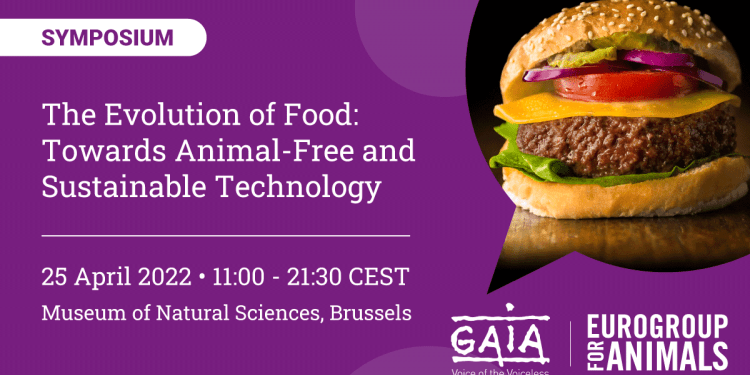
GAIA and Eurogroup for Animals are delighted to welcome you to Europe’s first-ever symposium on animal-free and sustainable meats, which will be held on 25 April at the Museum of Natural Sciences, Brussels.
Novel technologies, including cultivated meat and precision fermentation, are challenging conventional meat production. Which barriers still exist? What are the environmental and social benefits? And what is the perception of consumers?
Come join us together with international experts who will help clarify, debate and answer such questions and many more. We’d like to take this opportunity to announce the highly esteemed Jane Goodall will be our virtual guest of honour during the event.
Kindly note that you first need to fill in your email address on the registration page in order to proceed to the actual registration form. You can find the registration form here.
Phil and I have been friends for what ?; probably 35+ years now.
In the early days we really got to know each other through our live animal (transport) export work from the Kent ports in South East England.
When I was undertaking stray dog and cat issues in Serbia – visit my old site at Serbian Animals Voice (SAV) | a voice for the voiceless – now an archive site only; I would sometimes get sidetracked into other issues of animal welfare, such as farm animals and the disposal of animal carcasses on the roadside.
I worked with another Phil (Brooke) at Compassion In World Farming re the terrible conditions in which farm animals were being kept – you can read about it and see some photos here:
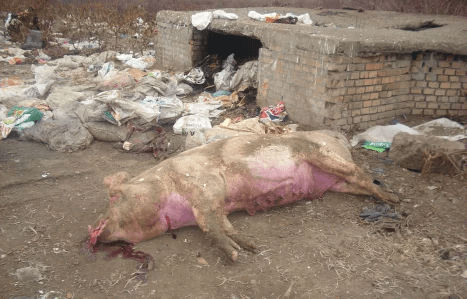
Like other issues I have covered on this site associated with the battles with the Serbian government, the government always adopts the policy of them being right and us being wrong when they are presented with evidence of abuses. In the following link you can see the bodies of dead pigs which were literally dumped by farmers next to a min highway. You have to remember that we were working to improve conditions for stray animals, which included disease monitoring. Simply dumping dead farm animals on the roadside to (possibly) be picked at and eaten by stray dogs is not an ideal situation as you can appreciate. See our photos here:
I have kept Phil informed at different times about the situation for animals in Serbia as personally |I consider it is not good to say the least !
Moving along; after many years of work associated with campaigns, I am now pleased to see that Phil is the CEO of the much respected farm animal welfare organisation ‘Compassion In World Farming’ (CIWF). We still communicate and pass information over when necessary.
Here is an article by Phil associated with all the climate change issues in Australia. There is a disturbing video which shows cattle being sept away by the torrential waters of the floods. I will leave it with Phil to tell you more.
Regards Mark
What the ‘rain bomb’ in Australia tells us about our world bt Phil Lymbery (CEO CIWF)
Three weeks ago, as Russia invaded Ukraine, a tragedy of a different sort was rocking Australia, as a ‘rain bomb’ hit New South Wales and Queensland. The region was being hit by floods for a second year in a row. The extent and depth of this latest flooding is hard to believe. Record levels of water. Tragic deaths. Hundreds of displaced people and their pets. And I am very sorry to say, literally thousands of dead animals: domestic, farmed and wild.
As Australian lives were being lost, both human and animal, with homes, cars and livelihoods being destroyed, the Intergovernmental Panel on Climate Change (IPCC) was publishing its latest update on the state of the planet.
It had a sobering message.
Climate change is already here and is causing widespread losses, but is set to get worse. The crisis is upon us, much earlier than first thought. Warming effects on ecosystems are being experienced earlier, are more widespread, and have greater consequences than anticipated.
Too little
While global attempts by humankind to adapt to the worsening climate hazards have increased, most of it is still too little, too late.
In many ways, Australia’s situation reflects the situation felt by many.
The Australian people are angry at their government for being too slow to cut carbon emissions and invest in renewables. A report published at the COP26 global summit last year backs up that assessment. It ranked Australia last among 60 countries for policy responses to the climate crisis, largely down to a stubborn reliance on coal-powered energy and coal exports.
But many other governments are equally slow to accept what scientists have been saying for years – we have to transform the way the world produces, consumes and thinks about food.
Without transformational change in the global food sector, the world will fall perilously short of sustainability targets set by world leaders for 2030. By Compassion In World Farming’s own analysis, without a move away from industrial animal agriculture – factory farming – several crucial Sustainable Development Goals (SDGs) will be rendered unreachable.
Taking action
We are a world in turmoil facing a planetary crisis like no other. And this is the critical decade for securing a liveable, sustainable future for our children.
We know the answers, but will humanity heed them?
As Australia starts the massive clean-up operation and tragically counts the dreadful loss of life, what will it take for governments around the world to recognise the severity of climate change?
What is becoming ever clearer is that actions speak louder than words; climate breakdown is happening now; our planet won’t wait any longer, and neither should we.
I know this area very well; having been born near to Dartford, one of the ‘local’ towns.
When I was a youngster, I used to play football on an area which is now under threat by this proposal.
This is a report from the ‘Guardian’ newspaper dated 26th March 22. It is great to see that the tiny ‘jumping spider’, around only 1cm large, could be amongst other fauna and flora which pulls the plug on Frisbeeland. Fingers crossed.
But we are all to aware of politics and the work of lobbyists. When we need them most to protect endangered species; sites of ‘Special Scientific Interest’ suddenly get dismissed and overlooked in attempts to get the bulldozers and cranes moving in.
Who knows what will happen here very soon; but as a local; I know that many people are opposed to the project; with them rather watching the water voles and common buzzards flying overhead, in preference to snow white and all the other aliens which could possibly make this site their home.
Just for the record; Swanscombe, was thee site where ‘Swanscombe Man’ was found – Swanscombe – Wikipedia – Bone fragments and tools, representing the earliest humans known to have lived in England, have been found from 1935 onwards at the Barnfield Pit about 2 km (1 mile) outside the village. This site is now the Swanscombe Heritage Park. Swanscombe Man (now thought to be female) was a late Homo erectus or an early Archaic Homo sapiens.[2] According to the Natural History Museum, however, the remains are those of a 400,000-year-old early Neanderthal woman.
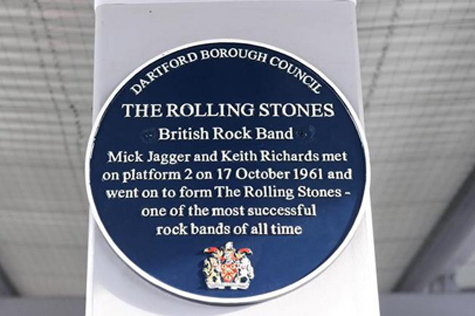
And, being an old Rocker, Dartford was the town where Mick Jagger and Keith Richards first met (at the station) and went on to form the ‘Rolling Stones’. Mick was a student at the LSE (London School of Economics); central London being about 20 miles away. There is a plaque at Dartford station to celebrate the first meet.
Wild horses, tiny jumping spiders, marsh harriers etc; being close to central London, there are times when the right decisions need to be made for environmental protection, rather than the plastic popcorn facility that some wish to see.
We await the investigation results with interest.
Personally, give me the jumpers, fliers and wild horses any time !
Regards Mark (WAV)
Species such as the water vole live on the peninsula. Photograph: Our Wild Life Photography/Alamy
Campaigners say animals such as the common buzzard will lose their homes if the park is built. Photograph: Geoff Smith/Alamy
Evan Bowen-Jones, chief executive of Kent Wildlife Trust, said that if built, the theme park would represent one of the single biggest losses of protected land in the UK. “We would lose an urban oasis – home to species that range from jumping spiders to marsh harriers – for plastic dinosaurs, fairground rides, and yet more gridlock and pollution at a time when the importance of nature to human wellbeing has never been clearer,” he said last week.
Rollercoasters v water voles: ‘Disney-on-Thames’ plan could devastate wildlife
Proposed theme park the size of 136 Wembleys will threaten protected species and local jobs, say campaigners
It promises to be one of Britain’s most unusual planning battles. On one side is an array of endangered wildlife that includes a species of jumping spider. On the other are backers of a theme park that they claim will rival Disneyland in its size and ambition.
The park, called the London Resort, would be built on the Swanscombe peninsula on the Thames, near Gravesend, where it would cover land equivalent to 136 Wembley stadiums and would include themed rides, a water park, conference venues, hotels and a shopping centre.
However, the project is highly controversial – as will be revealed this week when preliminary hearings are held. Crucially, the theme park is being proposed as a “nationally significant infrastructure project” (NSIP) – a designation usually reserved for major roads, power plants or airports.Species such as the water vole live on the peninsula. Photograph: Our Wild Life Photography/Alamy
NSIPs are finally approved or rejected by the government, not by local authorities, which has raised fears that the decision over the fate of the London Resort is being moved away from community politicians and handed to ministers. “It is a real concern,” said Donna Zimmer, of the Save Swanscombe Peninsula campaign.
In addition, a large chunk of the peninsula has recently been designated a “site of special scientific interest” (SSSI) because of its wide range of rare plants and wildlife.
These include marsh harriers, spoonbills, otters, a wide variety of orchids, and more than 1,700 invertebrate species, including a quarter of the UK’s water beetle species and more than 200 species that are considered of conservation importance.
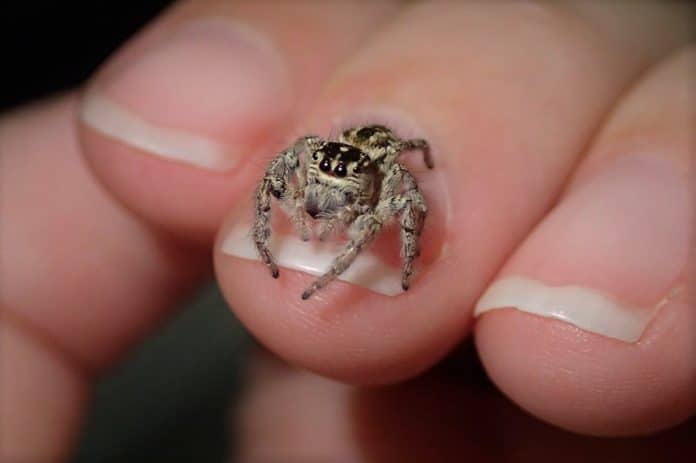
For good measure, the peninsula is one of only two places in the UK where the critically endangered distinguished jumping spider – Attulus distinguendus – has its home. The distinguished jumping spider is tiny (about 1cm long) and does not spin webs to catch prey but uses its excellent eyesight and an ability to leap distances of more than 10 times its own length to bring down its quarry.
The prospect of a theme park being built on one of only two sites in the UK where Attulus distinguendus is found, and which also supports many other key species, has outraged conservationists. Evan Bowen-Jones, chief executive of Kent Wildlife Trust, said that if built, the theme park would represent one of the single biggest losses of protected land in the UK. “We would lose an urban oasis – home to species that range from jumping spiders to marsh harriers – for plastic dinosaurs, fairground rides, and yet more gridlock and pollution at a time when the importance of nature to human wellbeing has never been clearer,” he said last week.
The London Resort was originally proposed in 2014 and has been subject to widespread delays since then, hold-ups that have infuriated the project’s opponents as well as local MP Gareth Johnson, who initially backed the scheme but is now opposed to it.
“Many of us were excited when this proposal was made public,” said Johnson, the Conservative MP for Dartford. “There could have been huge benefits to the area, if the project was approached in the right way. Instead, we have seen endless delays and uncertainty for local residents and businesses in the area. Enough is enough. Dartford can do better than this theme park,” he said.
Other groups that were initially involved with the project have also withdrawn involvement. These include the BBC and ITV, whose shows would have provided themes for some resort’ rides. One remaining group, Paramount Entertainment, is still linked to the project and is the focus of a campaign by local people who want it to quit as well.
For its part, the company says that the resort would generate 6,000 direct and many more indirect jobs within its first year. But this claim was countered by Craig Bennett, chief executive of The Wildlife Trusts. “The resort would not only wipe out the SSSI here, it would also destroy the local industrial park where about 3,000 people work. Most of these individuals have skilled jobs. These would be lost and replaced with low-skilled, seasonal jobs at the theme park.”A London Resort spokesman denied the project would cause ecological damage. “Huge parts of the land are contaminated. It is largely a brownfield, former industrial site which has been unmanaged, with zero investment for improvement, for decades,” he said, adding that London Resort was committed to investing over £150m to enhance the habitat and would be creating the world’s only carbon neutral theme parks. He also said the project was supported by most local residents and businesses.
London Resort added that it had formally objected to the designation of the peninsula SSSI status and said that the BBC and ITV had not pulled out the project but had merely ended commercial agreements for use of their Intellectual Property.
It is expected that at this week’s planning meeting, the London Resort company will seek to have further delays made to the planning process, while opponents will vigorously oppose such a move.“If further delays are blocked, then we will get a final decision about the project far sooner and, hopefully, one that will block the building of the resort,” said Chris Rose, a campaign consultant who has been involved in coordinating opposition to the project.
The issue for the government is straightforward, added Nicky Britton-Williams, wilder towns officer for Kent Wildlife Trust. “If the government follows through on all of the commitments that ministers have made to the need to protect nature and tackle the climate emergency and put the necessary policies and plans in place, I cannot see how this project could possibly get consent.”
She added: “However, stranger things have happened in politics.”
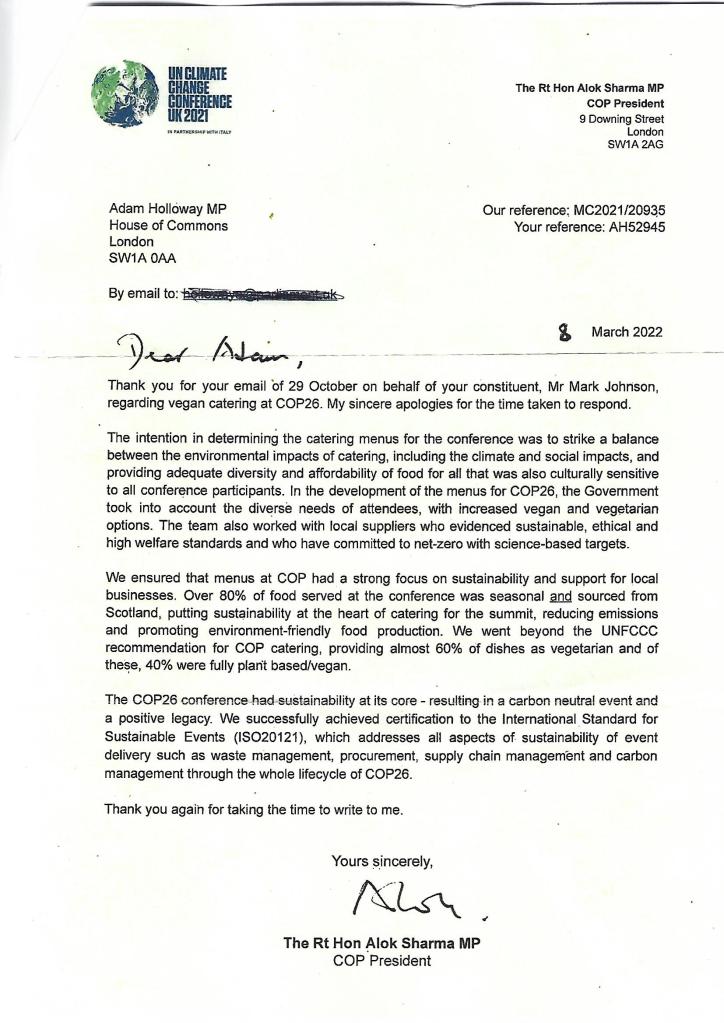
Last year, October 2021 to be precise, I wrote to my MP asking him to contact Alok Sharma regarding what appeared to be a distinct lack of veggie and vegan food at the COP26 (Climate) conference.
You can read the original letter and information here:
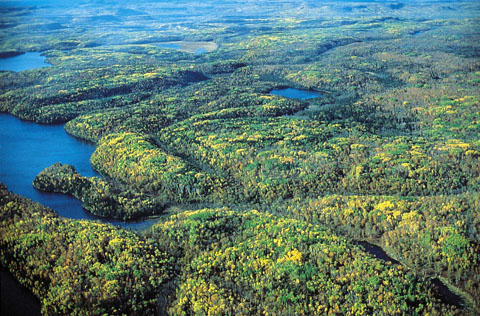
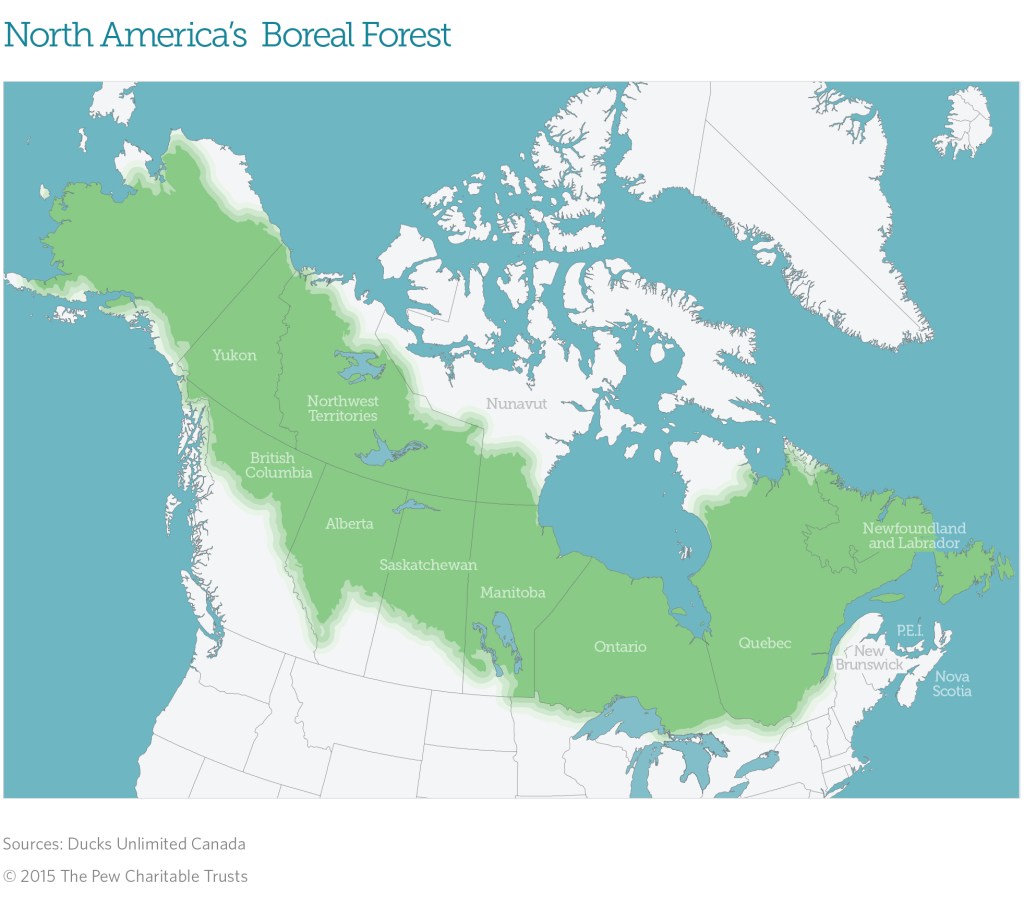
The Canadian boreal forest stores twice as much carbon as the world’s oil reserves, making it essential in fighting climate change. But Procter & Gamble uses clear-cut boreal forest to make its Charmin toilet paper brand.
Tell P&G: Stop destroying our climate and END this tree-to-toilet pipeline!
Every minute, a small city block’s worth of trees in Canada’s majestic boreal forest is clearcut, in part to make Procter & Gamble’s tissues, paper towels, and toilet paper — including its Charmin toilet paper brand.
In fact, P&G actually increased the share of boreal forest fiber in its products this past year, further decimating this vital forest! At this urgent moment in the fight to avert catastrophic climate change, the boreal is our indispensable ally. So we’re raising a resounding public outcry to protect the boreal from more and more logging to make toilet paper and other disposable paper products.
He needs to know there are millions of environmental champions like you committed to holding his company accountable,so please send your message now!
Canada’s boreal forest and its verdant spruce and fir trees, lush wetlands, and peat bogs are the ancestral home for more than 600 Indigenous communities. It’s also a life-sustaining refuge for abundant wildlife from the Canada lynx to the boreal caribou.
The boreal also stores enormous amounts of carbon, making it vitally important in the global fight against climate change.Mark, we don’t have any time — or forests — to waste. Our new reality of droughts, floods, wildfires, and 100-year storms will be just the prologue to a far more dangerous, inhospitable future if we don’t act nowAnd protecting our planet’s forests is a crucial part of that plan. They absorb and lock up vast amounts of carbon in their trees and soils, buying us critical time to transition to a clean energy future. The boreal forest that P&G is sourcing from is the most carbon-dense terrestrial ecosystem in the world and it must be protected!
A majority of voting shareholders called on P&G in 2020 to pledge to eliminate deforestation and the degradation of intact forests from its supply chain. And with more than $76 billion in revenue last year, P&G has ample resources to increase the amount of recycled content in its single-use products. Yet P&G stubbornly refused to change course and doubled down on its use of boreal forest fiber.
If P&G won’t listen to its own shareholders, then we’ll drum up a major consumer backlash so large they’ll be forced to pay attention.
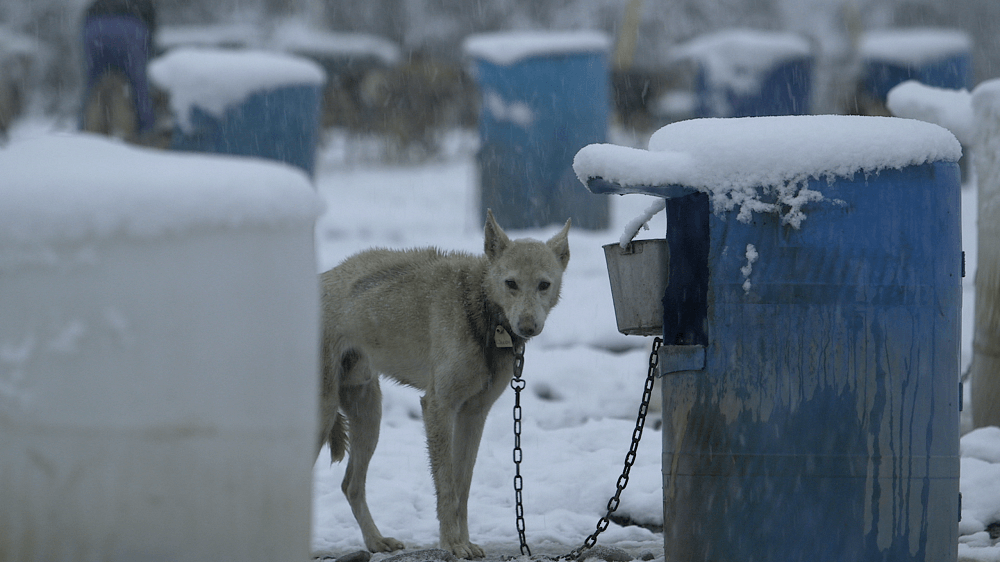
Animal abuse is the name of the game for Alaska’s Iditarod dog-sled race—and this year was no exception. During the nearly two-week ordeal, which ended yesterday, two dogs went missing and a musher was apparently forced to drop out after dogs he used were found in poor condition. In addition, during training before the race even began, multiple dogs were attacked and one was killed.
Nearly 250 dogs were pulled off the trail this year because of exhaustion, illness, injury, or other causes—forcing the remaining ones to work even harder to pull the sleds. Brent Sass was crowned the winner, but the only thing he really won was the title of Top Dog Abuser.
Please join PETA in working to ensure that this year’s race is the last by urging companies to stop sponsoring the Iditarod
Check out PETA’s complete list of everything that occurred during the Iditarod—and share this e-mail with everyone you know.











 World Animals Voice