The successful adoption of the pioneering resolution that ties animal welfare to people’s health and the environment is a first step towards animal welfare being addressed at a global level.
A resolution sponsored by six African countries and Pakistan was adopted today at the United Nations Environment Assembly (UNEA)’s 5th session. It unequivocally links the way humans impact the health and welfare of animals as a critical driver of biodiversity loss, the emergence of zoonotic disease, climate change and environmental pollution.
The successful adoption of the resolution means that animal welfare is starting to be addressed at a global level.
We are proud of this watershed moment for the animal protection movement. It is a massive collective success for our members and partners and proves the impact of a worldwide coalition of animal NGOs. A holistic understanding of the links between animal suffering and environmental harm, and greater inter-agency collaboration with shared aims are critical stepping-stones for improving the well-being of animals across the globe.
James Yeates, Chief Executive Officer, World Federation for Animals
Animal welfare is not, currently, part of the UN Environment Programme’s mandate. This resolution calls on UNEP to prepare a report on the nexus between animal welfare, human wellbeing and a clean environment and include improving the wellbeing of animals into its work.
Eurogroup for Animals calls on European authorities to take this resolution into account in their development of the EU’s future Sustainable Food System policies.
We received a petition started by
– Animal experiment opponents Federal Republic of Germany e.V. and
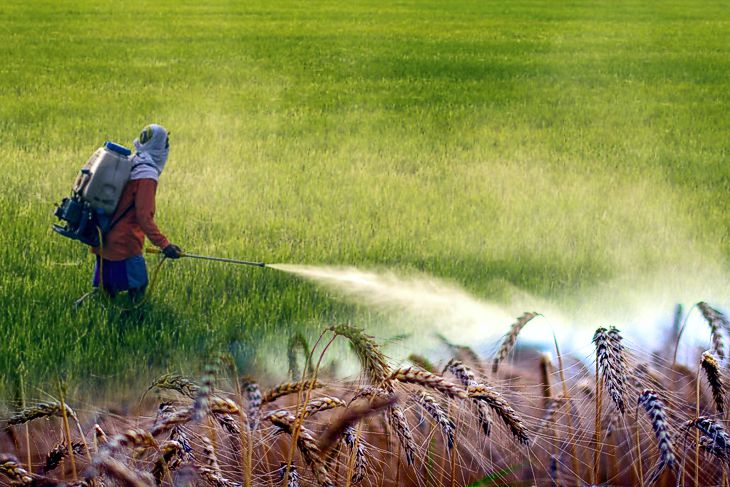
–Antidote Europe – For Responsible Science (antidote-europe.eu) with a request to sign the petition, because it is about further approval in the EU of the poison called glyphosate, which is highly harmful to humans, nature and animals We ask EVERYONE to sign this important petition.
The license for glyphosate expires this year.
It is therefore very important that it is not extended.
The petition is in German, and quite long, but very informative.
The most important points are translated.
Petition text
Glyphosate is the world’s best-selling herbicide and a so-called “total herbicide”.
It kills any plant that hasn’t been genetically engineered to survive herbicide use.
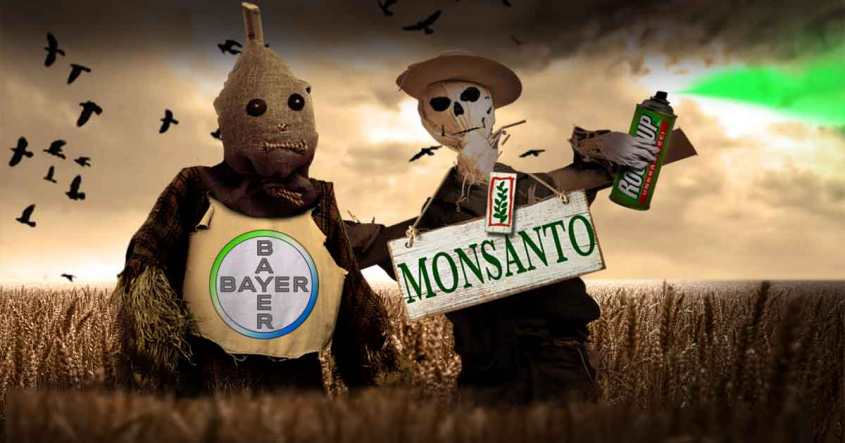
It is best known under the brand name “Roundup”, a product of Bayer-Monsanto.
According to the WHOCancer Research Agency,glyphosate is probably carcinogenic in humans – and it contributes significantly to the extinction of species in agricultural landscapes.
The approval for glyphosate as an active ingredient in crop protection products will expire in December 2022.
In 2019, with an application from manufacturers for approval beyond 2022, the review process provided for in EU legislation was initiated.
From January 1, 2022, France will take over the EU Council Presidency, which rotates every six months.
President Macron himself is up for re-election in April. Mr President Macron, campaign for a ban on glyphosate and other environmental toxins.
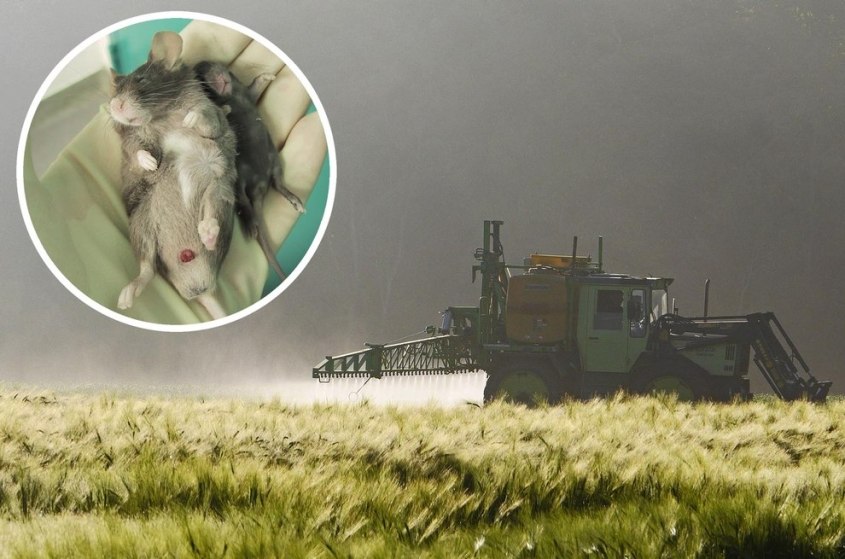
The petition is created because the current REACH (Registration, Evaluation, Authorization and Restriction of Chemicals) regulation, which also includes animal testing for glyphosate, does not protect the health of EU citizens for two main reasons:
It will still rely on animal test results and too little human data is collected. Results from animal experiments are not evidence-based, i.e. they are not safe and must therefore not be used as a basis for humans.
If scientific fraud at LPT(Laboratory of Pharmacology and Toxicology) went unnoticed by those responsible in politics, ministries and authorities for decades, this raises questions with regard to all animal experiment studies in the corresponding institutions
The Commission, President Macron, Member States, industry and other stakeholders should continue to contribute to the promotion of alternative testing methods, including computational methods, appropriate in vitro methods and toxicogenomics-based methods, at international and national level.
Animal experiments are of course advantageous for industry, since it makes it easy to prove that a substance is not, for example, carcinogenic or has no hormone activity.
Animal experiments are not only cruel, but also an opportunity for immense fraud, to the detriment of millions of consumers who later wonder where their cancer, their Alzheimer’s, their diabetes come from.
REACHstands for Registration, Evaluation, Authorization and Restriction of Chemicals.
The REACH regulation is a regulation of the European Union that was enacted to improve the protection of human health and the environment from the risks that can arise from chemicals.
REACH should therefore be the guarantor for the protection of human health and the environment.
How is it then possible that the REACH regulation allows substances of very high concern to remain on the market with exemptions, e.g. for socio-economic reasons?
Substances of very high concern carry the criteria: carcinogenic, mutagenic, toxic for reproduction, teratogenic, persistent, bioaccumulative and toxic.
Is the life and health of EU citizens being carelessly treated here for economic reasons?
We call on EU Council President Macron and the European Commission to ban chemicals of very high concern without exception.
We call on the Commission and EU Council President Macron to ensure that institutions whose opinions and opinions have a significant influence on far-reaching laws that affect the health of all EU citizens, as well as those of animals and our environment, are independent of influencing trade associations and industry.
Manipulations as in the LPT (Laboratory of Pharmacology and Toxicology) are to be punished and prohibited immediately.
And I mean…It’s one of the world’s best-selling herbicides: over a million tons of the herbicide glyphosate, better known by the trade name Roundup, are sprayed every year.
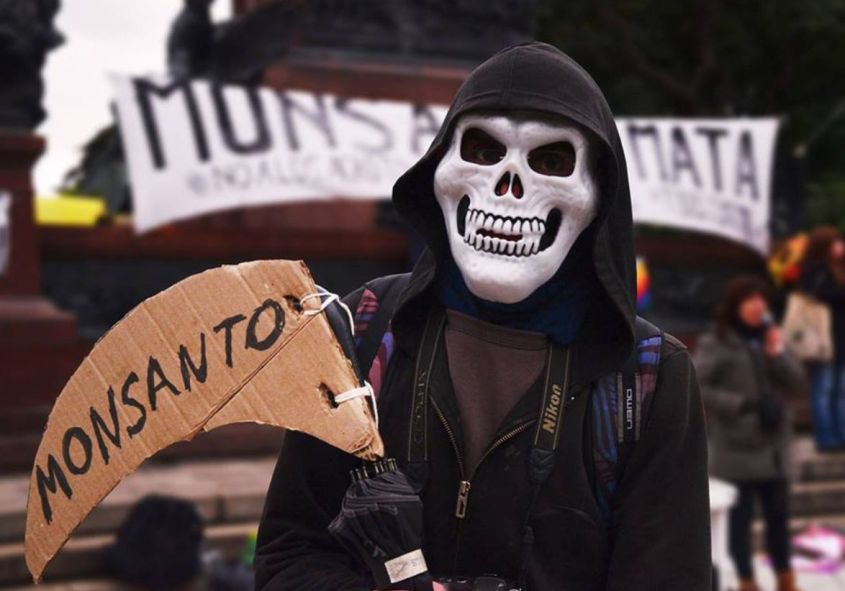
Although we now know what glyphosate does, we must continue to be poisoned by BayerMonsanto’s glyphosate until 2022.
That is what EU law wants.
The business obviously takes precedence over the health of people and nature, because although it is now known what glyphosate does, a re-approval of glyphosate after 2022 is being examined.
More than 52,000 glyphosate-exposed cancer victims are now suing Bayer in the United States.
In the three cases tried so far, juries have found Monsanto guilty and ordered Bayer to pay a total of $2.375 billion.
We don’t need to keep poisoning ourselves from the glyphosate.
France is part of the Glyphosate Assessment Group (AGG), along with Hungary, Sweden and the Netherlands, which will review the application for readmission and then submit a draft assessment to the European Food Safety Authority (EFSA).
We have to mobilize.
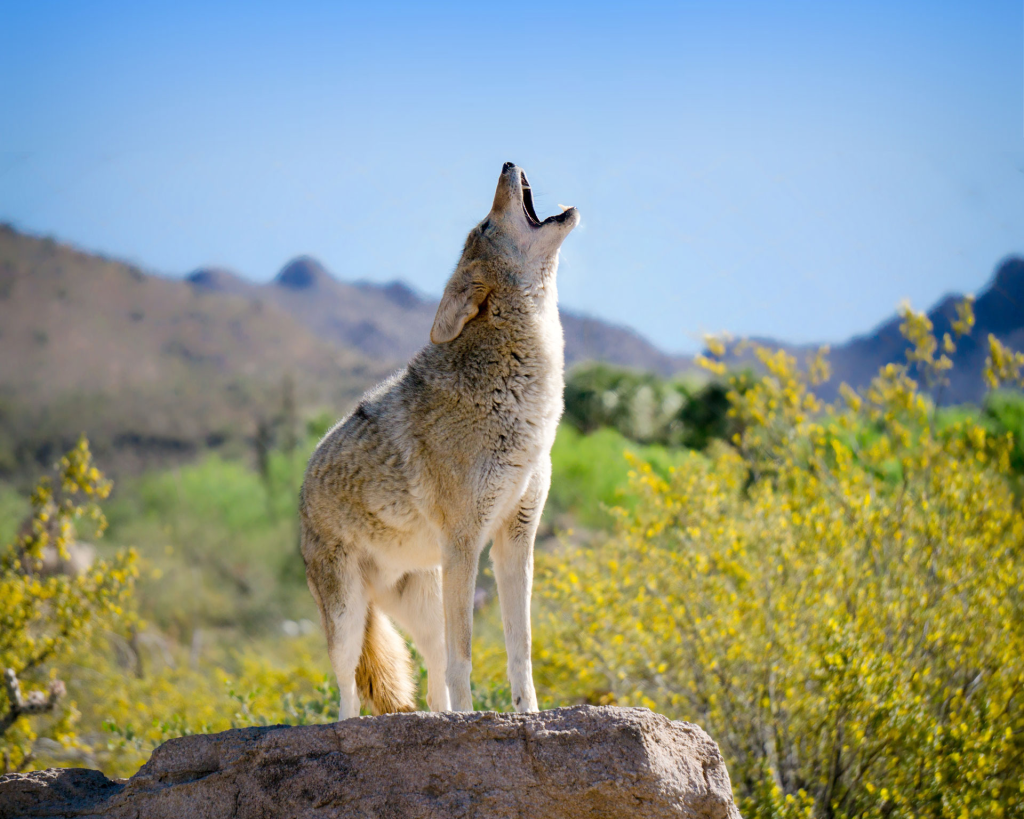
On February 10, wildlife advocates across the U.S. celebrated a federal district court ruling to relist wolves after the Trump administration removed federal protections for wolves in January 2021. The Biden administration failed to reinstate emergency federal protection, thereby opening up expanded slaughter across their range. Last week’s ruling reinstates federal protections for gray wolves under the Endangered Species Act across the lower 48 except for three separate groups of wolves. The first two groups, Mexican gray wolves and red wolves, are already federally protected. Tragically, the third group of wolves in the Northern Rockies states of Idaho, Montana and Wyoming, are not included in that ruling and still face intense persecution under state management with new laws allowing liberalized killing through trophy hunting, trapping, snaring, baiting, aerial gunning and night hunting. We’ve been advocating for wolf protections for a long time and now is no time to let up
Project Coyote‘s new billboard campaign in Idaho and Montana challenges this egregious mismanagement, calling for the relisting of wolves in the Northern Rockieswhere populations continue to attract millions of visitors to famed Yellowstone National Park from all over the globe to glimpse a wolf in the wild.
At the base of this mismanagement of wolves and other apex predators is a governance system that is out of sync with current science and public sentiment. Such a broken system is reflected in myriad other states where wildlife commissions continue to allow and even expand the wanton killing of wild carnivores. Some recent examples of where we’ve been countering the actions of commissions that simply shills for a small contingent of hunting and agricultural interests include: expanded opportunities to trophy hunt black bears in California and North Carolina, hound hunting of coyotes in Vermont, wildlife killing contests in Virginia and trophy hunting of wild cats in Colorado. We’re also part of a newly formed coalition called Wildlife For All that aims to reform state and federal wildlife agency governance structures and institutions pushing for change that reflects diverse values for wildlife, more democratic decision-making and recognition of wildlife as a common good to be conserved for the benefit of all. Across all these issues and more, Project Coyote is on the front lines, advocating on behalf of North America‘s wild carnivores who have no voice and are often still seen as vermin needing to be expunged from the landscape.
On another front, we’re excited to expand our reach into the Midwest through the Big River Connectivity project in collaboration with The Rewilding Institute, the Half-Earth Project and BeWildReWild. Through this partnership we aim to restore at least 9 million acres in the Midwest to create a wilder, more beautiful, more biologically diverse and more enduring Mississippi River watershed. We will do so by shifting the paradigm from traditional agricultural practices to a more holistic, sustainable and humane approach of interacting with land and wildlife.
Our work is defensive and offensive — working to stop wanton wildlife killing while concurrently seeking to educate, empower and inspire action for wildlife and wildlands. Read more about these efforts below and our expanded team who will help bring these bold goals to fruition.
We could not do this work without you — our supporters and the many foundations who believe in our vision for a wilder world. Thank you for helping foster compassion for the other beings with whom we share this planet.
A comment from Sea ShepherdCEO Captain Alex Cornelissen
For the past five years, Sea Shepherd has focused on illegal, undocumented and unregulated (IUU) fishing.
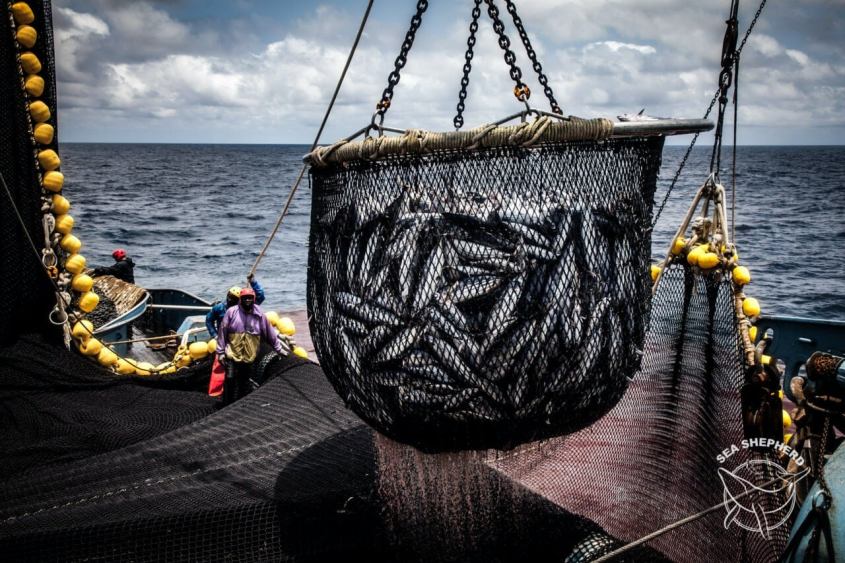
Our campaigns, mainly in West Africa, have provided us with a wealth of information about the impact of both IUU fishing and large-scale industrial fishing on the ocean.
It is evident that humans are wiping out all life in the ocean and this goes largely unnoticed.
The creatures in the ocean continue to be objectified:
– Fish species are referred to as “stock”.
– The removal of living beings is referred to as “catching”.
– Quantities are measured in weight rather than in individual animals.
– All species are simply referred to as “seafood”.
– And most important: the myth that fish do not feel pain.
Of course, these are carefully chosen terms so potential consumers don’t question the way we collect fish and other creatures from our ocean.
But our crews at sea see the destruction every day when dealing with trawlers.
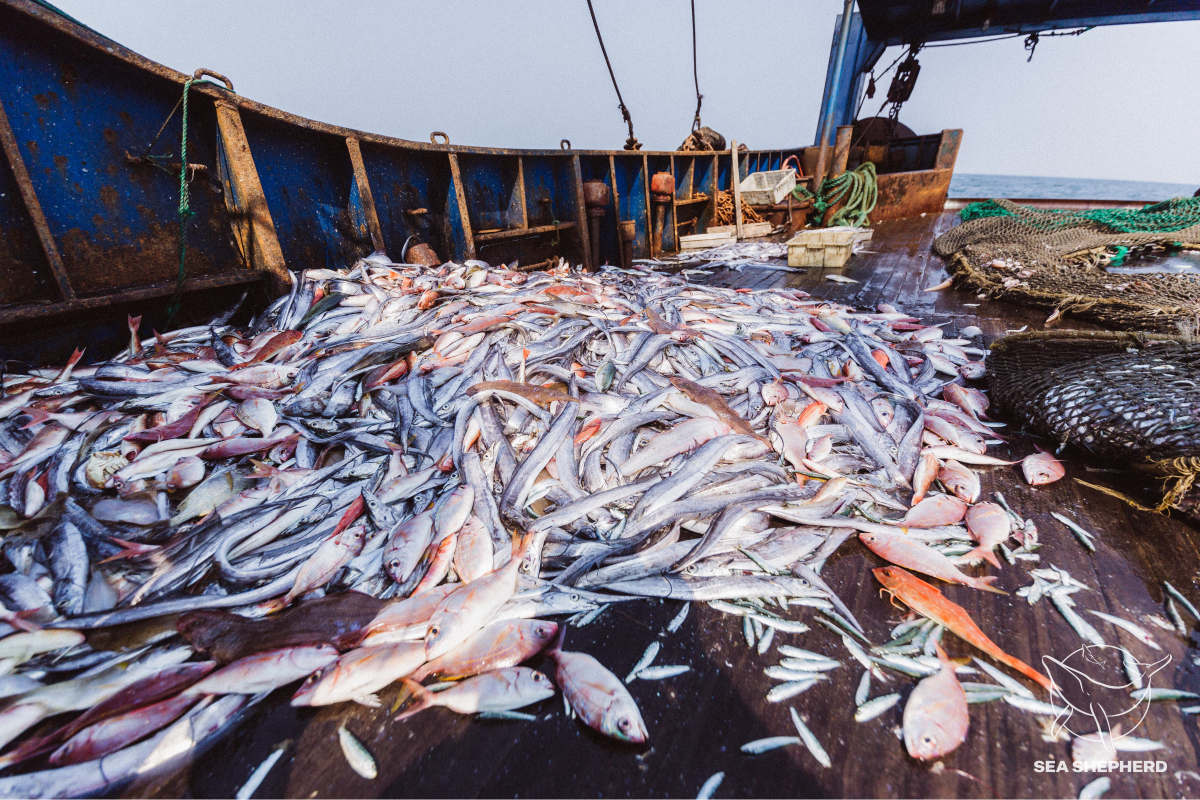
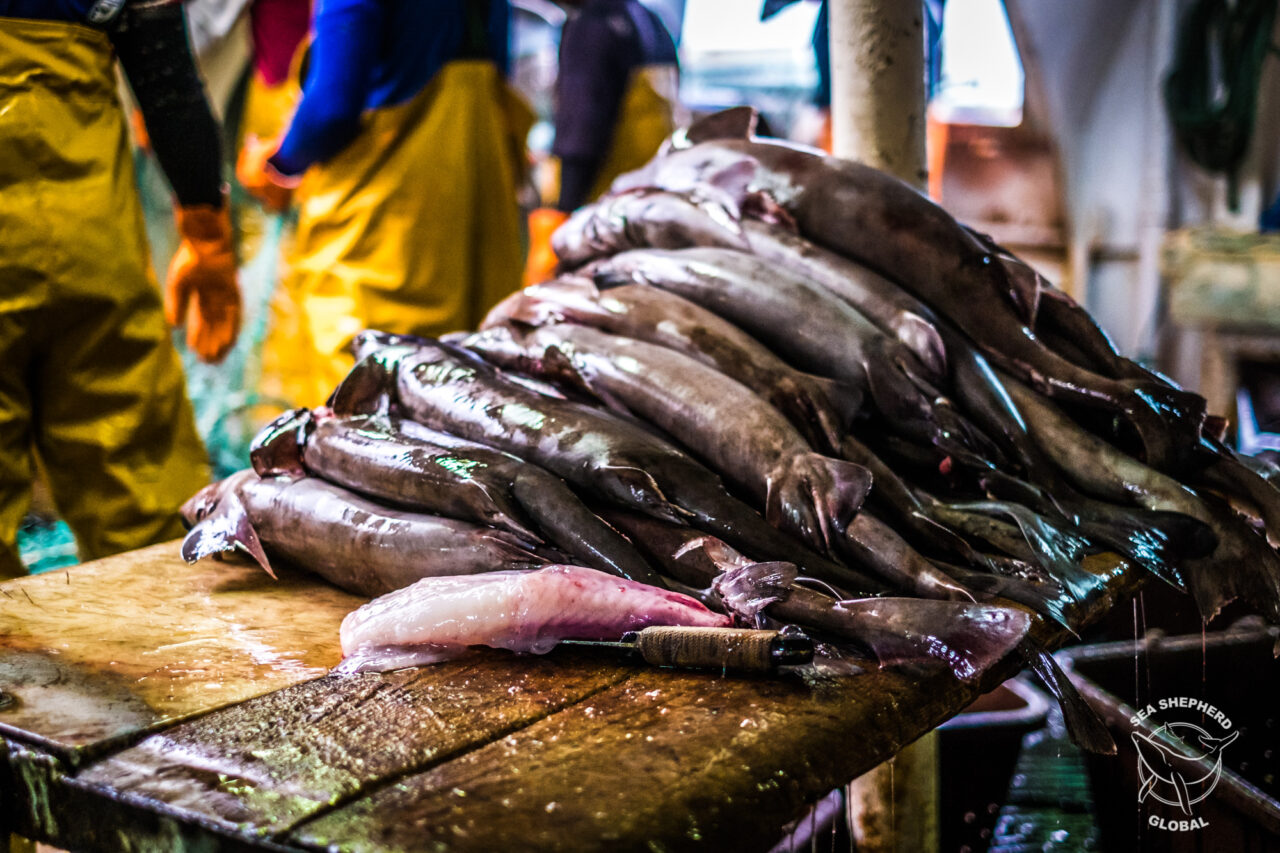
We see the amount of bycatch of species not suitable for trade. They are killed and simply thrown back into the ocean.
We see sharks being killed by the thousands by tuna boats that are supposedly “dolphin friendly”.
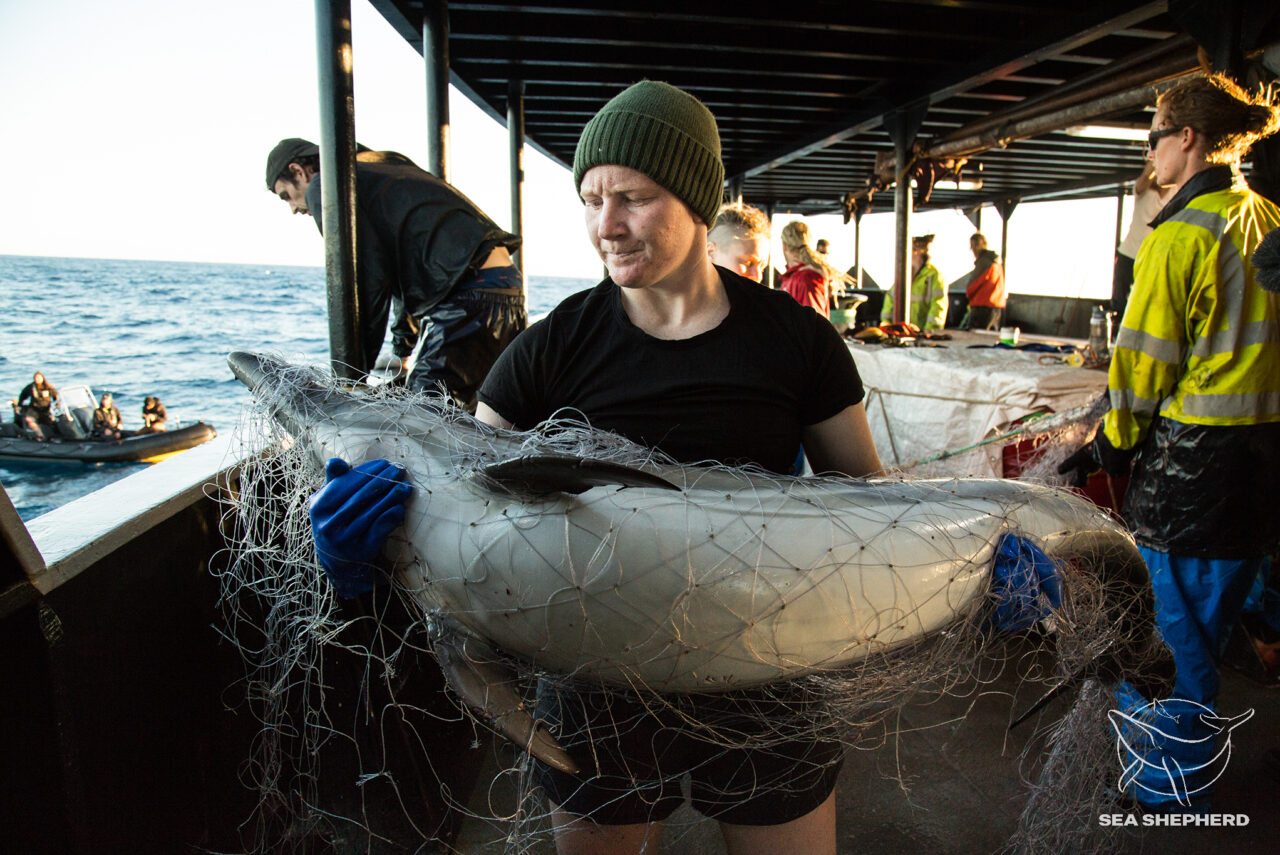
We see dolphins being killed by many fishermen as they consider them pests that “eat our fish”.
We see seals suffering the same fate as dolphins because they are a competitor to our fisheries.
The way we look at and understand nature is fundamentally wrong, including that we have disconnected ourselves from the ecosystem of which we are actually a part.
This is especially true when it comes to how we deal with the ocean.
We dump our garbage at sea because we think the ocean is big enough and no one will notice.
We take what we want because we think the ocean is an infinite source of protein.
Our desire and demand for fish is now so great that we stop at nothing to get the “goods”. The destruction of habitats and the extinction of species are accepted.
And then, of course, there’s the persistent claim that eating fish is a healthy choice for human consumption.
We have polluted the world’s oceans so badly that the entire food chain is affected, with pollutants concentrating the higher up the chain you go.
For years, pregnant women have been warned against eating tuna or swordfish because of their high levels of mercury.
This situation will only get worse the more we pollute our nature.
We are at a point in history where we must make a decision:
Do we stop supporting the destructive and unsustainable industry that is destroying our ocean, or do we continue on our current path with the result that our ocean will be empty in our lifetime?
Both decisions lead to the same result: we will stop eating fish either now or in 30 years.
Only the longer we wait, the more irrevocable the situation will become.
Our “infinite” source of protein has reached its limit, so it’s time we make the necessary decisions to restore balance to our ocean.
We see the success of our campaigns in the fight against IUU fishing in West Africa: the fish populations and ecosystems recover after just a few years.
But these areas are not large enough to revitalize entire regions.
Enforcing regulations and expanding protected areas against IUU fishing and large-scale industrial fishing are the basis of Sea Shepherd’s current campaigns.
Together with our government partners, we shut down dozens of illegal operators every year, saving millions of lives in the process.
It’s a matter of survival to stop the war on the seas.
We must not lose this fight.
A battle that will intensify in the coming years as fish populations continue to decline.
But also a fight that we – with your support – absolutely want to win.
And I mean…“When consumers order fish on the menu or buy it from the market they are supporting the destruction worldwide of marine eco-systems” said Captain Paul Watson on an excellent comment.
Over 2 trillion fish are taken from the sea every year, and that figure does not include the 120 billion killed on fish farms.
This kill is far larger than the estimated 65 billion animals slaughtered each year for meat and fur.
Traditional artisanal fishing communities in the Southwest coastal province of Kerala in India have long suffered from the mechanized vessels funded by Norway.
Commercial Norwegian fishing off India forced hundreds of thousands of Indians into poverty with the result that today Norway, the second-largest exporter of fish in the world (and the world’s No.1 killer of whales), is a major exporter of fish to India.
By destroying artisanal fishing, Norway reduced competition in India and increased their export sales to India.
Norway is also the world’s largest producer of farm-raised salmon.
In recent years, the use of the words “sustainable” or “sustainability” has increased as species and eco-systems are depleted.
It is the green-washing or blue-washing term of choice by the commercial fishing industry.
This life support system is maintained by a crew of living beings and we, the human passengers feasting merrily and ignorantly oblivious at the table, are murdering and consuming the crew that sustains this life support system.
Make the use of free-running snares illegal for trapping wildlife
The Government should prohibit the sale, use and manufacture of free-running snares under the Wildlife and Countryside Act 1981, putting them in the same category as self-locking snares, which are already illegal.
We believe that people setting free-running snares cannot ensure animal welfare as required under the Animal Welfare Act 2006, that such snares cause unnecessary suffering to mammals, are indiscriminate and should be banned.
Currently 74,144 signatures
So lets get it past 100.000 for a debate in Parliament.
Government responded
This response was given on 13 January 2022
The Government recognises that some people consider snares to be an inhumane and unnecessary means of trapping wild animals and will launch a call for evidence on the use of snares.
At 100,000 signatures, this petition will be considered for debate in Parliament
European Parliament backs retrogressive report, which lacks ambition for animal welfare and flies in the face of citizens’ wishes
On February 15, the European Parliament (EP) adopted the Implementation report on on-farm animal welfare with 496 votes in favour, 140 against and 51 abstentions.
Eurogroup for Animals, along with its members Compassion in World Farming and Four Paws, strongly opposed the adoption of the final report asking Members of the European parliament (MEPs) to adopt the alternative ENVI opinion instead.
Despite the use of “animal welfare” in its title, the adopted report focuses more on farmers’ economic interests rather than improving the conditions of animals in EU farming systems.
When the report was announced civil society had great hopes that the European Parliament would pay full attention to a fundamental issue, close to citizens hearts and EU policy makers, as reflected in the European Commission’s Farm-to-Fork Strategy and their commitment to revise animal welfare legislation, as well as in the Parliament’s own position to phase out the use of cages.
The final Resolution – the adopted form of the report – even goes as far as contradicting what was adopted in previous Parliamentary Resolutions, specifically:
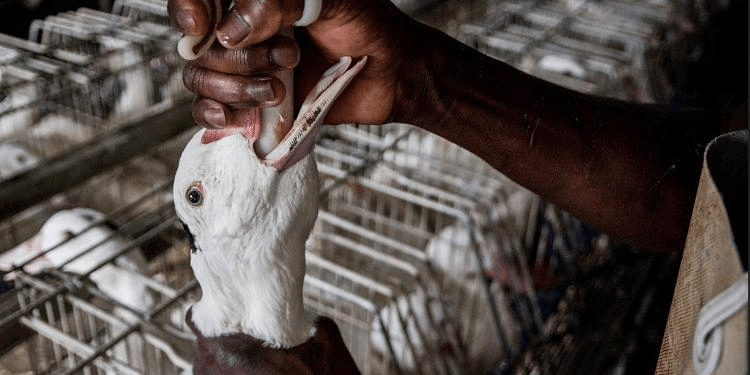
Foie gras, which involves force-feeding, is presented as respecting animal welfare criteria despite the fact thatthe EPrecognised the incompatibility of foie gras production and animal welfare in its recent resolution on the ECI “End the Cage Age”.
The report suggests focusing on more clarity rather than improving standards. This is not in line with the EP’s resolution on the Farm to Fork Strategy which considersit important to set higher legal standards for animal welfare.
The report erroneously claims that some measures believed to improve animal welfare may in fact be counterproductive and undermine other aspects of sustainability, namely health and safety on farm, as well as the the fight against antimicrobial resistance and efforts to reduce greenhouse gas emissions. This is diametrically opposed to the Parliament’s own Resolution on the Farm to Fork Strategy, which clearly states that a high level of animal welfare is important to sustainable development and has the potential to strengthen the economic and environmental sustainability of European farmers.
An implementation report is, unsurprisingly given its name, supposed to assess the implementation of current on-farm animal welfare rules. In this, the adopted Resolution from the EP fails in two respects: it neither addresses the problems with the current rules, nor does it focus on welfare of the animals themselves. Instead it preoccupies itself with the maintenance of a broken system that incentivises the worst kinds of farming for the environment, health and, most of all, for the animals.
MEPs have sent contradictory messages to an ambitious and progressive European Commission. Earlier in the term, they wanted better welfare, new systems of farming and a shift in-line with the Commission’s Green Deal. Yesterday they voted for something that is nothing other than a defence of the status quo. Whilst we commend those MEPs who fought for the far more ambitious opinion from the Parliament’s Environment committee, who stood up for the welfare of animals in-line with citizens’ wishes, the European Parliament has, as a whole, backed down to the narrow interests of big agriculture.
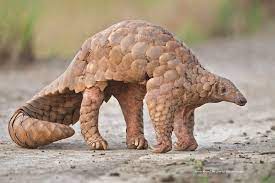
Were you to follow the life of a pangolin, you’d begin life riding around the jungle clinging to your mother’s scaly tail, eating ants, climbing trees and generally keeping yourself to yourself.
When danger approached she’d wrap you under her tummy, forming a barrier impenetrable to bear claws and tiger teeth alike – a technique that’s kept pangolins alive since the dinosaurs disappeared.
But from then – if you were like over 1,000,000 others in the last 20 years – you’d be headed for a whole new world of horror.
You’d enter the world of humans.
It would begin as you curled up in fear at the sound of approaching human footsteps. Exploiting your inability to fight or flee, the owner of those footsteps would pick you up, imprison you, and proceed to trade your existence to a wildlife dealer.
You’d then be frozen and shipped across the world to have your corpse floated in wine or caged alive outside a restaurant ready to be slaughtered at a dinner table in front of wealthy diners hoping to impress their guests.
Your scales – just like those of your mother you clung to – would be ripped from your body, ground to a powder and uselessly consumed as a mythical medicine
.
Almost every step of this obliteration of your species would be formulated and facilitated by networks of ruthless traffickers, fattening their purses at the expense of pangolin after pangolin after pangolin after pangolin.
This has to end – we must bring this crooked industry down.
Your £25 could help support undercover operatives taking on those traffickers and putting them where they belong – prison. That way we can bring down the barbaric networks and save countless pangolin lives.
So please donate now, because unless we act – unless we end this spiral of utter destruction – it will be ended for us. By extinction.
PS With the rate of slaughter so unbearably high, the clock is ticking. Please send whatever you can afford.We do not have much time to turn this dreadful situation around, and save elephants from total extinction.
On the 9th of February, the Italian Parliament voted to include the protection of animals and the environment in the nation’s constitution.
The Chamber of Deputies approved, by slight a majority of two thirds (468 votes in favour, 1 against and 6 abstaining), the Constitutional Bill. Thanks to this Reform, animals have now been granted full rights by the constitution, joining just four other countries worldwide in doing so.
Prior to the amendment, article nine of the constitution protected the “natural landscape and the historical and artistic heritage of the Nation.” Now, the article includes a mandate to protect the environment, biodiversity, ecosystems, and animals “in the interest of future generations.” Article 41 previously stated that economic enterprise could “not be carried out against the common good or in such a manner that could damage safety, liberty and human dignity” The language now requires that economic activities not “cause damage to health, to the environment.”
The reform represents a milestone and concrete tool towards effective protection of animals at legislative and jurisdictional level.
We certainly would have liked to go further but, given the current unstable political conditions, we think we can consider the result a miracle because the new provisions do not only apply to cats and dogs, as LAV requested, but also to all animals, in full compliance with the anti-speciesist principle that has always driven our commitment. This Reform fills an unacceptable gap in the Italian Constitution. However, it should not be considered as a point of arrival but a jumping-off place, a coming back to a new square one with more fervour and strength. So that animals will more easily obtain protection and respect, in the forthcoming Laws and in future court rulings. Thanks to this Reform, Italian citizens, associations and volunteers, will have more resources and opportunities to promote and protect animal rights.
WAV Comment: Ask many people around the world what they consider to be an ‘iconic’ representation of Australia; and you will probably often get a reply of either the Koala bear or the Kangaroo.
You would thus think then that after all these years / decades of Australian government environmental destruction and habitat loss for the Koala, something would (or certainly should) have been done by either past or current Australian governments to protect and retain such an icon as the Koala.
You would like to think also that the current so-called ‘Environment Minister; one Sussan Ley, would care a little more about protecting the environment and its flora and fauna (including the Koala) rather than prioritising her own ascension of the political ladder; but I think we are wrong.
S. Ley – Environment Minister
Instead, Scott ‘Coal Hugger’ Morrison, the Prime Minister, and Ms Ley both appear to have their own survival at the top of their priorities, rather than the environment and the protection of wonderful animal species such as the Koala, who are now in dire (survival) straits and, according to reports, face extinction by 2050 if very drastic if urgent action is not taken.
So what do we hear ? – now, with Koala on the brink of extinction and the global witnessing of its habit being slashed and burned, the Morrison government announces $50m to help the species – wow, $50m !! – very much a case of ‘closing the stable door after the horse has bolted’.(in this case a bolt of 20 years ago) as we say in the UK. And they think this paltry sum of cash is going to resolve the issue and make them look like ‘environmental heroes’ ? –this amount of money is Australian peanuts when compared to the amount that the Australian government has invested / subsidised into the coal industry for example – Coal production subsidies cost Australians $1.8bn a year | RenewEconomy – Coal production subsidies cost Australians $1.8bn a year.
And Australian voters; don’t they ever get a grip on how they are seen around the world; putting ticks in boxes for politicians who appear to care very little about environmental issues – Morrison, a modern day ‘Nero’ playing with coal whilst Australia burned, literally. History tells us that not only did Nero play music while his people suffered; but he was also an ineffectual leader in any time of crisis. I can see the obvious similarities between the two; can you ? and much more importantly; can the Australian voters ?
A badly burned Koala rescued from Blazing Environmental Destruction
Terrible live animal exports continue, the massive over usage of antibiotics in farmed animals continue to be used in farming, iconic species heading for extinction continue; coal production continues to be subsidised by a carefree government; whilst Australian politicians also try to escape from having to appear at COP environmental conferences held recently in Scotland (UK); and still the Australian public vote them in !! – amazing, or stupid.
Who is the ‘crazy Nero’ one has to ask ? – the slash and burn Australian politician, or the care less Australian voter.
Morrison Uses More Coal To Burn Australia and Destroy Flora and Fauna.Smile While the Nation and Fauna Burn
The Australian government has officially listed the koala as endangered after a decline in its numbers due to land clearing and catastrophic bushfires shrinking its habitat.
The environment minister, Sussan Ley, accepted the recommendation of the threatened species scientific committee that the koala populations of Queensland, New South Wales and the Australian Capital Territory should have their conservation status upgraded.
The stronger listing under national law is recognition that the koala’s plight has become more urgent and that successive Australian governments have failed to turn the much-loved animal’s circumstances around since it was listed as vulnerable in 2012.
It comes after the Morrison government last month announced $50m to help the species. The funding was welcomed by environment groups but described as a “drop in the ocean” if the root causes of the species’ decline were not addressed.
Ley said in addition to the endangered listing, the government planned to adopt a long-awaited national recovery plan for the koala.
“Today I am increasing the protection for koalas in NSW, the ACT and Queensland, listing them as endangered rather than their previous designation of vulnerable,” Ley said.
“The impact of prolonged drought, followed by the black summer bushfires, and the cumulative impacts of disease, urbanisation and habitat loss over the past twenty years have led to the advice.”
Environment groups have long argued the koala’s conservation status should be upgraded. Three organisations – Humane Society International (HSI), WWF-Australia and the International Fund for Animal Welfare – nominated it for the endangered listing.
“The koala has gone from no listing to now being declared endangered on the Australian east coast within a decade,” said Dermot O’Gorman, WWF-Australia’s chief executive.
“That is a shockingly fast decline for one of the world’s most iconic animals. The endangered status is a grim but important decision by minister Ley.
“There is still time to save this globally iconic species if the uplisting serves as a turning point in koala conservation. We need stronger laws and landholder incentives to protect their forest homes.”
The endangered listing will provide additional protection for koalas because it lowers the threshold at which a development must be assessed under national laws for potentially significant impacts on the species.
The recovery plan sets out the key threats to the koala and actions needed to prevent its extinction.
Such a plan had been identified under national environmental laws as a requirement for the species for the past nine years but no Australian government had developed one, making it one of almost 200 recovery plans for Australia’s threatened species and habitats that were overdue.
It took the black summer bushfire disaster to prompt consultation on a draft, with a final version delivered to the minister late last year.
Once a recovery plan is adopted, ministers are legally bound not to make decisions that are inconsistent with it, however governments have no obligation to actually implement the plan.
The koala is under pressure from multiple ongoing threats including disease, global heating and clearing of its habitat for development.
In 2020, a NSW parliamentary inquiry found the species would be extinct in that state by 2050 unless governments took urgent action to protect its habitat and turn the declines around.
Alexia Wellbelove, a senior campaign manager at HSI, said Ley’s decision should prompt Australian governments to do more to address the declining state of the country’s environment.
“Although it’s devastating for the koala it’s an important action for their protection,” she said.
“It’s a cue for governments really to take a stand against continued habitat clearing for koalas. We can’t just continue business as usual.”
Wellbelove said the decision needed to be followed by action on the review of national environmental laws by the former competition watchdog head, Graeme Samuel.
Samuel found Australian governments had comprehensively failed in their duty to protect the environment and the country’s iconic wildlife had suffered because of it.
He made 38 recommendations to transform the act, including a proposal for new national environmental standards that require clear outcomes for Australia’s plants and animals.
“Until such time that we have strong national environmental standards that specify no-go areas around critical habitat for species such as the koala, habitat destruction will continue and this must be addressed urgently,” Wellbelove said.
Franck Riester & Julien Denormandie, French ministers for Trade and Agriculture, called on the EU to apply more EU standards to imports as they presented the priorities of the French presidency of the Council to the European Parliament.
Eurogroup for Animals recalls that in order to be successful, the initiative, known as “mirror clauses”, must go beyond environmental, animal and public health standards, to encompass animal welfare.
On 24 January, Trade minister Franck Riester called for more EU environmental and sanitary standards to apply to imports, implying the measures could be adopted erga omnes, and thus apply to all imports and not only to those with preferential market access in application of a trade agreement. According to him, the European Commission recognises the legitimacy of these “mirror clauses”, as several EU rules already apply to imports, such as the rules on welfare at the time of slaughter or the ban on import of beef derived from animals who received antibiotics as growth promoters. The following day, agriculture Minister Julien Denormandie qualified reciprocity in standards as a top priority, calling for the withdrawal from the EU market of “imports from third countries which do not respect EU standards”.
Eurogroup for Animals welcomes the approach behind the French proposals of “mirror measures”. Nevertheless, we call for this approach to go beyond environmental and public health measures and to encompass animal welfare. Indeed, it should not only be about accelerating the implementation of the already adopted regulation on veterinary medicines, or strengthening the maximum residue levels for pesticides. This is a matter of consistency between EU trade and agricultural policies at times where the EU is revising its animal welfare legislation. The EU should take the opportunity of this revision to include imports within the scope of the new legislation, as suggested already by the Commission’s communication on the European Citizens’ Initiative (ECI) “End the Cage Age”.
By conditioning imports of animal products to EU-equivalent animal welfare standards, the EU would not only improve the welfare of trillions of animals, but also foster more sustainable methods of production abroad. Indeed, access to the EU market could be a positive and powerful leverage to incentivise farmers and producers to switch to more sustainable and humane methods of production. Such a measure is supported by 93% of EU citizens who want a legislative change to impose all EU animal welfare standards on imported food products. This ethical concern raised by EU citizens can guarantee that the measure would be WTO-compliant.


 The license for glyphosate expires this year.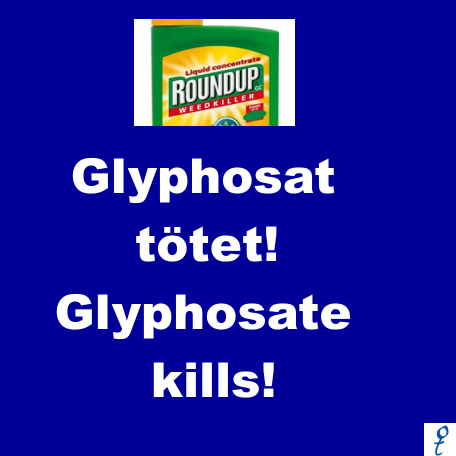
 REACH stands for Registration, Evaluation, Authorization and Restriction of Chemicals.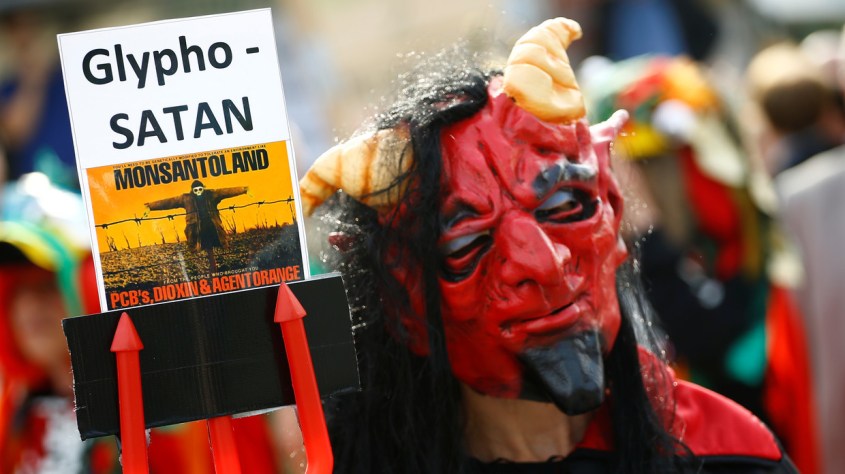

 The way we look at and understand nature is fundamentally wrong, including that we have disconnected ourselves from the ecosystem of which we are actually a part.
 We are at a point in history where we must make a decision:
 It’s a matter of survival to stop the war on the seas.









 World Animals Voice