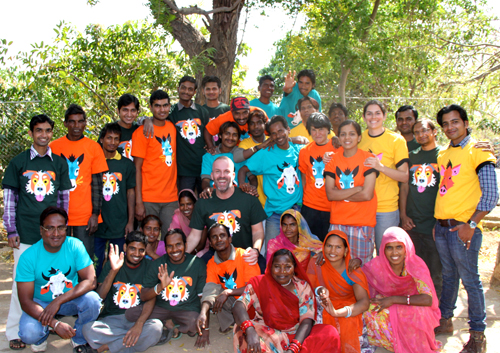
The rescued turkeys Claudius, Bibo, Jolanda, and Jasmin now live on the farm https://land-der-tiere.de/puten/ 🦃 and they live fine.
This is the life they deserve.
But…
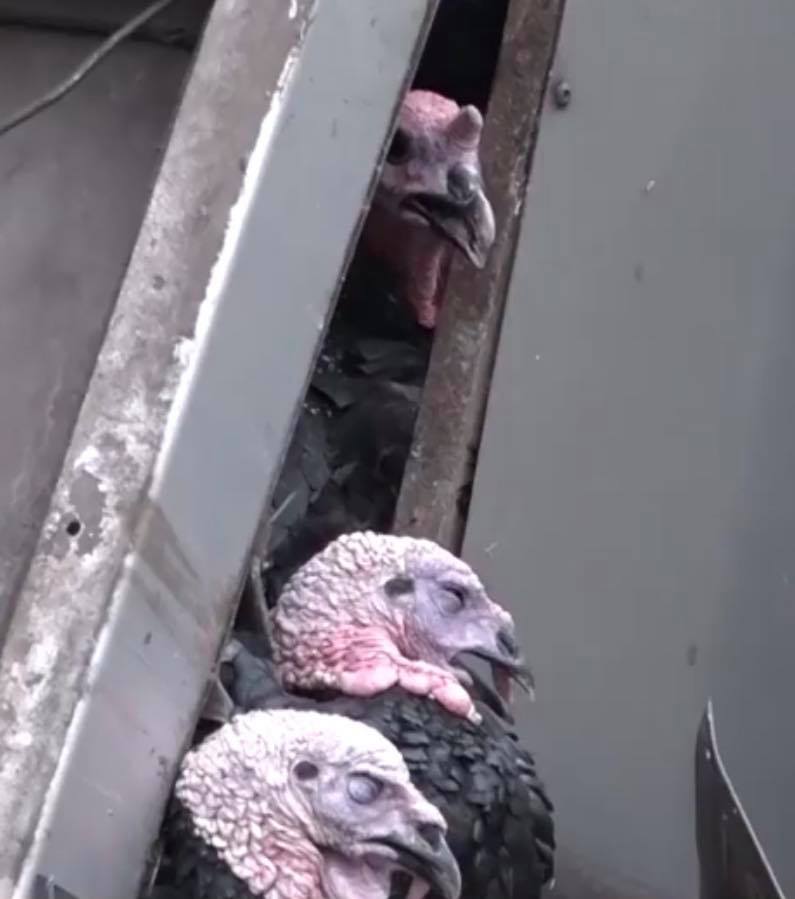
30,000 turkeys were officially “killed and disposed of” in two Brandenburg facilities in the last 10 days.
Most of these animals are probably still healthy. However, since they can no longer be “recycled”, the motto is: caught, hung up.
Where animals are treated as goods and life counts for nothing, the phrase “dangerous pathogen” has nothing to do with the danger for the turkeys concerned. It’s all about the economic risk for those who wanted to kill these turkeys anyway – just for a profit.
The tragic thing is that it is precisely this commercial animal use itself that poses the greatest risk for the further spread of avian flu and many other infectious diseases.
We are doing it consciously, knowingly, deliberately … almost from inferior basic motives.
Numerous media report on the research images of the ARIWA(animal rights watch organization) from the turkey fattening of a high agricultural official.
The operator’s attempts at justification are nothing new: He claims the incidents are exceptional and that responsibility is being shifted to the bottom line.
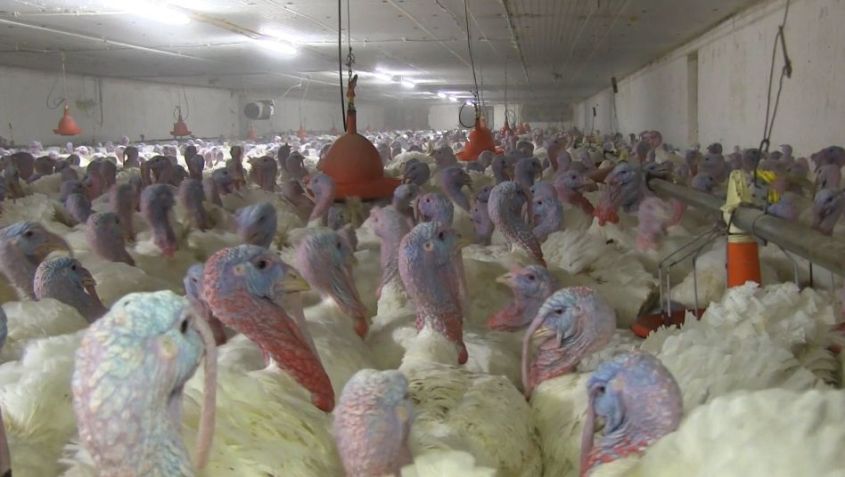
In fact, however, the footage shows the cruel everyday life in every turkey fattening.
Of course, the employees are inexcusably brutal with the animals.
But this is an almost inevitable consequence of the system, which is also based on the lack of prospects for exploited workers.
turkey husbandry / Gut Jäglitz
Sanctioning individual workers will NOT change anything.
Because our recordings do not show any individual misconduct, but the principle according to which this violent industry works.
The operator is one of the main beneficiaries of this branch.
He must be held accountable and his business model belongs to the dump of history!
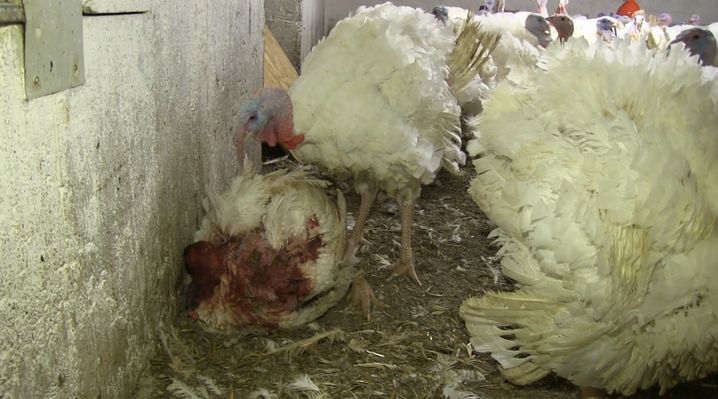
The story: Necks cut with bolt cutters, torn tail feathers with which the employees played “soccer”, suffering and dying animals
The torture case in one of Storck’s large turkey farms, which was also uncovered and dealt with in the media in December by “ANIMAL RIGHTS WATCH”, has now been expanded to include countless other abused, bludgeoned animals and scandalous events in another farm of the poultry president …
AnimalsUnited reported also on the scandal exposure in December 2020.
“Thomas Storck is Europe’s most influential poultry lobbyist. The pictures from two locations in Brandenburg and Mecklenburg-Western Pomerania show turkeys being clubbed to death or killed with a bolt cutter -Turkeys that slowly die, turkeys that are kicked for slaughter and whose tail feathers are pulled out by workers for fun ”, describes the animal rights activists.
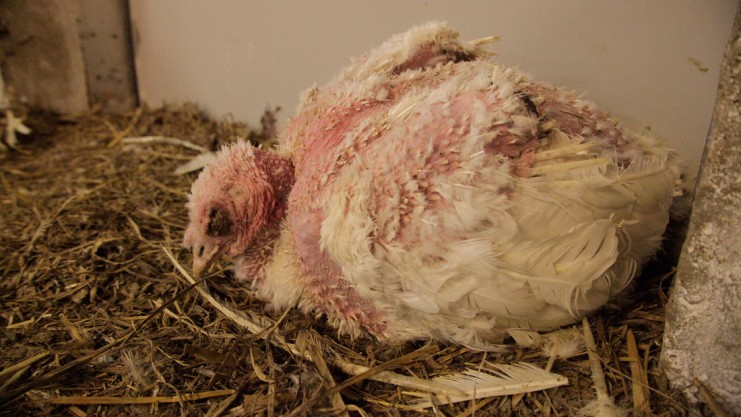
The scenes were filmed with hidden cameras in Roddahn (Ostprignitz-Ruppin district) and Goldberg (Ludwigslust-Parchim district). “Workers beat sick turkeys with a club. With their skull shattered, the animals suffered for minutes.
Film material from “ARIWA (the video is in German but will be partially translated)
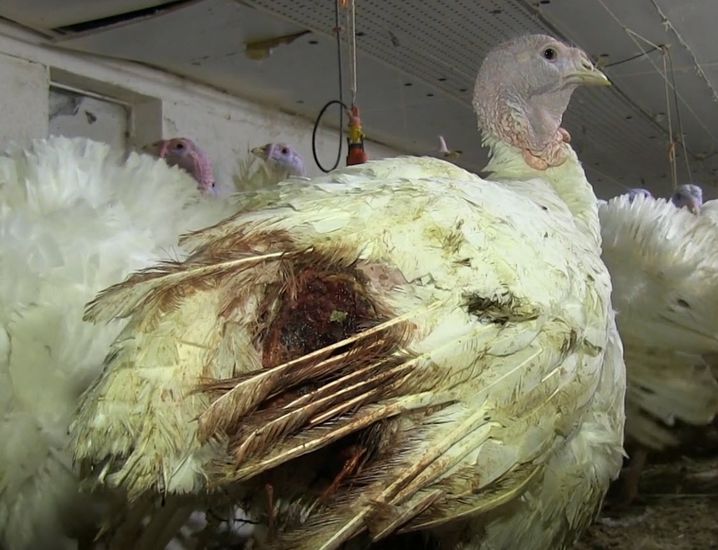
Video: some animals are apparently doing badly
Open wounds can be seen, animals maltreating from conspecifics, and an employee of the company who with a
Club hits a half-dead animal.
The business is owned by Thomas Storck, and he is the largest turkey breeder in Europe.
Storck has already been accused of keeping the animals in very poor conditions. The organization Animal Rights Watch again accuses Storck of animal cruelty.
WAV Comment – we have become really good friends with Erika at AAU; and we communicate regularly. Here are a few latest videos (and their stories) for you to watch. Great work by fantastic people as al;ways;
Regards Mark.
——————————————————————————-
Puppies are among the cutest beings on the planet. But caring for them when they are injured and ill is one of our greatest challenges.
We do absolute everything we can to protect and heal these little ones to get them back to their mothers as fast as possible.
Every puppy is given core vaccines including against distemper and parvo, puppies stay in unique groups to minimize the spread of illness, and those showing signs of viral diseases are immediately shifted to an isolation area.
With every treatment, everyone from nurse to caregiver lavishes an extra big dose of love.
Sprinkles loved her kisses,even after bite wounds almost ended her life.
A beautiful puppy only a few weeks old had been attacked by awild animal. She had deep bite wounds at the top of her head and under her throat, which caused swelling and infection.Her tail wagged a little and she tried to greet her rescuers but she couldn’t even lift her head.
She was too little for such a horrible injury, and we knew if she didn’t respond to antibiotics, she wouldn’t stand a chance.
Gentle and fragile, we named this baby Sprinkles. She hovered on the brink of life and death for 8 days, but as soon as she started to perk up we knew she needed to be in the soft lap of her mother and siblings. And now, little Sprinkle is a downpour of love!
After spine trauma, therapy and love,Iris emerged into the most graceful dog.
The incredibly sweet nature of this little beauty shined through even when she was rigid with pain. She was unable to raise herself out of her sitting position after a spine injury caused by a road accident. It took weeks of medical care, rest and physiotherapy to heal. As gentle and perfect as a flower, we named her Iris.Watch this graceful blossom sway and wobble and, finally, walk on her own again!
So small, alone and almost faded away, we rescued beautiful Merryafter someone abandonedher on the road. She must have walked until she wastoo weary to stand anymore and had collapsed.
Merry’s life is now filled with love. It took her 5 days before she could stand. She needed lots of physical contact which was lovingly provided by staff and volunteers.
And she blossomed into the (BIG!) beautiful girl she is today.
There are as many reasons to go vegan as there are animals on this planet! To get inspired by one more beautiful reason to go Veg, meet Merry!
Now – Chris Kempczinski is McDonald’s chief executive. In a call with analysts, he said: “Plant-based products are an ongoing consumer trend.“It’s not a matter of if McDonald’s will get into plant-based, it’s a matter of when.”
We support anything that stops animal suffering and killing, and yes, plant based is the way to go forward; so we support this move in that sense. Mc will always be Mc as far as we are concerned; but everyone has their own choices to make.
We suggest you watch the video in the link above and then make your choice.
——————————————-
McDonald’s Officially Debuts Vegan McPlant Range To Gauge Consumer Interest
McDonald’s is testing its vegan McPlant range in Sweden and Denmark, beginning with a ‘juicy, spicy, and plant-based’ burger
The fast-food chain is trailing a meat-free burger in Sweden, until March 15, and Denmark, until April 12.
The patty is described as ‘juicy, spicy, and plant-based’ and is made from pea and rice protein. It is served on a bun along with melted cheese, lettuce, tomato, onion, pickles, mayo, mustard, and ketchup.
While the burger is plant-based and can be customized to not contain dairy, the patty is fried on the same grill as its beef counterpart.
Vegan McPlant Range
Last year, McDonald’s announced it will test its plant-based burger in multiple markets during 2021.
It says it will also test both breakfast sandwiches and chicken alternatives.
Following the announcement of more vegan McDonald’s options, an expert has said the new range shows the ‘future of meat is plant-based’.
Chris Kempczinski is McDonald’s chief executive. In a call with analysts, he said: “Plant-based products are an ongoing consumer trend.“It’s not a matter of if McDonald’s will get into plant-based, it’s a matter of when.”
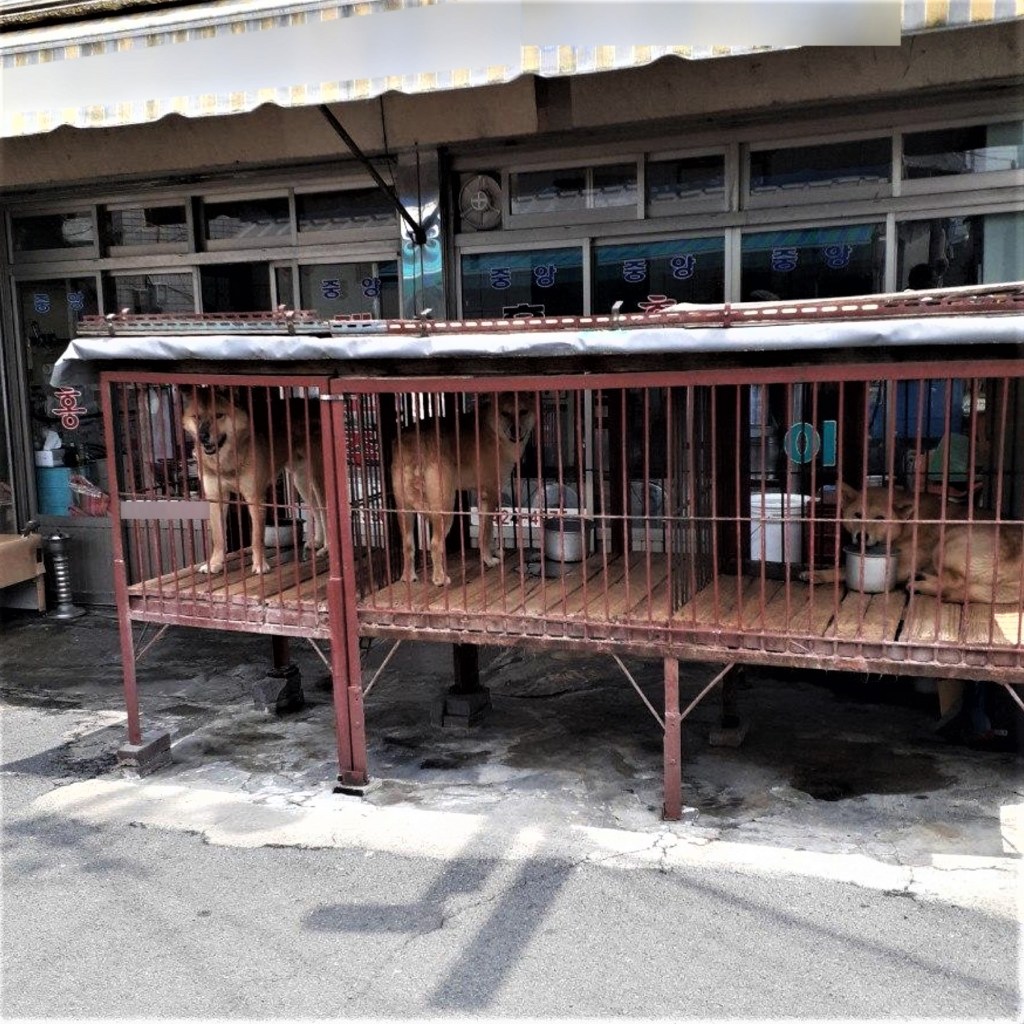
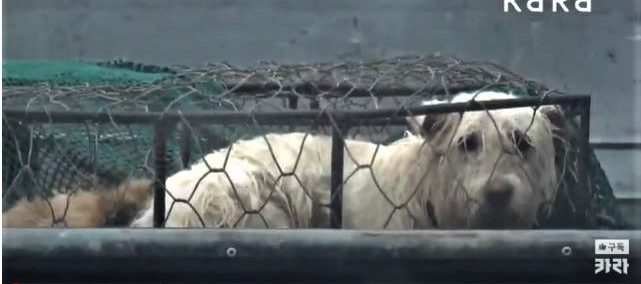
WAV Comment – WATCH THE VIDEO ABOVE – This is VERY important – a chance for positive action for meat dogs and cats in South Korea. Please take action as detailed below – we need to get this revision to the Animal protection Act and stop this terrible suffering and abuse for ever.
We will always try to be a voice for stray and farmed cats and dogs wherever they may be in the world. We had a long battle fighting for the strays of Serbia – About Serbian Animals. | Serbian Animals Voice (SAV) – and now we are working with South Korean activists to shut down this pitiful trade that causes so much suffering.
We are also running regional action campaigns also to support stopping this abuse nationwide. This is not yet complete; but you can see what we have published (so far) by visiting the following and taking actions as detailed.
Please urge the members of the Korea’s National Assembly to support and vote for this legislation and end the barbaric and cruel dog and cat meat industry. Submit your petitions to the South Korean National Assembly Members today. All the work has been done for you, all email addresses are provided and a suggested message has been written. It will take just a few minutes to help with such important work. Thank you!
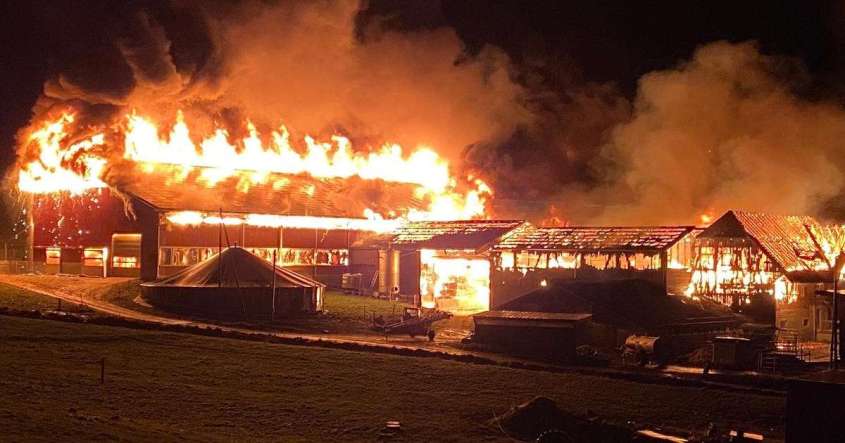
The animal welfare organization PETA filed a criminal complaint against the farmer, whose farm burned down last Friday.
This is because 50 calves lost their lives in the flames.
The community residents, on the other hand, show solidarity and collect donations for the affected family (!!!)
That’s what it’s about
– “Inadequate fire protection measures”, accuses the animal welfare organization PETA of the farmer, whose 50 calves died in the fire.
– PETA has now filed a complaint and is calling for stricter legal regulations.
-The mood in Corébert BE is completely different.
–The community as well as various private individuals show solidarity and launched a fundraising campaign.
In Rière le Moulin in Cortébert BE, a farm burned brightly on Friday night.
No people were injured – but 50 calves lost their lives in the fire.
The animal rights organization PETA became aware of the death of the calves based on several media reports – and has now filed a complaint against the farmer.
Because:“Due to presumably inadequate fire protection measures, it may have been accepted that the calves will suffocate in agony or burn while fully conscious,” said the animal rights organization.
This is not an isolated case in Switzerland:“Every year hundreds of animals die in stable fires. In Peta’s opinion, every such death is accepted approvingly due to a lack of fire protection regulations. “
The organization also calls on politicians to act and tighten legal regulations.
“Consumers can also do something about such terrible incidents: If everyone were vegan, that would not have happened,” said Ilana Bollag on behalf of Peta Switzerland.
The villagers of Cortébert stand by the farmer and show solidarity.
Various donation campaigns are underway according to 20min.ch to collect money for the affected family (!!). The community provides a bank account and calls for donations.
“Since the family has literally lost everything, donations in kind are also accepted,” the community said on Facebook. The affected family thanked everyone who showed their support via Facebook.
And I mean…The farmer is a homeowner, runs a farm, but has no fire insurance? A loophole in the law! or I would say… why should I donate something …?
And why a donation account?
If there is no negligence, the family will still receive money from the insurance.
Since the corona pandemic there have been many stable fires (also in Germany), it is suspicious, very suspicious, someone might suspect the intention is to collect the insurance.
I think the criminal complaint is the least the farmer has to get.
If 50 people were burned in the barn, there would be no discussion of inadequate fire safety, but the farmer would already be in custody.
50 calves burned alive, that sounds harmless to the donors, and because they are animal- and not human- children, they even feel sorry for the farmer.
But 50 calves char miserably in the fire – you have to swallow empty several times and get into great anger before deep sadness emerges.
To be honest, if I were to read, for example … 50 carnivores would have burned their fingers while grilling, I wouldn’t give a shit.
But the cruel death of the calves hits me in the middle of my heart where it hurts.
Time to change the rules: Eurogroup for Animals launches White Paper on the Revision of the Transport Regulation
27 January 2021
Today, Eurogroup for Animals presented its White Paper on the upcoming Revision of the Transport Regulation during a high-level online event, bringing together more than 150 stakeholders from EU institutions, Member States, civil society and industry. The White Paper outlines how the new Transport Regulation should adhere to the basic principles of reducing, refining and replacing live transport, whenever applicable.
Since its foundation, Eurogroup for Animals and its members have been advocating to ensure effective protection of all animals transported. In 2007, Council Regulation 1/2005 – also known as the Transport Regulation – entered into force with the aim to avoid any injury or undue suffering during transport. However, over the years, investigations revealed that its implementation and enforcement is very poor; and scientific sources reported that its provisions are often unfit to ensure effective protection for the animals transported.
Today, Eurogroup for Animals launches a White Paper as a response to the European Commission’s stated aims to revise the Transport Regulation “to align it with the latest scientific evidence, broaden its scope, make it easier to enforce and ultimately ensure a higher level of animal welfare”.
Every day, a vast range of animal species are transported within the EU and beyond for commercial activities, yet the current Transport Regulation does not guarantee effective protection to all of them. In principle, the Transport Regulation should apply to the commercial transport of live vertebrate animals. However, the majority of its provisions refer only to the welfare of certain terrestrial farmed animal species: the requirements for the transport of fish, companion animals and equines are less developed; and measures to ensure the welfare of a large group of species transported for scientific purposes are completely absent. Additionally, by definition, invertebrates transported for food production remain out of the scope of the Regulation. This needs to change.
Furthermore, it’s been widely demonstrated that existing gaps in the current legislative framework have a significant negative impact on animals. This needs to be addressed by establishing comprehensive species- and category-specific requirements as well as a more efficient enforcement system. To this end, the White Paper provides the European Commission and EU co-legislators with science based key provisions to be included in the revised legislative text to substantially improve the welfare of terrestrial farmed animals, fish and aquatic invertebrates, equines, companion animals, and laboratory animals during transport. To further facilitate compliance and systematic data collection, a reporting system based on transparent communication on the animals being transported (species and numbers, animal welfare status, journey route) and any transport-related problems, is outlined. Such a system would increase Member States’ accountability and fully exploit the enforcement power of the European.
We have been trying to support our friends with the South Korean Dog Meat campaign by publishing their regular and very informative newsletters which you can view at:
We found that the (campaign) e mail blocks given on their site gave us constant ‘undelivered’ replies; and so we set out to try and get it sorted by doing a few tests at our end. We made some very small changes to the e mail addresses and sent out our ‘new’ versions. After a few days everything seemed fine and we had no ‘undelivered’ messages from the administrator.
Our first set of RE VAMPED versions were initially given in post
This was an initial trial post and we hoped to move on with the rest. As everything from this initial trial seemed fine, we decided to take the plunge and issue the other amended versions; which we ask you to copy and send as each post is produced. The second amended version is Post 2 and can be found as follows.
Now it is time to move on and do Post 3 which will cover Mungyeong and Pohang – making 6 regions out of 10..
ACTIONS:
Please send e mails to all as per the lists below, along with the regional covering letter which is also supplied. Please note they are different for each specific region – so do NOT use the same one for both regions.
So lets get started now with Post 3 of 5; and the remaining others will follow very shortly.
We ask you to take immediate action to crack down on the illegal dog farms, slaughterhouses, markets and restaurants that serve dog meat in your city. We request that an official document be issued, mandating that the following existing Korean laws be enforced by its government officials, police and judges:
Unauthorized processing of food waste fed to dogs in the meat trade is a violation of the Wastes Control Act, Article 15-2, Article 25, Section 3. Suppliers of food waste and transporters of food waste to dog meat farms are violating this regulation.
Food waste fed to dogs in the dog meat trade is a violation of the Control of Livestock and Fish Feed Act, Article 14, Section 1 & 2. Unauthorized collection of food waste and the act of feeding it to dogs in the meat trade is in violation of this regulation.
Excrement and resulting environmental damage produced as a by-product of the illegal dog meat farm is a violation of the Act on the Management and Use of Livestock Excreta Article 11. The excrement produced at dog meat farms causes environmental damage to the immediate and surrounding area.
The act of the slaughtering of dogs for human consumption is a violation of the Animal Protection Act Article 8, Section 1, Clause 4. The act of the slaughtering of a dog, without justifiable ground – such as out of necessity for veterinary treatment, or in circumstances of immediate threat, harm or damage to human life or property, is a violation.
The slaughter of dogs by electrocution is a violation of the Animal Protection Act, Article 8, Section 1, Clause 1. Inflicting injury or death to any animal by the following means: battery by tools, exposure to drugs, exposure to extreme heat or fire, electrocution and drowning is subject to legal punishment. Therefore, the routine slaughter of dogs by butchers and farmers by these methods is in violation of the Act. Further, electrocution as a method of slaughter is internationally recognized as an inherently cruel method of slaughter and banned globally.
The slaughter of dogs from an unauthorized slaughterhouse is a violation of Livestock Products Sanitary Control Act, Article 7 Section 1. The Livestock Products Sanitary Control Act, states that dogs are officially recognized and classified as “animals” that are “prohibited from being slaughtered and distributed as food for human consumption”. Therefore, those vendors operating dog slaughterhouses are operating outside of the parameters of the law and in violation of the law.
The slaughter of dogs for his/her own consumption is a violation of the Animal Protection Act, Article 10. The intent of the Act is to ensure that no animal is slaughtered in a cruel or revolting manner, and shall be free from unnecessary pain, fear, or stress during the process of slaughter. Therefore, the only humane way of slaughtering dogs would be by euthanasia (lethal injection). All currently practiced methods of slaughter by butchers, farmers and traders excludes euthanasia as a method of slaughter, therefore they are all in breach of this Act. This is also a violation of the Livestock Products Sanitary Control Act Article 7 Section 1 Clause 2. According to the Livestock Products Sanitary Control Act, the slaughter of animals for his/her own consumption is allowed only for the livestock animals that are publicly announced as classification of livestock in the Livestock Products Sanitary Control Act and dogs are not classified here.
The display and sale of dog carcasses in traditional outdoor markets is a violation of the Food Sanitation Act, Article 4, 5. Violation of laws banning the sale of harmful food due to the contamination from unsanitary and illegal slaughter of the animal and display of the dog carcass. For example, dog carcasses are routinely contaminated by microorganisms that cause human diseases and food poisoning; this can lead to serious and life threatening health complications. There are also strict laws that ban the sale of meat from sick animals, due to the fact that there is no quality control or formal monitoring of slaughter practices in the dog meat trade it is very likely that violation of these laws is happening routinely.
Dog meat restaurants’ sale of dog meat soup made with dog carcasses from an unknown source is a violation of Food Sanitation Act Article 44 Section 1 Clause 1. Uninspected livestock products must not be transported, stored, displayed, sold or used for manufacturing or processing of food for human consumption.
International coverage of the brutal dog and cat meat trade in South Korea has stained your city’s image. The time to end this tragedy is now. The favor of your reply is requested.
We ask you to take immediate action to crack down on the illegal dog farms, slaughterhouses, markets and restaurants that serve dog meat in your city. We request that an official document be issued, mandating that the following existing Korean laws be enforced by its government officials, police and judges:
Unauthorized processing of food waste fed to dogs in the meat trade is a violation of the Wastes Control Act, Article 15-2, Article 25, Section 3. Suppliers of food waste and transporters of food waste to dog meat farms are violating this regulation.
Food waste fed to dogs in the dog meat trade is a violation of the Control of Livestock and Fish Feed Act, Article 14, Section 1 & 2. Unauthorized collection of food waste and the act of feeding it to dogs in the meat trade is in violation of this regulation.
Excrement and resulting environmental damage produced as a by-product of the illegal dog meat farm is a violation of the Act on the Management and Use of Livestock Excreta Article 11. The excrement produced at dog meat farms causes environmental damage to the immediate and surrounding area.
The act of the slaughtering of dogs for human consumption is a violation of the Animal Protection Act Article 8, Section 1, Clause 4. The act of the slaughtering of a dog, without justifiable ground – such as out of necessity for veterinary treatment, or in circumstances of immediate threat, harm or damage to human life or property, is a violation.
The slaughter of dogs by electrocution is a violation of the Animal Protection Act, Article 8, Section 1, Clause 1. Inflicting injury or death to any animal by the following means: battery by tools, exposure to drugs, exposure to extreme heat or fire, electrocution and drowning is subject to legal punishment. Therefore, the routine slaughter of dogs by butchers and farmers by these methods is in violation of the Act. Further, electrocution as a method of slaughter is internationally recognized as an inherently cruel method of slaughter and banned globally.
The slaughter of dogs from an unauthorized slaughterhouse is a violation of Livestock Products Sanitary Control Act, Article 7 Section 1. The Livestock Products Sanitary Control Act, states that dogs are officially recognized and classified as “animals” that are “prohibited from being slaughtered and distributed as food for human consumption”. Therefore, those vendors operating dog slaughterhouses are operating outside of the parameters of the law and in violation of the law.
The slaughter of dogs for his/her own consumption is a violation of the Animal Protection Act, Article 10. The intent of the Act is to ensure that no animal is slaughtered in a cruel or revolting manner, and shall be free from unnecessary pain, fear, or stress during the process of slaughter. Therefore, the only humane way of slaughtering dogs would be by euthanasia (lethal injection). All currently practiced methods of slaughter by butchers, farmers and traders excludes euthanasia as a method of slaughter, therefore they are all in breach of this Act. This is also a violation of the Livestock Products Sanitary Control Act Article 7 Section 1 Clause 2. According to the Livestock Products Sanitary Control Act, the slaughter of animals for his/her own consumption is allowed only for the livestock animals that are publicly announced as classification of livestock in the Livestock Products Sanitary Control Act and dogs are not classified here.
The display and sale of dog carcasses in traditional outdoor markets is a violation of the Food Sanitation Act, Article 4, 5. Violation of laws banning the sale of harmful food due to the contamination from unsanitary and illegal slaughter of the animal and display of the dog carcass. For example, dog carcasses are routinely contaminated by microorganisms that cause human diseases and food poisoning; this can lead to serious and life threatening health complications. There are also strict laws that ban the sale of meat from sick animals, due to the fact that there is no quality control or formal monitoring of slaughter practices in the dog meat trade it is very likely that violation of these laws is happening routinely.
Dog meat restaurants’ sale of dog meat soup made with dog carcasses from an unknown source is a violation of Food Sanitation Act Article 44 Section 1 Clause 1. Uninspected livestock products must not be transported, stored, displayed, sold or used for manufacturing or processing of food for human consumption.
International coverage of the brutal dog and cat meat trade in South Korea has stained your city’s image. The time to end this tragedy is now. The favor of your reply is requested.
[Your Name & City/Country]
Please try to copy and send – help the Korean Dogs;
Additional Note –
We will be publishing a combined listing of ALL the 5 posts when we have completed everything; so if you have missed any you can check back; or alternatively, you can copy in full again and re send everything; and really ramp up the pressure !
Making Meat-Based British Meals Plant-Based Reduces Carbon Footprint By 78%, Poll Claims
The poll found that of those interested in eating more plant-based foods, people wanted to switch to improve their health as well as to help the planet.
Trading traditional meat-based British meals for vegan versions can decrease your carbon footprint by 78 percent, a new poll claims.
The data was commissioned by plant-based food company, Merchant Gourmet, and conducted by One Poll.
The data assessed the average carbon emissions produced by popular dishes amongst Brits. Dishes included Roast Dinner, Lasagne, Shepherd’s Pie, and Spaghetti Bolognese.
Swapping the meat ingredients for Merchant Gourmet’s vegan version would decrease the carbon footprint for each dish by between 60 and 88 percent, the data found.
Despite this, a quarter claimed they had ‘no clue’ how to make vegetables a focal part of a dish.
Plant-based food for the planet
Richard Peake, Managing Director at Merchant Gourmet, said: “At the heart of everything we do is the fundamental belief that a world where people eat more plant-based foods will benefit our planet and our health.
“However, we know that the concepts of eating less meat and saving the planet can feel completely overwhelming. We want to help people on this journey by making it simple and easy.
“Simple products, simple ingredients you can pronounce, and delivered in a format this is simple to prepare.”
The company creates pulse and grain products that can replace meat in meals. To help, it is releasing new recipes to help more people switch their meals to plant-based.
Climate targets
The UK has vowed to cut greenhouse gas emissions to meet 2050 targets. Some argue the government isn’t doing enough.