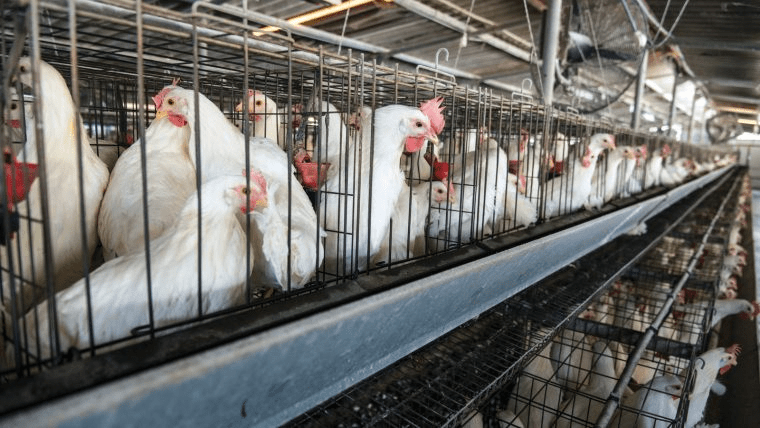
Category: Farm Animals

UK: Boris Johnson (Prime Minister) ‘dumps animal cruelty pledges’ and makes another U turn from Queen’s Speech to please right-wingers – Rees Mogg and Co.

Leading the way or being led by the tail of the dog ? – Boris Johnson does another U turn this time on Fur imports and Foie Gras. Wonder he can walk in a straight line without making a U turn !

WAV Comment – well we all know how to vote at the next General Election don’t we ? – as if the grilling of the Tories in the local elections in the last week is not sending them the message that people don’t trust them; now we seem to have this; a U turn on animal welfare issues and anti cruelty campaigns as supported by the vast majority of the British public; issues now in doubt due to a gutless PM swayed by self opinionated snob Tory MP and his no doubt Foie Gras eating cronies who just stick their middle finger up to the millions of British voters who want to see a drastic change on these issues.

Does the dog wag the tail, or the tail wag the dog ? – something wags Boris Johnson.

Jacob Rees-Mogg, we hate you and everything about you.

7/5/22

Boris Johnson ‘dumps animal cruelty pledges’ from Queen’s Speech to please right-wingers

The Prime Minister had pledged to ban imports of foie gras and fur – but both are said to have been dropped from the Animals Abroad Bill ahead of the speech, after the PM caved to complaining Tory ministers

Boris Johnson has dumped his promise to tackle animal cruelty in the Queen’s Speech, it has been reported.

The Prime Minister had pledged to ban imports of foie gras and fur.

But both are said to have been dropped from the Animals Abroad Bill ahead of the speech, after the PM caved to complaining Tory ministers.

Jacob Rees Mogg – Tory MP and ANTI Foie Gras ban leader – probably eats a lot with his ‘supper friends’.

It’s claimed Cabinet ministers, led by Jacob Rees-Mogg, Commons leader Mark Spencer and Scotland Secretary Alister Jack, moaned banning cruel food and clothing was “fundamentally unconservative”.

It’s already illegal to produce foie gras and farm fur in the UK.

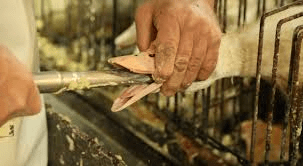
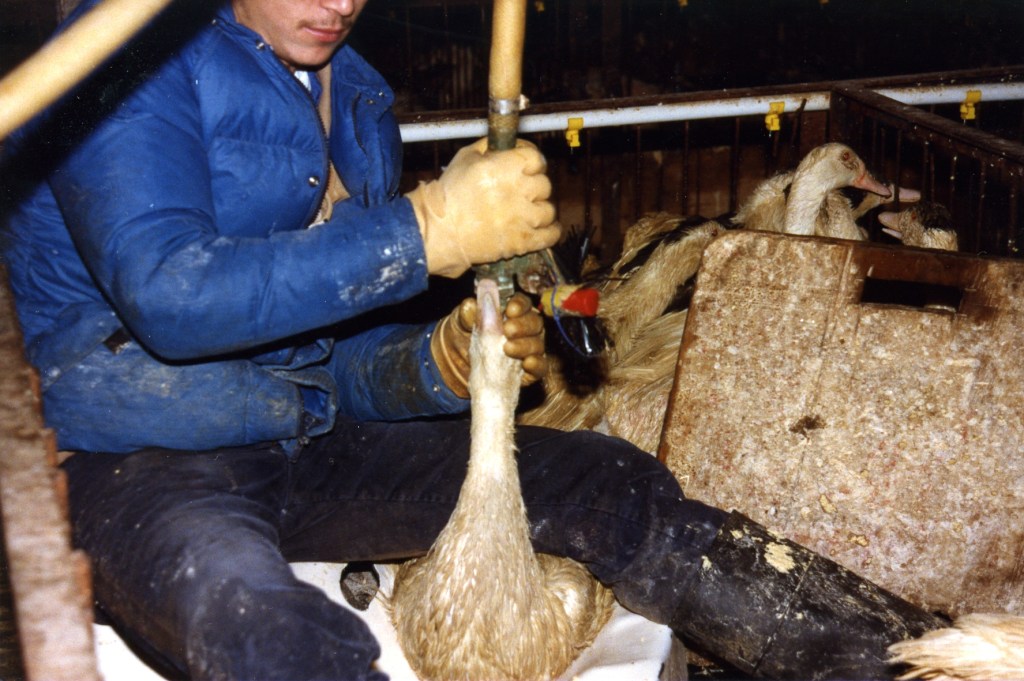
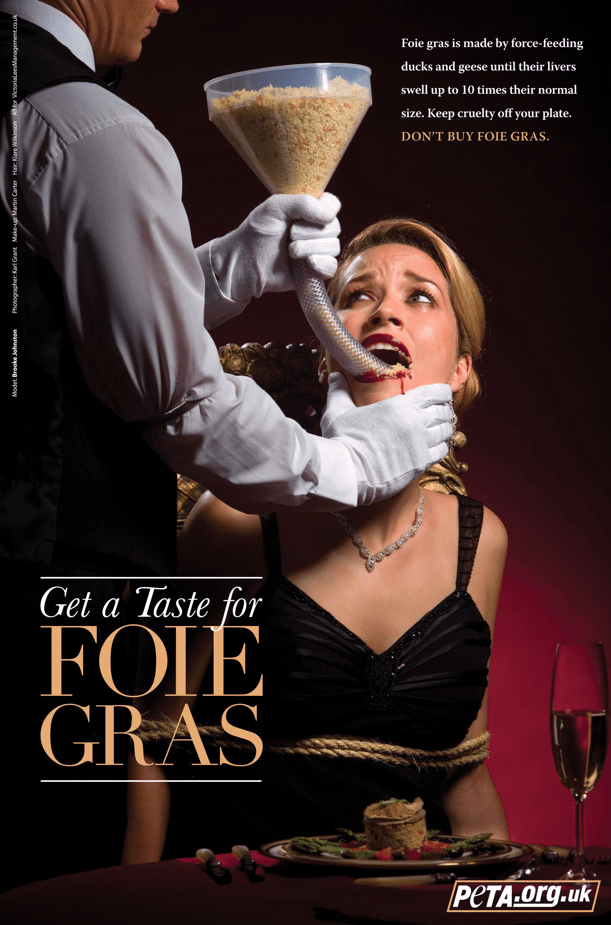
But the UK imports around 200 tonnes of the pate a year, mainly from France and Spain where it is made by force-feeding geese and ducks until their liver grows to several times its normal size.

Campaigners – including a recent intervention by After Life starts Ricky Gervais and Peter Egan – have long called for a ban on products coming from overseas.

In February, Gervais and Egan wrote to the Government, branding foie gras a “cruel and unnecessary product”.

And today Oscar-winning actress Kim Basinger backed the Mirror’s campaign to ban fur sales in the UK.

The Hollywood star has urged Boris Johnson not to “betray the animals”.

Kim, 68, called on the Prime Minister not to ditch the proposed ban on fur imports.

She said: “Please, Boris, listen to the British people. Please ensure the Animal Abroad Bill is in the Queen’s Speech next week.

“Be the voice of the majority of your people. Stop the cruelty and suffering in the name of vanity and greed.

“The UK has to stop buying from Finland, China and the US to stop the bloodbath. It is so antiquated. Until we stop exchanging blood between countries, the suffering won’t stop.”

The Batman star also urged the Prime Minister to consider how he would feel if his dog, Dilyn, was confined to a cage.

It’s said Defence Secretary Ben Wallace has also raised concerns about banning imports of black bear fur, used by military Guardsmen.

Last month, it was revealed that Mr Johnson had backed the use of real black bear fur to make ceremonial hats worn by the Queen’s Guard.

Animal rights campaign group PETA last year named Mr Johnson’s wife Carrie – a passionate campaigner for animal rights – their “person of the year.”

A government spokesperson told the BBC no final decision had been made on imports.

They said the government was “united in its commitment to upholding its world-leading standards in animal welfare”.

Regards Mark

Boris Johnson ‘dumps animal cruelty pledges’ from Queen’s Speech to please right-wingers – Mirror Online

Above – European Foie Gras Production, as supported by Boris Johnson, Rees Mogg and others who don’t give a toss.

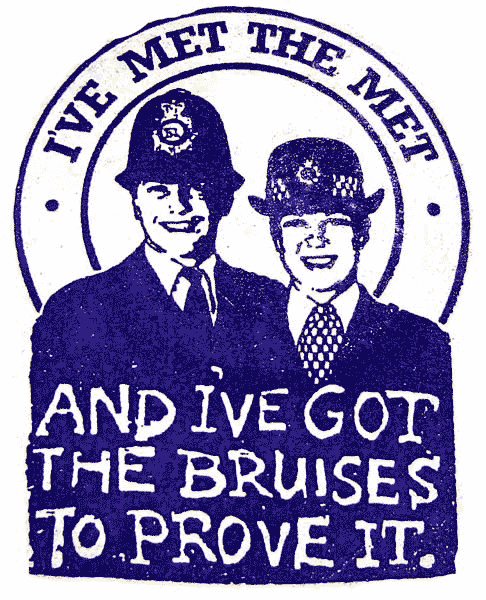
England: I Met the Met, and Had The Bruises To Prove It.

I said recently that I would try and write a little more about live animal exports from England.

‘I’ve met the Met, and got the bruises to prove it’.

The history of live animal exports from the UK has been a long and troublesome one; with most Brits supporting a ban on the export and consequent suffering of animals, whilst the exporters, hauliers and those involved in the business / trade sat strongly on the other side of the fence.

I (Mark) come from Kent county (SE England); and with Dover port being in Kent, it was for years a battleground for anti export campaigners and the pro export lobby.  At one point, due to relentless and very effective campaigning by good people, Dover harbour banned the export of live animals.  As a result, hauliers and exporters turned their attention to other facilities in Southern England to try and get the animals into Europe.  Live calves were even flown out of Coventry airport to be crated in Europe; what with the UK boasting a ban on the use of veal crates, was it somewhat hypocritical for UK farmers to then send their calves to Europe to suffer a fate that had been banned in the UK on cruelty grounds ???

Live calves being exported to mainland Europe – Mark (WAV).

and the crating that resulted …

Banned in the UK on cruelty grounds, UK calves were still exported to Europe for crating ! – hypocritical ??

It was during the anti export protests at Coventry that Jill was run down and killed by an export truck:

February 1995:

Exporter Christopher Barrett-Jolley

Exporter Christopher Barrett-Jolley was behind the calf flights from Coventry; he was later jailed for being a Cocaine dealer which resulted in him being given a 20 jail sentence – read about it here:

England: There Is More To The Jill Story When You Have the Facts. – World Animals Voice

I personally journeyed many times to Shoreham to take part in anti export protests whilst Dover (my patch) was closed down.  There was a massive opposition to the trade as you can see in the film; the Met police from London had to be transported down to the SE port (at huge costs) every time there was a shipment – and in the end, it was these massive costs that stopped the trade from Shoreham.  There is an old saying in animal rights protester circles that they met the Met (police) and have the bruises to prove it – please watch the video and decide for yourselves.

In the end after the High Court ruling which was undertaken by live animal exporter Peter Gilder; the trade returned to Dover.  But, Shoreham and the unity of locals and the anti export protesters has and will always go down as one of the great stands by the Brits to defend the animals that cannot defend themselves.

April 1995 – Fury as live exports ban is lifted

Wednesday 12 April 1995

Dover is facing the threat of major disruption by protesters against the livestock export trade after a decision yesterday by the High Court that the port authority had acted illegally by banning the live animal traders from the port.

The court also ruled that Coventry airport and Plymouth City Council must allow live animal exports.

The landmark judgment, which in effect ensured the future of the trade for the foreseeable future, was greeted with glee by exporters and horror by animal rights campaigners. Mark Glover, of Respect for Animals, who orchestrated the original mass protests which led to the recent ban, predicted civil disobedience would close Dover to all traffic.

“The judges were calling for the rule of law to be upheld but they’ve wholly ignored the consequences of their judgment. We’ll be calling on all our supporters to take part in all the demonstrations against the trade and that will include Dover,” he said.

Jonathan Sloggett, managing director ofDover Harbour Board, said that when the trade restarted – probably after Easter – he feared there would be disruption for 99 per cent of Dover’s customers for the sake of the 1 per cent of animal export traffic.

He added: “The board has been, and remains, very concerned that the admission to the port of Dover of the trade in live animals for export will cause considerable disruption to all the other users of the port.

“The board very much hopes that all those who sincerely object on moral grounds to the exportation of live animals for slaughter will accept that Dover has a legal duty to admit this trade and cannot lawfully refuse to do so.”

Kent police have previously warned Dover that, in the event of any serious disturbance, the A2 and A20 approach roads to the port would have to be closed, causing widespread disruption. They are now drawing up plans for dealing with fresh protests.

Lord Justice Simon Brown and Mr Justice Popplewell ruled that Dover, Coventry and Plymouth had no right to surrender to “mob-rule” and they must accept the trade regardless of the protests that will ensue.

The judges ruled that the port and airport authorities must accept all lawful trade despite their determined opposition to accepting livestock exports.

The judges severely criticised the authorities for acting out of “narrow self-interest”. Dover and Coventry had warned the court that their operations would be severely hampered or halted by animal welfare campaigners, who would take their protest wherever the trade was conducted.

The authorities argued that the interests of existing port and airport users must take precedence over newcomers. Dover warned specifically that a 250-strong demonstration could be capable of closing Britain’s busiest port.

The judges said the demonstrators should now recognise it was “impossible” for the ports to submit to unlawful protest and accept “the limitations upon their lawful right to protest”.

Lord Justice Simon Brown said: “If ever there were cases demanding the courts’ intervention in support of the rule of law, these are they.

“It may indeed be doubted whether there remains any logic in protesting at the ports: the only body properly able to ban this lawful trade is Parliament itself – unless indeed the Secretary of State is advised that even that would be unlawful under Community law, in which event the only solution lies across the Channel.”

The decision marked a victory for the livestock exporters Peter Gilder & Sons and Russanglia Ltd, who argued that Dover’s decision to ban the trade was unlawful because the port was duty bound to accept all lawful cargoes.

Their victory was shared by Phoenix Aviation, which argued that Coventry City Council acted unlawfully by trying to block the trade, and by Associated British Ports, owner of Plymouth’s Millbay docks, which argued that it had no power to unilaterally ban the trade despite the claims of the city council.

Liberty, formerly the National Council for Civil Liberties, also joined in the criticism of yesterday’s judgment.

Andrew Puddephatt, its general secretary,said: “A Private Member’s Bill to stop live animal exports was introduced into Parliament in February but ran out of time when one of William Waldegrave’s aides spent 24 minutes reading chunks from the Encyclopaedia Britannica to furious MPs.

“In the face of antics like that, it seems both ludicrous and insulting to claim that people should trust in the parliamentary process rather than engaging in protest that has been largely peaceful.

Fury as live exports ban is lifted | The Independent | The Independent

Shoreham – the film:

This film follows weeks of daily demonstrations by hundreds and, at times, thousands of people, who converged on a small harbour port in West Sussex, England, to protest about the export into Mainland Europe of thousands of cattle and sheep.

Thousands of young calves were also destined for veal crates, a system where calves are kept locked into tiny boxes, only able to lay or stand and are chained or tethered, forced to drink iron deficient milk so as to satisfy those who like their flesh (veal) light rose coloured and tender. This system was already banned in the UK and so farmers were exporting these baby animals to Europe where it was still legal.

The film demonstrates the power of ordinary people, when they get together and fight for the rights of those who do not have a voice. Within weeks, these advocates for animals managed to stop in their tracks, big business who were profiteering from what many people believe is a trade in suffering. Other harbour ports across the UK also saw these exports stopped, due to persistent and daily demonstrations. Ordinary folk, from all walks of life, young and not so young, put their own liberty and personal safety at risk to try and protect animals as well as to highlight this issue. Watch this film and be inspired.

View the film – Shoreham live export demonstrations 1995

 By watching directly.

Live animal exports have been a subject of tension between animal rights and welfare groups, the public and the farming community since the late nineteenth century. Alun Howkins (1947-2018), a founding editor of History Workshop Journal, and Linda Merricks explored changing attitudes towards live animal exports, drawing extensively on material from the Mass Observation Archive at the University of Sussex which aims to record the everyday lives and opinions of ordinary people. They found that campaigns against the transport of live animals had their origins in the late nineteenth century, corresponding with the growth of the antivivisection movement and environmental activism in Britain. Eight animal protection groups had been established in Britain by 1900 and another eight by 1944. While only one more group was formed before 1960, there were a further fourteen by the end of the 1980s. This suggests that interest in animal protection peaked in the late nineteenth century and then, again, after 1960 with the advent of modern animal rights. In the nineteenth century, concern about animal welfare in Britain was associated with religious-inspired moral reform which raised awareness of animal cruelty, whereas from the 1960s it reflected growing public consciousness of the relationship between humans and animals. Interest in animal welfare and animal rights has since become more central to public and political debate in Britain, but it is important to distinguish between the two. Animal welfare permits the use of animals by humans as long as they are provided with adequate food, shelter, veterinary treatment and other needs to prevent suffering, whereas animal rights advocates share the belief that it is morally wrong to exploit animals.

The past and future of live animal exports – History Workshop

Moving on to current times; live animal exports to be banned in England and Wales

Published 3 December 2020

Live animal exports to be banned in England and Wales – BBC News

STILL remembering Jill, and for the animals;

Regards Mark

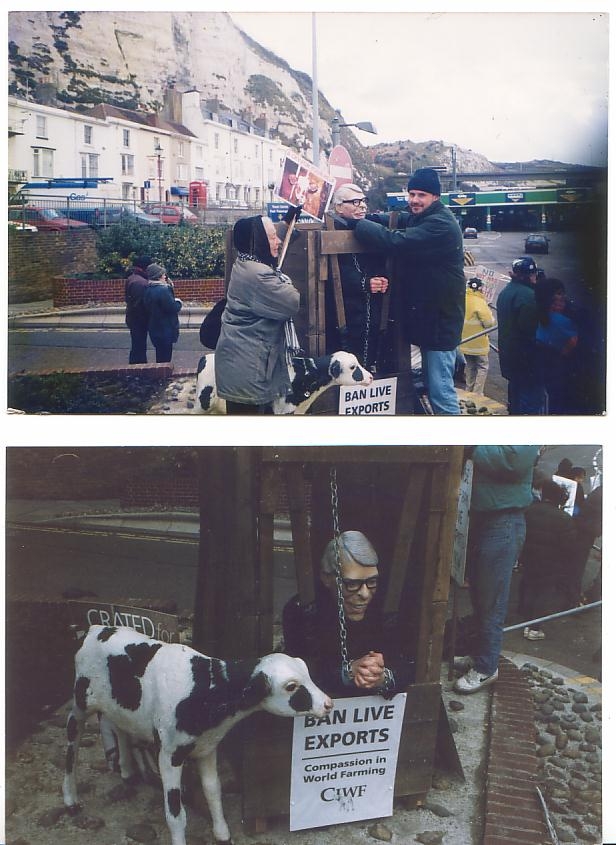
Shaking him warmly by the throat – Mark (WAV) and Barb protest at Dover against live calf exports – a liberated calf and the Prime Minister (then John Major) is shoved in the veal crate; for experience type of thing !!!

England: 5/5 – Various Animal Photos From The South East.

Hi all; lots of wildlife photos taken yesterday; from animal buddy and campaigner Pauline; and the badger in my own back garden. There is a Shoreham sheep – I may write about Shoreham live exports when I get time.

Regards Mark (and Pauline).

Photo – Sparrow in nest box – Pauline.
Photo – Female Coot Feeding Youngsters – Pauline
Photo – Water Vole – Pauline
Photo – Pauline
Photo – Water Vole – Pauline
Photo – Pauline – Sheep at Shoreham.
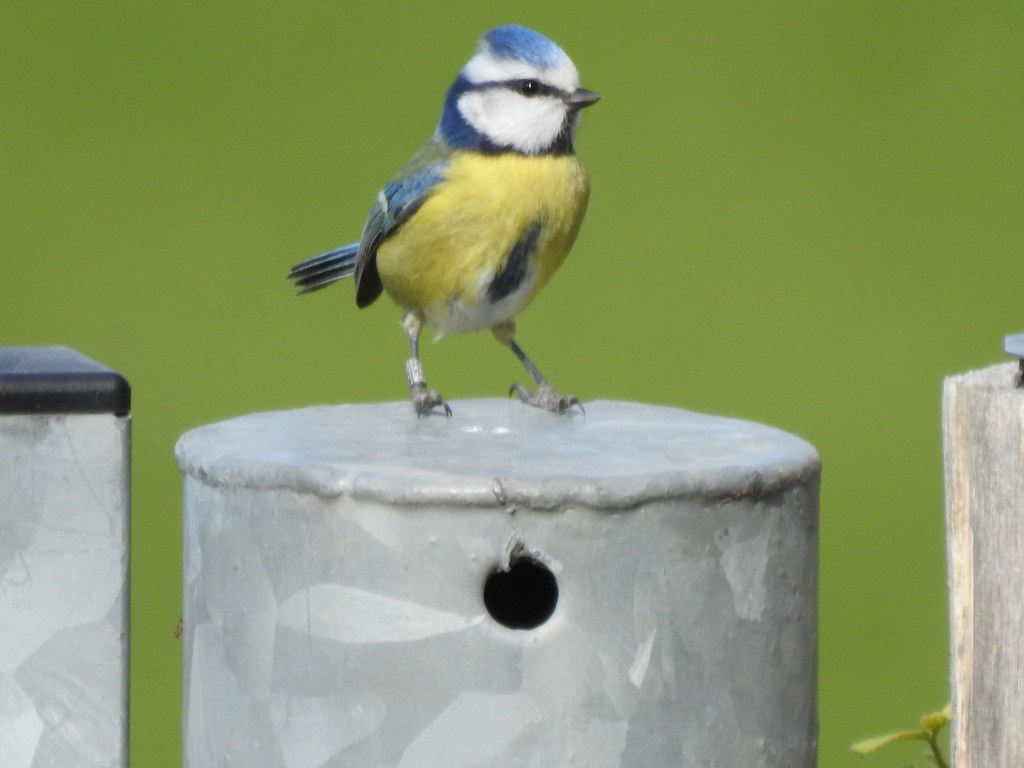
Photo – Pauline (who says note leg ring) – Blue Tit.

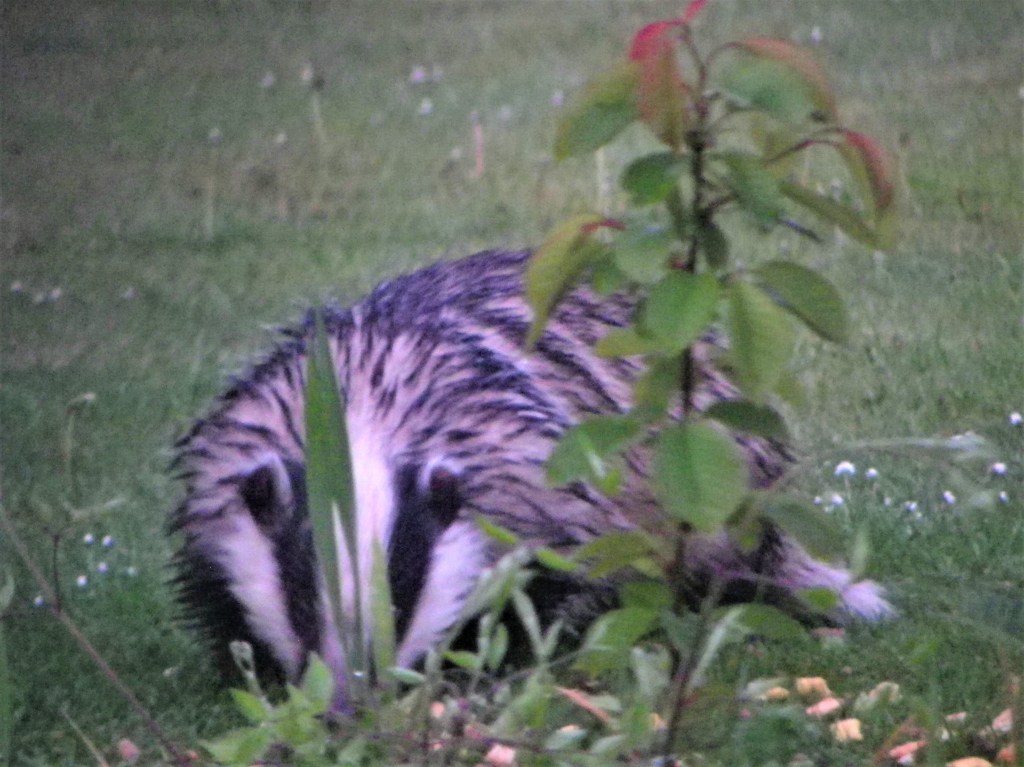
Rained on Badger enjoying nibbles in the garden – Photo – Mark

UK: Animal Advocate Oldies, and Still Getting Stronger.

LEAGUE AGAINST CRUEL SPORTS (LACS).

The League Against Cruel Sports (LACS), formerly known as the League for the Prohibition of Cruel Sports, is a UK-based animal welfare charity which campaigns to stop blood sports such as fox hunting, hare and deer stalking; game bird shooting; and animal fighting. The charity helped bring about the Hunting Act 2004 and Protection of Wild Mammals (Scotland) Act 2002, which banned hunting with hounds in England, Wales and Scotland.

Thanks to our friends at Wikipedia:

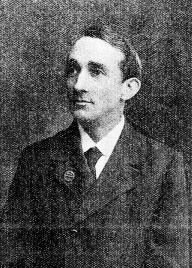
  • 1924 – The League was founded by Henry B. Amos to oppose rabbit coursing[7] – he was successful in achieving a ban. This resulted in the organisation expanding its remit to include other blood sports – such as fox, hare and deer hunting.
  • In 1935, Amos was jailed briefly for throwing a copy of Henry Stephens Salt‘s Creed of Kinship through a stained glass window at Exeter Cathedral during evensong
  • He first became interested in vegetarianism in about 1886.
Henry Brown Amos (24 May 1869 – 22 October 1946) was a Scottish animal rights activist, humanitarian and vegetarian.
  • 1975 – A bill seeking to ban hare coursing, supported by the League, was passed through the House of Commons, but did not receive approval in the House of Lords.
  • 1978 – The League secured legal protection for otters, including a ban on hunting them. The aquatic mammal was up until that point hunted with packs of hounds, one of the reasons for their numbers declining.
  • 1992 – The League helped secure the Protection of Badgers Act, which expanded the protection of the mammals themselves to their setts. The homes of badgers are illegally targeted for several reasons, including being blocked by fox hunts to stop animals being pursued by hounds fleeing underground.
  • 2002 – Fox, hare and deer hunting and hare coursing was banned in Scotland under the Protection of Wild Mammals (Scotland) Act 2002, which was introduced by MSPs following campaigning by the League and other animal protection organisations.
  • 2004 – Fox, hare and deer hunting and hare coursing was banned in England and Wales under the Hunting Act 2004. The legislation was introduced by MPs following campaigning by the League and other animal protection organisations.
  • 2005 – The Hunting Act 2004 came into force – making fox, hare and deer hunting and coursing illegal across England and Wales.
  • 2005 – The Waterloo Cup hare coursing competition held its final meeting at Great Altcar in Lancashire, closing after 169 years following passage of the Hunting Act.
  • 2006 – A huntsman with the Exmoor Foxhounds was found guilty of illegally hunting foxes with dogs in a private prosecution brought by LACS, but the case was overturned on appeal.[8][9]
  • 2007 – Two members of the Quantock Staghounds were successfully prosecuted by the League following chasing a deer across Exmoor.[10]
  • 2008 – Two members of the Minehead Harriers pleaded guilty to chasing a fox with a pack of hounds in a private prosecution by LACS.[11]
  • 2009 – The League announced a new campaign against dog fighting, amidst news reports that there is an increase in dog fighting in London.
  • 2014 – The League celebrates 90 years of campaigning against cruelty to animals in the name of sport. Figures from the Ministry of Justice show that there have been 341 convictions under the Hunting Act 2004.
  • 2015 – Prime Minister David Cameron offered a free-vote on repealing the Hunting Act, backing down shortly afterwards following pressure form the League, MPs and other animal protection organisations.
  • 2015 – Cross-channel ferry companies stop shipping pheasants and partridges from French factory-farms to British shooting estates, following an investigation and lobbying by the League.
  • 2018 – Conservative Party drops its manifesto commitment to offer a free-vote on repealing the Hunting Act following pressure from the League, meaning no Westminster party any longer supports repealing the hunting ban.
  • 2018 – Scottish Government announces intention to strengthen the Protection of Wild Mammals (Scotland) Act 2002, which bans hunting with hounds in Scotland, following pressure from the League and other animal protection organisations.
  • 2018 – Welsh Government bans pheasant and partridge shooting on public land following campaigning and pressure from the League and Animal Aid.
  • 2018 – The Labour Party backs calls made by the League to strengthen the Hunting Act – including prison sentences for those who chase and kill wild mammals.
  • 2019 – University of Wales suspends pheasant shooting on its countryside campus at Gregynog Hall following campaigning by the League.
  • 2020 – In January 2020, an employment tribunal in Britain ruled that ethical veganism is a “philosophical belief” and therefore protected in law. This is the first time an employment tribunal in Britain ruled this. This case was in regards to vegan Jordi Casamitjana, who stated he was fired by the League due to his ethical veganism.[12

Web link: Home | League Against Cruel Sports

Photo – Mark (WAV) / East Kent Hunt Sabs.

ROYAL SOCIETY for the PROECTION of CRUELTY to ANIMALS (RSPCA)

The society was the first animal welfare charity to be founded in the world.

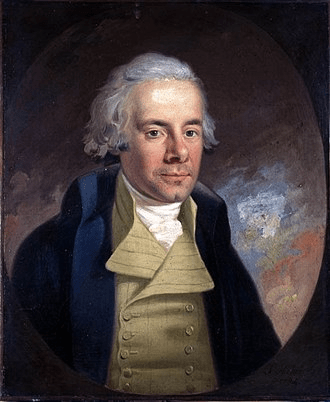
Founded on the 16th June 1824, by Richard Martin, William Wilberforce and the Reverend Arthur Broome, at the Old Slaughter’s Coffee House, near Trafalgar Square, London, who together agreed that the neglect, cruelty and abuse of animals was unacceptable.

William Wilberforce – One of the RSPCA founders and anti slavery staunch campaigner.

Now very close to its 200th anniversary; and going stronger than ever.

Wilberforce was an advocate and staunch campaigner for the abolition of the slave trade; which he achieved shortly before his death:

William Wilberforce – Wikipedia

This proves that animal welfare campaigners are also strong supporters of human welfare issues, as we show with our support for ‘Free Tibet’ who are based in London:


Search Results for “free tibet” – World Animals Voice

Read a lot more about the RSPCA history at:

Royal Society for the Prevention of Cruelty to Animals – Wikipedia

Web site link:  The Largest Animal Welfare Charity in the UK | RSPCA

Above are a few links to enable you to read and learn more about these wonderful animal advocate organisations;

Regards Mark.

Enjoy

Guns and Roses at London:

USA: Victory for Free Speech as U.S. Supreme Court Declines to Review Kansas Ag-Gag Law.


With thanks to Stacey at ‘Our Compass’ as always – very interesting.

Victory for Free Speech as U.S. Supreme Court Declines to Review Kansas Ag-Gag Law | Our Compass (our-compass.org)

Regards Mark

MAY 2, 2022

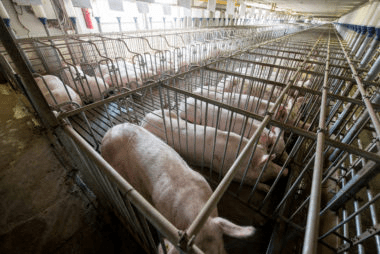
Imagine thinking this standard, normalized abuse, is “acceptable” while ignoring how animals feel having to literally experience it …

Source ALDF

The original title, which I took liberty to “modify”, was Victory for Animals and Free Speech as U.S. Supreme Court Declines to Review Kansas Ag-Gag Law

I changed it because, no, this isn’t a “victory” for animals as it doesn’t benefit animals who all suffer on farms (and labs, entertainment, fur farms, zoos, etcetcetc) regardless of a human court decision. A “victory” for animals would be a vegan world.

And it really wasn’t a “victory” for free speech either as ag-gag should NEVER have been considered much less implemented.

And to be fair, it really wasn’t a victory for “transparency” either, as “transparency” would be the actual anag industry publicizing the torture they inflict on animals versus aggressively trying to illegalize OTHER NON-ANAG PEOPLE from sharing undercover footage of the torture the anag industry effortlessly inflicts on animals.

(I’m not criticizing ALDF, they do excellent work, but many in the tiny minority of vegans who actually care about animals, often view even the meager crumbs of a SCOTUS decision upholding an already-legal-and-required constitutional right, as an “animal victory” in the face of global socially-accepted and celebrated normalized violence and suffering.)

But it’s pathetic how anag cheerleaders can’t get their stories straight, always inviting people to, “COME SEE THE FARMS!!!”, or, “HAVE YOU EVER EVEN VISITED A FARM???” while simultaneously relentlessly pursuing ag-gag to criminalize exposure of THEIR criminally inhuman, abusive acts perpetrated on defenseless, vulnerable animals. So much for “transparency”! (And by the way, I’ve never personally witnessed FGM, seeing someone mutilate a child in person, though, is not going to inspire me to change my mind and support FGM.)

But I wanted to share it anyway as it’s worth noting that a conservative SCOTUS has refused to reconsider a lower court’s decision that ag-gag is INDEED unconstitutional (while of course acknowledging that SCOTUS, along with billions of other humans, still don’t care about animals whatsoever; this wasn’t about animal “rights” or animal “freedoms”, this was about privileged human supremacists who don’t care about human animals OR non-human animals and want to hide their animal cruelty while infringing on the rights of humans).

Oh, and the excuse dejour of – it goes something like – maintaining a disease-free perimeter/area due to “biohazard risks” is based on YOUR actions of confining literally tens/hundreds-of-thousands of animals, not people who are exposing your deviant, shameful behaviour. And your track record sucks as diseases – pandemics – are in the news practically daily. But do pretend that you care about all animals while creating hellishly-zoonotic conditions where suffering, death, and disease thrive….

I won’t be holding my breath waiting for SCOTUS to determine that socially-accepted slavery, rape, and murder inflicted on billions of animals yearly in just the USA, should also be abolished based on the inhuman acts of violently exploiting and destroying animals. In the meantime, however, you can be vegan TODAY rather than wait for others to judicially enforce YOUR ethics.

Oh, and for those who experience moral outrage at my word choices of “slavery, rape, murder”, I don’t like your literal actions – condemning animals to such horrific fates – that inspired my words. You should be more concerned with the violent consequences of your choices versus how I accurately describe them with my word choices.

But people love to define the suffering of others in manners that makes them comfortable causing the suffering of others. SRL

Source Animal Legal Defense Fund/ALDF

In a major victory for animals, workers, and transparency In the animal agriculture industry, the U.S. Supreme Court declined to review a decision by the U.S. Court of Appeals for the Tenth Circuit that struck down Kansas’s “Ag-Gag” law for violating the First Amendment. The decision follows a lawsuit filed in 2018 by an Animal Legal Defense Fund-led coalition of animal, environmental, and food safety advocacy groups challenging the law’s constitutionality.

The Kansas law in question made it a crime to engage in activities that are essential to conducting undercover investigations that have in the past revealed horrific treatment of farmed animals and food workers to the public. The appeals court held that Kansas may not silence views critical of industrial animal agriculture. The court’s decision affirmed that videos, articles, advocacy, and public dialogue generated by whistleblowing and undercover investigations of factory farms and slaughterhouses relate to a matter of public concern: The treatment of animals and workers on factory farms and slaughterhouses, and manner in which food is produced. Such speech lies at the core of the First Amendment. The Supreme Court’s decision leaves that important ruling in place.

The 2021 U.S. Court of Appeals for the Tenth Circuit’s decision notes: “[T]he text and legislative history of the Act evince Kansas’s desire to limit the ability of [the Animal Legal Defense Fund] and like organizations to engage in true speech critical of animal facilities.. . .. We reject this approach because it elevates form over substance and permits Kansas to do just what the First Amendment prohibits: ‘license one side of a debate to fight freestyle, while requiring the other to follow Marquis of Queensberry rules.’”

“The U.S. Supreme Court’s decision not to disturb the lower court decisions is a victory for farmed animals, factory farm and slaughterhouse workers, and food and public safety — as it leaves intact the public’s constitutional rights over protecting corporate interests and profits. Until there are cameras publicly broadcasting the conditions within factory farms and slaughterhouses, investigations are the country’s only opportunity to see the horrific ‘industry standard’ conditions under which food is made,” says Animal Legal Defense Fund Executive Director Stephen Wells. “The industry works hard to keep its practices secret, knowing consumers won’t accept the intense confinement and other inhumane treatment of animals, as evidenced by the passing of California’s Proposition 12 and other proposed state legislation.”

Earlier this year, the Supreme Court agreed to hear a challenge to California’s Proposition 12 ballot initiative, which outlaws the sale of animal products from pigs held in gestation crates, calves held in veal crates, and eggs from hens kept in battery cages. The measure passed after undercover investigation footage exposed the cramped and cruel conditions in which pigs, calves, and chickens spend their lives at industrial animal agricultural facilities.

Source ALDF

“The Supreme Court’s refusal to review the Tenth Circuit’s decision leaves in place important constitutional protections for investigators working with animal rights groups to expose misconduct in the industrial animal agriculture industry,” says Alan Chen, a University of Denver law professor who helped lead the lawsuit against Kansas. “This is a big win for the national campaign against Ag-Gag laws.” Enacted in 1990, the Kansas Ag-Gag law was the oldest in the United States. Kansas is a major agricultural producer with the third-most cows of any state, and until being struck down, its Ag-Gag law had successfully prevented whistleblowers from investigating the conditions that millions of pigs, cows, chickens, and other animals endure.

There have been nine lawsuits challenging state Ag-Gag laws around the country. Earlier lawsuits have resulted in courts striking down similar laws or portions of laws in Iowa, North Carolina, Idaho, Utah, and Wyoming. The Eighth Circuit Court of Appeals will soon consider the constitutionality of Iowa’s second law, after striking down Iowa’s first law and recently clearing the way for an Animal Legal Defense Fund-led coalition’s lawsuit challenging Arkansas’ law to proceed. A decision concerning North Carolina’s law is pending in the Fourth Circuit Court of Appeals. The Animal Legal Defense Fund is also currently challenging a third Iowa law in the U.S. District Court for the Southern District of Iowa.

The Kansas coalition is comprised of the Animal Legal Defense Fund, the Center for Food Safety, and state farmed animal organizations Shy 38, Inc. and Hope Sanctuary. The coalition is represented by Public Justice, leading First Amendment scholars, the law firm Foley & Mansfield, and attorneys with the plaintiff organizations, with assistance from Joshua Rosenkranz and the Supreme Court & Appellate practice at Orrick Herrington & Sutcliffe.

Download Your FREE Vegan PDF HERE

Order a FREE vegan kit HERE

Dairy-Free Info HERE

Take the Dairy-Free Challenge HERE

Click HERE for more Dairy-Free

Fish alternatives can be found HERE

Learn about eggs HERE

Find bacon alternatives HERE and HERE

Take PETA’s Cruelty-Free Shopping Guide along with you next time you head to the store! The handy guide will help you find humane products at a glance. Order a FREE copy HERE

Searching for Cruelty-Free Cosmetics, Personal-Care Products, Vegan Products, or more?
Click HERE to search.

Free PDF of Vegan & Cruelty-Free Products/Companies HERE

Click HERE to find out How to Wear Vegan!

Want to do more than go vegan? Help others to do so! Click below for nominal, or no, fees to vegan literature that you can use to convince others that veganism is the only compassionate route to being an animal friend:

PETA HERE

Vegan Outreach HERE

Get your FREE Activist Kit from PETA, including stickers, leaflets, and guide HERE

Have questions? Click HERE

Regards Mark
France: Justice is served for pigs as French court case condemns routine tail docking.

We Animals.

20 April 2022

In an unprecedented move, a French criminal court has condemned the practice of illegal routine tail docking of pigs and issued a fine of 50,000 euros, including 25,000 suspended, against the owners of a pig farm.

On Wednesday 6 April, the owners of a pig farm in Limoise, France supplying the Herta brand were sentenced a fine of 50,000 euros by the Moulins criminal court. The court considered the systematic docking of animals’ to be an act of abuse. 

Tail docking is the practice of shortening a pig’s tail to prevent tail biting.

Tail biting usually occurs when pigs are bored or stressed due to their poor quality environment, poor health or lack of stimulation. The procedure is normally carried out without pain relief on piglets younger than 7 days. Although banned since 1994, routine tail docking is carried out in 99% of French pig farms.

The farm in question, which holds over 9,000 pigs, was put under the spotlight thanks to undercover footage released by French association L214 revealing terrible conditions in which the pigs were raised. 

This condemnation marks a real turning point! An offense tolerated for 20 years is finally condemned by justice. Tail docking is practiced routinely in almost all farms, with the complacency of state services. France was even called to order by the European Commission in 2020. The message sent today by justice is clear: the regulations concerning the conditions of animal breeding cannot be negotiated. It must apply to all farms, whether the breeding sectors like it or not, and the State is required to apply it.

Brigitte Gothière, co-founder of L214

Read more at source

Press Release from L214

Regards Mark

Italy: New research calls for a reconsideration of ritual slaughter without stunning in Italy.

28 April 2022

ALI

Animal Law Italia urges Italian policymakers to seek a balance between the respect of religious freedom and the essential need to protect animal welfare.

Our member organisation “ALI” (Animal Law Italia) is calling on the Italian Government and Parliament to urgently review the legal framework allowing slaughtering without stunning for religious purposes. The request is supported by a comprehensive paper (see English summary here) written by legal experts and university professors of law and veterinary medicine, with the purpose of better understanding ritual slaughter and raising public awareness on the neglected issue of animal slaughter without stunning. 

The research analyses the current context and the regulatory framework in force in Italy and in Europe, explaining the reasons supporting the proposed regulatory revision according to science, bioethics and consumer protection, accompanied by a feasibility plan. The association also consulted the interested religious communities, whose positions were duly noted and reported in the document.

The pledge is supported by an open letter that is accepting signatures by academics and veterinarians and a petition to the Italian policymakers.

Ritual slaughter has been considered a fundamental issue by animal welfare advocates for decades. During the last few years, different solutions have emerged throughout Europe, such as “reversibile slaughter” in Belgium, allowing a dramatic reduction of suffering for slaughtered animals, yet respecting the freedom of religion, as the Court of Justice of the European Union evaluated in December 2020.

The jurists and veterinarians therefore ask that the Italian policymakers make the use of pre-cut reversible stunning in ritual slaughter mandatory, as an effective compromise solution between the necessary protection of freedom of religion and a better consideration of the interests of consumers and the protection of animal welfare. This does not mean that other technical solutions could not also be explored in the future, as soon as they have been scientifically validated.

Animal Law Italia is confident that a dialogue can be established with religious communities, in order to quickly identify a shared solution capable of safeguarding the welfare of animals during ritual slaughters.

The review of the Italian regulatory framework for ritual slaughter is urgently needed, in light of the growing consideration towards better treatment of food-producing animals. The recent amendment of the Italian Constitution, which now includes animal protection amongst its fundamental principles, requires a comprehensive reform of all the previous legislation concerning animals.

Alessandro Ricciuti, lawyer and chairperson of Animal Law Italia

Read more at source

Animal Law Italia

Regards Mark
Italy: Three trucks carrying lambs sanctioned by traffic police in Italy following investigation.

Three trucks carrying lambs sanctioned by traffic police in Italy following investigation

22 April 2022

Essere Animali

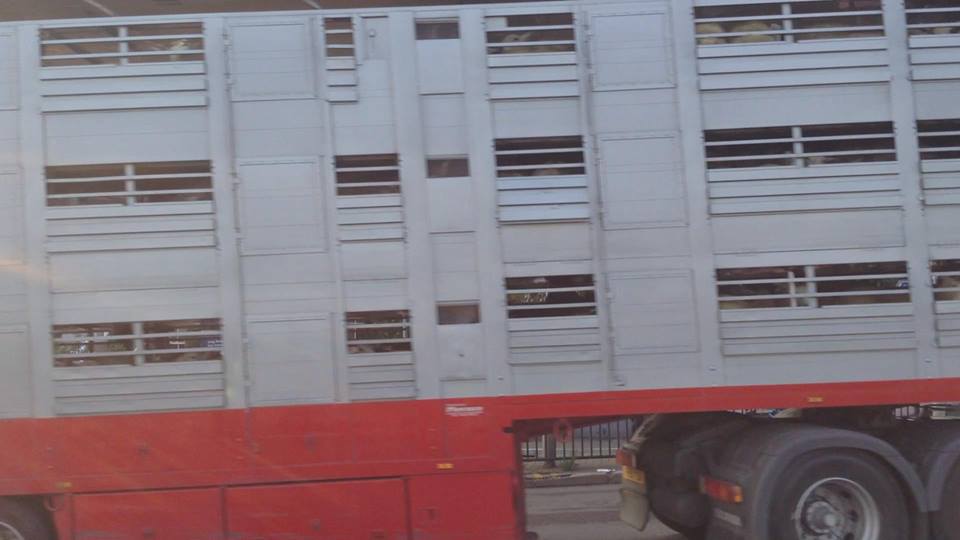
During Essere Animali’s roadside checks with MEP Eleonora Evi, three trucks carrying lambs were sanctioned by the traffic police. The conditions were not adequate to guarantee that the animals could move naturally. In one case, a lamb traveled for hours with one leg stuck between the bars of the truck.

Organisation Essere Animali recently carried out checks of the trucks used to transport live animals that pass through the border with Slovenia to Italy. 

Two vehicles from Hungary and one from Romania, each carrying over 700 lambs across four floors, were identified at the border with Slovenia. They were reported to the authorities and followed at a distance for a total of over 2,500 km, until the traffic police intercepted them. The vehicles were sanctioned under Legislative Decree 25 July 2007, n. 151 which provides for the sanctions for the violation of the provisions stipulated in European Regulation 1/2005 on the protection of animals during transport and related operations.

In particular, the violations concerned the insufficient height of the compartments, which did not allow the animals to move naturally. The lambs’ heads touched the upper floor of the compartment, a condition that can cause bumps, bruises, and burns, as well as preventing adequate ventilation of the compartments. For violations of the provisions on animal welfare during transport, penalties can reach up to 6,000 euros.

Essere Animali’s activists also filmed a lamb that traveled for hours with one leg stuck between the truck bars, as well as issues related to the watering system installed in the vehicles, which several organisations have denounced as unsuitable for some time as it puts lambs at risk of suffering from thirst and potentially dehydration.

Last January, the European Parliament approved a series of recommendations drawn up by the ANIT Committee which do not place animal welfare at the centre of the revisions. In fact, the text approved by the majority of MEPs does not propose adequate solutions to numerous urgent problems, including the transport of animals over long distances (over 8 hours), and that of unweaned animals.

We thank MEP Eleonora Evi for her valuable collaboration, and police forces for their timely intervention. We will inform the European Commission and the Minister of Health of the outcome of the violations, providing images that document this alarming reality. The European Regulation, in addition to being frequently violated, is unable to concretely protect animals. Today it is legal to transport lambs less than two months old for journeys lasting up to 30 hours, subjecting them to conditions that cause them great stress and suffering. Together with other NGOs from all over Europe, we are calling for greater animal protection, such as a ban on the transport of live animals over long distances and unweaned animals. The European Union has the opportunity to really improve the conditions of animals; it shouldn’t betray the demands of its citizens.

Simone Montuschi, President, Essere Animali

Regards Mark
USA: Animal welfare activists want Minnesota Timberwolves owner Glen Taylor to relinquish role as governor.

MEMPHIS, Tenn. — Activists who have disrupted three Minnesota Timberwolves games in two NBA arenas over the past two weeks are demanding that Timberwolves owner Glen Taylor relinquish his role as governor and contribute $11.3 million to various entities on behalf of animal welfare.

The activists, members of the organization Direct Action Everywhere, are targeting Taylor for his ownership of Rembrandt Farms, a large-scale factory farm that produces tens of millions of eggs each year. Rembrandt’s facility experienced an outbreak of bird influenza in March.

“To have Taylor and other extremely powerful factory farming businessmen getting these taxpayer bailouts flies in the face of the values of ordinary Americans,” Direct Action Everywhere media contact and activist Matt Johnson said. “Taylor should set a powerful example by stepping away from NBA ownership and refusing to take any subsidies related to the HPAI outbreak, and donate funds previously received to help repair some of the harm of the most destructive industry on the planet.”

To combat the highly pathogenic avian influenza epidemic, the company killed more than 5 million birds with a method called ventilation shutdown plus at one of its primary facilities in Iowa. Under the method, air flow into the industrial sheds where the birds reside is closed off. Activists deem the practice inhumane.

Protester Alicia Saturio glued her hands to the court during live play in the Timberwolves’ play-in game against the LA Clippers on April 12 at Target Center in Minneapolis, the first of the three incidents. Security quickly lifted her from the court and ejected her.

“I was nervous,” Saturio told ESPN. “I had never super-glued myself to anything. I wasn’t sure how the fans were going to respond. I most certainly didn’t want any of the players to be hurt, so I made sure to do it when they were down at the other end of the court.”

In Game 1 of Minnesota’s first-round playoff series against the Memphis Grizzlies, activist Zoe Rosenberg chained herself to a basket stanchion near Taylor’s seat during the game at FedExForum in Memphis. She was quickly unchained by police and carried out of the arena. Rosenberg faces charges of trespassing and disorderly conduct.

Johnson attended Game 3 at Target Center with the intention of disrupting play. He was apprehended and tackled by security before he could reach the floor. He was placed under arrest and banned from Target Center for one year.

In Game 4 of the series in Minneapolis, activist Sasha Zemmel rushed the court just in front of Taylor, interrupting live play. She was dressed in an NBA official’s uniform. Her intention was to approach Taylor, whose net worth was estimated at $2.5 billion by Forbes magazine in 2020, and call a “technical foul” on the Timberwolves and Rembrandt Farms owner.

Security personnel immediately tackled her to the floor and removed her before she could make the gesture. The referee’s jersey number was 5.3 to represent the 5.3 million birds killed at Rembrandt. Zemmel faces charges of disorderly conduct and fifth-degree assault.

“I didn’t even know what that was,” Timberwolves young star Anthony Edwards said following Minnesota’s Game 4 win. “Y’all got to stop running on the floor in Minnesota. Do that in Memphis. We don’t need it.”

Direct Action Everywhere performs public acts of civil disobedience as well as what it calls rescue missions at farm factories. Though the recent actions are in response to the killings at Rembrandt, the group more broadly opposes factory farming.

The organization has filed a complaint to local and state authorities in Iowa alleging that Rembrandt’s conduct violated state law. It demands that Taylor expedite the pending sale of the team to Marc Lore and Alex Rodriguez, who have agreed to terms. Direct Action Everywhere also is demanding that Taylor Corp., parent company of Rembrandt, donate the $11.3 million it received in federal funds to aid in a 2015 outbreak to public health and animal welfare organizations.

Neither the Timberwolves nor representatives of Taylor provided comments by the time of publication.

Regards Mark
Animal welfare activists want Minnesota Timberwolves owner Glen Taylor to relinquish role as governor (espn.co.uk)

England: End Factory Farming – Add Your Signatures.

Dear Mark,

Two years ago, our lives were shaken by COVID-19. As COVID-19 may have shown all too clearly, diseases can jump to humans from other animals. In fact, according to the US Centers for Disease Control and Prevention, three out of every four new or emerging infectious diseases in people come from animals. So, how we treat wild and farmed animals isn’t just critically important to their wellbeing. It is crucial to human health.

Will you join over 312,000 people who have already signed, and add your name now?
 
Take action
 
This is one reason why, Compassion sounded the alarm on the growing emergency to change our farming system, with a petition urging international institutions to take action. During these last two years, many voices raised in the same direction, and in November 2021, the World Health Assembly committed to an international treaty on pandemic causes and response. This was a first victory, but we now need to have factory farming and animal welfare included in this treaty and linked with pandemic risk.
 
Sign the petition
 
At the start of July, a meeting of countries in charge of the redaction of the Treaty on Pandemics will be held; this is the best time to hand over our petition and show that citizens around the world are aware of the connection between factory farming, animal welfare and pandemic, and ask for change. We will hand over our petition with other organisations, to show how many people worldwide care about this. If you have not signed the petition yet, we need you to raise your voice! We will be your spokesperson and hand in your signature directly.
 
Add my name
 
We all have been impacted and suffered during the COVID crisis; we should not miss this opportunity to act so this is never allowed to happen again. Many thanks in advance for your support. Together we will be able to make it heard that there can’t be health security whilst factory farming continues. For the animals,