Category: Farm Animals

USA: An animal rights activist was in court on criminal charges. Why was the case suddenly dismissed?

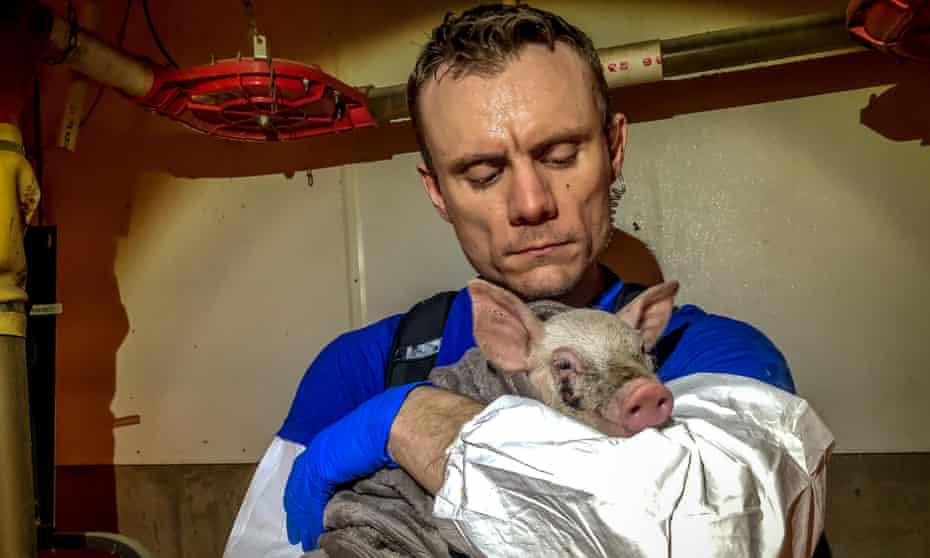
A man wears blue safety gloves while holding a small pig
Matt Johnson, shown here holding Gilly, was charged with burglary, planting recording devices, and trespassing after conducting an exposé. Photograph: Direct Action Everywhere

From ‘The Guardian’ – London.

An animal rights activist was in court on criminal charges. Why was the case suddenly dismissed?

Matt Johnson conducted an undercover exposé of cruel practices used to mass exterminate pigs at Iowa Select Farms facilities

When animal rights activist Matt Johnson last made national news, he was in disguise. He appeared on Fox Business in December 2020, sporting a buzz cut and button-down (much different from his usual casual attire) and posed as the CEO of Smithfield Foods. The pork giant he claimed to be representing had factory farms that were “petri dishes for new diseases”, he told the news anchor. After the segment went viral online, Fox realized their mistake: “It appears we have been punked,” host Maria Bartiromo announced, apologizing to Smithfield, which called the interview “a complete hoax”.

Johnson’s antics, and his seeming lack of fear of the consequences, have made him a formidable opponent of the meat industry. But while the Fox incident offered a moment of levity, today, Johnson makes the news for something far more serious. He has just been let off for criminal charges that could have sent him to prison for up to eight years. After conducting an undercover exposé of conditions at the pork company Iowa Select Farms in May 2020, his actions put him on the line for burglary and planting recording devices. Another charge, for trespassing at a food operation (an offense created by an Iowa ag-gag law), was added in 2021.

While these specific charges against Johnson can’t be brought again, they may not be his last. His work as an organizer with the animal rights group Direct Action Everywhere (DxE) involves high-profile, high-risk actions like secretly recording factory farms and rescuing animals. Since farm animals are legally property and have no rights and almost no protection from suffering, removing them is usually treated as burglary, no different from stealing jewellery or someone’s wallet. In the last decade, many state “ag-gag” laws have sought to further criminalize such activism.The conditions that brought Johnson, an Iowa native now based in California, to Iowa Select Farms facilities were particularly cruel, according to DxE – and the outrage that followed his exposé suggests the public were similarly alarmed. As Covid was tearing through US slaughterhouses, Johnson had been tipped off by an Iowa Select truck driver about conditions at the company’s facilities.

Across the meat industry, workers were falling ill, meatpacking capacity was significantly reduced, and farms were overloaded with animals and looking for ways to dispose of them. Johnson was made aware of a practice called “ventilation shutdown”, being used by Iowa Select to mass exterminate pigs: the animals were packed into sealed barns and essentially cooked to death by heaters and steam generators.
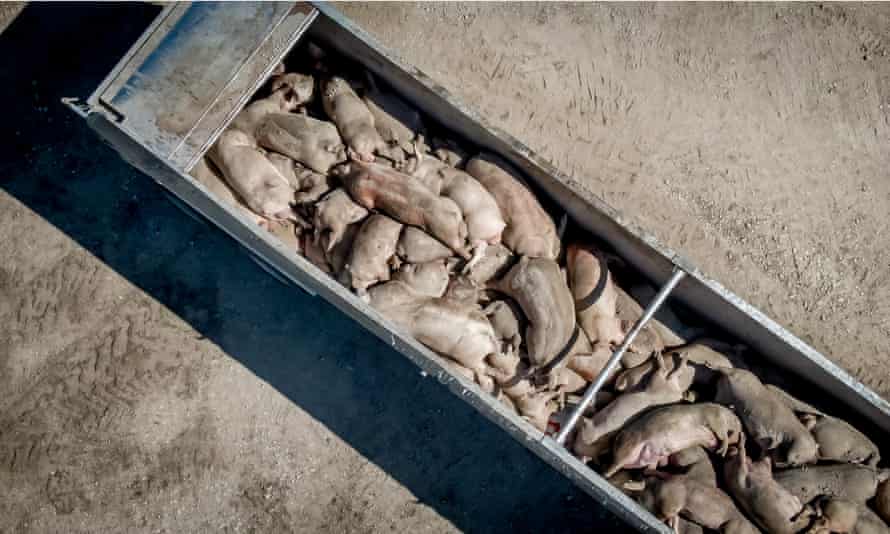
A closeup shot of a semi-trailer filled with dead pigs.
Farms were overloaded as Covid was tearing through US slaughterhouses and looking for ways to dispose of animals. Photograph: Direct Action Everywhere

Continued on next page

Italy: Seems To Have Major Problems When It Comes To Enforcing Protection For Animals.

WAV Comment – Italy seems to have big problems when it comes to enforcing animal welfare !

New investigation documents culling of thousands of chickens due to avian flu

1 February 2022

Essere Animali

A new investigation by Essere Animali documents culling operations on a farm where cases of avian flu were detected. The film shows chickens being collected with the blade of a bulldozer and then herded by the thousands into containers which, once sealed, are filled with gas.

Since October last year, over 300 outbreaks of highly pathogenic avian flu (subtypes H5 and H5N1) have been recorded in domestic poultry, and several other cases have been found among wild animals in Italy. So far it is estimated that the number of animals slaughtered due to avian flu in Italy exceeds 15 million.

Essere Animali conducted an investigation in the most affected region, Veneto, which has the largest number of poultry farms and animals. Using a drone, they were able to capture footage from a farm in the province of Vicenza with a capacity of 300,000 animals where an outbreak of the flu was recorded.

As the video shows, the chickens are unloaded into containers at least two metres high, which are densely packed with animals. Inevitably, the chickens in the bottom layer are crushed by the weight of the chickens above. It takes about 30 minutes for the loading, covering, and gassing to be completed. The death of these animals is surely preceded by long minutes of fear and stress.

During this procedure, some chickens fall from the blade, risking physical injuries following the impact and further prolonging the agony of the animals.


AVIAN FLU: 300,000 chickens stacked and killed with gas

We are disseminating these images because we believe it is necessary to reflect on our food system, which is based on excessive consumption and production of meat, made possible only by raising animals intensively. These farms are hotbeds for viruses, and as long as animals are raised by the thousands in confined spaces, avian flu outbreaks will continue to recur regularly with devastating effects. We are ignoring the cruelties inflicted on these animals and underestimating the potential risk to public health. Several experts have talked about the possibility that the virus could mutate and develop the ability to transmit among the human population.

Simone Montuschi, President of Essere Animali

Previous avian flu epidemics that have hit European farms demonstrate that it is not possible to limit an outbreak inside factory farms. It is precisely the conditions in which the animals live that cause viruses to spread rapidly and, if highly lethal like avian, kill most of these animals.

In addition to crowding — the average capacity of an intensive poultry farm in Italy is over 21,000 animals per complex — genetic factors also play a significant role: in farms, animals are selected to grow very quickly and produce enormous muscle mass, which in itself can cause physical problems. Moreover, they usually are genetically very similar to each other, so a virus can act undisturbed without encountering genetic variants that prevent its spread. To prevent epidemics from spreading, we need to review our food system based on the consumption of animal products.

Regards Mark

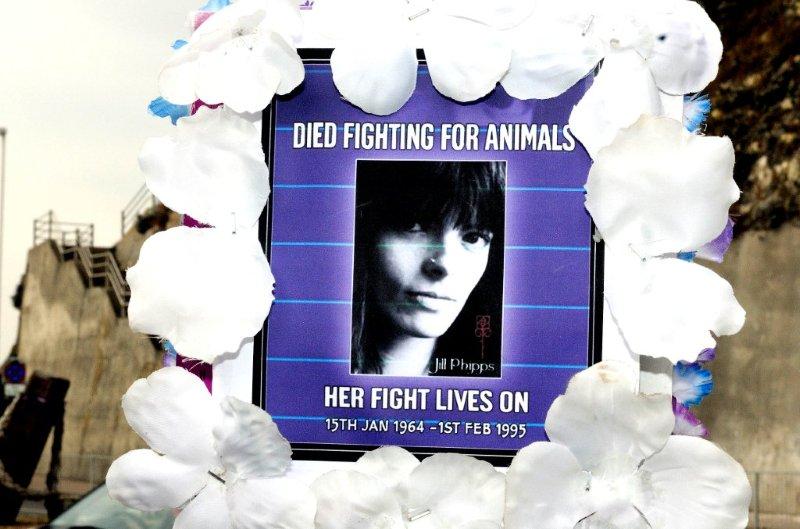
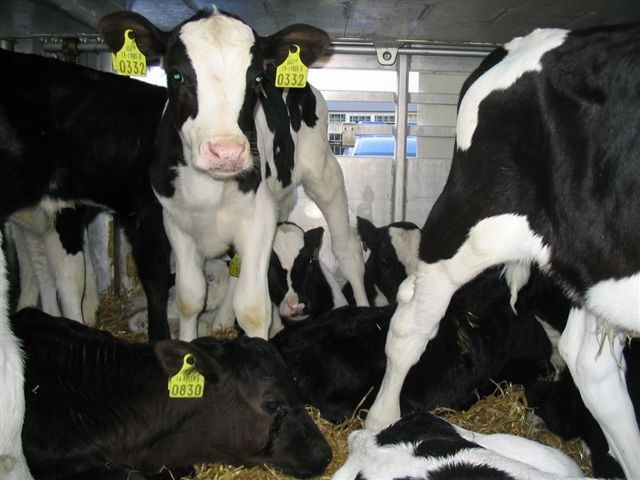
England: Remembering Jill and The Tragic Event of 1/2/95.

You can read lots here about Jill and her death at Coventry airport whilst trying to stop the export of live calves.  Visit the links at:

Search Results for “jill phipps” – World Animals Voice

Jill was killed on 1/2/1995.  The link given above will provide a lot of different information on her life, her death trying to protect animals; and the people involved in it; including (her death), Christopher Barrett-Jolley, was a known gun runner who had flown arms to vulnerable developing countries including South Yemen and Sierra Leone.  He was behind the calf shipments from Coventry, and was later jailed for 20 years for attempting to smuggle 270 kg of cocaine into Southend airport, Essex, England.

England: There Is More To The Jill Story When You Have the Facts. – World Animals Voice

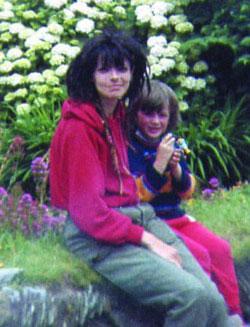
We will never forget the actions of Jill; and this is a simple tribute to an animal advocate who was murdered, literally, by a system that at the time viewed animal rights activists as the ‘bad’ ones; rather than looking more into the actions of the ‘other side’ who were involved in the abuses.

Thank you Jill for your actions – you will never be forgotten.

Regards Mark

Veal EU 2

Denmark: Good News – Danish Retail Chain Commits To Huge Boost In Animal Welfare.

31 January 2022

Dyrenes Beskyttelse

The Danish retail chain REMA 1000 will significantly increase sales of pork and poultry raised at the highest level of animal welfare. This is happening through a new partnership with Animal Protection Denmark, in which REMA 1000 is the first retail chain in Denmark to enter a total phasing out of fast-growing poultry.

REMA 1000 customers will soon be able to buy significantly more food products from animals that have lived out in the open and with more space. Animal Protection Denmark and REMA 1000, a leading discount chain in Denmark, have recently signed an agreement to raise animal welfare to the highest level for far more products produced from pigs, chickens, and cows.

Among other things, the agreement means that, within the next two to three years, 25 percent of the sale of all fresh pork and poultry must come from free range productions.

At the same time, the sale of the fast-growing chicken breed Ross 308 is being phased out completely.

This is very good news for all of the many farmed animals for whom the agreement will mean a life with access to the outdoors, more space, and the opportunity to live out their natural behaviours. The agreement with REMA 1000 is the result of a long and thorough dialogue, in which ambitious goals have been set for both the short and long term. These are goals that will very quickly impact our range of products as well as the marketing of goods with high animal welfare so that the Danish consumer can easily choose good animal welfare when making their daily purchases. This is an agreement that in many ways shows the path forward in the Danish retail market.

Britta Riis, CEO of Animal Protection Denmark

We’re finding that more and more customers want to buy products with high animal welfare, which are approved by Animal Protection Denmark, because there is enormous trust in their brand. Trust that we share, and we want to give the customers the opportunity to make even broader choices.

Anders René Jensen, Purchasing and Marketing director at REMA 1000

The ‘Approved by Animal Protection Denmark’ label is a registered guarantee and certification label, which may only be used on products where the production has been approved by Animal Protection Denmark in accordance with established requirements. The label has existed for 30 years on the Danish market and has only one level of animal welfare, meaning, among other things, that it is only given to agricultural operations where the animals have access to the outdoors.

Regards Mark

So; EU Sells Pig Meat to Japan, and Under JEEPA; Japan Sells Pig Meat to the EU. That Makes Environmental Air / Sea Mile Sense, Or Does It ? – They Call It An ‘EU-Japan Economic Partnership Agreement’; We Call It Environmental Destruction.

EU and Japan should use their trade deal to do more for animals

27 January 2022

WAV comment – so, under the JEEPA; the EU imports cattle, hens and pigs from Japan. But hey, does the EU not export (from Germany) pig meat to China  ?   Germany is one of the largest meat exporters in the world with approximately 58 million pigs are slaughtered in Germany every year.

So, lets get a grip – the EU produces pig meat within the EU (Germany) that it then exports outside of the EU.  At the same time through JEEPA, the EU is importing pig meat from Japan on the other side of the planet ! – this must be so effective in reducing all the meat transportation miles and cutting down on air and sea miles I don’t think. 

Sounds to me like a to hell with the environment; as long as we have good export and import figures, who cares !

Why not German pig meat be sold in the EU, and Japanese pig meat sold in Japan or China ? – this shown the environmentally destructive results of ‘economic partnership agreements’ that our master politicians pride themselves on so much.  Fools or sense ?

Regards Mark

From Eurogroup for animals.

The EU-Japan Economic Partnership Agreement (JEEPA) entered into force in February 2019, but the partners have not yet started any discussion on animal welfare. At the occasion of the third joint civil society meeting under the trade deal, Eurogroup for Animals calls on the EU and Japan to make use of the provisions on animal welfare cooperation listed in the agreement to foster a transition towards a more sustainable food system, in which animal well being is respected.

Read our report.

While JEEPA liberalised the trade in most animal products without any condition related to animal welfare, it also provided two channels that could be used to improve animal well being: the provisions on animal welfare cooperation, and the chapter on Trade and Sustainable Development (TSD), which covers wildlife trafficking, sustainable aquaculture and fisheries. 

While the EU does not currently import significant amounts of animal products from Japan, reduced tariffs have still led to more imports of Japanese animal products. For instance, between 2018 and 2019, imports of Japanese fresh and chilled beef increased by 31% and pig meat imports more than doubled.

As tariff reduction was not conditional on the respect of any animal welfare standards, and as Japan has poor legal requirements in the field, the increase in trade is likely to have favoured mostly industrialised intensive farming practices. This is not only detrimental to animal welfare, but also fuels challenges such asclimate change, biodiversity loss, antimicrobial resistance, and the spread of zoonoses

Using the mechanisms available under JEEPA to promote higher animal welfare is thus essential to ensure that trade policy does not impede the EU’s efforts in combating these problems.

In July 2020, in a reply to a joint letter sent by Eurogroup for Animals, Japan Anti-Vivisection Association (JAVA) and Animal Rights Center Japan (ARCJ), the European Commission agreed that increased animal welfare cooperation should be part of the EU-Japan cooperation. At the occasion of the third anniversary of JEEPA, Eurogroup for Animals reiterates its call for concrete actions to take place in the field through the publication of a report on what the EU and Japan could do for animals under JEEPA. 

The report describes the areas that would be the more promising for EU-Japan animal welfare cooperation either because of the EU imports (cattle, hens and pigs), or because the sectors are key in Japan and therefore any improvement to animal welfare could have a significant impact on animals and on the sustainability of food productions (laying hens and broiler chickens), and lastly  because the EU exports live animals who end up being farmed in these sectors in Japan (horses). 

Hopefully, 2022 will be the year such a cooperation starts. This would contribute to the achievements of the objective listed in the Farm to Fork strategy: to use its trade policy to “obtain ambitious commitments from third countries in key areas such as animal welfare”.

Read our report.

Regards Mark

Blow Fixx, hangers, injections: This is how cows are manipulated during milking

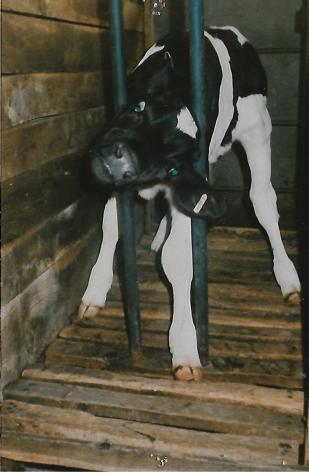
Cows and calves lead a cruel existence in the dairy industry. Newborn calves are usually separated from their mothers immediately after birth.
The female offspring usually suffers the same exploitative fate as the mothers and is also intended for milk production.
At the age of about one year, female calves are artificially inseminated for the first time. After birth, they are separated from their child and then milked for the first time.

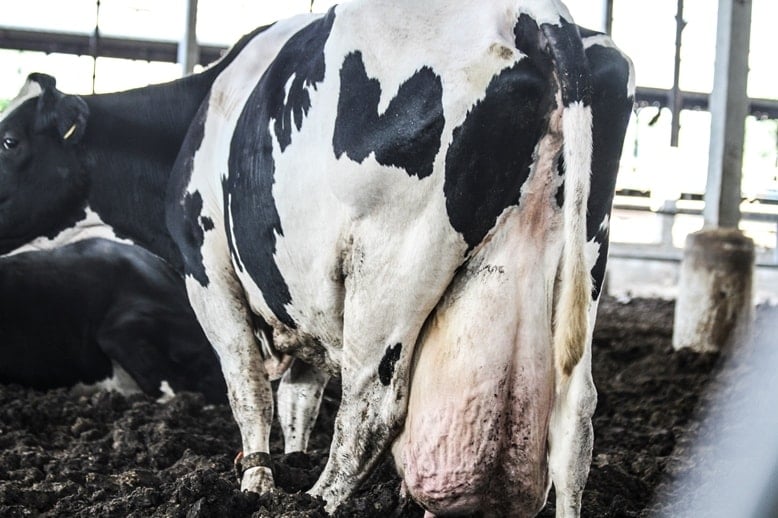
The dairy industry employs obnoxious and manipulative practices to calm cows during milking and to resolve so-called milk blockages.

Panicked cows in the milking parlour

Young cows in particular sometimes fight back during the milking process.
They don’t stand still in the milking parlor and can’t stand having their udders touched by people and their mother’s milk milked by machines.
The young animals are afraid, panic and try to defend themselves with kicks.

In view of this defensive behavior, the dairy industry does not conclude that they should leave the animals alone and stop stealing their mother’s milk.
Rather, she fixes the young cows with so-called hip restraints or stirrups.
The arched metal devices are clamped around the cow’s waist so that she cannot defend herself with kicks.

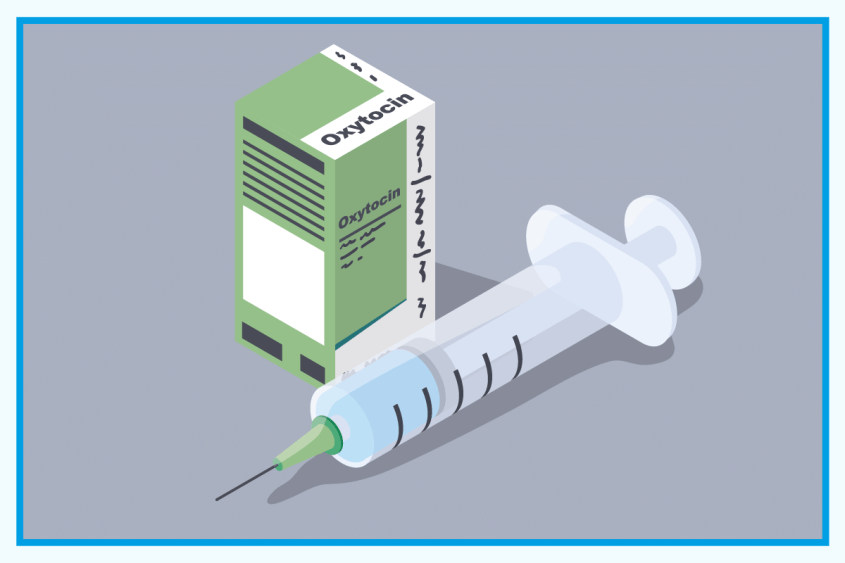
In addition, the animals are often injected with synthetically produced oxytocin. The so-called “mother-child hormone” is supposed to calm the cow so that she willingly “gives” her milk.

BlowFixx blows air into cows’ vaginas

It is difficult for us to understand how people came up with the idea of blowing air into the genitals of cows so that they “give away” their mother’s milk.
Unfortunately, the dairy industry is unaware that human beings do not need non-native breast milk – and certainly not in adulthood.

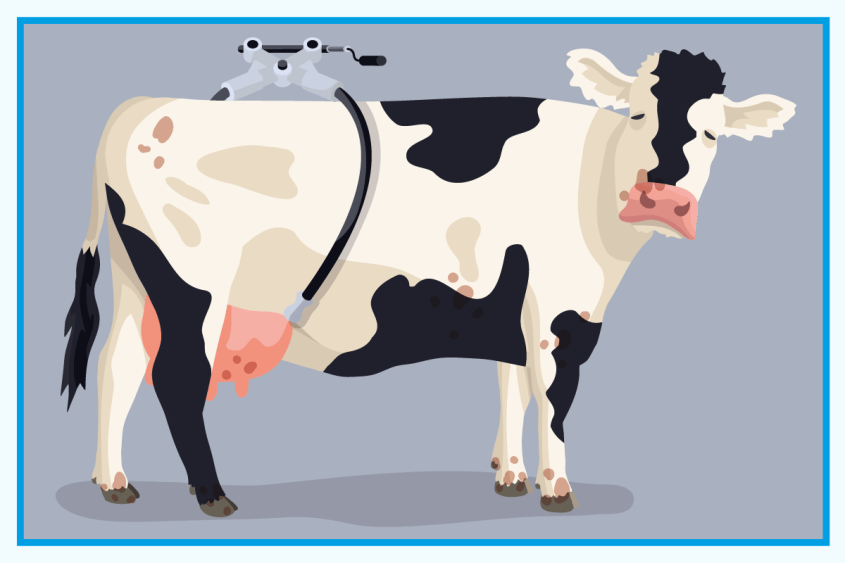
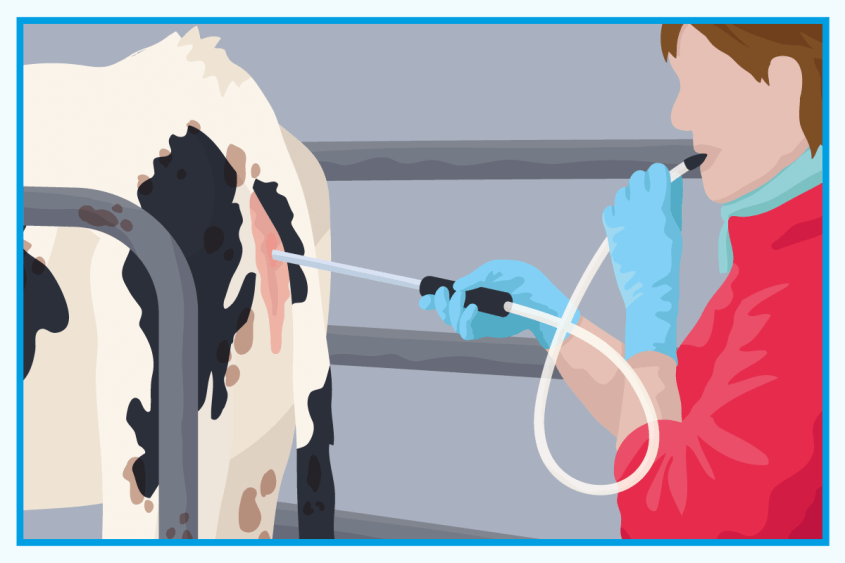
On the contrary, the exploitative industry has even developed a special device that uses a stainless steel probe to blow air into the animals’ vaginas in order to be able to milk young, frightened cows better.

This device is called “BlowFixx”.
In the past, some dairy farms are said to have used garden hoses for the heinous practice, which can sometimes be difficult to insert into the animal’s vagina due to their mobility.

Cows are not milk machines

At PETA, we are appalled at the normality with which these disgusting devices are advertised.
Rather than face the obvious question of why cows don’t want to be milked and stop exploiting the animals, the dairy industry resorts to unsavory manipulation and relegates cows to milk machines.

Cattle are social and affectionate animals that naturally take great care of their children and provide them with the best possible supply from their mother’s milk.
Applying the disgusting practices of the dairy industry to dogs or cats would cause a societal outcry – and rightly so.
The classification of different animal species into so-called pets and so-called livestock is man-made.
It rests on a deeply speciesist mindset that urgently needs to end.

Whether cows continue to be deprived of their mother’s milk is in our hands. Please reach for plant-based milk alternatives to break this painful, speciesistic cycle.
With our free and non-binding Veganstart program, you can easily start an animal-friendly life. The vegan lifestyle offers far-reaching benefits – for the animals, our environment and our health.
It’s best to try it out today!

https://www.peta.de/themen/kuh-melken-manipulation/

And I mean…Humans are the only creature that continues to drink breast milk after weaning, albeit from a different species.

Milk is one of the staple foods for many people – but they are clearly in the minority.
A large part of the world’s population does not tolerate milk.
Around three quarters of all people worldwide are lactose intolerant: They lack lactase, i.e. the enzyme that can process lactose in the body.
In Europe, around 30 percent of adults suffer from lactose intolerance. For them, milk consumption leads to abdominal pain, bloating and flatulence.

The countries in which milk is not a staple food clearly show that people can survive and even live healthily without cow’s milk.

There is hardly a food that is more unnatural for humans than animal milk.
As with all mammals, this substance is designed to nurture a newborn of its own kind.
In order for humans to be able to obtain cow’s milk, for example, the calf must first be removed from the only natural food chain.

This is done by snatching the children from the mother cow immediately after birth.

In order to deliver the quantities that are required, the whole thing is now even being carried out industrially and the cows in this perverse machine are artificially inseminated every year and are practically permanently pregnant for the rest of their lives.

And all this just so that Homo sapiens can also consume the mother’s milk of another species in adulthood.
Anyone who confuses that with naturalness is either an idiot or an ignoramus

My best regards to all, Venus

England: Archive: Live Animal Exports From Kent, England. By Mark (WAV).

All photos shown here were taken by Val C.

Recent Past  – Live animal exports to Europe from Ramsgate port, Kent, England.

As many of you will know, live animal transport has been a major part of my life for decades:

About Us – New Category (As Requested). – World Animals Voice

I am from Kent County; which lies directly to the SE of London and is the nearest English county to mainland Europe – you can see it’s position here and read about much of past history: Kent – Wikipedia

Being the nearest county to Europe; Kent has several ports which operate ship ferry services across the English Channel.  Dover is the one we probably all hear about most, but there is another – Ramsgate; which was quite an important port until recently but is not used much now. This appealed to live exporters, who did not have to comply with the very tight arrival and departure schedules if they operated from Dover – it was kind of more relaxed for them.

For years I was involved with an English group (as the EU Correspondent) dealing specifically with live animal shipments from SE England ports which included Dover and Ramsgate.  I want to share here just for the record / interest; some (now archive; but recent until a year or two ago) photographs taken by our official group photographer Val C, who was a member of the official journalists union; hence the excellent quality of her work.

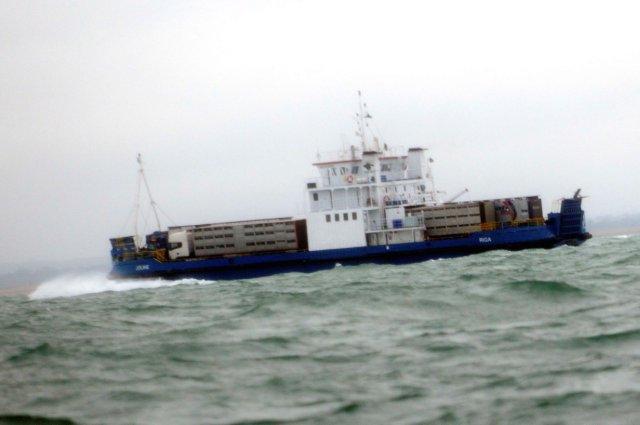
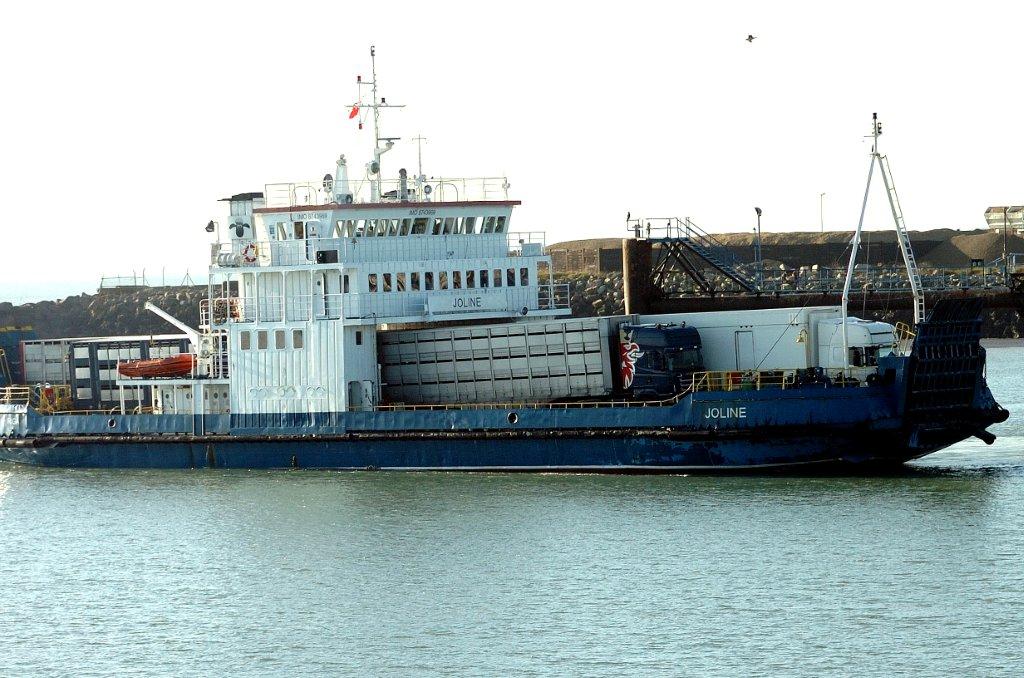
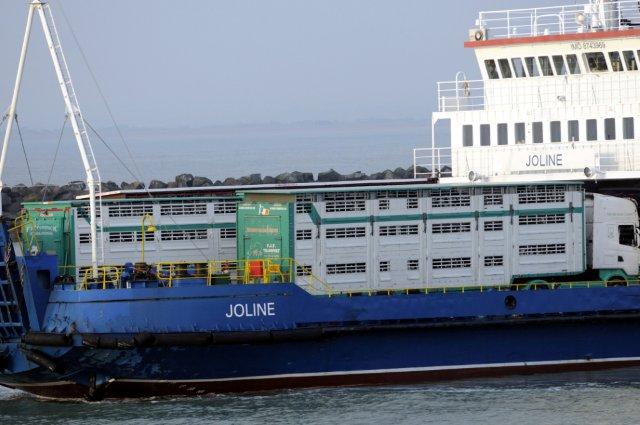
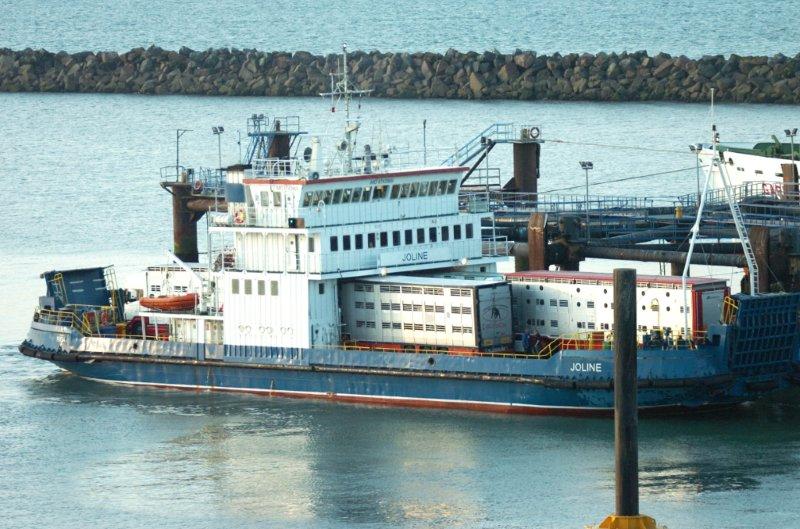
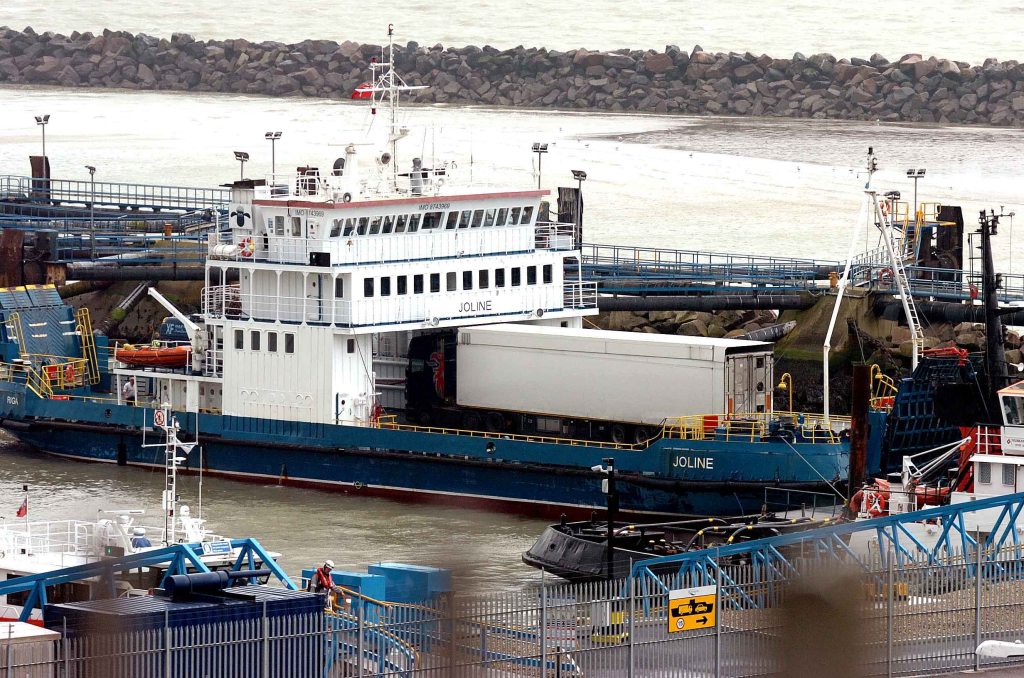
These pictures deal mainly with a vessel operated by a (trader / exported / haulier) Dutchman named ‘Onderwater’; who owns and operates a vessel named the ‘Joline’. 

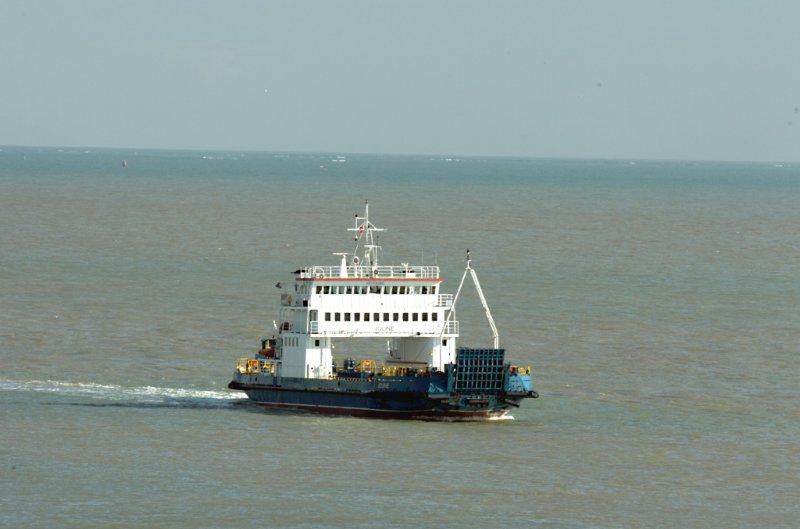
The ‘Joline’

This vessel was originally constructed as a Soviet battle tank carrier to be used only on rivers; not across the English Channel with loaded livestock transporters full of live animals.  As a vessel it has a low draft (draft in the American spelling, draught in the British) which is defined in technical terms as the distance between the ships keel and the waterline of the vessel.

A battle tank carrier for use on rivers should not carry livestock transporters across the English Channel.
Note the low draught – sides of the vessel – not suitable for Channel waves.

Loaded transporters on the Joline
.. and more.

Continued on next page

Spain: “Ethically and Environmentally” Disastrous; Plans to FARM Octopus in Spain Advance.

26 January 2022

Experts and animal welfare campaigners are appalled as Spanish seafood company Nueva Pescanova announced plans to open the world’s first octopus farm despite multiple ethical and ecological concerns.

Nueva Pescanova hopes to begin marketing farmed octopus this summer, before selling 3,000 tonnes of octopus a year from 2023 onwards. The commercial farm will be based close to the port of Las Palmas in the Canary Islands. As of yet, the conditions in which the octopus will be held captive – the size of the tanks, the food they will eat and how they will be killed – have not been disclosed by the company. 

Experts have been ringing alarm bells about the ethics and sustainability of octopus farms for many years. The London School of Economics concluded in a landmark report last year: “We are convinced that high-welfare octopus farming is impossible.” Compassion in World Farming released a report in 2021 warning that octopus farming is a “recipe for disaster”. In 2019, researchers concluded that “for ethical and environmental reasons, raising octopuses in captivity for food is a bad idea”. 

Cephalopods are solitary animals that are highly inquisitive, intelligent, and carry out complex behaviours and interactions with their environment. They are territorial animals and could easily be damaged with no skeletons to protect them. The barren and confined conditions of farming systems therefore create a high risk of poor welfare, including aggression and even cannibalism. Aquatic animals are the least protected of all farmed species and at present, there are no scientifically validated methods for their humane slaughter. 

Farming octopuses would also add to the growing pressure on wild fish stocks. Octopuses are carnivores and need to eat two-to-three times their own weight in food over their short lifetime. Currently, around a third of the fish caught worldwide is turned into feed for other animals – and roughly half of that amount goes into aquaculture. So farmed octopus are likely to be fed on fish products from stocks already overfished and at the expense of the food security of coastal communities.

PACMA, the Spanish political party for the animals, is organising a demonstration against the farm on the 5th February 2022. PACMA invites any organisations willing to support their demonstration to email laspalmas@pacma.es providing the logo of your organisation.

This issue would seriously undermine the values of a society that is moving towards empathy and compassion towards other species, and an entire scientific community from all over the world is speaking out against the atrocity of opening this farm

PACMA

Regards Mark

Direct Action Everywhere uncovers crimes at Iowa Select Farms

New whistleblower footage shows piglets with their heads stuck between metal bars at this Iowa Select Farms facility. Activists visited the farm to demand a response from local authorities.

https://fb.watch/aNmVcs7QXQ/

Direct Action Everywhere – DxE posted a video to the Trial in Iowa playlist for Exposing “Ventilation Shutdown”.


Direct Action Everywhere
TAKE ACTION: Call the Grundy County Sheriff and ask them to help these pigs — (319) 824-6933

https://www.facebook.com/directactioneverywhere/

And I mean…Some people have responded and called the police.
Here is some messages on Facebook:

“1.Just called and was only told that it is an ongoing investigation and that they don’t provide updates on anything ongoing.
Hopefully if enough people keep calling, they will feel some need to do something.

2.I just called someone answered and they hung up on me once I said it was about this farm. More people need to call because being hung up on is really bad.

3. i just called. the officer said it’s ongoing. i said thank you for your attention he said ‘you bet’. I really want the suffering to end. how much more of this tragedy do we have to witness for it to end? no excuse for animal abuse. these are innocent babies.Just called and was only told that it is an ongoing investigation and that they don’t provide updates on anything ongoing.
Hopefully if enough people keep calling, they will feel some need to do something”

Big thanks to the brave activists of DxE!!

Actually this is a case for the veterinary office.
Which here in Germany and for similar crimes in farms repeatedly failed cracked.

We see animals being abused by professionals, animals eating each other and being horribly disfigured, animals dying helplessly and not even getting the minimal help they deserve…
And as if that weren’t an obvious crime on the part of the Iowa Select Farms, its faithful servants want to declare this place of horror as their personal domain, their high private property including living beings being tortured and massacred.

The police have become accustomed to violence, is nothing more than a necessary evil that goes with it.
We live in a society in which severe violence against animals is considered a trifle.

We must not make it easy for them.
Call and forcefully request the police officers to do their job.
Finally they are paid by us.

My best regards to all, Venus

EU: EP (Euro Parliament) Plenary: Disappointing Vote on Live Animal Transport.

WAV Comment: The EU never has, does not wow, and never will act in defence of animals in transport – they are instead at the control of the mafia meat industry. The EU talks big on ‘farm to fork’ strategies; but they are just simple words from simple folk that mean nothing. If the EU cared; it would have acted a long time ago; instead the EU citizen is bullshitted to with all the talks, reports and votes which basically result in nothing. The UK left the EU a few years ago; now it has legislation going through Parliament to stop ALL live animal transport. Spot the link ? – NO EU, nations take back control and make their own laws; if you stay in the EU, and you must obey, Commissioners say; regardless of your own national views or consequences.

EP Plenary: disappointing vote on live animal transport

20 January 2022

Press Release

Today the European Parliament voted on the Recommendation of the Committee of Inquiry on the Protection of Animals during Transport (ANIT), watering down an already weak text which won’t stop the suffering of billions of animals.

Stella Kyriakides, European Commissioner for Health and Food Safety, opened and closed the debate reminding the Members of the European Parliament (MEPs) that animal welfare is a priority within the Farm to Fork Strategy and, at the same time, a priority of her mandate and personally for her. 

The European Commission (EC) is due to revise the Transport Regulation (Council Regulation (EC) No 1/2005) and will do it “based on the latest scientific evidence, creating a European database for official controls and auditing livestock vessels in Member States”, alongside making sure that the existing rules will be implemented. As such, a new legislative proposal is expected in the autumn of 2023, whilst executive acts relating to controls on sea transport (under provisions in existing law) will also arrive before the end of this year. 

Some MEPs were quite vocal during the lengthy debate, calling on the EC to act now and put an end to the suffering of billions of animals, as reported in the Committee of Inquiry’s findings. 

The December vote didn’t address several key issues linked to the live transport of animals, within and outside the EU, and today the Plenary missed the opportunity to strengthen the text approved by the ANIT Committee. 

We hoped that the European Parliament would step up the ANIT Report’s ambition and reflect citizens’ views by banning any long-distance transport, and refining, replacing and reducing intra-EU transport.

Reineke Hameleers, CEO, Eurogroup for Animals

After decades of campaigning to stop the suffering of animals during transport, we are disappointed in seeing more failings from the vote.

Photo – Val C. – the white box trailer pictured is full of LIVE SHEEP.

The EP recommends that, in future legislationjourney time for domestic animals going to slaughter should, in principle, not exceed eight hours except transport by sea, which is deplorable (§ 87).

Unfortunately, the EP also voted against amendments that would have called for a definition of journey time as the entire time of movement including the time of loading and unloading (§ 91), against the European Commission interpretation that “time spent for loading and unloading should be included as to establish maximum journey time”(1), thus potentially watering down the impact such a 8h journey time limit could have.

The EP also rejected amendments which would have forbidden the transport of pregnant animals at 40% of the gestation stage, and the call to ban the transport of very young animals (ovine, caprine or porcine, and domestic equidae) below the age of 35 days disappeared (§ 104). The limit of 4 weeks to allow transport remains only for calves.

We believe that the EP missed the chance to support systemic changes and failed in delivering citizens’ demands. Now our hopes lie with the EC and we entrust it to enable the replacement of live transport by a meat, carcasses and genetic material trade only. Not “as much as possible”, as in the EP text.

Reineke Hameleers, CEO, Eurogroup for Animals

WAV Related:

England: Is A Change In Campaigning Now Needed After the Massive EU (ANIT) Failures In Live Animal Transport This Week ? – By Mark (WAV). – World Animals Voice

ANIT Committee vote: An ANTI – animal welfare work – World Animals Voice 

Regards Mark