WAV Comment: The fur industry has a lot of questions to answer regarding its abuses and what has resulted from this sick trade. Fur out now ! – globally.
First case of coronavirus detected in wild animal
By Helen Briggs BBC Environment correspondent
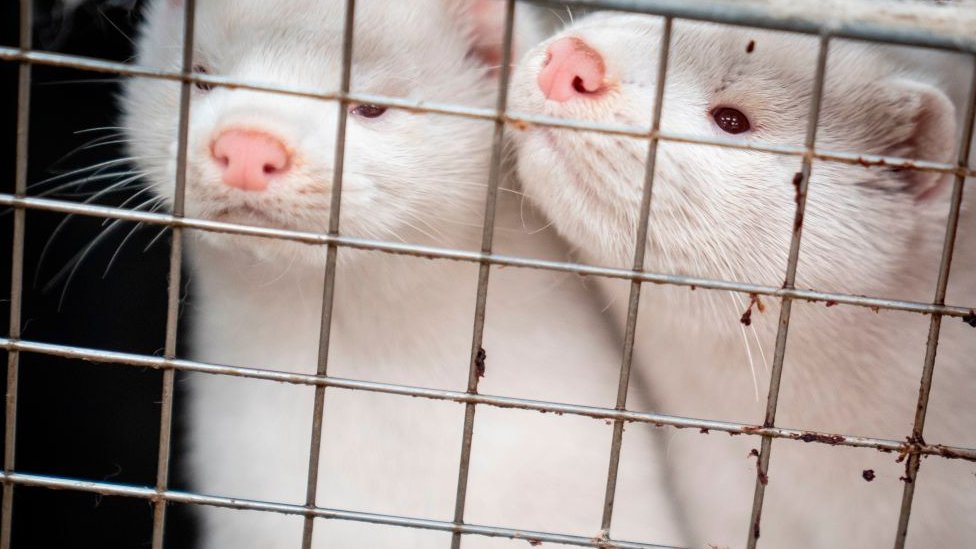
The first known case of coronavirus in a wild animal has been reported, leading to calls for widespread monitoring of wildlife.
The US Department of Agriculture (USDA) said a wild mink had tested positive around an infected mink farm in Utah.
Coronavirus outbreaks at fur farms in the US and in Europe have killed thousands of the animals.
As a consequence, millions of farmed mink have had to be culled across Europe.
The USDA said it had found one positive case in “free-ranging, wild mink” in Utah as part of wildlife surveillance around infected farms.
Several animals from different wildlife species were sampled and all tested negative, the agency added.
It said it had notified the World Organisation for Animal Health, but there is no evidence the virus has been widespread in wild populations around infected mink farms.
The discovery raises concerns that the infection could spread between wild mink, said Dr Dan Horton, a veterinary expert at the University of Surrey, UK.
The case “reinforces the need to undertake surveillance in wildlife and remain vigilant”, he added.
Mink are known to escape from mink farms and become established in the wild. In the UK, a population of mink that escaped from fur farms many years ago is thought to exist, but they are sparsely distributed and rarely come into contact with people, Dr Horton added.
The virus has also been found in zoo tigers, lions and snow leopards in the US, and in a small number of household cats and dogs.
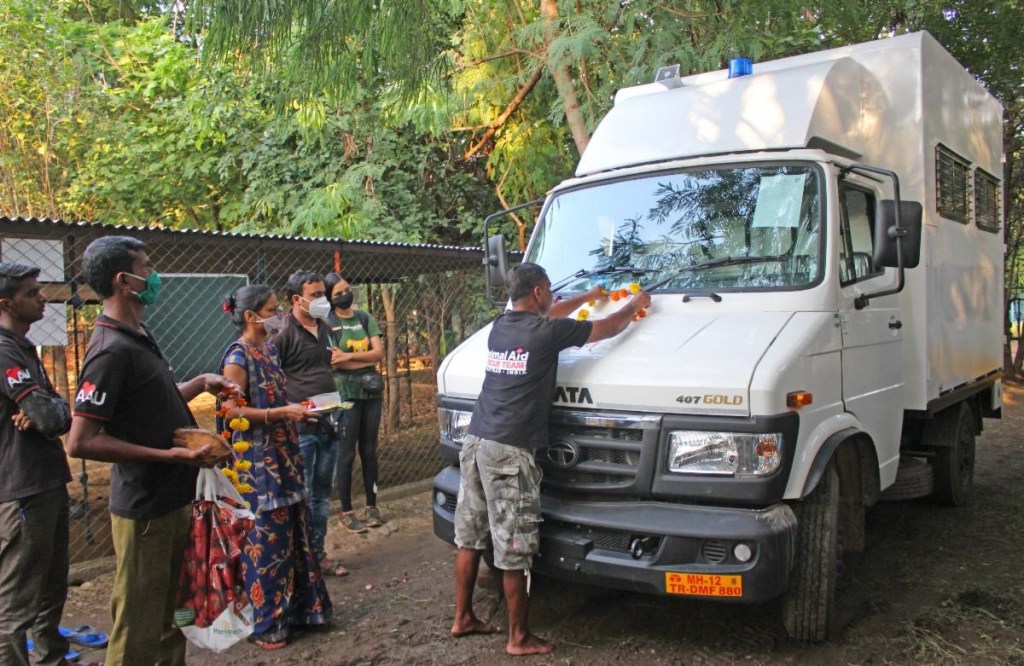
Introducing our brand new Large Animal Ambulance equipped with a hydraulic lift!
We sometimes find that bandaging a wound is the easier part of treatment. Often, what’s most difficult is moving the injured angel from the street to our hospital,especially when they are a 400 pound bull with a fracture.
We’ve been so lucky that our staff have had the strength and ability to work together in lifting really heavy animals even without an automatic lift. But it is amazing to lighten all their loads and most of all it makes rescue safer and stress-free for all.
Happiest thank you to the wonderful donors who made this possible!
Watch what happened when Penelope’s fractured pelvis healed!
The blood on her face was what alarmed our rescue team. But that wasn’t this beautiful girl’s worst problem.
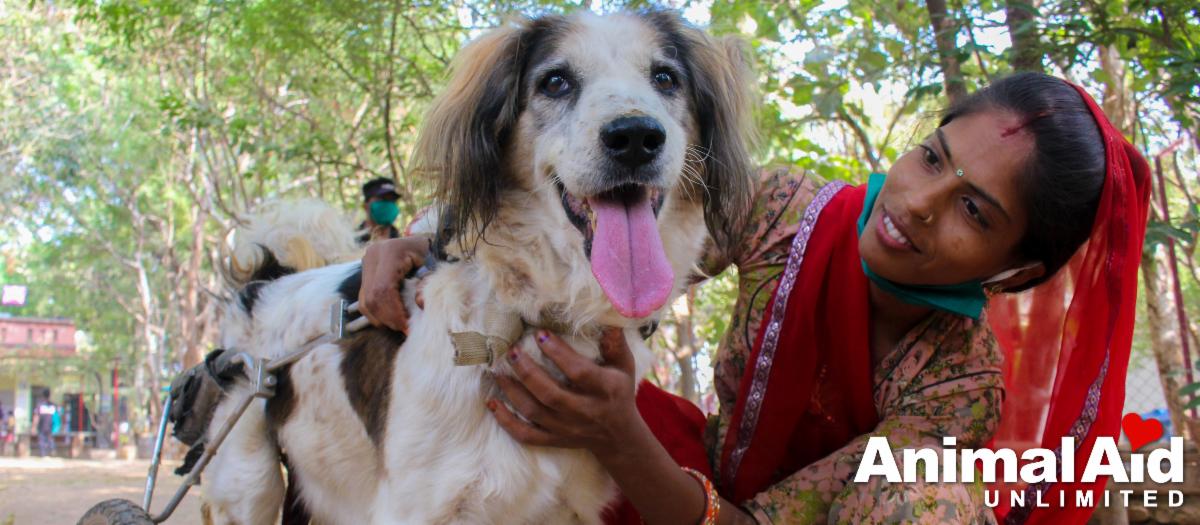
Hit by a passing vehicle, Penelopehad alsosustained a fracture to her pelvis.Her facial laceration, although it caused a permanent droop to her eye, healed within just a few weeks. But her pelvis injury required 6 weeks of bed rest in order to heal.
Restricting her movement was necessary for healing, but boy was she glad when she was able to run again for the first time.Watch thisgorgeous wobbly whirlwind take the world by storm!
Jason’s wound was massive. All the skin of his front forelimb was pulled off when a vehicle tire caught the skin in its tread. His pain was hard to imagine, and we watched his face stilled with worry when we gently flushed his wound. But this little wonder-boy’s fear melted as soon as his wound was bandaged.
Rescuing him was so important. Because the world without Jason would be a little less beautiful.
For Someone “out there,” tomorrow will come because of you. Please donate
Delightful Jakeis a perfect family dog. He’sloving, playful, intelligent and friendly. A Labrador who was abandoned by his previous owners – possibly because of an old injury that has left him missing the toes on his hind leg. To his old owners he might have been less than perfect but we couldn’t disagree more!
Jake’s favourite thing to do is play – he carries his beloved bone toy over to every person who enters his area in the hope that they will engage in a game of tug-o-war, or even better, fetch! His damaged foot doesn’t slow him down at all. He’s a “people person” who also loves other dogs, and if you’re lucky enough to adopt him, your whole family will have an angel guarding your hearts for the rest of your lives.
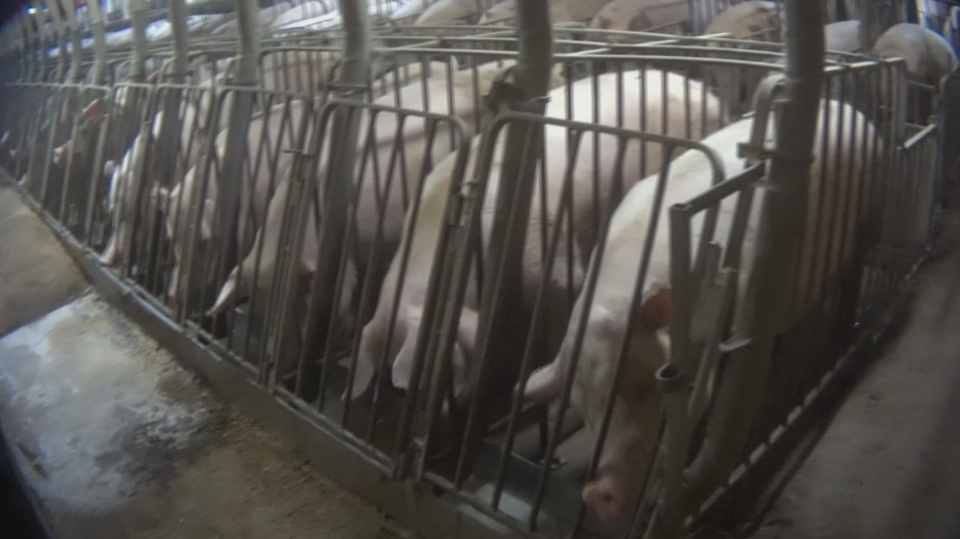
Above – Would you allow your cats and dogs to be confined in such manner for weeks on end? Of course not, it would be shockingly cruel AND illegal. So why are you condemning these innocent creatures to such horrific fates? Source CTV News
When referring to unacceptable animal cruelty, please remember that pigs, cows, chickens, and mink do not enjoy the social status of other animals, such as dogs and cats, and their abuses are accepted under a moniker of “welfare” and “humane”, both terms compromised by humans to categorize animals whose own bodies are controlled, violated, mutilated sans pain relief, separated from family, and violently, terrifyingly killed.
In the United States, all ten billion land animals exploited for food each year are specifically exempt from the Animal Welfare Act, and nine billion poultry are additionally denied any (oxymoronic) coverage under the Humane Slaughter Act, a meaningless regulation that requires animals be violently killed.
To die prematurely, exploitatively, fearfully, unwillingly is ABUSE, those nice human-created labels and laws are not meant to protect animals, they are meant to protect humans from moral discomfort causing the needless and violent death of trillions of animals killed globally each year.
For the “small, local, organic farm” preachers, the animals don’t care where you live, and providing food for an animal before you kill him or her doesn’t mitigate your contribution to their loss of body autonomy and forced and fearful death in an industrial slaughterhouse. And the global demand for animal “products” require they be confined in predominantly extremely intensive conditions, forced to endure diseases, pain, abnormal genetic variations, squalor, bodily violations and intrusions, and violent death.
Protecting animals, considering their welfare and well-being, and practicing humane approaches all PRECLUDE exploiting/killing them. Anything you do to a pig would be an illegal violation if done against cats, dogs, and humans. That you can pretend otherwise does not nullify the animal’s hellish experience so you can enjoy a five-minute tasty snack: no meal should require suffering.
Furthermore, Ag-Gag laws are pretentious violations of constitutional rights, no person or entity should be granted the lawful ability to hide illegal activity, including cruelty and gross negligence, from the public to whom they “market” animals and from whom they derive profit. To all who champion such egregiously abusive laws, I ask, “What are you hiding?” To match your claims of “welfare” and “humane” (which have been consistently proven false), where is the transparency? The public has a right to and an interest in your business; that you profit from social ignorance and intentional suffering as inflicted on vulnerable, defenseless animals, and then take herculean steps including more time, money, and resources to conceal abuse rather than fight abuse is a disgustingly greedy, inhuman, utterly shameless, and appalling market strategy. SL
For seven weeks, a man, who asked to be identified only as Elijah, worked at a farming facility in Putnam, Ont., 30 km east of London.
His job as a hog farm technician at the Arnold Barn, which is managed by Paragon Farms, included tasks like feeding, moving and vaccinating pigs. W5 has agreed to protect Elijah’s true identity.
However, Elijah had another motive for working at the barn. Using a hidden camera, he recorded hours of video footage at the facility.
“It’s not necessarily the safest job that I could be working, but I did it because I see that these animals are suffering,” he told W5’s Sandie Rinaldo.
Animal Justice, a Canadian animal law advocacy organization, hired Elijah to go undercover, and shared some of the video he recorded with W5.
The footage documents what Elijah claims are instances of animal abuse and neglect, including disturbing images of farm workers forcefully slapping and hitting pigs with plastic boards, and jabbing them with pens.
Other filmed incidents include workers discussing how pregnant sows had been deprived of drinking water for several days, workers castrating male piglets without the use of painkillers and filthy conditions in the barn.
W5 offered to show the video to the general manager of Paragon Farms, with an opportunity to comment afterward. A lawyer acting for Paragon sent W5 a written statement indicating, in part, that “Paragon Farms immediately inspected the barn in question” and “welcomed an inspection by … the Animal Welfare Services branch (of the provincial government) within hours of being notified of the allegations. No material concerns were identified.”
The statement added that a veterinarian “with expert certification” inspected the animals and “has not identified incidents of abuse or neglect.”
THE END OF UNDERCOVER WHISTLEBLOWERS?
Camille Labchuk, executive director of Animal Justice, believes that because there is no proactive provincial monitoring or inspection of farm facilities, neglect and abuse of livestock remains hidden and free of scrutiny. Only a complaint can trigger an investigation of a farm by provincial authorities.
“We urgently need more transparency in the food system because the meat industry keeps animals behind closed doors without any government oversight or inspection,” Labchuk said.
“There’s no way for Canadians to learn the truth unless a brave whistleblower goes in there and films this footage and exposes it to the public.”
Hidden camera video filmed by animal rights groups and shared with journalists have helped raise public awareness of conditions and animal mistreatment in farms and slaughterhouses.But undercover filming by employee activists at livestock facilities may soon become outlawed in Ontario.
This past June, the Ontario government partially proclaimed the Security from Trespass and Protecting Food Safety Act, known initially as Bill 156.
Promoted by Ontario’s Minister of Agriculture, Food and Rural Affairs Ernie Hardeman as a way to improve the protection of farms, farmers and their livestock from trespassers and biosecurity risks, the act may soon make it illegal for undercover activists like Elijah to work and film at farm facilities under “false pretenses.”
A similar law, initially known as Bill 27, was passed in Alberta late last year and Manitoba is looking to follow suit.
Critics call them “ag-gag” or agricultural gag laws. Modelled on U.S. laws that have been introduced in 29 U.S. states since 1990, only six states still have these laws on the books. The rest have been defeated or deemed unconstitutional.
Professor Samuel Trosow, who teaches law at Western University in London, believes these types of laws are problematic.
“The way that Bill 156 has been written, same thing for the Alberta law, does violate Section 2(b) of the Constitution that guarantees everyone freedom of expression,” Trosow told W5’s Sandie Rinaldo in an interview.
“I don’t think this is about protecting farmers in their homes. I think this is about protecting large corporate producers and their factory farms from the public scrutiny that results when people come in and take films.”
While a section of Ontario’s Security from Trespass and Protecting Food Safety Act currently prevents people from interfering with animal transport vehicles, the provision regarding false pretenses, which may prevent employee whistleblowers from filming inside farm facilities, has yet to be proclaimed.
Labchuk intends to challenge the law if and when that happens.
“If you ask ordinary Canadians what they think, they’re appalled when they hear that the government’s trying to shut down transparency on farms and hide from them where their food comes from.”
Take PETA’s Cruelty-Free Shopping Guide along with you next time you head to the store! The handy guide will help you find humane products at a glance. Order a FREE copyHERE
Searching for Cruelty-Free Cosmetics, Personal-Care Products, Vegan Products, or more? Click HERE to search.
Free PDF of Vegan & Cruelty-Free Products/Companies HERE
Want to do more than go vegan? Help others to do so! Click below for nominal, or no, fees to vegan literature that you can use to convince others that veganism is the only compassionate route to being an animal friend:
It is said that some animals “only lack language”, and this must certainly be true in the case of many dogs and cats who delight our days with their presence in the house, and also with regard to the protagonist of this story:
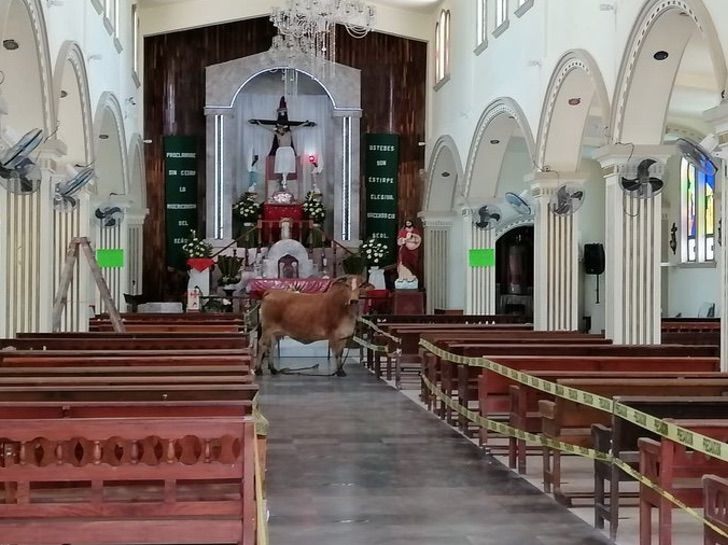
A 500 kg cow fled the slaughterhouse and took refuge in the next church. Was she looking for a way to shout, “Help save me!”
We may not know, but from the way the news sounds, it actually seems that the great beast has entered the church as if it were almost going to “pray” for its life.
Needless to say, the slaughterhouse staff tracked it down and took it back.
In order to escape her tragic fate, the cow fled, which was now aware of what to expect after the staff of the slaughterhouse had pulled her out of her stable with ropes until she took refuge in the church“Signore della Misericordia” in Mexico, took place in the city of Tampico Alto.
It remained hidden for several minutes without anyone being able to track it down.
In the end, the slaughterhouse staff arrived at the church and recaptured the animal that in those few minutes had perhaps hoped to save its life.
The photo immediately went viral on Twitter, where many users expressed their regret over the fate of the cow.
Some even wrote that the poor animal was in the process of “asking God for help” at that moment, while others wanted to let it be known that they had adopted it just to avoid such a sacrifice.
A certain user wrote that the cow should absolutely not have been killed because it was clearly “a sign from God”.
Whether or not it was a divine sign, there is no doubt about the regret for the poor cow.
And I mean…“Lord of Mercy” was the name of the church?
Then this Lord should appear in person and teach the cretins from the slaughterhouse a lesson on how someone has to behave in his house
Churches are places where the message of peace and compassion is preached. Getting in there by force is sacrilege.
The church asylum grants temporary admission to refugees who are threatened with torture, death, or inhumane hardship.
And meanwhile, it has become a certain humanitarian tradition.
For human animals!
Already in ancient times, there was a tradition of protecting people in holy places such as temples, tombs, or holy groves, especially when it was not clear whether they were guilty or not.
In the case of the Mexican cow, it was absolutely clear that she was innocent.
Her only “crime” was that she didn’t belong to the ruling species, which means she had no right to protection in the church.
And the Lord of Mercy does not deal with individuals without rights.
PLANS to ban the export of live animals from England and Wales for slaughter and fattening, which have been strongly supported by West Dorset MP Chris Loder, have been unveiled.
The plans were revealed by the UK’s environment secretary, George Eustice, in the start of a renewed push by the Government to strengthen the UK’s position as a world leader on animal welfare.
An estimated 6,400 animals were sent to Europe for slaughter in 2018, according to the Department for Environment, Food and Rural Affairs (DEFRA).
Mr Loder has worked closely with the RSPCA and the British Veterinary Association among others to (enable this to happen) and is urging as many people as possible to support his campaign by responding to the Government consultation.
In his speech in the House of Commons on October 23, during the second reading of the Animal Welfare (Sentencing) Bill, the MP demanded the house support and deliver the government’s pledge to end live animal exports – claiming that it was disgraceful that well cared for farm animals could be loaded on to a lorry and sent thousands of miles by land and sea to destinations as far as Libya and Lebanon.
Mr Loder said: “Today’s announcement is a victory for animal welfare. It is a direct benefit of Britain leaving the EU. It is the EU’s trading rules on the movement of animals, along with the lobby from the National Farmers’ union to continue live exports for slaughter and fattening, that has enabled this cruel practice for so long.
“Bringing an end to the unnecessary suffering of animals during transport is long overdue. Through my Animal Welfare Bill, which reaches the Committee Stage early next year, I hope not only to achieve tougher custodial sentences for those who inflict the worst kinds of cruelty on innocent animals; but also to deal with the cruelty that has been happening on a mass scale, such as with live animal exports.”
Live animals commonly have to endure excessively long journeys during exports, causing distress and injury.
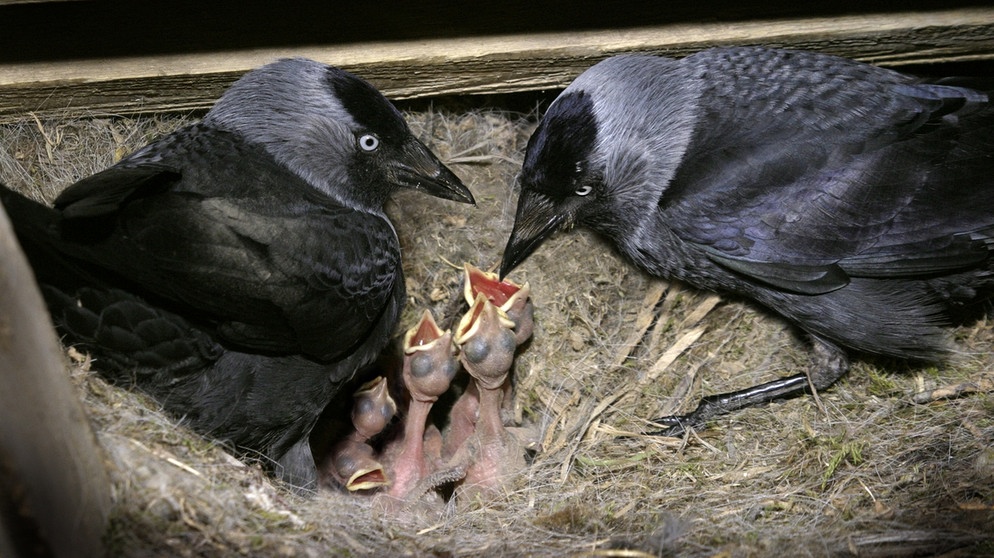
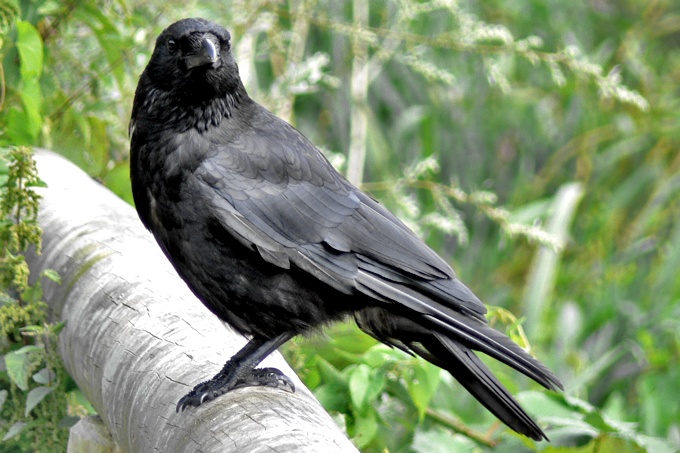
Ravens are considered to be particularly intelligent: They learn quickly and use tools purposefully. One reason the birds are so smart could be because of their long childhood.
Because some corvids stay with their parents for a very long time – and have so much time to learn even complex things in a protective setting.
Cognitive scientists from the German University of Osnabrück and the Max Planck Society have now investigated how clever they actually are.
They compared the physical and social skills of ravens with those of chimpanzees and orangutans.
It was shown that the tested ravens already had a comparable cognitive performance as great apes at the age of four months.
The study was published in the journal “Scientific Reports”.
The scientists wanted to find out, for example, whether ravens know where to find food. To do this, they hid treats in a cup that was hidden between other cups and moved back and forth like a shell game. The ravens pointed with their beak at the correct cup and pecked at it.
Further tests in development
A total of eight ravens at the age of four, eight, twelve, and 16 months were tested in various task areas, in which, for example, spatial understanding and social behavior such as communication were tested. They mastered tests to understand quantities, cause-effect chains, social learning, and communication just as well as chimpanzees and orangutans!
WAV Comment: We are really pleased to be able to give to Harmony Fund every month – and it is great to see the donations being put to such great use as shown in the video. We would encourage everyone to give to HF if possible, to make the world for animals a better place – and to fill their bellies !
—————————————-
Those of you who have walked with us on this journey for the past 11 years know that Harmony Fund is a small charity doing BIG things. We throw our arms around underdog animal rescue squads all over the planet, creating circles of care to deliver food, shelter and veterinary care to thousands of animals each month. We recently brought food in for all the dogs, cats and horses at the beautiful Fundatia Sky rescue center in Romania…and it was breathtaking.
Two 18 wheeler trucks drove all the way from Germany to Romania, more than 1,000 miles, with 40 tons of kibble and canned food for hundreds of dogs and cats at Fundatia Sky shelter. This food will also be shared with many homeless animals in the community. Pet food is much less expensive in Germany and a higher quality and quanity of food can be bought here, making this the most efficient option.
But that’s not all. Another 40 tons of locally sourced hay was then brought in for the horses, and they started eating right off the lorries long before the men could unload the bales.
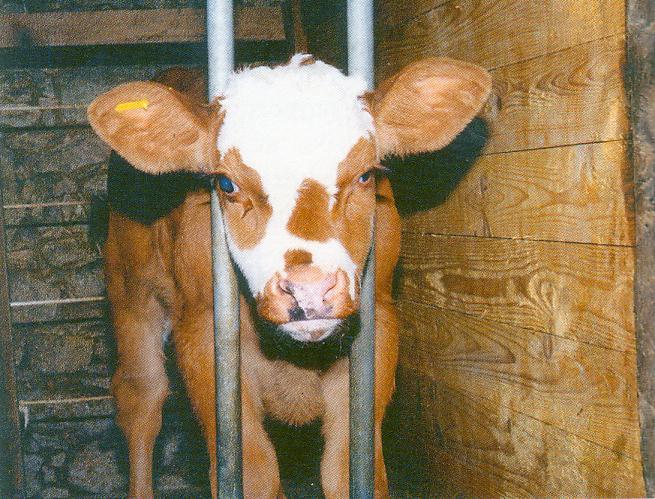
The issue of unwanted male calves from the dairy industry has been an issue here in the UK for decades; probably even longer. Female cows have to be in calf in order to produce milk. When they give birth the female calves are kept to re supply older or less productive females in the heard; who go off for slaughter. For male calves; they are simply an un wanted ‘by product’ of the dairy business. When they are born, if it is a male; it is not uncommon for them to be shot in the head immediately by the farmer.
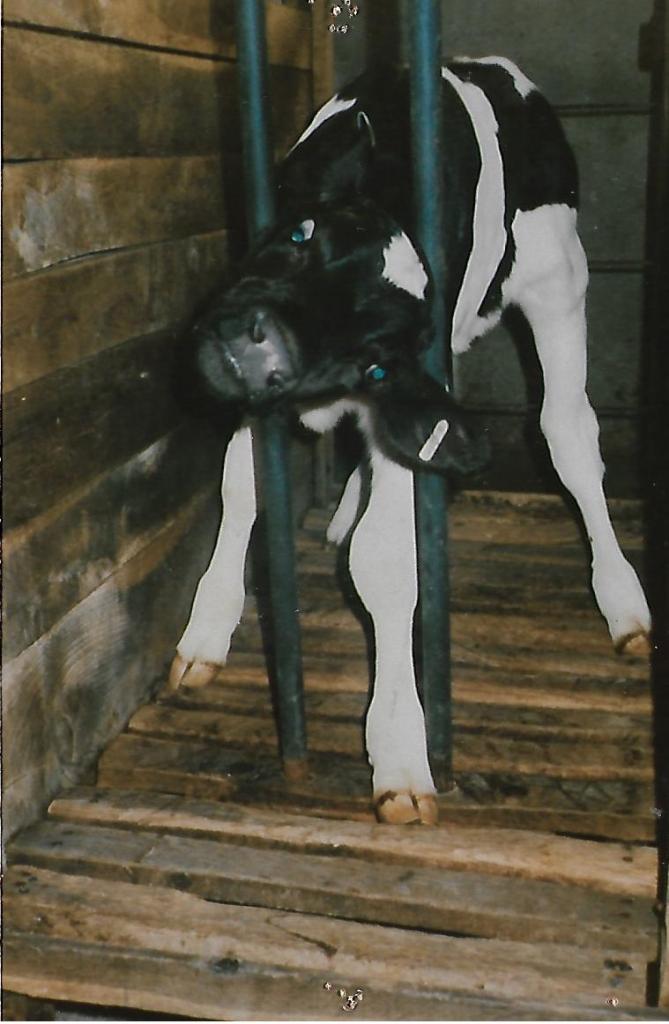
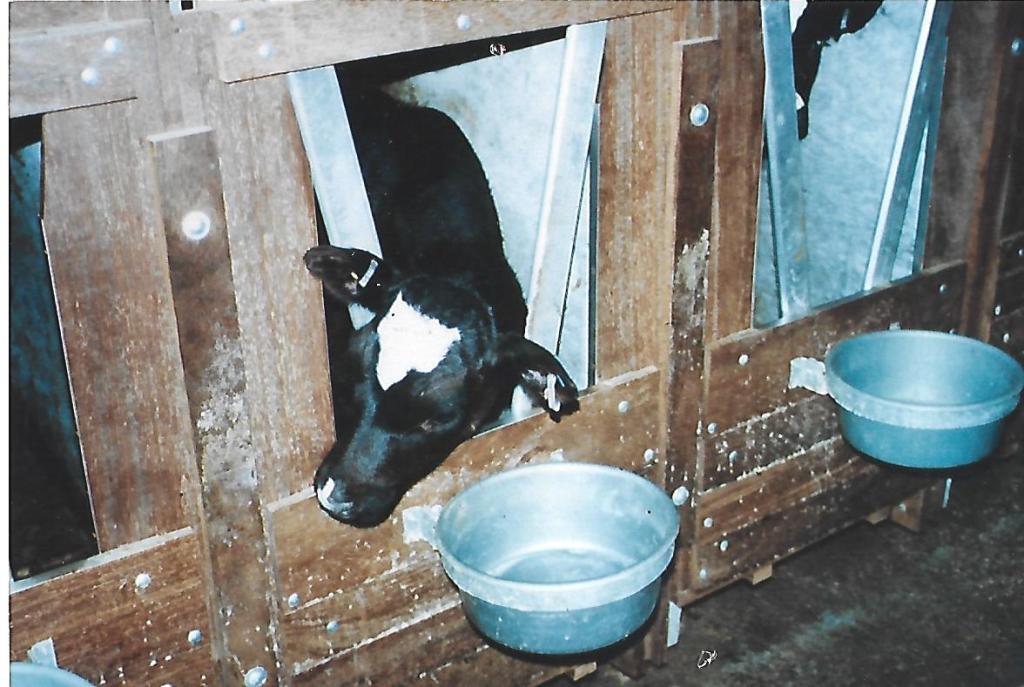
The UK banned the use of veal crates back in 1992; it was a big victory for the AR movement. Veal crates were individual pens without enough room for the calves to turn round, lie down properly, or groom themselves. They were; and still are, barbaric devices – living coffins for the animals put into them.
Sadly, whilst bleating on about how wonderful it was that crates were banned; the UK government refused to stop young male calves from being exported to mainland Europe to be put into the crates; the very things that were banned because of cruelty in the UK.
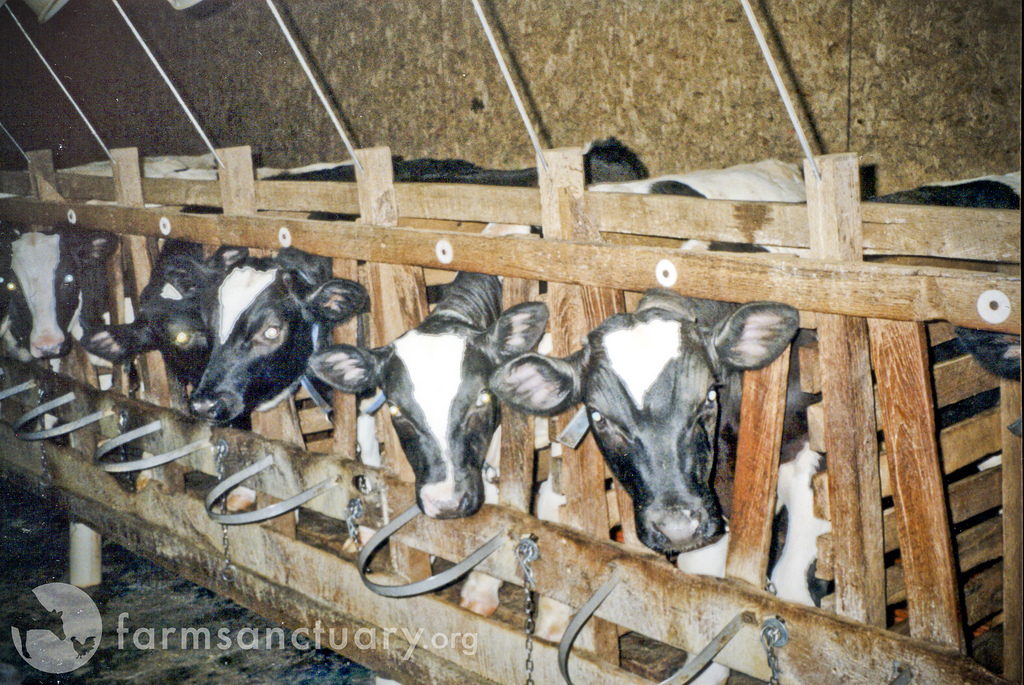
In the past, here in the UK, unwanted male calves were exported live to places such as the Netherlands where they were incarcerated into veal crates for 6 months and then taken out and sent for slaughter. In the older days; calves in the crates never got the iron they needed; they became anaemic over the months; and with no bedding in the crates but only a wooden slatted floor, the calves would become desperately deficient of iron in their little bodies.
But this was fine for the veal producers of Europe as it made ‘white veal’ which is a common type of meat. Because of the export and treatment of young male calves in the crates; the British public have repulsed the business and ‘veal’ has always had a bad name in the UK because of the exports and the crates. Not many Brits eat veal – it has a bad name in the UK – simple as that !
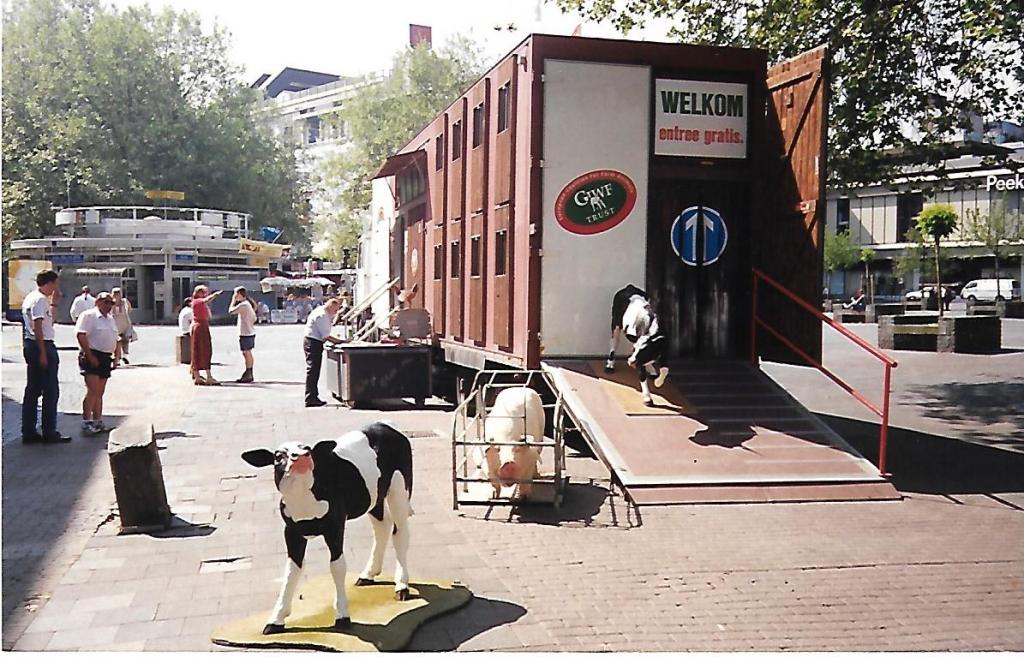
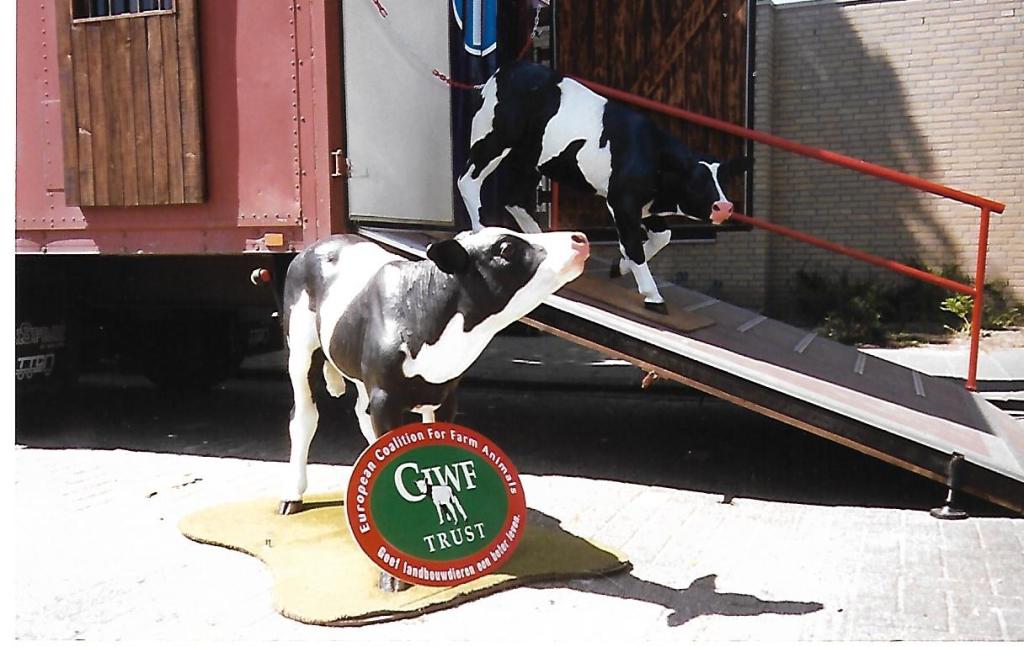
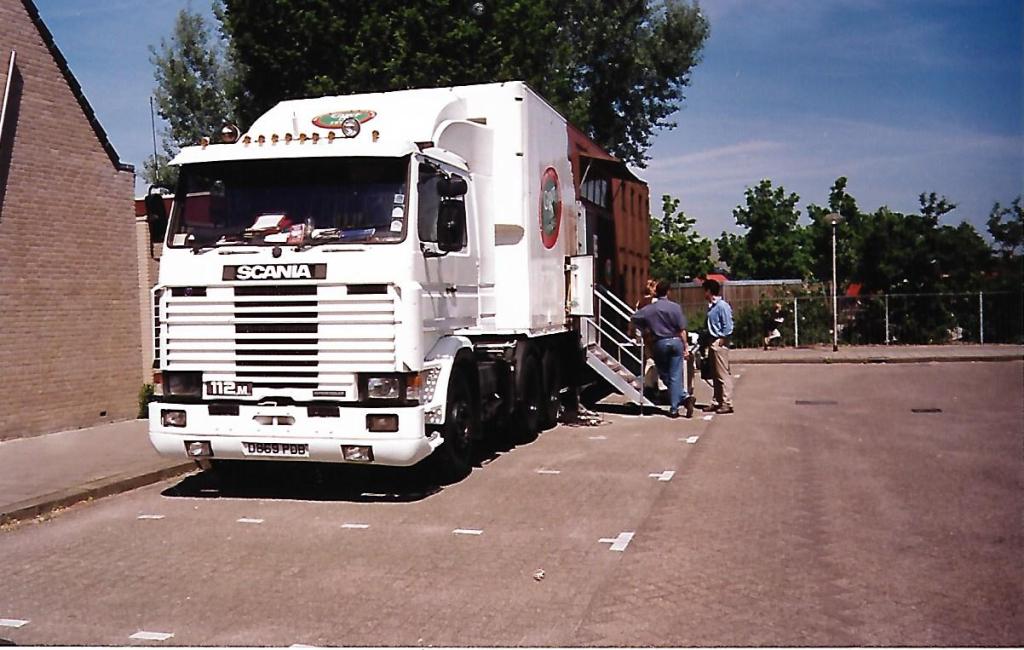
I did a lot of protesting about the export of veal calves at English ports; and checked out places in the Netherlands with John when we took the CIWF intensive farming truck and roadshow there.
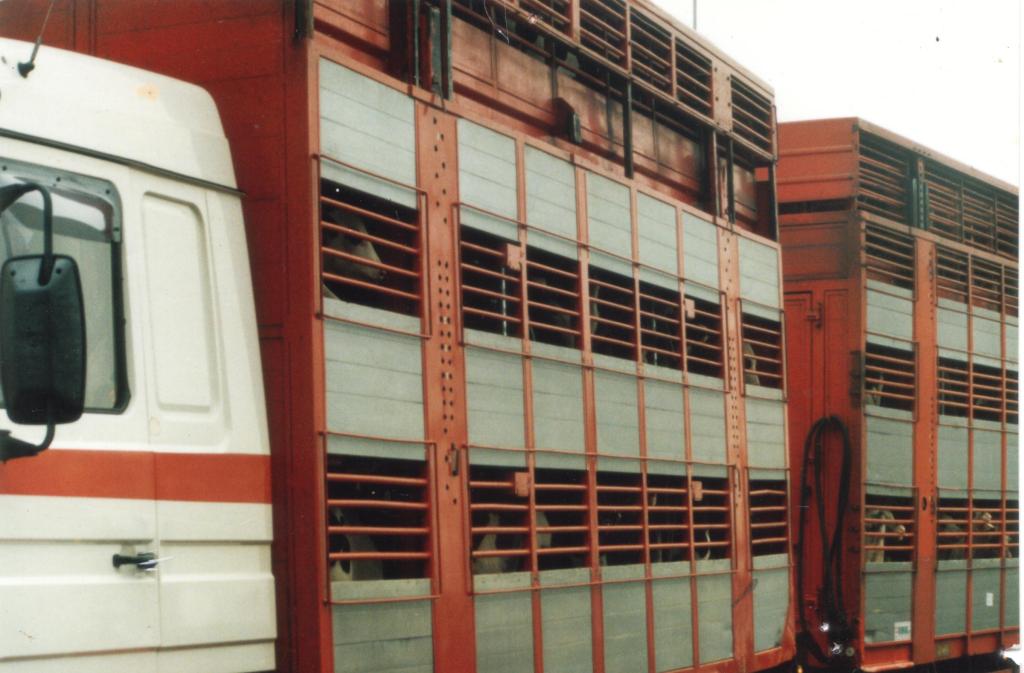
Here is a photo (above) I took at Dover of young British male calves being exported to Europe. You can see their tongues wrapped around the trailer bars where they are wanting to suckle; as they have been separated from their mums.
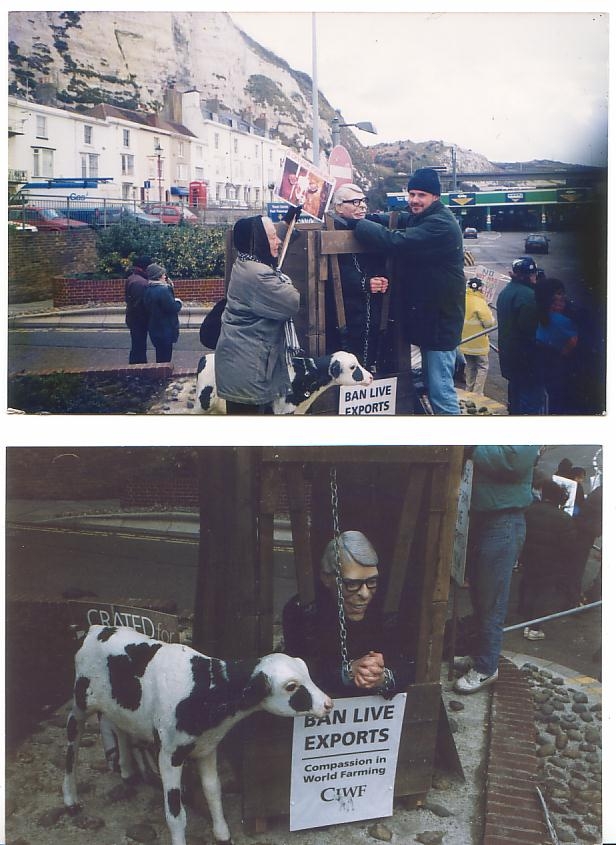
At some time; I cannot remember exactly when, (but it was cold and windy – hence clothing) we took a veal crate to Dover and put someone pretending to be our Prime Minister; then John Major MP; into the crate. The calf within was liberated and John Major was stuck in there for him to get a ‘taste’ of what he was doing to the calves. I am shaking John Major warmly by the throat in this picture at Dover – the place of so many young calf exports over the years. The lady near me is Barb; a hunt sab even though she was in her 70’s !
So; moving on to this article from the great ‘Guardian’ newspaper from London; it is great news that there will now be legislation coming in which will stop ‘unwanted’ male calves from being shot after birth. But; I still have a major gripe with the dairy industry and the way females are treated as mere ‘milk machines’. I will be glad when the whole dairy industry has to close down; and we can celebrate with a glass of alternative plant based ‘milk’.
When you campaign for improvements in animal rights and welfare; steps are taken small rather than in huge strides. I guess this is one small step for the better; but we still need to put our attention into the female cows used in the dairy business also.
Regards Mark
Guardian Article:
The end of dairy’s ‘dirty secret’?
Farms have a year to stop killing male calves
Supermarket support and rising use of sexed semen expected to help UK farmers meet new welfare rules by the end of 2021
Dairy farmers have until the end of next year to prove they are no longer killing male calves on-farm under new rules which will apply to nearly all UK farms from January, the Guardian has learned.
The number of male calves being killed straight after birth, known as the “dirty secret” among farmers, has prompted outrage from animal welfare groups and many within the farming sector.
A Guardian investigation in 2018 estimated that 95,000 were being killed every year within a few days of birth. The lack of viable markets for bull calves and public apathy towards consuming British rosé veal had meant it was sometimes cheaper to kill calves rather than rear them.
However, a rise in the use of sexed semen, which dramatically reduces the number of male calves born, and new retailer policies to help farmers find markets for their calves is leading to a fall in animals being killed.
Around 60,000 male calves are now killed on-farm every year, according to industry estimates, which is around 15% of the bull calves born on dairy farms. But this figure is expected to drop significantly with new rules restricting the killing of calves coming into force from next year.
All farms covered by the Red Tractor standards (the scheme applies to 95% of milk produced in the UK) will have to have written breeding and management policies in place and maintain data on all births and deaths, according to new rules due to be announced imminently.
The new standards state farms will be banned from the “routine euthanasia of calves”.
The rules come into force on 1 January, but a spokesperson for Red Tractor told the Guardian this week that farmers would have until the end of next year to meet the standards.
A steady increase in the use of sexed semen since the early 1990s has recently seen sales jumping from 18% in 2017 to more than 50% of total semen sales in 2020. Industry figures expect it to completely replace conventional semen within five years.
“It’s been a gamechanger,” said Andrew Suddes, a farm consultant for Promar. “Farmers are able to produce heifer [female] calves more easily. You can now produce the replacement heifers that you need with sexed semen, and use beef semen on the rest [of the cows] to produce calves that can be better kept and reared for beef.”
Although sexed semen increases costs for farmers, it can reduce the proportion of male calves being born to less than 10%.
A number of retailers have already banned the killing of male dairy calves or their export overseas from farms in their supply chains. Retailers including Sainsbury’s, Co-op, Waitrose, Marks & Spencer and Morrisons now have calf schemes in place to help ensure rearing dairy bull calves is economically viable for farmers.
In the case of Morrisons, farmers are required to rear the calves to a certain weight until 15–40 days of age, at which point they will be bought by a beef-rearing company. The retailer also committed to buying calves born on farms under bovine tuberculosis restrictions, which leave farmers with few markets to sell to.