❤️ Animals are masters of feelings.
We have a lot to learn from them
Regards and good night from Venus
❤️ Animals are masters of feelings.
We have a lot to learn from them
Regards and good night from Venus
Exclusive: ‘Zoonoses often take that route… and the more you have of a thing, the more that thing is going to be the likely conveyor,’ says UN environment chief
Industrial animal farming has caused most new infectious diseases in humans in the past decade – and risks starting new pandemics as animal markets have done, experts are warning.
Experts from both the UN and the European Food Safety Authority (EFSA) have pinpointed animals or food of animal origin as a starting point for emerging diseases, such as Covid-19, which has killed more than 270,000 people worldwide.
And a separate report has cautioned that replacing Asia’s open-air slaughter markets with factory farming for meat would create similarly dangerous conditions for highly virulent flu strains to breed.
Valentina Rizzi, an expert in disease at the EFSA, said: “The diseases transmitted directly or indirectly from animals – including livestock – to humans are called zoonoses. A big proportion of all infectious diseases in humans are originating from animals, and more specifically the majority of emerging new infection in humans in the last 10 years really come from animals or food of animal origin.”
Inger Andersen, executive director of the United Nations Environment Programme (UNEP) told One Earth: “The virus usually originates in the wild, is transmitted often by wild birds, bats etc into livestock – domesticated animals.
“We see it more frequently in pigs than poultry but you do see it elsewhere, too, in other animals. Of course we can’t deny that these zoonoses often take that route – this we know from science.
“And the probability is the more you have of a thing, the more that thing is going to be the likely conveyor.”
The UNEP warned in 2016 of new diseases from animals, amplified by the world’s rising population of livestock for meat and dairy.
Ms Andersen said the more we as consumers demand protein from livestock and meat, the more the market would respond.
The experts spoke out as governments worldwide are facing a clamour of calls to ban live animal slaughter markets, such as that in Wuhan, linked to the emergence of the coronavirus. The World Health Organization has been pressured to intervene.
The Independent‘s campaign Stop the Wildlife Trade is calling for the trade to be strictly controlled and regulated.
Viruses such as Covid-19 have been linked to street stalls in southeast Asia and India, where animals are susceptible to disease because the stress caused by such close confinement and the sight of others being slaughtered is believed to weaken their immune systems.
A new report, called Is the next Pandemic on our Plate?, says the similarly crowded conditions of industrial agriculture play a key role in the emergence of pathogens.
Peter Stevenson, chief policy adviser at Compassion in World Farming and author of the document, said policymakers “must resist arguments that wet markets should be replaced by factory farming, or that industrial farming is needed to provide cheap food to feed the growing world population”.
The paper sets out ways to switch to keeping animals in “health-oriented” systems in which the wellbeing of the animal is prioritised so stress and disease vulnerability are reduced.
Such systems would also mean less soil degradation, water pollution, biodiversity loss and deforestation, Mr Stevenson argues.
Food should be regarded as a public good, not as a tradeable commodity, according to the report, which suggests economic policies that would allow for sustainable agriculture and a “nutritious, equitable” food system.
“Maintaining a flawed global food system can and will lead to further pandemics,” he said.
Earlier this week researchers led by the University of Sheffield and Bath warned that intensive farming, involving overuse of antibiotics, high numbers of animals, and low genetic diversity are hotbeds for pathogens to spread.

WAV Comment – how disgustingly sick is this ?; that thousand, maybe will be tens of thousands of innocent, living (if you can call the factory farm system that) animals suffering life long incarceration in intensive farming systems; being pumped full of antibiotics, and then finally hauled out of their bars and destined for crappy virus spreading meat processing facilities are now being killed; chopped up into little bits, mixed with wood chippings and spread all over the land !
“An incident management team that includes staff from the Board of Animal Health is overseeing the composting operation to ensure the compost pile is constructed correctly. Proper construction should eliminate the attraction of flies or scavengers, and should not emit an odor, Crusan said”.
Another example of what the ‘meat eaters’ are enforcing on everyone, including those who find this issue as sick as we do. Talking of sick; lets hope that everything goes as the Board of Animal Health suggest and that citizens don’t get sick.


ROUND LAKE, Minn. — A parcel of land in Nobles County has been transformed into a major composting operation for euthanized hogs coming from the crippled JBS pork processing plant in nearby Worthington, as well as hogs from area farmers.
Mike Crusan, communications director with the Minnesota Board of Animal Health, said delivery of hog carcasses to the southwest Minnesota site began over the weekend. The parcel of land can accommodate the delivery of up to 2,000 head per day, though it hasn’t reached peak capacity at this point.
JBS announced last week it could euthanize 3,000 head of market-weight hogs per day because they couldn’t be processed before they grew too large for slaughter and packaging. The JBS plant in Worthington shut down temporarily because of an outbreak of COVID-19, the illness caused by the coronavirus, among workers at the plant. On Wednesday, it resumed operations but at reduced levels.
Crusan said the site northwest of Round Lake would not have been chosen if there were any potential environmental risks.
An incident management team that includes staff from the Board of Animal Health is overseeing the composting operation to ensure the compost pile is constructed correctly. Proper construction should eliminate the attraction of flies or scavengers, and should not emit an odor, Crusan said.
“It should just be, to the naked eye, a pile of wood chips out there,” he said. “The wood chips over the top of the pile, beneath the pile and all around it are going to be keeping all of those odors and all of those things contained as the microbes inside the pile do their work.”
The Minnesota Pork Producers Association is working with the team to establish three other composting sites in the state.
“They are trying to find other areas where there are congregations of large swine operations so they can better serve those people with a centralized site,” Crusan said, adding that farmers will have the option to deliver hog carcasses to those sites or compost on their own property.
The hog carcasses delivered to the Nobles County site will be run through the chipper simultaneously with the wood material — a new concept in the hog industry.
“This whole approach … began being evaluated in composting just within the last year because of African swine fever,” Crusan said. “The pork industry nationwide was studying ways of effectively composting mass carcasses if we were to get that in the United States.”
Chipping the hog carcasses with the carbon material was studied in the Carolinas, Crusan said.
“This is one of the ways we know that we can effectively compost and probably speed up the composting process,” he said.
Crusan said they don’t yet know how many days it will take for the hogs to be fully composted, though it will be considerably shorter than the 60 days it takes for a fully intact carcass to be composted.
Once the composting process is complete, the material can either be spread over the land or incorporated, adding nutrient-rich material to the soil.
A third-party contractor was hired to operate the chipping equipment and build the compost pile in Nobles County. The composting service is being offered to farmers at no cost to them, other than trucking the carcasses to the site.
Hog producers are welcome to contact the Minnesota Board of Animal Health with questions regarding composting hog carcasses by calling 651-296-2942 or emailing animalhealth@state.mn.us.
The agency also has a guide for carcass disposal on its website, mn.gov/bah/carcass-disposal.

Right now in New York City — the epicenter of the COVID-19 pandemic — over 80 dangerous live animal markets remain operational, spilling blood, guts, feces and other potentially infectious bodily fluids in close proximity to hundreds of people.
There is new hope in stopping the horror: A bill proposed in the NY State Assembly could finally ban these horrifying live animal markets. Sign now to help this crucial legislation pass.
SIGN: Immediately Shut Down All Live Animal ‘Wet’ Markets in New York
Petition Link –
PETITION TARGETS: NY Governor Andrew Cuomo, NY Senate Majority Leader Andrea Stewart-Cousins, NY Assembly Majority Leader Carl Heastie
UPDATE: New York officially introduced Bill A10399, “an act to to amend the agriculture and markets law, in relation to prohibiting the operation of establishments where animals and/or fowls are slaughtered and butchered for food.” Sign to urge leaders to pass this important legislation and immediately shut down all live animal markets in the state.
New York state should lead the world by example. How? By immediately closing down and permanently banning all cruel and dangerous live animal “wet” markets.
New York is the epicenter for the global COVID-19 pandemic, and just like the wet markets in China that gave birth to the crisis, more than 80 dangerous live animal markets are operating today in New York City alone, despite the New York State of Pause Executive Order.
Soaked wet with blood, guts, feces, and other bodily fluids and parts, these markets are ideal environments for the incubation and spreading of zoonotic diseases, as a mix of animals are jam-packed into tight cages awaiting slaughter.
NYC is particularly susceptible to a new, even more uncontainable virus spreading through its population of over 8 million people, as all residents live in relatively close quarters. As live animal wet markets remain open, public health and safety are at risk. In addition to the current uncontained COVID virus, new variants of COVID could emerge, reinfecting humans and causing a global viral pandemic relapse. Such introductions could be more deadly, and plague even more people globally.
The facts are clear: live animal markets — whether in Wuhan, China or on the streets of New York — are breeding grounds for deadly zoonotic diseases that then become communicable human-to-human viruses. The government must immediately shut them all down in the interest of public health and safety.
Sign this petition urging lawmakers to do everything in their power to shut down all live animal markets in the state of New York.
CLICK HERE TO READ THE FULL PETITION TEXT
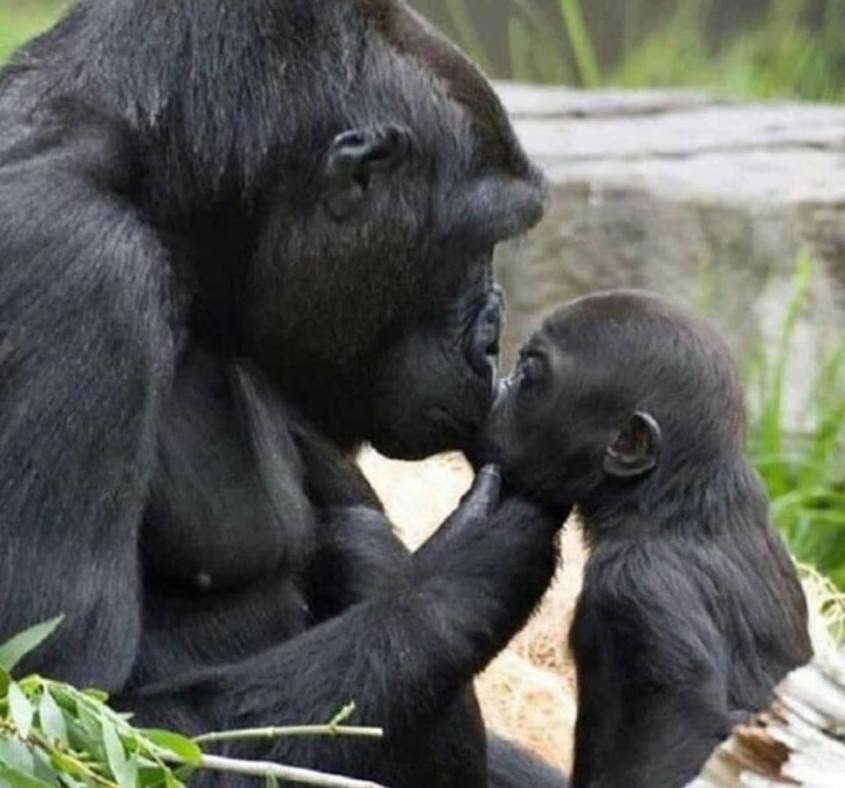
We think of all the mothers who cannot live happy and free with their children.
We think of these mothers who renounce love and care for their children because the life-contemptuous species “human” determines it so.
We think of the mothers who cry for their children with endless grief, cries and lamentations that only few people hear.
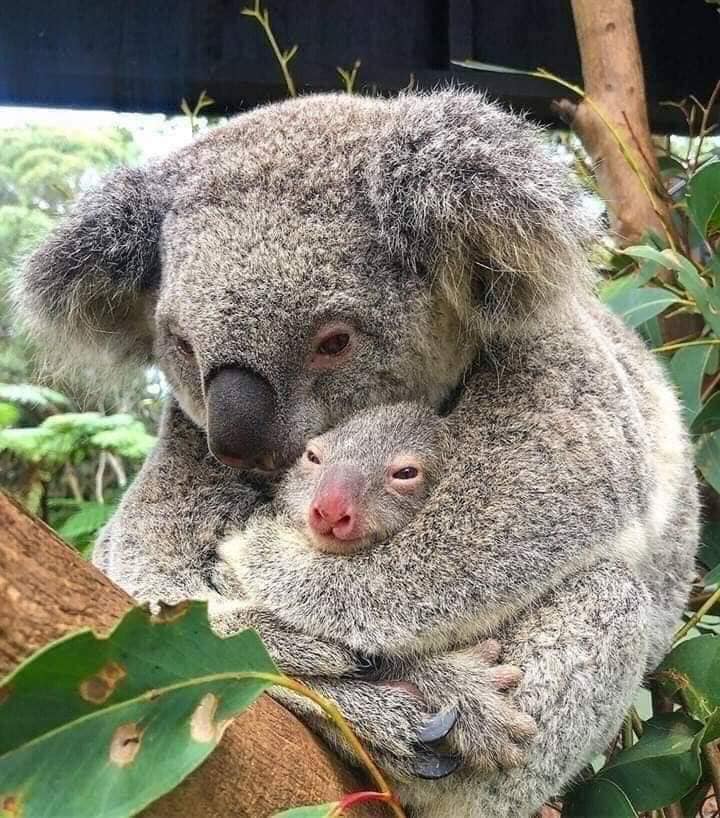
We hear them.
We continue to fight for a world with happy mothers.
Women mothers, cow mothers, pig mothers, chicken mothers, monkey mothers …
If we give them back their natural rights, we lose nothing but the privilege of torture and murder
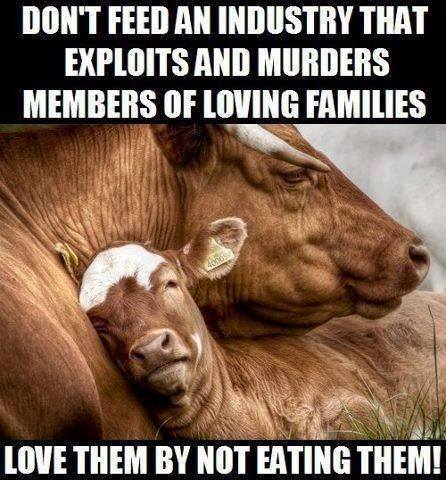
We fight against fascist discrimination, we fight against speciesism.
My best regards to all, Venus
Online on May 8th, 2020 11:50 pm
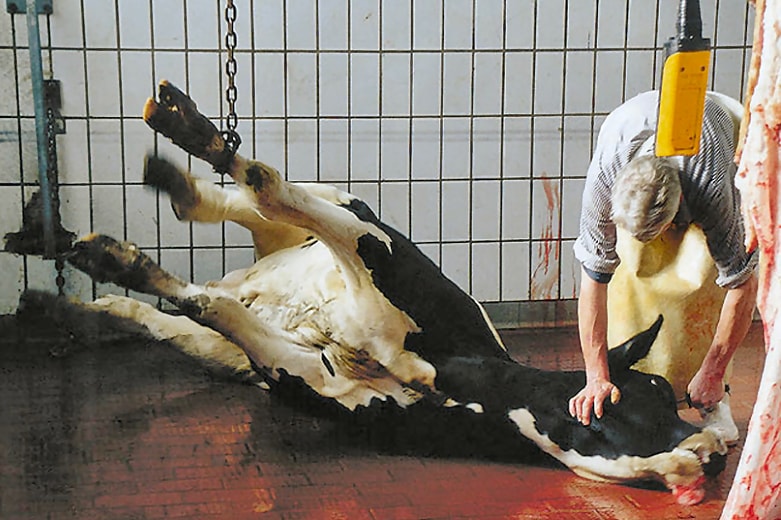
The German meat industry appears to be exceptionally badly affected by the coronavirus pandemic. In a number of slaughterhouses, a striking number of workers were infected. They were closed. The entire workforce should now be tested.
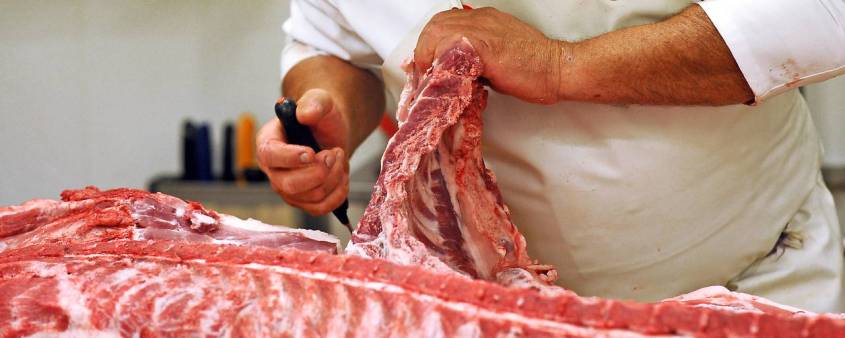
In Coesfeld in North Rhine-Westphalia, the critical value of 50 new infections per 100,000 inhabitants per week was exceeded. There the number reached 52.7. The virus had recently spread mainly in a slaughterhouse.
129 infected people were recorded there. All 1,200 employees are now to be tested.
The Health Minister of North Rhine-Westphalia, Karl-Josef Laumann, took action and had the business closed for the time being.
In a sister company of the Coesfeld plant in Oer-Erkenschwick in Recklinghausen, 33 out of 1,250 employees are said to have contracted the virus.
All employees are tested
A slaughterhouse is also affected in Schleswig-Holstein. Most infected people are employed by a meat company in Bad Bramstedt in Segeberg. There were 109 employees tested positive for the corona virus by Thursday, as the authorities said. All employees of the company were quarantined, regardless of the test result.
Most of the workers from abroad are accommodated in shared accommodation on the site of a barracks in Steinburg. Steinburg was above the limit with 87 confirmed current cases. The Ministry of Health of Schleswig-Holstein also announced on Friday that the workforce of all slaughterhouses in the state would be tested for the corona virus.
Unsustainable conditions in infection protection
According to a media report, German labor minister Hubertus Heil asked his country colleagues to strictly control occupational safety for seasonal workers in agriculture and the meat industry because of several CoV outbreaks.
“Particular care should be taken with the situation in collective accommodation and when transporting people,” according to the North German Broadcasting (NDR) and West German Broadcasting (WDR).
Media reports on “unsustainable conditions in company infection control” were the reason for the letter.
In his letter to his ministerial colleagues in the federal states, Heil points out that several diplomatic representations of workers’ countries of origin have already complained to the German government.
Focus on harvest workers
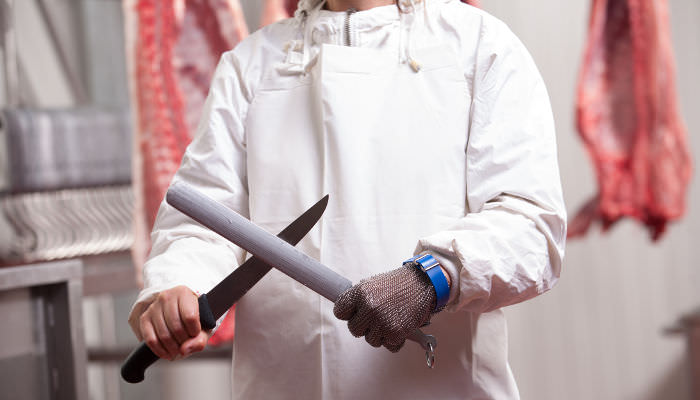
Migrant workers and seasonal workers in the meat industry and also in agriculture are often defenseless against the corona virus. Because people mostly live in narrow collective accommodation, which significantly increases the risk of infection. In North Rhine-Westphalia alone there are 35 large slaughterhouses with up to 20,000 employees.
Like North Rhine-Westphalia, Saxony-Anhalt also wants to test all employees of slaughterhouses in the state for the corona virus. The Minister of Health of Saxony-Anhalt, Petra Grimm-Benne, announced that all harvest helpers would also be tested.
Hygiene and safety rules are not observed in many companies.
Hundreds of positive tests
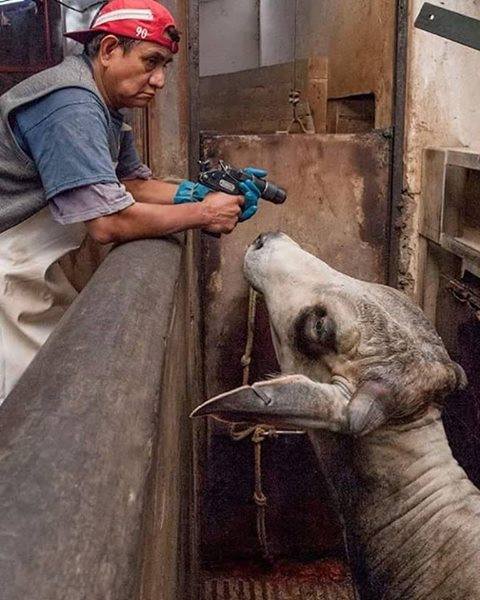
According to a “Spiegel” report, more than 600 employees in slaughterhouses across Germany have so far been tested positive for the corona virus. According to the authorities, the magazine reported that mostly Romanian contract workers who had been living in shared accommodation were infected.
Around 300 infected people have also been registered with a Baden-Württemberg producer in the past few weeks. “Work can continue in the factories because the authorities assume that they have the situation under control with the quarantine measures in place,” (!!!) the “Spiegel” report continued.
A kind of “emergency brake”
In Germany, all federal states had agreed on Wednesday that numerous restrictions on public life imposed by the coronavirus crisis would be relaxed on Monday.
If the limit of new infections from 50 to 100,000 inhabitants is exceeded within seven days, a restriction concept should immediately come into force – a kind of “emergency brake”.
If the infection is local and clearly delimitable, for example in a facility, restrictions can only be imposed for this facility.
And I mean… As in any other industry, the meat industry is also about money.
Lot of money….
Minister Laumann only now wants test all employees of the affected slaughterhouses. Why not before?
We condemn the conditions under which the Germans pay these people, even though they are animal killers, and how they are treated.
And above all because the government wants to continue as before.
Uncontrolled and outrageous.
Even if all slaughterhouse workers in the German Republic are tested, the main problem remains: the slaughterhouses!
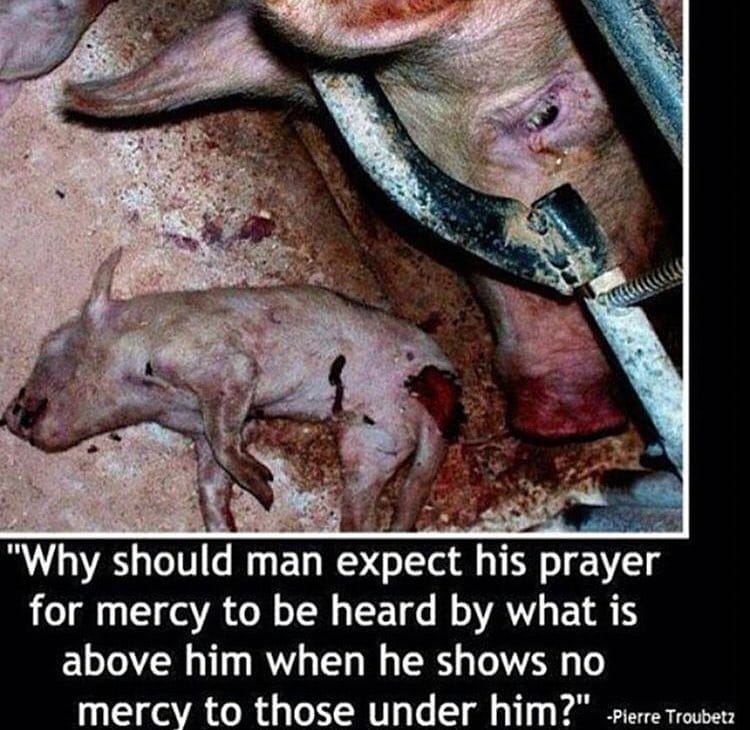
With 763 million animals a year dying under unsanitary and miserable conditions, our lives will never be safe.
Unless we all change that.
My best regards to all, Venus

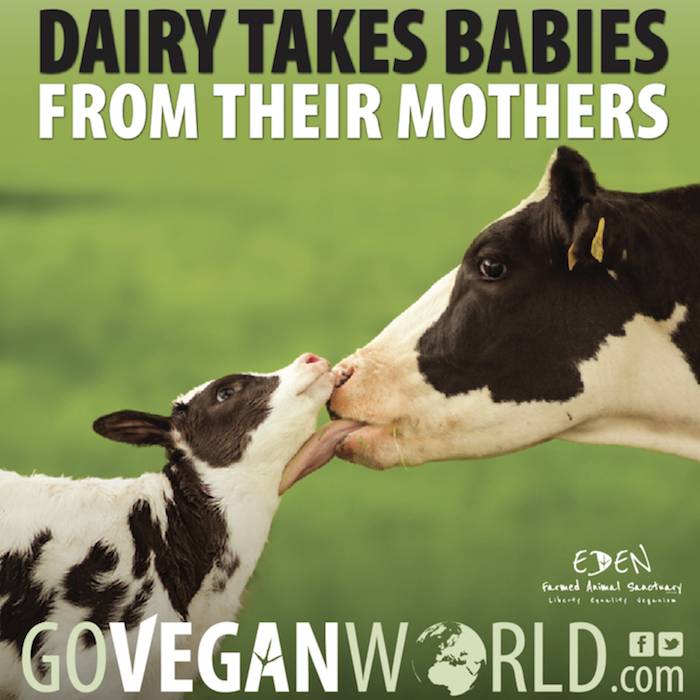
This MooFree May we’re taking our actions online – sharing information about animal welfare, human health and the environment, while encouraging the British public to ditch dairy once and for all.
This year our MooFree May campaign enters its third year! Launched in 2018 the initiative has been a huge success and we hope to reach even more people this year. Obviously, the circumstances are very different from those previous but we hope you’ll still join us digitally.
Last year our online campaign was supported by lots of Street Action events, when we visited cities all across the country to promote veganism. Together with our volunteers we reached thousands of people. With COVID-19 threatening people’s lives, we won’t be able to take MooFree May out on the street with us. However, this year it’s more important than ever to raise awareness about the impact of animal agriculture with three quarters of the world’s new or emerging infectious diseases coming from animals, mainly through trade in wildlife and factory farming.
While this pandemic is turning our world upside down and claiming lives around the globe, we can’t forget that the animals including cows in the dairy industry are still going through horrendous suffering every single day. With fewer staff being allowed to work on farms and financial pressure due to this crisis, welfare standards are likely to be even worse than under normal circumstances.

Scary Dairy
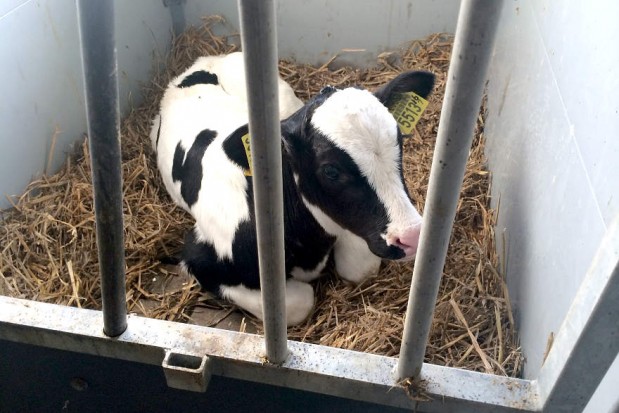
We’re brought up believing in an idyllic image of dairy cows grazing fields, eating grass and magically producing milk. Yet in reality, dairy cows are subjected to a perpetual cycle of artificial insemination, calving and milking year after year in order to keep their milk production up.
After a nine-month pregnancy, all dairy cows are separated from their young between 24-48 hours after birth. This happens across the board, whatever the system – organic, ‘free-range’ or zero-grazing. If born a boy he’ll likely be shot in the head as a useless by-product and if born a girl she’ll be reared as a milk machine to eventually replace her mother in the milking herd.
This continuous exploitation of a dairy cow’s reproduction system causes unnecessary suffering on an industrial scale but with so many amazing plant-based alternatives now available to us, it’s never been easier to go dairy-free.

Do you need help going dairy-free?
Viva! has a vast amount of resources to help you go dairy-free. You can order our Everyone’s Going Dairy Free guide or have a look at our online section. If you’ve got a friend who’s been wanting to go dairy-free but hasn’t quite managed yet to give up cheese, why not get them one of our brilliant guides to help them with their journey?!
https://www.viva.org.uk/blog/moofree-may-2020?mc_cid=619d80533e&mc_eid=26c03356b8
https://www.viva.org.uk/blog/moofree-may-2020?mc_cid=619d80533e&mc_eid=26c03356b8
French Toast Vegan Style:
Fast and Healthy Cereal Bars:
Cheesy Broccoli and Tomato Quiche:
The Ultimate Vegan Pizza:
https://www.veganrecipeclub.org.uk/recipes/ultimate-vegan-pizza?mc_cid=619d80533e&mc_eid=26c03356b8


… and the governments of the world who have experienced the Covid curse in recent months simply sit by and let them continue yet again; without question !

CHINESE scientists have been accused of being real-life Dr Frankensteins who play God by cloning apes and editing the genes of babies.
Some of their work has been dubbed “monstrous” while other cutting edge research could lead to cures for Parkinson’s and Alzheimer’s.
It’s important to note that the US and the UK are not immune from conducting tests on animals and in fact carry out THOUSANDS of experiments on primates every year.
However, China has become the capital of research on apes and monkeys believing that our closest relatives hold the key to understanding brain disorders that destroy lives.
Incredibly, the Institute of Neuroscience (ION) in Shanghai, cloned five infant monkeys last year from an adult macaque who had been genetically-edited.
The result was baby primates intentionally born with a mutation that disrupts their wake-sleep cycle.
By giving the monkeys new drugs to treat their pre-existing brain disorders, the scientists hope to develop treatments for illnesses such as Alzheimer’s disease.
It’s no wonder the ION has been dubbed the “Cern of primate neurobiology”.
The Institute successfully cloned two macaque monkeys in 2018 – a world first – giving the experts confidence to push ahead with further experiments.
Heaping praise on the research, the Chinese Academy of Sciences said: “The achievement heralds a new era in which China can produce batches of standardised monkey clones, which will serve as animal models in the research of the brain’s cognitive functions, early diagnoses and interventions of diseases, as well as research and development of drugs.”
While China allows genetic manipulation on animals it has banned the use of gene-editing on humans – but that hasn’t stopped some of its scientists “playing God” with unborn children.
Scientist He Jiankui, 35, rocked the scientific world when he revealed he had altered the embryos of twin girls in 2018.
In December last year, it was revealed that a third child born to a different mum had also been gene-edited.
Heaping praise on the research, the Chinese Academy of Sciences said: “The achievement heralds a new era in which China can produce batches of standardised monkey clones, which will serve as animal models in the research of the brain’s cognitive functions, early diagnoses and interventions of diseases, as well as research and development of drugs.”
While China allows genetic manipulation on animals it has banned the use of gene-editing on humans – but that hasn’t stopped some of its scientists “playing God” with unborn children.
Scientist He Jiankui, 35, rocked the scientific world when he revealed he had altered the embryos of twin girls in 2018.
In December last year, it was revealed that a third child born to a different mum had also been gene-edited.
The rogue expert said he used a tool called Crispr to disable a gene that allows the AIDS virus to enter cells in a bid to make the children immune from the disease.
But why have such experiments been dubbed “monstrous” by others within the scientific community?
Experts claim gene-editing in people could “divide humans into subspecies” and can cause mutations, genetic problems and even cancer.
Dr Kiran Musunuru, an expert in this area from the University of Pennsylvania, called the experiment “unconscionable … an experiment on human beings that is not morally or ethically defensible.”
Professor Julian Savulescu, of the University of Oxford, said: “If true, this experiment is monstrous.
“The embryos were healthy. No known diseases. Gene editing itself is experimental and is still associated with off-target mutations, capable of causing genetic problems early and later in life, including the development of cancer.
“There are many effective ways to prevent HIV in healthy individuals: for example, protected sex.”
Last December, Mr Jiankui was jailed for three years after news of the third child’s birth was revealed.
He was convicted of practising medicine without a licence and fined £330,000 by a court in Shenzhen, the Xinhua news agency reported.
One of the most controversial experiments to date was the creation of embryos that were part human and part primate.
Last year, Spaniard Juan Carlos Izpisúa Belmonte led a team of Chinese researchers with the end goal of creating monkeys which have entirely human organs such as kidneys or livers.
The organs will then be used for human transplants.
Based in China, the team made the chimeras – a single organism with cells from more than one genotype – by injecting human stem cells into a fresh monkey embryo.
Biologist Belmonte previously tried adding human cells to embryos of pigs but the disturbing experiment was not successful.
However, because primates are genetically related to humans, the chances of the new research being successful is much greater.
The scientists also use gene-editing technology to disable certain cell formations in the animals to give the human cells a better chance of thriving.
In the US and other western democracies, such research is banned – however in China, experts are allowed to push the boundaries of scientific ethics.
Importantly, no Frankenstein monster has been born as a result of this research… not yet anyway.
Instead, the hybrid embryos are allowed to develop for around two weeks so their progress can be studied.
Mr Belmonte defended his work with the Chinese, saying: “History shows us time and time again that, over time, our ethical and moral standards change and mutate, like our DNA, and what yesterday was ethically unacceptable, if this really represents an advance for the progress of humanity, today it is already an essential part of our lives.”
Friday 2 August 2019
Scientists say they have created the world’s first human-monkey hybrid in a laboratory in China.
The researchers, who want to use animals to create organs for human life-saving transplants, say creating the hybrid was an important step.
And they pledged to continue their experiments using primates.
The team revealed that they had injected human stem cells capable of creating any type of tissue into a monkey embryo.
The experiment was stopped before the embryo was old enough to be born.
But the scientists – who were Spanish but held the trial in China to get round a ban on such procedures at home – said a human-monkey hybrid could have potentially been born.
The embryo had first been genetically modified to deactivate genes that control organ growth.
Ethical concerns were raised over the trial, partly over fears that human stem cells could migrate to the brain.
Angel Raya, of the Barcelona Regenerative Medicine Centre, said experiments on organisms with cells from two species faced “ethical barriers”.
He told El Pais: “What happens if the stem cells escape and form human neurons in the brain of the animal? Would it have consciousness? And what happens if these stem cells turn into sperm cells?”
But Estrella Nunez, of Murcia Catholic University (UCAM) and the project collaborator, said mechanisms were put in place so that if human cells did migrate to the brain, they would self-destruct.
“The results are very promising,” Ms Nunez said.
The research, which was financed largely by the university, was costly. “If we combine the human/pig, human/rat and human/monkey research, it is many hundreds of thousands of euros,” she said.
Dr Raya said scientists have traditionally set a “red line” at 14 days’ gestation, which is not long enough for the embryo to develop a human central nervous system. All chimera embryos are destroyed before that time.
Juan Carlos Izpisua, who created the world’s first human-pig hybrid in 2017 and led the latest experiment, said: “We are now trying not only to move forward and continue experimenting with human cells and rodent and pig cells, but also with non-human primates. Our country is a pioneer and a world leader in these investigations.”
https://www.the-scientist.com/news-opinion/first-humanmonkey-chimeras-developed-in-china–66231
An international team of researchers has created embryos containing both human and monkey cells, the Spanish newspaper El País reported July 31. The controversial project was conducted in China, rather than in the US where the project leader is based, “to avoid legal issues,” according to the newspaper, and ultimately aims to grow viable organs for transplantation into humans.
Juan Carlos Izpisúa Belmonte of the Salk Institute in San Diego is spearheading the project with scientists from his own lab and those from the Murcia Catholic University in Murcia, Spain. The team wants to develop chimeras—organisms composed of cells from two or more species—capable of growing human organs.
Similar experiments using pig or sheep embryos have faced technical challenges, likely because the animals are genetically distant from humans. Primates, being more closely related to people, may offer more promise. “The human cells did not take hold. We saw that they contributed very little [to the development of the embryo]: one human cell for every 100,000 pig cells,” Pablo Ross, a veterinary researcher at the University of California, Davis, who previously researched pig-human chimeras at Salk, tells El País.
Ross adds that he doesn’t see the utility of growing human organs in monkeys. “I always made the case that it doesn’t make sense to use a primate for that. Typically they are very small, and they take too long to develop,” he says in an interview with MIT Technology Review.
The National Institutes of Health forbids the use of federal funds to create human-monkey embryos. China, where Izpisúa Belmonte’s experiments are taking place, has no such restriction. The crux of the controversy, according to The Guardian, is that it is difficult to restrict human cell growth to just one organ of interest. Should a human-animal hybrid develop a human-like nervous system capable of consciousness, or be brought to term and display human-like behaviors, the ethical consequences could be extreme.
So far, the human-primate embryos have only been allowed to develop for a few weeks at a time, before organs have formed, according to Estrella Núñez, a biologist and administrator at the Catholic University of Murcia whose institution partially funds the research. “In no case is the gestation brought to full term,” she says in an interview with El País.
“I don’t think it is particularly concerning in terms of the ethics, because you are not taking them far enough to have a nervous system or develop in any way—it’s just really a ball of cells,” says Robin Lovell-Badge, a developmental biologist from the Francis Crick Institute in London, in an interview with The Guardian. “[But] if you allow these animals to go all the way through and be born, if you have a big contribution to the central nervous system from the human cells, then that obviously becomes a concern.”
In July, Japanese researchers—including Hiromitsu Nakauchi of the University of Tokyo and Stanford University—first received permission from the government to create human-animal embryos to be transplanted into surrogates. Japan had previously banned animal embryos containing human cells from developing beyond 14 days, let alone implanting them in a surrogate uterus. Although legal now, it remains unlikely that any of these animals will soon be brought to term as the proportion of monkey-to-human cells in the chimeras still has to be perfected, according to The Guardian.
It doesn’t make sense to bring human–animal hybrid embryos to term using evolutionarily distant species such as pigs and sheep because the human cells will be eliminated from host embryos early on, says Jun Wu, who researches human–animal chimaeras at the University of Texas Southwestern Medical Center in Dallas, in an interview with Nature last week.
“The evolutionary distance between humans and monkeys spans 30 to 40 million years, so it is unclear if this is even possible,” says Alejandro De Los Angeles of the Yale University School of Medicine, in an interview with The Guardian.
Beyond organ production, the research could address questions of evolutionary distance between species and investigate basic mechanisms in molecular biology, Ross tells MIT Technology Review. The results could also be used to develop better animal models of human disease, says Los Angeles to The Guardian.
“The ultimate goal would be to create a human organ that could be transplanted but the path is almost more interesting for today’s scientists,” says Núñez in an interview with Vice. “What we want is to make progress for the sake of people who have a disease.”
Animals were injected with toxins that damaged their bodies, cut open with minimal pain relief, deliberately bred so that their internal organs would protrude outside their bodies, and kept in severely crowded cages.
A worker even described preventable animal deaths there as “acceptable-ish.”

All this took place in the laboratories of one of the best-known and largest taxpayer-funded research facilities in the country.
PETA has conducted a six-month undercover investigation into the laboratories of the Cleveland Clinic, which, in 2019 alone, received more than $100 million in taxpayer money through the National Institutes of Health (NIH).
Skulls Cut Open
Experimenters at the Cleveland Clinic call it a “cranial window.” Less euphemistically, it’s a hole in a mouse’s skull exposing the brain and covered by a pane of glass.

Experimenters cut into the head, drill into the skull to expose the brain, and use suction to remove portions of it, exposing the hippocampus. A glass coverslip is placed over the exposed portion of the brain, and a stainless steel “head cap” is glued onto the mouse’s skull.
The mouse receives pain relief only on the day of the surgery and the next day.
These painful, invasive experiments are ostensibly carried out to monitor what happens to “the brain condition.” However, the “structure, function, and behavior” of the mouse brain has little relevance to the human brain.
Animals with their insides hanging out
Experimenters at the Cleveland Clinic deliberately breed mice who are prone to pelvic organ prolapse—in which the uterus, bladder, or rectal tissue falls out of place and even protrudes outside the body.
One mouse, named Daisy by PETA’s investigator, had a bloody rectal prolapse—a very painful condition in which part of the rectum protrudes from the anus.
She had to drag her protruding rectal tissue through her bedding for at least 10 weeks, and she walked with her back legs unnaturally spread, appearing not to want to put pressure on her lower abdomen.

Daisy and other mice, some of whom had “enormous” prolapses, according to the experimenter’s aide, were bred repeatedly and denied pain relief.
Asked about giving Daisy something to make her more comfortable, the aide replied, “No, there’s nothing.”!
She added that when mice like Daisy “just linger” and stop breeding, after a year of such misery, only then would they be gassed to death—which was ultimately Daisy’s fate.
Another mouse, named Lily, walked slowly and leaned forward with her legs spread widely apart because of her painful, untreated condition. Imagine a dog or cat being treated this way. But of course, mice suffer just as much as they do—the extent of their pain isn’t proportional to their diminutive size.
Paralyzed mice drag themselves along to eat
Experimenters injected mice with a chemical that caused an inflammatory disease of the central nervous system, which left them struggling to walk and dragging their hind legs.
Apparently, this is done to “model” multiple sclerosis—even though what happens in mice bears little resemblance to what happens in humans with the disease. The mice’s painful condition was expected, so, according to one worker, their agony went unreported to veterinary staff unless their paralysis also affected their front legs or they developed a skin condition such as urine scalding caused by the inability to move their back end.
PETA’s investigator saw that some mice suffering in this experiment lost strength in their lower limbs and could not walk at all. They had no choice but to try to crawl and drag themselves along in order to reach their food.
Experimenters cut into their backs and separated their muscles from their vertebrae so they could take images of their spinal cords.
Kill them because they’re ugly’
Mice used in a kidney disease experiment developed raw, red, massive skin growths and lesions. One mouse scratched continuously at a growth that covered nearly half her face and kept pushing at her eye.
When veterinary technicians told the experimenter that these mice were in pain, the experimenter apparently replied that they wanted to “kill” the mice “just because they’re ugly.”
One mouse had a sore stretching across his entire back, about 3 inches long. His hair was gone, and his skin was red. Another mouse had a thumb-size sore on her lower back covered by a thick scab. Yet another mouse had a 2-inch-long sore on his right side.
A veterinary technician said that these mice were “scratching and biting the crap out of” the lesions, as mice used in the experiment “always” did.
But PETA’s investigator never saw these mice receive any treatment or relief for their wounds, such as anti-itch ointment or painkillers.
Animals driven mad by extreme crowding
Mice at the Cleveland Clinic were crammed into shoebox-size cages—up to five adult mice apiece or two adults with a litter of babies. Those housed alone in a cage fared no better—instead of companionship, they were given little more than a single paper towel.

Staff often failed to remove litters or additional adults from cages before new litters were born. This led to trampling and even cannibalizing of the babies by their severely stressed parents in the intolerably unnatural conditions.
A veterinary technician at the Cleveland Clinic said that “in the grand scheme of things,” such deaths were “acceptable-ish.”

Other mice were simply left somewhere and forgotten.
Three mice were abandoned with no food or water in a cardboard bucket for hours.
When no experimenter’s group took responsibility for them, a supervisor said that “it isn’t like they would get in trouble for it” anyway.
Six more mice were found abandoned in another bucket. Two were found in a cage bound for the garbage. One experimenter’s aide left a mouse gasping and laboring to breathe for more than an hour before she was finally euthanized.
Pigs used as living, Breathing practice dummies
Other species at the Cleveland Clinic also suffered. Social, playful pigs were kept alone in barren pens. A worker said that some were used as “practice for new doctors,” while others were subjected to experimental rectal surgery.
You Can Help these Animals!
PETA has submitted these findings to NIH and has requested an investigation. Please join PETA in calling on NIH to stop funding cruel experiments at the Cleveland Clinic, beginning with the Frankensteinian cranial window experiments.
(The petition is also in the link. Sign and share)
My comment: The neurosurgeon and brain researcher Professor Robert Joseph White from Cleveland, Ohio, was a recognized surgical technician in the 1980s and spent decades in this horror laboratory dealing with the problem of head transplantation.
White beheaded rhesus monkeys and put his head on another monkey’s.
The inverted heads remained functional on a foreign body for a maximum of seven days: they could see, hear, feel and, as far as possible.
White said he would not hesitate to transplant human heads: “The technical problem has been solved,” he said at the time.
“It would be even easier for humans than for the much smaller rhesus monkey. We don’t have to wait 200 years, we can do it right away.”
This “science”, which White tried to practice, already meant fidgeting and desecrating the primates, consuming them by the dozen, leaving them paralyzed, vegetating them for a few days and then moving them towards the garbage like a broken toy throw.
The most heinous and frightening thing of all about this research practice was the indifference with which such (practically) illegal crimes against animals were committed.
Obviously, and after today’s undercover investigation, not much has changed in Cleveland Clinic Labors.
I can only say one thing: The human experiments in the concentration camps during the Nazi era should also serve non-profit medical purposes.
My best regards to all, Venus
“It’s not enough just to love the ocean – you have to fight for what you love.” (Captain Peter Hammarstedt)
Regards and a good night from Venus

