Category: Stray Animals

Serbia: Puppies Drowned and Their Bodies Hung From Trees. The Terrible Suffering of Stray Animals Due To A Corrupt and Illegal Regional Authority System.

Serbian Flag


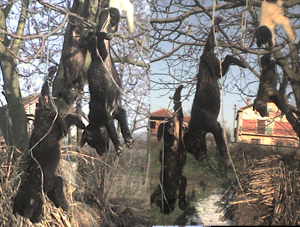
Puppies Drowned and Their Bodies Hung From Trees.
 

hung-dogs-nis

Above – the fate of the poor Serbian strays – drowned and then hung from trees !


We give a full and detailed overview of Serbian animal welfare legislation on our sister site – ‘Serbian Animals Voice (SAV)’. – click on: https://serbiananimalsvoice.com/about-serbian-animals/ – and so as you can also see from the ‘Archives’ on the left of the same site; we have had a lot of past experience with illegal stray animal abuse (in Serbia) in the past.

We thus (2020) invited Serbian activists to give us some updates of the current situation for stray animals (dogs but also cats) in Serbia now; so that we can publish on this site; WAV, and also SAV. And so here is the first of the reports we have from Slavica at ‘EPAR -OIPA Serbia / Alliance for Nature Protection, the rights of animals and people’.

We need to make it clear to readers that Serbia is currently not a member state of the EU, but is a ‘Candidate Country’. As such it is given EU financial support at present. But there is no EU strategy or legislation for stray animals within EU member states anyway; something which welfare groups have been pressing the EU about, with no result, for many years.

As with most issues; especially those relating to animals, the EU simply passes the buck back to individual member states, declaring that it is their individual responsibility to undertake controls. So why do EU politicians exist we ask if they just hand issues back to member states ?

Stray animals, unlike livestock which is traded and sadly transported all over the EU constantly, do not make money for the nations in which they exist; thus they are of no real concern for EU legislators who are solely financially driven. We say what a very sad situation; as to us, all animal lives matter, be they prize bulls or stray dogs struggling to survive on the streets.

Financial contributions to the OIE – or the ‘World Organisation for Animal Health’; are made by all national member states around the world; and this includes Serbia. Thus, we would expect compliance with; or very close to, OIE strategy by member states regarding strays; sadly, Serbia does NOT follow this; irrespective of what is said.


The OIE web site can be found at: https://www.oie.int/

Here is the link to the missions of the OIE: https://www.oie.int/about-us/our-missions/


We would like to draw your attention to stray dog information published by the OIE:

https://www.oie.int/index.php?id=169&L=0&htmfile=chapitre_aw_stray_dog.htm


Article 7.7.5 states:


In the development of a dog population control programme it is recommended that the authorities establish an advisory group, which should include veterinarians, experts in dog ecology, dog behaviour and zoonotic diseases, and representatives of relevant stakeholders (local authorities, human health services/authorities, environmental control services/authorities, NGOs and the public). The main purpose of this advisory group would be to analyse and quantify the problem, identify the causes, obtain public opinion on dogs and propose the most effective approaches to use in the short and long term.

Important considerations are as follows:

  1. Identifying the sources of stray dogs
    1. Owned dogs that roam freely;
    2. dogs that have been abandoned by their owner, including puppies resulting from uncontrolled breeding of owned dogs;
    3. unowned dogs that reproduce successfully.


  1. vaccination against rabies and other preventive measures against zoonotic diseases, as appropriate;
  2. veterinary procedures (e.g. surgical procedures);


As we have always argued from our (SAV) founding in 2005; the capture and killing of stray dogs in Serbia; despite being illegal to kill health dogs; can be a very financially profitable business for some; whilst wrongfully misleading the public; tax paying citizens; that stray dog numbers are being controlled. It is called ‘corruption and deceipt’.


The reality is that the Serbian government and regional / local authorities do NOT want to undertake veterinary procedures as suggested in Article 7.7.5 (see above) such as sterilisations of strays, which would gradually reduce their numbers; as they (the authorities) desire a constant supply of ‘new’ stray animals to capture and kill; – thus, it is not financially profitable for them to reduce stray numbers; and thus reduce their financial gains to be made by the capture and killing of strays ! That is the reality of how the Serbian stray system works; animal abuse and suffering; leading to eventual death; solely for financial profit by those involved in the process.


As far as we are (still) aware, there is no ‘advisory group’ involving either the public or NGO’s in a population control programme anywhere within Serbia. In addition, the Serbian authorities; who appear to work on their own; using contractors, or ‘shinters’, have a simple policy of ‘kill and more kill’; whilst misleading the public that they have the situation under control. As such they do not follow any of the OIE suggested procedures mentioned above, such as ‘surgical procedures’ (sterilisation) in order to reduce stray animal population numbers over time. They simply continue to want an endless supply of strays; in order to kill endless numbers of strays; and make endless money from the process.


Read more at


https://serbiananimalsvoice.com/2016/03/19/serbia-mass-killing-of-stray-dogs-in-nis-serbia-a-pathetic-government-not-complying-with-the-law-inform-them-and-the-eu-now/


http://www.esdaw.eu/dogs—serbia.html


http://www.prijatelji-zivotinja.hr/index.en.php?id=388


https://www.foxnews.com/world/flooded-with-stray-dogs-serbia-struggles-to-cope


2020 – We are currently aware that 3 private shinter firms’ – companies hired by local authorities in Serbia to ‘control’ dog numbers using illegal practices which are non-compliant with existing national animal welfare legislation, include Avenija MB – they have probably have killed up to 10,000 dogs in more than 60  Serbian cities by the means of illegal contracts with various city authorities. If NGO’s and the public were represented in these OIE suggested ‘advisory groups’ throughout the country in accordance with OIE stray management guidelines; we very much doubt that such mass killings (as the 10,000) would ever be allowed to happen. We think not very much !

Also, (2020) it has been alleged that in just one day, in more than 40 cities throughout Serbia, illegal mass poisonings have been undertaken again; most probably by shinters working under the private control and public misleading of local authorities. We understand that the illegal killings may have been undertaken using the ‘Kreozan’ poison.


Killing with Nuvan and Kreozan poisons.  These cause death by suffocation to the animal after the following prolonged effects – headache, nausea, vomiting, diarrhoea, abdominal cramps, excessive sweating, salivation, blurred vision, tightness in the chest, weakness, muscle twitching, and confusion.  Also convulsions, severe respiratory depression, unconsciousness, and eventual death. http://www.actionagainstpoisoning.com/CRY%20FOR%20HELP/serbiaT61/crySerbiaT61.html

In this post or the other still to be written and published, you will find copies of the recent letters sent by Serbian activists to the OIE. We ask you to make of the letters to the OIE what you read – and several examples of non compliances by authorities with the current Serbian animal welfare laws are given.

Finally for this post; to become a member state of the EU. The enforcement of ‘the rule of law’ is a requirement for nations wishing to join. Serbia is NOT enforcing its own laws; and as such there is currently no reason why it should be allowed to join the EU. We think in the end the EU will conveniently ignore such things as animal welfare legislation and welcome Serbia into ‘the club’ regardless of its non compliances.


As for dogs hung from trees, we will be publishing a second part to this post to provide you with more about the situation in Serbia. For animals living on the streets; trying to survive at the best of times, they require initiatives that will help them; not have authorities who just want to make money by destroying them. This is currently the way in Serbia. Change will only come from within; when Serbian taxpayers recognise where their money is being wasted on a kill policy rather than a sterilisation policy to reduce numbers forever. Money that is wasted catching and killing dogs should be put into a policy of national long term sterilisation and welfare improvements for the animals – complying with the existing laws.

Changes sometimes take long times to happen; for animals in Serbia the change cannot come soon enough !

Regards Mark



India: February Videos of Life Saving Rescues From ‘Animal Aid Unlimited’. Please Donate if You Can, Thank You.

Grunge India flag. India flag with grunge texture. Brush stroke.


Dear Mark,


“How big is the wound?”

“Can she stand?”

“When was the last time he ate?”


The answers to questions like these are essential in determining out of the 70-90 emergency calls we receive each day which rescues are top priorities. Even with four rescue vehicles on the road, every day is a rush to get to the next animal as fast as possible. Thousands of callers have stayed by the side of an injured or ill animal keeping them safe until our ambulance arrives. To you wonderful friends, near and far, without whom countless animals would have perished, Happy Valentine’s Day. We just love you.


She looked like an ancient one, shriveled, gnarly and fading away. But this angel was succumbing to advanced mange, which had thrust her into the grip of intense itchiness, and crusted skin which broke apart in massive cracks. Like most mange dogs she had likely run herself ragged trying to escape the maddening itchiness. Now, she was deflated and perhaps preparing to let go of life itself. She faced her regimen of medicated baths with trembling fear, but within a few days came to understand that touch did not have to mean pain; touching now meant comfort. Watch this young lady’s astounding transformation. We named her Shimmer, like dancing sunshine.


For those who have so much life left to live, please donate.


The puppy’s heart was still beating. Otherwise, he would have been mistaken for dead. Neighbors were horrified when they saw a passing car run him over, and his head injury was so severe that he didn’t really wake up for another 48 hours. When he did, he couldn’t eat or walk. But one of the first things he did after regaining consciousness was to wag his innocent, adorable tail, and he managed to communicate worlds with those first bursts of joy–joy to be alive. Meet Dil and watch him re-discover his Self: a boy who is charming, subtle, and beams with love.


Please donate and wish upon a star.


Meet the Caregivers:

rakesh


Rakesh Meghwal (above) is a gentle leader in charge of large animal nursing care, introducing new staff who have never before worked with animals to a new world of service to the most vulnerable. From turning a cow on a mattress who cannot stand, or keeping a bull still while his splint gets changed, Rakesh is a teacher, not just a boss. He “leads by example” and we’re grateful to him for his example being so gentle, bright and caring.


Every day, 20-40 animals in Udaipur are rescued and treated.

Some are admitted into Animal Aid’s hospital and some are treated in their own neighbourhoods. Every bandage, every injection, every meal, every cozy tub had a donation behind it.


https://animalaidunlimited.org/donate.html 

We’re serving animals like Sophia because of YOU. Sophia’s paw was badly wounded and to see her now, it’s hard to believe this extraordinarily cheerful girl was lost in pain a few weeks ago. Every time a transformation like this takes place, kindness scores a little victory.


Please donate


Turkey: 10 years imprisonment for dog killers


A court in Turkey has sentenced three men to ten years in prison for poisoning street dogs.


turkish-flag-blown-


Ankara – A Turkish court has sentenced three men to ten years in prison for poisoning street dogs.

Ankara Grand Criminal Chamber No. 5 also fined each defendant 15,000 Turkish lira. The decision was welcomed by animal activists who followed the process.

According to the Anadolu news agency, referring to the indictment, the accused had fed chicken dipped in pesticides to street dogs in Ankara, causing their gruesome death.

Katzen vergiftet in KosCat massacre with poison, Kos Island-Greece


Movies that show the dogs in agony when residents hurried to the scene of the crime triggered public outrage. Animal activists have long been committed to defining that violence against animals is a crime, not an offense. Existing laws only provide fines for crimes against animals.

Under increasing pressure from the public, the Turkish government had hurriedly announced a new ministerial law on animal rights. The new law is intended to enable the courts to sentence up to four and a half years in prison for the killing and torture of pets and street animals.

giftkoeder-678x381poison bait


According to the changes, people found guilty of killing and torturing animals are sentenced to prison terms between four months and three years. If suspects have injured more than one animal, the sentence can be increased to four and a half years.

People who have forced animals to fight are given a draft of two to three years.

On the subject
– Turkey –
Animal welfare: Turkish police set up new cyber team against animal abusers!
The Turkish Police’s Cybercrime Department now has 11 new teams available. One of these teams will track animal violence online.

The new team is responsible for identifying users on social networks who share and distribute images of violence against animals. The actual perpetrators of the crimes would also be identified, the police said.

https://nex24.news/2020/01/tuerkei-10-jahre-haft-fuer-verurteilte-hundemoerder/


And I mean…Although Turkey is not an EU country and no one believes that Turkey will ever enter the EU, one has to say that these penalties are almost unknown in many EU countries.
10 years for the murder of an animal is a punishment that can have a big impact.

Germany claims it has one of the best animal welfare laws in Europe, but such a punishment for murdering an animal has not yet been posted here!

We very much welcome the judgment and hope that other countries belonging to the “civilized” EU will soon follow this example.

My best regards to all, Venus

China: More Chinese push to end wildlife markets as WHO declares coronavirus emergency.

china


WAV Comment – A very interesting article from the excellent National Geographic.

The scale of the live wild animal trade in China is unclear, experts say. Many animals are poached, imported, and exported illegally—for food, medicine, trophies, and pets. The Chinese traditional medicine industry, which heavily relies on ancient belief in the healing powers of animal parts, is a massive driver of the trade”.

Maybe now it really is time that China looked at itself; and especially its antiquated beliefs that support healthy living by eating live animals is good for you (has it done anything to stop the virus ?) – and now makes all the necessary changes to get into Century 21 and stop being labelled as the international disease spreader by its unhygienic approaches to the treatment of sentient beings.

For Cordelia, the 18-year-old university student from Guangzhou, life is at a standstill. School is closed, and she can’t visit her family. Reflecting on the biological crisis that emerged from a cultural practice she can’t relate to, she says, “I believe nature gives back to us what we give to it.”

Maybe that time has now arrived – time for change !


More Chinese push to end wildlife markets as WHO declares coronavirus emergency

Media coverage of China’s wildlife markets sends the message that they’re hugely popular. In reality, many Chinese can’t relate.


https://www.nationalgeographic.com/animals/2020/01/china-bans-wildlife-trade-after-coronavirus-outbreak/


At a wildlife market in Shenzhen, vendors display live reptiles and mammals for sale. In China, 54 species can be traded legally for human consumption. The coronavirus outbreak has thrust the live wildlife trade into the international spotlight.

On a farm near Beijing last September, a group of conservationists put in a call to police: They’d found thousands of live birds being stored in a barn. Police seized and released the birds—about 10,000 in all—which had been caught illegally with traps and were destined for restaurants and markets in southern China. Among them were yellow-breasted buntings, critically endangered songbirds whose numbers have been in freefall, largely because people in parts of China want to eat them.

The spread of a deadly strain of coronavirus, sourced to a wildlife market in Wuhan and now a global health emergency, according to the World Health Organization, has thrust China’s live wild animal trade into the spotlight. On January 26, China announced a ban on its wild animal trade until the crisis is over. Images of sick, suffering animals in markets, and videos of bats boiling alive in bowls of soup have circulated in media, sparking outrage globally and creating the impression that buying live wild animals for eating is a megascale phenomenon in China.

The reality is more nuanced. In Guangzhou, a city of 14 million in the southeast and a frequent destination for yellow-breasted buntings, eating wildlife appears exceedingly common. In Beijing, it’s exceedingly rare.

In reality, to many Chinese, consuming wild animals is a cultural outlier. State-controlled media outlets such as China Daily have published scathing editorials denouncing the practice and calling for a permanent wildlife trade ban. These calls in turn are amplified by thousands of Chinese citizens on state-censored social media networks such as Weibo, indicating that the government seems to be letting the momentum build.

The scale of the live wild animal trade in China is unclear, experts say. Many animals are poached, imported, and exported illegally—for food, medicine, trophies, and pets. The Chinese traditional medicine industry, which heavily relies on ancient belief in the healing powers of animal parts, is a massive driver of the trade.

The government allows 54 wild species to be bred on farms and sold for consumption, including minks, ostriches, hamsters, snapping turtles, and Siamese crocodiles. Many wild animals, such as snakes and birds of prey, are poached and brought to state-licensed farms, says Zhou Jinfeng, secretary-general of the China Biodiversity Conservation and Green Development Foundation, an NGO in Beijing that helped with the bird rescue in September. Zhou says some farmers claim that their animals were bred legally in captivity for conservation but then sell them to markets or collectors.

It’s unknown how many live wildlife markets exist in China, but experts estimate they could number in the hundreds. Some department and big-box stores also sell wild meat and live amphibians for consumption. For market buyers, frogs are a common and inexpensive wildlife dish, says Peter Li, China policy specialist at Humane Society International and professor in East Asian politics at the University of Houston-Downtown. On the high end, Li says, only the rich can afford soup made with palm civet (a cat-size mammal native to jungles throughout Southeast Asia), fried cobra, or braised bear paw.

Such food was not part of Li’s experience growing up. “My parents never cooked wild animals, and [we’ve] never eaten them. I’ve never had snake—much less cobra.”

Rebecca Wong, assistant professor of sociology and behavioral sciences at the City University of Hong Kong, argues in her 2019 book about the illegal wildlife trade in China that consuming wildlife “is a common phenomenon in mainland China.” But Wong cautions against stereotyping this practice, arguing that the idea of the “Asian superconsumer” is a myth and that complex motivations are at play, including peer pressure, societal pressure, and the impulse to chase status.

A 2014 study that surveyed more than a thousand people in five Chinese cities found radically different practices in different parts of the country. In Guangzhou, 83 percent of people interviewed had eaten wildlife in the previous year. In Shanghai, 14 percent had, and in Beijing, just 5 percent. Nationwide, more than half the respondents said wild animals shouldn’t be eaten at all.

Same city, different cultural experiences

Charles, 22, and Cordelia, 18, are university students from the Guangzhou area, where wild animal consumption is purportedly high. I spoke with each through Instagram, where they use English names. (Both asked National Geographic not to use their last names—Instagram is banned in China, but like many young people, they use VPNs to access it.)

Charles says eating wild animals is very common in his community, but his family doesn’t partake much, and he eats only occasionally and out of curiosity. “Nowadays, older people buy them more than younger,” he says. He thinks it’s because of education.

Cordelia, who lives in downtown Guangzhou, says the practice isn’t at all common in her family or community. “My friends and family don’t really like eating wild animals, and we think it’s disgusting.” She explains that she sees it as “disrespectful and a strong violation to mother nature.” She believes the ongoing epidemic may move others to see it that way too. “I think after this terrible spread of coronavirus, citizens will realize that the belief that eating wild animals is beneficial is not reliable.”

Cordelia and Charles both support making the ban on the wild animal trade permanent, and they say they’ve seen an outpouring of support for it on Weibo.

Cordelia’s mention that belief in health benefits help drive consumption is reflected on market floors. Live animals sell for a higher price—often two to three times more—than dead ones. “People think food is more nutritious if it’s live and fresh,” Li says. “An animal may be dying, but it’s alive.”

A “cauldron of contagion”

In markets, animals “are dying, they are thirsty, they are in rusty cages and totally dirty,” Li says. They may be missing limbs or have open wounds from their capture in the wild or injuries sustained during transport. “The traders don’t handle them gently—they smash the cages down to the floor when unloading and loading. The animals suffer a lot.”

The chaos of the trade enables the spread of zoonotic diseases—those that spread from animals to humans—says Christian Walzer, chief global veterinarian at the U.S.-based Wildlife Conservation Society. Wild animals, he explains, can carry viruses that “in a normal world, would not come into contact with humans.” These carriers aren’t sick—they’re simply “silent reservoirs.” But as we encroach into animals’ habitats, we increase our exposure.

Seventy percent of zoonotic diseases come from wildlife, says Erin Sorrell, an assistant research professor in the department of microbiology and immunology at Georgetown University, in Washington, D.C. The diseases can be notoriously devastating: HIV, Ebola, and SARS are among those that have made the leap from wildlife to humans, spawning international outbreaks.

In wildlife markets in China and Southeast Asia, there may be 40 species—birds, mammals, reptiles—“stacked on top of each other,” Walzer says. The mixing of air and bodily secretions allows viruses to exchange, potentially creating new strains. Walzer sums it up as a “cauldron of contagion.”

Evidence points to bats as the source of the Wuhan coronavirus. It’s unclear which species then transmitted the disease to humans, but in an assessment of the Wuhan market, the coronavirus was detected in the live wild animal section.

Preventing déjà vu

Many conservationists I spoke to believe that China’s temporary ban of the wildlife trade—which applies to all markets, grocery stores, and online sales and includes a quarantine on all breeding facilities—is likely to be largely successful. The government has set up a hotline for people to report violations. “This is an emergency situation,” Peter Li says. “Everyone is watching. Any trader who violates the ban will be reported.” On top of that, fear of coronavirus likely reduces demand—even if sellers are willing to offer live animals illegally, people may not want to buy them.

China has resorted to a ban before. In 2003, at the height of SARS epidemic, which is believed to have originated in civets, the government issued a temporary ban on the wildlife trade. Six months later, it lifted the ban, allowing breeding facilities to resume business. Li says it’s difficult to say whether the overall live wildlife trade has grown during the past two decades, but he believes that more of the transactions have gone underground to evade law enforcement.

There’s always the risk that this could happen again, Sorrell notes. “There’s been a 15-to-16-year gap [since SARS], but who’s to say it’s going to be another 16 years before we see the next disease emerge from a live animal market?”

To make the temporary ban permanent, there would need to be clarification on what it actually encompasses. Some of its terms are vague, leaving them open to interpretation at the local law enforcement level. For example, does the ban include dried wildlife parts, such as bone and scales? It should, several experts tell me, but as written, it’s unclear.

A permanent ban would face strong opposition from business interests, Li says. The State Forestry and Grassland Administration, which is responsible for issuing licenses to wildlife breeders, “has long been a spokesperson for the wildlife interest,” he says. (A Forestry Administration official had not responded to a request for comment before publication.)

Sorrell emphasizes the need for caution in the pursuit of a permanent ban.

“I would love to see wildlife be removed from markets, full stop,” she says. But if a ban is rushed without careful consideration, the entire wildlife trade could move underground, making it “even more dangerous for [a product] to be consumed because we’re not seeing where it’s being consumed or where it’s coming from.”

“For any ban to be effective, it will be important to get buy-in from citizens,” adds Caroline Dingle, an evolutionary biologist in the conservation forensics lab at Hong Kong University, who studies wildlife crime. “People need to believe that consuming wild animals is bad for them personally for any ban to work long-term.”

If a permanent ban is adopted, Li says, it would be important for the government to buy out or compensate farmers to make it possible for them to pursue a different livelihood.

Meanwhile, for yellow-breasted buntings, verging on extinction because of recent rapid consumption, something more has to give. It’s already against the law to catch the birds, but that hasn’t slowed their trade.

For Cordelia, the 18-year-old university student from Guangzhou, life is at a standstill. School is closed, and she can’t visit her family. Reflecting on the biological crisis that emerged from a cultural practice she can’t relate to, she says, “I believe nature gives back to us what we give to it.”

But she draws my attention to the unity she’s seen in the wake of the crisis and the outcry on Weibo and in Chinese newspapers. “I think,” she types over Instagram, “revolutionary change is highly possible.”


Australia: Australian summers can be tough for people and animals… – 6 Easy Ways to Help Wild Animals Survive.

Australian flag painted by brush hand paints. Art Aussie flag. Watercolor flag. Australia art vector flag.


6 things Aussies can do to help wildlife right now

Australian summers can be tough for people and animals…

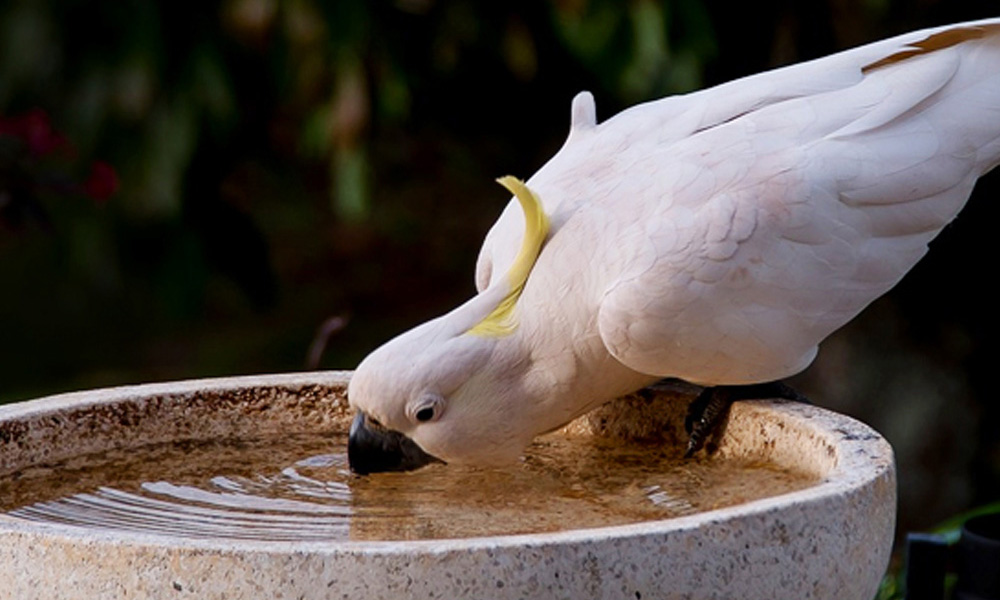
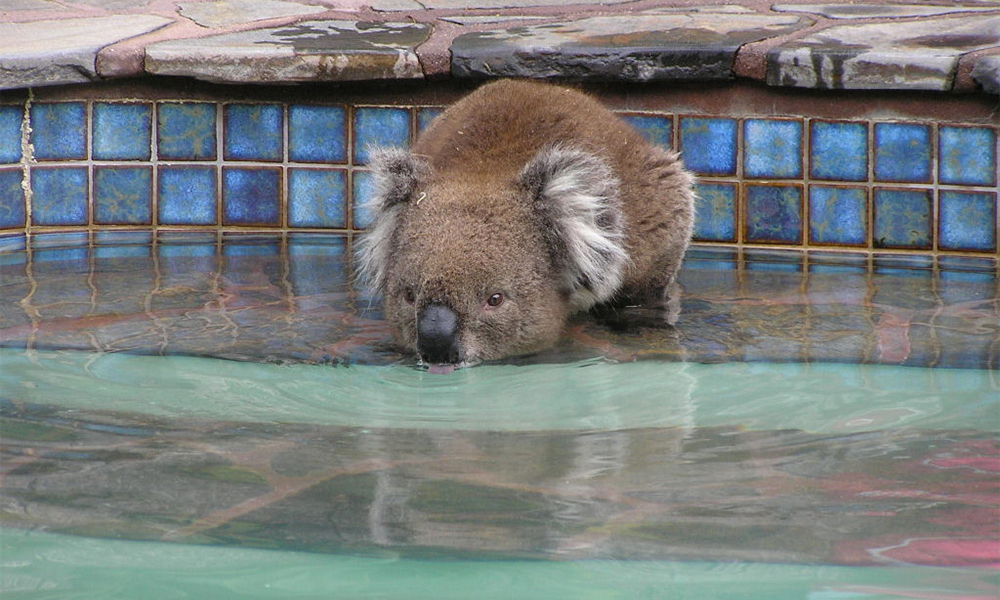
And while many of us can endure the hottest days with the help of air conditioning and plenty of fluids to keep us hydrated, our wildlife friends can suffer terribly during extreme heat, and even die. Here are 6 ways you can help make the difference between life and death for wildlife during increasingly hot and dry Aussie summers:


Leave water out.


Click on this link to read the 6 ways that you can make the difference between life and death for Australian wildlife:


https://animalsaustralia.org/features/summer-wildlife.php


Cover your pool.


Keep an eye out for heat-stressed wildlife.


Germany: Police shoot dog on the highway. It was murder.


Police officer shot a free-running dog on the Highway 29 with a submachine gun. Previously, ten officers (!!!) tried to capture the animal.


banane rep deutschlandpg


A free-running stray dog temporarily blocked traffic on Highway 29 near Rastede near Oldenburg and caused a lot of work for the police. The animal did not want to be caught on Thursday (February 6, 2020) and switched from one lane to the other. The highway was temporarily blocked (25 Minutes).

reilaufender Hund wird erschoßenjpg

Attempts to sedate the animal from a rifle with stun arrows failed, the police said after the operation. “The arrows hit, but had no effect,” said a spokesman. That was probably due to the dog’s high adrenaline level. Ultimately, an officer shot the animal with a submachine gun.

After the targeted killing of these free-running dog  the police explained their procedure in a Facebook post.
The officials responded to massive criticism on social networks. The decision to kill the animal was based on the considerable risk to the affected road users on the A29.


Before the fatal shot, police said ten officers tried to capture the animal. “There were no alternatives, unfortunately nothing else was possible,” said the spokesman. “The use of firearms is always the last option here”, the Facebook post emphasizes.

“Despite the closure of the motorway, it could not be ruled out that the animal could have caused a serious accident. Please understand. No police officer likes to do this, and we’re really sorry for the dog” (police statement on Facebook)

https://www.ndr.de/nachrichten/niedersachsen/oldenburg_ostfriesland/Polizei-rechtfertigt-Toetung-von-Hund-auf-A29,hund1662.html


And I mean…Close the files, case is over.

The dog was neither aggressive nor had behaved incorrectly.
A submachine gun is of course always a quick fix so that car traffic is not held up too long.

Blocked for 25 minutes the highway? Really?? For every shit construction work is blocked the Highway forever!  but for a dog only 25 minutes?

10 officers failed to catch a medium-sized stray dog ​​???! Not even with a blanket or something like the police do in America? Then we should rather have doubts about what the police can do, if it can’t even catch a dog in an open area without killing him.

The traffic was already shut down, so no driver was at risk, and the dog had obviously managed to get through the highway fence into the forest (where he was then shot).
He would never have run back on the highway.

And yet, someone shoots him.
With shooting they are always quick, they always shoot down immediately. And always the wrong or the weak ones!

If you want to become a police officer in Germany, it is enough if you have a fascist conviction and criminal energy.
It was murder.

My best regards to all, Venus

Italy: OIPA Article – THE CORONAVIRUS OUTBREAK AND ANIMAL WELFARE IN CHINA.

Italy


The following is a repeat of an article in the latest OIPA newsletter relating to the Coronavirus. For pictures, please click on the link given at the end.


THE CORONAVIRUS OUTBREAK AND ANIMAL WELFARE IN CHINA

With the escalation of the coronavirus, China banned the transport and sale of wild animals, prohibiting trading to markets, supermarkets, restaurants and online platforms.

It is believed that the source of the infection is the wild animal section of the Huanan Seafood Market in Wuhan, which is known for selling live animals and slaughtering them on the spot. Here hygiene levels are extremely poor: wild and domesticated animals, along with their urine, faeces, and bodily fluids, come in contact with sales clerks and customers, with the animals being butchered on the floor, blood splashing everywhere and flies feasting on the carcasses.

To date, there are very few laws in China that protect animals from abuse and mistreatment but, hopefully, with the growing number of activists, especially among young people, along with increasing knowledge about health hazards, there will be more consideration regarding animal welfare in the near future.

The coronavirus infection has already spread across half a dozen nations, including Thailand, Japan, Australia, France, Canada and the United States, causing over 420 deaths and the lockdown of at least 13 Chinese cities.

Scientist have confirmed that the disease, as 70% of human pathogens, has been transmitted from an animal. It is believed that the source of the infection is the wild animal section of the Huanan Seafood Market in Wuhan, in China, which is well known for selling unusual live animals and slaughtering them on the spot.

Among these, wolf pups, scorpions, squirrels, porcupines, turtles, crocodiles, monkeys, dogs, cats and other live animals are sold for human consumption. These type of markets are common across China, Vietnam and other areas of south-eastern Asia, and are called “wet-markets” because of the large quantities of water that are used to slop the floors. Here, sanitations standards hardly exist and hygiene levels are extremely poor: wild and domesticated animals, along with their urine, faeces, and bodily fluids, come in contact with sales clerks and customers, with the animals being butchered on the floor, blood splashing everywhere and flies feasting on the carcasses.

This is the ideal place for contamination to occur and for virus and bacteria to spread. It seems that the outbreak of both the avian flu and SARS (Severe acute respiratory syndrome) originated in these wet markets as a consequence of keeping live animals.

The consumption of wild animal meat is common and considered a luxury in China, especially among the older generations. Moreover, wild and exotic animals and their parts are still used in traditional medicine to cure ailments or as aphrodisiacs. It is part of the Chinese culture, although consumers do not seem to be aware of the public health treat, especially when it is impossible to know the provenience of the animals and, therefore, to be sure if they are free of disease.

After the SARS outbreak in 2003, which killed over 750 people, there was a temporary ban on the wild animal markets. Experts feel like the Chinese government should then have learned that diseases can easily spread from animals to humans in markets where wild, farmed and domestic animals are clumped together in unhygienic conditions, but the ban was withdrawn. With the escalation of the coronavirus, China again banned the transport and sale of wild animals, prohibiting trading to markets, supermarkets, restaurants and online platforms. Unfortunately, the ban will only be in force until the epidemic will be eliminated across the country, leading to think that wildlife trade will be allowed again, as it did after the SARS crisis.

This is a vicious circle: the permanent ban on the sale of wildlife, in China and in other countries, is necessary to reduce the risk of new viruses to emerge, potentially even more dangerous than the past ones.

To date, there are very few laws in China that protect animals from abuse and mistreatment, although there is growing awareness regarding the concepts of animal welfare in some contexts, such as in research and in zoos. Livestock farming has incredibly increased in recent years and China is now one of the world’s main producer of animal-sourced food, but there is no requirement for humane slaughter.

Half of the global pig population and over 60% of farmed fish comes from this country. About 10,000 Asiatic black bears are kept it tiny cages for bile production and other animals, including endangered species, are exploited so their parts can be used for traditional medicine. China is also the biggest producer of fur, which has shocking farming and skinning practices.

Animal cruelty is not a punishable offence in China and it also threatens people’s health and the ecosystem. The political environment does not seem interested in protecting animals, but, hopefully, with the growing number of activists, especially among young people, along with increasing knowledge about health hazards, there will be more consideration regarding animal welfare in the near future.


https://www.oipa.org/international/chinese-markets-and-coronavirus/

India: January 2020 – New Rescue Videos From ‘Animal Aid Unlimited’.

INDA0001


We want to show you the latest videos we have received from our good and very well respected friends at ‘Animal Aid Unlimited’ in India. What these guys do to help save animals is amazing; as with everything they send to us; the videos show the full story, from terrible suffering starts through to completely transformed animals at the end. Enjoy watching these latest videos – bad starts but always happy endings !

Always donate if you can please – thanks;

Regards Mark (WAV).

———————————————————–


Dear Mark,

Puppies have been the window of animal protection for many of us, pulling at our heartstrings with their unstoppable joy, their constant readiness to play, pull, romp and bounce. That’s probably why seeing a little one suffering with any ailment is shattering.

Being a puppy on the street is hard and many of the puppies we rescue have fallen ill or met with an accident. Your support helps us provide comfort care–after the medicine, after the bandages, after the food–to provide an environment for all species to be loved and to feel it. The value of your help can’t be measured even in lives saved, because it comes down to love given, and love received by the animals in every stage of healing.


Multiple fractures tore apart his jaw and his eye completely ruptured out of his socket when we rescued this incredibly loving street dog. His tongue was swollen twice its size and he couldn’t open his mouth when we rushed him to our hospital, gave him medicine for pain and swelling and wired his jaw in order to stabilize it so that he could lap up mashed up food. We tried to save his eye but the damage was too deep; we had to remove it. Despite terrible pain, Archie, even when soaked in his own blood, wagged his tail. Watch this sweet and heroic boy’s beauty shine from within.

When love calls, let’s answer. Please donate


Edward, a handsome and bright donkey, is happy now, but his story is devastating for the unfathomable ignorance that hurt him so deeply. Someone used wire to tie his legs together to keep him from wandering away. This injury sickens us more than “the usual” donkey abuse because it goes beyond the limit of simple ignorance and its effect is pure cruelty.

If you can get through the footage of his initial wound dressings to the end you’ll be glad you did--he’s not even limping now! Animals used for their labor are often suffer such terrible abuse, which is both physical and mental. But when the deeply hurt are healed, the world is sweeter.

Please donate.


Pinky is a lovely girl who had a serious laceration on her nose.

Thanks to your generous support, we were able to rescue Pinky soon after she was injured and suture up the wound so that she could completely heal within just a few weeks. We had already spayed this girl previously, and we are grateful that Pinky, as she is known by her care-givers, has neighbors who reported her injury and who pledge to feed and continue watching out for her in the future.

Please donate for wonderful results.


Meet the care givers:

Saagabai Gameti had never worked with animals. When she started in 2017 we asked her to wash animal bedding and clean their bowls as we slowly introduced her to taking care of dogs. We had no idea that within weeks, if not days, Saagabai would throw herself into the care of every animal she was near, and do so with the vast seriousness that only real love reveals. Never a day goes by without Saagabai’s energy lifting up those around her.


New Animal Site To Check Out – Early Version – Being Built With More.

We were recently contacted by a fellow activist named Craig, the following is part of the message sent to us:


My name is Craig — Co-Owner & President of Jet Pet Resort, and Release The Hounds. We’ve helped care for animals for over 20 years.

I’m reaching out to you today because I know your publication has touched on animal cruelty efforts in the past.

I’ve been working with a team of web developers and designers to create an animal cruelty awareness interactive, to bring awareness, and solutions, to the HUNDREDS of cases of large-scale animal cruelty all around the world. 

We’ve just launched the early version of it that you can find here:

https://jetpetresort.com/animal-cruelty/

Animal cruelty is a huge problem, as I’m sure you know, and it’s going to take a combined effort to make people aware of it, and also, informed on what they can do to combat it.

In the interactive we’ve created, we’ve included as many of the reported cases of large-scale animal cruelty as possible, and most importantly, included how the reader can contribute to fighting animal cruelty. (Where they can donate, suggested lifestyle changes, brand selection, etc.) We’re just going to keep improving and adding to it over the coming months, and years.

As a fellow animal activist, I would greatly appreciate it if you could bring awareness to this project, or a shout out on your social platforms. If you could help share and spread this project in any way, it would make a big difference!

Thank you for taking the time,
Keep fighting! 


So, we are more than happy to give the link once again:


https://jetpetresort.com/animal-cruelty/


and we wish Craig and his team all the best in getting all that they need for the site.

As he says, this is currently an early version of the site, but it should give you a insight into what will come. We have written back to Craig and supplied him with links to both WAV and our sister site, SAV. There is a lot of archive data for both, especially on SAV which dealt primarily with stray animal issues in the Balkans. Here is the SAV link again:


https://serbiananimalsvoice.com/


We hope that you can check it all out at your convenience, and maybe even help with supplying information from your area of the world so that any of us can add info to the sites in helping animals.


Regards – Mark and Venus.


Australia: What Faith In ‘Lobbyist Leadership’ ?

Australian flag painted by brush hand paints. Art Aussie flag. Watercolor flag. Australia art vector flag.


0*MNHqyqpTnVVrfBux

australien brändepg

Image result for australia fire pictures wildlife"


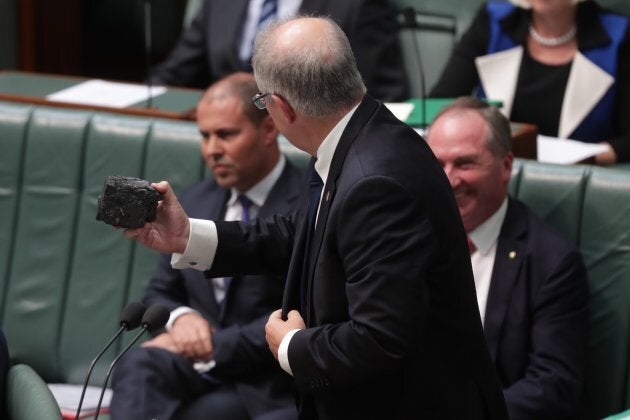
I think the vast majority of the planets citizens now know what a complete ignorant fool Scott Morrison is – bowing to the lobbyists and coal mining industries, whilst largely ignoring the evidence provided by ecologists, environmentalists, naturalists, protectors of the environment and animal welfare organisations. Well, now he has a problem in Australia; and he and his government are the root cause of it.


australien Mensch mit Hund

Image result for australia fire pictures wildlife"

Image result for australia fire pictures wildlife"

Image result for australia fire pictures wildlife"


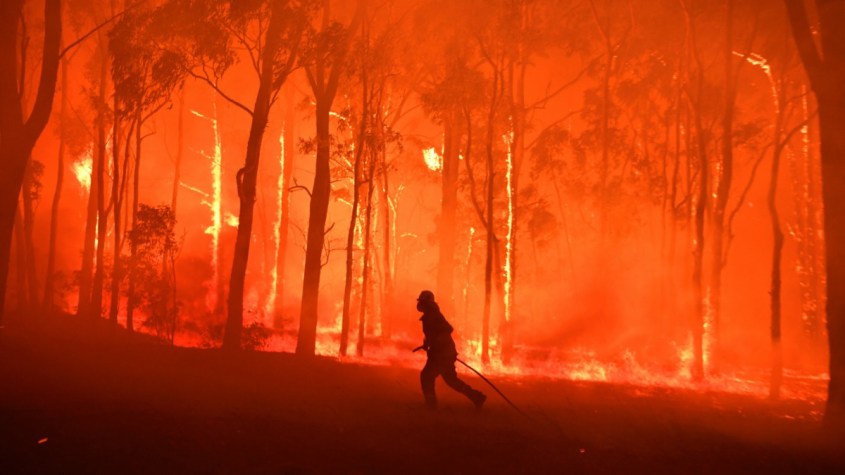
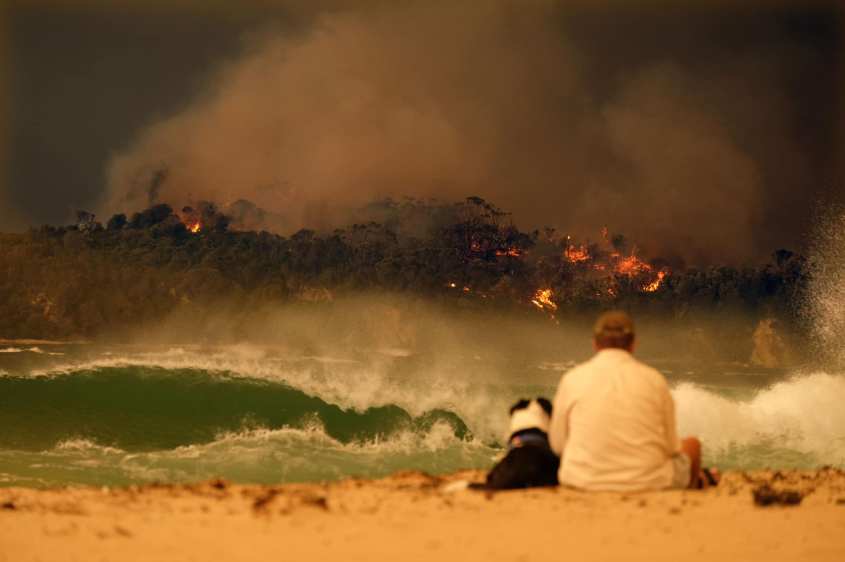
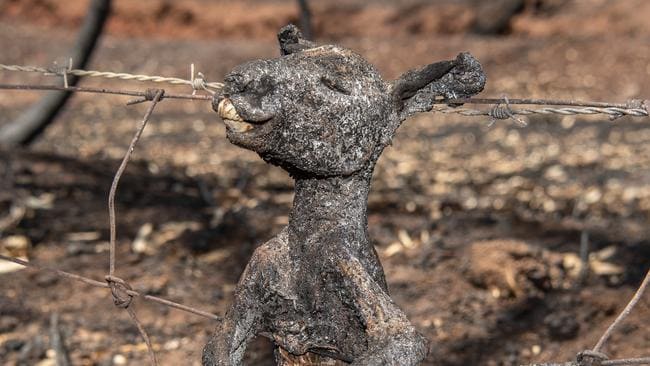
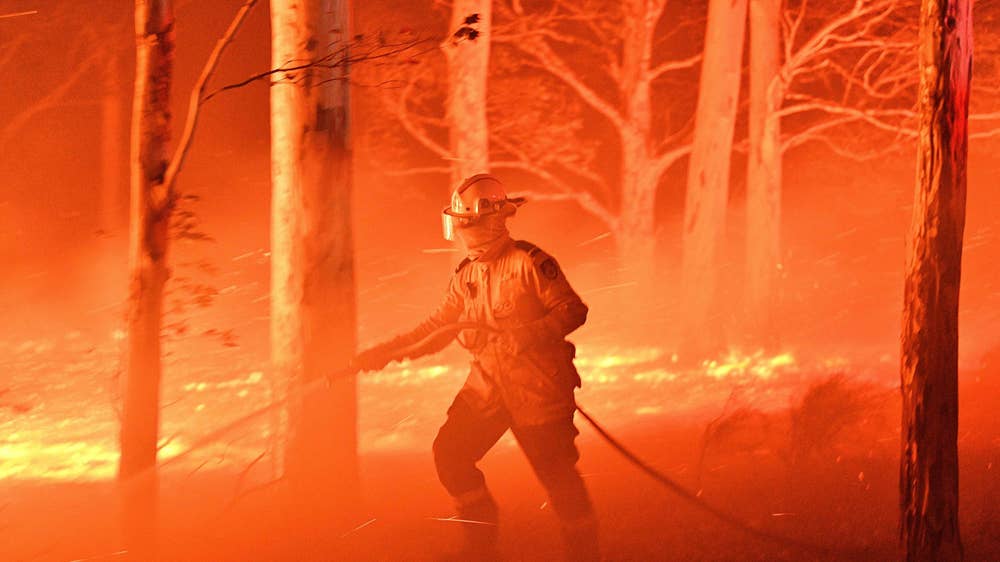
And his government will go down in history – not for the good things (are there any ?) that they have done; but for the fact that their policies have led to Australia experiencing the worst fires in its history – destroying the homes and estates of countless Australian citizens as well as being responsible for the total destruction of an ecosystem and the animals in it – maybe 1 Billion by now !! – all because him and his cronies that he calls ‘a government’ want to sit there and pose with lumps of coal.

Are we not also witnessing this with other (lets not call them) leaders of the world’s nations – ‘Trump Digs Coal’ for example. Maybe his paybacks are waiting in the wings at this very moment !


trump digs coal 1

trump environment 2


The saddest part of all this is that just a few dimwits at the top – people who ‘we’ are supposed to put our trusts in to protect and listen to us, are failing to both protect and listen; and as a result; they are destroying the planet and its inhabitants ‘for all mankind’.

Image result for australia destruction"

Image result for australia destruction"

Image result for australia destruction"

Morrison we detest you – you are an eco terrorist of universal magnitude; and hopefully when all this is over, if it will ever be; the Australian people will have the balls to erect a huge monument to you and your failures outside of the national government HQ; so that all can see what happens when an ignoramus and his lobbyists ignore all the evidence presented to them; and only put their own self interests ahead of this.


Image result for australia destruction"

Have a look at a few of our recent posts – ignoring what the rest of the worlds press and media have to say about it all !


https://worldanimalsvoice.com/2020/01/14/educational-series-australias-fires-are-burning-animals-to-death/


https://worldanimalsvoice.com/2020/01/07/australia-what-have-we-learned-from-this/


https://worldanimalsvoice.com/2020/01/02/nearly-500000000-animals-have-been-killed-or-become-extinct-in-australias-wildfires-partly-due-to-an-ignorant-government/


https://worldanimalsvoice.com/2019/12/30/australia-its-very-hot-but-sydney-harbour-still-gives-go-ahead-for-fireworks/


https://worldanimalsvoice.com/2020/01/05/australia-the-time-of-universal-buyability/


https://worldanimalsvoice.com/2020/01/08/australia-upcoming-murder-of-10000-camels/


https://worldanimalsvoice.com/2019/12/29/australia-thousands-of-koalas-feared-dead-as-massive-australian-wildfires-destroy-habitat-australia-burns-the-government-jets-off-on-holiday/


https://worldanimalsvoice.com/2019/12/24/australia-kind-man-provides-life-saving-water-to-a-koala/


https://worldanimalsvoice.com/2019/12/06/australia-cattle-station-abuses-exposed-with-live-exports-a-farming-nation-at-the-top-of-the-tree-when-it-comes-to-animal-abuse/


Below is an e mail that has just arrived at the office. They are not our words; but we repeat the entire mail and links for you to read. We think that a lot of this is very true – what about you ? – if you do, then please support the petition – Note: it CAN be signed by non Australians (such as ourselves) who wish to be a voice for the innocent peoples and animals of Australia. Here below is the mail in full:


Thinking of the good folk of Australia; and very much thinking about the millions of animals now dead due to asshole regulations by an asshole so called ‘government.


Regards Mark.


Image result for morrison coal"

Dear Mark,

Scott Morrison is failing to address climate change, failing to lead and failing to keep us safe. He physically turned his back on people in fire ravaged communities.

Now he’s turning his back on renewable energy – by watering down the Renewable Energy Target and letting the Australian Renewable Energy Agency run out of money.

After public pressure from bushfire survivors, emergency service leaders, and GetUp members, Morrison says he wants to “evolve” his position on climate change1at the same time his government is quietly killing off support for renewable energy.

We can’t let him get away with this bait and switch.

The very fact that Morrison is acknowledging the role of climate change in the bushfires shows he’s feeling the pressure. So if we call out his hypocrisy now we can force his hand to save these critical supports for renewable energy.

Sign the petition asking your MP to stand for renewable energy and climate action in this time of crisis.


Image result for morrison coal"

Morrison’s excuses are crumbling.

He says he wants to take “practical steps” to help people. But the most practical thing to do when faced with a national emergency is to stop making things worse.

While the country burns, the Coalition is letting Australia’s only renewable energy agency run out of money, and undermining our international obligations with dodgy accounting tricks.2

Meanwhile, they continue to subsidise the fossil fuel industry to the tune of $29 billion dollars3 – effectively paying for the emergency they say they want to address.

But the Liberals are divided, the Murdoch press is on the backfoot, and everyone from state governments to global hedge funds are calling for significant government action.

If we can translate the anger and frustration we’re feeling right now into a set of clear and common sense demands – we can raise the bar on Morrison’s climate concession.

Make your demands clear – sign the petition now!

This bushfire season has been relentless. It’s taken 27 lives, destroyed thousands of homes, and shuttered countless farms and small businesses. It’s also killed billions of native animals, and destroyed the habitats they rely on.

We can’t expect this government to keep us safe – but they should stop endangering us by:

  1. Adopting a more ambitious Renewable Energy Target
  2. Extending and expanding funding for the Australian Renewable Energy Agency
  3. Ending subsidies for fossil fuel corporations that are contributing to the national emergency we’re in

Add your name to call out Morrison’s hypocrisy.

The time for excuses is over. This needs to be a moment of reflection, and commitment from Federal Liberal MP’s – if they believe the science, they should prove it with action.

In determination,
– for the GetUp team