We at Doctors Against Animal Experimentsare committed to modern animal-free research and medicine. Animal experiments must no longer have a place in the 21st century!
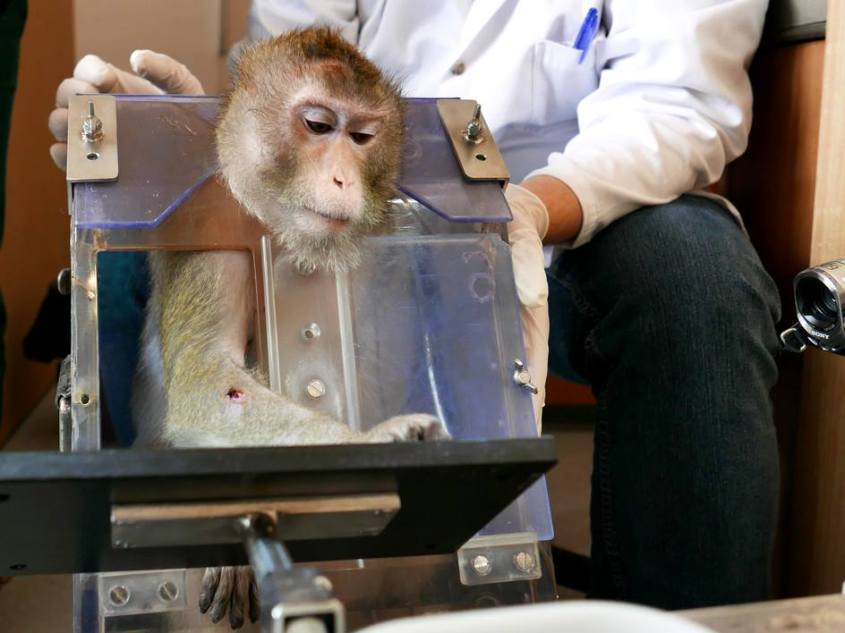
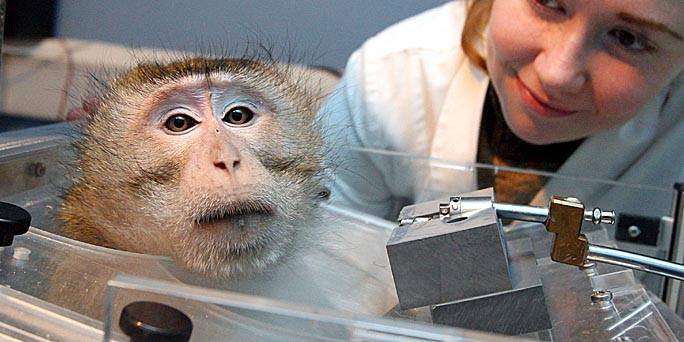
The US company Covanceoperates in Münster, Germany, one of the largest animal testing laboratories for monkeys in Europe.
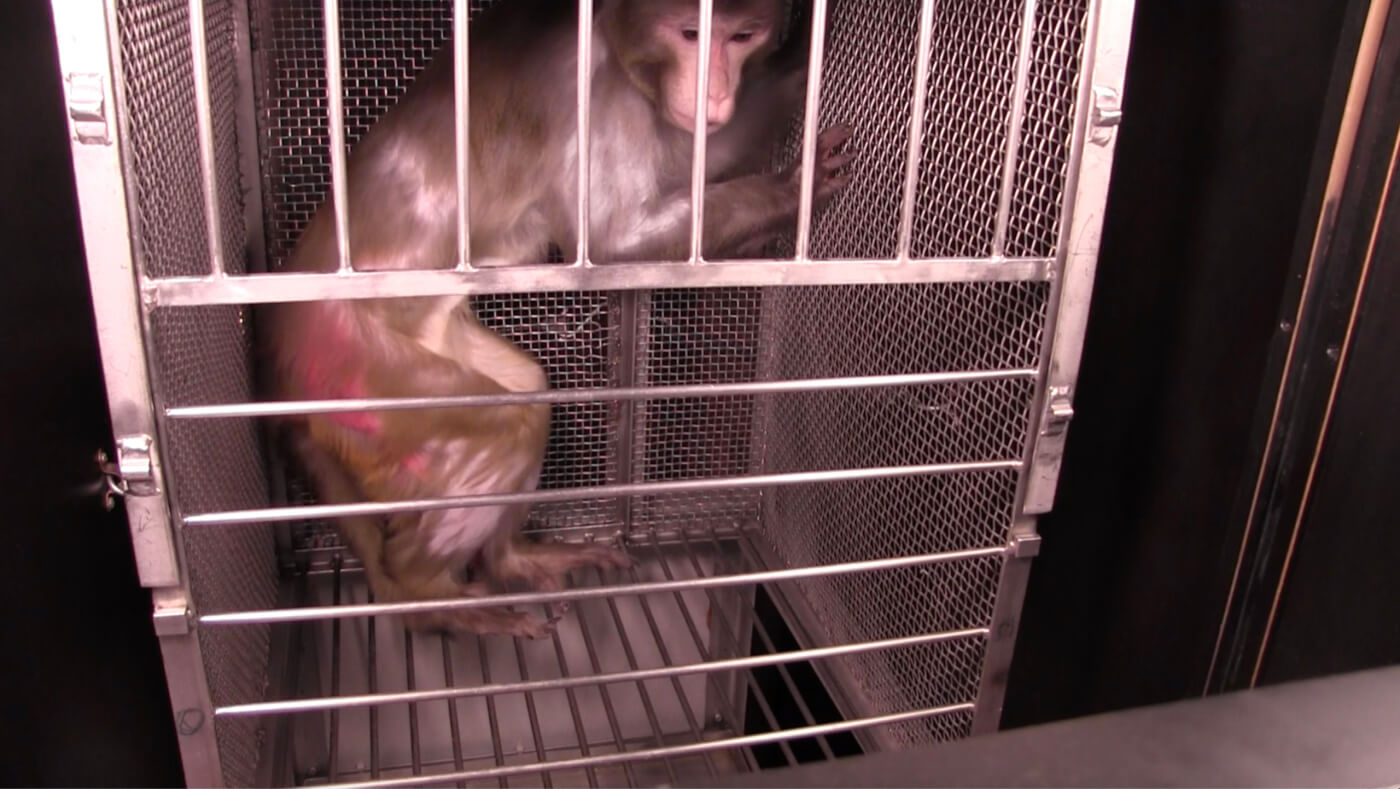
Every year up to 2,000 monkeys are killed here in excruciating toxicity tests.
Covance is thus the largest “monkey consumer” in Germany! Now the group wants to expand: A new building for animal stalls is to be built, an advertisement is looking for animal care personnel (!!!).
Animal experiment factory “Covance Laboratories GmbH” in Münster, Germany
So soon more monkeys will suffer and die here!
Covance Inc. is one of the world’s largest contract research organizations with offices in 20 countries. The branch in Münster specializes in reproductive toxicity tests on monkeys.
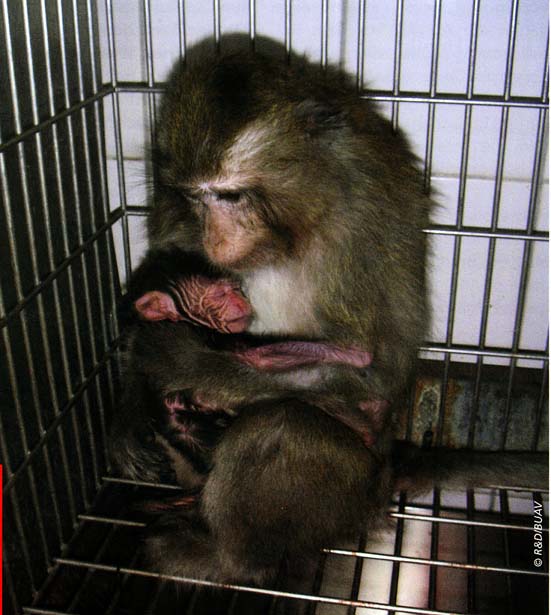
Pregnant monkeys are often given drugs or chemicals pumped into their stomachs or injected into the bloodstream daily to see the effect on their offspring.
The consequences can be stillbirths or malformations.
The substances are also given to male monkeys to test their fertility.
Such toxicity tests on our closest relatives are ethically unjustifiable and scientifically nonsensical, since the results only say something about the reaction of the monkeys, but do not allow predictions for humans.
FRIGHTENING experiments on America’s cats include snapping their spines and injecting potato up their bums for “research”, sickening records show.
Barbaric tests on moggies as young as six months old for constipation and incontinence experiments involve the implantation of electrodes to stimulate bladders and colons, say campaigners.
Gut-wrenching photos and video of cats being operated on to insert devices have been provided exclusively to The Sun by the White Coat Waste Project, which obtained them through the Freedom of Information Act (FOIA).
The group was given receipts showing that thousands of dollars are being spent on lab cats supplied for the Department of Veterans Affairs’ (VA) research.
These include a tabby called Milo; Oreo, a black and white cat; and tabbies Prince, Otis and Joey – all used for constipation research.
The FOIA info shows:
The VA buys healthy cats and performs invasive surgeries to implant electrodes to remotely stimulate their bladders or colons, severs some of the cats’ spinal cords, and then kills and dissects them.
It exposes bowels for electrode placement, before increasing pressure on the cats’ colon “in response to rectal stimulation”.
Artificial poos made from bran, potato flour and saline “are used for bowel experiments”.
The Veterans Department says it has been granted approval to use felines to help Americans with debilitating illnesses.
For example bladder-based research was needed as, “more than 15 million Americans face the challenges of incontinence, frequent urination, or dysfunctional voiding”, where people struggle to pass stools.
CATS ‘BIG ENOUGH FOR DEVICES’
This is “often related to spinal cord injury, diabetes, or ageing, which are common in the veteran population,” says the VA.
It aims to find “better ways to diagnose and treat the causes of these problems” by using devices “that can monitor bladder volume and pressure under everyday conditions and in people without sensation.
“Cats control their bladders in ways similar to how people do, and are large enough for devices developed with them to be scalable for human use.”
FAKE POO USED
But, the VA has been slammed by the White Coat Waste Projects as “taxpayers are being forced to pay over $500,000-$1million (£782,000) per year for this waste and abuse.
“Using the FOIA, we have obtained never-before-seen videos, photos and other documents detailing constipation experiments in a US govt lab.
“Cats are given spinal cord injuries, implanted with experimental devices, and then fake faeces are forced into their rectums.
“At the end, the cats are killed,” the group says.
Justin Goodman, vice president of advocacy and public policy at the taxpayer watchdog group, told The Sun: “Taxpayers shouldn’t be forced to pay millions for VA bureaucrats to buy healthy cats, cripple and mutilate them, and videotape their abuse in wasteful, bizarre and deadly constipation experiments.”
Analysis of medical records obtained via the FOIA show the experiments and procedures cause the cats “distress, seizures, bloody urine, and depression”, the group found.
It’s accused the VA of “torturing cats as young as six months old in cruel and wasteful constipation and incontinence experiments”.
Instead of using animals, the tests “could be done in human volunteers which would give results directly related to people”, WCW urged.
From initial information released so far, two of the experiments show approval to “use and kill 35 cats”, the campaigners added.
Purchase receipts provided by the VA shows its researchers “typically buy cats for these experiments in August and September each year.
“All of these tests are classified as painful experiments.”
Since January 2016, the VA’s constipation tests have cost taxpayers about $200,000 (£156,000) a year. This project is scheduled to run until December 2020.
These have been running alongside incontinence tests.
Mr Goodman said that after crucial lobbying “by our watchdog group and its over two million members, Congress has drawn a line in the sand.
“It has cut funding for the VA’s dog tests and directed it to phase-out its wasteful experiments on cats by 2025.
“But this taxpayer-funded horror show we’ve uncovered underscores that action is urgently needed right now.”
The VA says on its website that it “is committed to supporting the research that is needed to improve medical care for Veterans”.
More than half of its research is “done with human subjects, computer models, analysis of existing data, or collection of data from biological systems other than vertebrate animals”.
Of the remainder, rats and mice are mainly used, while “less than five per cent of that last one per cent depends on living vertebrate animals involving dogs, cats, or nonhuman primates”.
Its animal testing is approved before going ahead, with “feedback provided by at least one boarded laboratory animal veterinarian” and it undergoes further reviewing.
The VA says that “cats are the smallest known species in which the control of bowel storage and emptying are managed as in humans.
“Research is to learn more about the neurophysiology mechanisms involved, so that better therapeutic approaches can be developed.”
Felines are also used for research on sleep, to help people suffering from sleep apnoea.
Talking of back passages – here above is a prime one.
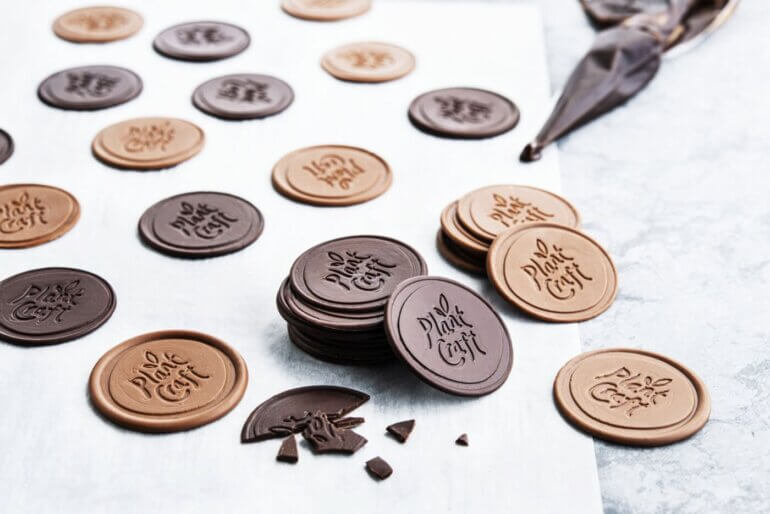
After hearing from PETA affiliates, Switzerland-based chocolatierBarry Callebaut – the “world’s leading manufacturer of high-quality chocolate & cocoa products” – has announced that it will not conduct, fund, or commission any animal experiments, unless they are explicitly required by law.
In another kind move for animals, earlier this year, the multibillion-dollar company announced plans to open a completely vegan production facility in Schleswig-Holstein, Germany.
By no longer contributing to any cruel and deadly experiments on animals, Barry Callebaut, which operates production facilities in the UK, joins the ranks of other progressive food-industry giants, including Barilla;
The Coca-Cola Company; General Mills; House Foods; Kikkoman; Lipton; Nissin Foods Holdings Co, Ltd; Ocean Spray; PepsiCo; POM Wonderful; Sapporo Holdings; Welch’s; and Yakult Honsha.
What Do Animals Endure in These Types of Experiments?
PETA US had uncovered experiments on animals published between 2007 and 2019 – which were not required by law – that Barry Callebaut contributed to.
As part of our campaign to end animal testing in the global food industry, PETA and our affiliates have exposed that for decades, manufacturers have pursued cruel laboratory tests in which thousands of animals have been cut open, tormented, and killed – all in misguided attempts to make marketing claims about products ranging from ramen noodles to chocolate bars to breakfast cereals to alcohol.
By pledging not to conduct experiments on animals after discussions with PETA US and PETA Germany, Barry Callebaut is committing to sparing other animals a similar fate.
The company also sets a progressive example for other food and drink producers to follow.
Conscientious shoppers play a huge part in driving the vegan revolution, and they don’t want to buy products that were cruelly tested on animals.
You Can Help Prevent Other Animals From Suffering in Experiments
Animals suffer in pointless food and drink industry tests in many countries all over the world.
PETA and our international affiliates are leading a global effort to spare the lives of thousands of animals used in deadly food-industry experiments and replace them with humane, effective, economical, and modern animal-free research tools.
According to the statistics, 20,438 animalshad to endure so much suffering that the experimenters themselves stated that; including 18 pigs for animal welfare and 171 chickens for veterinary medicine!
The animal experimentation industry repeats mantra-like that it is committed to the so-called 3Rprinciple, that means: the number of animal experiments and the number of experimental animals per experiment should be reduced and animal suffering avoided.
VGT (Association against animal factories) chairman Martin Balluch, himself a member of the Federal Committee for Animal Experimentssays:
“Unfortunately, this strategy fails completely. The number of experimental animals used has been increasing steadily since 2000. And instead of replacing animal experiments, they want to build a new animal experiment laboratory at the JKU(Johannes Kepler University) in Linz! But not only that.
Animal suffering is also increasing, for purposes beyond any medical research for humans. Current animal experiment statistics show that 18 pigs suffered badly for animal welfare and 171 chickens also suffered heavily for veterinary research. These animal experiments are the opposite of minimizing animal suffering! “
In 2018, “only” 17,841 animals had suffered severely, in 2019 there were already 20,438.
In addition, this information about the severity of the suffering is determined by the animal experimenters themselves. An objective review of this is not planned.
A representative survey published by the British market research institute ComRes on July 17, 2020, showed that almost three-quarters of EU citizens want the EU to provide a binding exit scenario from animal experiments.
70% also agreed that the full replacement of animal testing with non-animal testing methods should be an EU priority.
A total of 66% wanted the end of all animal experiments immediately. In this spirit, the majority of the Federal Council in Austria recently decided that research on animal testing should be promoted to the same extent as that with animal testing. The Federal Government has not complied with this at all.
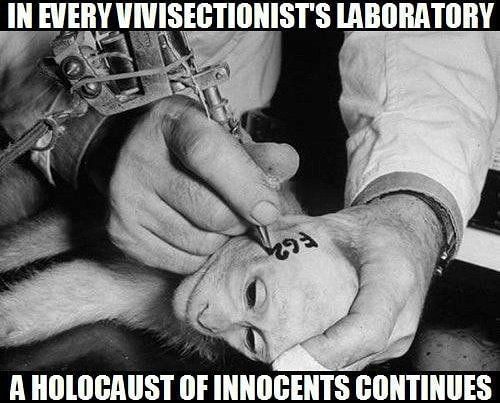
The word “vivisection,” or animal experimentation, does not begin to describe how hundreds of millions of animals are used in science every year, let alone capture the physical pain, deprivation and emotional distress experienced by animals who are cut up, poisoned, burned, irradiated, gassed, shocked, dismembered or genetically designed to suffer. Nor does it reflect the tragedy of each individual life—however short and brutal—caged in an artificial environment which deprives them of experiencing life as nature intended.
Millions of animals—primates, dogs and cats, rats and mice, rabbits, pigs, horses, birds, reptiles, amphibians, fish, and yes, guinea pigs—are sacrificed as a result of animal experimentation. They are used in basic and applied research, for the safety testing of products, to be bred or harvested from the wild to be killed and cut up for dissection, and as living factories of byproducts to be used as ingredients in drugs or laboratory experiments.
NAVS opposes the use of animals in scientific research and product testing for both ethical and scientific reasons. Animal experimentation is cruel. It is an outdated and inadequate methodology that can produce invalid, often misleading results. It wastes money and resources and sidetracks meaningful scientific progress.
Background
The practice of animal experimentation has been debated for centuries—seemingly pitting the pursuit of knowledge and human health against compassion for animals. Society has allowed animal experimentation because people have been convinced that it was a “necessary evil,” and that it was the only way to find cures for human diseases and to make drugs, cosmetics and other products safe. Secrecy and security have ensured that people are unaware of what happens behind the laboratory doors or wrongly trust that the laws intended to prohibit cruelty to animals include protection for animals used in research.
Defenders of animal experimentation argue that nonhuman animals are enough like humans to make them scientifically adequate models of human diseases or to test treatments or the safety of products. They also contend that other species are different enough from people to make it ethically acceptable to use them in experiments.
NAVS argues that it is the way that humans and nonhuman animals are similar that provides the basis for the ethical objection to animal experimentation. Perhaps the English philosopher, Jeremy Bentham, said it best when he asked, “The question is not, can they reason? Nor, can they talk? But can they suffer?”
There is little doubt that some breakthroughs in the past were made as a result of animal experimentation; but the questions being asked of science today are more complex and society has grown in its respect and appreciation for other sentient creatures, due in large part to studies of their behaviour and intelligence. Sophisticated technologies available today and under development promise new and better avenues for investigation. Many of these approaches offer human relevance and insight in ways that animal models have not, and cannot, provide.
How NAVS Helps
If people could witness what is done to animals in the name of science, they would share our outrage and impatience with the all too slow rate of progress in ending these practices. Since 1929, NAVS’ response to the cruel, archaic, wasteful and unnecessary practice of animal experimentation is to work towards the advancement of science without harming animals. We look to science to inspire, to inform, to heal and to help solve the world’s problems. Science is about discovery and exploration. Science replaces ignorance and superstition with knowledge. But scientific investigation that exploits innocent animals as objects to use and abuse, causing unspeakable suffering and death, is not progress. We know that every animal is amazing in their own way—intelligent, social, complex—designed by evolution to be the best at what they do and deserving to be treated with respect. Investing in more humane methods of scientific inquiry will lead to better science.
NAVS is a respected leader of advocates for animals and better, more humane science. We are dedicated to ending harmful, flawed and costly animal experiments through the advancement of smarter, human-relevant research and the promotion of animal-friendly changes to laws and policies:
We work with respected scientists to advance modern, human-relevant scientific methods that replace the use of animals through our support of the International Foundation for Ethical Research (IFER) and other promising collaborations with the scientific community.
NAVS’ Advocacy Center empowers supporters to take action that promotes greater protection for animals through the legal/legislative and policy-making processes.
We provide innovative teaching tools and resources that replace animal dissection while enhancing education in the life sciences. NAVS also provides incentives to encourage young scientists to pursue careers that advance science without harming animals.
NAVS’ Sanctuary Fund provides emergency financial assistance to support animals retired from laboratories and those threatened by natural and man-made disasters.
I am going back a long time – around 1985 or near to that.
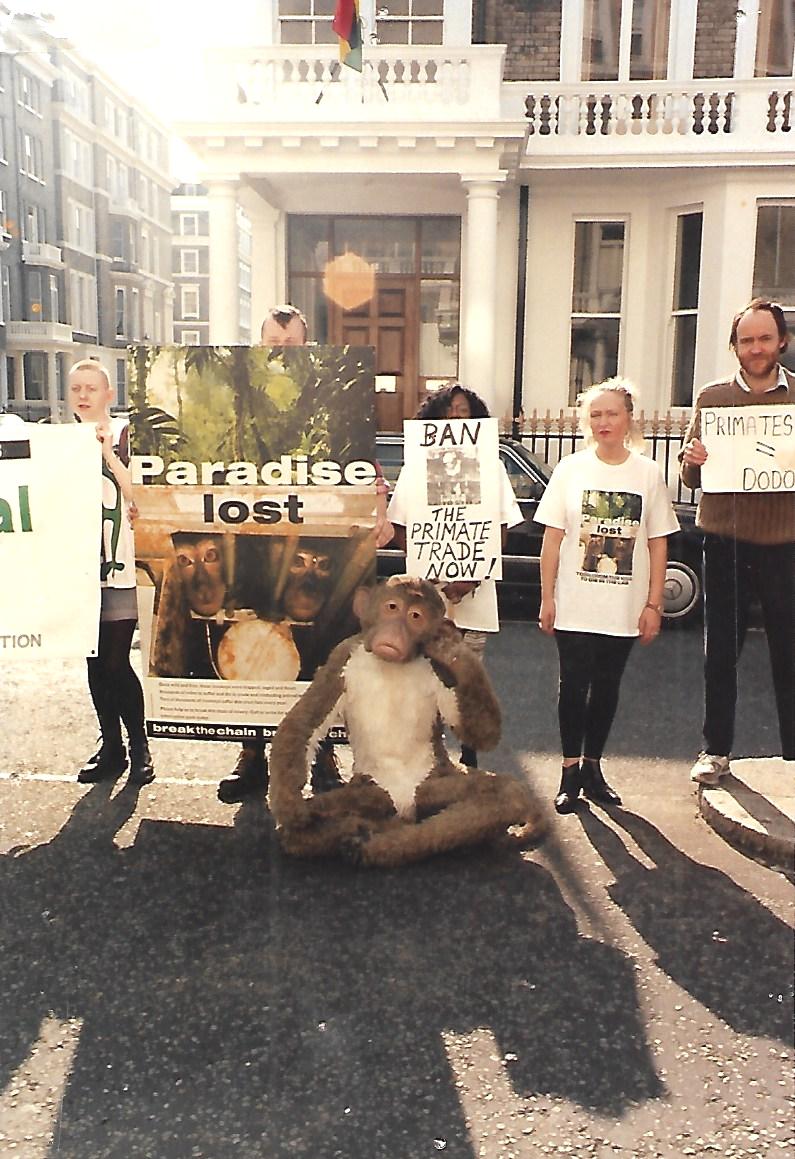
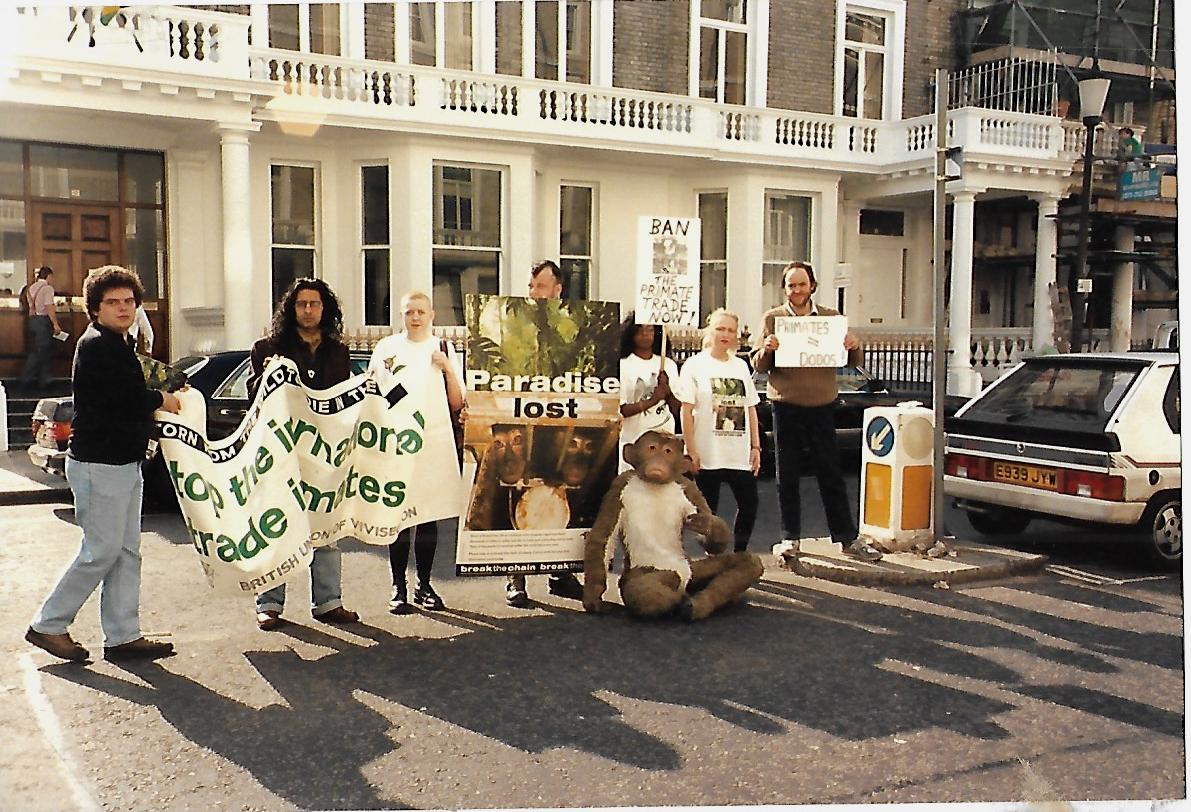
I was part of a local and effective animal rights group which had been formed by my Joanne – white ‘Paradise Lost’ T shirt; black pants; blonde tied back hair, see photos below.
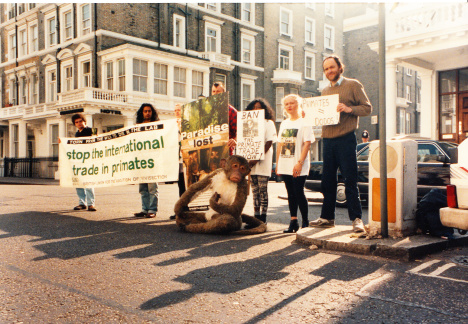
We decided a few of us (3 or 4) from our group would meet with other campaigners in central London to an impromptu demo for the BUAV ‘Paradise Lost’ campaign at the Mauritanian Embassy, which is located in central London; calling for the Mauritian government to stop the supply of research primates to European laboratories.
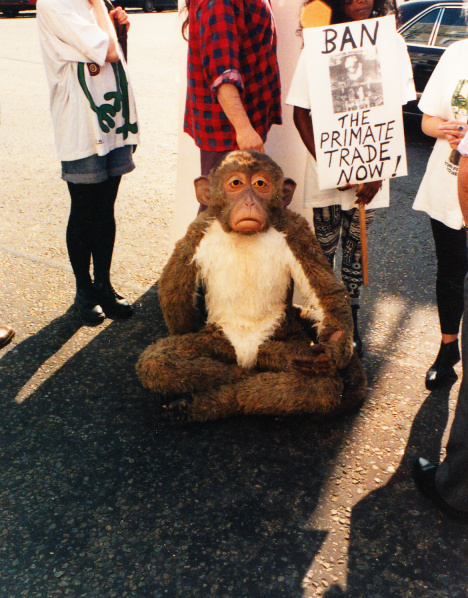
We had with us our very impressive ‘sad lab primate’ on the day – a costume worn by one very agile campaigner, the sad face reflecting that it had been torn from the wild and was destined for lab research in another land – far away from its original home in Mauritius.
I was the group photographer on the day; and in my photos you can see Joanne – in a white ‘Paradise Lost’ T shirt; black pants; blonde tied back hair, and ‘Big Malc’ (Malcom) who you can just see the head of behind the big Paradise Lost poster; and Leanne; the dark haired girl between the two of them. I don’t know who the other folk were; but we all got together and made our voices know outside the embassy. All the photos are taken directly in front of the Mauritanian embassy.
We attracted lots of Press; and the guys from the papers really loved our human sized sad primate; who ended up climbing and swinging from a few lamp posts for even more attention and media coverage of what was behind the demo.
‘Big Malc’ (behind and holding the poster / banner) was a member of the group and a great mate. I last met him about eight or nine years ago in a supermarket. He had all these Mauri type tattoos over his arms and face; and him and I were the only 2 people in the aisle. I think all the shoppers had been frightened off by his appearance; but we stopped and had a really good chat. He was the only guy I have ever seen eat a whole, raw Cauliflower when we did a stall in our local town. Despite his big size and tattoos everywhere; he was one of the gentlest and lovely people you could ever wish to meet.
So, what, 35 years later, I was very annoyed (to be politically correct) to see this article in the national press a day or so ago. Still primates are being imported into British labs which had their original home in Mauritius. They are the long-tailed macaques – 6,120 from this (usually) paradise place. 35 years on since our demo in London, and STILL primates are being used in crap experiments.- now I guess the researchers have another excuse for their justification – and its called Covid,
35 years later and Mauritius is still giving innocent primates to the labs of the world.
What do you do except produce a post like this to try and get a point across.
The figures are based on permits issued by the government-run Animal and Plant Health Agency (APHA). But activists say that more primates may also have been imported for lab tests from within the EU.
As the article says: Britain has banned tests on wild primates but still allows them to be brought in and sold as pets and allows their offspring to be imported for research. In other words, nothing has changed from when were on the streets of Ol’ London town all those years ago.
Here is the article for you to read more about the disgusting lab primate trade. 35 years ago it was ‘Paradise Lost’ for the primates; sadly, today it still is !
Primates imported to UK for laboratory experiments ‘triple in a year to 6,752’
The number of primates and primate parts imported into the UK for laboratory animal experiments has nearly tripled in a year to more than 6,700, figures suggest.
Experts warned the steep rise risks spreading diseases that could be fatal to humans. Monkeys can pass viruses including avian flu, Sars and vCJD to people.
Authorities handed out permits last year for an “unusually high” 6,752 monkeys and monkey tissue parts to be flown in and sent to laboratories, where chemicals or drugs would be tested on them. Primate-welfare workers are demanding to know why numbers shot up.
The animals – long-tailed macaques – were mostly from Mauritius (6,120), and another 632 were flown in from Vietnam.
The figures are based on permits issued by the government-run Animal and Plant Health Agency (APHA). But activists say that more primates may also have been imported for lab tests from within the EU, where there are several primate-breeding companies, but the agency does not have to record them.
Britain has banned tests on wild primates but still allows them to be brought in and sold as pets and allows their offspring to be imported for research.
In 2018 – the most recent data available – the number of experiments on primates in the UK rose by 8 per cent, to 3,170. Most of these – 2,900 – were carried out on long-tailed macaques, of which four-fifths were testing the toxicity of chemicals or drugs.
Sarah Kite, of Action for Primates (AfP), said the level of imports was unusually high, calling for the APHA to provide reasons for the sudden increase.
In 2018, 2,666 long-tailed macaques were imported to the UK from Mauritius and Vietnam, Cites data shows. In 2017, it was about 1,000. But last year, APHA permits were given for 6,790 imports, including 38 for “breeding”. Of these, 25 were squirrel monkeys and seven black lion tamarin monkeys.
The Department for Environment, Food and Rural Affairs said a number of tissue samples, such as blood or saliva, could be taken from one animal, but each sample could have a permit so the actual number of live animals imported was lower than 6,790.
Ms Kite said: “The UK has, over the years, continued to perpetuate a trade that centres on the cruel trapping of wild animals.”
Importing the offspring of wild animals for tests helps fund the capture of monkeys from their habitats, AfP says.
“The capture of wild monkeys inflicts significant suffering and distress. Primates are highly social animals, and trapping and removing them from their habitats, families and social groups is cruel. It can also result in injuries or even death,” she said.
Globally, the long-tailed macaque is the most heavily traded primate and the most widely used in research. Experiments on them to assess their reactions to drugs or chemicals involve restraining the animals and injecting them with the drugs or force-feeding them through a tube down to the stomach.
The black lion tamarin, native to Sao Paulo in Brazil, is officially endangered.
Permits last for up to six months so some of the 6,790 animals may have been imported this year.
Monkeys bought for breeding will have gone to zoos or the pet trade, it is believed, after previous surveys found thousands of primates are kept as pets in the UK.
Ms Kite also warned of the disease risk, pointing out that the US banned imports of primates for the pet trade as long ago as 1975 because of the risk of disease.
The US Centres for Disease Control and Prevention states: “Non-human primates may carry infectious diseases that are dangerous and sometimes fatal to humans.”
It says they include Ebola, yellow fever, monkeypox and “other diseases not yet known or identified”. Last year a case of monkeypox was found in southwest England.
China has long been the key supplier of macaques for international research but the country’s ban on the trade and transport of wild animals following the coronavirus outbreak, along with the USA-China trade war, has effectively ended its trade, prompting countries such as the US to look for other sources for lab monkeys.
Africa and Mauritius are the next biggest suppliers of long-tailed macaques for research. But hundreds of primates are also captured each year from tropical rainforests in South America.
Action for Primates is part of the Campaign to End Wildlife Trade, a coalition calling on the UK government to fight for a global ban in wildlife trade at the G20 meeting in November and to end the import and export of wild animals into the UK.
The Independent’sStop The Wildlife Trade campaign was launched by its proprietor Evgeny Lebedev to call for an end to high-risk wildlife markets and for an international effort to regulate the illegal trade in wild animals to reduce our risk of future pandemics.
A government spokesperson said: “The UK has one of the most comprehensive animal welfare systems in the world, and we are committed to the proper regulation of the use of animals in scientific research.
“All research must implement the 3Rs – replacement, reduction and refinement – which require that animals are replaced with non-animal alternatives wherever possible and the number of animals used is reduced to the minimum needed to achieve the results sought.
“For those animals which must be used, procedures are refined as much as possible to minimise their suffering.”
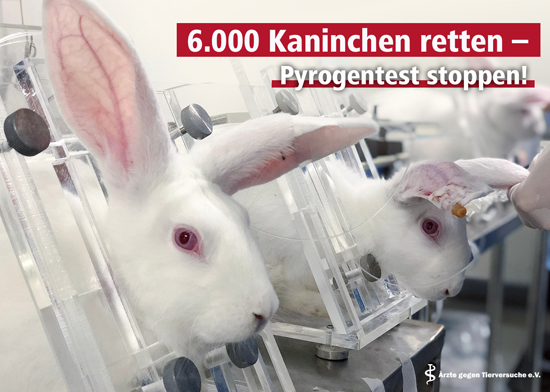
Around 6,000 rabbits suffer and die each year in the so-called pyrogen test. This is despite the fact that there has been a recognized test method free of animal testing for 10 years. This can no longer be tolerated!
The authorities must finally intervene and ban the rabbit pyrogen test!
Vaccines, infusion solutions, and other medical products must not contain so-called pyrogens. These are fever-inducing substances that e.g. are released by bacteria.
The European Pharmacopoeia prescribes a check of every production unit in order to protect patients from damage.
A test on rabbits has been standard for decades to test products for possible contamination by pyrogens.
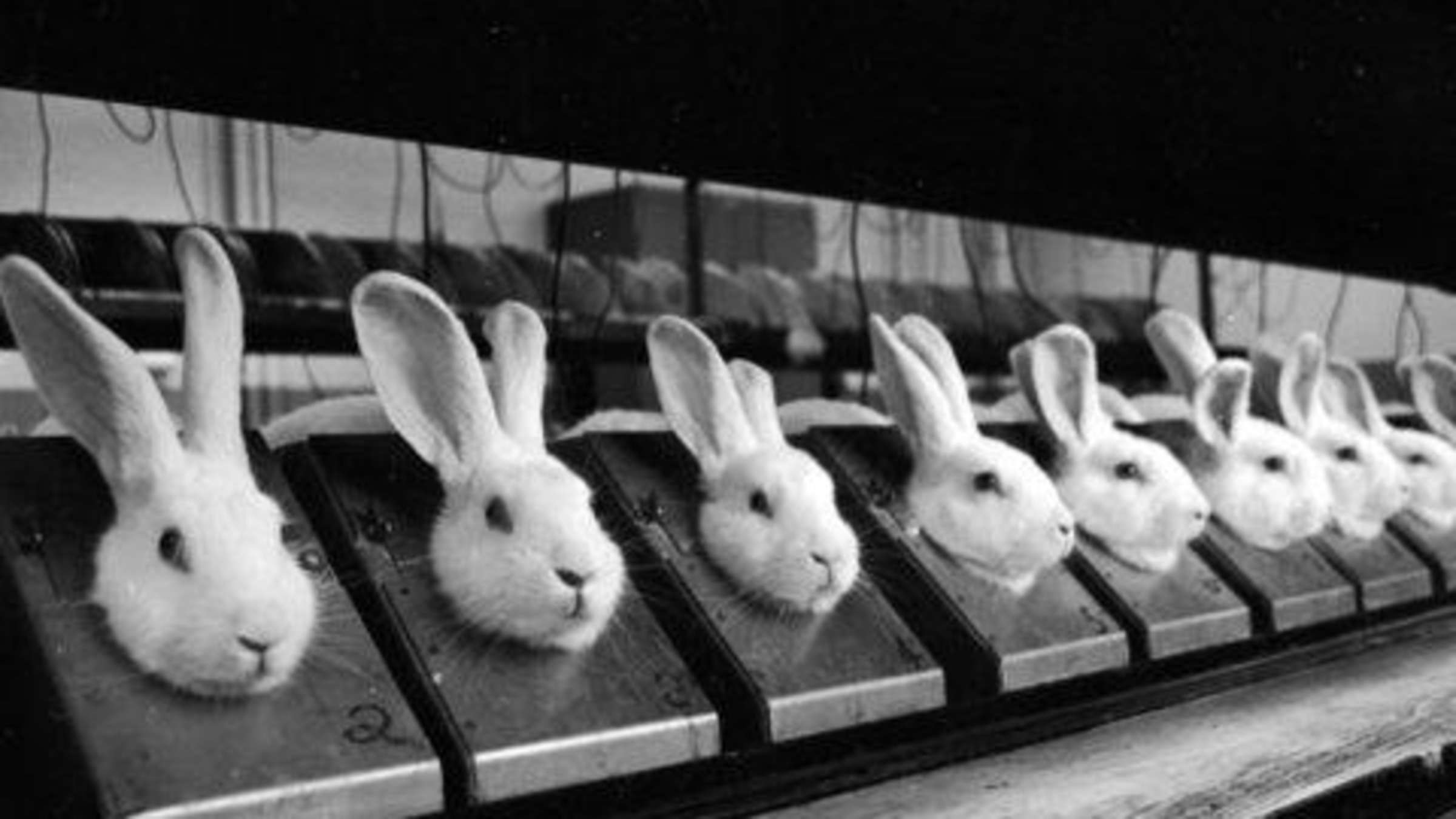
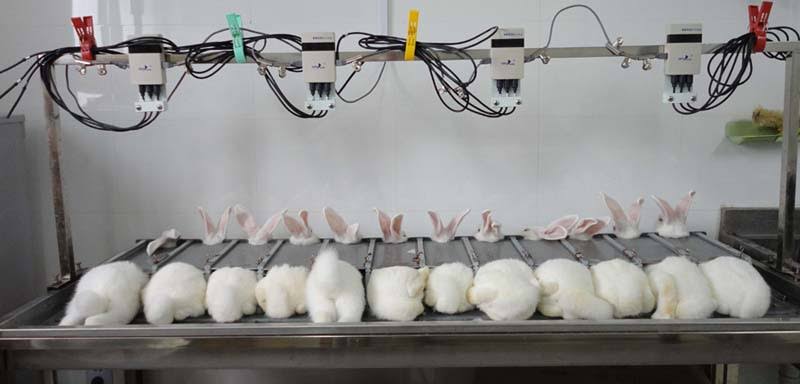
For this, rabbits are fixed in a small box in which they cannot move for several hours, and the test substance is injected into an ear vein. If they develop a fever, the production unit is not released for sale. After a certain “period of use”, the rabbits are killed.
In 2018, 6,291 rabbits were used in pyrogen tests nationwide. The numbers in the previous years were similarly high.
An animal-free method, the monocyte activation test (MAT), which works with human blood, was developed 30 years ago and internationally validated in 2005.
In 2010 he was included in the European Pharmacopoeia.
One company that carries out the rabbit test is the LS laboratory in Bad Bocklet in northern Bavaria, Germany. Here more than 82% of the rabbit tests in Germany are carried out.
It can no longer be accepted that even though an animal-free test method is recognized, thousands of rabbits still suffer and die for the pyrogen test in Germany alone.
The rabbit test must be deleted in the European Pharmacopoeia and the approval authorities must prohibit the test!
Comment and Information: A rabbit pyrogen test has been used since the 1940s. In this test, the rabbits are locked in full-body holders, then they are injected with a test substance into the blood and their body temperature is monitored. The possible effects on the animals range from fever to breathing problems to fatal shock.
Despite its long use, the rabbit pyrogen test has never been formally reliable to determine its reliability or relevance to humans. Rather, there are a number of well-documented drawbacks to this test, including significant differences in the sensitivity of the species and breed.
In the pharmaceutical industry, pyrogen determination is mandatory to prevent life-threatening fever reactions that can be caused by both microbial and non-microbial substances.
The monocyte activation test(MAT) was included in the European Pharmacopoeia(EP) in 2010 after the publication of international validations.
This test was developed as an alternative to animal-based methods and should offer a possibility to carry out pyrogen tests in a human in vitro system.
In addition, this determination can be carried out in vitro with greater speed and less expense than by animal experiments.
Despite all of these benefits, the Food and Drug Monitoring Agency (FDA) continues to rely on animal testing to assess the pyrogenic potential of new drugs and pharmaceuticals.
Animal testing is a waste of time and money, associated with a high risk of our health.
And with senseless cruelty to animals that exclude ethics and humanity.
Without animal testing, medicine would be much further, because animal testing is stopping medical progress because of its false results.
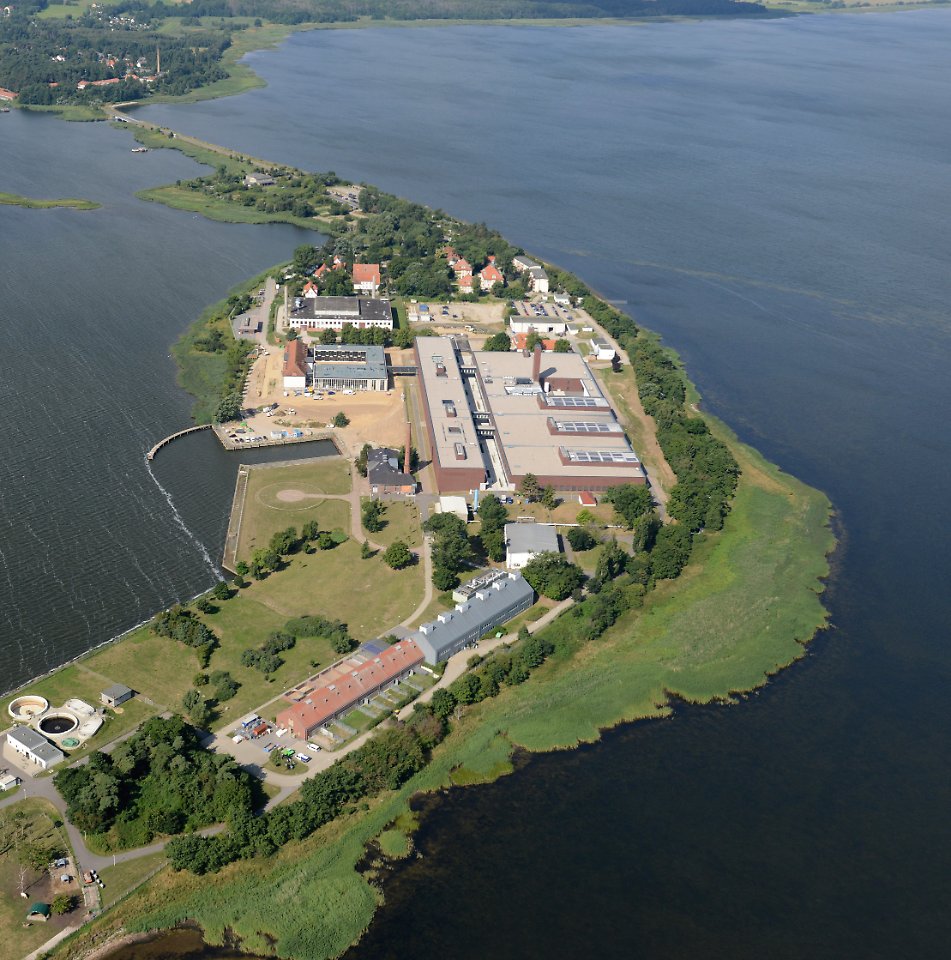
It is considered the most dangerous island in Germany: Riems has been researching animal diseases that can also threaten humans for more than 100 years. The Friedrich Loeffler Institute(FLI) high-security laboratory is located on the island, which lies in a foothill of the Baltic Sea, the Greifswalder Bodden, between Rügen and the mainland.
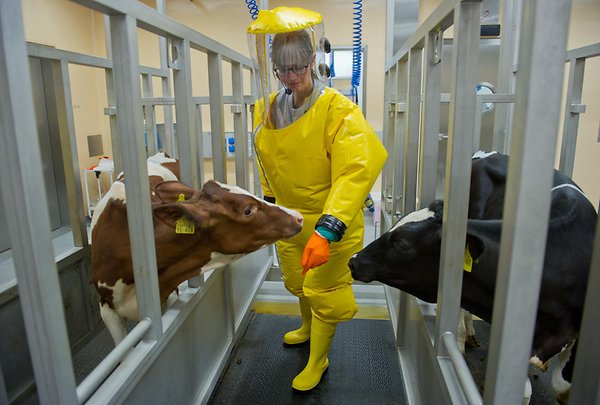
Researchers only enter high-security areas with overpressure suits
An employee of the Friedrich Löffler Institute checks the keeping of a calf in the research center of security level L4 on the island of Riems.
Nowhere in Europe are there similar laboratories and stables with the highest biosecurity level 4, in which large animals can be used to research pathogens that are highly dangerous for animals and humans.
The “Schweriner Volks Zeitung” (Local Newspaper) writes that comparable animal disease research facilities can only be found in Winnipeg in Canada and Geelong in Australia.
The scientists on Riems are investigating Crimean-Congo fever, Ebola, Sars, bird flu, and swine fever, for example. “The work of the FLI focuses on the health and well-being of farm animals and the protection of humans from zoonoses. H. infections that can be transmitted between animals and humans, ” says the website of the Federal Institute. For example, vaccines are also developed in laboratories (!!!)
In 2013, a new research complex was inaugurated on the island, which is connected to the mainland by a dam, which consists of 89 laboratories and 163 housing units.
At that time, the federal government invested around 300 million euros in the construction of the buildings.
The laboratories and research stables for cattle, pigs, or goats are equipped with self-sufficient ventilation and disposal systems. The specially trained researchers and zookeepers can only access the high-security areas with pressurized suits and locks.
She saws open her victims’ skulls then injects toxins to burn brain cells, or suctions out parts of the brain. She sews them back up then places them in a small cage that probably reeks of the previous victim’s fear.
She then deliberately provokes their worst fears, just to see how they’ll react.
When she’s through with them, she kills them.
She’s Elisabeth Murray, and she calls herself a scientist.
Her victims are monkeys. She gets millions of your tax dollars to keep repeating this horror.
PETA has obtained 43 hours of never-before-seen video of Murray’s twisted “emotional responsiveness” tests on dozens of monkeys at a National Institutes of Health(NIH) laboratory in Bethesda, Maryland.
The videos were recorded between February 2016 and November 2017.
Video of the undercover investigation by the British animal rights organization Cruelty-Free International at the Wickham Laboratory, Hampshire.
“The BUAV (today = Cruelty-Free International) has carried out an undercover investigation inside a major UK animal laboratory and discovered the ugly truth about botox animal testing.
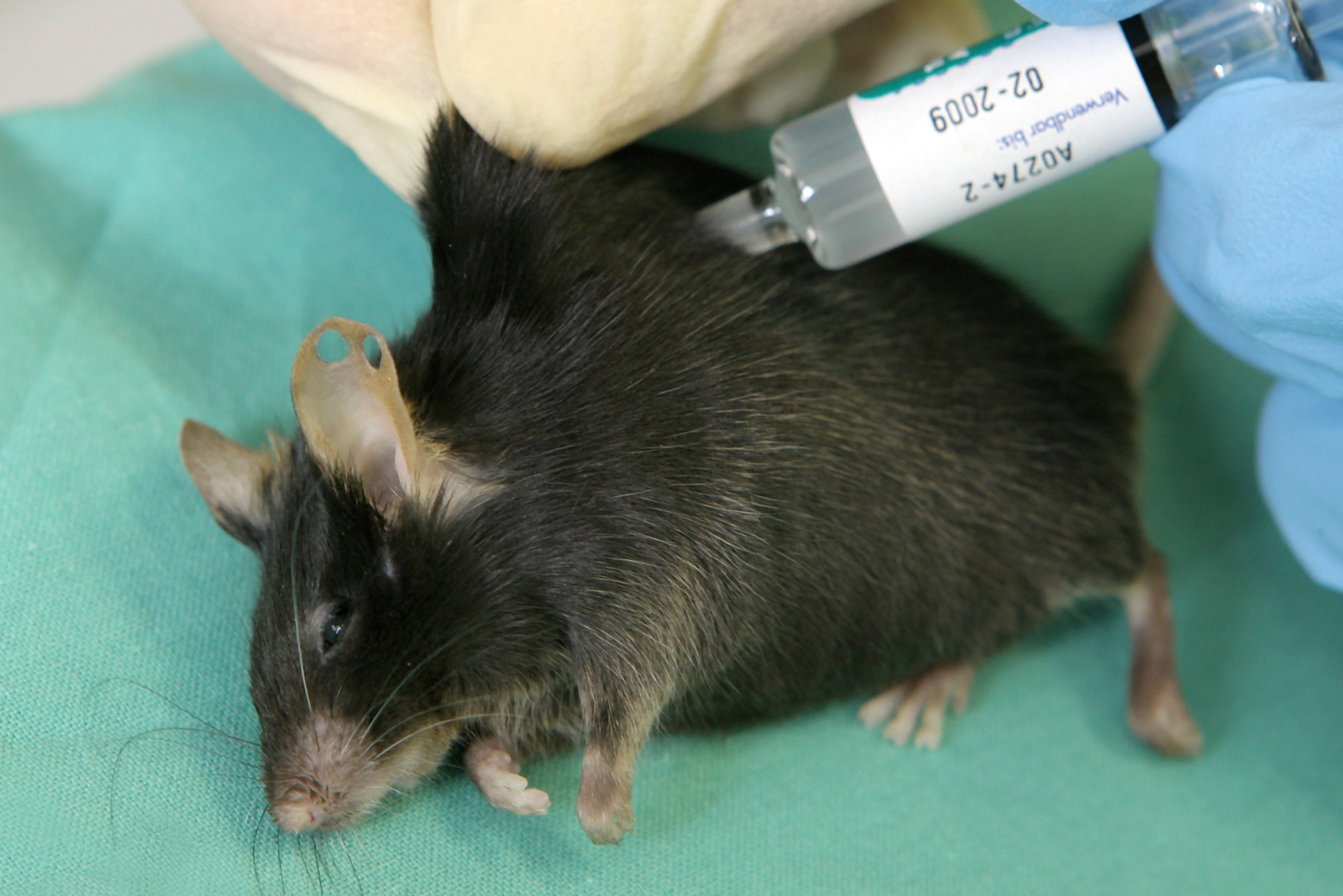
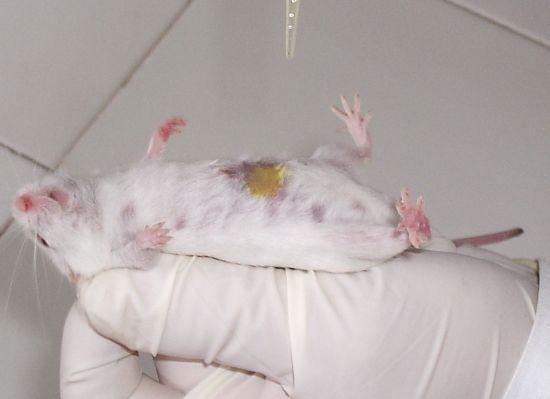
Our investigator found that at a lab in Hampshire around 74,000 mice a year are being subjected to cruel poisoning tests for botox. “
The Sloan Pharmacompany has its Botox preparation Neurobloc tested on 46,800 mice!
Protest directly at the company. We have prepared sample letters.
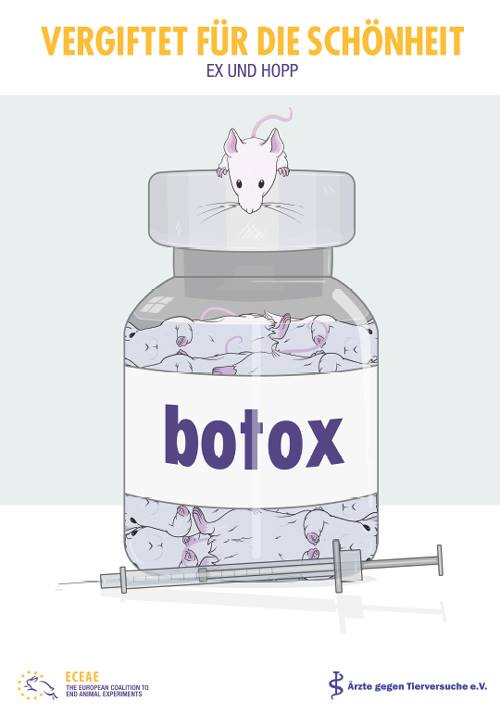
Botox is the trade name of one of the preparations from the neurotoxin botulinum toxin. The poison is used for medical, but mainly for cosmetic purposes.
A small injection and the wrinkles on the face have disappeared for a few months!!
But the price for youthful looks is still paid by thousands of mice – Europe alone at least 400,000 a year!
Botulinum toxin is the most potent poison. Because of its dangerousness, each production unit is tested in painful animal tests, the so-called LD50 test on mice, before it goes on sale.
With our campaign launched in 2007, we have achieved that the public is aware of these terrible animal experiments and that more and more manufacturers are switching to methods that do not use animal experiments.
 Animal experiment factory “Covance Laboratories GmbH” in Münster, Germany








 World Animals Voice