Month: February 2021

Sweden: Petition – BAN SWEDEN’S CRUEL AND DANGEROUS MINK FUR FARMS. Please Sign.

SIGN: Ban Sweden’s Cruel and Dangerous Mink Fur Farms
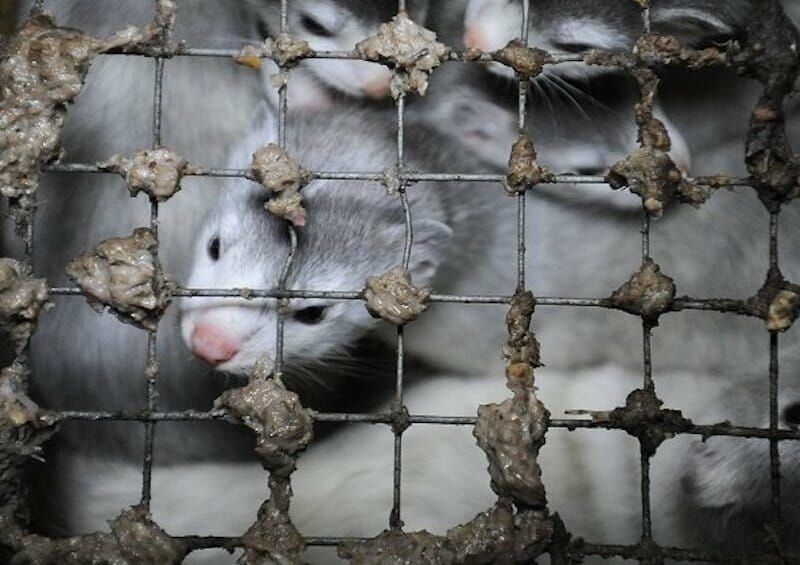
Image Credit: Jo-Anne McArthur

BAN SWEDEN’S CRUEL AND DANGEROUS MINK FUR FARMS

PETITION TARGET: Swedish Board of Agriculture

Deprived of their natural habitats, captively-bred mink languish on cruel fur farms in cramped, filthy cages from the day they’re born until the day they’re killed.

These solitary creatures pace restlessly, self-mutilate, and fight with their cage mates, all of which are telltale signs of severe psychological distress and trauma.

After a lifetime of cruel confinement and suffering, these defenseless mink are gassed, electrocuted, bludgeoned, or have their necks broken — all so their fur can be ripped from their bodies and manufactured into products.

Sweden — a major fur-producing country — has banned mink breeding until 2022 following COVID-19 outbreaks at mink farms throughout the world, joining a growing list of nations restricting the dangerous industry.

But the risk of zoonotic disease outbreak is always present at these farms, and a permanent ban is the only viable solution. For the sake of both animal welfare and public health, the torturous fur farming industry in Sweden must end.

Sign this petition urging the Swedish Board of Agriculture to permanently ban mink farming throughout the country.

Petition Link:  PETITION: Ban Dangerous Mink Farming in Sweden (ladyfreethinker.org)

Paris: City Hall closes the archaic bird market

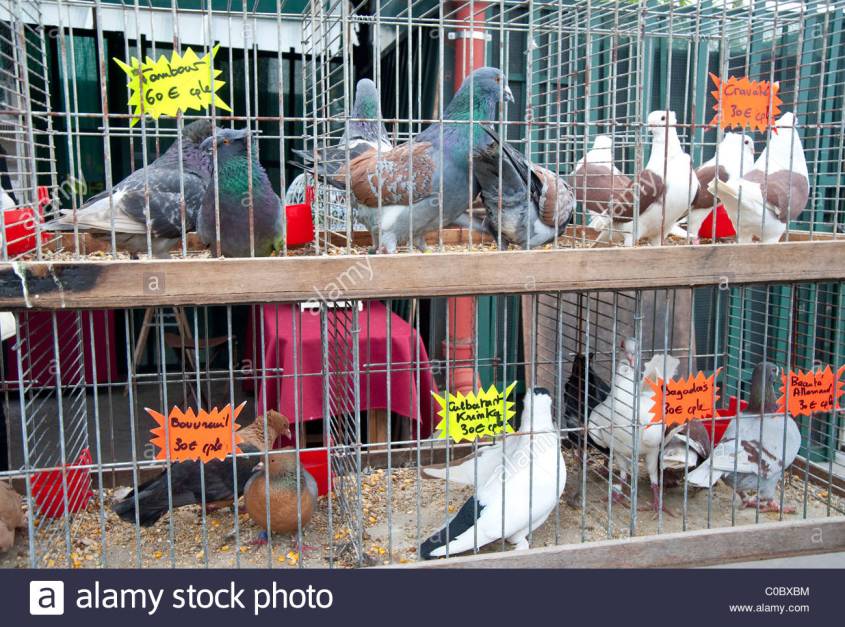
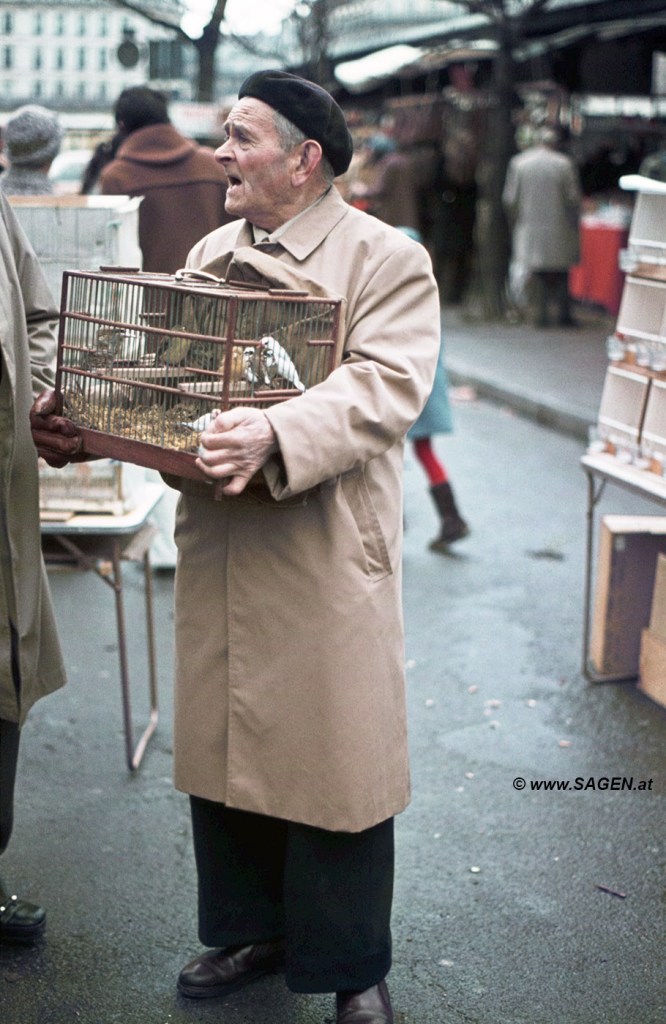
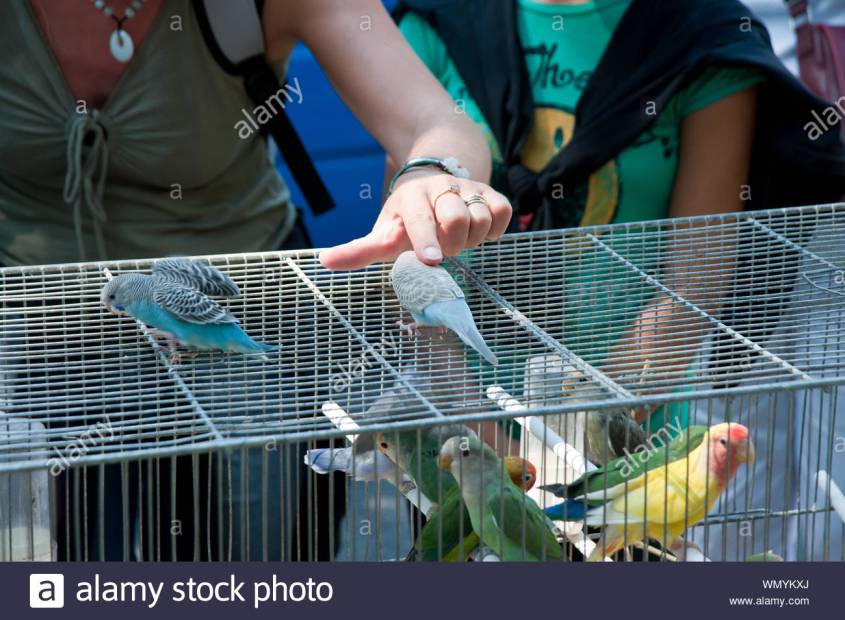
The Council of Paris voted to prohibit the sale of birds and other live animals, as the French capital’s famous bird market near Notre-Dame Cathedral faces closure over animal welfare concerns.

Paris-bird market

Paris City Hall made the decision as officials felt that the birds were being held in crowded conditions and that the animals’ needs and well-being were not being considered.

There were also concerns that the market, which dates back to the 19th century, encouraged the trafficking of birds.

Currently, 13 companies are licensed to operate at the market, with seven of those stalls selling birds, but city officials found that, in recent years, unlicensed street traders have apparently been using the site to peddle their illegal trade.

Paris-bird dealer

Animal welfare groups such as Paris Animaux Zooplis (PAZ) had called on officials to close the bird market, calling its existence “cruel and archaic”, with one petition securing 2,500 signatures from individuals who believed the animals were deprived “of their liberty and their most elementary behavior.”

The closure decision follows a Council of Paris vote in December that sought to renovate the market and improve its internal regulations, as well as a 2013 investigation by France’s National Hunting and Wildlife Office (ONCFS) that resulted in the arrest of seven people and the seizure of dozens of birds. Paris-bird market

The market is due to receive €5 million ($6.05 million) between 2023 to 2025 in renovation funds.

The local government in Paris has been working to address animal rights issues in the city, including banning the sale of kittens and puppies under the age of six months in pet shops from 2022 and prohibiting the use of live bait by anglers.

https://www.rt.com/news/515054-paris-city-hall-closes-bird-market/

And I mean…It looks like the animal dealers from Paris have looked at some examples from China.
But a country like France, with such a great history and culture, should no longer use the word “tradition” to justify animal cruelty.

In addition, Paris is not known and desired for its bird market, but for its rich cultural and social life.

The government is to be commended for this decision.
Any market that holds living beings in cages to sell them as goods is a medieval tradition and no longer fits in a civilized society

No matter where it happens in this world.

My best regards to all, Venus

USA: Behind That Green Mask.

This article by Robert F. Kennedy Jr is a profoundly wise and impeccably researched (and referenced) exposé of how the corporate takeover of our food and farming sector is facilitated by Bill Gates’s billions. Robert F Kennedy Jr. is an American environmental lawyer, activist, and author. Kennedy is the son of Robert F. Kennedy and the nephew of former U.S. president John F. Kennedy. He is the president of the board of Waterkeeper Alliance, a non-profit environmental group that he helped found in 1999, and is the chairman of Children’s Health Defense, an anti-unsafe vaccine advocacy group.

If your time is short and just want a taste of what the article holds read below;

Gates has a Napoleonic concept of himself, an appetite that derives from power and unalloyed success, with no leavening hard experience, no reverses.” — Judge Thomas Penfield Jackson, presiding judge in the Gates/Microsoft antitrust-fraud case

For a man obsessed with monopoly control, the opportunity to also dominate food production must seem irresistible.

According to the newest issue of The Land Report, Gates has quietly made himself the largest owner of farmland in the United States. Gates’ portfolio now comprises about 242,000 acres of American farmland and nearly 27,000 acres of other land across Louisiana, Arkansas, Nebraska, Arizona, Florida, Washington and 18 other states.

Thomas Jefferson believed that the success of America’s exemplary struggle to supplant the yoke of European feudalism with a noble experiment in self-governance depended on the perpetual control of the nation’s land base by tens of thousands of independent farmers, each with a stake in our democracy.

So at best, Gates’ campaign to scarf up America’s agricultural real estate is a signal that feudalism may again be in vogue. At worst, his buying spree is a harbinger of something far more alarming — the control of global food supplies by a power-hungry megalomaniac with a Napoleon complex.

Let’s explore the context of Gates’ stealth purchases as part of his long-term strategy of mastery over agriculture and food production globally.

Beginning in 1994, Gates launched an international biopiracy campaign to achieve vertically integrated dominion over global agricultural production. His empire now includes vast agricultural lands and hefty investments in GMO crops, seed patents, synthetic foods, artificial intelligence including robotic farm workers, and commanding positions in food behemoths including Coca-Cola, Unilever, Philip Morris (Kraft, General Foods), Kellogg’s, Procter & Gamble and Amazon (Whole Foods), and in multinationals like Monsanto and Bayer that market chemical pesticides and petrochemical fertilizers.

As usual, Gates coordinates these personal investments with taxpayer-subsidised grants from the Bill & Melinda Gates Foundation, the richest and most powerful organisation in all of international aid, his financial partnerships with Big Ag, Big Chemical, and Big Food, and his control of international agencies — including some of his own creation — with awesome power to create captive markets for his products.

Former Secretary of State Henry Kissinger, a protégé and partner to David Rockefeller, observed that, “Who controls the food supply controls the people.” In 2006, the Bill & Melinda Gates and Rockefeller Foundations launched the $424 million Alliance for a Green Revolution in Africa (AGRA) promising to double crop productivity and boost incomes for 30 million small farmers by 2020 while cutting food insecurity in half.

Characteristically, Gates’ approach to global problems put technology and his chemical, pharmaceutical and oil industry partners at the center of every solution. As it turned out, Gates’ “innovative strategy” for food production was to force America’s failed system of GMO, chemical and fossil fuel-based agriculture on poor African farmers.

African agricultural practices have evolved from the land over 10,000 years in forms that promote crop diversity, decentralisation, sustainability, private property, self-organisation and local control of seeds. The personal freedom inherent in these localised systems leaves farm families making their own decisions: the masters on their lands, the sovereigns of their destinies. Continuous innovation by millions of small farmers maximised sustainable yields and biodiversity.

In his ruthless reinvention of colonialism, Gates spent $4.9 billion dollars to dismantle this ancient system and replace it with high-tech corporatised and industrialised agriculture, chemically dependent monocultures, extreme centralisation and top-down control. He forced small African farms to transition to imported commercial seeds, petroleum fertilizers and pesticides.

Gates built the supply chain infrastructure for chemicals and seeds and pressured African governments to spend huge sums on subsidies and to use draconian penalties and authoritarian control to force farmers to buy his expensive inputs and comply with his diktats. Gates made farmers replace traditional nutritious subsistence crops like sorghum, millet, sweet potato and cassava with high-yield industrial cash crops, like soy and corn, which benefit elite commodity traders but leave poor Africans with little to eat. Both nutrition and productivity plummeted. Soils grew more acidic with every application of petrochemical fertilizers.

As with Gates’ African vaccine enterprise, there was neither internal evaluation nor public accountability. The 2020 study “False Promises: The Alliance for a Green Revolution in Africa (AGRA)” is the report card on the Gates’ cartel’s 14-year effort. The investigation concludes that the number of Africans suffering extreme hunger has increased by 30 percent in the 18 countries that Gates targeted. Rural poverty has metastasised dramatically, and the number of hungry people in these nations has risen to 131 million.

Under Gates’ plantation system, Africa’s rural populations have become slaves on their own land to a tyrannical serfdom of high-tech inputs, mechanisation, rigid schedules, burdensome conditionalities, credits and subsidies that are the defining features of Bill Gates’ “Green Revolution.

Biopiracy

A nation that destroys its soils destroys itself.” — President Franklin D. Roosevelt’s letter to all state governors, February 1937

Long experience and research have shown that agroecology based on biodiversity, Seed Freedom and Food Freedom is essential not just to civil liberties and democracy, but to the future of food and farming.

For thousands of years, farmers’ innovation and biodiversity evolved together to create the most efficient practices for sustainable food production and biodiversity. The United Nations’ seminal 2009 study by the International Assessment of Agricultural Knowledge, Science and Technology for Development (IAASTD) documents the incontrovertible evidence demonstrating the abject failure of the Gates/Rockefeller “Green Revolution” to improve on traditional agriculture.

IAASTD deployed a team of 900 leading scientists, agronomists, and researchers to study the issue of world hunger. Their comprehensive and definitive report showed that GMO crops are not the answer to food shortfalls or rural poverty. That report definitively concludes that neither Gates’ Green Revolution nor his GMOs can feed the world and at the same time protect the planet.

You will not be disappointed by the amount you will learn if you read the entire brilliant article.

Best wishes,

Tracy Worcester, Director
farmsnotfactories.org – England UK

UK: UK Government Rejects Calls For A ‘Meat Tax’ To Fight Against Carbon Emissions – Who Pressures Who, We Ask ?

UK Government Rejects Calls For A 'Meat Tax' To Fight Against Carbon Emissions
‘We will not be imposing a meat tax on the great British banger or anything else’ Credit: Adobe. Do not use without permission.


UK Government Rejects Calls For A ‘Meat Tax’ To Fight Against Carbon Emissions

A senior No10. official has said the meat tax is ‘not going to happen’ – despite the UK’s ‘ambitious’ climate targets…

WAV Comment – We wonder where this pressure has come from ? – all the facts show the British public are changing to a plant based diet in a big way and are very much ‘eco informed and supportive’.  Could it be once again that as always; money talks, and the meat industry will get what it wants regardless ?

The UK government has rejected calls for a ‘meat tax’ as a way to fight against carbon emissions. 

Prime Minister Boris Johnson has been under increasing pressure to up the price of meat due to its environmental impact.

The government has also been told meat and dairy should ‘take their place alongside tobacco, alcohol, sugar, and fuel. All of which are taxed because of their negative impact on human health or the environment’.

‘Not going to happen’

However, according to the Evening Standard, a senior No10. official recently said: “This is categorically not going to happen.

UK Meat tax

Last year, vegan charity PETA urged the UK to implement a meat and dairy tax to ‘lessen the economic fallout after COVID-19 and combat the climate crisis’.

The organization wrote a letter to Chancellor of the Exchequer Rishi Sunak. It suggests revenue from such a tax could ease the burden on the NHS. Moreover, the letter says the move will help farmers transition away from meat and dairy to more climate-friendly arable ventures.

Dawn Carr is PETA ‘sdirector of vegan corporate projects. She said: “We must heed the Committee on Climate Change’s call for meat and dairy consumption to be cut down and act on the United Nations’ recommendation that national governments introduce a tax on meat.“The resulting tax revenue could be used to help meat and dairy farmers make the transition into healthier, more sustainable crop farming at a time when the plant-based food market is booming.”

UK climate targets

The push for a meat tax comes shortly after Johnson’s pledge to slash greenhouse gas emissions by more than two-thirds in the next decade.

The politician described the targets as ‘ambitious’. However, he says they are necessary to set the country ‘on course to hit net zero by 2050’.

He said, in comparison with 1990, there will be a decrease of 68 percent in annual carbon emissions by 2030.

UK Government Rejects Calls For A ‘Meat Tax’ To Fight Against Carbon Emissions | Plant Based News

Must See Documentaries of 2020 – Supplied By Stacey at ‘Our Compass’.

As always; we had a great link through from Stacey at ‘Our Compass’.

In her latest message to us, there is a lot of info, from glimpses into the world of farm investigations to a prediction of the state of the world in 30 years’ time, a round-up our pick of short films and documentaries that came out in 2020.

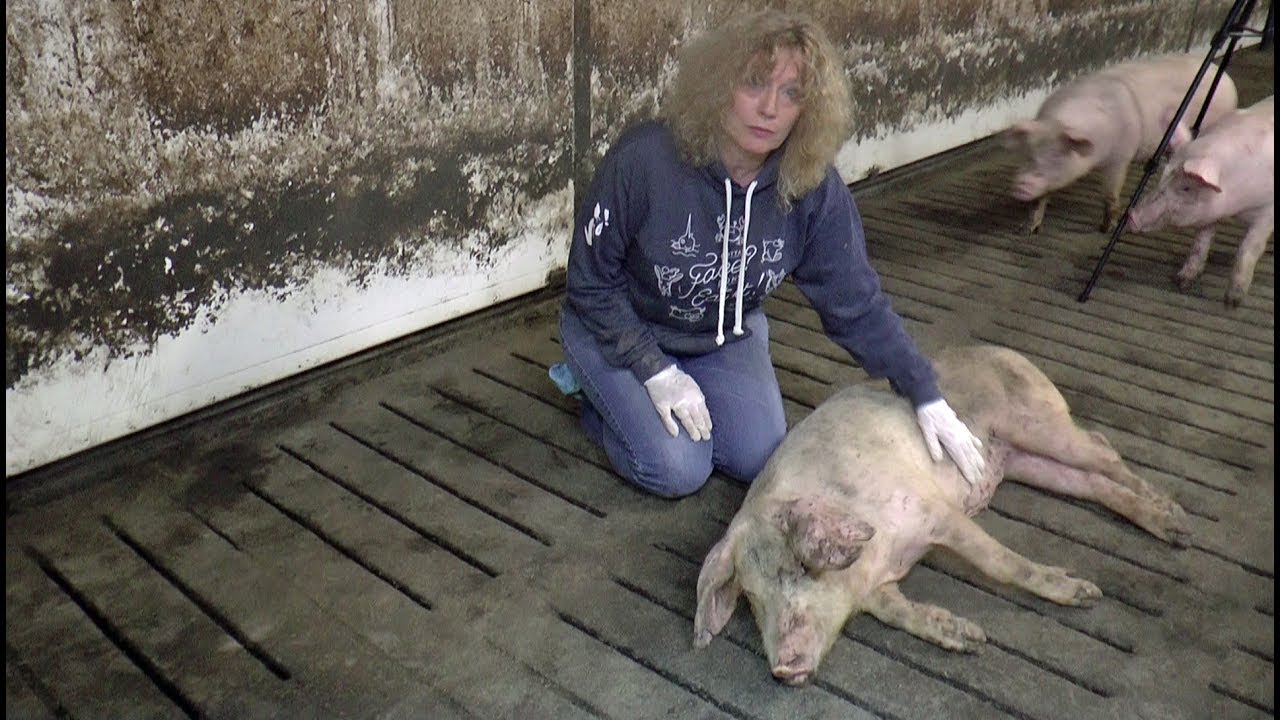
I think as there are a lot of links; rather than download everything, we will send you over to Stacey’s site so that you can get everything you need directly.  One of the videos relates to ‘Hogwood’, which we (in England) are very familiar with as a campaign by Viva! regarding actions against a pig facility.

Here is the link to Stacey at ‘Our Compass’; followed by an overall link (which is then sub divided) to the issue of Hogwood that we have done in the past.

Thanks Stacey as always;

Regards Mark

Our Compass Link – Must see documentaries of 2020.

Surge: Our Must-See Documentaries from 2020 | Our Compass (our-compass.org)

Here is the overall link to all our Hogwood posts – take your pick of the posts !

Search Results for “Hogwood” – World Animals Voice

Image result for hogwod

Image result for hogwod

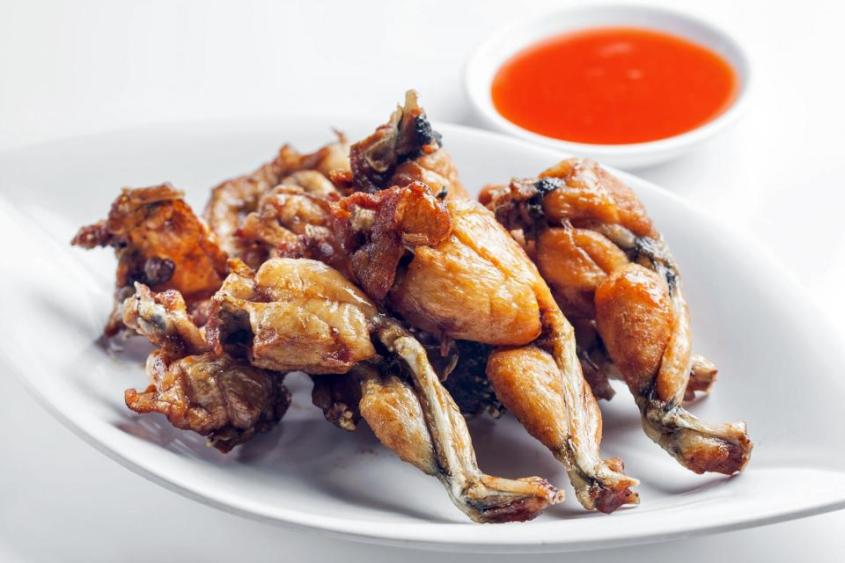
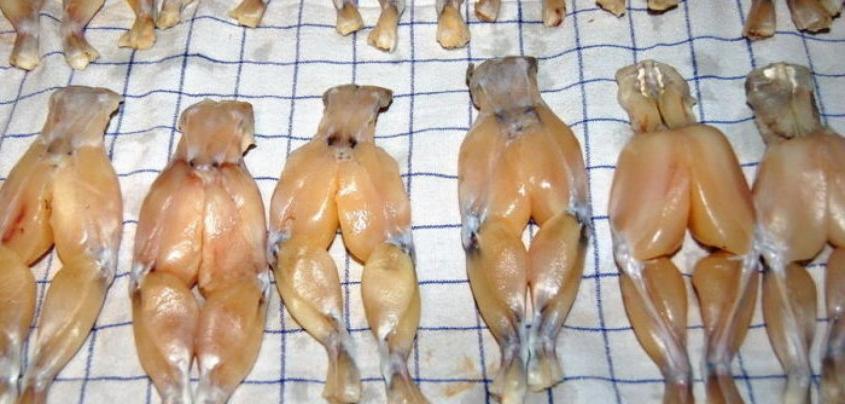
Protect the European frogs, grill the Indonesian

The EU imports 4,600 tonnes of frogs’ legs from Indonesia every year – this corresponds to 100-200 million frogs.

In the 1980s, frogs ‘legs fell into disrepute: At that time, images from India and Bangladesh caused horror, showing how cruelly frogs’ legs were chopped off.

In 1985, on the initiative of Germany, the two most traded species at the time were placed under the protection of the Washington Convention on Species Protection – and the topic disappeared from the headlines. First…

Indonesia’s frogs are disappearing

However, Pro Wildlife wanted to know whether this problem has really been resolved.
Our research came to light: Together with the US associations Defenders of Wildlife and Animal Welfare Institute, Pro Wildlife published the study “Canapés to Extinction”, which shows that the problem has shifted from India and Bangladesh to Indonesia.


Since then, up to 200 million frogs have been caught there every year from rice fields and ponds for export to the EU – with fatal consequences for nature: The frogs are becoming increasingly rare, they are missing as insect and pest control agents.

200 million frogs would annually exterminate up to 800,000 tons of insects, snails, and other agricultural pests – if they weren’t caught, killed, frozen, and shipped to Europe.
In this way, however, the use of pesticides in Indonesia is increasing, the water bodies are becoming more and more polluted – with negative consequences for biodiversity as well as humans.

The EU must finally act!
The EU is and remains the sad leader in frog extermination – above all France, Belgium, and Holland.

Continue reading “Protect the European frogs, grill the Indonesian”

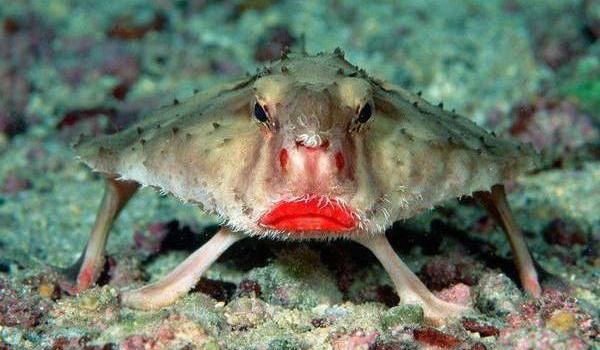
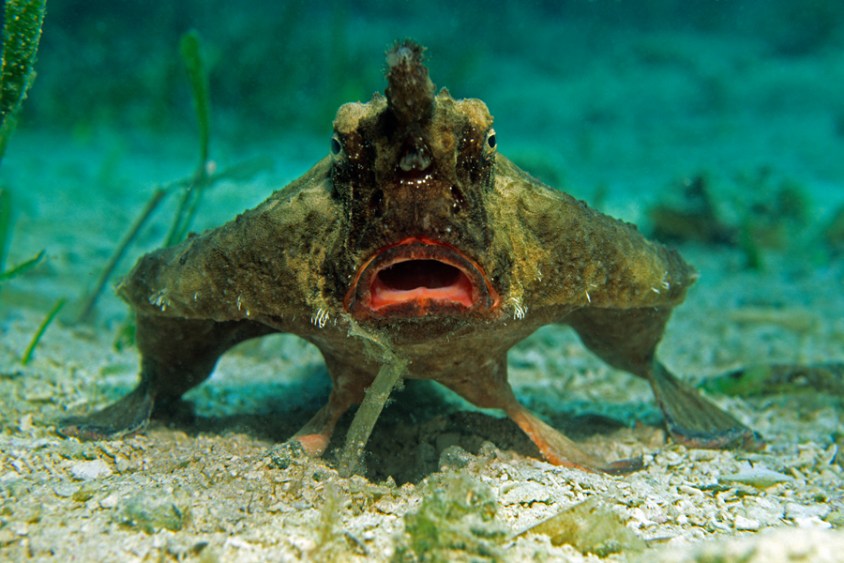
The sea bat with the red lips

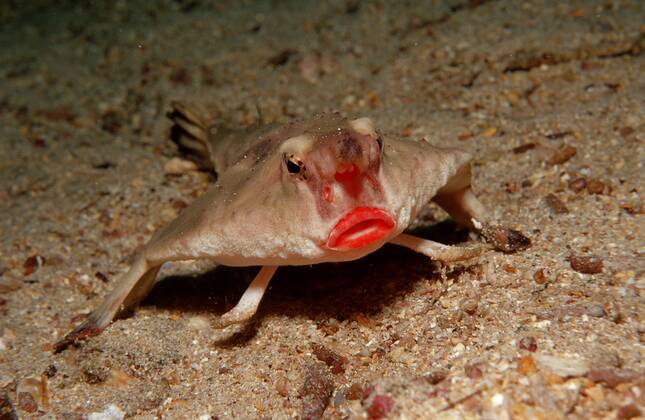
The red-lipped sea bat is an arm-fin fish with arm-like pectoral fins.

This bony fish is native to the Caribbean, the West Atlantic, and around the Galapagos Islands because it prefers shallow waters.
You can find this bat at a depth between 3 and 76 m.
It lives on coasts and estuaries, generally in the sandy bottoms of the reefs.

Copyright: imago/OceanPhoto

This fish has a maximum length of 20 to 40 centimeters.

Its triangular shape makes the fish’s body and head look like they’ve been crushed.
It has a large head and its body is covered in scales, hair, and bumps.

The lower part of the body is light, the upper part is dark to camouflage yourself from possible predators.
So it can be mistaken for the color of the seabed.

The bright red lips are very characteristic.
It is believed that these are used for sexual attraction within the species.

The lips have a downward curve on the sides, so the red-lipped sea bat always looks upset.
Despite being an aquatic animal, this sea bat is not a great swimmer.
It crawls awkwardly across the ocean floor with its pectoral fins.

These animals are carnivores, they feed on other small fish.
Marine invertebrates such as crustaceans and mollusks are also part of their diet.
According to the IUCN, the red-lipped sea bat is not endangered.
It owes this to its habitat because the seabed has been spared the direct influence of humans.

And I mean…With such sensual lips, there are definitely no mating problems under these species!

regards and good night, Venus

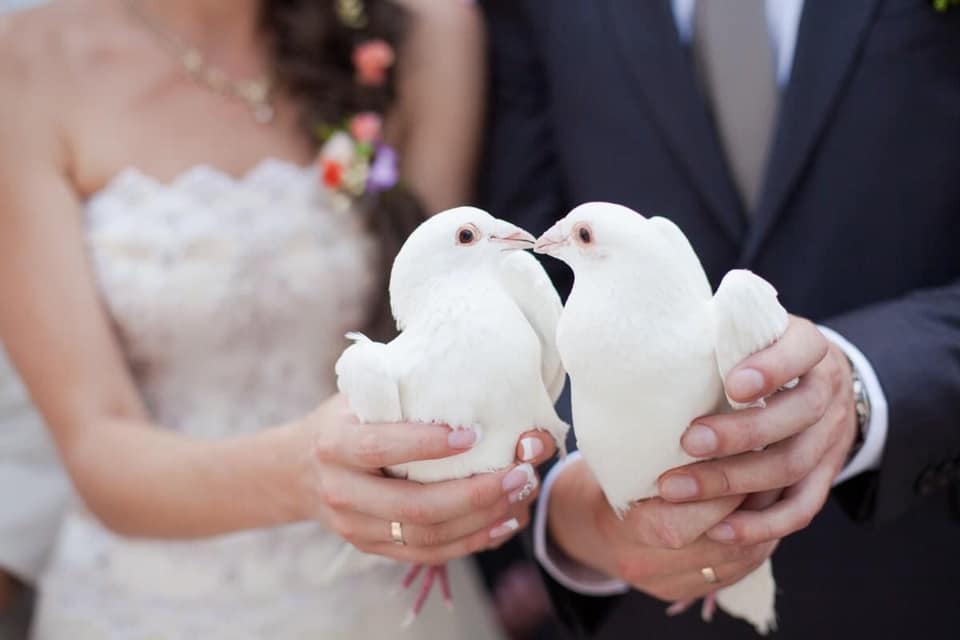
“The last Kiss”

This could be the title of this photo of the two wedding doves because it is very likely that it will actually be their last!

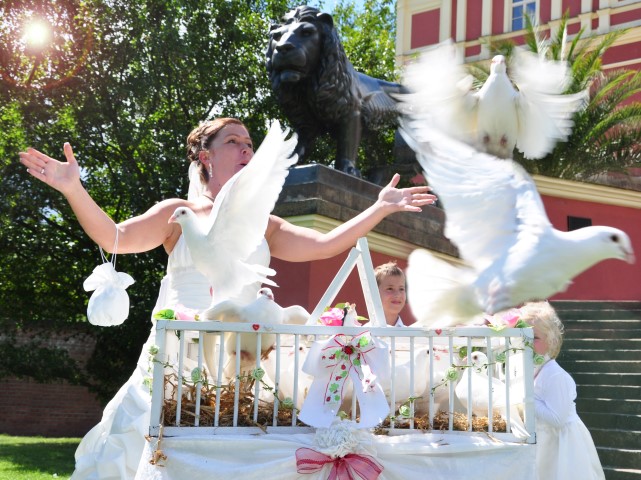
Why? you ask yourself, the little animals were released for the wedding spectacle in freedom!!
We will explain it to you briefly:

Wedding doves, white doves or doves of peace, whatever you may call them, are raised by breeders just for that one day when they are supposed to offer an unforgettable spectacle to a wedding party and a wedding couple, as a symbol of eternal loyalty of the bride and groom!

But nobody sees the suffering behind it!

First comes the rearing!
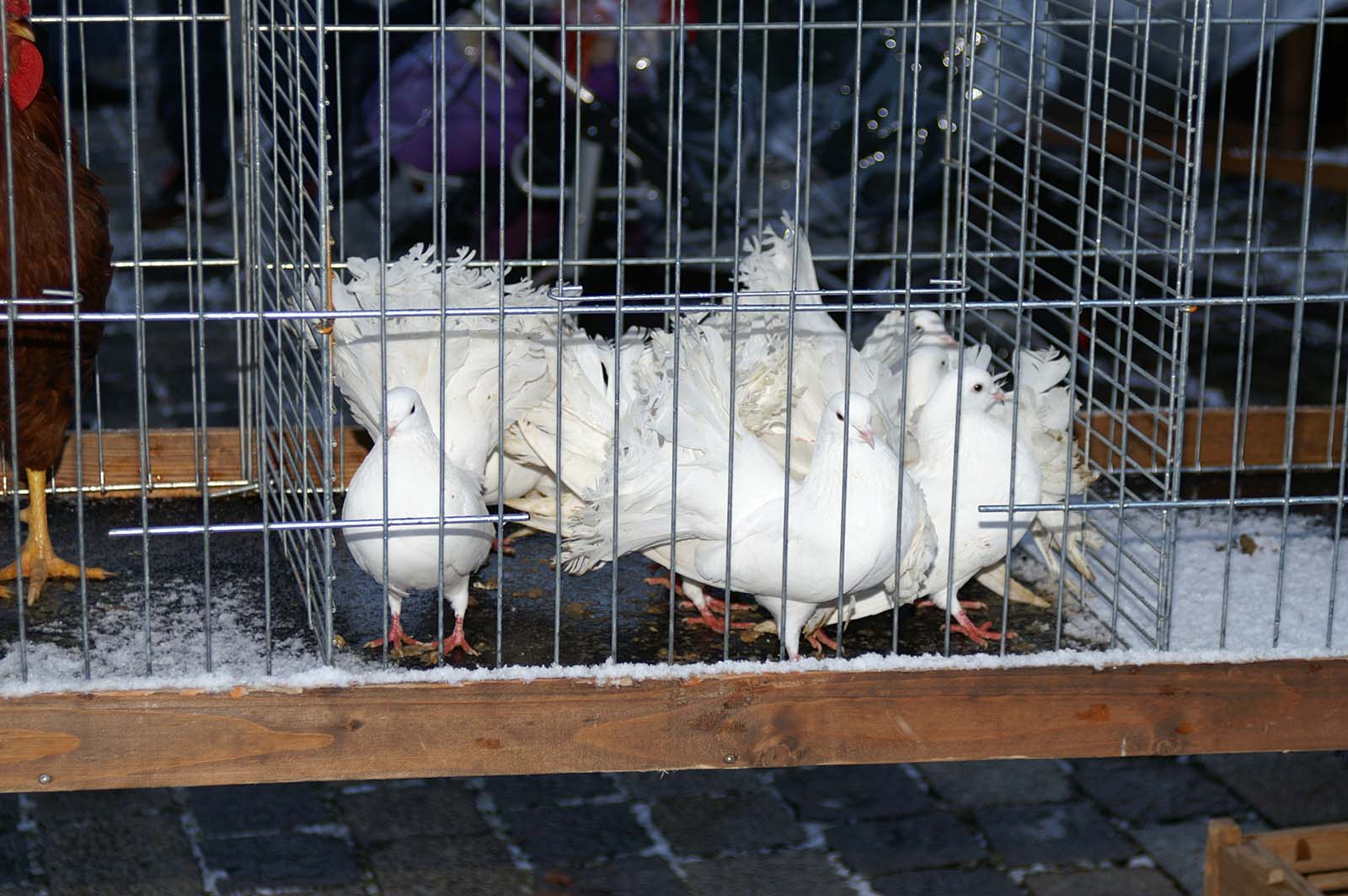
This is done by default in absolute captivity, to small cages and isolation from the outside world!
Until the big day when they are supposed to serve as symbols for unsuspecting lovers!
The merciless breeder, who normally already knows about the fate of his pigeons, is of course silent out of greed for profit!

The animals are sold to the wedding couple for the wedding ceremony as a token of their eternal loyalty and then released into the air (and apparently) in their freedom!

 And this is exactly where the real martyrdom begins!

These wonderful birds are missing something that city pigeons possess, namely urban survival instinct!

They fly away and due to the lack of orientation, because they were previously only kept in cages, they will lose themselves and from this moment their death throes begin.
They know neither other people than their propagator, nor the environment and other animals!
The impressions that are now offered to them will deeply disturb them, but they will remain trusting!
This can be fatal for them in two ways!

Continue reading ““The last Kiss””